Paddy straw mushroom
Volvariella volvacea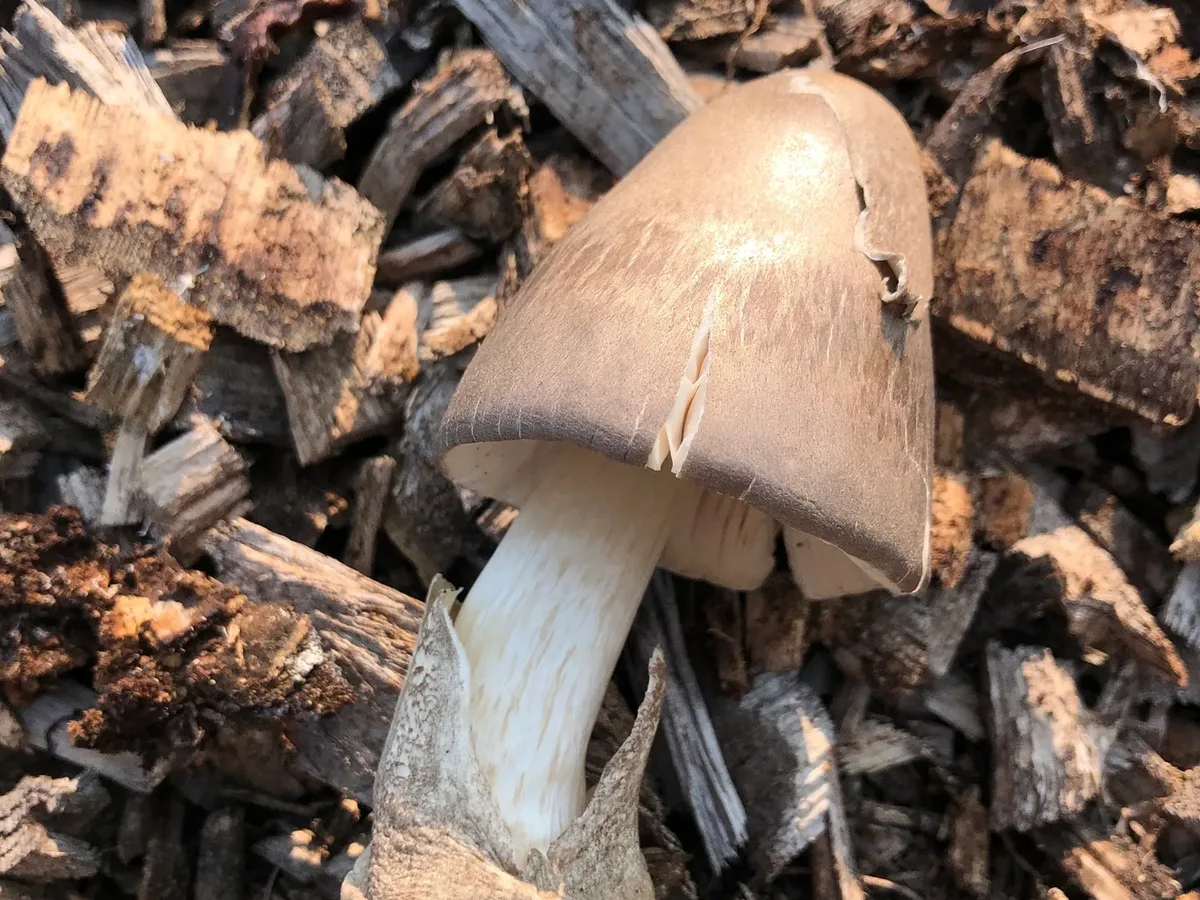 © Samuel Frankel (CC BY 4.0)
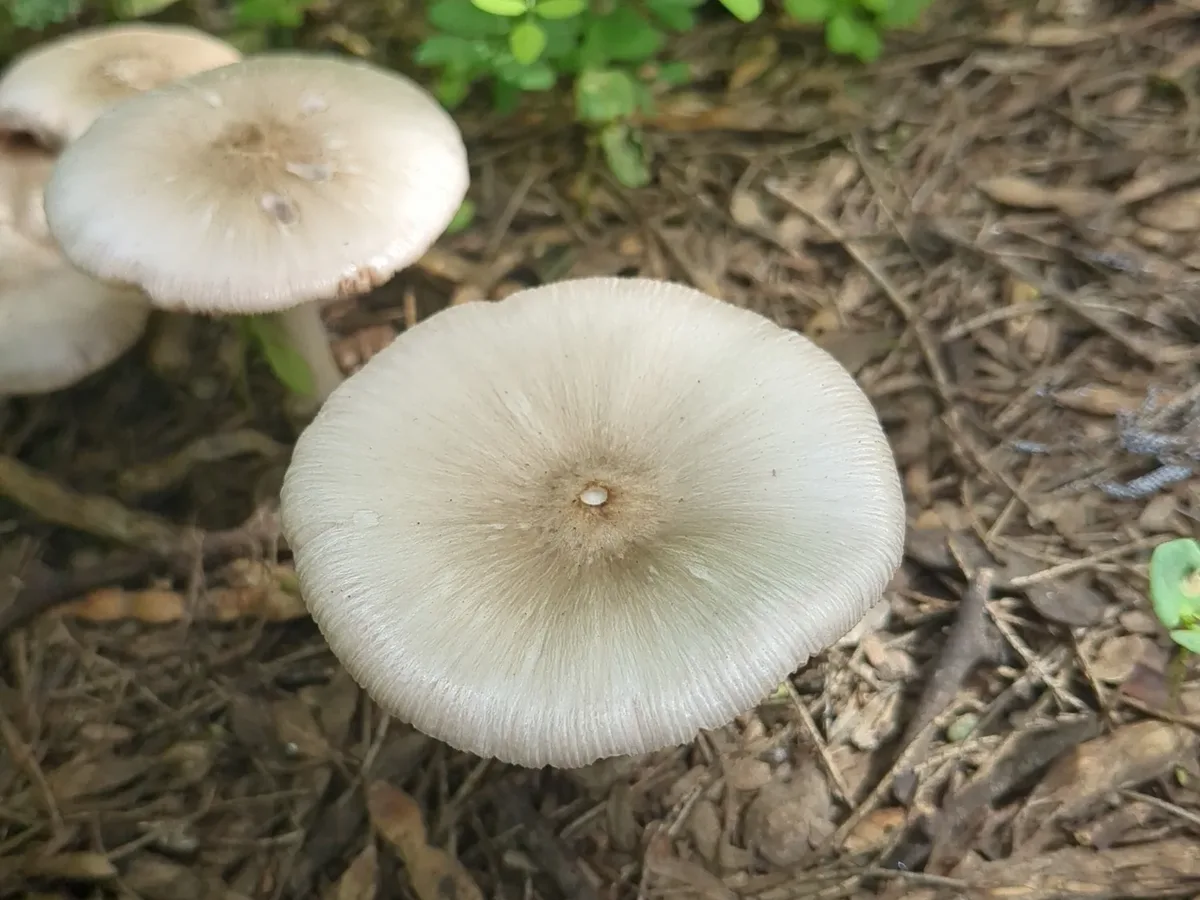 asivitskis (CC0)
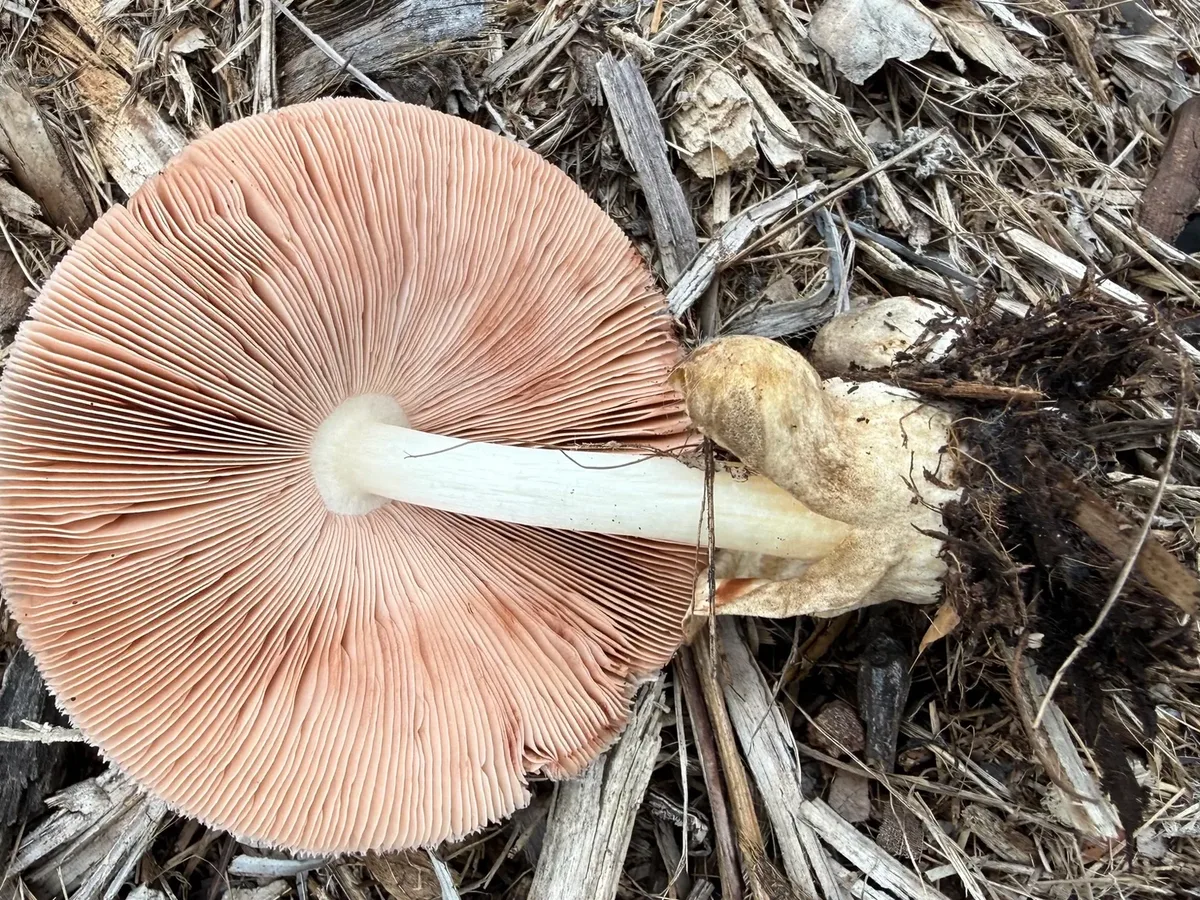 © Tara Severns (CC BY)
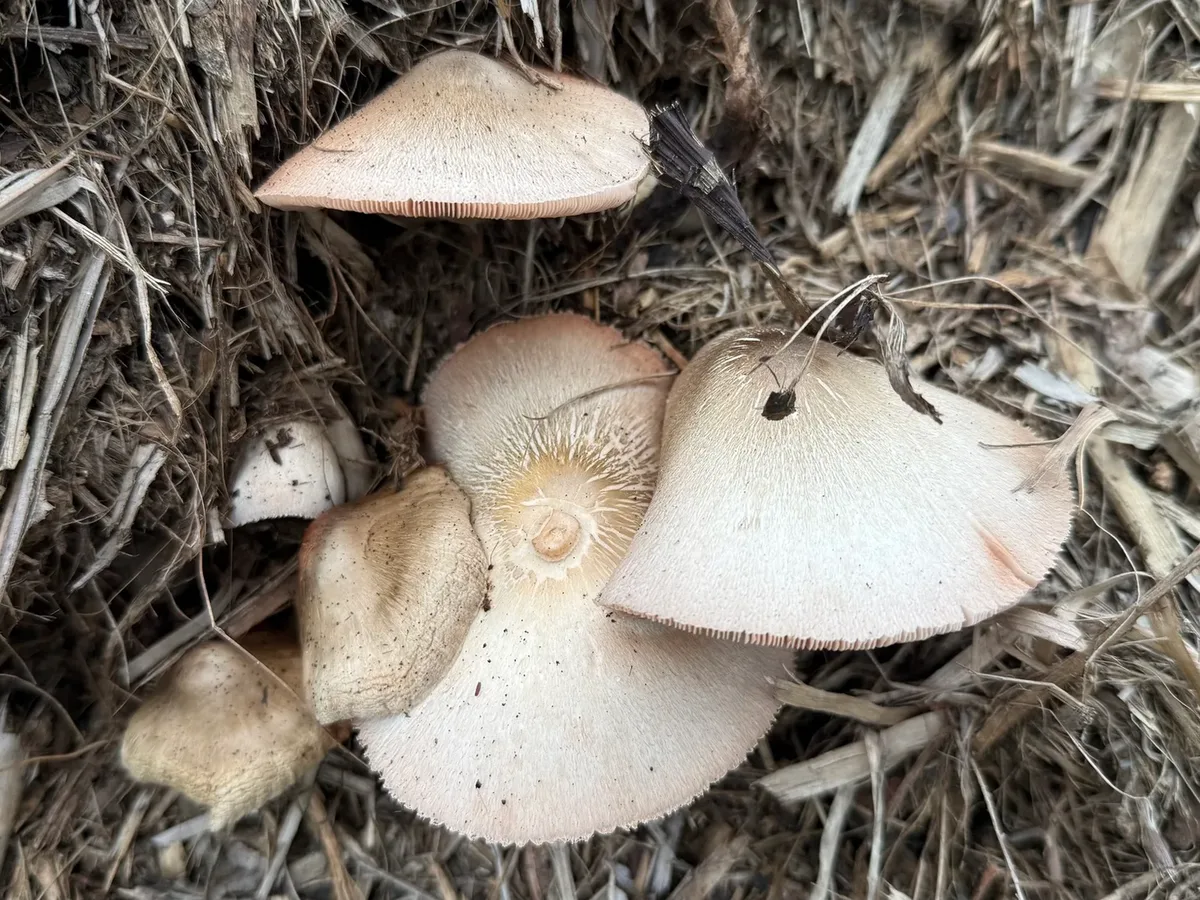 © Tara Severns (CC BY)
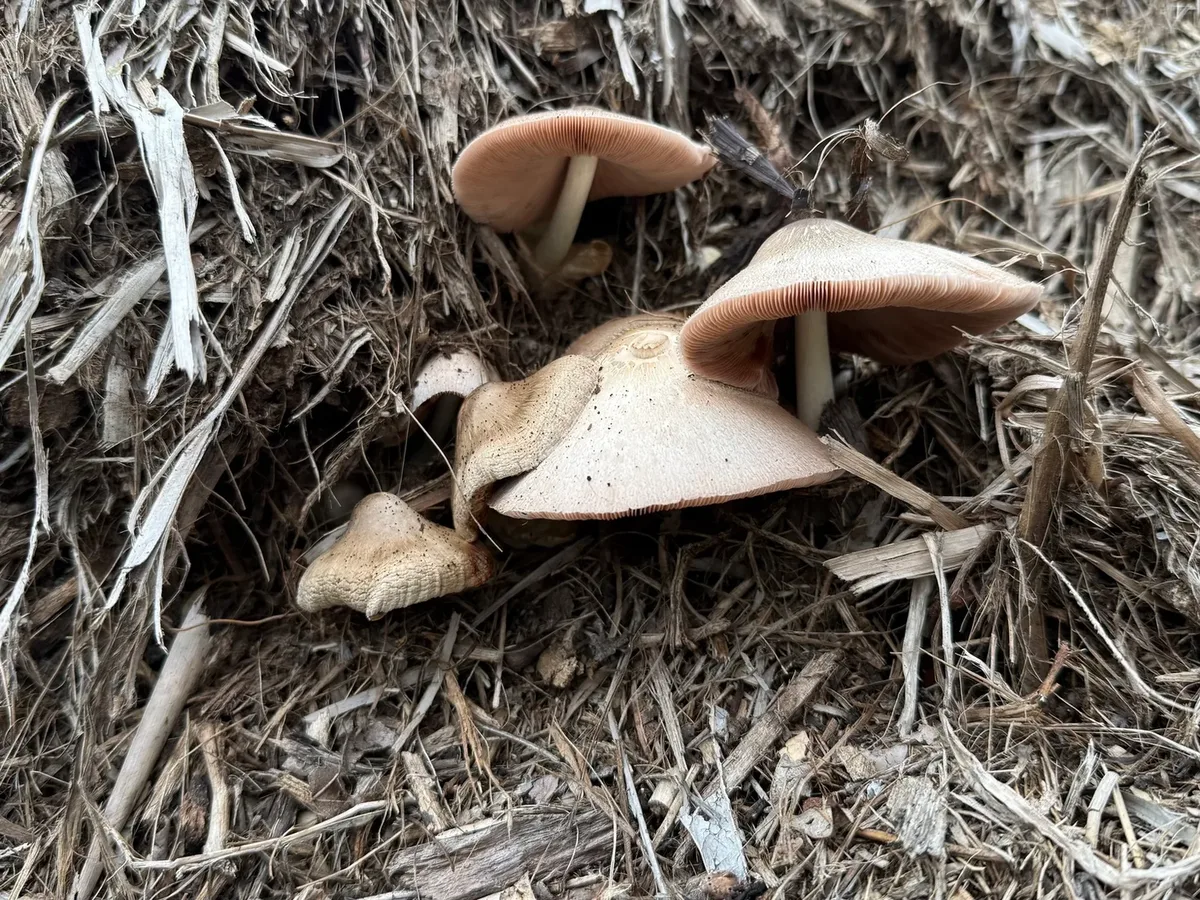 © Tara Severns (CC BY)
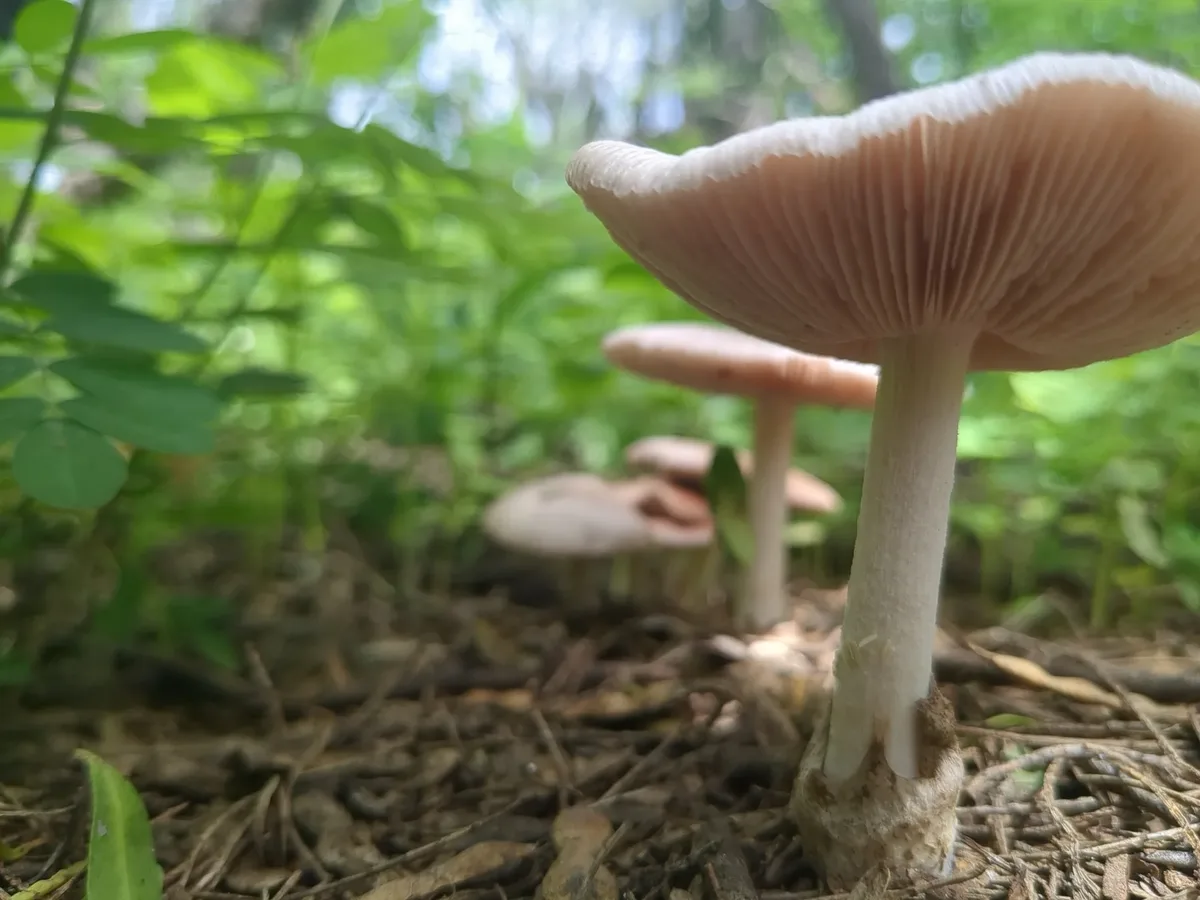 asivitskis (CC0)
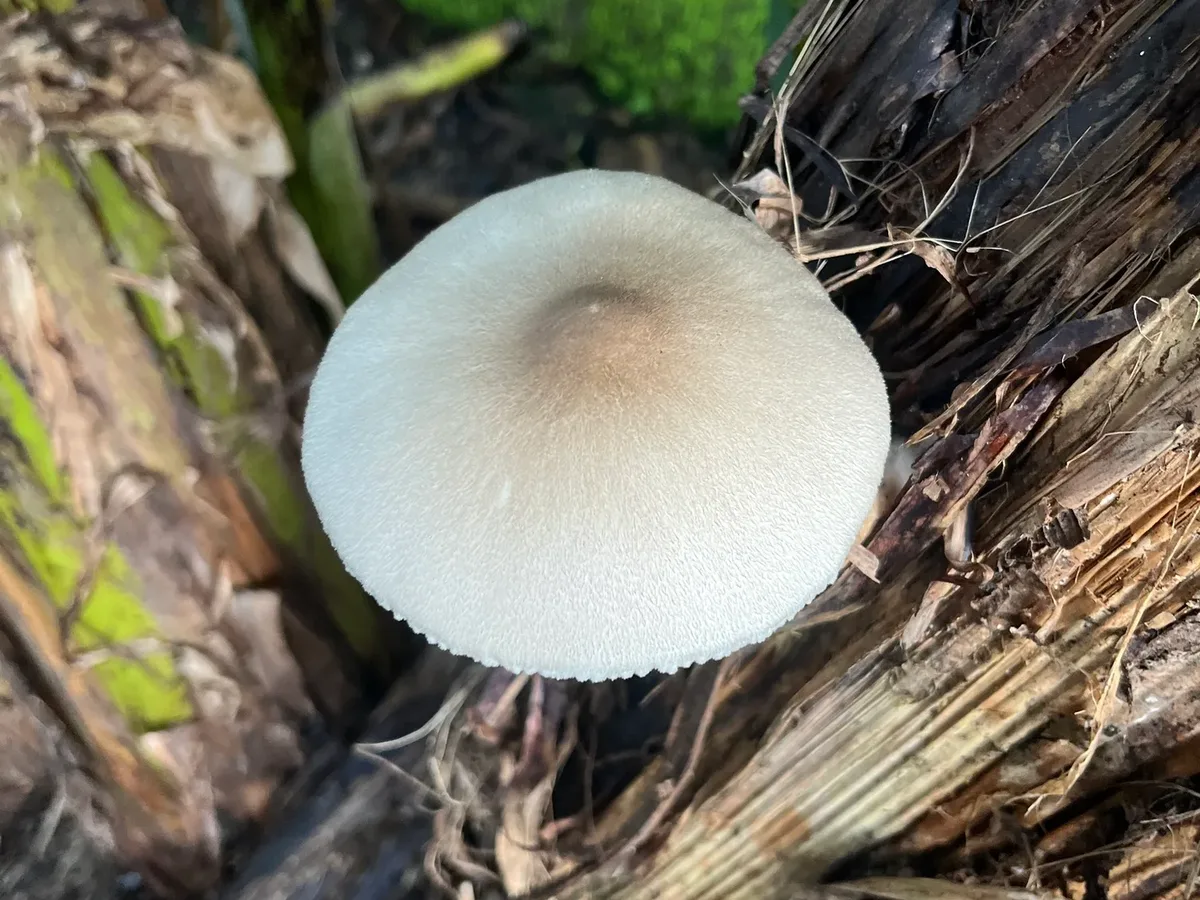 © Bertis Y. Franco Pérez (CC BY)
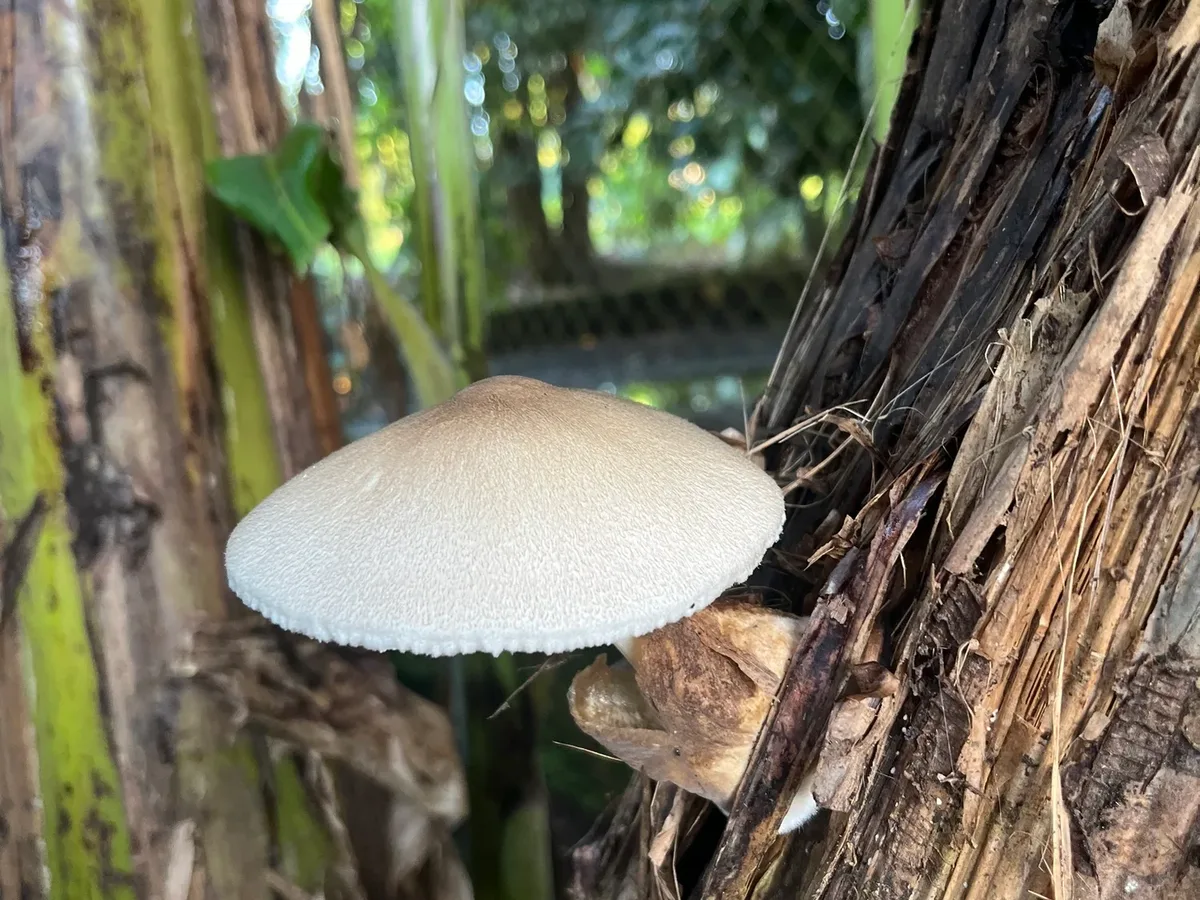 © Bertis Y. Franco Pérez (CC BY)
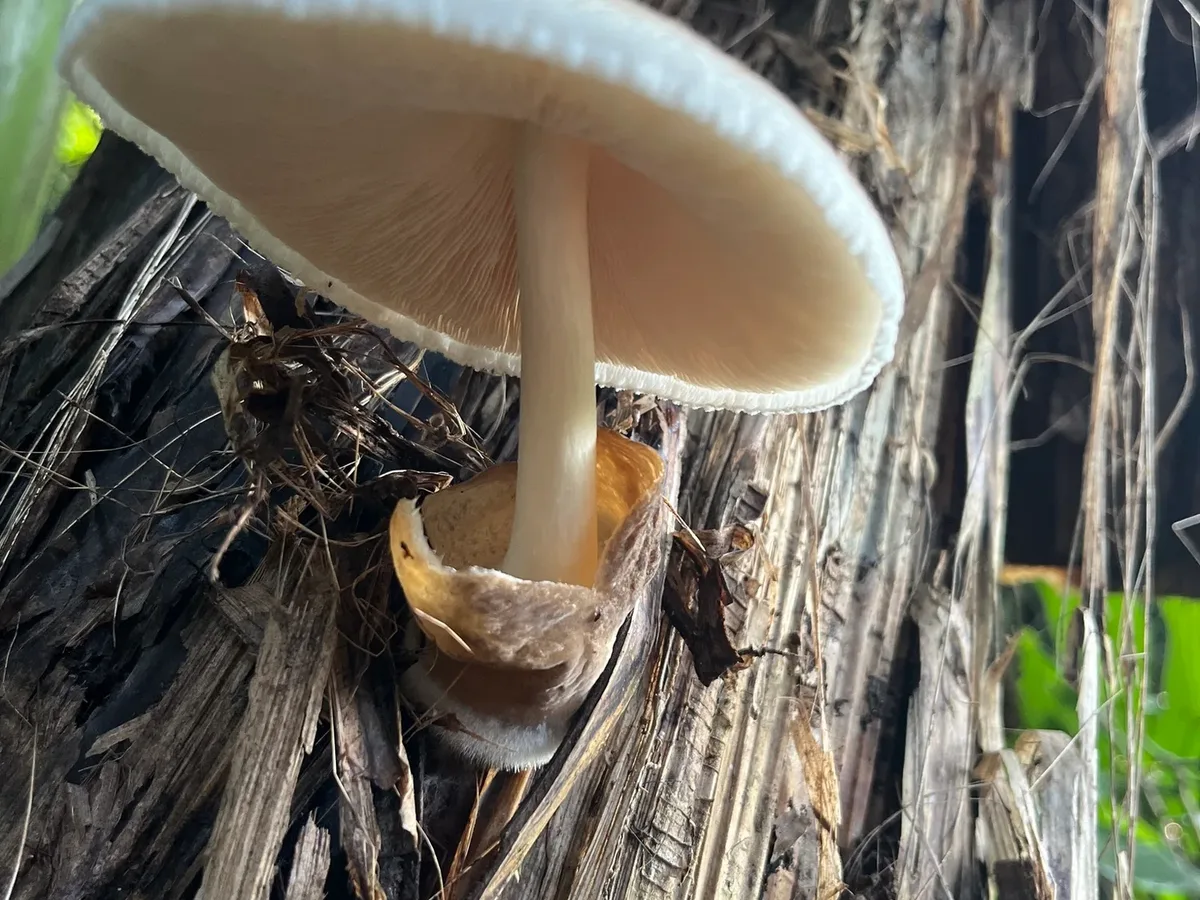 © Bertis Y. Franco Pérez (CC BY)
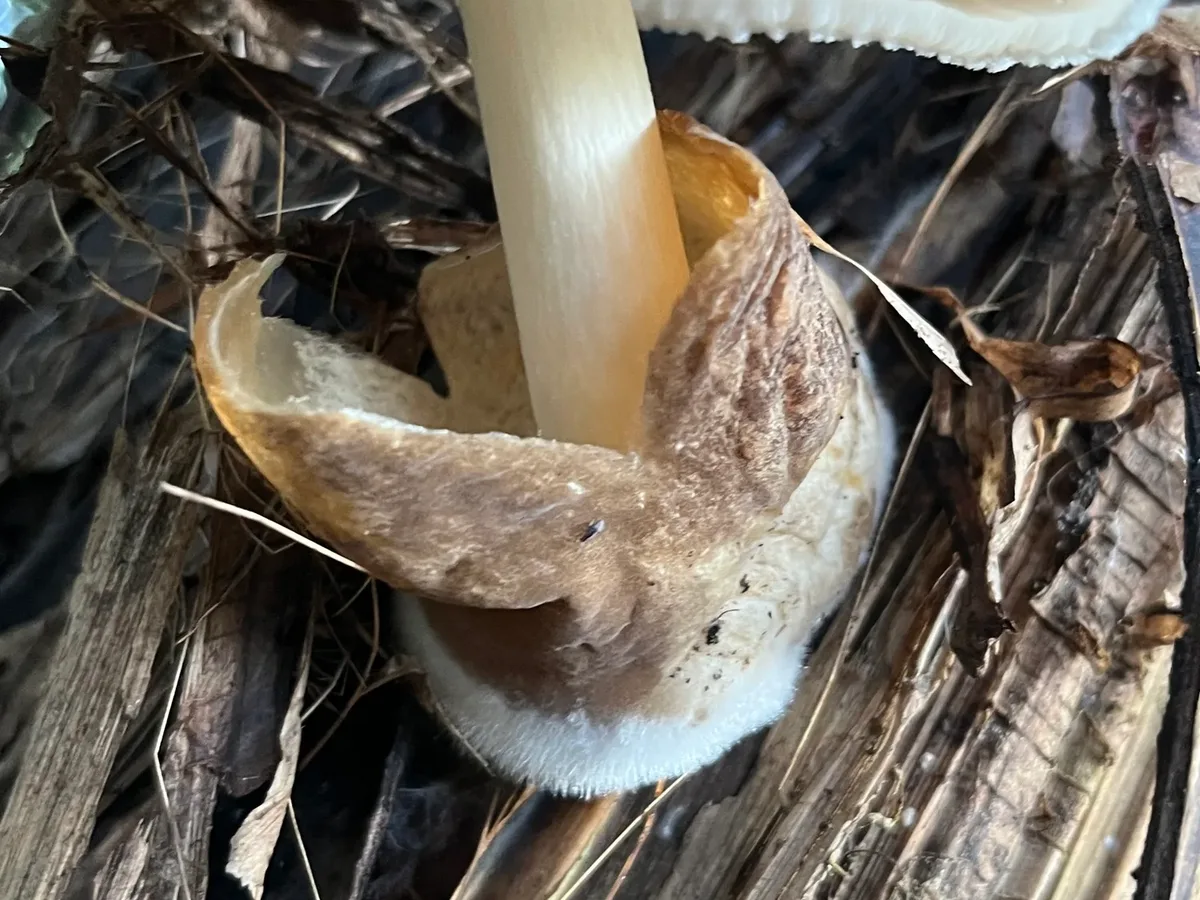 © Bertis Y. Franco Pérez (CC BY)
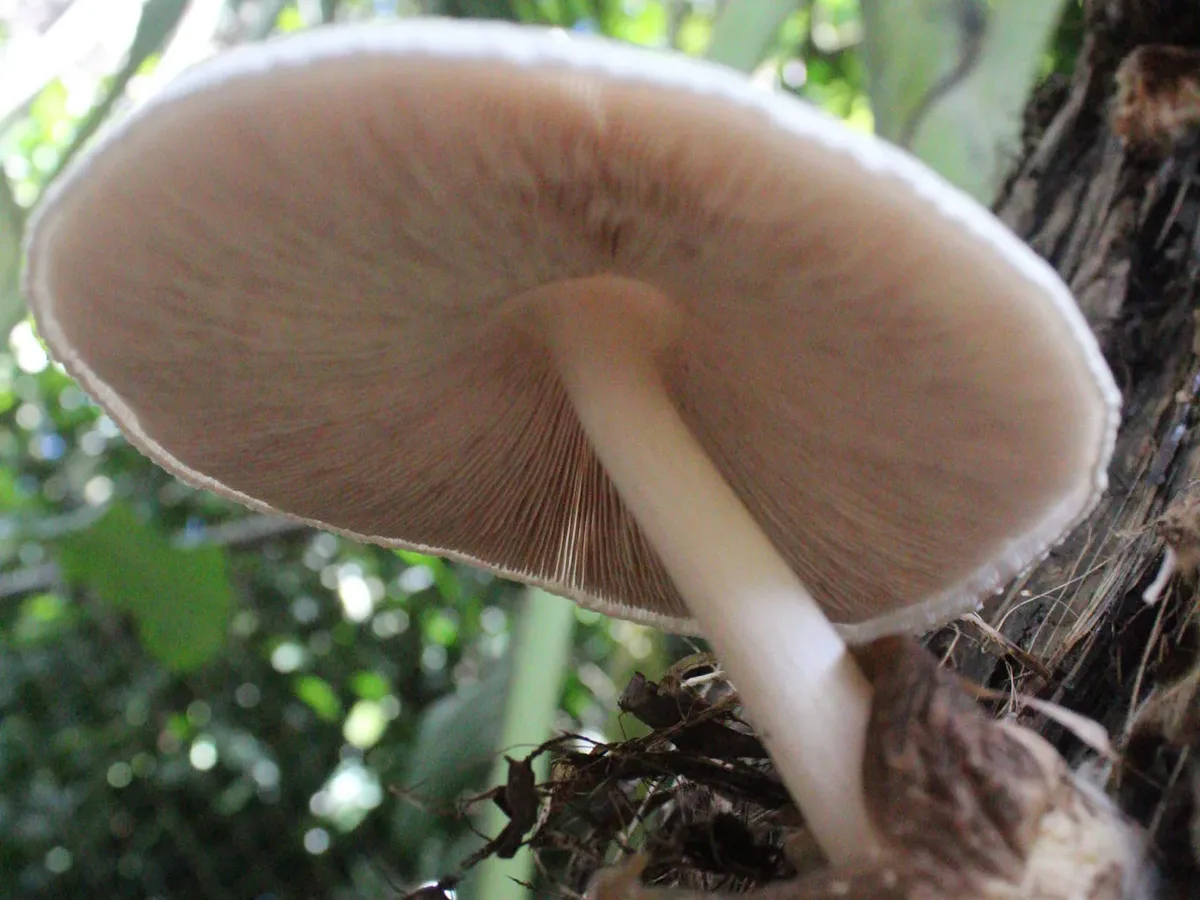 © Bertis Y. Franco Pérez (CC BY)
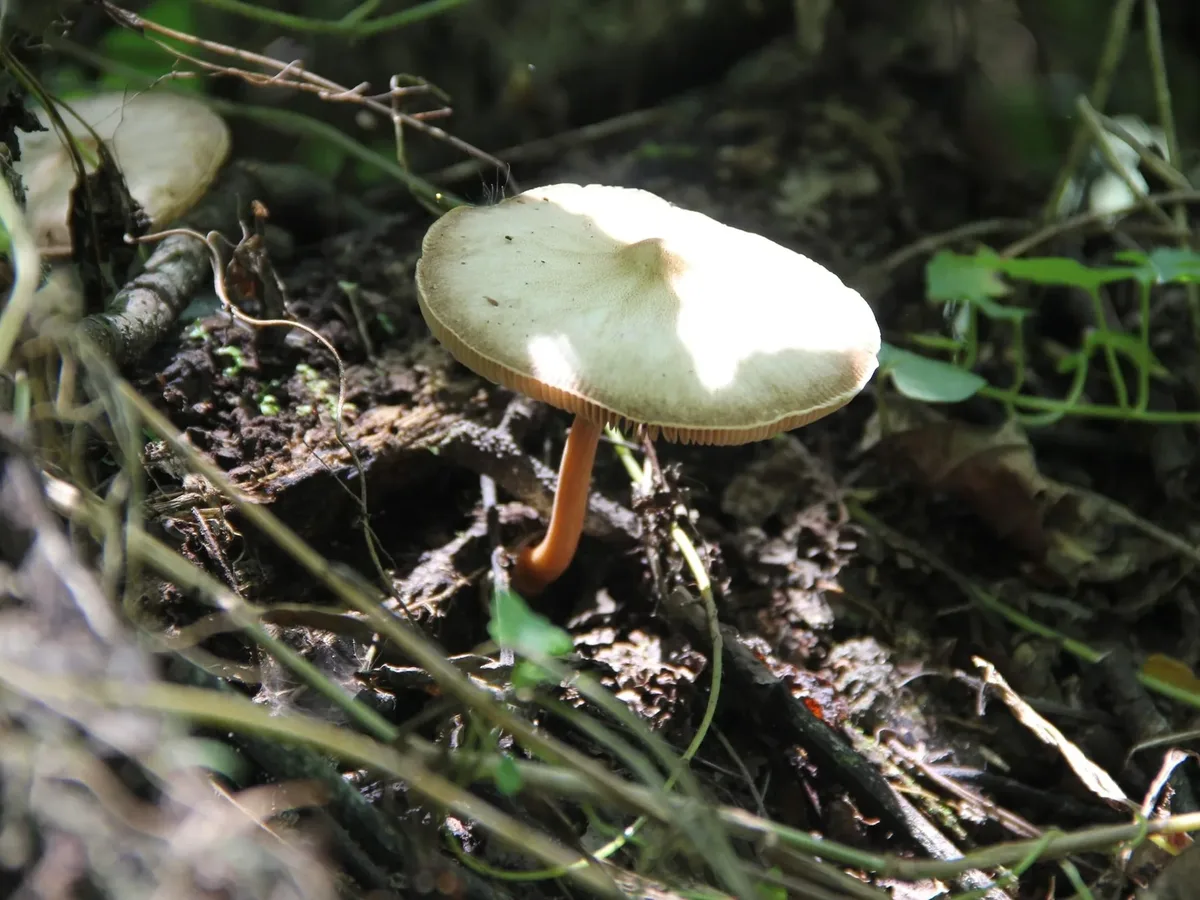 © Casey Clark Sumalinog (CC BY 4.0)
 © James K. Douch (CC BY-SA 4.0)
 © Andrey Loria (CC BY-SA 4.0)
 © Michelle (CC BY 4.0)© Samuel Frankel (CC BY 4.0)asivitskis (CC0)
Good to eat, once you have identified it with certainty and cooked it through.
Never eat a mushroom you are not 100% sure of - check the look-alikes below, and always cook wild mushrooms.
How to recognise it
The paddy straw mushroom presents two very different faces depending on when you encounter it.
In the egg stage - the moment most cultivators and market vendors prize - the entire fruitbody is enclosed inside a smooth, whitish to grey universal veil that stretches tight as a hard-boiled egg, ranging from 2 to 5 cm across.
Slice one lengthwise and you see the ghost of a mushroom within: a compact cap folded over white gills that have already begun to blush faintly pink at their edges, all seated in a stout pale stem.
This closed form has no ring, no external gills, nothing to anchor the eye - which is exactly what makes the egg stage dangerous to foragers unfamiliar with Amanita in the same form.
Cap
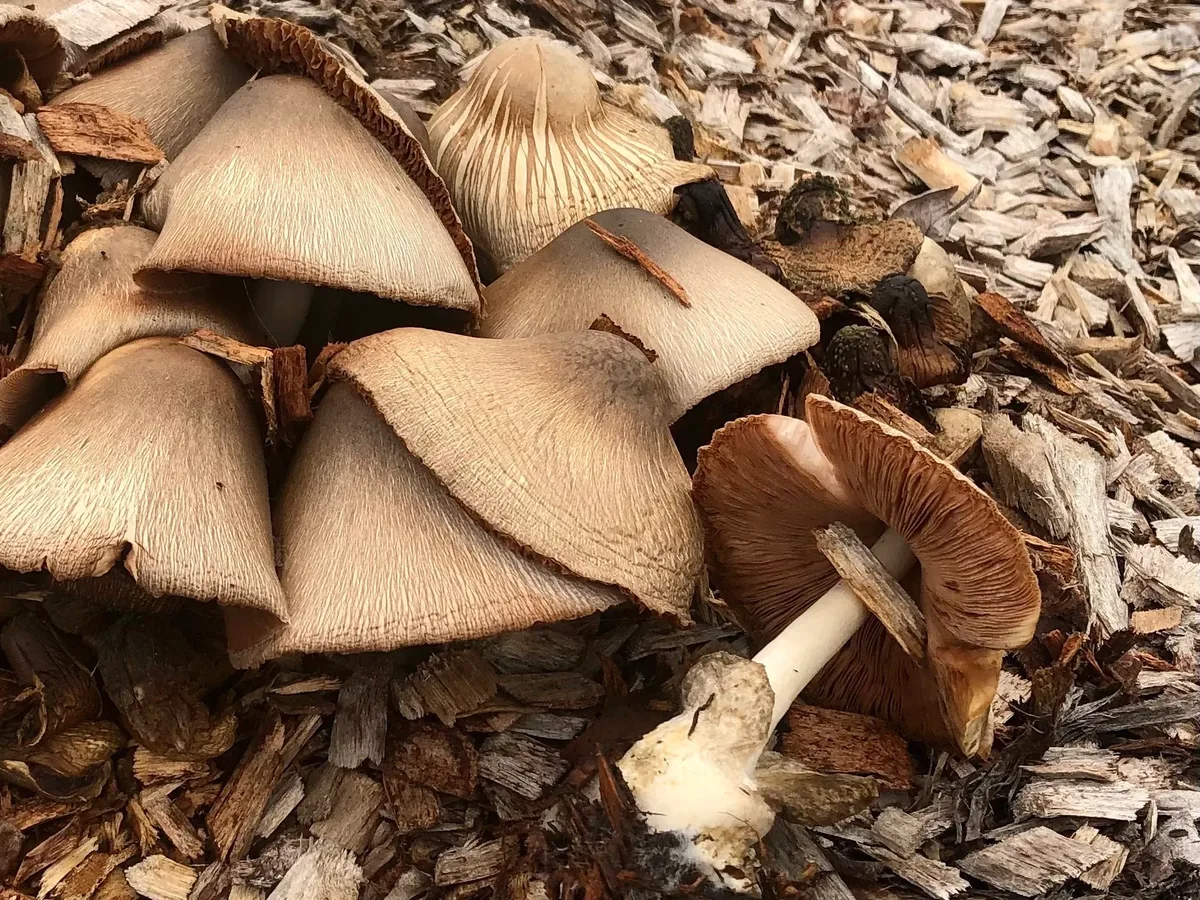
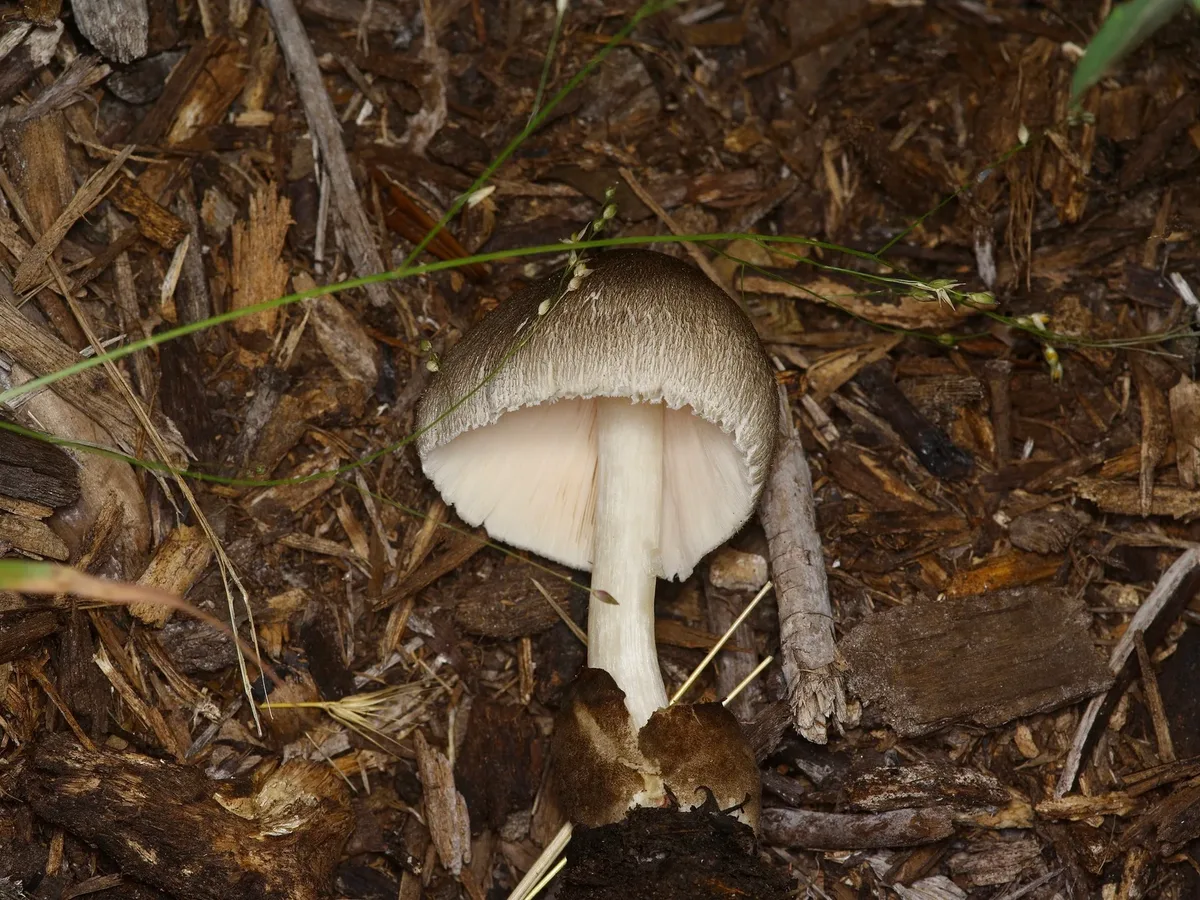
Once the veil tears, the cap expands rapidly to 5-12 cm and assumes a conical to broadly convex outline, the surface grey-brown to mouse-grey and covered in fine, silky radiating fibrils.
With age the centre can darken to near black while the margins stay paler, giving a slightly two-toned appearance.
Gills
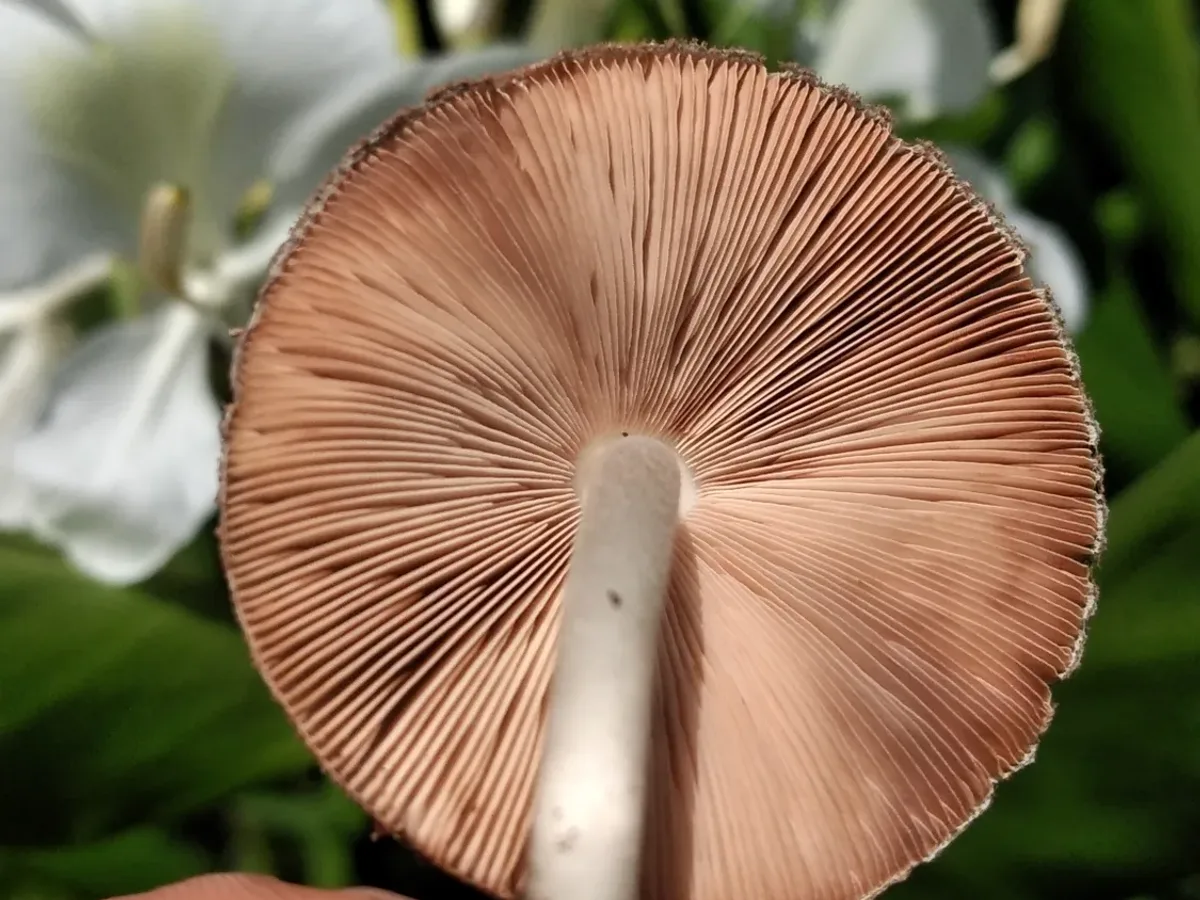
Gills are crowded, free from the stem, and progress clearly from white through cream to dusty pink-brown as the spore mass matures - a change visible even to casual observation.
Spore print unambiguously pink. Individual spores are broadly ellipsoidal, 7-9 by 4-5 micrometres, smooth-walled under the microscope.
Stem
The stem is 6-12 cm tall, stout, whitish to pale brown, and sits inside a large, persistent grey-brown to blackish cup-shaped volva that hugs the base. There is no ring, never a skirt.
Where & when it grows
Habitat
Volvariella volvacea is a saprotrophic specialist of warm, nitrogen-rich, cellulose-heavy substrates rather than a forest organism - it has no mycorrhizal partners and no preference for living trees.
Its evolutionary home is the agricultural tropics. Substrates that suit it equally well include:
- Heaps of rice straw left on paddy bunds after harvest
- Spent compost windrows
- Sugarcane pulp
- Cottonseed hulls
- Banana leaf litter
The mycelium decomposes lignocellulose efficiently, returning nutrients to the soil and completing cycles that forest fungi rarely touch.
Outdoors in its native range it appears spontaneously wherever organic matter accumulates in the heat - compost corners of kitchen gardens, the verge of rice paddies, thatched structures beginning to break down.
In cooler climates it occasionally escapes cultivation and fruits briefly on spent growing medium dumped outdoors, though it cannot overwinter outside the tropics.
It is fundamentally a creature of warmth and moisture, and in both managed and spontaneous settings it rewards exactly those conditions.
When
Unlike most temperate fungi that fruit within narrow seasonal windows shaped by soil temperature and photoperiod, the paddy straw mushroom is governed almost entirely by warmth and moisture rather than time of year.
In the lowland tropics and subtropics - southern China, Vietnam, Thailand, Indonesia, the Philippines - it is available year-round, with flushes following rainy spells or irrigation cycles.
Its optimum fruiting temperature sits unusually high at 28-35 °C, making it among the most thermophilic of cultivated edible mushrooms. Below about 20 °C growth stalls, and below 15 °C the mycelium can die.
At the upper end of its thermal range, fruitbodies develop with almost startling speed: pin formation to harvest-ready egg stage in as little as 36-48 hours. Under cultivation this means growers can achieve multiple harvests from a single bed within a few weeks of inoculation.
In seasonal monsoon climates the main outdoor peak follows the wet season warmth, typically mid-year in the Northern Hemisphere tropics, but controlled indoor beds extend availability to all twelve months.
How it grows
The life cycle of Volvariella volvacea is one of the most compressed among edible fungi, a strategy matched to the ephemerality of its substrate - a rice straw heap left too long simply rots into something less useful.
Spores germinate quickly into thread-like hyphae that weave through straw fibres, digesting lignin and cellulose with a battery of extracellular enzymes. The mycelium consolidates into dense white cords visible to the naked eye within days of colonising fresh substrate.
Primordial knots form without any cold shock or other environmental trigger - warmth and adequate moisture are sufficient.
The earliest visible stage is the pin, and it swells through clear steps:
- 1Pin - a white dot barely 1 mm across.
- 2Button.
- 3Juvenile egg.
- 4Full egg - reached in under a day under ideal warmth.
Historical records tie intentional cultivation to Nanhua Temple in Guangdong province, with written accounts from at least the eighteenth century describing monks growing the mushroom on rice straw - an early example of edible fungal cultivation that predates modern sterile-technique methods by well over a century.
Today China produces the bulk of the global crop, with Vietnam and other Southeast Asian nations close behind, and the species is grown on an industrial scale using heat-pasteurised straw beds inoculated with grain spawn.
Fruiting conditions
Thermophilic tropical/subtropical saprophyte; rapid fruiting in warmth of roughly 28-35 °C, with a very short cultivation cycle (~45 days).
Look-alikes
The most dangerous overlap in this species' identification occurs at the egg stage, where Volvariella volvacea is morphologically near-identical to young Amanita buttons still enclosed in their universal veil.
The death cap (Amanita phalloides) and related deadly Amanitas all pass through a white egg stage that, in the hand, is essentially indistinguishable from a straw mushroom egg by external appearance alone. These include:
- Amanita ocreata and Amanita bisporigera in North America
- Amanita exitialis and Amanita subjunquillea in East Asia
This confusion has caused documented fatalities among Southeast Asian immigrant communities in California, Australia, and Europe, where foraged Amanita eggs were mistaken for the familiar straw mushrooms of their home countries.
The reliable distinguishing feature at any stage is spore print colour: Volvariella volvacea produces an unambiguous pink spore print; all deadly Amanitas produce a white spore print.
At the egg stage, cutting the button lengthwise is the only safe approach:
- A straw mushroom cross-section reveals gills already blushing pale pink.
- An Amanita cross-section shows pure white gills and a white inner membrane.
Gill colour on an intact, recently opened fruitbody is also diagnostic - straw mushroom gills are never white after the cap has opened.
These two features, taken together, are reliable and observable without any equipment.
Especially dangerous in the egg stage. The paddy straw mushroom has a pink spore print and pink gills; Amanita species have a white spore print and white gills. Slice a button lengthwise to check.
In the kitchen
Picking & cleaning
The paddy straw mushroom is almost always harvested before the universal veil breaks, at the firm egg or button stage when the flesh inside is dense, springy, and at its flavour peak.
Once the cap opens and the gills are exposed, the texture softens quickly and the shelf life collapses - fully open specimens are edible but noticeably less prized in the market.
On a growing bed, the ideal harvest window is narrow: growers typically check beds every twelve hours at peak temperature, picking each egg as soon as it is plump and firm but before the veil shows any sign of cracking at the base.
For anyone encountering them in wild or semi-wild settings (compost heaps, paddy margins), the identification protocol is simple but must not be skipped - slice every egg lengthwise before setting it aside:
- A paddy straw mushroom egg shows pale pink gills in the cross-section.
- Any egg showing pure white gills or a white membrane lining must be treated as a potential Amanita and discarded.
Fresh specimens are highly perishable and should be refrigerated and used within one to two days of harvest.
Outside Southeast Asia and southern China, fresh straw mushrooms are rare; most export trade moves them as canned or dried product.
Good to know
Volvariella volvacea is a well-established edible species with no known toxins and a long record of safe consumption throughout tropical Asia.
The safety concern is entirely one of misidentification. In regions where deadly Amanita species grow alongside places where straw mushrooms might be foraged or found, confusing Amanita eggs for straw mushroom eggs carries a real and documented risk of fatal amatoxin poisoning.
The standard precaution is to slice every unidentified egg lengthwise before collection and confirm pink gills in the cross-section. Never collect white-gilled eggs from unfamiliar environments.
In their core cultivated range across tropical Southeast and East Asia, the risk of Amanita overlap in rice paddy or compost settings is low. The danger escalates sharply for diaspora communities foraging in temperate regions where Amanita phalloides or North American death angels fruit from the soil.
Any straw mushroom collected or purchased fresh should be fully cooked before consumption - there is no evidence of harm from thorough cooking, and the springy texture improves with heat.
Canned or commercially dried straw mushrooms sourced from reputable suppliers carry no identification risk.
A reference guide - never an edibility guarantee. When in doubt, leave it out.