Thimble morel
Verpa conicasyn. Phallus conicus O.F.Müll., Morchella conica (O.F.Müll.) Pers., Ptychoverpa conica (O.F.Müll.) Boud., Verpa digitaliformis Pers.
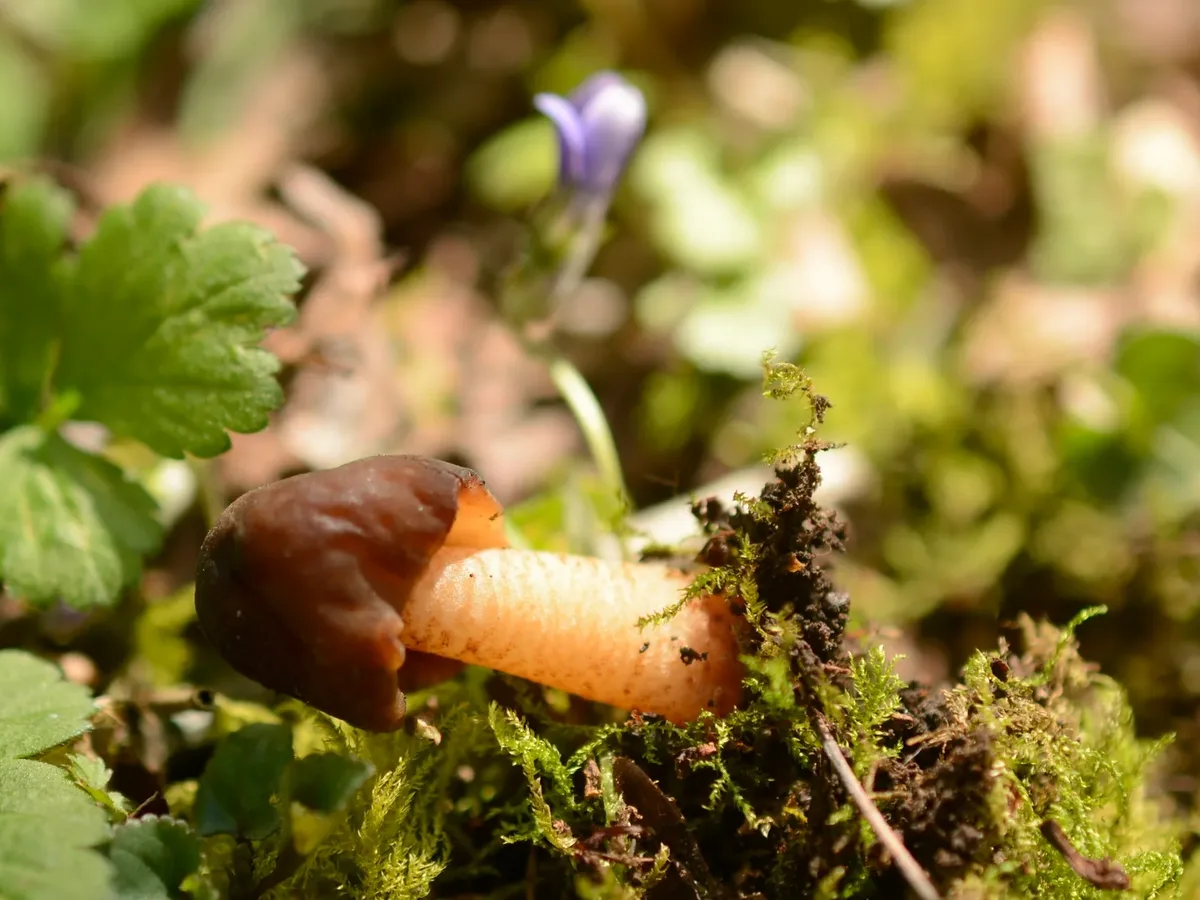 © Cara Ennis (CC BY)
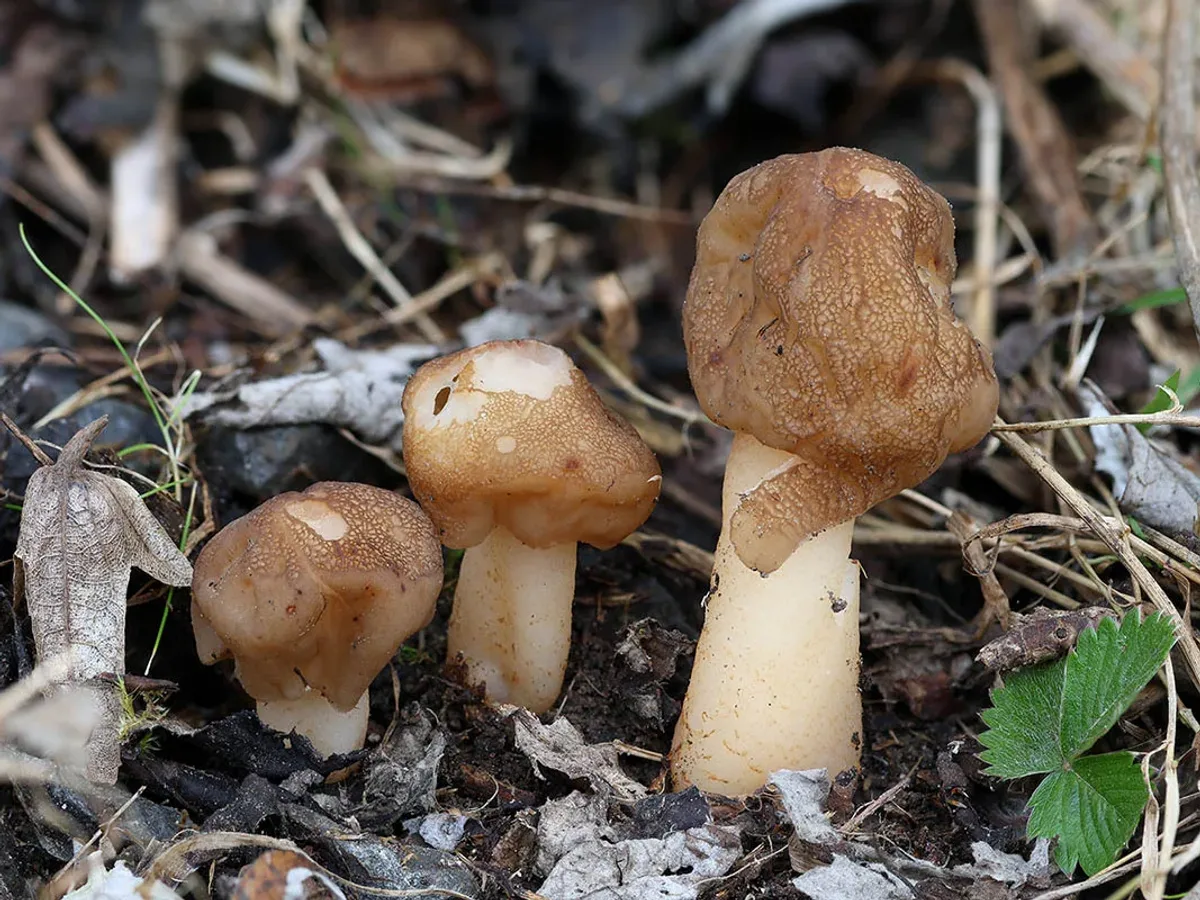 © Daniel Ghyselinck (CC BY)
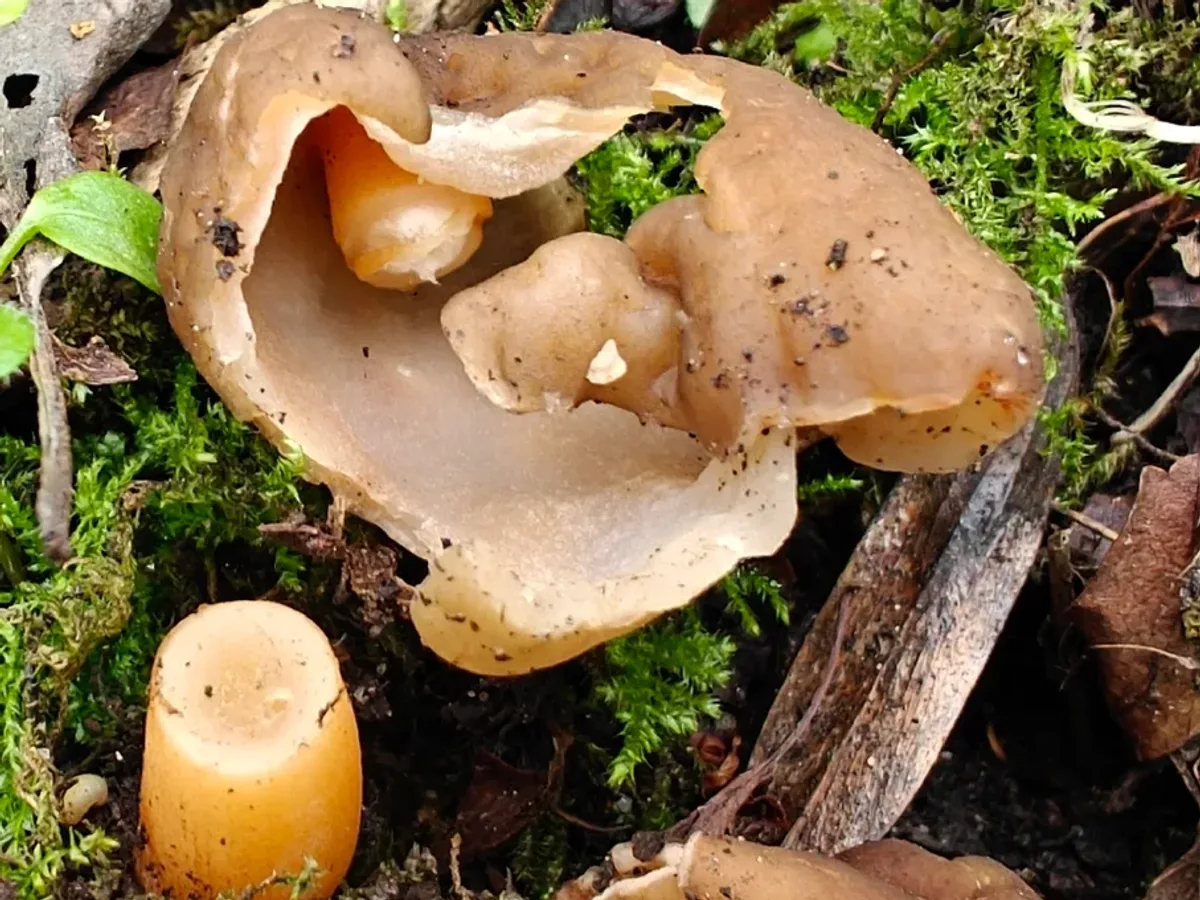 © Stuart Fraser (CC BY)
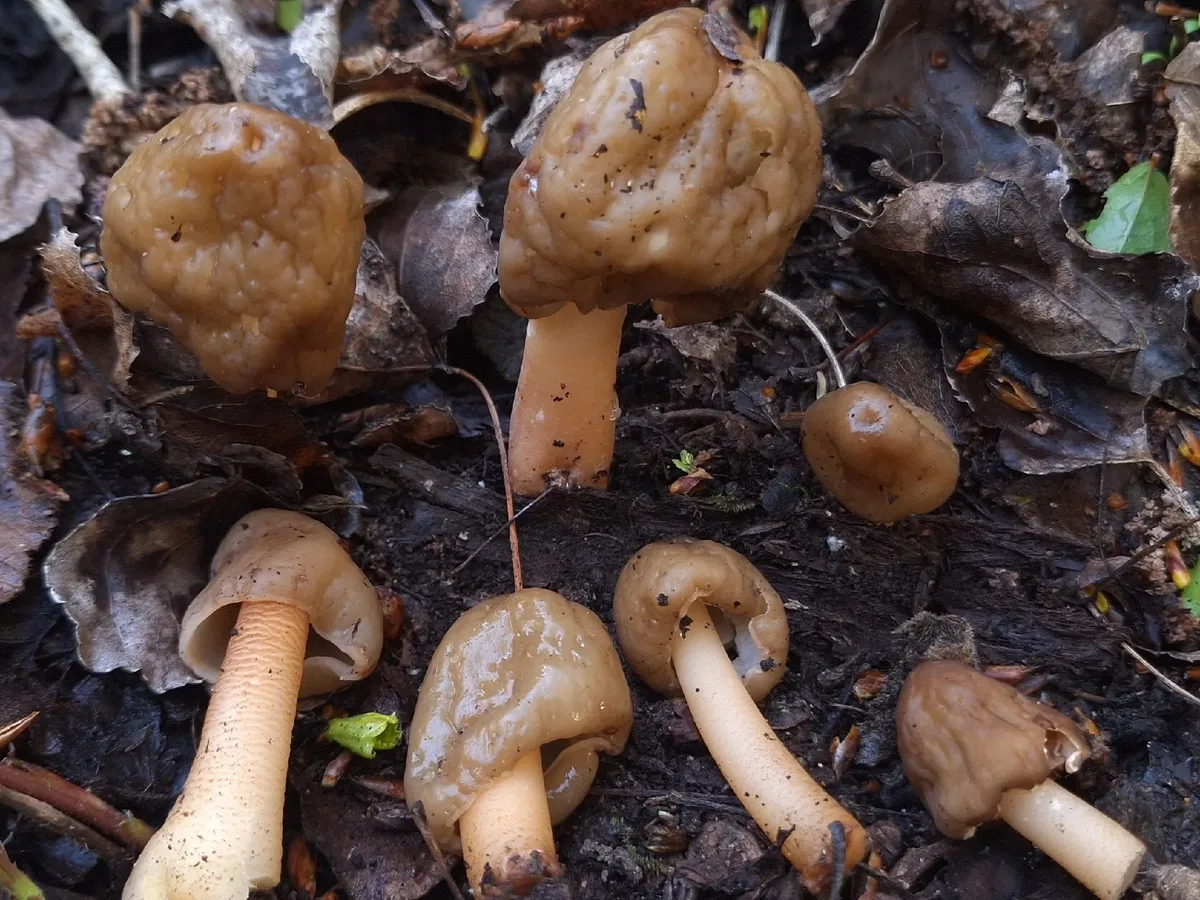 © yellowplant (CC BY)
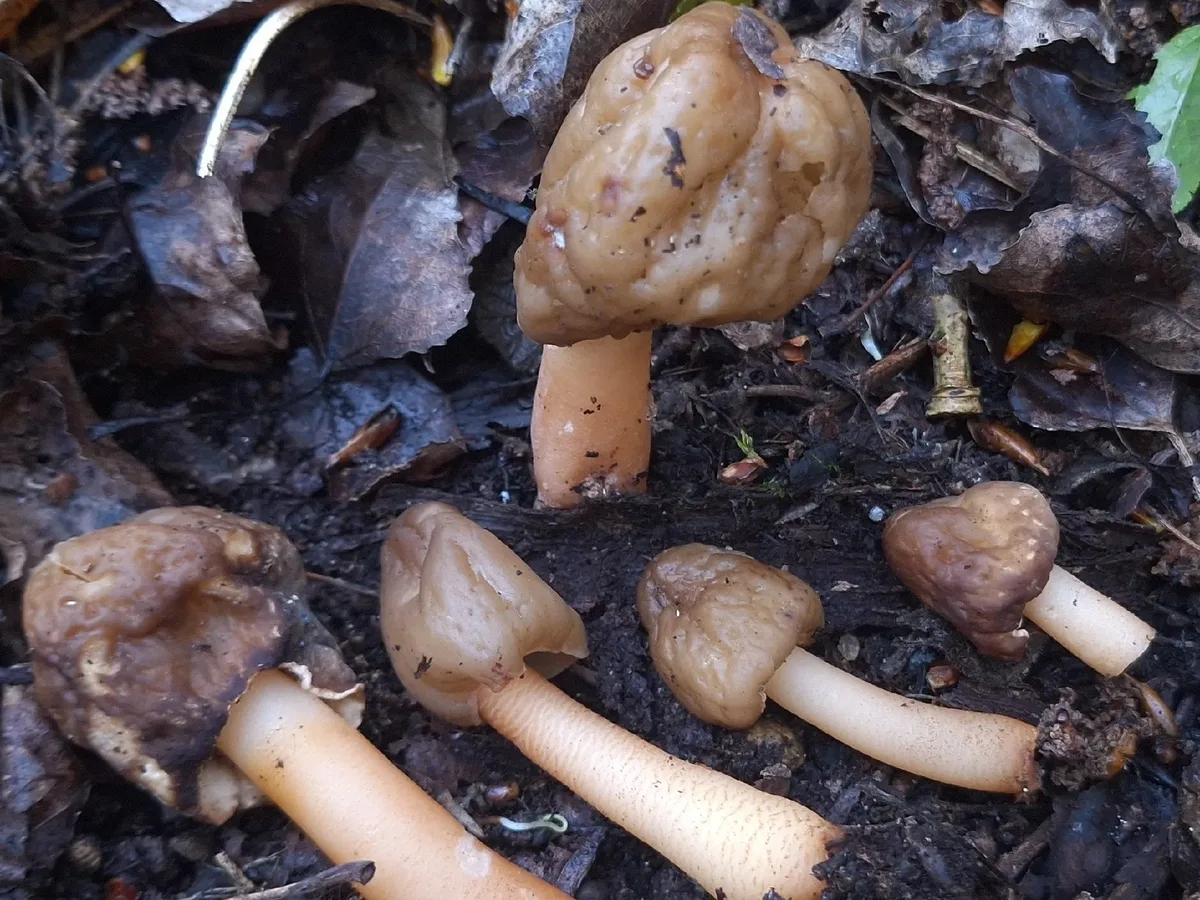 © yellowplant (CC BY)
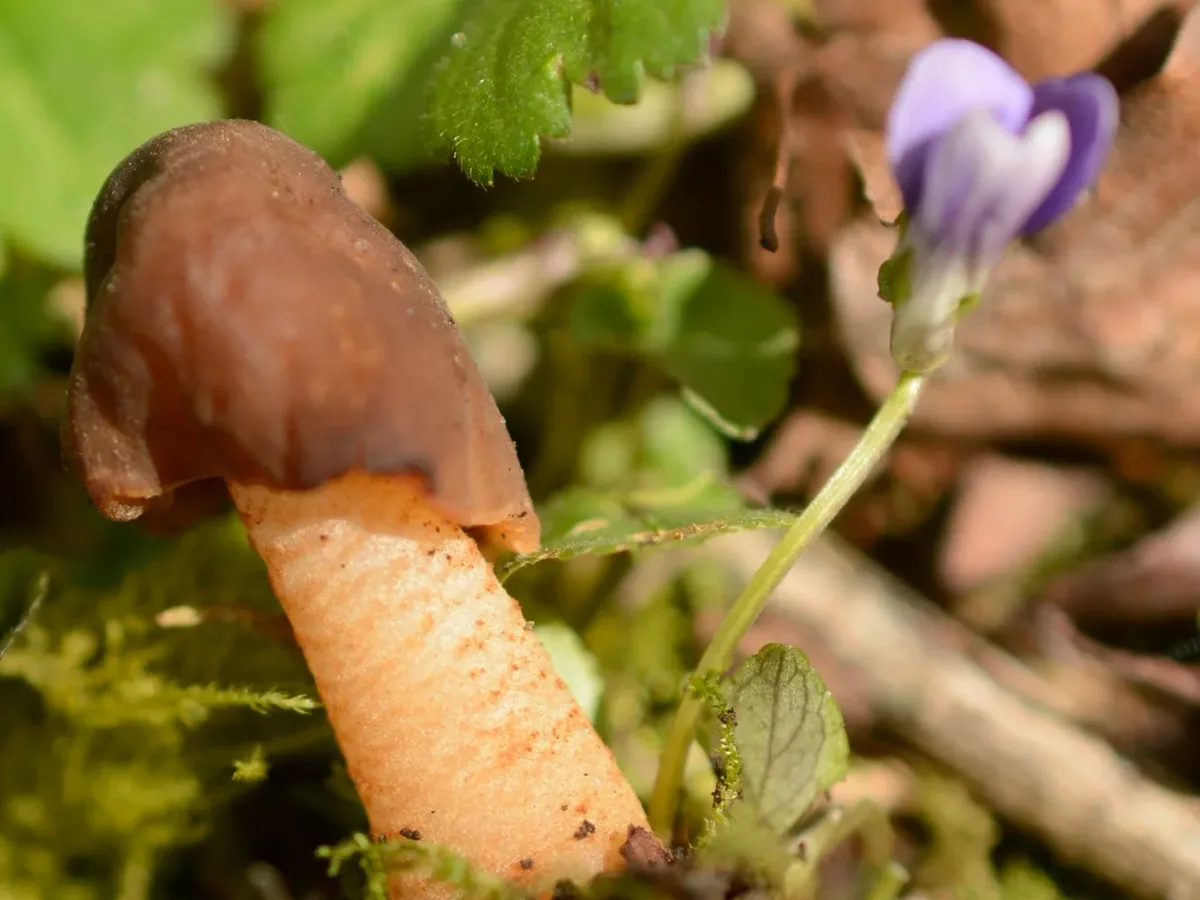 © Cara Ennis (CC BY)© Cara Ennis (CC BY)© Daniel Ghyselinck (CC BY)
Edible only with the right preparation - or safe for some people but not others. Learn the caveats first.
Never eat a mushroom you are not 100% sure of - check the look-alikes below, and always cook wild mushrooms.
How to recognise it
Verpa conica is a delicate hollow-stemmed spring ascomycete that looks like a morel at first glance but tells a different story on closer inspection.
Cap
The cap is smooth and conical to thimble- or bell-shaped, 1-4 cm tall and roughly as wide at the base. Its surface may show faint shallow wrinkles or very low relief, but never the deep multi-directional ridge-and-pit honeycomb (alveolae) that marks a genuine Morchella.
Color runs from warm tan through ochre-brown or gray-brown, usually a shade darker at the apex.
The most important thing to check is how the cap meets the stem: in Verpa conica the cap attaches only at the very tip - the apex - while the rest of the skirt hangs freely around the stem, like a thimble dropped loosely over a finger. In true morels the cap is fused along its margin or for most of its length. That single junction is the most reliable field distinction.
Stem
The stem is 3-10 cm tall, 0.8-2.5 cm thick, white to cream, and hollow. Slice it open and you find a chambered, multi-loculate interior packed with white cottony tissue - a further contrast with Morchella, whose stems are simply hollow tubes.
Under the microscope, each ascus holds only 2 large smooth ellipsoid spores (60-80 × 15-20 µm) rather than the 8 spores typical of morels, confirming identity definitively for those who wish to look that closely. Spore print is pale cream.
Why it's dangerous
Verpa conica sits in the 'caution' tier of edibility rather than outright prohibition, but this should not be read as reassurance: it has caused genuine medical harm in documented cases and carries real risk in specific circumstances.
For the majority of experienced foragers who parboil the mushroom, discard the cooking water, and eat moderate quantities, the practical risk appears to be low - many thousands of portions are eaten without incident across central Europe each year.
The danger increases sharply with:
- raw consumption (never eat raw)
- large single doses
- repeated consumption over consecutive days (cumulative toxicity is a plausible mechanism)
- alcohol consumption alongside or shortly after eating
The most vulnerable groups are:
- children (lower body weight amplifies dose per kilogram; more susceptible to haemolysis)
- pregnant women (foetal and haematological risk)
- elderly individuals
- people with pre-existing liver, kidney, or blood disorders
If poisoning is suspected - particularly if symptoms include dark urine, jaundice, loss of coordination, or persistent vomiting - seek emergency medical care immediately and identify the mushroom species consumed.
Bring a specimen or photograph if possible. Treatment decisions for suspected gyromitrin-related poisoning may include pyridoxine (vitamin B6) administration, supportive care for haemolysis, and liver function monitoring.
The potentially lethal lookalike Gyromitra esculenta occupies identical habitat and season; a forager who is not entirely certain of their identification should not proceed.
This species is not recommended for children, pregnant women, or anyone with compromised liver or kidney function under any circumstances.
Toxin
The toxic compound or compounds responsible for Verpa conica poisoning are not definitively identified. This is an honest statement of scientific uncertainty, not an omission: despite multiple poisoning episodes being documented in European clinical and mycological literature, no single, analytically confirmed toxin has been isolated and attributed to this species.
The leading hypothesis, based on the symptom profile and structural relationship to Gyromitra esculenta, is that Verpa conica may contain trace amounts of gyromitrin (acetaldehyde N-methyl-N-formylhydrazone) or a chemically related hydrazine compound.
In the body, gyromitrin is hydrolyzed to monomethylhydrazine (MMH), which:
- inhibits pyridoxine-dependent enzymes (including those involved in GABA synthesis)
- damages hepatocytes
- causes oxidative haemolysis of red blood cells
However, analytical studies specifically targeting Verpa conica have not confirmed gyromitrin or MMH at significant concentrations, and some researchers consider the gyromitrin link unproven.
A separate body of work points to thermolabile hemolytic factors - proteins or glycoproteins that destroy red blood cells and are inactivated by heat - as a more likely explanation for the haemolytic component of toxicity. These heat-labile factors would account for why raw or undercooked consumption is far more hazardous than thoroughly cooked specimens, and why parboiling with water-discarding reduces (but may not eliminate) risk.
The possibility of individually variable sensitivity, cumulative dose effects across repeated meals, and interaction with alcohol has also been raised.
In summary: the toxicology of Verpa conica involves uncharacterised or incompletely characterised haemolytic and possibly hydrazine-related compounds. The exact mechanism is not settled, and any account claiming a specific, confirmed toxic molecule should be treated with scepticism.
Symptoms
Poisoning by Verpa conica is characterised by a gastrointestinal and, in more serious cases, neurological and haematological syndrome. Onset typically occurs within 2-6 hours of consumption, though delays of up to 12 hours have been reported.
The first signs are usually nausea, vomiting, and diffuse abdominal cramps or bloating. Diarrhoea may follow.
In mild cases - which represent the majority of documented incidents and are usually associated with modest quantities of thoroughly cooked fruitbodies - symptoms resolve spontaneously within 12-24 hours without lasting harm.
More severe episodes, generally linked to raw consumption, large portions, or repeated ingestion over several consecutive days, may progress to include dizziness, generalised weakness, headache, and transient neurological disturbances such as ataxia (loss of coordination or unsteady gait), visual disturbance, and in rare cases mild altered consciousness.
Haemolytic anaemia - destruction of red blood cells - has been documented following large ingestions, particularly of raw or inadequately cooked material; in such cases the victim may develop pallor, fatigue, dark urine (haemoglobinuria), and jaundice over 24-72 hours.
Liver enzyme elevation has occasionally been reported, consistent with mild hepatotoxic involvement. Symptoms appear to be dose-dependent and are almost always more severe after raw ingestion.
Recovery without specific antidote treatment is the norm in most reported cases; however, severe haemolysis requires medical management. There is no reliable way to predict individual susceptibility in advance.
Staying safe
Verpa conica occupies a genuinely ambiguous safety position in European mycology. It is eaten without incident by many experienced foragers who parboil it and discard the water, yet it has caused episodes of nausea, vomiting, abdominal cramps, dizziness, and transient neurological symptoms (ataxia, visual disturbance) - particularly when eaten raw, in large quantities, or repeatedly over consecutive days.
The toxic principle(s) are not definitively characterized; hemolytic factors have been documented and a gyromitrin-related compound has been suggested but not analytically confirmed. The risk appears dose-dependent.
Children, pregnant women, and individuals with liver or kidney disease should strictly avoid this species.
- Never eat raw.
- Always parboil in a large volume of water, discard the water, and cook thoroughly.
- Eating small test quantities on a first occasion is advisable.
The deadly lookalikes Gyromitra esculenta and Gyromitra infula occur in overlapping habitats and season; a misidentification is potentially fatal.
Foragers who are not fully confident in distinguishing Verpa from Gyromitra and Morchella should leave all three groups alone until they have studied verified specimens side by side.
Where & when it grows
Habitat
Verpa conica favors the kind of place where spring comes on strong and the soil stays moist: river valleys and floodplain woods, streamside banks, and lowland margins where alluvial soils hold both fertility and moisture.
Willows and poplars are its most frequent companions across Europe; elms, ash, apple, and plum appear alongside too. It turns up reliably in orchards, parks, old hedgerows, and even roadside edges where deciduous trees overhang moist ground.
Unlike many woodland fungi, Verpa conica is saprotrophic rather than mycorrhizal, so its habitat ties are physical and microclimate-based rather than locked to a single tree partner - though in practice it gravitates strongly to the riparian zone.
Soil pH leans neutral to mildly alkaline. Expect it in open or lightly shaded spots rather than the dark interior of dense forest.
When
Verpa conica is one of the first macrofungi of the year, sometimes pushing up through leaf litter as early as late February or early March at low elevations in a warm spring.
Peak fruiting runs from late March through April, keeping pace with - or slightly ahead of - the first flush of true morels. The window is short: three to six weeks in most years, closing by late April to mid-May across central and western Europe.
In Scandinavia and montane areas the season shifts later and may compress into April alone.
Look for it just after sustained spring rain when daytime temperatures settle around 10-15 °C and the soil has warmed above 6-8 °C. A late frost can pause fruiting but often leaves emerged fruitbodies intact.
How it grows
Verpa conica is a saprotrophic ascomycete that fruits solitarily or scattered - occasionally in loose troops - pushing up directly from moist spring soil.
Fruitbodies develop quickly, typically within 3-7 days of triggering weather, but they are fragile and short-lived; warm or windy conditions can reduce them to limp collapse within days of appearing.
Like all morels and their relatives, it produces apothecia rather than gilled caps, though its upright form and elongated stem give it a superficial mushroom-like bearing that has fooled more than one beginner at first glance.
Fruiting conditions
Fruiting triggered by sustained spring warming combined with soil moisture from snowmelt or spring rain. Soil temperatures of 6-8 °C appear to be the lower threshold; peak emergence occurs at 8-12 °C. A lag of approximately 5-12 days after adequate rainfall is typical. Dry or cold snaps can delay or abort fruiting; late frosts may damage but do not always destroy emerged fruitbodies.
Look-alikes
- Gyromitra esculenta (false morel / brain mushroom) - the most important and potentially lethal lookalike, sharing the same early-spring timing and somewhat similar overall stature. It has a saddle-shaped to irregularly lobed, brain-like cap with prominent convoluted ridges - never smooth or simply conical - and a robust, ribbed, chambered stem; it contains the deadly toxin gyromitrin (metabolized to monomethylhydrazine).
- Gyromitra infula (hooded false morel) - another gyromitrin-containing species with a saddle-shaped to lobed reddish-brown cap that can appear in overlapping habitats; it is also potentially fatal and must not be eaten.
- Verpa bohemica (wrinkled thimble-cap) - another Verpa species of the same season; it has a more extensively wrinkled, folded, or lobed cap with longitudinal ribs, and its cap attaches to the stem over approximately the upper third rather than solely at the apex. V. bohemica is considered more toxic than V. conica and causes illness more frequently.
- Gyromitra gigas (snow false morel) - a large, pale, lobed species fruiting near snowmelt that also contains gyromitrin-type compounds and has caused serious poisoning; it is potentially deadly and must not be eaten.
- True morels (Morchella esculenta sensu lato, M. elata group) - the species most often confused with Verpa in the field; in morels the cap is covered with a clearly defined honeycomb of deep pits bordered by sharp ridges, and the cap margin is fused to the stem.
- Morchella semilibera (half-free morel) - has a small honeycombed cap whose lower portion hangs partially free of the stem - intermediate in appearance but distinguishable by its honeycomb surface texture.
Cap is irregularly lobed, brain-like, and heavily convoluted - never smooth or simply conical. Cap is broadly attached to the stem rather than hanging free. Contains gyromitrin, a potent toxin metabolized to monomethylhydrazine; potentially fatal even after cooking. Same early-spring timing and habitat make this the most dangerous confusion risk.
Cap is saddle-shaped to irregularly lobed and wavy, reddish-brown, without honeycomb pits. Interior is chambered and stuffed rather than cleanly hollow. Contains gyromitrin-type toxins; potentially fatal. Overlaps in early-spring timing and woodland habitats.
Much larger fruitbody with a broadly lobed, pale buff to ochre-brown saddled cap and a thick, deeply ribbed-chambered stem; fruits near snowmelt at higher elevations. Contains gyromitrin-type compounds; has caused serious poisoning and deaths. Not directly similar in size but shares the critical early-spring window.
Cap ridges run parallel and longitudinally, forming an elongated honeycomb; cap darkens to gray or blackish with age. Cap is fused to the stem at its margin. Stem hollow and simple. A choice edible; confusion with Verpa conica possible for beginners unfamiliar with cap-surface texture differences.
Cap covered with a well-developed, honeycomb-like network of deep pits and sharp intervening ridges - conspicuously different from the smooth surface of Verpa conica. Cap margin is fused to the stem rather than hanging free. Stem interior is a simple hollow tube, not chambered. A choice edible when properly cooked.
A genuine morel with a small honeycombed cap whose lower portion hangs partially free of the stem - intermediate in appearance. Distinguishable by its clearly defined honeycomb pit surface. A choice edible when thoroughly cooked.
Cap surface is longitudinally ribbed, wrinkled, and folded, not smooth. Cap attaches to the stem over approximately the upper third of its length, not solely at the apex. Considered more toxic than V. conica and causes poisoning more frequently; treat with at least the same caution.
A reference guide - never an edibility guarantee. When in doubt, leave it out.