Wrinkled thimble-cap
Verpa bohemicasyn. Morchella bohemica Krombh., Ptychoverpa bohemica (Krombh.) Boud., Verpa digitaliformis var. bohemica (Krombh.) Sacc.
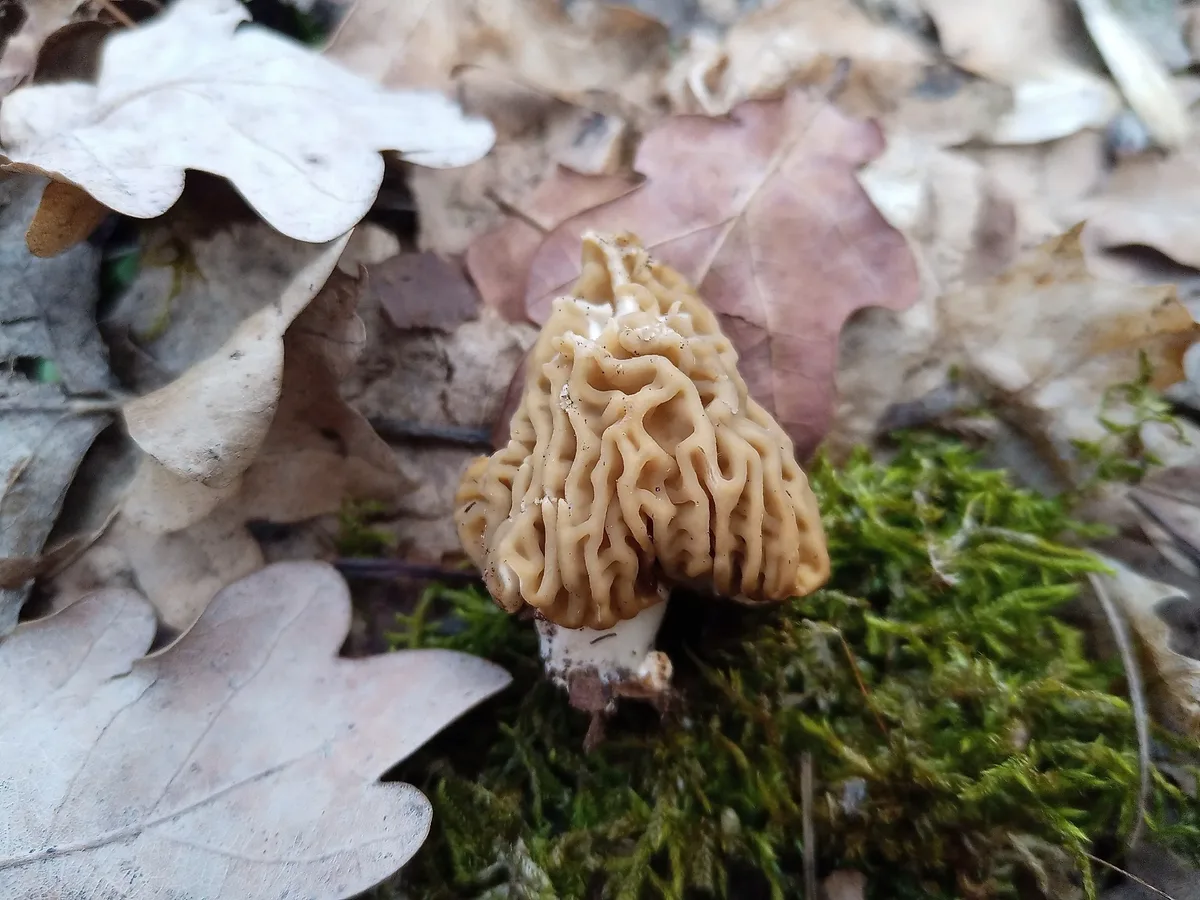 © Michal Honskus (CC BY)
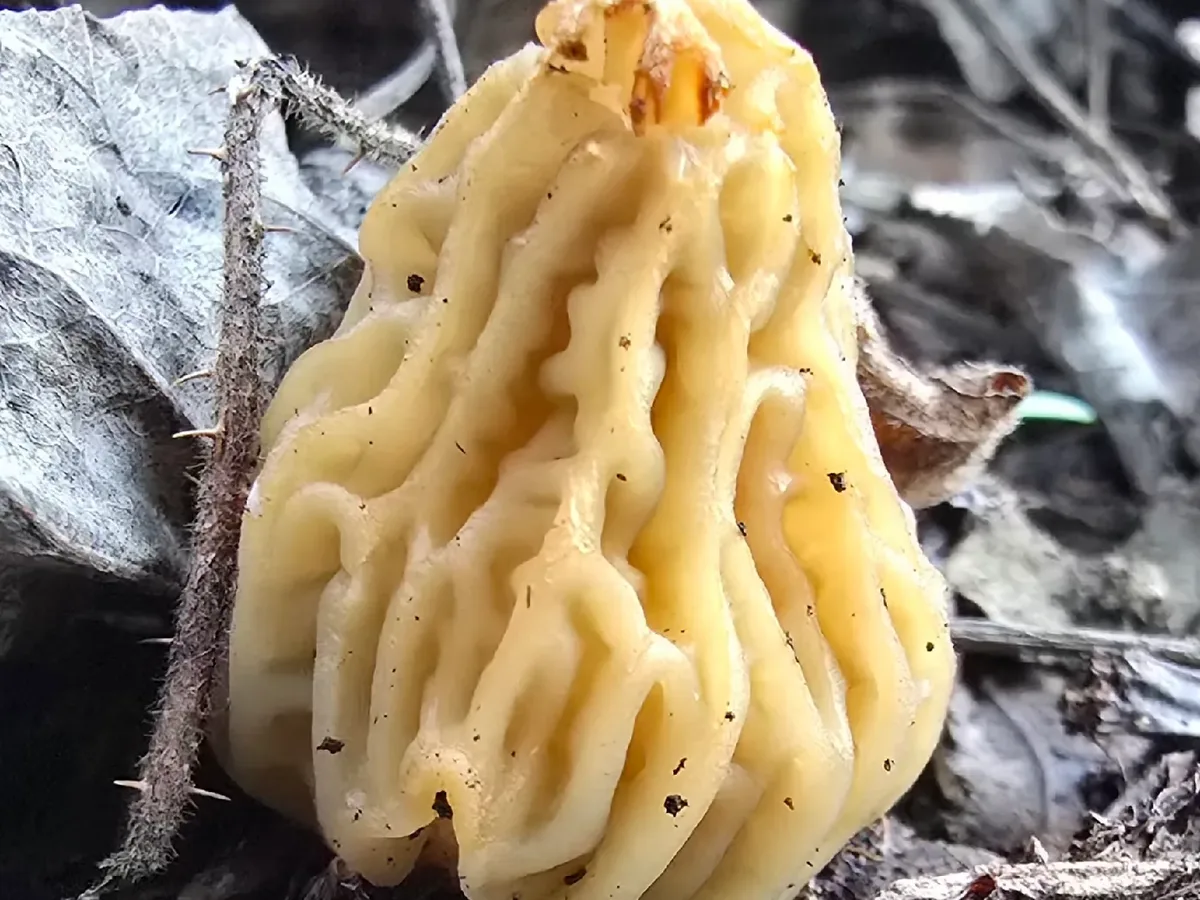 © Paula Nimigean (CC BY)
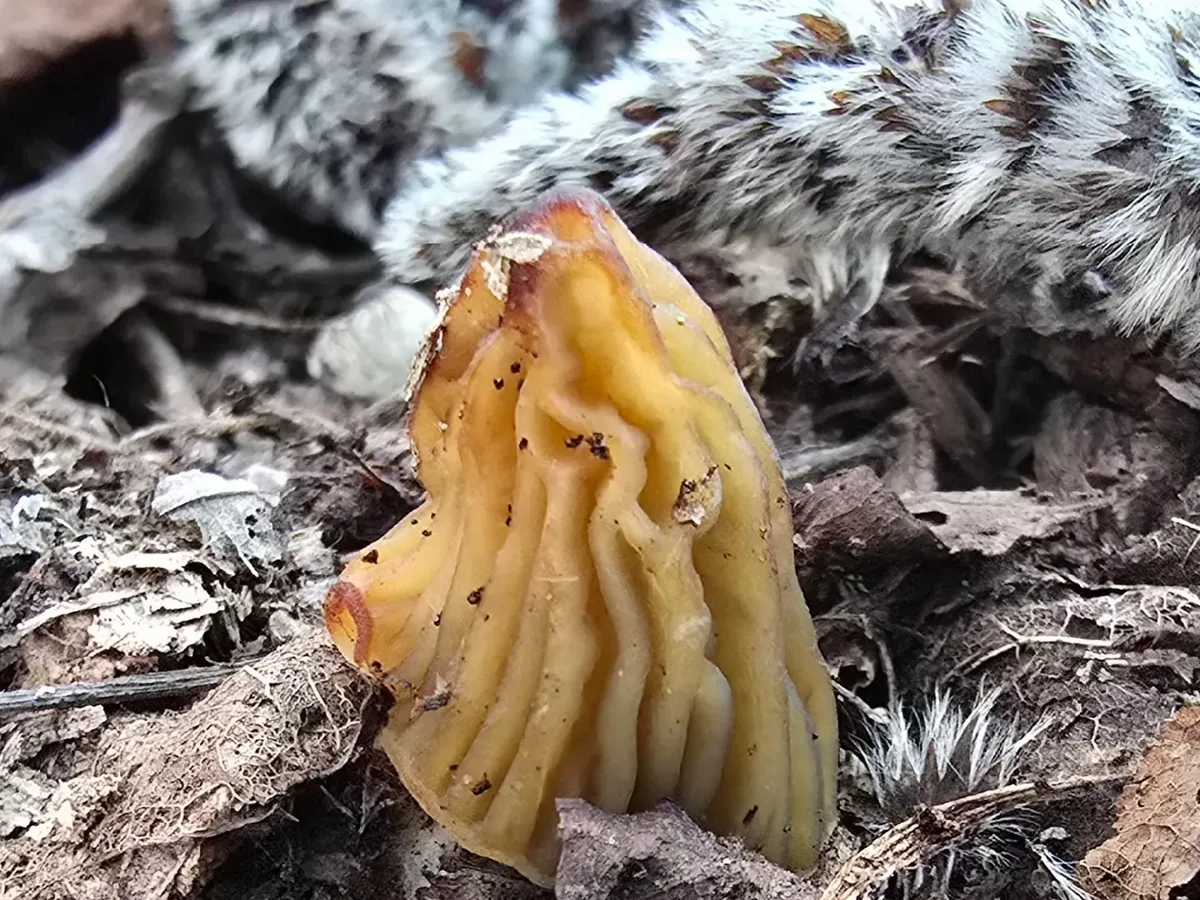 © Paula Nimigean (CC BY)
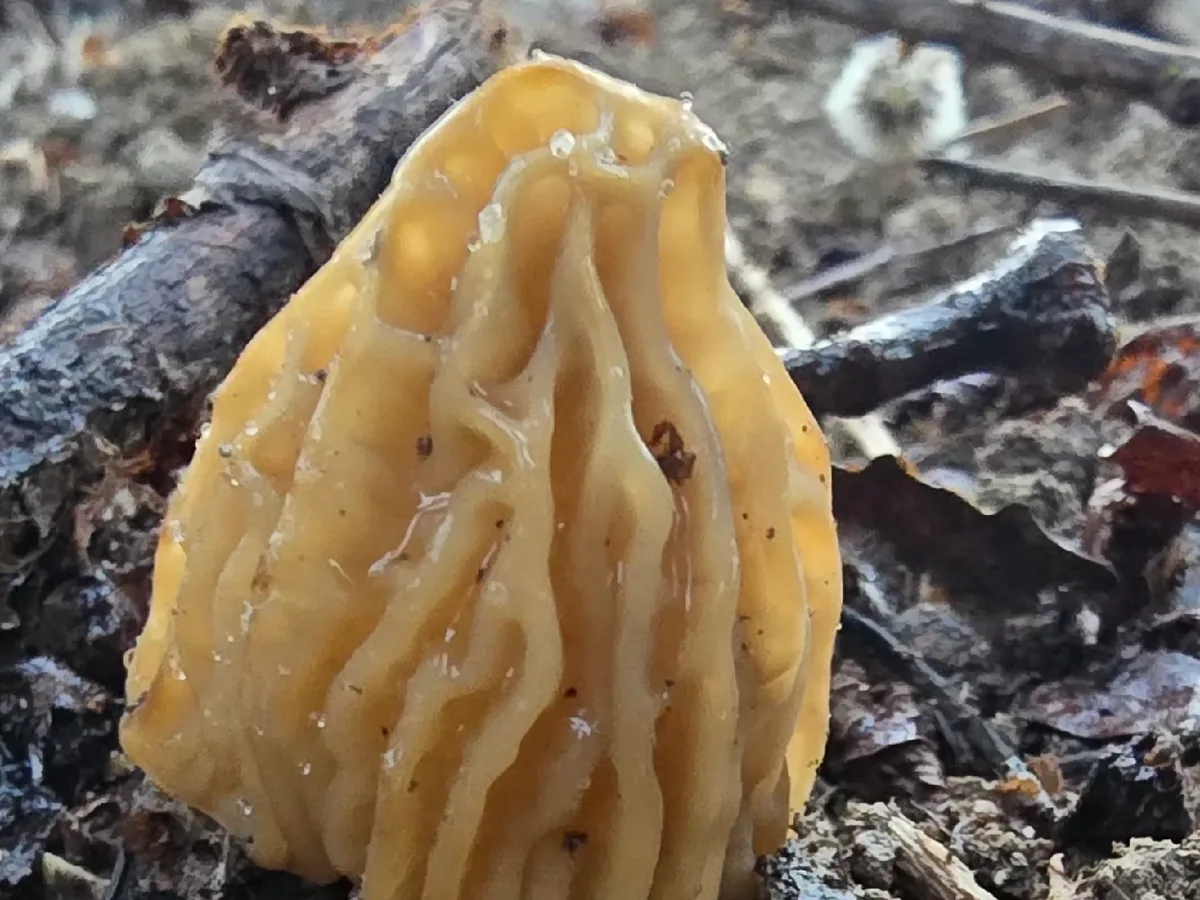 © Paula Nimigean (CC BY)
 © Paula Nimigean (CC BY)
 © Patrick Bayan (CC BY)
 © Paula Nimigean (CC BY)
 © Michal Honskus (CC BY)
 © Michal Honskus (CC BY)© Michal Honskus (CC BY)© Paula Nimigean (CC BY)
Edible only with the right preparation - or safe for some people but not others. Learn the caveats first.
Never eat a mushroom you are not 100% sure of - check the look-alikes below, and always cook wild mushrooms.
How to recognise it
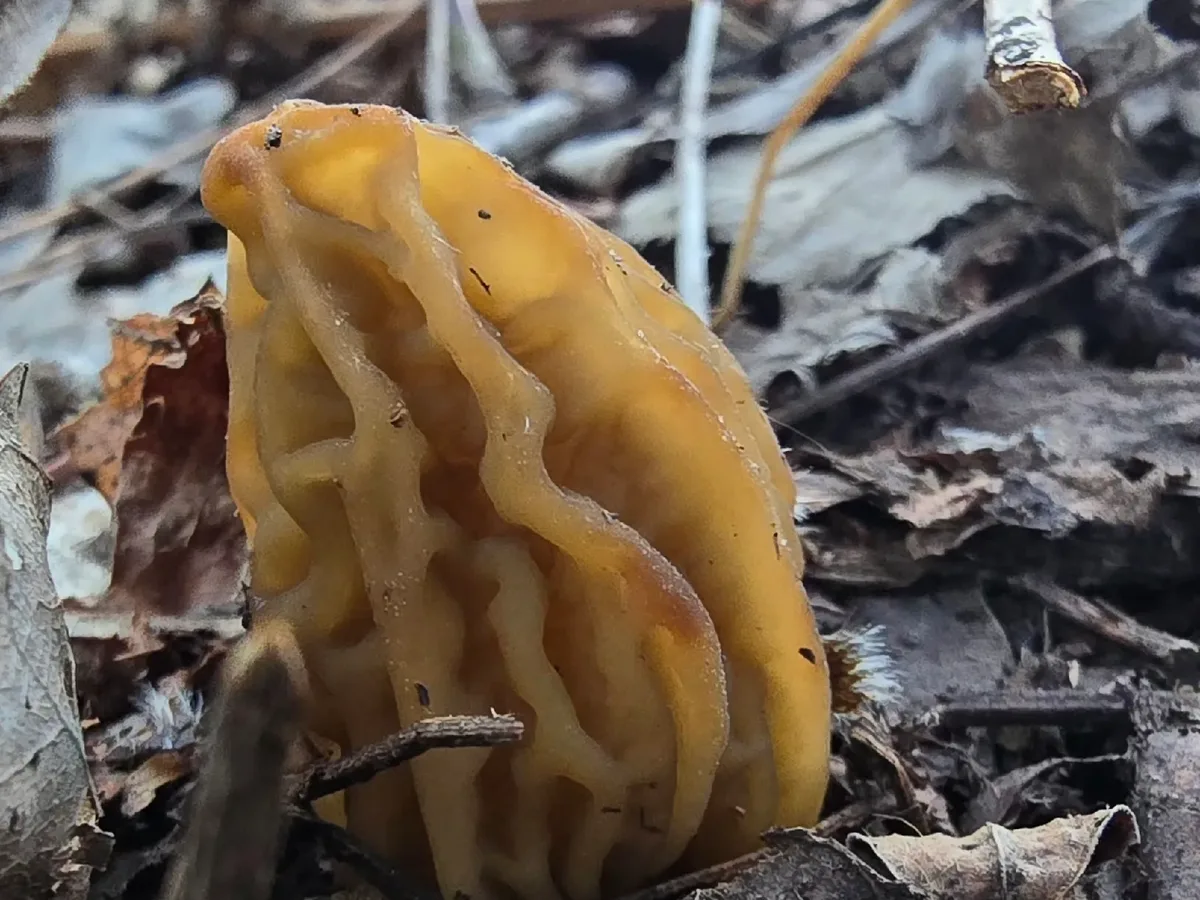
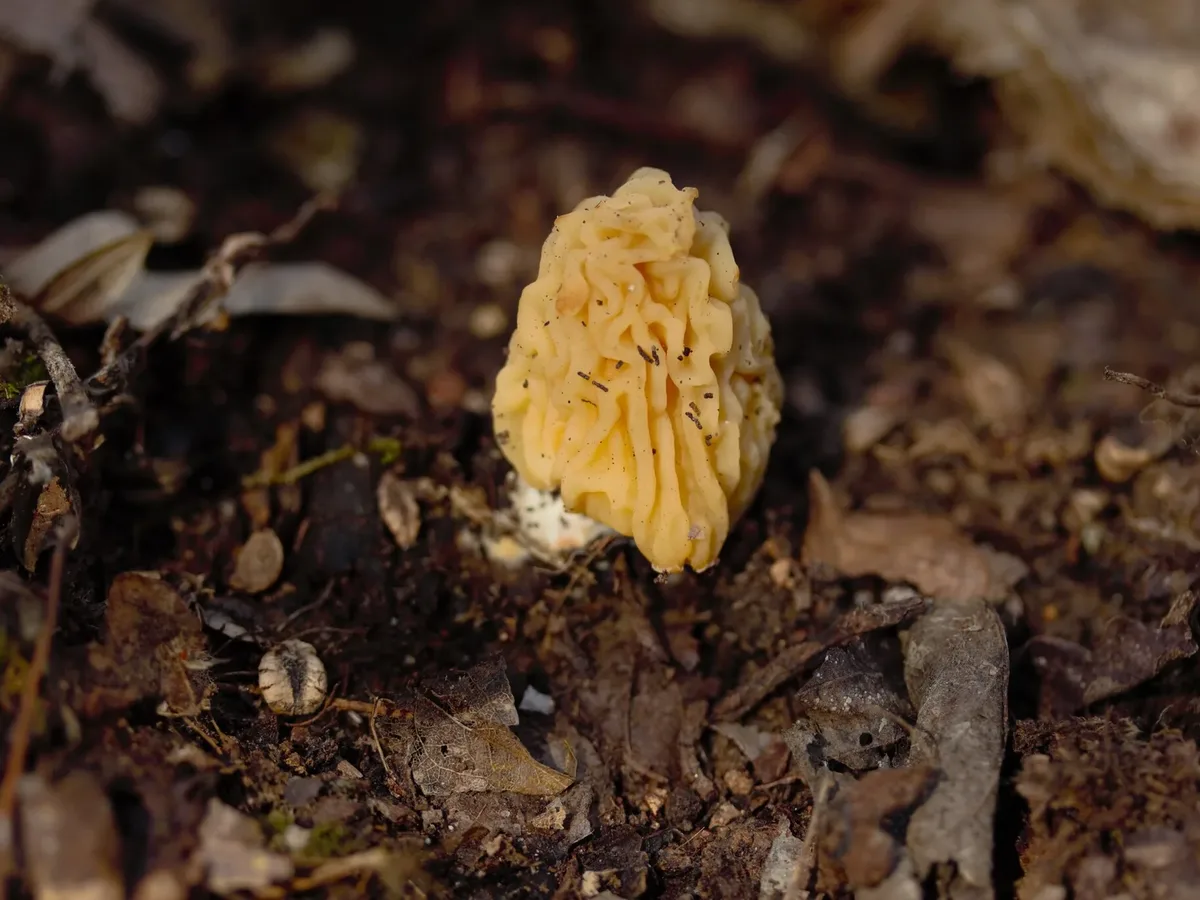
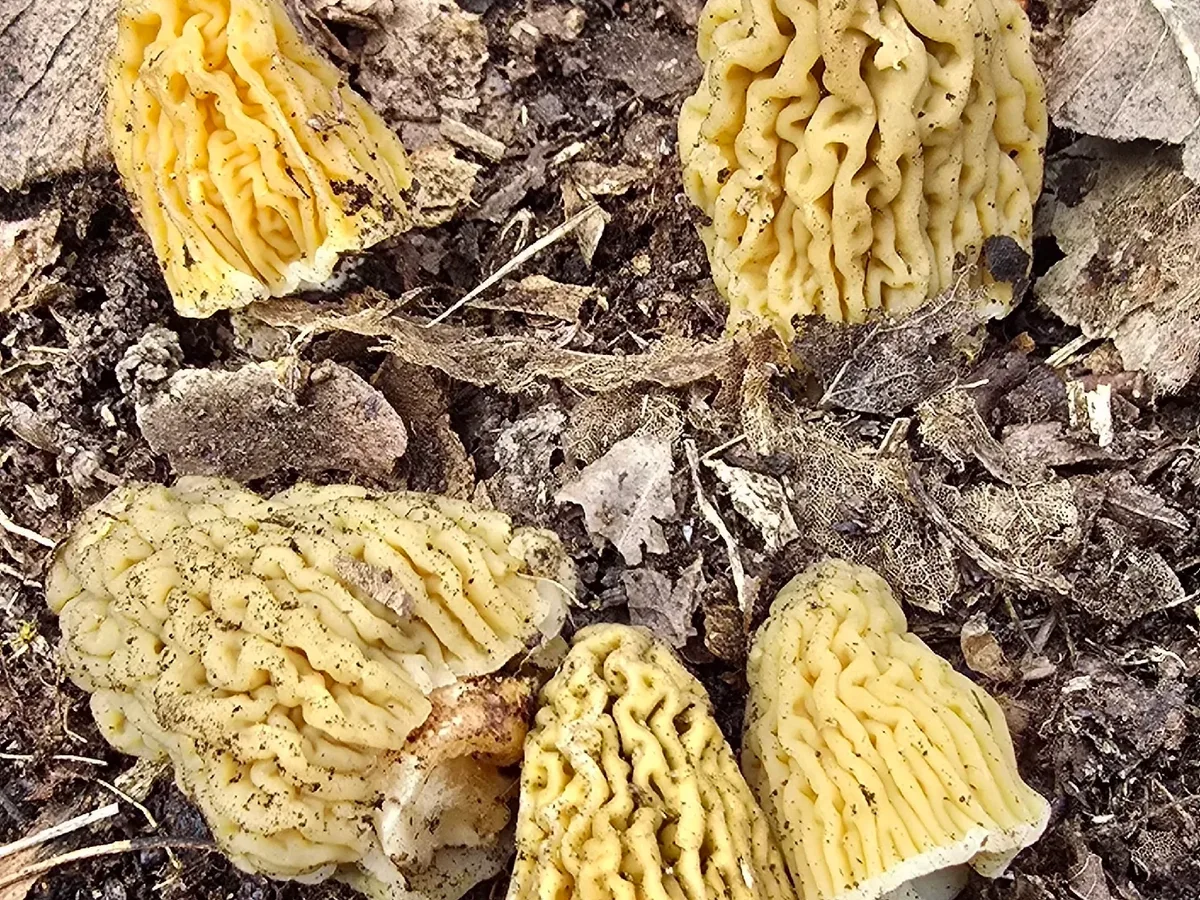
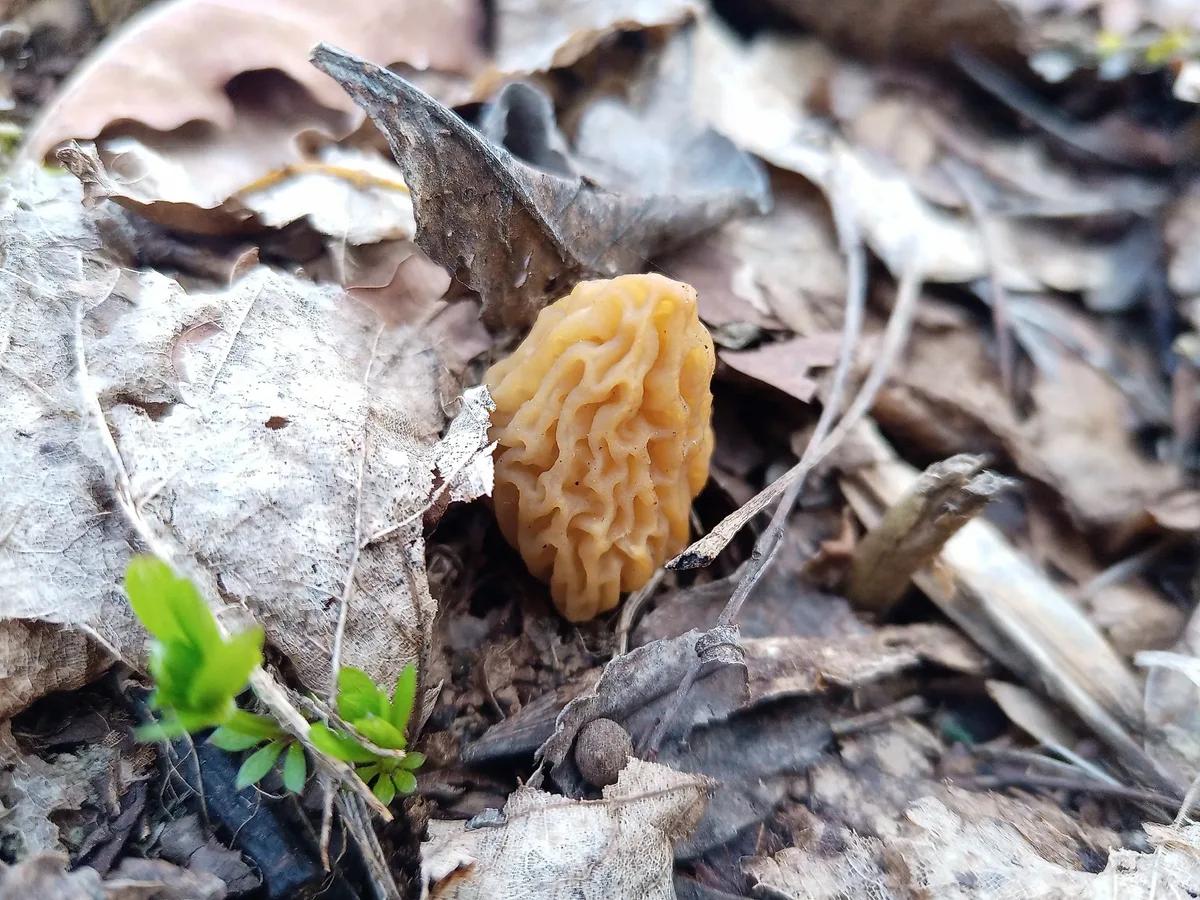
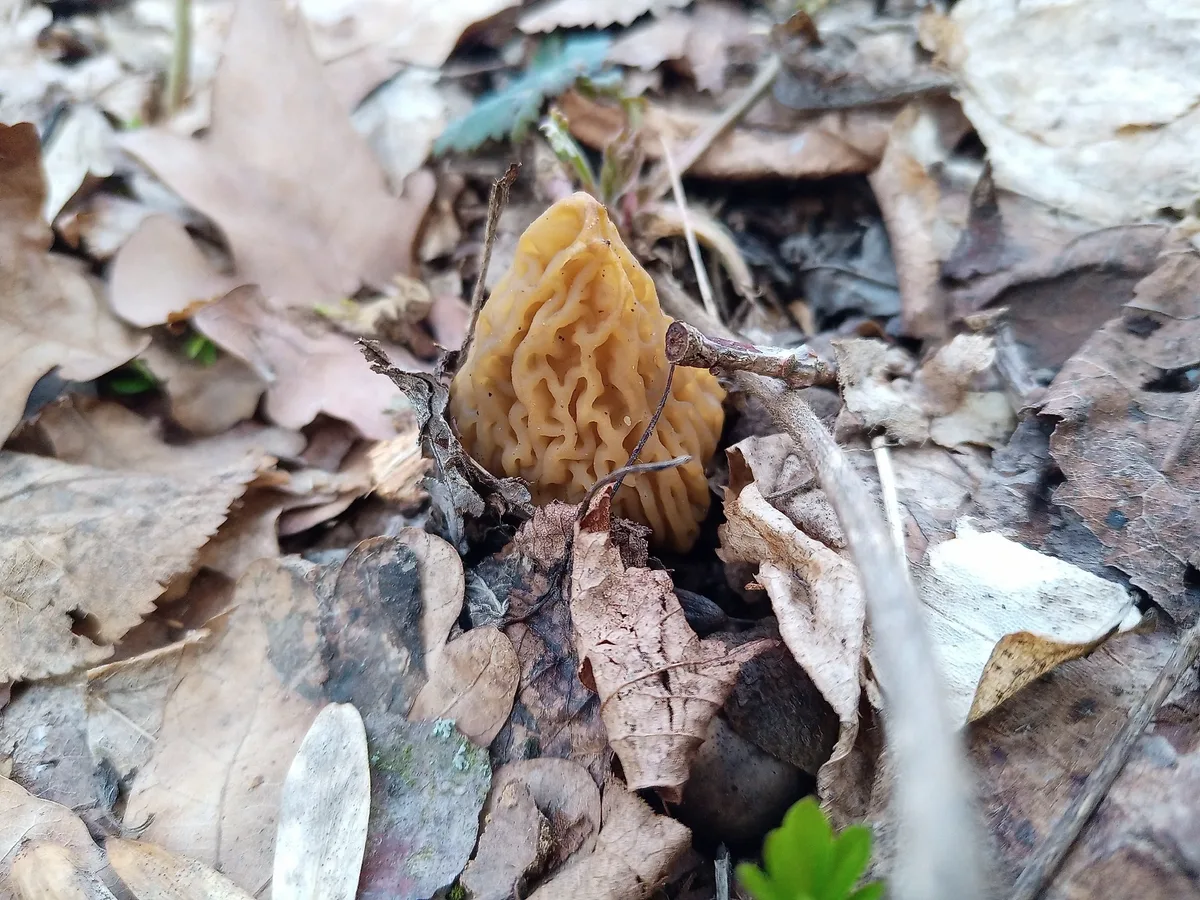
Verpa bohemica is a spring ascomycete that occupies the borderland between true morels (Morchella) and their toxic relatives the false morels (Gyromitra) - in appearance, ecology, and toxicity. The thimble- or bell-shaped cap, 2-5 cm tall and similarly wide, sits atop an elegant hollow white stem and at first glance can persuade an unwary forager that this is a morel.
Cap
Closer inspection reveals the distinction: the cap surface is covered not by the geometric honeycomb of deep pits and sharp ridges that characterises Morchella, but by coarser, longitudinally running ribs and irregular transverse wrinkles and folds - a puckered, pleated texture that is three-dimensional and conspicuous, yet never resolves into the crisp, multi-directional lattice of morel pits.
The colour runs from warm tan through chestnut-brown to dark reddish-brown, usually darkest at the apex and slightly lighter on the ridge crests.
Critically, the cap attaches to the stem not only at the very tip (as in Verpa conica) but along approximately the upper quarter to third of the stem's length, with the lower cap margin hanging freely as a loose skirt. This 'partly free' attachment is intermediate between V. conica and true Morchella and is one of the most reliable characters for placing a specimen in V. bohemica specifically.
Stem
The stem is white to cream, 4-12 cm tall, appears hollow from outside, but cut it lengthwise and you find a chambered interior filled with loose white cottony tissue - a clear difference from Morchella's single, unobstructed hollow tube.
Under the microscope, each ascus holds only 2 spores, large and smooth (60-80 × 16-22 µm), confirming Verpa and excluding true morels definitively.
Why it's dangerous
Verpa bohemica is more reliably toxic than V. conica and causes poisoning more frequently - this distinction matters to anyone who has read that V. conica is only sometimes problematic. The confirmed presence of gyromitrin means there is a real, chemically grounded hazard rather than a merely suspected one.
The primary practical dangers are:
- Eating it raw or undercooked (high risk of significant haemolytic and gastrointestinal illness).
- Eating large quantities even after parboiling (dose-dependent toxicity, individual susceptibility varies).
- Eating it over consecutive days (cumulative toxin accumulation).
- Above all, misidentifying Gyromitra esculenta or another deadly Gyromitra as V. bohemica (potentially fatal).
Anyone who cannot be certain of distinguishing Verpa bohemica from Gyromitra esculenta, Gyromitra infula, and Gyromitra gigas in the field and in the hand should not collect any of these species. The spring riparian habitat where V. bohemica thrives is exactly where these lethal species also appear.
If poisoning is suspected - especially if symptoms include dark or reddish urine, jaundice, loss of coordination, signs of difficulty breathing, or worsening liver pain - seek emergency medical care immediately.
Take a specimen or photograph for identification. Specific antidotal treatment for MMH poisoning (high-dose intravenous pyridoxine/vitamin B6) is most effective when initiated early.
Toxin
Gyromitrin (acetaldehyde N-methyl-N-formylhydrazone) has been analytically confirmed in Verpa bohemica in multiple studies - a firmer toxicological foundation than for its close relative V. conica, where gyromitrin presence is suggested but less consistently demonstrated.
After ingestion, stomach acid and intestinal bacterial activity hydrolyse gyromitrin to monomethylhydrazine (MMH). MMH is a potent, multimechanism toxin:
- It inhibits pyridoxal phosphate (vitamin B6)-dependent enzymes critical for GABA synthesis, leading to neurological effects and, in high doses, seizures.
- It directly damages hepatocytes, causing acute hepatotoxicity.
- It produces oxidative haemolysis of red blood cells, leading to haemolytic anaemia.
- It causes the formation of methaemoglobin, impairing oxygen transport.
MMH is classified by the IARC as a probable human carcinogen (Group 2B), based on consistent animal carcinogenicity data.
Gyromitrin is partially thermolabile - it is volatile and water-soluble, so it partitions into boiling water and into steam during cooking. Vigorous parboiling in large volumes of water with the water discarded removes a meaningful fraction of the total toxin load.
However, the reduction is incomplete and varies with cooking vessel size, water volume, mushroom mass, and time. The 'safe' cooking threshold cannot be guaranteed to any individual specimen.
Verpa bohemica also contains heat-labile haemolytic proteins that contribute to toxicity in raw or undercooked specimens; these are destroyed by adequate heat before gyromitrin becomes the limiting toxicological concern.
Symptoms
Symptom onset typically follows a lag of 2-8 hours after ingestion, though delays of up to 12 hours have been reported - a pattern typical of gyromitrin poisoning that often means patients do not connect their illness to the meal until symptoms are already progressing.
The early phase consists of nausea, vomiting, diffuse abdominal cramps, and diarrhoea, frequently accompanied by headache, dizziness, and generalised weakness. Most mild poisonings - associated with small amounts of properly parboiled material - resolve within 12-24 hours with symptomatic management and no lasting consequences.
More severe episodes - particularly those involving raw consumption, large portions, repeated ingestion across consecutive days, or alcohol co-ingestion - may progress to include:
- Haemolytic anaemia (pallor, fatigue, rapid heart rate, dark or reddish urine from haemoglobinuria, jaundice emerging after 24-48 hours).
- Elevation of liver enzymes (hepatotoxicity).
- In serious cases, methaemoglobinaemia presenting as cyanosis, dyspnoea, and bluish skin discolouration.
Neurological involvement - dizziness, ataxia, confusion, visual disturbance - can occur in moderate to severe poisoning. Severe cases may progress to acute hepatic and renal failure, requiring intensive medical management.
Death from Verpa bohemica specifically is not prominently documented in modern clinical literature, but the toxin mechanism is identical to that of the deadly Gyromitra species and the potential for serious, life-threatening harm with high doses is real.
Staying safe
Verpa bohemica is a documented poisonous species classified in the caution tier, meaning its toxicity is real and confirmed but not routinely lethal in small, properly prepared quantities.
The key distinction from Gyromitra esculenta is one of degree and preparation response: gyromitrin is present in V. bohemica, has been confirmed analytically, and is reduced - though not eliminated - by thorough parboiling.
By contrast, gyromitrin in G. esculenta reaches higher concentrations and has caused deaths even after parboiling. V. bohemica poisoning deaths are not prominently documented in the literature, though serious illness has occurred.
This does not make V. bohemica safe: it is more toxic than Verpa conica, causes illness more frequently in people who eat it without thorough preparation, and the gyromitrin content varies between specimens.
- Never eat raw.
- Always parboil thoroughly, discard water.
- Eat moderate portions; avoid cumulative doses across consecutive days.
- Avoid alcohol alongside or shortly after eating.
- Sensitive individuals, children, pregnant women, and those with liver, kidney, or blood disorders should strictly avoid this species.
The fatal lookalike risk - primarily Gyromitra esculenta in the same habitat and season - is real and demands an unambiguous identification before any consumption.
Where & when it grows
Habitat
Verpa bohemica is a riverside and valley specialist. It gravitates reliably to the moist, silty, nutrient-rich alluvial soils of river margins, floodplain forests, streamside banks, and the edges of marshes and seasonally flooded ground.
Its ecological heartland is the lowland riparian strip where willows lean over water, poplars cast spring shadows on muddy banks, and elms hold river terrace soil together. These are also the places where spring comes fastest - solar warmth concentrated by water, frost drained away by moving air, organic matter plentiful in annual leaf and flood deposits.
The species is saprotrophic rather than mycorrhizal, meaning its substrate connection is to decaying organic matter in the soil rather than to specific tree roots. This also means it can appear in parks, along old hedgerows, in orchards, and at moist woodland edges wherever the right combination of soil richness and early spring warmth coincides.
Across its circumpolar range - including northeastern China, the Russian Far East, Japan, and the Korean Peninsula - the same riverine and moist-valley habitats recur. The tree species change (willows and poplars remain prominent, joined locally by alders and elms), but the ecological fingerprint is consistent.
When
Verpa bohemica arrives early - sometimes before any other conspicuous macrofungus has appeared - as one of the first spring fruiting bodies of the year.
In temperate lowland sites in Europe and East Asia the main flush typically spans mid-March through April, cresting around late March to mid-April in most lowland river valleys. At higher elevations or in continental climates (Manchuria, the Russian Far East) the season compresses into April and May, tracking the later thaw.
The window is short at any single location, usually three to five weeks, and closely aligned with soil temperatures rising above about 5-8 °C and the establishment of reliable spring moisture from either snowmelt or spring rainfall. A brief late frost may pause or cosmetically damage emerged fruitbodies but does not necessarily end fruiting.
The season consistently overlaps with Verpa conica, usually slightly precedes or co-occurs with the first true morels (Morchella esculenta, M. elata group), and importantly overlaps with the peak emergence of the deadly Gyromitra esculenta - making careful identification essential in mixed early-spring populations.
How it grows
Fruits solitarily or scattered, occasionally in loose troops of three to ten fruitbodies emerging from moist spring soil, sometimes partly concealed by last year's leaf litter.
Growth from soil emergence to full maturity is rapid, typically 4-8 days. Fruitbodies are short-lived and fragile, collapsing in warm or dry conditions within a few days of reaching full size.
The mycelium persists in suitable soil between seasons. Productive sites along stream banks or in flood-washed soil tend to recur annually if conditions are right, though yields vary considerably with year-to-year spring weather.
No prominent mycelial mats are usually visible, but pale cottony mycelium can sometimes be seen at the cut base of the stem.
Fruiting conditions
Fruiting is triggered by a combination of soil warming above 5-8 °C and adequate moisture from snowmelt or spring rainfall. As a riparian specialist, V. bohemica benefits from the soil moisture retained in alluvial floodplain soils and does not always require a discrete rainfall event; snowmelt alone is often sufficient in early spring. The flush lag of 5-10 days after triggering conditions are met reflects the rapid mycelial activation typical of spring ascomycetes. Warm, moist springs with gradual warming (rather than abrupt warm spells followed by frost) tend to produce the best crops. The season is brief and closely correlated with the transition from winter soil temperatures to the sustained spring warming window.
Look-alikes
The paramount danger in the spring riparian habitat where Verpa bohemica grows is Gyromitra esculenta (false morel, brain mushroom), which is potentially fatal and contains gyromitrin at higher, less predictable concentrations.
Gyromitra esculenta has a broadly lobed, irregularly brain-like, convoluted cap - not thimble-shaped and never hanging loosely around the stem - and a much thicker, ribbed, deeply chambered stem. It is typically larger overall, with a dark chestnut-brown to reddish-mahogany cap.
The two species may co-occur at overlapping sites in spring, and the colour overlap (both brownish) makes a superficial glance dangerous; careful examination of cap form, size, and stem attachment is essential.
- Gyromitra infula (hooded false morel) has a saddle-shaped, bilobed reddish-brown cap and also contains gyromitrin; it fruits primarily in late summer and autumn but temporal overlap at certain elevations is possible.
- Verpa conica (smooth thimble-cap) is the species most likely to be confused with V. bohemica in the field; it has a smooth to very faintly wrinkled cap (lacking the coarse longitudinal ribs), and its cap attaches only at the very apex of the stem - not along the upper third.
- True morels (Morchella esculenta, M. elata group, M. eximioides in East Asia) are the most common intended quarry when V. bohemica is picked in error. In true morels the cap is entirely covered by a deep, regular, multi-directional honeycomb of pits and sharp-edged ridges - clearly a geometric lattice, never merely pleated or wrinkled - and the cap base fuses to the stem along its full lower margin with no free-hanging skirt. Sliced lengthwise, a Morchella shows a single, completely hollow, uninterrupted cavity; a Verpa's stem is stuffed with cottony tissue.
- Morchella semilibera (half-free morel) shares an intermediate free-hanging lower cap margin but has a clearly honeycomb-pitted surface and is a genuine morel.
Cap is broadly lobed, irregularly brain-like, and heavily convoluted - never thimble-shaped or with a simple free-hanging skirt. The cap is broadly fused to the stem rather than hanging at the sides. Stem is thick, ribbed, and deeply chambered. Typically larger overall. Contains gyromitrin at higher and more variable concentrations than V. bohemica; potentially fatal even after cooking. Shares the same early-spring, riparian-to-woodland habitat and timing - the most important dangerous confusion in the field.
Cap is saddle-shaped to bilobed and wavy, reddish-brown, never thimble-shaped. Interior chambered and stuffed. Contains gyromitrin-type toxins. Primarily late summer to autumn fruiting (July-October) but temporal overlap with V. bohemica is possible at higher elevations. Distinguishable by cap form.
Much larger (cap 5-15 cm wide), pale reddish-ochre to tan, with a massive lobed brain-like cap and a stout deeply ribbed stem; fruits near snowmelt in montane habitats. Contains gyromitrin-type compounds and has caused serious poisoning. Size and cap architecture are immediately different from Verpa bohemica.
Cap covered with a crisp, multi-directional honeycomb lattice of deep pits bordered by sharp ridges - not merely wrinkled or pleated. Cap base fused to the stem along its full lower margin with no free-hanging skirt. Sliced lengthwise: single, completely hollow, uninterrupted interior. A choice edible when properly cooked; distinguishable from V. bohemica by anyone who checks cap surface texture and cap-stem junction.
True morel with a conical to narrowly ovoid cap covered by a regular elongated honeycomb lattice of pits and ridges, progressively darkening to charcoal-gray to black. Cap fused at its base to the stem, no free overhang. Interior cleanly hollow. Choice edible when thoroughly cooked. The primary morel confusion risk in East Asian spring habitats where V. bohemica also occurs.
A genuine morel with a small honeycomb-pitted cap whose lower portion hangs partially free of the stem - superficially intermediate in cap attachment. Distinguished from V. bohemica by the clearly defined honeycomb pit surface (not longitudinal ribs and wrinkles) and hollow stem. Choice edible when properly cooked.
Cap surface is smooth to very faintly wrinkled, without the coarse longitudinal ribs and folds of V. bohemica. Cap attaches to the stem only at the very apex, not along the upper third; the free skirt is more extensive and the attachment point smaller. Less reliably toxic than V. bohemica but also a caution-tier species; requires the same preparation precautions.
A reference guide - never an edibility guarantee. When in doubt, leave it out.