Corn smut
Ustilago maydissyn. Mycosarcoma maydis
 © Thomas Koffel (CC BY 4.0)
 Ortwin Bönhold (CC0)
 Tim Asbreuk (CC0)
 © Björn Sothmann (CC BY-SA)
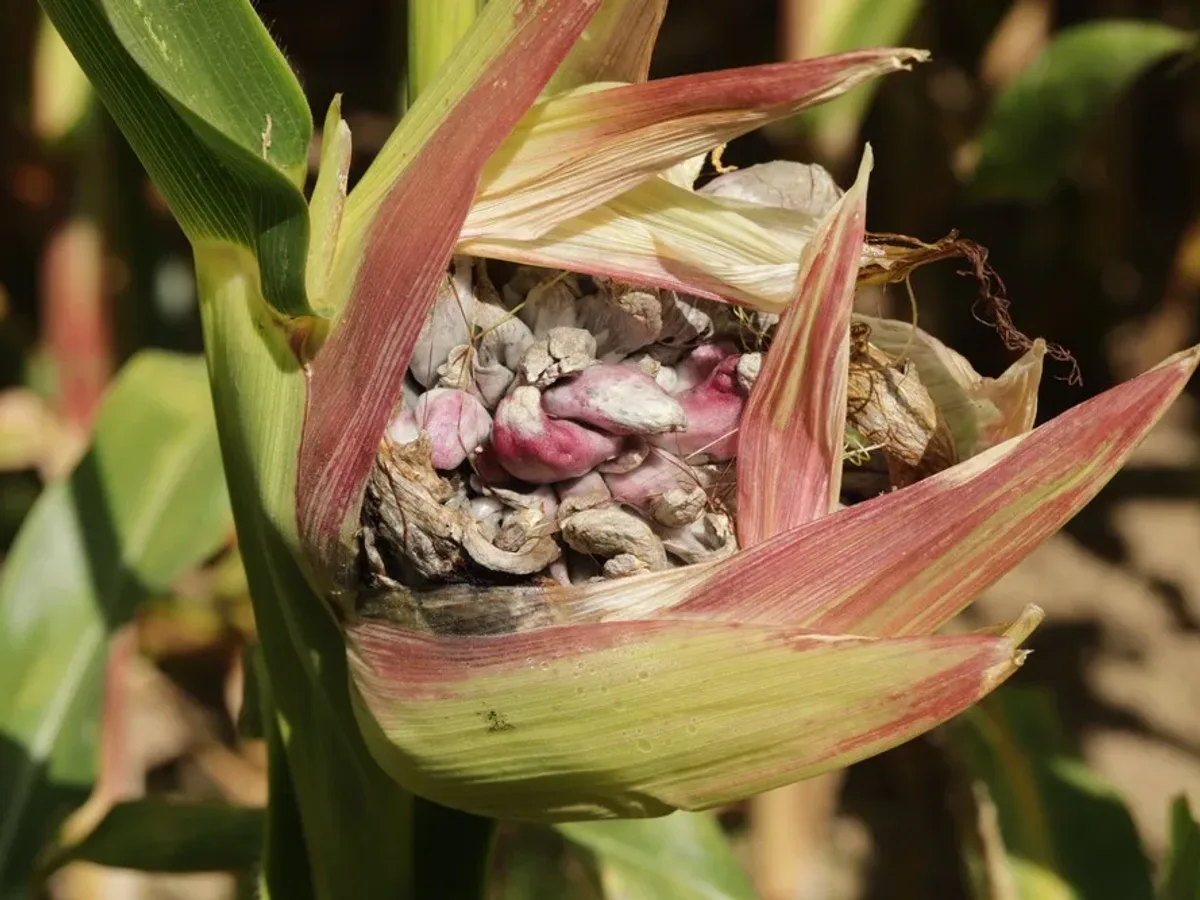 © Björn Sothmann (CC BY-SA)
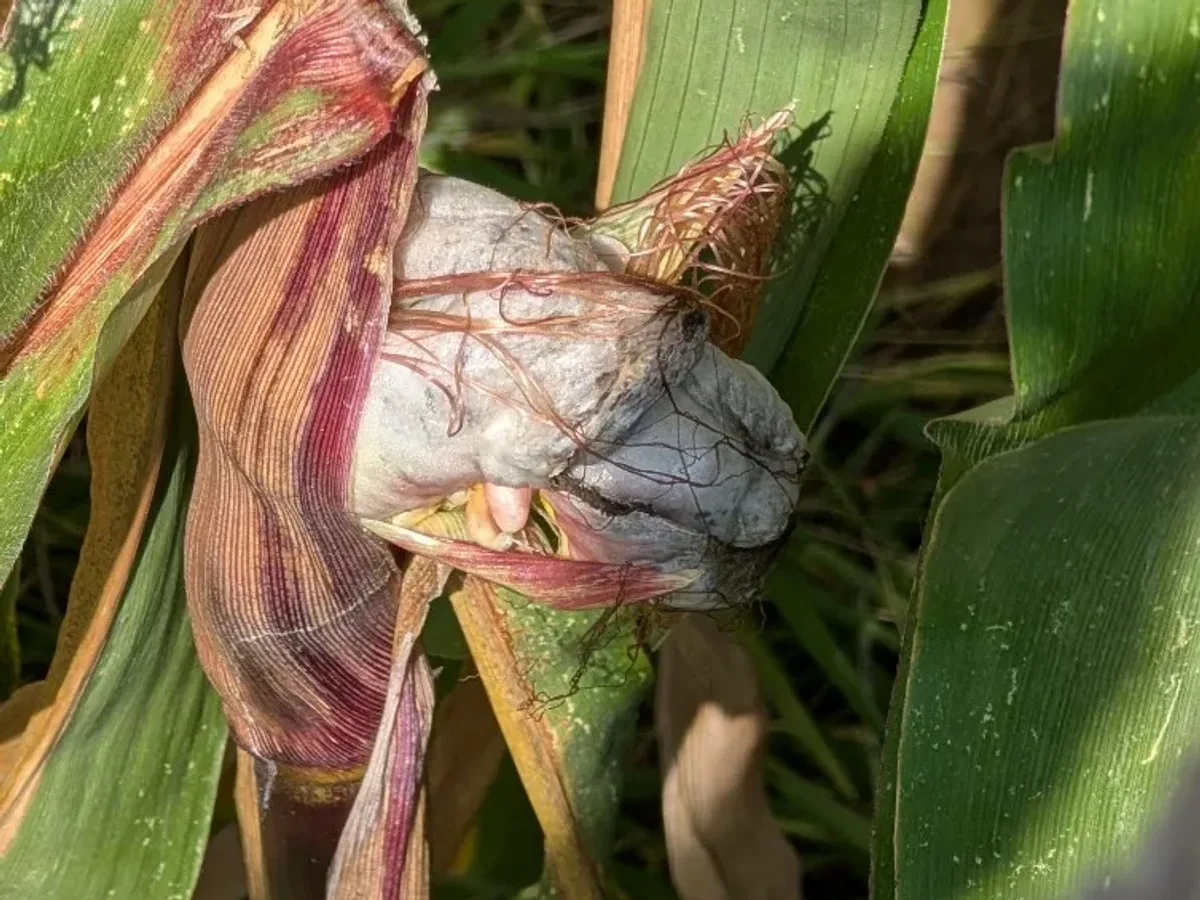 Claude Pepin (CC0)
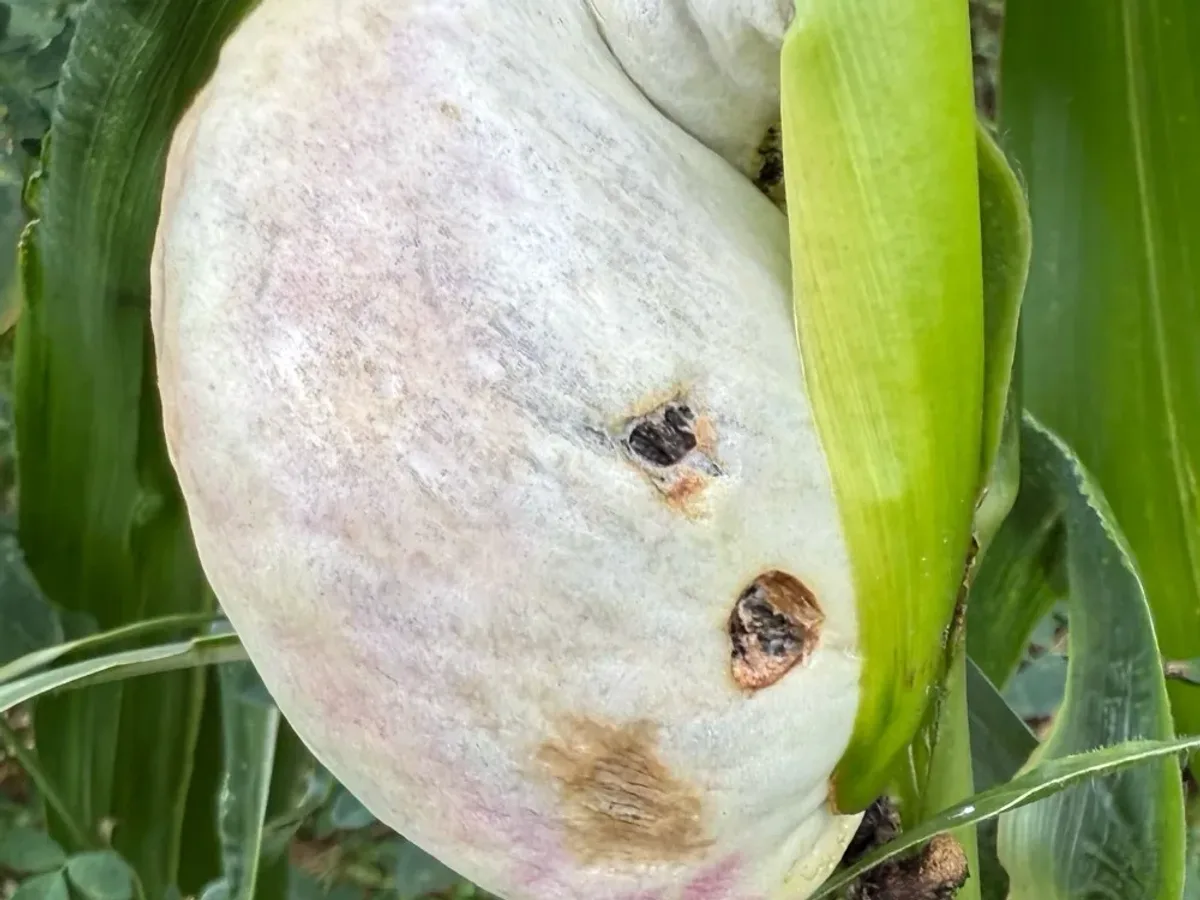 © katrit (CC BY-SA)
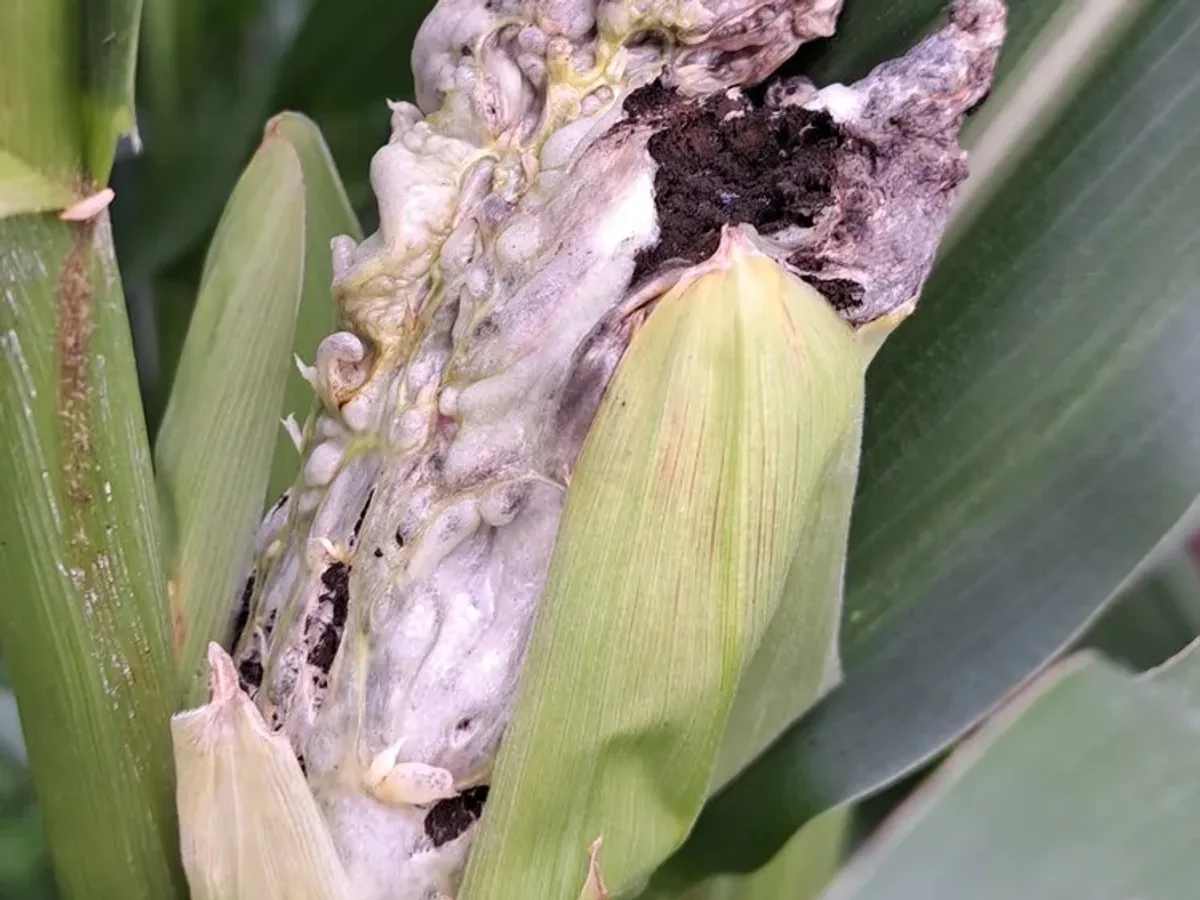 Bram vd Bergh (CC0)
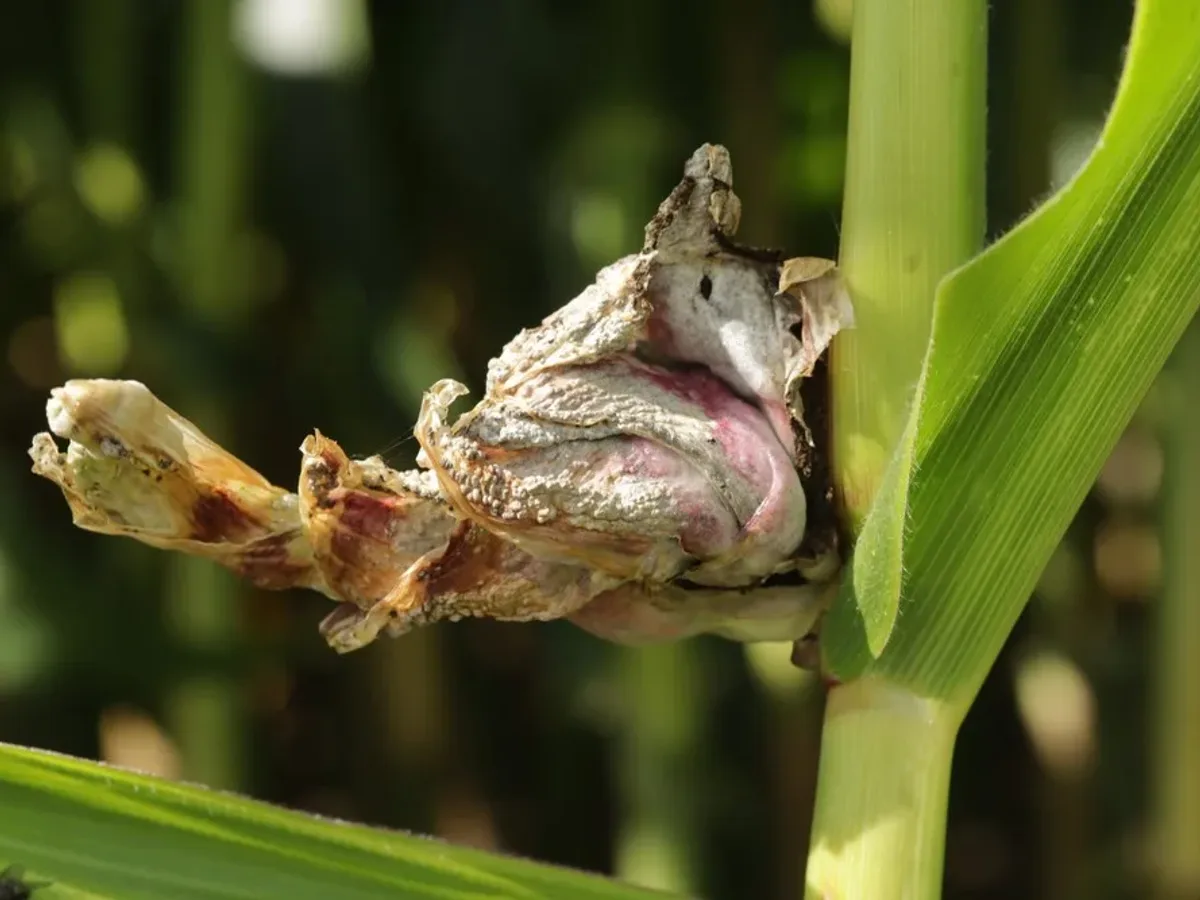 © Björn Sothmann (CC BY-SA)
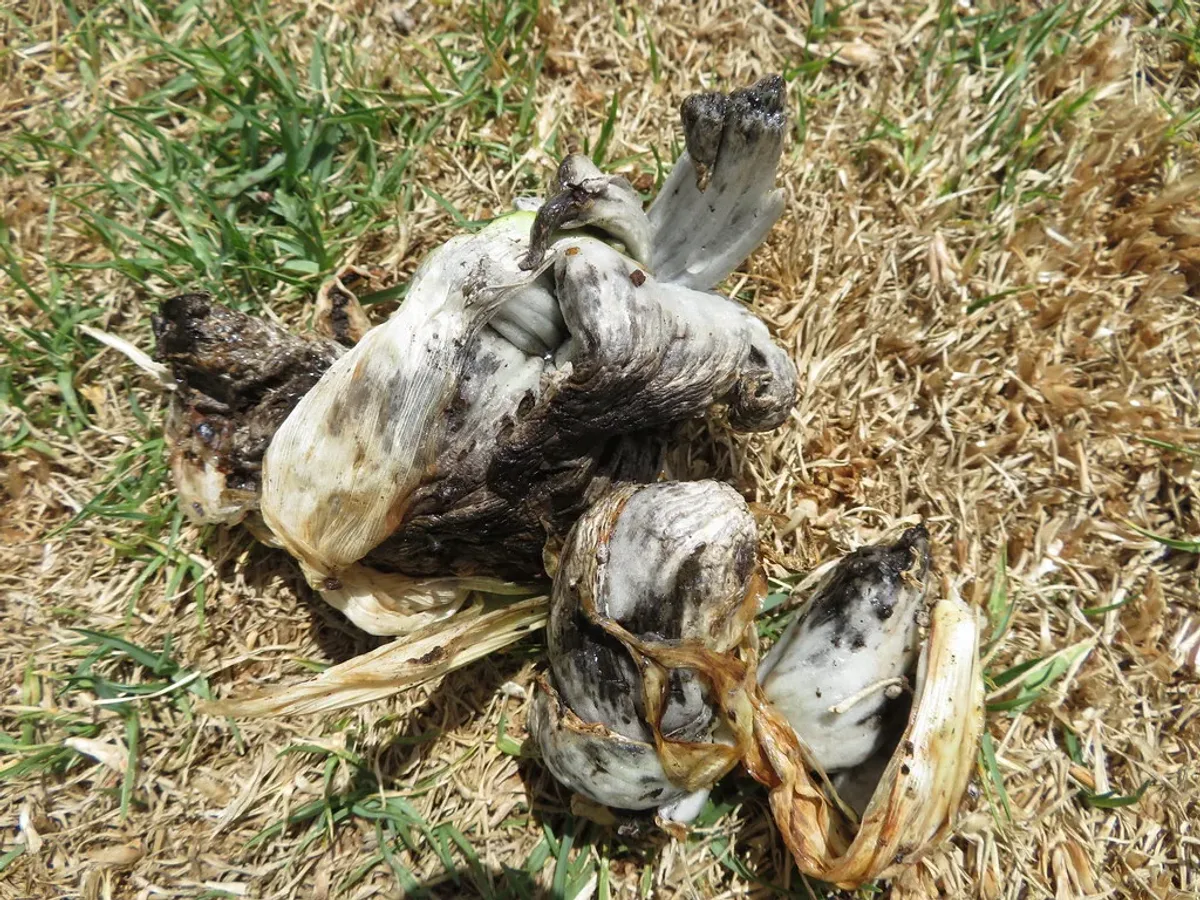 © Starr Environmental (CC BY 2.0)
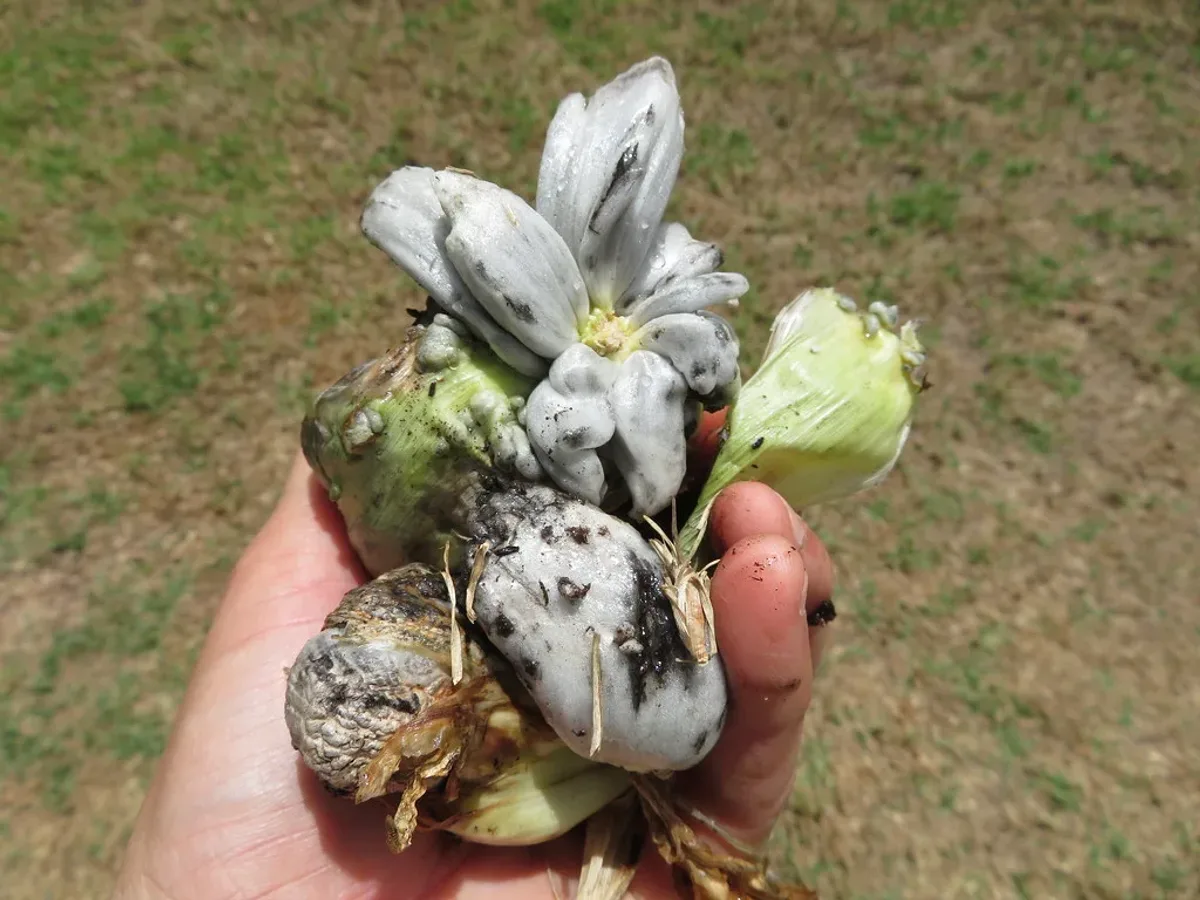 © Starr Environmental (CC BY 2.0)
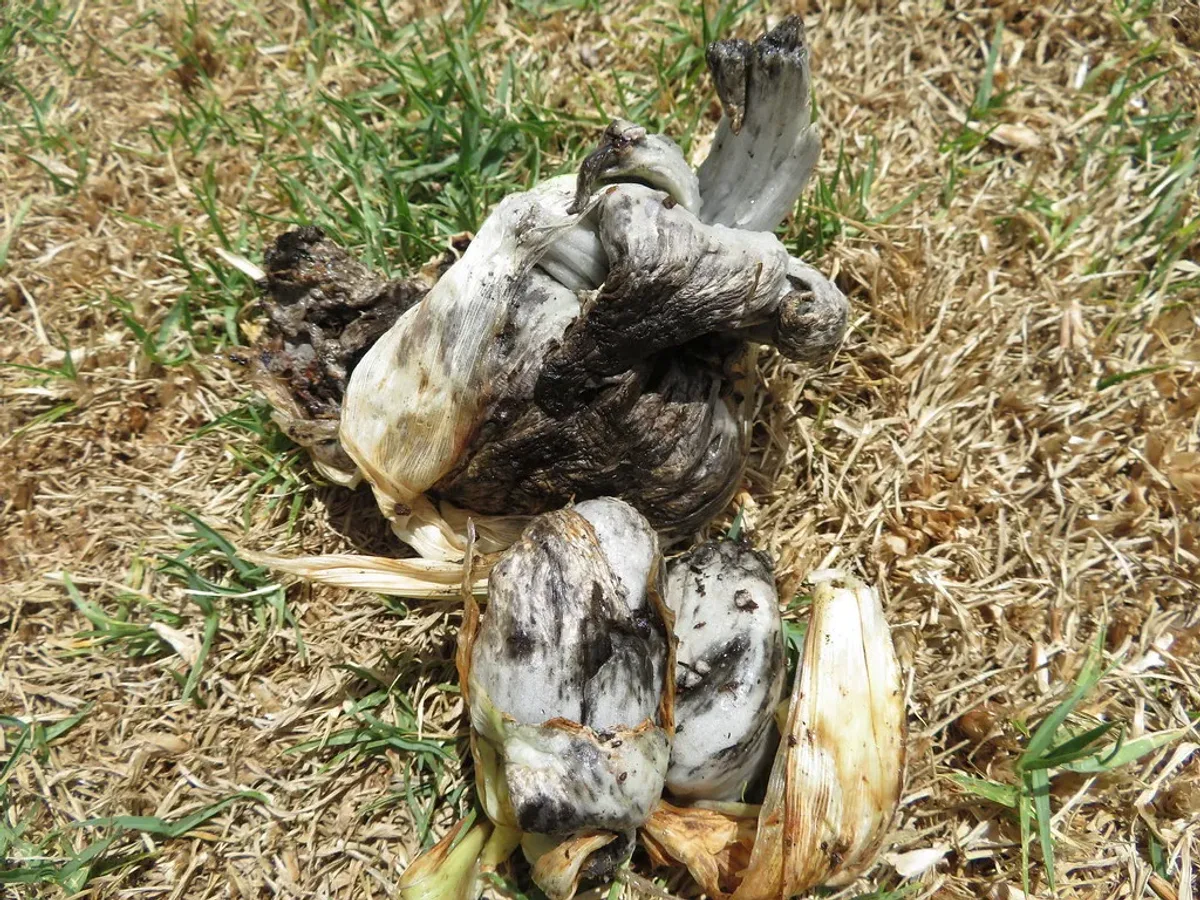 © Starr Environmental (CC BY 2.0)© Thomas Koffel (CC BY 4.0)Ortwin Bönhold (CC0)
Good to eat, once you have identified it with certainty and cooked it through.
How to recognise it
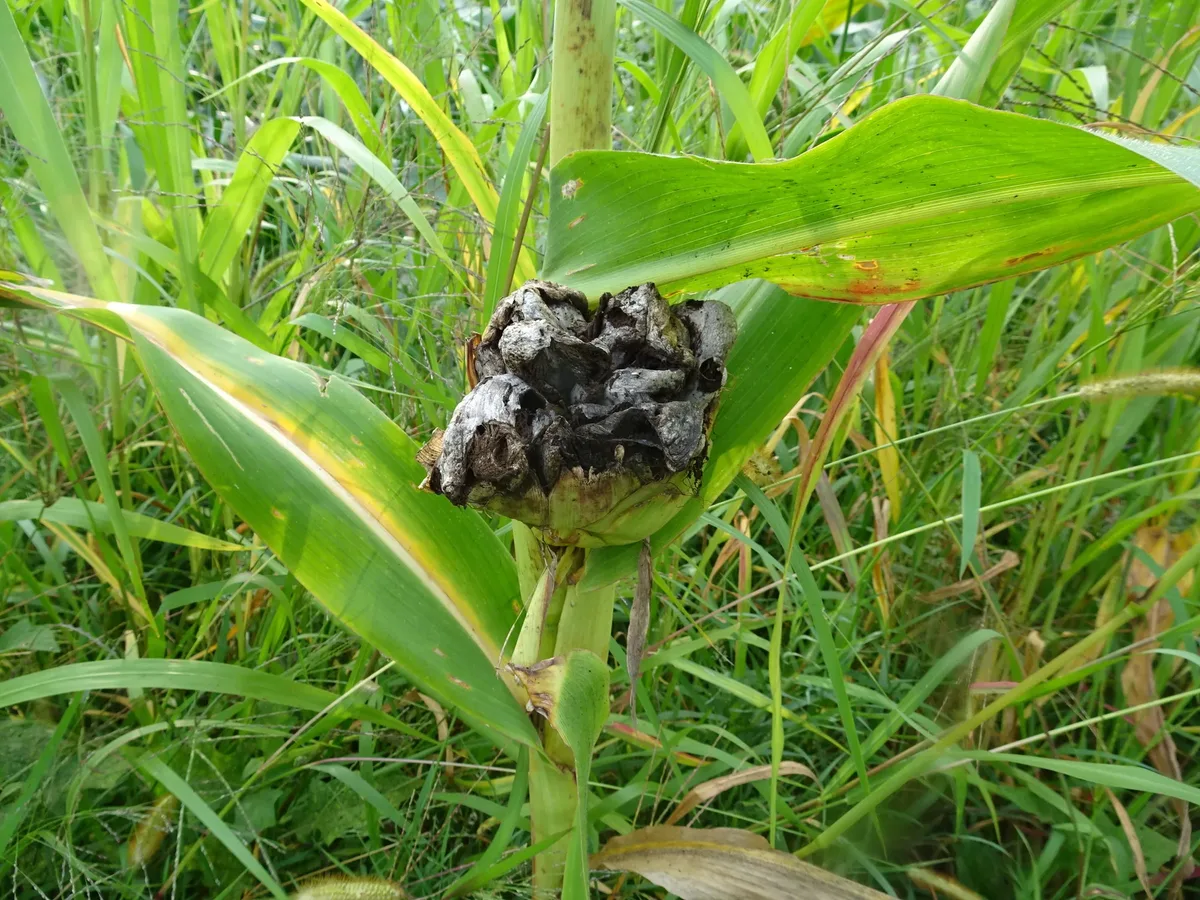
Ustilago maydis produces none of the conventional mushroom architecture - no cap, no stem, no gills. Instead it hijacks the reproductive tissue of a corn plant and turns individual kernels into bulging, otherworldly galls.
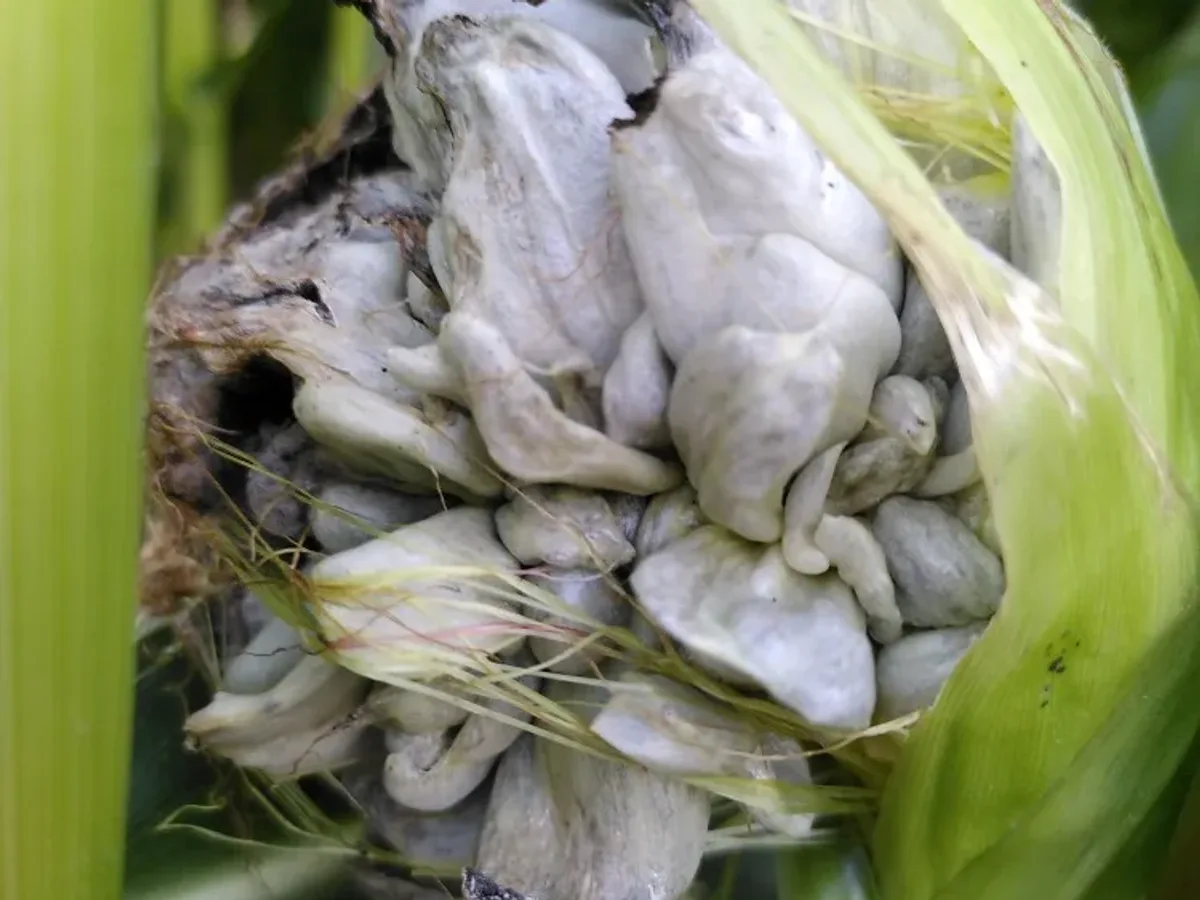
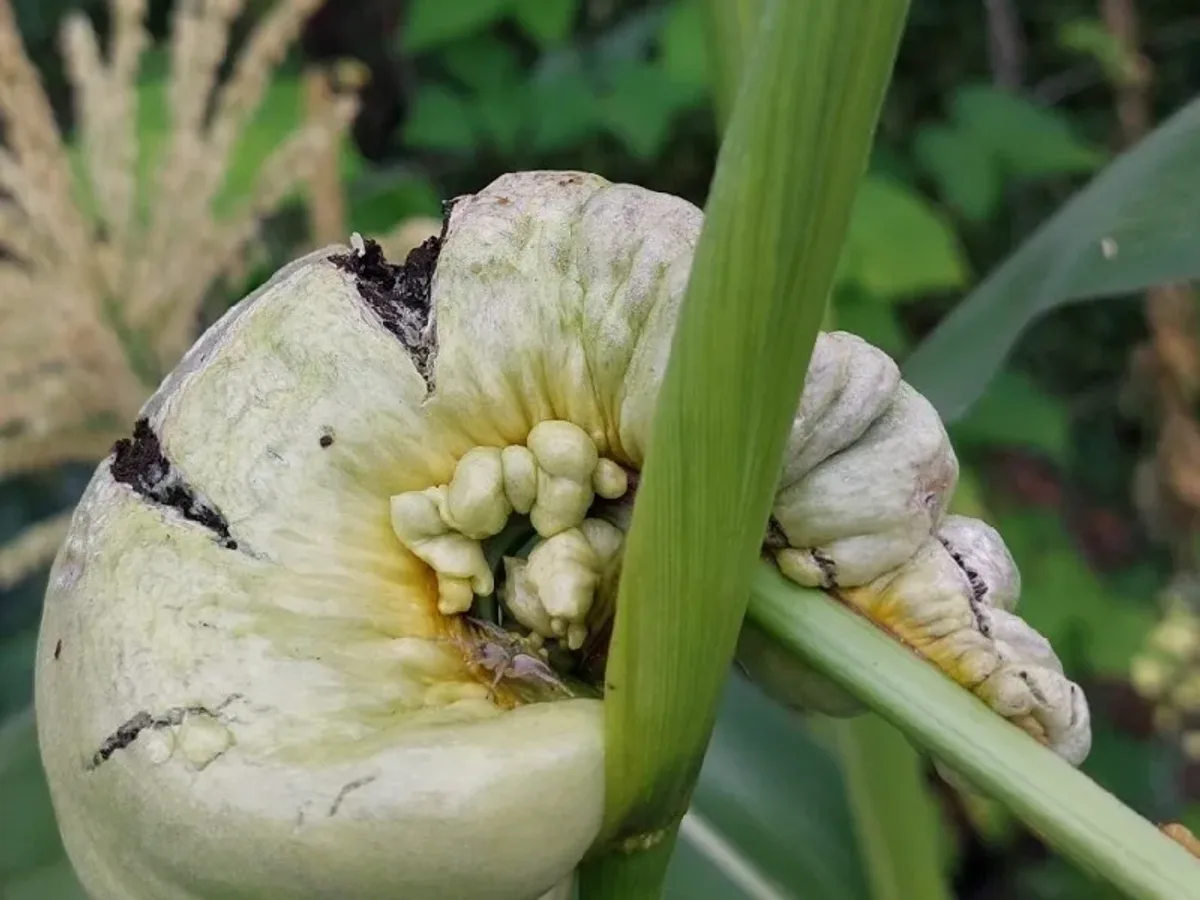
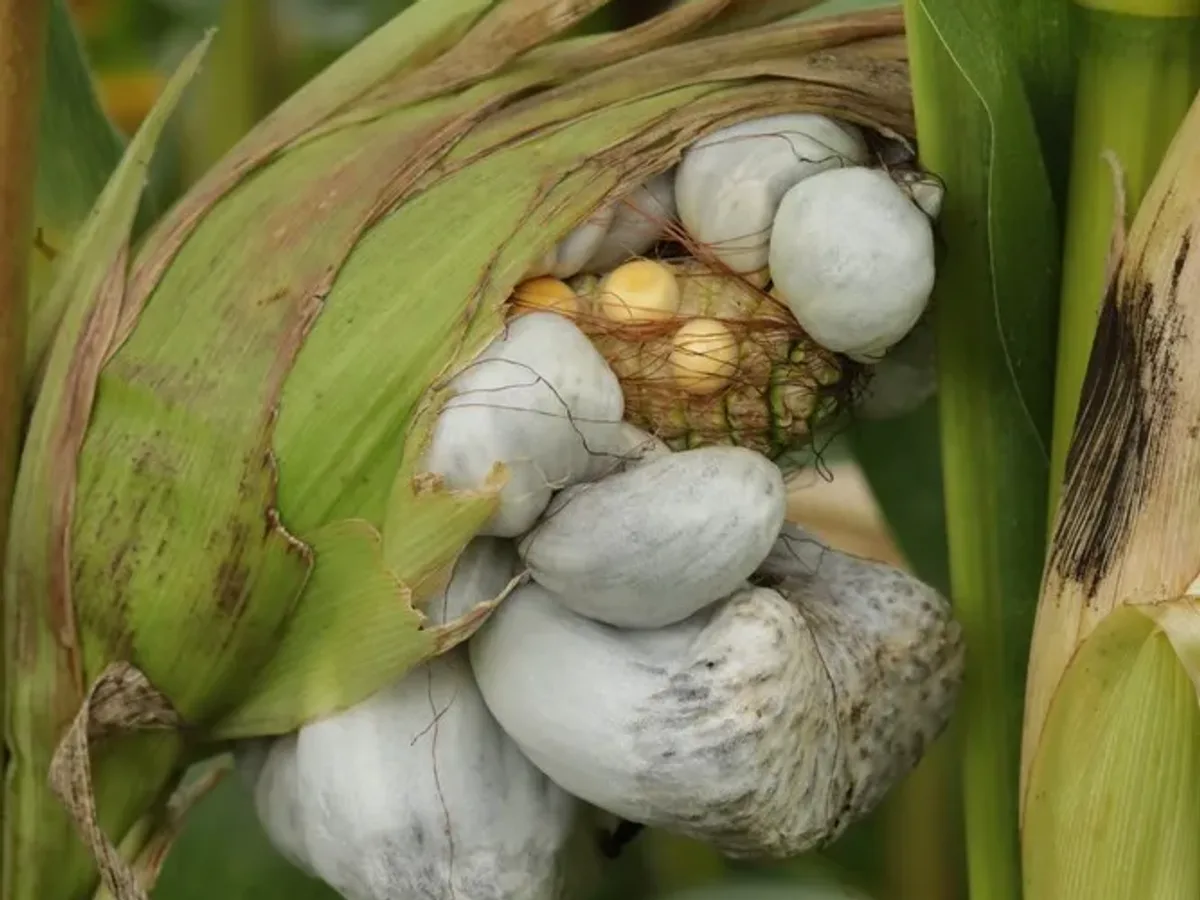
Early in their development the galls are smooth and pale silver-grey, with a thin papery membrane stretched tightly over a firm, nearly white interior flesh that carries a faint blue-purple tint.
As the fungus matures and the spores develop internally, that flesh darkens progressively through slate-grey and deep blue-grey until the whole mass approaches black. The skin remains intact and superficially velvety or satiny to the touch right up until full maturity.
Individual galls range enormously - from pea-sized swellings of 0.5 cm to enormous knobby clusters reaching 11 cm or more across when several adjacent kernels are simultaneously infected and their masses merge.
A freshly cut young gall reveals a fleshy, slightly gelatinous interior with an unmistakably deep, truffle-like aroma.
At full maturity the membrane ruptures and the interior collapses into a mass of powdery blue-black teliospores, which are the wind-dispersed propagules that carry the fungus on to new host plants. That powder stage signals the end of the culinary window: only the firm-fleshed, intact galls are eaten.
Where & when it grows
Habitat
Ustilago maydis is an obligate pathogen of Zea mays (maize/corn) and its closest wild relative, teosinte (Zea mays subsp. parviglumis and related taxa). It has no free-living soil stage and cannot complete its life cycle on any other host genus.
Within the corn plant it infects most readily the silk threads and the young florets of the ear, though galls can appear on any rapidly dividing meristematic tissue - including the tassel, the leaf axils, and occasionally young stalks.
Fields in the highland valleys of central Mexico, where summer humidity is high and temperatures moderate during the rainy season, produce the heaviest and most prized infections.
The fungus is global wherever corn is grown, but it has been most deeply woven into culinary culture in Mexico, where it is managed as a crop-within-a-crop rather than treated as a pure blight.
High nitrogen fertility and dense planting both tend to favour infection, and physical damage from insects, hail, or mechanical injury gives spores easy entry points.
When
The huitlacoche season tracks the temporal heart of the Mexican corn-growing calendar, running from the onset of the rainy season in June through to November as the rains taper and the corn matures.
Infection requires warmth and free moisture: teliospores germinate and produce the basidiospores that infect plant tissue most successfully when temperatures sit between roughly 23-30 °C and humidity is sustained.
In the highland valleys around Mexico City and Oaxaca the peak abundance of young, edible galls typically falls in July and August when rains are most consistent.
Later in the season, as temperatures begin to drop and rainfall becomes more episodic, new infections slow and existing galls tend to run quickly to maturity and spore release.
In commercial growing situations, fungal suspension sprays are sometimes applied to ears at the silk stage to synchronise infection and extend the harvestable window.
Outside Mexico, wherever corn is grown through a warm, humid summer - across much of the eastern United States and southern Canada included - natural infections appear regularly, though they are seldom harvested.
How it grows
The life cycle of Ustilago maydis is one of the most thoroughly studied in mycology, partly because it became a foundational model organism for understanding fungal genetics and host-pathogen signalling.
The cycle runs as follows:
- 1The dispersal propagule is the diploid teliospore, which overwinters in soil or crop debris.
- 2On germination in spring warmth and moisture, the teliospore undergoes meiosis and produces short haploid filaments (the basidium) that bud off haploid sporidia - tiny, yeast-like cells that multiply by budding and are incapable of infecting a plant.
- 3Infection only becomes possible after two compatible mating types fuse to produce a dikaryotic filamentous form.
- 4This dikaryon grows through the corn tissue, secreting effector proteins that suppress plant immune responses and redirect the plant's hormone signalling - converting the kernel's natural developmental programme from seed formation into unrestricted fungal-driven cell proliferation. The swelling gall is essentially the plant's own tissue, hypertrophied by fungal chemistry.
- 5As the gall matures, the dikaryotic hyphae fragment and each cell rounds up and produces a thick, ornate wall to become a teliospore - completing the cycle.
This intimacy between fungal signal molecules and plant developmental pathways is why huitlacoche galls can grow to remarkable size: the fungus is not destroying the tissue but co-opting it.
Fruiting conditions
Not a soil-fruiting mushroom but a plant pathogen: galls develop on corn ears during the rainy season after infection of the flower; harvest while galls are still soft and dark gray.
Look-alikes
Ustilago maydis is effectively impossible to confuse with any other organism encountered in a corn field. No wild mushroom, smut fungus of another genus, or plant pathogen produces the characteristic silvery-grey-to-black galls swelling directly from the kernels of a corn ear.
The substrate - Zea mays - is itself unmistakable, and the galls arise from no other part of the landscape.
Other smut fungi infect grains (wheat smut species, sorghum smut, etc.) but these are wholly different genera growing on different grass hosts and their spore masses are not used as food.
If any uncertainty exists - for instance if galls are found on a grass that is not definitively identified as corn - do not harvest: smut fungi of other grain crops are not eaten and some may produce irritant compounds.
Within corn itself, the only other common fungal infection that might be noticed is Gibberella ear rot (caused by Fusarium species), which produces pinkish mould between kernels rather than swollen grey galls and is genuinely a food-safety concern due to mycotoxin production.
The distinction is straightforward: huitlacoche is a discrete, swollen, smooth-skinned grey or black gall replacing a kernel; Fusarium rot is a powdery or cottony pinkish-white mould spreading between kernels without gall formation.
In the kitchen
Picking & cleaning
The entire culinary value of huitlacoche rests on harvesting at exactly the right moment. The target is the early-to-mid stage of gall development. Look for:
- galls plump and turgid
- the outer membrane smooth and unbroken
- interior flesh that cuts clean and white-to-grey-purple, with no trace of powdery black spore mass
At markets in Mexico City, vendors judge freshness by pressing gently - firm and resilient is good, soft or collapsing is past prime.
Colour is a secondary cue:
- silvery grey and blue-grey galls are young
- near-black galls are approaching maturity but still acceptable if the interior is still cohesive
- galls that have split and show powder are spent and should be left
The practical harvest is simply cutting the entire infected portion of the ear from the cob with a knife, then slicing the galls free individually. Large clustered masses can be broken apart and cleaned of any dry corn tissue clinging to the base.
Because the water content is high and enzymatic breakdown is rapid once separated from the plant, fresh huitlacoche should be used within one to two days of harvest. For longer storage, the cleaned galls freeze surprisingly well and lose little flavour - freezing is far preferable to refrigerating raw galls for more than a day or two.
Cooking
In central Mexican cooking, huitlacoche occupies a revered niche that the Spanish colonial period tried and largely failed to suppress - it was eaten long before Europeans arrived and is now experiencing renewed prestige in both traditional and contemporary fine-dining kitchens.
The standard preparation begins with sautéing cleaned galls in a hot dry or lightly oiled pan, where the high water content drives off steam and the sugars begin to caramelise: the galls collapse, deepen to near-black, and develop a concentrated flavour that has been compared to a blend of black truffle, corn, and forest mushroom with a distinct earthiness that sits somewhere between umami and sweet.
From this base, almost every preparation adds onion, garlic, a fresh or dried chile (serrano, jalapeño, or pasilla), and a handful of epazote - the pungent herb whose anise-like bitterness is a traditional counterpoint to the richness of the fungus.
This sautéed mixture becomes the filling for quesadillas (with or without cheese), tacos, tamales, soups (crema de huitlacoche, a velvety pureed cream soup), and empanadas. High-end chefs have used huitlacoche in pasta fillings, risottos, and crêpe fillings, leaning into its truffle comparison.
Canned huitlacoche is widely available and convenient, though the fresh flavour is noticeably richer. Frozen galls (flash-frozen at the prime harvest stage) are the best substitute for fresh when out of season.
Good to know
Huitlacoche has been eaten in Mexico for at least several centuries and is today sold legally and openly at urban markets and supermarkets throughout the country. It carries no known toxins and produces no reported adverse reactions when properly cooked.
Two practical safety points deserve attention:
- 1Do not eat galls that have fully sporulated - when the interior has collapsed to black powder, the culinary stage has passed. This is not a toxin concern but a quality one (powdery, spent galls taste bitter and gritty).
- 2Anyone considering eating huitlacoche from corn grown with synthetic pesticides or fungicides should consider that infected ears in commercial fields may have received chemical treatment aimed at reducing smut incidence. Preferring organically grown or deliberately cultivated huitlacoche removes that concern.
Nutritionally, huitlacoche is documented to contain more total protein than uninfected corn and is notably rich in lysine, an essential amino acid that corn itself provides only in very small amounts. It also contains beta-glucans and other fungal polysaccharides.
Cook thoroughly before eating: raw or undercooked galls are not traditional and their effect on digestion in that state is not well studied.
A reference guide - never an edibility guarantee. When in doubt, leave it out.