Poison Fire Coral
Trichoderma cornu-damaesyn. Podostroma cornu-damae
 © Atsushi Nakajima (CC BY)
 © Kai Squires (CC BY)
 © Atsushi Nakajima (CC BY)
 © Atsushi Nakajima (CC BY)
 © Atsushi Nakajima (CC BY)
 © Atsushi Nakajima (CC BY)© Atsushi Nakajima (CC BY)© Kai Squires (CC BY)
Toxic - and the most serious cases can be fatal. Never eat it, and wash your hands after handling.
Never eat a mushroom you are not 100% sure of - check the look-alikes below, and always cook wild mushrooms.
How to recognise it
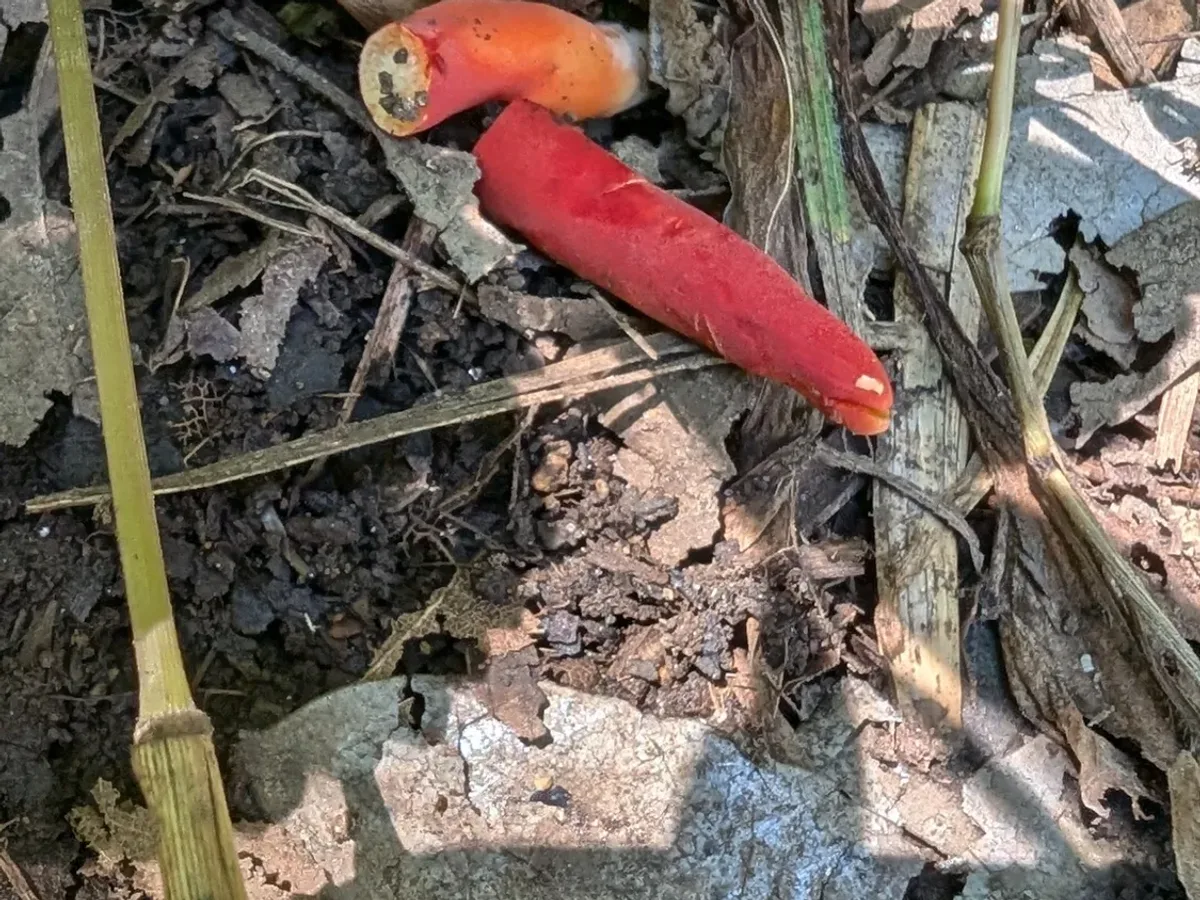
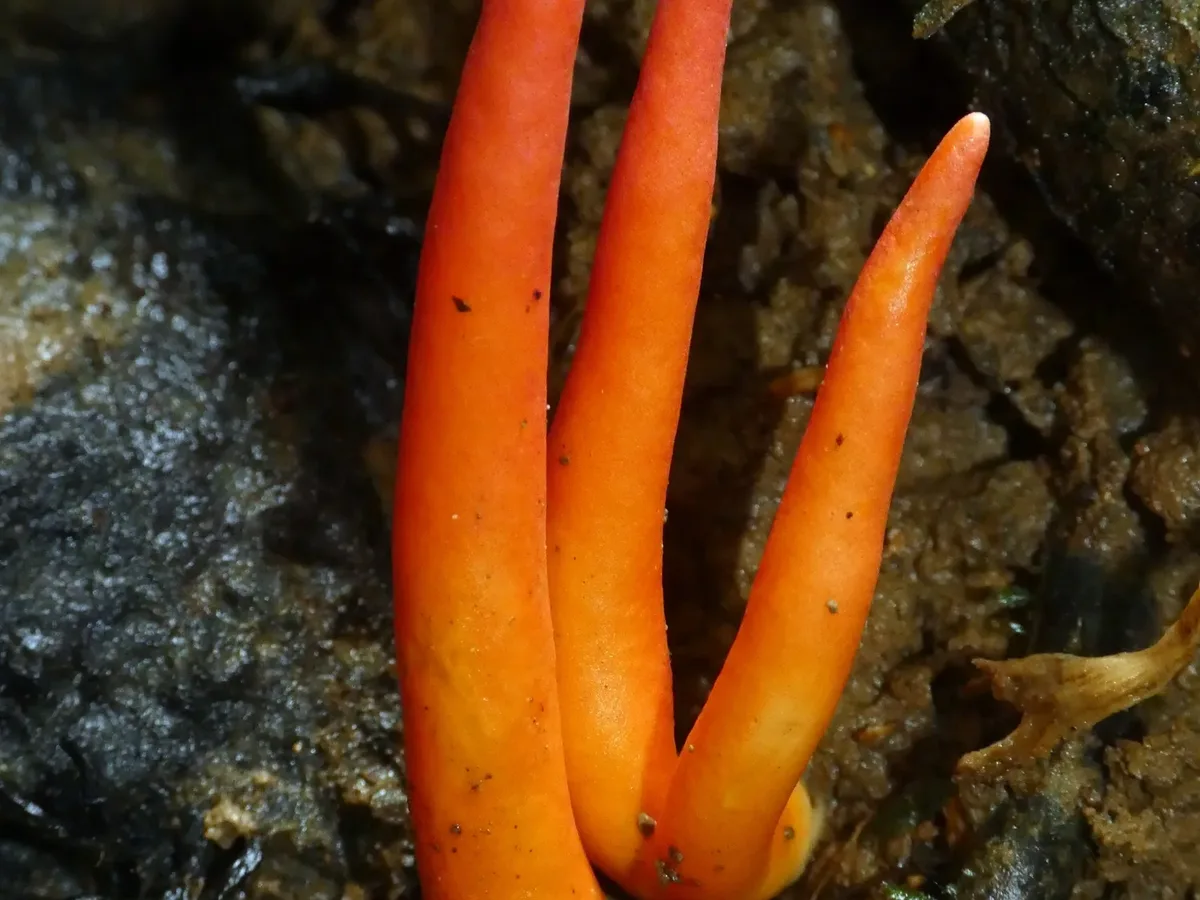
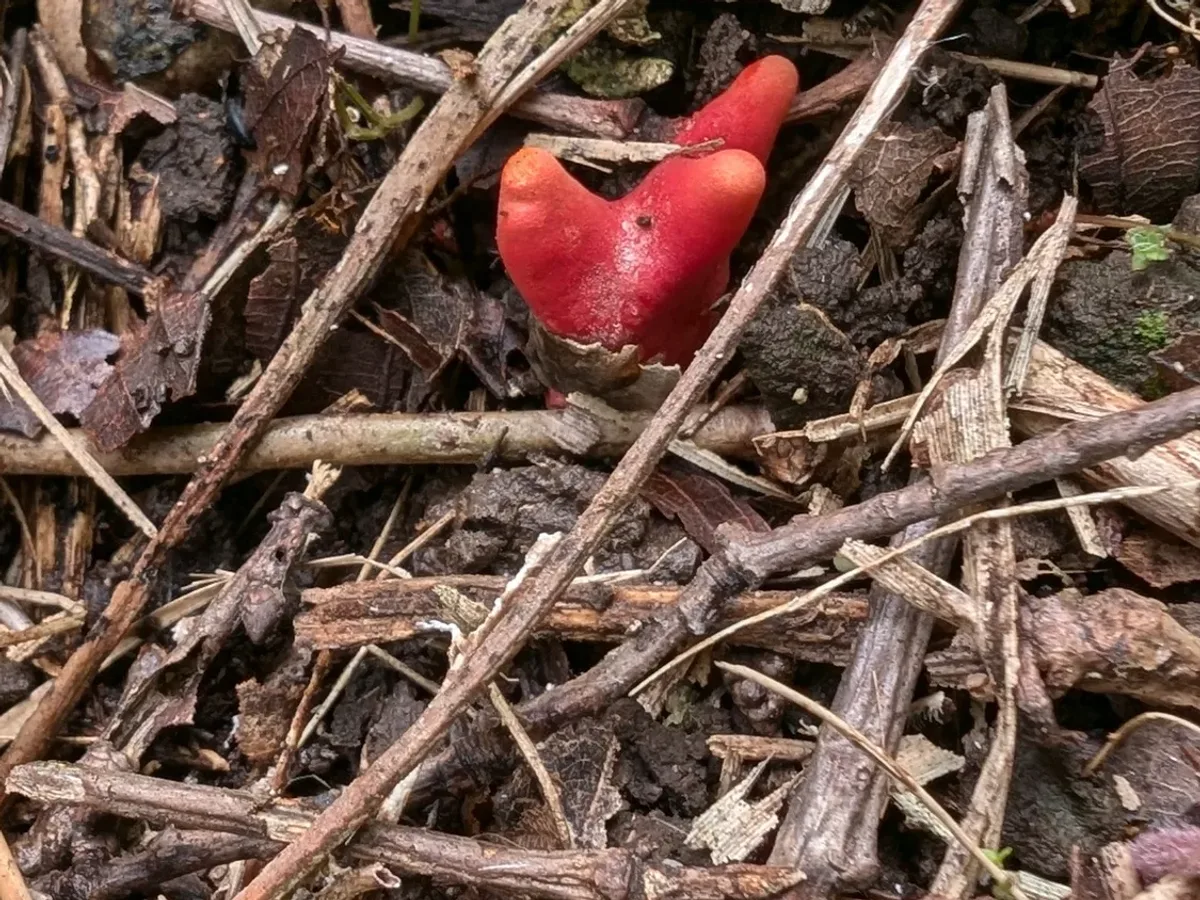
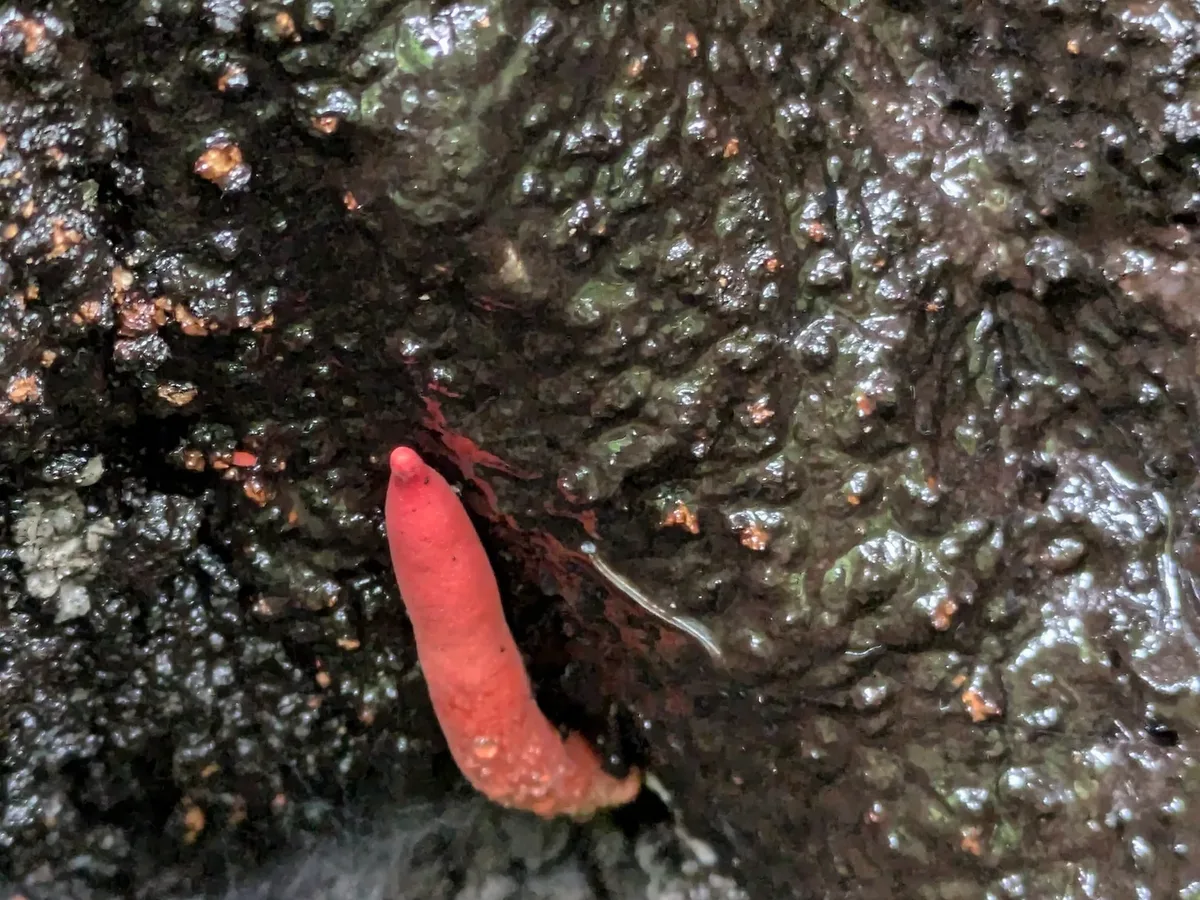
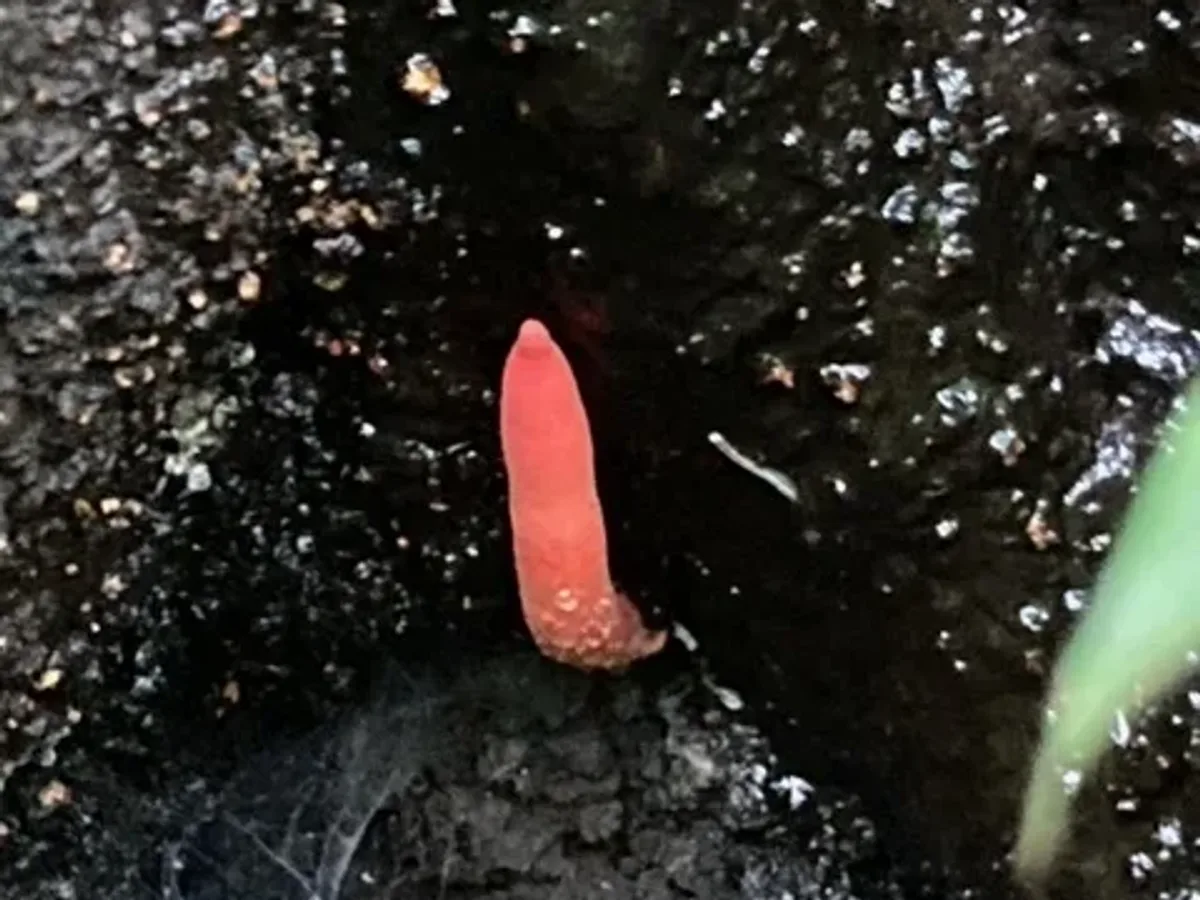
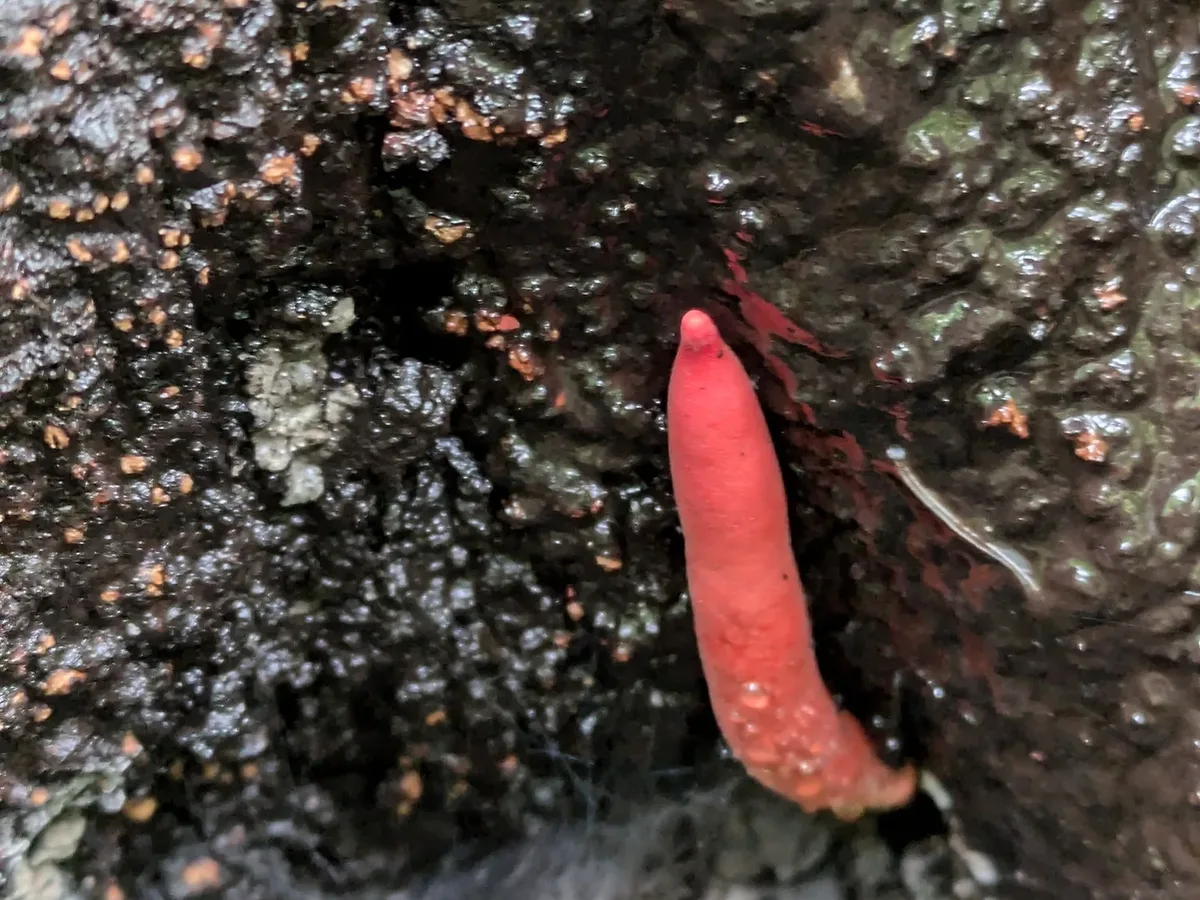
Trichoderma cornu-damae erupts from the soil or wood surface as a cluster of smooth, unbranched or antler-branched fingers, each one brilliant red-orange - a color closer to arterial blood than to any autumn leaf.
Individual stipes may reach 5-10 cm tall and 0.5-1.5 cm in diameter; larger specimens branch repeatedly into coral-like fronds that can span 15 cm or more across.
The surface is dry and smooth, lacking the gills, pores, or veils associated with agarics or boletes. There is no ring, no volva, no distinct cap. In cross-section the interior is white to pale yellow and solid.
As the fruiting body ages the red deepens toward crimson and the base may darken where it contacts wood or soil, but the overall impression throughout its life is of something lit from within - a living flame lying still on the forest floor.
The color and branching coral shape are together unique enough to be unmistakeable in person, yet when material is dried or preserved in liquid the form collapses, the red bleaches or browns, and visual recognition becomes unreliable. That collapse of identifying features in processed material is directly implicated in the documented fatal poisonings.
Why it's dangerous
Trichoderma cornu-damae is among the world's most toxic fungi by mass of material required to cause death.
Documented fatal cases in Japan include:
- a man in Niigata Prefecture who died in 1999 after consuming mushroom liquor containing an estimated 1-2 grams of the fungus steeped in sake
- a man in Gunma Prefecture who died in 2000 after a similar preparation
Death occurred within 12 hours of consumption in at least one case. There is no antidote and no established minimum safe dose.
The critical risk pathway is not casual foraging misidentification but deliberate use as a medicinal mushroom preparation. Anyone who collects wild fungi for medicinal tinctures, sake steeping, or powder preparations in East Asia must be able to reliably identify this species and must never harvest it.
If you find this species:
- do not pick it
- do not handle it beyond brief observation
- do not allow others to handle it
If ingestion is confirmed or suspected, treat it as a life-threatening emergency and seek hospital care immediately - do not wait for worsening symptoms.
Toxin
Trichoderma cornu-damae produces a suite of trichothecene mycotoxins - a class of sesquiterpene epoxide compounds that act primarily as potent inhibitors of eukaryotic protein synthesis. The specific compounds identified in T. cornu-damae include satratoxin H, roridin E, and verrucarin J, among related analogues.
Trichothecenes are produced in the cytoplasm of fungal cells and persist in the mycelium and fruiting body tissue. They are not destroyed by heat, drying, or ethanol.
Their biological mode of action - binding to ribosomal subunits and blocking peptide chain elongation - accounts for the broad, multi-organ toxicity seen clinically. Tissues with high protein turnover are disproportionately affected:
- gut epithelium
- bone marrow
- vascular endothelium
- liver
- kidney tubules
The same toxin class is produced by Stachybotrys chartarum, the notorious toxic black mold of water-damaged buildings, and by Fusarium species that contaminate grain and cause alimentary toxic aleukia in humans.
In T. cornu-damae the concentrations are exceptionally high relative to body weight, explaining why microgram-to-gram quantities produce lethal outcomes in otherwise healthy adults.
Symptoms
Onset after ingestion is typically delayed 30 minutes to several hours, a dangerous lag that may encourage the victim to dismiss early nausea as unrelated.
Initial symptoms include abdominal pain, nausea, vomiting, and profuse watery diarrhea leading to dehydration. Fever and hypotension follow.
Over the subsequent 24-72 hours the systemic phase develops:
- oliguria progressing to acute kidney injury
- elevation of liver enzymes consistent with hepatocellular necrosis
- disseminated intravascular coagulation (DIC) causing clotting dysfunction
- leukopenia reflecting bone marrow suppression
- neurological signs including altered consciousness
Dermatological features - skin peeling and desquamation, erythema, and in survivors prolonged hair loss - reflect the epitheliotoxic action of trichothecenes on rapidly dividing cells. Japanese clinical descriptions of fatal cases note apparent 'brain shrinkage' on imaging, interpreted as cerebral edema followed by herniation.
Death from multi-organ failure can occur within 12-24 hours of ingestion in severe cases, or within days in cases of delayed presentation. Survivors of serious poisoning may require extended supportive care including dialysis.
Staying safe
Trichoderma cornu-damae is unequivocally deadly. No dose threshold for safety has been established; the documented fatal cases involved consumption of as little as an estimated 1-2 grams of material steeped in sake.
No preparation method - cooking, boiling, drying, powdering, or alcohol extraction - neutralizes the trichothecene mycotoxins.
Skin contact is not reliably fatal but should be avoided and promptly washed. Mucous membrane contact (eyes, mouth) is a medical emergency.
If ingestion is suspected, do not wait for symptoms before seeking emergency care: symptom onset may be delayed by hours while internal damage is already progressing. Inform emergency staff of the specific suspected species and the toxin class (trichothecene) so that appropriate supportive care can be initiated.
There is no antidote; treatment is supportive. Any food or beverage that may have been prepared with or contaminated by this species must be discarded without tasting.
Where & when it grows
Habitat
Poison Fire Coral is a saprotrophic wood-decay fungus belonging to the family Hypocreaceae, a lineage whose members more typically parasitize insects, nematodes, or other fungi rather than fruiting so conspicuously from woody substrates.
It establishes itself on the roots or stumps of recently dead or dying broadleaf trees, with oak (Quercus spp.) the most consistently documented host across Japan, Korea, and China. Records from Java, Papua New Guinea, and subtropical eastern Australia demonstrate that the species ranges across a broad climatic band from temperate East Asia into the humid tropics.
In Japan it most commonly appears in mixed oak woodlands and secondary forests where dead oak is abundant - often at the base of oak stumps that have been standing dead for one to several years, or on superficially intact root systems whose inner wood has already begun to decay.
It does not form mycorrhizal associations; its relationship with the tree is purely as decomposer, and unlike mycorrhizal species it is not dependent on a living partner's photosynthetic carbon supply.
When
Across its East and Southeast Asian range, Trichoderma cornu-damae fruits from early summer through autumn, corresponding roughly to June through October in temperate Japan and Korea.
Peak appearance aligns with the warm, humid conditions that follow the seasonal rains - a pattern shared with many wood-decay ascomycetes that require sustained moisture within the substrate before energy is committed to forming a fruiting body.
In the Japanese literature, late summer (August-September) is cited most frequently as the peak period in temperate regions, though individual fruiting events depend heavily on local conditions in the decaying wood rather than on surface rainfall pulses the way mycorrhizal species respond.
In subtropical and tropical portions of its range - Java, Papua New Guinea, tropical Queensland - the seasonality likely mirrors humid-season patterns rather than the sharp temperate summer peak.
How it grows
Unlike the mycorrhizal fungi that make up most of what foragers seek - chanterelles, porcini, matsutake - Poison Fire Coral is a saprotroph. Its mycelium colonizes the interior of dead oak wood through enzymatic breakdown of lignin and cellulose, extracting sugars and nutrients from what the tree left behind.
This work proceeds slowly and invisibly: the mycelium may inhabit a decaying root system or stump for months or years before conditions trigger the formation of fruiting bodies. When they do emerge, the bright red fingers push up quickly - within a day or two of initiation, as is typical of many ascomycete fruiting bodies that have pre-formed the bulk of their internal structure before breaching the surface.
The fungus belongs to the genus Trichoderma (formerly placed in Podostroma), a large and ecologically diverse group whose members include some of the most important biocontrol agents used in agriculture. The toxin-producing, above-ground-fruiting behavior of T. cornu-damae is unusual within that genus and remains an active area of research into why and how these particular mycotoxins evolved in a saprotrophic rather than pathogenic context.
Fruiting conditions
Wood-decay fungus fruiting in summer to autumn at the base of trees and on dead oak wood; not associated with rainfall-driven flushes the way mycorrhizal species are.
Look-alikes
The two documented lookalikes are not visual in the conventional sense - in fresh form, Poison Fire Coral looks like neither reishi nor cordyceps. The confusion arises at the processing stage, when material is dried, powdered, or steeped in alcohol.
- Ganoderma lucidum (Reishi / Lingzhi) is a bracket or kidney-shaped polypore with a lacquered mahogany-red upper surface and a white pore-bearing underside; it does not produce red branching fingers and has no morphological similarity to T. cornu-damae in fresh form. Once dried and processed, however, both can appear as dark reddish fragments or a dark steeping liquid.
- Cordyceps species - caterpillar fungi used in traditional East Asian medicine - are small, club-shaped or branched orange to brown fruiting bodies that grow from insect hosts; again, no close resemblance in fresh form, but in dried, cut, or powdered form both can be mistaken in low-light or informal conditions.
No other edible or common foraged species closely resembles the fresh red coral fingers in a temperate forest context. The risk category here is specifically medicinal mushroom preparation, not casual foraging misidentification.
A medicinal mushroom confused with the poison fire coral during preparation of mushroom liquor.
A medicinal mushroom that the poison fire coral is tragically confused with, especially when preparing mushroom liquor (steeped in sake/spirits).
A reference guide - never an edibility guarantee. When in doubt, leave it out.