Snow fungus
Tremella fuciformis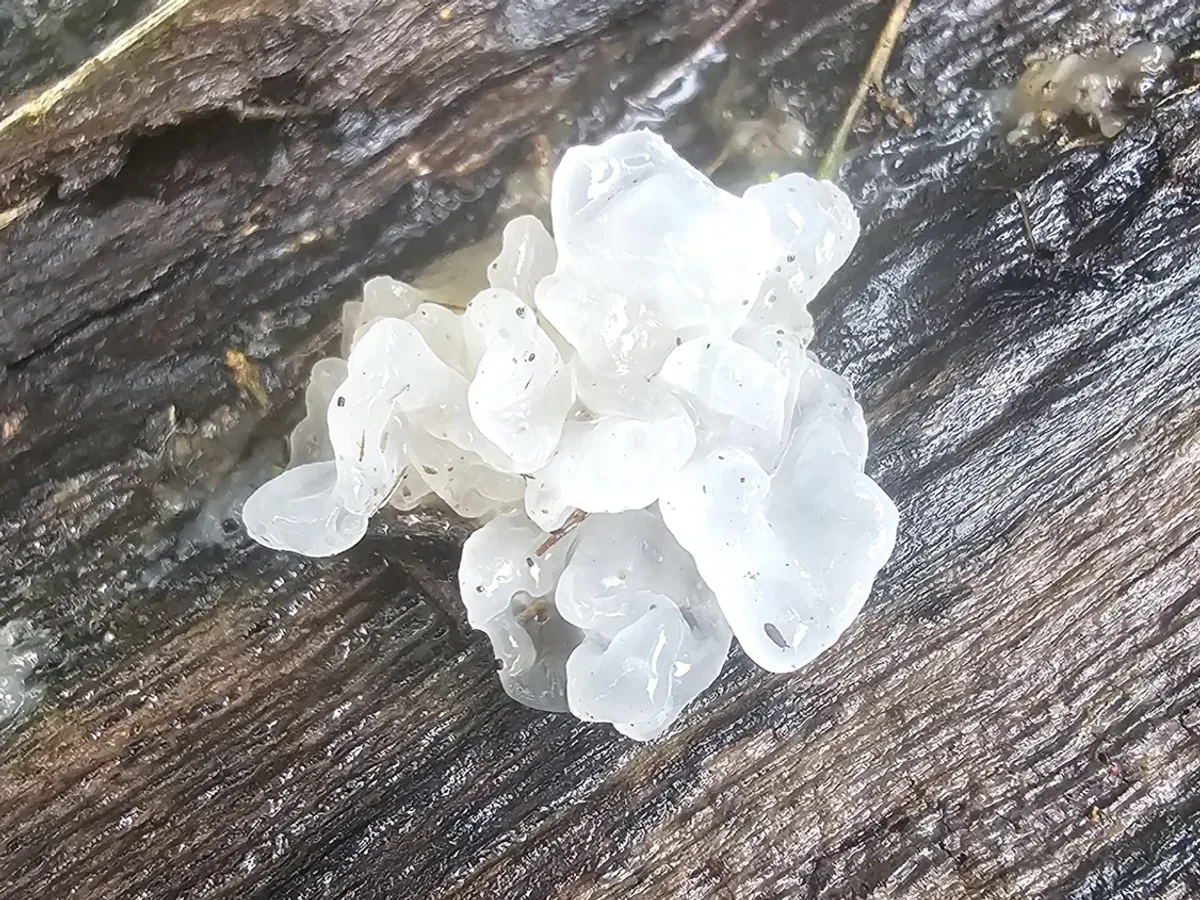 © Amar Bharathy (CC BY 4.0)
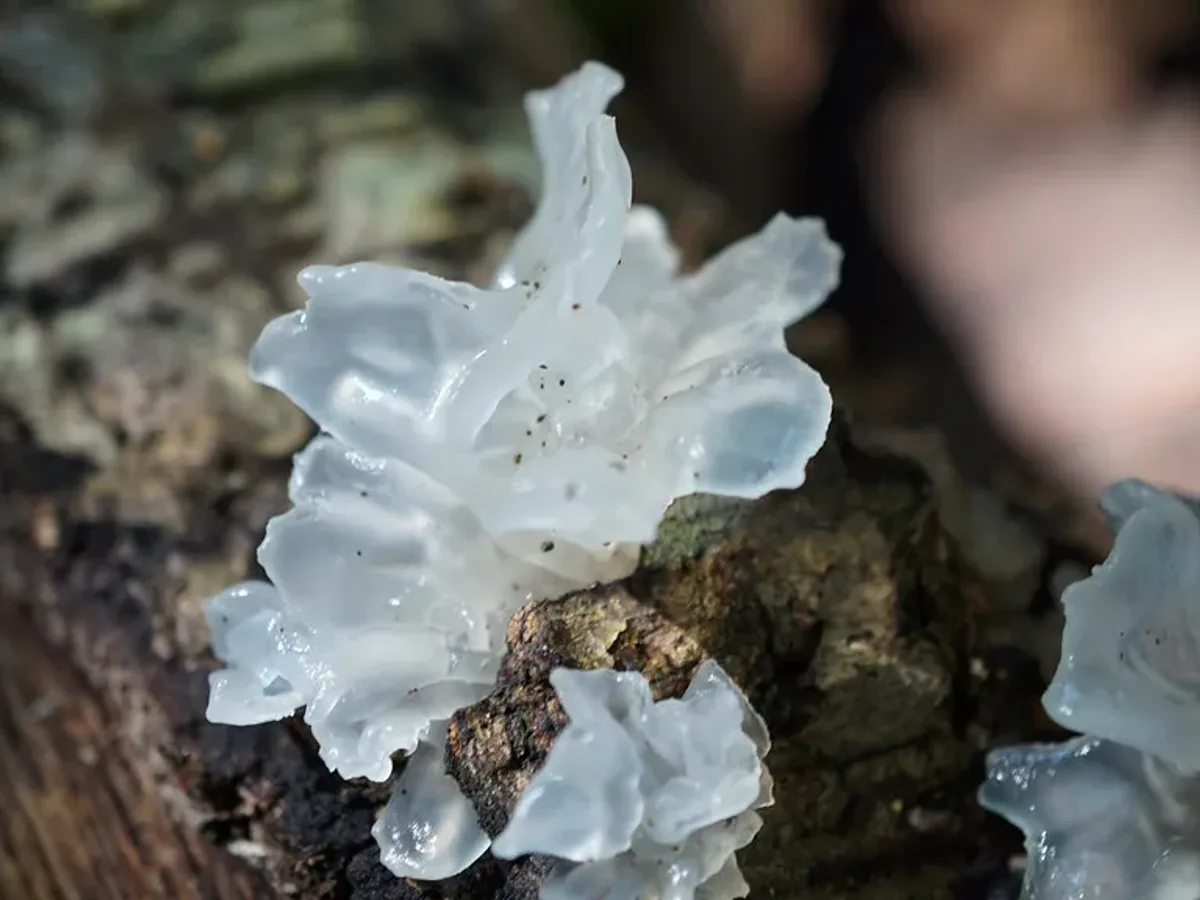 © schizoform (CC BY 2.0)
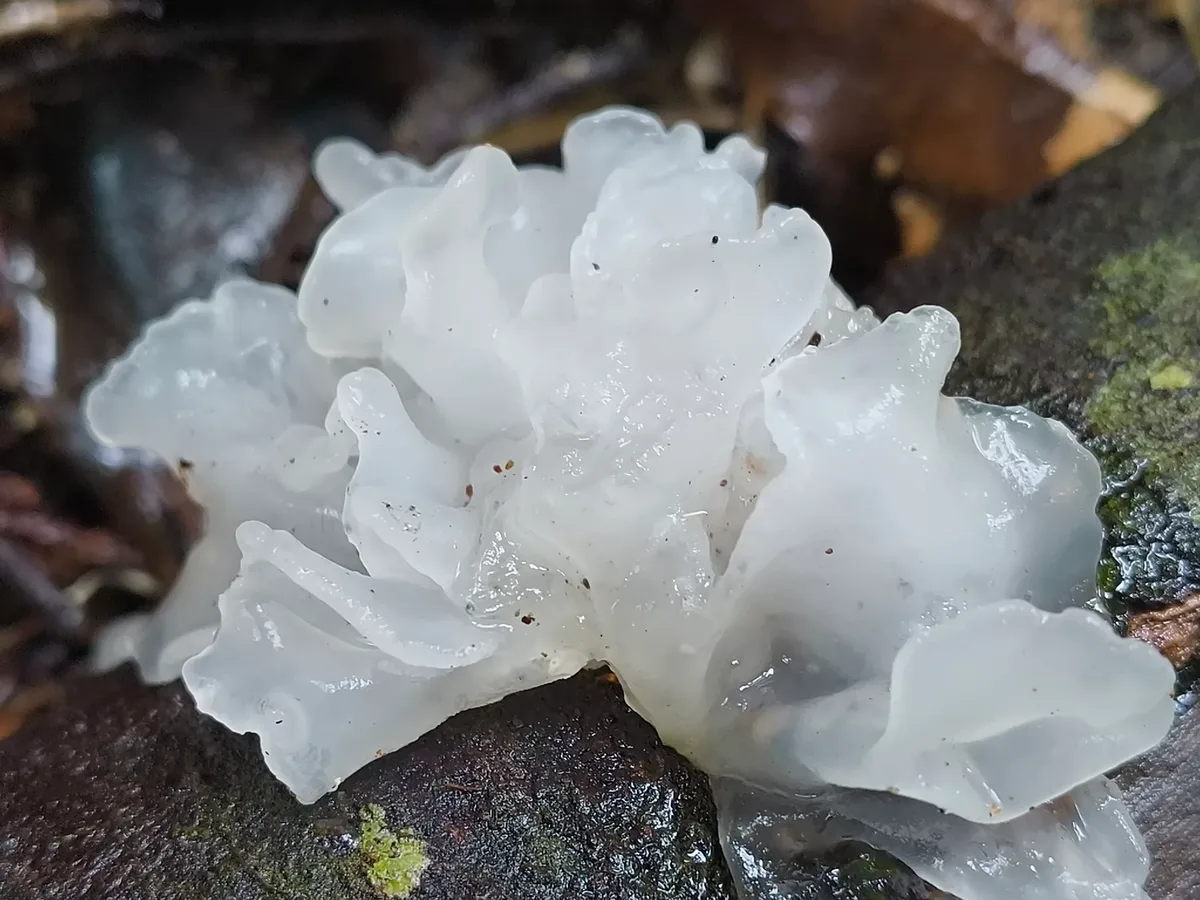 © Zac (CC BY)
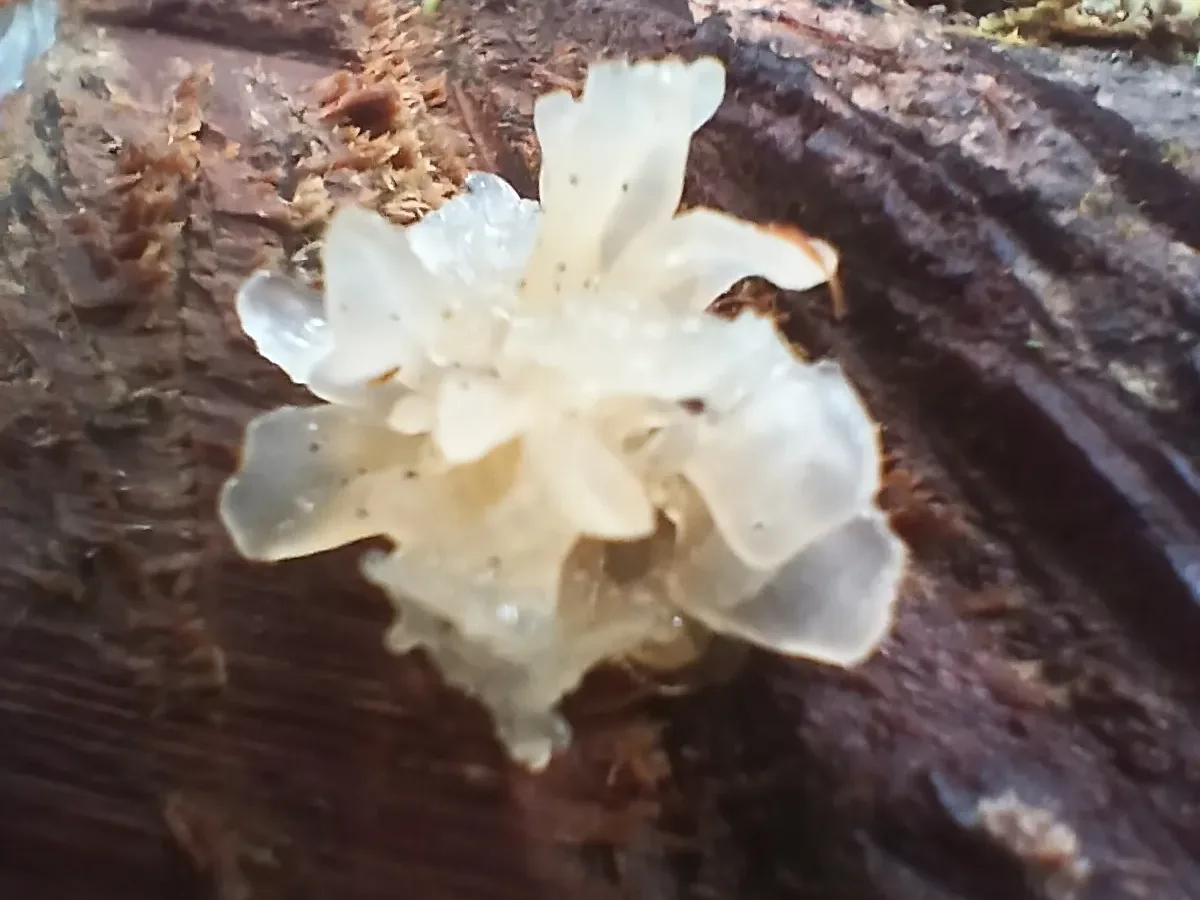 Matt H (CC0)
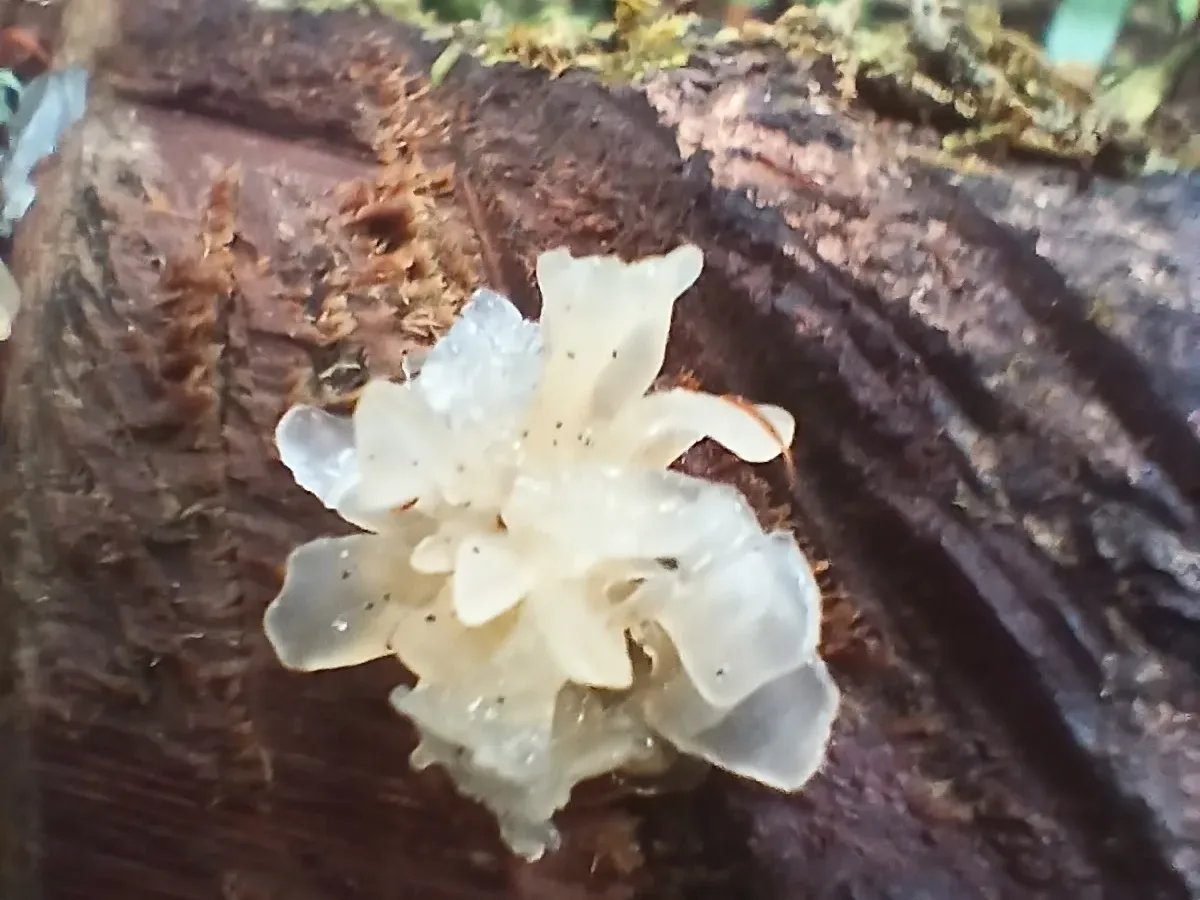 Matt H (CC0)
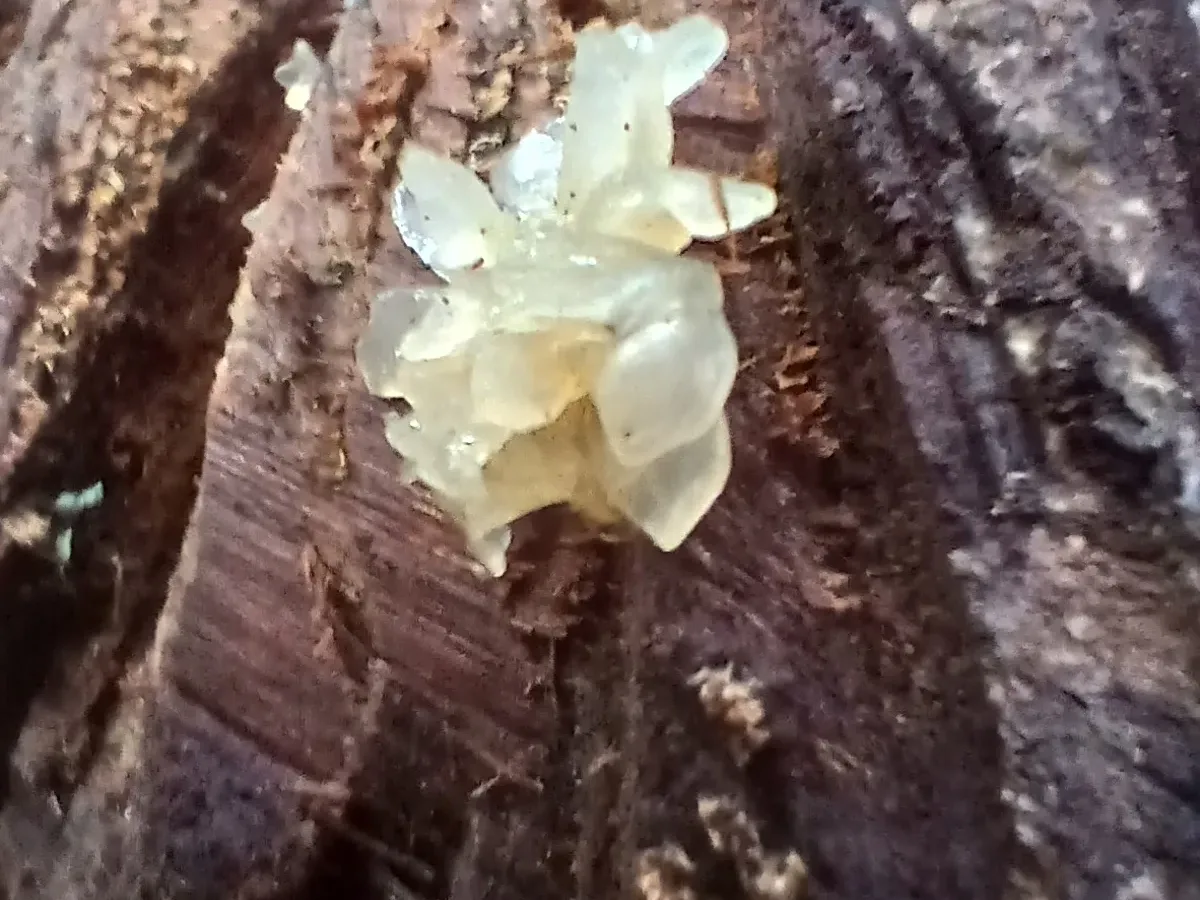 Matt H (CC0)
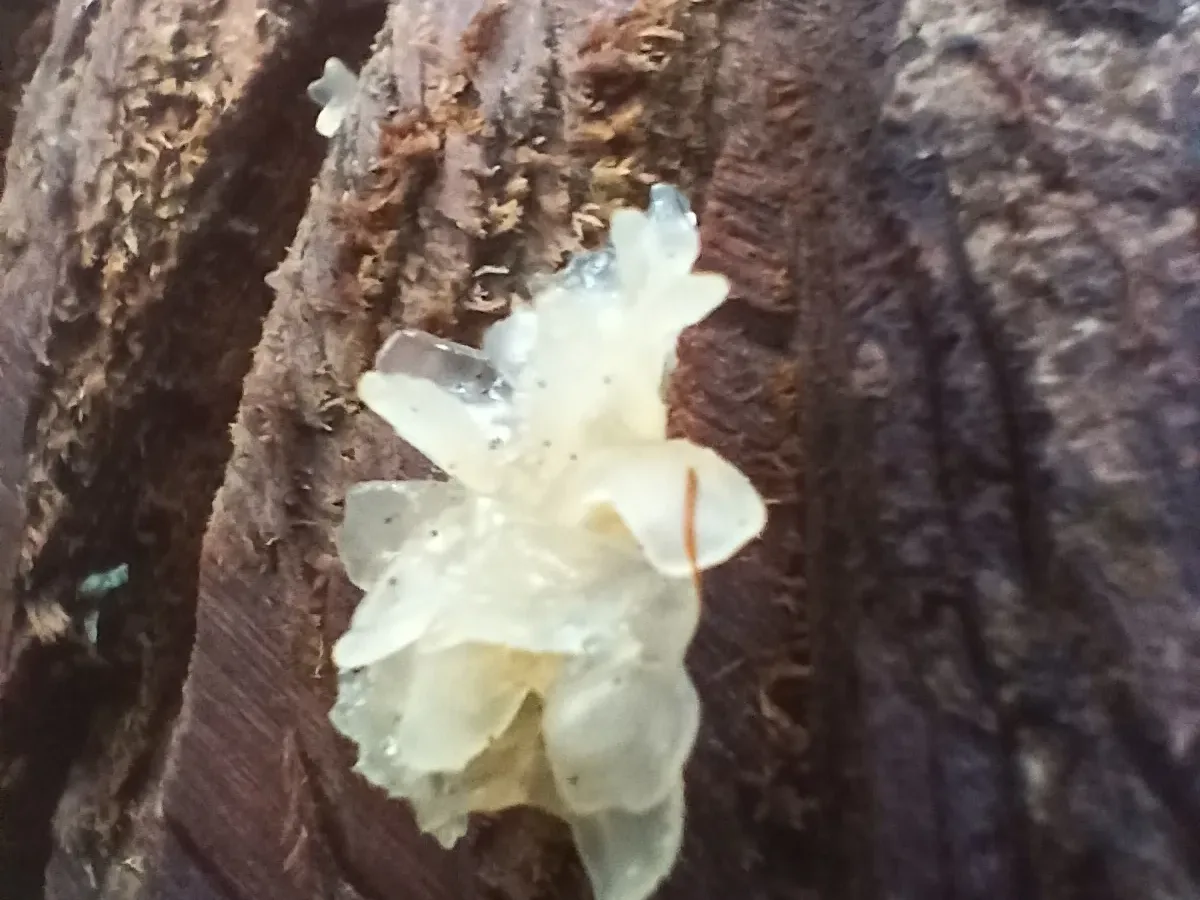 Matt H (CC0)
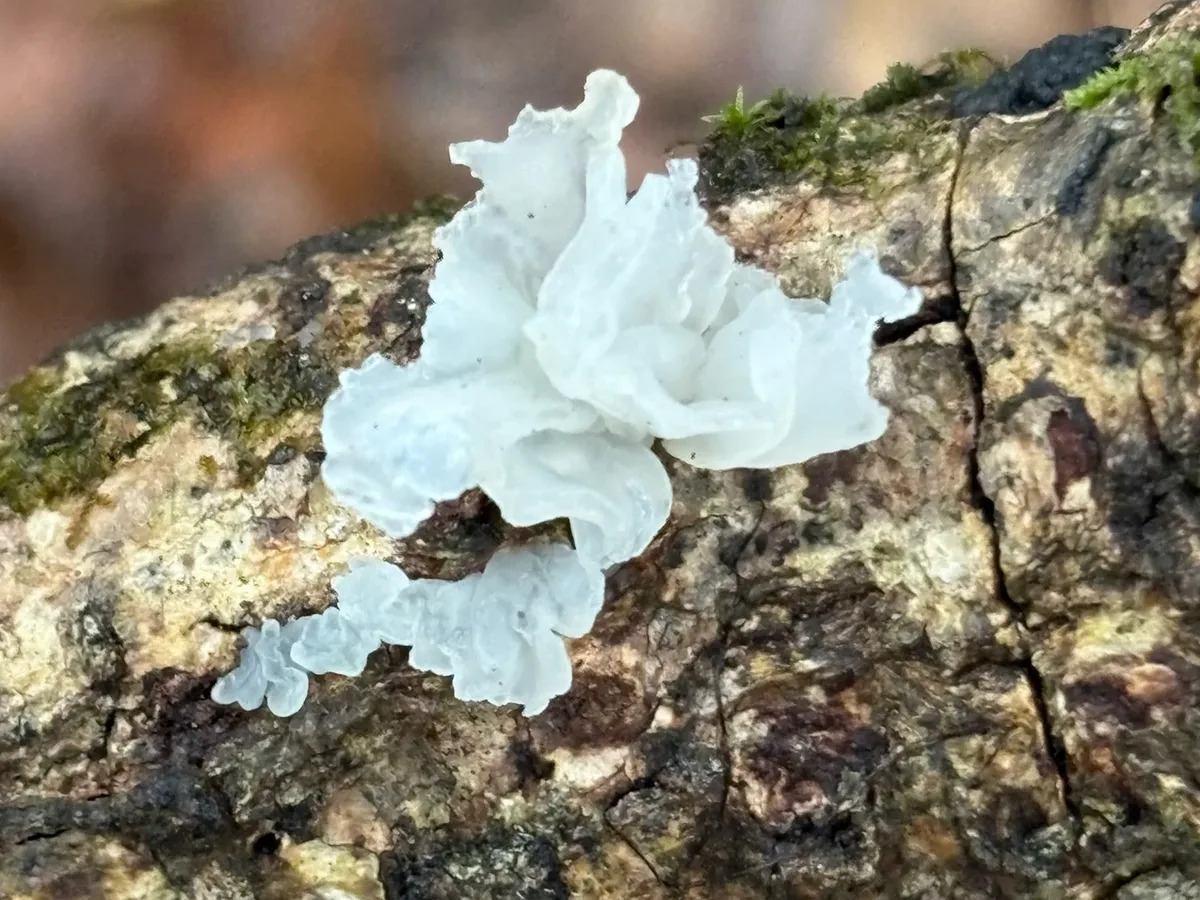 Niyan Shehan (CC0)
 © Dennis Vollmar (CC BY)
 © Dennis Vollmar (CC BY)
 © schizoform (CC BY 2.0)
 © schizoform (CC BY 2.0)
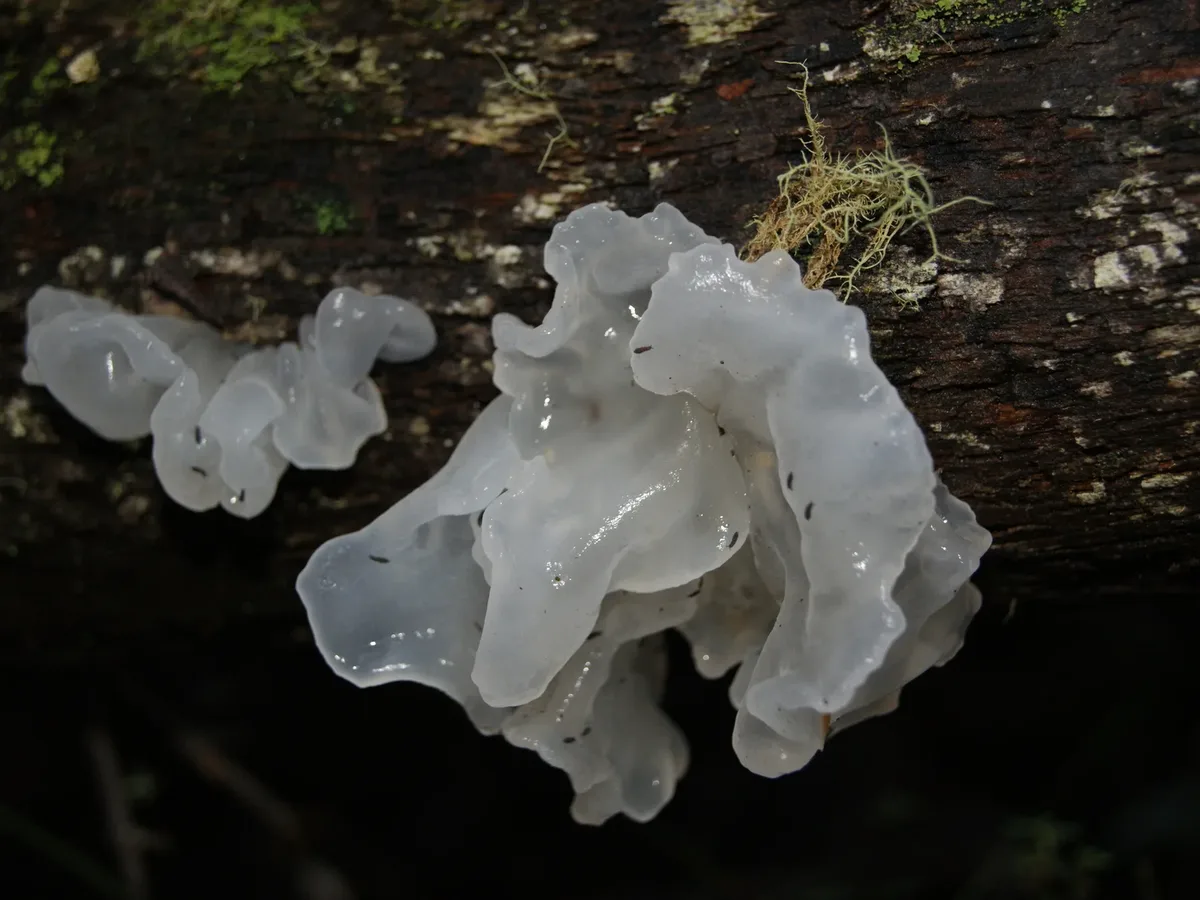 © Ben Fisher (CC BY 4.0)
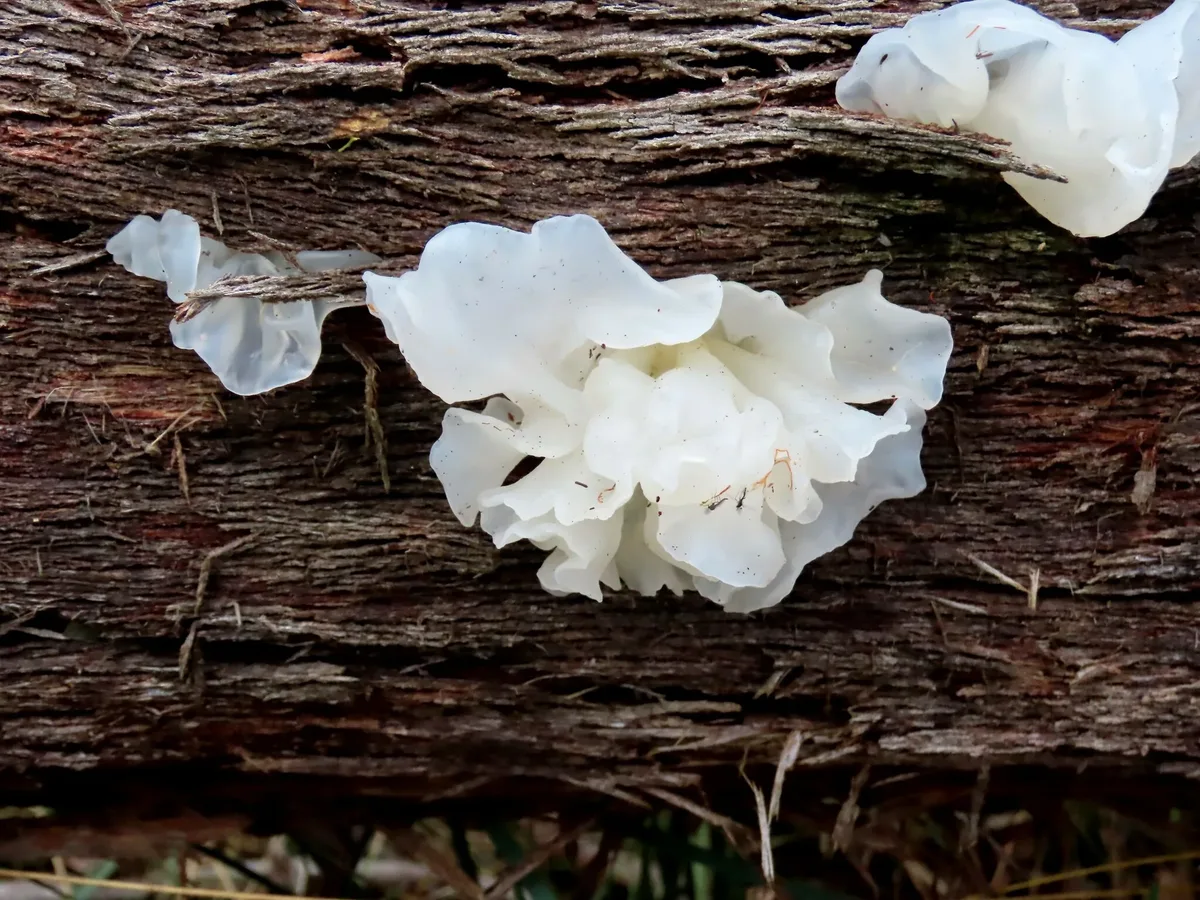 © Elspeth Swan (CC BY 4.0)© Amar Bharathy (CC BY 4.0)© schizoform (CC BY 2.0)
Good to eat, once you have identified it with certainty and cooked it through.
How to recognise it
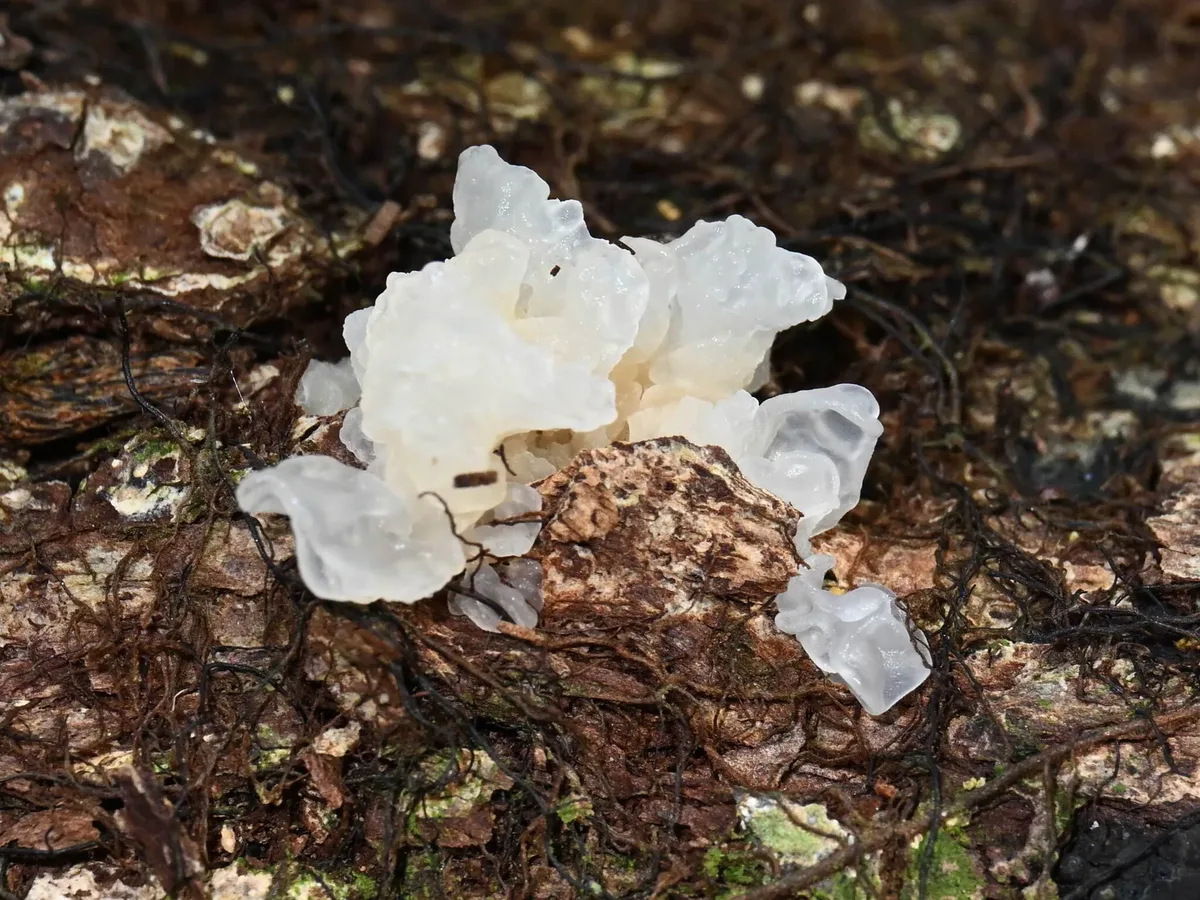
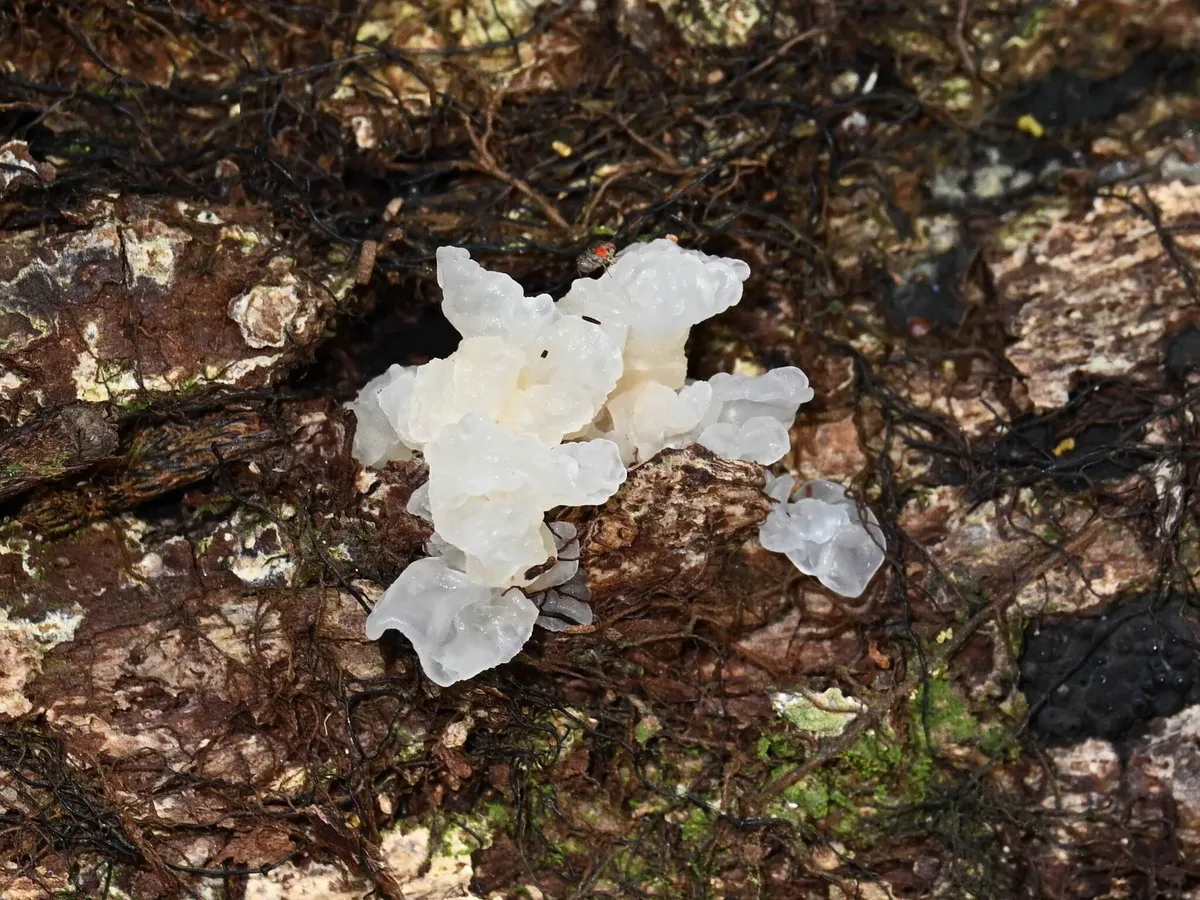
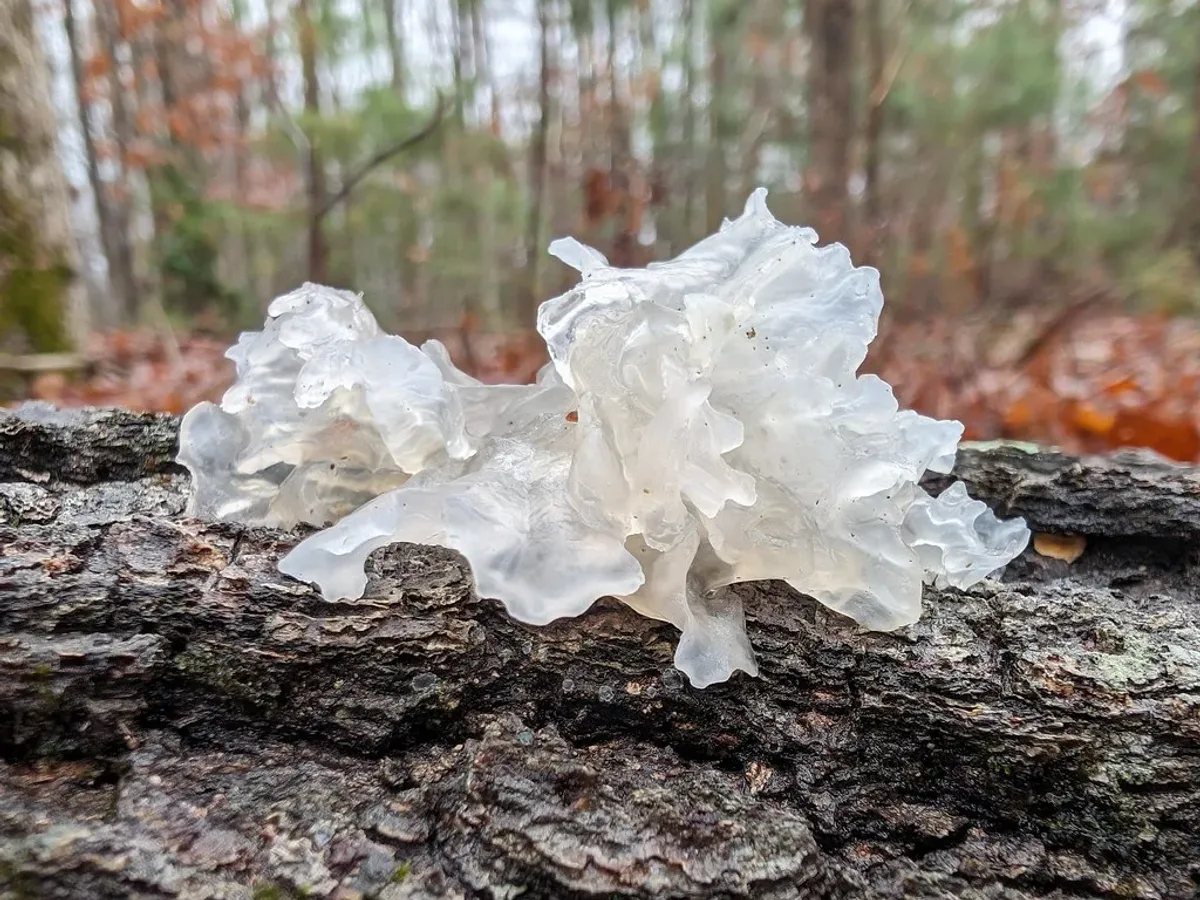
The fruiting body of Tremella fuciformis is one of the more architecturally improbable objects in the fungal kingdom. It emerges as a small, cream-coloured button and then unfurls into a compound mass of translucent, ruffled lobes - structurally somewhere between a sea fan and a crumpled sheet of wet tissue paper.
A mature wild specimen reaches roughly 5-7 cm across; cultivated forms grown on enriched sawdust substrate can exceed 12-15 cm and weigh upward of 200 g fresh.
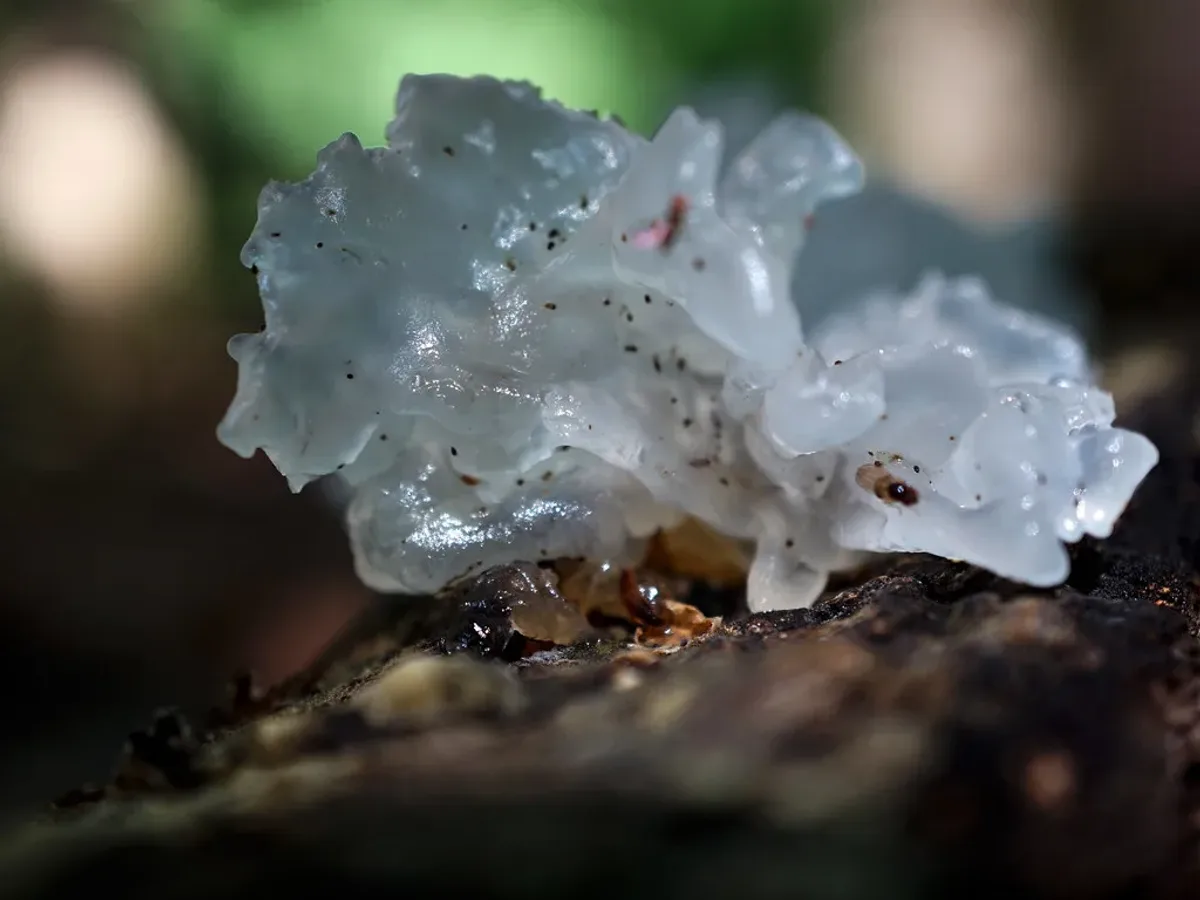
The colour sits in a narrow band from pure white to ivory-white to pale cream, occasionally with a faint blush of yellow toward the base where the lobes converge on the attachment point. In full sunlight or after drying it may take on a light straw tint, but a fresh, hydrated fruitbody is always close to translucent, so you can see light through the thinner lobes as through thin plastic sheeting.
The texture is gelatinous in the true sense: it does not crumble or tear cleanly; it yields with a slippery, elastic resistance, and a fresh lobe placed against your lip feels cool and slightly adhesive.
The fungus has no appreciable odour and is essentially tasteless - its entire culinary appeal is textural.
Microscopy reveals the lobes are built from hyphae embedded in a thick polysaccharide gel matrix, with the characteristic tremelloid (Y-shaped) basidia of the Tremellales order scattered through the hymenial layer. Spores are ovoid, hyaline, 7-10 × 6-8 µm, and germinate into a yeast phase rather than forming hyphae directly - a reminder that the boundary between fungi and yeasts is blurrier than it looks.
Where & when it grows
Habitat
Tremella fuciformis colonises the dead or dying wood of broadleaf hardwood trees throughout tropical and subtropical Asia, with its range extending north into the warm-temperate forests of central China and Japan and south through Vietnam, Thailand, and the Indonesian archipelago into the Pacific.
Its core requirement is decaying hardwood that has already been colonised by the ascomycete wood-rotter Annulohypoxylon archeri (or a closely related species in the same genus): without a living host fungus in the substrate, the snow fungus cannot complete its life cycle and fruit.
In the wild this creates a distinctive micro-habitat specificity - you are not simply looking for dead wood, you are looking for dead wood that already harbours a particular partner.
In temperate China and Japan, oak (Quercus) and alder (Alnus) are frequently cited hosts; in tropical regions the list of acceptable broadleaf genera widens considerably.
Elevation range is broad: populations occur from lowland forest edges up to montane forest around 1,500 m, wherever the combination of hardwood, host fungus, warmth, and persistent moisture coincides.
Because both snow fungus and its Annulohypoxylon host are cosmopolitan in their spore dispersal, T. fuciformis has established naturalistic populations outside Asia - it is recorded from the Americas, Africa, and Australia - but East and Southeast Asia remain the heartland of both wild occurrence and commercial production.
When
In temperate East Asia - the provinces of Fujian, Yunnan, and Sichuan in China, and comparable latitudes in Japan - wild fruiting runs from approximately May through October, with the peak flush occurring in July and August when air temperatures sustain above 22-25 °C and relative humidity climbs above 85% after the arrival of monsoon rains.
The fungus is sensitive to both temperature floor and moisture threshold simultaneously: a warm but dry spell suppresses fruiting even when the substrate is warm; an unseasonable cool snap in late August can end a flush abruptly.
In subtropical southern China and Vietnam the productive window is longer, and in fully tropical lowland zones fruiting can be detected in almost any month where dead hardwood retains surface moisture - though there are still peaks tied to regional wet seasons.
Altitude shifts the timing predictably later: montane populations at 1,200-1,500 m in Yunnan or northern Vietnam may not begin fruiting until June and finish by September.
Commercial cultivation has effectively decoupled the fungus from season entirely: temperature-controlled sawdust-block facilities in Fujian and Zhejiang produce year-round, which is why snow fungus is reliably available dried in Chinese grocers in any month.
How it grows
The life history of Tremella fuciformis is genuinely unusual and worth understanding, because it overturns the standard forager's mental model of a fungus as an organism that grows on dead wood by decomposing it. Snow fungus is not a decomposer.
It is a mycoparasite: its vegetative stage is a yeast-phase organism that invades and parasitises the hyphae of Annulohypoxylon archeri, an ascomycete that is itself a cellulose-and-lignin decomposer already established in the wood. The snow fungus essentially taps Annulohypoxylon as its carbon source, unable to access the wood's chemistry directly.
Only when both organisms are present in sufficient density - and environmental conditions are right - does the snow fungus switch from yeast phase to hyphal phase, aggregate its hyphae into the characteristic gelatinous compound fruitbody, and produce spores. The spores then germinate back into yeast-phase cells that must find another Annulohypoxylon colony to parasitise.
Commercial cultivation exploits this dependency: producers inoculate sawdust blocks or logs with a dual culture of both organisms, then manage temperature and humidity to trigger fruiting on demand.
The scale of that industry is striking - China's cultivated output was estimated at roughly 130,000 tonnes per year in the late 1990s, a figure that has only grown since. Wild-foraged snow fungus is today a rarity rather than the norm; almost everything consumed commercially is cultivated.
Fruiting conditions
Fruits in warm, humid conditions on dead hardwood branches colonised by its host fungus Annulohypoxylon; wild fruiting is favoured by sustained warmth and high humidity. Commercially cultivated year-round.
Look-alikes
The principal lookalike is Tremella mesenterica, the yellow brain fungus, which shares the gelatinous, lobed architecture but is consistently yellow to vivid orange-yellow rather than white. It fruits on the same kinds of dead hardwood and is similarly a mycoparasite (on corticioid fungi in the genus Peniophora).
Yellow brain is edible and causes no harm if consumed, so confusion between the two species carries no safety consequence - it simply means you have picked the wrong one for aesthetic purposes. Beyond the colour difference, yellow brain tends toward a more convoluted, brain-like surface texture and is generally smaller.
No white Tremella species in the East and Southeast Asian range is known to be toxic, and the genus as a whole lacks the amatoxins, muscarine, or ibotenic-acid groups associated with dangerous mushrooms.
The risk profile for misidentification of snow fungus is accordingly low: the combination of white translucent colour, gelatinous frilly lobes, dead hardwood habitat, and the absence of gills, cap, ring, or volva is distinctive enough that confusion with any genuinely dangerous species is unlikely.
Yellow and brain-like rather than white; harmless.
In the kitchen
Picking & cleaning
Wild snow fungus is found in modest clusters on the surface of colonised dead branches, attached at a narrow, slightly firmer basal point that sits flush against the bark.
The most practical collection method is to use a knife to slice through the base rather than pulling, which tends to tear the gelatinous lobes. The fruitbody is fragile and bruises easily when wet; carrying it in a rigid container rather than a cloth bag prevents the lobes from collapsing into each other.
Fresh wild specimens degrade quickly in heat and should be processed or dried within 24-48 hours of picking.
Commercial dried snow fungus is a far more practical commodity: the dried form is shelf-stable for a year or more and re-hydrates to approximately 90-95% of its fresh volume when soaked.
To reconstitute:
- 1Submerge in cold or room-temperature water for 30-60 minutes until the lobes fully open and soften; hot water speeds this but can make the texture uneven.
- 2After soaking, trim and discard the small, tougher yellow-orange base cluster at the centre - it remains chewy even after prolonged cooking.
- 3Separate the lobes by hand.
The soaking liquid is clean and can be added to the cooking pot.
Cooking
The foundational preparation in Chinese cuisine is the sweet dessert soup known broadly as yín'ěr tāng or bīng táng yín'ěr: reconstituted snow fungus lobes are simmered in water with rock sugar (bīng táng) for a minimum of 30-40 minutes and ideally an hour or more, until the lobes turn translucent-glossy, almost collapsing into the liquid but retaining their shape.
Common additions include:
- red jujubes (hóng zǎo) for their gentle sweetness and reputed qi-nourishing properties
- dried goji berries (gǒuqǐ)
- lotus seeds (liánzǐ)
- dried longan flesh (lóngyǎn ròu)
The result is a lightly sweet, fragrant soup with a silky, gel-thickened broth that is served warm in winter and over ice in summer.
In Vietnam an analogous preparation appears as chè ngân nhĩ, typically with less complex additions - rock sugar and lotus seeds are common - and a slightly lighter texture.
Outside the dessert register, cultivated snow fungus is used in savoury cold appetisers (dressed with sesame oil, rice vinegar, and chilli) and in hotpot and braised dishes where its neutral flavour absorbs surrounding aromatics without contributing competitive flavour of its own.
The key to every preparation is patience: the texture transformation from rubbery to genuinely silky requires sustained heat and time, and cannot be shortcut by raising the temperature. A slow cooker or clay pot is well suited to the task.
Good to know
Tremella fuciformis has a long and well-documented edibility record across East and Southeast Asia, with no credible reports of toxicity in modern literature. It is consistently classified as safe for healthy adults when properly prepared.
It has been a staple of traditional Chinese medicine (TCM) as a yin-nourishing food for respiratory and immune health, and while most specific health claims remain under investigation, the polysaccharide fraction (glucuronoxylomannan and related compounds) has been studied for immunomodulatory properties in laboratory and animal models.
The main practical caution is textural rather than toxic: undercooking leaves the lobes unpleasantly rubbery and partially opaque rather than soft and jelly-like; long, slow simmering is required to achieve the characteristic glossy, yielding consistency.
Commercially cultivated snow fungus sold dried is generally free of contaminants, but as with any dried mushroom it should be inspected for mould or off-odours before soaking.
People with known hypersensitivity to jelly fungi should exercise the usual caution, though documented allergic reactions are rare in the literature.
A reference guide - never an edibility guarantee. When in doubt, leave it out.