Fragile brittlegill
Russula fragilis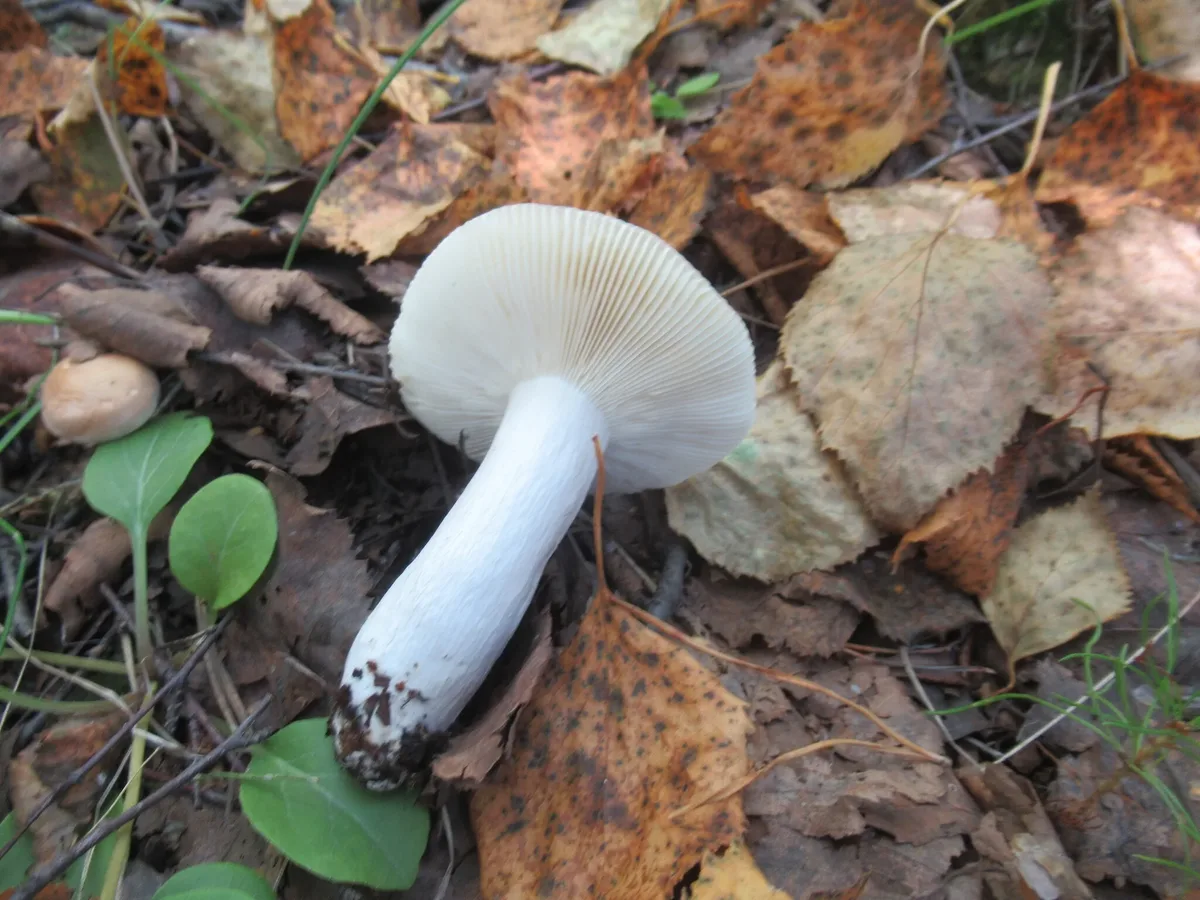 Сергей (CC0)
 Сергей (CC0)
 © Bjørn Eidhammer (CC BY)
 © Bjørn Eidhammer (CC BY)
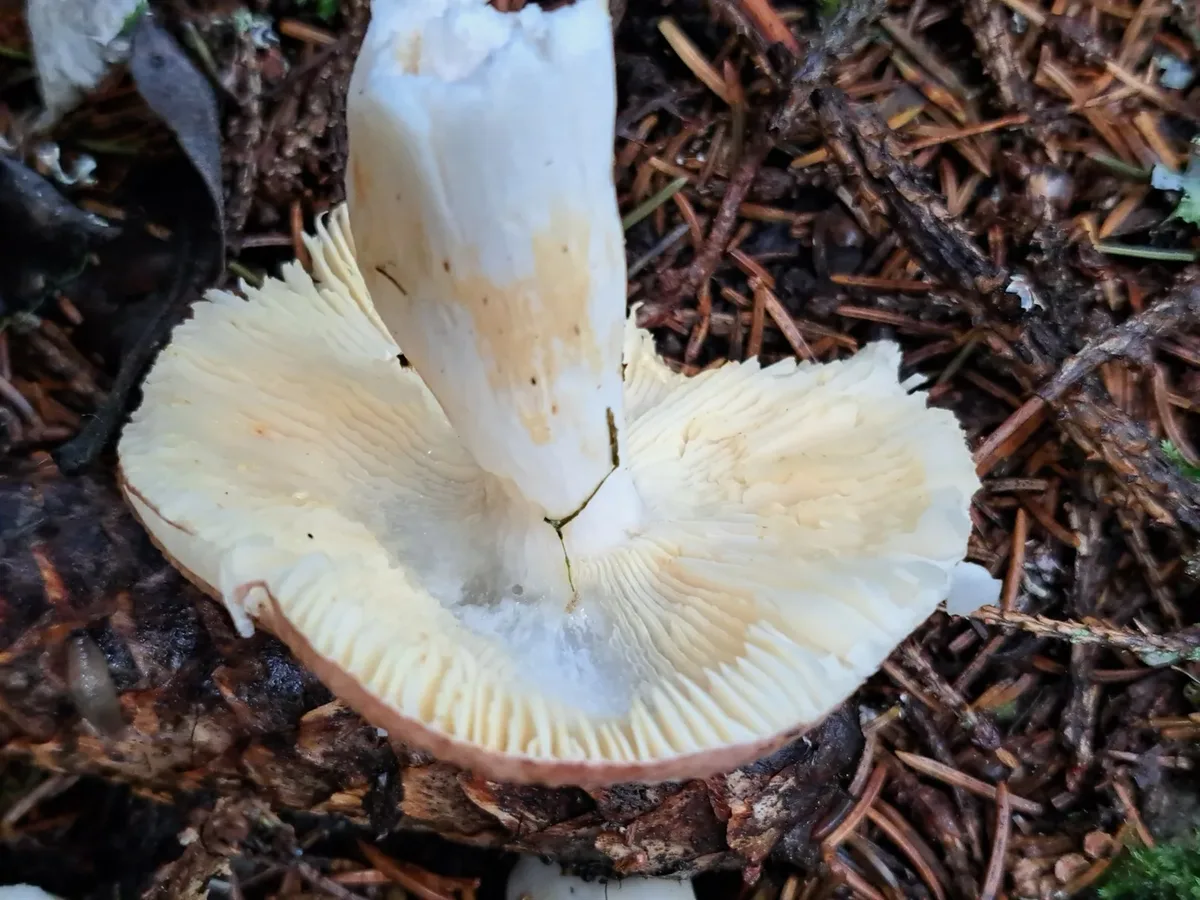 © Rob van Kruining (CC BY)
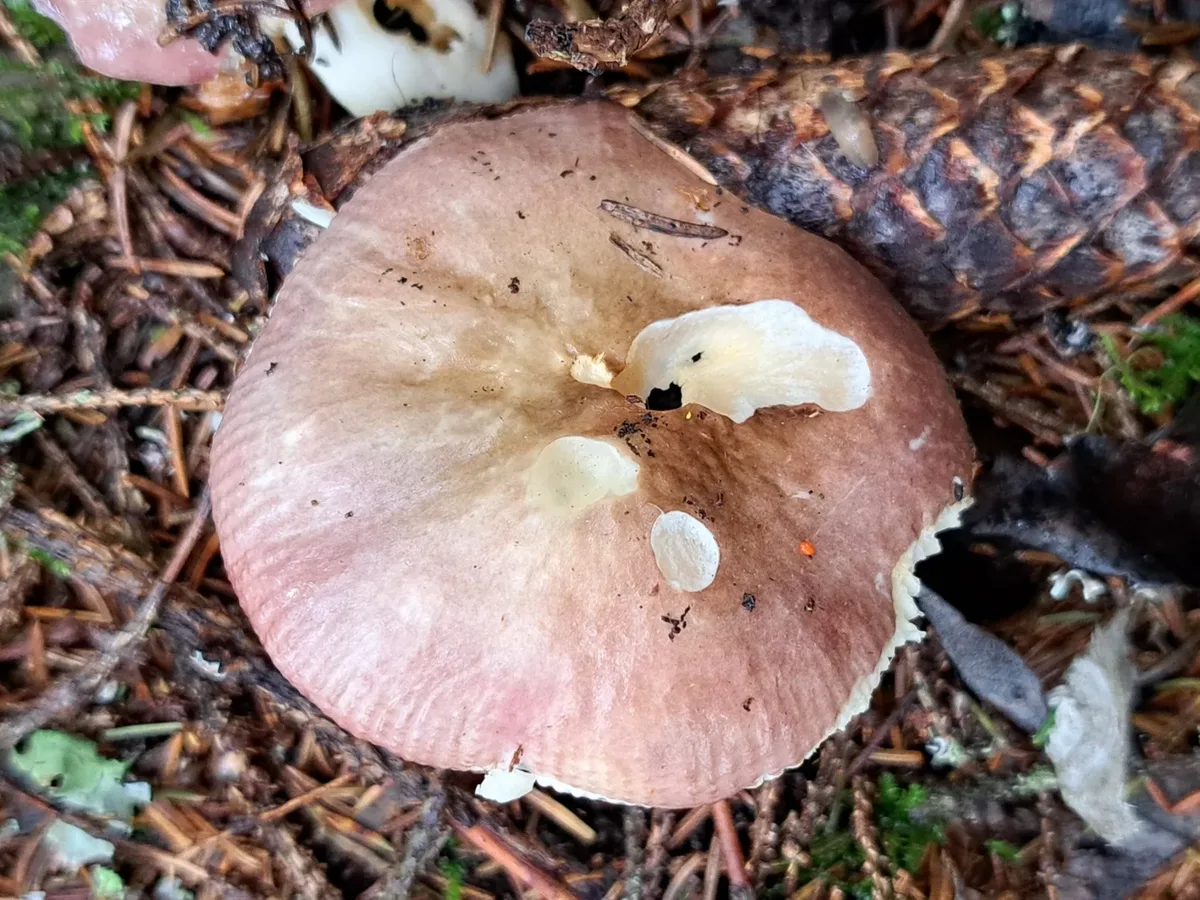 © Rob van Kruining (CC BY)
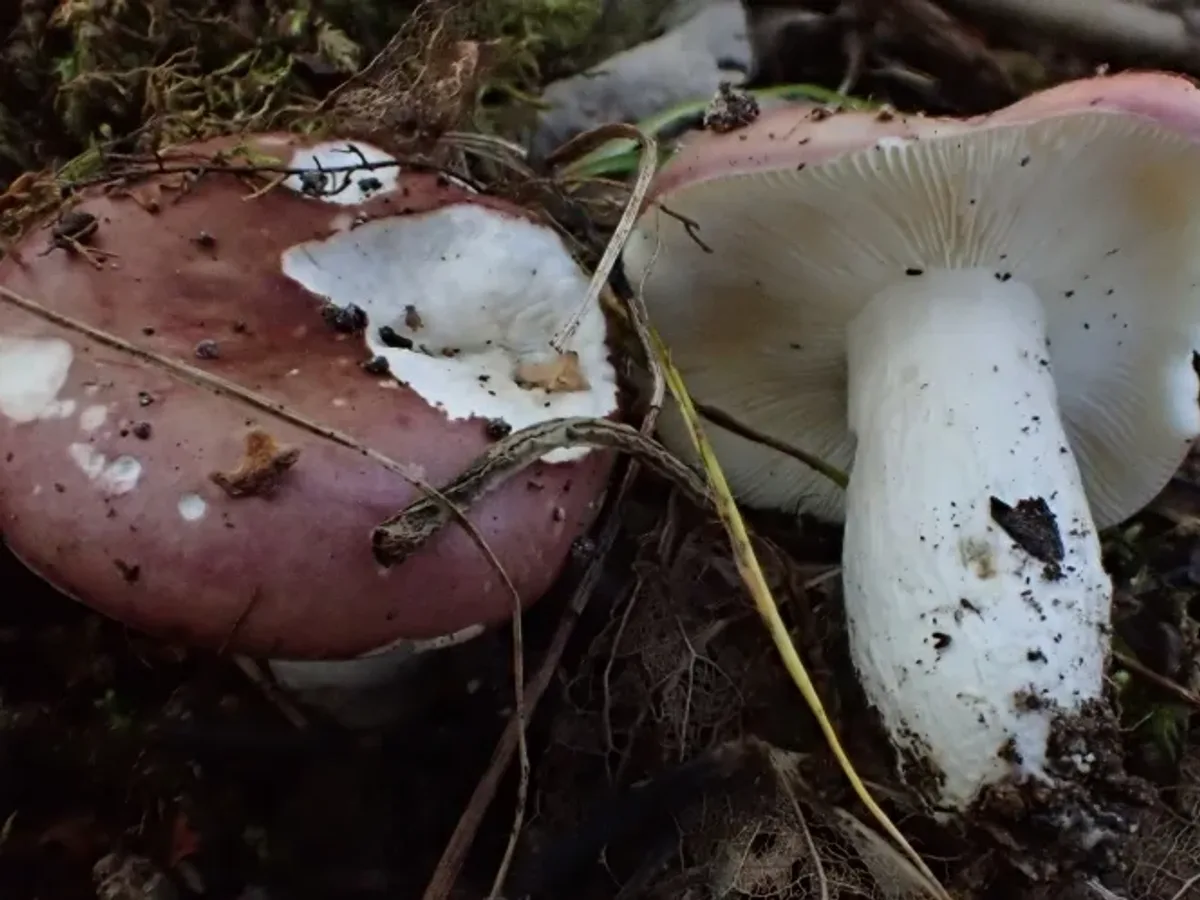 © Morten Pettersen (CC BY)
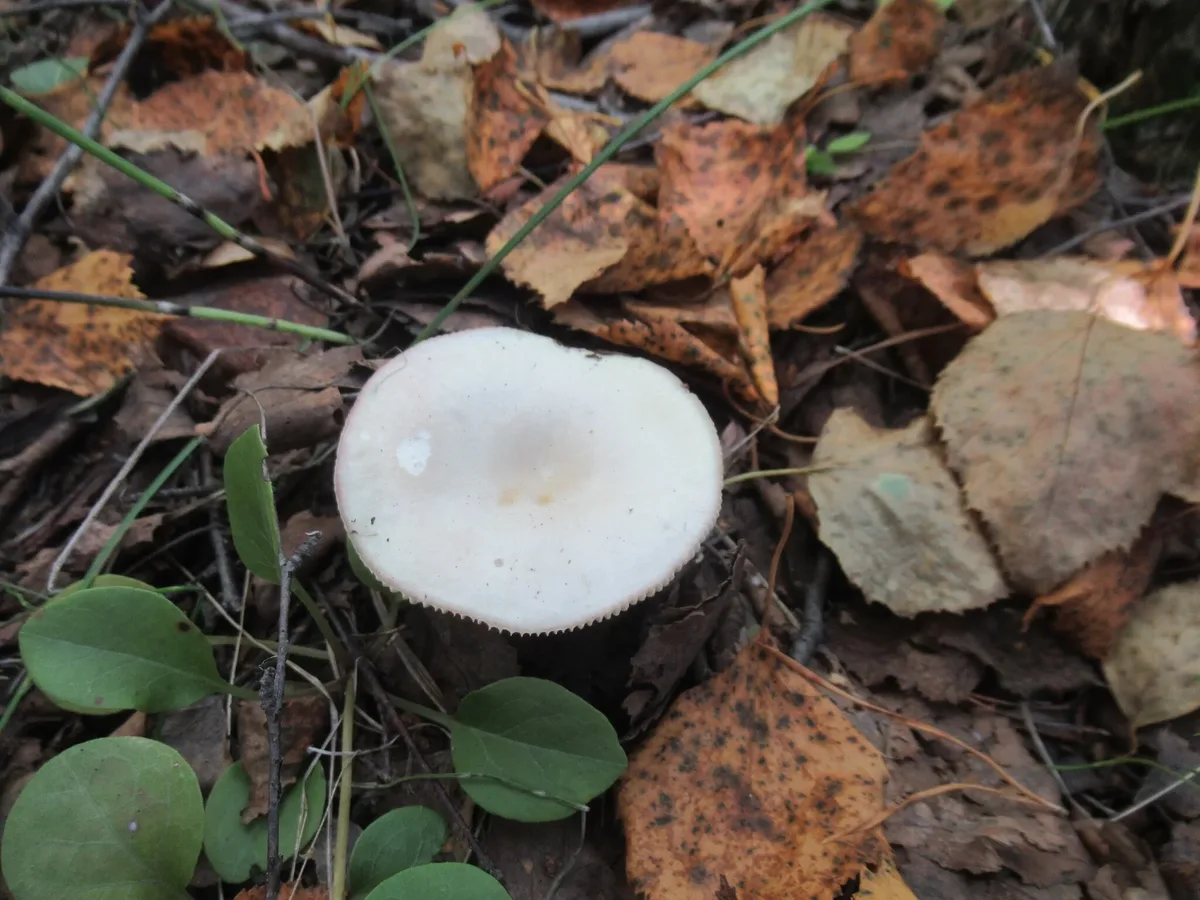 Сергей (CC0)Сергей (CC0)Сергей (CC0)
Edible only with the right preparation - or safe for some people but not others. Learn the caveats first.
Never eat a mushroom you are not 100% sure of - check the look-alikes below, and always cook wild mushrooms.
How to recognise it
A small, colourful brittlegill that seems unwilling to settle on any single shade.
Cap
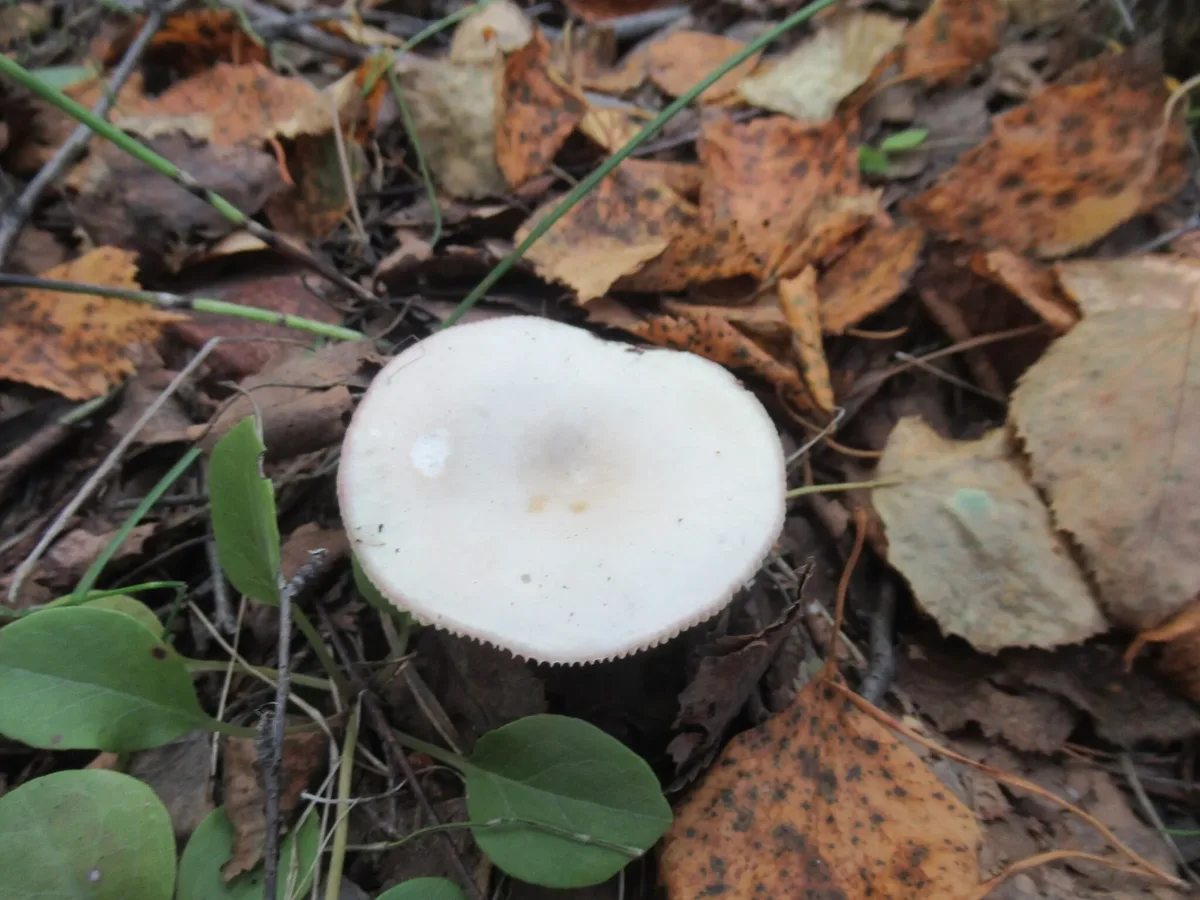
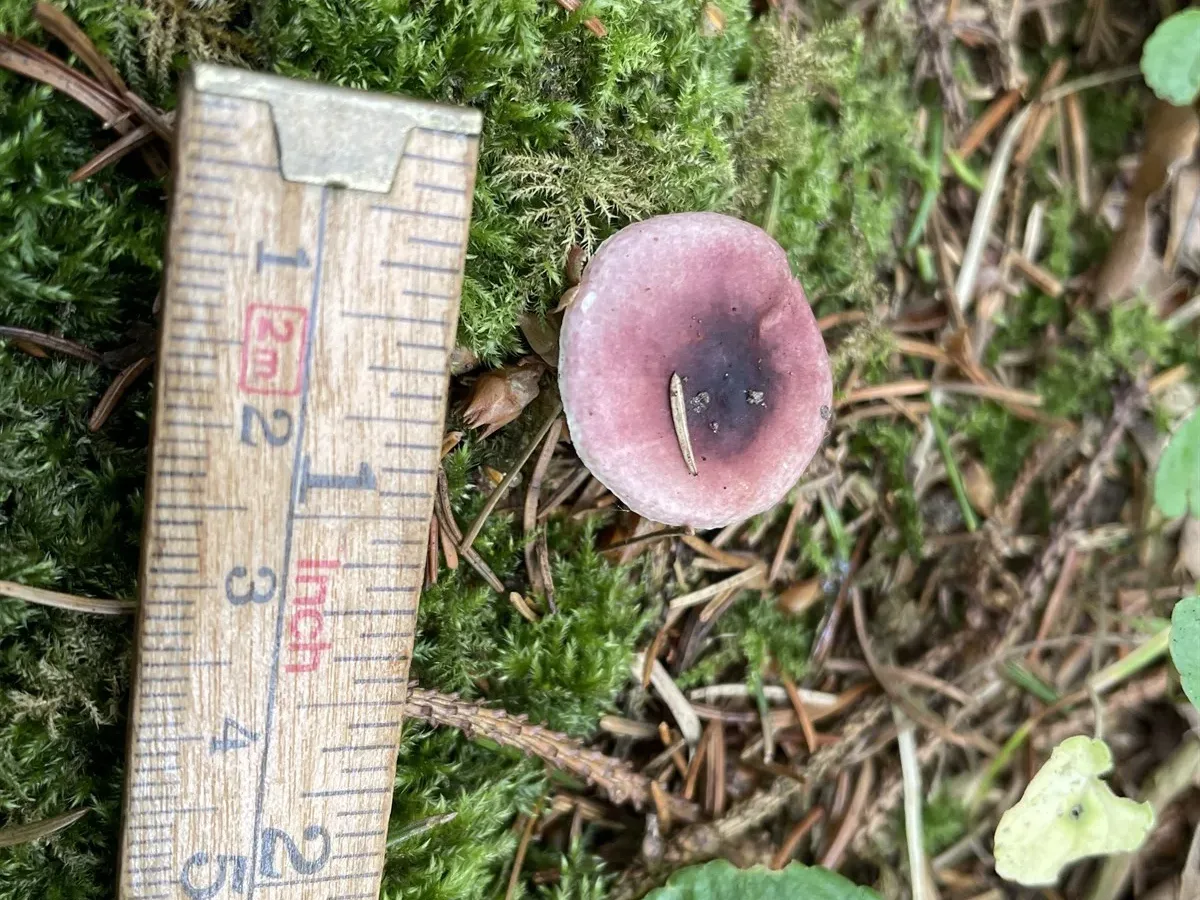
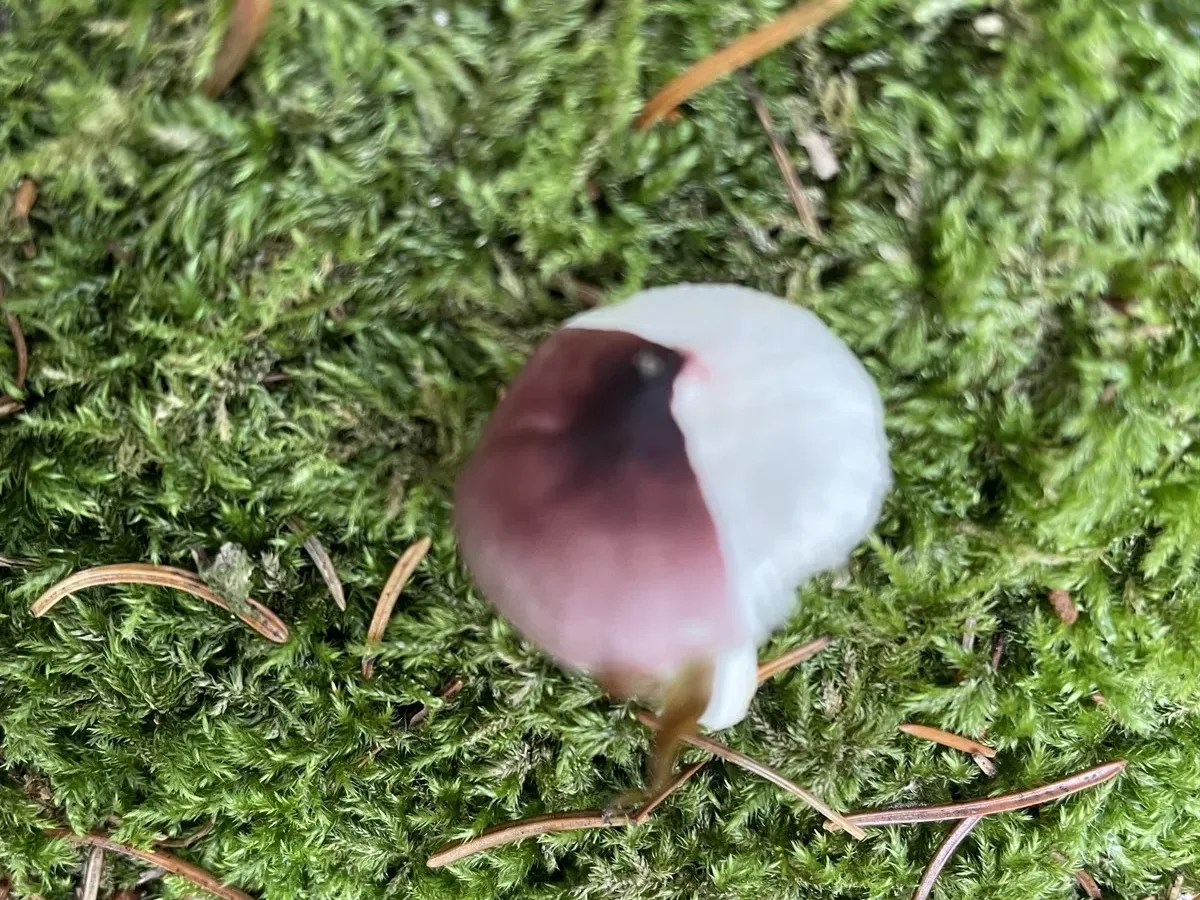
The cap (2-6 cm across) moves freely through lilac, purple, violet, pinkish-red and olive-green, often blending two or three tones at once, with a paler whitish centre and a more saturated margin.
It starts convex and broadens to nearly flat, sometimes dipping slightly at the centre. The surface is smooth, faintly tacky in wet weather, and the skin peels cleanly halfway to the centre - a useful russula check.
Gills
White to very pale cream, crowded, and carry a distinctly serrate (finely saw-toothed) edge: this is the key field mark, best confirmed with a hand lens or strong side-light. Spore print white.
Stem
White, 2-5 cm tall × 0.5-1.2 cm wide, firm when young then hollow, and - like all russulas - genuinely brittle, crumbling cross-wise when broken. No ring, no volva.
Smell & taste
Smell faint. Taste: burning-acrid from first contact, among the most fiercely peppery of any common European russula.
Why it's dangerous
Not life-threatening: R. fragilis causes gastrointestinal poisoning, not organ failure.
Its danger lies in two directions:
- 1Eating it raw or under-cooked causes unpleasant illness.
- 2Its variable and sometimes attractive colouring may lead novice foragers to compare it with edible russulas and misjudge it as safe.
Always taste-test russulas individually.
The broader ID risk is that small russulas growing in Amanita habitat may be confused with Amanita buttons; always dig up the full base to check for a volva.
Toxin
Acrid sesquiterpenoid-related irritant compounds concentrated in the cap cuticle and gills.
The same broad class of irritants responsible for acridity in R. emetica, R. sardonia and related species.
Symptoms
Ingestion of raw or insufficiently cooked material causes gastrointestinal irritation - nausea, vomiting and diarrhoea - beginning within 30 minutes to 2 hours of consumption.
Symptoms are self-limiting and rarely require medical intervention beyond hydration, but can be severe.
No liver, kidney or neurological toxicity is documented.
Staying safe
Russula fragilis is toxic and produces gastrointestinal poisoning from acrid irritant compounds (sesquiterpenoid-related pungency).
It is not lethal, but its intense acridity means even careful cooks risk retaining enough irritant to cause illness.
The genus Russula does not carry amatoxins, orellanin or gyromitrin.
Conservative practice: treat R. fragilis as inedible and leave it.
Where & when it grows
Habitat
Like all russulas, R. fragilis is mycorrhizal - it lives intertwined with tree roots, trading mineral uptake for sugars in a partnership that can last as long as the tree itself.
Its preferred partners are beech, oak and hazel in deciduous and mixed woodland, occasionally birch or spruce.
It favours moist, humus-rich, slightly acidic soils in sheltered spots among leaf litter, and turns up from lowland river-terrace woods to montane beech forest across temperate Europe.
Widespread and locally common, but its small size and chameleonic colouring mean it is easy to walk past.
When
Mid-summer to autumn: mid-July through October in most of central and western Europe.
Peaks in August and September after late-summer rain.
How it grows
Appears singly or in small scattered groups among leaf litter and mosses on the forest floor - the classic russula fruiting pattern, driven by underground mycelium rather than any surface substrate.
Never clustered on wood.
Fruiting conditions
Flushes after summer and early-autumn rain when soil temperatures are between 9 and 18 degrees C; typical mycorrhizal russula fruiting pattern. Lag from triggering rain to visible fruit-body 5-12 days.
Look-alikes
- Russula emetica (Sickener) is very similar, with a red to pink cap, white gills and acrid taste, and is equally inedible; R. emetica typically has a more uniformly red cap and prefers conifers and sphagnum bogs, whereas R. fragilis favours broadleaf trees and shows more lilac-violet tones.
- Russula nobilis (Beechwood sickener) is also red-capped, acrid and associated with beech; all three are equally inedible.
- Some Cortinarius species in shades of violet-lilac can superficially match the colouring of R. fragilis, but Cortinarius has fibrous flesh, a cobweb-like cortina when young and a rusty-brown spore print, while R. fragilis has no cortina, white spores and brittle flesh.
The critical general caution for all small russulas: always excavate the full stem base to confirm there is no volva (bag-like sack), which would indicate a deadly Amanita, particularly Amanita phalloides.
A death cap in button stage can be pale, rounded and superficially resemble a small russula in the same woodland. The decisive difference: always excavate the complete stem base. Amanita phalloides emerges from a bag-like volva (sack) in the soil, has a ring on the stem, and the flesh is fibrous not brittle. A Russula has no volva, no ring, and crumbles when broken. Never harvest small mushrooms without exposing the full base.
R. nobilis has a red to scarlet cap and is strictly associated with beech; it is likewise acrid and inedible. R. fragilis under beech may show similar reddish tones but usually displays more lilac or violet hues and has more clearly serrated gill edges.
R. emetica typically has a more uniformly red cap, white stem and white gills, and strongly prefers conifers and sphagnum bog; R. fragilis tends toward more variable lilac-purple tones and is commoner under beech and oak. Both are acrid and inedible. Gill serrulation is more pronounced in R. fragilis.
Violet or lilac-coloured webcaps can share colour tones with R. fragilis, but Cortinarius species have fibrous flesh, show a cobweb cortina on the stem when young, and produce a rusty-brown spore print versus white in Russula. Breaking the stem cross-ways instantly distinguishes the two: a Russula crumbles; a Cortinarius stretches into fibres.
A reference guide - never an edibility guarantee. When in doubt, leave it out.