Devil's bolete
Rubroboletus satanassyn. Boletus satanas
 © Clément Maouche (CC BY 4.0)
 © Todd Patterson (CC BY 4.0)
 © vuikaan (CC BY)
 © vuikaan (CC BY)
 © vuikaan (CC BY)
 © Björn Sothmann (CC BY-SA)
 © ionafraser (CC BY)
 © ionafraser (CC BY)
 © ionafraser (CC BY)
 © ionafraser (CC BY)
 © Анна Митрошенкова (CC BY 4.0)
 Teri Neville (CC0)
 © bjoerns (CC BY-SA 4.0)© Clément Maouche (CC BY 4.0)© Todd Patterson (CC BY 4.0)
Edible only with the right preparation - or safe for some people but not others. Learn the caveats first.
How to recognise it
Rubroboletus satanas is among the most visually arresting fungi in European forests, and the visual drama is deliberate biology, not decoration.
Cap
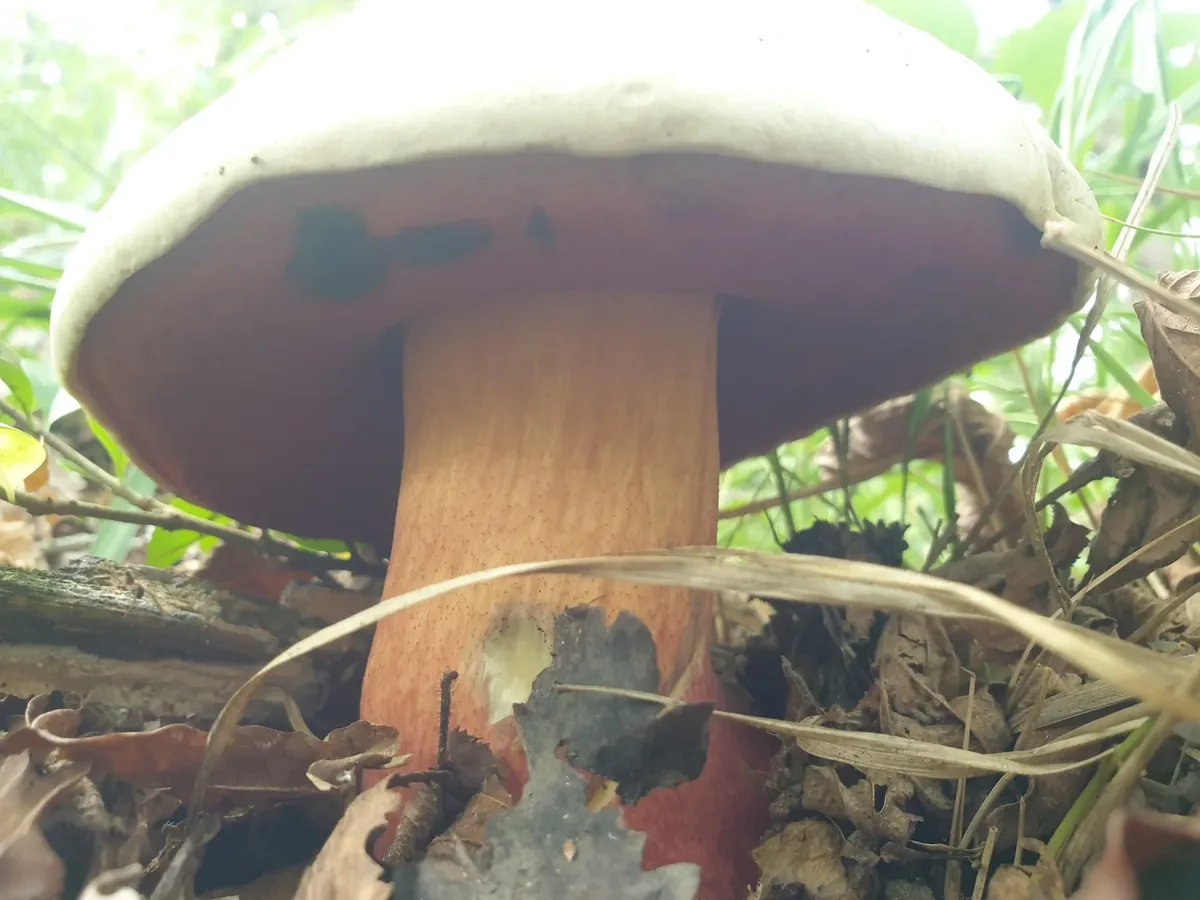
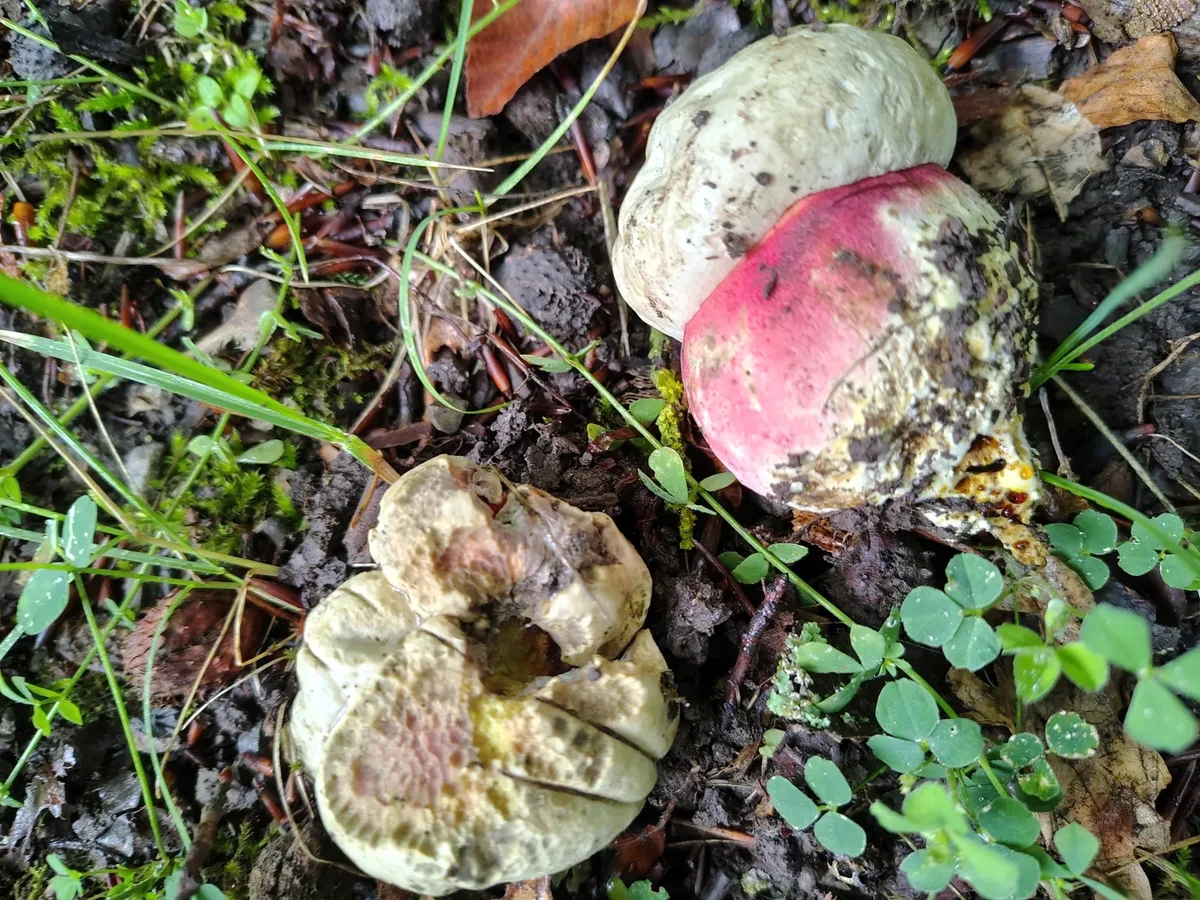
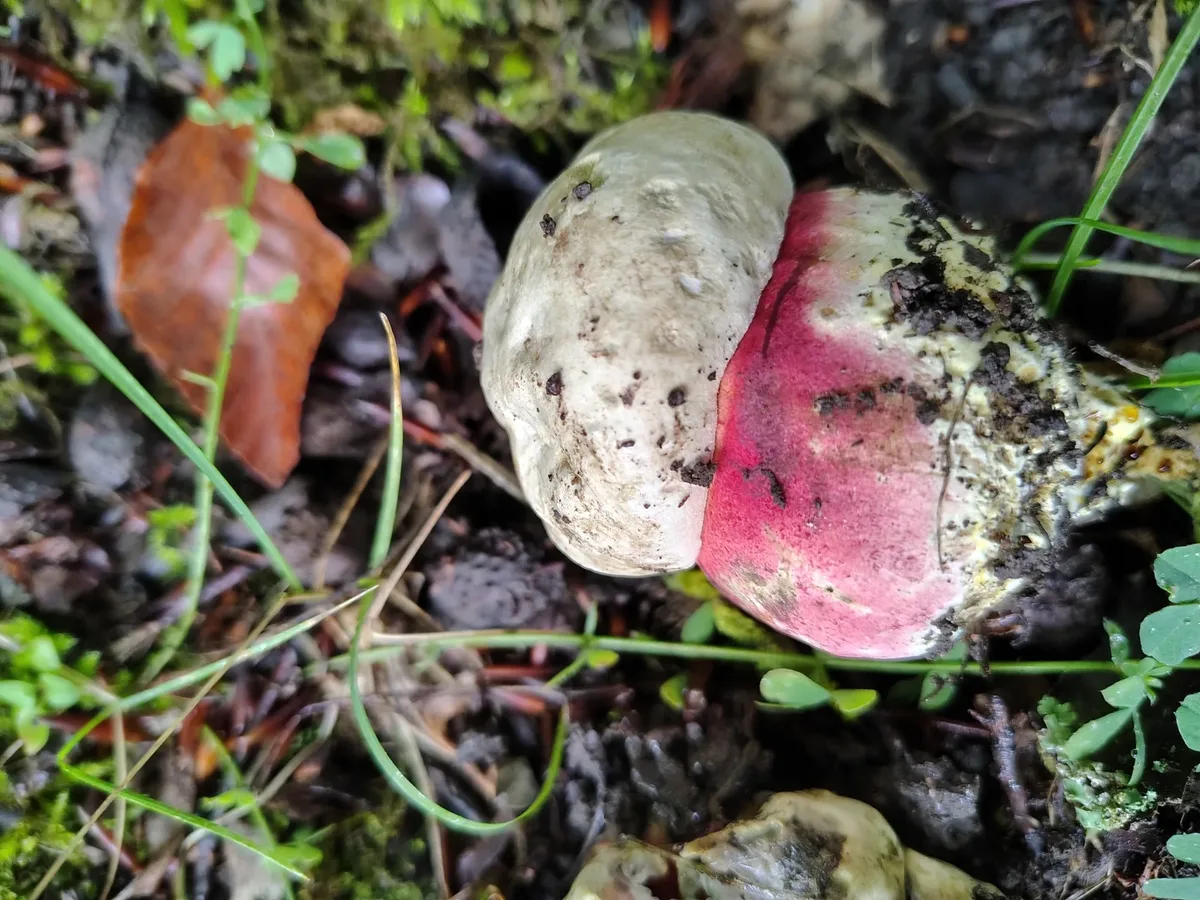
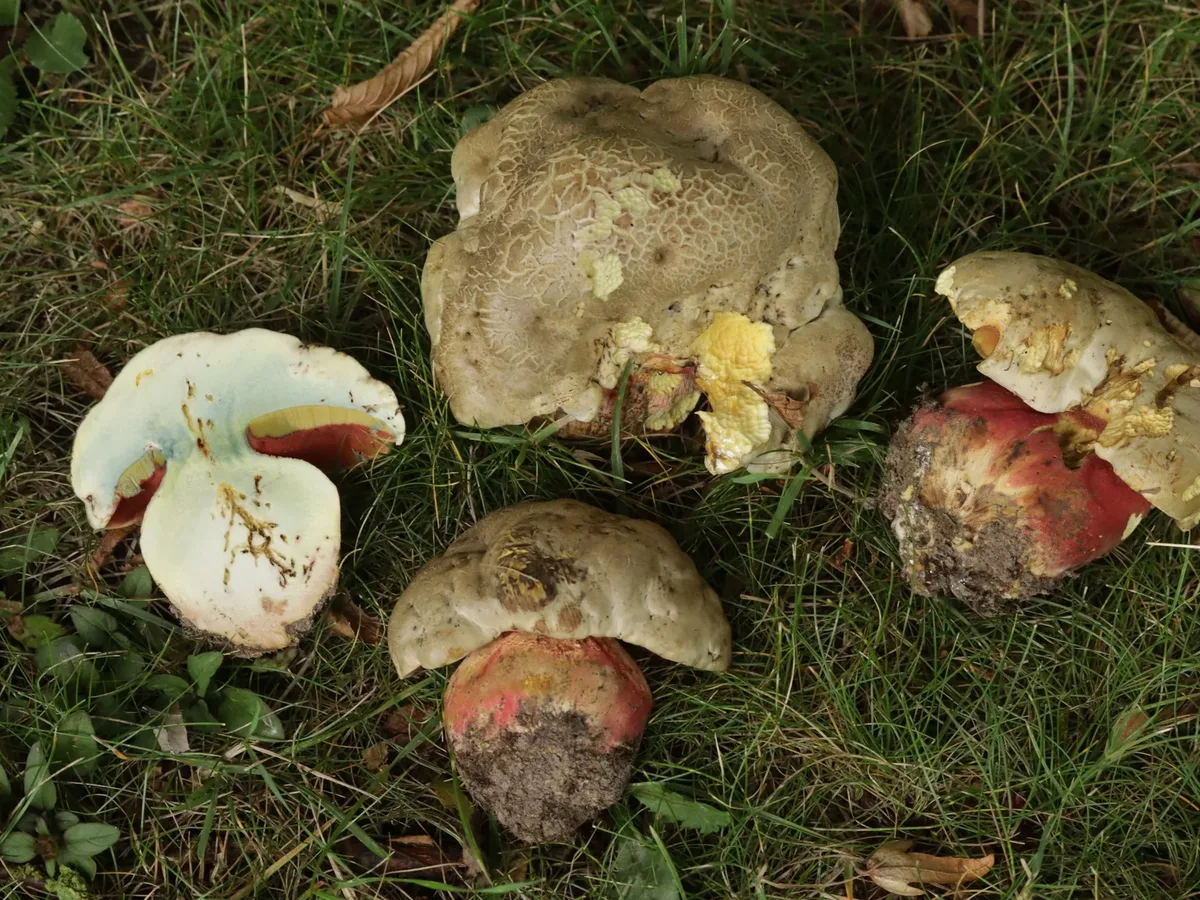
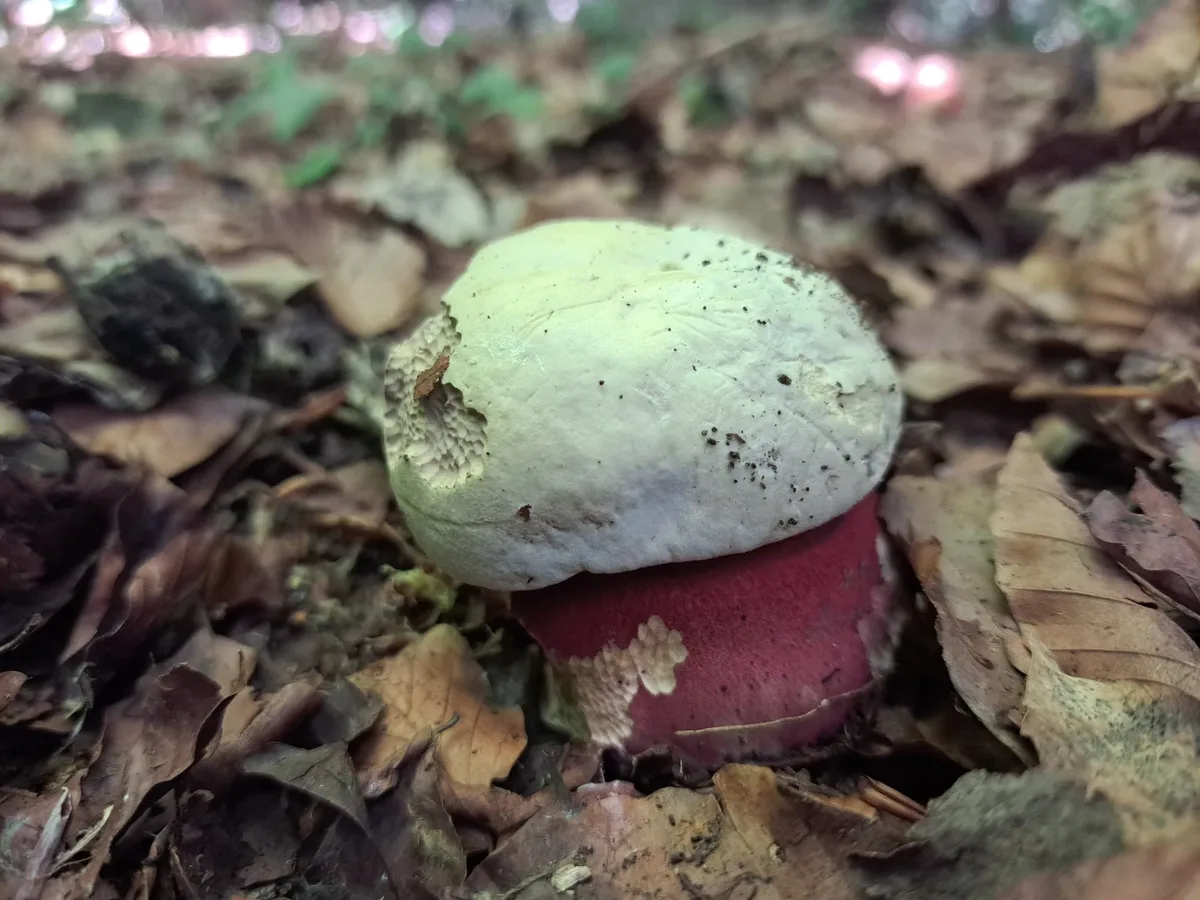
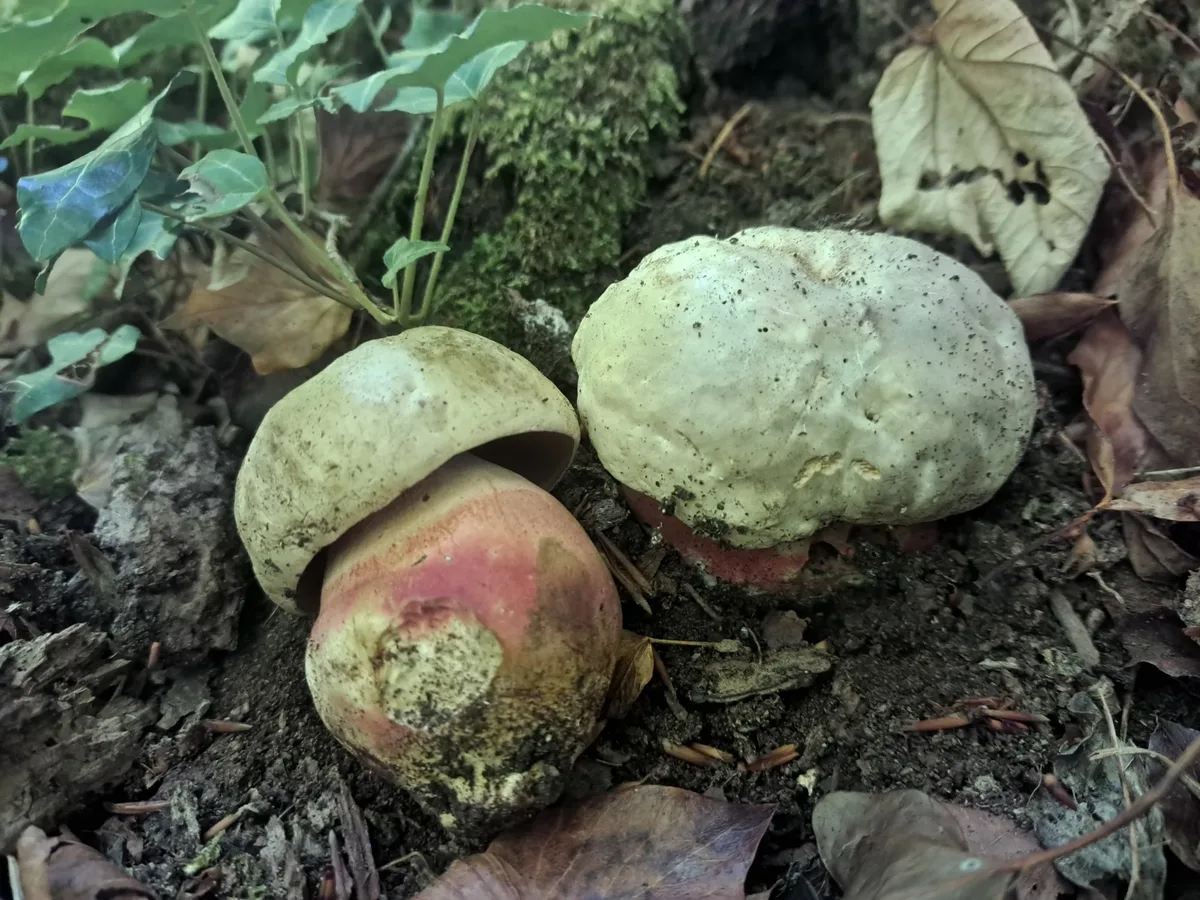
The cap starts as a tight hemisphere, pale greyish-white to ash-beige, covered in a fine dry velvet that gives it an almost chalky quality in morning light.
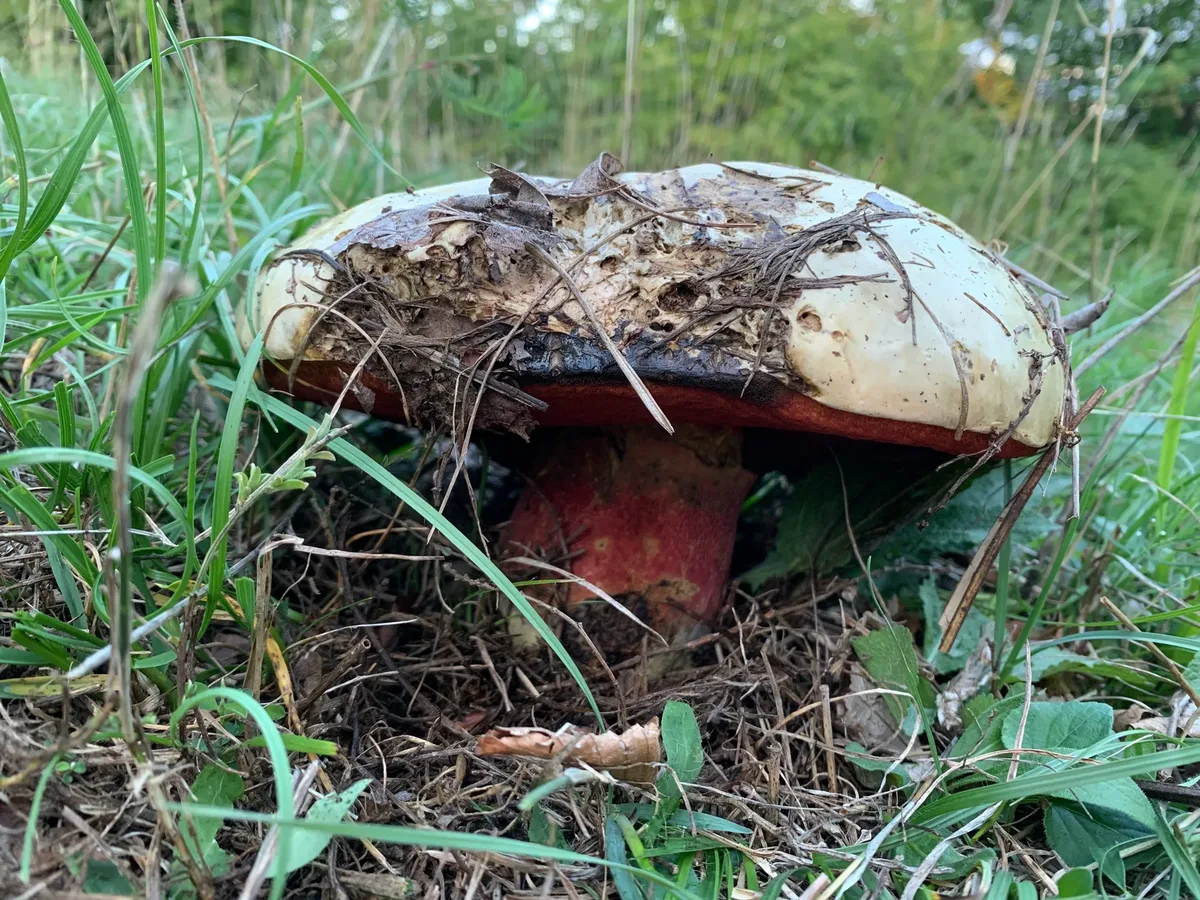
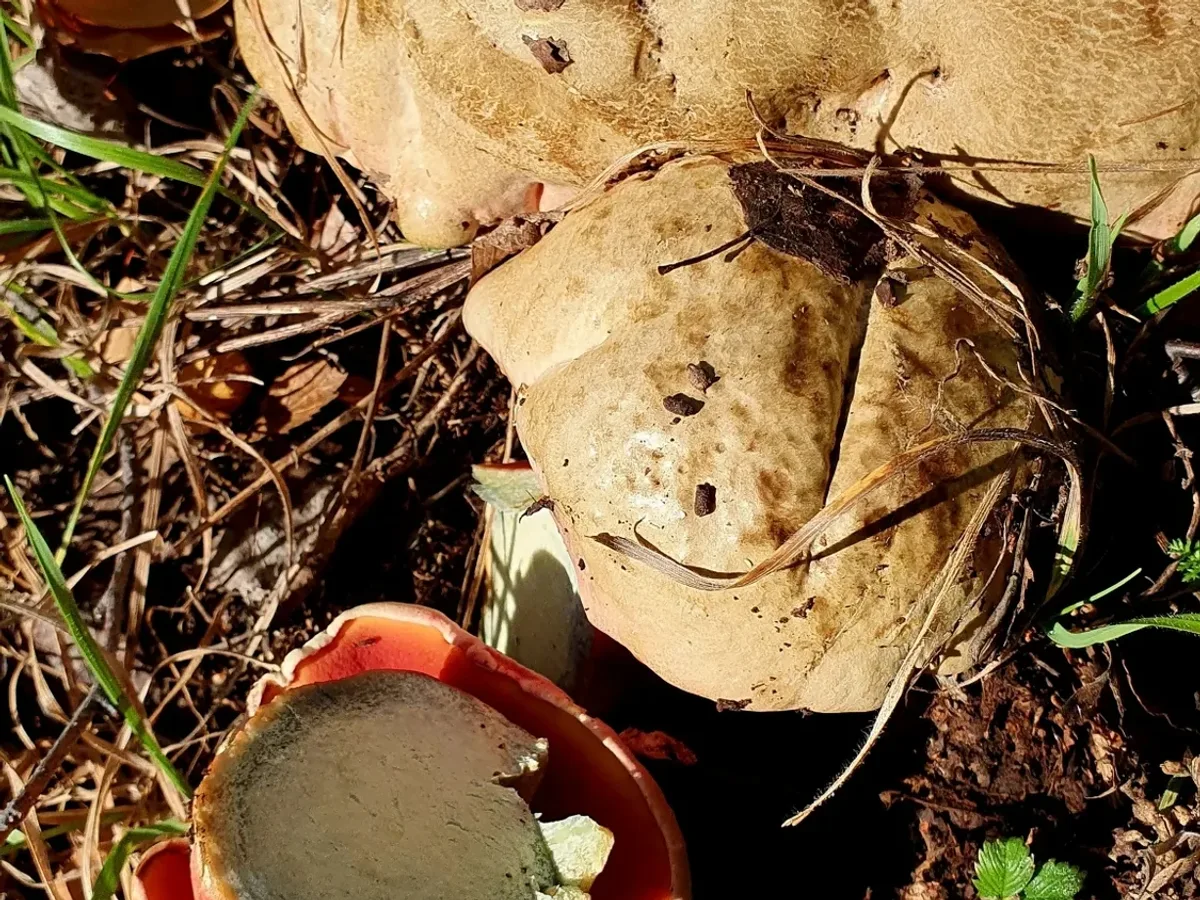
With age it flattens and expands - mature specimens routinely reach 20-25 cm, and the largest reliably documented individuals have touched 50 cm, making this one of the continent's biggest boletes. The surface stays dry and smooth, without the glutinous sheen of many Suillus relatives.
Pores
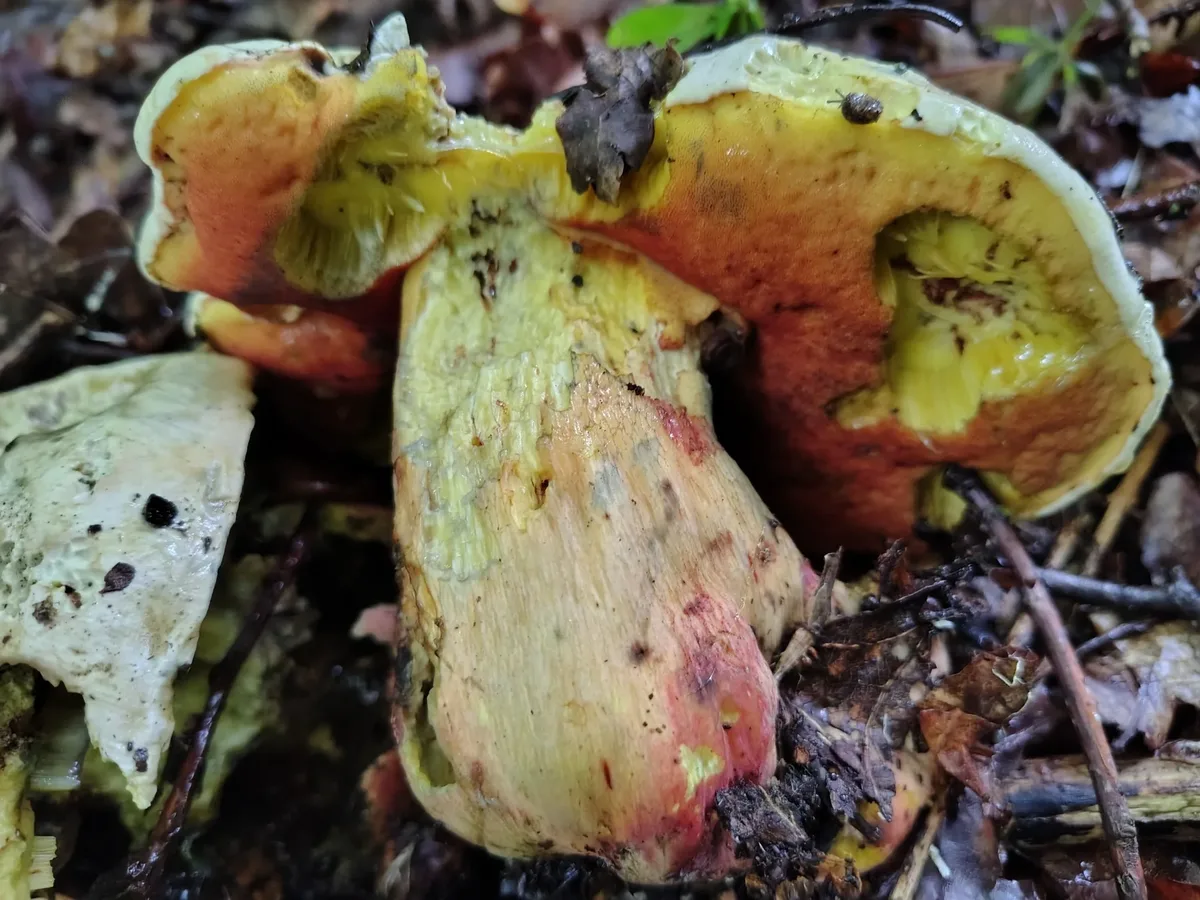
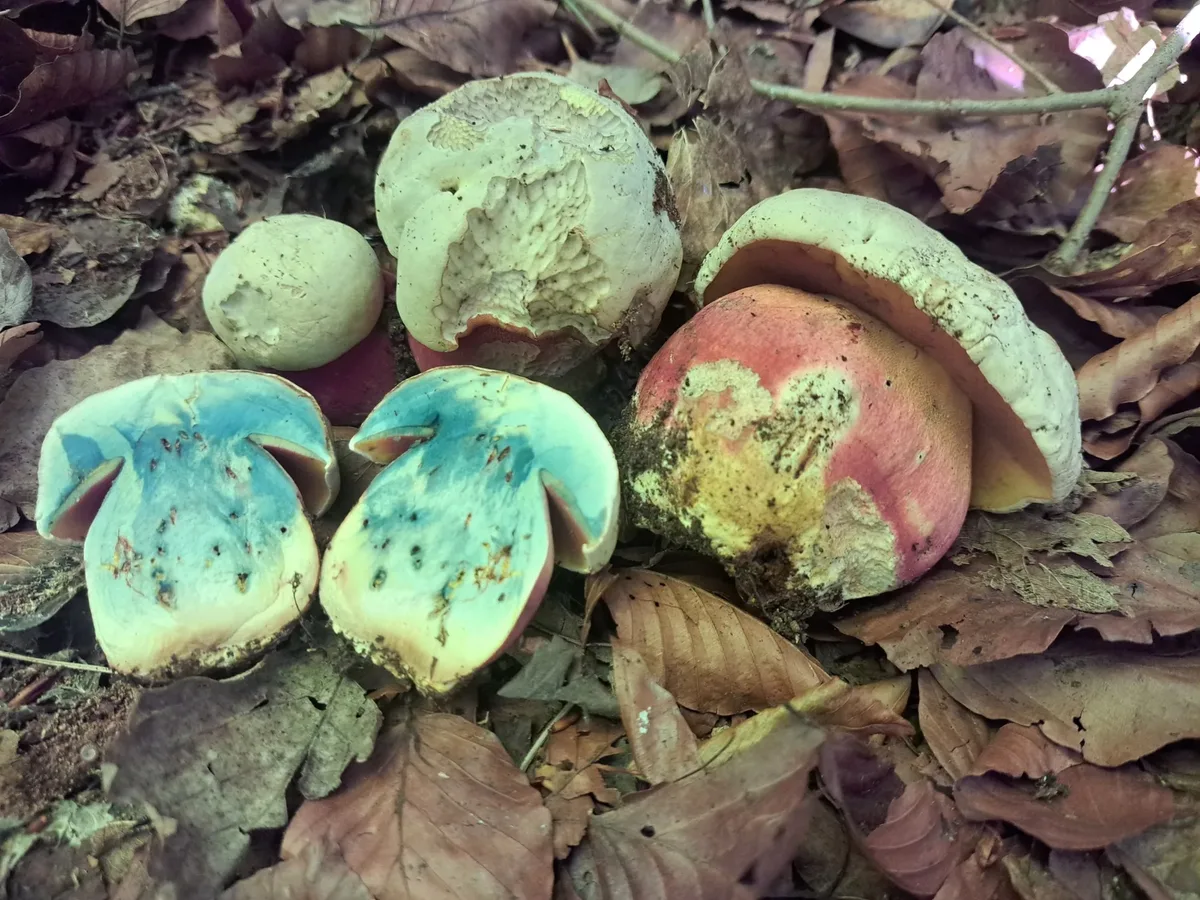
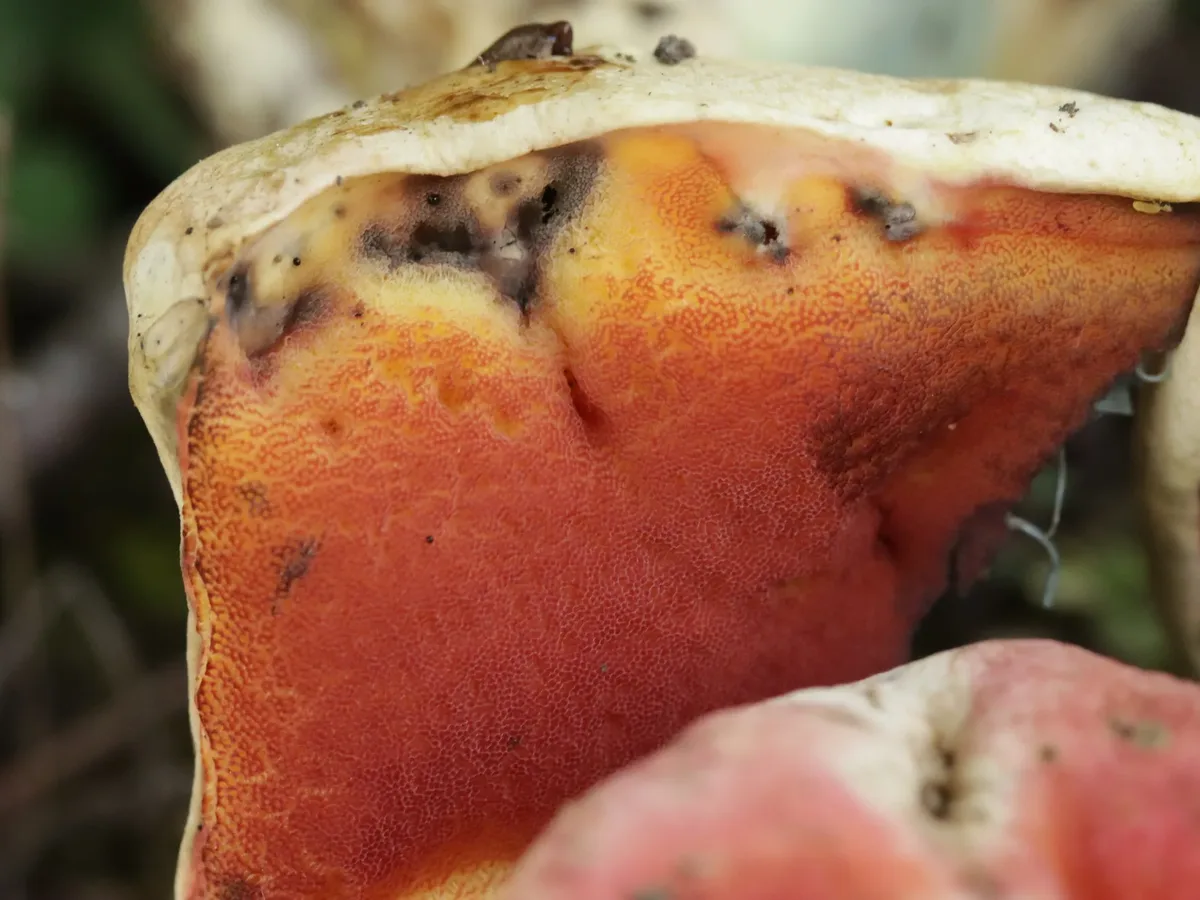
Beneath the cap the pore surface is unmistakable: in young fruitbodies a clean blood-orange, deepening to vivid scarlet in prime specimens, fading only slightly toward the cap margin. The pores themselves are small and regular, roughly 0.5-1 mm across.
Spore print is olive-brown, consistent with the broader bolete family.
Stem
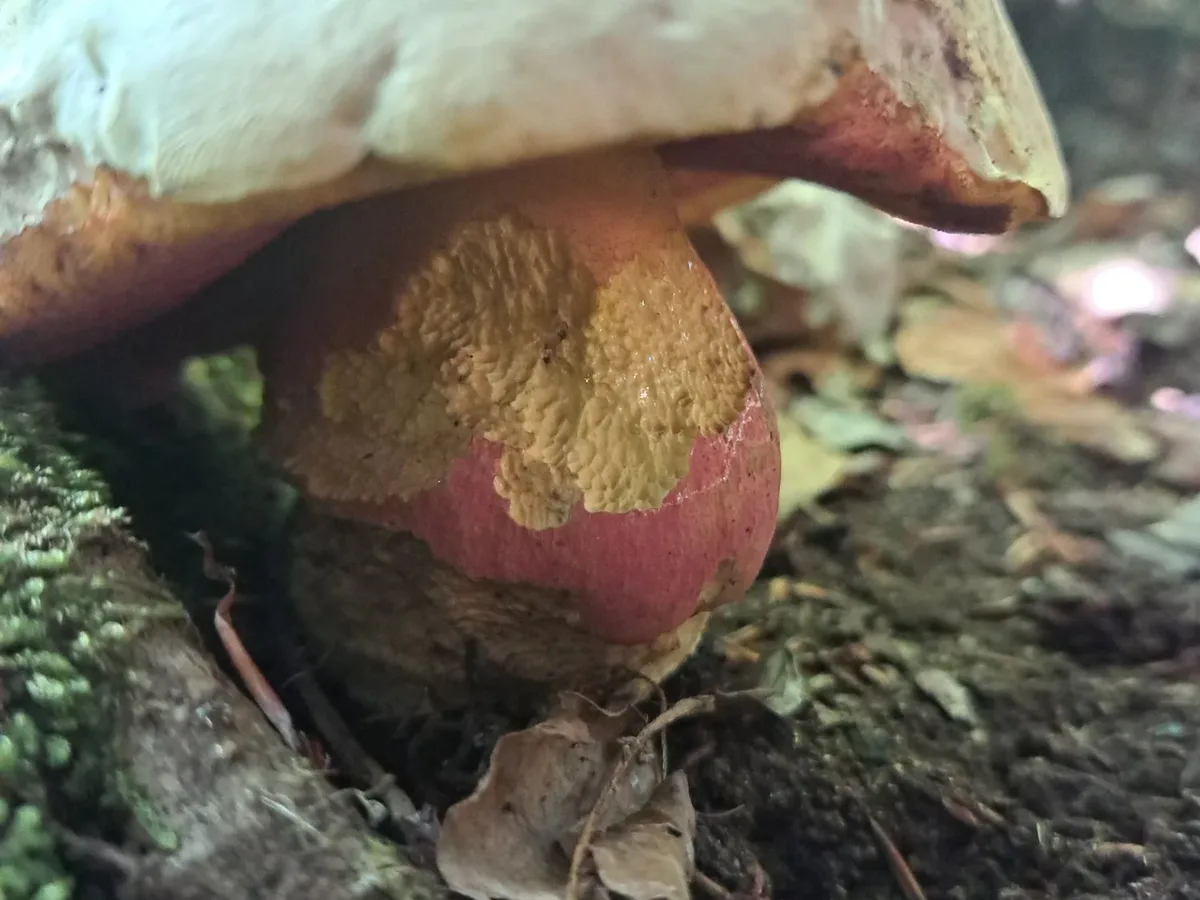
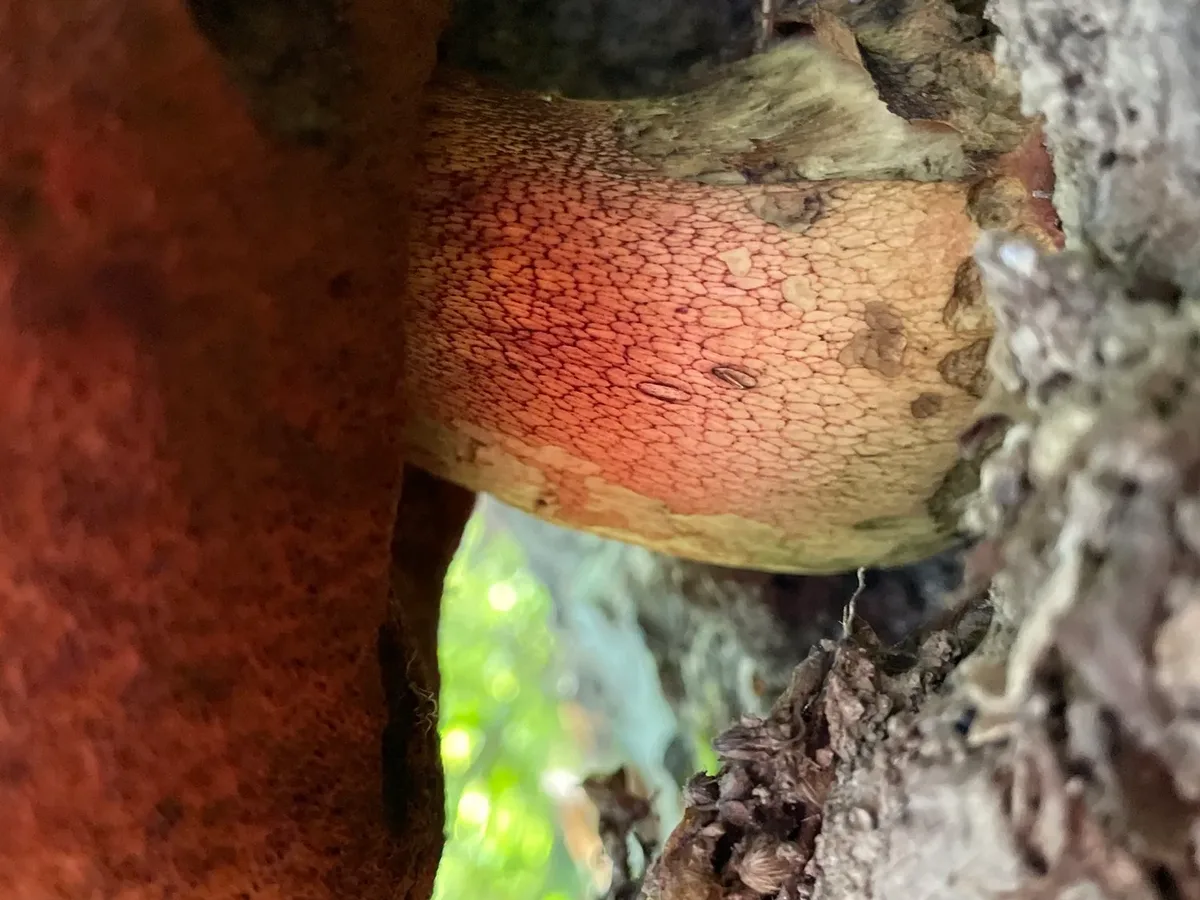
The stem is stocky and pronouncedly barrel-shaped to bulbous - sometimes wider than it is tall in very old individuals. The entire surface is wrapped in a dense, raised network of crimson veins on a yellowish background, the reticulation that gives Rubroboletus its name.
Flesh
Slice the flesh with a knife and the transformation happens in seconds: the pale cream interior floods blue-green at every cut surface, a reaction driven by the near-instant oxidation of variegatic acid and its related quinone pigments on exposure to air.
Smell & taste
In young fruitbodies the smell is mild and faintly pleasant; older specimens develop the famously fetid carrion odour, caused by decay of aromatic compounds in the maturing tissue.
Why it's dangerous
Rubroboletus satanas is a poisonous species causing severe acute gastroenteritis. It is not among the confirmed-fatal species - no death has been definitively attributed to it in the peer-reviewed toxicological literature - but severe poisonings have required hospitalisation.
The mass-poisoning event documented in southern France in 2011 (184 cases in a single season; Oberlin et al., Ann Toxicol Anal 25(1):13-16, 2013) demonstrates that it poses a genuine, recurring public-health hazard wherever it grows alongside edible boletes.
The danger is greatest in the warm calcareous woodlands of France, Italy, Spain, and Germany, where the species is abundant and foraging is culturally embedded; in the UK the geographic restriction to a few southern limestone sites limits exposure.
Raw consumption is especially hazardous: even a single bite of raw flesh can trigger violent vomiting. There is no safe minimum dose. The instruction in some older guidebooks that 'careful cooking' makes it edible is false and must not be followed.
Any person who has consumed this species and develops nausea or vomiting within three hours should contact emergency services or a Poison Control centre immediately. Bring a specimen or photograph of the mushroom to the hospital - it will help clinicians confirm the exposure and select appropriate supportive care.
Toxin
The principal toxic agent in Rubroboletus satanas is bolesatin, a thermostable glycoprotein that acts as a protein-synthesis inhibitor. It is structurally related to ribosome-inactivating proteins (RIPs) - a class of toxins that interfere with elongation factor binding on the 60S ribosomal subunit, preventing translation of mRNA into protein.
This places it in a mechanistic category distinct from the amatoxins of Amanita phalloides (which inhibit RNA polymerase II), but with a similar cellular end-point: the shutdown of protein biosynthesis in rapidly dividing cells, particularly enterocytes lining the gut.
The fruitbody also contains other active compounds:
- Minor amounts of muscarine, a parasympathomimetic alkaloid that activates muscarinic acetylcholine receptors and contributes to some of the gastrointestinal symptoms, particularly the stimulation of secretory activity.
- Variegatic acid - the pigment responsible for the blue staining - and related quinone derivatives, which may contribute to the overall irritant effect on gut mucosa.
Bolesatin concentration is highest in young, actively growing fruitbodies and in the pore layer. Heat reduces but does not eliminate bolesatin activity; the glycoprotein is more heat-stable than many food proteins.
Symptoms
Poisoning by Rubroboletus satanas typically presents as acute gastrointestinal illness, with onset 30 minutes to 3 hours after consumption - markedly faster than the delayed-onset poisonings caused by Amanita phalloides and related amatoxin-containing species.
The primary symptoms are:
- Violent nausea and profuse, often explosive vomiting that may continue for several hours.
- Severe cramping abdominal pain.
- Watery or bloody diarrhoea.
- Profuse sweating and general prostration.
Muscarinic symptoms from the minor muscarine content may include increased salivation, lacrimation, and miosis (pupil constriction), though these are generally secondary to the severe gastroenteric picture.
Dehydration is the principal clinical risk, particularly in elderly patients, young children, or those who consume larger quantities. In reported cases from poison control databases across France, Germany, and Switzerland, the majority of patients require intravenous rehydration but recover fully within 24-72 hours once supportive care is established.
The short latency to symptom onset is diagnostically important: it suggests a direct irritant or cytotoxic mechanism in the gut rather than a delayed systemic toxidrome, and it typically means the culprit species can be identified before the patient deteriorates significantly.
Staying safe
Rubroboletus satanas is poisonous and must not be eaten in any preparation. It is not deadly in the strict clinical sense - there are no confirmed fatalities documented in the peer-reviewed literature - but the poisoning it causes is severe and can require hospitalisation.
The toxicity is not destroyed by normal cooking; heating reduces but does not eliminate the risk. Raw flesh is extremely poisonous: even small amounts consumed raw cause rapid and violent gastrointestinal illness.
In summer 2011 in southern France alone, 184 cases of devil's bolete poisoning were recorded by the national Poison Control network (Oberlin et al., Ann Toxicol Anal 25(1):13-16, 2013) - a figure that illustrates how frequently the species is mistaken for an edible bolete by inexperienced collectors.
The risk is highest where satanas grows alongside the cep in warm southern European woodlands. In the UK the species is uncommon enough that mass-poisoning events are rare, but the hazard is identical.
Field identification must be confirmed before any bolete is eaten; for any red-pored species with bluing flesh, the correct decision is not to collect at all.
Where & when it grows
Habitat
Rubroboletus satanas is a thermophile with precise geological requirements that make it far rarer in northern Europe than its dramatic appearance might suggest.
It is an obligate mycorrhizal partner of deciduous trees on base-rich, well-drained, calcareous (lime-rich) substrates - the fungus's underground hyphal networks form intimate associations with the fine root tips of oak, beech, and chestnut, exchanging mineral nutrients (especially phosphorus) for photosynthetically fixed sugars. Because it needs both the right tree and the right soil chemistry, it is essentially absent from the acid soils that cover much of Atlantic Europe.
In Britain it is largely confined to the chalk and limestone woodlands of southern England - the North and South Downs, the Cotswold edge, the Chilterns - and rarely strays north of the Humber.
Across mainland Europe the distribution is richer: the species fruits regularly in oak and chestnut woodlands through France, the Rhine valley, Switzerland, Austria, Italy, and the Balkans, wherever warm limestone hillsides support mature deciduous canopy. It favours sheltered southern aspects where soils warm quickly after rain, and is most abundant along woodland edges and rides where heat accumulates.
The mycelium persists for many years in productive sites - a single 'colony' may return to exactly the same patch of ground for decades - and established spots are jealously noted by local foragers (who know precisely to avoid it).
When
The first devil's boletes appear in early June, when soil temperatures at 10 cm depth reach around 14°C - conditions that arrive in its limestone woodland habitats well before they do in the cooler acidic forests further north.
The core season runs from June through September, with the most abundant flushes occurring 7-14 days after significant summer rain - a lag that reflects the time required for the mycelium to translocate resources into developing primordia. July and August are the peak months in warm years; an unusually warm, wet September can produce late flushes that rival the summer peak.
The species is strongly thermophilic and ceases fruiting promptly when soil temperatures drop below roughly 14°C; it does not persist into the cool wet autumns that suit the majority of woodland boletes.
In drought years the mycelium simply waits - it can remain metabolically active underground through many dry weeks without producing fruitbodies - then flushes explosively when rain arrives.
Individual fruitbodies mature over 5-10 days and persist in the field for up to two weeks before collapsing into a dark, foul-smelling mass. The season is therefore relatively compressed compared with species like Boletus edulis, and productive windows are closely tied to weather.
How it grows
Like all mycorrhizal fungi, Rubroboletus satanas does not grow in the way a plant grows - there is no seed, no germination in the conventional sense. The fruitbody that emerges from the soil is merely the reproductive tip of a diffuse underground mycelium that may span tens of square metres and has been in continuous partnership with its host trees for years or decades.
The mycelium lives in intimate contact with the finest roots of oak, beech, and chestnut, sheathing the root tips in a fungal mantle and extending outward as a network of hyphae that dramatically expands the effective root surface area of the tree.
In calcareous soils, where phosphorus is often locked in insoluble mineral forms, this hyphal network gives the host tree access to mineral resources it could not obtain on its own; in exchange the tree supplies the fungus with sugars fixed in photosynthesis.
When conditions are right - adequate soil moisture and temperatures above 14°C - the mycelium allocates resources to producing fruitbodies. Primordia begin as microscopic hyphal knots, then swell to small buttons within the mineral soil before pushing through the surface. The full emergence from egg-sized button to mature fruitbody can occur in as little as 48-72 hours under ideal conditions.
Older mycelial networks are generally more productive than young ones: in established sites, fruitbodies may reappear within a metre or two of the same spot year after year, following the architecture of the underground network.
Fruiting conditions
Warmth-loving thermophilic bolete of calcareous soils; fruits after warm summer rains.
Look-alikes
Three species deserve careful attention as potential confusion risks.
- 1The cep (Boletus edulis) is the most commonly cited comparison. It shares the large pale cap and occurs in similar woodland habitats, but the pores are white to yellow (never red) and the stem reticulation is pale - not crimson. The flesh of Boletus edulis does not blue, or blues only weakly. These two features - pale pores and absence of strong bluing - reliably separate it from the devil's bolete.
- 1The lurid bolete (Suillellus luridus) is a genuinely close relative and also poisonous when raw. It shares red pores and strong bluing, but its cap is typically more yellow-ochre to buff rather than the pale grey-white of satanas, and the stem is more cylindrical with a denser, finer network. Its toxicity profile and the red-pores-plus-bluing rule mean it should be left alone regardless.
- 1The scarletina bolete (Neoboletus luridiformis) is another red-pored, bluing species. Its cap tends toward bright orange-red to brownish-red - notably warmer and more saturated than satanas - and it is associated with different forest types, often spruce and fir rather than warm calcareous oak woodland. It is also toxic when raw.
The operational field rule remains the most useful guide: any bolete with red or orange pores that stains blue rapidly on cutting should be treated as inedible regardless of species identification.
The cep has white/yellow pores, a light-coloured net, and does not blue; the devil's bolete has red pores, a red net-stem and blueing flesh.
Another red-pored bolete; avoid all boletes with red pores that blue strongly.
Edible porcini have pale pores, a pale stem, and white flesh that does not turn blue. Red pores plus blue-staining flesh indicate the devil's bolete.
Inexperienced foragers may mistake the pale cap for a porcini until they notice the red pores; the porcini has whitish to olive (never red) pores and does not have a red-networked stem.
Another red-pored bolete; avoid all boletes with red pores that blue strongly.
A reference guide - never an edibility guarantee. When in doubt, leave it out.