Club coral
Ramaria capitatasyn. Clavaria capitata Pers., Ramaria capitata var. capitata, Clavariella capitata (Pers.) P.Karst.
 © Sofia Zvolanek (CC BY)
 © Alesha Teitzel (CC BY)
 © Alesha Teitzel (CC BY)
 © Alesha Teitzel (CC BY)
 © JF (CC BY)
 © Sofia Zvolanek (CC BY)
 © Sofia Zvolanek (CC BY)
 © Sofia Zvolanek (CC BY)
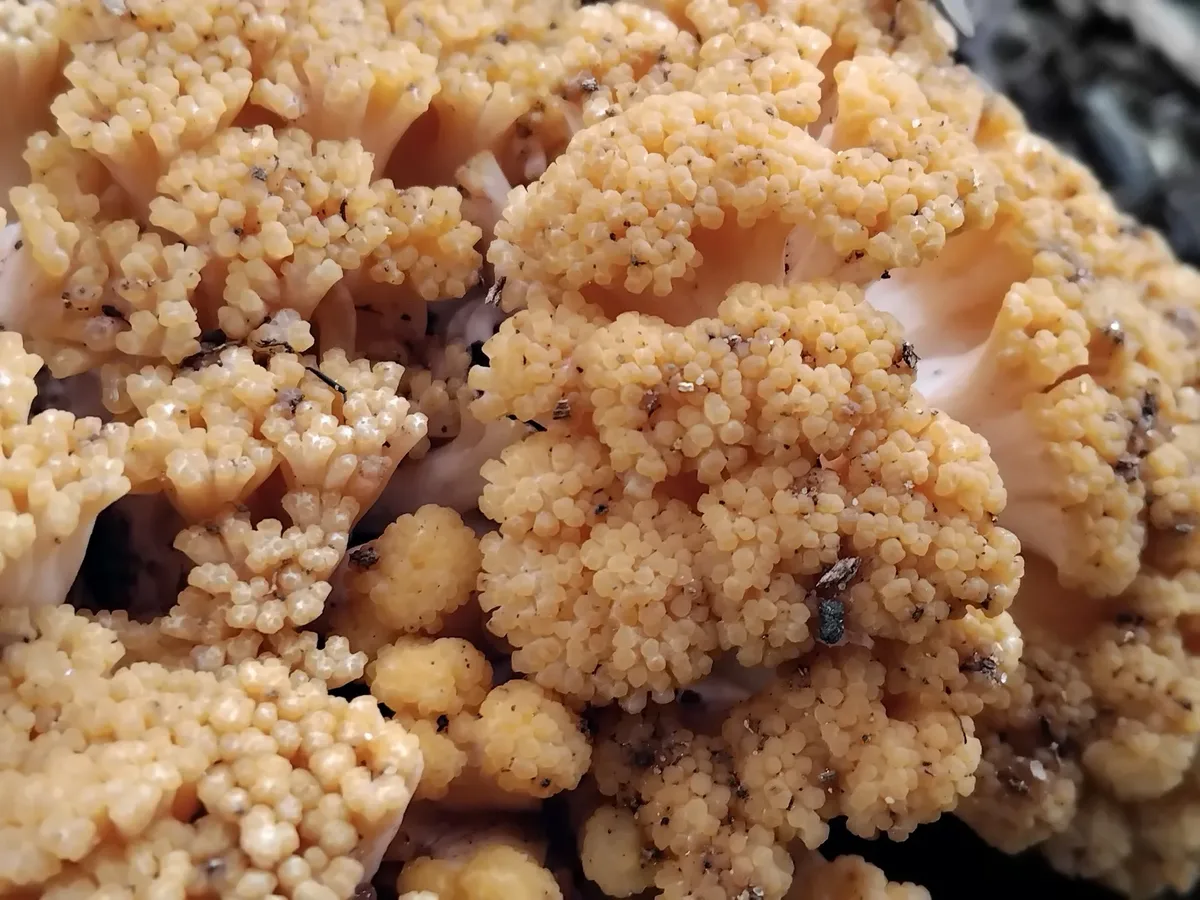 © Sofia Zvolanek (CC BY)
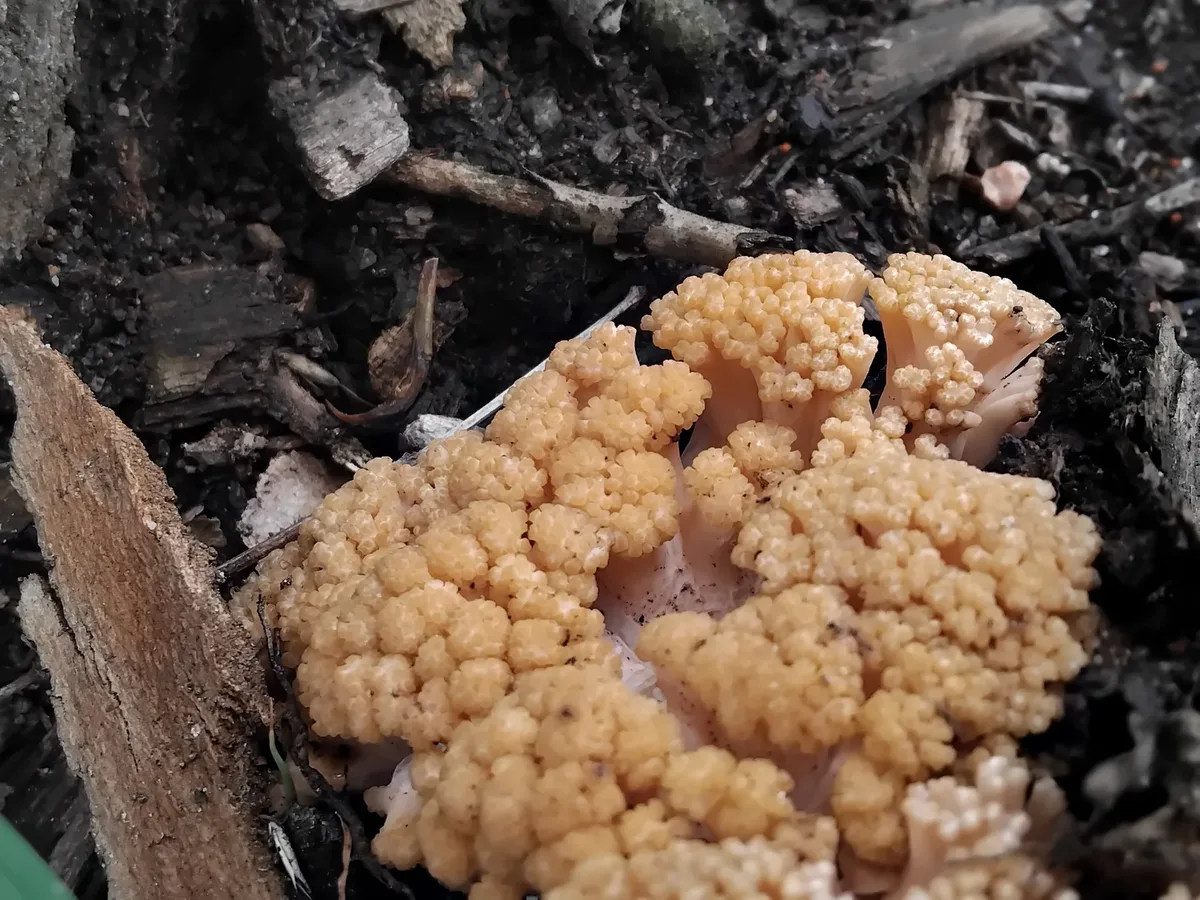 © Sofia Zvolanek (CC BY)© Sofia Zvolanek (CC BY)© Alesha Teitzel (CC BY)
Edible only with the right preparation - or safe for some people but not others. Learn the caveats first.
How to recognise it
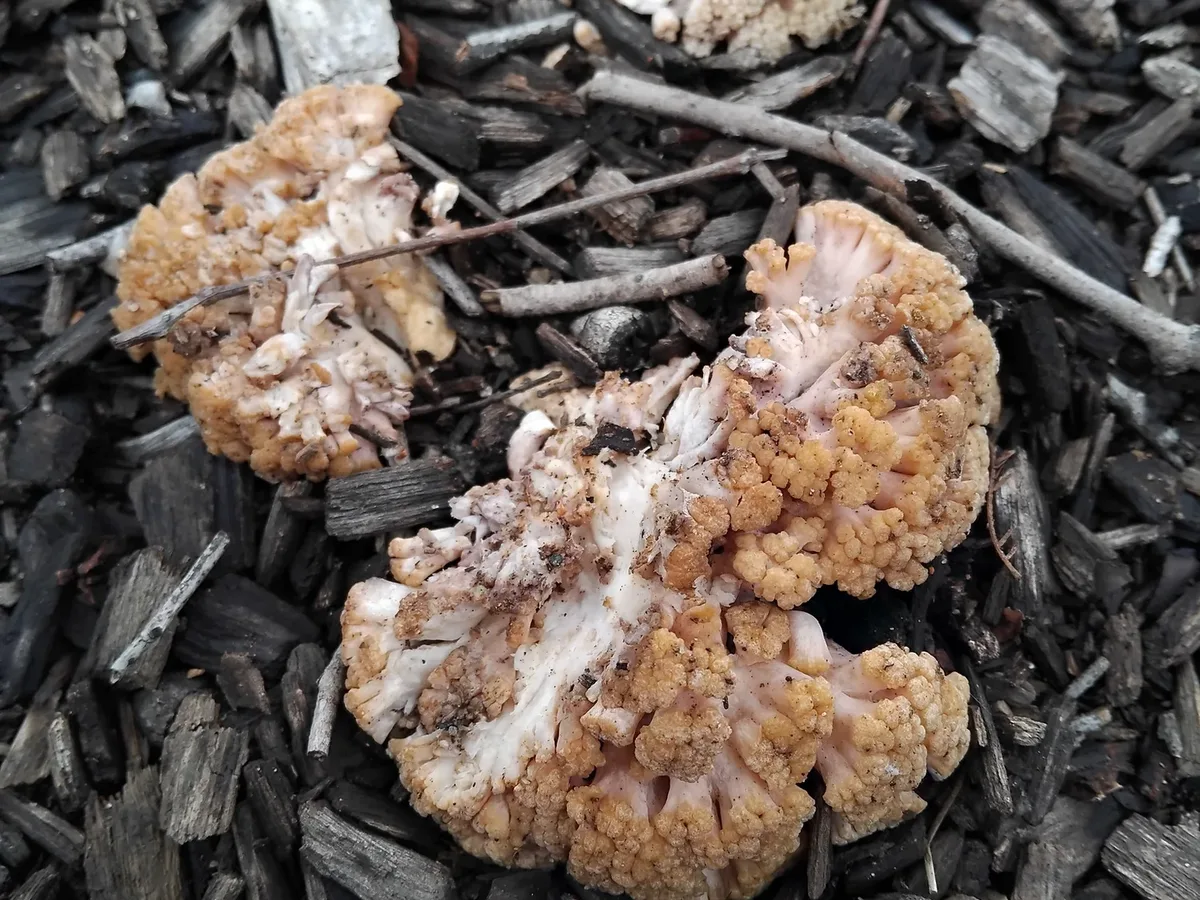
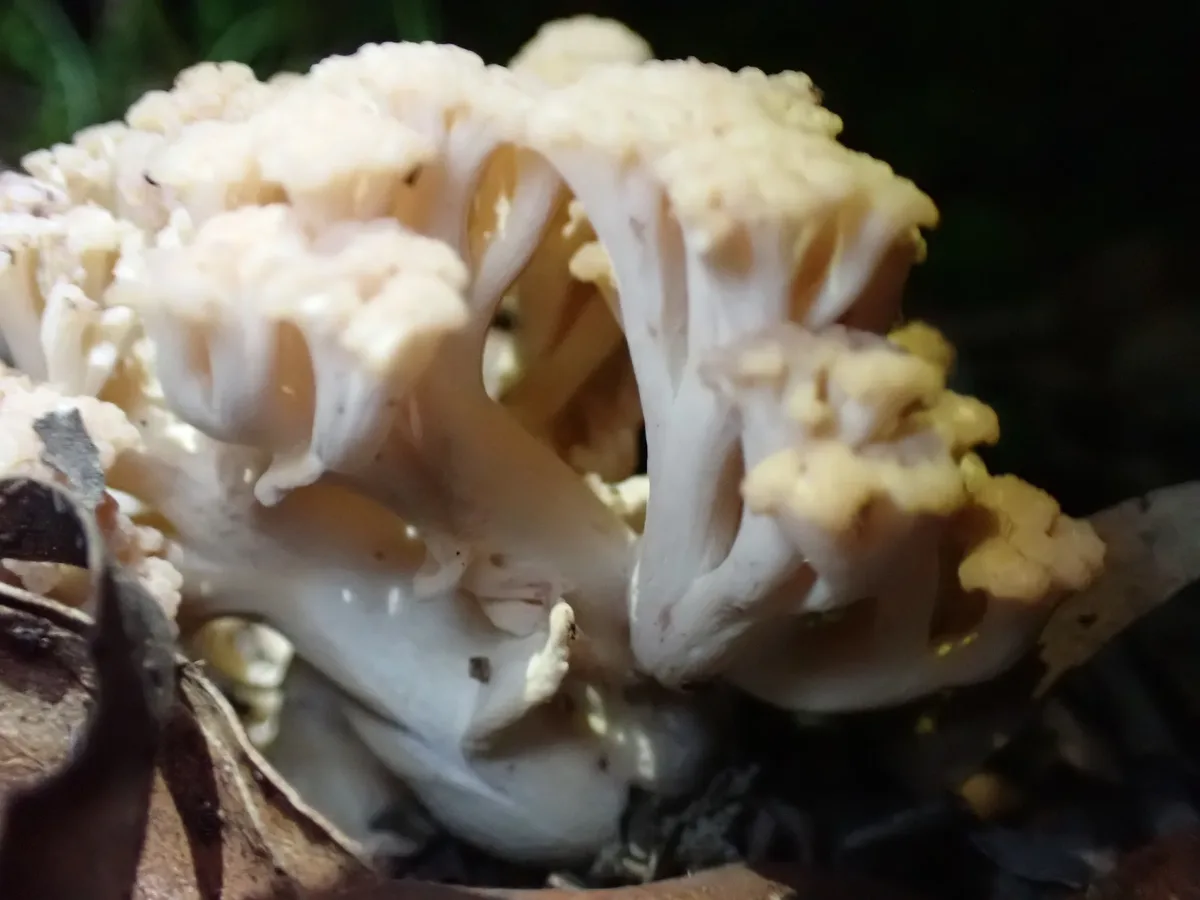
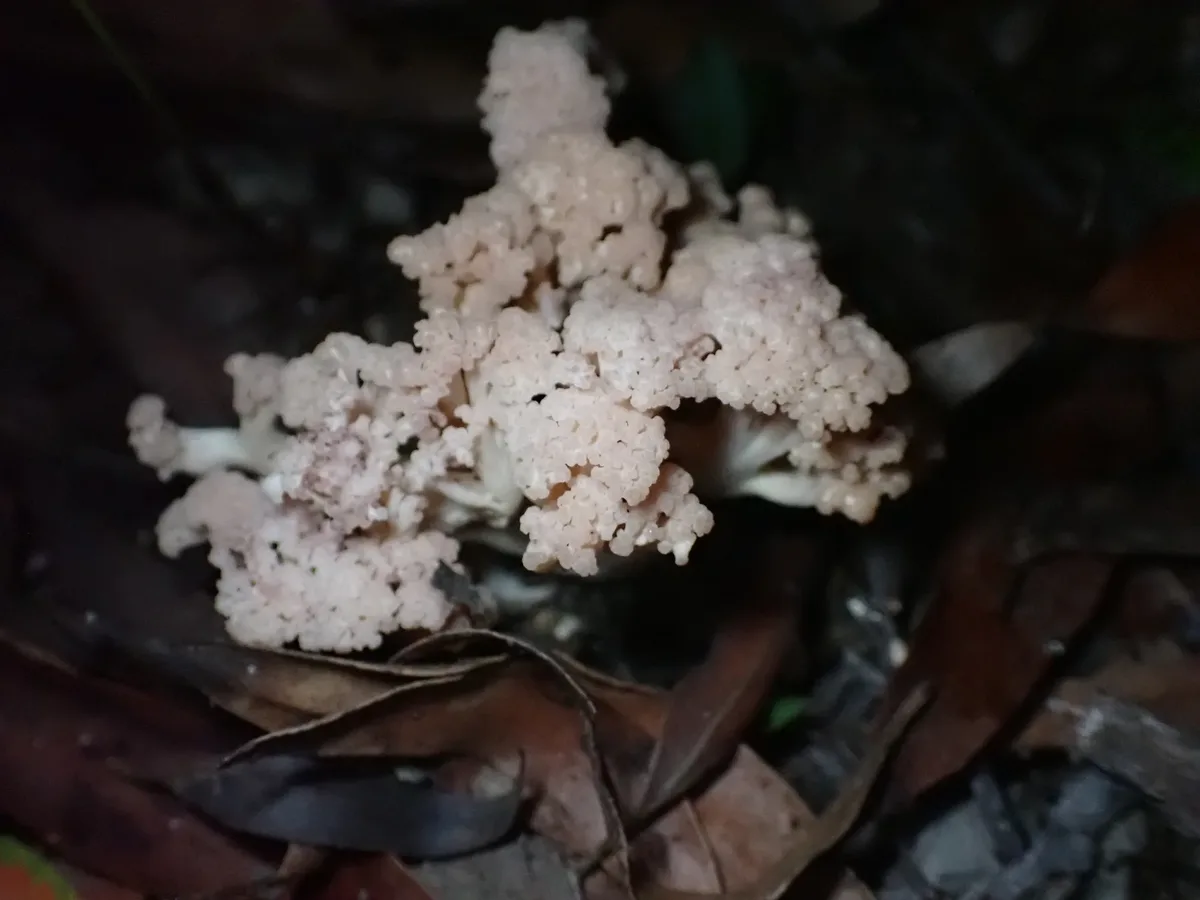
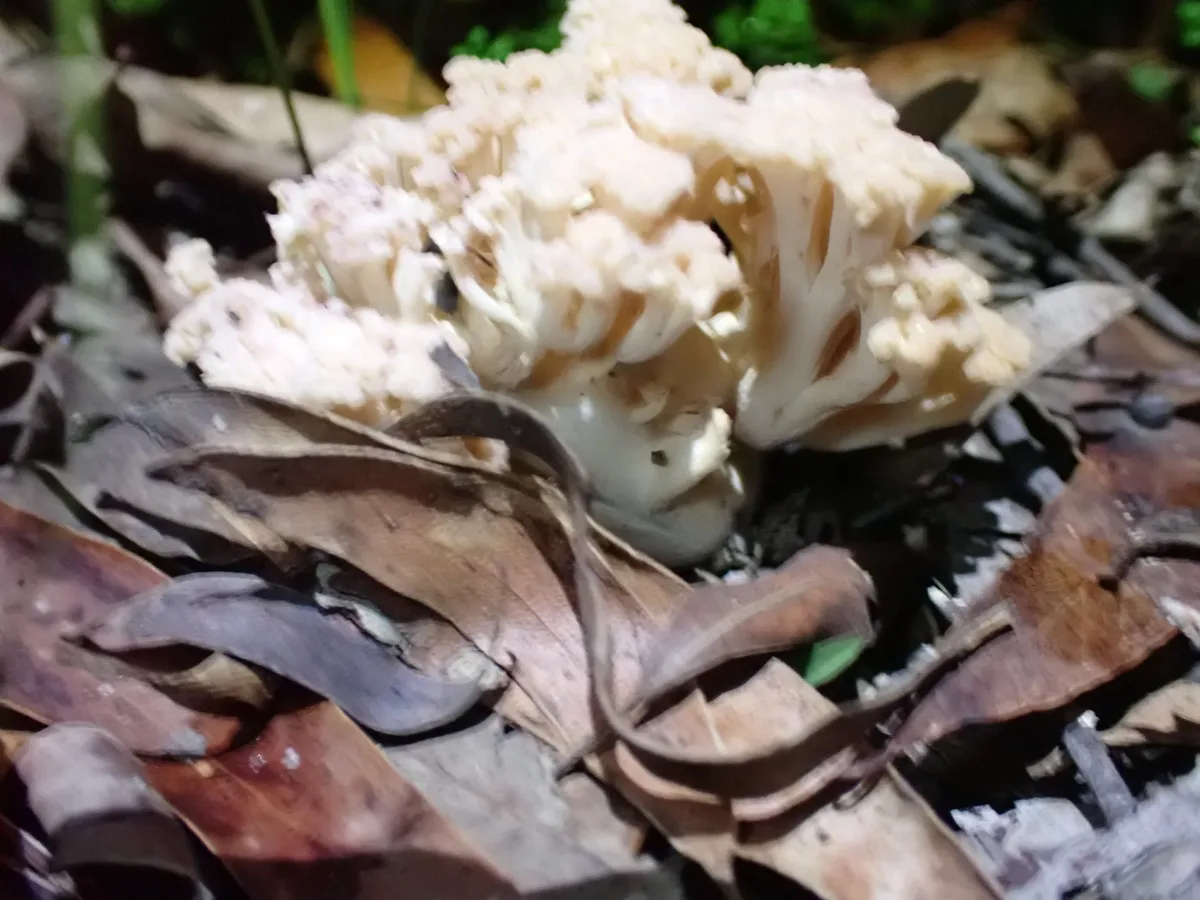
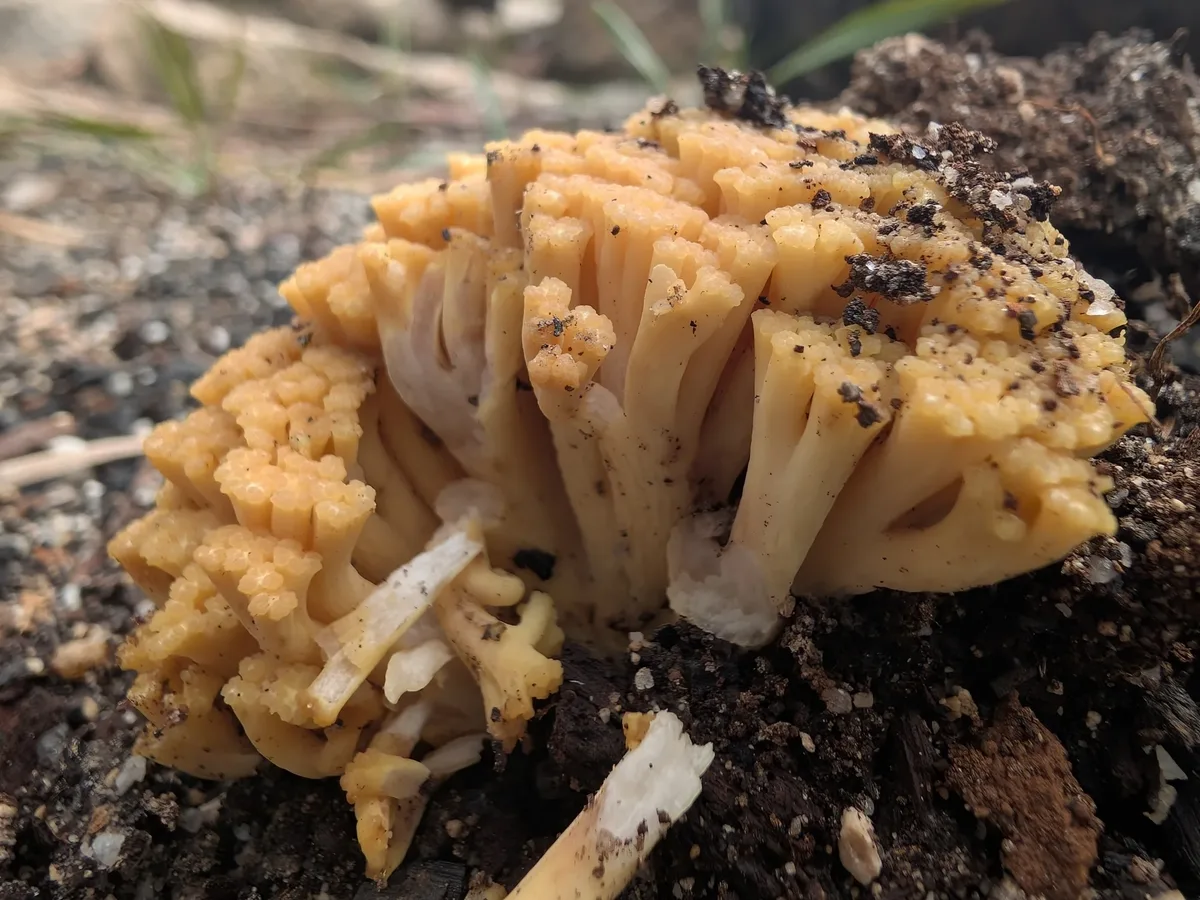
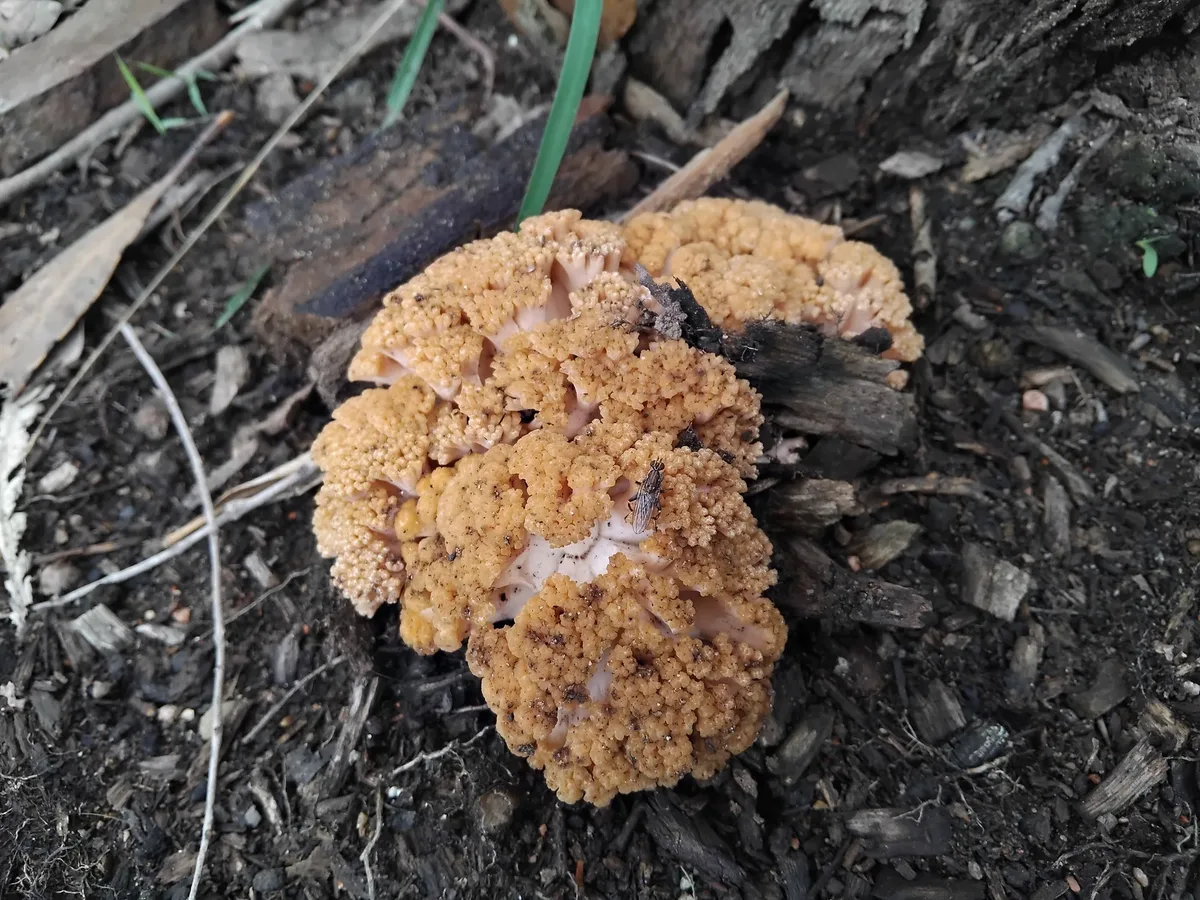
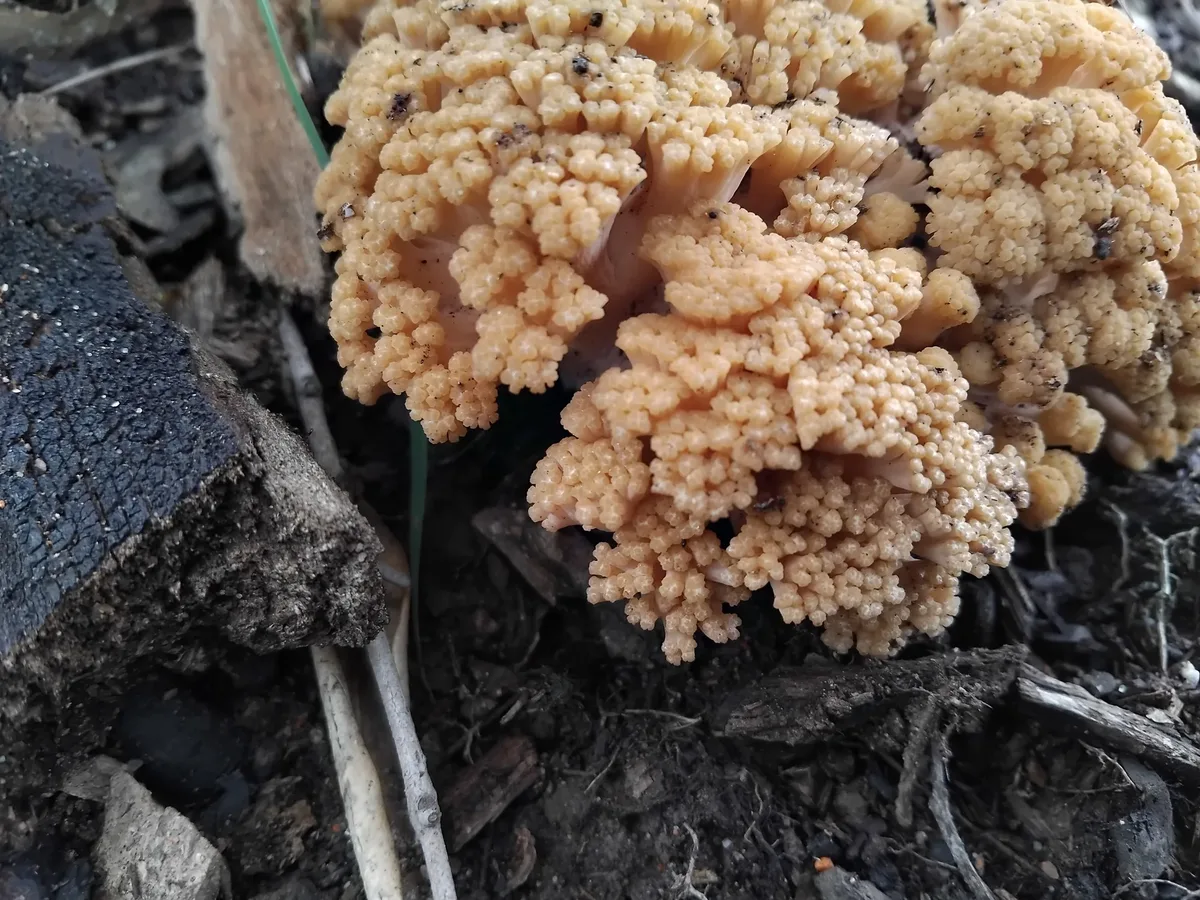
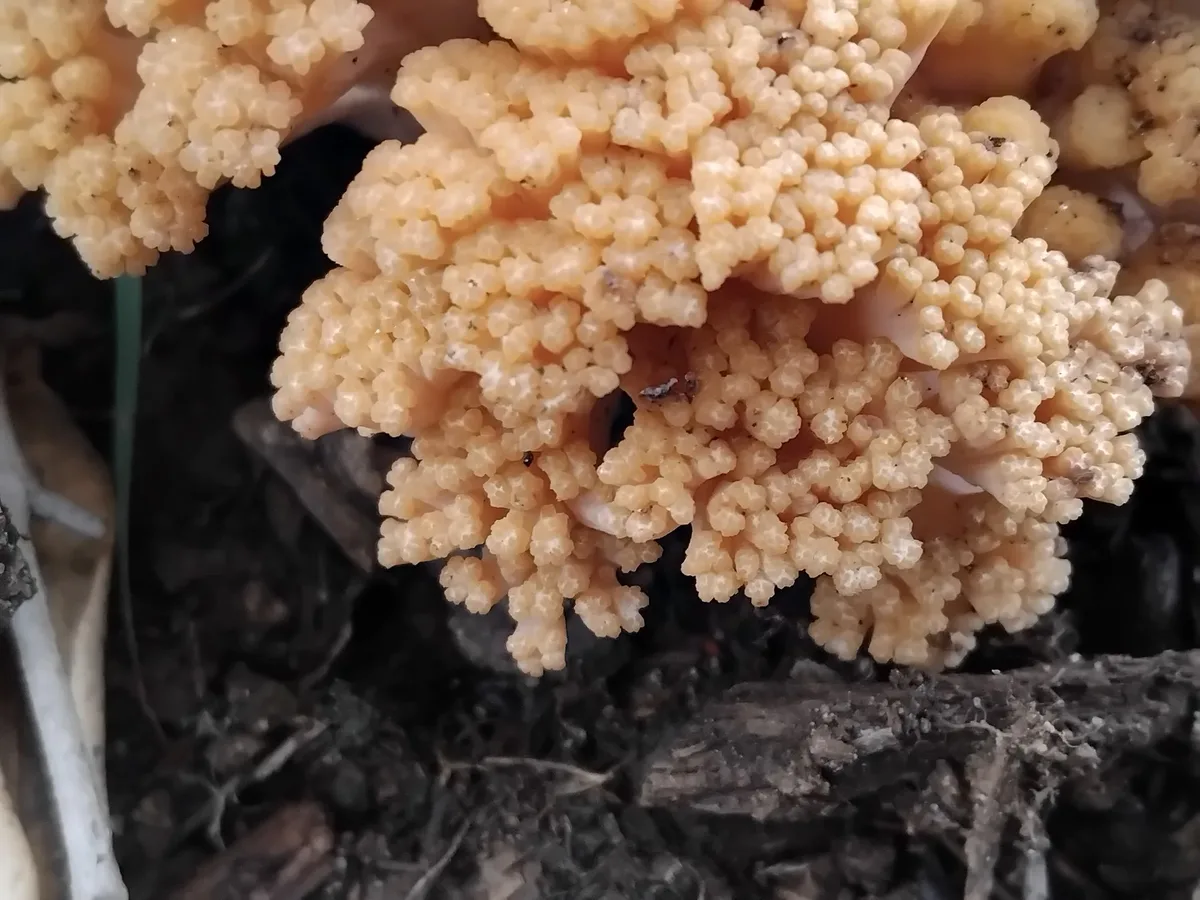
Ramaria capitata is a medium-sized coral fungus most reliably recognised by its capitate (swollen, club-shaped) branch tips, which give it a distinctly blunt-topped look compared to most of its relatives.
The fruitbody stands 5-15 cm tall and is moderately branched from a pale, stout base; the overall colour is cream to pale ochre or buff, sometimes with a faint yellowish hue on the mid-branches.
Unlike large European Ramaria (e.g. R. botrytis with its vivid wine-red tips), R. capitata is quiet in colour - what sets it apart is structure, not pigment. Look for the rounded, club-like swelling at each branch tip; that blunt head is the field mark.
Flesh is white throughout, dense, brittle, and does not change colour when cut. The smell is mild and earthy. Spore deposit is pale ochre.
The species is variable in size and degree of branching; poorly developed or young specimens may be less obviously capitate, so inspect tip shape carefully on every specimen.
Why it's dangerous
Low to moderate. This is not a life-threatening species; no fatalities are attributed to R. capitata or to any Ramaria species in Australia or New Zealand.
- Principal danger: gastrointestinal discomfort, which can be debilitating but is not dangerous in healthy adults.
- Secondary danger: misidentification - confusion with other Ramaria species in the same habitat (particularly R. formosa, a confirmed GI-irritant) could result in similar or worse symptoms.
Seek medical attention if symptoms are severe or prolonged.
Toxin
Ramaria capitata contains uncharacterised gastrointestinal irritants common to the broader Ramaria genus.
The precise causative compounds have not been isolated for this species, but GI-irritant Ramaria species are known to contain heat-labile compounds that are reduced or eliminated by thorough cooking.
Raw consumption of any Ramaria is inadvisable.
Symptoms
Gastrointestinal upset is the primary risk. Symptoms include nausea, abdominal cramping, diarrhoea, and vomiting, typically onset within 30 minutes to 4 hours of consumption.
Symptoms are usually self-limiting and resolve within 24 hours.
Severity is greater with:
- raw or undercooked consumption
- large portion sizes
- individuals with sensitive digestive systems
No neurological, liver, or kidney involvement is expected.
Staying safe
Although R. capitata is listed as edible in several older references, it should be treated with caution for two main reasons:
- 1The taxonomy of Southern Hemisphere Ramaria is incompletely resolved, and what was historically called R. capitata may represent a complex of related species with differing edibility profiles.
- 2Numerous Ramaria species in the same habitat cause gastrointestinal irritation including cramping, nausea, and diarrhoea, even in small quantities; the risk of misidentification is material.
Always cook thoroughly, as raw consumption of any Ramaria is inadvisable.
On first consumption, eat a small amount only and wait 24 hours before eating more. Individuals with sensitive digestive systems should avoid the genus entirely.
There are no confirmed deadly Ramaria species in Australia or New Zealand, so this is not a life-threatening risk, but gastrointestinal poisoning can be debilitating.
Where & when it grows
Habitat
Ramaria capitata is tightly bound to mature Nothofagus (southern beech) forest in the Southern Hemisphere.
In Australia, the classic habitat is cool-temperate rainforest and wet sclerophyll forest dominated by myrtle beech (Nothofagus cunninghamii) in Tasmania and highland Victoria, and by Antarctic beech (Nothofagus moorei) in northern New South Wales.
In New Zealand, it occurs in silver beech (Lophozonia menziesii) and mountain beech (Fuscospora cliffortioides) forest, often in moist gullies and on shaded southerly slopes.
It is a mycorrhizal species, meaning it depends on a living root partnership with its tree host; this explains why it is restricted to undisturbed or minimally disturbed native forest and cannot be found in exotic pine plantations or clearfelled areas.
Look for it on the ground in deep litter layers or occasionally on mossy banks in humid valley floors.
When
This is an autumn fungus in Southern Hemisphere terms, fruiting from approximately March through June.
In Tasmania and the highland rainforests of Victoria and New South Wales, the main flush runs through March to May, as soil temperatures ease down from summer highs and the first steady autumn rains soak into the deep humus.
In New Zealand, fruiting comes a little later, typically April to June at middle and higher elevations.
The trigger is a combination of falling soil temperature (dropping below roughly 15 degrees C) and adequate moisture; a prolonged dry autumn will delay or suppress fruiting altogether.
Individual fruitbodies are relatively short-lived, lasting around one to two weeks before beginning to soften and discolour - so check known sites promptly once conditions arrive.
How it grows
Fruitbodies emerge from the humus layer singly or in small clusters of two to five, arising from a shared or adjacent mycelial base. They push up through leaf litter gradually, often remaining partially buried at the base in mature specimens.
Growth from first emergence to full size takes approximately five to ten days.
Because the species is mycorrhizal, fruitbodies tend to recur at the same locations in consecutive years when conditions are suitable, making known sites valuable for experienced foragers.
The same patch may be productive for many years if the host Nothofagus trees remain healthy and the humus layer is undisturbed.
Fruiting conditions
Autumn species in the Southern Hemisphere (March-June); triggered by dropping soil temperatures (below approximately 15 degrees C) and adequate autumn rainfall of at least 20 mm over two weeks. Deep humus in undisturbed Nothofagus forest retains moisture well, so fruiting lag after rain is 7-16 days. Prolonged dry austral summers delay the onset of fruiting.
Look-alikes
The primary risk in collecting Ramaria capitata is confusion with other Ramaria species in Australian and New Zealand Nothofagus forest, some of which are known gastrointestinal irritants. Ramaria formosa (salmon coral) occurs in the same forest type and causes significant gastrointestinal poisoning: it has salmon-pink to orange-yellow branches with yellowish (not capitate) tips and is more freely branching; its colour is typically more vivid and warm-toned than R. capitata. Ramaria vinosimaculans and R. celerivirescens are austral species that may discolour to vinaceous or greenish when handled, distinguishing them from R. capitata. Several undescribed or recently described Nothofagus-associated Ramaria species are known from Tasmania and New Zealand, and the taxonomy of this group is still being revised; this reinforces the caution recommendation. No deadly Ramaria species are confirmed from Australia or New Zealand, but the difficulty of reliable identification in the field makes caution essential.
European species with vivid wine-red to reddish-purple branch tips; much more massive fruitbody; not typically present in Australasian Nothofagus forest; the strongly coloured tips differ completely from the pale capitate tips of R. capitata.
Uniformly whitish to pale lilac-grey throughout with no capitate swellings at tips; primarily a European species; any large pale Ramaria with non-capitate tips in Nothofagus forest is not R. capitata.
Has salmon-pink to pale orange branches with yellowish (not capitate-swollen) tips, more freely branching and more vividly coloured than R. capitata; causes significant gastrointestinal poisoning. R. capitata is cream to pale ochre with distinctly club-shaped rounded swollen branch tips.
Uniformly bright yellow branches without swollen capitate tips; can cause mild gastrointestinal upset; yellow coloration easily separates it from the cream-to-ochre R. capitata.
A reference guide - never an edibility guarantee. When in doubt, leave it out.