Branched oyster
Pleurotus cornucopiaesyn. Dendrosarcus cornucopiae, Pleurotus cornucopiae var. cornucopiae, Pleurotus sapidus
 © ikelman (CC BY)
 © Matej Frančeškin (CC BY)
 © Matej Frančeškin (CC BY)
 © Matej Frančeškin (CC BY)
 © Matej Frančeškin (CC BY)
 © ikelman (CC BY)
 © ikelman (CC BY)
 © ikelman (CC BY)
 © ikelman (CC BY)
 © ikelman (CC BY)© ikelman (CC BY)© Matej Frančeškin (CC BY)
Good to eat, once you have identified it with certainty and cooked it through.
How to recognise it
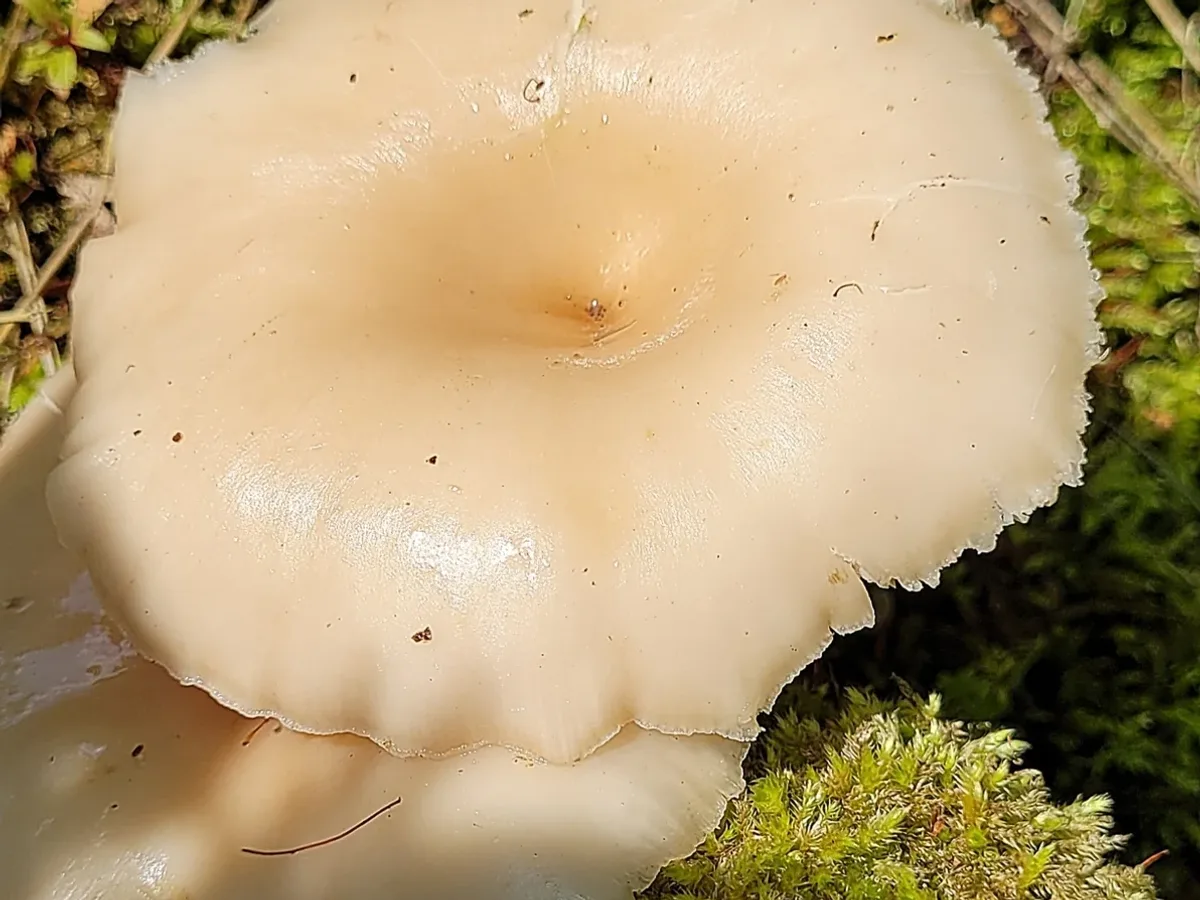
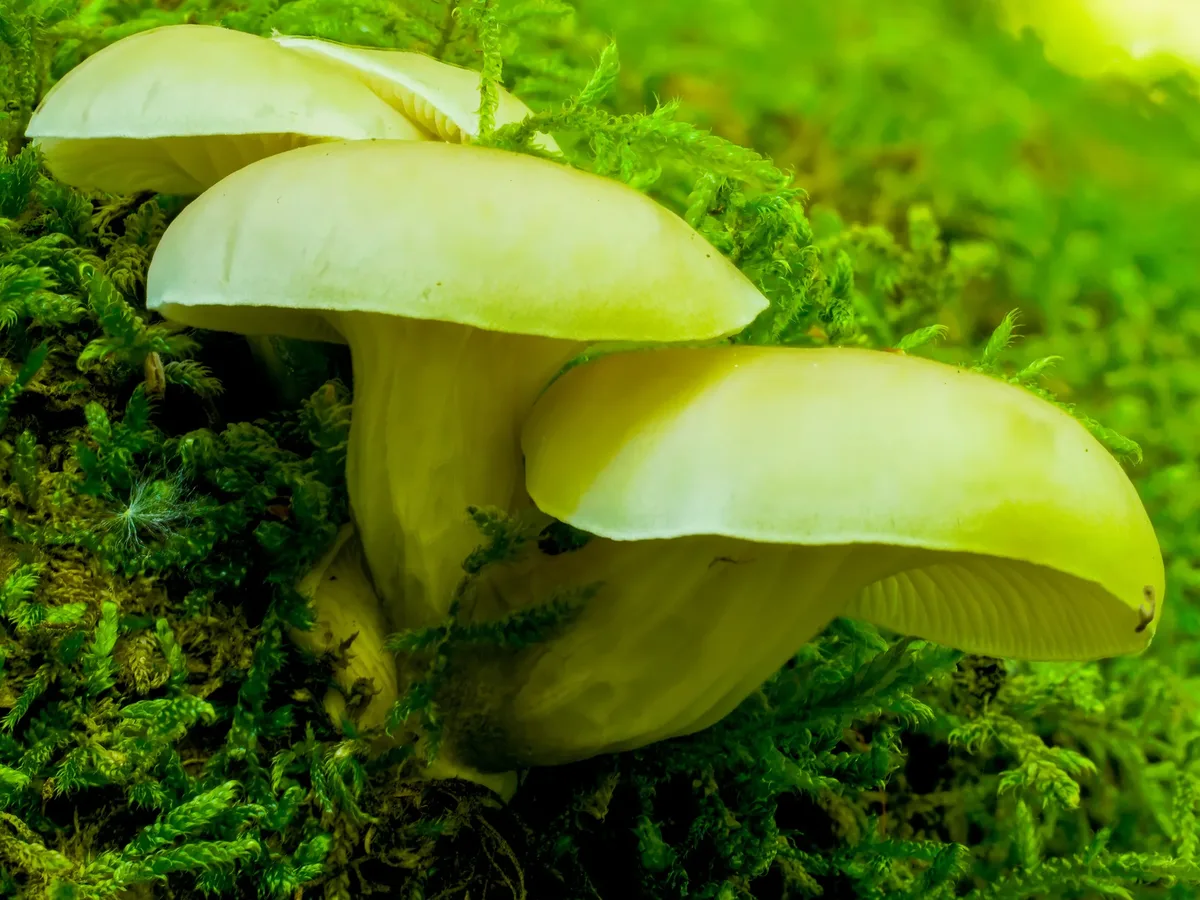
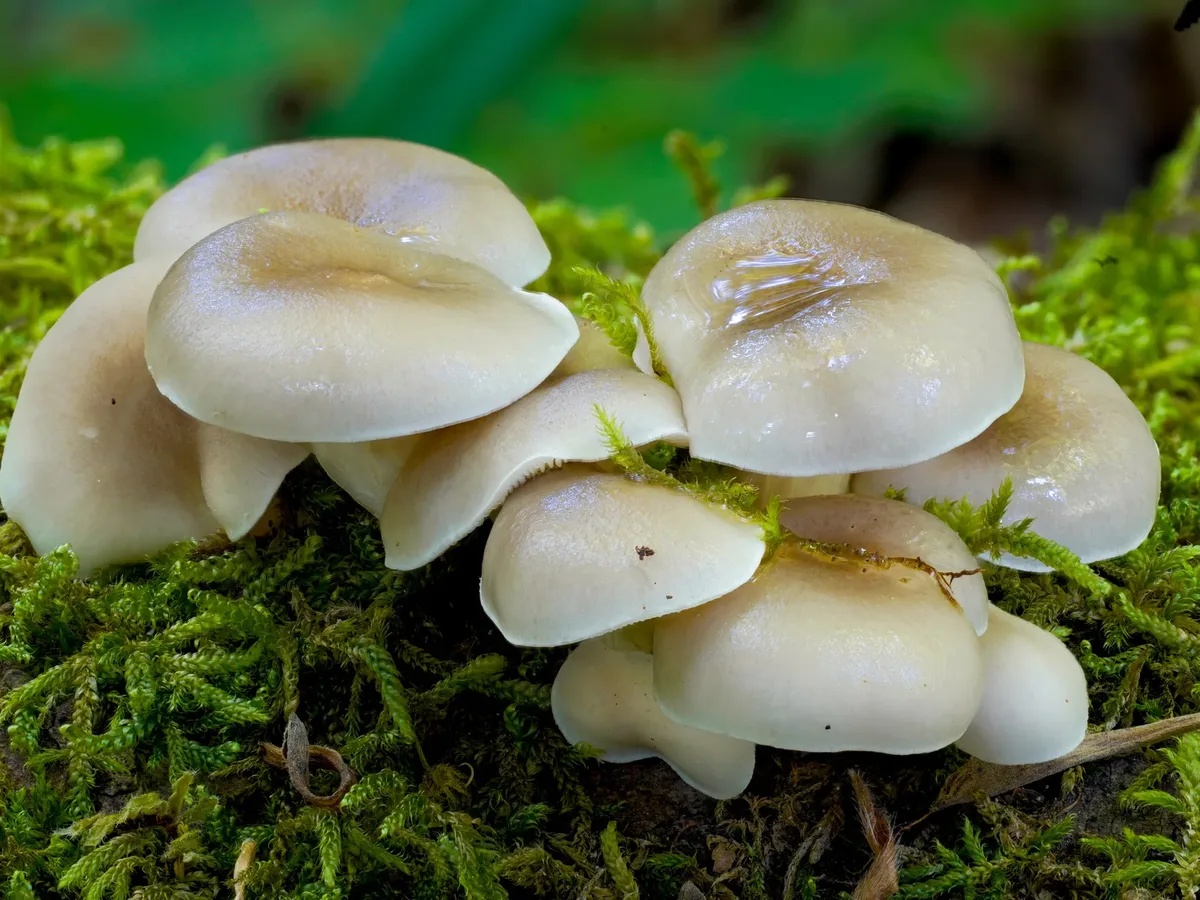
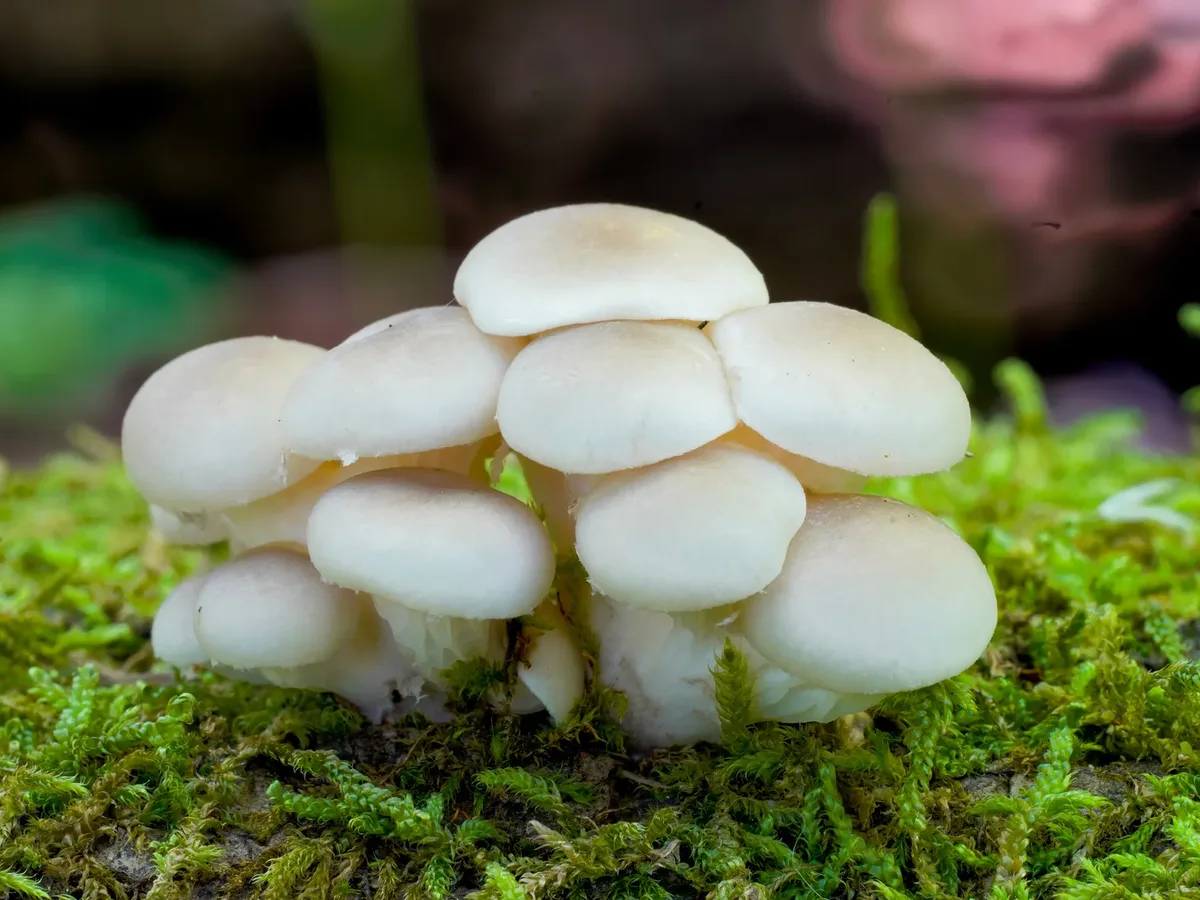
Pleurotus cornucopiae is one of the easiest oyster mushrooms to recognise once you know its habit: several pale, funnel-shaped caps arch outward and upward from a shared central stalk like a bouquet or a candelabrum, each cap 4-14 cm across.
Cap
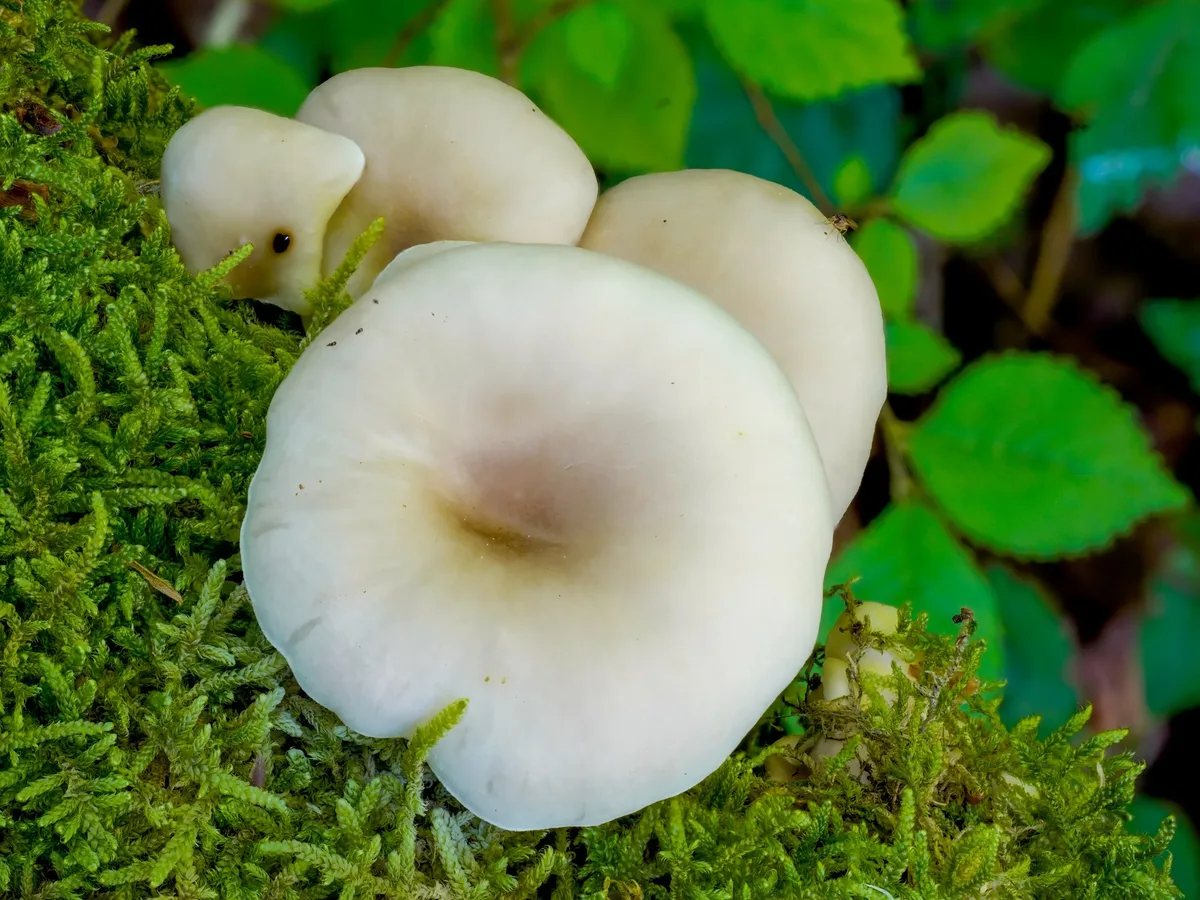
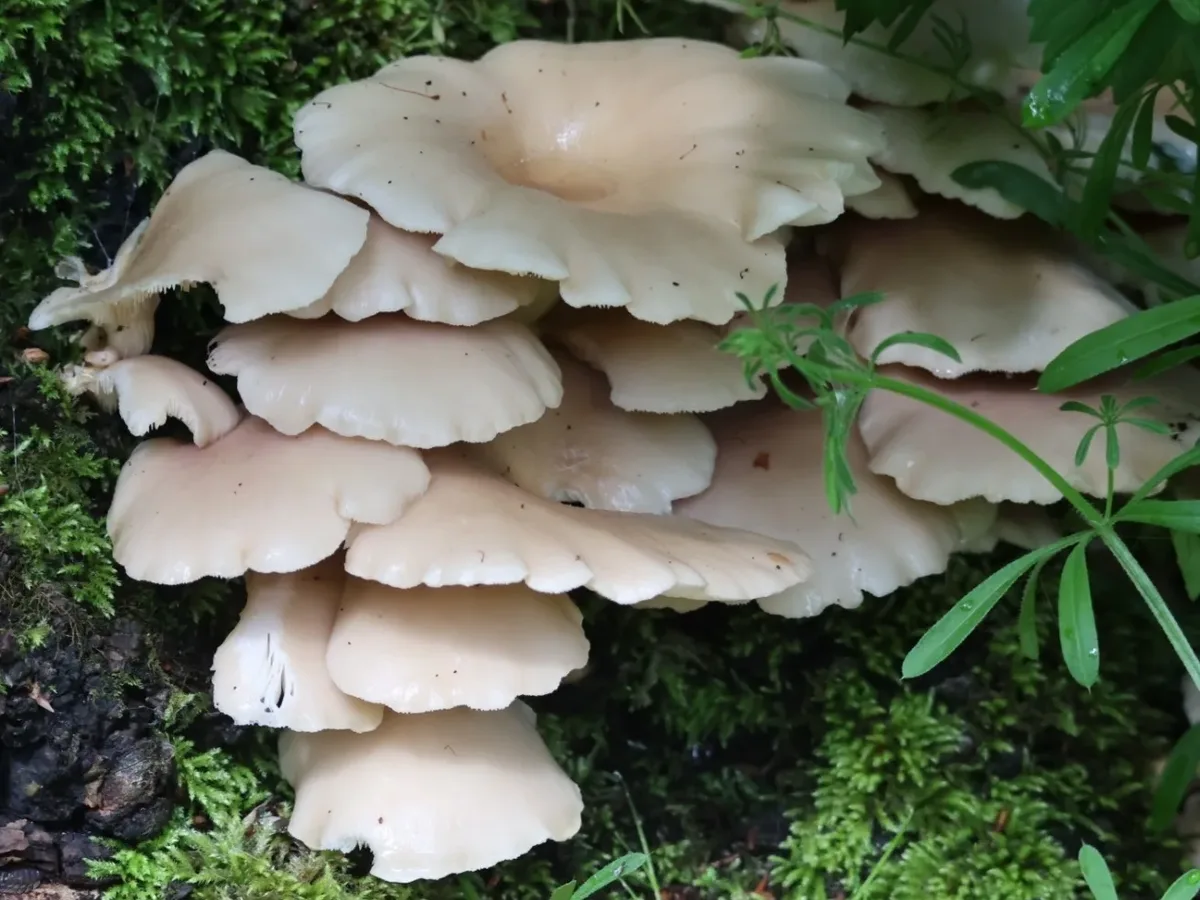
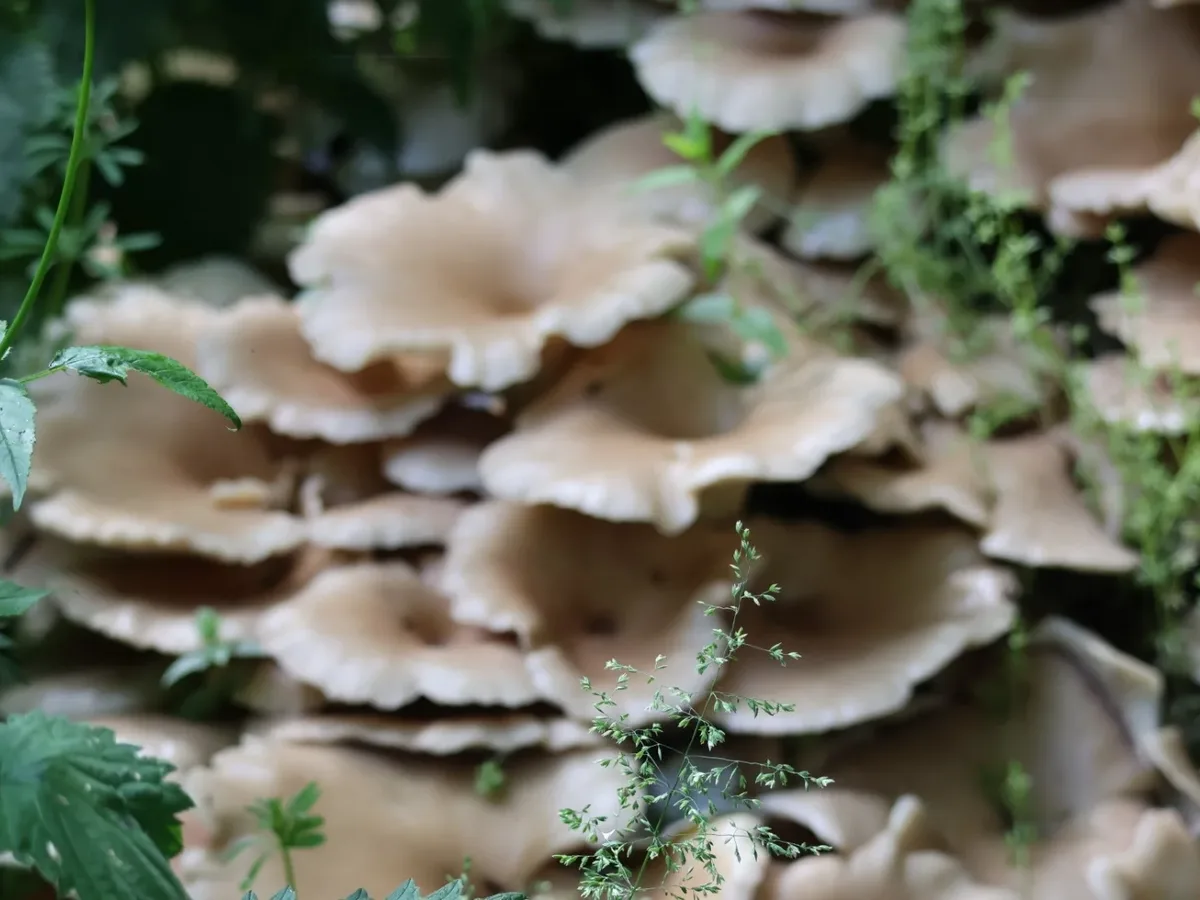
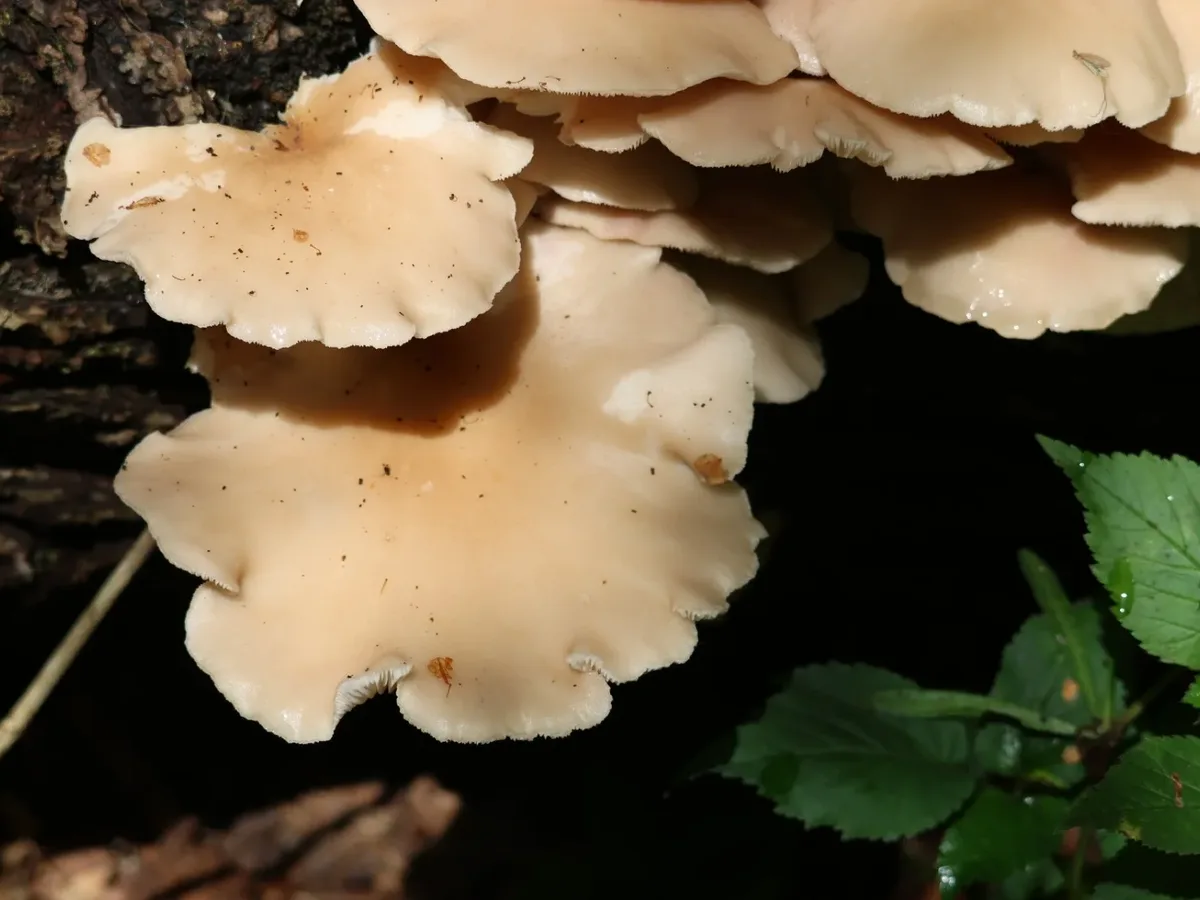
Young buttons are rounded and tightly inrolled at the margin; with age each cap becomes distinctly vase-shaped or trumpet-shaped - deeply depressed, even funnel-like - with a wavy, lobed margin.
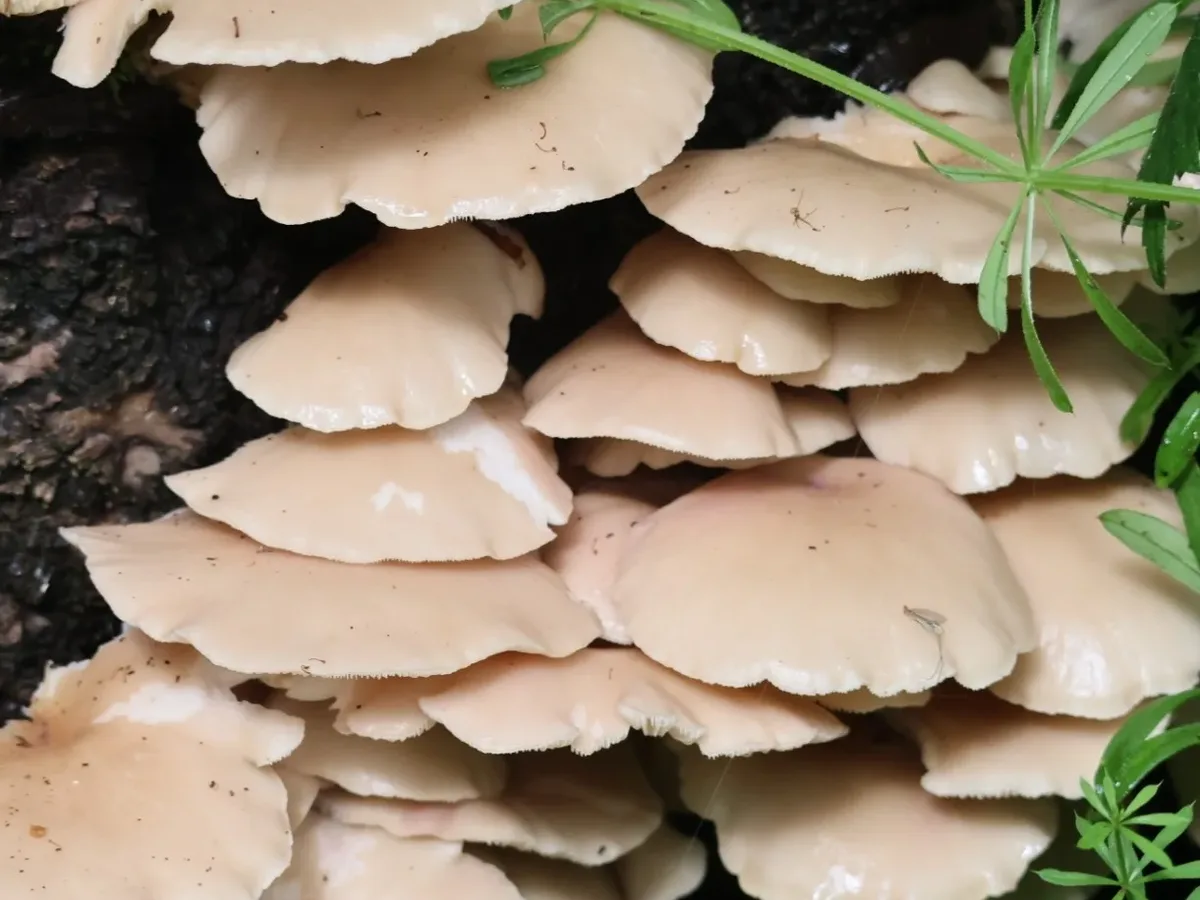
The upper surface is dry, smooth, and creamy-buff to ochre-tan, generally a warmer, paler tone than the steel-grey or slate caps typical of P. ostreatus.
Gills
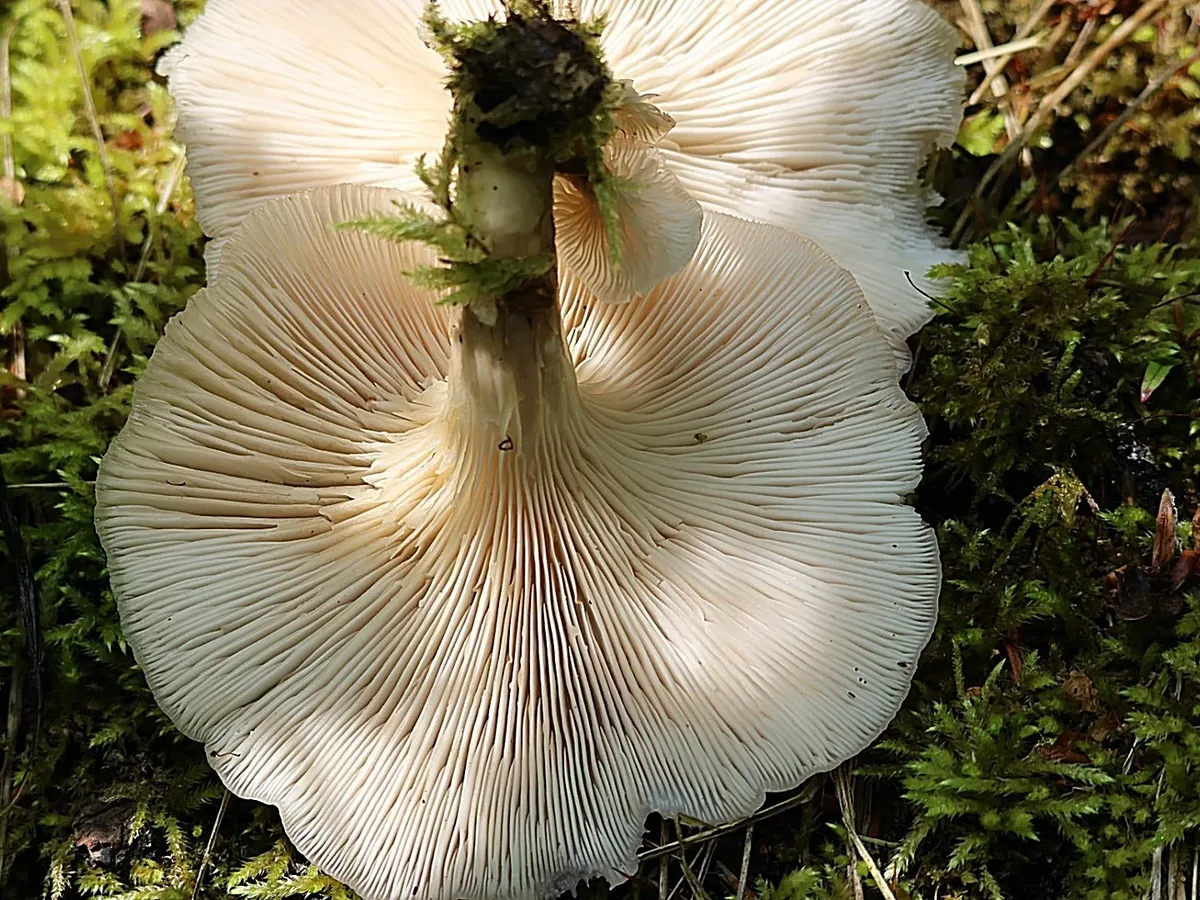
The underside bears crowded, creamy-white gills that run sharply and extensively down the stem (decurrent), often anastomosing (cross-linking in a net pattern) near the stem apex - a characteristic rarely matched by other oyster species and very useful for identification.
Stem
The stem is firm, central to off-centre, white inside and out, and branches from a common base.
Flesh
Flesh is thick, white, and remains white when cut.
Spore print is pale lilac-grey.
Where & when it grows
Habitat
A wood-decay fungus (white-rot saprotroph) that grows on dead or dying hardwoods, most characteristically on elms, including those killed or weakened by Dutch elm disease, making it conspicuously associated with urban street trees and hedgerow elms in Europe.
It also colonises beech, oak, poplar, willow, ash, and sycamore.
Look for tight clusters erupting from stumps, fallen logs, standing dead trunks, or even buried roots where the wood is exposed at ground level.
In parks, roadsides, and open deciduous woodland it can appear at heights on standing snags or at the base of old trees.
Unlike many bracket fungi it fruits close to or at ground level, making collection easy. The same stump or log may flush repeatedly over several years.
When
In temperate Europe the branched oyster fruits mainly from late May through November, tolerating warmer summer temperatures better than P. ostreatus.
The main flush typically comes July-October, often coinciding with post-rain periods. A secondary minor flush may appear in early spring in mild years.
Growth can be rapid - from pinheads to harvest size in four to six days in warm damp weather. Multiple overlapping flushes are common on a productive substrate.
How it grows
Grows in characteristic multi-stemmed clusters or bouquets, the individual caps branching outward from a shared base that may be short enough to hide beneath the first tier of gills.
A single cluster can hold caps at every stage at once - tight young buttons alongside broad, fully flared funnels - all developing together on the same stump or log.
Look closely at the gills near the stalk: they anastomose (cross-connect) into a visible coarse network, a structural quirk rare among oyster relatives and one of the most reliable characters in the field.
Maturing specimens shed spores in quantity; heavy crops can leave pale grey drifts on bark and ground below.
Fruiting conditions
Flushes most reliably after moderate rainfall when daytime temperatures are 15-22 °C. More heat-tolerant than P. ostreatus and can fruit through summer. Pinning initiates faster at higher temperatures than winter oyster; full development from pins to harvest typically 4-6 days in warm weather, 7-10 days in cool conditions.
Look-alikes
The main species to compare are other Pleurotus and certain other gilled bracket-like fungi.
- Pleurotus ostreatus (oyster mushroom) has a slate-grey to dark grey-brown cap, a strictly lateral (off-centre) or absent stem, gills that do not anastomose, and fruits primarily in autumn-winter; it is also edible and not dangerous.
- Pleurotus pulmonarius (summer oyster) is very similar in season and colour but typically has smaller, paler, more fan-shaped individual caps, a distinctly lateral stem, and lacks the branched multi-cap bouquet habit; also edible.
- Hohenbuehelia species are much smaller, less substantial, and bracket-like, without a proper stem.
- Panellus stipticus grows in overlapping tiers on dead wood but has a tough, leathery texture, white to buff colour, and is bitter and inedible.
- Crepidotus species are small, brown-spored, and lack a proper stem.
Most importantly, Pleurotus cornucopiae should not be confused with Omphalotus olearius (jack-o'-lantern mushroom, southern Europe particularly) or O. illudens (North America), which also grow in large clusters on wood but have a bright orange-yellow cap, orange gills, an unpleasant garlicky-oily smell, and are toxic - see safety note.
Tiny (0.5-3 cm), no stem, brown spore print (oyster prints are pale lilac-grey); not edible; easily distinguished by size and spore colour.
As above; bright orange throughout; toxic (illudin S, severe GI poisoning); found on oaks and other hardwoods in eastern North America.
Cap, gills, and flesh all strongly orange to orange-yellow; gills sharp and non-anastomosing; smells of garlic or oil; may weakly bioluminesce in the dark; grows at base of olive, oak, or other trees, often from buried wood; toxic - causes severe gastroenteritis (vomiting, cramps, diarrhoea).
Cap dark slate-grey to blue-grey-brown, not buff-cream; stem lateral or absent, not central and branching; gills do not anastomose; fruits mainly autumn-winter; also edible.
Individual caps fan- or shell-shaped, paler and smaller; stem strictly lateral, not forming a central branching base; no anastomosing gills; caps do not form vase or funnel shape; also edible.
Much smaller (1-4 cm), tough leathery texture, white to tan, no stem or very rudimentary, bitter taste; grows in overlapping tiers on dead wood; inedible but not seriously toxic.
In the kitchen
Picking & cleaning
Best picked young to medium-aged, while the caps are still somewhat cupped and the flesh is firm. Overmature specimens become tough, watery, and develop a stronger odour.
Use a knife to cut the whole cluster at the base; take only what you will use within a day or two as shelf life is short.
Inspect carefully at the base for insect larvae, which invade aggressively in warm weather. Trim away any soft, discoloured, or insect-damaged portions at home.
Do not wash before storage - dry-brush and refrigerate loosely wrapped; use within 2-3 days.
Cooking
Pleurotus cornucopiae is a versatile culinary mushroom with a mild, pleasant flavour and firm texture that holds up well to heat. Its flavour is slightly more delicate than P. ostreatus, with faint seafood or mealy overtones.
It can be sautéed in butter or olive oil until golden; the anastomosing gills and funnel shape hold sauces well.
Suitable for stir-fries, pasta, risotto, soups, cream sauces, and as a filling for omelettes or pastries.
The stem base can be tough; remove it and use only the cap and upper stem. Blanching briefly before drying extends storage.
Not recommended raw; cook thoroughly for optimal flavour and digestibility.
Pairs well with garlic, thyme, white wine, cream, and aged hard cheeses.
Good to know
Pleurotus cornucopiae is edible and well-regarded, with no known toxins.
There is one important safety consideration: confusion with Omphalotus olearius (jack-o'-lantern mushroom, southern Europe particularly) or O. illudens (North America) is possible when finds are reported in clusters on wood.
Omphalotus species are orange-yellow overall (cap, gills, and flesh may all be orange-tinged), smell of garlic or oil, and are notably toxic (causing severe GI distress including vomiting, cramps, and diarrhoea).
Branched oyster is buff-cream, not orange, and smells mild. In a woodland setting at night Omphalotus gills may weakly bioluminesce - branched oyster does not.
Any white-fleshed oyster-like cluster on hardwood in temperate Europe is almost certainly safe, but confirm the full suite of characters before eating:
- cream-to-buff (not orange) cap and flesh
- mild smell
- anastomosing decurrent gills
- pale lilac-grey spore print
As with all oyster mushrooms, some individuals may experience mild GI sensitivity when consuming large quantities, especially if undercooked; always cook thoroughly.
A reference guide - never an edibility guarantee. When in doubt, leave it out.