Angel Wings
Pleurocybella porrigenssyn. Agaricus porrigens, Nothopanus porrigens, Phyllotus porrigens, Pleurotus porrigens, Merulius porrigens
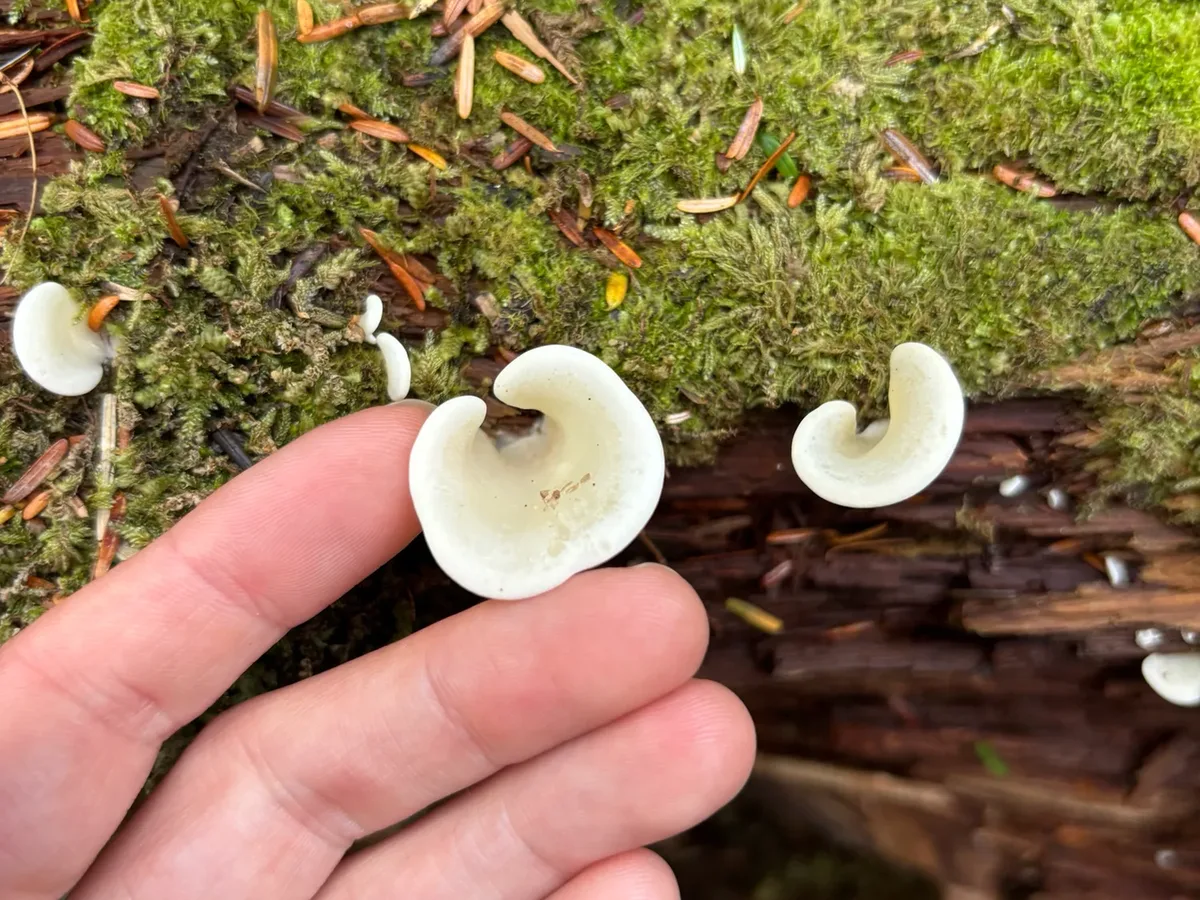 Maya Heubner (CC0)
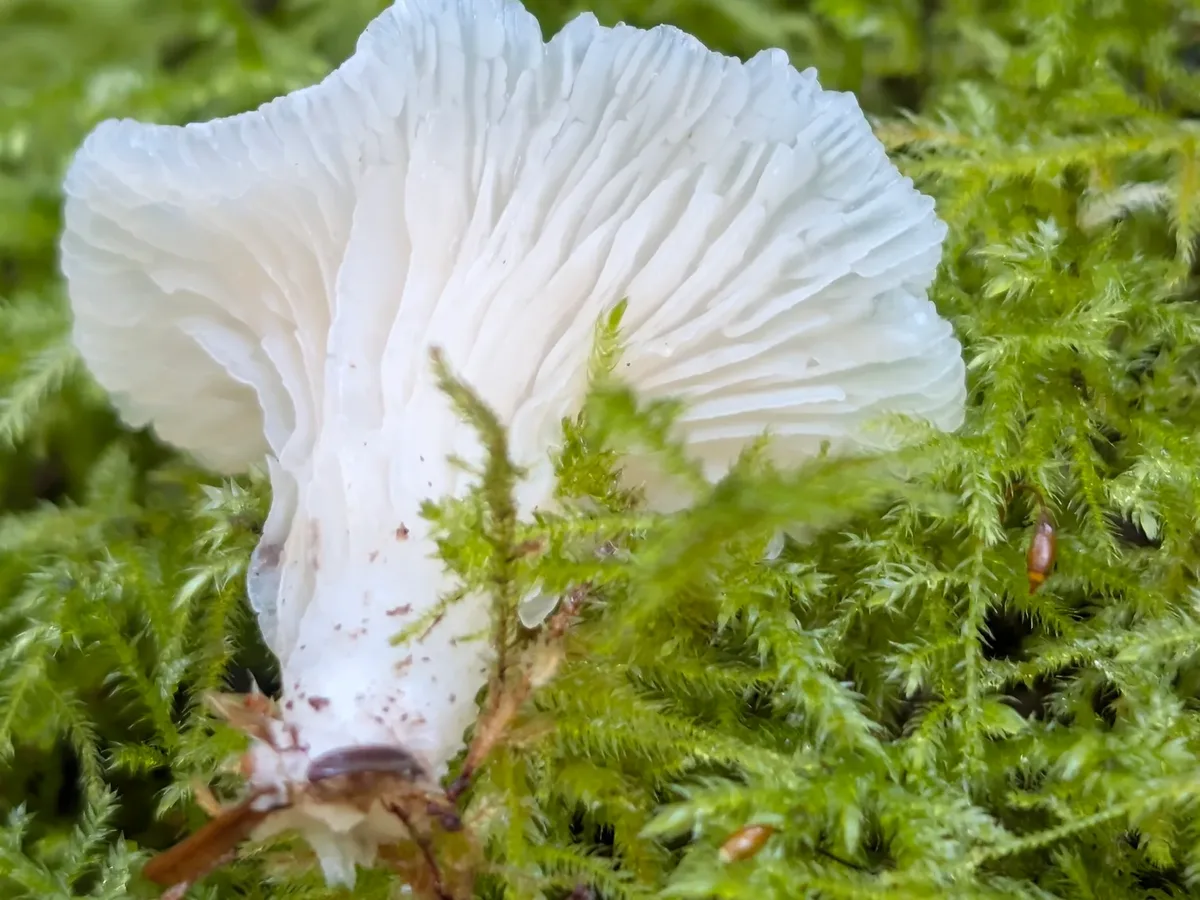 © Moe Meikle (CC BY)
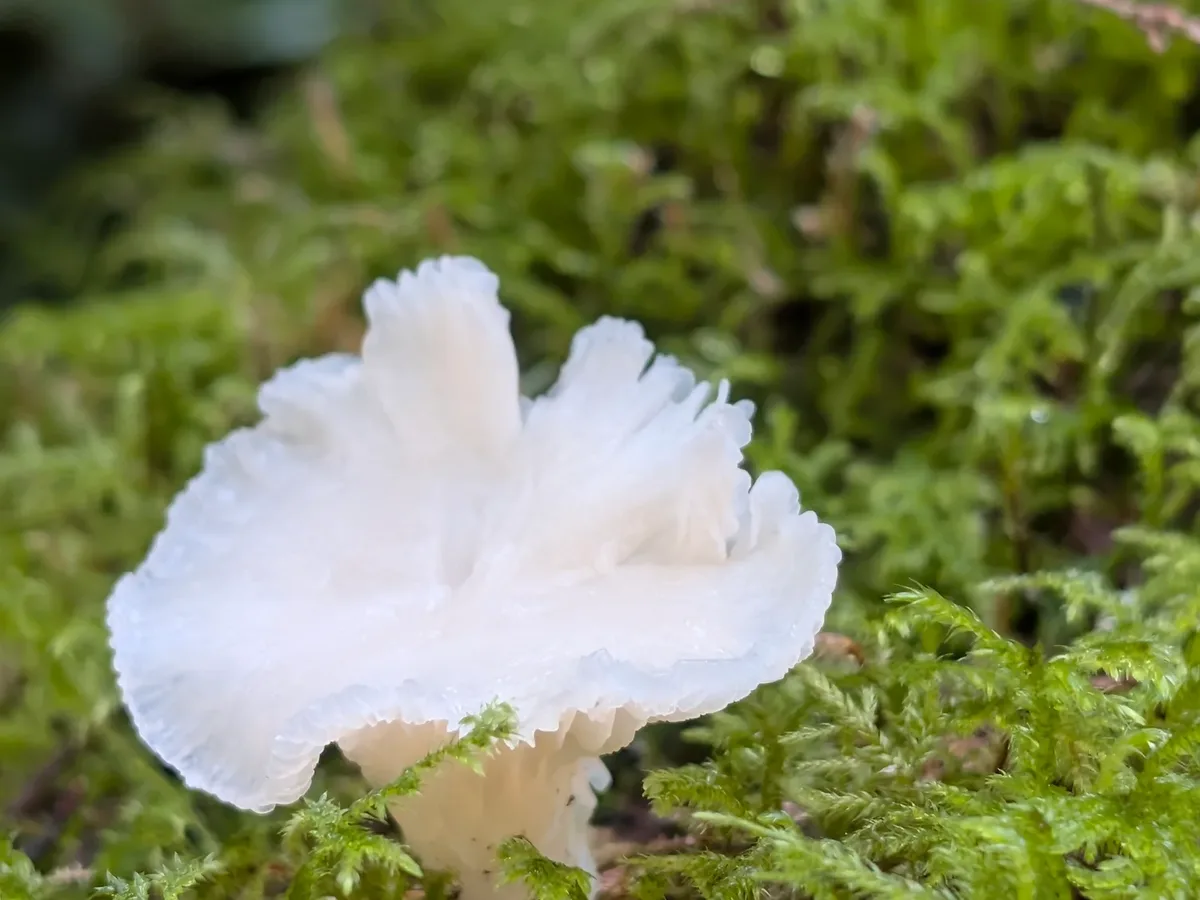 © Moe Meikle (CC BY)
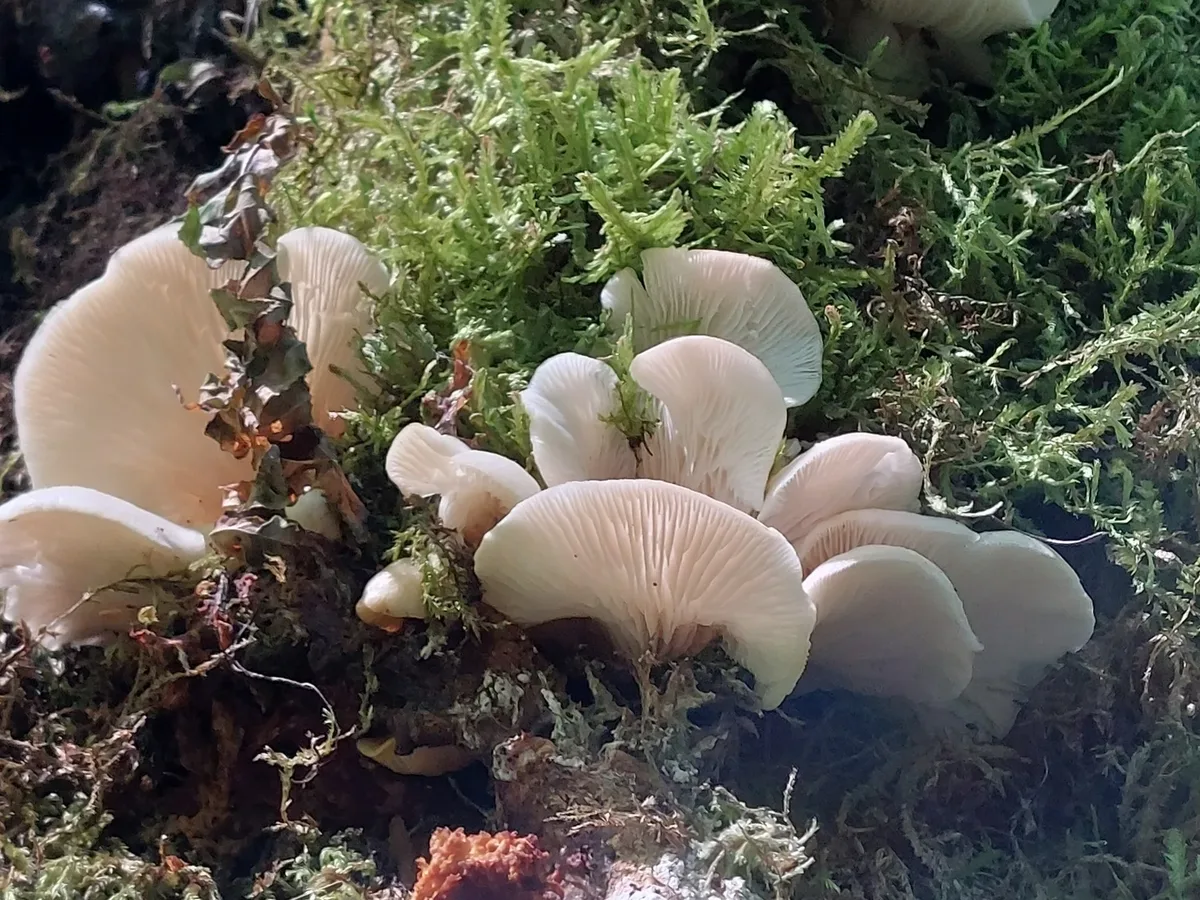 John T (CC0)
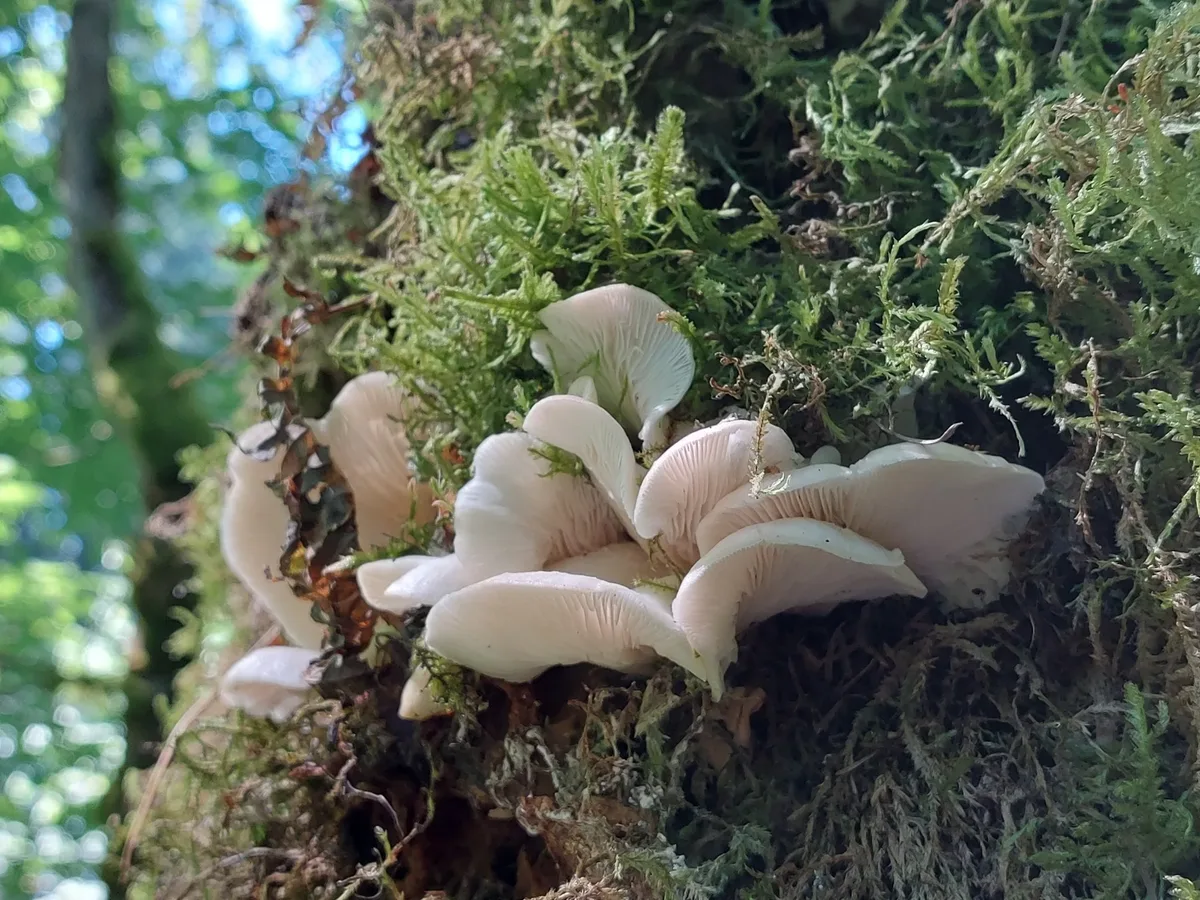 John T (CC0)
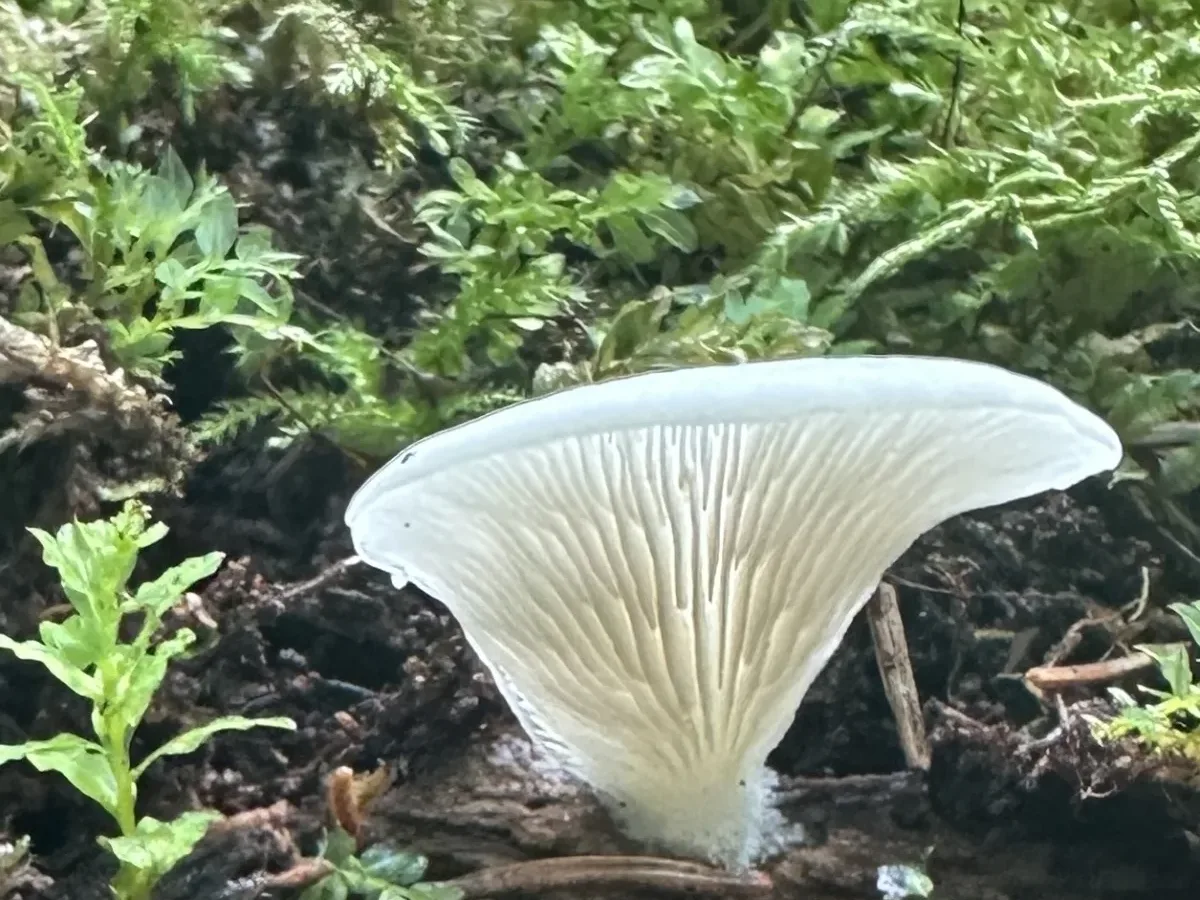 © Ola Vestre (CC BY)
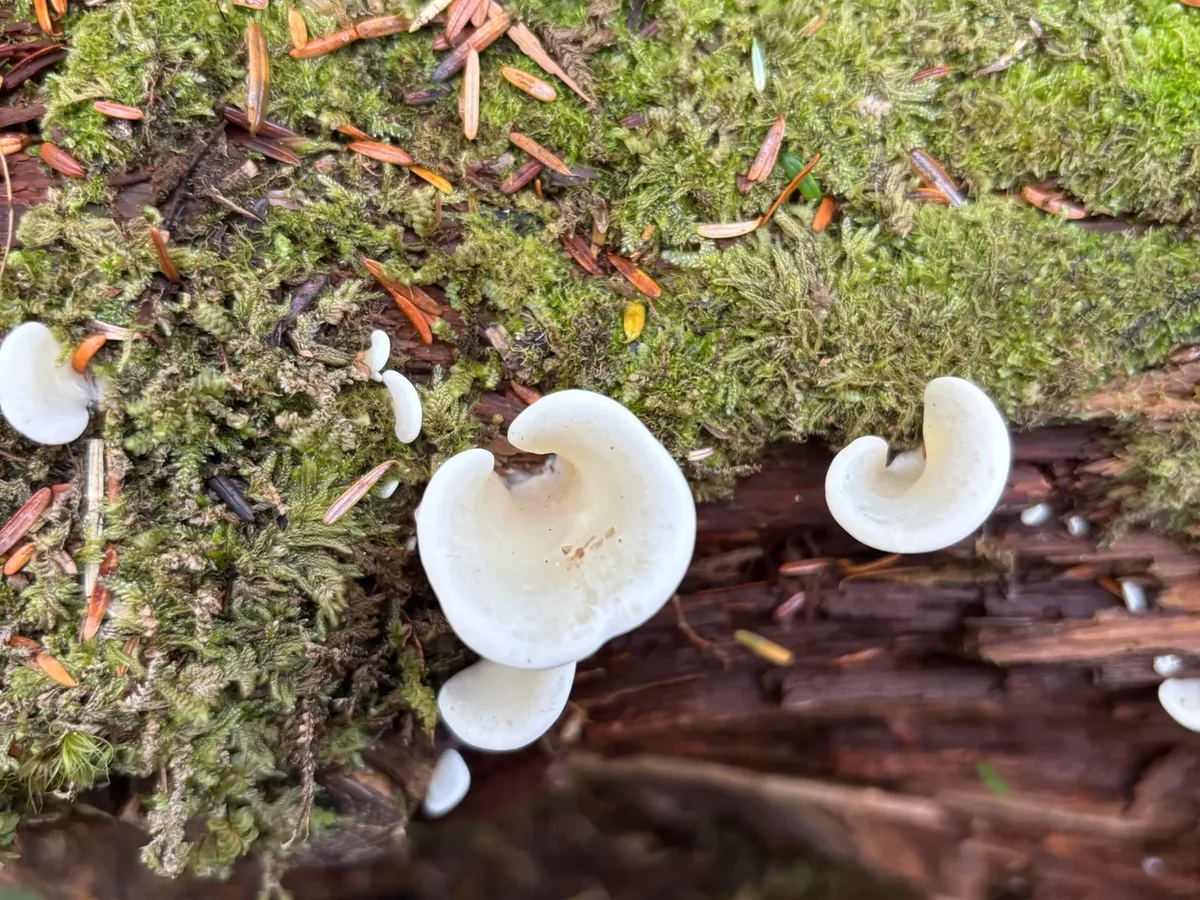 Maya Heubner (CC0)Maya Heubner (CC0)© Moe Meikle (CC BY)
Toxic - and the most serious cases can be fatal. Never eat it, and wash your hands after handling.
How to recognise it
Pure white, thin, fan- or ear-shaped brackets 2-8 cm wide, attached laterally to conifer wood with no proper stem.
Gills crowded, white, forking, on the lower face. Flesh paper-thin, white, odourless. White spore print.
Why it's dangerous
DEADLY. Seventeen deaths and 59 serious illness cases, Japan 2004. The syndrome is characterised by rapid-onset acute renal failure.
All ages at risk; the elderly and those with pre-existing kidney disease appear particularly vulnerable.
Seek emergency medical care immediately for any suspected ingestion.
Toxin
Unknown nephrotoxic compound(s). Exact identification of the responsible compound remained unresolved as of 2025.
Current hypotheses:
- A cyanogenic amino acid
- A nephrotoxic peptide
Symptoms
Onset of symptoms typically within 24 hours:
- Nausea
- Vomiting
- Abdominal pain
- Confusion
- Rapidly progressing acute renal failure
Neurological symptoms were prominent in the 2004 outbreak. Fatality occurs from kidney failure.
Staying safe
DEADLY. Documented to have killed 17 people in Japan in 2004; 59 total cases of severe illness. The toxin is unidentified but causes acute kidney failure.
There is no safe dose:
- Do not eat
- Do not taste
- Handle for identification purposes only if necessary
If accidental ingestion is suspected, seek emergency medical attention immediately.
Where & when it grows
Habitat
Dead conifer logs and stumps - hemlock, fir, spruce - in damp, mature or old-growth conifer forest.
Strictly saprotrophic, never on soil or hardwood.
When
Mid-summer to late autumn, peaking August-October in the Pacific Northwest. Triggered by cool, wet conditions.
How it grows
Gregarious to densely clustered in overlapping tiers or rosettes on conifer logs, often forming spectacular white shelves on large, moss-covered deadwood.
Fruiting conditions
Saprotrophic on conifer logs in cool, wet conditions; fruits in response to sustained autumn rainfall and cool temperatures, with the main flush running August through October in the Pacific Northwest. Requires persistently moist deadwood and ambient humidity; growth slows or stops when soils and logs dry out.
Look-alikes
Most commonly confused with edible oyster mushrooms (Pleurotus spp.). Oysters are larger, meatier, more substantial, have a distinct stem base, and grow primarily on hardwood (though some occur on conifers).
Crepidotus species are small, brown-capped and thin-fleshed; their spore print is brown, not white.
The key danger: Angel Wings were eaten in Japan for generations before the 2004 fatality outbreak.
Small fan-shaped oyster-like fungi, some white, that grow on wood or soil; they tend to have a gelatinous layer beneath the cap surface, which Angel Wings lack, and the gills may be less crowded. Not toxic, but poor eating and the similarity to Pleurocybella makes any small white laterally attached fungus on wood worth treating cautiously.
Crepidotus species are superficially similar in shape (small, laterally attached, cap-like fruitbodies on dead wood) but are easily separated: their caps are brown to greyish-brown (never pure white), their gills turn brown as the spores ripen, and their spore print is brown, not white. Not dangerous, but not edible either.
Oyster mushrooms are significantly larger (cap 5-20 cm), thicker, meatier, and more robust; their stipe, even when eccentric, is more substantial; they grow primarily on hardwood (beech, oak, elm, rarely conifers); the gills are also white but somewhat more widely spaced. Angel Wings are much smaller, paper-thin, and specifically restricted to conifer deadwood. However, because both grow in tiered clusters and both have white gills and a white spore print, the resemblance is genuine - this is exactly the confusion that led to fatalities.
Similar shape but noticeably larger, more substantial flesh, and strongly associated with hardwood (rarely pure conifers). Spore print also white. Edible and choice, but the overlap in shape and colour means the identification check must be rigorous: confirm the wood is hardwood, confirm the fruitbody is thick and firm (not paper-thin), and confirm a genuine stem, however short.
A reference guide - never an edibility guarantee. When in doubt, leave it out.