Brown roll-rim
Paxillus involutus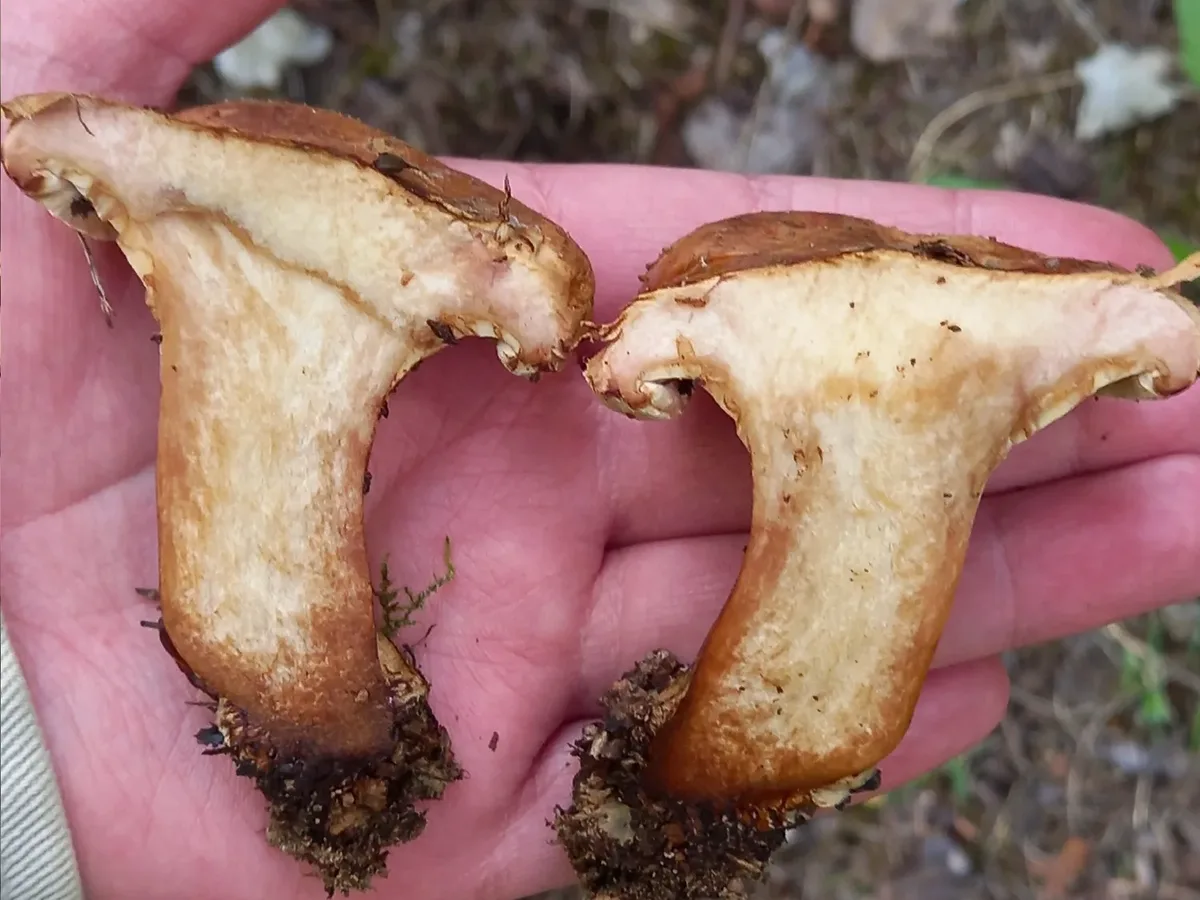 © Rafael Ancatrio (CC BY)
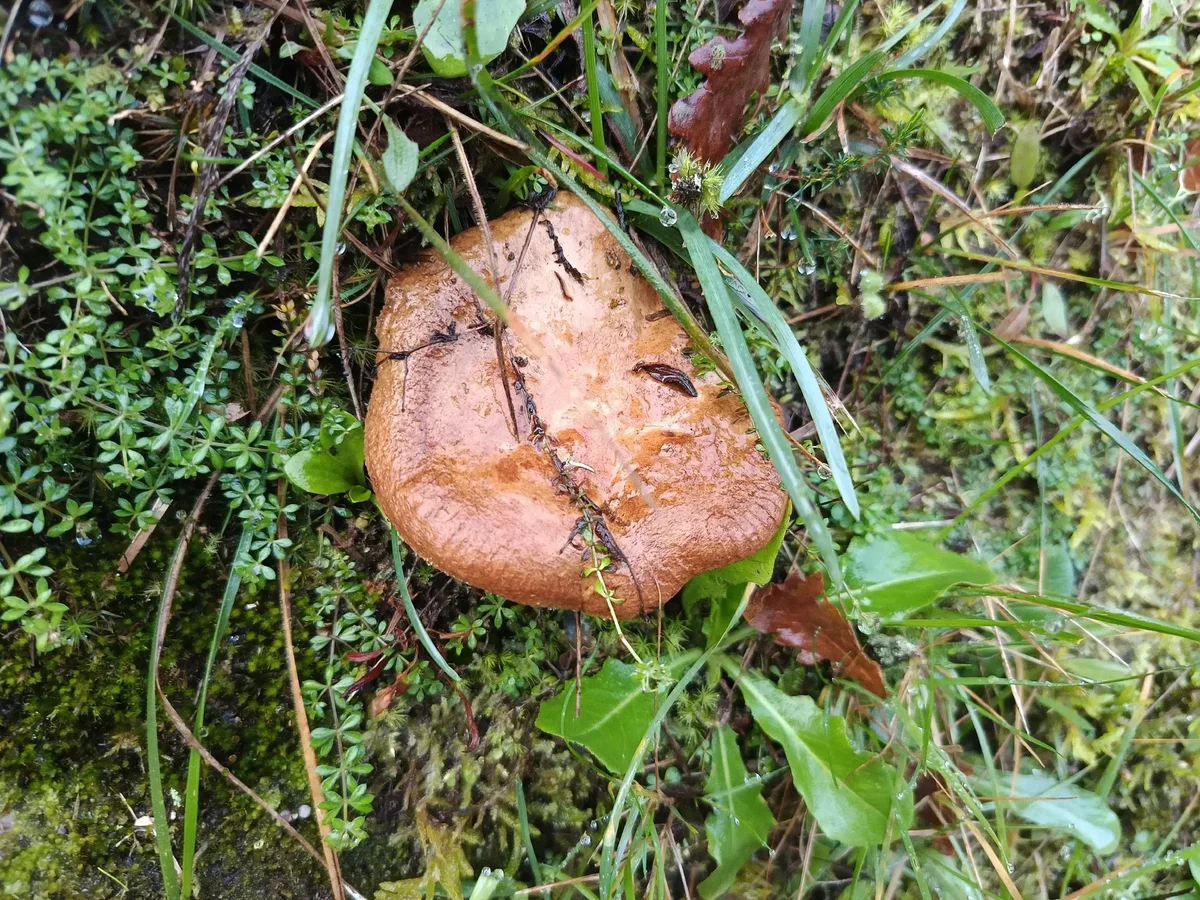 © Carl Ramirez (CC BY)
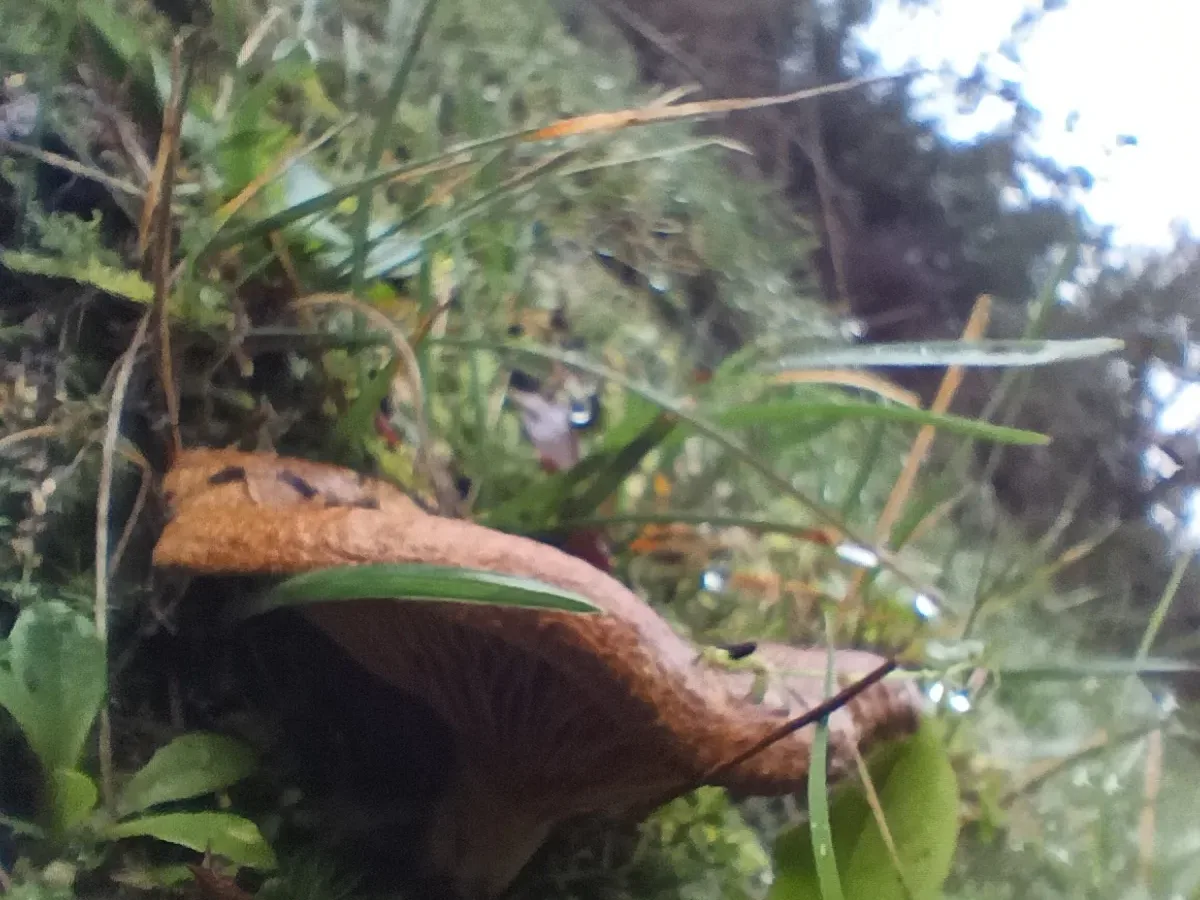 © Carl Ramirez (CC BY)
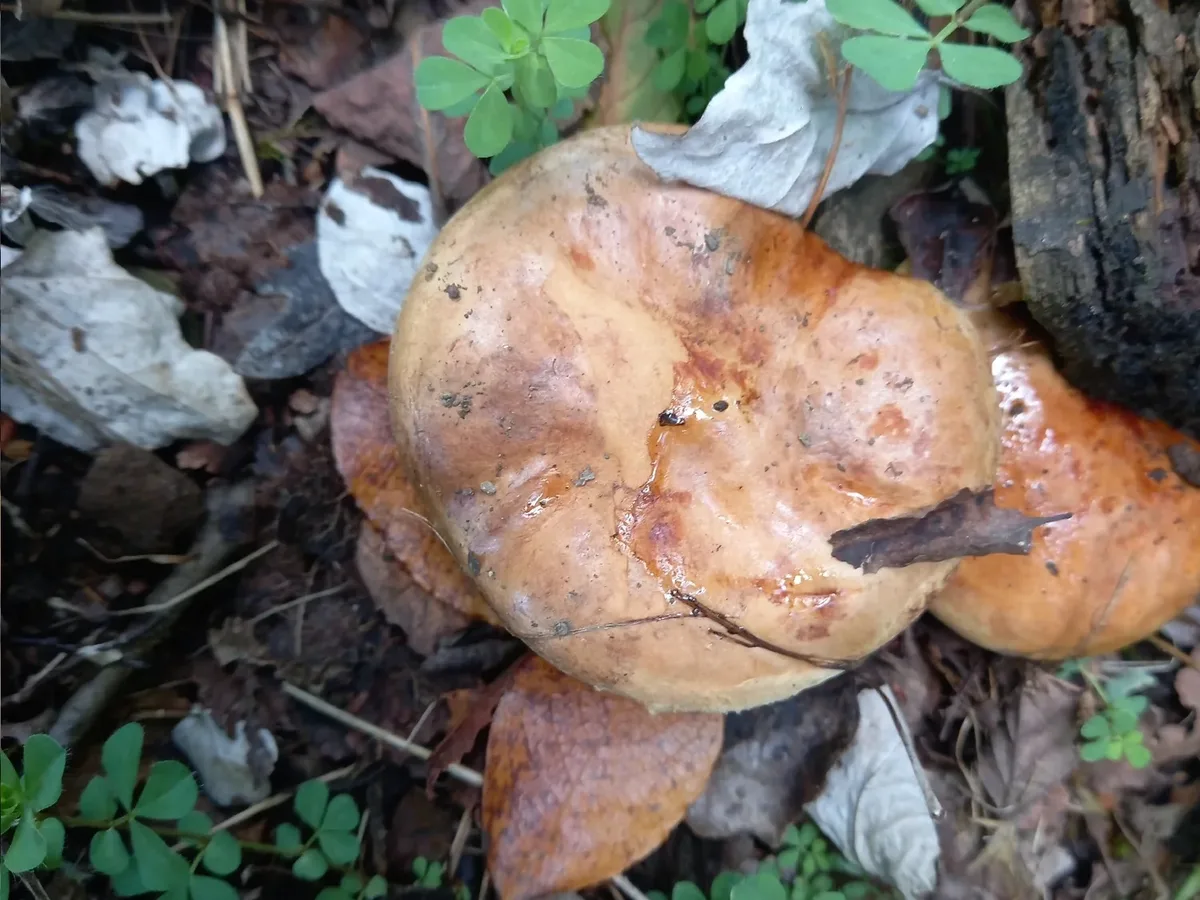 © Rafael Ancatrio (CC BY)
 © Rafael Ancatrio (CC BY)
 © Rafael Ancatrio (CC BY)
 © Rafael Ancatrio (CC BY)
 © Rafael Ancatrio (CC BY)
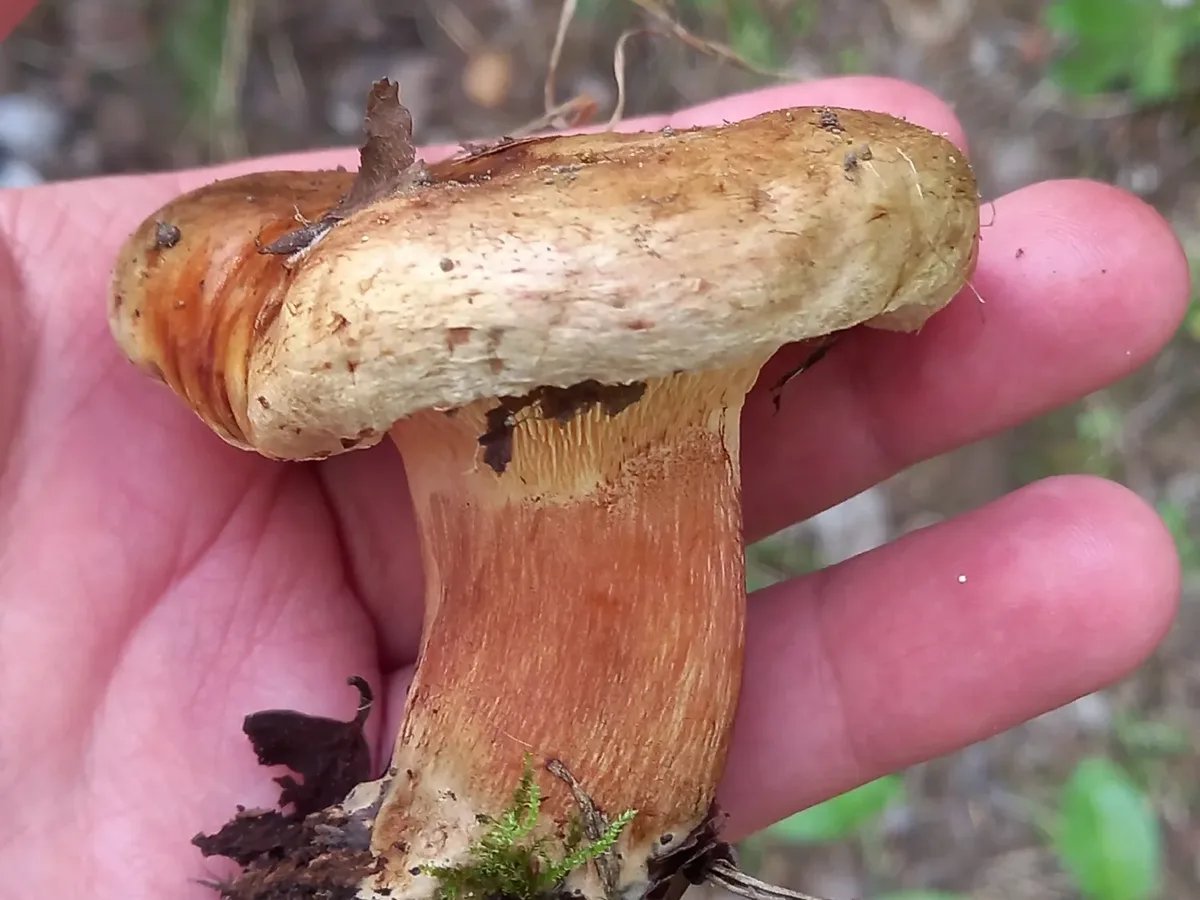 © Rafael Ancatrio (CC BY)© Rafael Ancatrio (CC BY)© Carl Ramirez (CC BY)
Toxic - and the most serious cases can be fatal. Never eat it, and wash your hands after handling.
How to recognise it
Cap
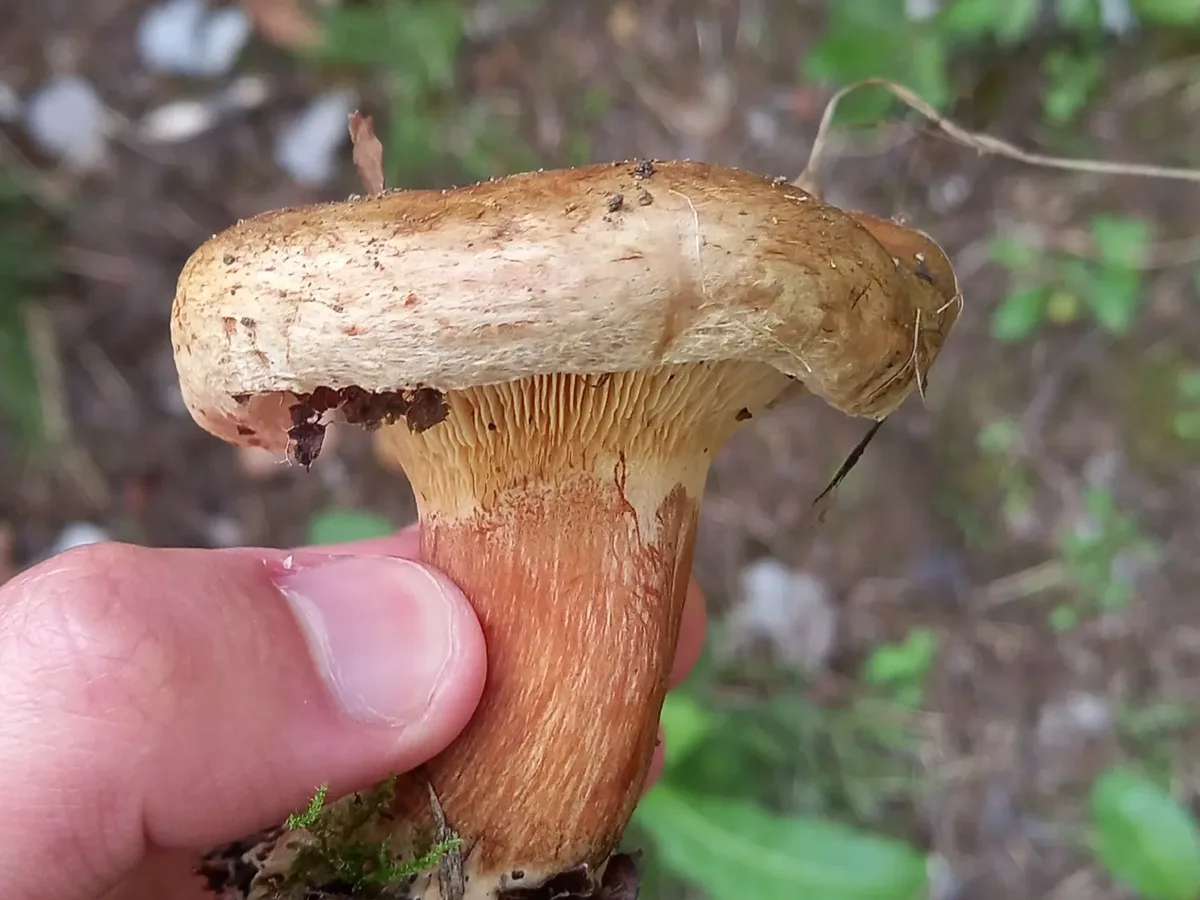
The brown roll-rim is built around one unmistakable structural feature: its cap margin remains persistently inrolled - not just in youth but throughout the fruitbody's life, rolling under even when the cap is fully expanded and funnel-shaped in maturity.
Young caps are convex to broadly domed, dry and smooth, ranging from warm ochre-brown to a dull olive-tan, sometimes with a subtle silky sheen in dry conditions. As the fruitbody ages the centre becomes depressed and the overall outline grows increasingly funnel-shaped, while the inrolled rim stays involute.
The cap surface is not viscid; it dries somewhat felty or matted and often develops a pale, almost chamois-coloured zone near the margin.
Gills
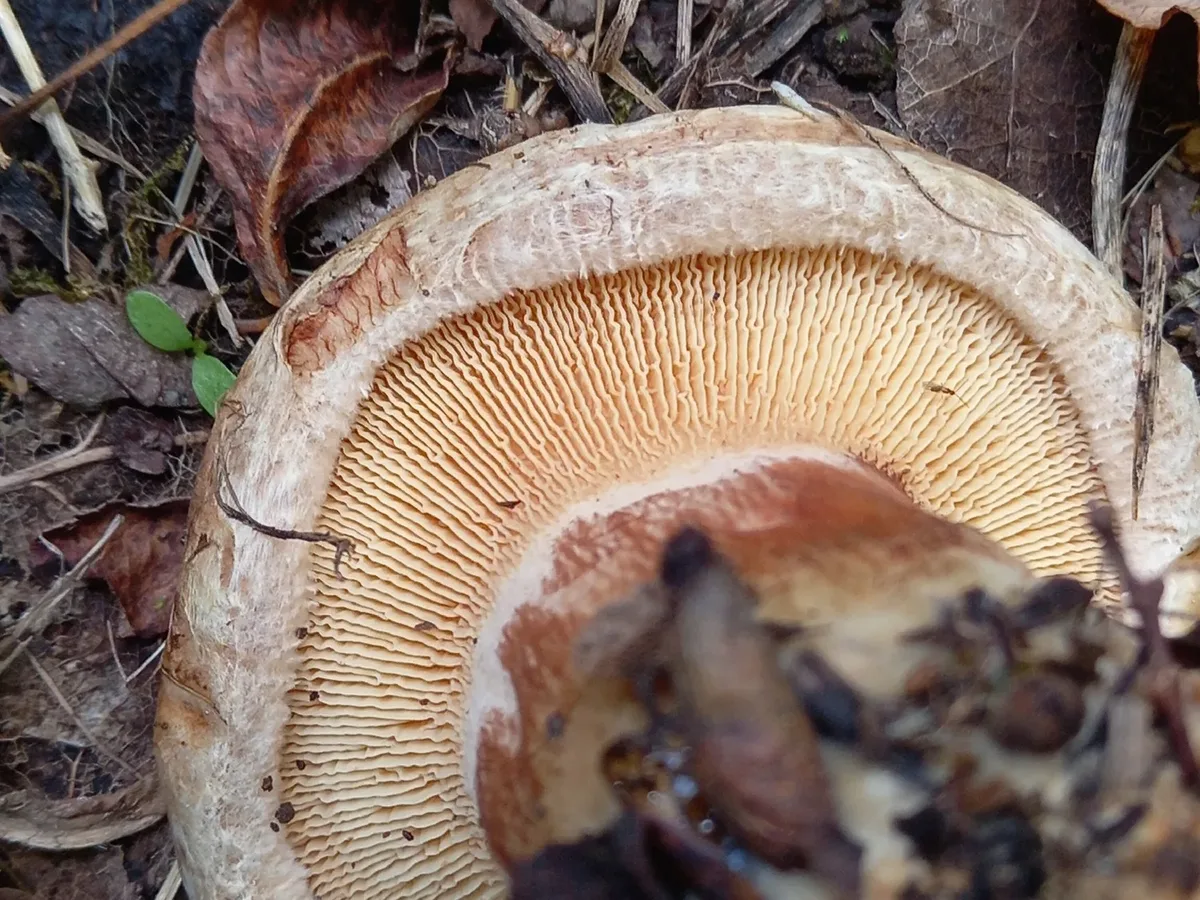
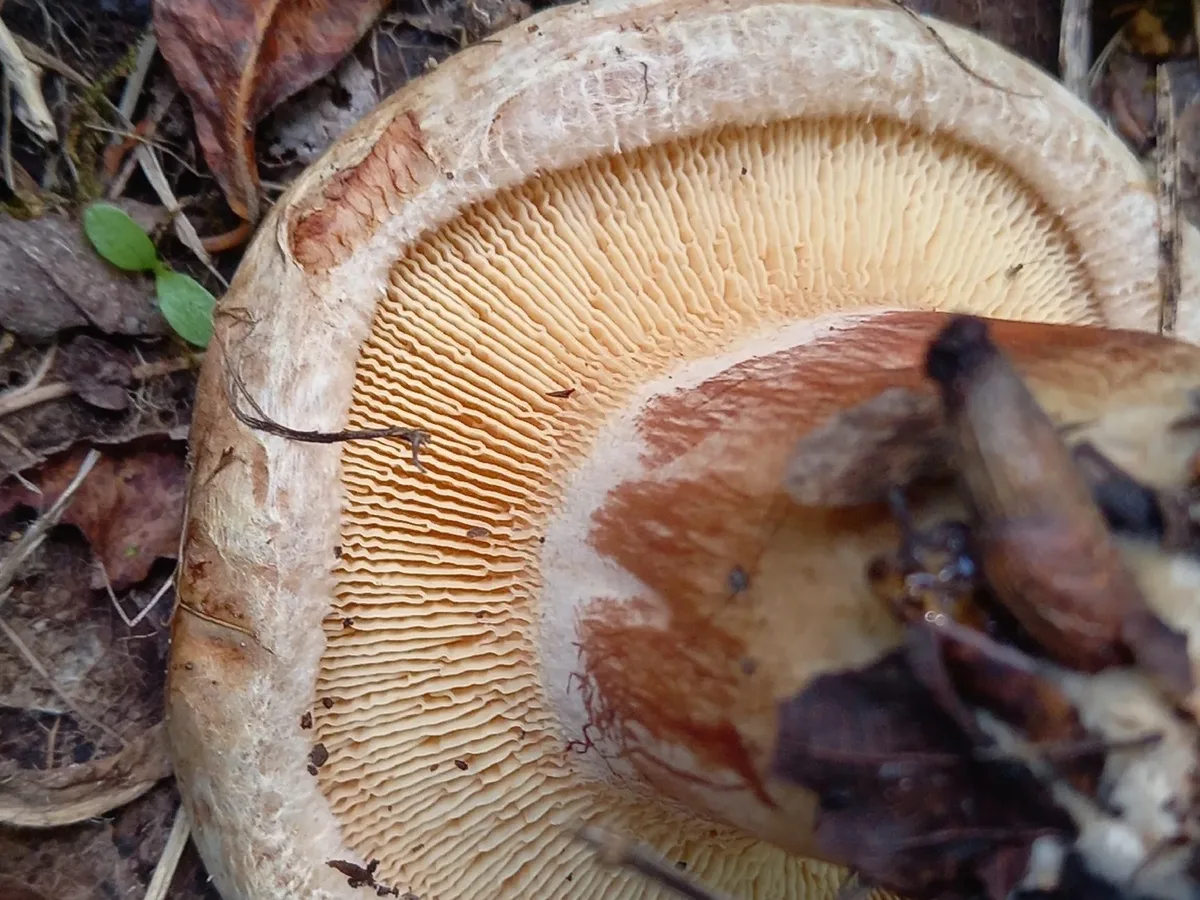
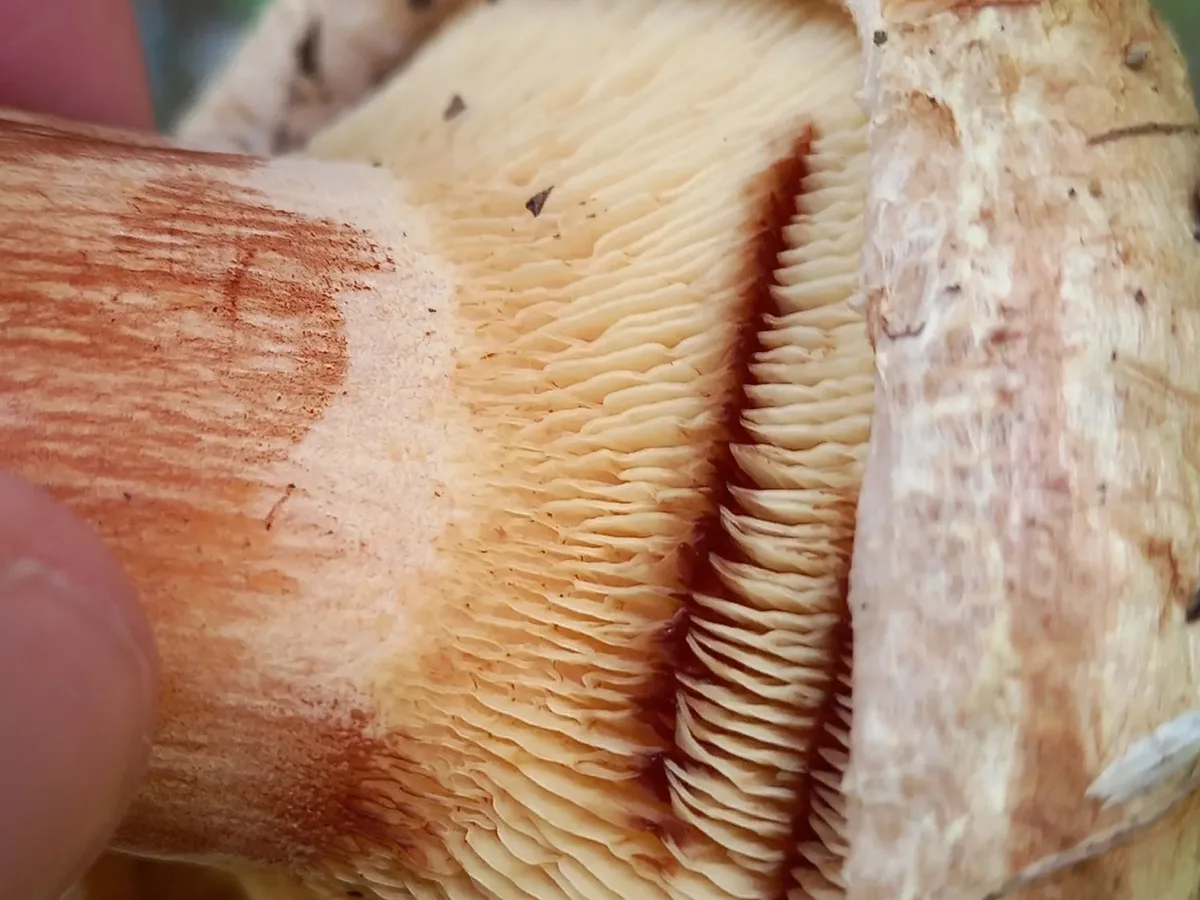
The gills are crowded, running a short but conspicuous distance down the stem (decurrent), and begin life a bright yellow-ochre that gradually deepens toward rusty-brown.
The single most reliable in-the-field signal is that the gills and flesh bruise instantly and vividly brown wherever they are pressed or cut - a reaction that begins within seconds and spreads outward from the point of damage.
Spores in mass produce a rusty-brown to cinnamon-brown print.
Stem
The stem is short, stout, and smooth, concolorous with or slightly paler than the cap, without a ring or volva at any stage.
Flesh
The flesh is pale cream to yellowish, firm when young and softening in age.
Smell & taste
The taste is mild to slightly acidic, with an indistinct smell that becomes more earthy as the mushroom matures.
Why it's dangerous
Paxillus involutus is classified as a deadly mushroom by European and international mycological and food-safety authorities, and this classification reflects an immunological mechanism that is both unusual and particularly insidious.
It is not simply a mushroom that causes severe gastroenteritis - the lethal pathway requires repeated exposure and the progressive sensitization of the individual's own immune system, turning subsequent meals into immune attacks on the body's red blood cells.
The documented outcome of full Paxillus syndrome includes:
- acute hemolytic anemia
- acute kidney failure from hemoglobin nephrotoxicity
- disseminated intravascular coagulation
- multi-organ failure
- death
The first fatal case to be formally described and mechanistically explained in the scientific literature is that of Julius Schäffer, a German mycologist who had reportedly consumed the species on numerous occasions. He died in 1944 after what he believed was a routine meal - a case that later became foundational to understanding the syndrome.
The most dangerous feature of this species - more dangerous than any acute toxin - is the pattern of repeated safe-seeming consumption that precedes the crisis. By the time a fatal or life-threatening hemolytic event occurs, the individual is typically someone with extensive personal experience eating the mushroom, and they and those around them have every reason to believe it is safe for them specifically. It is not.
There is no way to determine from appearance, smell, taste, preparation, or individual health history whether sensitization has occurred. No amount of tradition, personal history, or preparation technique mitigates this risk.
Do not eat Paxillus involutus. Do not serve it to others.
If poisoning is suspected after consuming this species, seek emergency medical care immediately and inform treating physicians of the specific toxidrome so hemolysis can be actively monitored and managed.
Toxin
The brown roll-rim contains two mechanistically distinct hazard components.
- 1Heat-labile gastrointestinal irritant compounds - likely including involutin and related polyhydroxylated phenylalanine derivatives - that cause nausea, vomiting, and diarrhea when the mushroom is insufficiently cooked or consumed raw. These are broken down by sustained heat and represent the lesser of the two dangers, though they are the one that has historically been most visible as a symptom.
- 2A set of protein antigens present in the fruitbody tissue that are not denatured by cooking, drying, pickling, or any other food-processing method in practical use. This is the second and lethal component.
With repeated ingestion - typically over multiple seasons or years - the human immune system in susceptible individuals mounts an IgG antibody response against these antigens.
Once sensitization has occurred, a subsequent meal triggers the formation of antigen-antibody immune complexes that deposit on the surface membranes of erythrocytes (red blood cells). Complement activation follows, causing rapid intravascular hemolysis: the red blood cells are lysed in the bloodstream.
The resulting hemolytic crisis floods the kidneys with hemoglobin breakdown products, leading to acute tubular necrosis and renal failure, while the systemic coagulation cascade can produce disseminated intravascular coagulation (DIC).
The sensitization is cumulative, progressive, and immunologically consistent with type II hypersensitivity - a mechanism that has been documented and confirmed in post-mortem analyses and in experimental animal models. The specific antigens have not all been fully characterized, but their heat stability and immunogenicity are well established in the toxicological literature.
Symptoms
Paxillus syndrome presents with a clinical picture that distinguishes it sharply from ordinary mushroom gastrointestinal poisoning.
Onset is typically rapid - symptoms can appear as early as one to two hours after the meal, which is fast even by mushroom-poisoning standards. The initial presentation may include nausea, vomiting, and abdominal pain, which can be misread as a routine GI upset and may not immediately raise suspicion of hemolysis.
The characteristic and diagnostic findings of the full syndrome are those of acute intravascular hemolysis:
- dark red or brown urine (hemoglobinuria) as lysed red blood cell contents are filtered by the kidney
- a sharp fall in hematocrit and hemoglobin
- pallor
- jaundice from bilirubin release
- tachycardia as the cardiovascular system compensates for sudden anemia
Laboratory values show elevated indirect bilirubin, low haptoglobin, elevated lactate dehydrogenase (LDH), and the presence of free hemoglobin in plasma and urine.
As the hemolytic crisis progresses, acute kidney injury develops - initially from hemoglobin nephrotoxicity and tubular obstruction - and in severe cases disseminated intravascular coagulation (DIC) supervenes, with widespread abnormal clotting consuming clotting factors and causing simultaneous bleeding and thrombosis.
Not every exposure in a sensitized individual produces the full syndrome; milder episodes of hemolysis may occur and go unrecognized. The severity of a given episode is not predictable from prior episodes, and the next meal may be the one that triggers an irreversible cascade.
There is no antidote; treatment is intensive supportive care including IV fluids, management of renal failure (possibly dialysis), and in severe hemolysis, plasma exchange or red cell transfusion.
Staying safe
Paxillus involutus occupies a specific and disturbing position in the history of European mycology: it is a species that was consumed deliberately, routinely, and widely across eastern Europe and Russia for generations. Its reclassification from edible to deadly was forced only after a series of fatal poisonings were mechanistically explained in the late twentieth century.
The fundamental danger is that the species can be eaten repeatedly without apparent effect - sometimes for years or decades - before the immune-mediated crisis strikes. This means personal history of uneventful consumption provides no safety guarantee, and may in fact represent the accumulation of sensitization that makes the next meal catastrophic.
Because the mushroom has no reliable edible lookalike, the entire safety challenge here is cultural and historical: the risk comes from people who know exactly what they are picking and believe tradition and personal experience to be sufficient protection. They are not.
Regional foraging guides and official food-safety authorities across Poland, Russia, and the Baltic states now list Paxillus involutus as a prohibited species, and this reflects the scientific consensus.
The only safe course is total avoidance. There is no preparation method, no threshold of acceptable consumption, and no individual characteristic that predicts susceptibility - not age, not prior exposure pattern, not health status.
Treat every encounter with this species as a reminder of why the edibility status of a mushroom must be grounded in immunology and biochemistry, not in tradition.
Where & when it grows
Habitat
Paxillus involutus is one of the most ecologically widespread mycorrhizal fungi in the temperate Northern Hemisphere, capable of forming mutualistic partnerships with an unusually broad range of host trees.
Birch is the most frequent partner across Scandinavia, northern Russia, and eastern Europe, but the fungus also associates with oak, beech, pine, spruce, and various other broadleaves and conifers. This gives it a habitat range that spans moist birch woodland, mixed deciduous forest, pine plantation, urban parks, garden edges, roadsides, and even isolated trees in semi-open grassland.
It shows a particular affinity for damp, somewhat acidic soils - the peaty or sandy soils beneath lakeside birches, the soft forest floor of alder-lined stream margins, the mossy understory of old birch stands - but it is also perfectly capable of fruiting on drier mineral soils wherever its host trees grow.
Because the mycelium does not depend on decaying wood it is free to colonise virtually any soil type the host will tolerate. It is remarkably tolerant of disturbed or nutrient-enriched ground and is often among the first fungi to establish after forest disturbance or replanting, which has only widened its already large footprint.
In eastern Europe and Russia its abundance in accessible, commonly visited forest types - the light birch woods that fringe almost every town - is precisely why it became so deeply embedded in regional foraging tradition.
When
The brown roll-rim has a long fruiting window that begins in early to mid summer and extends well into autumn.
In central and northern Europe fruitbodies typically appear from June onward, peak through August and September as late-summer rains arrive and soils retain warmth, and continue fruiting into October wherever temperatures remain above the soil-temperature threshold the species needs to initiate hyphal aggregation and primordia formation.
In southern parts of its range - including the warmer continental lowlands of eastern Europe - the season can begin slightly earlier and persist later, and in mild autumns productive flushes have been recorded into November.
The flush pattern is tied closely to rainfall: after a sustained period of 20 mm or more over a ten-to-fourteen-day window, and with soil temperatures in the roughly 8-20 °C band, fruitbodies emerge within one to two weeks.
Because the mycelium is perennial and well-established around its host tree roots, a network that may have been in place for decades, the same patches tend to fruit reliably year after year.
The mycorrhizal relationship means the fruitbodies are the visible tip of a much longer biological calendar - the mycelium is active through the growing season, exchanging sugars and phosphorus with its host trees underground, and the autumn fruitbodies are the culmination of a summer's metabolic work.
The roll-rim is therefore most conspicuous in exactly the damp, cooling weeks of late summer and early autumn that characterise the peak foraging season across eastern Europe and Russia.
How it grows
Paxillus involutus is an obligate ectomycorrhizal fungus, meaning it cannot complete its lifecycle without a living tree partner.
Its mycelium forms a dense hyphal sheath (mantle) around the fine root tips of the host, extending a network of hyphae outward into the surrounding soil - the Hartig net. Through it the fungus trades carbohydrates supplied by the tree's photosynthesis for soil phosphorus, nitrogen, and water that the fungus scavenges far more efficiently than the roots alone could.
This exchange is mutualistic under normal soil conditions but can shift toward a parasitic dynamic in nutrient-rich or stressed environments.
What makes Paxillus involutus unusual among ectomycorrhizal fungi is the breadth of its host range: most ectomycorrhizal species are specialist partners locked to one or a few genera, but the roll-rim forms viable associations with a notably diverse array of broadleaf and conifer genera, which contributes to its ecological dominance and wide distribution.
The mycelium is perennial and long-lived; individual genets (the genetic individual) can persist in the soil for many years, colonising new feeder roots as the tree grows and quietly waiting out dry or cold periods when above-ground fruiting stops entirely.
Fruitbodies emerge as the familiar inrolled-cap mushrooms only when conditions are right, but they represent only a small fraction of the organism's total mass - the invisible mycelial network below ground is where the real biological complexity lives, silently knitting the forest's nutrient economy together season after season.
Fruiting conditions
Conservative standard mycology for a mycorrhizal birch-associated species fruiting from summer through autumn after sustained rainfall.
Look-alikes
There are no commonly gathered edible mushrooms that reliably mimic the brown roll-rim. The inrolled cap margin combined with decurrent gills that immediately bruise brown on touch is a feature combination that is essentially unique among northern-European fleshy fungi.
However, the context for confusion in this species is different from a typical lookalike scenario: the danger arises not from mistaking Paxillus involutus for something edible but from deliberately collecting it under the assumption - grounded in decades of apparent personal impunity - that it is safe.
In the formal sense of visual lookalikes, young or degraded specimens might superficially recall Tapinella atrotomentosa (velvet roll-rim), which has a velvety dark-brown stem and strongly decurrent gills but lacks the inrolled margin and bruising reaction, and is also considered inedible.
Some worn Cortinarius species at the brownish end of the spectrum share the general colour palette but have fibrous, cobwebby partial veils (cortina) and rusty-brown spore prints deposited on the gills rather than the instant contact-bruising seen in Paxillus.
No Cantharellus (chanterelle) shares the inrolled margin or bruising gills.
The structured lookalikes list for this block contains no entries because the risk is deliberately eating a correctly identified mushroom, not misidentifying it - which makes the education task here different, and arguably more difficult, than for most dangerous species.
The ugly milkcap exudes white milky sap; Paxillus involutus has no milky sap and its gills bruise dark when touched.
A reference guide - never an edibility guarantee. When in doubt, leave it out.