Vegetable caterpillar
Ophiocordyceps robertsiisyn. Cordyceps robertsii
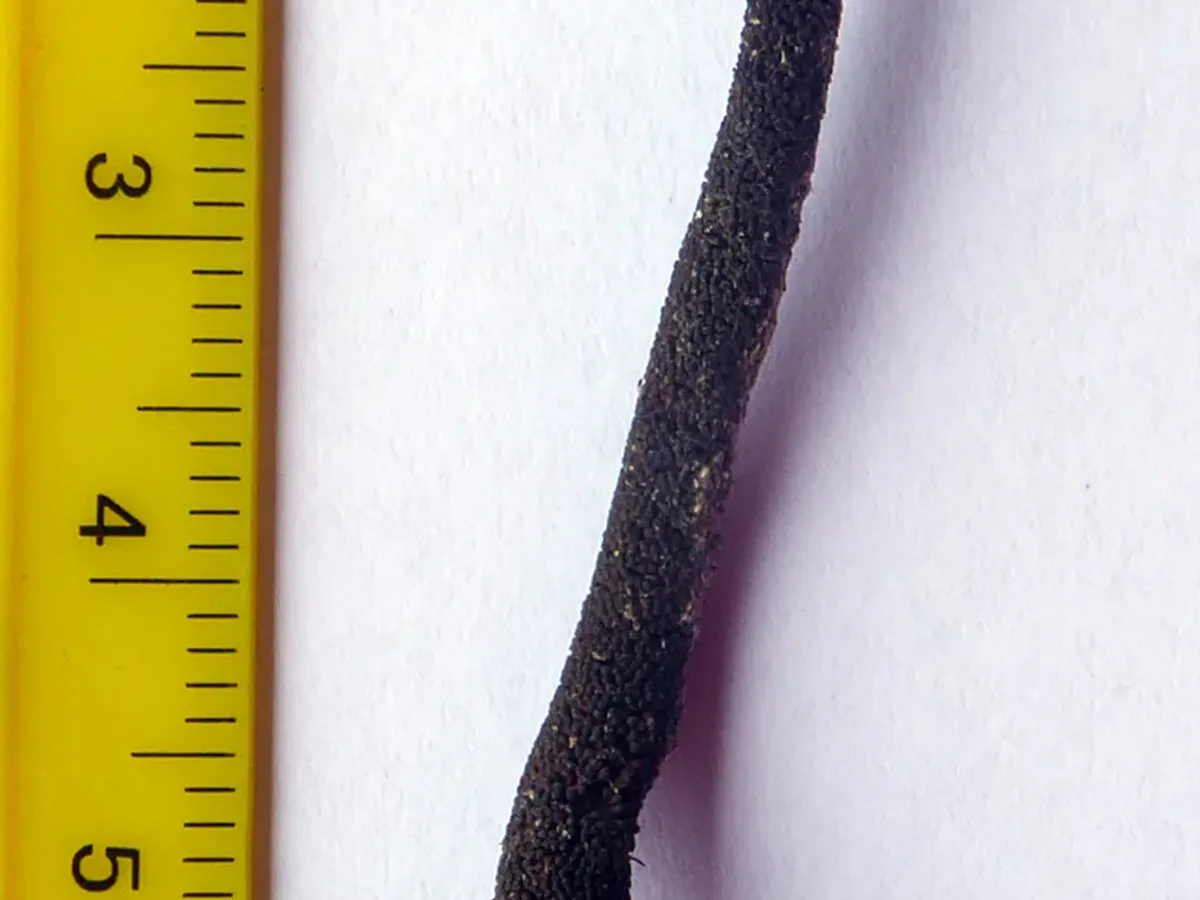 Peter de Lange (CC0)
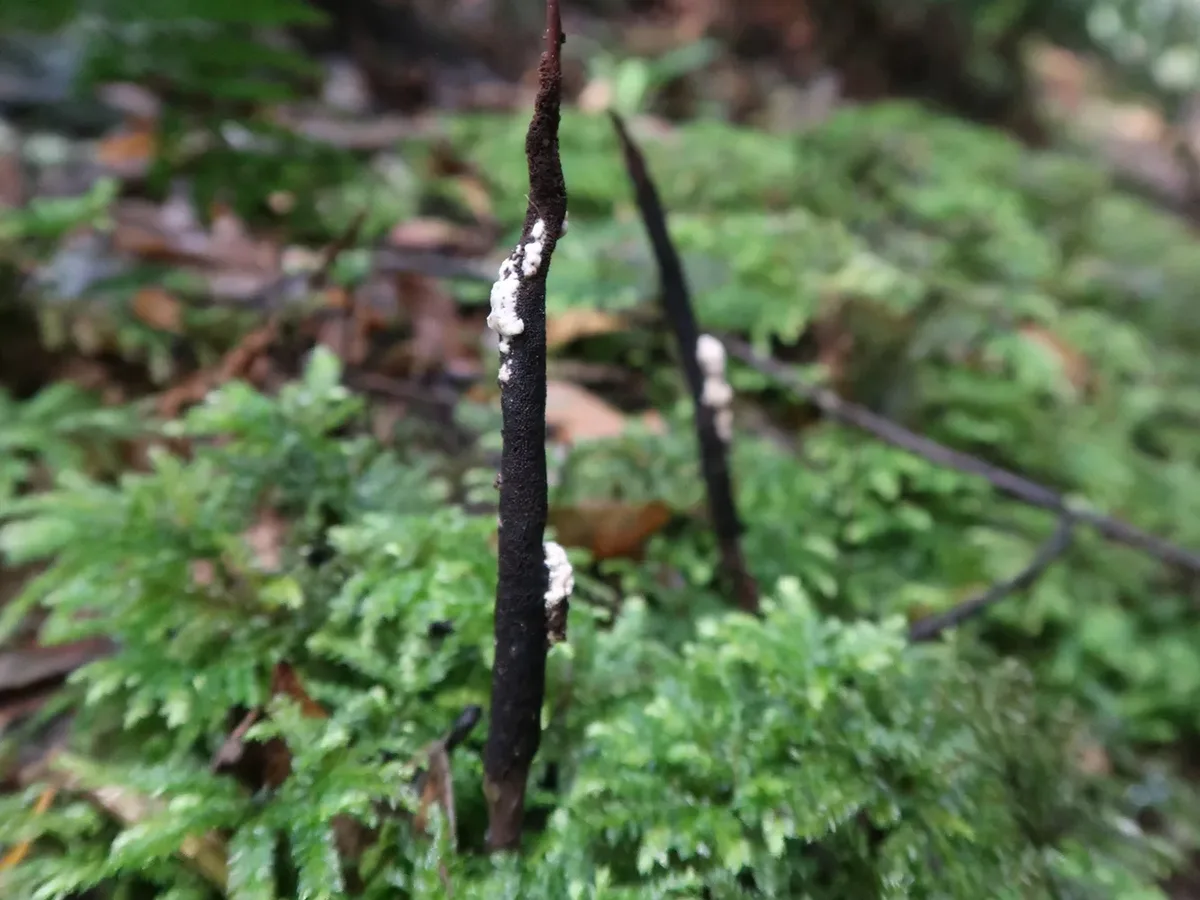 Cowirrie (CC0)
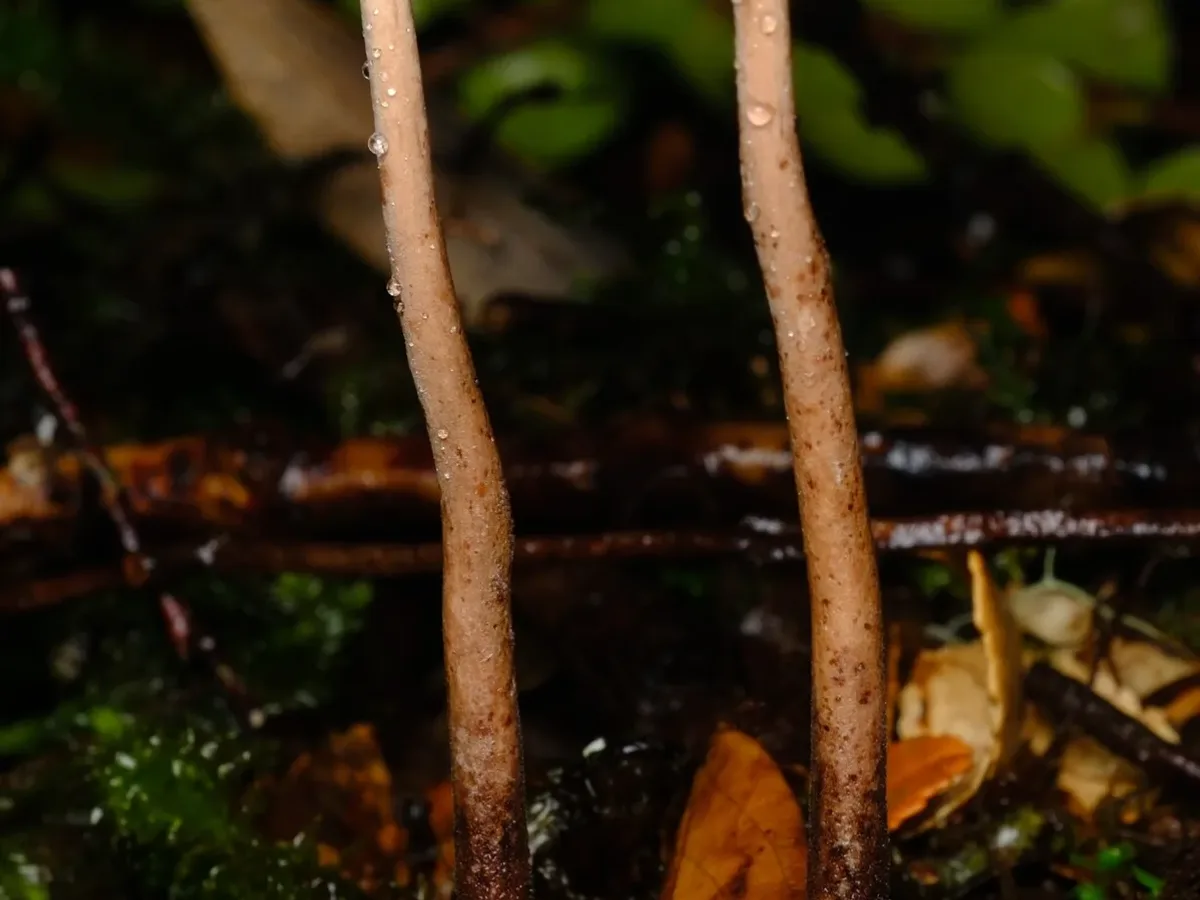 © Peter Crowcroft (CC BY)
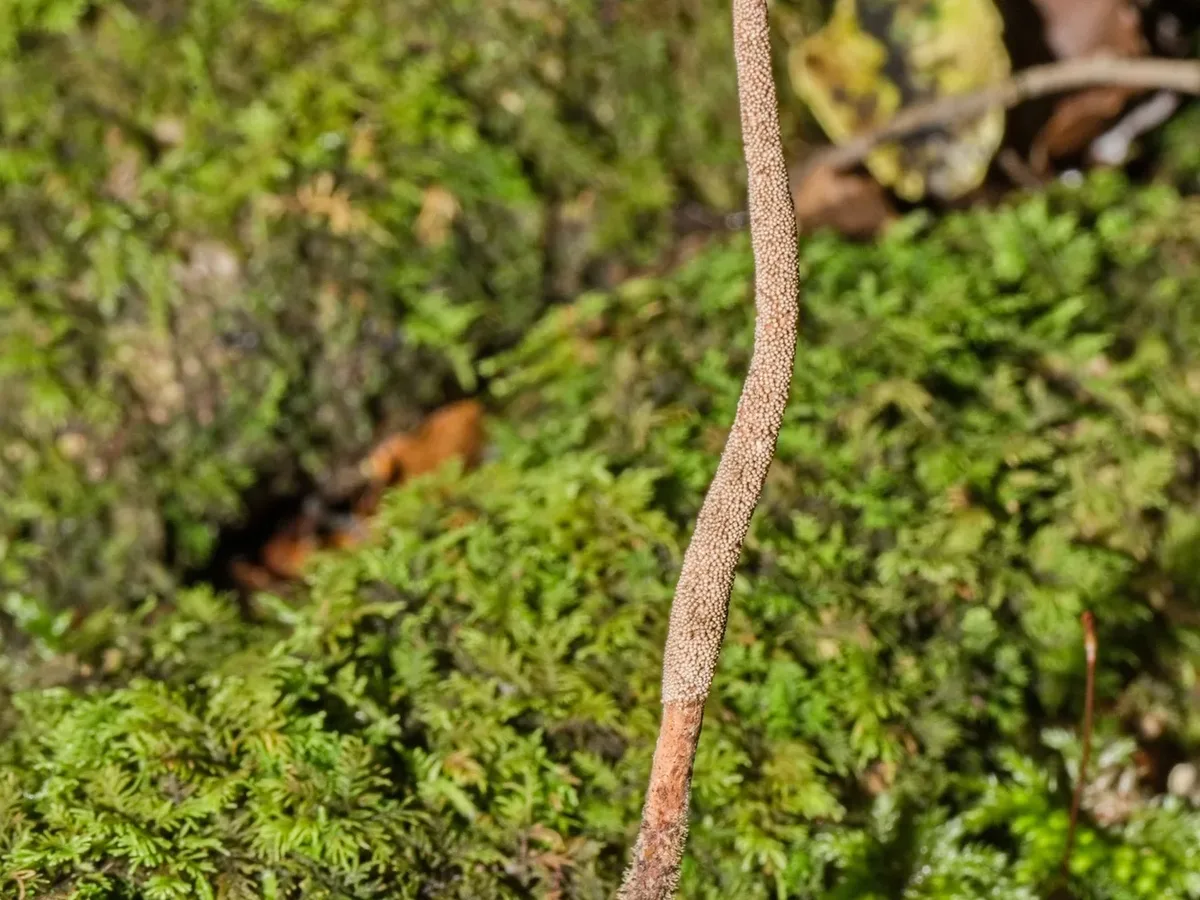 Robbie Graham (CC0)
 Robbie Graham (CC0)
 © Emma Naylor (CC BY)
 © Sebastian Doak (CC BY)
 Carey_Knox_Southern_Scales (CC0)
 corunastylis (CC0)
 Carey-Knox-Southern-Scales (CC0)
 © strewick (CC BY 4.0)Peter de Lange (CC0)Cowirrie (CC0)
Not poisonous, but not worth eating - too tough, bitter, or bland for the pot.
How to recognise it
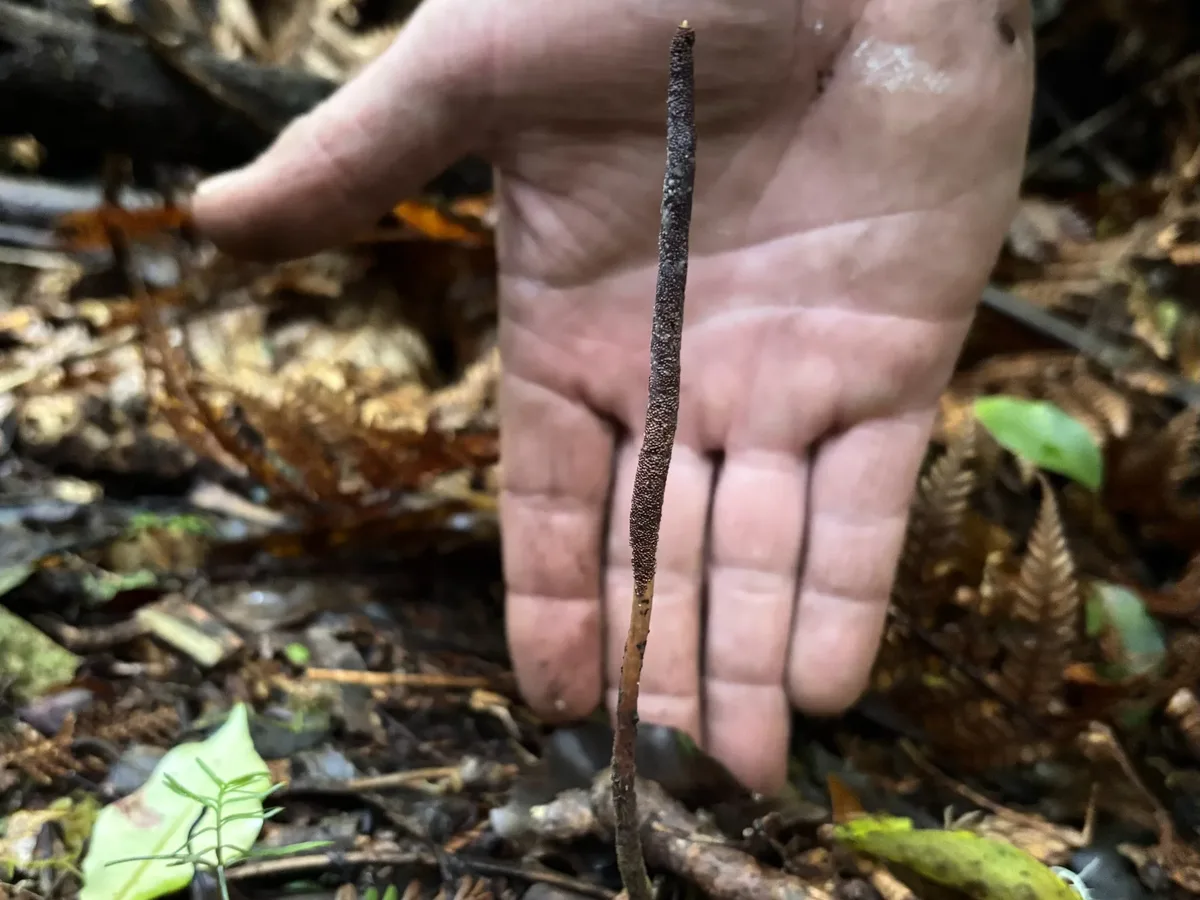
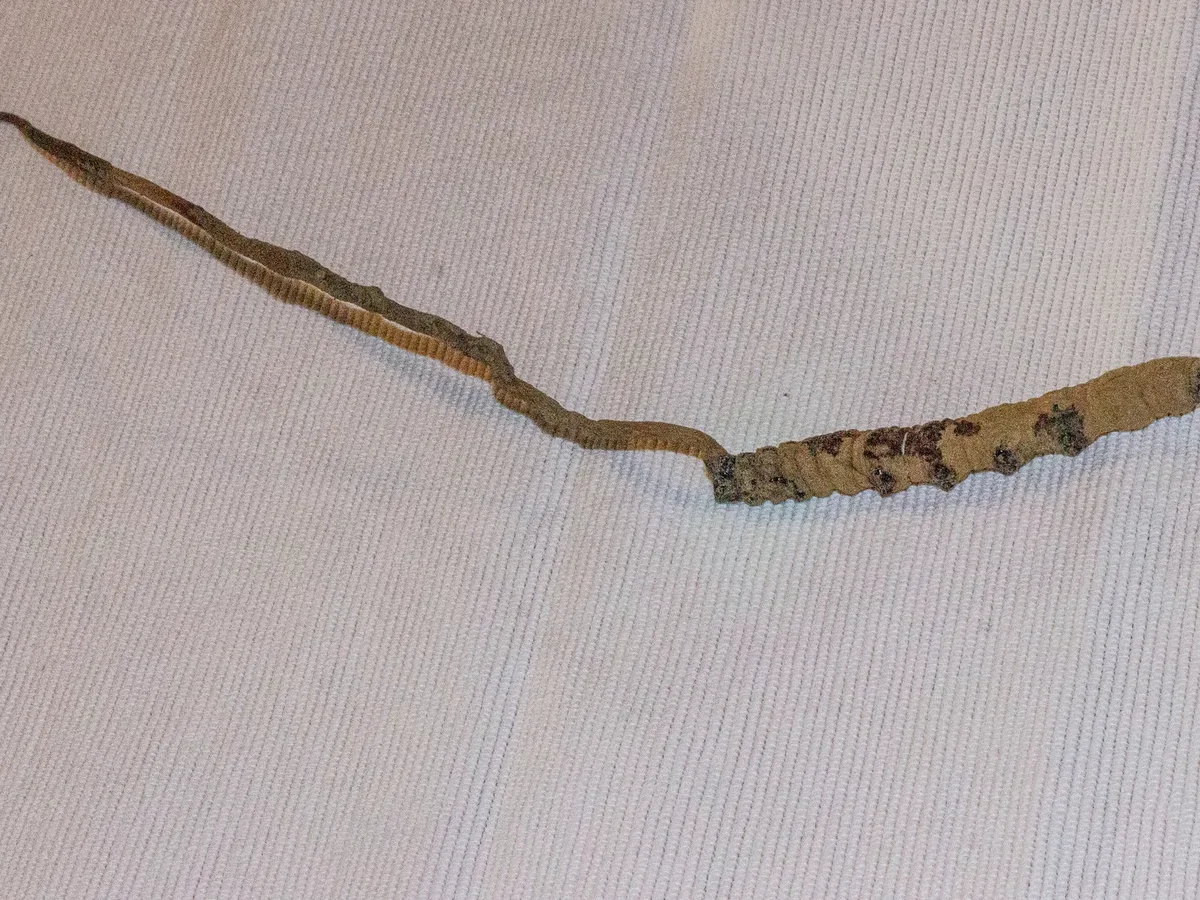
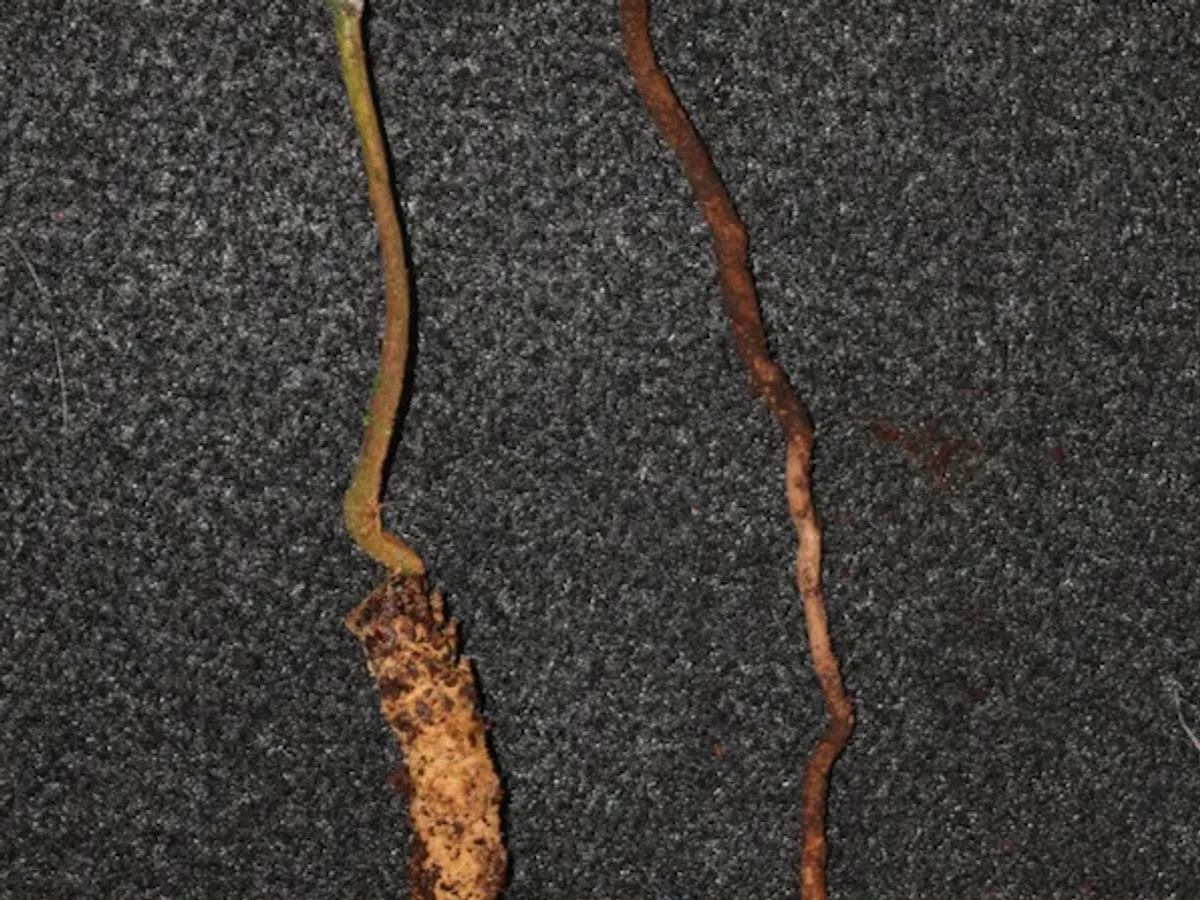
What you discover on the forest floor is unlike any capped mushroom: an intact caterpillar mummy, roughly 3-7 cm long, its original segmented form preserved in wax-brown to dark-chestnut chitin that the fungus has infiltrated completely.
The larva's surface feels firm and slightly woody - because it is: the tissues inside have been replaced cell by cell by fungal material over many months, leaving only the cuticle shell and a dense fungal interior.
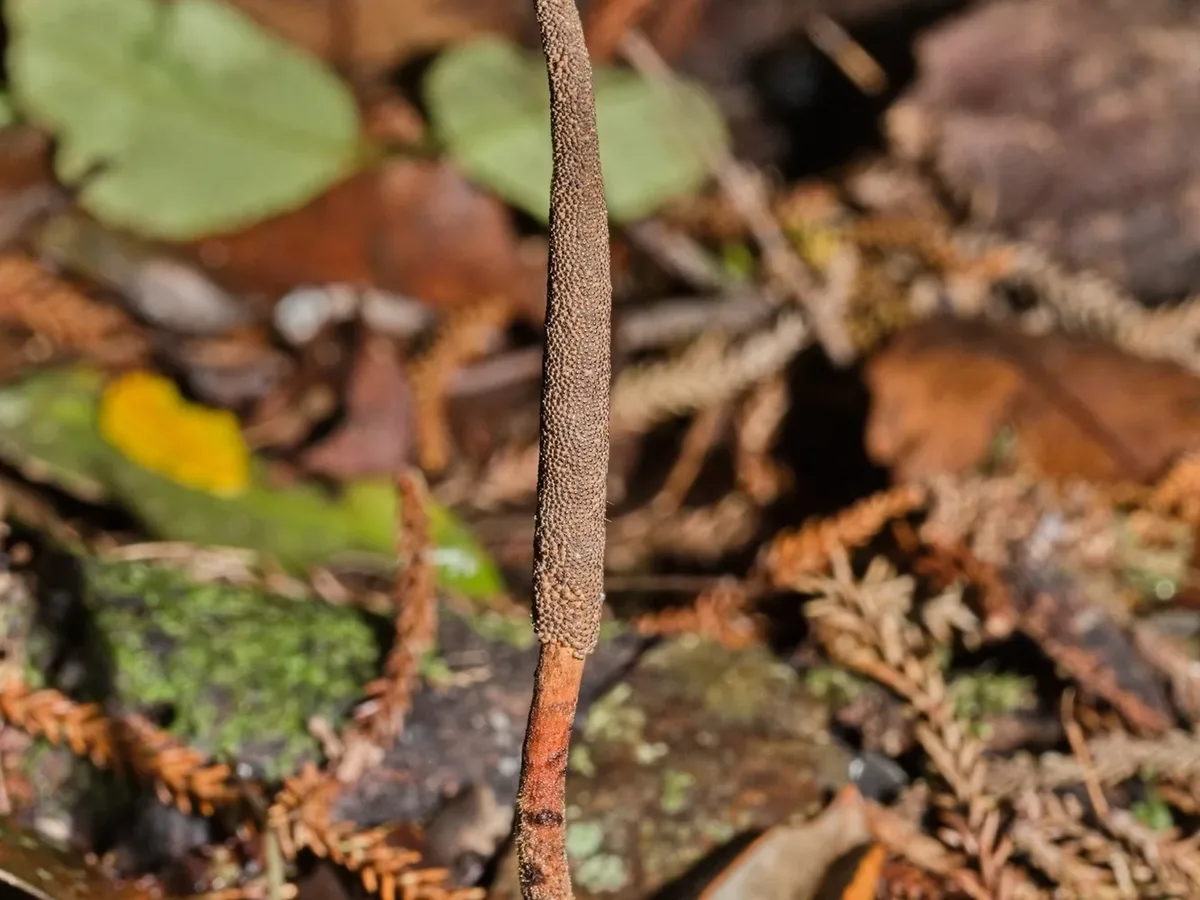
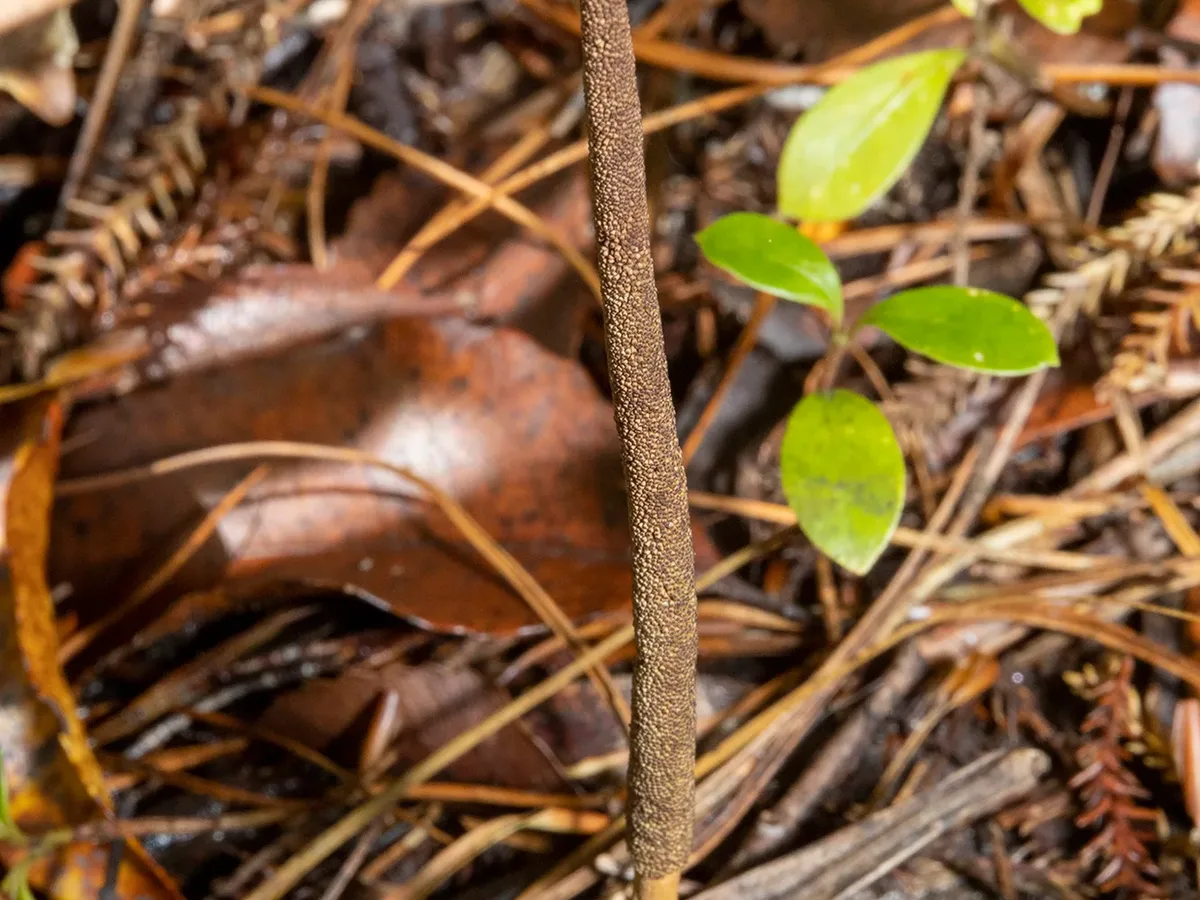
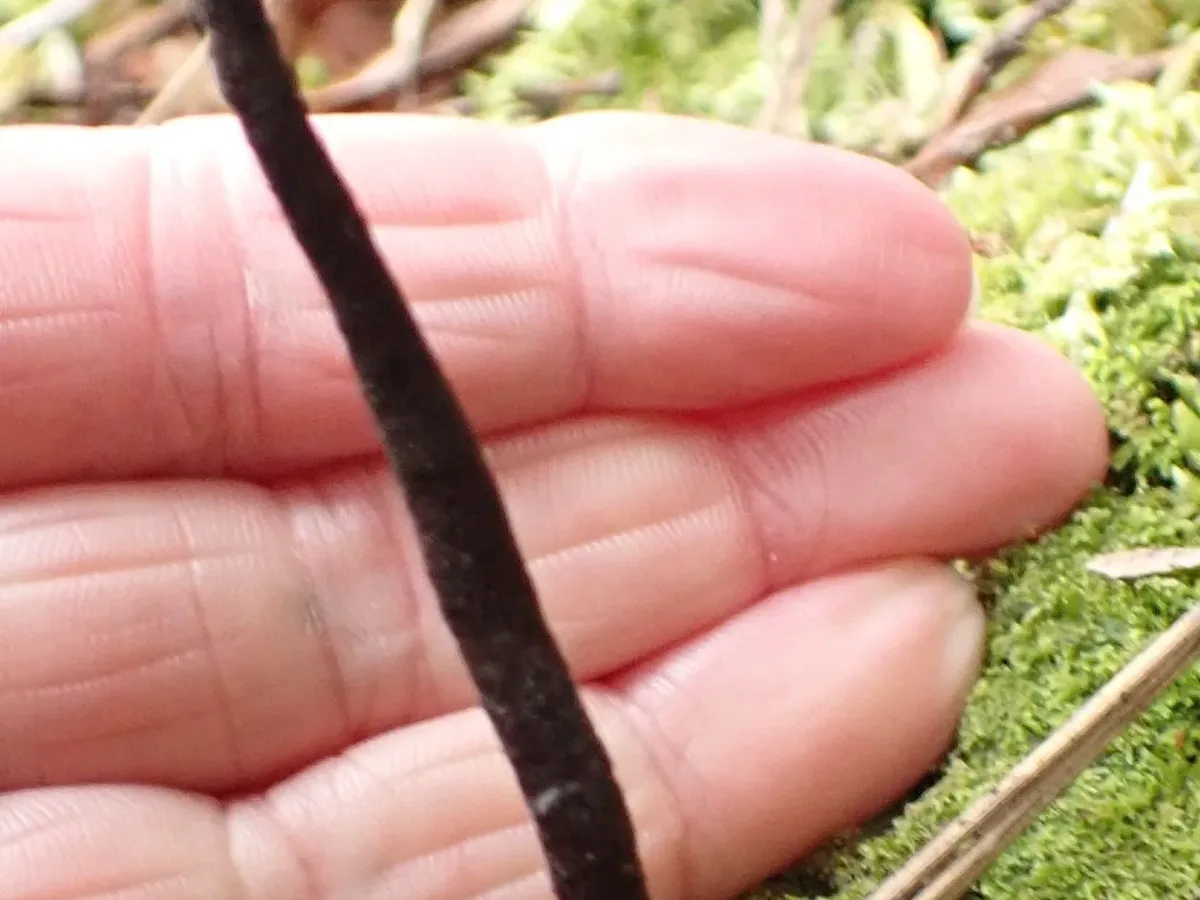
From the head end (or less often the thorax), a single stroma protrudes - a slender, sometimes slightly flattened spike that ranges from pale ochre at the base to dark olive-brown at the tip, typically 3-10 cm tall and only 2-4 mm wide.
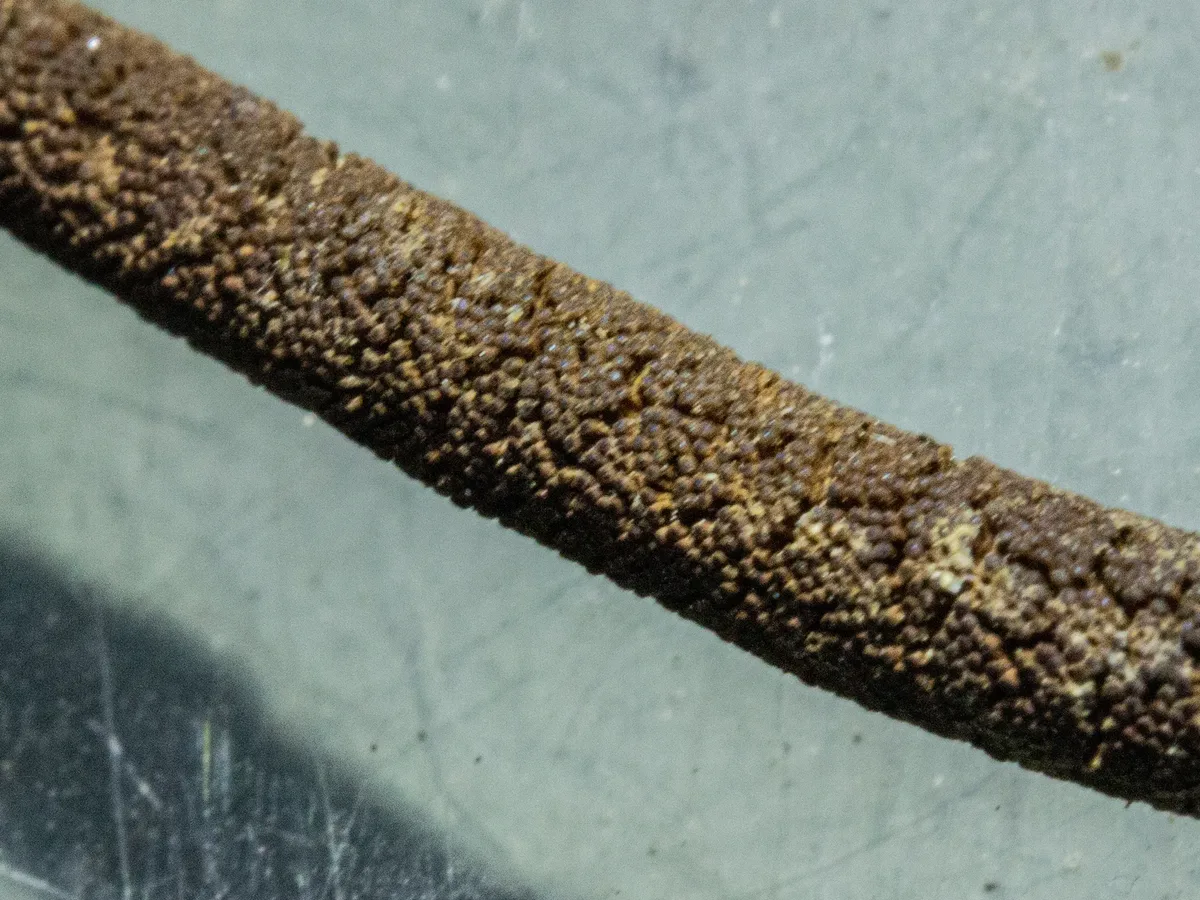
Near the upper portion of the stroma a fertile region (the perithecia-bearing head or capitulum) can be seen as a slightly roughened, darker swelling where the flask-shaped fruiting structures are embedded - each no larger than a pinhead, yet each capable of releasing thousands of cylindrical ascospores.
The whole structure sits half-buried: you pull gently at the stroma and a mummified caterpillar body follows from the litter, often still trailing threads of old silk lining from its tunnel.
Under hand-lens magnification the stroma surface shows a faint reticulate texture, and the tip may show fine droplets when fresh.
Dried specimens turn uniformly dark brown and become brittle at the stroma-body junction, which is why āwheto found after the season tend to lose their stalk in situ.
Where & when it grows
Habitat
Ophiocordyceps robertsii is tied to intact indigenous New Zealand forest with a deep, undisturbed organic layer - primarily podocarp forest (rimu, mataī, kahikatea, tōtara) and southern beech (Nothofagus) stands where humidity is consistently high and the soil surface is overlaid by decaying fronds, leaves, and soft litter five to fifteen centimetres deep.
This litter layer is the entire life-world of the ghost-moth larvae (Aoraia spp. and related forest porina): the caterpillars spend months to years inside silk-lined tunnels they excavate through it, feeding on plant roots and decaying organic matter, rarely surfacing.
Forest edges, stream margins, and north-facing slopes with dense canopy cover - places where the litter stays damp long after rain - are the most productive search environments.
Mature, ecologically intact stands produce better than regenerating scrub, simply because the host larvae need undisturbed soil structure and the fungal spore bank accumulates over years.
Pasture margins, exotic pine plantations, and logged areas are essentially barren for this species; in practice, finding āwheto is a reliable bioindicator of old-growth quality.
Australia hosts related Ophiocordyceps species on scarab and beetle larvae, but O. robertsii itself is a New Zealand endemic.
When
The visible stroma emerges between late summer and mid-autumn - roughly February through May in the Southern Hemisphere - but this window is the culmination of a colonisation process that began six to twelve months earlier.
Ghost-moth larvae are infected during the preceding autumn or winter, most likely when they ingest ascospores shed into the litter, or when secondary (meiospore) conidia contact the larval cuticle.
Once inside, the fungus grows as hyphal bodies through the haemolymph, gradually consuming and replacing internal organs while keeping the larva alive longer than might be expected - a recognised tactic across the Ophiocordyceps genus, since a dead host too early means no stroma.
Death typically follows complete occupation of the body cavity, after which the stroma begins to elongate upward through the soil.
The stroma can persist above ground well into late autumn and winter even after spore dispersal is complete - dried, still upright - so specimens can be encountered as late as July or August.
The season varies somewhat with altitude and latitude: montane forest sites in the South Island see later emergence than lowland North Island sites.
Importantly, stroma emergence is not triggered by rainfall events the way a standard mushroom flush is; it is driven by the internal completion of host colonisation, making this one of the few foray targets for which rain forecasting is essentially irrelevant.
How it grows
The biology of Ophiocordyceps robertsii is one of the more remarkable host-manipulation strategies in the fungal kingdom.
A ghost-moth larva (Aoraia spp.) living in its silk-lined litter tunnel encounters ascospores shed by a nearby mature stroma; ingestion or cuticular penetration initiates infection.
The fungus then proliferates as hyphal bodies (a yeast-like growth form) within the larval haemocoel, bathing in the host's bloodstream rather than forming mycelial mats that would trigger immediate immune rejection.
Over weeks and months these hyphal bodies multiply and begin differentiating into true hyphae that ramify through fat bodies, flight muscle (vestigial in larvae), and eventually the nervous tissue. The neural parasitism observed in the sister taxon Ophiocordyceps unilateralis (the 'zombie-ant fungus') is thought to have analogues here, though the subterranean larval host cannot exhibit the climbing behaviour documented in ants.
Eventually every tissue is replaced; the larval shell is all that remains of the original animal.
The stroma then germinates from the head region, drawing on residual lipid reserves in the mummified body as its carbon source, and pushes upward through the soil.
The perithecia (flask-shaped fruiting bodies) embedded in the stroma's upper section each develop asci containing eight thread-like ascospores; in Ophiocordyceps these commonly fragment into part-spores (secondary spores), multiplying the infectious units shed per release event.
The whole cycle from infection to spore dispersal takes roughly one to two years - a remarkably slow and patient strategy compared with the overnight fruitings of saprotrophic species.
Fruiting conditions
Ophiocordyceps robertsii does not flush in response to rain events the way a typical mushroom does. The triggering event is the infection of the ghost-moth larva (Aoraia spp.) - most likely during the autumn and early-winter months when spores are available and larval activity peaks. The fungus then colonises the host over several months. Stroma emergence is driven by the completion of that internal colonisation cycle rather than by external weather, so rain and soil temperature act as background conditions rather than flush triggers. Soil temperatures in the 10-20 °C range (typical of late summer/early autumn in New Zealand native bush) coincide with observed stroma emergence. Because the host's life cycle and the internal fungal development cannot be observed from the surface, the practical 'signal' for searching is simply the season window (February-May) combined with undisturbed, moist native podocarp or beech forest floor.
Look-alikes
Ophiocordyceps robertsii has no plausible lookalike among edible mushrooms and presents almost no identification difficulty for anyone who recognises what they are looking at. No gilled mushroom, bolete, or chanterelle resembles a mummified caterpillar with a single spike rising from its head.
Within the Ophiocordyceps / Cordyceps group, related insect-parasitic species occur in New Zealand and Australia on beetles, wētā, and other larvae. But field identification is reliable thanks to the combination of:
- A large ghost-moth host body (the largest Ophiocordyceps substrate in the region).
- A single unbranched stroma.
- The characteristic podocarp/beech forest habitat.
Beginners occasionally mistake the dried stroma - found separated from the mummy - for a thin, dark stick or twig; a closer look at the slightly roughened perithecia-bearing tip resolves this quickly.
There are no poisonous species that superficially resemble it.
The real identification skill is simply learning to scan the forest floor at litter-surface level, where the spike-and-mummy pair is perfectly camouflaged against dark wet leaf litter.
In the kitchen
Picking & cleaning
There is no foraging harvest of O. robertsii for consumption. Historically, Māori and early settlers collected āwheto carefully by hand, pulling the mummified body with its stroma intact from the litter as a unit.
The correct technique - still used by researchers - is to:
- 1Loosen the surrounding leaf litter gently with fingers rather than a tool.
- 2Trace the silk tunnel back from the stroma base.
- 3Lift the whole specimen without separating the body from the stalk.
Specimens intended for traditional ngārahu preparation were sun-dried or hung to dry until the interior was desiccated and the stroma brittle.
For contemporary ecological surveys the same careful extraction is used, often paired with photographic documentation of the microsite (GPS, litter depth, canopy species) to contribute to distribution records.
If you encounter one while foraging for edible fungi, leave it where it is or record it for iNaturalist - the spore bank it maintains in situ contributes to future generations of the fungus.
Cooking
This species is not cooked and not eaten. Its documented use is as a pigment and ink source.
To produce ngārahu - the black pigment used in tā moko, traditional Māori facial tattooing - āwheto were:
- 1Dried.
- 2Charred by fire into a black carbon-rich ash.
- 3Mixed with rendered fat (or tree resin).
The resulting ink is a suspension of carbon particles in a fatty carrier, functionally similar to other traditional soot-based inks used globally, and historically associated with prestige and identity.
The belief that the fungal material contributed antiseptic or protective properties to the tattoo medium is recorded in oral tradition and is not implausible given that Ophiocordyceps species produce a range of secondary metabolites (cyclosporin-related compounds, militarinone alkaloids, and others) documented in the broader genus, though specific antimicrobial assays on O. robertsii remain limited in the published literature.
Manaaki Whenua - Landcare Research carries out ongoing āwheto research with iwi partners including Te Arawa Forests Trust (TAFT), investigating both the ecology of the species and the biocultural significance of its traditional uses.
There is no culinary preparation, historical or contemporary.
Good to know
Ophiocordyceps robertsii is not poisonous and poses no toxicological hazard; it is classified as inedible on practical grounds - there is nothing worth eating and no cultural tradition of eating the parasitized specimens.
The ghost-moth larvae themselves (uninfected) were eaten by Māori as a nutty, protein-rich food source (porina larvae), but parasitized specimens were reserved for other uses. No adverse reactions from handling āwheto have been documented.
Standard foraging hygiene applies:
- Wash hands after handling any soil-level material.
- Do not eat any part of the specimen.
The only safety consideration is ecological: O. robertsii is not a common species, indigenous forest habitat is under pressure, and specimens should not be bulk-collected. One specimen observed and photographed in situ does no harm; repeated bulk removal from a site could deplete the local spore bank over time.
A reference guide - never an edibility guarantee. When in doubt, leave it out.