Jack-o'-lantern mushroom
Omphalotus olearius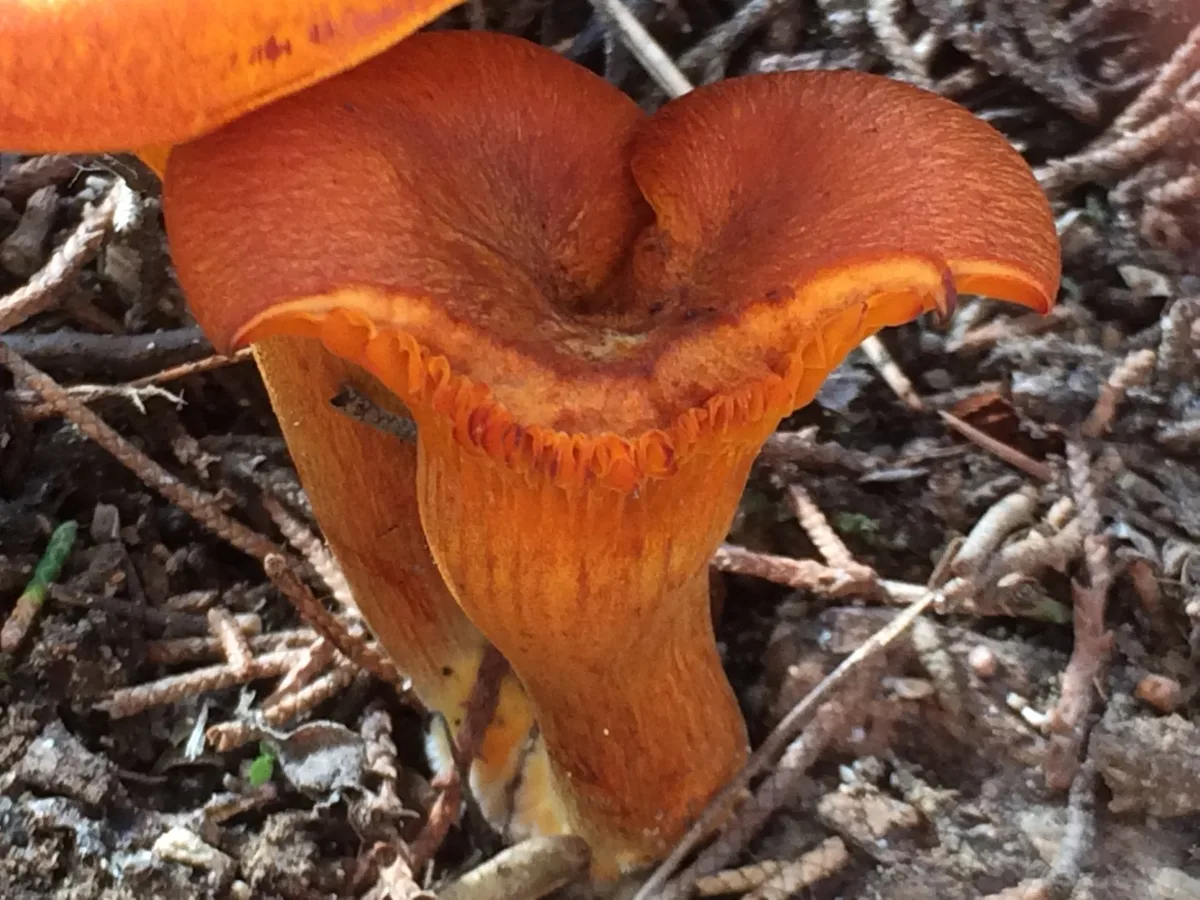 dbmhartley (CC0)
 © Björn S... (CC BY-SA 2.0)
 © Miha Jurić (CC BY)
 © Miha Jurić (CC BY)
 © Miha Jurić (CC BY)
 Johnniverse (CC0)
 Johnniverse (CC0)
 © Manuela Fiorini (CC BY)
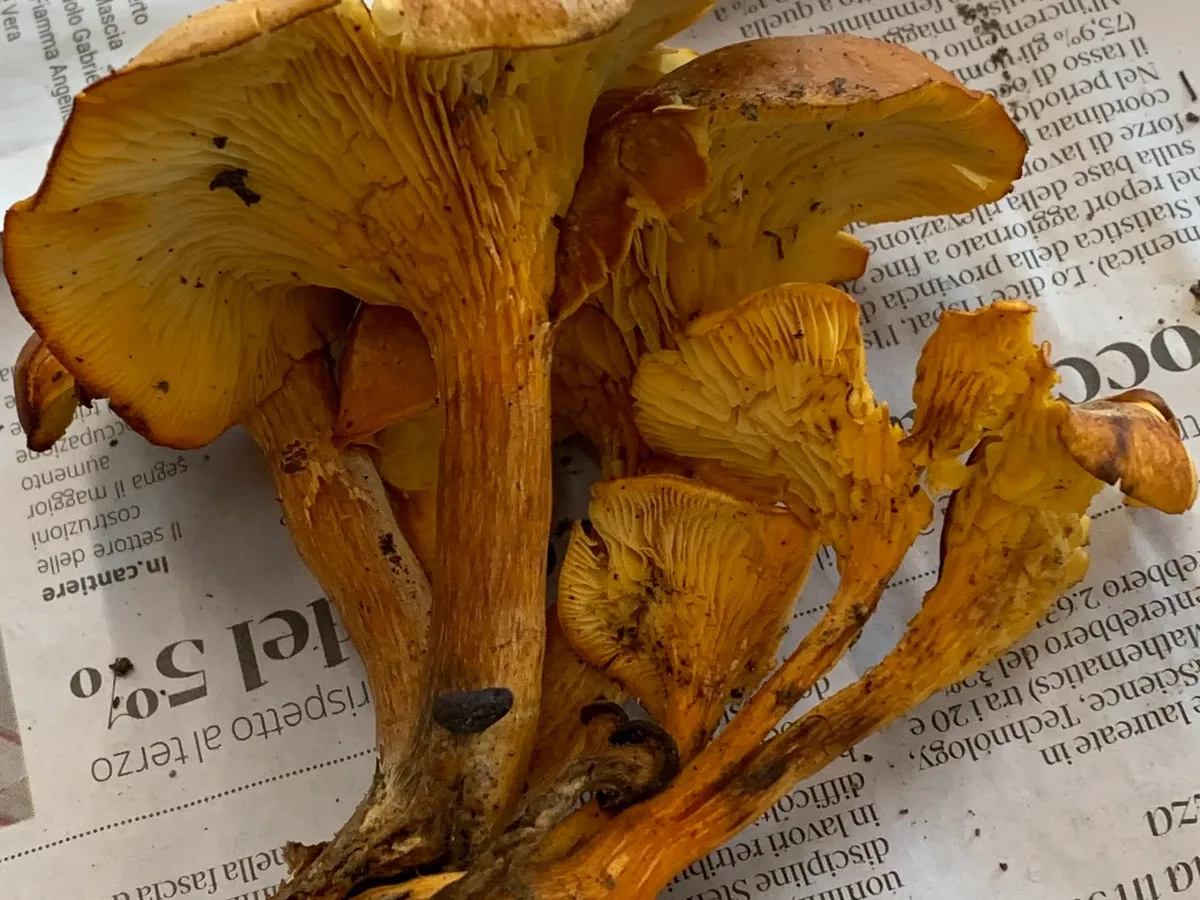 © Manuela Fiorini (CC BY)
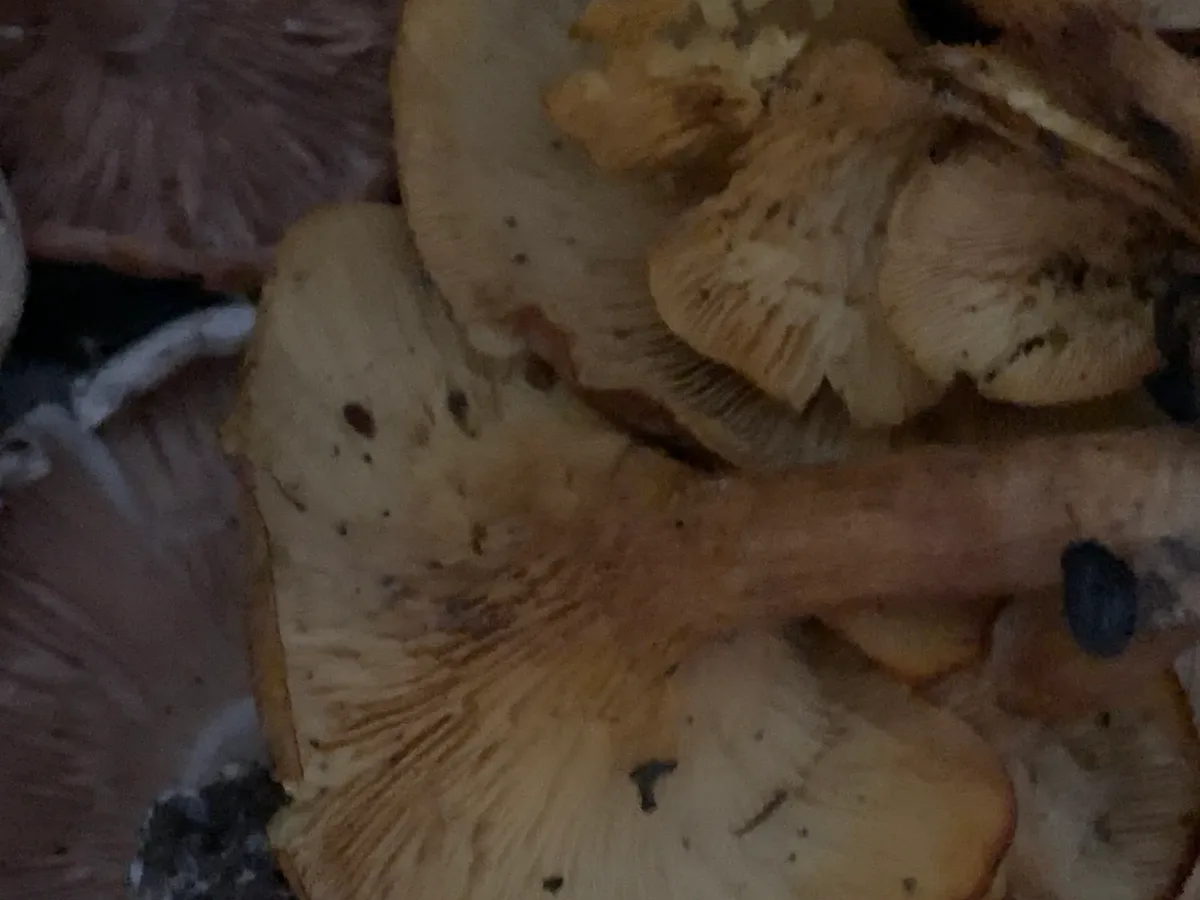 © Manuela Fiorini (CC BY)
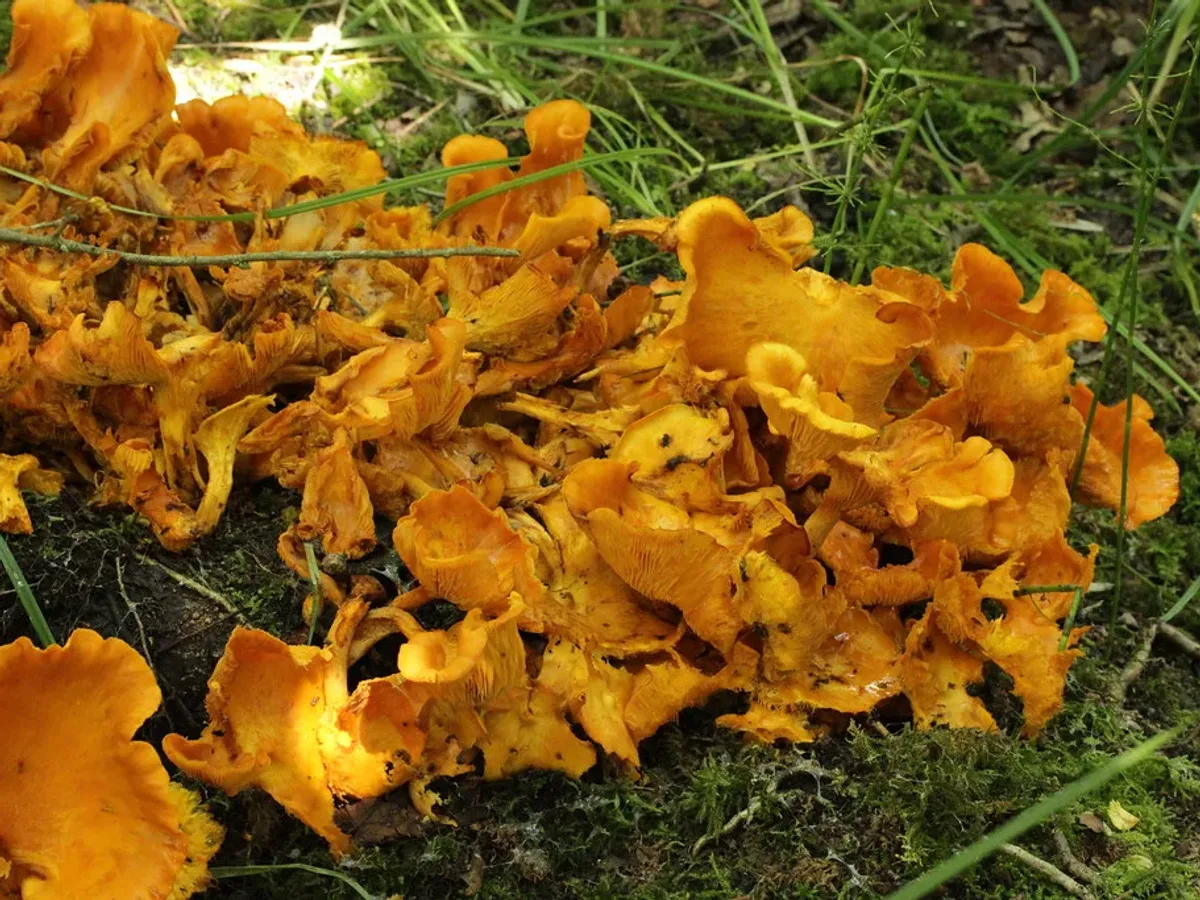 © Björn S... (CC BY-SA 2.0)
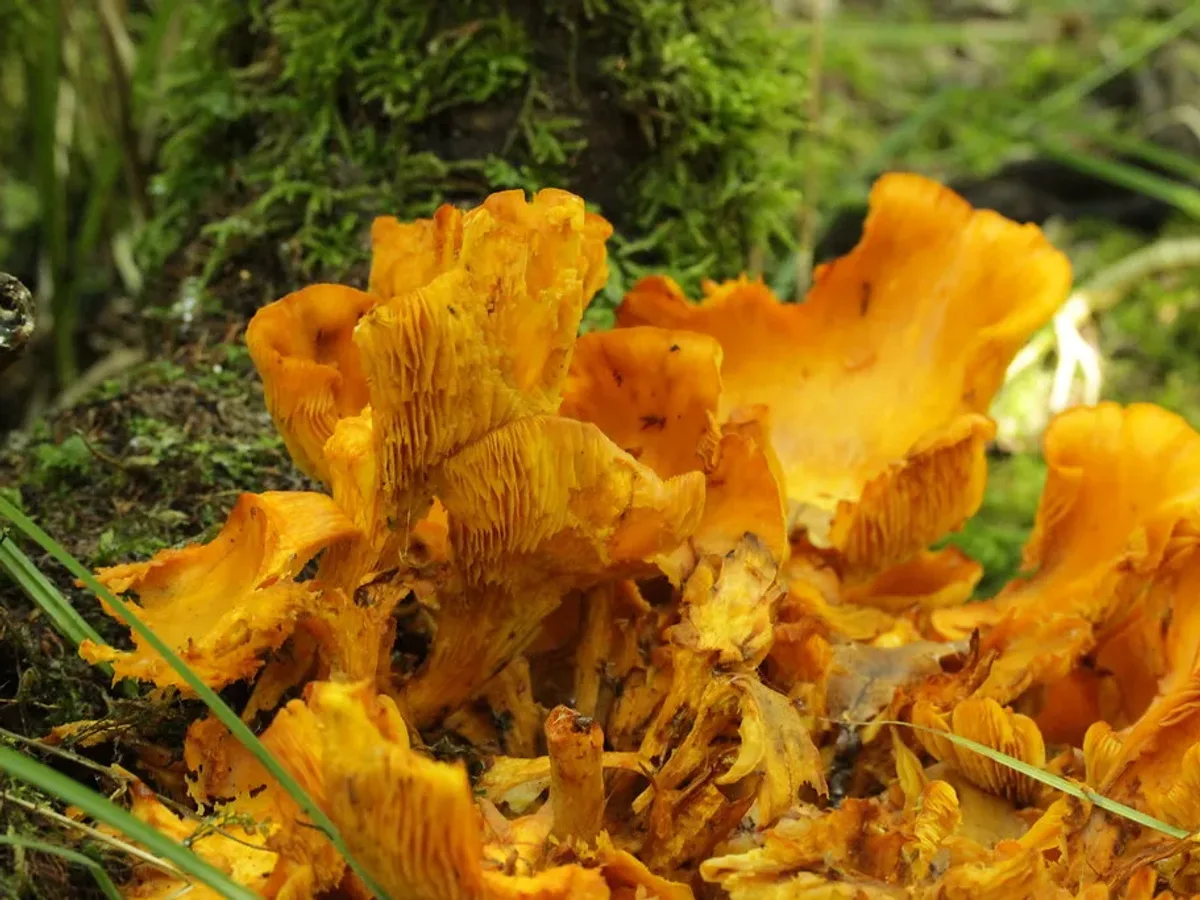 © Björn S... (CC BY-SA 2.0)
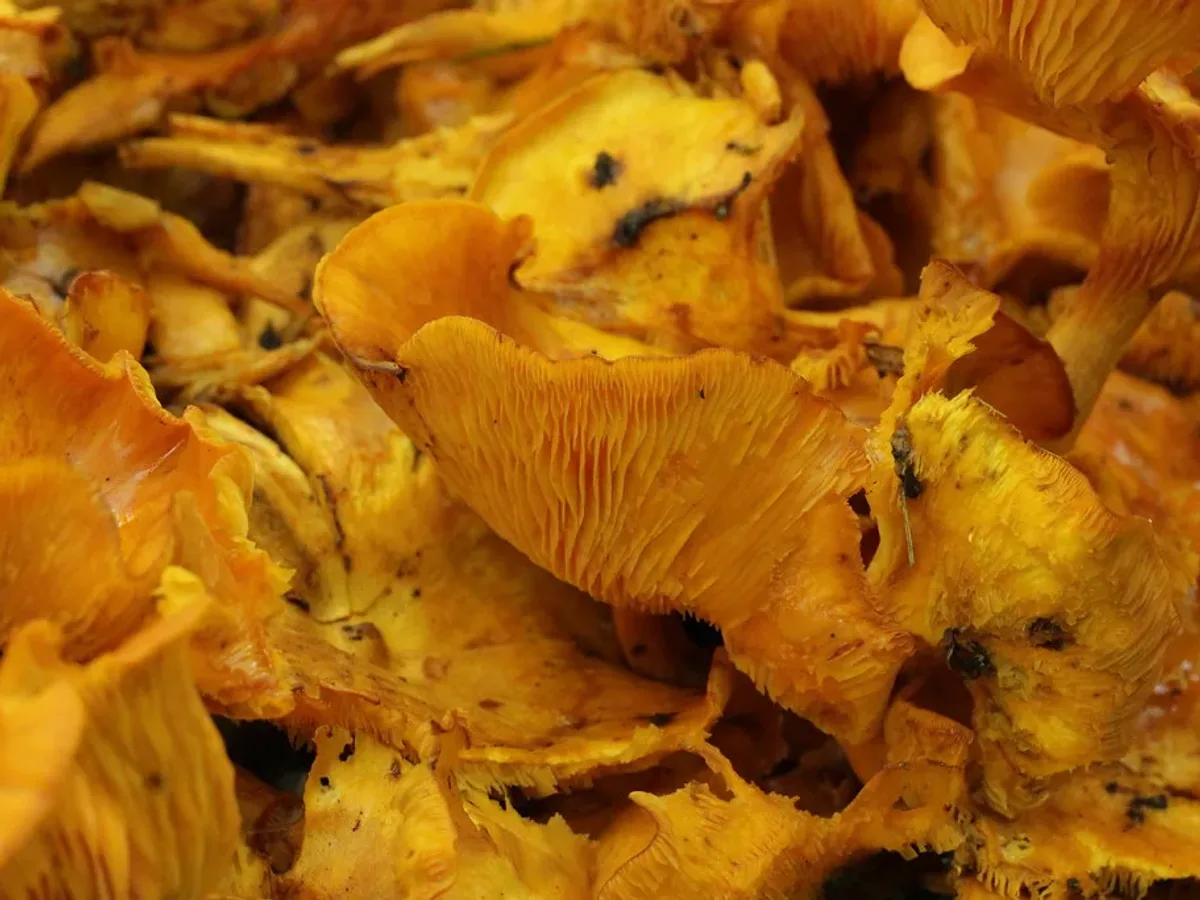 © Björn S... (CC BY-SA 2.0)
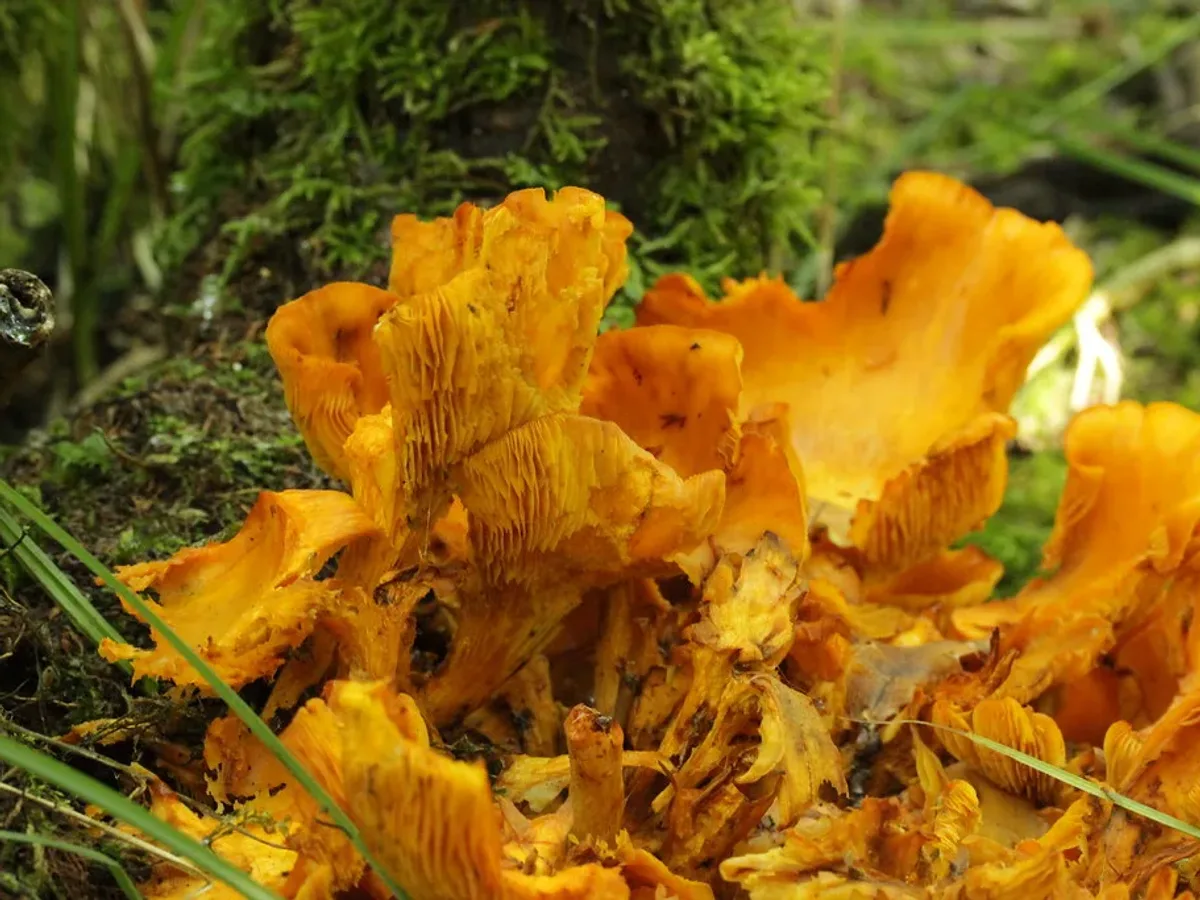 © Björn S... (CC BY-SA 2.0)
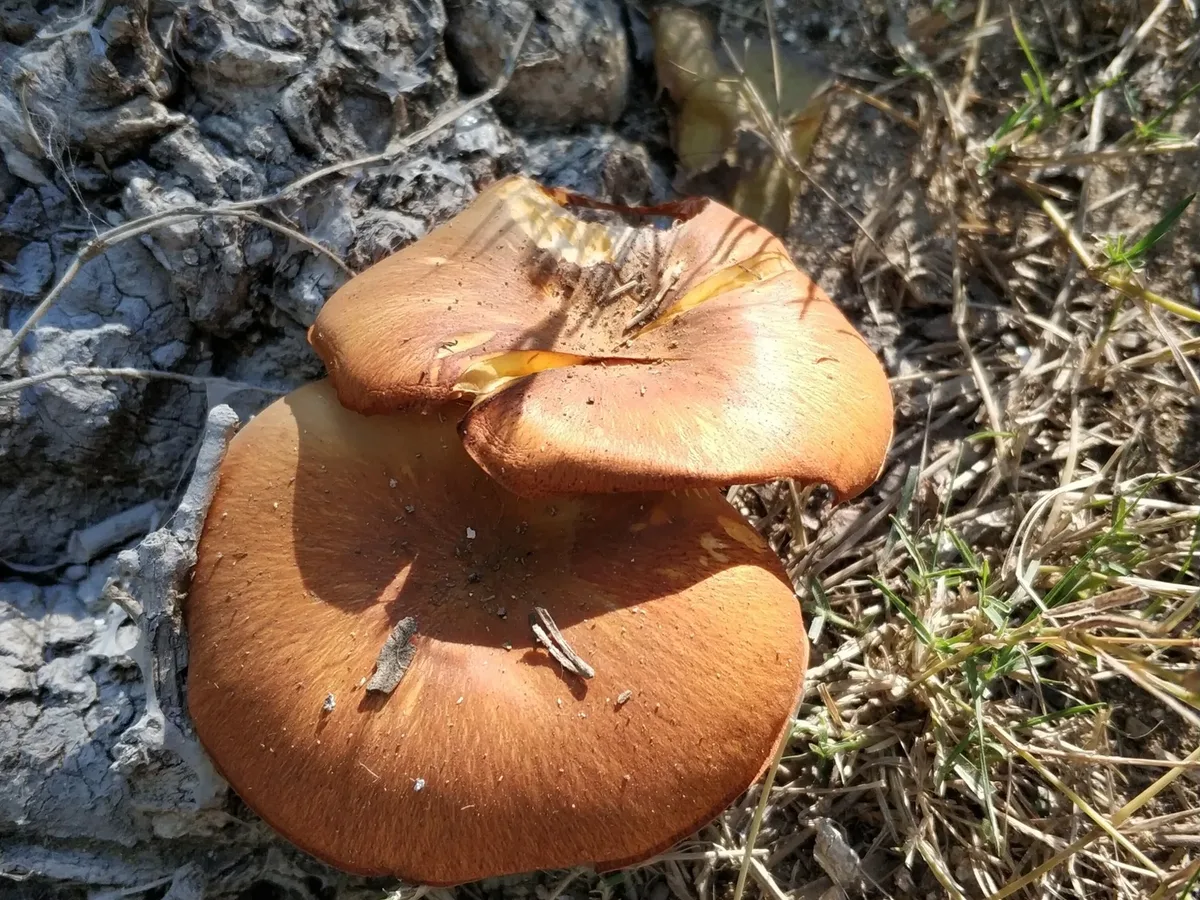 © Tandoğan ORUZ (CC BY 4.0)dbmhartley (CC0)© Björn S... (CC BY-SA 2.0)
Edible only with the right preparation - or safe for some people but not others. Learn the caveats first.
How to recognise it
Omphalotus olearius is one of the most visually arresting fungi of the Mediterranean autumn - a fruitbody that earns attention from fifty paces.
Cap
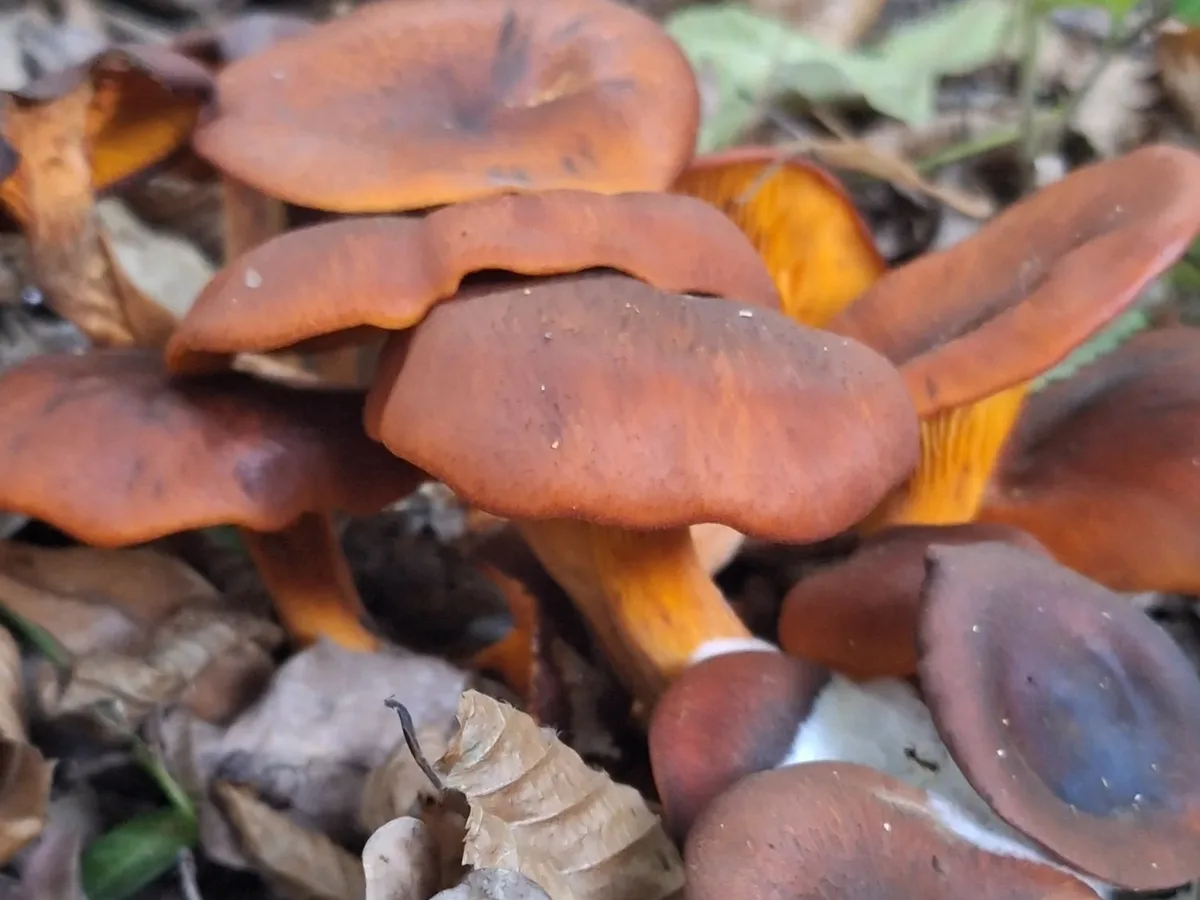
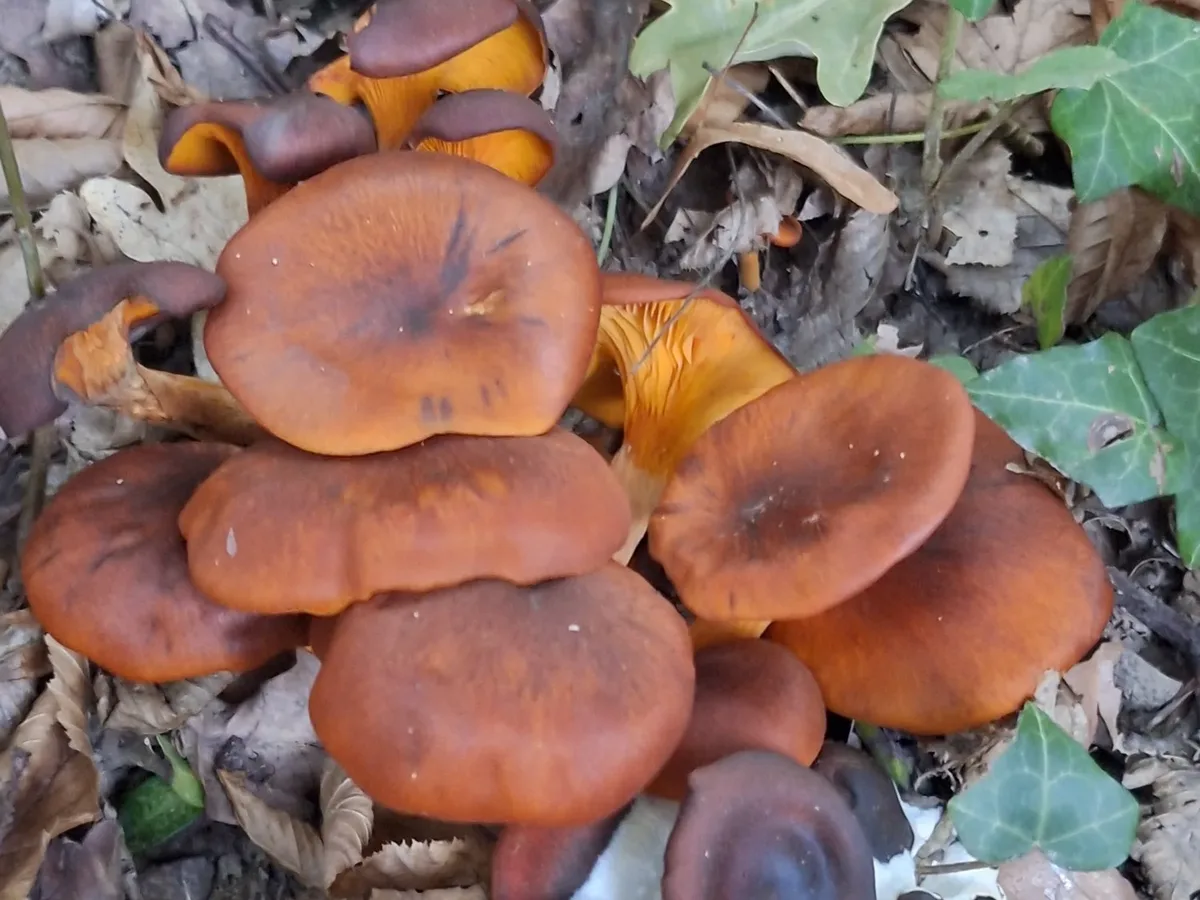
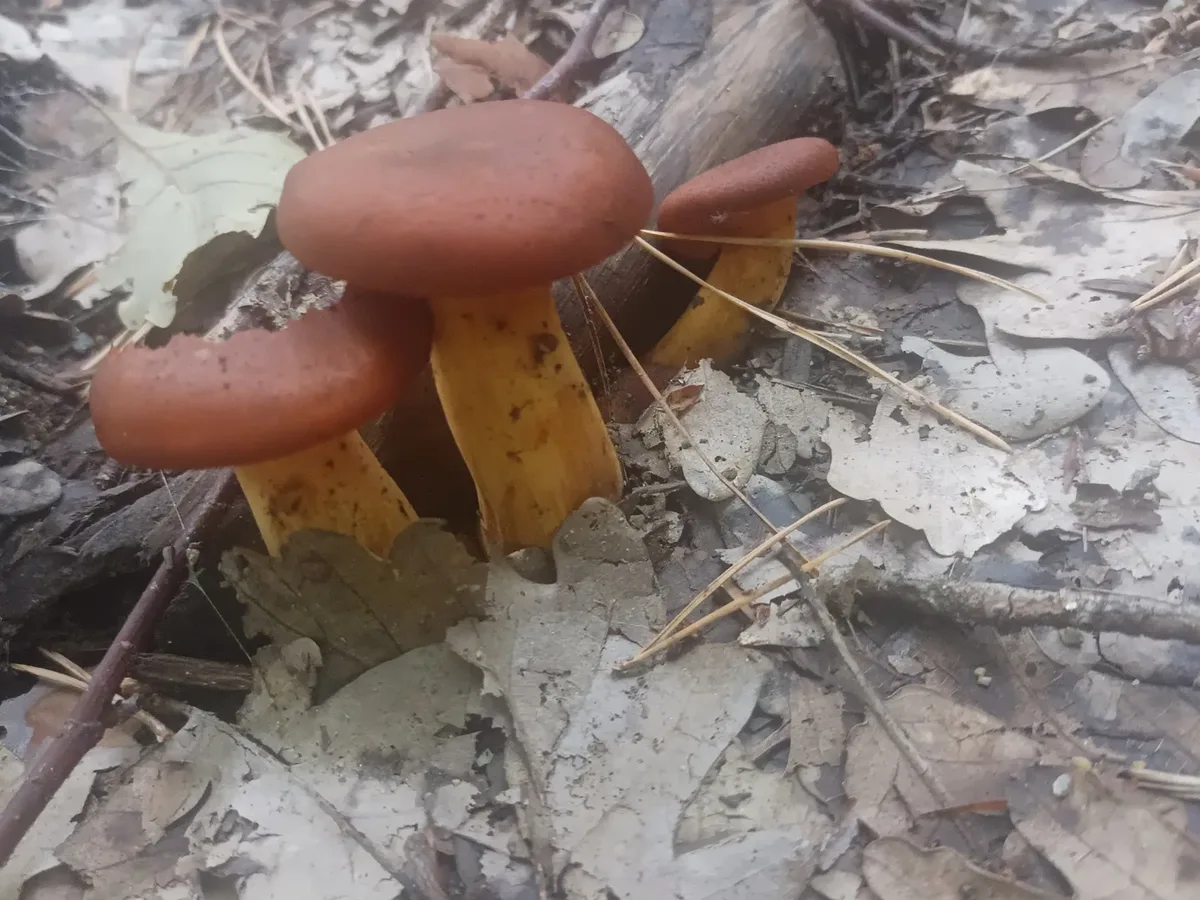
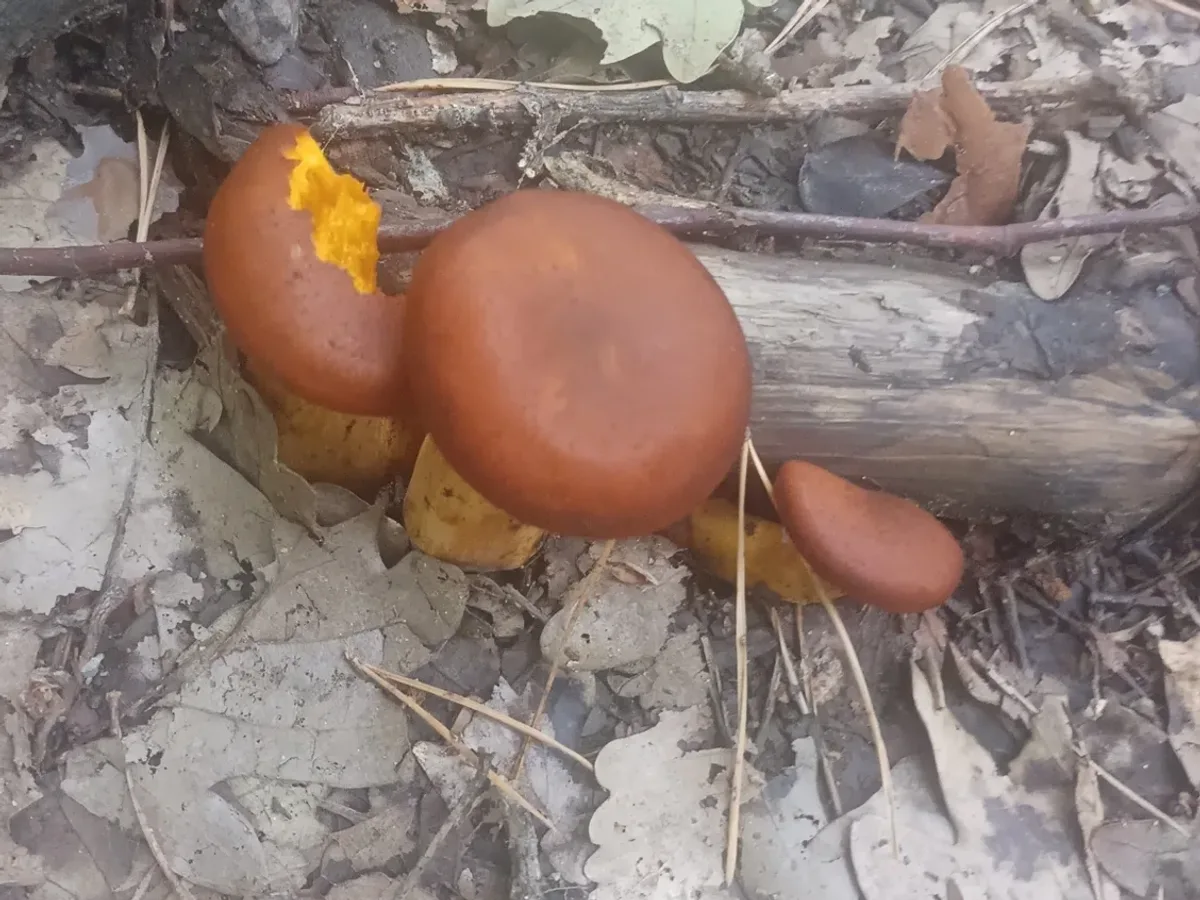
The cap begins convex and smoothly domed, deepening in colour as it ages from a vivid amber-orange to a rich tawny orange-brown. In old specimens the margin waves and lifts, and the centre sinks into a broad funnel.
Diameter ranges from 4 cm in juveniles to as much as 18 cm in fully developed caps, and a single cluster can contain a dozen individuals at different stages simultaneously.
The surface is dry and smooth, sometimes fibrous-streaky toward the margin, with no significant stickiness even after rain.
Gills
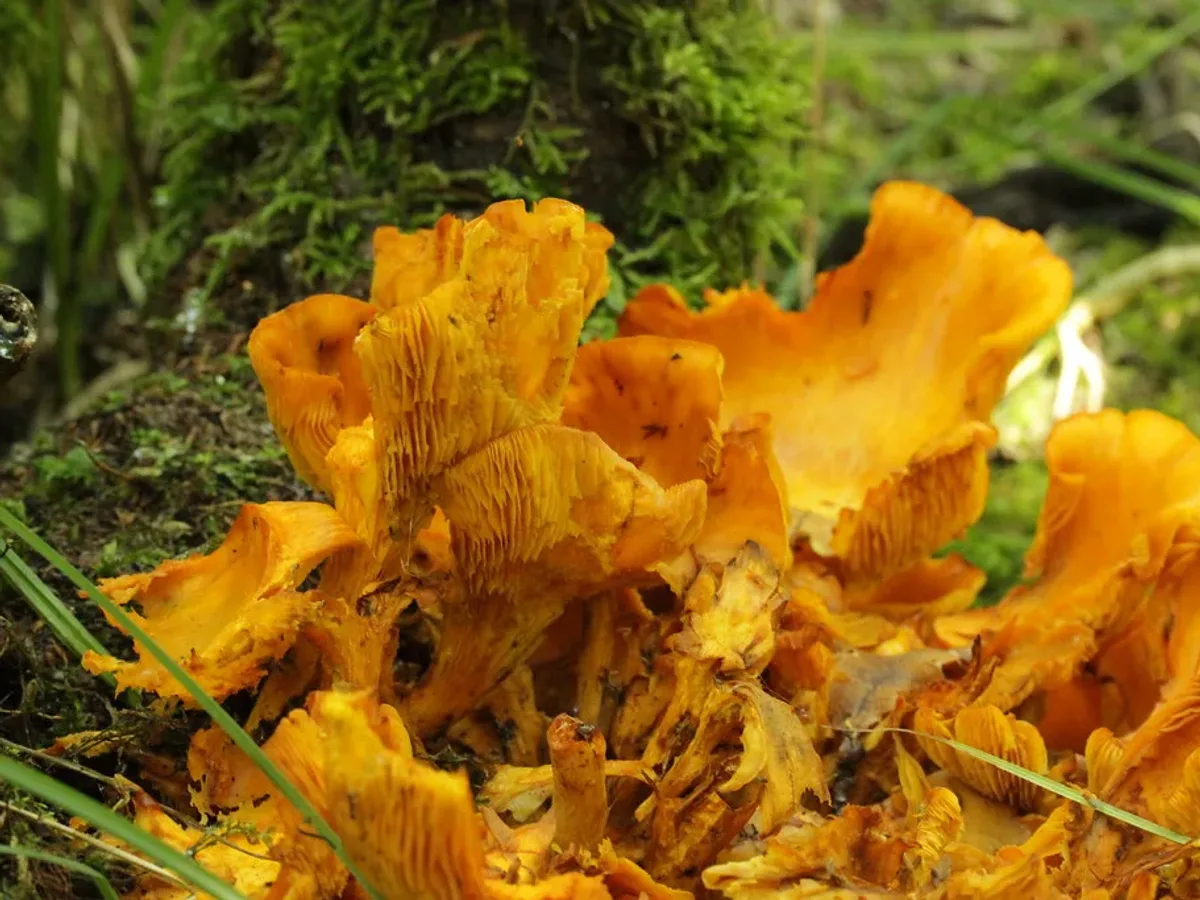
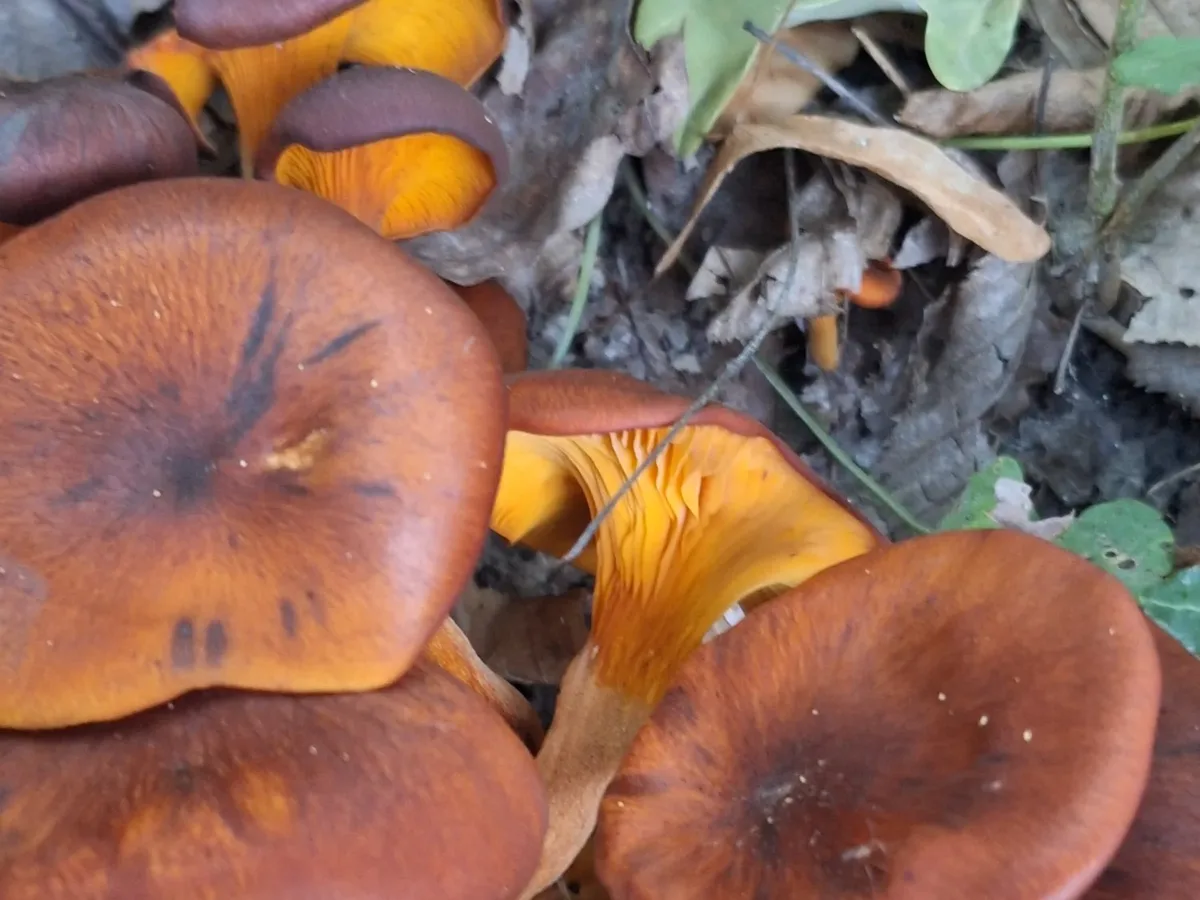
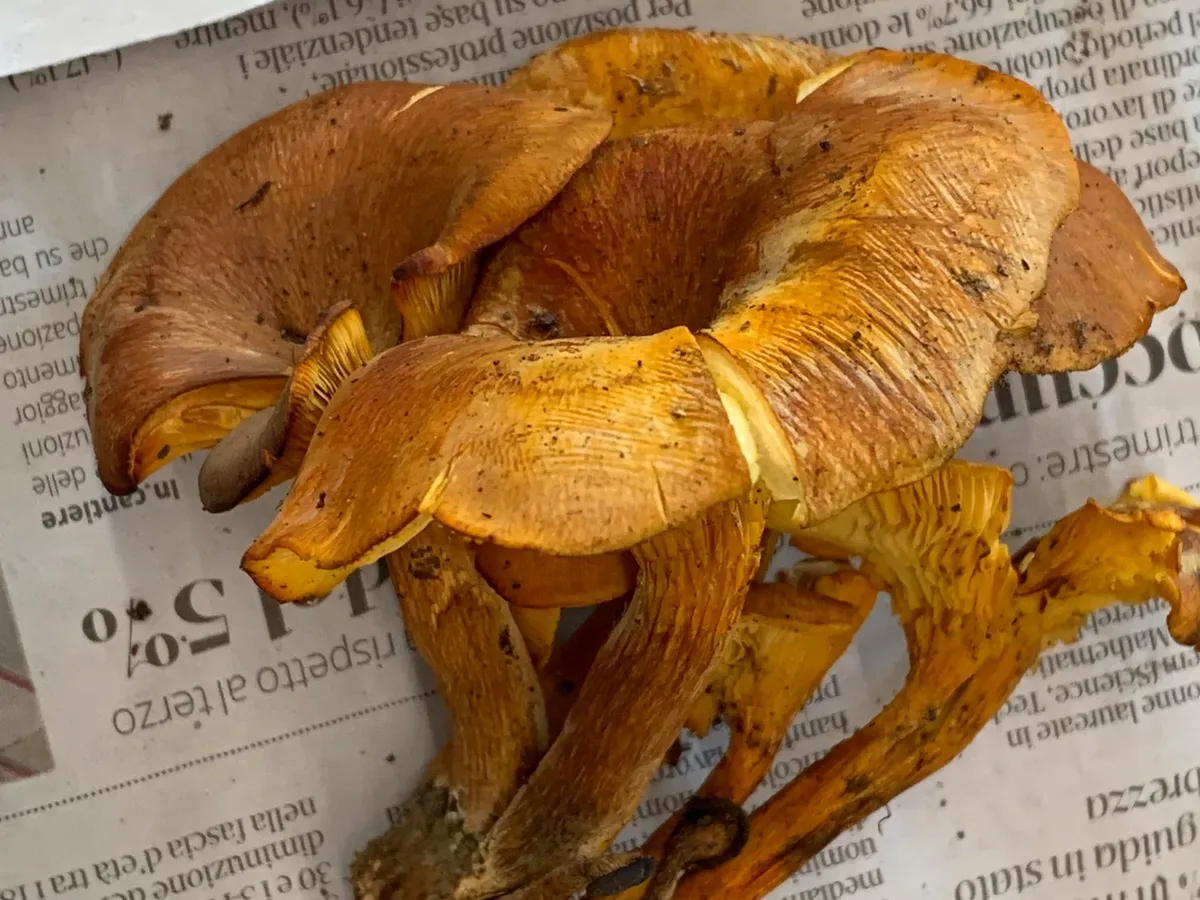
The gills are the defining structure: true, blade-like lamellae, densely packed, sharp-edged, uniformly orange, and emphatically decurrent - they run a noticeable distance down the stem rather than terminating at its junction.
They do not fork. Each gill is thin as paper when viewed edge-on. These are classical gills in the mycological sense, and the distinction matters enormously when separating this species from the chanterelle.
Flesh
Cut the stem crosswise and you find solid, fibrous flesh that is orange to pale yellow-orange throughout - not white, not cream.
The spore print is pale cream to white.
Bioluminescence - the faint cold green glow visible only in complete darkness for several minutes of dark-adaptation - is real and documented, generated by the same luciferase-luciferin chemistry found independently in several other fungal lineages. It is most reliable in fresh gills and fades as fruitbodies age.
Why it's dangerous
Omphalotus olearius is a confirmed poisonous species responsible for a significant, well-documented proportion of mushroom poisonings across Mediterranean Europe, with the overwhelming majority of cases attributable to confusion with the edible chanterelle.
It is not classified as deadly in the strict sense - direct fatalities in healthy adults are rare - but hospitalisation is a realistic outcome of eating even a modest quantity, and deaths have been recorded in children and in adults with compromised health.
The danger is compounded by how convincing the resemblance to chanterelle can appear at a glance, particularly when large clusters are found in wooded areas during the chanterelle season.
The species grows every year in the same locations, so once a misidentification has occurred at a site, it tends to recur in subsequent years if the forager does not learn the distinguishing features.
No part of this mushroom is safe at any preparation stage or in any quantity. The toxin (illudin S) is not neutralised by heat. There is no antidote; treatment is purely supportive.
If any possibility of ingestion exists - including tasting a raw fragment or eating a small amount from a dish that may have included this species - contact a poison control centre immediately. Do not wait for symptoms.
Toxin
The primary toxic agent in Omphalotus olearius is illudin S, a naturally occurring sesquiterpene first isolated from this species in the 1960s.
Illudin S is a highly reactive small molecule that alkylates DNA, disrupting cellular replication and causing direct cytotoxicity to rapidly dividing cells in the gastrointestinal epithelium - which explains why gut symptoms are the dominant clinical presentation.
Its mechanism is related to that investigated in cancer research: illudin S derivatives have been studied as experimental chemotherapy agents, a fact that underscores how biologically potent the compound is. In the context of ingestion, that cytotoxic activity targets the gut lining.
Illudin S is heat-stable. Its molecular structure is not denatured at cooking temperatures, meaning no culinary preparation renders it safe.
Muscarine is a secondary toxin, present at concentrations lower than those found in Amanita muscaria or Inocybe species but sufficient to add cholinergic effects to the syndrome - increased glandular secretions, slowed heart rate, and gut hypermotility.
The combination of illudin-S-driven epithelial damage and muscarine-driven cholinergic stimulation produces the characteristically violent and rapid gastrointestinal response observed in poisoning cases.
Symptoms
Symptoms of Omphalotus olearius poisoning are dominated by severe gastrointestinal distress and typically begin within one to two and a half hours of eating the mushroom - an onset rapid enough that the meal is still being digested when vomiting starts.
The initial presentation is nausea, which escalates quickly to forceful, repeated vomiting, followed by intense abdominal cramping and profuse, watery diarrhea. All three symptoms can occur simultaneously and are often described by patients as among the most violent gastrointestinal experiences they have had.
Fluid loss during the acute phase can be substantial. Dehydration with electrolyte imbalance is the primary clinical risk, and intravenous fluid replacement is frequently required, particularly in patients who cannot keep any liquid down.
Some patients also exhibit muscarinic features: excessive sweating, salivation, lacrimation, and, in a minority, bradycardia (slowed heart rate) or bronchospasm - consistent with the muscarine content of the species.
The acute syndrome typically runs its course over 24 to 48 hours; most patients begin to recover once vomiting stops and oral hydration becomes possible.
In healthy adults, direct fatality from Omphalotus olearius poisoning is rare, but deaths have been recorded in vulnerable individuals, and severe cases requiring intensive supportive care are well-documented in the European clinical literature.
Any suspected ingestion warrants immediate contact with a poison control centre, regardless of whether symptoms have yet appeared.
Staying safe
Omphalotus olearius is poisonous and must never be eaten. It contains illudin S, a heat-stable sesquiterpene, as the primary toxin, and muscarine as a secondary contributor.
The illudin remains fully active after boiling, frying, drying, or any other culinary preparation - there is no safe processing method.
Symptoms typically begin between one and two and a half hours after ingestion and consist of severe gastrointestinal distress: profuse vomiting, abdominal cramping, and watery diarrhea.
The rapidity and violence of the onset can cause significant fluid loss. In otherwise healthy adults the syndrome is rarely directly lethal, but dehydration requiring intravenous fluid replacement is a realistic outcome, particularly in children, the elderly, or those with pre-existing health conditions.
The muscarine component adds cholinergic effects in some patients - increased salivation, sweating, and bradycardia. Symptoms typically resolve over 24 to 48 hours with supportive care, but the experience is described uniformly as severe.
Omphalotus olearius is consistently listed among the top causes of hospitalisation from mushroom poisoning in Mediterranean Europe.
If ingestion is suspected, contact a poison control centre or emergency service immediately; do not wait for symptoms to develop. Early medical intervention can reduce severity. The species is never safe in any quantity, and tolerance does not develop.
Where & when it grows
Habitat
Omphalotus olearius is a saprotrophic wood-decay fungus with a strong affinity for the Mediterranean basin's characteristic hardwood landscapes.
Its epithet, olearius, is unambiguous: this is the mushroom of the olive tree. In regions where old olive groves persist - southern France, Italy, Spain, Greece, the Levant, North Africa - it is reliably found at the base of ancient trunks, or from buried root systems that may extend several metres from any visible stump.
It also colonises oak, chestnut, and beech, extending its range into the mixed-deciduous zones that border the Mediterranean proper.
The key ecological fact is that Omphalotus olearius is always attached to wood, without exception. When it appears to emerge from bare soil it is fruiting from a buried root or a decayed root fragment concealed below the surface; close examination - or gentle excavation - will always reveal the connection.
The mycelium occupies dead or dying heartwood, breaking down lignin with white-rot enzymes, and the same buried substrate can sustain fruiting bodies year after year from the same mycelial network.
This persistence on fixed wood is one of the features that distinguishes it in the field from mycorrhizal species such as the chanterelle, which tracks the living root-tip chemistry of its tree partner and can appear anywhere on the forest floor.
When
The fruiting window runs from late summer through to early winter, typically August to November across the Mediterranean range, with the peak flush in October when autumn rains meet soil that has not yet cooled to winter temperatures.
Fruitbodies can appear as early as August in years with early rain after the dry summer, or persist into December in mild coastal localities.
The trigger is straightforward: the soil needs at least 20 mm of accumulated rainfall over the preceding two weeks, and soil temperatures should sit between roughly 10 and 22 °C. At the height of summer, even after rain, soil above 22-23 °C suppresses fruiting.
In a warm, wet autumn, multiple flushes from the same mycelial base are possible, with new clusters emerging from the same attachment point within days of the previous ones collapsing.
The lag between adequate rain and visible fruitbodies is typically five to fourteen days, reflecting the time needed for the mycelium to redirect resources into sporophore development.
How it grows
Omphalotus olearius fruits in conspicuous, tightly packed clusters that share a common base - a growth habit technically called caespitose. Individual stems within a cluster are fused or pressed together at their bases, arising from the same point on the host wood or root.
This architecture is not accidental. The fruitbodies are extensions of a single mycelial network concentrated at the decayed wood mass, and the simultaneous emergence of many sporophores from one point maximises spore dispersal from a fixed substrate.
Clusters routinely contain five to thirty individual caps, occasionally more. In favourable years, at the base of a large olive or oak stump, the entire structure can weigh several kilograms.
Smaller, satellite clusters sometimes appear a short distance away where a lateral root has been colonised, giving the impression of multiple independent colonies.
The fruitbodies develop rapidly after rain, rising from visible primordia to mature caps in three to seven days under mild, moist conditions. They are not long-lived: mature fruitbodies begin to collapse and darken within a week to ten days unless the weather stays cool and humid.
Fruiting conditions
Wood-decay saprophyte fruiting from late summer into autumn after rain; conservative standard-mycology estimate, not stated in the source.
Look-alikes
The most dangerous lookalike is the golden chanterelle (Cantharellus cibarius), and the confusion drives the great majority of Omphalotus poisonings. The separation rests on three features, each independently diagnostic:
- 1Gill structure. Omphalotus has true, sharp, blade-like, unforked lamellae; Cantharellus has blunt, repeatedly forking, rib-like false gills (pseudo-lamellae). No other feature is needed if the underside is examined carefully, even in the field without magnification.
- 2Substrate and growth habit. Omphalotus always grows from wood (stumps, buried roots, the base of a hardwood trunk) in dense, fused clusters. Cantharellus grows singly or loosely scattered from mineral soil, never from wood, never in tight caespitose bundles.
- 3Bioluminescence. In complete darkness, fresh Omphalotus gills glow faint green; Cantharellus gills do not.
A secondary comparison sometimes made is with chicken of the woods (Laetiporus sulphureus/cincinnatus), which is also a wood-growing orange fungus. But Laetiporus is a bracket or shelf fungus with pores on its underside (no gills of any kind) and is edible, making confusion unlikely for anyone with basic familiarity with gill fungi.
The spore print of Omphalotus olearius is white to pale cream. Chanterelles also produce a pale to cream print, so spore print alone does not separate them, but it quickly eliminates other candidates.
The chanterelle has blunt, forked false gills (ridges), grows solitary/scattered rather than in dense clusters, and is mycorrhizal (grows from soil, not on wood). The jack-o'-lantern has true, sharp, paper-like, unforked gills, grows in clumps on wood, and glows faintly green in the dark.
Compared to the jack-o'-lantern by its orange coloring, but Laetiporus is a bracket/shelf fungus with pores on the underside rather than gills.
A reference guide - never an edibility guarantee. When in doubt, leave it out.