Ghost fungus
Omphalotus nidiformissyn. Pleurotus nidiformis, Pleurotus lampas
 © CazzJj (CC BY 2.0)
 © CazzJj (CC BY 2.0)
 © Sofia Zvolanek (CC BY)
 © Sofia Zvolanek (CC BY)
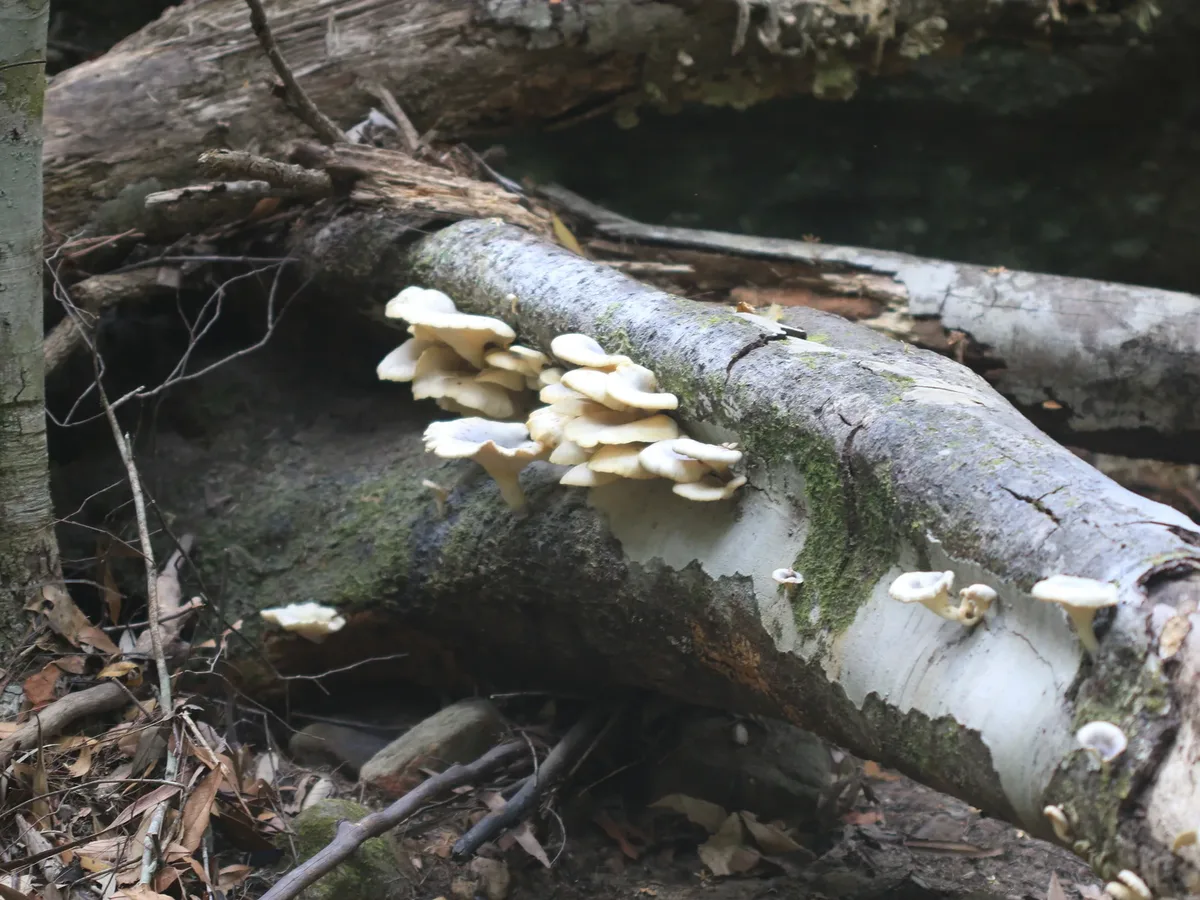 © Sofia Zvolanek (CC BY)
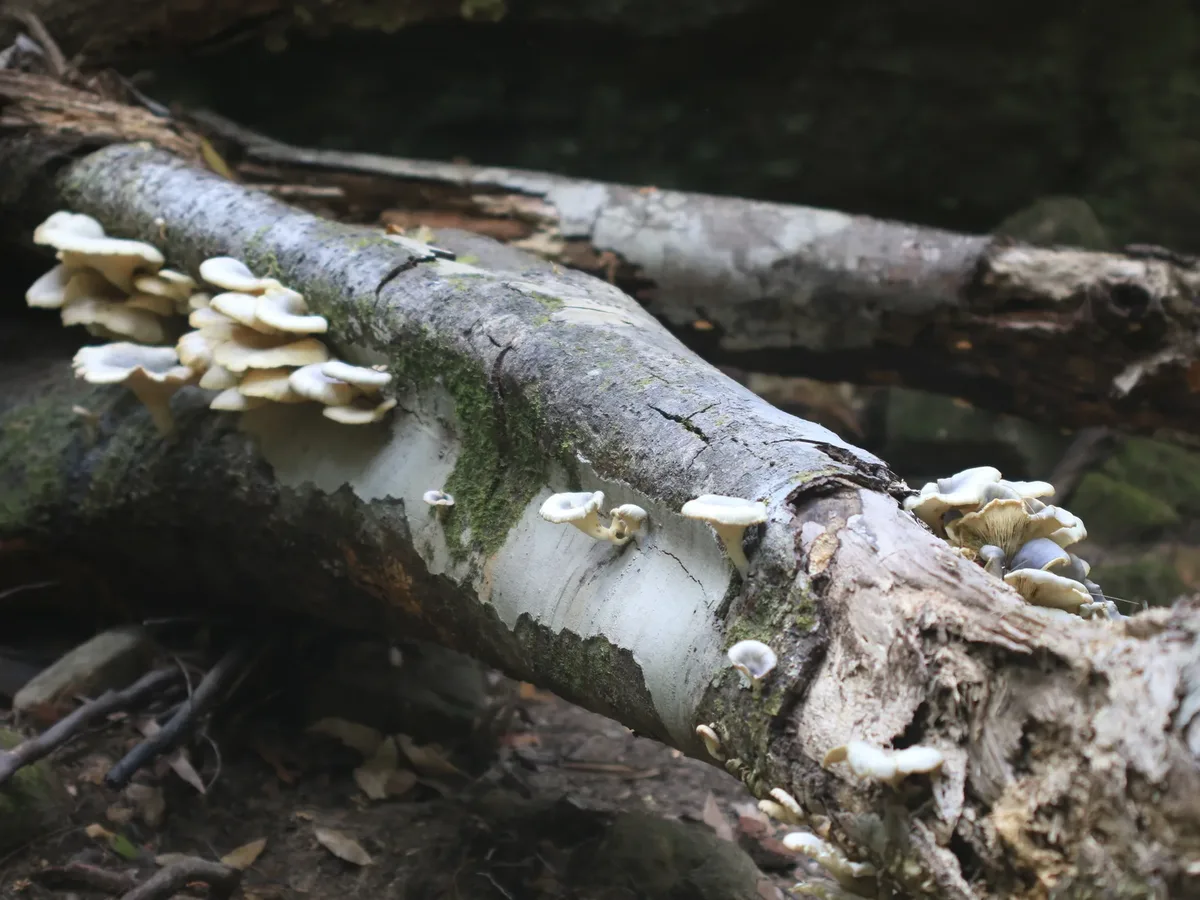 © Sofia Zvolanek (CC BY)
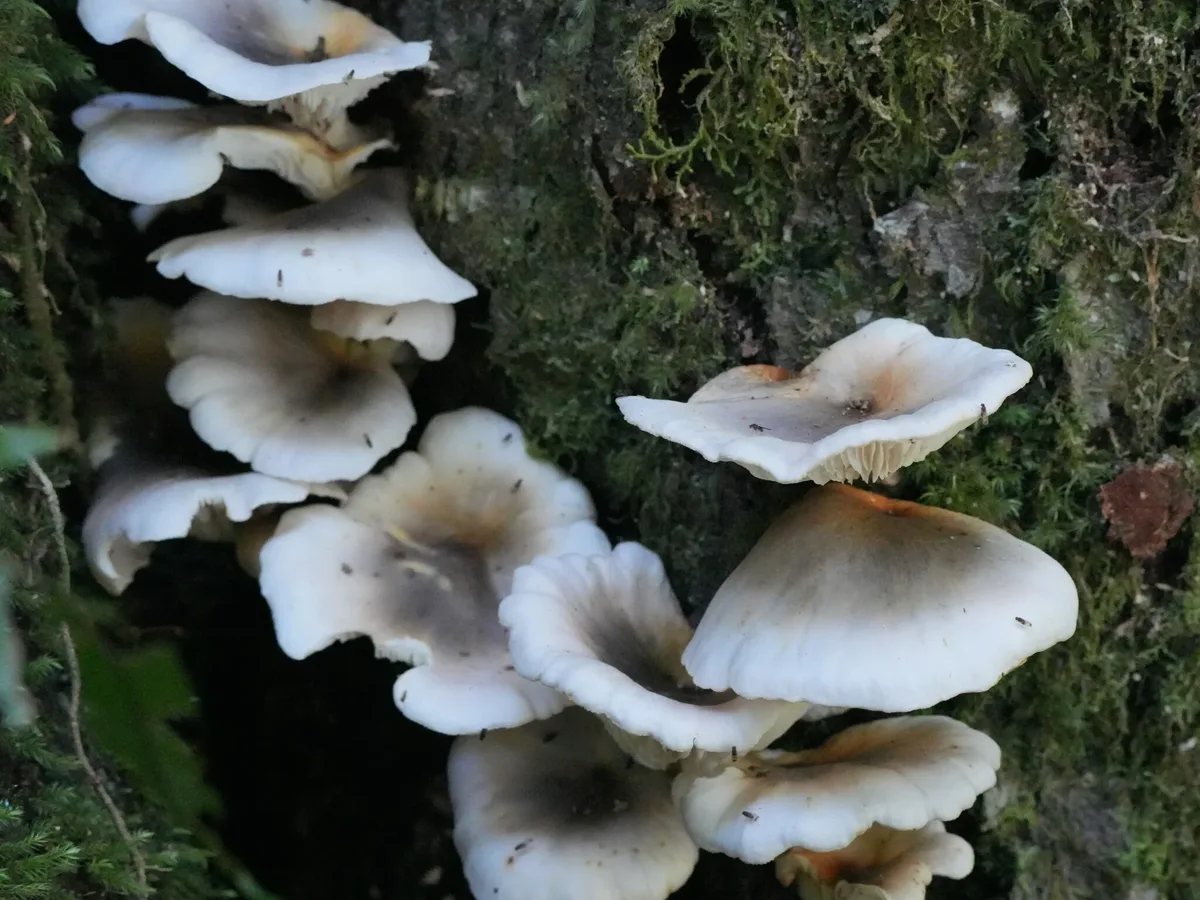 themaskedlapwing (CC0)
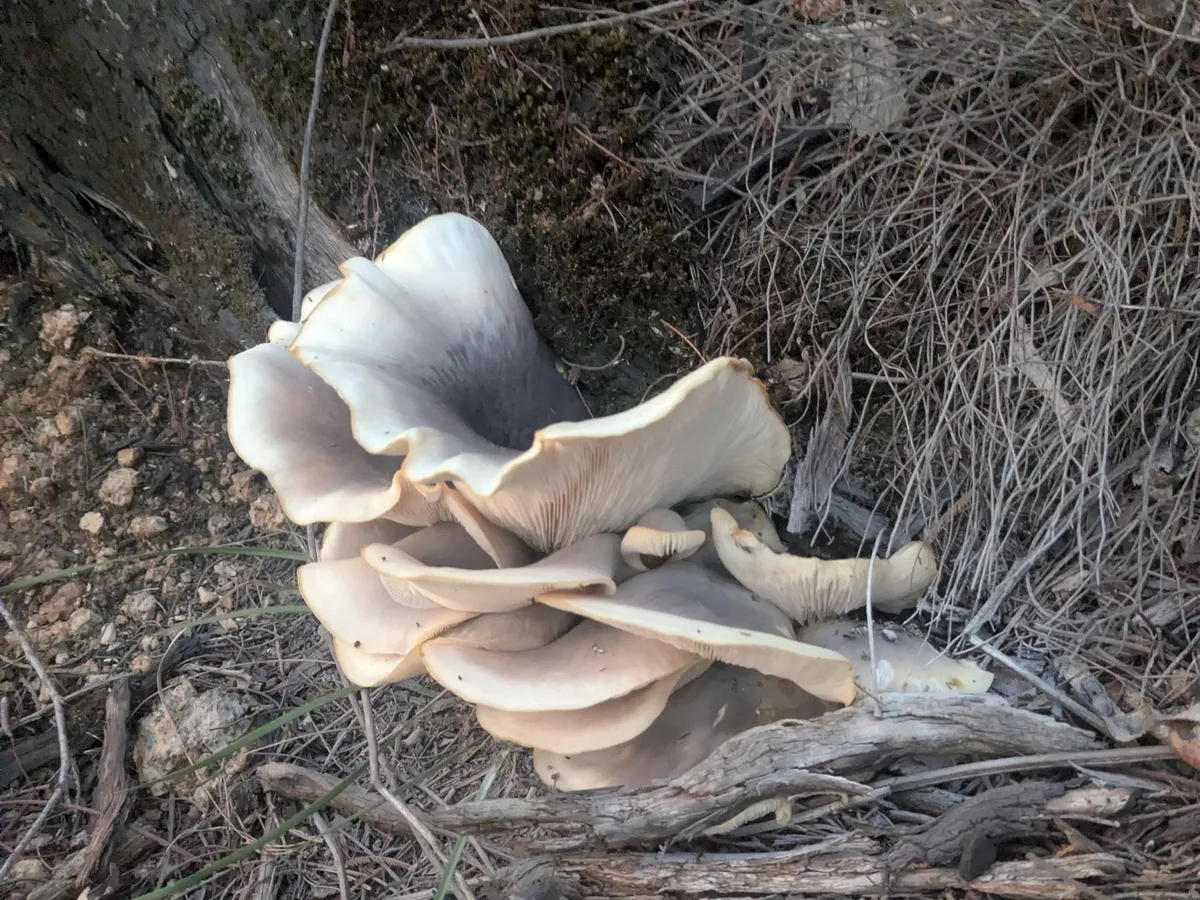 Riley (CC0)
 Riley (CC0)
 Riley (CC0)
 © Nina Kerr (CC BY)
 © CazzJj (CC BY 2.0)
 © CazzJj (CC BY 2.0)
 © CazzJj (CC BY 2.0)
 © CazzJj (CC BY 2.0)
 © CazzJj (CC BY 2.0)
 © CazzJj (CC BY 2.0)© CazzJj (CC BY 2.0)© CazzJj (CC BY 2.0)
Edible only with the right preparation - or safe for some people but not others. Learn the caveats first.
How to recognise it
Omphalotus nidiformis is one of the larger agarics in the Australian bush.
Cap
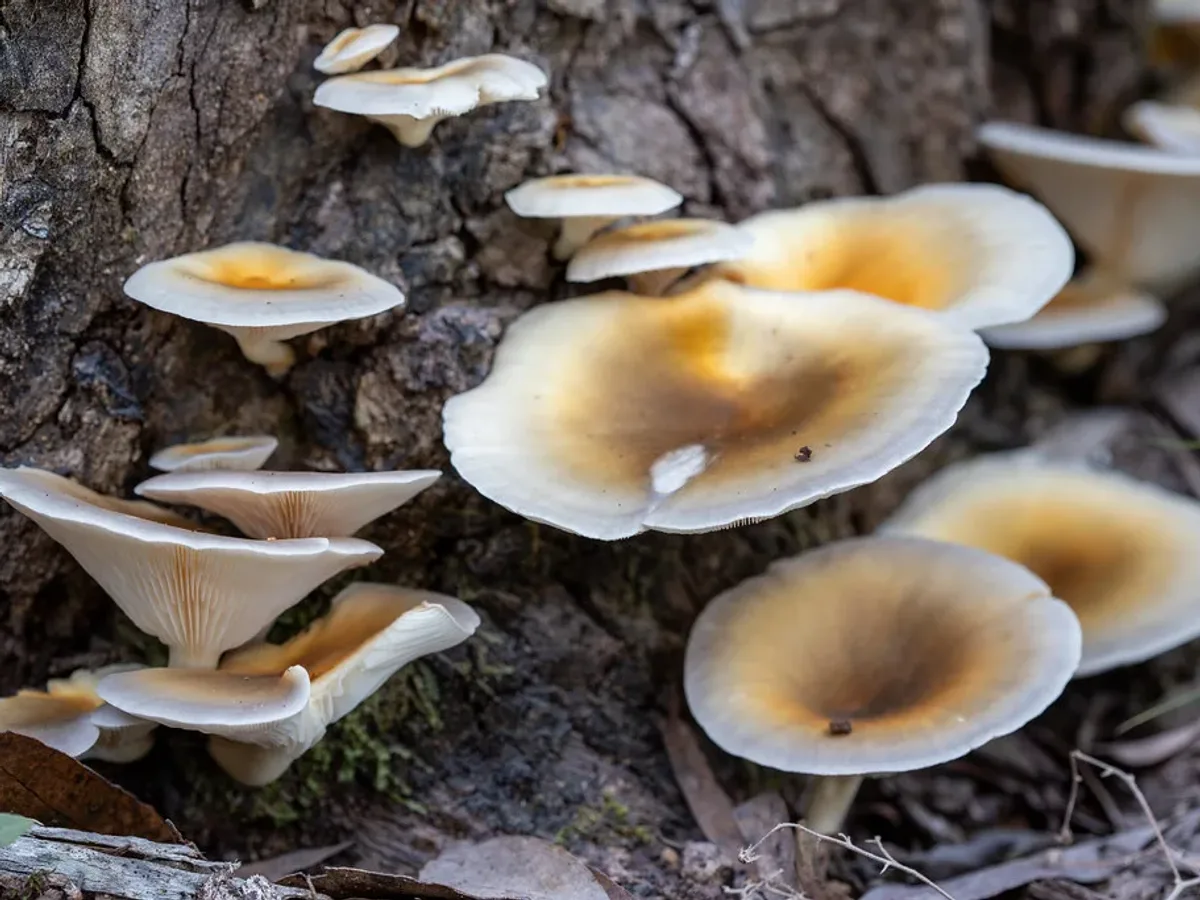
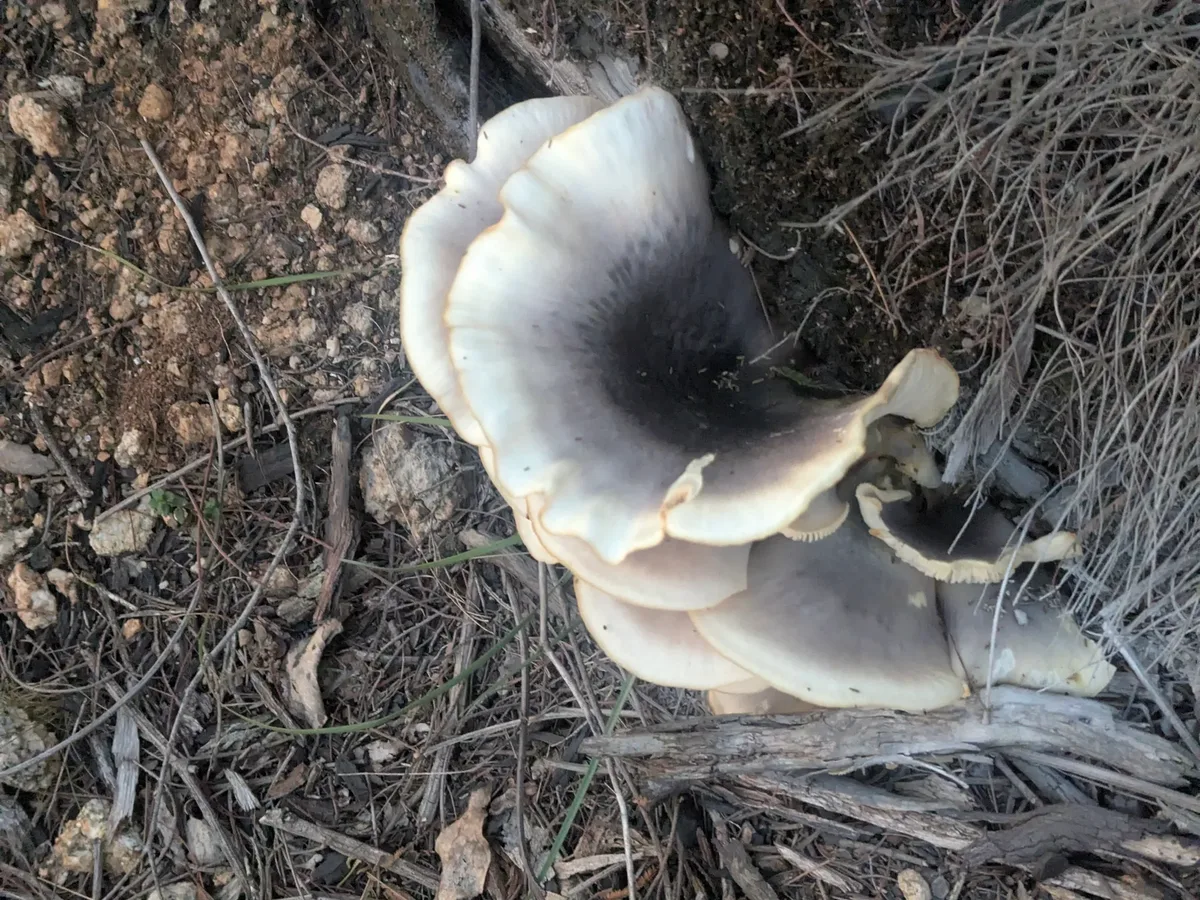
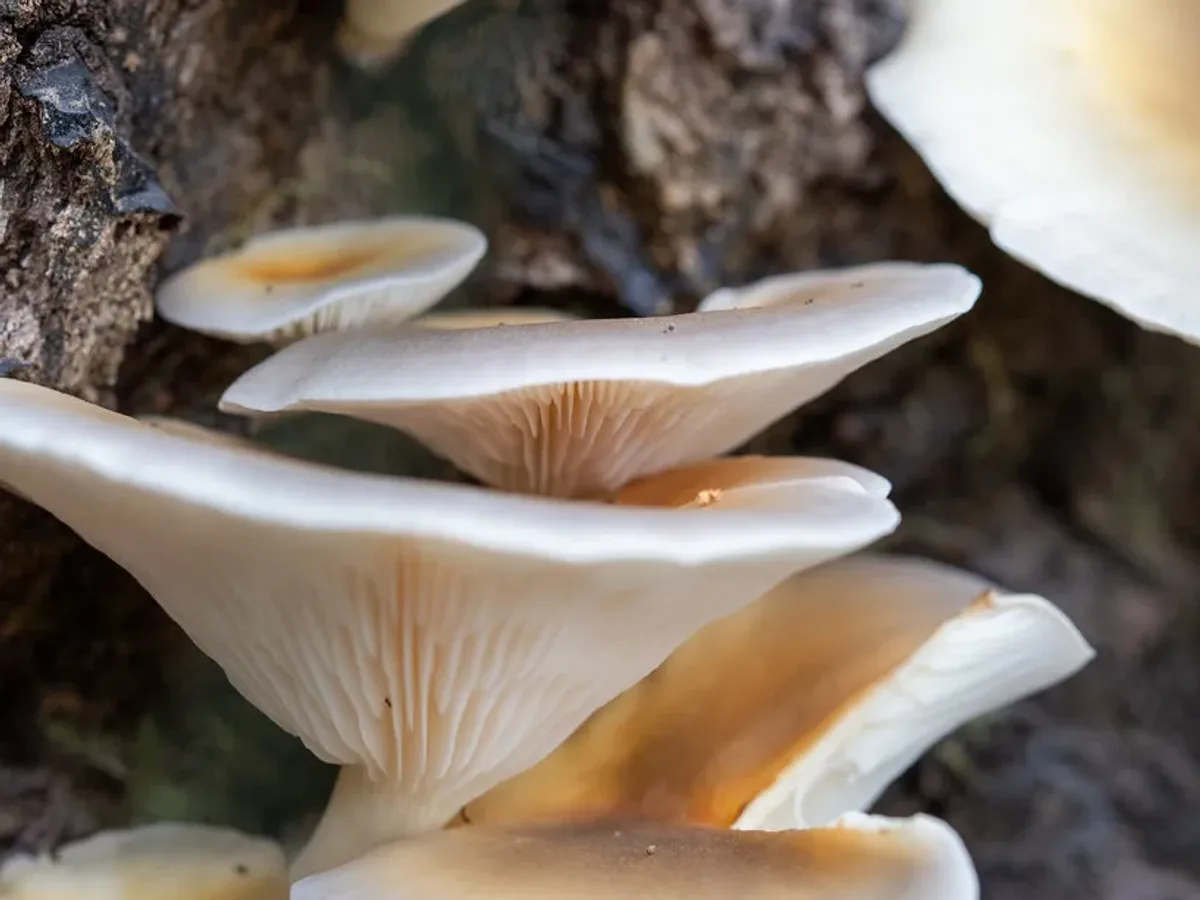
The cap begins convex or shell-shaped and flattens into an oyster or broad funnel, reaching 8-30 cm across on mature specimens - wide enough to cup in two hands.
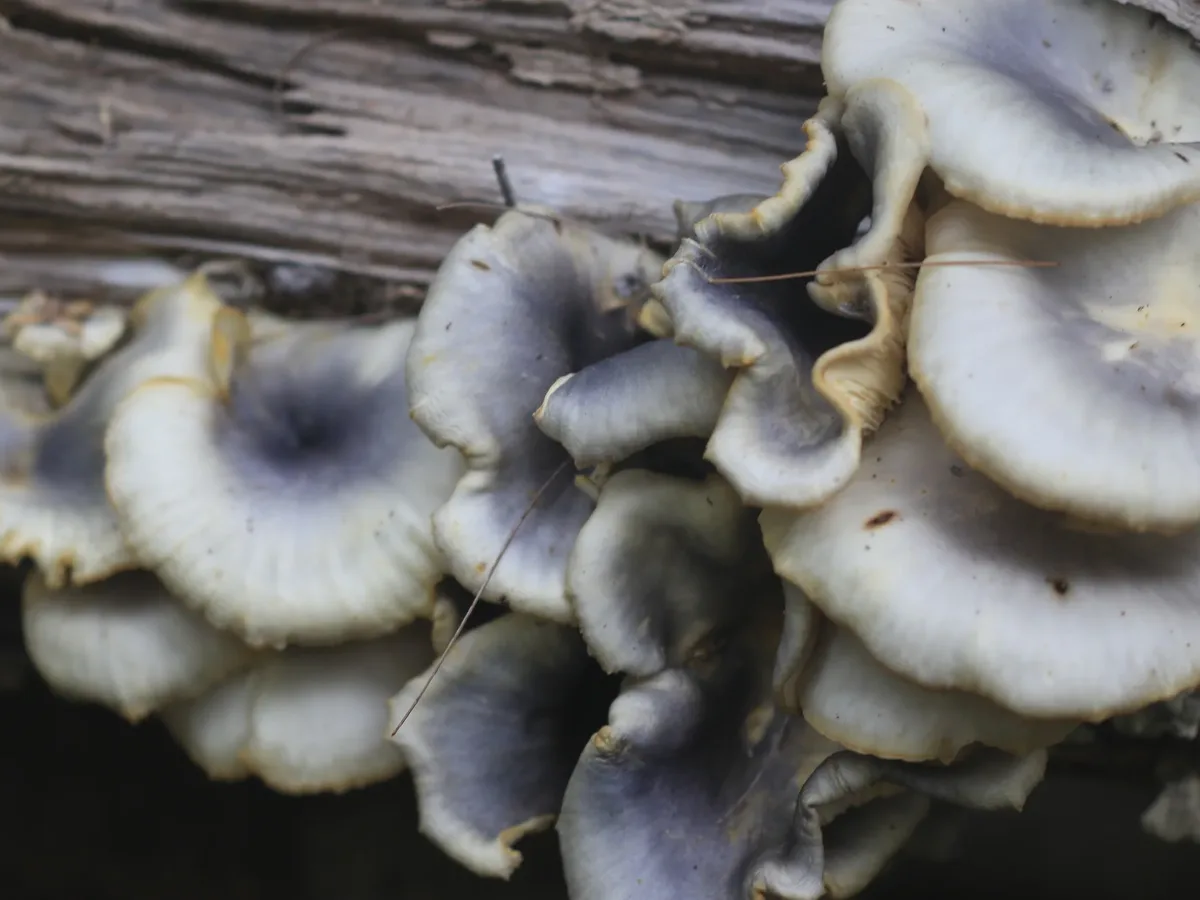
Colouration is variable: younger caps tend toward cream, ivory or pale grey-buff; older ones often develop smoky brown, grey-lavender or even pinkish-tan tones, and the surface can appear slightly greasy or waxy when wet.
The margin is typically inrolled in youth and may become wavy or lobed with age.
Gills
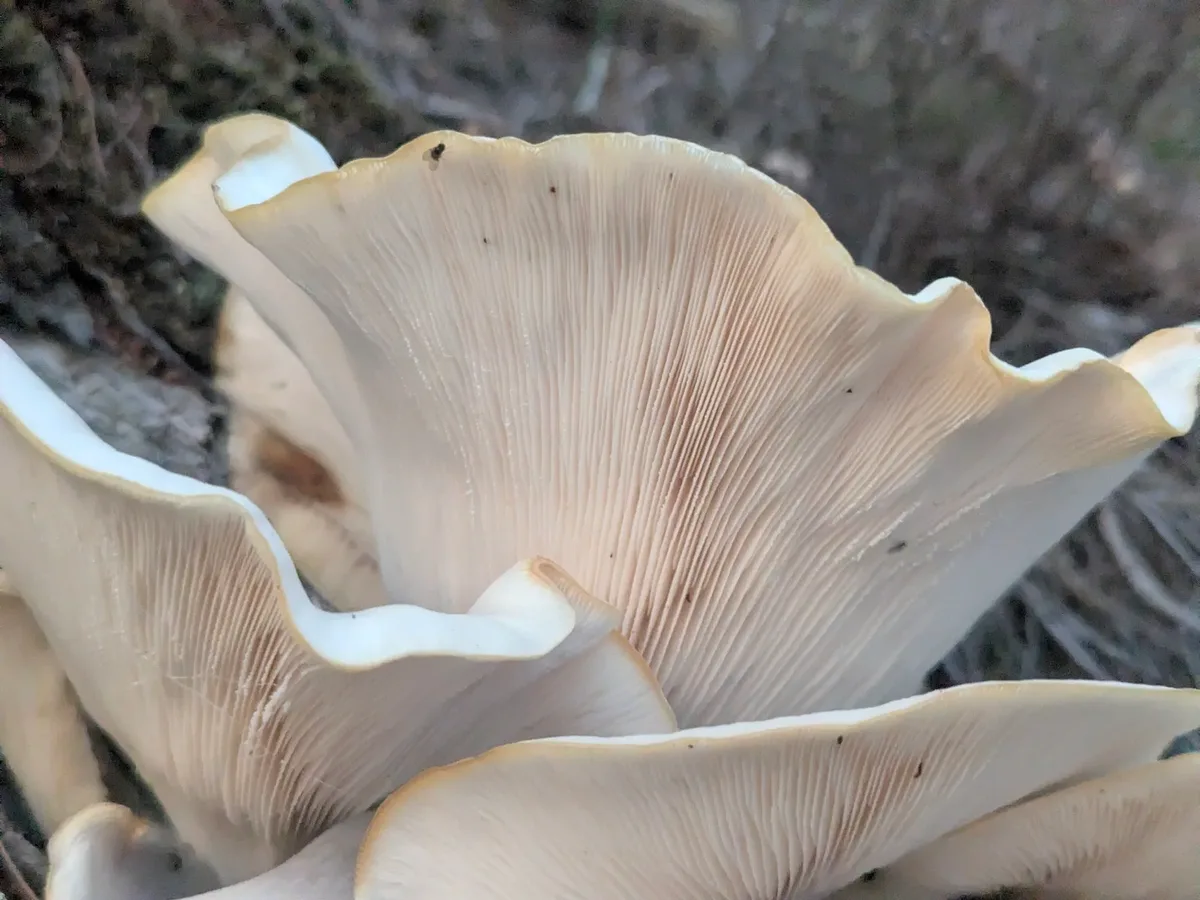
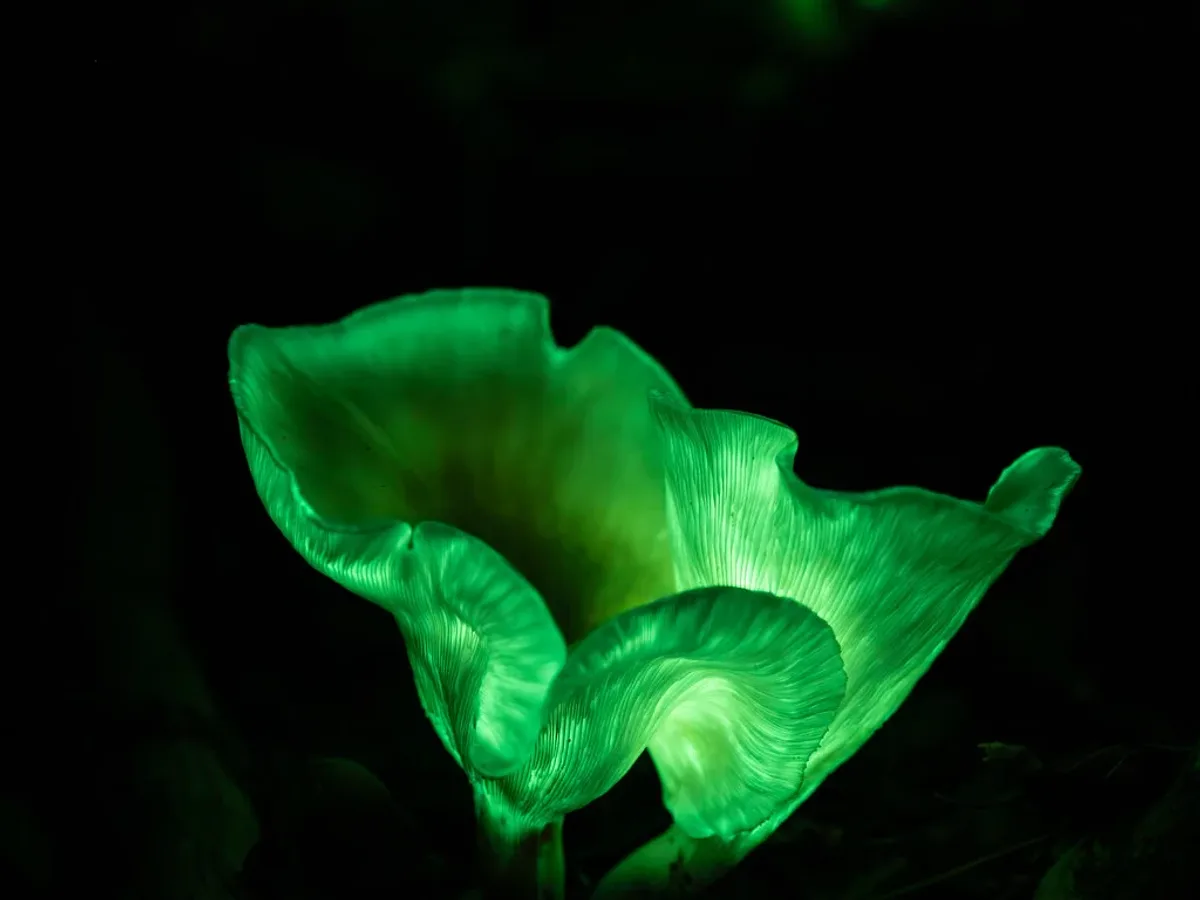
Below the cap, the gills are crowded and decurrent - they run some distance down the stem - and are cream to pale yellow in fresh material.
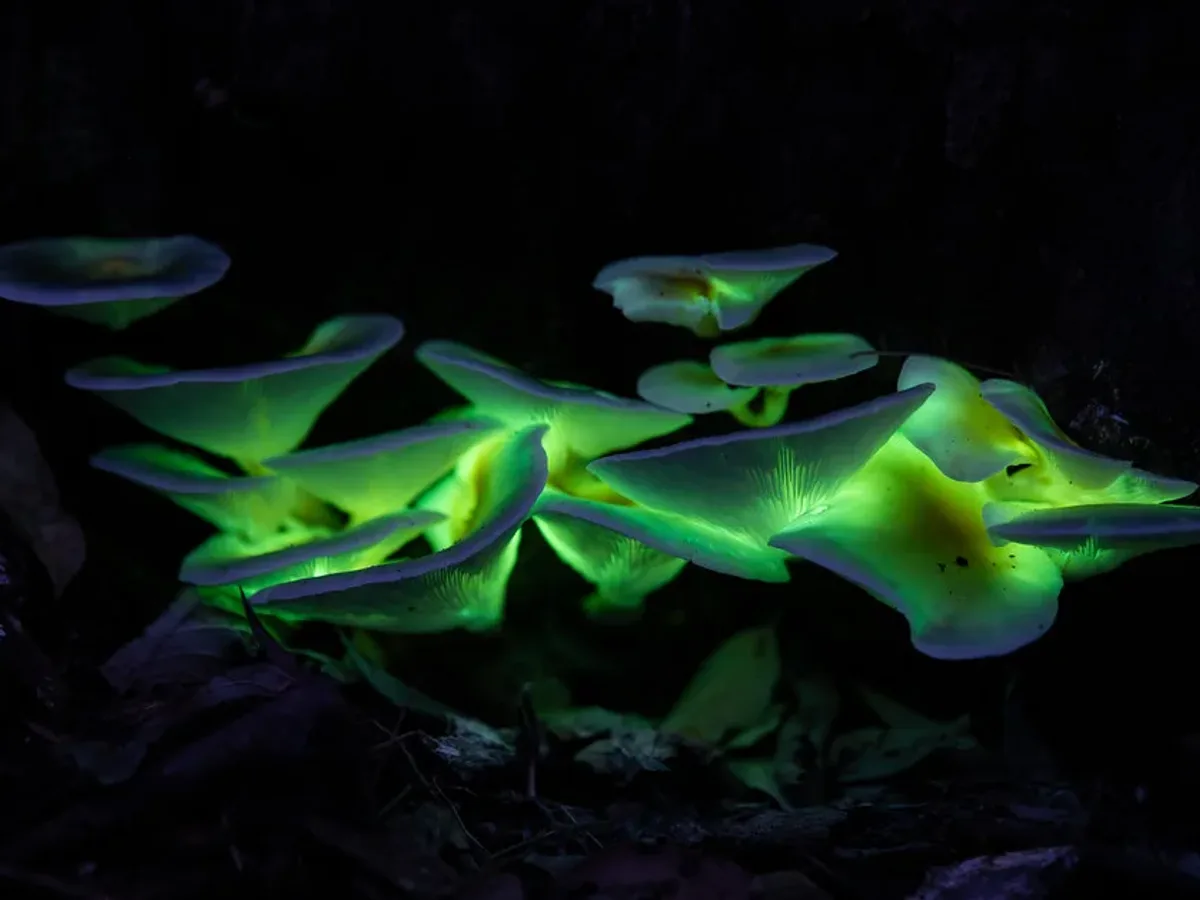
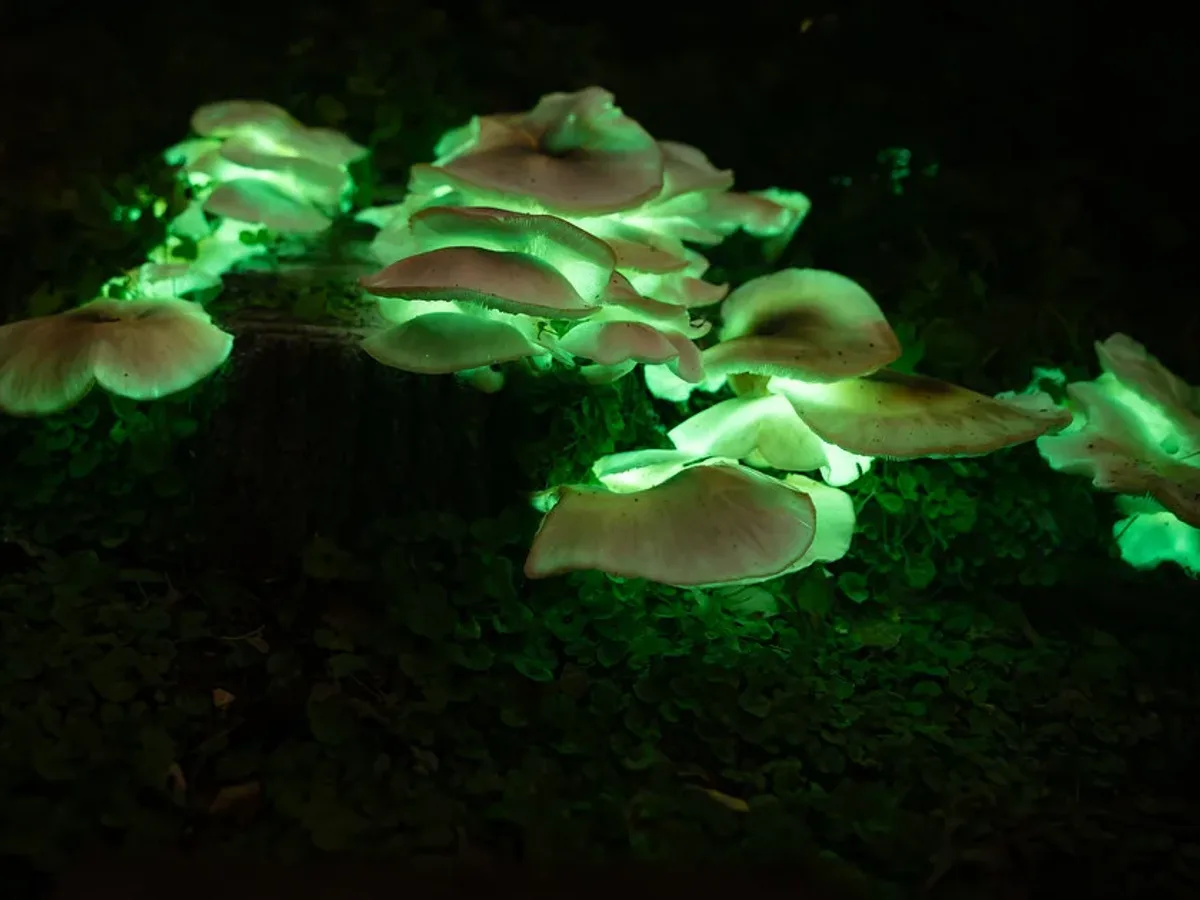
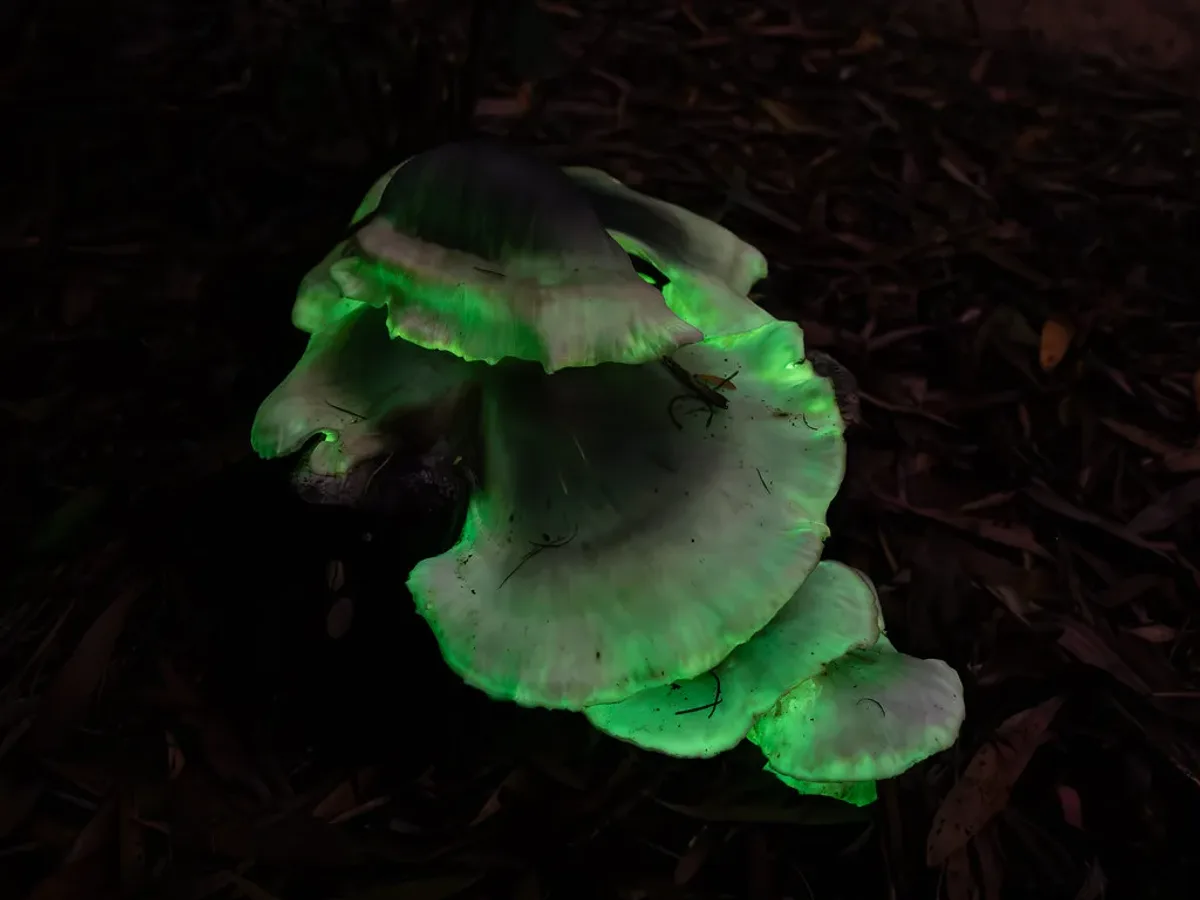
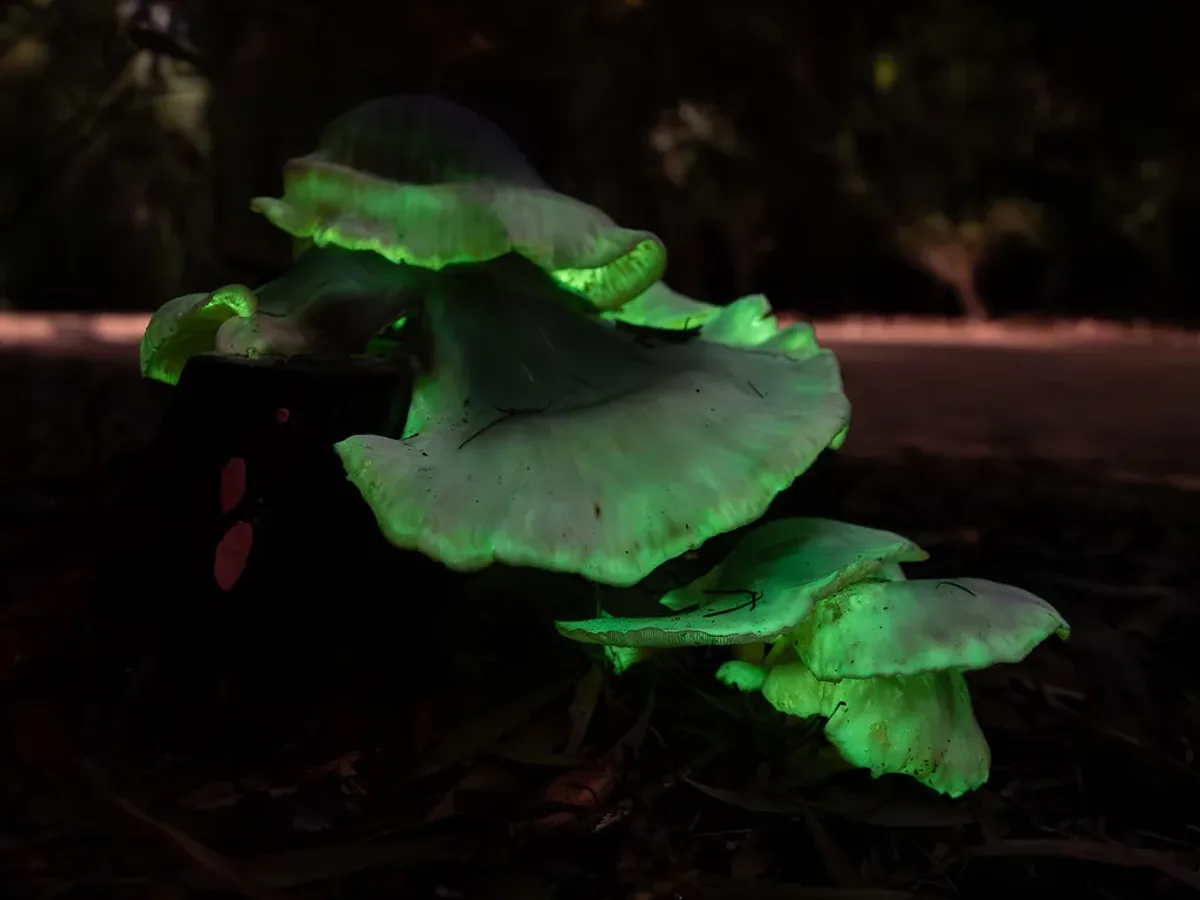
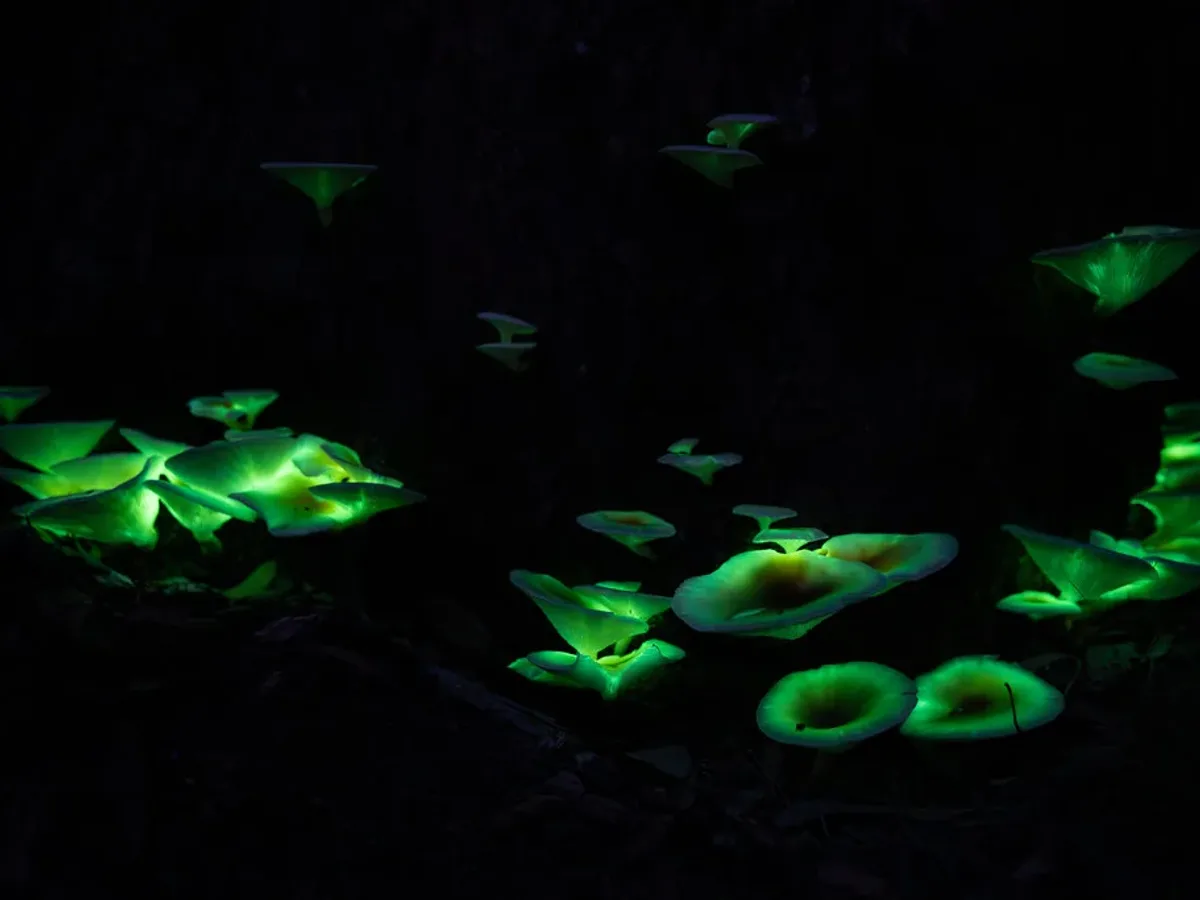
This is where the species announces itself most dramatically in low light: fresh, intact gills produce a cold, continuous green glow visible to dark-adapted eyes, caused by a fungal luciferase system that runs independently of the mushroom's metabolic activity. The bioluminescence is strongest in newly opened fruitbodies and fades as tissue dries or ages.
Stem
The stem is short, often eccentric or lateral, firm to woody, and typically off-white with a fibrous texture. Spore print is white.
Flesh
The flesh is white throughout, with no colour change when cut.
Why it's dangerous
Omphalotus nidiformis is not considered deadly to healthy adults, but it causes serious poisoning that requires medical attention. The risk of fatal outcome in healthy individuals is very low based on documented poisoning cases.
However, the severity is sufficient to cause dehydration requiring intravenous fluids, and the course is unpredictable enough that self-management at home is not appropriate. Children are at higher risk of severe dehydration relative to body mass.
There is no safe dose and no antidote. The species is dangerous specifically because it is routinely mistaken for edible oyster mushrooms by foragers - including experienced ones.
Never eat any pale, wood-growing, shelf-forming mushroom from Australian native forest without performing the bioluminescence test in complete darkness.
If you or someone you know has eaten a suspected ghost fungus, call the Poisons Information Centre (Australia: 13 11 26) immediately, even before symptoms appear.
Toxin
The toxic compounds in Omphalotus nidiformis are illudins, specifically illudin S and illudin M - sesquiterpenoid natural products produced by the fungal mycelium.
Illudins are electrophilic alkylating agents capable of binding to DNA and proteins, which is why they cause significant cellular damage in the gastrointestinal mucosa.
The same family of compounds has been investigated in modified form (acylfulvene derivatives) as experimental anti-cancer agents, because their DNA-damaging mechanism can be targeted against tumour cells. But this pharmacological interest does not in any way make the intact mushroom safe or medicinal.
Illudin S is considered the primary toxin in terms of acute gastrointestinal effect. The compounds are lipid-soluble and distributed through the flesh and gills.
They are not neutralised by heat, acid, or the gut environment; they are absorbed across the intestinal wall and exert their effects locally and systemically.
Illudin concentration varies by specimen age and growing conditions, but there is no threshold of 'safe' intake.
Symptoms
Ingestion of Omphalotus nidiformis causes acute gastrointestinal poisoning with a characteristic rapid onset. Symptoms typically begin 30 minutes to 3 hours after eating and include:
- Severe abdominal cramps
- Nausea
- Profuse vomiting
- Watery diarrhoea
- Dizziness and general malaise (accompanying the gastrointestinal symptoms in many cases)
The episode can be violent and may last anywhere from several hours to approximately 48 hours.
There is no antidote; treatment is supportive - rehydration, electrolyte replacement, and monitoring. In otherwise healthy adults, full recovery is expected within two days, though the experience is debilitating.
The rapid onset (within 3 hours) is medically helpful: it distinguishes this poisoning from the delayed-onset Amanita phalloides (death cap) syndrome, where symptoms appear 6-24 hours after ingestion and represent far more serious hepatotoxic damage.
If symptoms appear within 3 hours of eating a suspected wild mushroom, illudin-type poisoning (from Omphalotus or similar) is more likely than amatoxin poisoning - but medical assessment is essential regardless.
Staying safe
Omphalotus nidiformis is toxic when eaten and must never be consumed. It is safe to touch, smell, and handle. There is no dermatological or inhalation risk - the hazard is exclusively through ingestion of the fruiting body tissue.
Cooking does not destroy the illudin toxins; heat-treating the mushroom before eating it will not make it safe.
The poisoning syndrome is gastrointestinal and not life-threatening in healthy adults, but it is seriously unpleasant and medically significant: symptoms can persist for up to 48 hours.
Vulnerable individuals - children, elderly people, and anyone with compromised liver or kidney function - face a higher risk of more severe outcomes.
If poisoning is suspected after eating a pale, oyster-shaped mushroom growing on wood, seek medical attention immediately and, if possible, bring a photograph or sample of the mushroom to help with identification.
Poison information centres in Australia can be reached 24 hours a day: in Australia, call 13 11 26.
Where & when it grows
Habitat
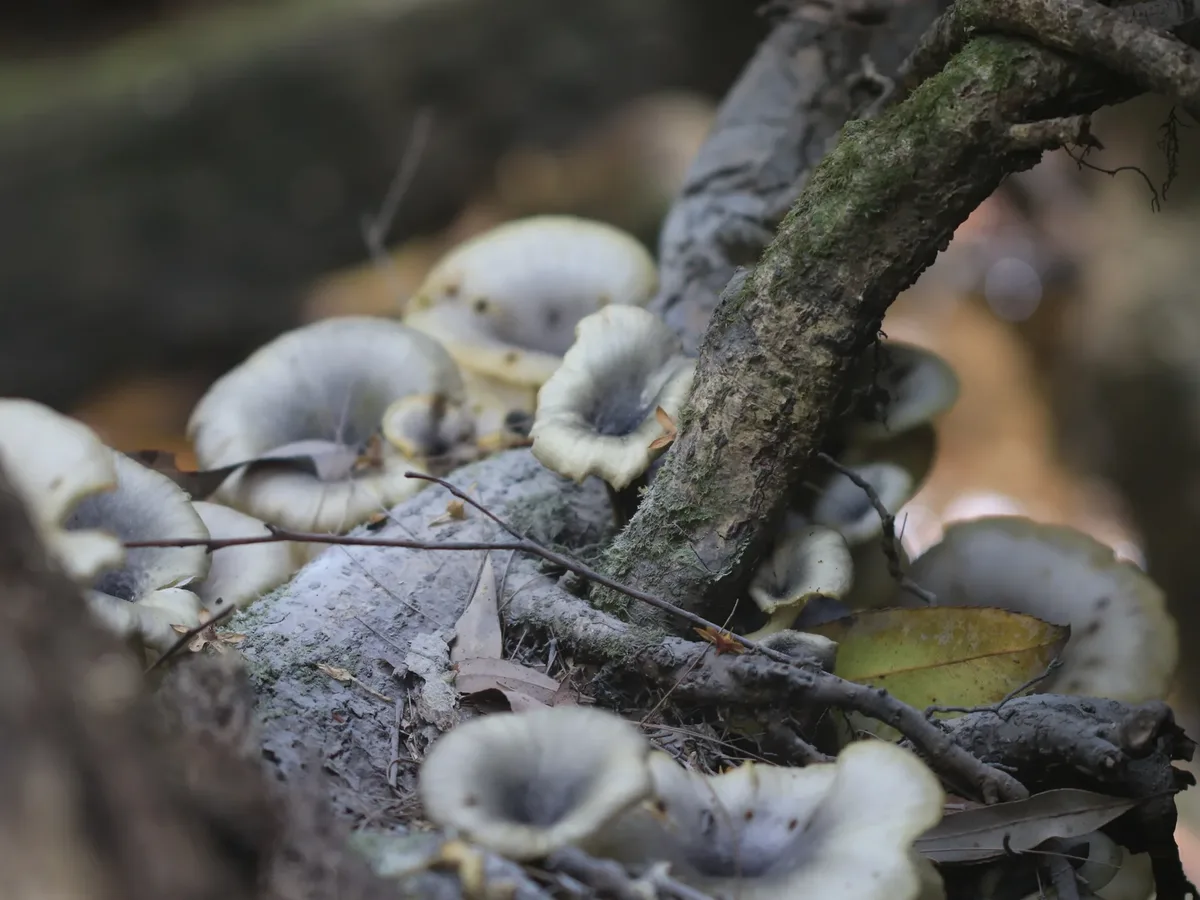
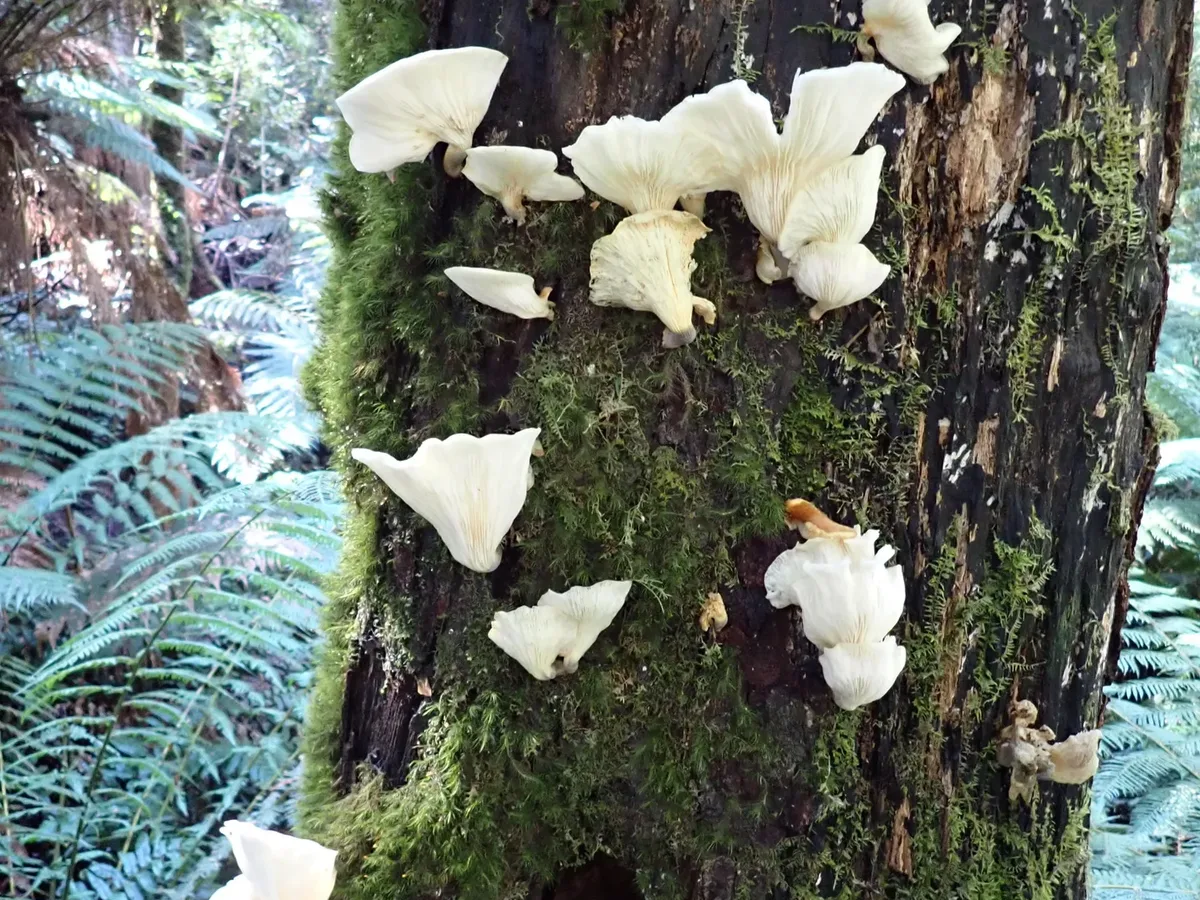
Ghost fungus is a saprotrophic wood-decay fungus - it feeds on dead and dying wood rather than forming partnerships with living roots.
It colonises a wide range of native Australian timber: eucalypts, wattles (Acacia), she-oaks (Casuarina), and various rainforest species all serve as hosts, as do introduced trees in urban parks and gardens. The fungus typically attacks the sapwood and heartwood of stumps, fallen logs, and the buried root systems of trees that have been felled or have died naturally.
Because the mycelium can persist and extend through root networks, clusters sometimes appear some distance from any obvious stump, apparently erupting from bare ground but actually fruiting on a buried root.
It is widespread along the entire eastern seaboard of Australia, including Queensland, New South Wales, Victoria, Tasmania, and South Australia, with two geographically separate distributions in the south. A 2021 record from Indonesia represents the first confirmed occurrence outside Australia.
It is most common in wetter sclerophyll forest, coastal gullies, and the fringes of rainforest, but also appears in suburban settings wherever large native stumps remain.
When
In the Southern Hemisphere, Omphalotus nidiformis fruits through the cooler, moister half of the year - broadly from late autumn into late winter, approximately May through August in most of its range. Records extend from late summer in cooler highland zones through to early spring when conditions remain damp.
This roughly mirrors the timing of European and North American Jack-o'-lantern mushrooms but offset by six months. The mycelium remains dormant in its woody substrate through the dry, hot Australian summer and resumes fruiting activity once soils cool and rainfall becomes more reliable.
In coastal New South Wales and Victoria, peak fruiting typically concentrates in June and July. Tasmania, with its cooler climate and higher rainfall, can produce flushes across a longer window.
The Southern Hemisphere timing means this species is most frequently encountered on night walks and foraging excursions during what feels like late-year foraging season to European or North American visitors - reinforcing the importance of knowing the local season calendar, not an imported one.
How it grows
As a saprotroph, ghost fungus breaks down dead woody tissue using a suite of oxidative enzymes, including laccases and peroxidases, digesting cellulose and lignin to extract carbon and nutrients. The mycelium infiltrates the wood over months or years before producing visible fruitbodies.
Once conditions are right - sufficient moisture from recent rainfall and soil temperatures in the roughly 10-20 °C range - flushes of fruitbodies can emerge with remarkable speed, sometimes appearing within five to fourteen days of significant rain on a previously dry substrate.
The fruiting bodies grow in dense, overlapping clusters (imbricate clusters) attached at the base, with individuals sharing a common point of origin on the wood. A single large stump can produce dozens of fruitbodies in a single flush, creating a dramatic shelf-like mass.
The bioluminescent glow functions around the clock in fresh tissue but requires darkness to see. The chemistry behind it involves a compound called nematopsin (or a related luciferin substrate) oxidised by a luciferase enzyme in the presence of oxygen - a system that appears independently evolved multiple times in fungi and is not related to the light-producing systems in fireflies or marine organisms.
Fruiting conditions
Wood-decay saprotroph; large flushes follow rain on dead wood across the cooler half of the year.
Look-alikes
The only confirmed dangerous lookalike in Australia is the edible oyster mushroom, encompassing both the introduced Pleurotus ostreatus and the native Pleurotus australis (also called P. pulmonarius in some references).
Both grow on dead wood, both produce pale, shelf-like, overlapping fruitbodies with decurrent gills and off-white to pale buff caps, and both fruit during cooler months - making them visually similar enough to fool experienced foragers. Documented poisonings in Australia confirm that this confusion has occurred repeatedly (Cole 1994; Hender et al. 2000).
The single most reliable distinguishing test is the bioluminescence test: in complete darkness after five minutes of dark adaptation, fresh ghost fungus gills produce a visible green glow. Edible oyster mushrooms never glow. No other simple field test is as unambiguous.
Secondary differences worth noting:
- Omphalotus nidiformis tends to grow in denser, more woody clusters and can reach considerably larger sizes than typical oyster mushroom fruitbodies.
- Its stem is often more eccentric and woody.
- Its spore print is white (as is P. ostreatus), so spore print alone does not separate them.
- Smell is also unreliable because both species have mild, pleasant odours.
The glow test is the decisive one.
Edible oyster mushrooms (Pleurotus ostreatus / P. australis) never glow; ghost fungus gills glow green in the dark after dark adaptation. Several poisonings in Australia have resulted from this confusion.
A reference guide - never an edibility guarantee. When in doubt, leave it out.