Jack-o'-lantern mushroom
Omphalotus japonicussyn. Lampteromyces japonicus, Omphalotus guepiniformis
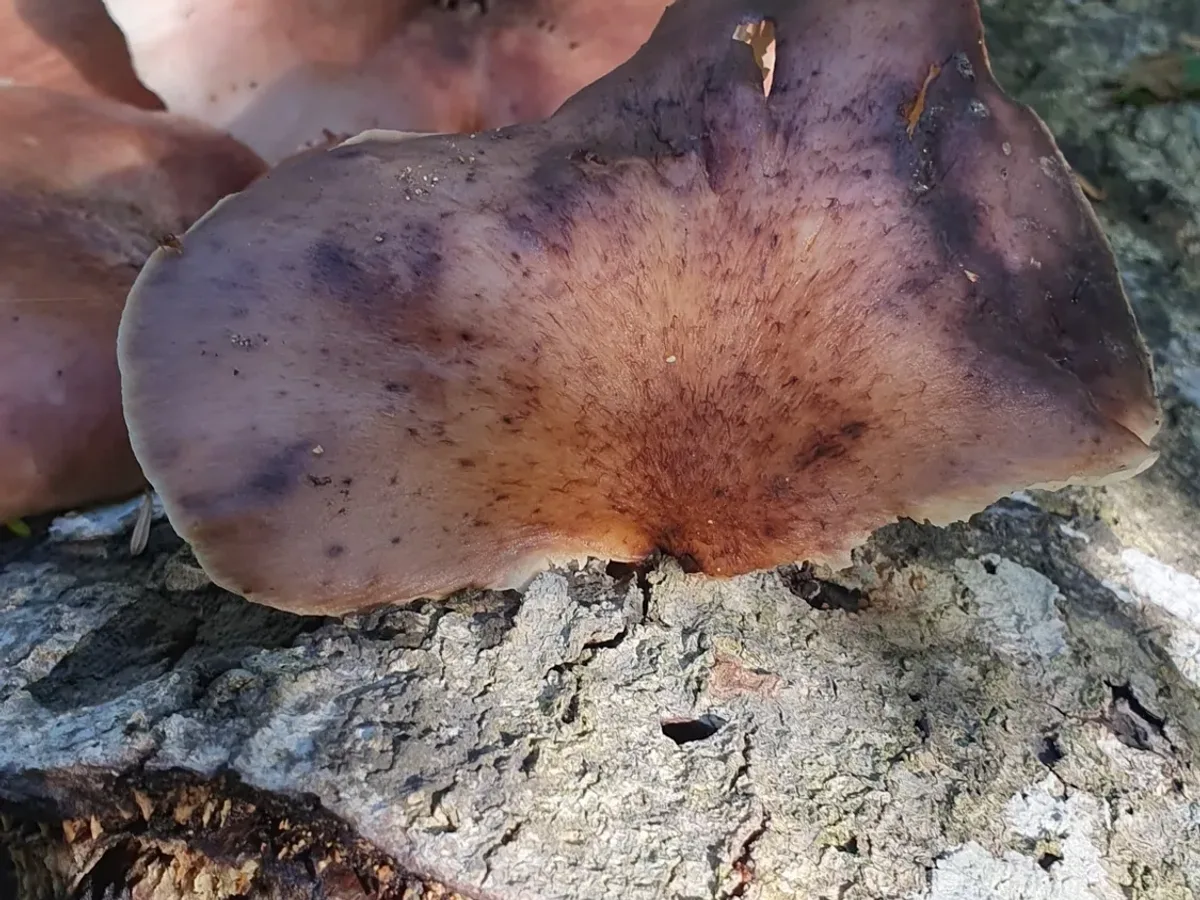 Ulrikke Hedegaard (CC0)
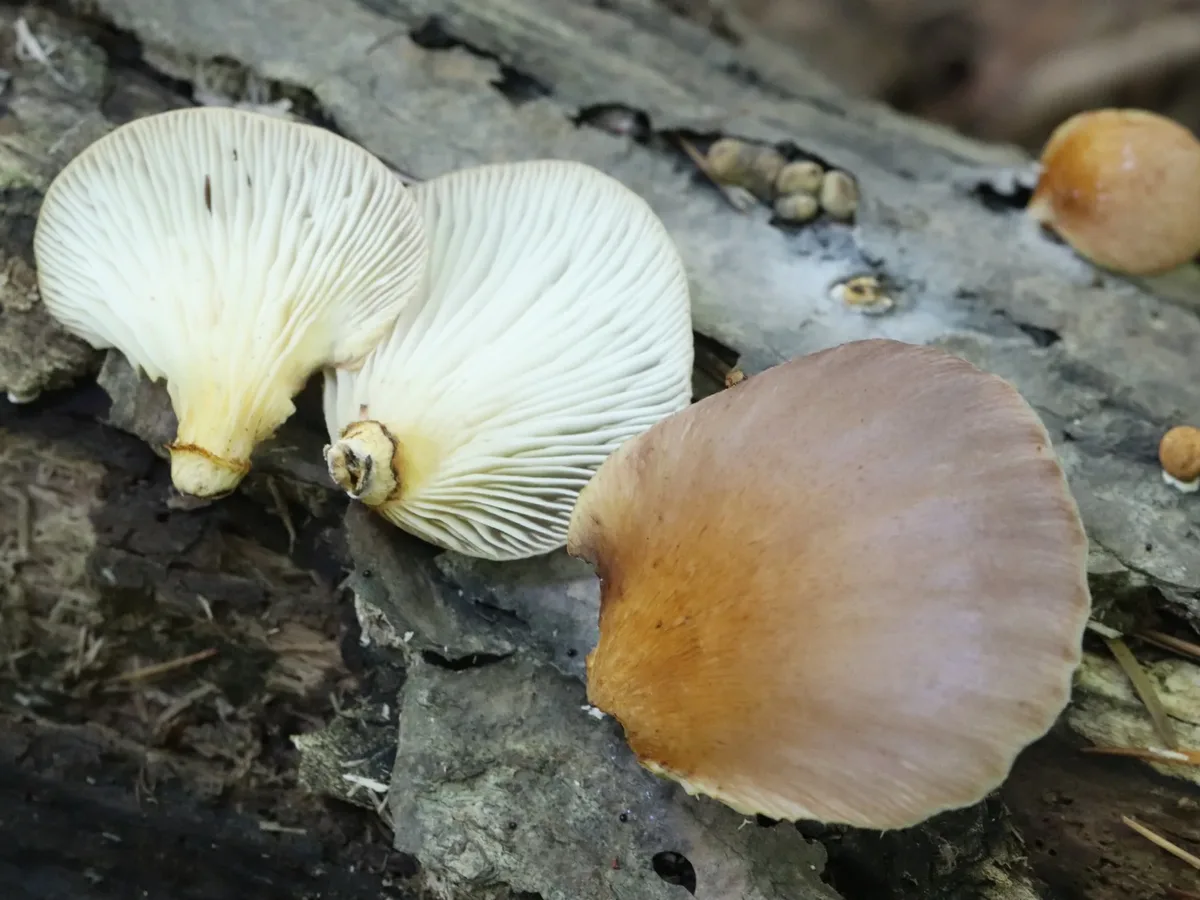 © Nina Filippova (CC BY 4.0)
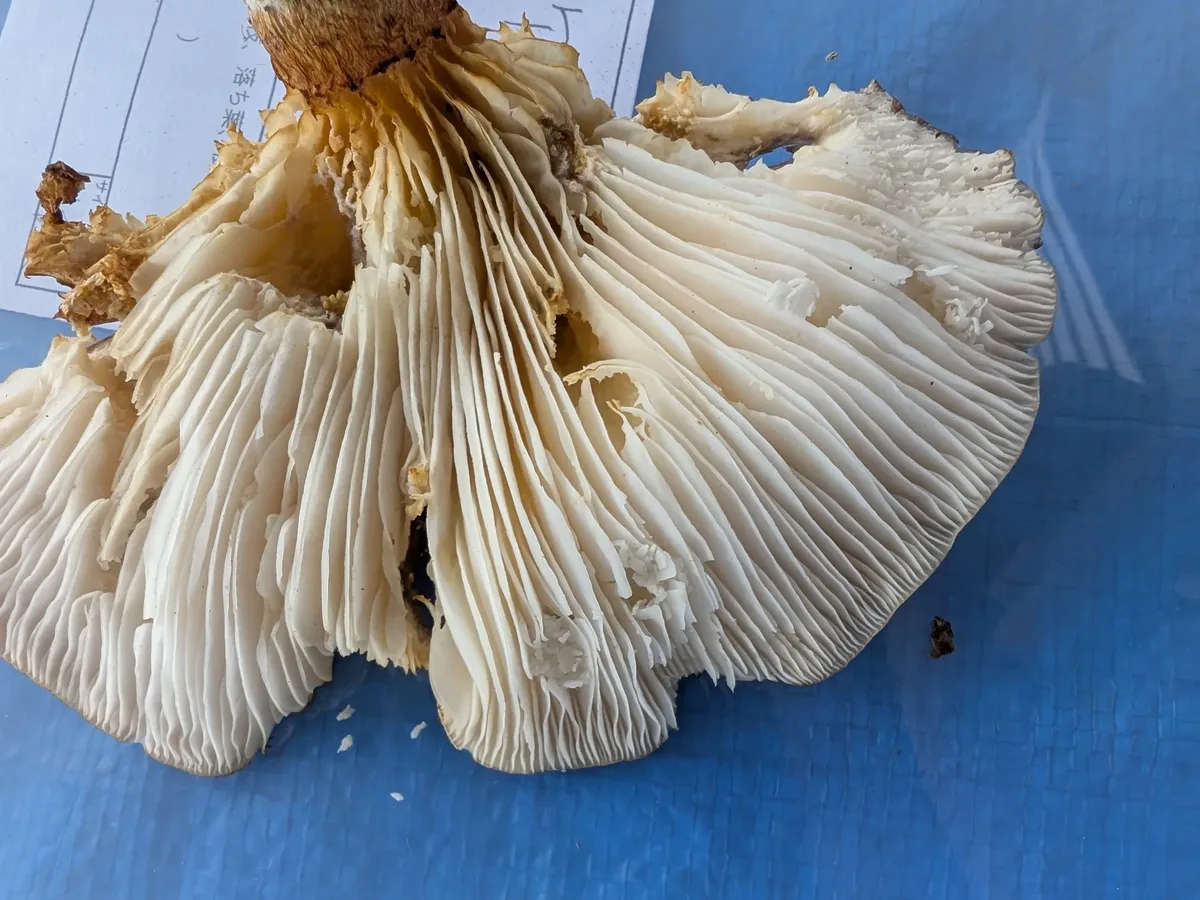 © Atsushi Nakajima (CC BY)
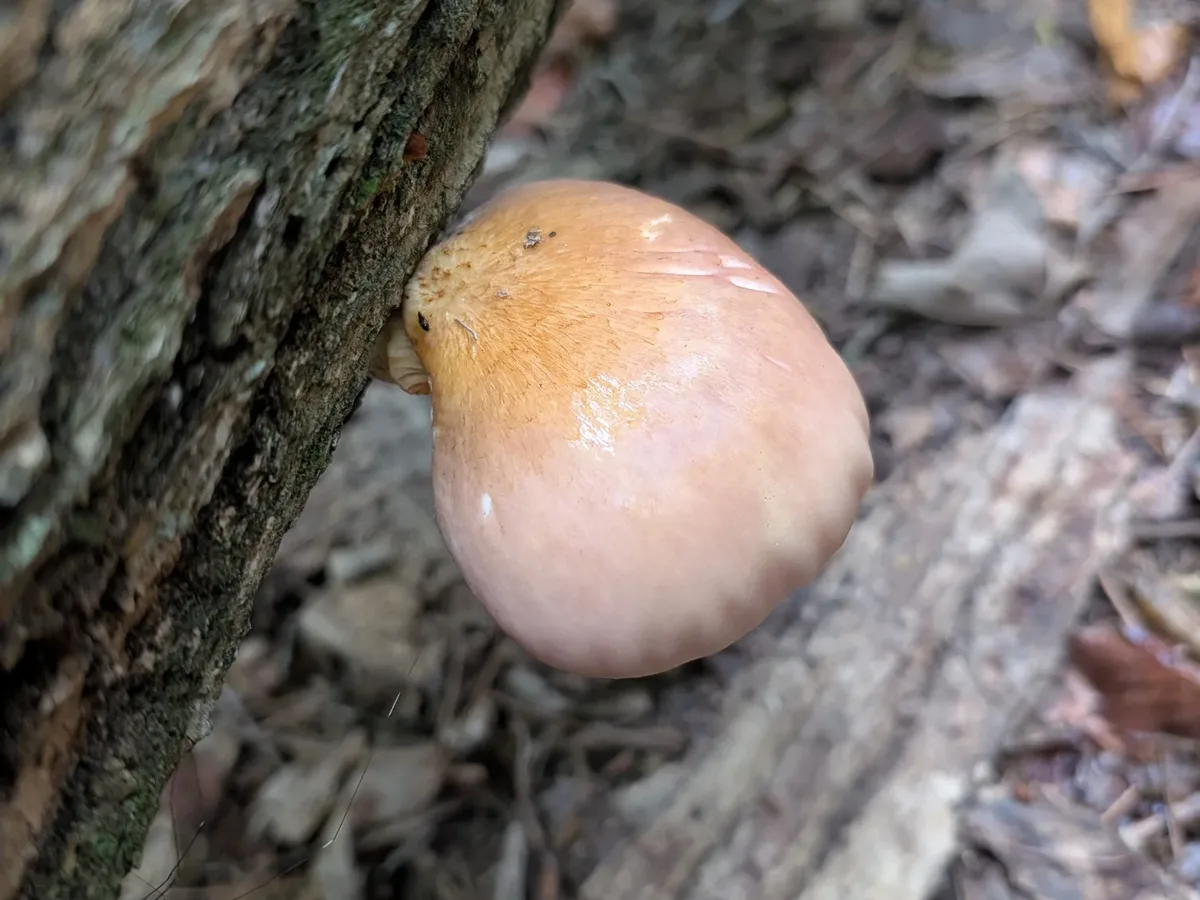 © Atsushi Nakajima (CC BY)
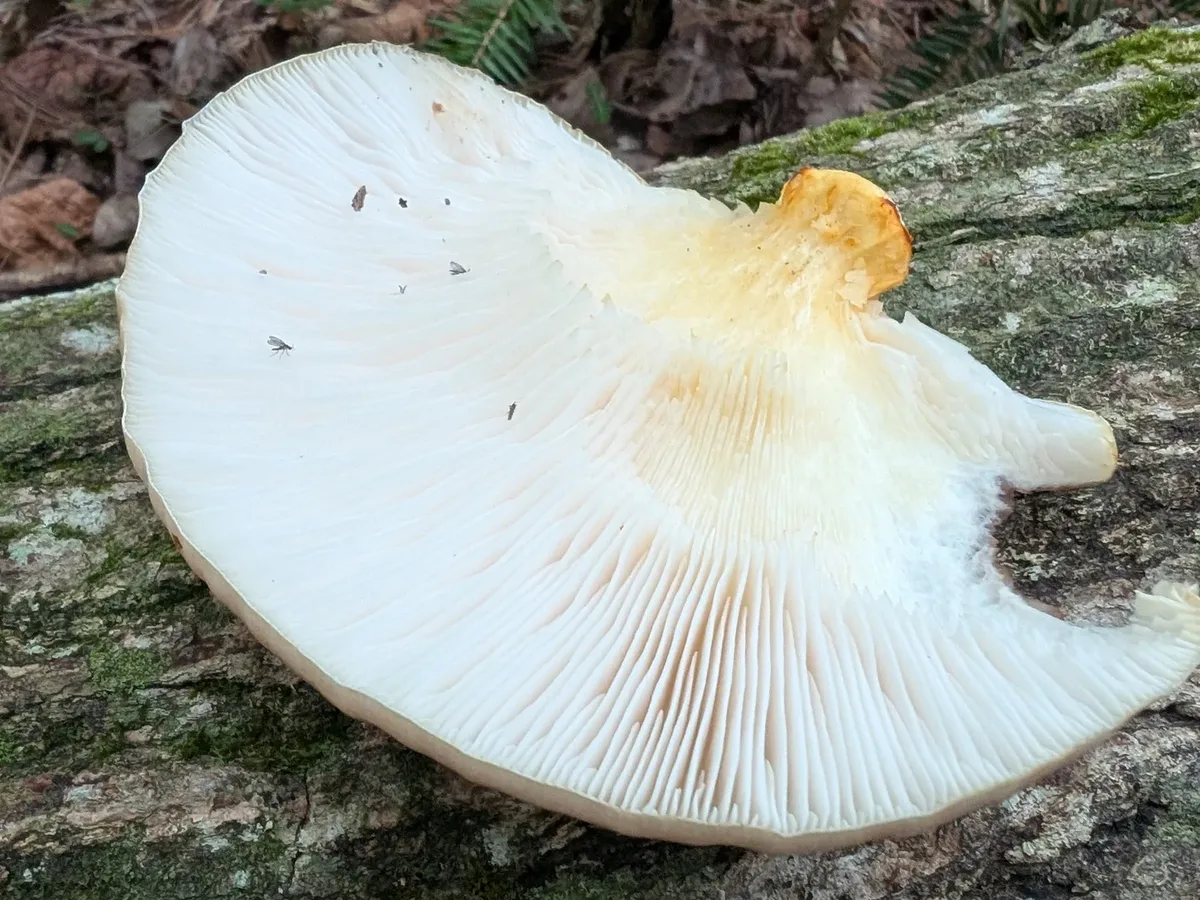 © Atsushi Nakajima (CC BY)
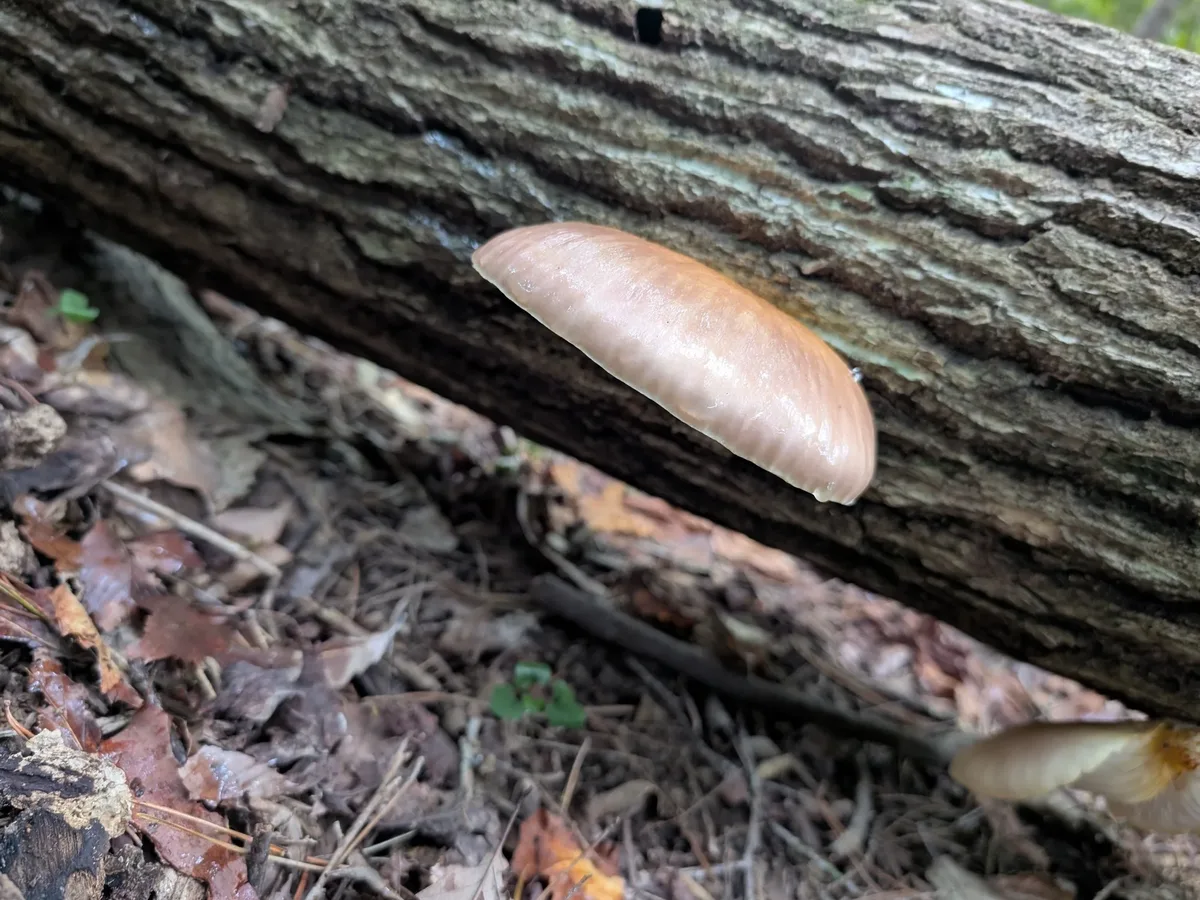 © Atsushi Nakajima (CC BY)
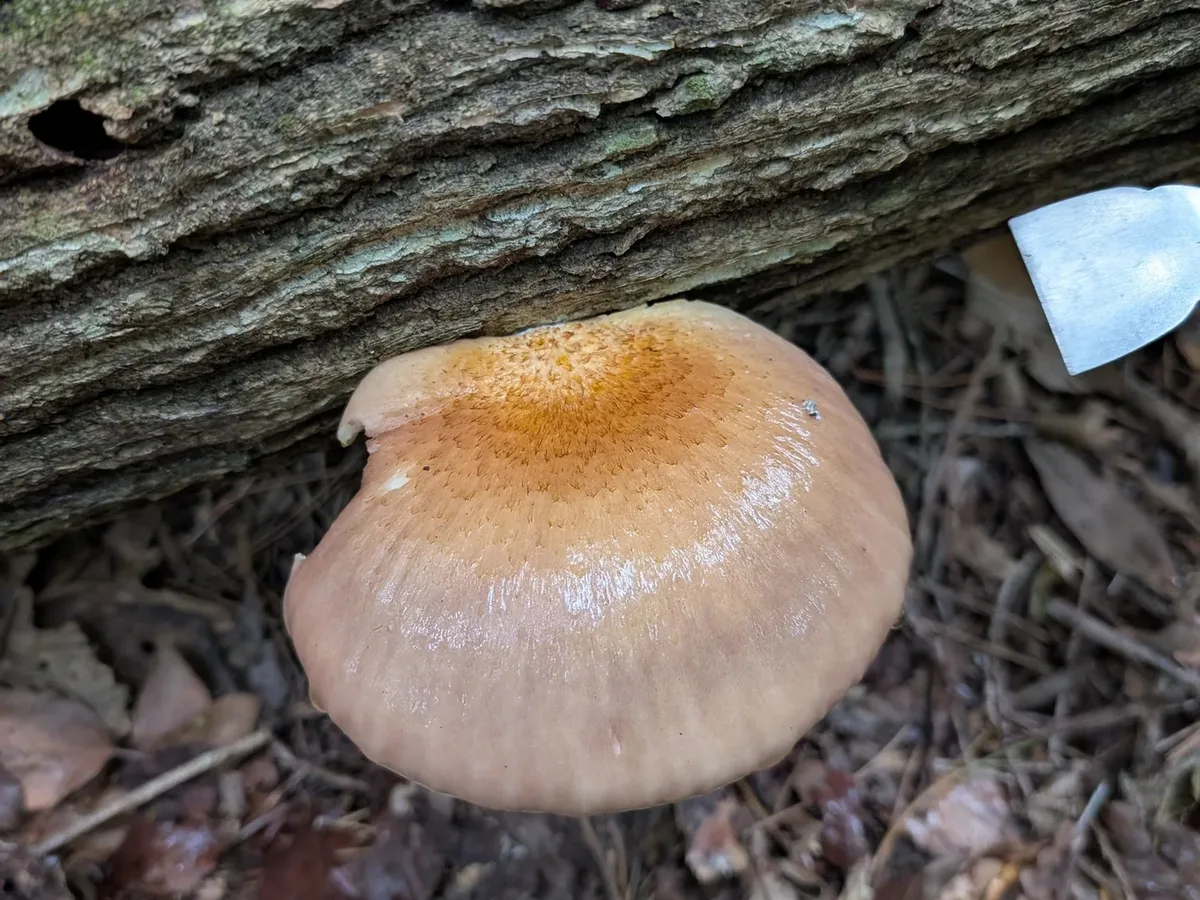 © Atsushi Nakajima (CC BY)
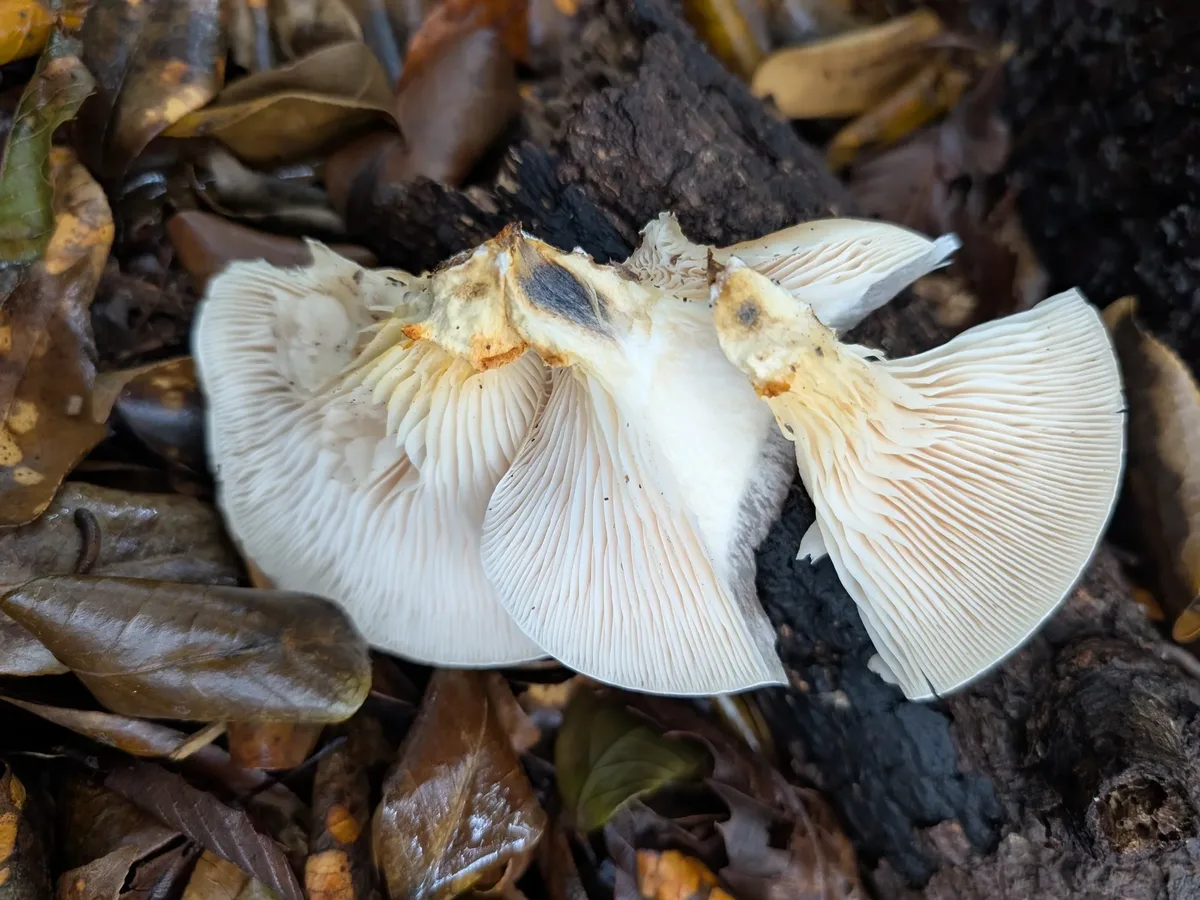 © Atsushi Nakajima (CC BY)
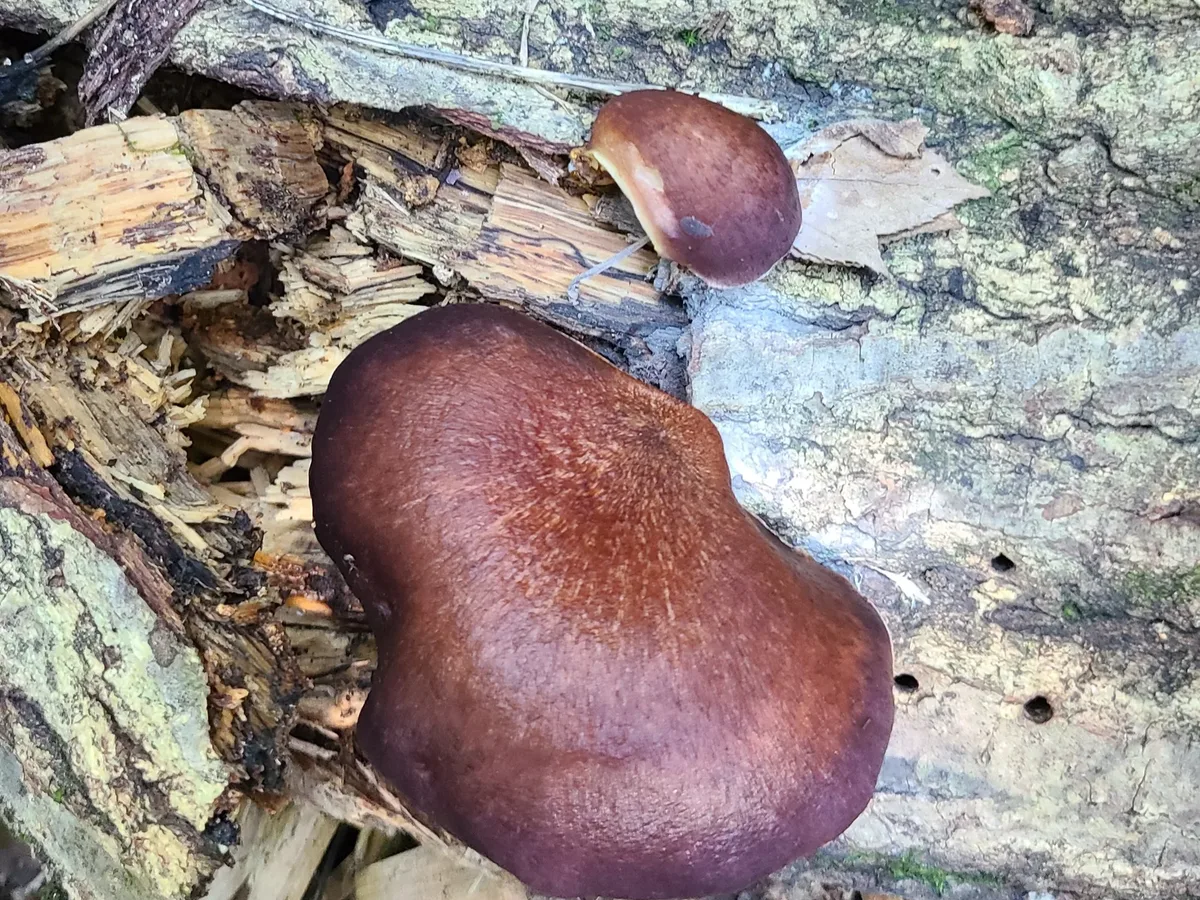 © Atsushi Nakajima (CC BY 4.0)
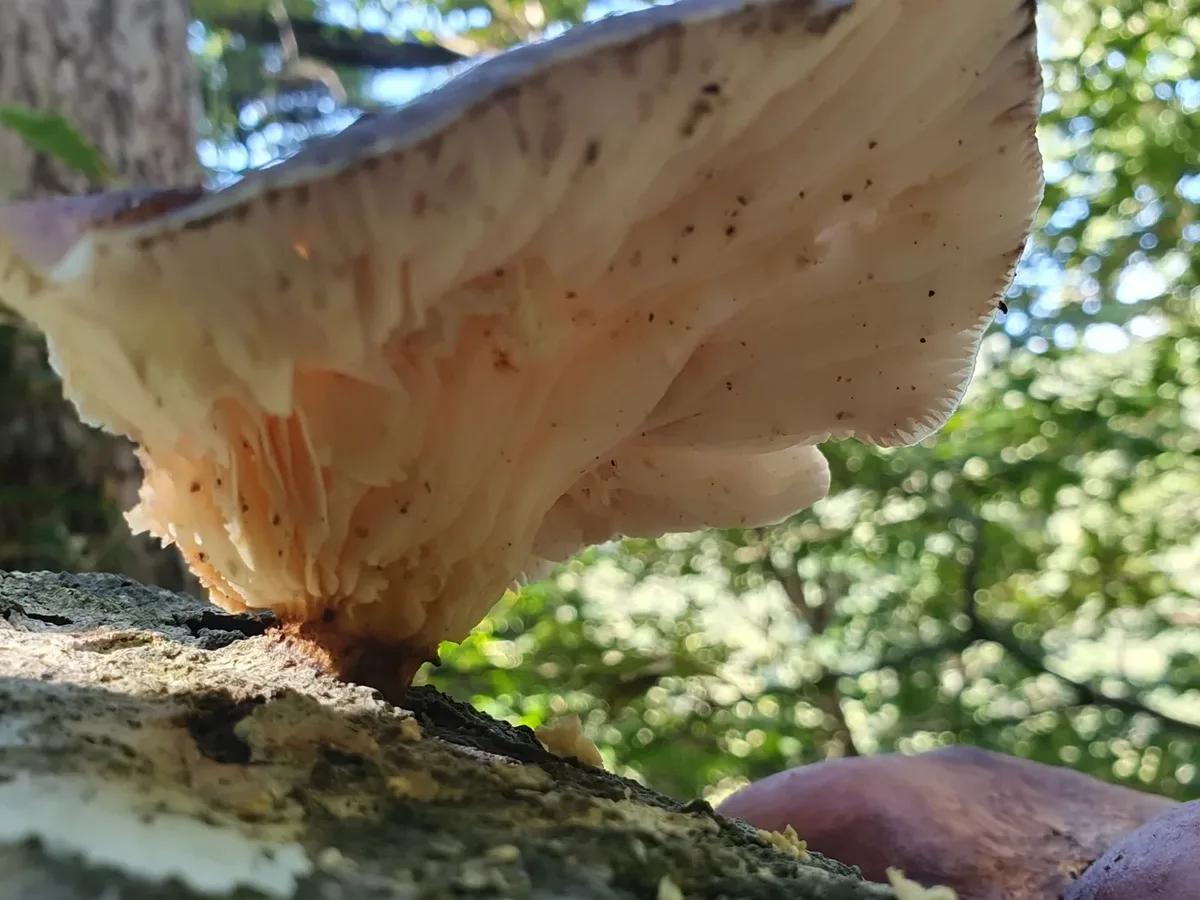 Ulrikke Hedegaard (CC0)
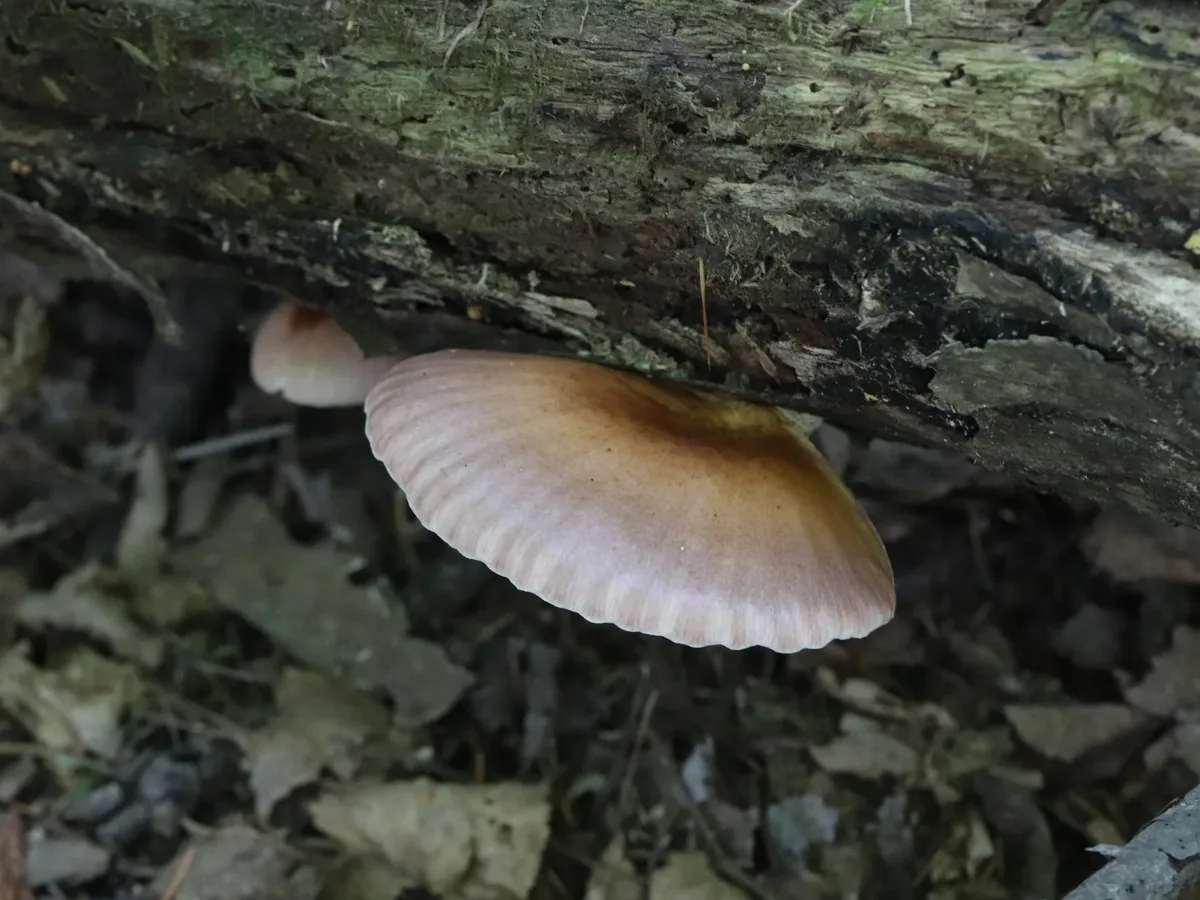 © Nina Filippova (CC BY 4.0)
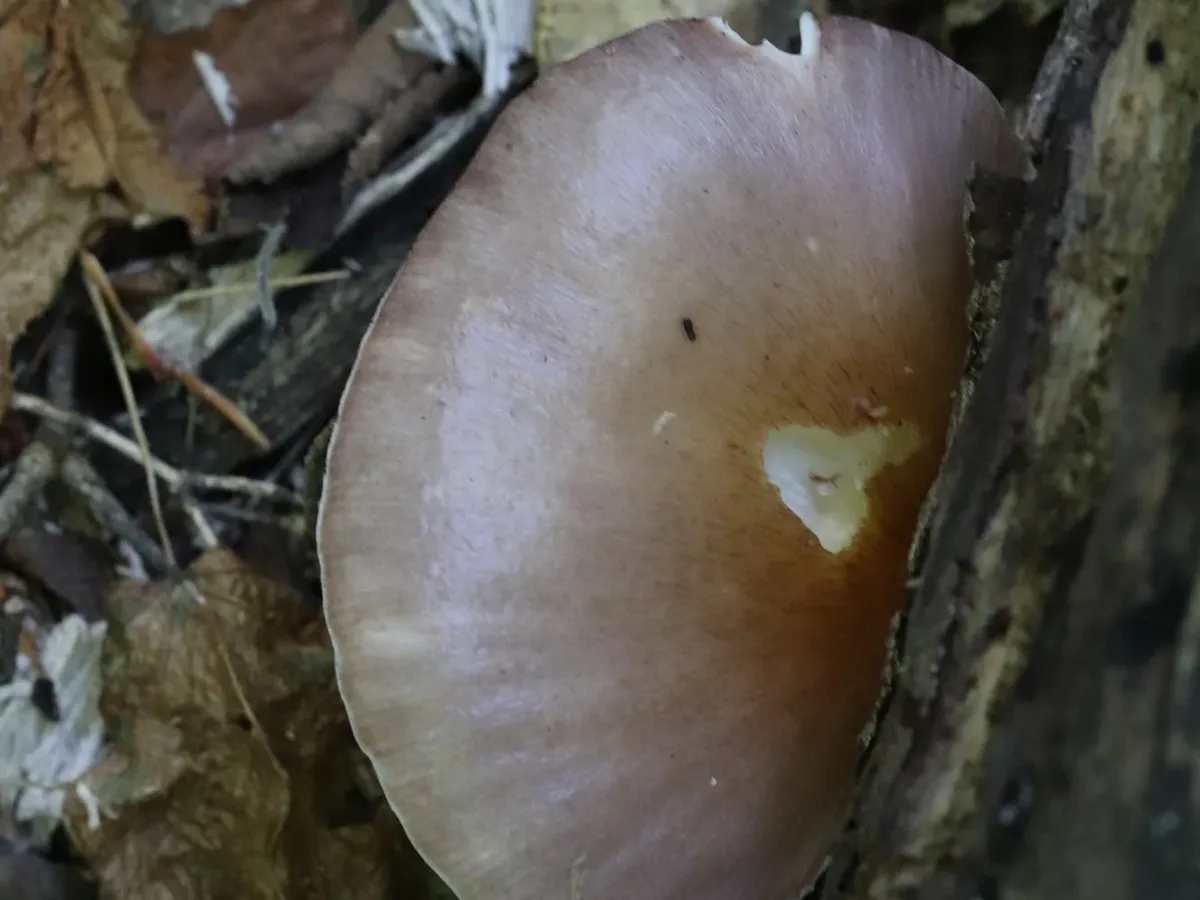 © Nina Filippova (CC BY 4.0)
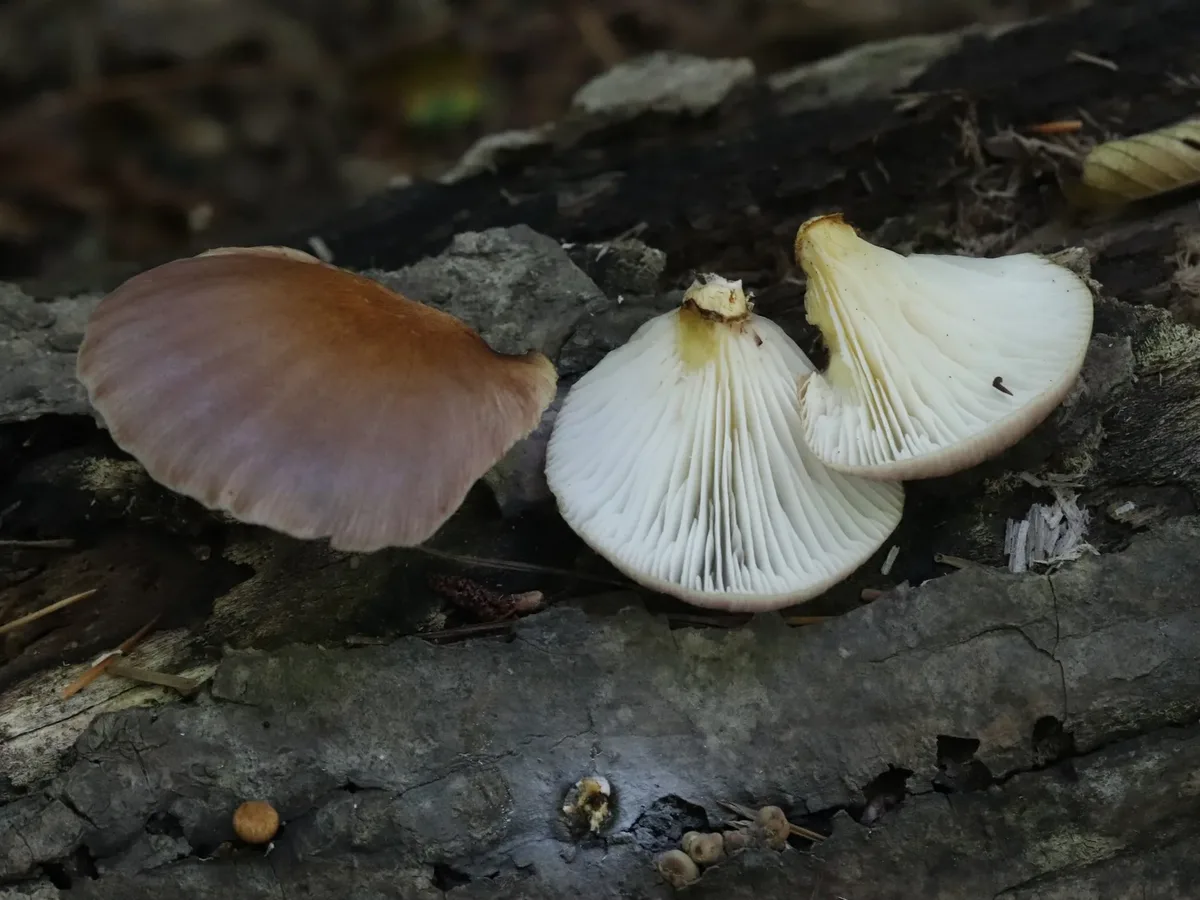 © Nina Filippova (CC BY 4.0)Ulrikke Hedegaard (CC0)© Nina Filippova (CC BY 4.0)
Edible only with the right preparation - or safe for some people but not others. Learn the caveats first.
How to recognise it
Omphalotus japonicus is a large, fleshy bracket fungus. Individual fruiting bodies arise in overlapping, tile-like clusters from a shared basal mycelium, so what looks like dozens of separate mushrooms is often a single interconnected organism.
Cap
Caps range from roughly 5 to 20 cm across, sometimes larger when conditions are generous.
The upper surface runs from pale orange-buff through tawny orange-brown to a deeper, liver-toned brown at maturity, often with faint concentric zoning and a slightly greasy sheen when fresh.
Flesh
The flesh is thick and white near the cap surface, becoming paler toward the margin. But it is the stem base that carries the field's single most diagnostic detail: cut any specimen lengthwise with a knife and you will find a dark, blackish-purple stain in the inner flesh - a permanent, heat-stable pigmentation that no edible lookalike shares.
Gills
The gills are cream to pale yellowish and run decurrently down the off-centre or lateral stem in the manner familiar from oyster mushrooms.
In complete darkness, those same gills emit a genuine, steady green bioluminescence - not a flicker or a trick of light, but a real cold-light emission sustained by a luciferase-type enzymatic reaction.
This glow is among the most intensely studied in fungal bioluminescence research and is thought to involve the same oxyluciferin pathway identified in other luminous Omphalotus species, though the full biochemical picture remains an active area of study.
Why it's dangerous
Omphalotus japonicus is the single most common cause of mushroom poisoning in Japan, responsible for more cases than any other species across multiple surveillance decades.
This is not because the mushroom is rare or difficult to find - it is abundant and conspicuous - but because it grows in precisely the same microhabitats, on the same host species, and during the same autumn weeks as three edible and actively harvested mushrooms (shiitake, oyster mushroom, mukitake). The poisoning rate is high even among experienced foragers.
The hazard is compounded by the fact that all standard cooking methods are completely ineffective at neutralising the illudin toxins. There is no safe dose, no safe preparation, and no therapeutic antidote; treatment is symptomatic and supportive.
The species is not deadly in the sense of causing fatalities in healthy adults under normal circumstances, but the illness it causes is severe, and hospital presentation is required in a significant proportion of cases.
The two mandatory field checks must be applied before any wood-growing bracket fungus from beech forest in East Asia is eaten:
- 1Dark flesh spot in the split stem base
- 2Green bioluminescence in complete darkness
Toxin
Omphalotus japonicus contains illudin S and illudin M, two closely related sesquiterpene compounds originally characterised in this species and its relatives.
Illudins belong to the protoilludane sesquiterpene family, with a cyclopropane ring fused to a six-membered ring system that gives them unusual chemical stability.
They were isolated and structurally characterised from the related Omphalotus olearius (European jack-o'-lantern) and from O. japonicus beginning in the 1960s, and subsequently studied as cytotoxic agents because of their ability to alkylate DNA and inhibit nucleotide-excision repair in mammalian cells.
This cytotoxicity, which made them briefly interesting as potential anticancer scaffolds, also accounts for the gastrointestinal damage they produce when ingested.
Both illudin S and illudin M are present in both the cap flesh and the gills; neither is concentrated in any particular tissue, so there is no safe portion of the fruitbody. The toxins are also present in the mycelium within the wood, though foragers do not typically consume this.
Symptoms
The clinical picture of Omphalotus japonicus poisoning is dominated by rapid-onset gastrointestinal distress. Symptoms typically begin 30 minutes to 3 hours after ingestion and consist of:
- intense nausea
- profuse and repeated vomiting
- severe abdominal cramping
- watery to profuse diarrhea
The onset is rapid enough that most patients correctly associate the symptoms with the mushroom meal without difficulty.
The acute phase usually resolves within 24 hours as the toxin is cleared, but volume depletion from vomiting and diarrhea can be severe enough to require intravenous rehydration, particularly in vulnerable individuals.
Cases reported in Japanese surveillance data are rarely fatal in otherwise healthy adults, but hospitalisation rates are significant given the severity of dehydration.
If someone who has eaten a wood-growing mushroom in beech forest begins experiencing any of these symptoms, they should seek medical care immediately; identifying photographs or a preserved specimen should be brought to assist clinical management.
Staying safe
The two absolutely reliable field separators for Omphalotus japonicus are:
- 1A dark, blackish-purple spot in the inner flesh of the stem base, visible when the mushroom is cut lengthwise - present in O. japonicus, absent in all three edible lookalikes.
- 2Faint green bioluminescence on the gill surface, visible only in complete darkness after a few minutes of dark adaptation - present in O. japonicus, absent in edible species.
Both tests must be applied. The bioluminescence is real and consistent but requires genuine darkness; a dimly lit room is not sufficient. The flesh-spot test is definitive even in full daylight.
When harvesting any wood-growing bracket fungus in beech forest across East Asia, apply both checks to every individual specimen, not just one per cluster - within a mixed-species cluster growing on the same log, individual fruitbodies may belong to different species.
If there is any doubt after both checks, do not eat the mushroom.
Where & when it grows
Habitat
Omphalotus japonicus is a wood-decaying saprophyte specialising in the dead heartwood and outer sapwood of Fagus (beech) - principally Fagus crenata, Japan's dominant beech, and related Fagus species across temperate East Asia.
It fruits from dead standing trunks, fallen logs, buried root systems, and stumps throughout the cool, moist mountain beech forests of Japan, Korea, northern China, and the Russian Far East.
These beech forests tend to occupy mid-to-high elevations with heavy snowfall and a pronounced autumn rainfall pulse, conditions that synchronise the fruiting of a whole guild of wood-growing species including the edible shiitake, oyster mushroom, and mukitake that O. japonicus so closely mimics.
The mycelium persists in colonised wood across multiple years, breaking down lignin and cellulose. A log that carried a cluster one autumn may produce another the following year or the year after that, making familiar harvest sites particularly hazardous for foragers who have collected edibles there before without incident.
When
Fruiting is concentrated in September and October across the species' range, timed to the autumn cooling and rainfall that follow the humid East Asian summer.
In Japan's beech forests, this window typically opens when daytime temperatures drop reliably below around 20 °C and closes after the first hard frosts of November.
The bioluminescence is most easily observed on mild, overcast nights during peak fruiting - the glow is real but faint and requires both darkness and a short period of dark adaptation to see reliably.
A single productive log may carry multiple flush events within a season if rainfall remains sufficient.
At higher elevations the season can begin a week or two earlier than at valley sites, so the window across the full range is roughly late August through early November, with September and October representing the heart of it.
How it grows
As a wood-decaying saprophyte, O. japonicus obtains all its carbon and energy from the structural polymers of dead beech wood, secreting enzymes that break apart the lignin and cellulose matrix and absorbing the resulting sugars through its hyphal network.
The mycelium threads through the wood over months or years before conditions trigger fruiting. The actual emergence of a cluster from bark surface to full size can occur across just a few days following the right combination of rain and temperature.
Genetic analyses of Omphalotus species have confirmed that individual mycelia can be genetically distinct clones spanning many years - the organism foragers see as a short-lived autumn cluster is the visible tip of a long-lived underground network.
The overlapping bracket growth habit, stacking many individual fruitbodies in a dense rosette or shelf, is structurally driven by the shared basal attachment to wood and optimises spore dispersal from the gill surfaces into air currents moving along the log face.
Fruiting conditions
Wood-decaying saprophyte on dead beech logs; fruits in autumn (September-October) in clusters after rain.
Look-alikes
Three edible, widely harvested mushrooms share O. japonicus's growth habit, season, and gross appearance closely enough to account for its status as Japan's leading cause of mushroom poisoning.
- Shiitake (Lentinula edodes) grows on dead broadleaf wood, has a central to slightly off-centre stem, brown cap, and white gills; it lacks any dark flesh spot at the stem base and does not bioluminesce.
- Oyster mushroom or hiratake (Pleurotus ostreatus) forms overlapping bracket clusters on dead wood with white to pale grey-buff caps and white, decurrent gills; it also has no blackish-purple flesh and does not glow.
- Mukitake (Sarcomixa serotina) is a close visual match in terms of colour, texture, and growth season, with an olive to yellow-green cap and a lateral or absent stem; again, the split stem base reveals white or cream flesh without any dark stain, and no bioluminescence is present.
In all three cases the two diagnostic tests - the flesh spot and the glow - are completely reliable separators.
No other field character (colour, smell, size, gill spacing) should be used as the primary separator, because overlap is substantial and lighting conditions vary.
The lookalikes[] array in this record carries the full species-level details.
Edible wood-growing mushroom; readily confused with O. japonicus. Check for the dark flesh spot at the stem base and bioluminescence.
Edible oyster mushroom; O. japonicus mimics it. The dark spot in the lengthwise-split stem base and faint green glow distinguish O. japonicus.
Edible cultivated/wild mushroom; O. japonicus is confused for it. Tell apart by the dark blackish-purple spot in the split stem base of O. japonicus and its green bioluminescence.
A reference guide - never an edibility guarantee. When in doubt, leave it out.