Yellow morel
Morchella americanasyn. Morchella esculenta, Morchella angusticeps, Morchella punctipes, Morchella brunnea, Morchella snyderi, Morchella tomentosa, Morchella sextelata, Morchella septimelata
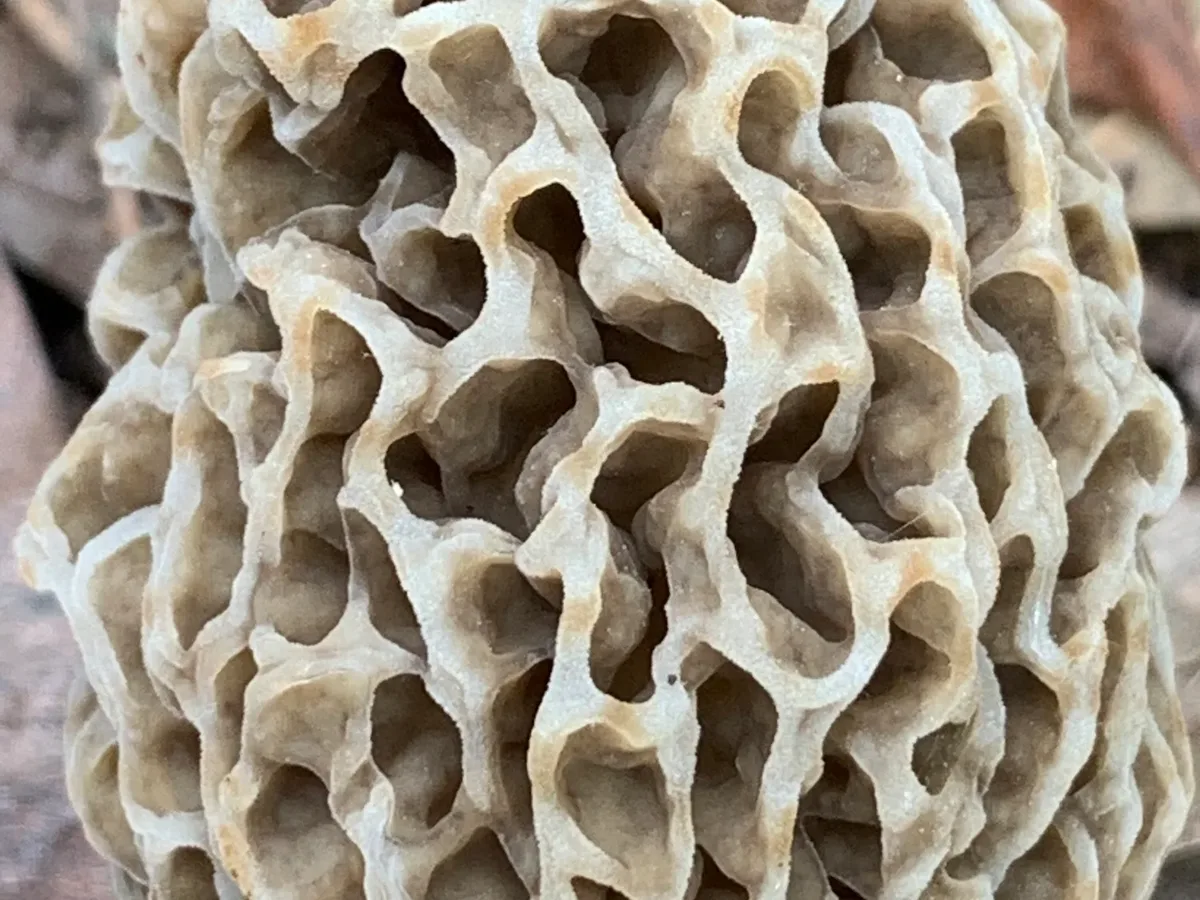 © Daniel J. Layton (CC BY 4.0)
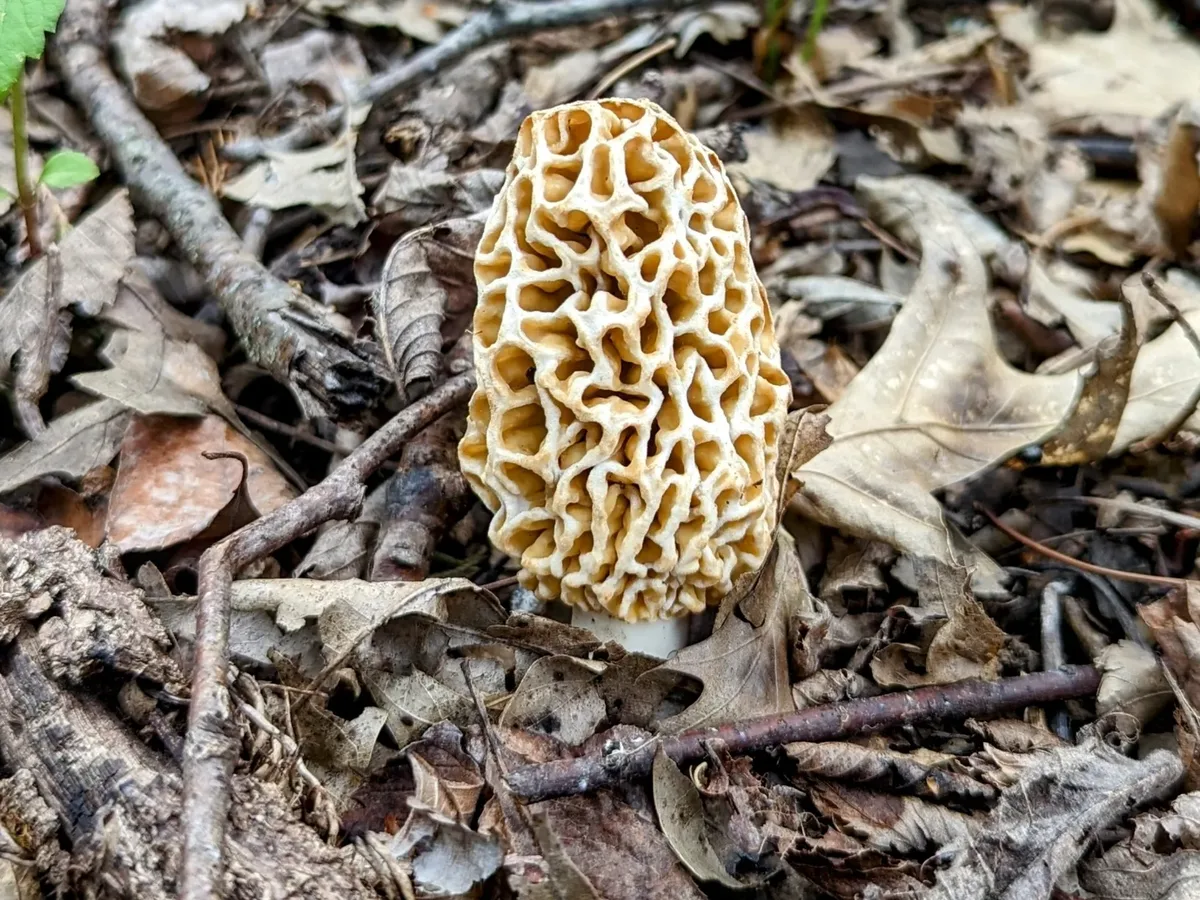 © Conway Hawn (CC BY 4.0)
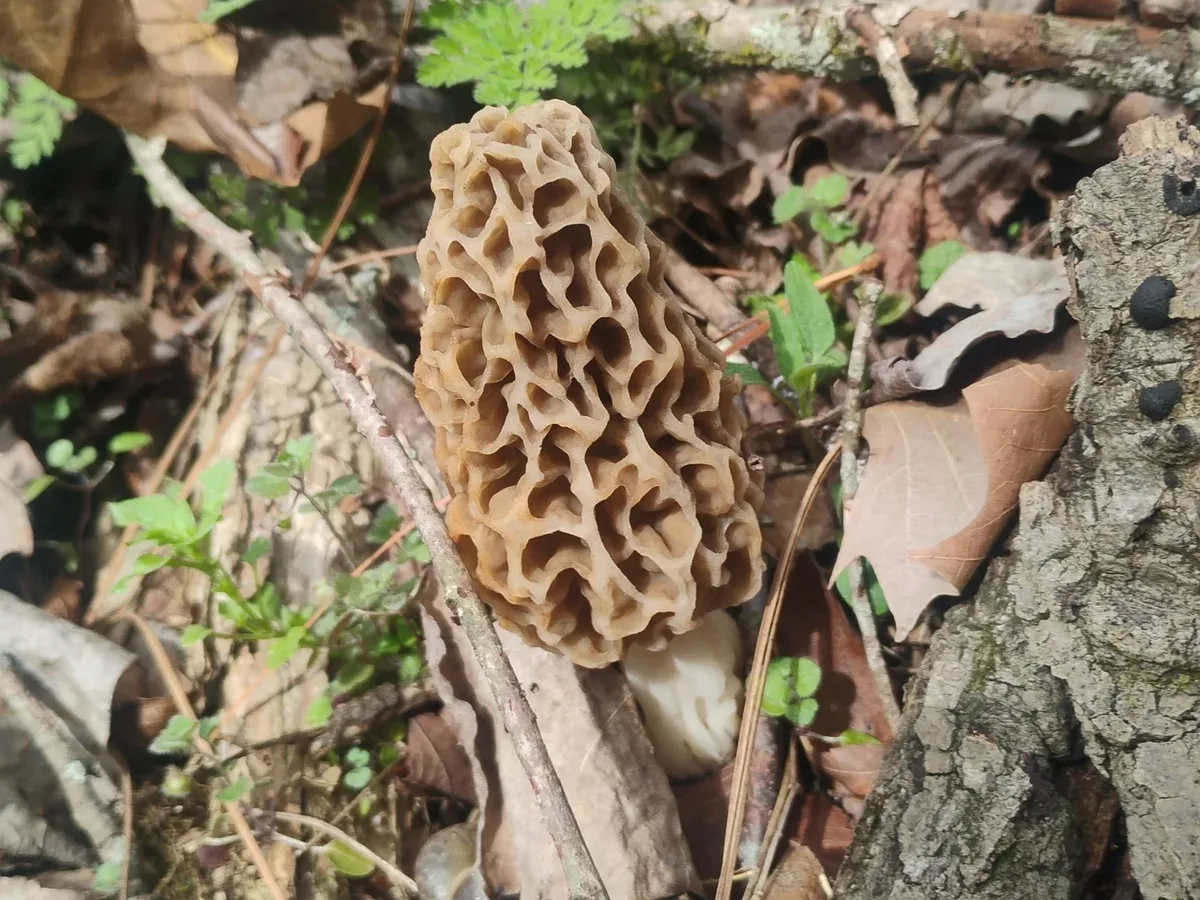 © damogravo (CC BY)
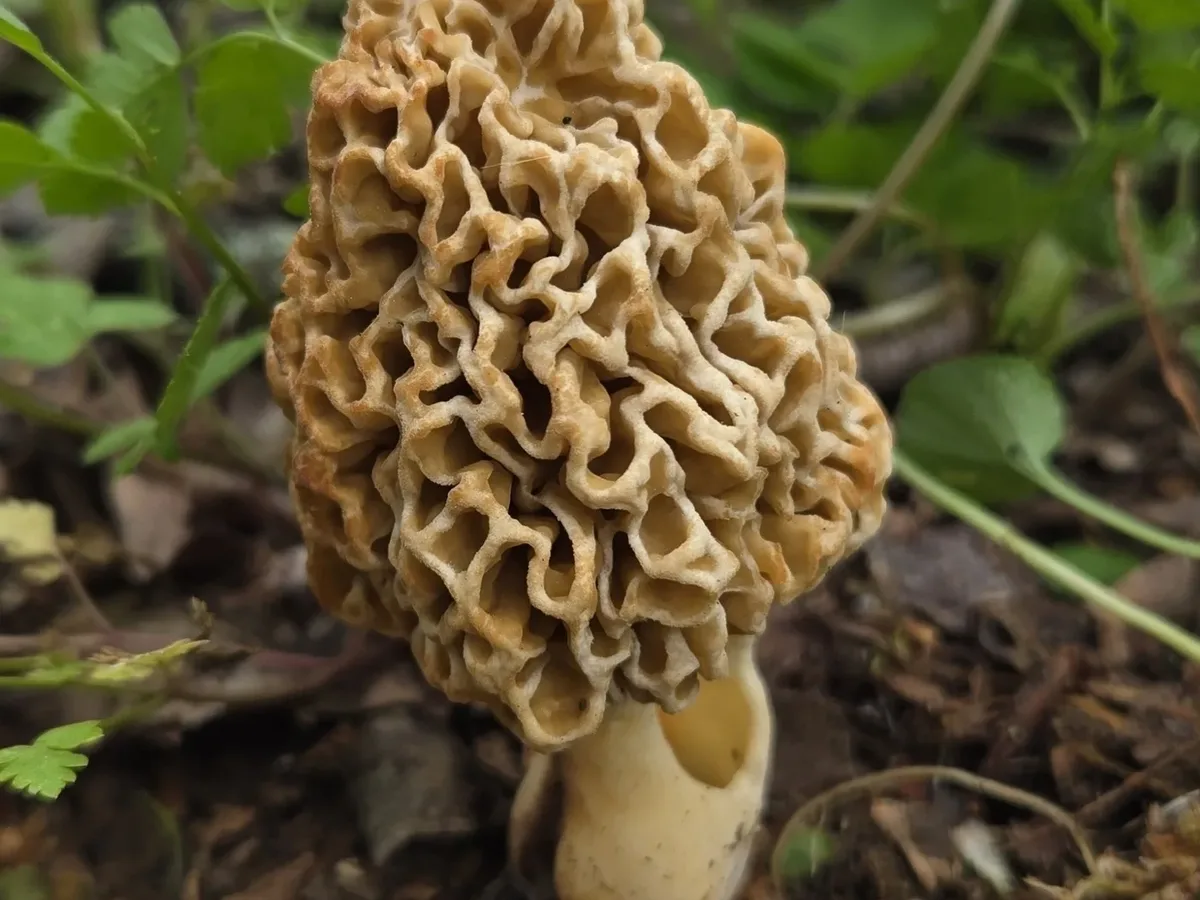 © Ben Gruhot (CC BY)
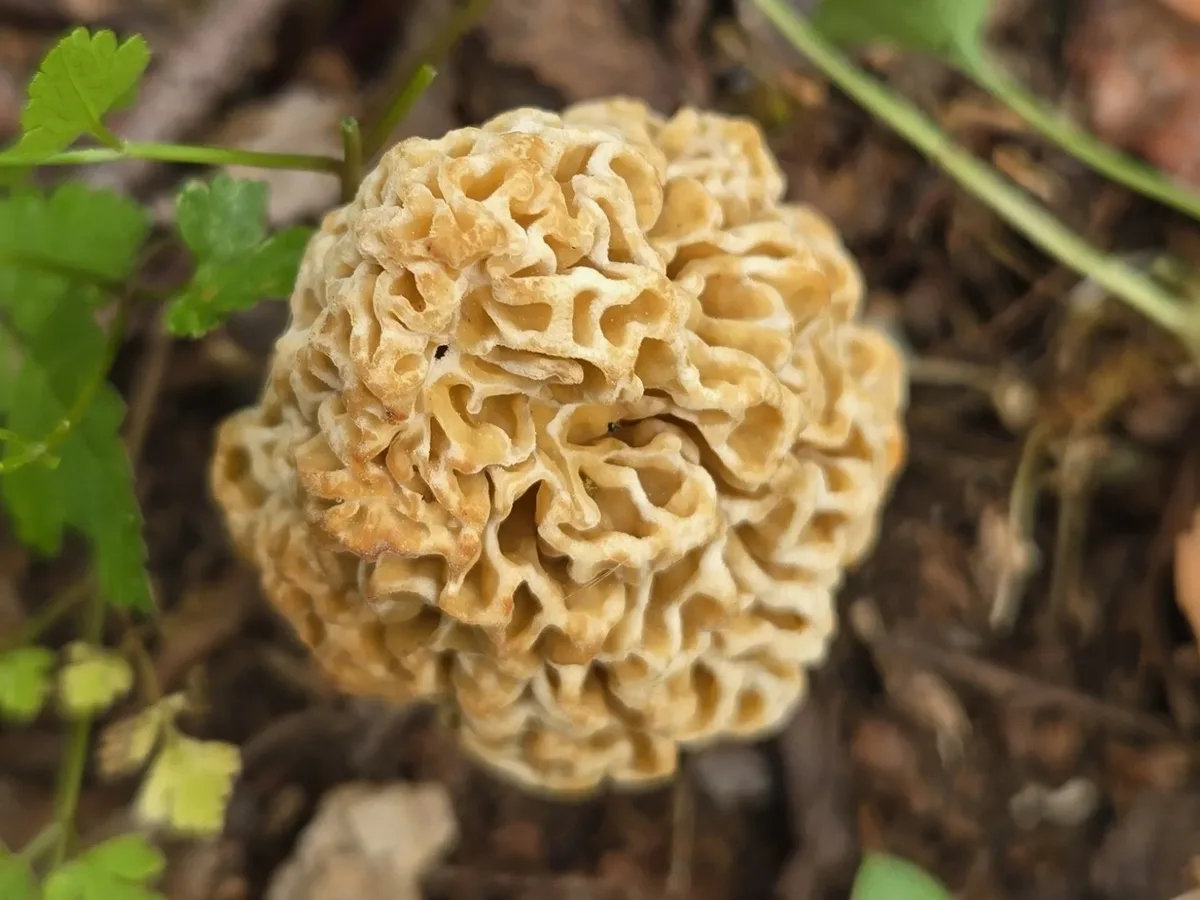 © Ben Gruhot (CC BY)
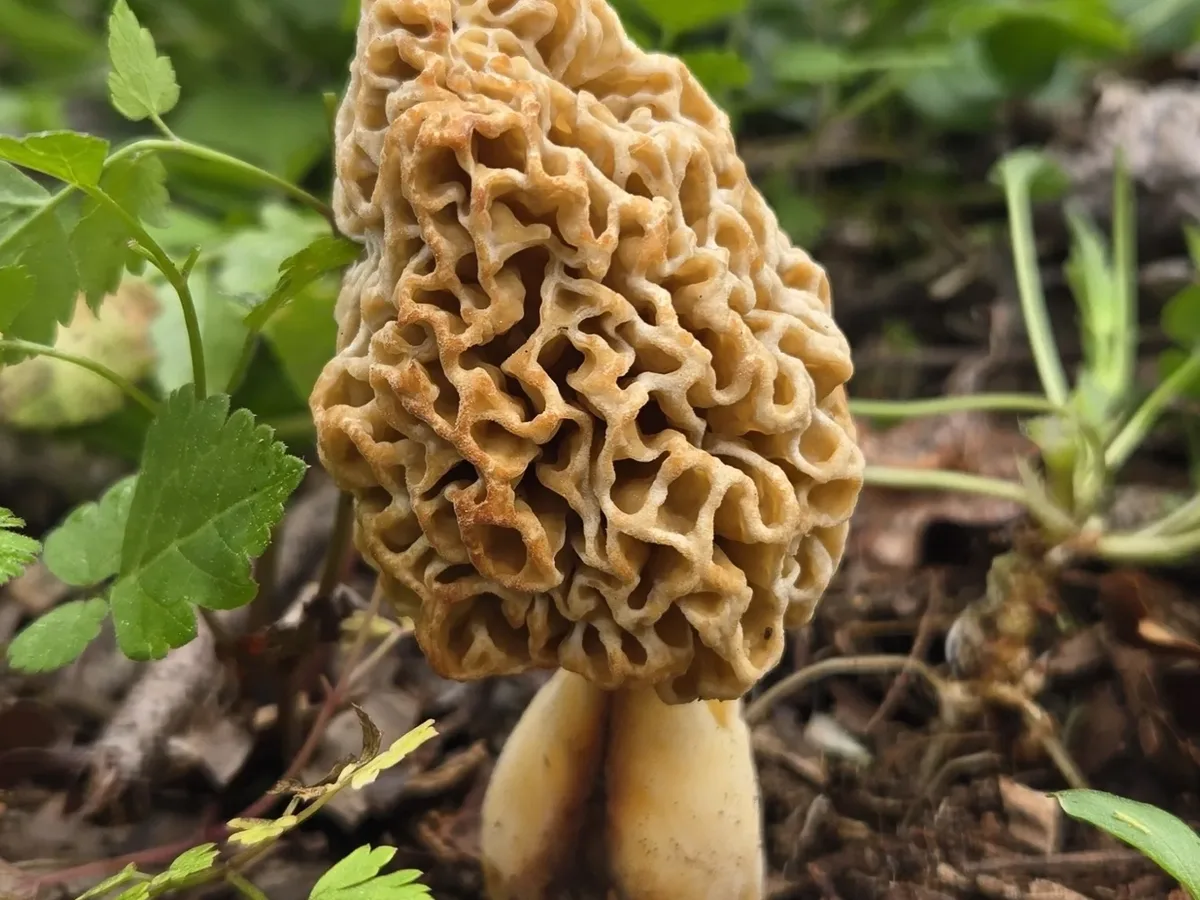 © Ben Gruhot (CC BY)
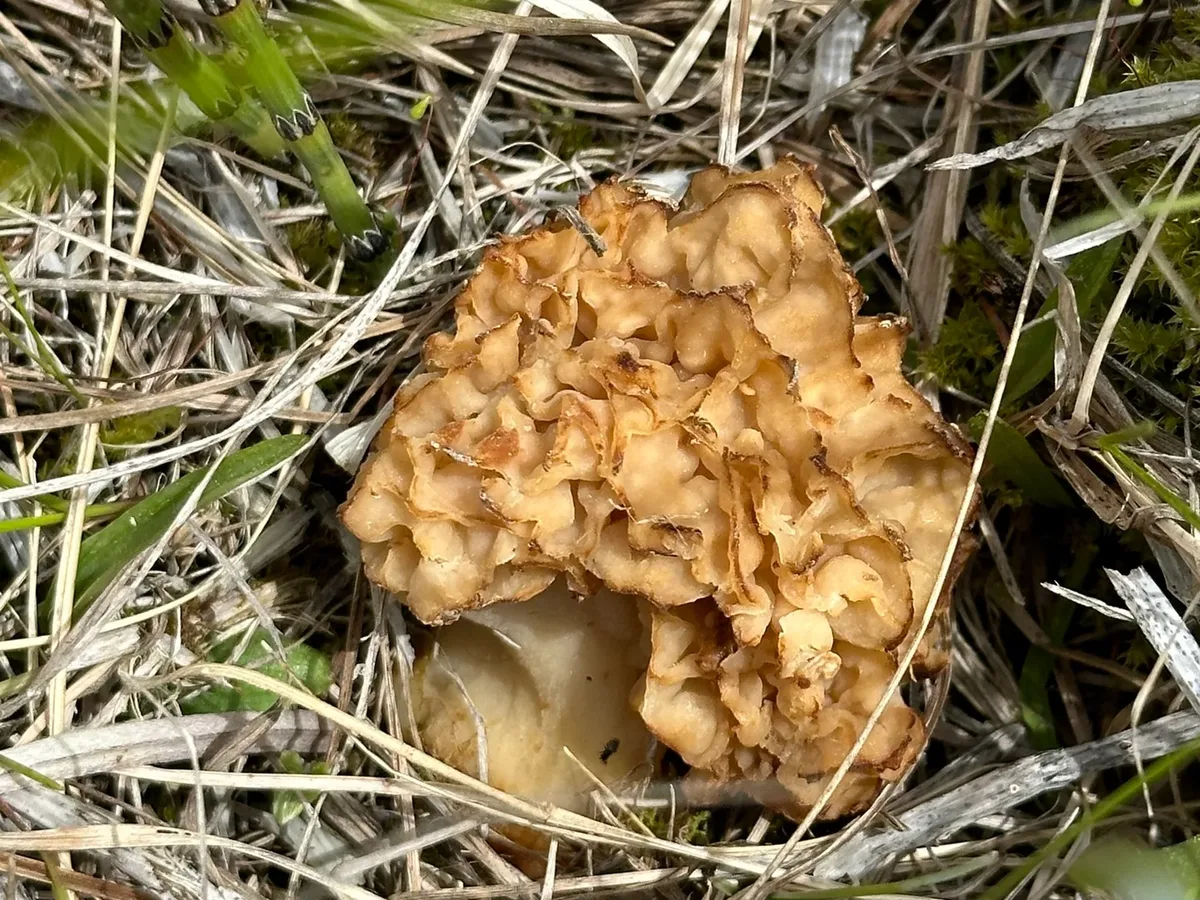 kallummcdonald (CC0)
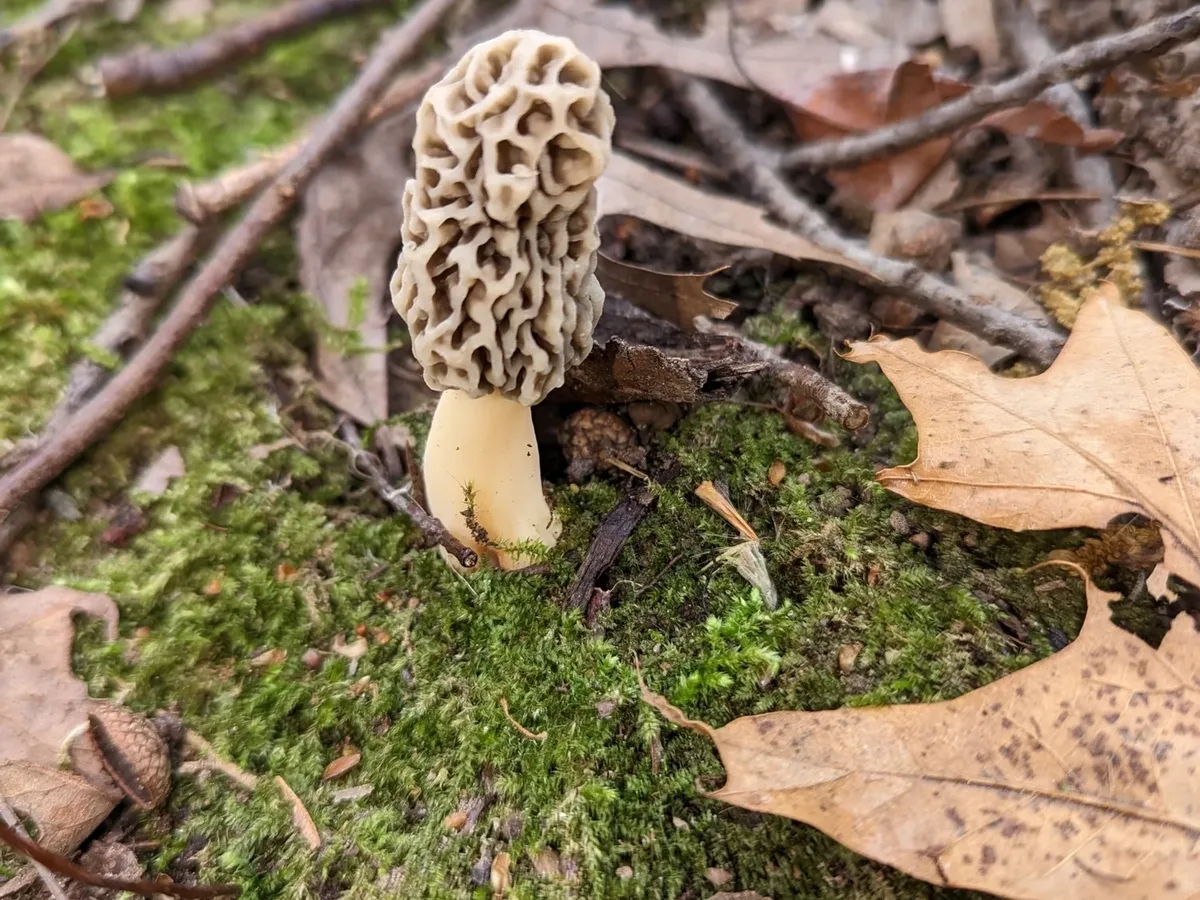 © Emmett Collins-Sussman (CC BY 4.0)
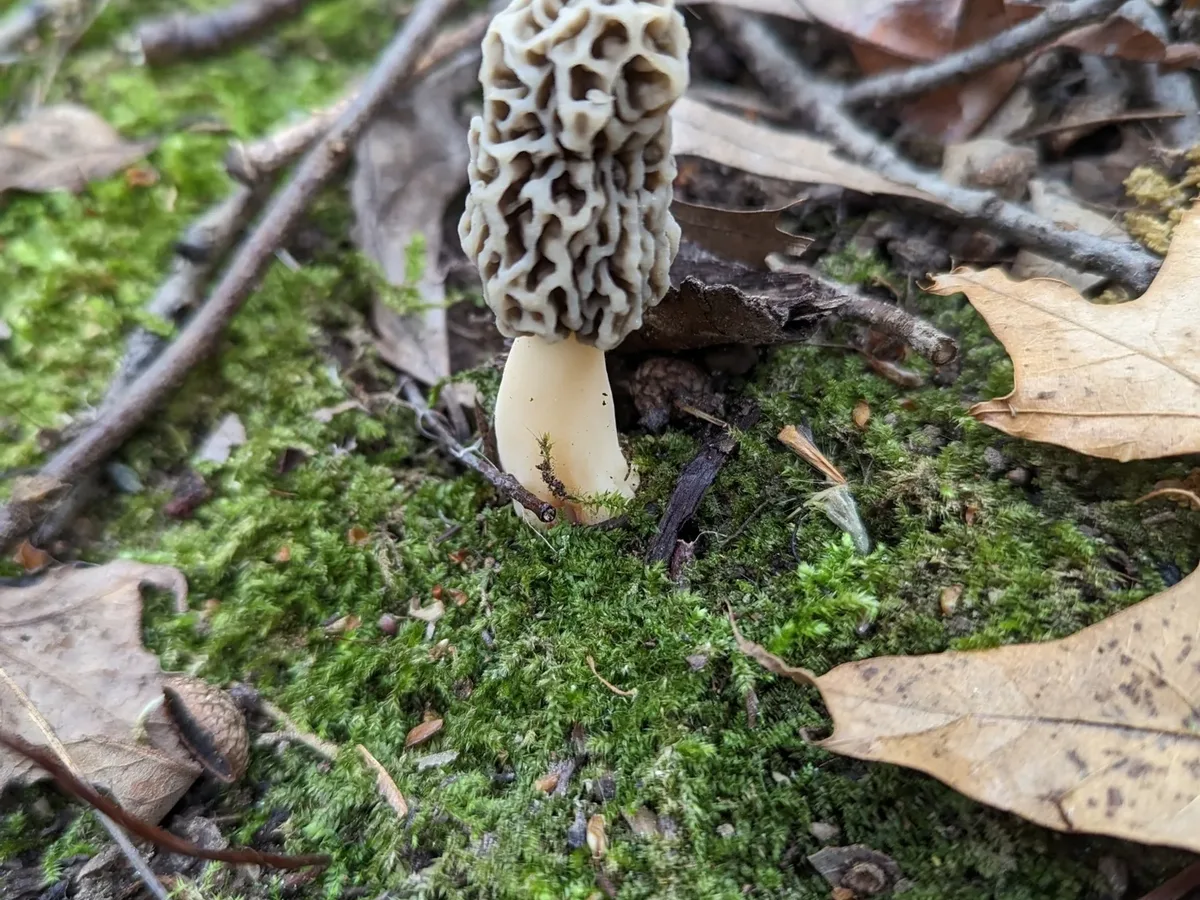 © Emmett Collins-Sussman (CC BY 4.0)
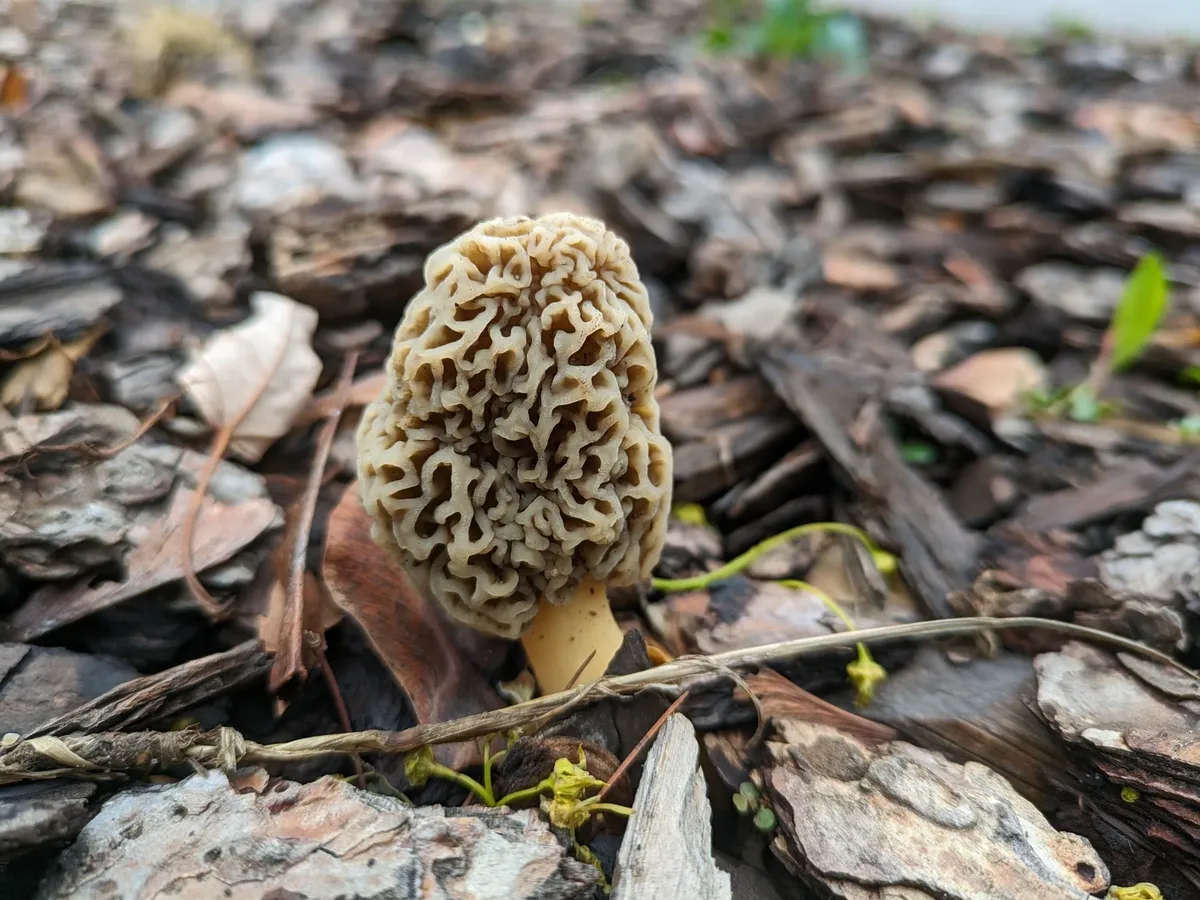 © John Benning (CC BY-SA 4.0)
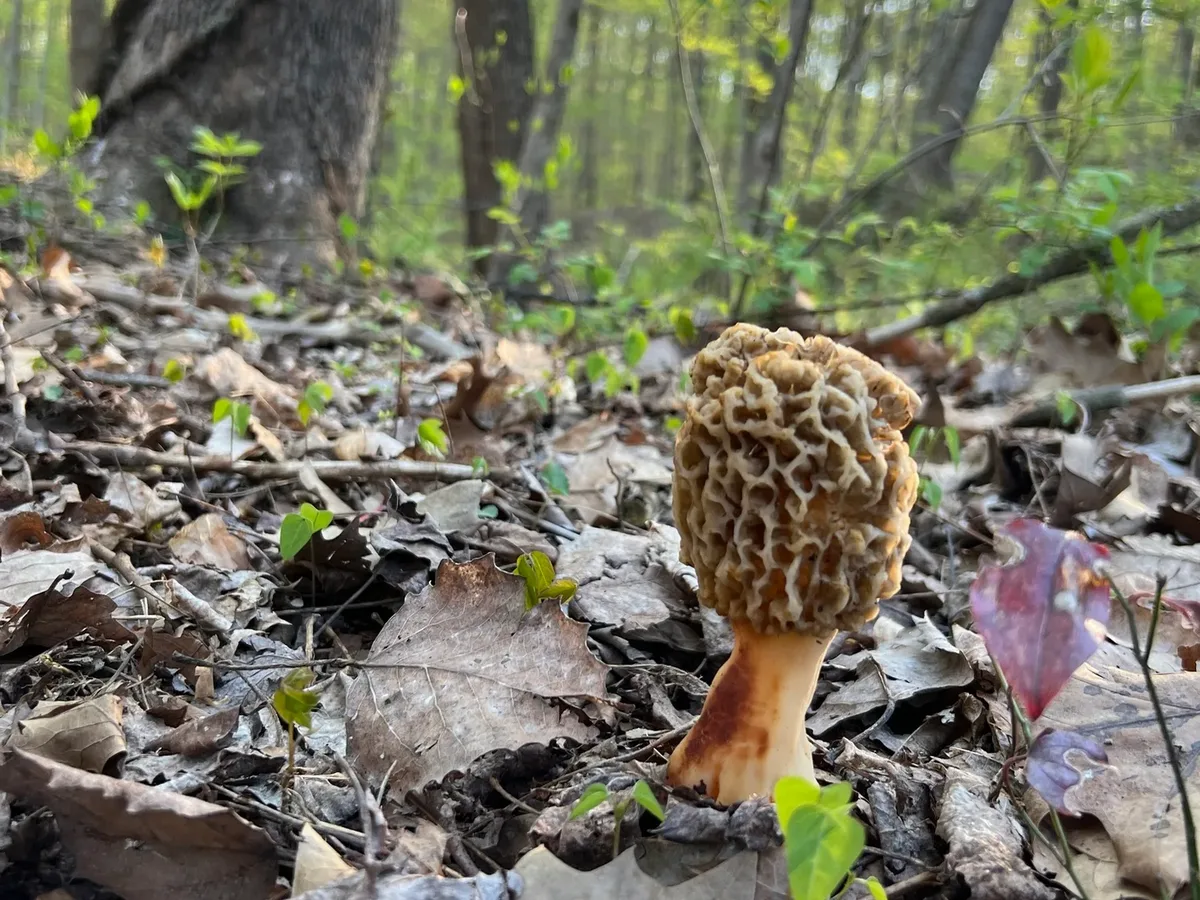 © Brian Hunt (CC BY 4.0)
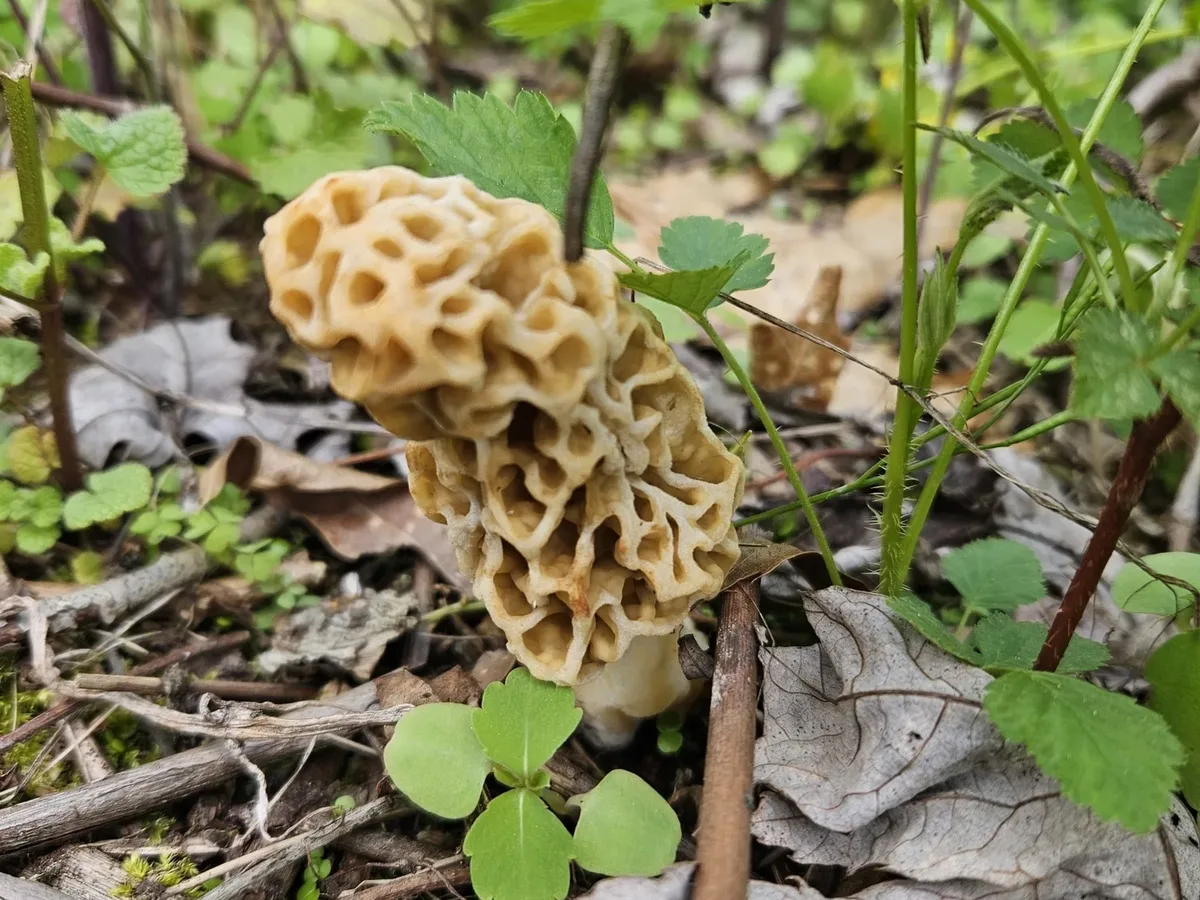 © Chris Poling (CC BY 4.0)© Daniel J. Layton (CC BY 4.0)© Conway Hawn (CC BY 4.0)
One of the best mushrooms you can bring home - once you are certain of the identification.
Never eat a mushroom you are not 100% sure of - check the look-alikes below, and always cook wild mushrooms.
How to recognise it
Morchella americana builds its fruitbody around one of the most recognizable structures in all of mycology. Specimens range from 5 to 20 cm in total height; older and larger fruitbodies often look darkened or weathered but remain structurally intact until they collapse at senescence.
Cap
The cap's entire outer surface is sculpted into a three-dimensional lattice of pits and interlocking ridges, the pits functioning as the spore-bearing surface - the asci line every pit wall, each ascus containing eight spores.
Cap color shifts with age and light: at first a pale ash-grey or cream, warming through tan and yellow-ochre to a deeper honey-brown as the fruitbody matures and dries. The ridges typically remain a shade or two paler than the pits, lending the cap a subtly two-toned texture.
Cap shape ranges from ovoid to broadly conical, 3-10 cm tall, and its lower margin is fused continuously to the stem rather than hanging free - that continuous attachment is a structural feature that carries real identification weight.
Stem
The stem is white to pale cream, stout, often longitudinally ribbed or granular, and enlarges toward the base.
Flesh
Slice any specimen vertically and you reveal the defining character: a single, uninterrupted hollow chamber running the full length of cap and stem together, with no internal partitions, shelves, or stuffing.
That completely hollow interior - confirmed in every individual, every time - is the one feature that separates true morels cleanly from their dangerous look-alikes.
Where & when it grows
Habitat
Morchella americana is intimately tied to the transition zones where trees are dying, dead, or recovering - edges where energy flows differently than in stable forest.
The strongest and most reliable association in eastern North America is with elm (Ulmus spp.): morels fruit repeatedly around the base of dying or recently dead elms, a pattern so consistent that experienced foragers map elm populations as proxy morel maps. Dutch elm disease, which has killed tens of millions of North American elms over the past century, may paradoxically have expanded morel abundance in some landscapes by creating a steady supply of the right substrate.
Dead and dying ash (Fraxinus), currently under pressure from emerald ash borer, appears to be producing a similar effect in real time.
Living tulip trees (Liriodendron tulipifera), oaks (Quercus spp.), and poplars (Populus spp.) also host morels, and old apple orchards are a famous traditional site - the trees are often aging or stressed, the soil disturbed and rich, the microclimate open.
Post-fire sites and heavily disturbed river bottoms reliably produce large flushes. South-facing slopes with loose, humus-rich loam and good drainage warm up earliest in spring and tend to fruit first; north-facing aspects and heavier soils fruit later.
The Midwest of the United States sits at the center of the species' productivity, combining the legacy of dying elms, river-deposited alluvial soils, and favorable spring temperature swings.
When
No North American mushroom has a more precisely tracked season than the morel. Fruiting is triggered by soil temperature reaching approximately 10-16 °C in combination with adequate soil moisture, which means the season behaves like a slow northward wave that foragers have mapped in granular detail across generations.
- Southern Appalachians and the Gulf Coastal Plain: fruitbodies can emerge as early as late March when a warm spell follows wet weather.
- Southern Midwest - Missouri, southern Illinois, southern Indiana: peaks in mid-April.
- Central Midwest - Ohio, Indiana, Illinois: peak in late April to early May.
- Michigan, Wisconsin, and Minnesota: follow in May, with the northern reaches of those states extending into early June.
Elevation adds another layer: morels on valley floors always precede those on hillsides or ridges by days to weeks.
Year-to-year variation is substantial - a cold, dry April can compress the season or push it two weeks later, while an early warm spell followed by rain can produce a brief but intense flush in March even in Illinois.
The window at any single location is typically 2-4 weeks before warming soils and a drop in moisture end fruiting for the year.
How it grows
Morchella americana occupies a genuinely ambiguous position in fungal ecology, and that ambiguity is not a gap in knowledge - it reflects the species' actual biological flexibility.
Molecular and isotopic studies have shown the fungus can obtain carbon both from living tree roots (in the manner of a mycorrhizal partner) and from decomposing organic matter in the soil, suggesting the relationship with host trees is facultative rather than obligate.
The mycelium persists underground through dry and cold months, extracting nutrients slowly. The decision to fruit appears to require the convergence of several environmental cues simultaneously:
- soil temperature rising through the critical range
- soil moisture at the right level after winter
- possibly chemical signals from roots under stress
The post-fire and post-tree-death association is particularly striking: the year following a forest fire or the death of a major host tree, morel flushes can be orders of magnitude larger than in ordinary years. This suggests that the death of a partner, or the chemical pulse that follows fire, triggers a reproductive response in the mycelium - as though the organism reads the disruption as a signal to broadcast spores before conditions deteriorate further.
Fruitbodies grow quickly once initiated, often fully formed within 5-10 days of emergence, and the asci fire their spores over the same short window.
Fruiting conditions
Spring fruiter that flushes as soil temperatures reach roughly 10-16 C following spring warming and moisture; can fruit massively the year after a forest fire or the death of a host tree.
Look-alikes
Two groups of fungi are consistently confused with Morchella americana, and one of them is deadly.
Gyromitra esculenta (false morel, brain mushroom) and Gyromitra caroliniana (big red false morel) are the critical dangerous look-alikes. Both bear a superficial resemblance to morels in overall size and spring fruiting season, but the cap is brain-like, lobed, or saddle-shaped - wrinkled and convoluted - never arranged in the regular honeycomb lattice of a true morel.
More importantly, slicing a Gyromitra reveals a chambered, stuffed, or cottony interior with internal partitions; it is never completely hollow from cap to stem.
Both Gyromitra species contain gyromitrin, a compound that hydrolyzes to monomethylhydrazine (MMH) in the body and can cause fatal liver and red blood cell damage. They are deadly. There is no margin for uncertainty: if the interior is not a single clean hollow chamber running cap to stem, it is not a true morel.
The Verpa group (half-free morels) presents a different and less dangerous confusion. Verpa bohemica and Verpa conica have a honeycombed or ridged cap that looks superficially morel-like, but the cap is attached only at the very top of the stem and hangs free around the rest of its circumference - a skirt-like arrangement. The interior of the stem is chambered or cottony, not cleanly hollow. Verpa is considered mildly toxic and has caused neurological symptoms when eaten in quantity.
In all cases, the verification protocol is the same:
- 1Slice vertically.
- 2Confirm a single completely hollow interior.
- 3Confirm the cap is fused continuously along the stem.
Brain-like/wrinkled cap (not honeycomb-patterned), with a chambered interior that is not fully hollow, and contains the toxin gyromitrin. A true morel is completely hollow from cap to foot.
Brain-like/wrinkled, chambered (not fully hollow) interior, contains gyromitrin. The true morel's fully hollow interior is the distinguishing feature.
Brain-like, convoluted cap (not honeycomb-pitted), and not hollow but chambered/filled inside. Contains gyromitrin (a toxin).
A false early morel; distinguish from true Morchella by cap and stem attachment and chamber structure.
The cap is attached only at the top (hangs free), unlike a true morel whose cap is attached down the length of the stem; the fully hollow interior also distinguishes the true morel.
In the kitchen
Picking & cleaning
Morels are fragile in structure but forgiving in the field - a fruitbody that has stood for several days and dried slightly in the sun is often in perfect condition inside.
The traditional harvest method is to cut the stem at ground level with a knife rather than pulling, which avoids disturbing the surrounding mycelium and leaves the base in place. Carrying the harvest in an open mesh bag or a loosely woven basket allows spores to fall as you move through the forest, a habit whose effect on spore dispersal is modest but symbolically aligned with the ethic of not depleting a patch.
Each fruitbody should be sliced lengthwise in the field or immediately on returning home: the honeycomb pits, particularly in large specimens, trap soil, leaf fragments, bark beetles, springtails, and slugs, and a lengthwise split exposes every pit for cleaning under cold running water.
Avoid sealed plastic bags, which accelerate deterioration. Morels keep well refrigerated for 5-7 days if stored loosely in a paper bag or wrapped in a damp cloth.
For longer preservation, drying is the classic method - split fruitbodies dry reliably at 40-50 °C and reconstitute well in warm water or stock, often with a deeper, more concentrated flavour than fresh.
Cooking
Morchella americana is regarded as one of the finest edible fungi in North America for good reason: the honeycomb structure gives the fruitbody an unusually large surface area relative to its mass, which browns efficiently and concentrates flavor under heat.
The classic Midwest preparation shows the morel at its most direct:
- 1Halve the morels lengthwise.
- 2Soak briefly in lightly salted cold water to dislodge any insects or grit.
- 3Pat thoroughly dry.
- 4Dredge in seasoned flour or a flour-egg-breadcrumb coating.
- 5Fry in a generous amount of butter over moderate heat until golden and crisp on the outside and yielding within.
Beyond frying, morels respond beautifully to any technique that builds a fond: sauteed in butter until their moisture cooks off, they develop a nutty, almost meaty depth. That makes them outstanding in cream sauces over pasta, stirred into scrambled eggs, piled on toast with shallots and thyme, or added to risotto in the last minutes of cooking. They pair naturally with asparagus and ramps, which share the spring season.
For the best flavour, cook morels in fat - butter or a neutral oil - rather than steaming or boiling, since water leaches the aromatic compounds.
Dried morels reconstituted in warm water or light stock have a more concentrated, earthy flavour and are excellent in braises, soups, and sauces; the soaking liquid, strained to remove grit, is too flavourful to discard.
Morels do not need elaborate treatment - their flavour is complex enough that restraint in seasoning is an asset.
Good to know
Morchella americana is a choice edible species with a long foraging tradition across eastern North America, but it carries two firm safety conditions that must be observed by every person who eats it, regardless of prior experience.
- 1Always cook morels thoroughly before eating. Raw or inadequately cooked morels contain heat-labile compounds - likely short-chain oligopeptides - that cause gastrointestinal poisoning including nausea, vomiting, and cramping. The North American Mycological Association (NAMA) has documented serious poisonings and at least one fatality attributed to raw or undercooked consumption. Cooking to a sustained internal temperature is sufficient to denature these compounds; a proper saute or braise accomplishes this reliably, but brief wilting or light warming does not.
- 2Morels eaten in combination with alcohol cause adverse reactions in a significant minority of people, most commonly flushing, rapid heartbeat, and nausea - a pattern resembling a mild disulfiram reaction. This reaction can occur even when the morels are fully cooked; avoiding alcohol with morel meals is the safest approach for new consumers.
Because individual sensitivity varies, NAMA recommends eating a modest portion (half a cup or less) on first exposure even when the mushrooms are correctly identified and properly cooked, and waiting to see if any reaction develops before eating larger quantities. People with compromised liver function should exercise additional caution.
A reference guide - never an edibility guarantee. When in doubt, leave it out.