Scaly Lentinus
Lentinus squarrosulussyn. Lentinus cladopus, Lentinus tuber-regium, Pleurotus tuber-regium
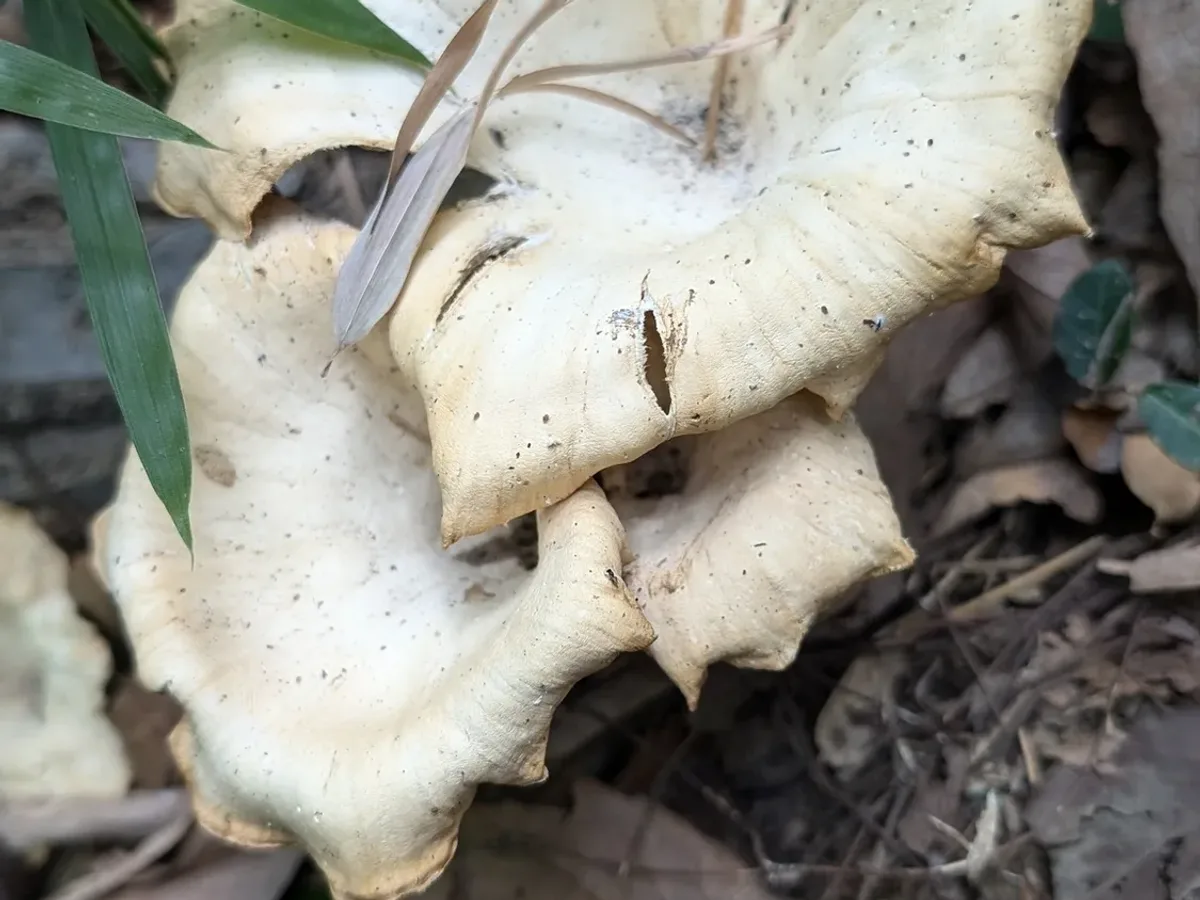 © Atsushi Nakajima (CC BY 4.0)
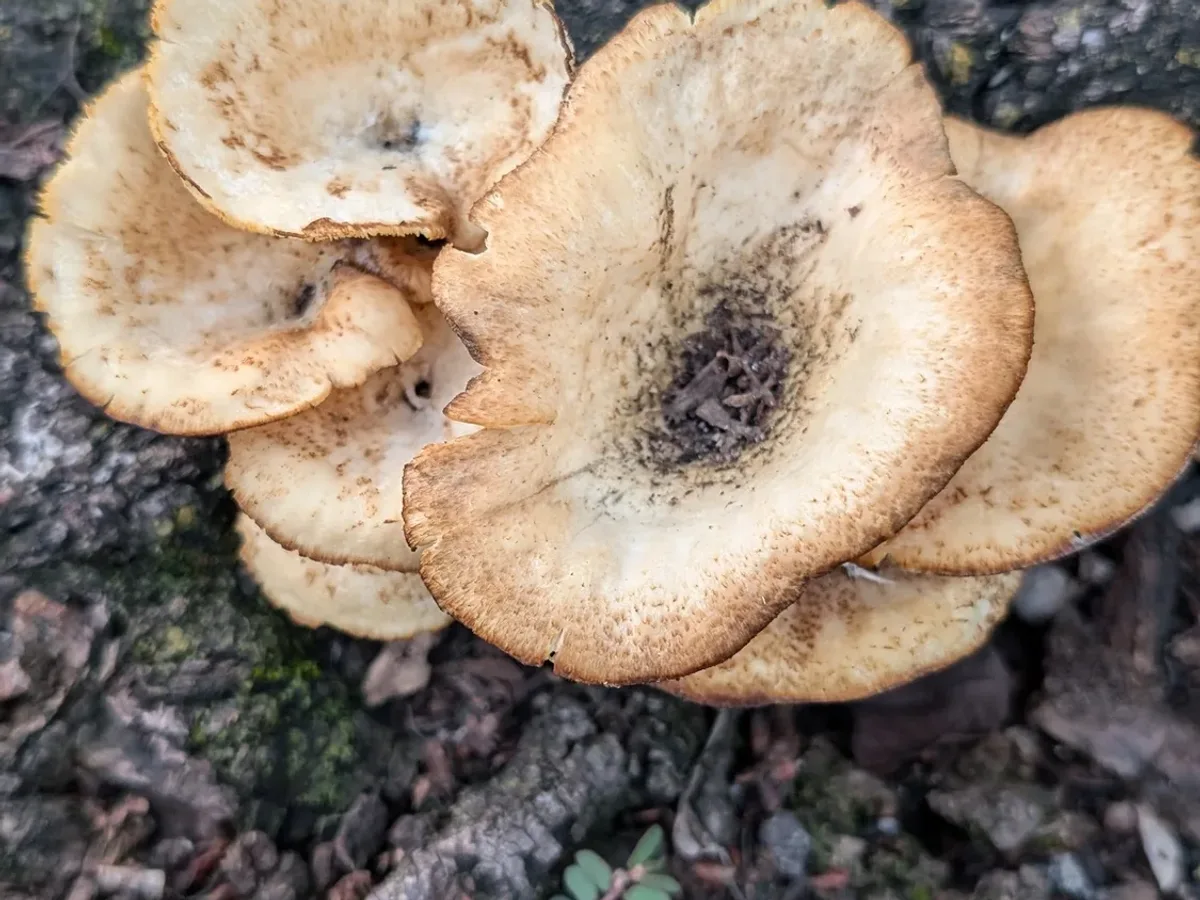 © Atsushi Nakajima (CC BY 4.0)
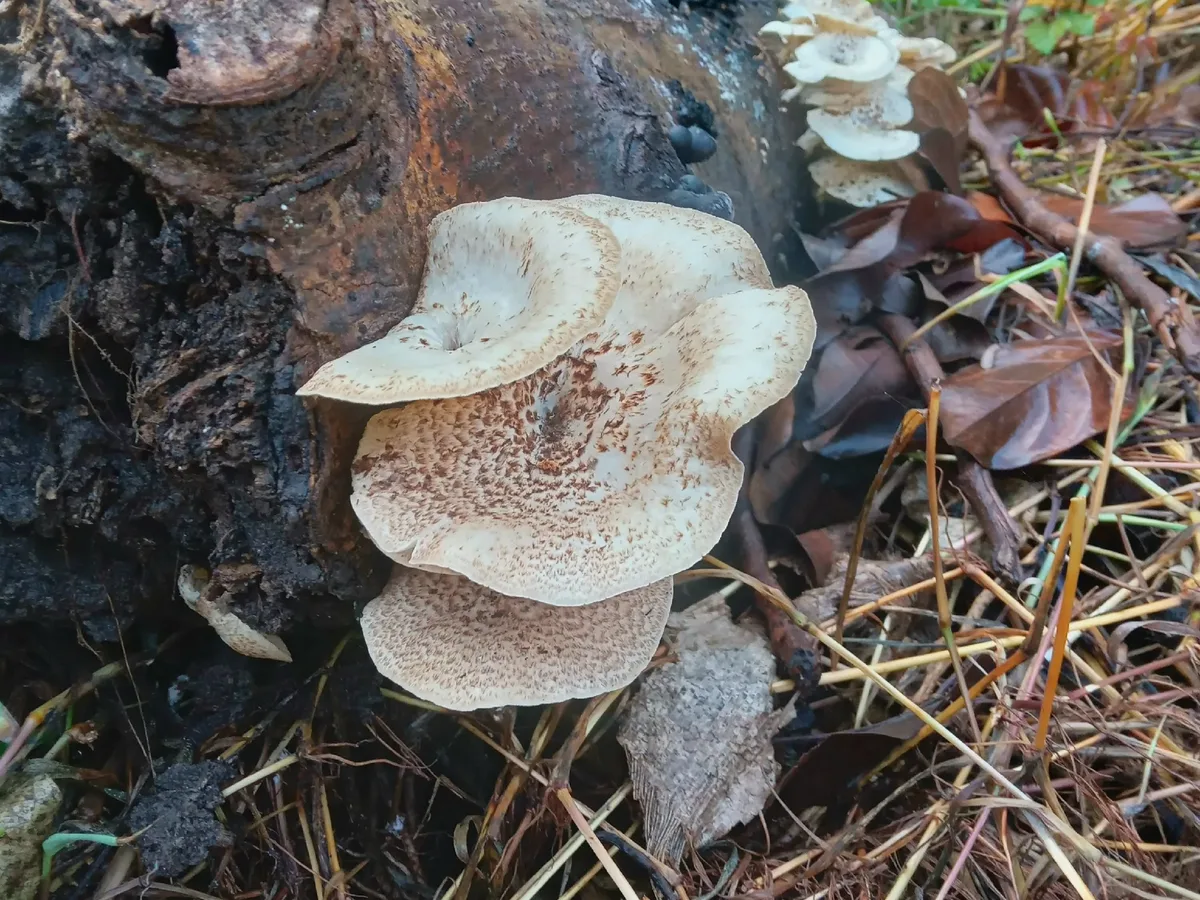 © Satyaji Wibowo (CC BY)
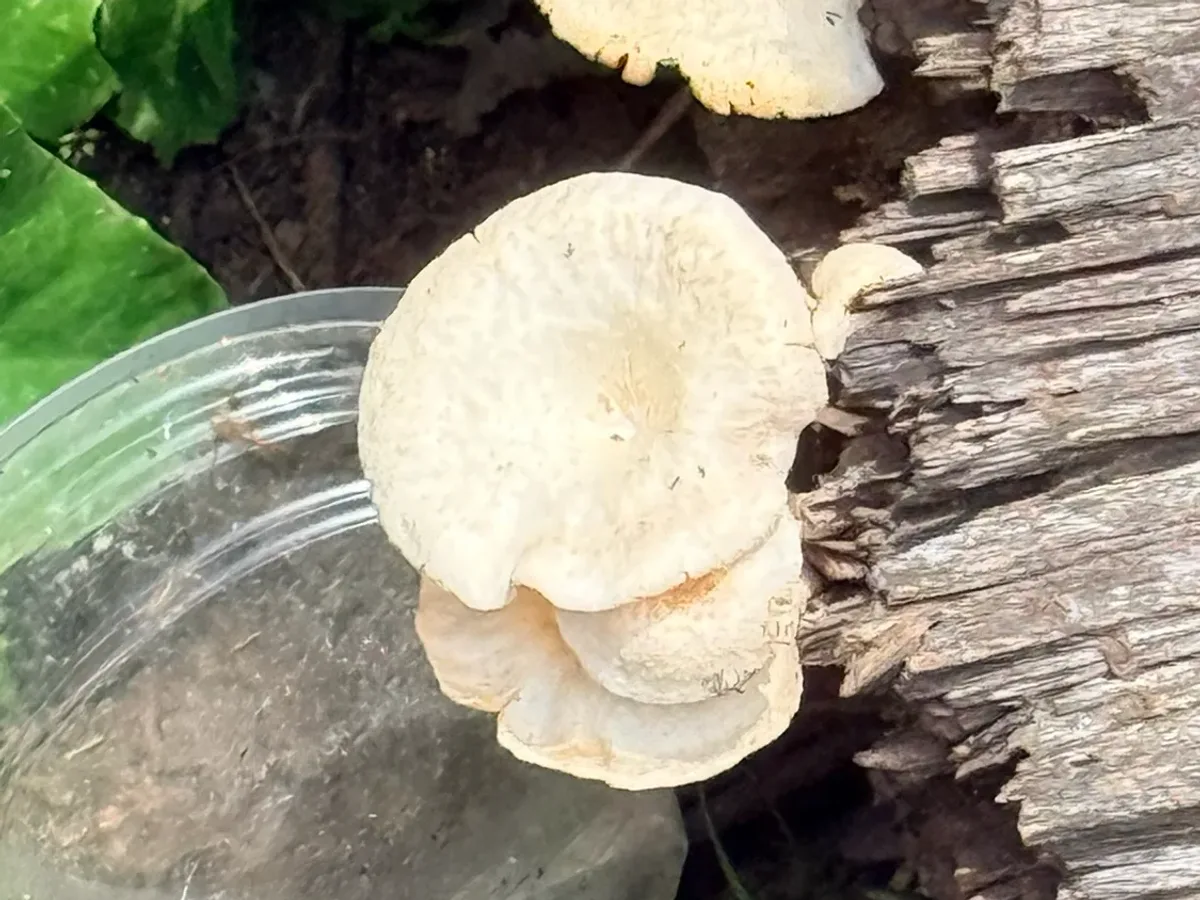 buriedanimal (CC0)
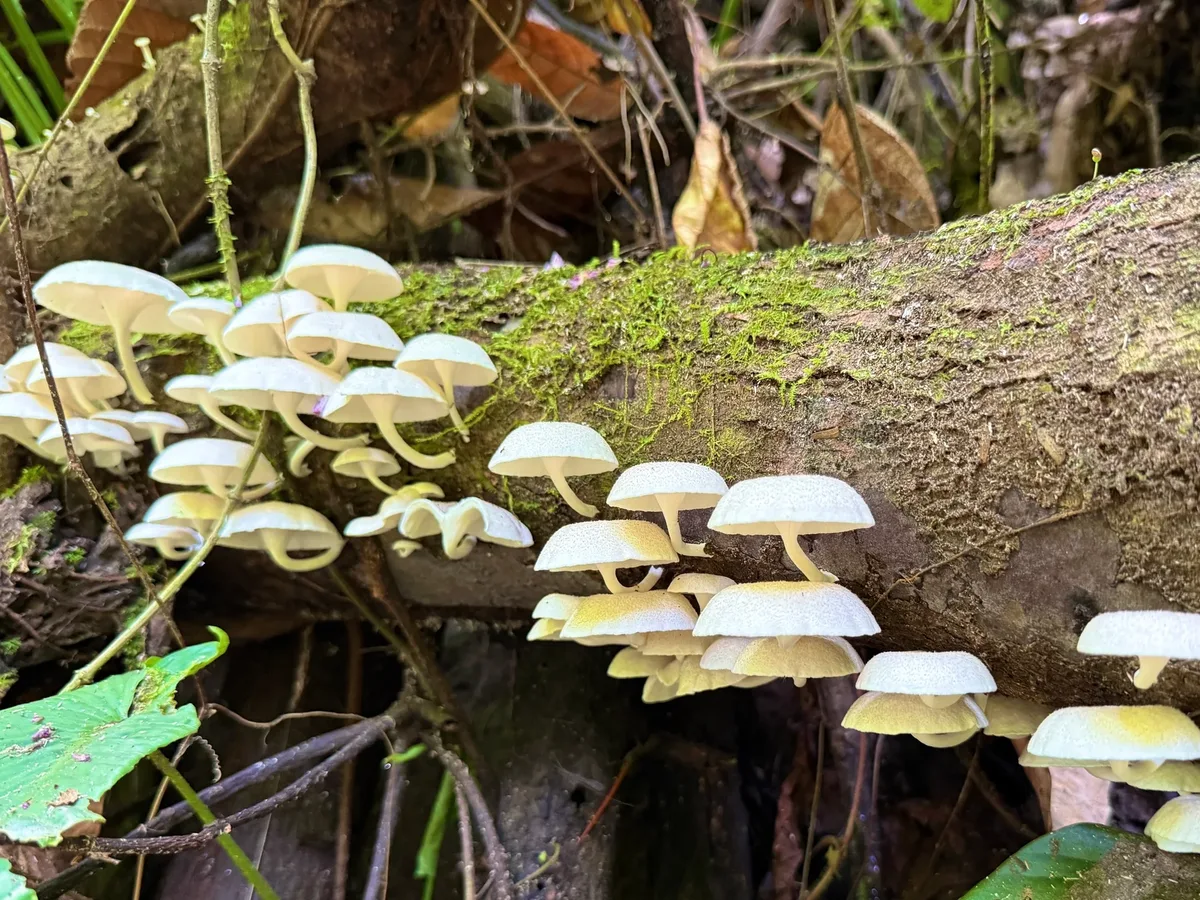 © John Witton (CC BY)
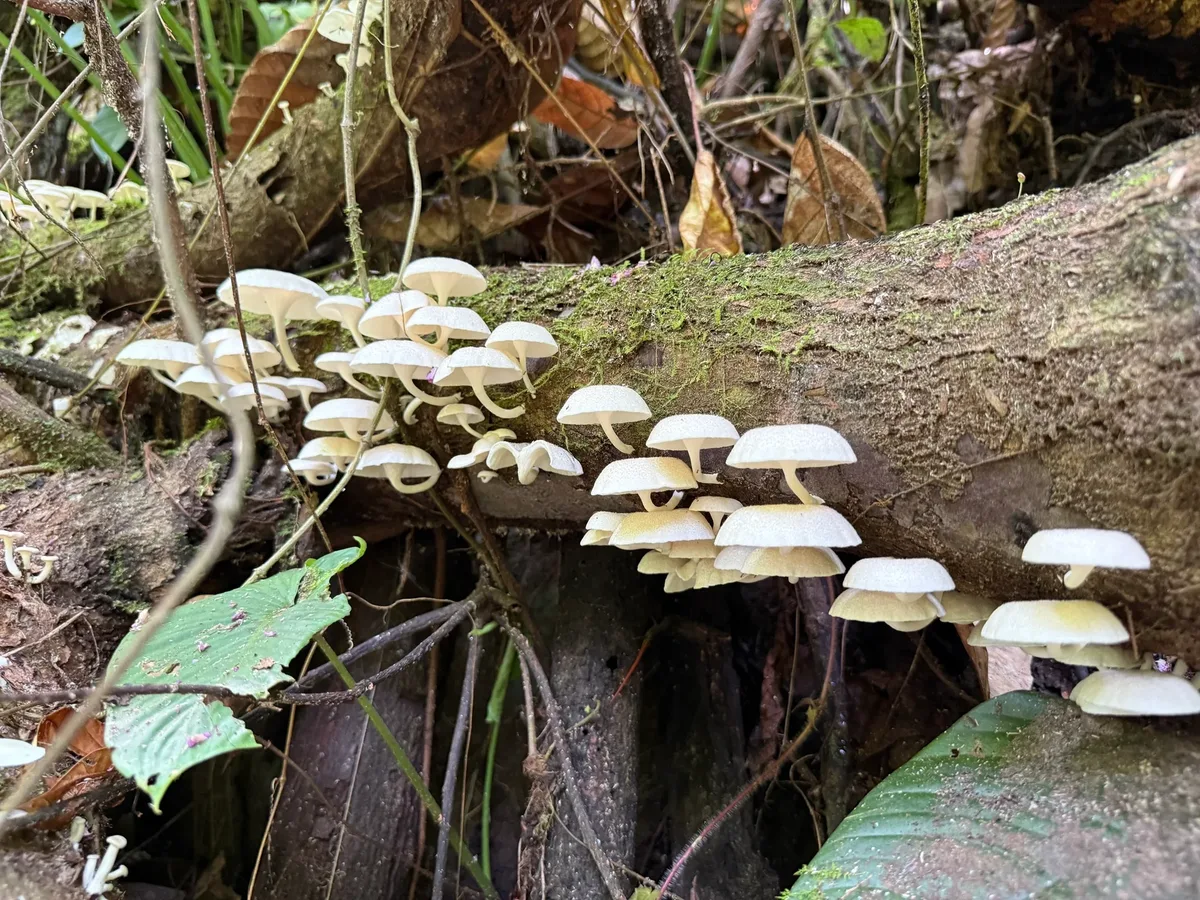 © John Witton (CC BY)
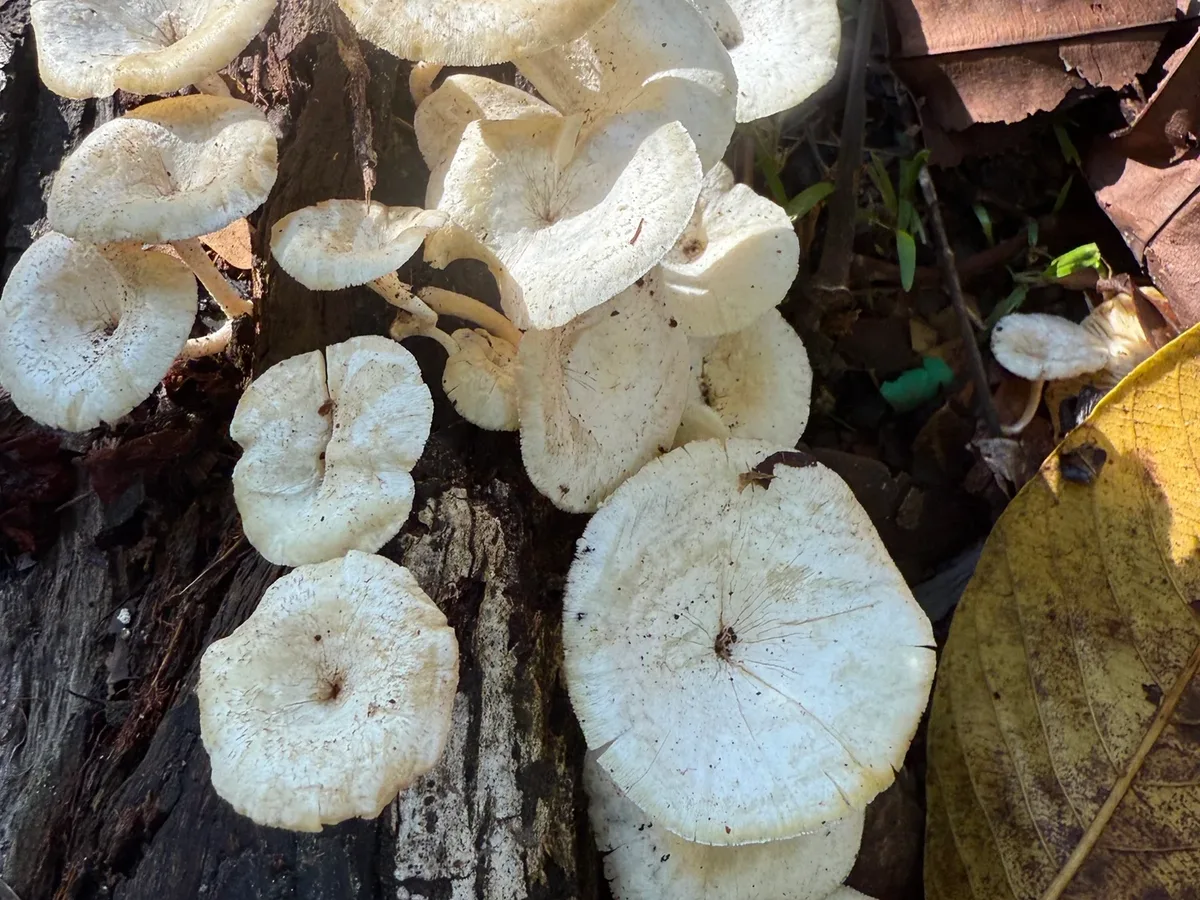 © John Witton (CC BY)
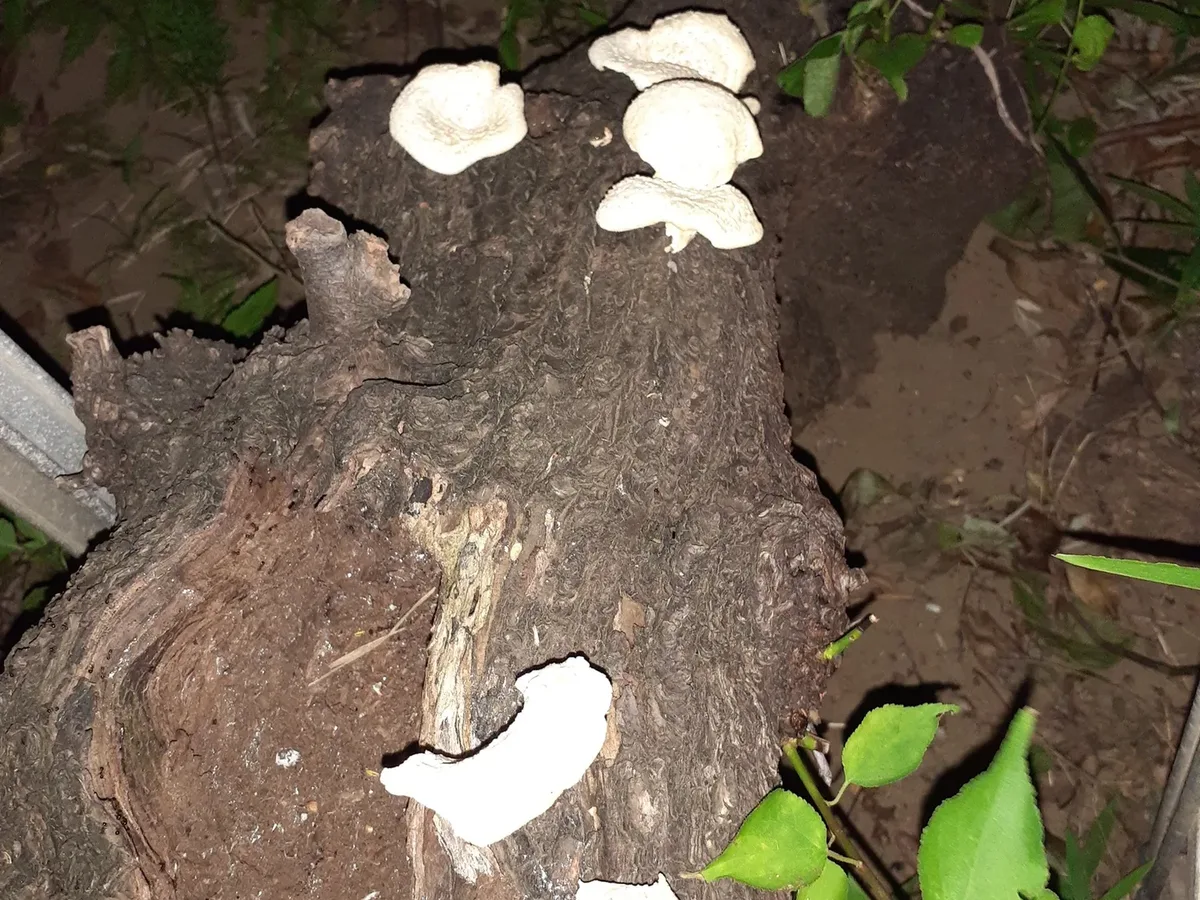 © TAKIGAWA Akihito (CC BY)
 © TAKIGAWA Akihito (CC BY)
 © Vihansith Kulatunga (CC BY-SA 4.0)
 Bethlea Bell (CC0)
 © Amar Bharathy (CC BY 4.0)
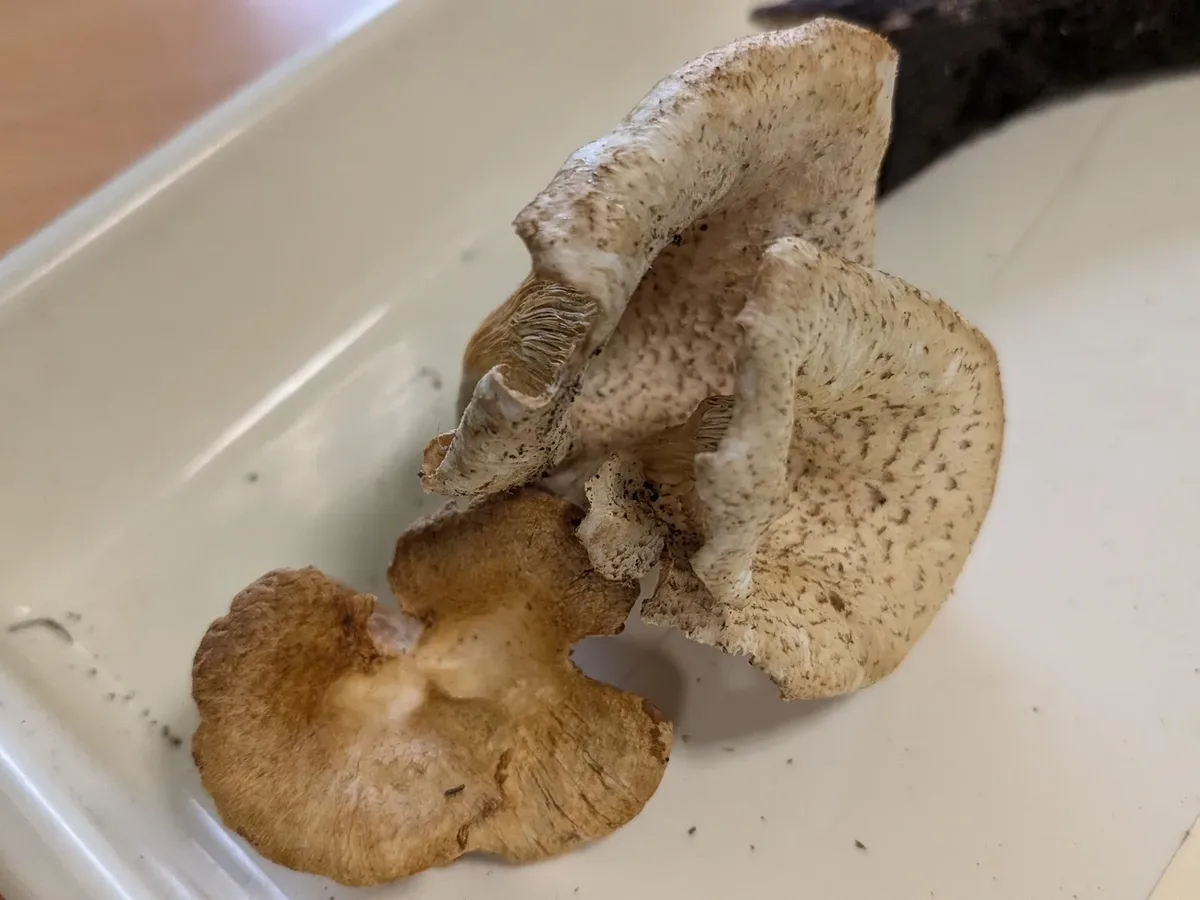 © Atsushi Nakajima (CC BY 4.0)© Atsushi Nakajima (CC BY 4.0)© Atsushi Nakajima (CC BY 4.0)
Good to eat, once you have identified it with certainty and cooked it through.
How to recognise it
Lentinus squarrosulus announces itself through texture before anything else.
Cap
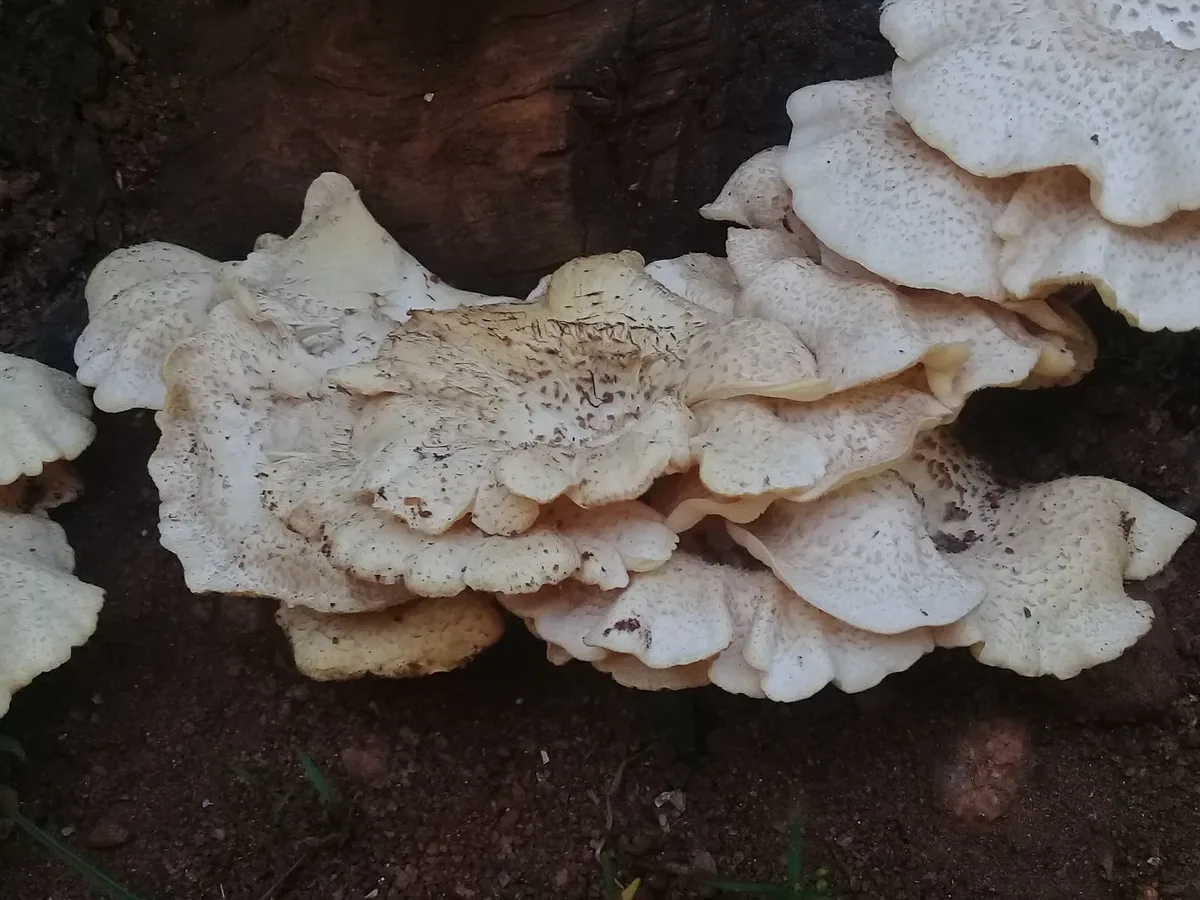
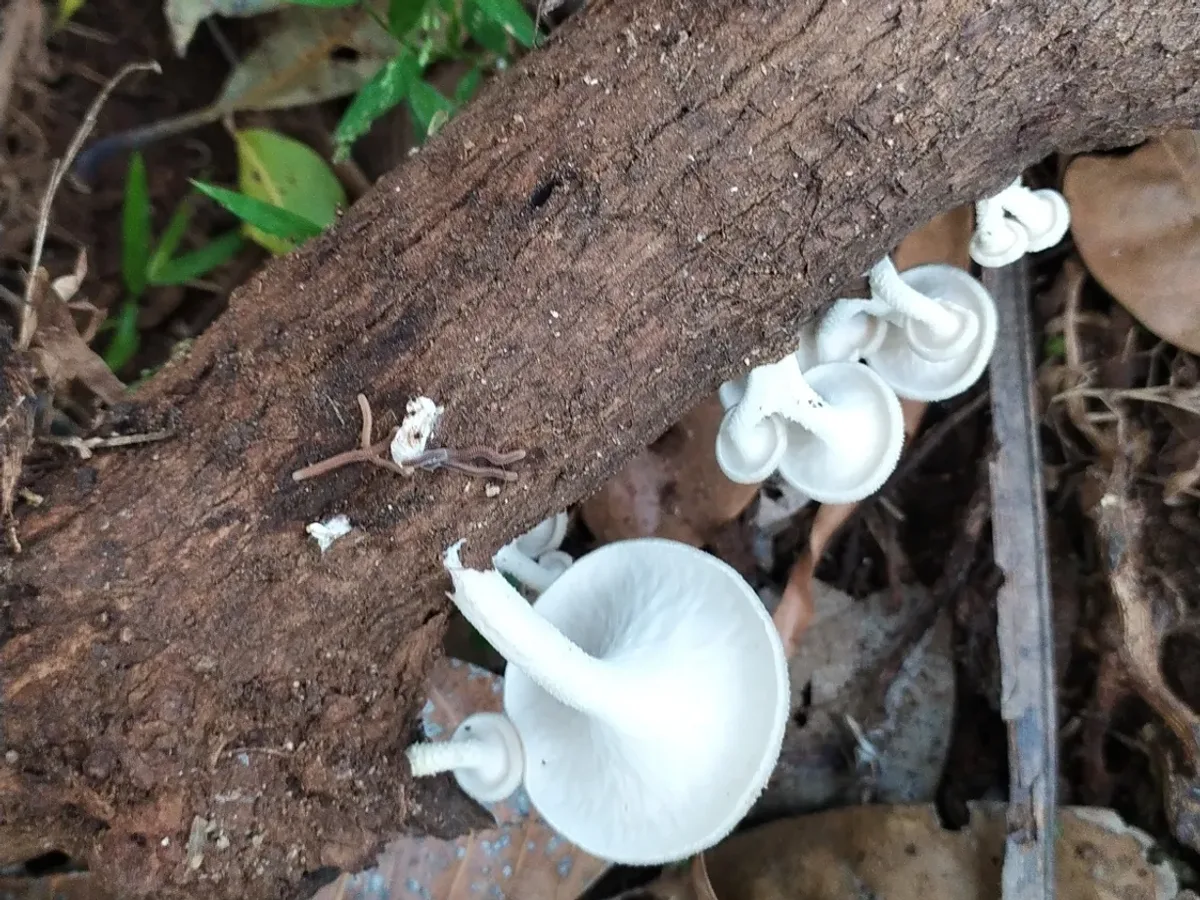
The cap begins convex or broadly umbonate, then flattens and finally sinks into a shallow funnel or navel shape - a form mycologists call infundibuliform - spanning 3-10 cm across in mature specimens and occasionally reaching 15 cm on vigorous flushes.
The surface is dry, pale cream to light buff or ochraceous. As the cap expands the cuticle fractures into small but conspicuous upturned scales, denser toward the centre, giving the cap a rough, almost bristled look that is the source of its Latin epithet (squarrosulus means somewhat rough-scaled).
Gills
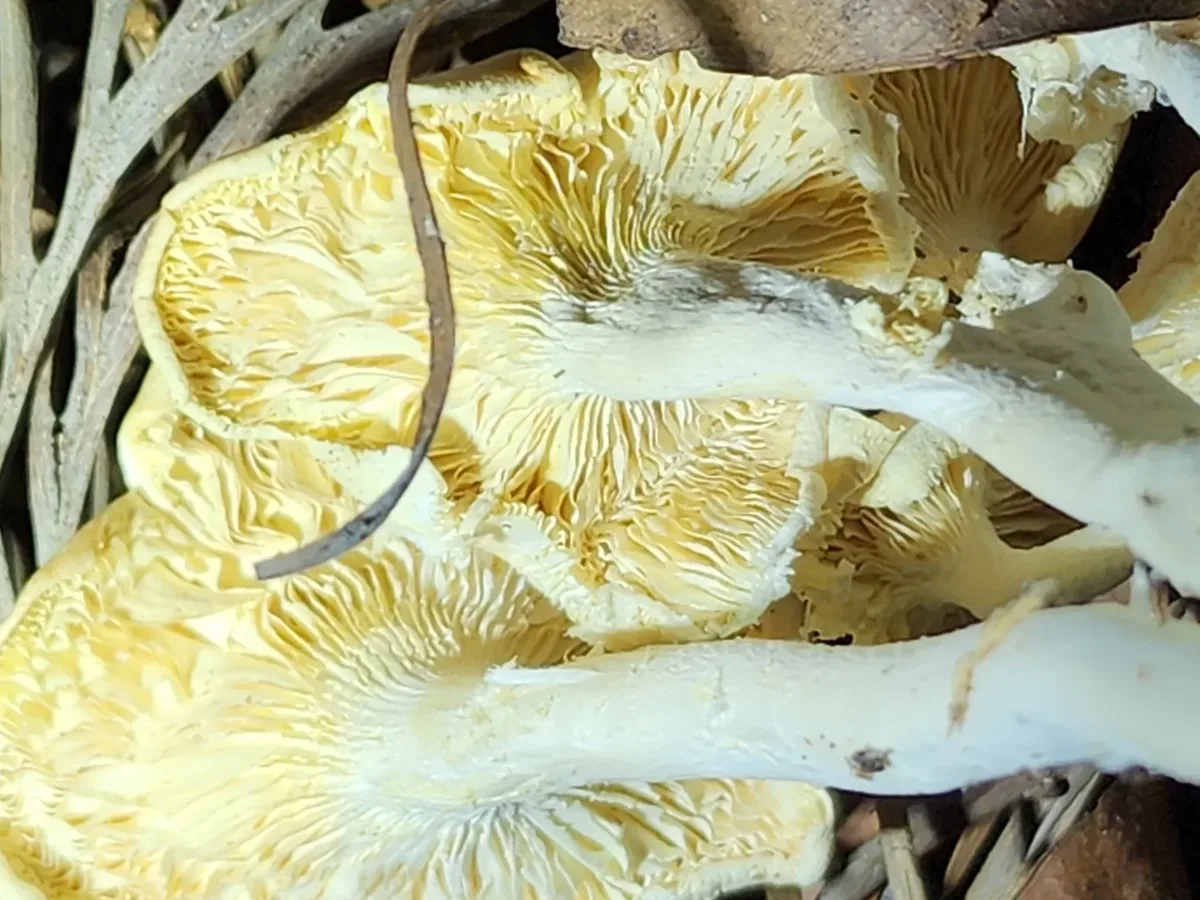
Underneath, the gills are tightly crowded, ivory-white to cream, and markedly decurrent - they sweep smoothly down the stem rather than stopping at a right angle or notching, which is a consistent structural trait shared with the broader Lentinus/Neolentinus lineage. Gill edges can develop fine serrations with age.
Stem
The stem is solid, firm, and pale, central to slightly off-centre, often tapering slightly toward the base where it can darken to buff-brown or pale tan.
Flesh
The flesh throughout is white, extremely tough and fibrous - almost leathery in the way a dried piece of porcini is leathery before rehydration, but denser - and this toughness is one of the most reliable identifiers in the field.
No ring or volva is present at any stage of development. Spore print white.
Where & when it grows
Habitat
Lentinus squarrosulus is a wood-decaying saprotroph, living entirely by breaking down the structural polymers - cellulose, hemicellulose, and lignin - of dead and dying hardwood. White-rot saprotrophs like this species degrade both cellulose and lignin simultaneously, leaving the wood pale and spongy rather than the reddish-brown cubical blocks left by brown-rot fungi; over seasons they return entire fallen trees to soil carbon.
In the wild it colonises rotting logs, felled stumps, recently fallen branches, and exposed root systems in tropical woodland, forest margins, and savanna-gallery forest. It is particularly visible at the edges of cleared farmland and around timber that has been cut and left in place, making it a regular discovery near village farms and plantation edges across West and Central Africa.
It is not mycorrhizal and does not depend on living root partnerships; its only requirement is access to lignocellulosic material in a warm, humid environment.
In cultivation this same flexibility translates directly into its appeal: it will colonise sawdust from hardwood species, rice straw, maize cobs, sorghum stalks, cassava peel, and various agricultural residues that are abundant and otherwise valueless across the smallholder farming systems where it is grown.
When
In the wild, Lentinus squarrosulus is a creature of the rains. Across its West African range the fruiting season runs from roughly May through October, tracking the main rainy season, with the densest flushes appearing between June and September when rainfall, relative humidity, and overnight temperatures align.
The underlying mycelium persists through the dry season inside the wood it inhabits - metabolically slowed, protected by the insulating mass of the substrate - then reactivates as moisture returns.
The flush lag after significant rain events is not precisely documented in the literature, but empirical cultivation data suggests colonised substrate can pin within one to two weeks of adequate moisture, consistent with other warm-climate Lentinus relatives. In cooler highland zones within its African range the window may narrow somewhat.
In cultivation the season is effectively abolished: substrate bags or logs inoculated indoors and kept on an irrigation schedule produce flushes continuously through the year. This year-round availability is one of the principal food-security arguments for its cultivation at community scale in Nigeria, Ghana, and neighbouring countries, where market supply would otherwise be limited to a six-month wild harvest window.
How it grows
As a white-rot fungus, Lentinus squarrosulus drives one of the most chemically sophisticated decomposition processes in the forest ecosystem. Its mycelium secretes a battery of extracellular oxidative enzymes that work in sequence:
- 1Laccases, manganese peroxidases, and lignin peroxidases first disassemble the lignin lattice protecting the cellulose within wood.
- 2Cellulases then hydrolyse the exposed cellulose chains into sugars the fungus can absorb.
This enzymatic cascade is the same one researchers are actively trying to harness for biofuel and bioremediation applications, which gives the species a profile beyond food production.
Fruit bodies develop rapidly once environmental conditions are right, sometimes appearing to emerge overnight after a triggering rain event. In reality the primordia (pinheads) have been forming within the substrate for days, but their expansion from a few millimetres to full size can occur within 24-48 hours under ideal warmth and humidity.
In cultivation, spawned substrate bags are incubated until the mycelium fully colonises the material - a process taking two to four weeks depending on temperature and moisture - then moved to a fruiting area where humidity is maintained above 80 percent. Multiple flushes are possible from a single substrate batch before the nutritional resource is exhausted, typically three to five flushes over several weeks.
Fruiting conditions
Wood-decaying tropical species; wild fruiting is triggered by the rainy season, while cultivated production runs year-round.
Look-alikes
Lentinus squarrosulus occupies a niche - tough, scaled, funnel-capped, wood-growing, in tropical West Africa - that is not crowded with dangerous look-alikes. The most plausible confusables are other members of the Lentinus and Panus genera, which share the decurrent crowded gills and the leathery texture on wood.
Panus species (such as Panus neostrigosus in the region) tend to have more violet or lilac tones in the gills or cap when young, and their surfaces are often hairy or fibrous in a different pattern - matted rather than scaly. None of the Panus species encountered in West Africa are known to be toxic, so misidentification within this group is an edibility question rather than a safety one.
The key cross-check for any Lentinus-type collection is the combination of:
- Decurrent crowded gills (not gills stopping or notching at the stem)
- Extremely tough fibrous flesh throughout the cap and stem
- Presence of upturned scales on the cap surface
- White spore print
- Growth strictly on dead wood
- Absence of ring or volva
The Amanita genus - which contains deadly species - grows from soil with a cup-like volva at the base, has free gills, and fleshy (not leathery) flesh. No Amanita could realistically be confused with a mature Lentinus squarrosulus once these structural features are checked.
Few dangerous lookalikes; the tough, leathery texture combined with growth on wood is typical of this species.
In the kitchen
Picking & cleaning
Wild fruit bodies are collected by cutting or twisting the stem free from the wood, leaving the mycelium undisturbed to potentially produce further flushes. Because the flesh is so tough, individual caps hold their quality in the field far longer than more fragile species such as oyster mushrooms or parasols; a collector can spend hours in the bush and return with specimens still in prime condition.
The optimal picking window for both wild and cultivated fruit bodies is when the cap is fully expanded - the funnel shape clearly developed - but before the margins begin to dry, curl upward at the very edge, or show browning. Overmature specimens become increasingly fibrous and take longer to soften during cooking.
In cultivation, caps are typically harvested by hand-twisting or clean cutting just above the substrate surface, then lightly brushed free of substrate debris.
Post-harvest handling is straightforward: the high fibre density that makes the flesh tough also means it desiccates slowly compared to thin-fleshed mushrooms, so unwashed fresh fruit bodies store in a cool, shaded space for two to three days. For longer storage, slicing and sun-drying or oven-drying is traditional and effective; the dried slices rehydrate readily in hot water.
Cooking
The central challenge and opportunity of cooking Lentinus squarrosulus is the leathery, fibrous flesh. Unlike oyster or shiitake mushrooms, which tenderize in minutes, this species needs substantial heat and moisture over time - 20 to 40 minutes of simmering - to become fully palatable.
Once that threshold is crossed, the texture transforms into something genuinely meaty: resilient under the tooth, able to absorb surrounding broth without turning mushy, making it an excellent candidate wherever you want a mushroom that holds its shape in a long-cooked preparation.
Across its West African home range the traditional vehicle is soup: the caps are added early in the pot alongside stockfish, smoked fish, palm oil, crayfish, and various leafy vegetables, where they have time to soften and contribute a deep, slightly woody savouriness to the broth. They are served over fufu, eba (gari), or pounded yam.
The same slow-cook logic works in non-African kitchens: braises, slow-cooker stews, and congee-style rice porridges all suit it well. Dried slices, reconstituted in hot water for 20 minutes, can be used wherever the fresh cap would be used, and the soaking water carries flavour that can be added to the pot.
Quick high-heat methods - stir-frying, brief sautéing - are not well suited unless the mushroom has been pre-boiled.
The flavour profile is mild and subtly earthy, less assertive than shiitake, which makes it a good backdrop for spiced or aromatic dishes rather than a bold-flavour centrepiece.
Good to know
Lentinus squarrosulus has a long history of safe consumption across West Africa, both as a gathered wild food and as a cultivated crop. There are no known toxins in this species and no documented cases of poisoning attributable to it in the scientific or ethnomycological literature.
The one practical safety consideration is textural: the raw flesh is genuinely tough and fibrous and, like many leathery fungi, will not fully soften or become digestible with brief cooking. Consuming large amounts of under-cooked leathery mushroom material can cause gastrointestinal discomfort simply through the mechanical burden of dense fibre - this is a cooking adequacy issue, not a toxin issue.
Simmering in liquid for at least 20-30 minutes, or the equivalent in a pressure cooker, ensures the flesh softens adequately.
People with mushroom allergies or sensitivities should introduce any new species cautiously, but Lentinus squarrosulus is not associated with allergenic reactions in the existing literature.
As with all wild-gathered fungi, confirmation of species identity before eating is essential; use the distinguishing features above and the lookalikes section.
A reference guide - never an edibility guarantee. When in doubt, leave it out.