Shiitake
Lentinula edodes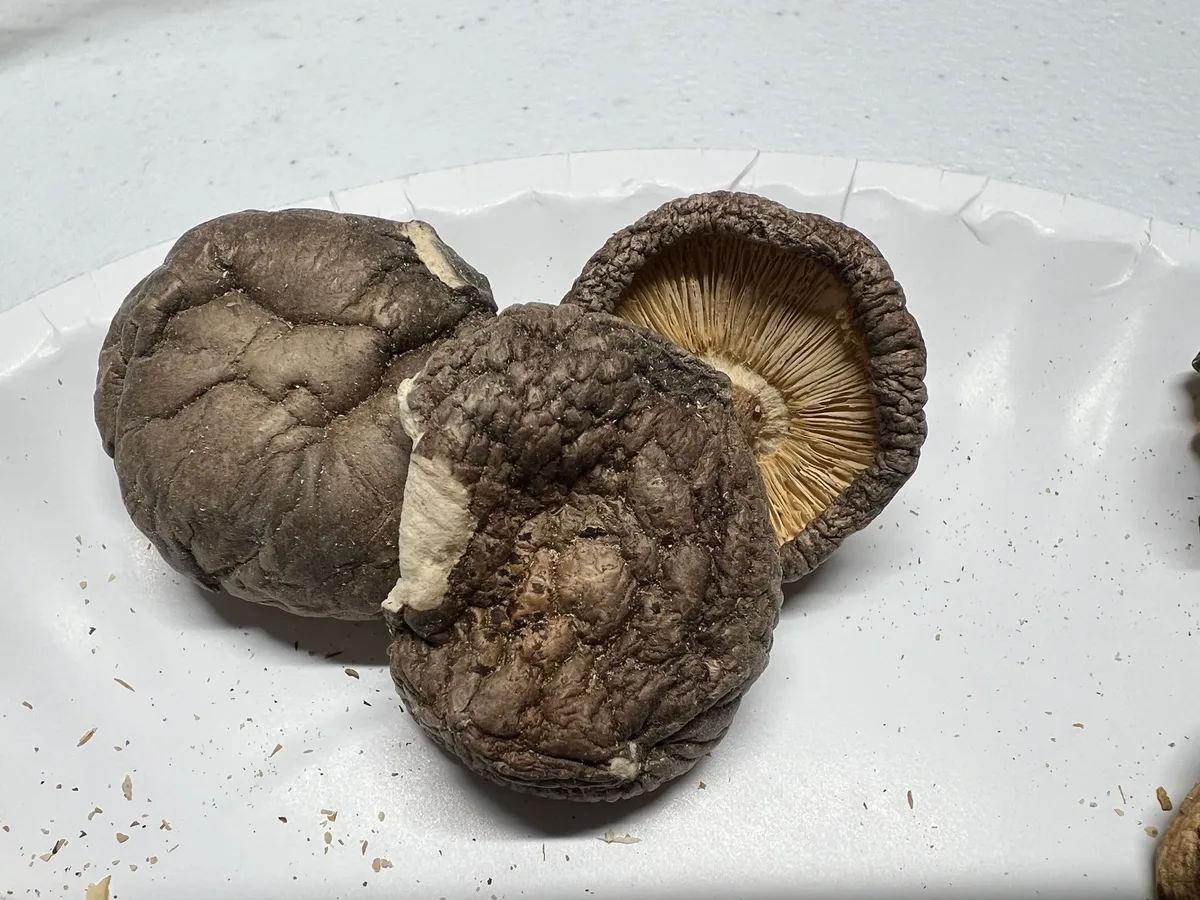 © Brian Hunt (CC BY 4.0)
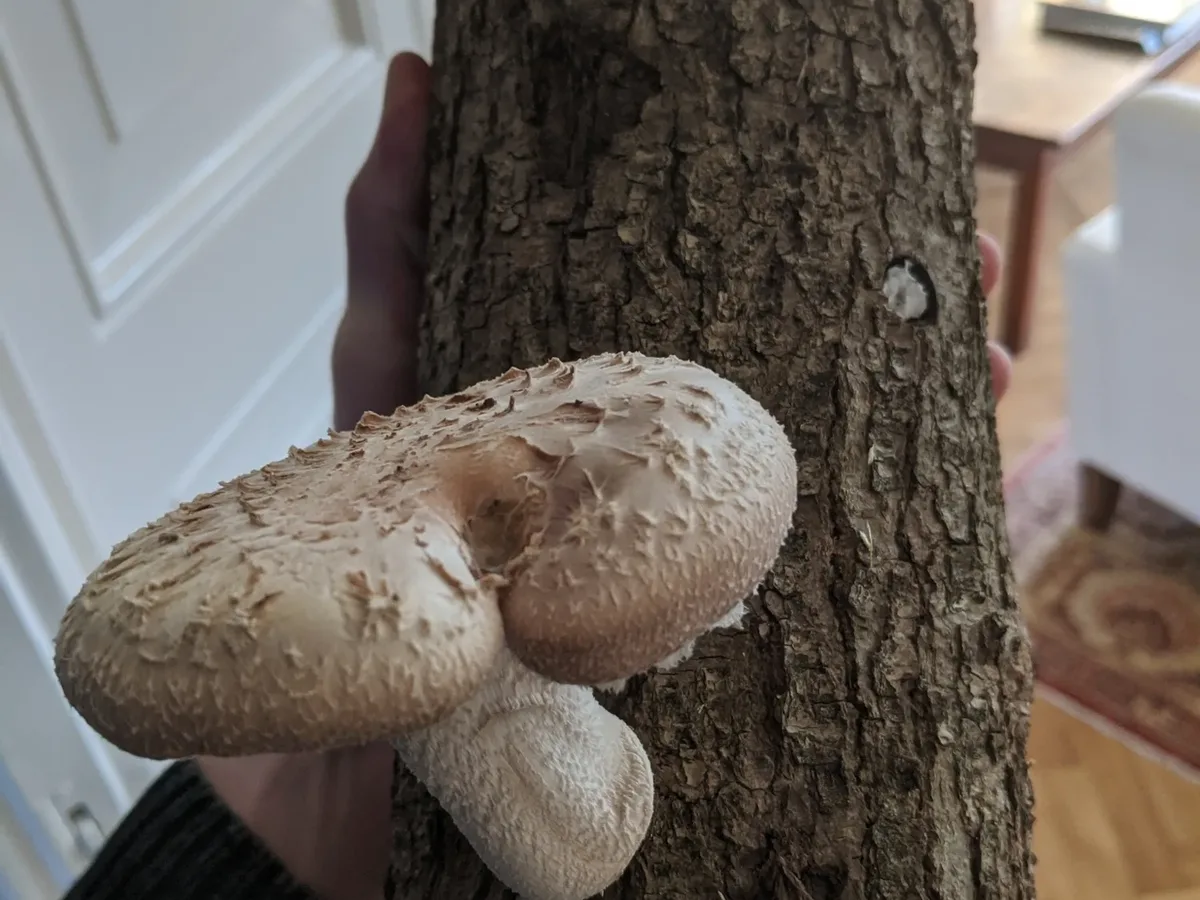 © Michiel de Groot (CC BY 4.0)
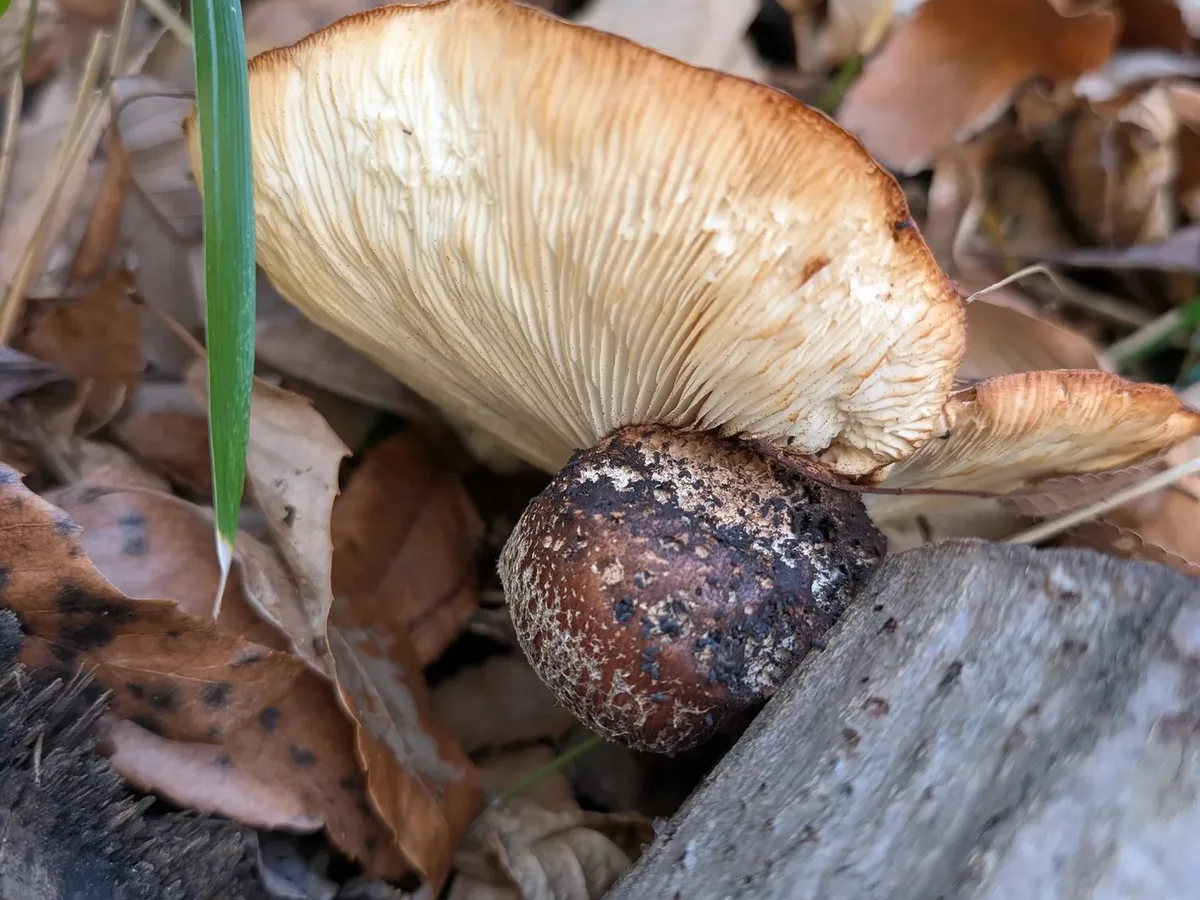 © Atsushi Nakajima (CC BY)
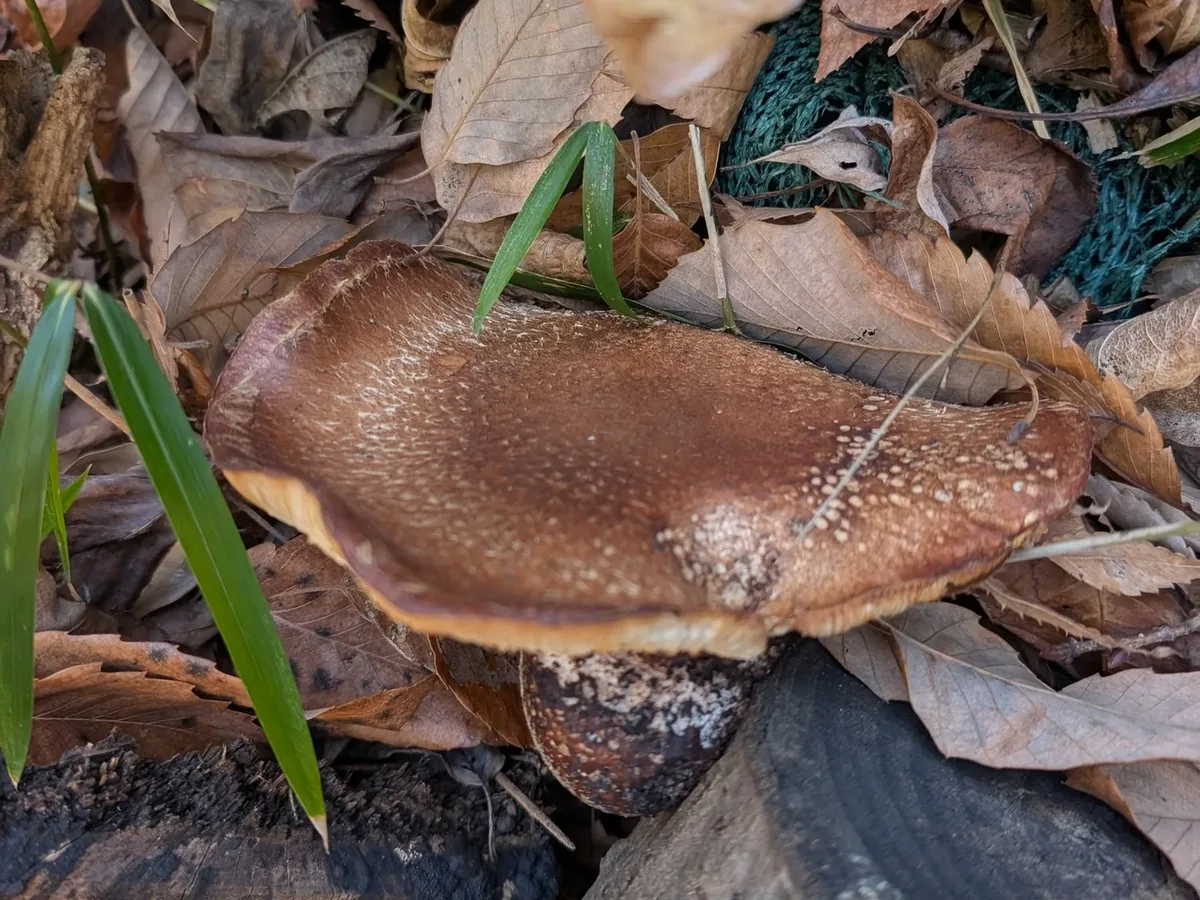 © Atsushi Nakajima (CC BY)
 © Atsushi Nakajima (CC BY)
 © Atsushi Nakajima (CC BY)
 © Atsushi Nakajima (CC BY)
 © Atsushi Nakajima (CC BY)
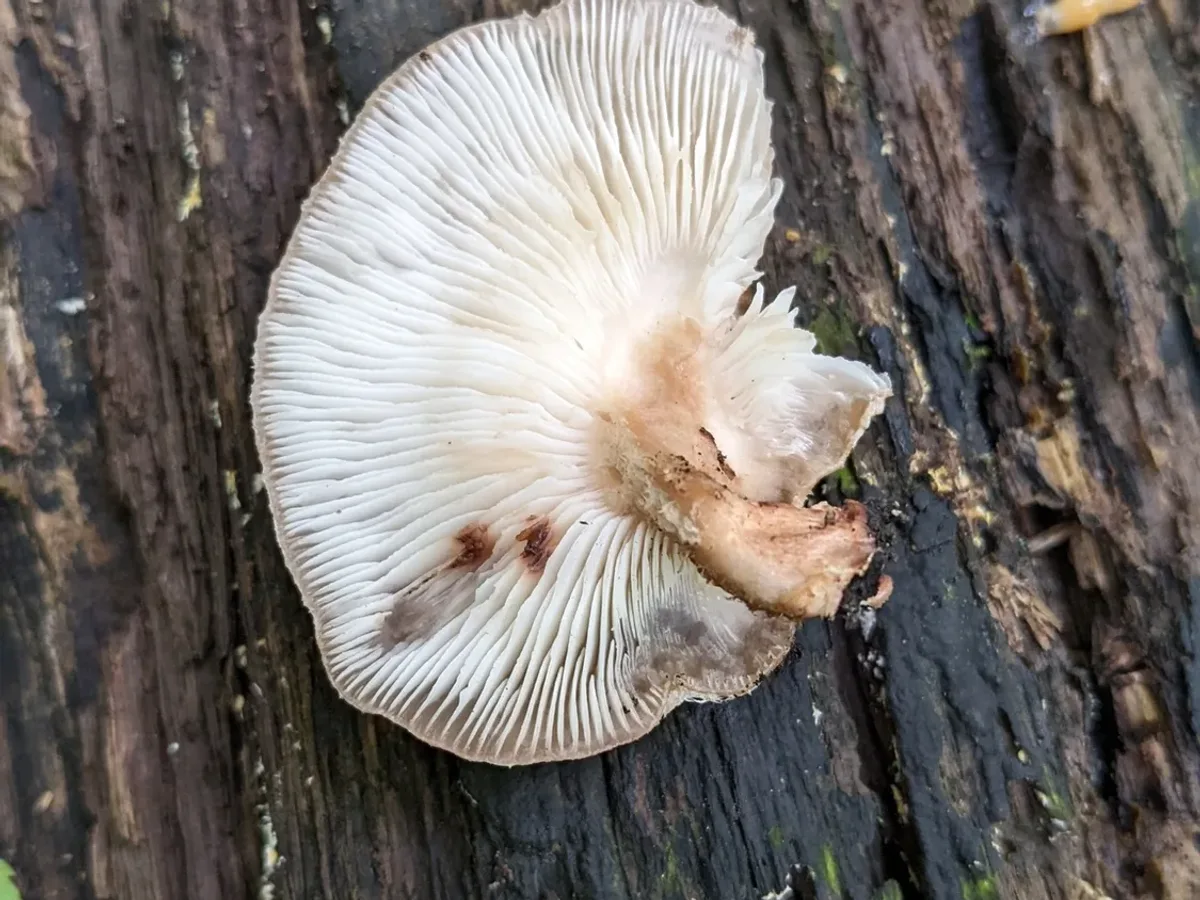 © Atsushi Nakajima (CC BY 4.0)
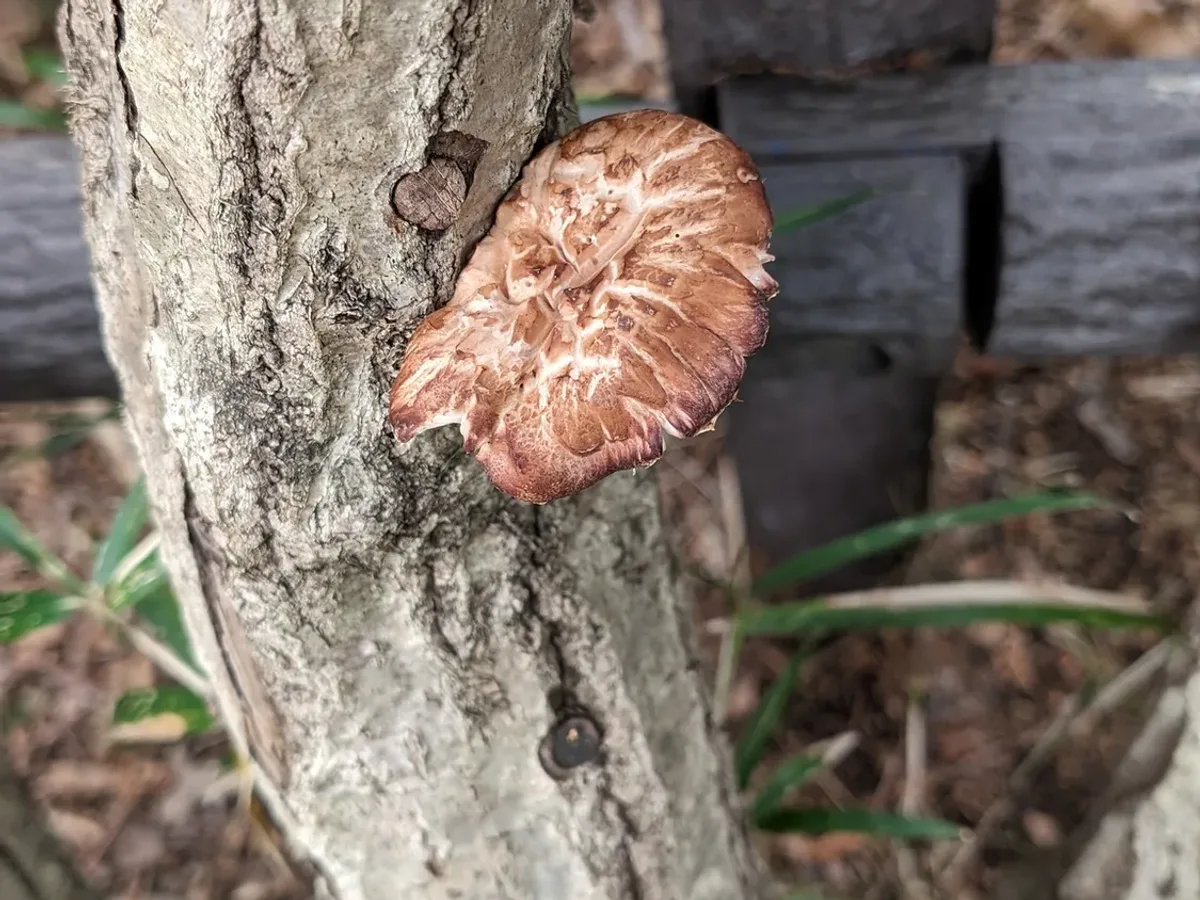 © Atsushi Nakajima (CC BY 4.0)
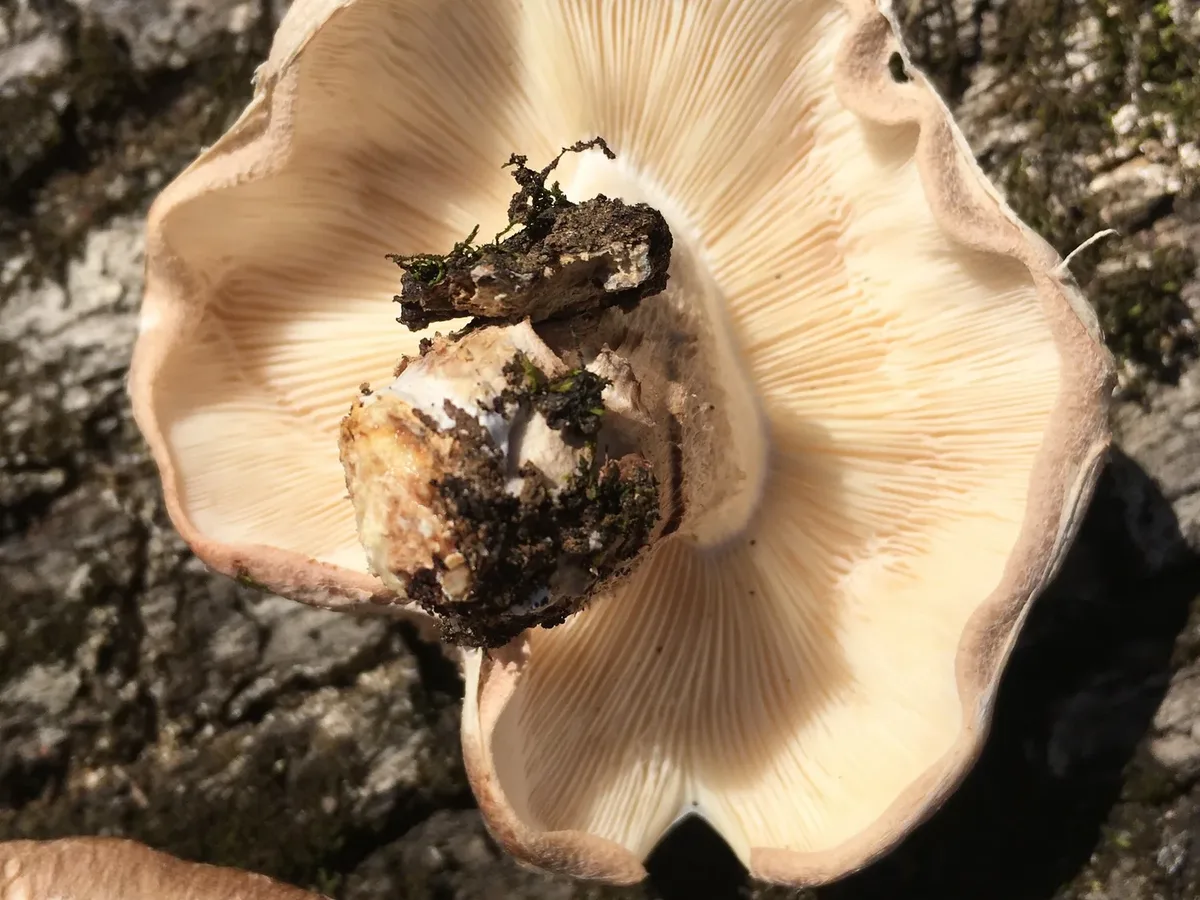 © Scott Morris (CC BY 4.0)
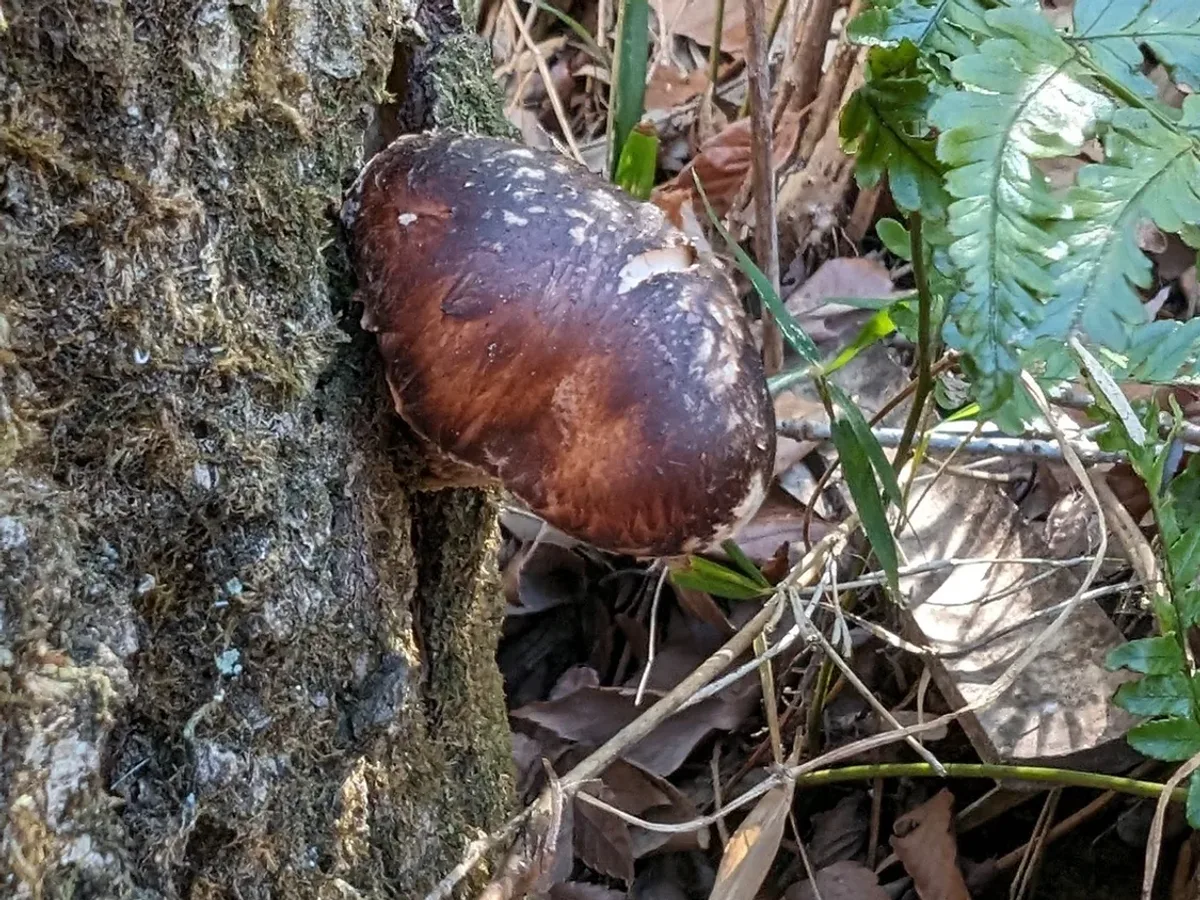 © Atsushi Nakajima (CC BY 4.0)© Brian Hunt (CC BY 4.0)© Michiel de Groot (CC BY 4.0)
One of the best mushrooms you can bring home - once you are certain of the identification.
How to recognise it
Cap
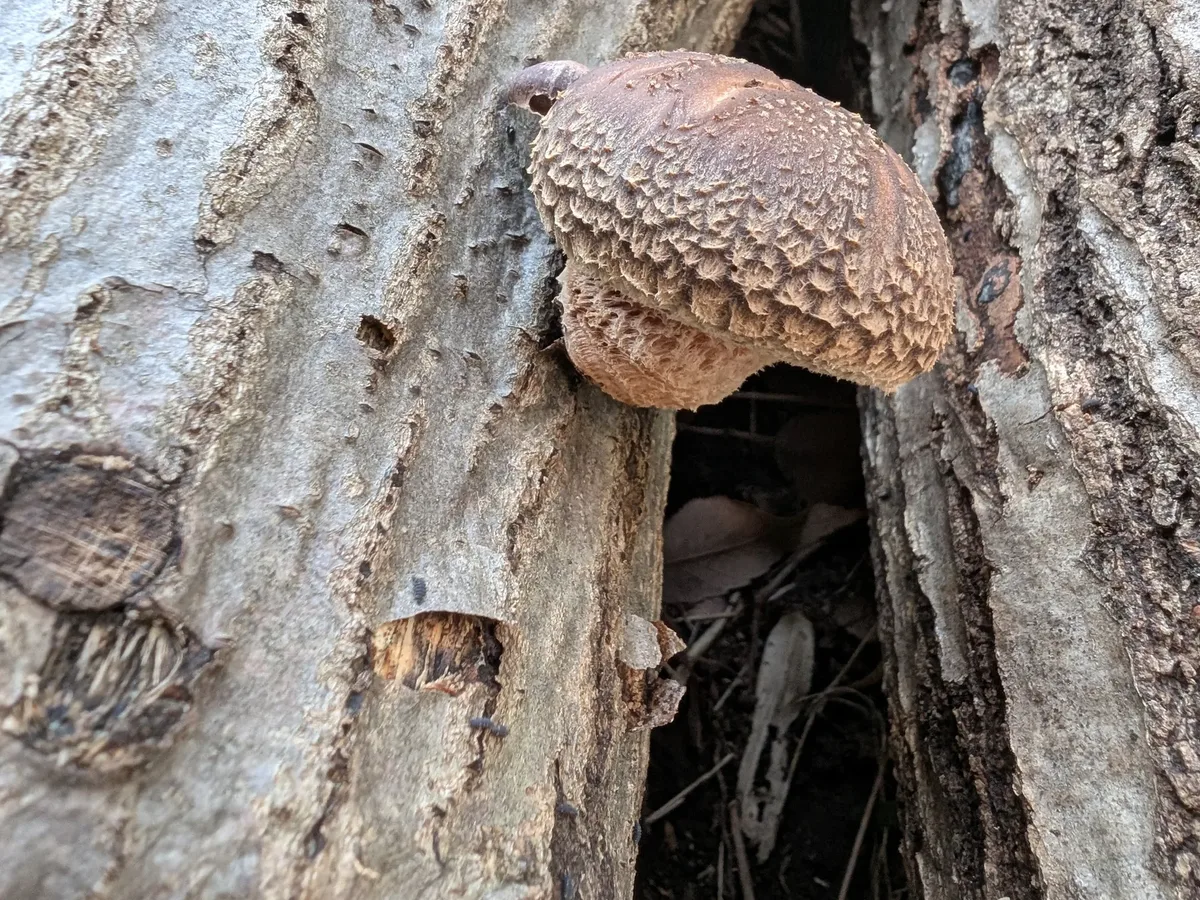
The shiitake cap ranges from 5 to 25 cm across - smaller in the crowded flushes of young logs, larger on mature substrates with room to expand. Young caps are convex and tightly inrolled at the margin; as they open they flatten to a broad, shallow dome.
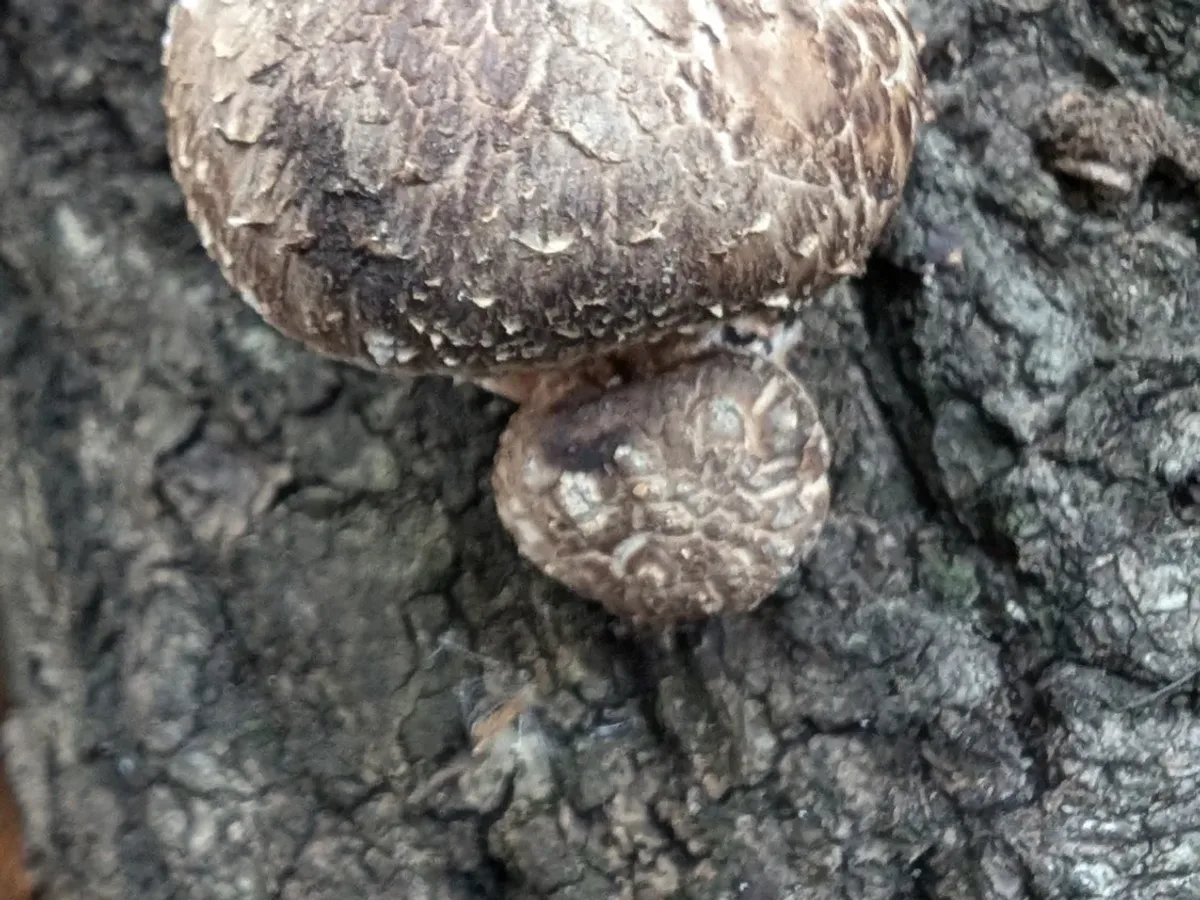
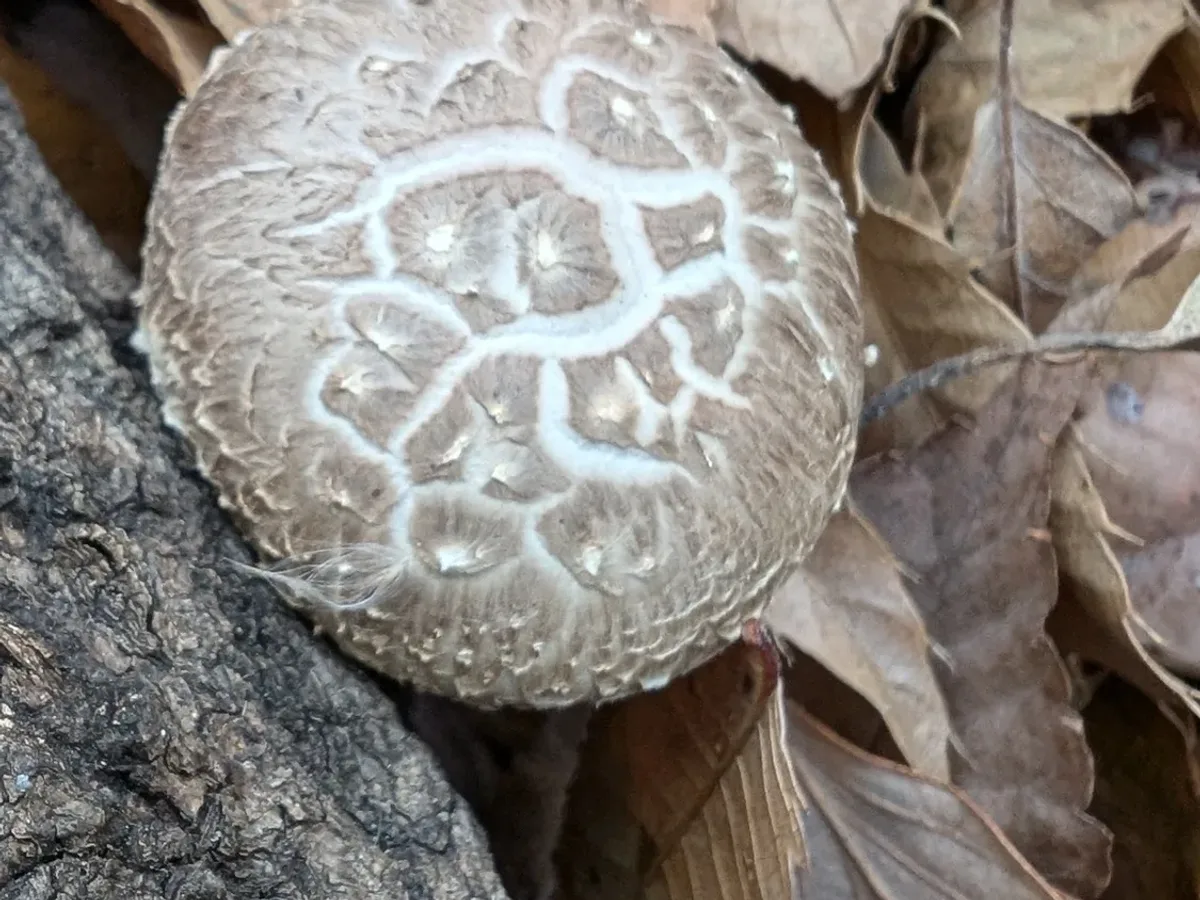
The surface is characteristically covered in cotton-like whitish scales, but the ratio of brown pigment to white scale coverage varies dramatically with humidity. In moist, humid conditions the cap is a uniform medium to deep chocolate-brown. In drier air, the outer cuticle dries faster than the underlying tissue and cracks into a mosaic of white or tan patches over a darker brown ground - a pattern Japanese cultivators specifically select for in the premium dried form called huāgū (花菇, flower mushroom).
Gills
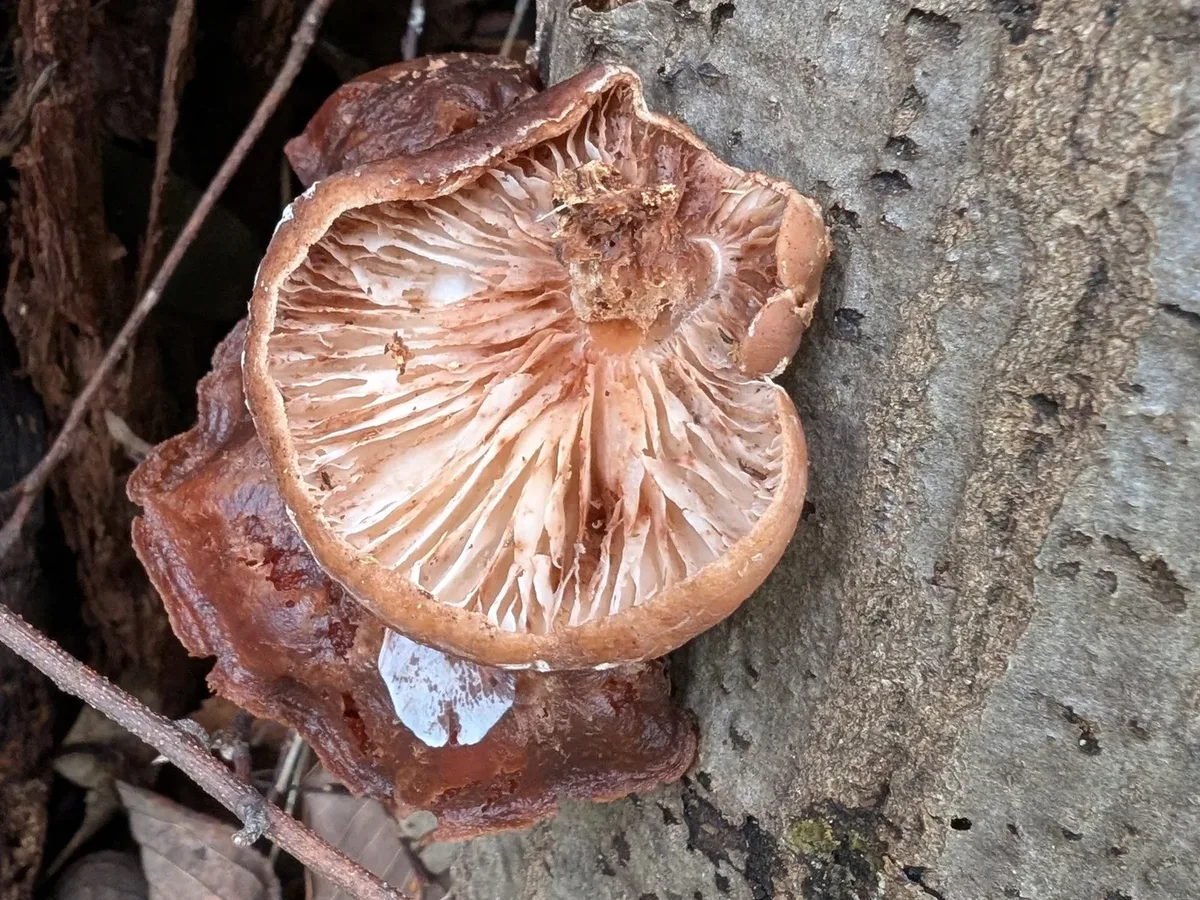
The gills are crowded, white to cream, and free or very narrowly attached to the stem - never running down it. They do not discolour with age or handling.
Spore print white.
Stem
The stem is cylindrical, 3-8 cm tall and 0.5-2 cm wide, fibrous to stringy in texture, and noticeably tougher than the cap flesh - this lignin-rich texture is what makes the stem chewy when cooked whole and prized when simmered slowly for stock.
A faint ring zone or veil remnant sometimes persists on the upper stem of freshly opened specimens.
Flesh
The flesh throughout is white, firm, and distinctly aromatic even raw - the signature umami-sweet scent comes primarily from lentinan and its breakdown products during enzymatic activity after harvesting.
Where & when it grows
Habitat
Lentinula edodes is a white-rot wood-decaying saprophyte - it produces enzymes (primarily laccases and manganese peroxidases) that break down both lignin and cellulose in dead hardwood, gradually turning the log pale and fibrous.
In the wild it colonises the heartwood and sapwood of fallen or standing dead trees, with a clear preference for members of the beech family (Fagaceae):
- shii (Castanopsis cuspidata and relatives)
- sawtooth oak (Quercus acutissima)
- Japanese blue oak (Q. glauca)
- Japanese stone oak
- chestnut (Castanea)
- beech (Fagus)
In warmer mainland Southeast Asia it also occurs on mulberry and various other deciduous hardwoods.
The species requires warm temperatures combined with high humidity and good air movement - it is characteristic of the mid-elevation, mist-prone broadleaf forests of central and southern China, Japan, Korea, and the mountains of northern Thailand, Vietnam, and Myanmar.
It does not occur in cold boreal or alpine zones, nor in rainforest with year-round heat and no seasonal moisture pulse.
The mycelium can persist in a log for many years, sending up successive flushes as long as enough wood substrate remains.
When
In the wild, shiitake fruits most reliably in two seasonal windows:
- Autumn (September-November): following the summer rains as temperatures drop into the 12-24 °C range.
- Spring (March-May): when logs warm after winter and residual moisture is still high.
The peak window is heavily governed by substrate temperature rather than air temperature, because the mycelium inside the log responds to the thermal gradient between the warm, rain-soaked surface and the cooler interior.
In Japan, the traditional log-cultivation calendar mirrors the wild rhythm:
- 1logs felled in winter
- 2inoculated in early spring
- 3first fruited in the second autumn
In modern sawdust-block cultivation, fruiting is decoupled from season entirely. Blocks are inoculated, incubated in climate-controlled rooms, and then induced to fruit by a combination of cold shocking (dropping the block temperature by 10-15 °C) and soaking in cold water, which mimics the thermal and moisture shock of an autumn rain event.
This is why shiitake is available fresh in supermarkets worldwide throughout the year.
How it grows
Shiitake's relationship with cultivated wood dates back at least eight centuries. The earliest known written record appears in the Longquan County Gazetteer (龍泉縣志) of 1209 during the Song dynasty, describing the technique attributed to Wu Sangong of scoring dead shii logs with an axe to encourage natural spore inoculation - a practice still used in artisan cultivation.
The modern log-cultivation method (the 'shiitake-dola' system refined in 19th-century Japan) uses freshly felled hardwood logs 10-15 cm in diameter:
- drilled with inoculation holes
- plugged with shiitake sawdust spawn
- waxed over
- stacked in shaded outdoor rows for 6-18 months of mycelial colonisation before the first flush
Each log can fruit for 3-7 years, yielding 20-30% of the log's dry weight in mushrooms over its productive life.
At the cellular level, fruitbody initiation is triggered by the interaction of:
- moisture
- a drop in CO₂ concentration (indicating air movement)
- the thermal shock of cooling
These signals collectively indicate an autumn rain in the wild.
Mycelium that has been metabolically quiescent during a dry or hot period responds to rehydration within 7-14 days by pinning: the fine hyphal network at the log or block surface differentiates into compact primordia that swell rapidly as osmotic uptake drives water into the developing tissue.
A fully expanded cap can go from pinhead to harvest size in 5-10 days under optimal conditions.
Fruiting conditions
Wood-decaying saprophyte; wild flushes follow rain in autumn and spring in warm, humid conditions. Cultivated fruiting is induced by soaking/cold-shocking colonised logs or sawdust blocks.
Look-alikes
The principal safety concern for shiitake foragers in Japan and Korea is confusion with tsukiyotake (Omphalotus japonicus), which is Japan's most common cause of mushroom poisoning and can cause severe gastroenteritis.
Tsukiyotake grows on dead beech and other hardwood in overlapping shelf-like clusters - the growth habit alone already distinguishes it from the solitary to loosely grouped shiitake fruitbodies.
The most reliable split test: cut the stem base lengthwise and inspect the flesh immediately below the surface. Tsukiyotake shows a distinctive dark purplish-black stain in the flesh at the stem base; shiitake flesh is uniformly white throughout.
Tsukiyotake also bioluminesces faintly in the gills in darkness - a property no shiitake has.
On the broader question of wood-growing brown-capped mushrooms, several Lentinus and Panus species share the tough, pale-stemmed gestalt of shiitake but have decurrent gills (running down the stem) rather than the free or nearly free gills of shiitake. Any brown-capped mushroom on hardwood logs with gills that run noticeably down the stem is not shiitake.
Honey mushrooms (Armillaria species) can appear on the same substrates and have superficially similar brown caps, but produce a yellow-brown spore print (not white) and have a well-developed membranous ring; some Armillaria species cause gastrointestinal illness when eaten.
When foraging for wild shiitake outside of a confirmed, frequently visited log, use all features together:
- growth on dead hardwood of the Fagaceae
- free white gills
- white spore print
- tough fibrous stem
- the unmistakable umami aroma
Poisonous; Japan's most common cause of mushroom poisoning. Grows on dead beech wood in overlapping shelves, shows a dark/blackish-purple stain in the flesh at the stem base when split lengthwise, and glows faintly in the dark.
In the kitchen
Picking & cleaning
Wild shiitake is harvested by cutting at the base of the stem with a knife, leaving the mycelium in the substrate undisturbed so that the same point can flush again.
The surface veil - a thin membranous curtain covering the gills on very young caps - tears as the cap expands. Harvesting just as this veil begins to tear (the 'half-open' or chōji stage in Japanese terminology) gives the best balance of firmness, flavour intensity, and shelf life.
Caps allowed to open fully are still excellent for cooking but deteriorate more quickly and shed spores freely.
Brush off debris with a dry brush; avoid washing fresh shiitake under running water, as the caps absorb moisture readily and deteriorate faster.
The tough fibrous stem is almost always removed: it is too stringy to be pleasant to eat but has excellent flavour - save it frozen and simmer it into stocks and broths.
For drying, slice caps 4-6 mm thick (or dry whole smaller caps) and dry at 40-50 °C until the moisture content drops below 10%. The enzymatic conversion of RNA into 5'-guanosine monophosphate (GMP) during slow drying is what makes dried shiitake taste markedly more umami-intense than fresh - the GMP and glutamate synergise to multiply the perceived savouriness far beyond either compound alone.
Cooking
Dried shiitake is treated as a primary flavour ingredient in East Asian kitchens, not merely a garnish.
To rehydrate, cover in lukewarm (not boiling) water for 20-30 minutes; cold-water soaking for several hours extracts slightly more flavour compounds.
The soaking liquid is intensely savoury - strain it through a fine cloth or coffee filter to remove sediment and use it as ready-made dashi, the base for miso soup, noodle broths, and braises. Combined with kombu it produces a full vegan dashi that equals or exceeds bonito-based stock in GMP concentration.
Fresh shiitake has a firmer, more meaty texture and a subtler aroma than dried. It sautés best in a hot dry or lightly oiled pan without crowding, developing a golden sear over 4-5 minutes.
- In Japanese cooking, fresh and rehydrated dried shiitake both appear in miso soup, chawanmushi (steamed egg custard), nimono (simmered dishes), and as the flavour anchor of nikujaga.
- In Chinese cooking, whole rehydrated shiitake braised slowly in a master sauce of soy, Shaoxing wine, oyster sauce, and rock sugar until lacquered and glossy is a classic Cantonese preparation.
- In Korean cooking, dried shiitake is sliced and stir-fried as a banchan or added to japchae (glass-noodle stir-fry).
The flavour synergy between shiitake (GMP) and ingredients high in glutamate - tomatoes, parmesan, soy, miso, anchovies - is a well-documented example of umami multiplication. Combining two different umami compounds produces a perceived intensity up to eight times greater than either alone, which is why a small amount of dried shiitake can transform a broth beyond what its quantity would suggest.
Good to know
Shiitake is one of the most extensively consumed edible mushrooms in the world and has an excellent safety record when cooked.
The one established hazard unique to shiitake is shiitake dermatitis (also called flagellate dermatitis), a skin rash caused by the polysaccharide lentinan when the mushroom is consumed raw or severely undercooked. The reaction is not an allergy in the classical immunoglobulin-E sense; it is a direct skin-inflammatory response.
It presents as intensely itchy, linear red streaks or whip-mark-like lines across the trunk, limbs, and sometimes the face, appearing 24-48 hours after eating raw or undercooked shiitake. The rash resolves without treatment over 1-3 weeks but is uncomfortable.
The risk is eliminated entirely by thorough cooking (heat denatures the lentinan). Dried shiitake that is then fully rehydrated and cooked is safe.
The misidentification risk with tsukiyotake (Omphalotus japonicus - see lookalikes) is the other significant safety issue. Tsukiyotake causes vomiting and diarrhoea beginning 30 minutes to 2 hours after ingestion, with symptoms typically resolving within 24 hours but sometimes requiring hospitalisation for dehydration.
Any mushroom presenting as a shelf cluster on beech wood in East Asia that does not have the clear white-flesh-at-stem-base and uniform-white-gill characteristics of shiitake should not be eaten.
A reference guide - never an edibility guarantee. When in doubt, leave it out.