Birch bolete
Leccinum scabrumsyn. Boletus scaber, Leccinum scabrum group
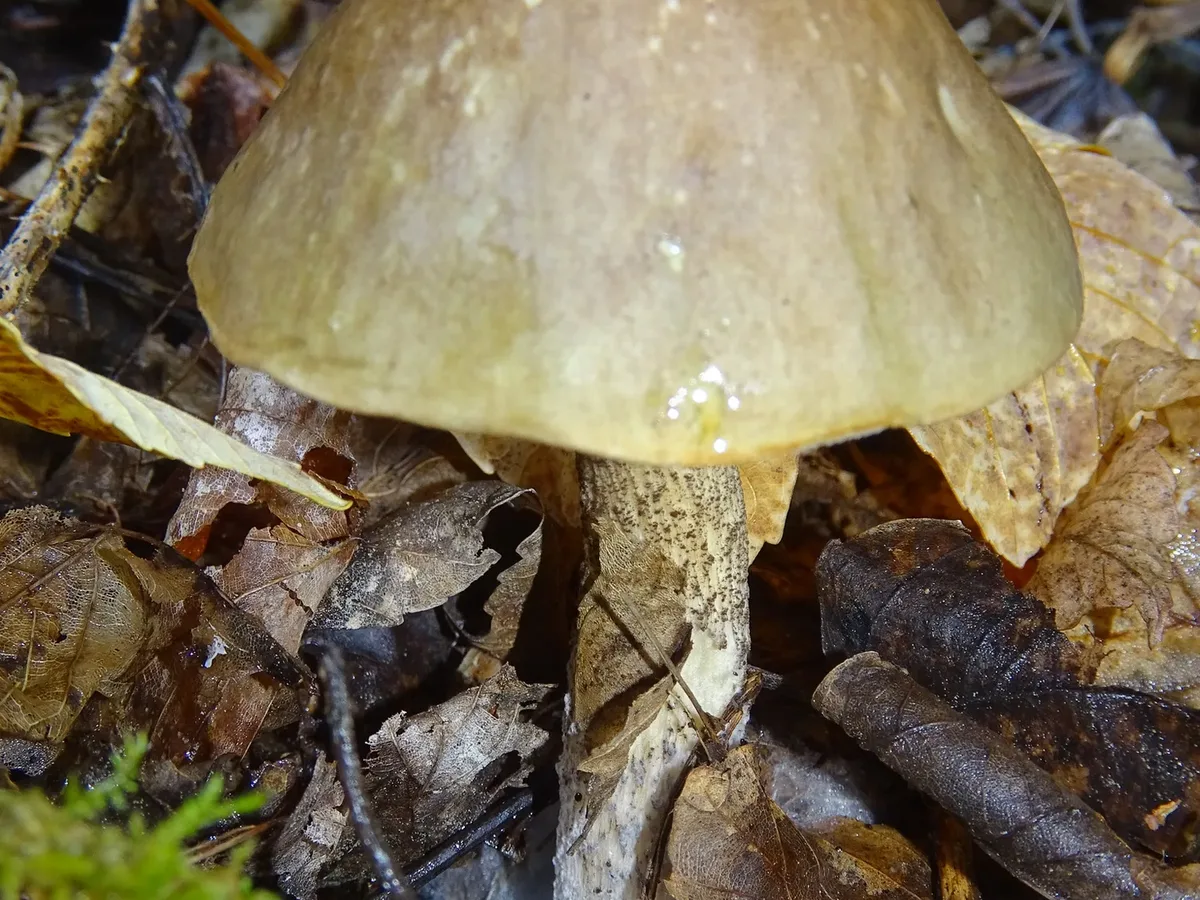 © Tim Leilich (CC BY 4.0)
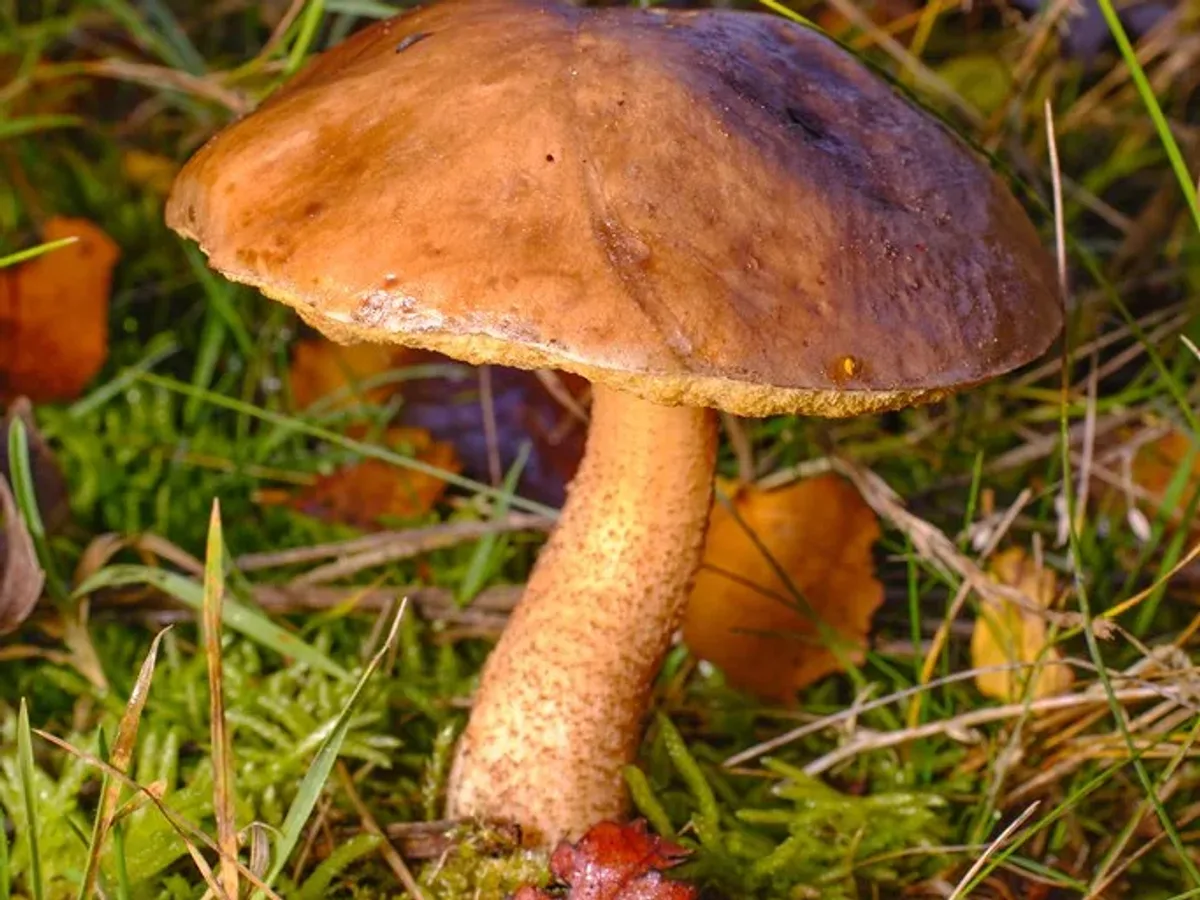 © Lukas Large (CC BY-SA 2.0)
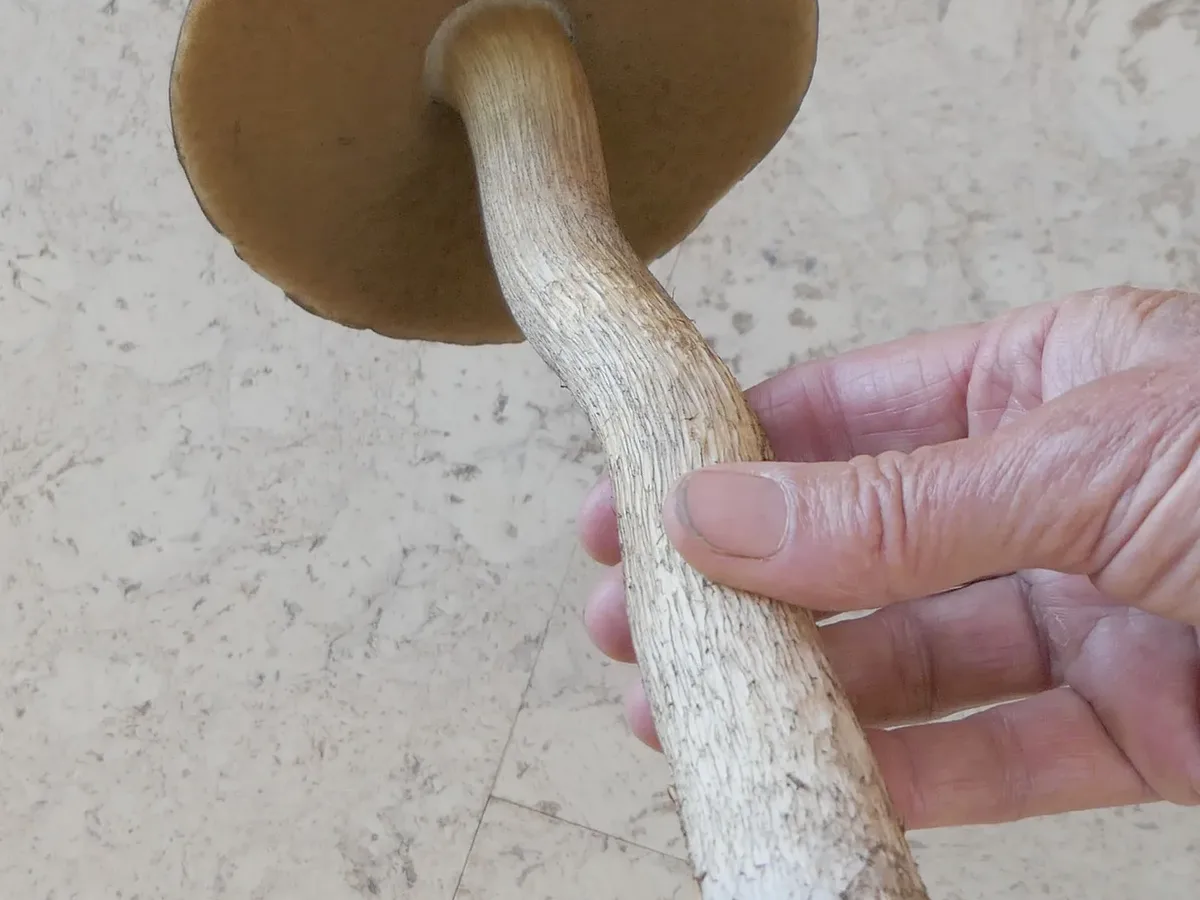 © derek_onley (CC BY)
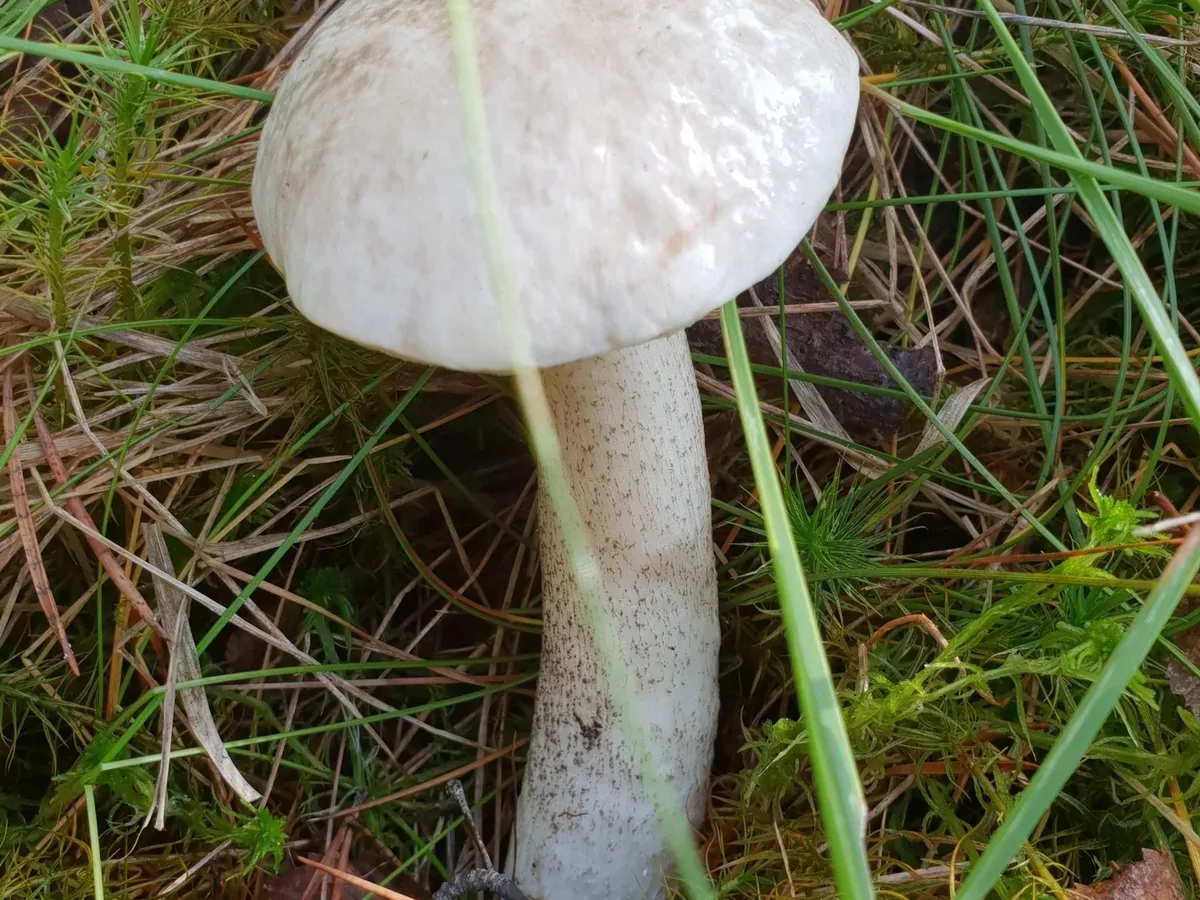 Thomas Hirsch (CC0)
 Thomas Hirsch (CC0)
 © Benoit Renaud (CC BY 4.0)
 © Benoit Renaud (CC BY 4.0)© Tim Leilich (CC BY 4.0)© Lukas Large (CC BY-SA 2.0)
Good to eat, once you have identified it with certainty and cooked it through.
How to recognise it
Leccinum scabrum is a bolete of understated elegance.
Cap
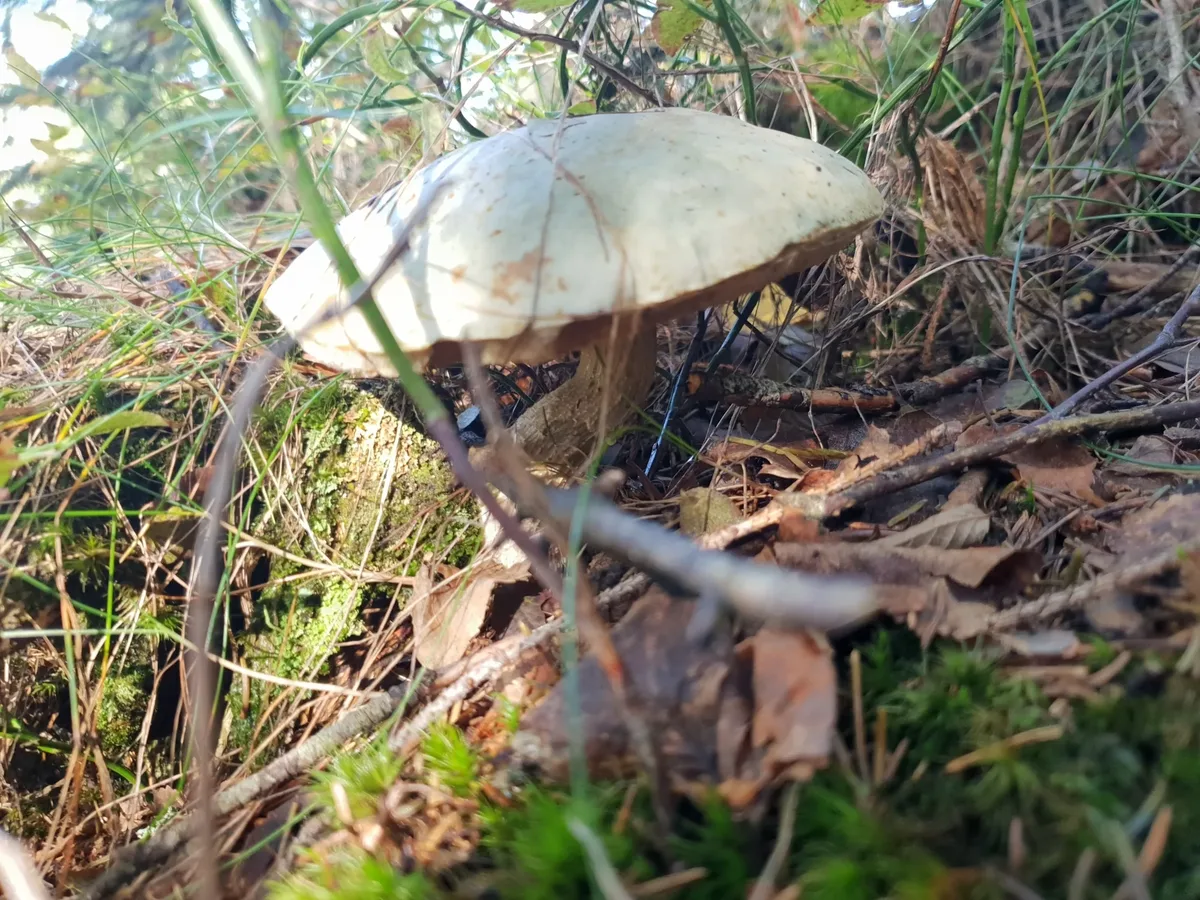
The cap begins as a tight, rounded dome - almost bun-like - before expanding to a broadly convex cushion 5 to 15 cm across at maturity. Colour is variable but consistently muted: silver-grey when young, deepening through buff and fawn to a warm grey-brown in age, and occasionally nearly chocolate in dark, shaded conditions.
The surface is dry and slightly velvety when fresh, becoming smooth and sometimes faintly sticky in wet weather.
Pores
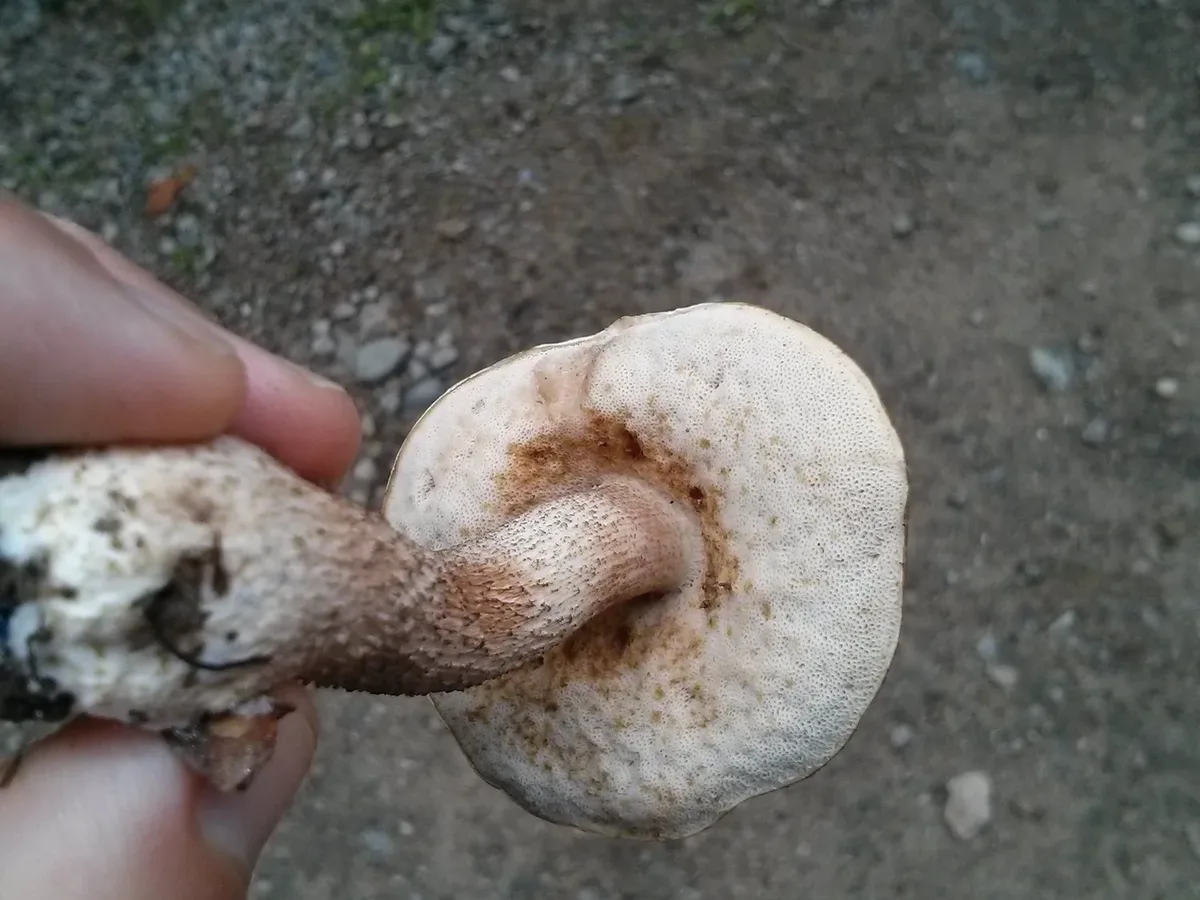
Beneath the cap, the pore surface runs clean white to pale grey, bruising only very faintly when pressed - a subtlety that distinguishes it from more reactive boletes. The pores themselves are small, nearly circular, and the tubes they sit atop are up to 2 cm deep.
Stem
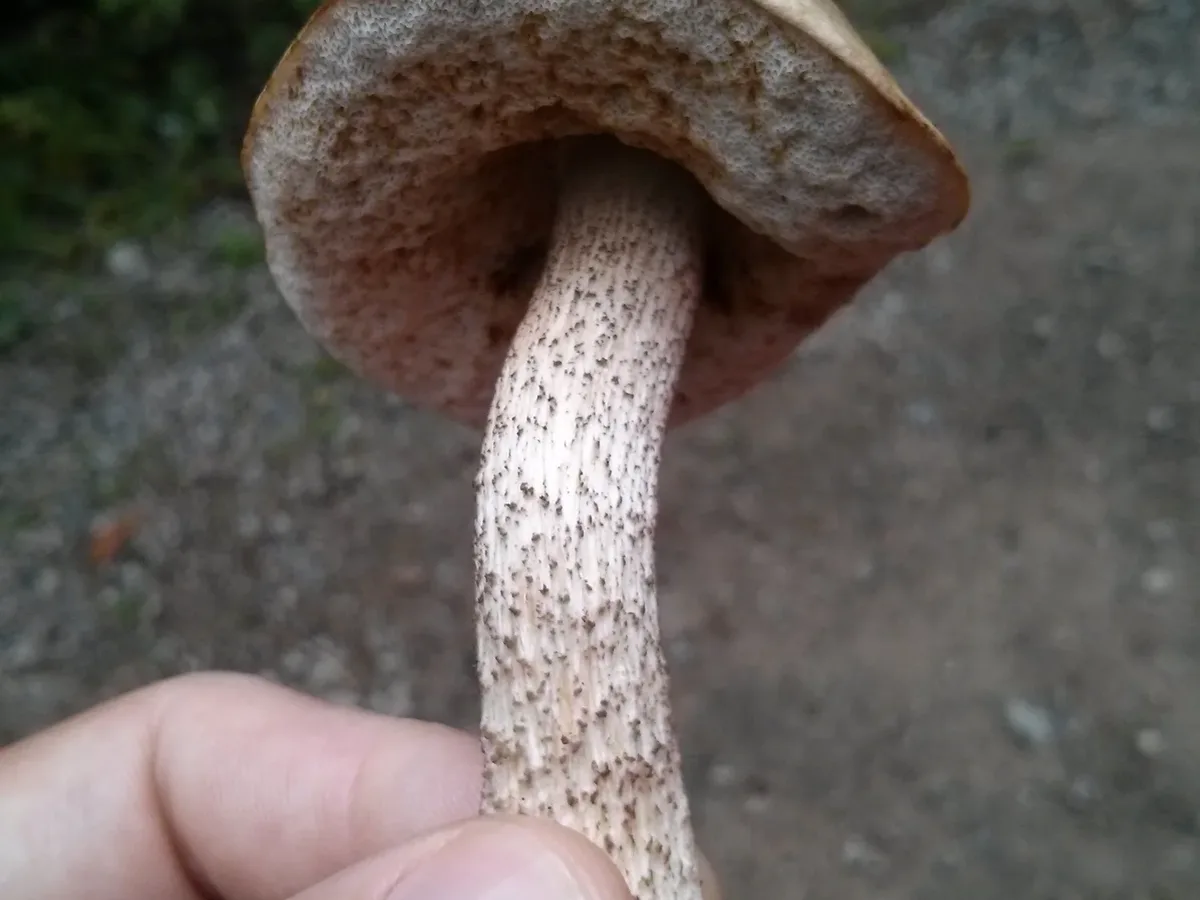
The stem is the species' single most reliable field mark: tall (often 8-20 cm), slender relative to the cap, and covered from base to apex in a dense mosaic of fine dark-grey to black fibrous scales on a pale cream background - like charcoal stippling on ivory. This scabrousness gives the species its Latin epithet.
Flesh
Cross-section of the stem reveals dense white flesh that may turn faintly pinkish or greyish on exposure, particularly toward the base, where dark streaking is common and perfectly normal.
The overall silhouette - small cap, long scaly stem - is often described as stately, and on a wet August morning in a birch grove it earns that description.
Where & when it grows
Habitat
Leccinum scabrum is a mycorrhizal specialist, partnering exclusively with birch (Betula spp.) and rarely documented with any other host genus. The relationship is obligate on the fungus's side: without a living birch root system nearby, the mycelium cannot sustain itself or produce fruitbodies.
Birch, for its part, benefits substantially - studies on mycorrhizal exchange show that bolete partners improve birch seedling survival rates and phosphorus uptake, especially in the nutrient-poor, often acidic soils that birch colonises after disturbance.
Across the vast birch-dominated landscapes of Russia, Siberia, and the Baltic states, this makes Leccinum scabrum among the most reliably encountered boletes in the taiga and hemiboreal zones.
Look for it:
- Along the edges of birch woods
- In open birch stands colonising abandoned fields
- In boggy clearings where silver birch and downy birch grow through Sphagnum
- On roadsides lined with planted birches
- In young reforestation plots
It does not require old-growth conditions; birch is a pioneer tree, and the bolete comes with it.
Sandy or loamy soils, slightly acidic pH, reasonable moisture retention - these are the recurring habitat conditions, but the cardinal requirement is always birch root contact within the soil.
When
The birch bolete has one of the longer fruiting windows of any bolete in the region, typically spanning early June through late October depending on latitude, elevation, and annual rainfall patterns.
In the southern fringe of its range - the warmer lowlands of Poland, Belarus, and Ukraine - the first flushes appear in late May or early June when soil temperatures climb above 10°C and sustained rainfall has recharged the upper soil profile.
At higher latitudes, across central Russia and into Siberia, the season compresses: a shorter window peaking in late July through September, then cut off by the first killing frosts of October.
The peak of abundance in most of the region aligns with late summer - particularly August and early September - when nights have cooled slightly after the heat of July, soils retain warmth from the preceding weeks, and autumn rains begin to arrive in earnest.
A 14-day window of 20+ mm cumulative rainfall is the typical trigger for a productive flush, though the mycelium may sit dormant through drought for weeks before responding to moisture.
The fungus does not 'die' in dry or cold periods; the underground network waits, and when conditions align again, fruitbodies can emerge within days.
How it grows
The mycelium of Leccinum scabrum lives as a permanent network in the soil, intimately laced around and between the fine root tips of its birch partners in structures called ectomycorrhizae - a word that literally means 'outside-root-fungus'.
At these contact points, birch root cells and fungal hyphae create a shared interface called the Hartig net, through which the two organisms exchange carbon (from the tree) for water and mineral nutrients (from the fungus). This partnership may persist for decades, with the same mycelial network supporting the same birch tree through many growing seasons.
Fruitbodies emerge singly or in loose clusters of two to five, typically from soil directly beneath or within a metre of the trunk where fine roots are dense. Growth from pin stage to mature fruitbody takes roughly five to ten days under good conditions, though the pace compresses in warm, moist weather.
Because the mycelium is already in place and provisioned before fruiting begins, large flushes can appear to arrive very suddenly - a patch of ground that looks bare one morning may carry a dozen developing caps by the following evening.
Fruitbodies deteriorate quickly once mature: within four to seven days of emerging, older specimens soften, the stem becomes pithy and honeycombed by insect larvae, and the flesh loses its culinary value.
The spore print is olive-brown, dispersed by wind from the pores on the underside of the cap.
Fruiting conditions
Fruits after sustained late-summer/autumn rains under birch once soils are warm but cooling.
Look-alikes
The one species most likely to be confused with Leccinum scabrum in the region is the bitter bolete, Tylopilus felleus. It shares a similar cap colour and pore surface, and it also occurs in the same birch and mixed-birch woodlands.
The critical difference is immediately apparent at the palate: even a tiny fragment of raw flesh, or better still the raw pore surface, tastes intensely, unpleasantly bitter - a flavour that survives cooking and will ruin an entire dish. In contrast, Leccinum scabrum has essentially no raw flavour.
Visual differences are secondary but useful:
- Tylopilus felleus typically has a pinkish tinge to its pore surface that deepens with age
- Its stem shows a coarser, net-like ridge pattern (reticulation) rather than the discrete dark scales of Leccinum
- The stem base of Tylopilus also lacks the dark fibrous scabers that are central to Leccinum scabrum's identification
Tylopilus felleus is not toxic, merely inedible due to bitterness, so confusion does not pose a health hazard beyond a spoiled meal.
No deadly species in the region shares Leccinum scabrum's combination of grey-brown cap, scaly pale stem, white-grey pores, and strict birch habitat.
Can resemble the birch bolete but is intensely bitter; a bitterness taste test reveals it.
In the kitchen
Picking & cleaning
Select specimens that are firm throughout:
- A cap that springs back when pressed gently
- A stem that resists bending
- Flesh that cuts cleanly without spongy give
The best harvesting window for the birch bolete is the early-to-mid stage - cap diameter roughly 4 to 10 cm, pore surface still pale and relatively tight. Beyond about 12 cm the pores begin to loosen and the stem frequently harbours fly larvae (Mycetophilidae and Sciaridae species are the main culprits), which tunnel upward from the base.
It is worth slicing the stem lengthwise in the field to check for tunnelling before carrying an infested specimen all the way home.
A clean, firm cut at the base - leaving the mycelium and root contact intact rather than uprooting the whole plug - is both respectful of the resource and practically better, as it avoids dragging soil into your basket.
Carry specimens loosely in a wicker basket or cloth bag rather than plastic, which promotes sweating and accelerates softening.
In a productive birch stand it is tempting to pick everything visible, but the oldest, softest specimens are best left: they have already dispersed much of their spore load and their culinary quality is marginal. A single day's harvest of ten to fifteen firm young boletes is genuinely more useful than forty half-eaten ones.
Cooking
In the culinary traditions of Russia, Poland, and the Baltic states, the birch bolete holds a place of real affection. Its flavour is mild and earthy rather than deeply porcini-intense, and its texture - firm when young, becoming slightly soft with heat - makes it adaptable across a wide range of preparations.
The simplest treatment is also one of the best: sliced thickly and fried in butter over medium heat until the edges take on a golden edge, seasoned with salt and a little black pepper, then served on dark rye bread or alongside fried potatoes.
In Russian home cooking, podberjozovik is a standard ingredient in the autumn soup called grib-ny sup (mushroom soup), where it is simmered with onion, potato, and dill until the broth becomes lightly coloured and fragrant.
The species also dries well: sliced thin and dried at low heat (or in a cool oven), the pieces keep for a year and rehydrate readily, concentrating flavour in the process. Dried and powdered birch bolete is used as a seasoning mixed into butter or stirred into stocks.
For pickling - another deep tradition in the region - young whole caps or halved larger specimens are blanched, then packed into brine with bay leaf, allspice, and black pepper. The marinated boletes are eaten straight from the jar or as a component of vinegret salad.
One practical note: the flesh tends to discolour to grey or near-black during extended cooking, which is harmless but can look unappealing in pale sauces; adding a splash of lemon juice or cooking it briefly rather than long-simmering helps preserve a lighter colour.
Good to know
Leccinum scabrum is considered safe for consumption when properly cooked. Unlike some closely related Leccinum species - notably certain red-capped species such as Leccinum aurantiacum and Leccinum versipelle - it has not been convincingly associated with the gastrointestinal reactions that have led mycologists to revise eating advice for the genus in some parts of Europe.
However, as with all boletes, it should always be cooked before eating: raw consumption of many bolete species can cause mild nausea and is not recommended.
Individuals who are new to eating wild mushrooms should start with a small portion to rule out personal sensitivity.
Specimens that are old, soft, or have been sitting in a warm basket for several hours can begin to deteriorate and may cause stomach upset unrelated to any inherent toxicity - freshness is the practical safety requirement.
The species is included in the traditional food cultures of Russia, Poland, and the Baltic states, with centuries of documented edibility.
A reference guide - never an edibility guarantee. When in doubt, leave it out.