Dwarf birch bolete
Leccinum rotundifoliaesyn. Krombholziella rotundifoliae, Boletus rotundifoliae
 © Thomas Corrigan (CC BY)
 © eyrezer (CC BY)
 © eyrezer (CC BY)
 © claire (CC BY)
 © claire (CC BY)
 © claire (CC BY)
 © derek_onley (CC BY)
 © Thomas Corrigan (CC BY)© Thomas Corrigan (CC BY)© eyrezer (CC BY)
Edible only with the right preparation - or safe for some people but not others. Learn the caveats first.
How to recognise it
Leccinum rotundifoliae is a stocky, compact bolete shaped by its harsh environment.
Cap
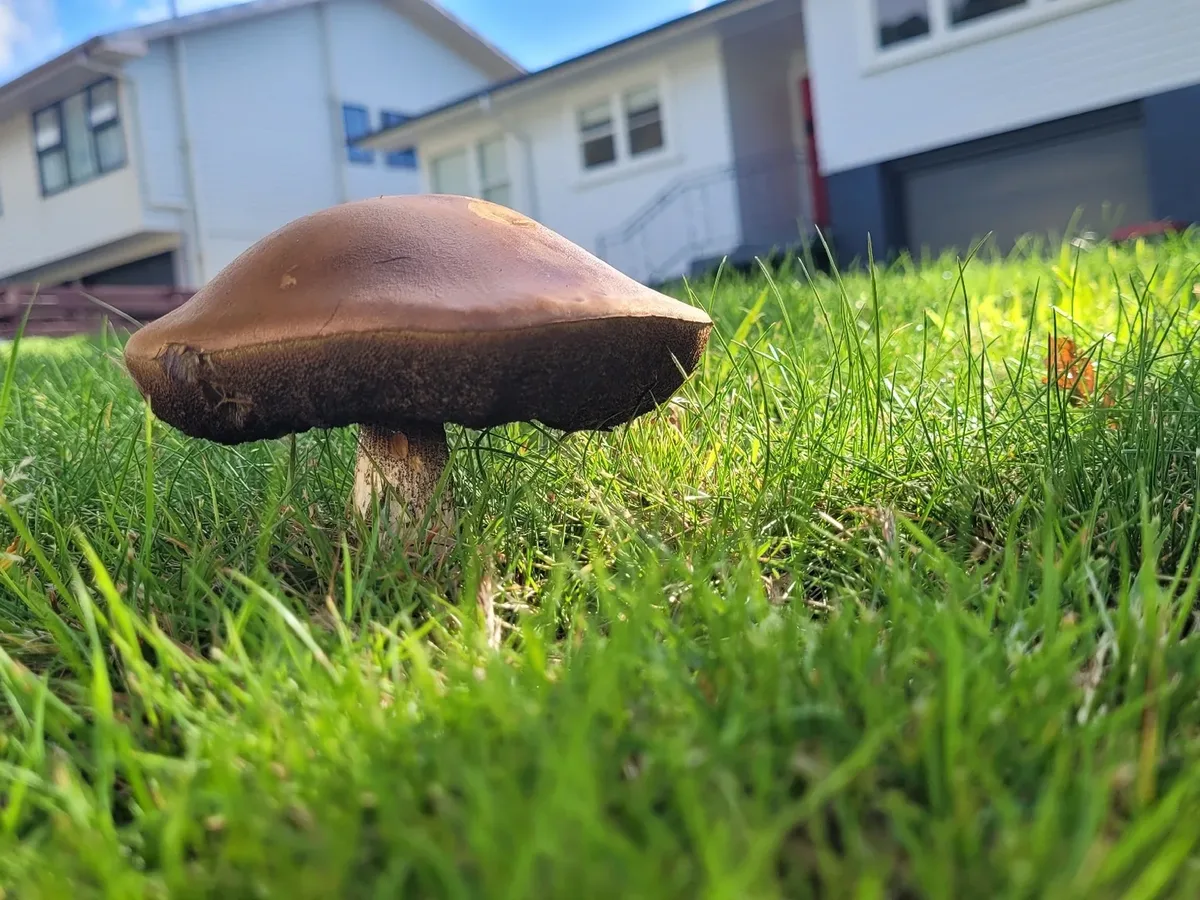
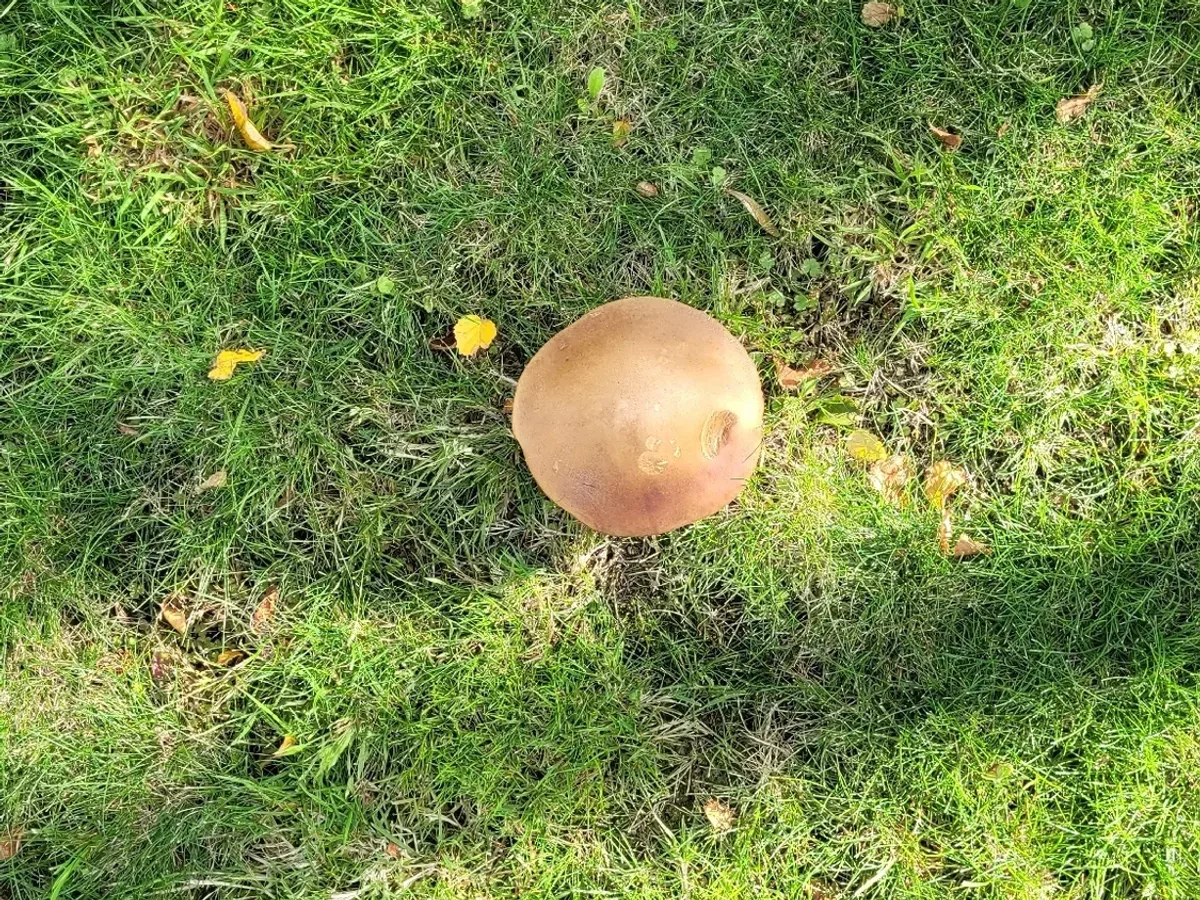
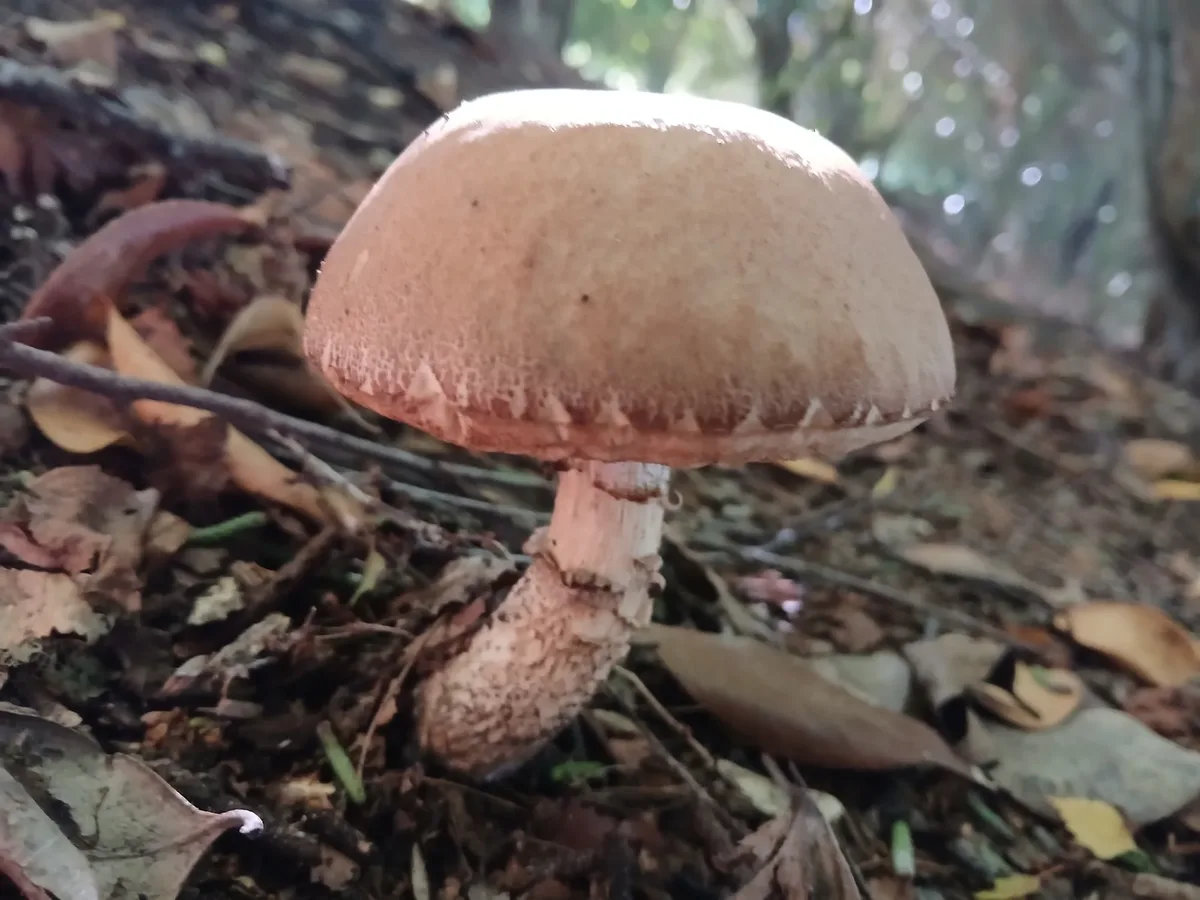
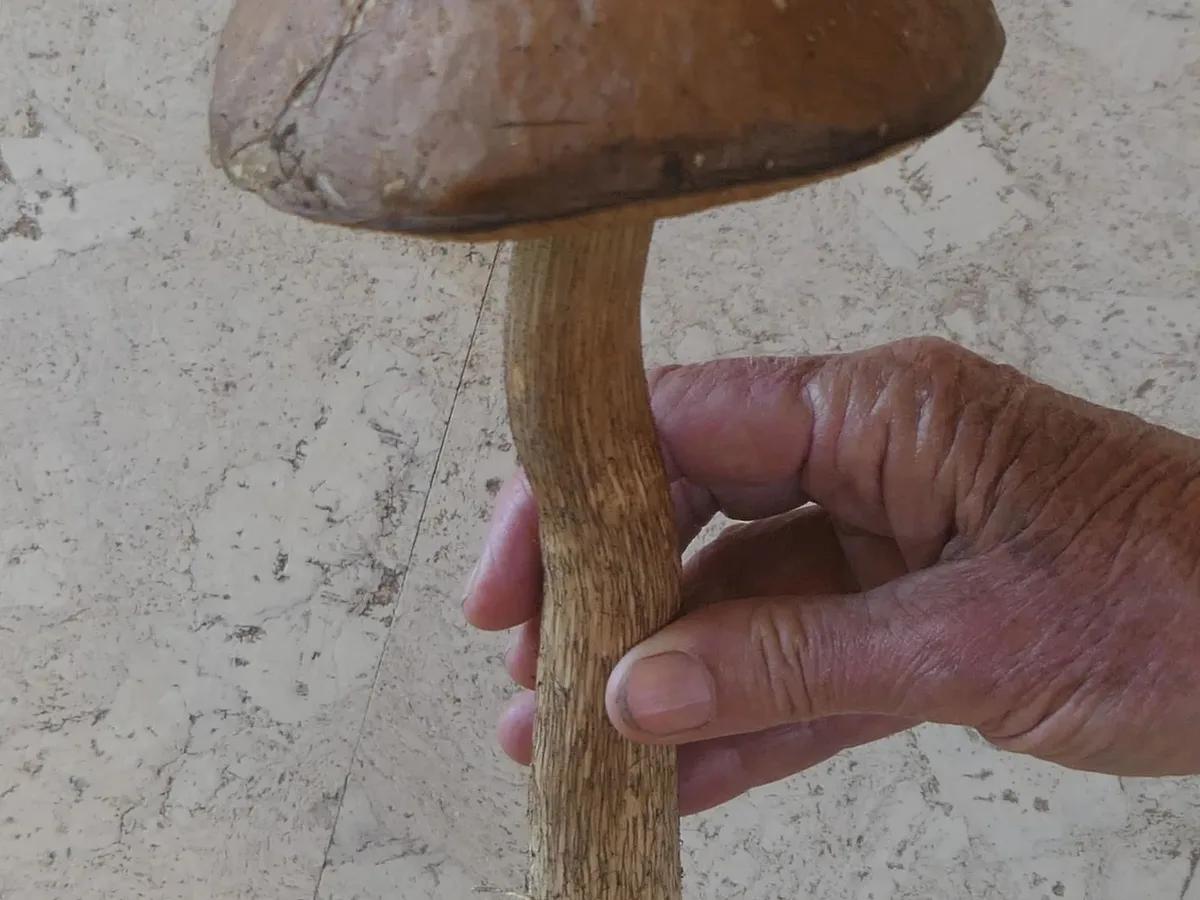
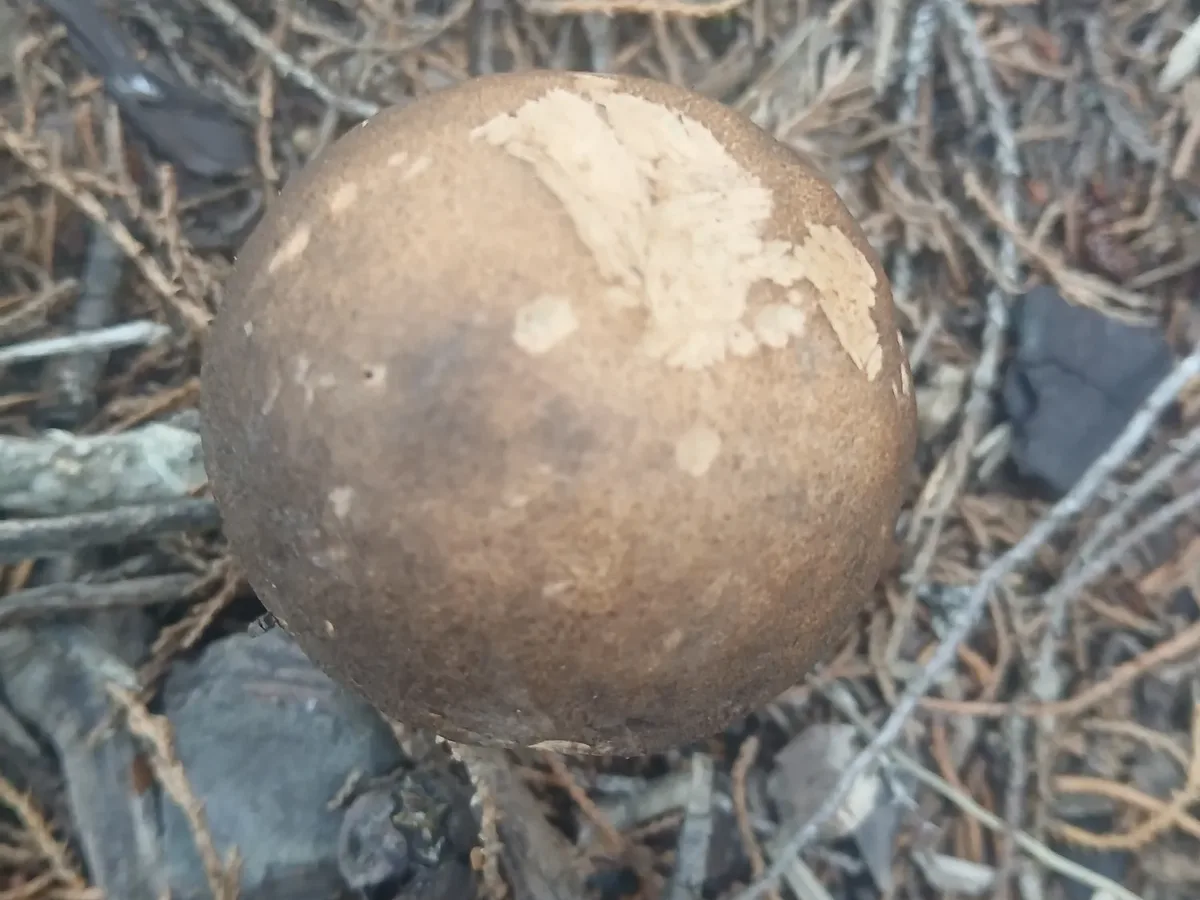
The cap ranges from 3-9 cm and starts hemispherical, expanding to broadly convex. Colour runs from warm tawny-orange through brick-brown to reddish-brown, sometimes acquiring a greyish cast as the specimen ages.
Gills / Pores
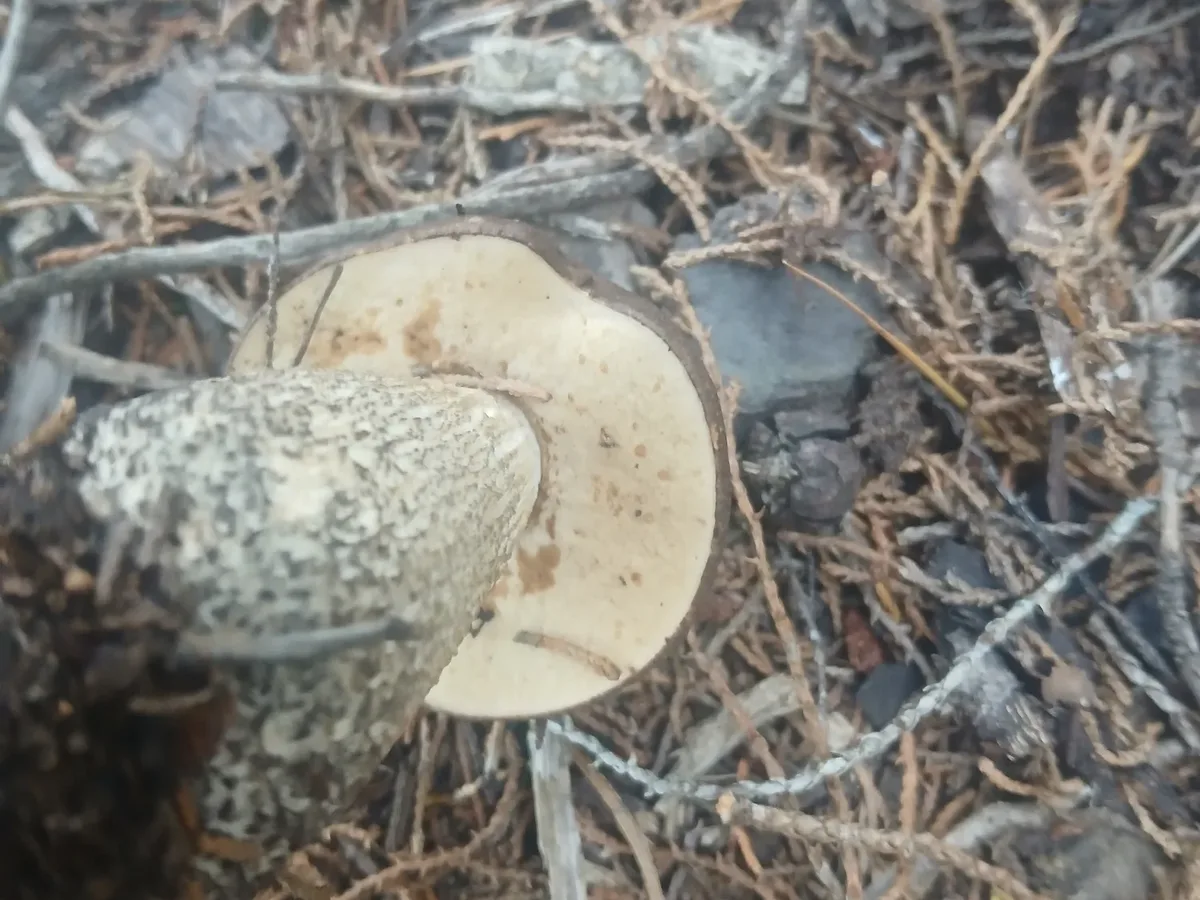
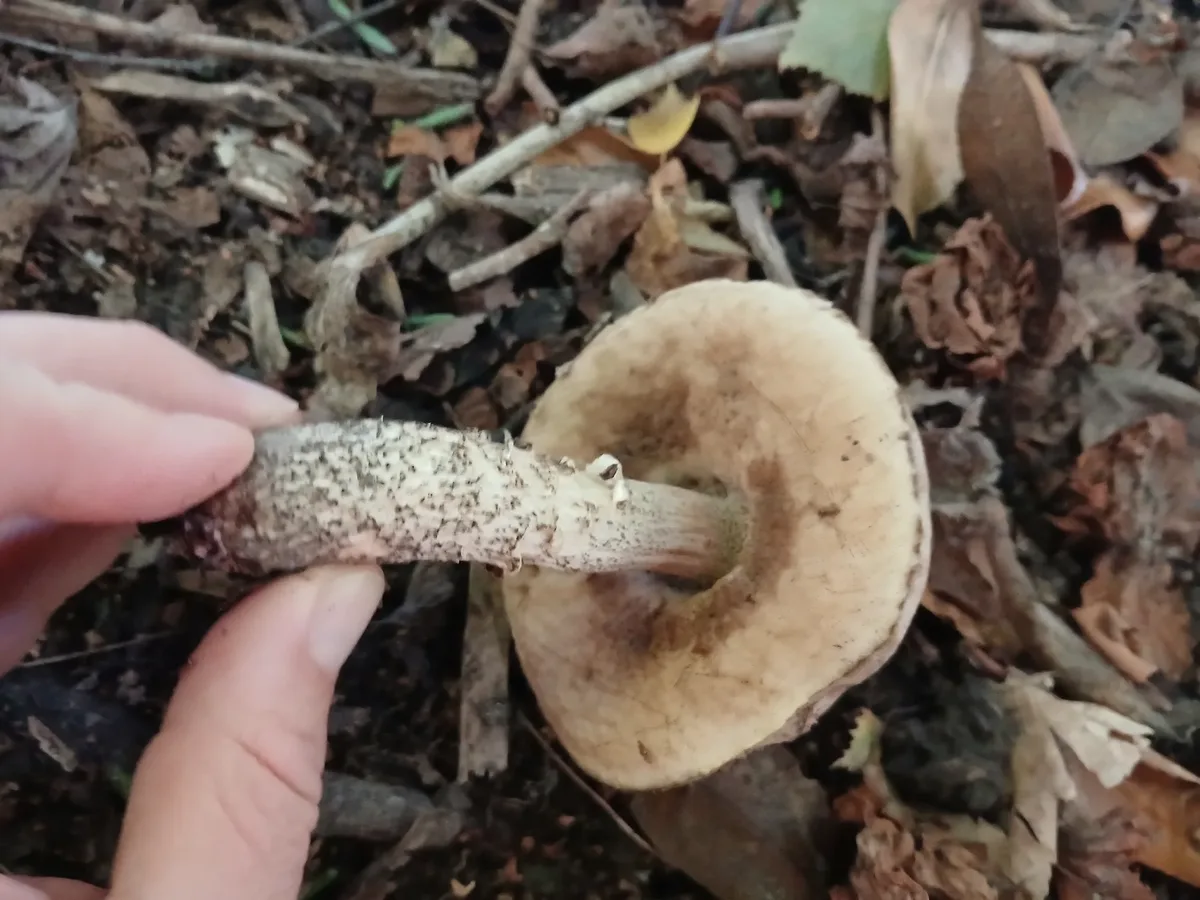
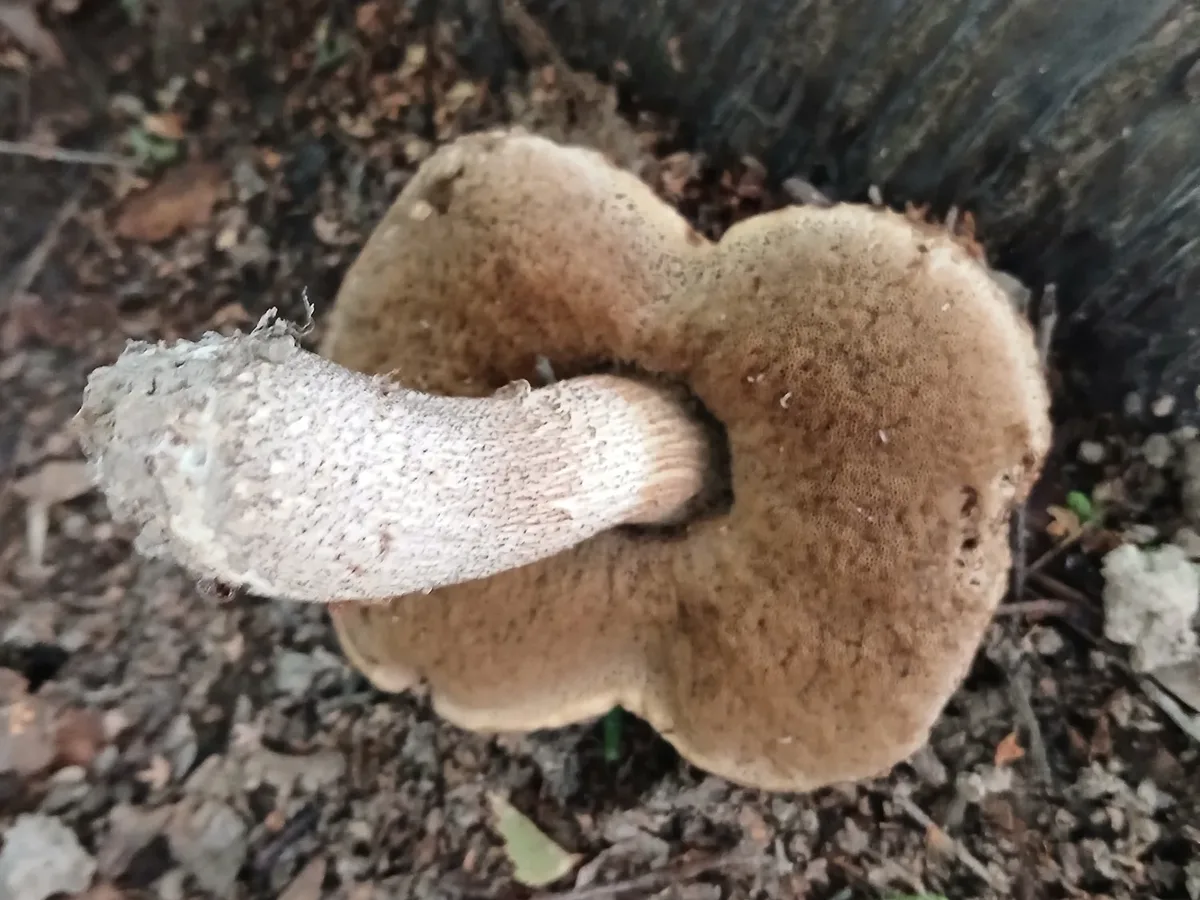
The pore surface is white when fresh, ageing to dirty buff or pale grey, and does not stain blue when bruised.
Stem
The stem is proportionally stout, 4-10 cm tall but often appearing shorter because the base is embedded in moss or soil. Its most characteristic feature is the dense covering of dark scabers on a whitish to buff background; these darken with age to almost black.
Flesh
When cut, the firm white flesh stains pinkish-grey through to a dark slate-grey or violet-grey, especially in the stem base - a normal oxidative reaction and not a sign of spoilage or toxicity.
Why it's dangerous
Moderate risk if eaten raw or undercooked; effectively zero risk when cooked through for at least 15-20 minutes at cooking temperature. Not fatal.
The principal danger is underestimating how thoroughly Leccinum must be cooked. Foragers familiar with other boletes - some of which are tolerated better when less well cooked - sometimes apply the same casual heat treatment to Leccinum and suffer the consequences.
Orange-capped members of the genus, including Leccinum rotundifoliae, have produced medically significant gastrointestinal illness in documented Scandinavian cases. The risk is not hypothetical, and the caution tier on this species is not precautionary boilerplate - it reflects real incidents.
Drying or freezing without prior cooking does not neutralise the irritants; always cook from raw or blanch before preserving.
Toxin
Heat-labile gastrointestinal irritants are present across the Leccinum genus, including Leccinum rotundifoliae. The exact chemical compounds responsible have not been fully characterised by mycotoxicology research, but they share the key property of being destroyed by sustained heat.
Current evidence points to thermolabile proteins or peptides in the raw tissue rather than stable alkaloids or heavy-metal complexes.
Orange-capped Leccinum species - of which this species is one - appear to carry a higher irritant load or a more reactive variant of these compounds than the grey-capped species such as Leccinum scabrum. This distinction has practical clinical significance: orange-capped collections account for a disproportionate share of reported Scandinavian Leccinum incidents.
Thorough cooking breaks down the offending compounds; brief heating or stir-frying at low temperature is insufficient and has been the common factor in most reported cases.
Symptoms
Nausea, vomiting, abdominal cramps, and diarrhoea are the hallmark symptoms, typically beginning 30 minutes to 3 hours after eating raw or undercooked Leccinum.
The short onset window is characteristic of gastrointestinal-irritant syndromes and distinguishes them from the delayed syndromes caused by more serious toxins such as amatoxins or orellanine.
Severity is highly variable. Most cases involve only mild-to-moderate discomfort that resolves without treatment within 12-24 hours, but Norwegian case series have documented episodes with profuse vomiting and dehydration severe enough to require hospital assessment, particularly involving orange-capped species eaten at insufficiently cooked meals.
Children and individuals with pre-existing gut sensitivity may experience more pronounced reactions.
Symptoms are self-limiting; there is no evidence of organ damage, and full recovery is expected.
Staying safe
Leccinum rotundifoliae carries the genus-level caution that applies to all rough-stemmed boletes: they must be cooked thoroughly before eating.
Raw or undercooked Leccinum can cause gastrointestinal upset - nausea, vomiting, and cramps - even in species that are perfectly wholesome when properly prepared.
The orange-capped members of the genus have been implicated in gastrointestinal incidents more often than the grey-capped species; Norwegian sources have linked undercooked orange Leccinum to episodes severe enough to require medical attention.
Cook until fully heated through, at least 15-20 minutes in a pan or stew. No deadly lookalikes exist for this species in its subarctic habitat.
Where & when it grows
Habitat
This species has an obligate partnership with dwarf birch (Betula nana), a prostrate arctic and subarctic shrub. It will not fruit under any other tree.
Look for it wherever Betula nana grows:
- open tundra heaths
- Sphagnum bogs with scattered dwarf shrubs
- subarctic fell slopes
- the margins of alpine snowfields in the Scandinavian mountains
Because its host grows in exposed, often wind-scoured terrain, the mushroom sometimes emerges nearly buried in moss or lichen, revealing only the cap above ground level.
This habitat specificity makes it one of the few boletes with a significant presence above the treeline.
When
The fruiting window is compressed by the short subarctic and alpine summer: July through September, peaking in late July and August at typical Scandinavian fell altitudes.
At sea-level arctic sites the season is similarly brief; warm spells following rain in the polar summer trigger flushes rapidly.
Snow cover can end the season abruptly in September even during mild years.
How it grows
Mycorrhizal; mycelium threads connect to the living roots of dwarf birch, exchanging sugars and soil minerals in a mutualistic relationship.
Fruiting bodies emerge singly or in scattered groups, rarely clustered. Because the host is low-growing and slow-growing, the fruiting bodies are comparatively solitary and spaced.
In dry summers the caps may crack or show desiccation wrinkles; in wet conditions the cap skin can become slightly slippery.
Like all Leccinum species, the flesh oxidises markedly on cutting - beginners should not mistake the grey-violet staining for a sign of dangerous toxicity.
Fruiting conditions
Subarctic/alpine species; responds to summer rainfall after soil temperatures rise above 6 degrees C. Lower temperature thresholds than lowland boletes reflect the cold-adapted tundra environment. Flush lag is shorter than temperate equivalents because the brief growing season favours rapid development.
Look-alikes
The realistic confusions are all within the genus Leccinum and all share the same caution tier.
- Orange birch bolete (Leccinum versipelle) is larger, associated with standard birch rather than dwarf birch, and has a more intensely orange-red cap.
- Leccinum scabrum has a paler, grey-brown to umber cap and grows with tall birch.
- Leccinum holopus has a white to pale grey cap and also grows with tall birch in boggy ground.
None of these confusions are dangerous - all are edible when cooked thoroughly.
The key principle for any Leccinum: if the cap is orange-brown, pores white (not red or orange), scabers dark on a pale stem, and flesh stains grey rather than bluing rapidly, you are in safe Leccinum territory.
A rapid blue reaction would suggest a very different bolete and calls for rejection.
Paler grey-brown to umber cap, grows exclusively with tall birch. Flesh stains less dramatically. Also edible when cooked.
White to very pale grey cap, grows with tall birch in boggy habitats. Flesh barely stains. Also edible when cooked.
Larger (cap 5-20 cm), more intensely orange-red cap, grows with tall birch (Betula pendula and pubescens) not dwarf birch. Flesh greys similarly. Equally edible when well cooked.
A reference guide - never an edibility guarantee. When in doubt, leave it out.