Yellow-Milk Milkcap
Lactarius xanthogalactus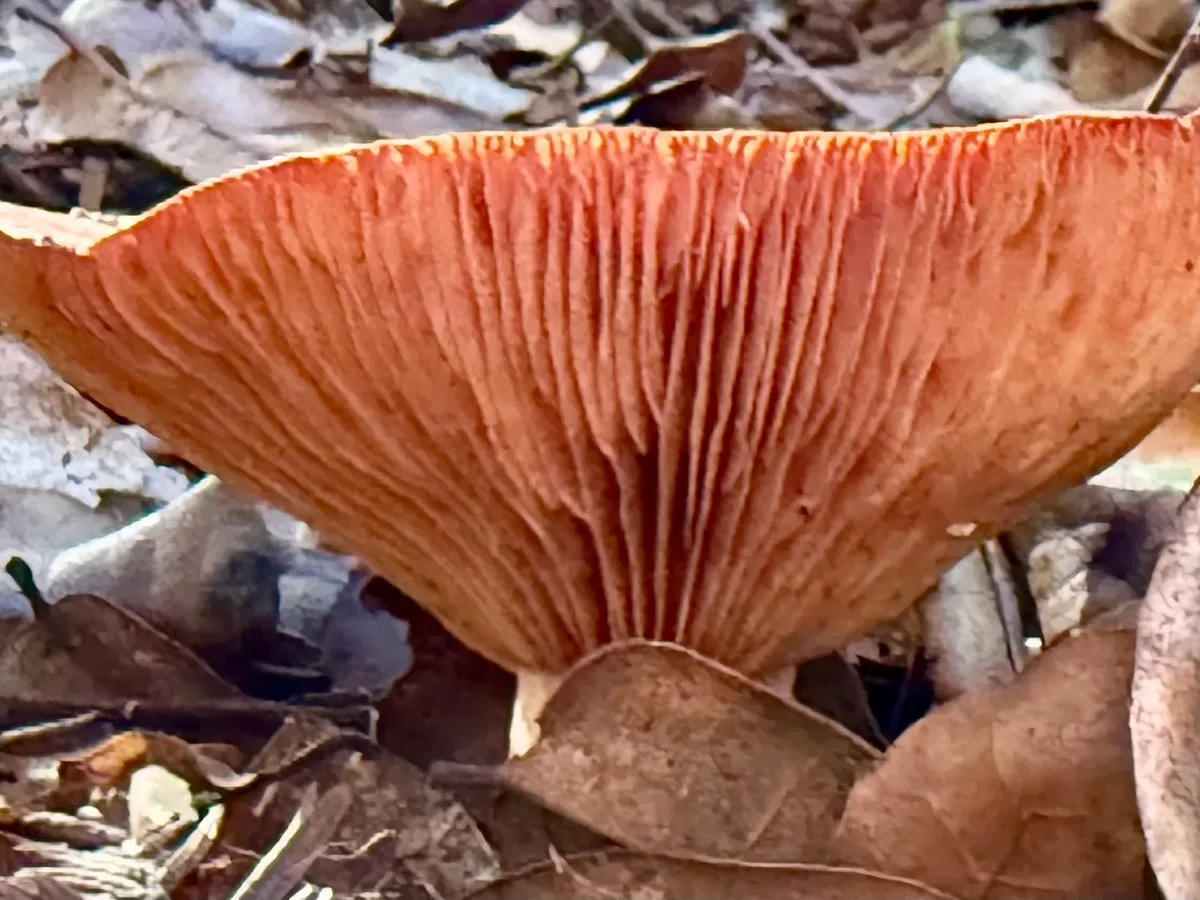 Chuck Wilson (CC0)
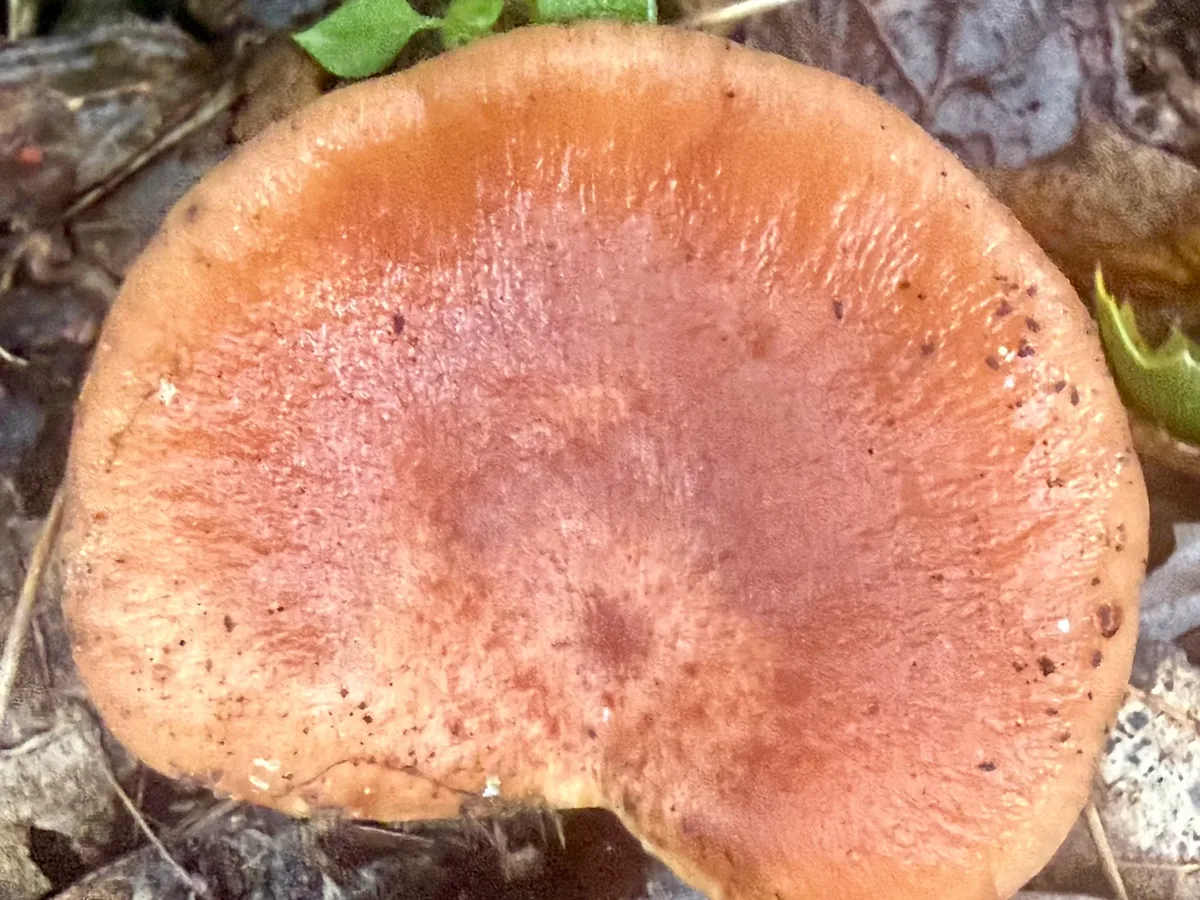 Chuck Wilson (CC0)
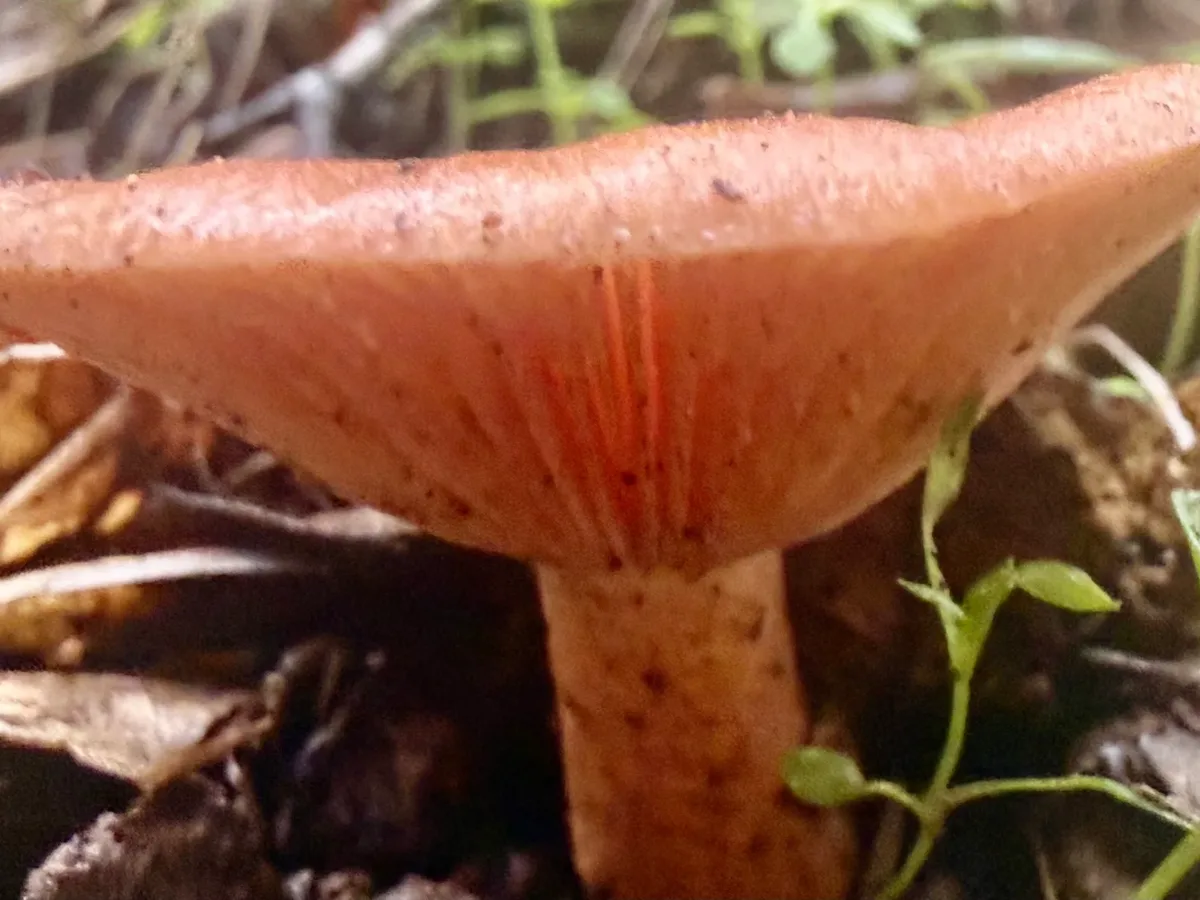 Chuck Wilson (CC0)
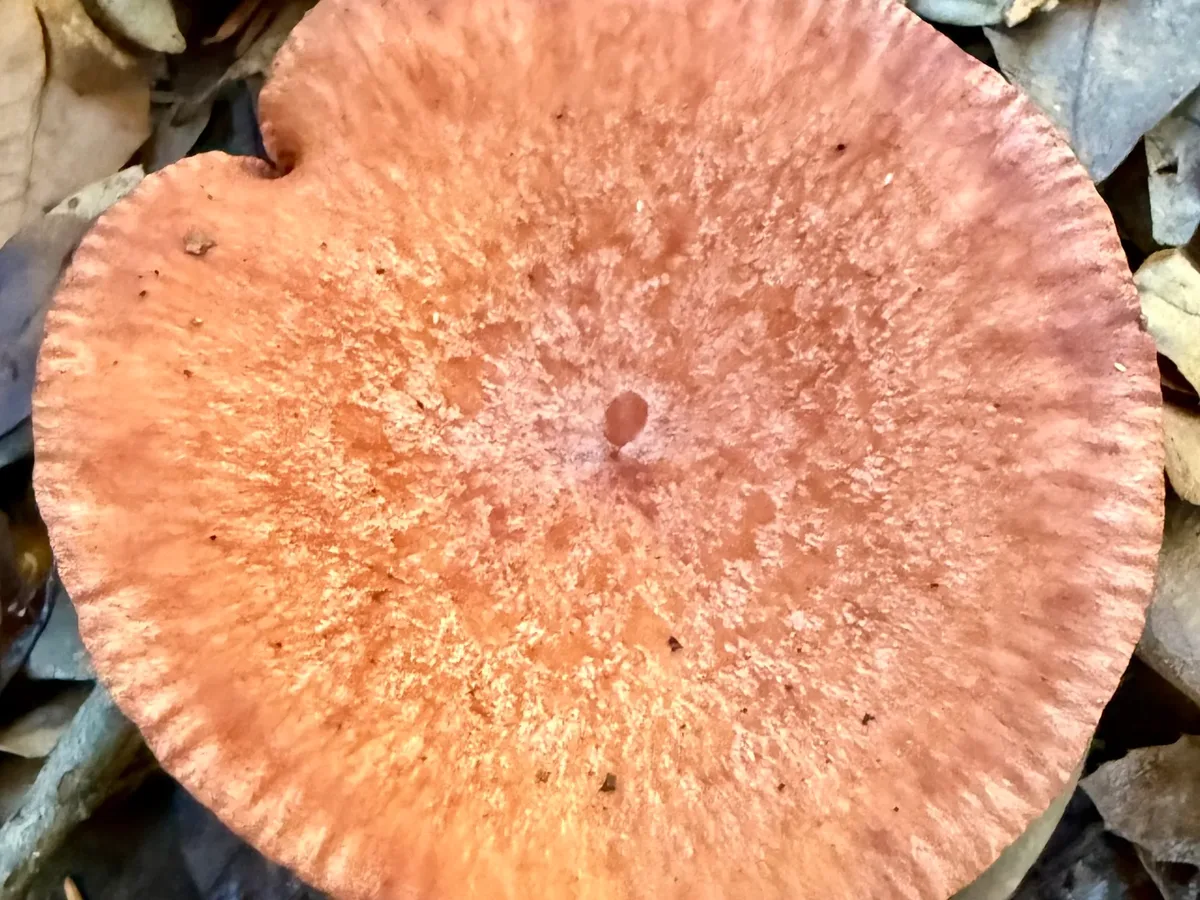 Chuck Wilson (CC0)
 Chuck Wilson (CC0)
 Chuck Wilson (CC0)
 Chuck Wilson (CC0)Chuck Wilson (CC0)Chuck Wilson (CC0)
Edible only with the right preparation - or safe for some people but not others. Learn the caveats first.
How to recognise it
Lactarius xanthogalactus is a medium to large milkcap with a clean, pale appearance that belies its unpleasant taste and potential to cause gastrointestinal distress.
Cap
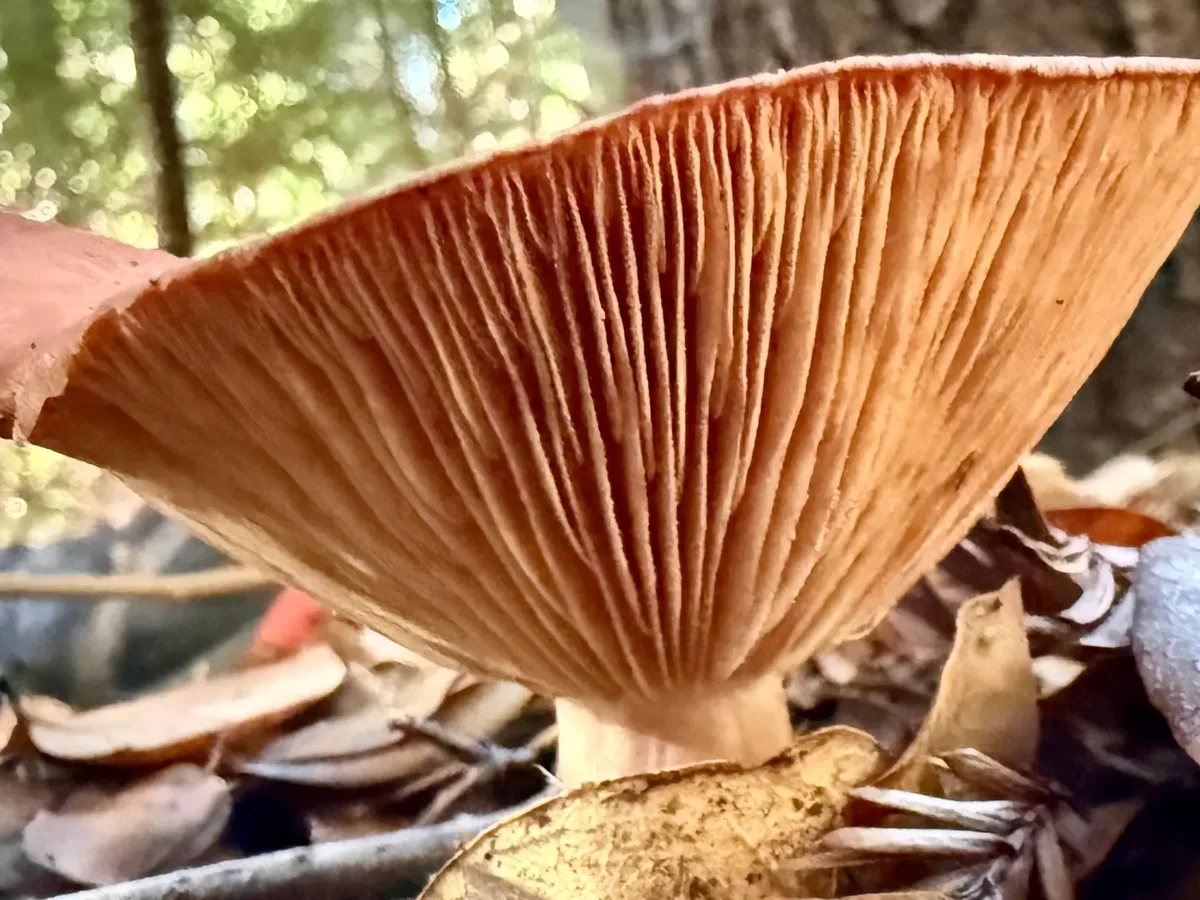
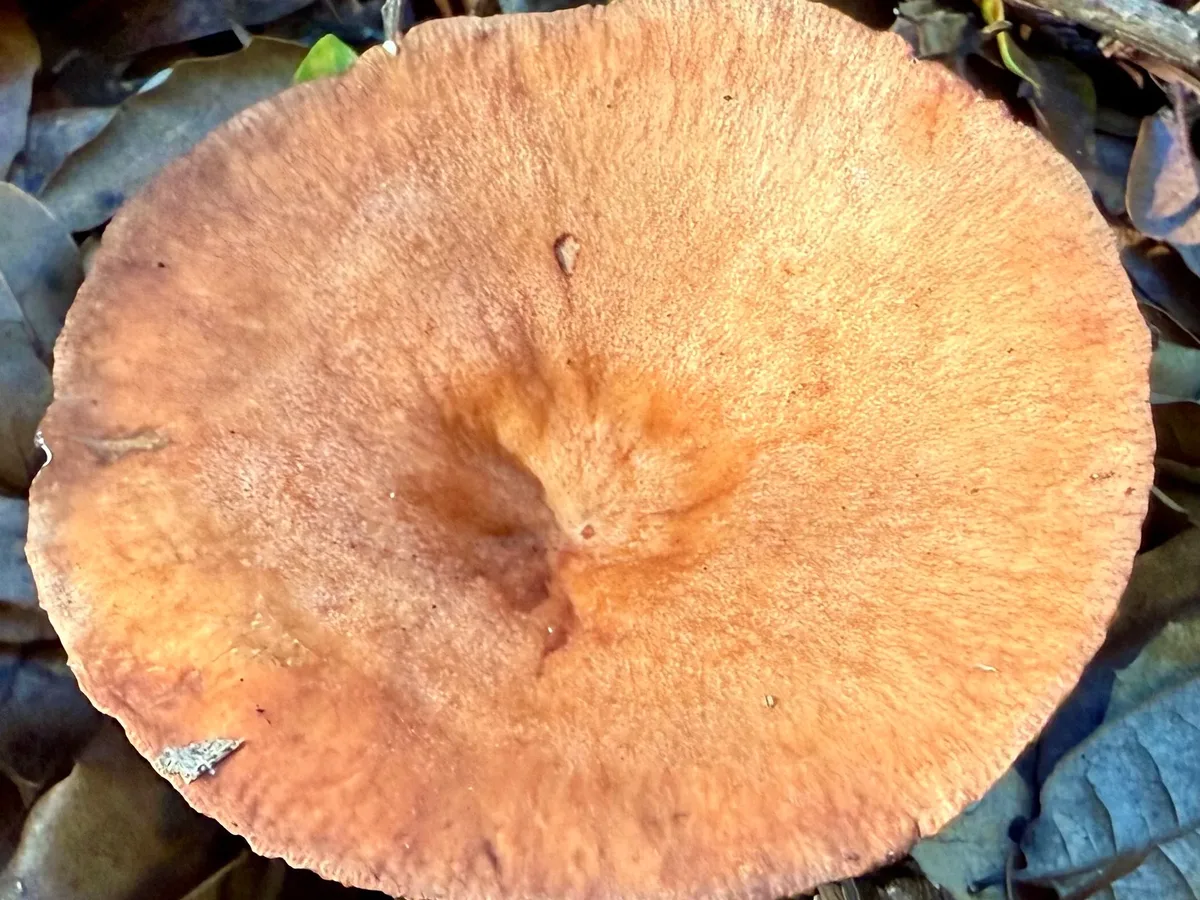
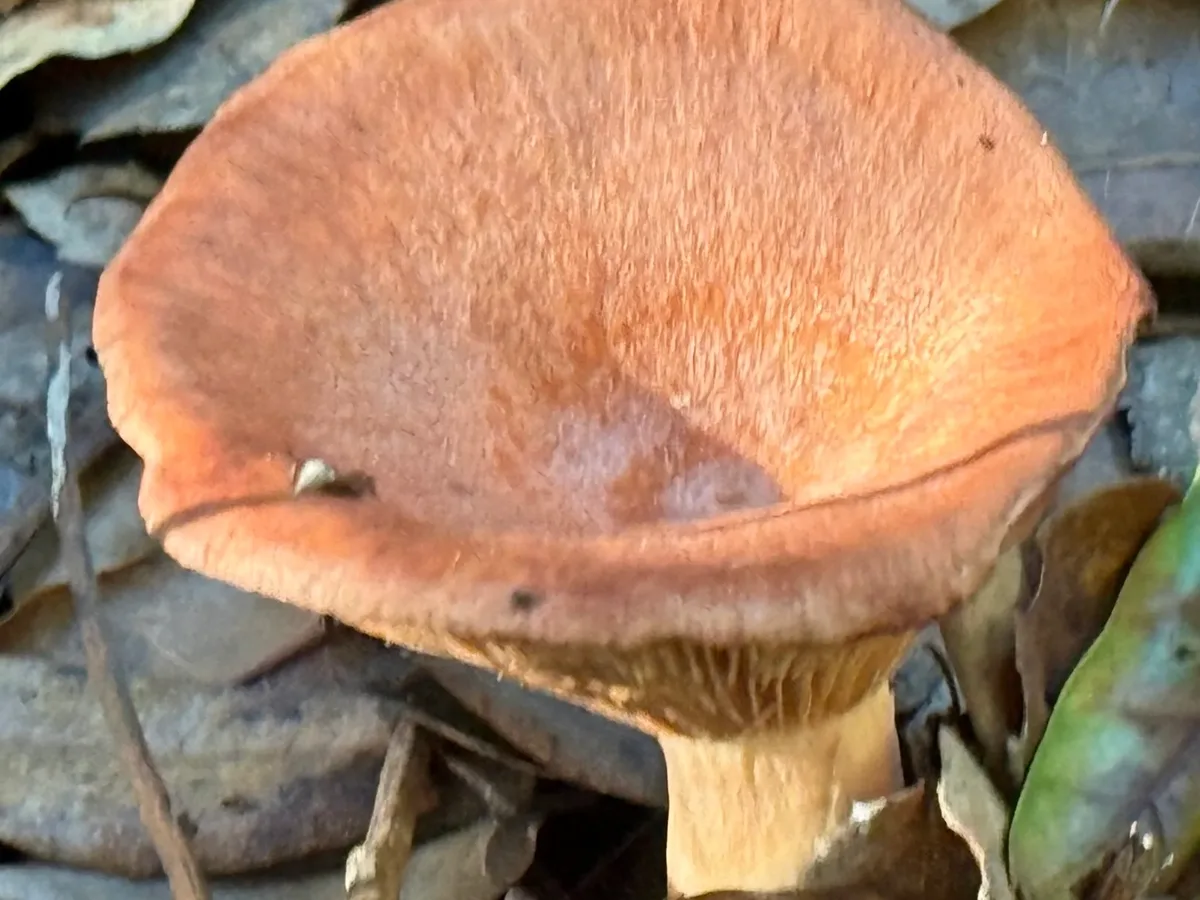
The cap is buff-white to cream-ochre with a dull, dry surface - unremarkable at first glance. It follows the classic milkcap shape: convex and inrolled at the margin when young, flattening and then depressing centrally as it matures.
Gills / Pores
The gills are white and closely spaced. When any part of the fruitbody is cut or broken, white latex flows freely.
This latex is the single most important field character: it starts white and turns pale to bright yellow within 5-20 minutes of exposure to air. This slow colour change distinguishes L. xanthogalactus from most white-latexed milkcaps in the Pacific Northwest, where white latex that remains stubbornly white is the norm.
The spore print is pale cream-yellowish.
Smell & taste
Taste a tiny piece of the raw flesh or latex cautiously: the acrid, burning bitterness is immediate and intense, and should be spat out - this confirms the species and is a clear deterrent to consumption.
Why it's dangerous
Not lethal, but the gastrointestinal distress is real and can be significant if more than a small quantity is consumed. Medical attention is warranted if symptoms are severe or prolonged.
The acrid taste is the natural deterrent. Serious poisonings are uncommon because the burning bitterness discourages significant consumption.
Nevertheless, the species must be treated as toxic and excluded from any food foraging.
Toxin
The toxins are acrid sesquiterpene lactones of the velutinal ester class, common to the acrid milkcap group (section Plinthogali and related groups). These compounds irritate mucous membranes and the gastrointestinal tract directly.
Cooking does not fully inactivate them in L. xanthogalactus.
The yellowing of latex on air exposure is a separate chemical reaction - oxidation of a colorless precursor to a yellow quinone-like compound. It is not itself the toxin, but is the most reliable diagnostic marker.
Symptoms
Gastrointestinal syndrome, beginning 30 minutes to 3 hours after ingestion:
- nausea
- vomiting
- abdominal pain
- diarrhea
Symptoms are generally self-limiting within 12-24 hours. Severity depends on quantity consumed; the intense acridity of raw or undercooked material naturally limits the amount most people would eat.
No organ damage or neurological effects are expected. Supportive care (hydration, rest) is the standard management.
Staying safe
Lactarius xanthogalactus is not safe to eat. The raw fruitbody causes gastrointestinal distress - nausea, vomiting, and abdominal cramps - attributed to acrid sesquiterpene compounds (velutinal esters and related irritants) that are characteristic of the acrid milkcap group.
These toxins are not destroyed by ordinary cooking, unlike some other GI irritants, although prolonged repeated blanching with water changes can reduce (but not reliably eliminate) acridity in some related species.
No specific antidote exists; symptoms are generally self-limiting within 24 hours with supportive care. The species is considered inedible and is not used in cuisine.
The primary field safety rule: always taste-test a tiny piece of any milkcap raw before collecting - acrid, burning latex means do not eat, regardless of species identification. This rapid taste test is a cornerstone of safe milkcap foraging.
Where & when it grows
Habitat
Lactarius xanthogalactus is an obligate ectomycorrhizal species, forming underground partnerships with the roots of oaks and, secondarily, conifers.
In the Pacific Northwest and California it is most closely tied to oak woodland and mixed oak-conifer forests, particularly under coast live oak (Quercus agrifolia) along the California coast and Oregon white oak (Quercus garryana) further north into Oregon.
It occupies the same general ecological zone as Cantharellus californicus (the California golden chanterelle), though it is far less welcome at the table.
It grows in well-drained, sometimes rocky soils where seasonal drought alternates with winter rainfall - a regime that suits its oak-associated lifecycle.
Do not expect to find it in dense conifer stands without oaks nearby; the mycorrhizal relationship drives its distribution.
When
Fruiting is triggered by the onset of autumn rains following the dry Pacific Coast summer, typically beginning in October and peaking through November and December. In mild coastal areas of California the season may extend into January or February.
Like most mycorrhizal milkcaps, individual flushes are linked to rainfall events: significant precipitation (20 mm or more over two weeks) combined with cooling soil temperatures brings fruitbodies up within one to two weeks.
In drought years the season is compressed or absent entirely.
How it grows
Solitary or loosely scattered on the forest floor among oak leaf litter or fallen needles, rarely in tight groups.
The mycelium forms a perennial network of ectomycorrhizal associations around the fine roots of host oaks, and may persist and refruit in the same locations for many years.
Young fruitbodies emerge as rounded, pale buttons that can resemble other edible species before the full shape develops. The latex test is essential at any stage.
Fruiting conditions
Fruiting triggered by autumn rainfall events (≥20 mm over 14 days) combined with soil cooling below 16 °C. The Pacific Coast dry-summer climate means fruiting is concentrated in October-December after the first significant rains break the summer drought. Flush lag of 1-2.5 weeks from significant rainfall to visible fruitbodies is typical for mycorrhizal milkcaps.
Look-alikes
Several other white-latexed milkcaps share the same oak-forest habitat in the Pacific Northwest and California, so careful attention to latex colour change is essential for separation.
- Lactarius piperatus (peppery milkcap): very crowded, repeatedly forking gills, white latex that does not yellow, and a similarly acrid taste; inedible to toxic and easily confused.
- Lactarius vellereus (fleecy milkcap): larger, with a distinctly velvety-tomentose cap surface and white non-yellowing latex; also inedible.
- Lactarius pallescens and Lactarius subvelleureus: closely related white milkcaps of western North America with similar ecology; none are edible.
Crucially, Lactarius xanthogalactus should not be confused with edible milkcaps:
- Lactarius deliciosus and its Pacific Northwest relatives have orange latex (never white).
- The edible Lactifluus (formerly Lactarius) hygrophoroides has mild, non-acrid, non-yellowing white latex and a pleasant taste.
The yellowing latex distinguishes L. xanthogalactus from all these edible relatives. No deadly species is routinely confused with L. xanthogalactus in its range.
Larger fruitbody with a distinctly velvety, felty (tomentose) cap surface; white latex stays white; acrid taste. The velvety texture is easily felt and separates it from the smooth-capped L. xanthogalactus.
Has white latex that does not yellow and, critically, has a mild, non-acrid taste - the raw flesh is not burning or bitter. The taste test instantly separates this edible species from the acrid L. xanthogalactus.
Also white-latexed and acrid, but latex does not turn yellow on exposure to air, and gills are very crowded and repeatedly forked. Both are inedible/toxic; confusion is harmless in practice but taxonomically important.
Edible milkcaps with orange to red latex - never white. Orange or carrot-coloured latex is immediately obvious and rules out L. xanthogalactus. L. rubrilacteus (bleeding milkcap) has dark red latex. Any orange or red latex = safe to consider as a different group entirely.
Closely related western North American acrid milkcaps with white non-yellowing latex. Latex colour change (or its absence) on a cut surface after 10-20 minutes is the key distinguishing test. All members of this group are inedible.
A reference guide - never an edibility guarantee. When in doubt, leave it out.