Woolly milkcap
Lactarius torminosus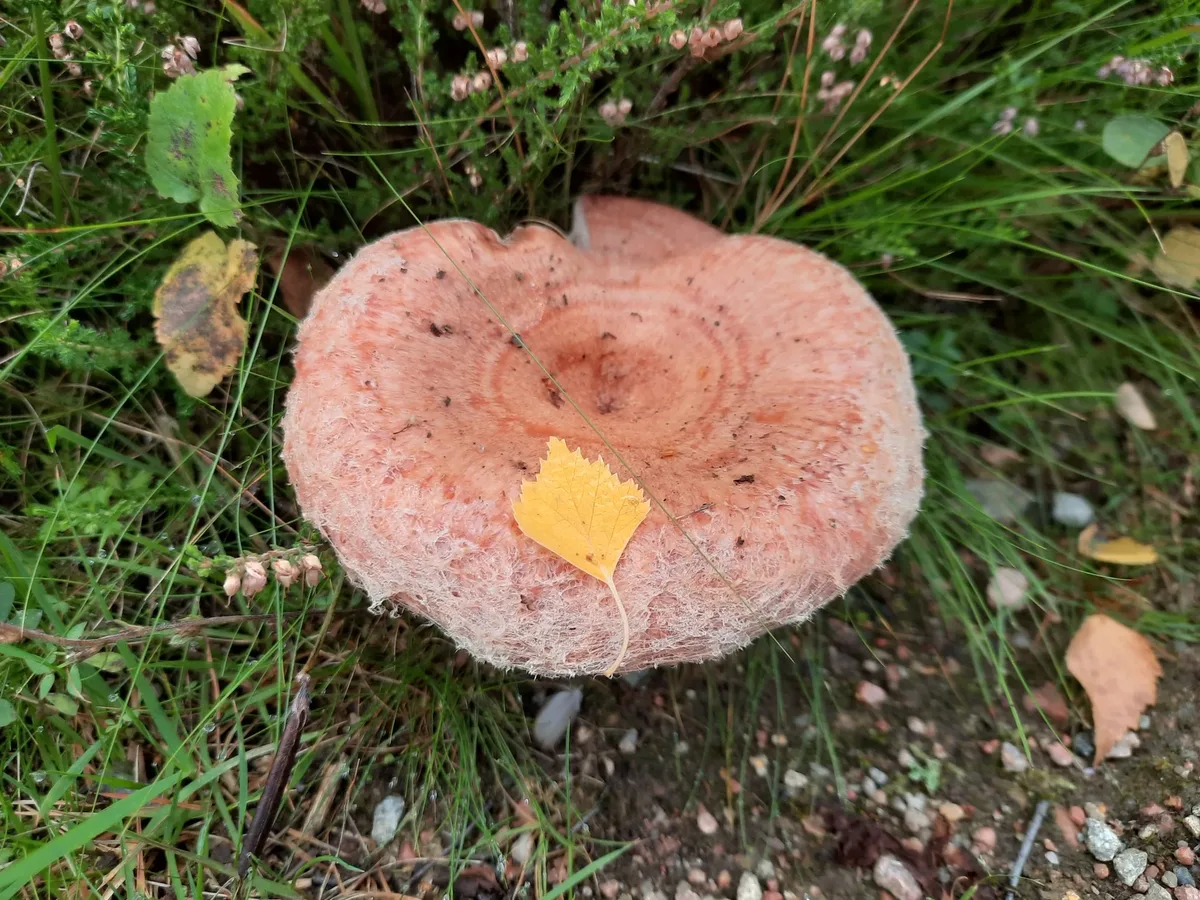 judybaxter (CC0)
 © spoonbilling (CC BY 4.0)
 © akhmelyuk (CC BY)
 © akhmelyuk (CC BY)
 © Fredrikke Monsen (CC BY)
 © Fredrikke Monsen (CC BY)
 © Siv Moen (CC BY)
 Сергей (CC0)
 Сергей (CC0)
 Сергей (CC0)
 Сергей (CC0)
 © Tatiana Strus (CC BY)
 © Eugene Popov (CC BY 4.0)
 Владимир Береснев (CC0)
 Thomas Hirsch (CC0)
 © Egor Dyukarev (CC BY 4.0)
 © Татьяна Максимова (CC BY 4.0)judybaxter (CC0)© spoonbilling (CC BY 4.0)
Edible only with the right preparation - or safe for some people but not others. Learn the caveats first.
How to recognise it
Lactarius torminosus is a sturdy, medium-sized milkcap that typically spans 5-12 cm across the cap.
Cap
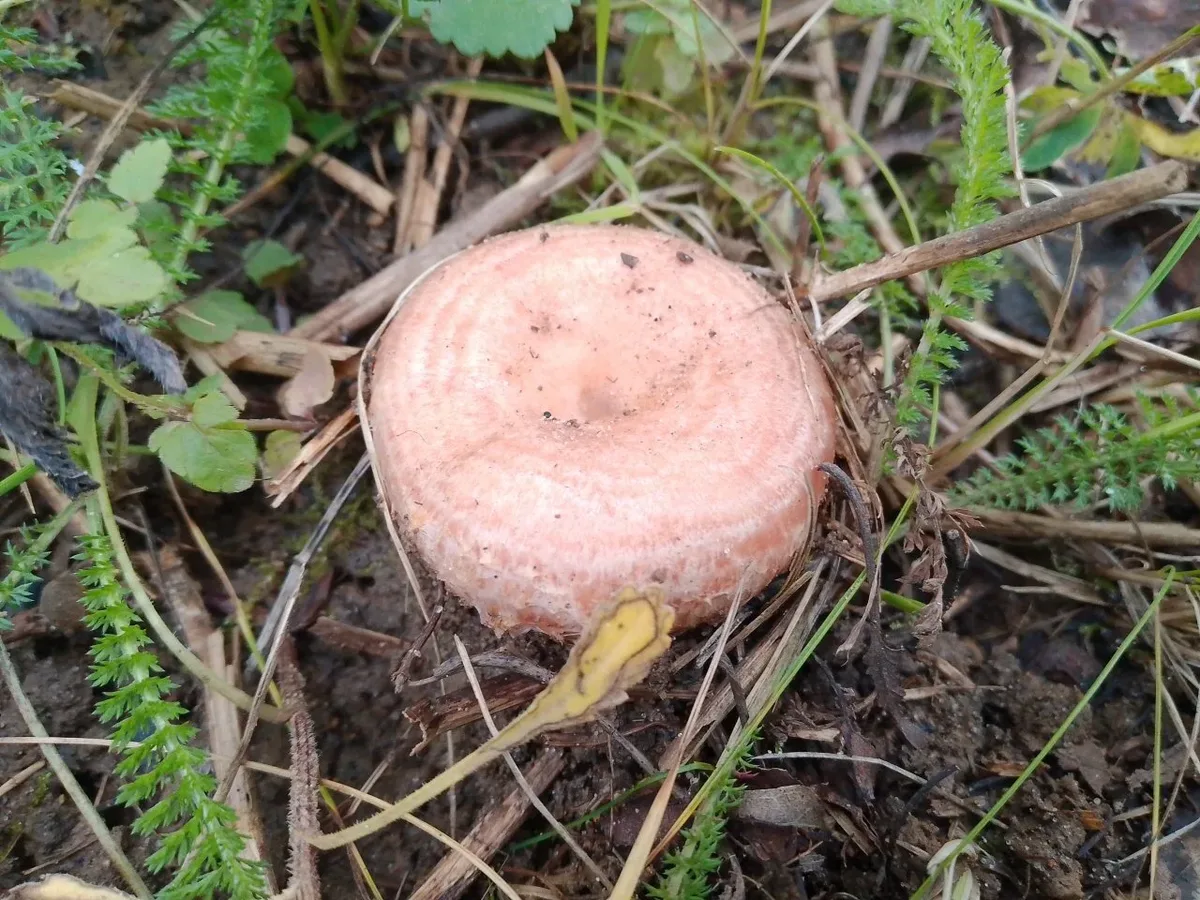
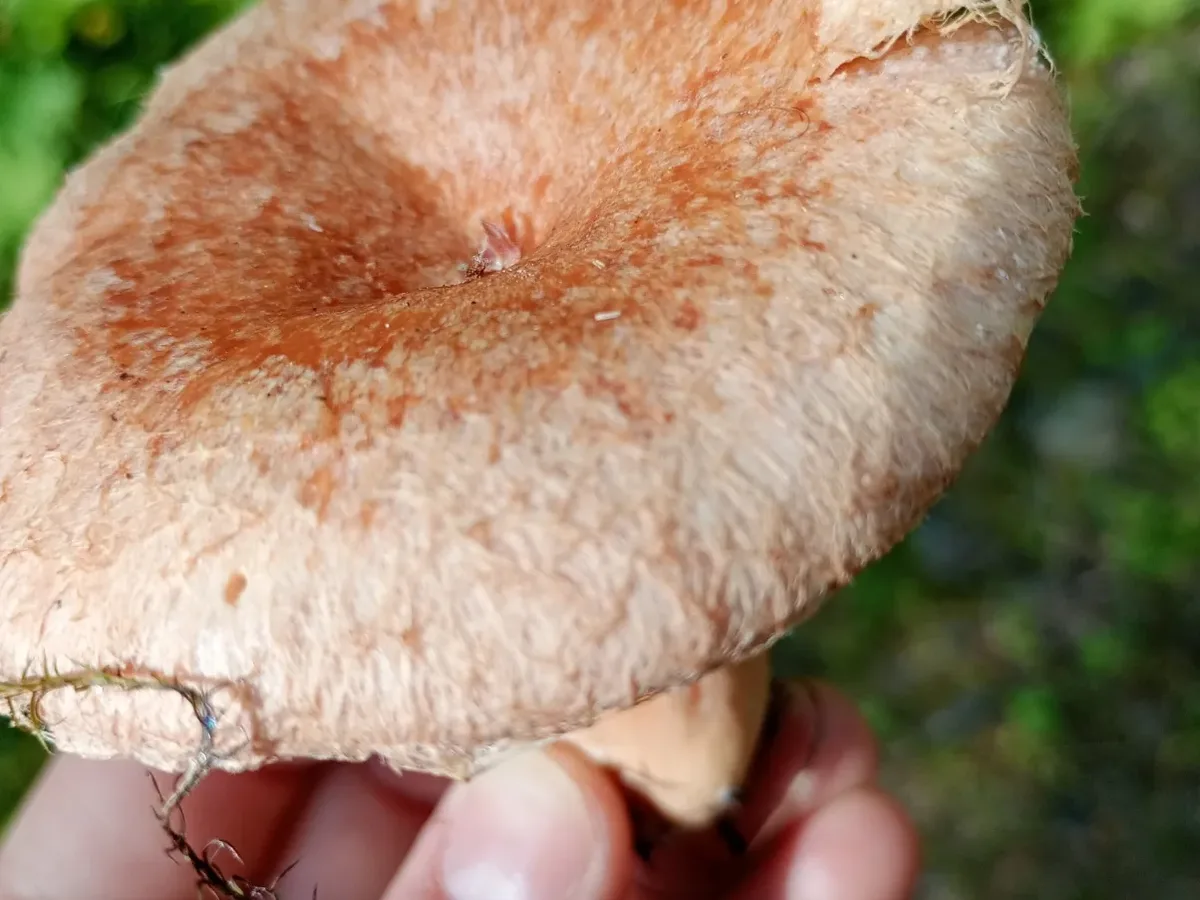
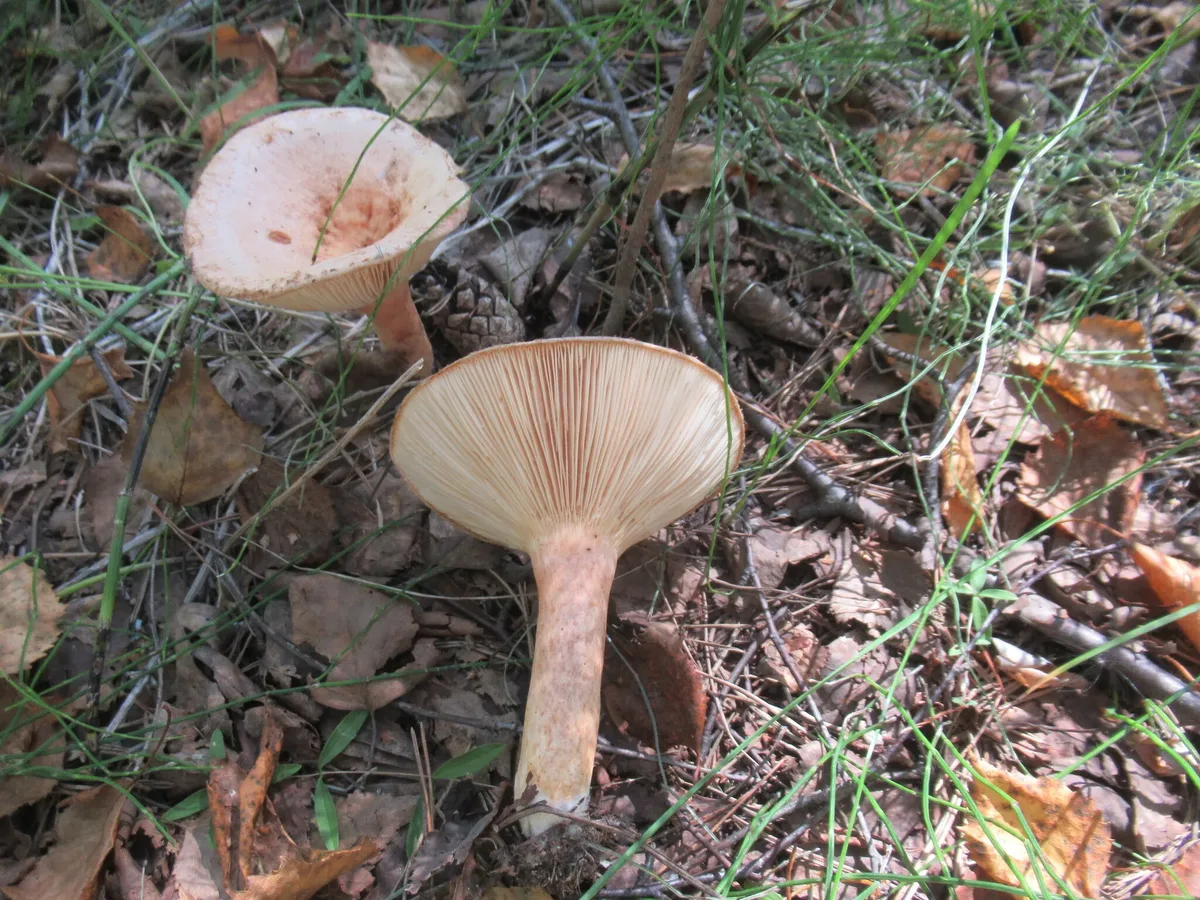
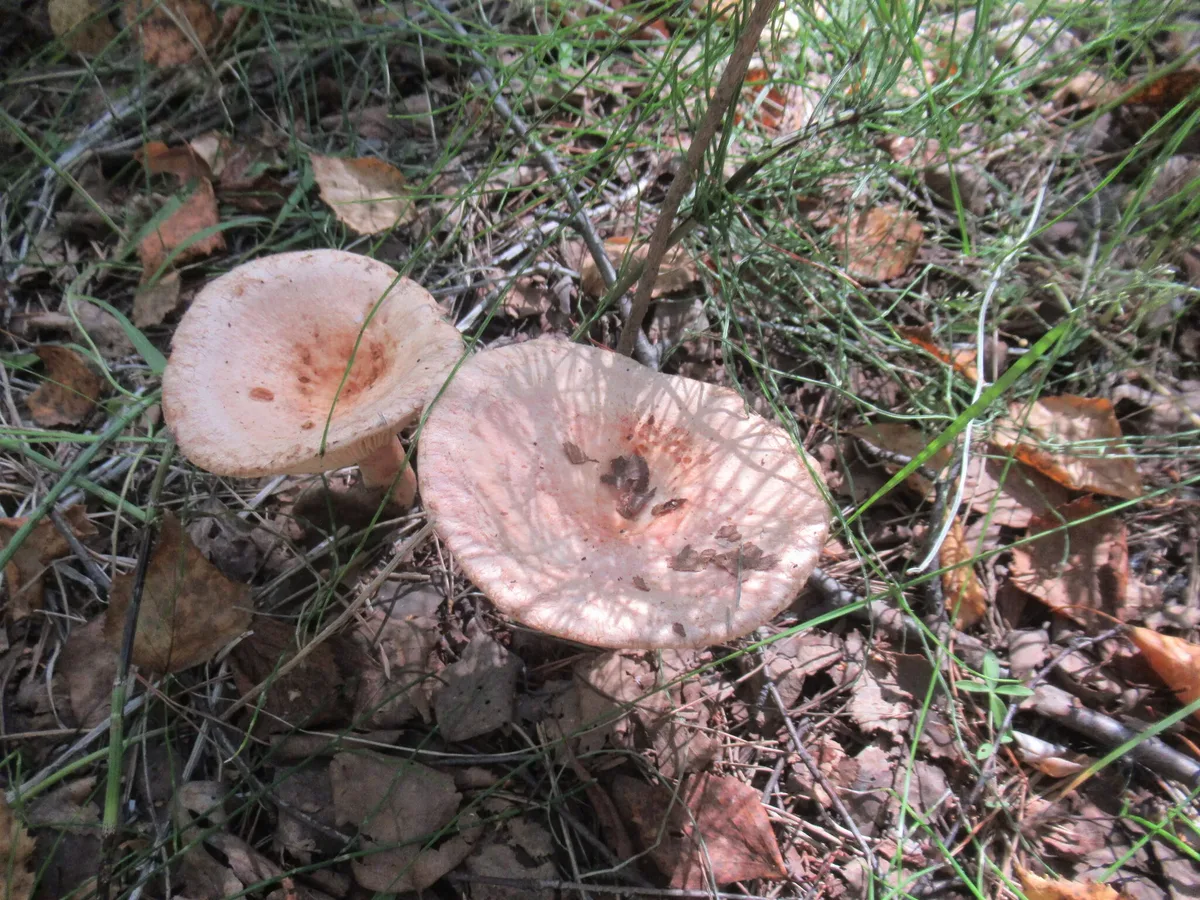
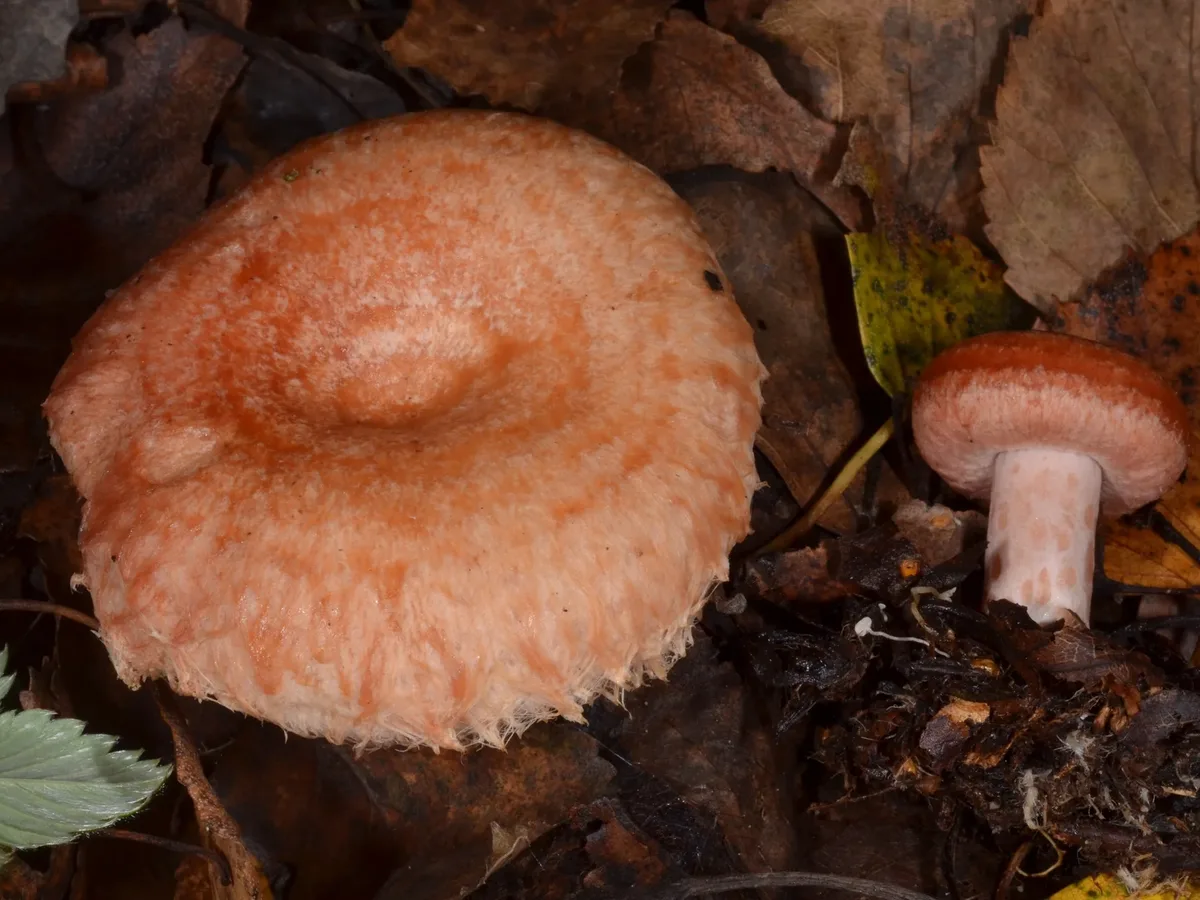
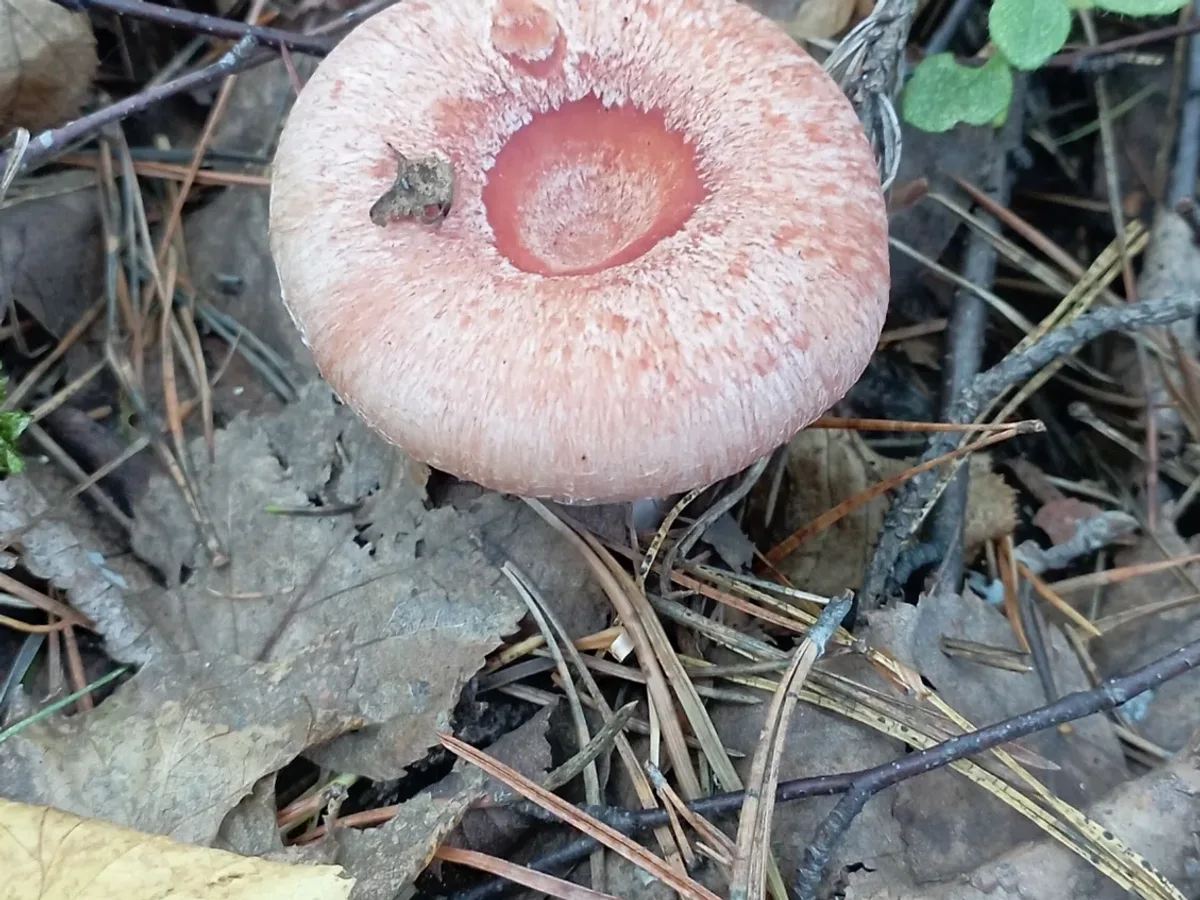
In its youngest stage the cap is deeply convex and almost hemispherical, the margin curled firmly downward against the stem. As the fruitbody matures the centre flattens and then depresses into a shallow funnel, while the margin never fully uncurls, staying inrolled and persistently hairy long into maturity.
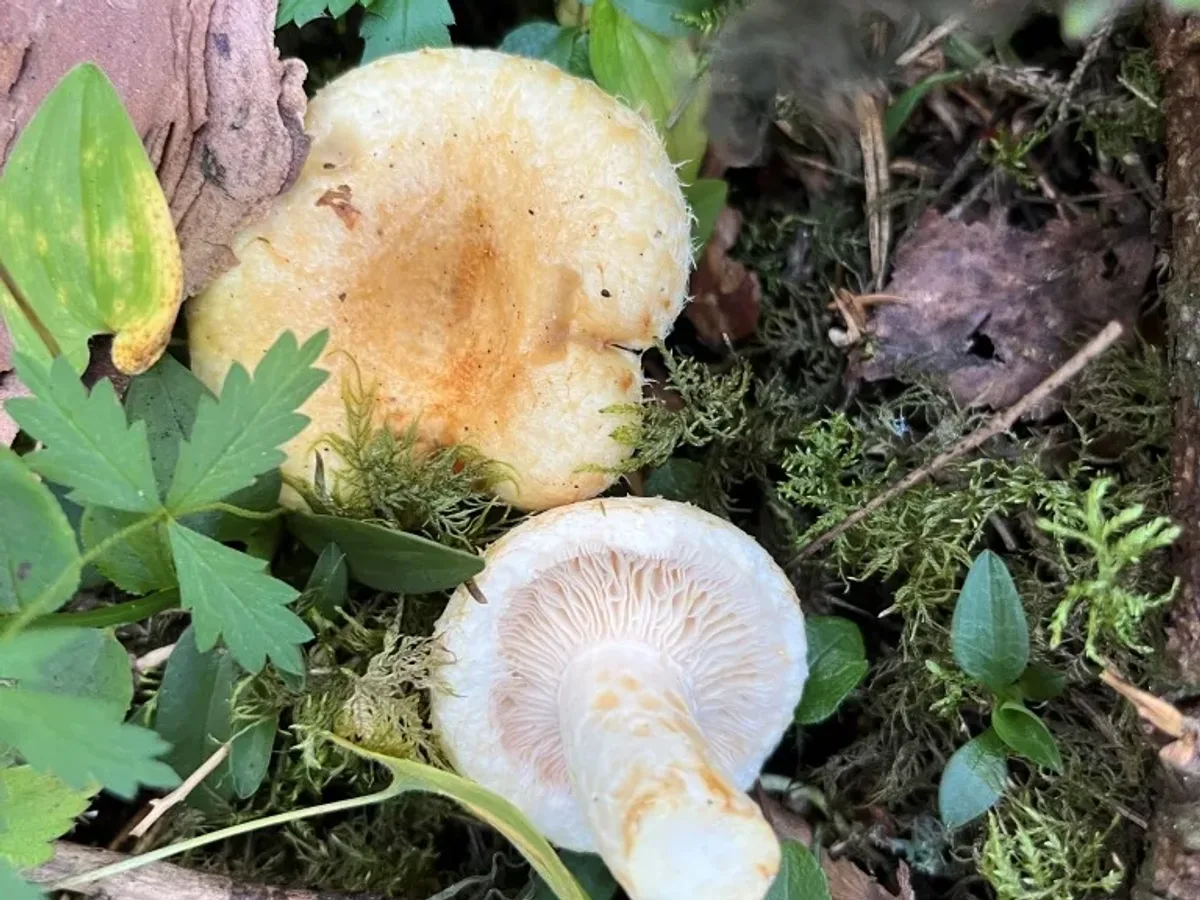
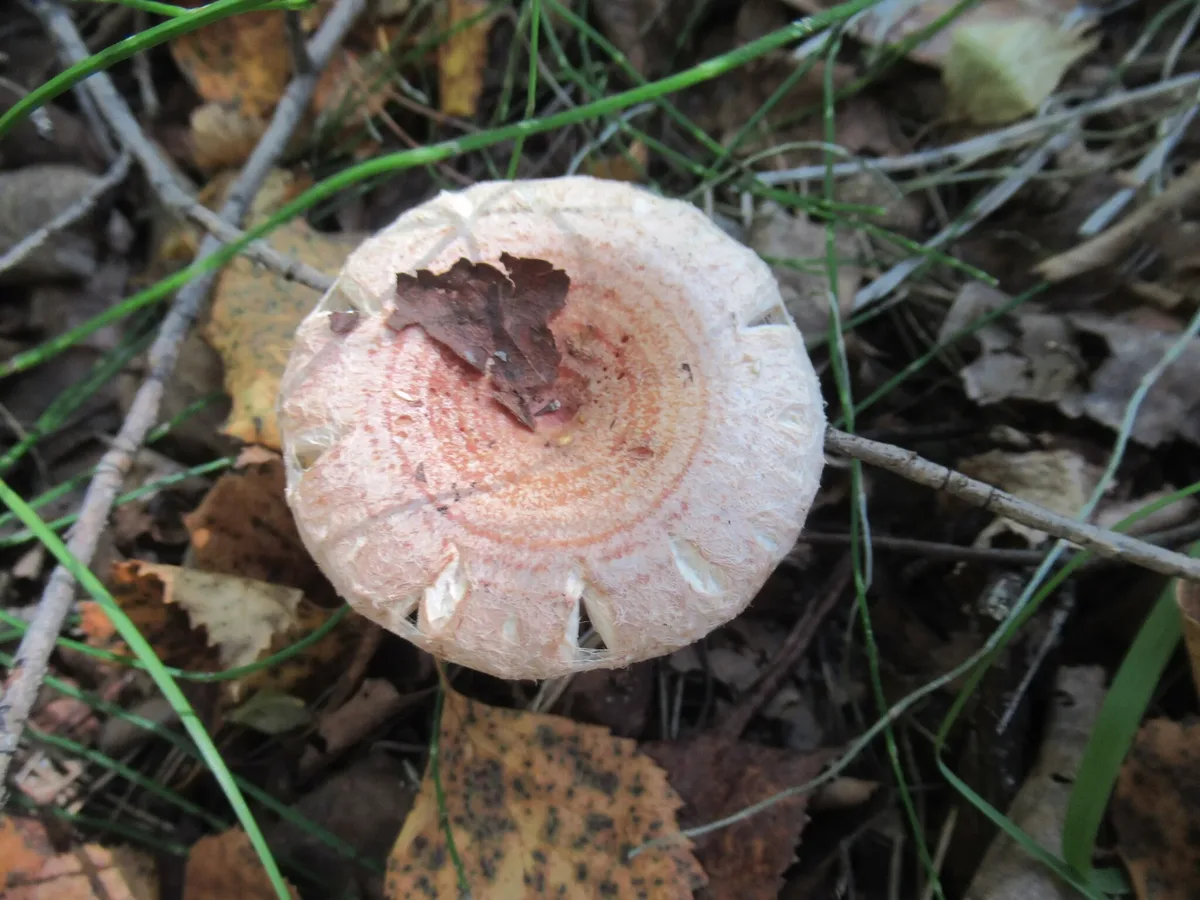
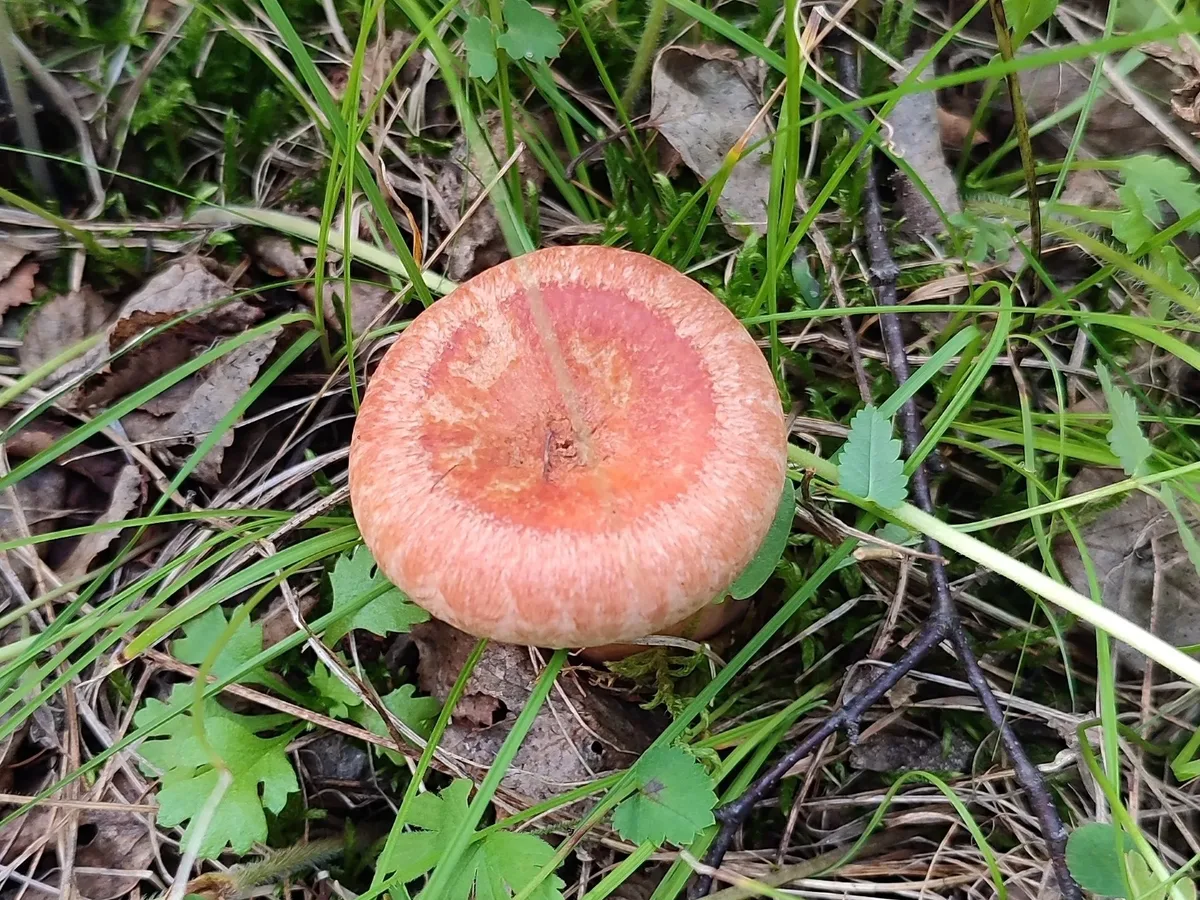
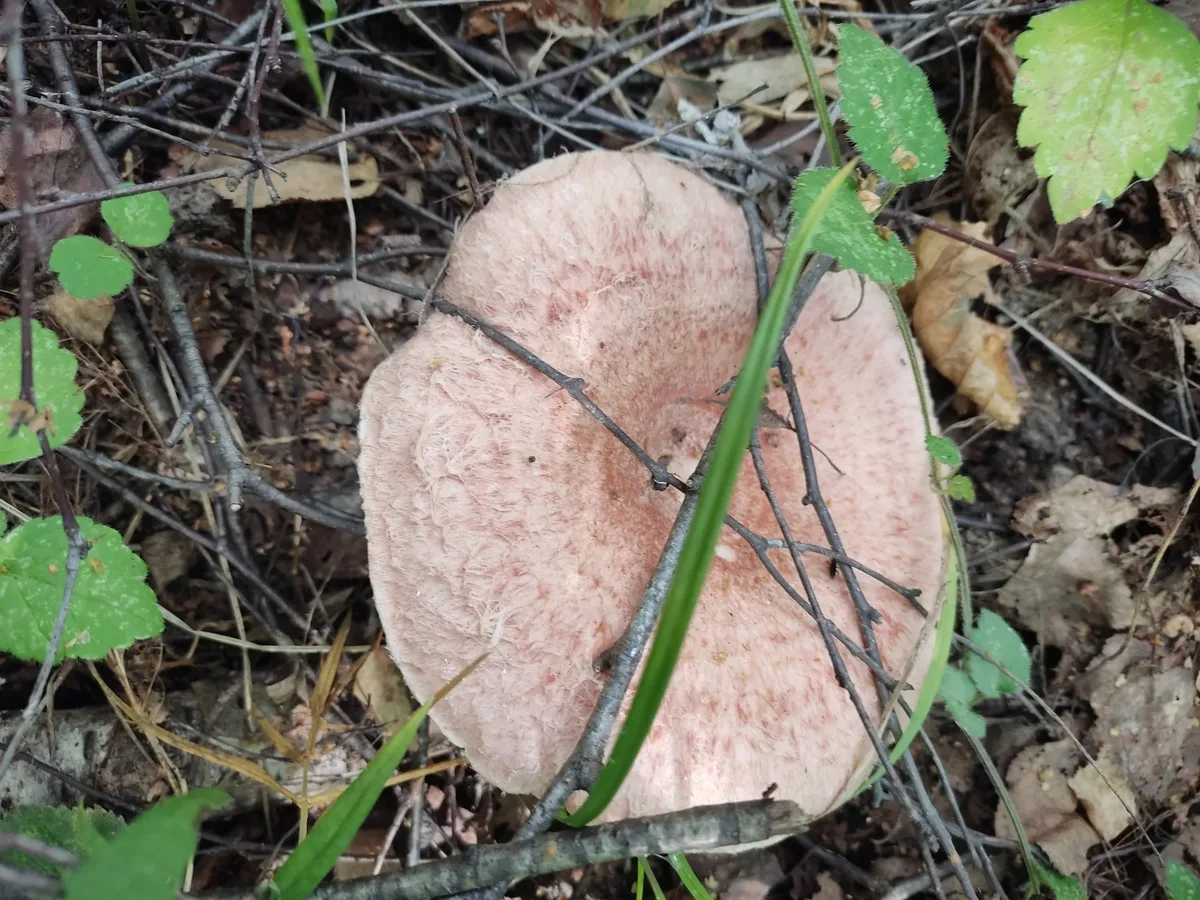
The colour is pale ochre-buff to salmon-pink, often with a faintly orange cast in the centre, and the surface is marked by pronounced concentric zones - lighter and darker bands that run from centre to margin like the growth rings of a very old tree. This zonate patterning is one of the most reliable field marks in the Lactarius genus.
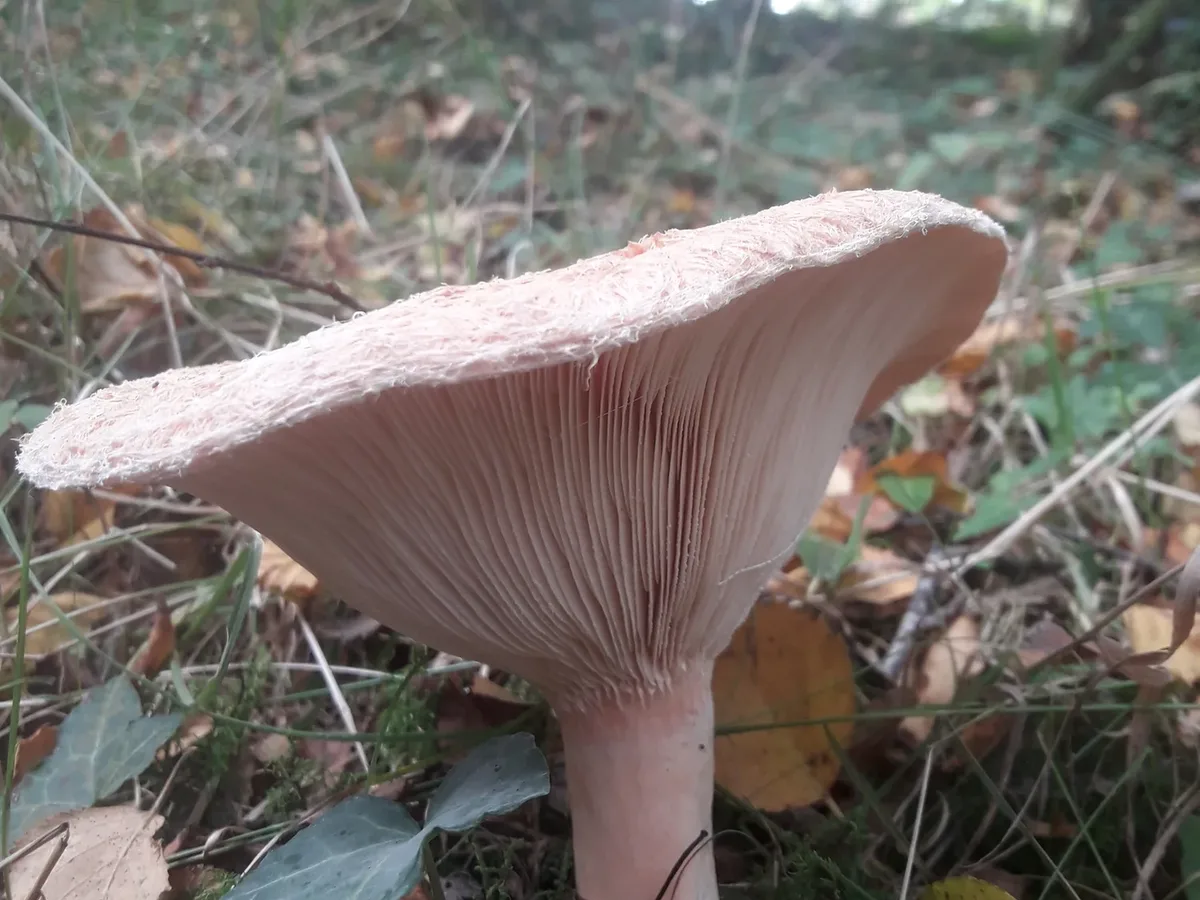
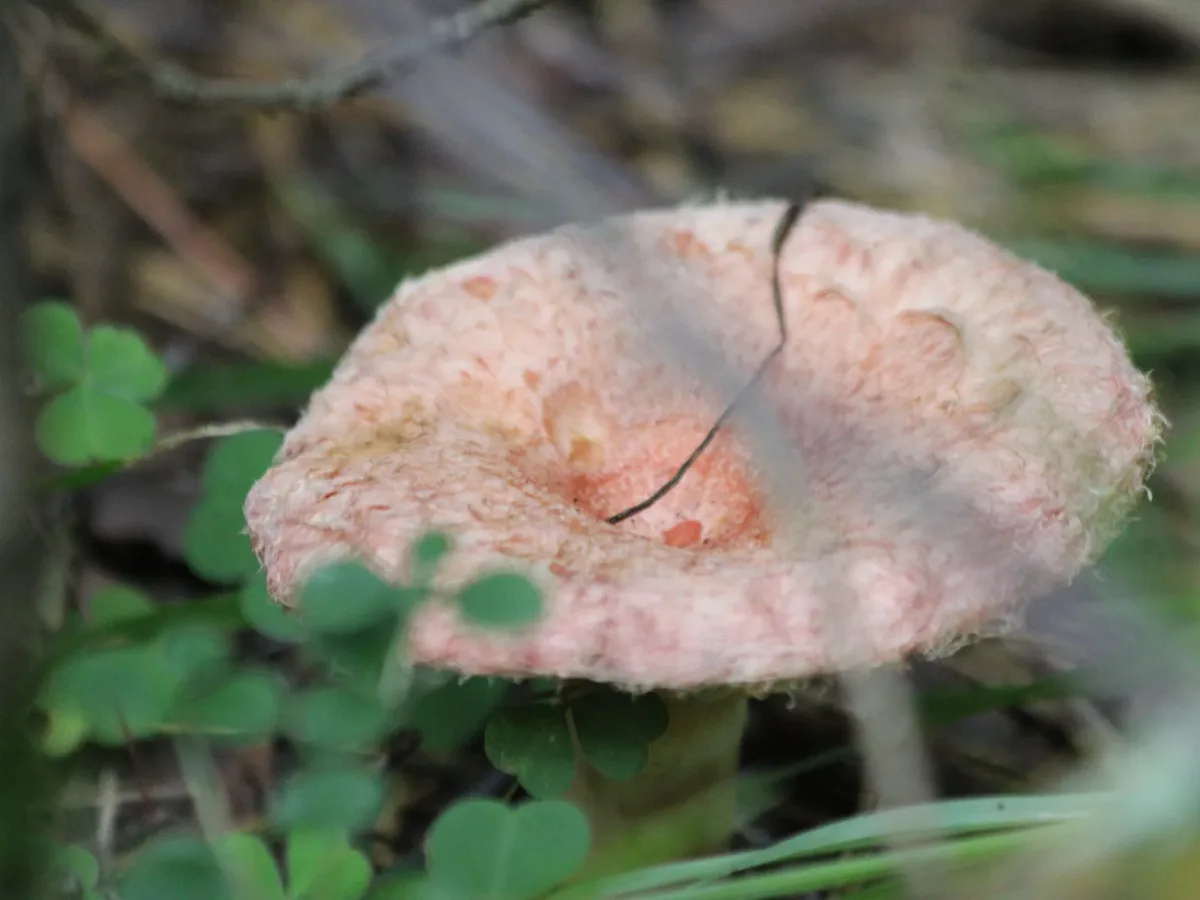
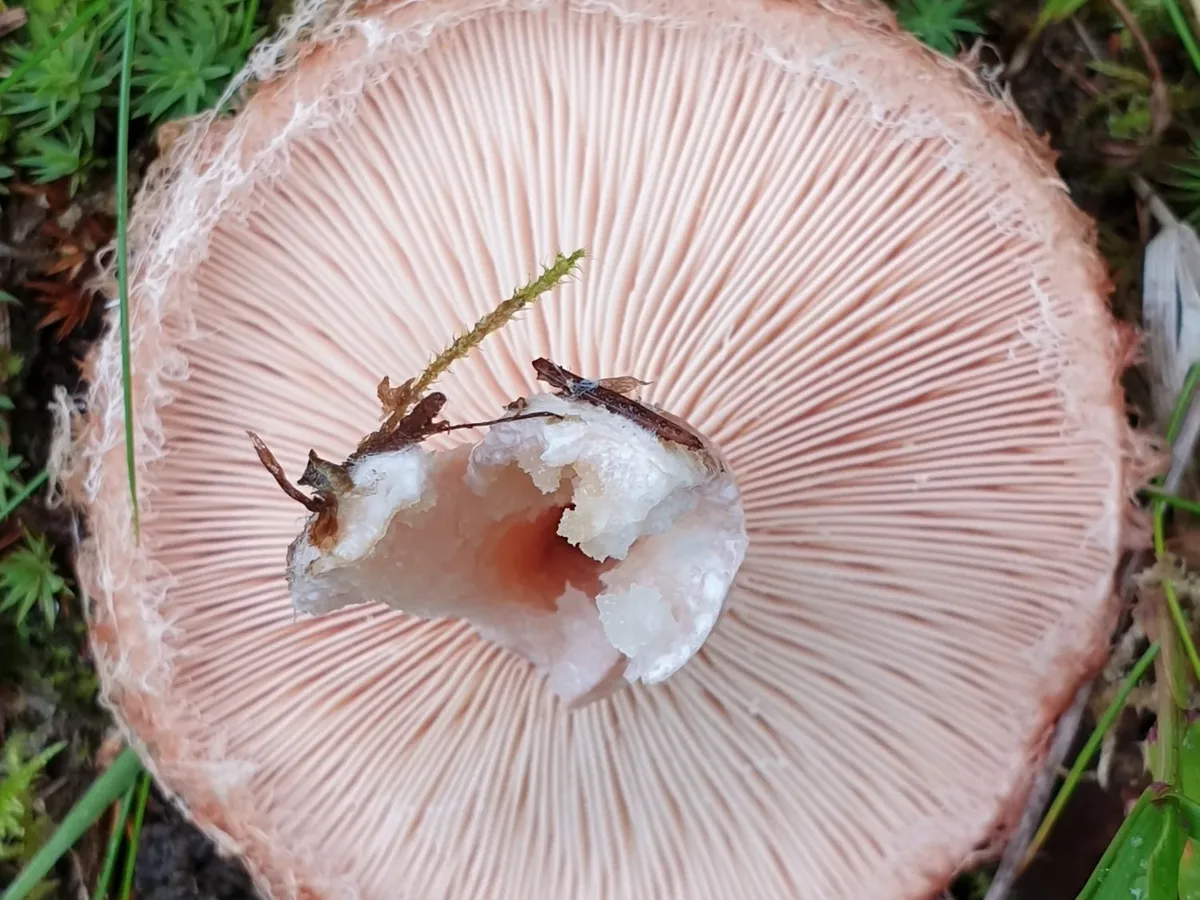
The margin hair is substantial: long, soft, white-to-buff fibrils that give the cap edge its woolly, shaggy texture and its English name.
Gills
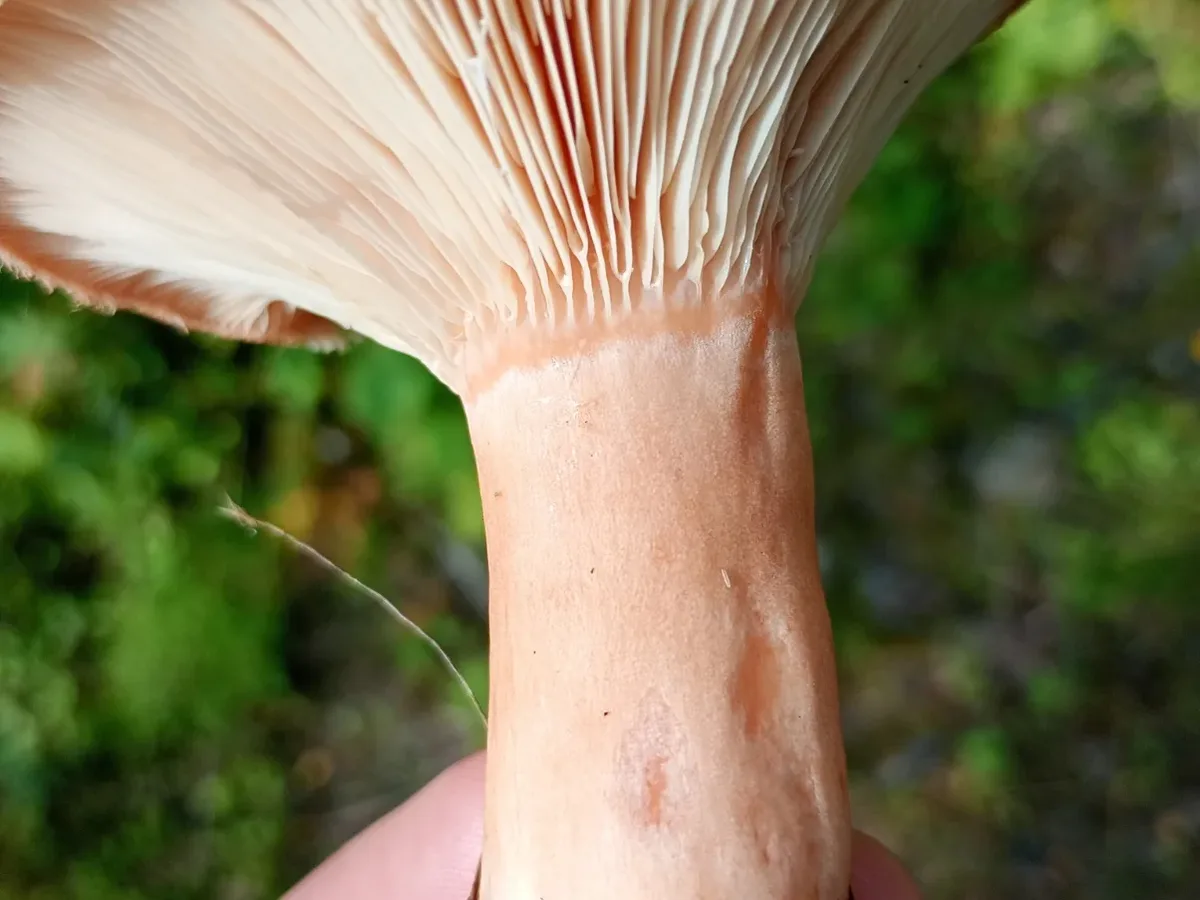
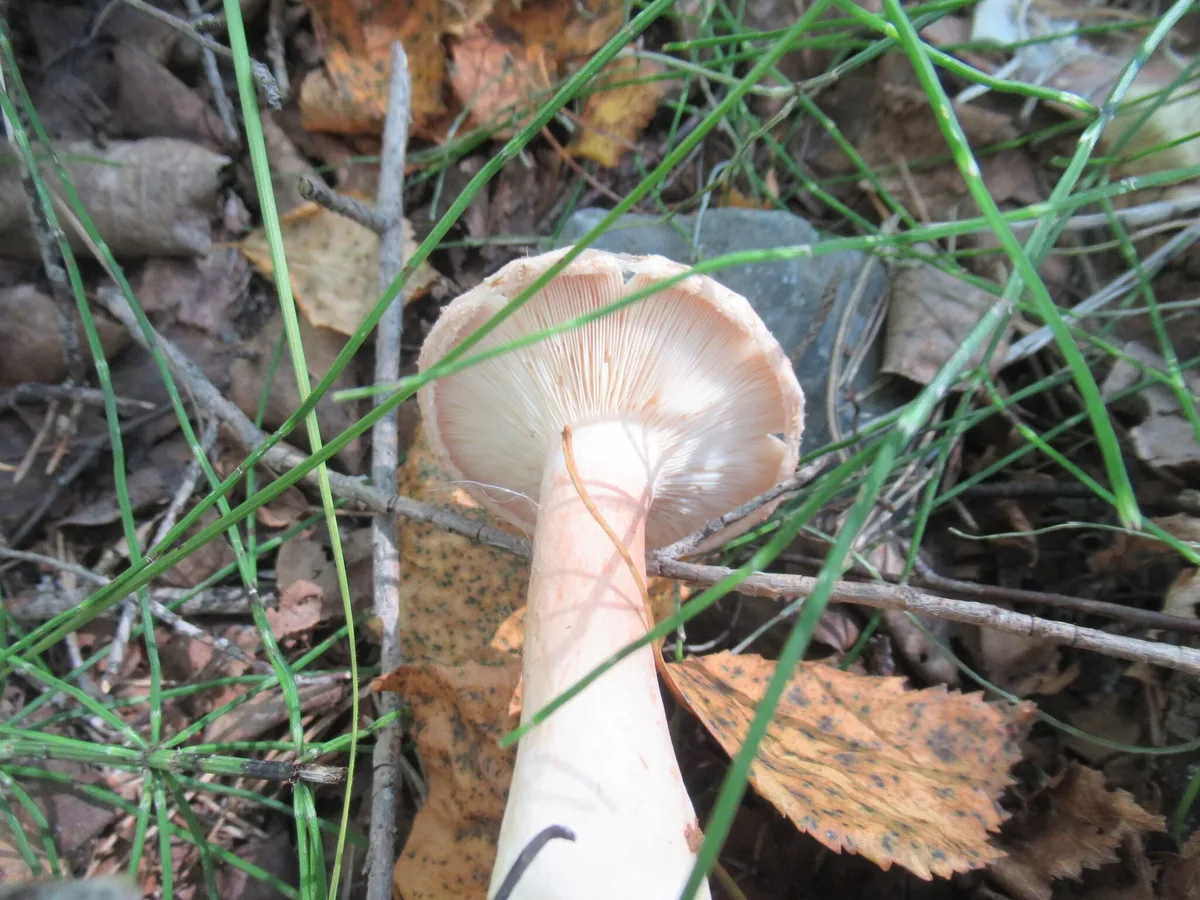
The gills are crowded, cream to pale pinkish-buff, running slightly down the stem (decurrent), and stain faintly yellow where cut.
Stem
The stem is 3-7 cm tall, 1-2 cm wide, cylindrical to slightly club-shaped, smooth, and concolorous with the cap or slightly paler. It often develops shallow pits or scrobicules on the surface as it ages.
Flesh
When any part of the flesh is broken, white latex bleeds immediately and copiously - this milk does not change colour on exposure to air, but a drop placed on the tongue delivers an intensely acrid burning sensation within seconds, a sensation that lingers.
The flesh itself is white, firm, and does not discolour when cut.
Why it's dangerous
The danger from Lactarius torminosus is real and should not be minimised: raw consumption causes acute oral blistering and severe gastrointestinal illness that, while not fatal, is genuinely debilitating.
Children are at elevated risk because they may eat mushrooms found in the forest without adult oversight, and the bright salmon-pink colour and distinctive woolly cap could attract attention.
The risk of mistaking it for a safe species is low for trained foragers - the white acrid latex alone is diagnostic - but the species occupies a culturally ambiguous position. It appears in some Eastern European foraging guides under 'edible mushrooms' without adequate preparation warnings, which can mislead readers unfamiliar with the processing requirements.
Foragers must not eat this mushroom raw, briefly sauteed, or after only a single short blanching.
The preparation protocol is not optional or conservative; it is the minimum required to make the mushroom safe. That protocol is either:
- repeated water changes over 2-3 days of soaking, or
- two full parboils with fresh water each time, followed by extended salt curing.
When in doubt about whether processing was thorough enough, discard the batch.
Toxin
The toxic principle in Lactarius torminosus is a mixture of acrid sesquiterpene compounds concentrated in the latex (milk) and flesh. Related to the velleral-type sesquiterpenes characterised in other acrid Lactarius species, they cause the immediate burning sensation felt when raw flesh contacts mucous membranes.
They are not alkaloids and do not bind irreversibly to receptors; their mode of action is direct chemical irritation of epithelial tissue.
The compounds are moderately heat-labile but not eliminated by a single brief boiling - hence the requirement for repeated parboiling with water changes, which progressively leaches them out. Cold soaking exploits their solubility in water over a longer time frame.
The latex is the primary vector for these irritants. It is produced in specialised lactifer cells running through the gill tissue and flesh; breaking or cutting the mushroom causes these cells to rupture and bleed.
Unlike some other Lactarius species (such as L. indigo or L. deliciosus), the latex of L. torminosus does not change colour on exposure to air, a useful confirmatory observation.
No hepatotoxic, nephrotoxic, or neurotoxic compounds have been identified in this species.
Symptoms
Ingestion of raw or insufficiently processed Lactarius torminosus causes a characteristic sequence of symptoms.
The first effect is immediate: the acrid latex and flesh produce intense burning and blistering of the lips, tongue, mucous membranes of the mouth, and throat within seconds to minutes of contact. This oral irritation alone is often enough to prevent significant ingestion.
If a meaningful quantity is swallowed, gastrointestinal symptoms develop within 30 minutes to 2 hours:
- severe abdominal cramping (colic),
- nausea,
- vomiting, and
- watery diarrhoea.
In most cases symptoms resolve within 6-24 hours without treatment. There is no latent period suggesting organ toxicity - the timeline is short and the damage is confined to the gastrointestinal mucosa.
Dehydration from repeated vomiting and diarrhoea is the main medical concern, particularly in children or the elderly, and should be managed with oral or, in severe cases, intravenous rehydration.
There are no reported fatalities attributable to L. torminosus in the literature.
Individuals who have eaten the mushroom after incomplete soaking or a single parboil - not the traditional two-stage process - may experience milder versions of these symptoms, confirming that preparation method matters not just categorically but by degree.
Staying safe
Lactarius torminosus is sharply toxic when raw or insufficiently processed. The acrid irritant compounds in its flesh and latex cause painful burning and blistering in the mouth and throat on contact.
If ingested, they produce severe gastrointestinal distress: intense cramping (the Latin species name torminosus translates directly as 'causing colic'), vomiting, and diarrhoea.
These symptoms are not life-threatening in healthy adults but are incapacitating and extremely unpleasant. In vulnerable individuals - children, the elderly, or those with existing gastrointestinal conditions - they can lead to dangerous dehydration.
The mushroom is listed as poisonous in most Western European field guides and is generally treated as inedible.
In Russia and Finland it occupies an entirely different cultural position: centuries of traditional use have produced well-established processing methods (see Picking and Cooking) that make it a valued and safe table mushroom when correctly prepared.
This creates a genuine risk of confusion for foragers. Descriptions from Eastern European sources that call it edible, and Western sources that call it toxic, are both accurate - they are describing the same mushroom under different preparation assumptions.
The practical rule is unambiguous: raw or underprocessed woolly milkcap causes harm; properly soaked or parboiled-then-salted woolly milkcap is safe for most people.
Where & when it grows
Habitat
The woolly milkcap is an obligate ectomycorrhizal partner of birch (Betula spp.), one of the most loyal such partnerships in the boreal and hemiboreal fungal world.
Its mycelium sheaths the fine absorptive roots of birch in a tight hyphal mantle, sending Hartig net threads between root cortex cells. In exchange for photosynthate sugars the fungus delivers mineral phosphorus, nitrogen, and water - a transaction that may persist for decades in a single tree.
You will not find this species far from a living birch root. It grows in:
- pure birch woodland,
- mixed birch-spruce and birch-pine forest,
- along hedgerows,
- boreal bogs where birch scrub threads through sphagnum, and
- the birch-colonised margins of clear-cuts.
The preferred substrate is moist, acidic, humus-rich soil with good leaf litter, often where the ground is slightly mossy or covered in low ericaceous plants such as bilberry or crowberry. It avoids calcareous ground.
Across Russia and Scandinavia it is among the most commonly encountered milkcaps precisely because birch - resilient, pioneer, nitrogen-fixing in disturbed ground - is so abundant.
In parks and urban edges wherever mature birch trees stand on acid soils, small rings or arcs of woolly milkcap can appear year after year, the underground mycelium persisting far longer than any single fruitbody.
When
The first woolly milkcaps emerge in late June or July in warm years, but the real flush belongs to late summer and autumn.
August sees scattered fruitings in southern Scandinavia and the Baltic states. September is the dominant month across Russia's northwestern forests, coinciding with the cooling nights and the frequent warm rains of that transition season.
In the St. Petersburg region foragers treat September woolly milkcap as reliably as a calendar event, tracking them alongside Lactarius resimus and Russula emetica.
The season extends through October and into early November in mild autumns. The last individuals often appear after the first light frosts have gripped the forest floor, their flesh remaining firm and undamaged at temperatures that blacken many other species.
The critical trigger is a combination of:
- falling soil temperature (below roughly 18 °C),
- sufficient moisture in the upper 10-20 cm of soil, and
- the biological readiness of the mycelium, which typically requires around 7-14 days of moist conditions after adequate rain before fruitbodies push through the litter.
A dry summer followed by a wet August will often produce a spectacular September show, as the mycelium, dormant and waiting, responds rapidly to restored moisture.
How it grows
Lactarius torminosus fruits singly, in pairs, or in loose scattered groups - never forming tight clusters on a common base, as the mycelium is diffuse rather than concentrated.
What look like separate individuals often share the same mycelial network. Experienced foragers learn that finding one usually means others lie within a few metres, often following the curve of an unseen birch root just under the moss.
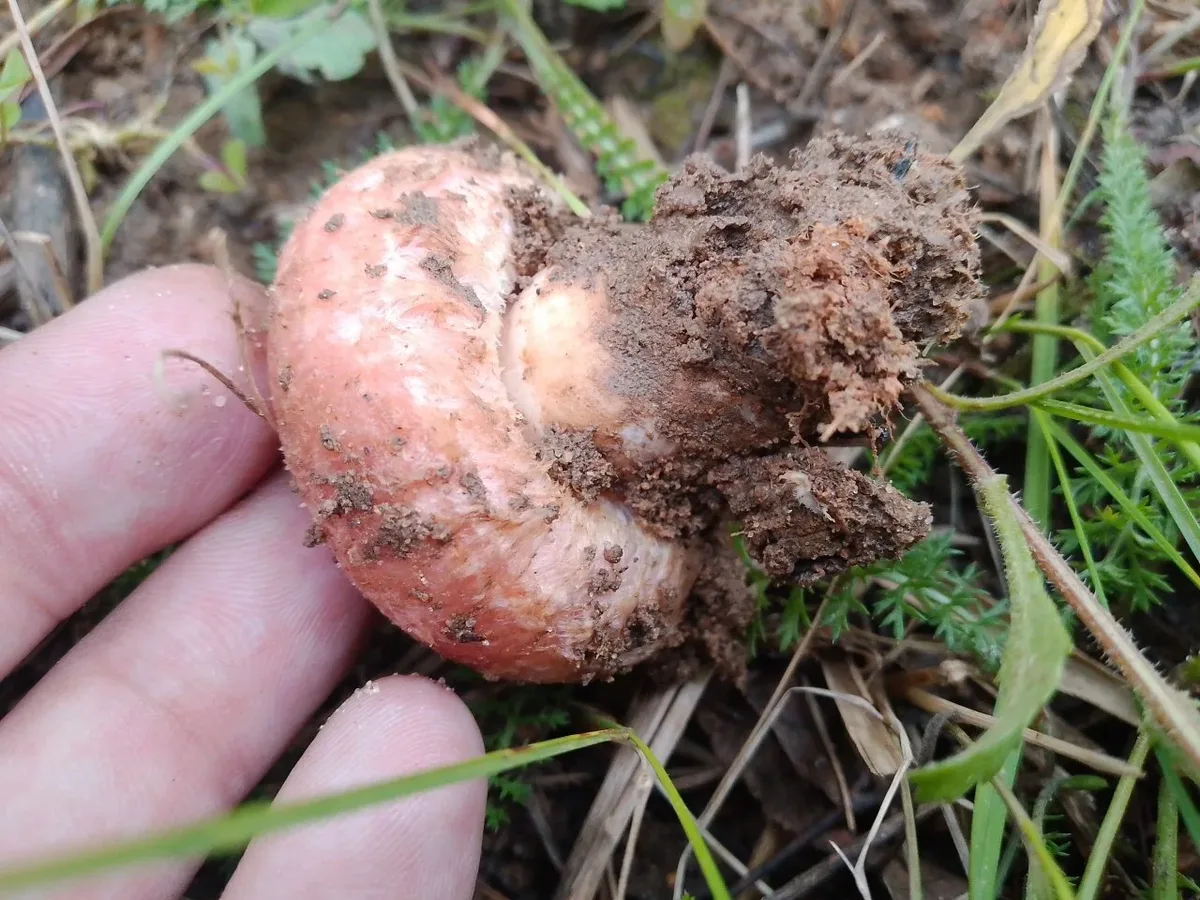
The fruitbodies push through litter and light soil with their cap margins still curled and hairy, sometimes carrying a pinch of soil or moss on the cap surface. Development from a small button barely visible in the litter to a full-sized, open fruitbody takes roughly 5-10 days under good conditions.
The mycelium itself is threaded through the upper 10-30 cm of forest soil in a dense mat of white to pale-yellow cords, and is perennial. A single genetic individual can persist for many years, expanding outward from the host tree's drip line as the root system grows.
After the season ends the mycelium retreats into a low-metabolism resting state, waiting out cold and drought, ready to respond again the following summer.
Senescent fruitbodies flatten and hollow, often developing a distinctive salmon-orange tint and, in wet weather, softening into a pulpy mass. In dry conditions they shrivel and become papery, the woolly margin the last feature to disappear.
Fruiting conditions
Birch-associated; fruits after rain in moist acidic soils from summer through autumn.
Look-alikes
The closest lookalike is Lactarius pubescens, the downy milkcap. Both species share the same birch habitat, white acrid latex, and hairy cap margin.
L. pubescens is generally smaller and paler - cap colour is creamy white to very pale blush pink rather than the clear salmon-pink of L. torminosus - and its woolly margin hairs, while present, are typically finer and less pronounced.
Both species are similarly irritant and require identical preparation. In practice, the two are often found growing near one another, and a forager using either name for both is making a conservative, harmless call.
The zonate (concentrically banded) cap surface that is well-developed in L. torminosus tends to be faint or absent in L. pubescens, making the banding a useful separator when it is clearly visible.
No deadly species shares this combination of traits:
- woolly inrolled margin,
- concentric cap zones,
- white unchanging latex, and
- strict birch association.
Lactarius resimus, another birch-associated milkcap common in Russia, has a similar size and overall form but its cap surface is smooth and viscid when wet, lacking the woolly margin. It is also used for salting and carries the same preparation requirements.
Also acrid; distinguish L. torminosus by its woolly margin and birch habitat.
A reference guide - never an edibility guarantee. When in doubt, leave it out.