Birch milkcap
Lactarius tabidussyn. Agaricus tabidus Fr., Lactarius theiogalus var. tabidus (Fr.) Fr., Lactarius tabidus Fr.
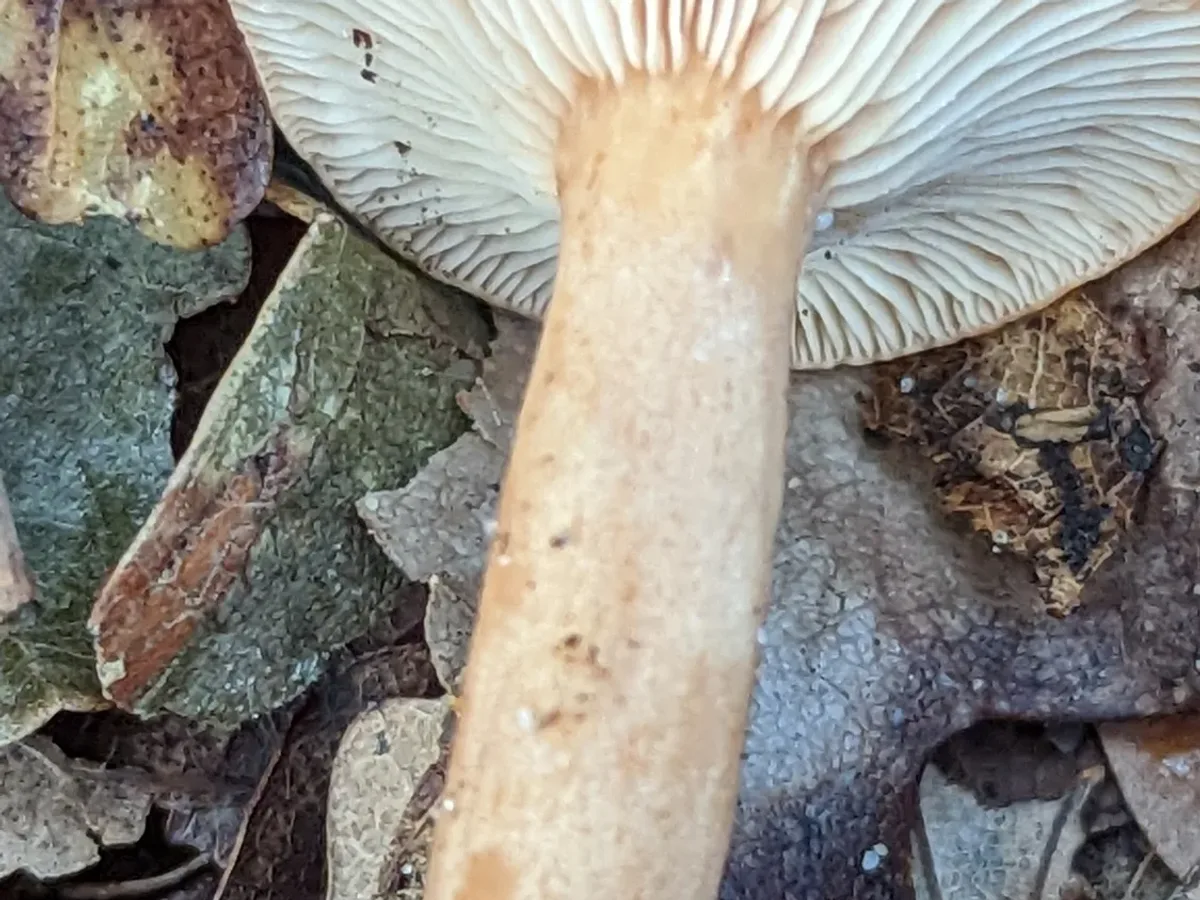 © Michel Langeveld (CC BY 4.0)
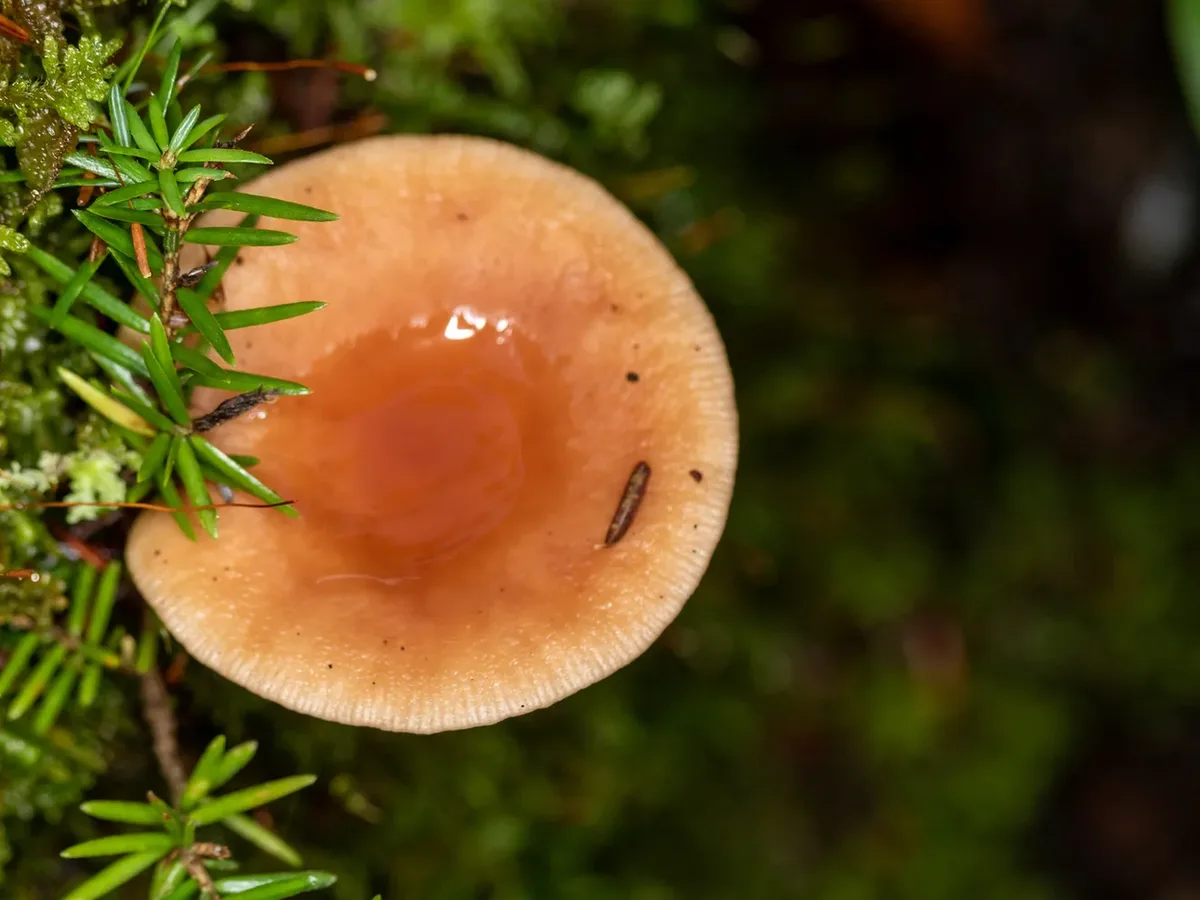 © Richard Jacob (CC BY 4.0)
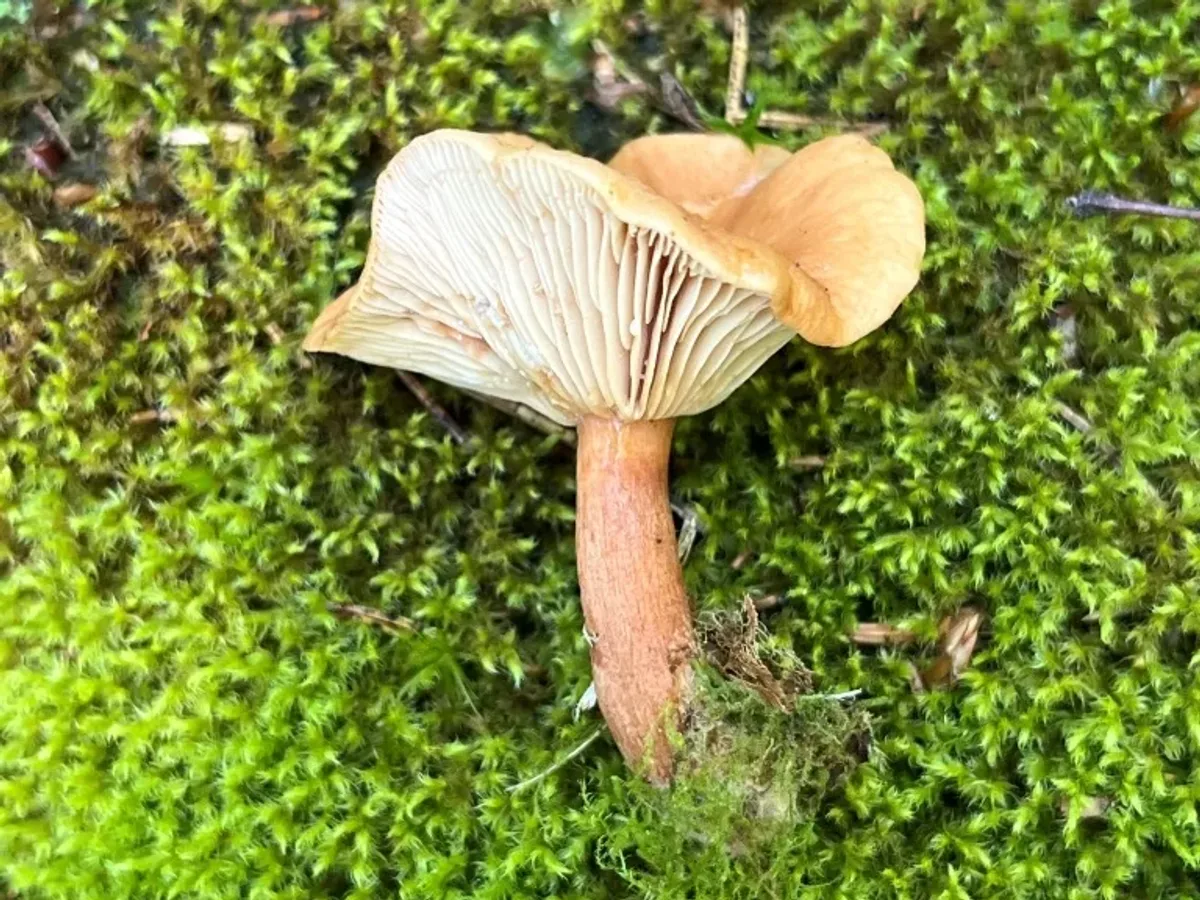 © Siv Moen (CC BY)
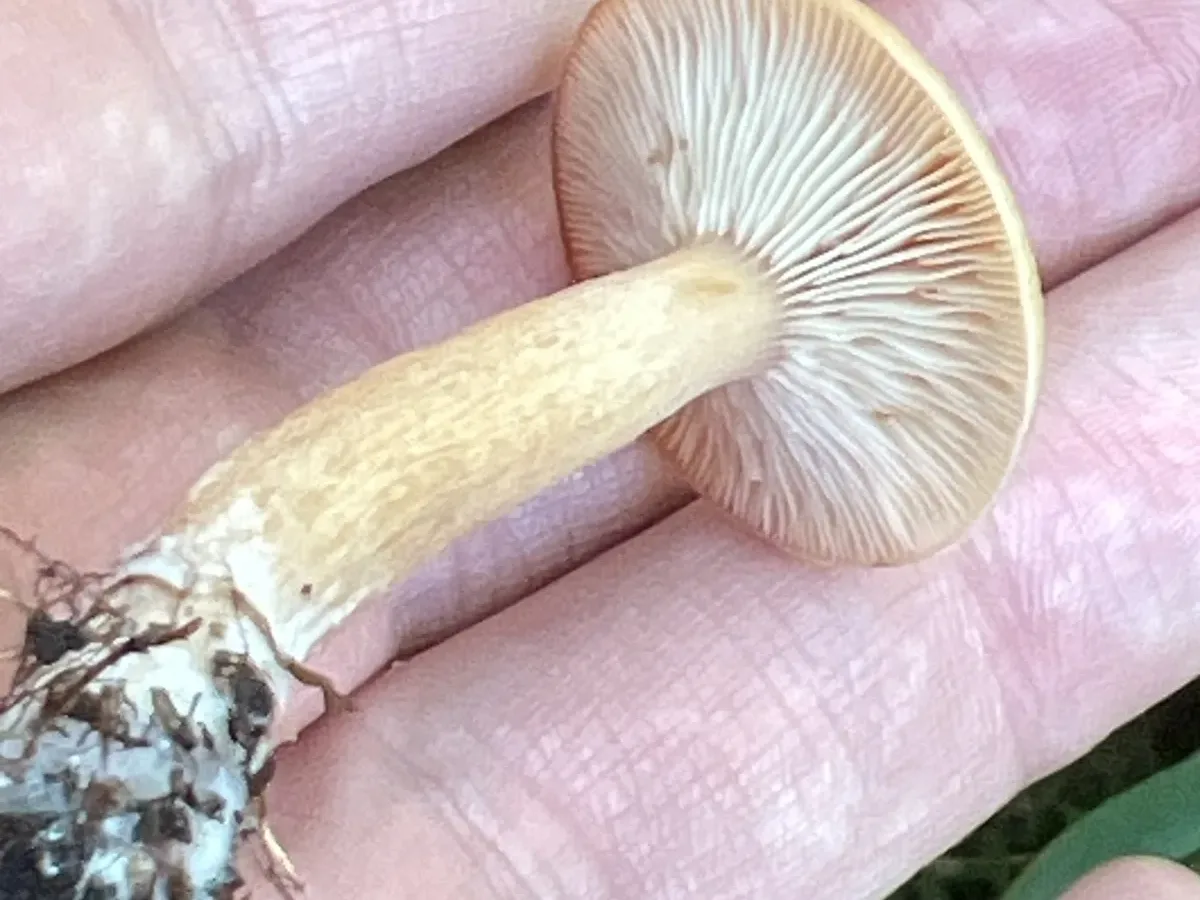 © Ulrik Andreassen (CC BY)
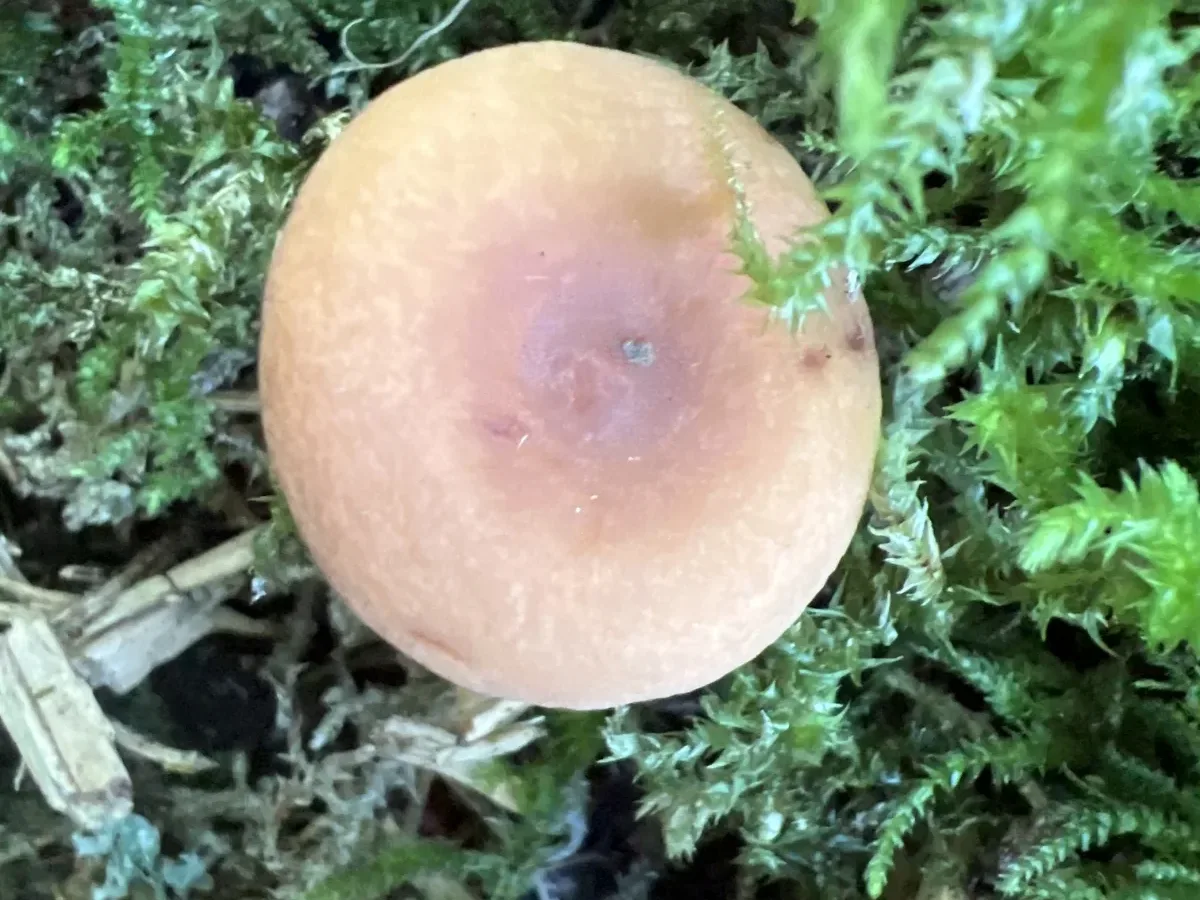 © Ulrik Andreassen (CC BY)
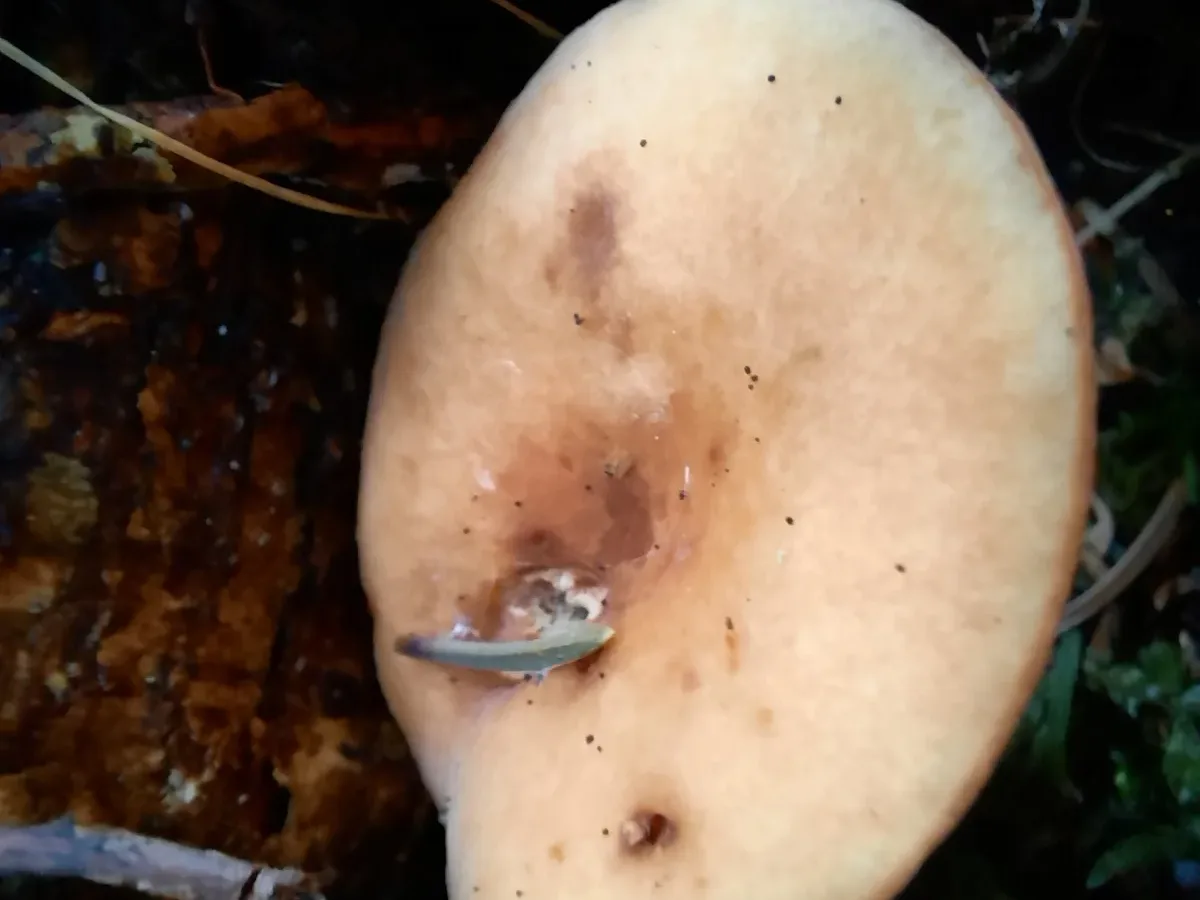 © Tessa Frenay (CC BY)
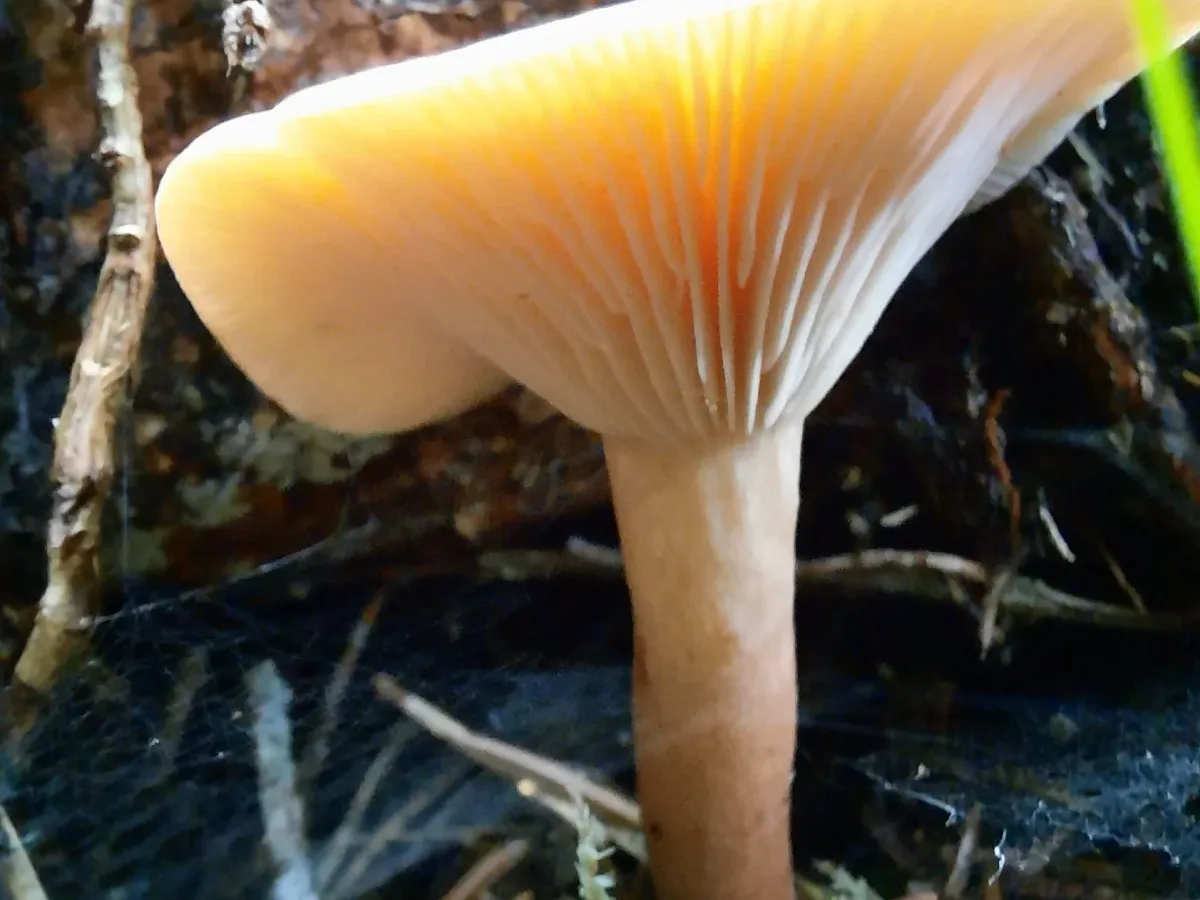 © Tessa Frenay (CC BY)
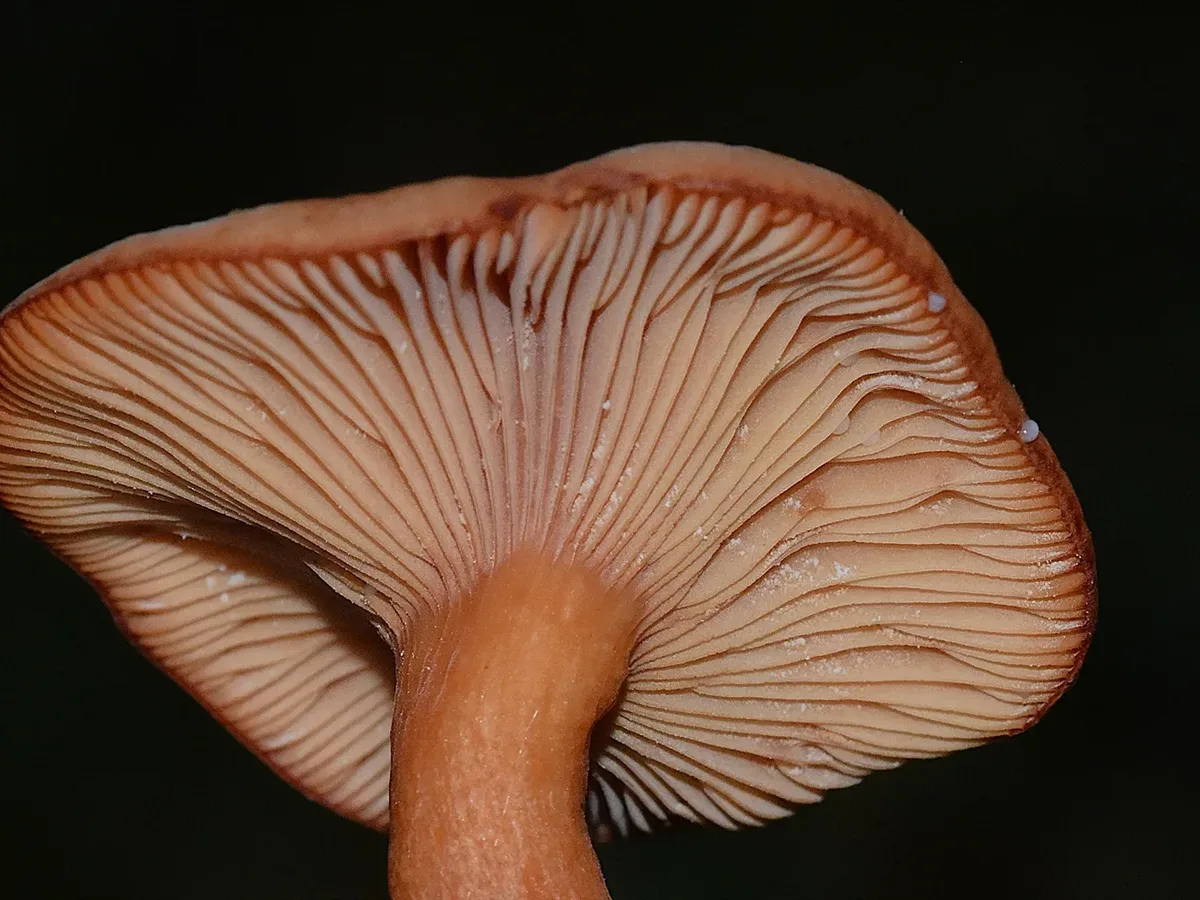 © Jan Alsvik (CC BY)
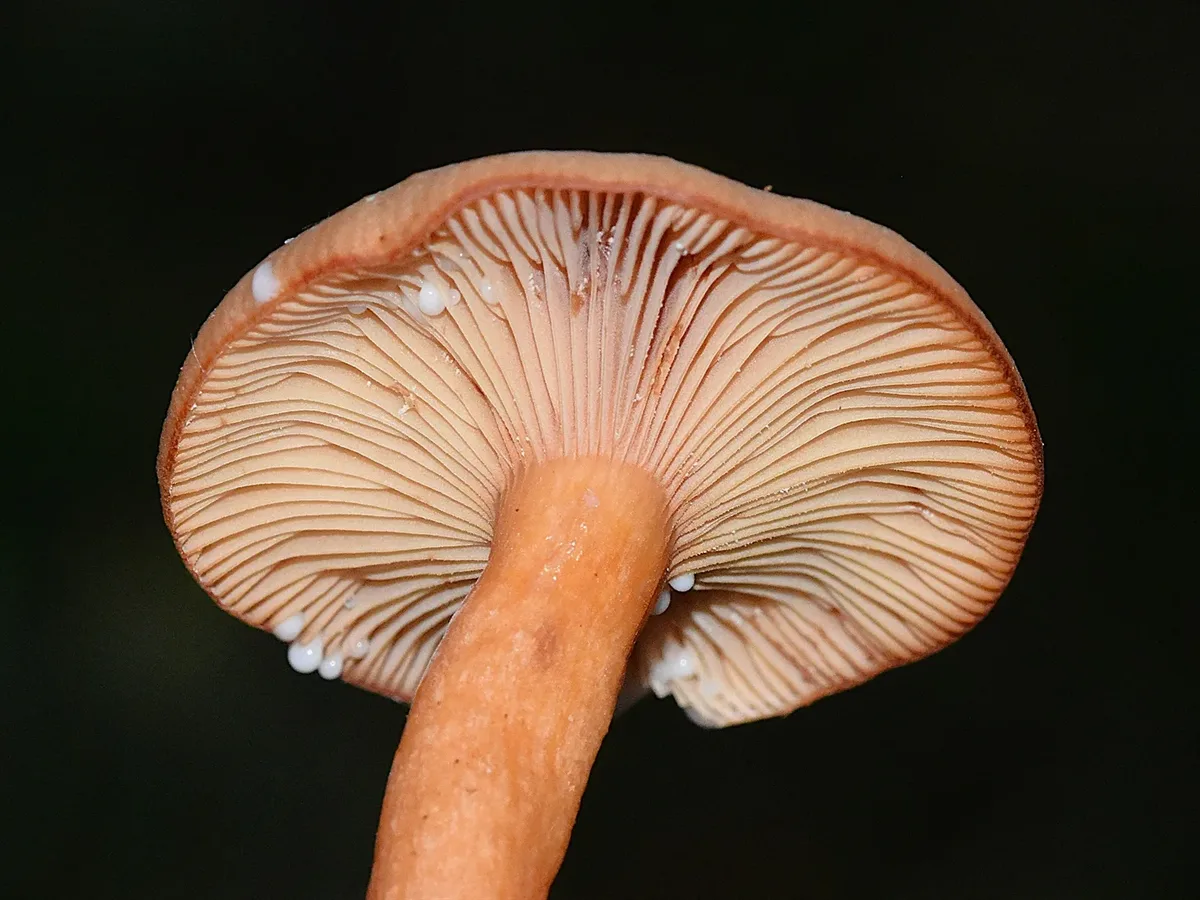 © Jan Alsvik (CC BY)
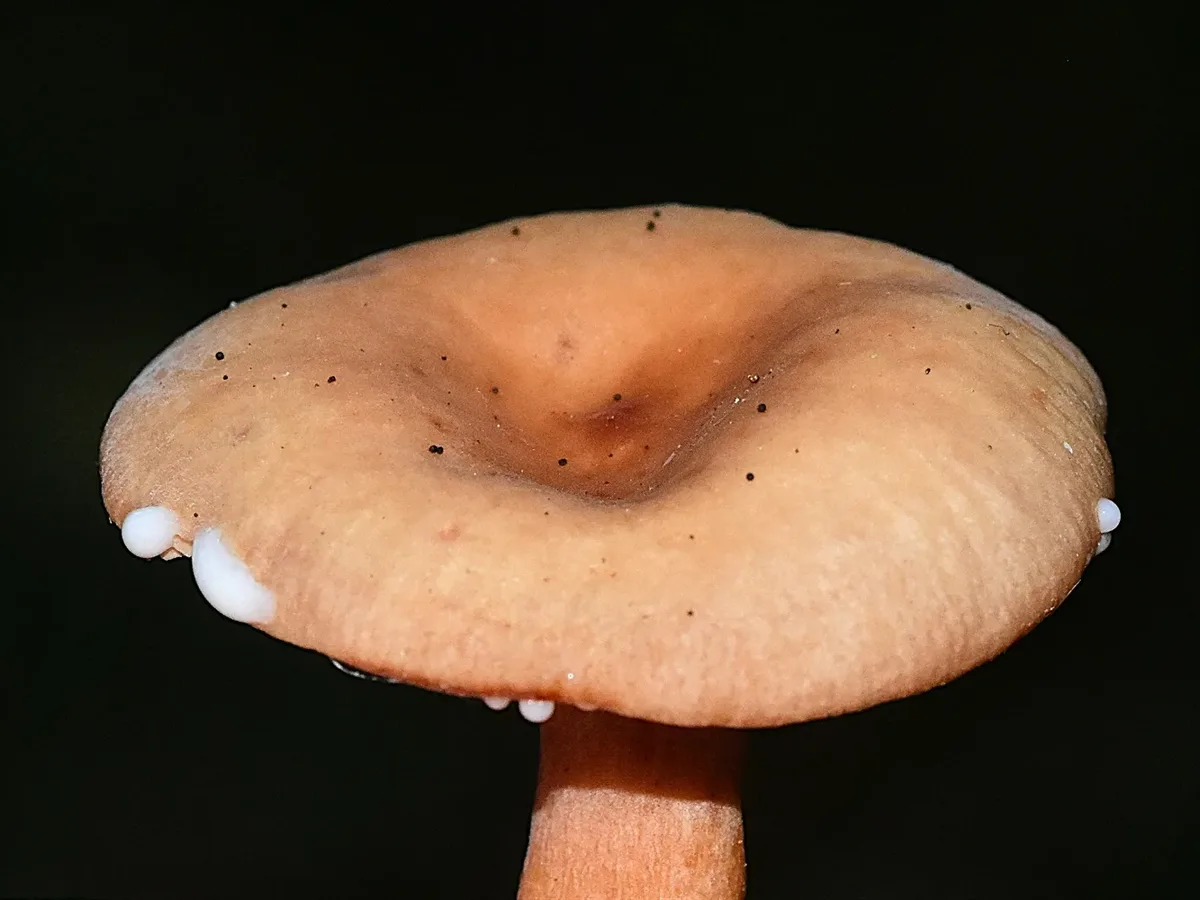 © Jan Alsvik (CC BY)
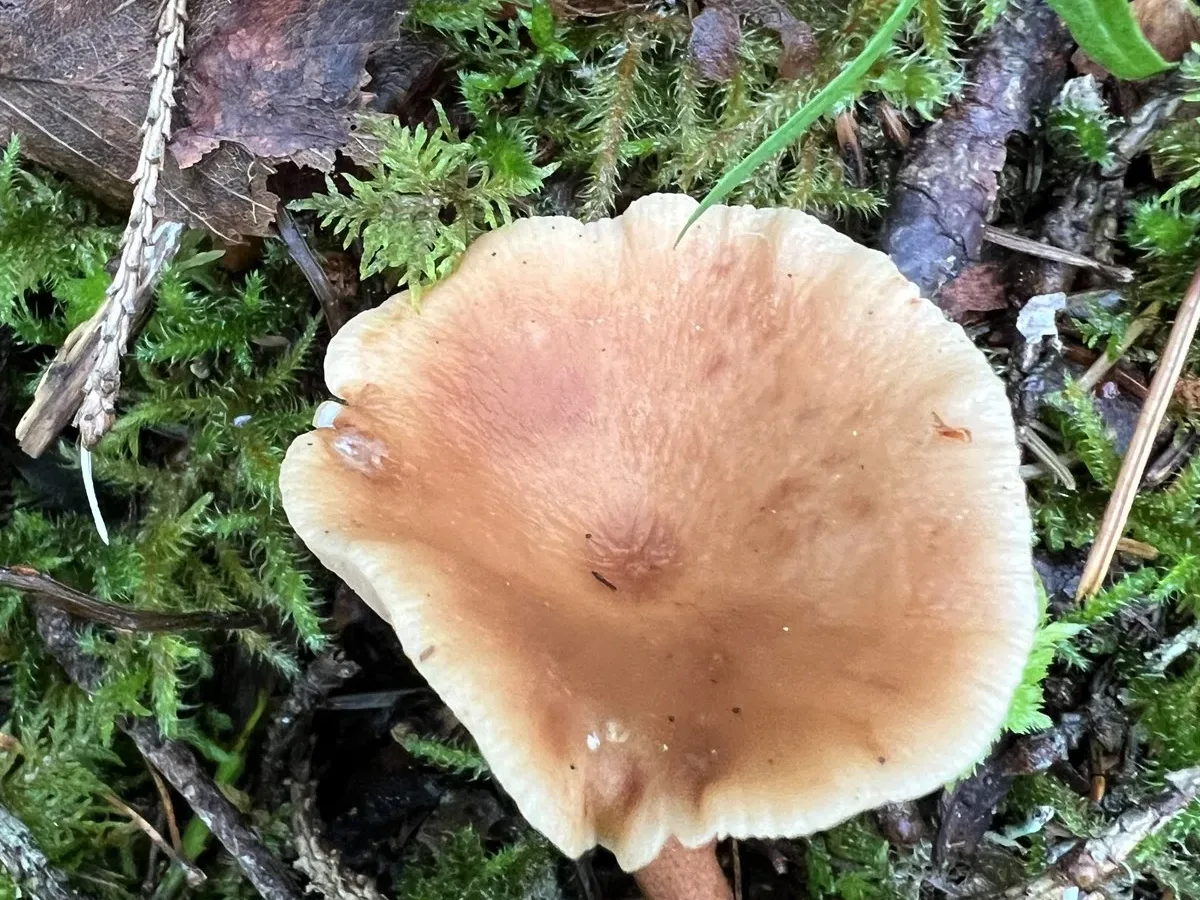 © Else Landsem (CC BY)
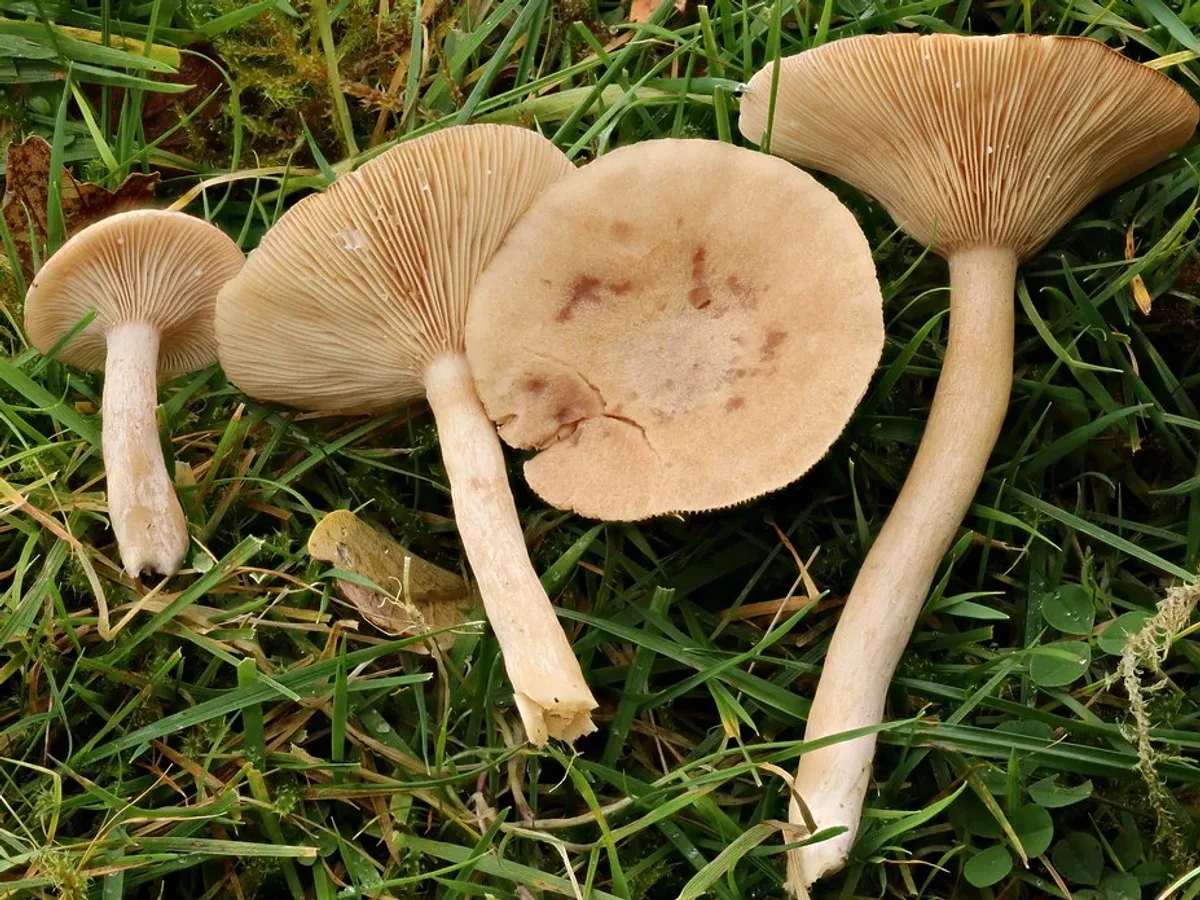 janetgraham84new (CC0)© Michel Langeveld (CC BY 4.0)© Richard Jacob (CC BY 4.0)
Edible only with the right preparation - or safe for some people but not others. Learn the caveats first.
Never eat a mushroom you are not 100% sure of - check the look-alikes below, and always cook wild mushrooms.
How to recognise it
Lactarius tabidus is a small to medium-sized milkcap of restrained appearance - easily overlooked beside showier fungi but reliably identified by one sharp field test.
Cap
The cap, 2-6 cm across, is smoothly matt and pale ochraceous-buff to honey-brown, never bright reddish-brown like Lactarius rufus.
A shallow central umbo is usually present but is not as bold or persistent as in L. rufus. The inrolled cap margin of young specimens gradually unfurls as the fungus matures to a plane or slightly depressed profile.
Gills / Pores
Gills are crowded, narrow, and begin creamy-white before ageing to pale ochre.
Stem
The stem is slender, cylindrical, hollow in age, and buff-coloured throughout - no ring, no volva.
Flesh
The key diagnostic: break the flesh or nick a gill; white latex immediately oozes out, and within 2-5 minutes that milk turns distinctly pale yellow to sulphur-yellow.
No other common birch-forest milkcap shares this combination of pale buff colour and yellowing latex.
Spore print is pale cream.
Why it's dangerous
The mushroom itself is a mild irritant only.
The real danger is misidentification with Cortinarius rubellus or C. orellanus, both of which are deadly and grow in the same habitat. Orellanine poisoning has a latency of 2-3 weeks before kidney failure symptoms appear, making diagnosis difficult.
In cases of doubt about identification, seek medical evaluation promptly and retain specimens for identification.
Toxin
Mild, uncharacterised acrid sesquiterpene compounds in the latex cause gastric irritation when the mushroom is consumed without adequate cooking.
These differ from the potent acrid sesquiterpenoids of species like Lactarius torminosus or L. rufus, and are considerably milder. But they are still capable of causing nausea, vomiting, and abdominal discomfort if the mushroom is eaten raw or minimally heated.
Symptoms
Raw or undercooked consumption may cause a burning sensation in the mouth and throat, followed by nausea, vomiting, abdominal cramps, and diarrhoea within 1-4 hours.
Symptoms are self-limiting and resolve without treatment in most cases.
Severe or persistent symptoms warrant medical attention to rule out misidentification with a more toxic species.
Staying safe
Lactarius tabidus contains mild acrid irritant compounds in its latex that cause gastrointestinal upset if eaten raw or undercooked. These are not amatoxins, orellanine, or gyromitrin - there is no risk of organ failure from this species itself.
The main danger is misidentification. Cortinarius rubellus, a deadly orellanine-containing webcap that causes irreversible kidney failure, grows in overlapping habitat (boreal birch-pine forest). It produces no latex.
The rule is absolute: if no white latex flows from broken flesh within seconds, the mushroom is not a milkcap and must not be eaten.
Always verify the yellowing of the latex - within 2-5 minutes on a white tissue - to confirm L. tabidus specifically. Do not collect in poor light or in a hurry. As with all milkcaps, never eat raw specimens.
Where & when it grows
Habitat
This species is almost entirely faithful to birch.
In Fennoscandia it inhabits the full range of birch habitats:
- wet boggy birchwoods
- mixed birch-pine stands on heath
- subalpine fell-birch
- lowland birch along lake and river margins
It tolerates waterlogged, acidic, and nutrient-poor substrates better than many milkcaps, partly because downy birch itself thrives on wet, peaty ground.
It is frequently found in company with other birch mycorrhizal fungi such as Leccinum scabrum (brown birch bolete), Russula claroflava, and Lactarius pubescens.
In the British Isles it occurs wherever birch is present on moors, heaths, and upland hillsides.
It is not a species of mature oak or beech woodland - if you are in a birch-free deciduous forest, you are looking at a different species.
When
Fruiting runs from late July to October across its range, with the peak flush in August.
In Scandinavia it is reliably one of the earliest autumn milkcaps to appear, emerging after the first heavy summer rains warm the soil.
By September it is widespread across Scandinavian birchwoods; October flushes are common but smaller. Unlike some milkcaps it tends not to persist into November even in mild years.
How it grows
Grows scattered to gregarious, sometimes in loose troops, always under or very close to birch. It does not cluster from a common base and is not caespitose.
Individual fruitbodies emerge quickly after adequate rainfall - full-sized specimens appear within 3-6 days of a soaking rain.
The mycelium is tightly bound to living birch rootlets and does not fruit on wood or in the absence of its host tree.
Fruiting conditions
Responds to warm summer rainfall in July-August; one of the earlier-season milkcaps in Scandinavia, appearing before soil temperatures drop to autumn levels. Tolerates wet, peaty soils that remain cooler than typical mineral-soil forest floor. Flush duration is typically short - 1-2 weeks per event.
Look-alikes
Several other small, pale milkcaps overlap with Lactarius tabidus in birch and mixed woodland, making field accuracy important.
- Lactarius theiogalus is the most frequently confused species - it is also pale buff to ochre-brown, also associates with birch and conifers, and also has white latex that turns yellow on air. Some authorities treat L. tabidus as a synonym or variety of L. theiogalus, though others maintain them as distinct based on subtle microscopic and ecological differences. For practical field purposes in Scandinavia these two are effectively indistinguishable and equally cautionary as edibles.
- Lactarius rufus (rufous milkcap) shares the same conifer-birch habitats but is clearly darker (brick-red to rufous-brown), has a bold persistent central umbo, and its white latex does NOT change colour on air exposure - these three points separate it definitively.
- Lactarius hepaticus (liver milkcap) is similarly rufous-brown but strictly under Scots pine and has a faint pink milk reaction on gills.
- Lactarius camphoratus (curry milkcap) is small and reddish-brown with a distinctive curry smell when dried; its latex stays white.
- Lactarius pubescens (bearded milkcap) grows with birch and has a creamy cap, but is clearly more tomentose (hairy-woolly) at the cap margin, especially in young specimens, and its latex does not yellow on air.
DEADLY RISK: Cortinarius rubellus (deadly webcap) and Cortinarius orellanus (fool's webcap) grow in boreal birch-pine and conifer forests and can produce small, pale brown to tawny fruitbodies superficially resembling milkcaps. These species contain orellanine, which causes irreversible kidney failure.
They produce NO latex at all - always confirm that white milk flows from broken flesh before collecting any small brown mushroom from these habitats.
Cortinarius species also have rusty-brown spores (leaving an orange-rusty deposit), a cortina (cobweb veil) when young, and gills that turn rusty-brown with spore maturity.
Grows in the same boreal birch and conifer forests and produces small tawny-brown fruitbodies that can superficially resemble milkcaps. DEADLY POISONOUS - causes irreversible kidney failure via orellanine toxin. Produces absolutely NO latex: break the flesh; if no white milk flows within seconds, the mushroom is not a milkcap and must not be collected. Also has rusty-brown spore deposit, cobweb-like veil (cortina) when young, and gills that age rusty-brown.
Another orellanine-bearing deadly webcap that can occur in birch and mixed woodland. Produces tawny-orange to brick-red fruitbodies but NO latex. Same distinguishing rule applies: absence of milk from broken flesh immediately rules out all milkcaps. Also has rusty-brown spores and cortinate veil.
Also associates with birch, similar pale cap colour, but the cap margin is distinctly hairy-woolly (tomentose) especially in young specimens, and the latex stays white without yellowing. Taste is acridly burning and the flesh is firmer.
Extremely similar - also pale buff to ochraceous, also with birch, also with white latex that turns yellow on air. Some authorities treat L. tabidus as a synonym. Distinguished in detail by subtle cap texture differences and microscopy; for practical foraging purposes in northern Europe treat as interchangeable and apply the same caution.
Smaller, warmer reddish-brown cap, distinctive curry or fenugreek smell (especially on drying), and white latex that does not turn yellow. Habitat overlaps in mixed birch-conifer forest but L. camphoratus is more conifer-associated.
Clearly darker and more reddish-brick-brown cap, with a bold persistent central umbo. Latex stays white on air exposure and does not turn yellow - the opposite reaction to L. tabidus. Associates with pine and spruce more than birch, though habitat can overlap in mixed forest.
A reference guide - never an edibility guarantee. When in doubt, leave it out.