Lactarius fennoscandicus
Lactarius fennoscandicus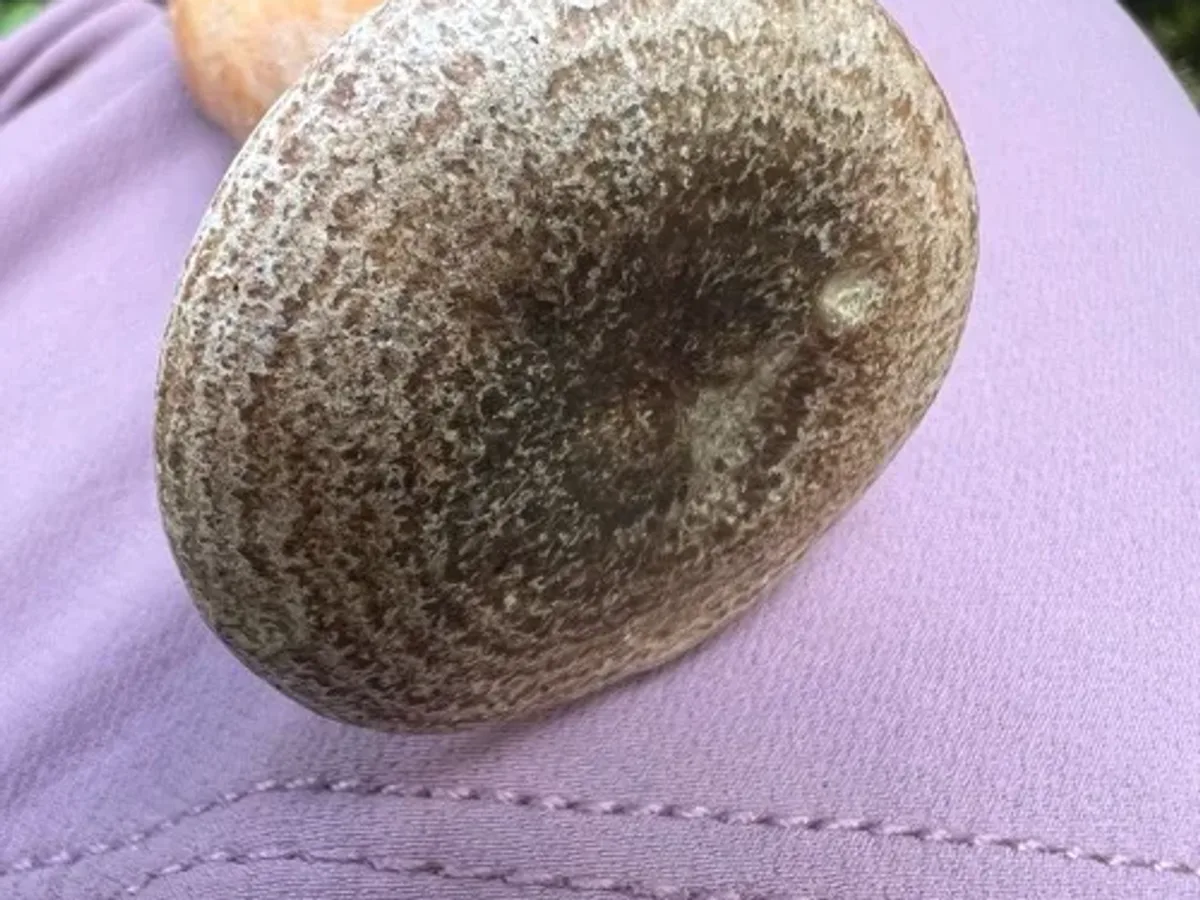 © Leila S. Berg (CC BY)
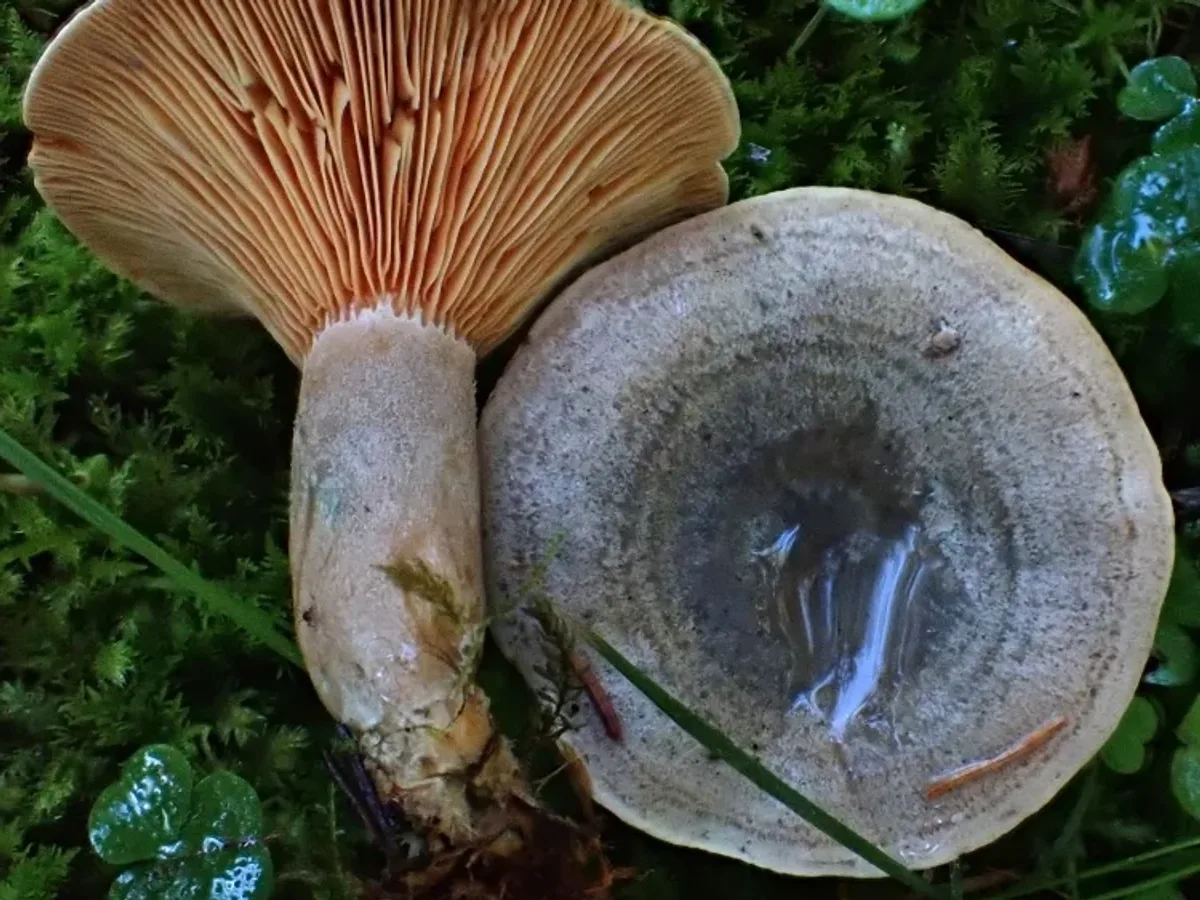 © Morten Pettersen (CC BY)
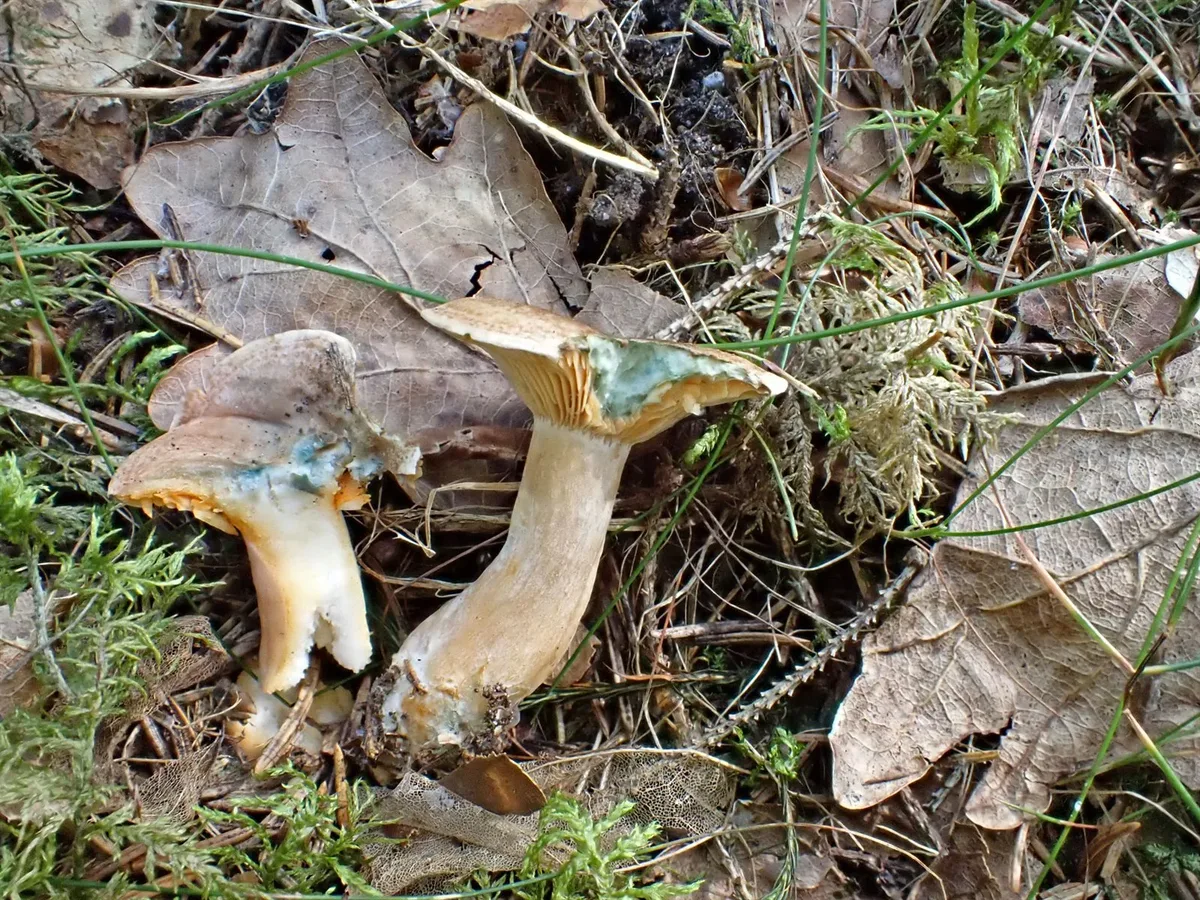 © Inger-Lise Fonneland (CC BY)
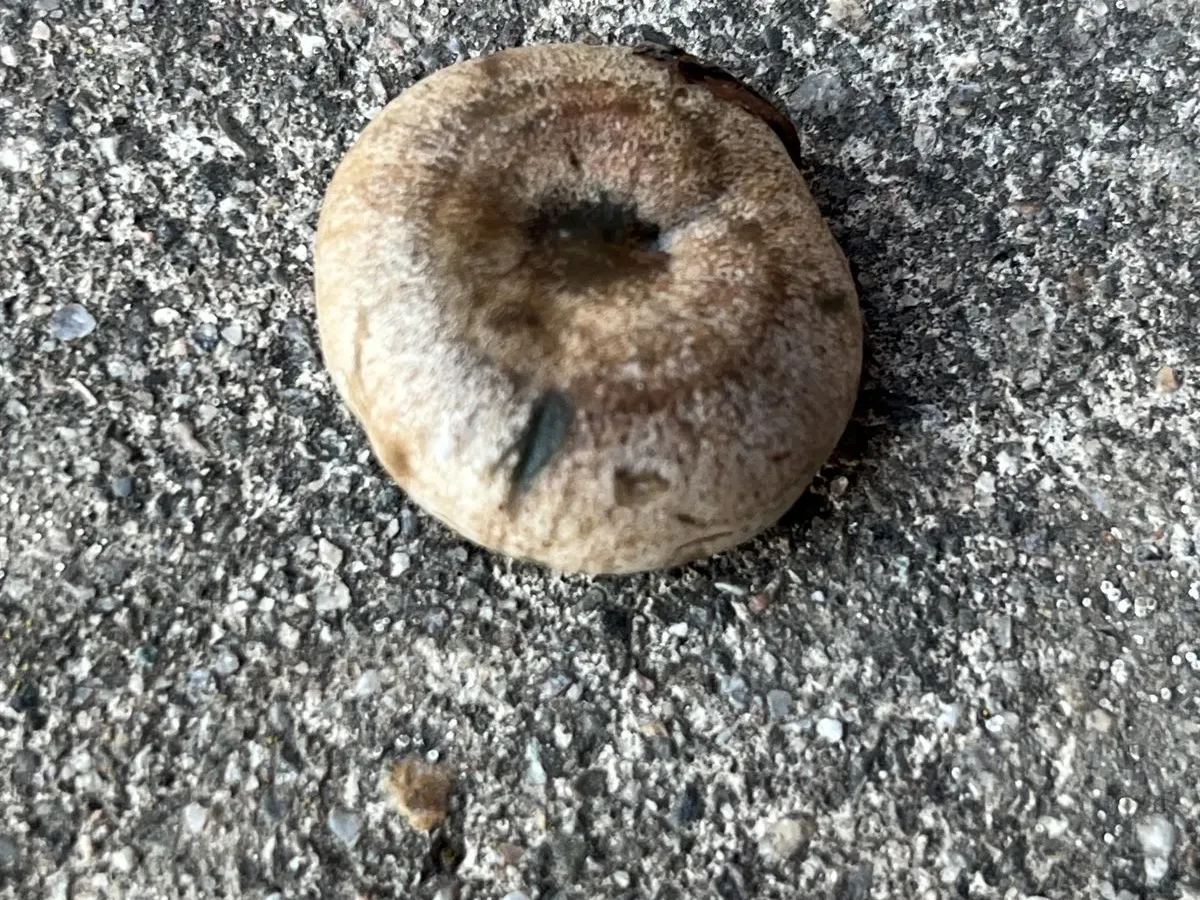 © Ellen Renate Andreassen (CC BY)
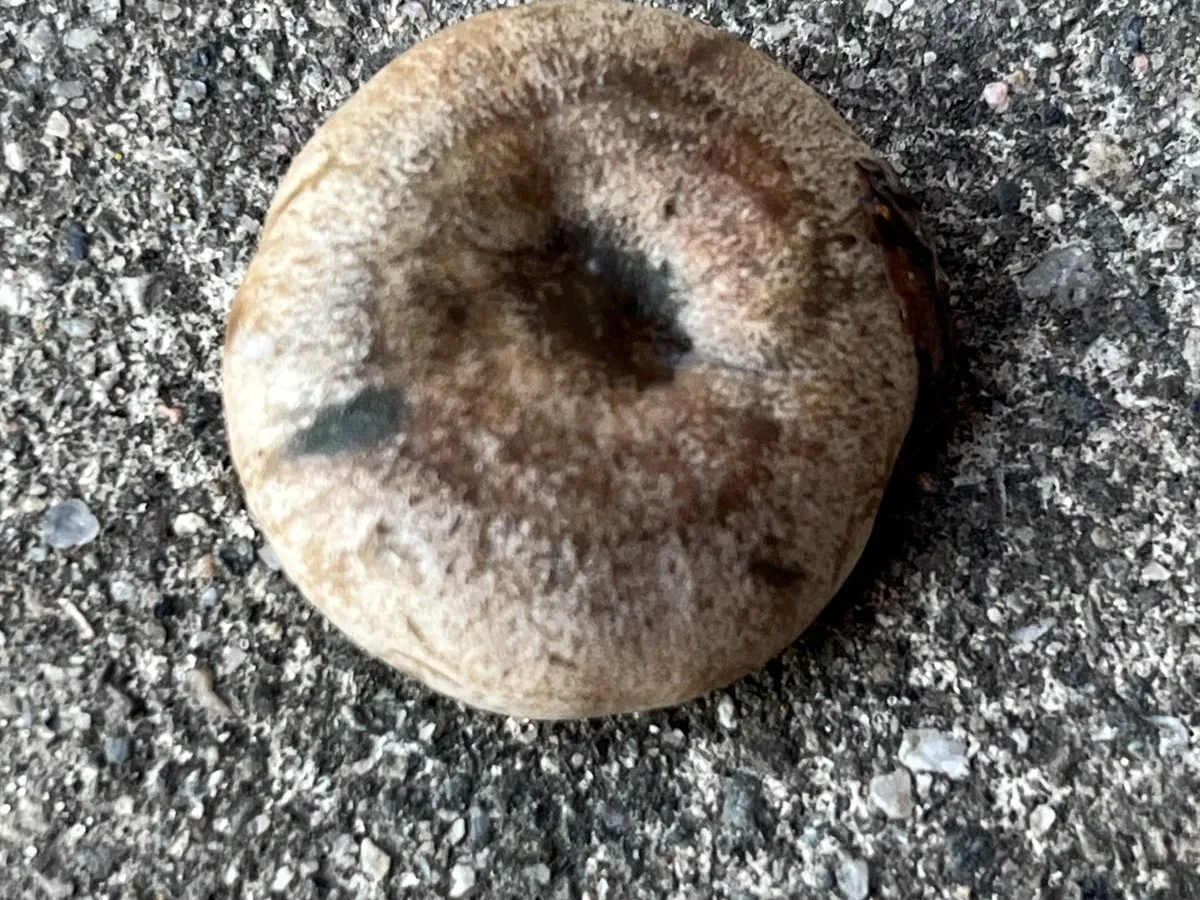 © Ellen Renate Andreassen (CC BY)
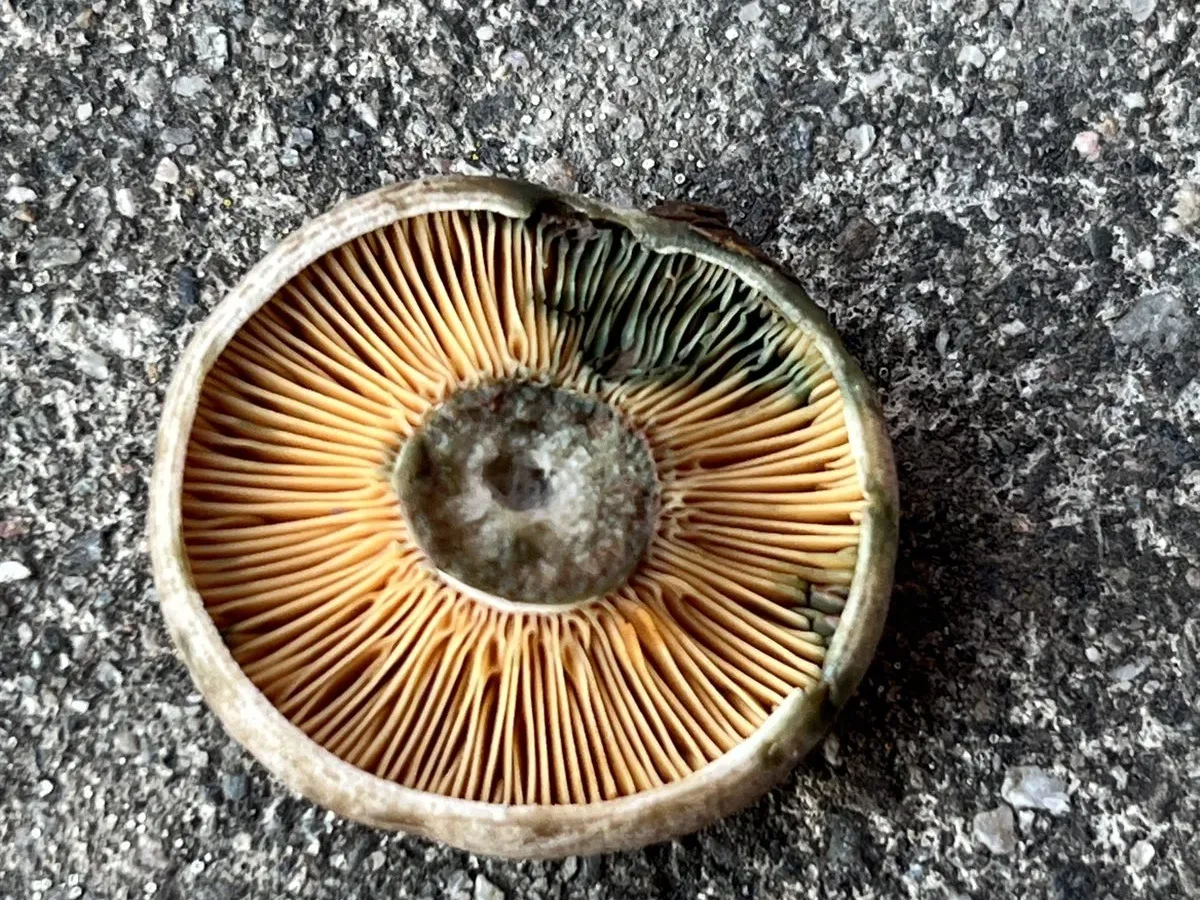 © Ellen Renate Andreassen (CC BY)
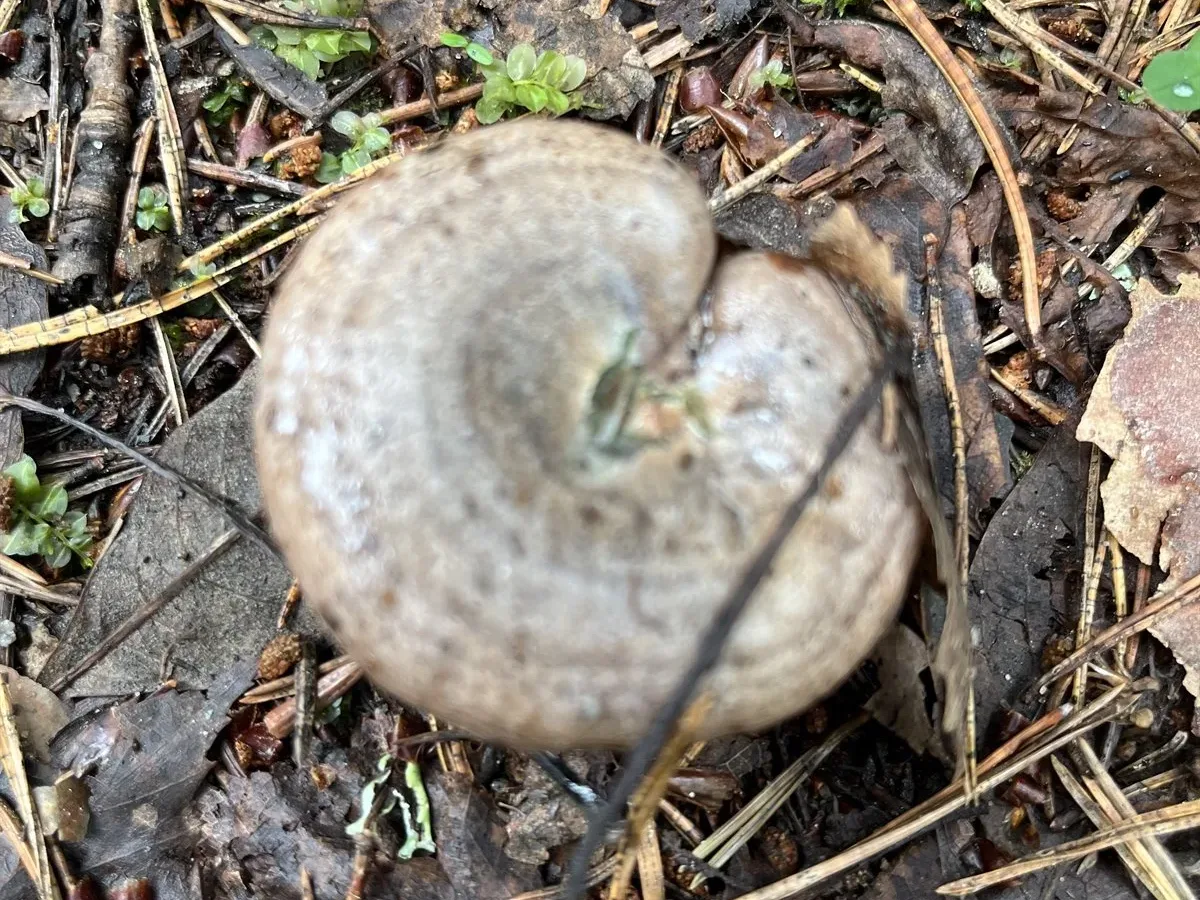 © Gunvor Bollingmo (CC BY)
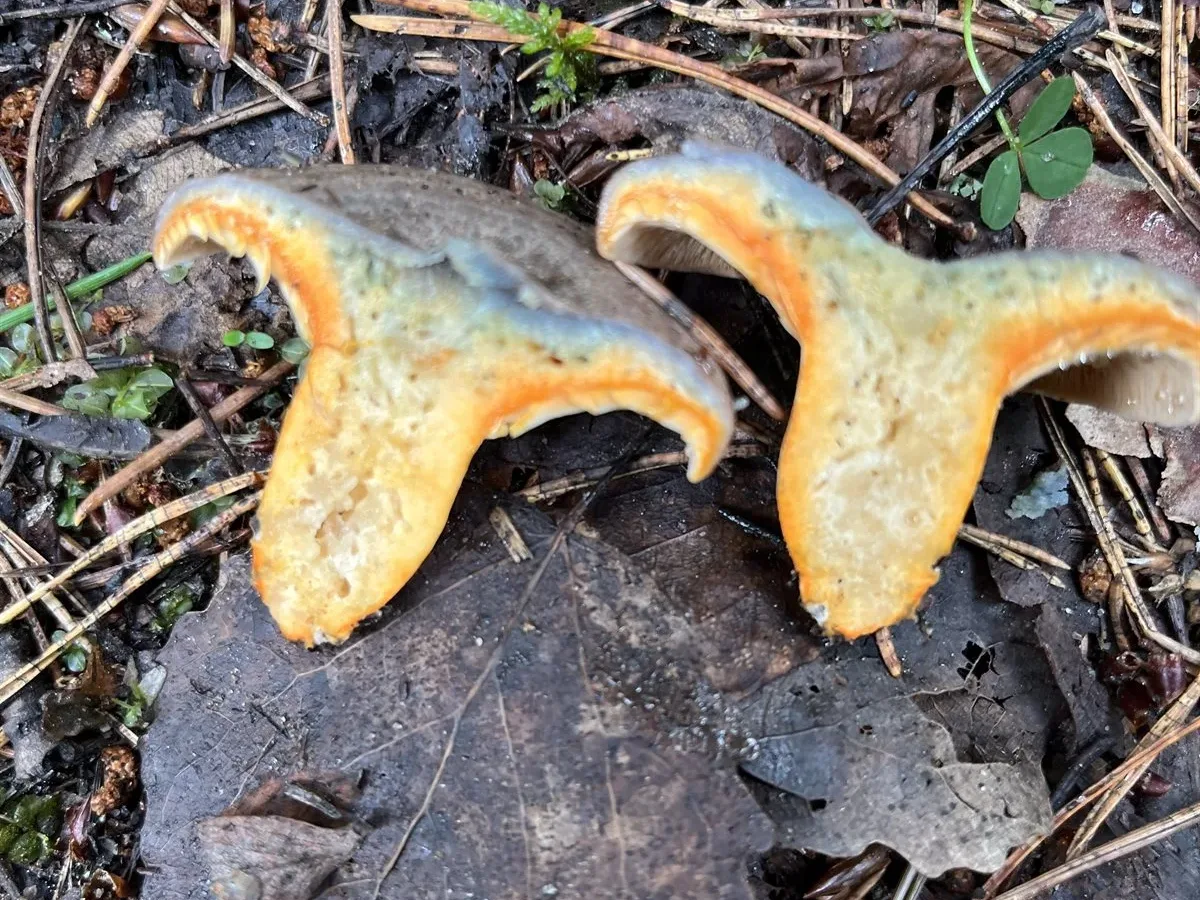 © Gunvor Bollingmo (CC BY)© Leila S. Berg (CC BY)© Morten Pettersen (CC BY)
Edible only with the right preparation - or safe for some people but not others. Learn the caveats first.
How to recognise it
Cap
Cap 4-10 cm, at first convex with a strongly inrolled margin, gradually opening to broadly depressed or funnel-shaped as it matures.
The surface is dry and finely velvety when young, smoothing out with age to a uniform reddish-brown, brick-red, or rufous-ochre - no concentric zones, which helps set it apart from the saffron milkcap group.
Gills
Pale cream to pinkish-buff, crowded, slightly decurrent, bruising brownish.
Stem
Stem 3-7 × 1-2 cm, matching or slightly paler than the cap, solid at first then hollowing.
Smell & taste
The defining feature is the latex: nick the flesh or a gill and white milk bleeds out - it stays white, never changing colour - and a tiny taste reveals an intensely persistent, burning acridity, deep and peppery in the manner of L. rufus.
That combination of unchanging white latex and fiery heat is the species in a nutshell.
Why it's dangerous
Not life-threatening when properly prepared, but capable of causing significant gastrointestinal illness when eaten raw or under-prepared.
The main risk is underestimating the required preparation: a single parboil is insufficient.
Vulnerable groups - children, elderly, people with gastrointestinal conditions - should be especially cautious.
The species should be treated with the same preparation rigour as L. rufus.
Toxin
White acrid latex containing isovelleral and related sesquiterpene compounds (lachnane skeleton), which are directly irritating to gastrointestinal mucosa.
These are heat-labile and water-soluble, which is why repeated boiling removes them effectively.
Symptoms from raw ingestion, within 30 minutes to 2 hours - self-limiting but unpleasant:
- Burning mouth
- Nausea
- Vomiting
- Diarrhoea
Symptoms
Burning sensation in mouth and throat within minutes of tasting raw mushroom.
If consumed in quantity, within 30 minutes to 2 hours:
- Nausea
- Vomiting
- Abdominal cramps
- Diarrhoea
Symptoms are self-limiting (typically resolve within 12-24 hours) but can be severe with large ingestions.
No systemic or organ toxicity is documented - the toxin is a direct irritant, not a systemic poison.
Staying safe
Never eat raw. The latex contains sesquiterpene compounds (including isovelleral and related lachnane sesquiterpenes) that cause severe gastrointestinal irritation - nausea, vomiting, and diarrhoea - when the mushroom is consumed without adequate preparation.
The traditional Nordic preparation:
- 1Parboil in fresh water, minimum two rounds, 3-5 minutes each, discarding all cooking water, to leach out the acrid toxins.
- 2Pickle in salt or brine.
This preparation method renders the mushroom edible and is well-established in Finnish, Swedish, and Russian foraging tradition, but it must be followed rigorously. Do not use the parboiling water for any purpose.
Insufficient preparation has caused gastrointestinal poisoning. This species is classified as requiring special preparation under EU food safety guidance for the Lactarius rufus group.
Where & when it grows
Habitat
A boreal forest specialist, forming mycorrhizal partnerships exclusively with Norway spruce (Picea abies).
Occurs in moist, acidic taiga forest with a deep moss layer, typically alongside bilberry and lingonberry. It is most at home in the spruce-dominated boreal forests of Finland, northern Sweden, and Norway, extending into northern Russia.
It does not typically occur under pine, which helps separate it from the closely related L. rufus.
When
Fruits from mid-July through October, peaking in August and September across Fennoscandia.
Like many boreal milkcaps it waits for the right combination of summer warmth followed by sustained rainfall - typically at least 15-20 mm over a few days - and then pushes up through the moss as soil temperatures settle into the 8-15 °C range.
Once those conditions align, a flush can appear in sites where it has fruited reliably for years.
How it grows
Mycorrhizal with Norway spruce. Fruiting bodies emerge singly or in small scattered groups among moss; not clustered.
The species appears reliably in the same sites year after year once established, as the underground mycelium is perennial. Young buttons are often partially hidden under moss.
Fruiting conditions
Boreal spruce mycorrhizal milkcap; requires sustained moisture after summer warmth. Typical flush pattern: 8-16 days after 18+ mm rainfall once soil temperatures exceed 7 °C. Fruiting often continues into October under moss insulation even after first frosts.
Look-alikes
Lactarius rufus (rufous milkcap) is the most likely confusion: it also has white acrid latex and a reddish-brown cap, but typically associates with pine rather than spruce, has a slightly more intense deep red-brown cap colour, and tends to be slightly larger. Both require identical preparation.
- Lactarius camphoratus (curry milkcap): smaller, with a distinctly camphor-curry odour and non-acrid latex; also considered inedible in most countries.
- Lactarius subdulcis (mild milkcap): more watery, less acrid milk; associated with beech or oak.
- Russula species: can superficially resemble reddish-brown milkcaps but lack the latex entirely - breaking the gills and checking for milk is a definitive separation.
None of the realistic lookalikes are deadly.
Russula species produce no latex whatsoever - break a gill or the flesh and no milk exudes. This is the single fastest separation from any Lactarius species. Russula also lacks the inrolled cap margin typical of young milkcaps.
Smaller (2-5 cm cap), and distinguished by a strong and distinctive curry or camphor odour when dried or bruised. Its latex is nearly non-acrid and watery. Not suitable for pickling in the same way.
Associated with beech and oak, not spruce. Latex is white but only mildly or moderately acrid, never burning-hot. Cap is typically brighter reddish-orange to cinnamon, often more zonate.
Very similar in size and colour with equally acrid white latex, but L. rufus typically grows under pine rather than spruce, has a slightly deeper red-brown (not rufous-ochre) cap, and often a subtle mammy (faintly cedar-like) or mild odour. Both require identical preparation. Where host tree is uncertain, treat both identically.
A reference guide - never an edibility guarantee. When in doubt, leave it out.