White fibrecap
Inocybe geophyllasyn. Agaricus geophyllus, Inocybe geophylla var. geophylla, Inocybe geophylla var. alba
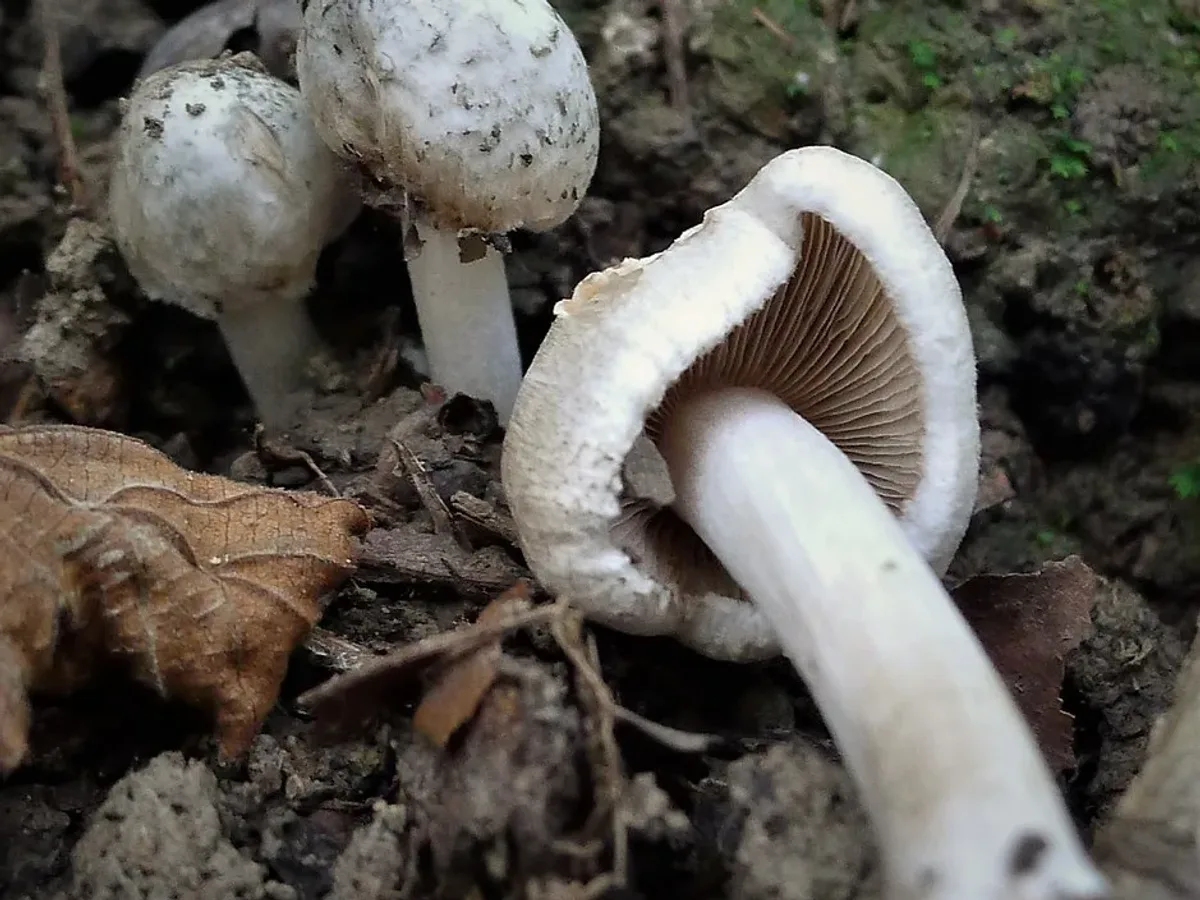 © gailhampshire (CC BY 2.0)
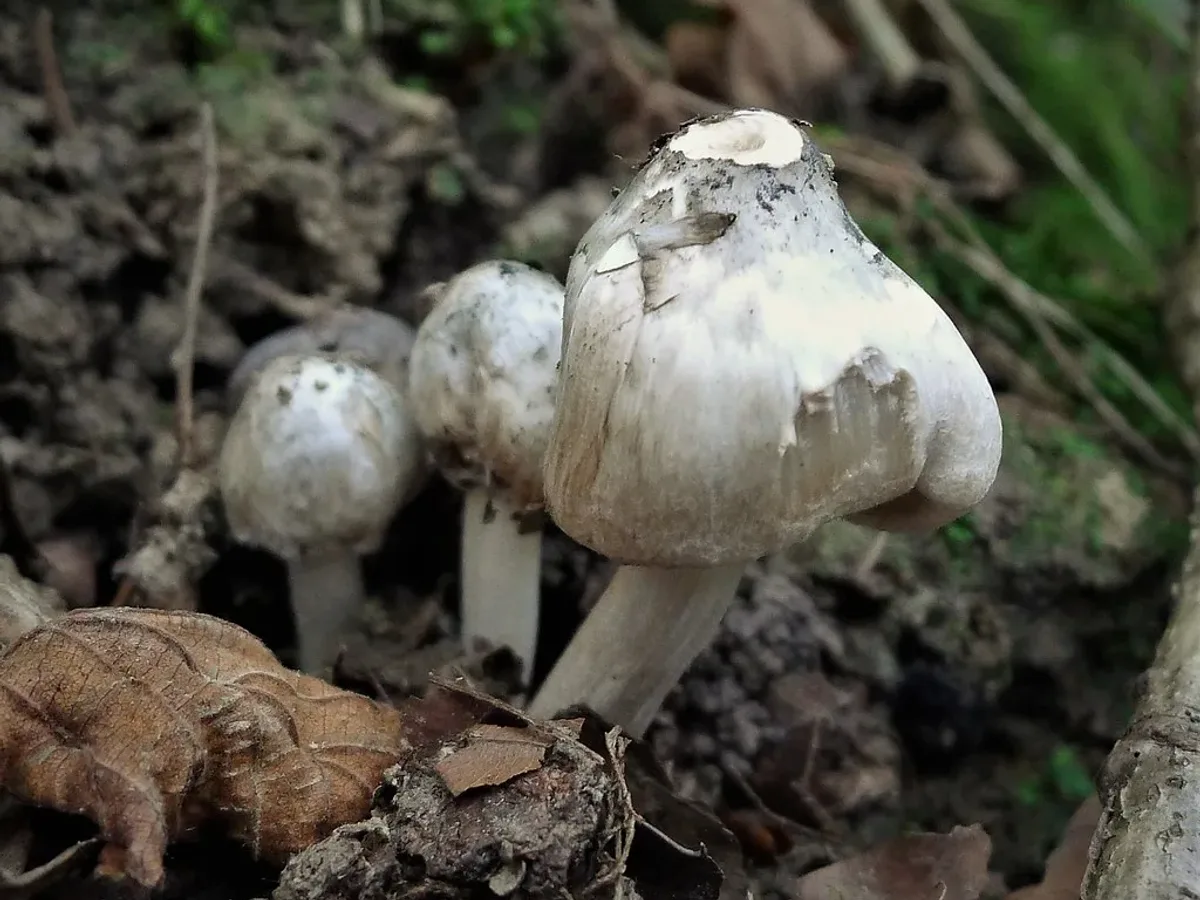 © gailhampshire (CC BY 2.0)
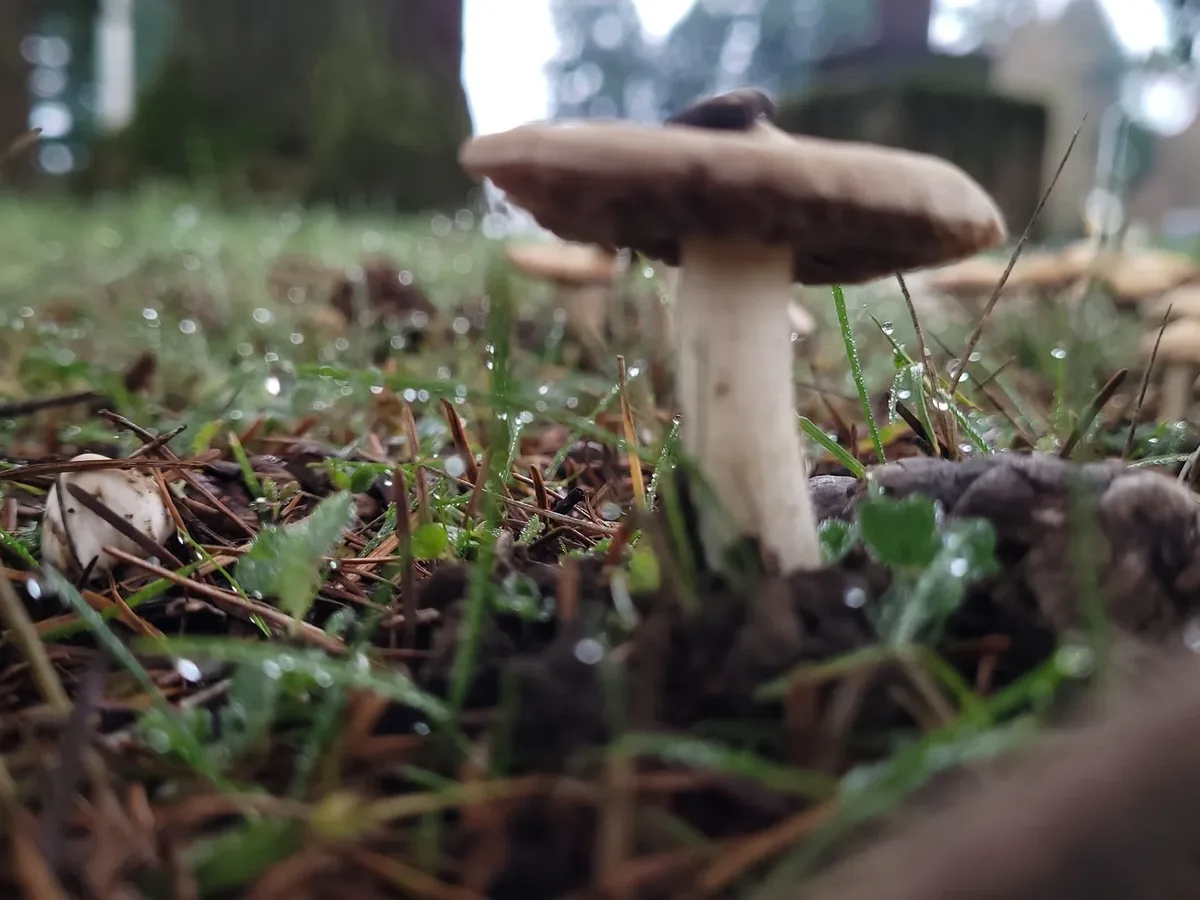 Dave Miller (CC0)
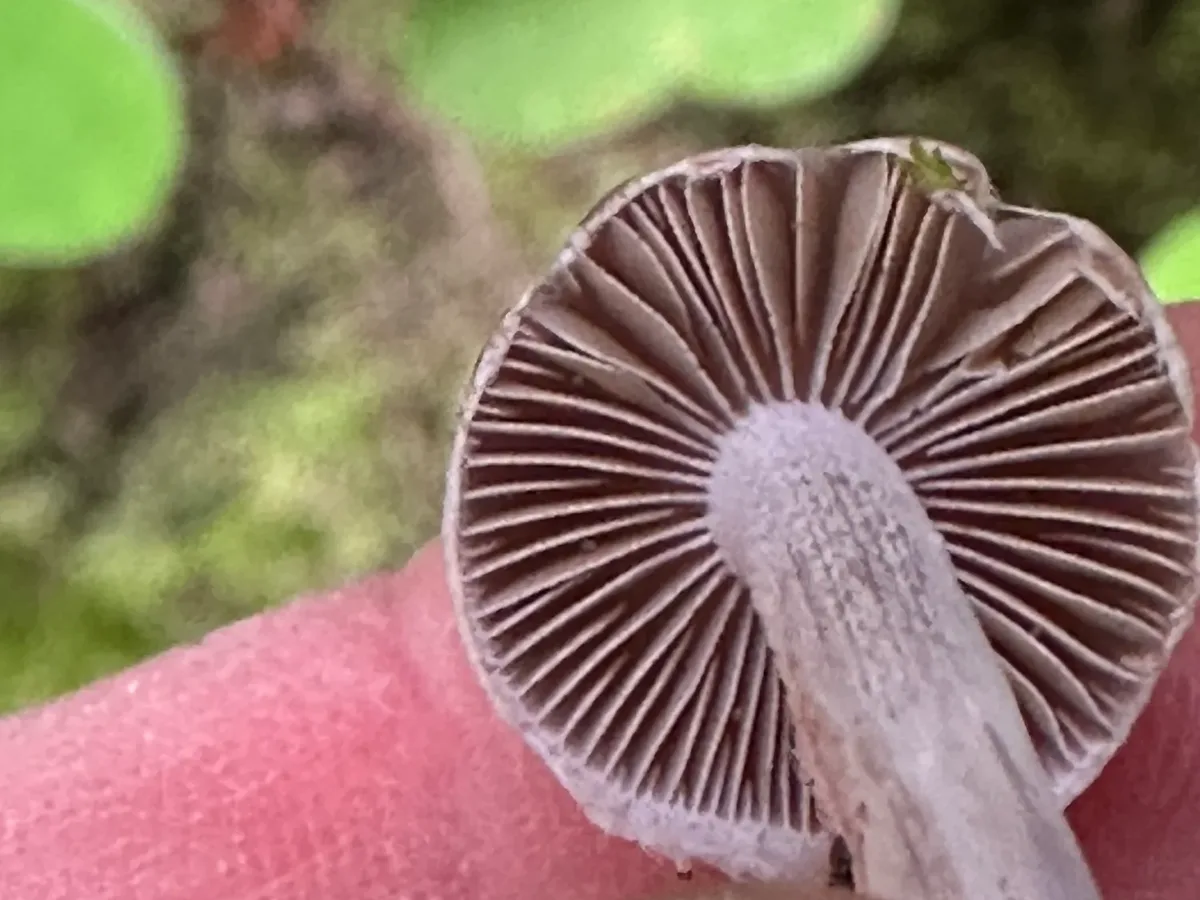 © Barbara Banfield (CC BY)
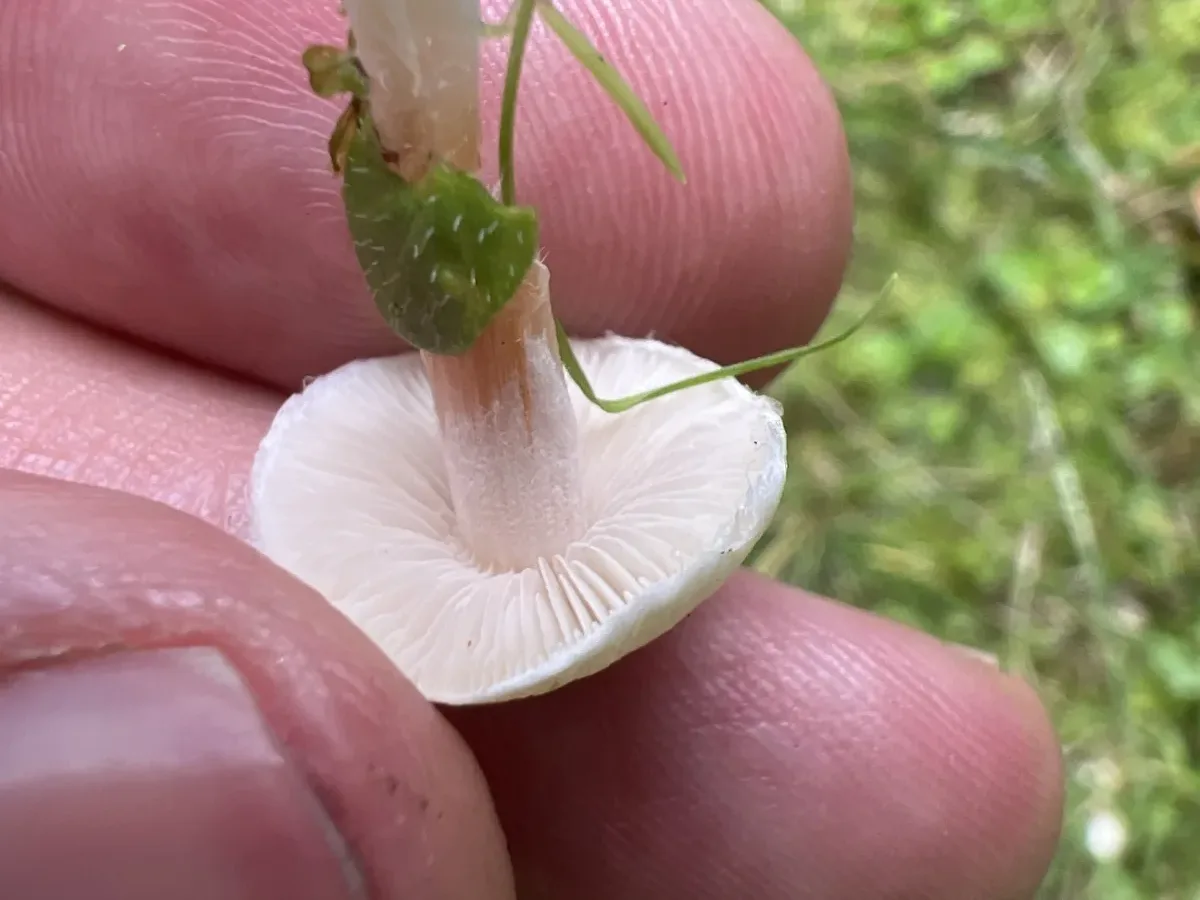 © Ulrik Andreassen (CC BY)
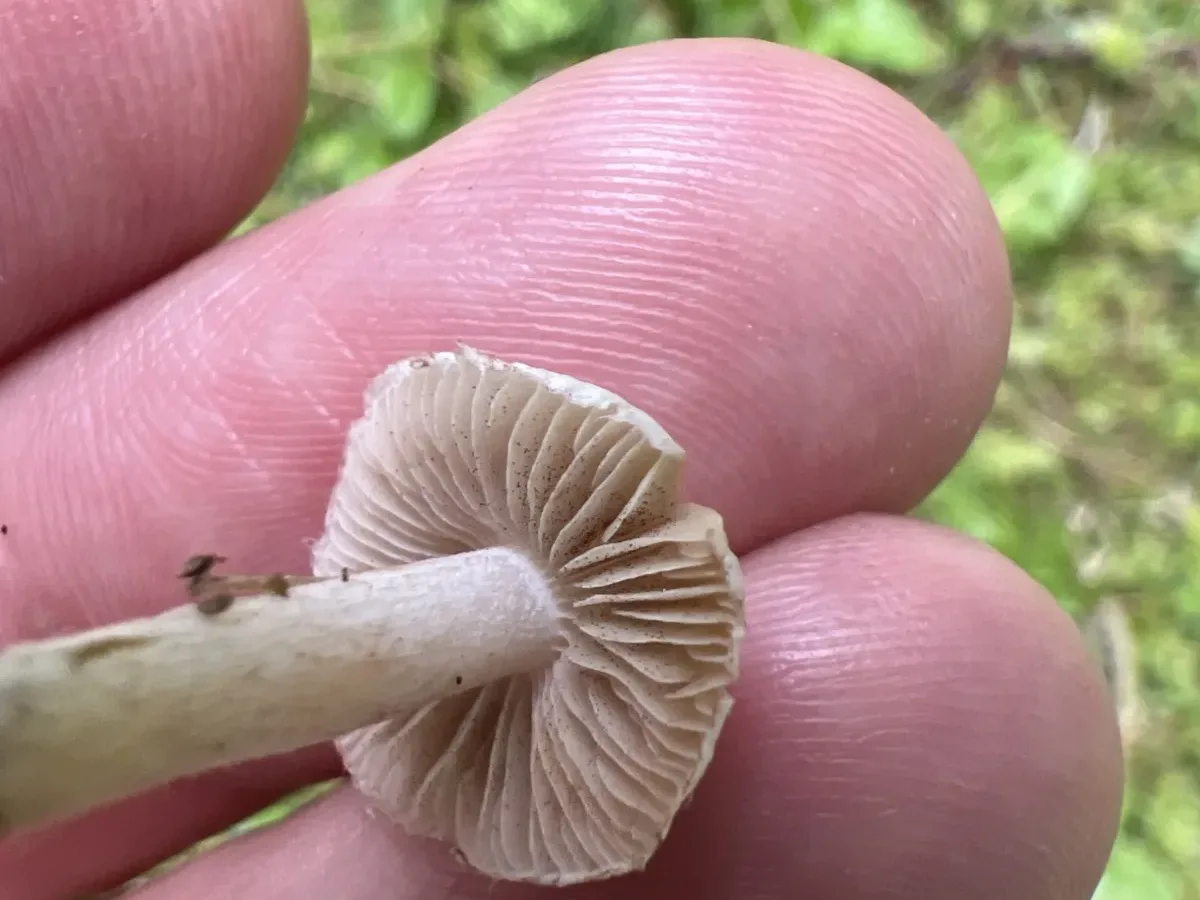 © Ulrik Andreassen (CC BY)
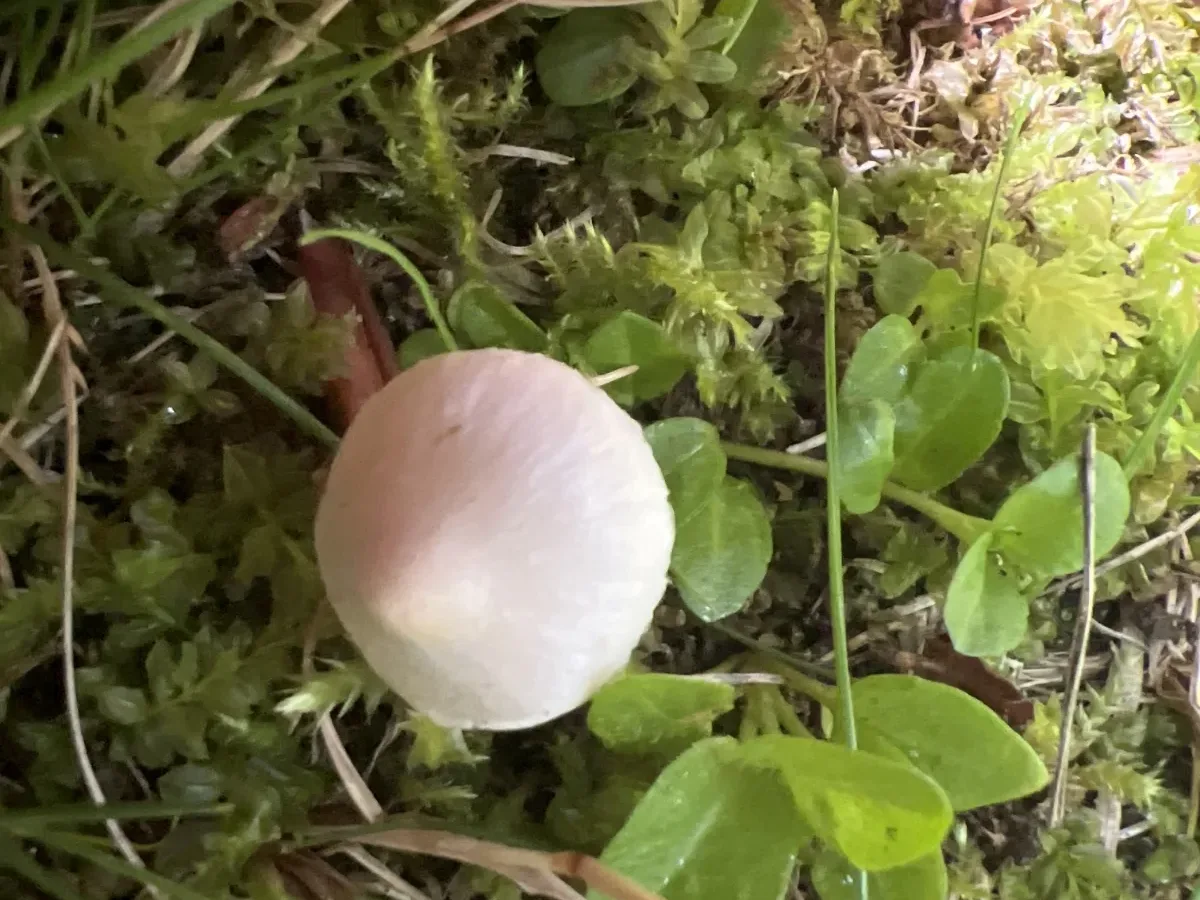 © Ulrik Andreassen (CC BY)
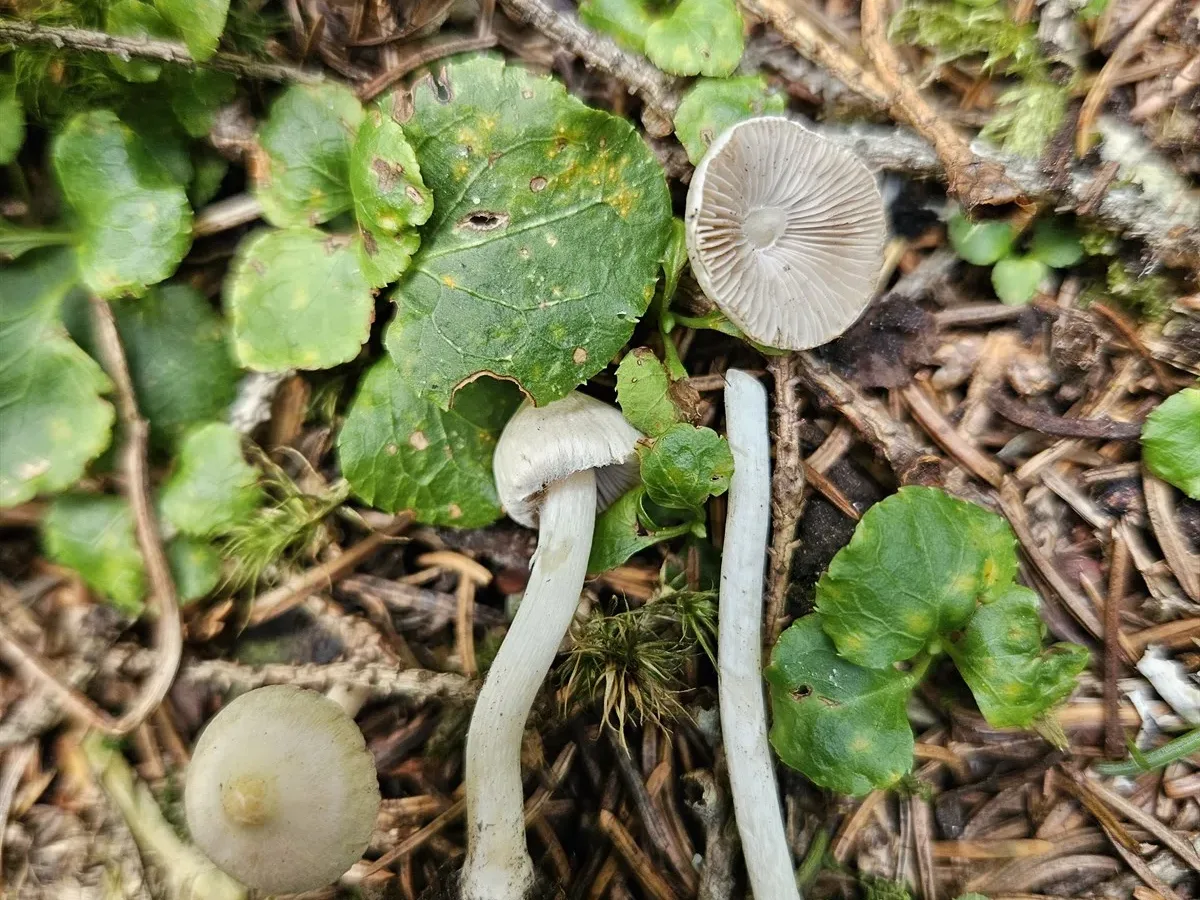 © Bente Rian (CC BY)
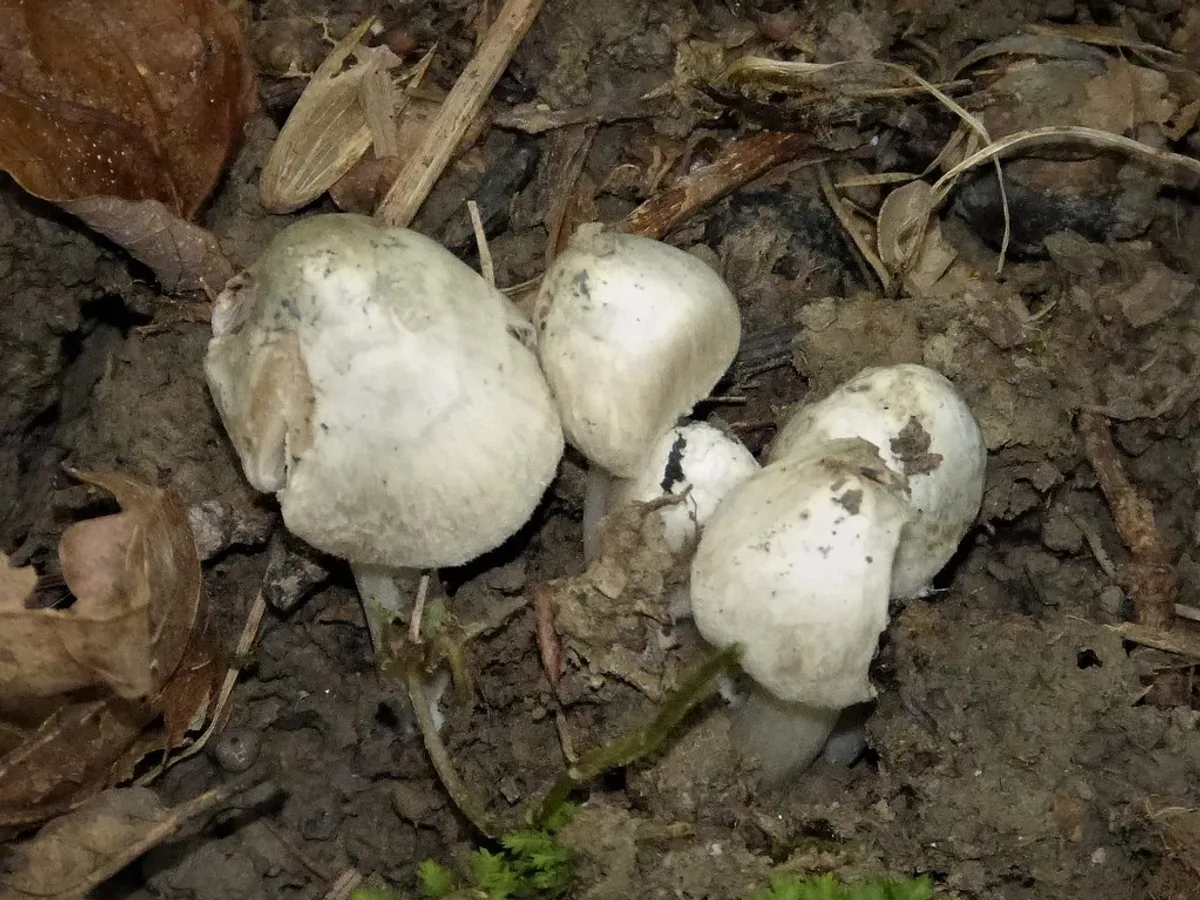 © gailhampshire (CC BY 2.0)© gailhampshire (CC BY 2.0)© gailhampshire (CC BY 2.0)
Edible only with the right preparation - or safe for some people but not others. Learn the caveats first.
How to recognise it
Inocybe geophylla is one of the commonest small white mushrooms in European woodland, and its clean, innocuous appearance is precisely what makes it dangerous - inexperienced foragers often assume that small, bright-white mushrooms are safe.
Cap
The cap is 1-4 cm, conical to broadly convex with a persistent low central boss (umbo), and covered in silky white fibres. In dry weather the margin may split radially.
Gills
The gills start white and age through clay to snuff-brown - that slow colour change is a useful ageing cue.
Stem
The stem is 2-6 cm, white, and distinctly mealy-powdery at the tip; check this with a hand lens.
Flesh
There is no ring, no volva, and no colour change when the flesh is cut.
Smell & taste
The earthy, spermatic, mealy odour is consistent and characteristic. Once you have learned it, it serves as a reliable negative marker - no edible species smells quite like this.
Spore print snuff-brown. Microscopically, the spores are smooth rather than warty, which separates I. geophylla from most other Inocybe species.
The lilac variety (var. lilacina) is identical but for an overall pale mauve-lilac tint that can fade in dry or older specimens.
Why it's dangerous
Muscarine poisoning is a medical emergency, especially in children and individuals with pre-existing cardiac or respiratory conditions.
Treatment with atropine (a specific muscarinic antagonist) is effective and dramatically reverses symptoms when given promptly.
Do not wait for symptoms to resolve on their own - call emergency services. Bring the mushroom or a photograph to the hospital.
Inocybe geophylla is one of the most common poisonous mushrooms in European woodland, and its clean white appearance and small size make it appear innocuous. It is responsible for a substantial proportion of European mushroom poisoning cases each year.
Toxin
Muscarine is a quaternary ammonium alkaloid. It acts as a direct agonist at muscarinic acetylcholine receptors in the parasympathetic nervous system and at peripheral cholinergic sites.
The toxin is not degraded by cooking or stomach acid.
Inocybe geophylla contains muscarine concentrations significantly higher than Amanita muscaria, making the Inocybe genus (along with Clitocybe species) the primary clinical source of muscarine poisoning in Europe.
Unlike amatoxins, muscarine does not damage the liver; the mechanism is neural/autonomic rather than cytotoxic.
Symptoms
Symptoms of muscarine poisoning follow the classic cholinomimetic (SLUDGE/DUMBELLS) pattern:
- Salivation
- Lacrimation (tearing)
- Urination
- Defecation
- GI distress (cramping, nausea, vomiting)
- Emesis
- Diarrhoea
- Urinary incontinence
- Miosis (pinpoint pupils)
- Bradycardia (slow heart rate)
- Bronchospasm (narrowing of airways)
- Excessive secretions (sweating, bronchial mucus)
- Lacrimation
- Low blood pressure
The cardinal triad in field medicine is sweating, salivation and slow pulse.
Onset is rapid (15 minutes to 2 hours), and symptoms typically resolve within 6-24 hours with treatment.
In severe cases, bronchospasm and cardiovascular effects can be life-threatening.
Staying safe
Inocybe geophylla is a muscarinic poisonous species and must never be eaten. It contains muscarine (the cholinergic toxin first isolated from Amanita muscaria but occurring at far higher concentrations in many Inocybe species, including this one).
Muscarine activates parasympathetic nerve receptors, producing the SLUDGE/DUMBELLS syndrome. The onset of symptoms is rapid - typically 15 minutes to 2 hours after ingestion - which distinguishes muscarine poisoning clearly from the delayed amatoxin poisoning.
While muscarine poisoning is rarely fatal in adults with medical treatment, it is extremely distressing and can be dangerous in children, the elderly, or those with cardiac or respiratory disease.
There is no reason to treat this species as anything other than poisonous:
- Do not taste.
- Do not eat.
- Do not confuse its clean white appearance with edibility.
If ingestion is suspected, seek medical attention promptly.
The small fruit body size means that a forager may eat several without noticing; even a few fruitbodies contain a clinically significant dose of muscarine.
Where & when it grows
Habitat
This adaptable mycorrhizal species grows with an exceptionally wide range of host trees, making it abundant in virtually every woodland type across temperate Europe.
It is especially common in:
- Beech woods
- Mixed oak-hazel stands
- Birch-dominated woodland
- Parks with established trees
The mycelium lives underground year-round, threaded quietly through roots and soil; all you see above ground is the temporary fruitbody.
Look for small troops of white pins pushing up through the leaf litter along shaded forest tracks, on humus-rich margins, and in damp hollows under the canopy.
It also occurs in urban parks, old hedgerows, and suburban gardens with mature trees - habitats where inexperienced foragers are more likely to be active, which makes recognising this species genuinely useful.
When
The main fruiting season runs from late July through October in central and western Europe, peaking in late August to mid-October.
A typical flush emerges 4-10 days after significant rainfall, when daytime temperatures are still 12-20 °C and the soil has not yet cooled below about 10 °C.
In Mediterranean areas a secondary autumn-to-early-winter flush can occur, and occasionally a minor spring flush after wet winters.
The white fibrecap fruits reliably at the same time as many sought-after edible species - chanterelles are still being found, ceps are at their peak - which is exactly when confusion is most likely.
How it grows
Inocybe geophylla is strictly mycorrhizal and depends on living tree roots for the carbohydrates it cannot produce itself. It cannot be cultivated and will never appear away from suitable host trees.
The underground mycelium is perennial - the same patch can produce fruitbodies year after year in favourable conditions, returning reliably to the same spots along familiar forest paths.
Fruitbodies emerge singly or in small dispersed troops from the forest floor, usually scattered rather than tightly clustered.
The smooth, ellipsoid, dull-brown spores are wind-dispersed. The species has spread widely across Europe and into North America partly because its broad host range allows it to establish wherever new tree plantings take root.
Fruiting conditions
Flushes 4-10 days after rain of 15 mm or more once soil has cooled below about 20 °C in late summer; peak activity in August-October in central Europe when soil temperature is 8-16 °C. The mycorrhizal nature means reliable annual return to established patches under host trees.
Look-alikes
Several species are potentially confused with the white fibrecap. The most important confusions are with small white edible and inedible species in the same woodland habitats.
- 1Clitocybe dealbata (Ivory funnel) grows in grassy areas and woodland edges, is white, but has decurrent gills running down the stem (not adnate), a funnel-shaped cap, no umbo, and lacks the mealy fibrous texture and earthy-spermatic smell of Inocybe; however, Clitocybe dealbata is itself a muscarinic poisonous species.
- 2Clitopilus prunulus (Sweetbread mushroom, an edible) is white and mealy-smelling, but is considerably larger (5-12 cm), more fleshy, has deeply decurrent gills, and a distinctly floury sweet smell without the spermatic note.
- 3Laccaria laccata (Deceiver) is never white, but the lilac variety of I. geophylla (var. lilacina) can be confused with it; Laccaria amethystina (Amethyst deceiver) has similar lilac tones but has very thick, widely spaced, amethyst-purple gills and a dry-fibrous non-umbonate cap.
- 4Mycena species - white Mycena are found in similar habitats but have thin, fragile stems and white gills with a white spore print.
- 5Some small white Agaricus species in grass margins may superficially resemble it but have free (not adnate) gills that turn pink then brown, and a ring on the stem.
None of the realistic confusion species are amatoxin-containing, so the poisoning risk is muscarinic in type - serious but rarely fatal with appropriate treatment.
Relevant primarily for confusion with the lilac variety (var. lilacina) of I. geophylla. Laccaria amethystina has much thicker, widely spaced, deep amethyst-purple gills (not pale ageing snuff-brown), a wiry fibrous stem, and white spore print. It lacks the umbonate cap and mealy-spermatic smell of Inocybe. Laccaria is edible; var. lilacina is poisonous.
White Mycena species (such as M. galericulata at pale forms, or M. leptocephala) are thin and fragile with very fine wiry stems, lack an umbo, have white or pale gills that remain white (spore print white), and no mealy fibrous cap surface. Mycena species are far more delicate and grow on wood debris, bark, or leaf litter rather than directly from mineral soil under trees.
Also white and muscarinic poisonous, but grows in grassland and pasture (not typically under trees), has a funnel-shaped cap without an umbo, and gills that run down the stem (decurrent) rather than adnate. No silky fibrous cap texture and a less pronounced earthy-mealy smell. Both species are poisonous - confusing them does not change the danger, but the habitats differ.
The lilac variety (var. lilacina) is the same species with a pale mauve-lilac cap and stem. It is equally poisonous. Other white or pale Inocybe species (e.g. I. whitei, I. pudica) share the genus characters and are similarly muscarinic; none are safe to eat. The genus as a whole should be treated as poisonous unless examined by an expert.
The edible sweetbread mushroom is much larger (5-12 cm cap), fleshier, with a more strongly inrolled margin, deeply decurrent (running-down-the-stem) white gills, and a pleasant sweet floury smell without the spermatic note. Spore print pale pink. Confusion is possible with very young specimens; when in doubt, take a spore print and note the gill attachment - adnate in I. geophylla, strongly decurrent in C. prunulus.
A reference guide - never an edibility guarantee. When in doubt, leave it out.