Deadly fibrecap
Inocybe erubescenssyn. Inocybe patouillardii, Inocybe spp., Clitocybe dealbata, Clitocybe rivulosa, Clitocybe spp.
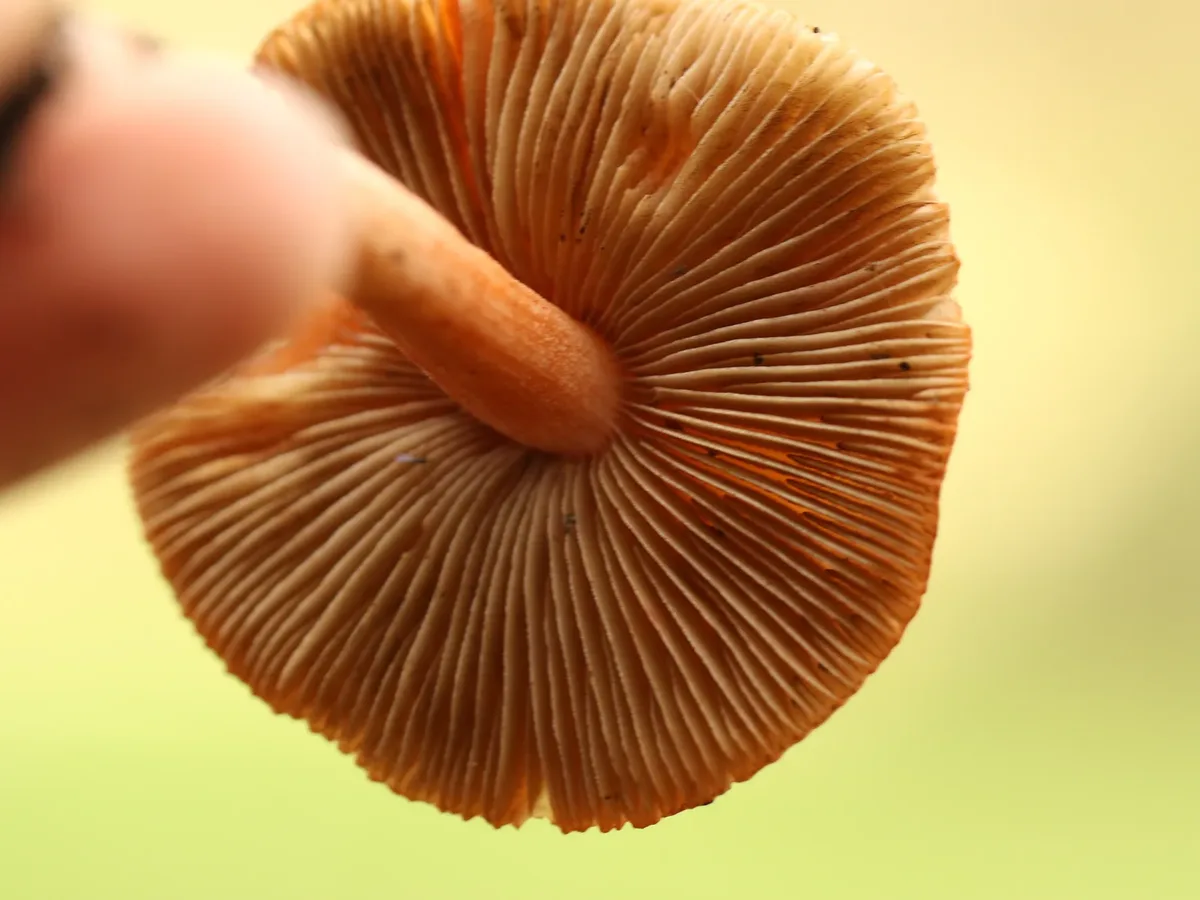 © Chaym Turak (CC BY-SA)
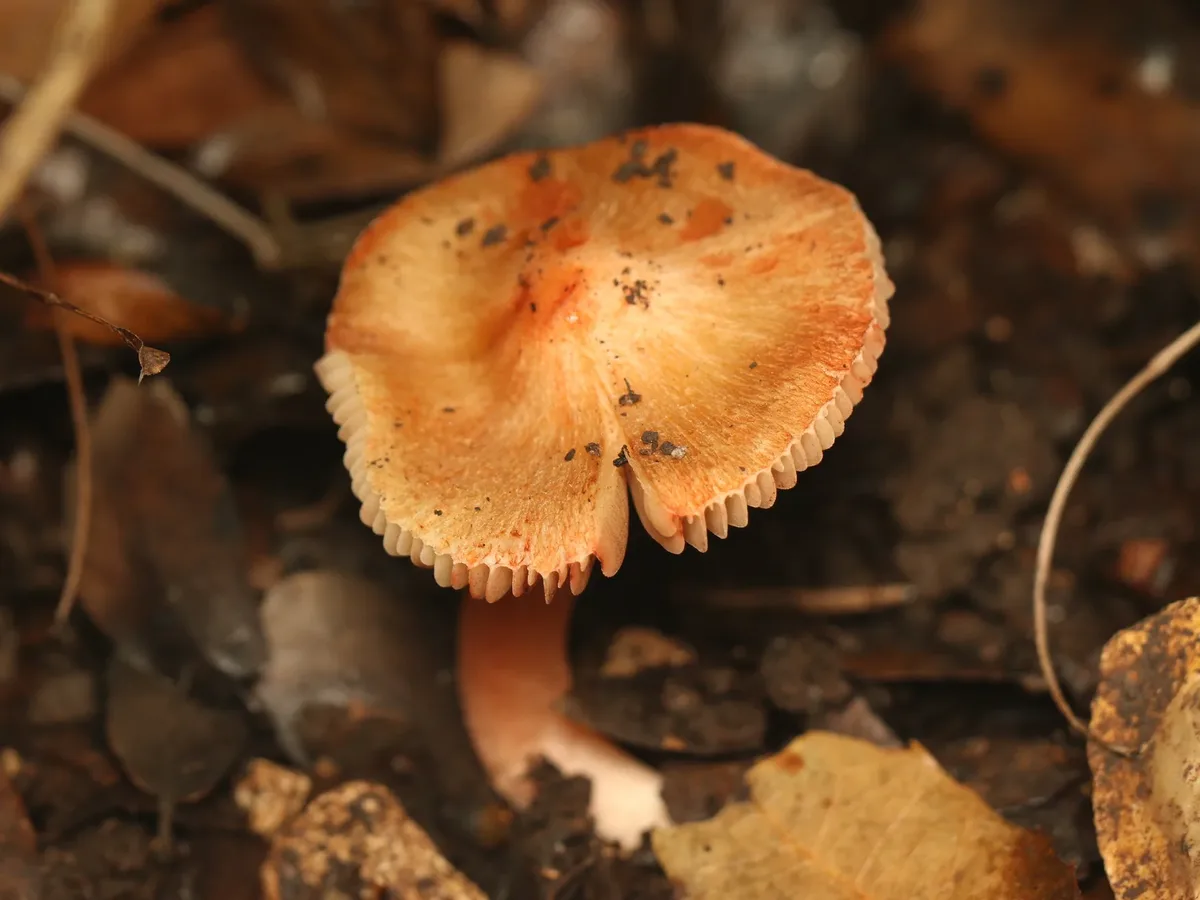 © Chaym Turak (CC BY-SA)
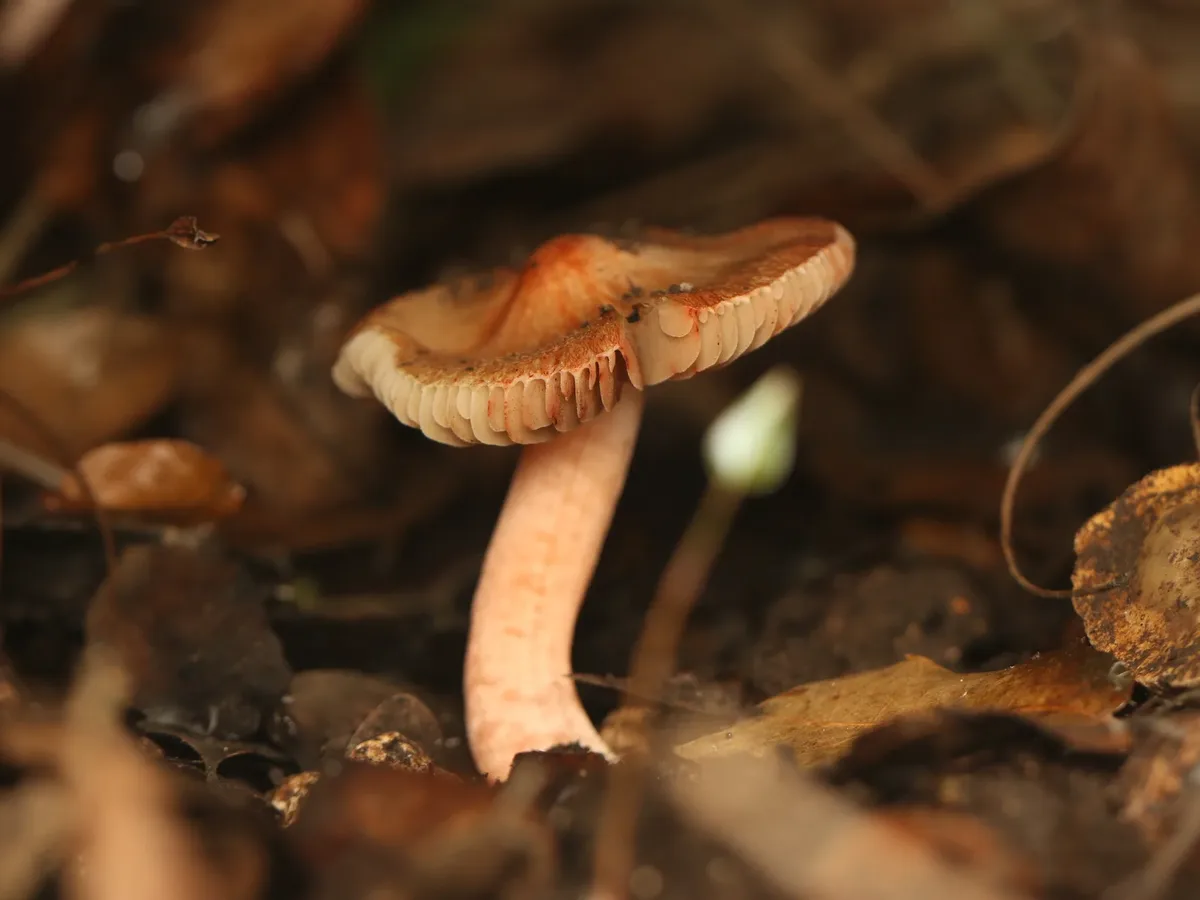 © Chaym Turak (CC BY-SA)
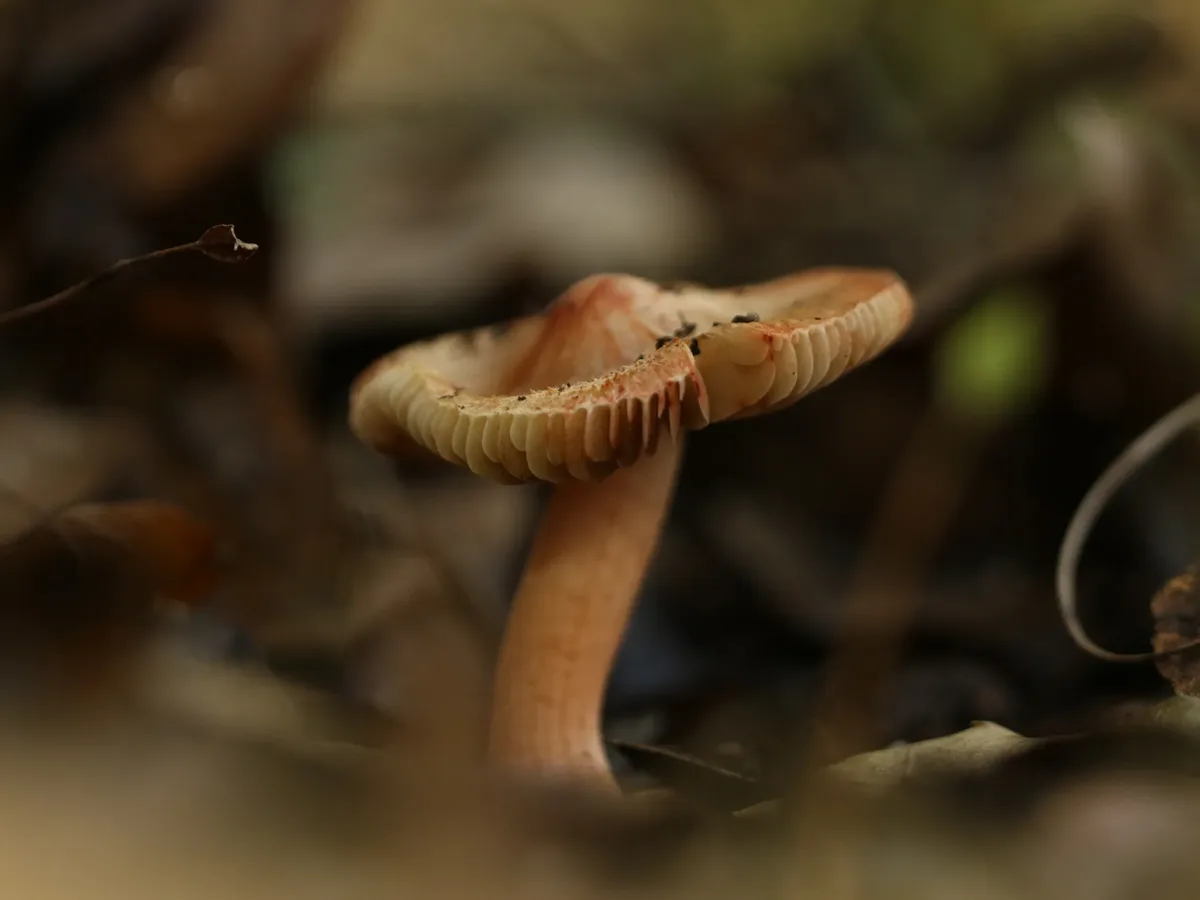 © Chaym Turak (CC BY-SA)
 © Chaym Turak (CC BY-SA)
 © Chaym Turak (CC BY-SA)
 © Chaym Turak (CC BY-SA)
 © Chaym Turak (CC BY-SA)
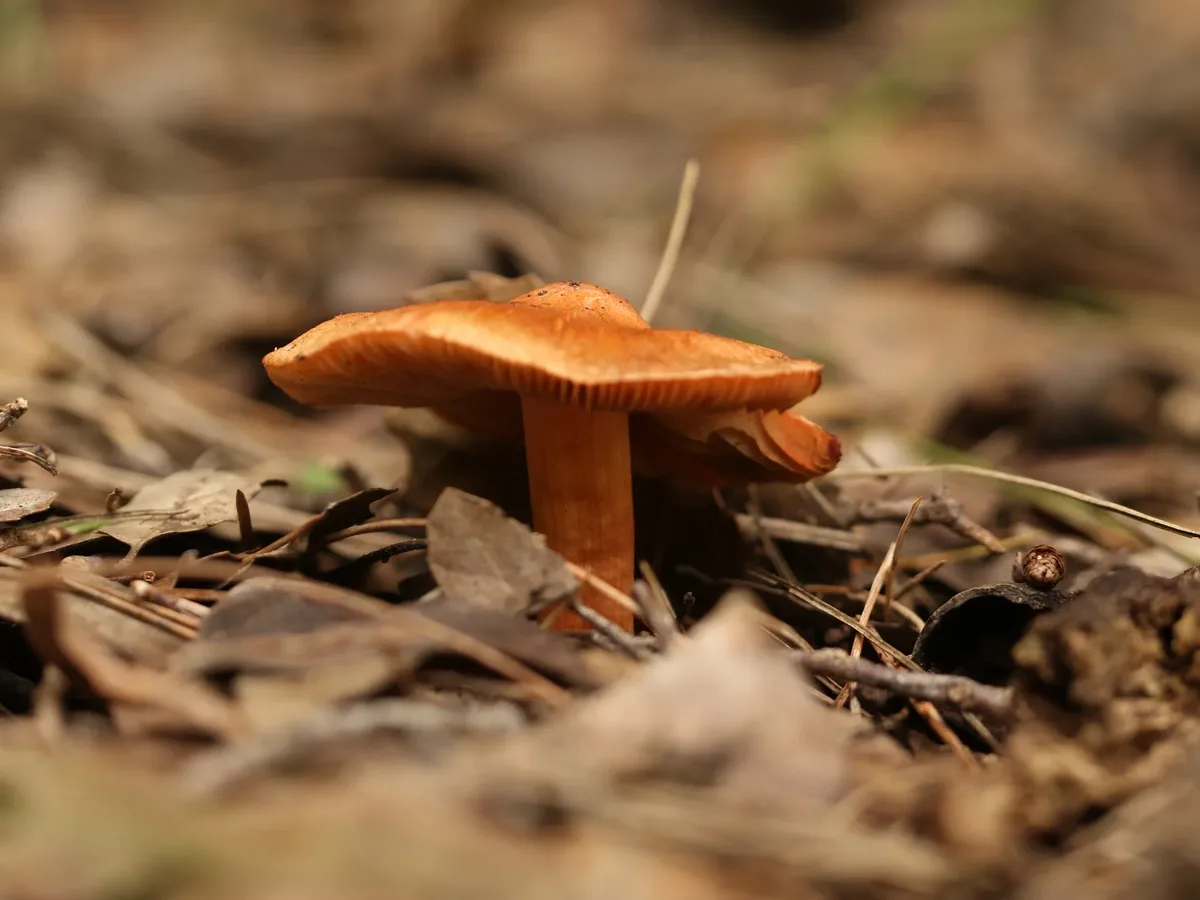 © Chaym Turak (CC BY-SA)© Chaym Turak (CC BY-SA)© Chaym Turak (CC BY-SA)
Toxic - and the most serious cases can be fatal. Never eat it, and wash your hands after handling.
Never eat a mushroom you are not 100% sure of - check the look-alikes below, and always cook wild mushrooms.
How to recognise it
Inocybe erubescens is a small, unremarkable-looking mushroom - and that plainness is precisely what makes it so dangerous.
Cap
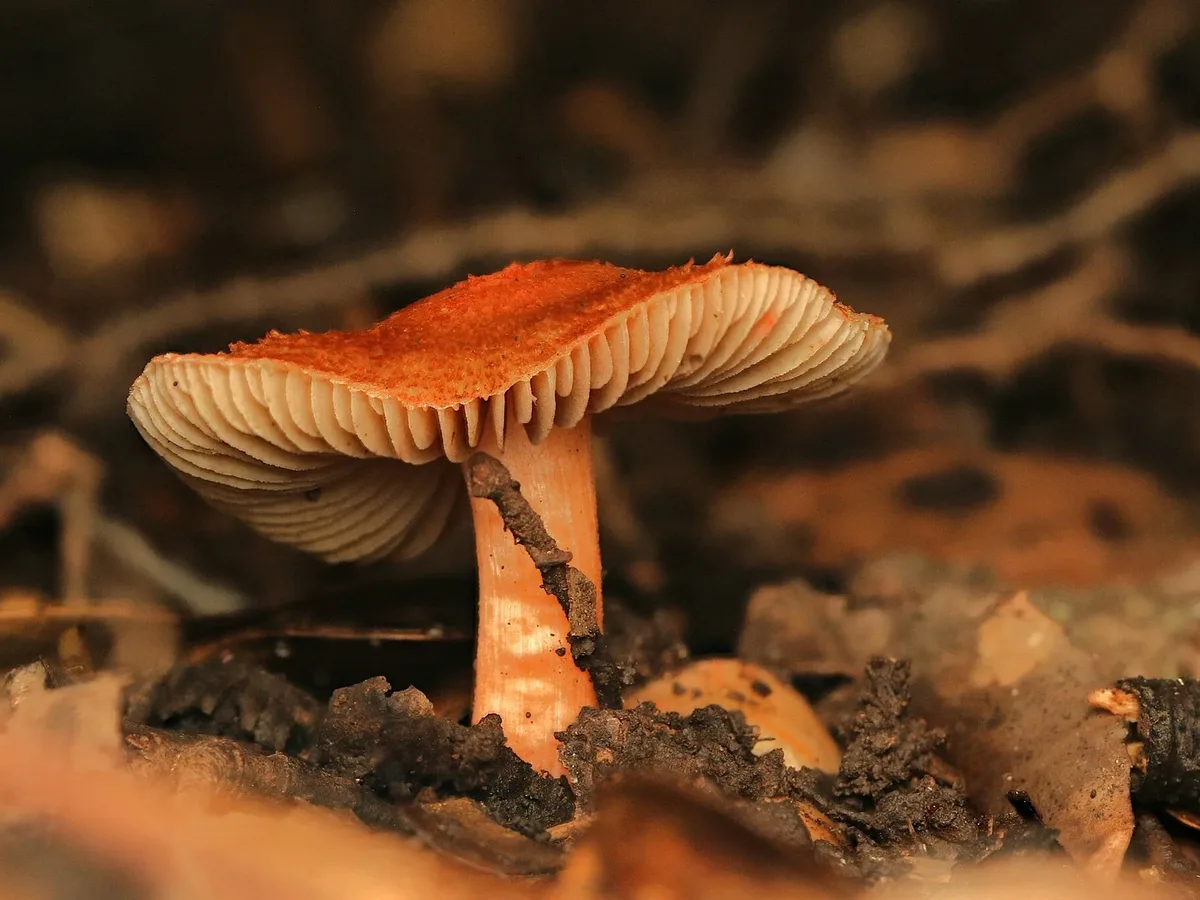
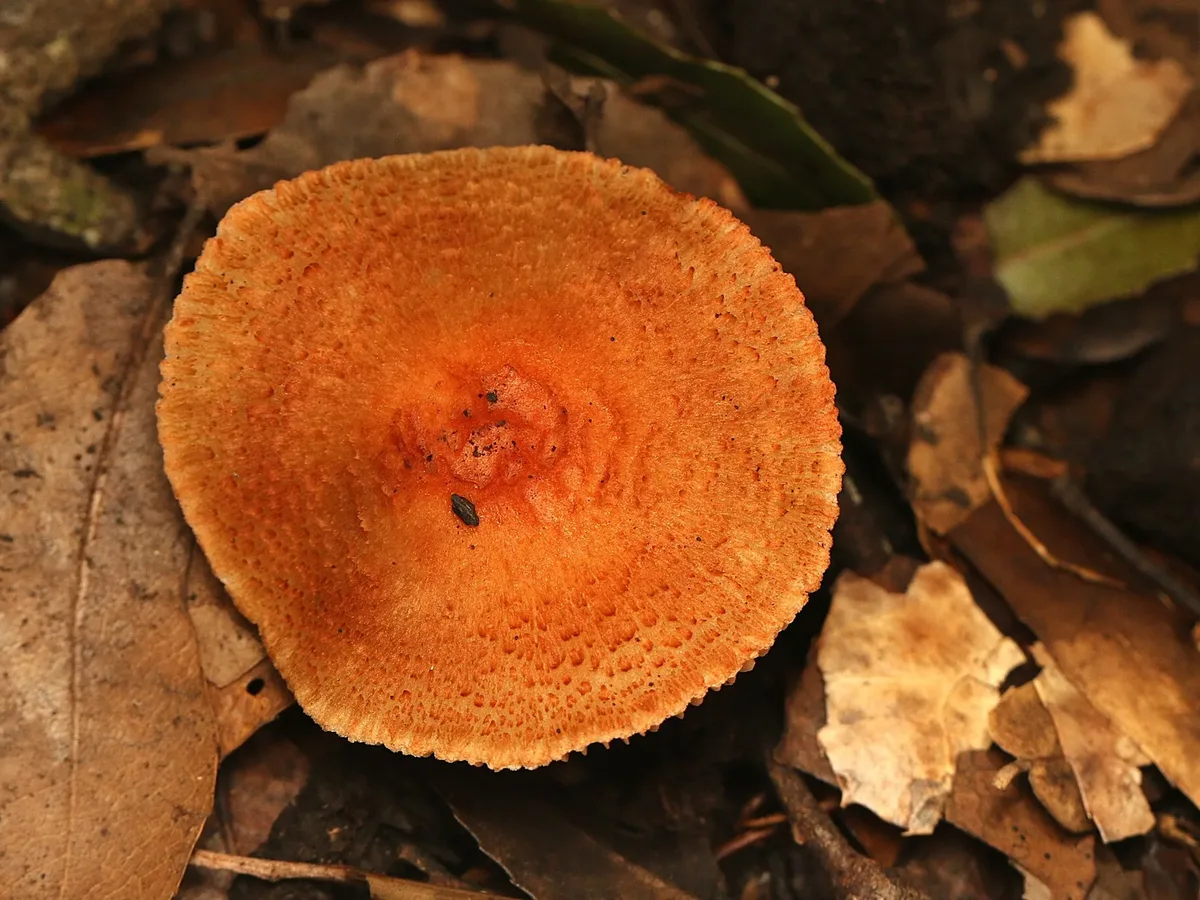
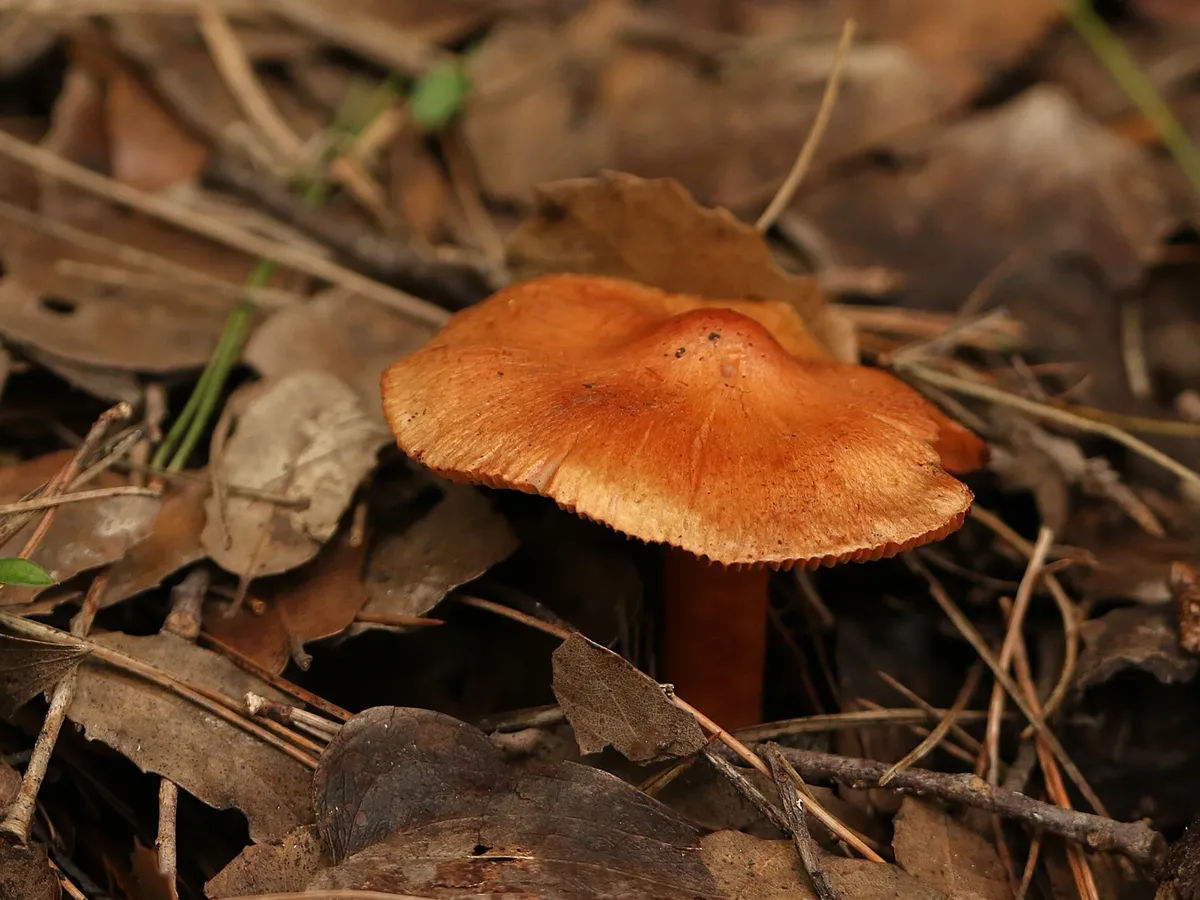
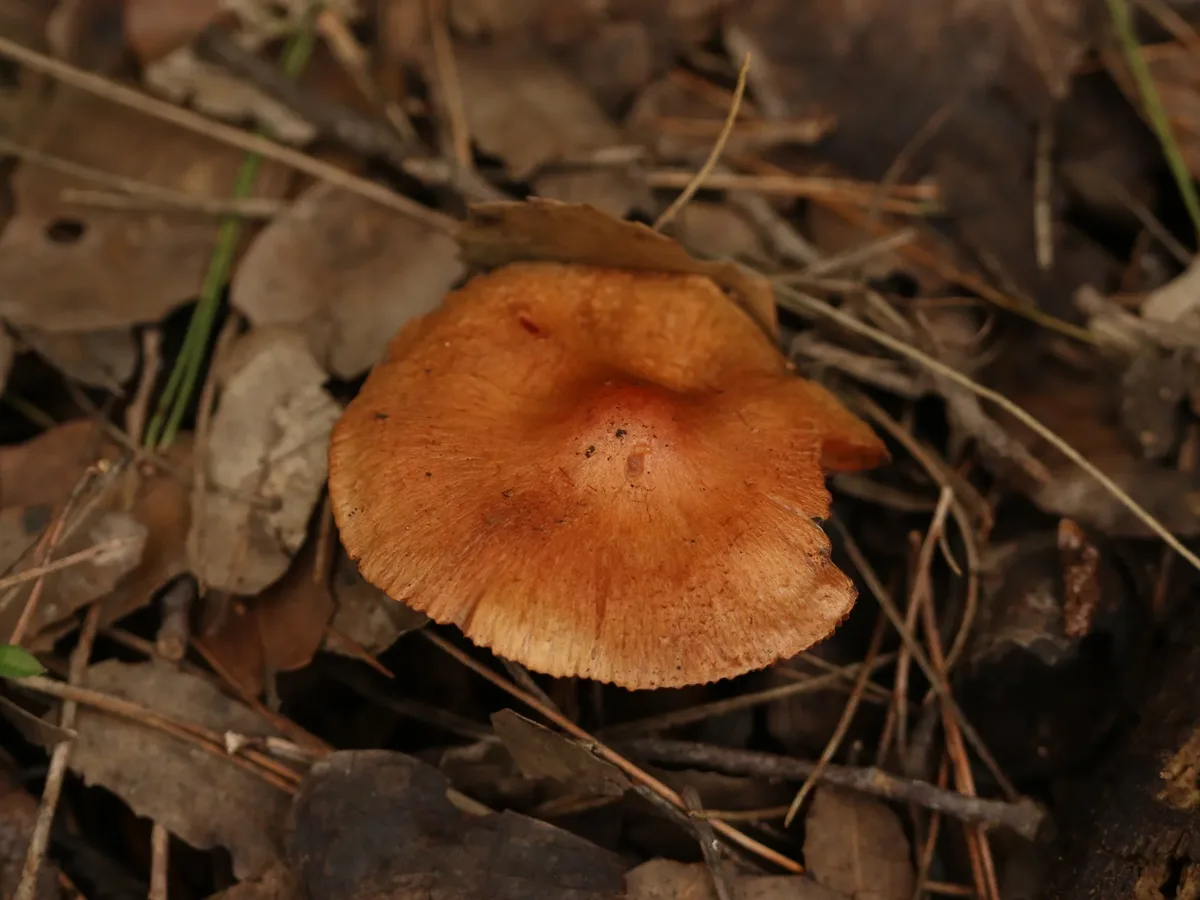
The cap begins convex and tightly closed, 2-6 cm across, the surface clothed in fine silky fibres arranged in radial streaks from the centre outward, giving it a combed or shredded look under close examination.
In youth the colour is pale straw or dirty buff, but as the fruitbody ages it develops the characteristic brick-red to pinkish blush that earns it the epithet erubescens - Latin for 'blushing'. This colouration is most pronounced on the cap centre and upper stem, and becomes more vivid when the flesh is bruised or cut, a useful though not diagnostic feature.
The cap carries a low central umbo and the margin tends to crack and split radially at maturity, exposing the pallid flesh beneath.
Gills / Pores
The gills are crowded, pale buff when young and darkening to clay-brown as the spores ripen. The spore print is a dull tobacco-brown, distinctive if taken carefully.
Stem
The stem is 3-7 cm tall, relatively slender, white with a finely fibrous surface texture, and frequently tinged pinkish-red toward the base - the same blushing tone as the cap. No ring is present. There is no volva.
Flesh
The flesh is white throughout, bruising faintly pinkish.
Smell & taste
The smell is one that mycologists variously describe as spermatic, earthy, or faintly fruity - an odour quite unlike the pleasant mushroom scent of a commercial Agaricus.
The white Clitocybe lookalikes (Clitocybe dealbata, Clitocybe rivulosa) differ markedly in form: their caps are smoothly white to ivory, funnel-shaped or depressed rather than domed, and completely lack fibrous surface texture. Their gills run down the stem (decurrent), giving the underside a different architecture entirely.
Why it's dangerous
Inocybe erubescens and its white Clitocybe counterparts (Clitocybe dealbata, Clitocybe rivulosa) are confirmed deadly species responsible for documented fatalities and numerous serious poisonings across Europe.
The cause of death in severe untreated cases is cardiorespiratory compromise resulting from maximal muscarinic over-activation. There is no antidote available outside a clinical setting.
The hazard is compounded by the ease of confusion with harmless or edible mushrooms. These species:
- overlap in habitat and season with edibles actively sought by foragers
- are small and drab enough to be picked without close inspection
- produce a toxin that reaches clinically dangerous concentrations in a single average-sized fruitbody
Children are at greater risk than adults due to lower body weight relative to dose.
The only safe response on encountering these species in the field is to leave them, photograph them for documentation, and not collect or taste them under any circumstances.
Toxin
The primary toxin in Inocybe erubescens and the white Clitocybe species (Clitocybe dealbata, Clitocybe rivulosa) is muscarine - a quaternary ammonium compound that acts as a potent agonist at muscarinic acetylcholine receptors in the parasympathetic nervous system.
Muscarine is not synthesised by mammals and has no normal physiological role in human biochemistry. When ingested, it binds irreversibly to M1-M3 muscarinic receptors, mimicking and dramatically over-activating the parasympathetic system.
Inocybe erubescens contains among the highest muscarine concentrations recorded in any European agaric - figures of 0.1-0.5% dry weight have been reported in the literature, with Clitocybe dealbata and rivulosa in a similar range.
The toxin is distributed through all parts of the fruitbody; there is no low-toxin part to prefer and no concentration in a single tissue that could be removed.
Because muscarine is highly water-soluble in the gut and rapidly absorbed into the bloodstream, onset of poisoning is swift: 15 to 30 minutes after ingestion is typical. It is not detoxified by the liver before reaching target tissues.
Atropine, a competitive antagonist at muscarinic receptors, is the clinical antidote and is effective, but only when administered promptly in a medical setting - self-treatment is not possible.
Symptoms
Poisoning by Inocybe erubescens or Clitocybe dealbata / rivulosa produces a characteristic and well-documented clinical syndrome known as PSL (or SLUDGE) syndrome. The initials map directly to:
- Salivation
- Lacrimation (tearing)
- Urination
- Defecation
- Gastrointestinal cramping
- Emesis
In parallel, muscarinic over-activation causes:
- profuse sweating (diaphoresis)
- bronchospasm with increased mucus secretion
- constriction of the pupils (miosis)
- slowing of the heart rate (bradycardia)
Abdominal cramping and diarrhoea typically begin within 15-30 minutes of ingestion and are accompanied by waves of sweating and salivation.
In severe cases, bronchospasm can compromise breathing and bradycardia can progress to cardiovascular instability.
The patient remains conscious throughout - unlike amatoxin poisoning, muscarine poisoning does not cause loss of consciousness or delayed organ failure - but the acute phase is severely distressing and medically serious.
Without atropine, symptoms persist for several hours and can escalate. With prompt intravenous atropine, the muscarinic effects are competitively blocked and symptoms reverse within minutes. Full recovery is expected with timely treatment.
The danger is in delayed presentation: people who wait to see if symptoms pass without seeking emergency care risk progressive bronchospasm and cardiovascular deterioration.
Staying safe
Inocybe erubescens and the white Clitocybe species grouped in this entry (Clitocybe dealbata, Clitocybe rivulosa) are among the most muscarine-rich mushrooms in Europe. Muscarine concentrations in Inocybe erubescens are high enough that a single fruitbody of average size delivers a clinically significant dose.
There is:
- no safe quantity to taste
- no safe preparation method
- no reliable visual or olfactory field test that certifies a specimen is harmless
The species is classified as deadly in toxicological literature.
Any mushroom with a silky-fibrous, radially streaked cap, a clay-brown spore print, and a spermatic or earthy smell must be treated as a member of this toxic group unless you are a trained mycologist able to positively confirm an alternative identification with microscopy.
The white funnel caps present an equally absolute hazard: any small white mushroom with decurrent gills growing in a ring or arc in mown grassland should be treated as potentially Clitocybe dealbata or rivulosa unless you can confirm Marasmius oreades by its tough stem and non-decurrent gills.
There is no treatment available at home. If any quantity of either species has been consumed, contact emergency services immediately and tell them muscarine poisoning is suspected - time to antidote administration is critical.
Where & when it grows
Habitat
Inocybe erubescens is a mycorrhizal species, meaning it cannot survive without a living tree partner - a biological dependency that shapes exactly where it appears.
It favours broad-leaved trees, particularly beech (Fagus sylvatica), lime or linden (Tilia spp.), and oak (Quercus spp.), forming intimate underground chemical exchanges in which the fungal mycelium delivers phosphorus and water to the tree's roots in return for photosynthetic sugars.
This partnership, which may persist for decades beneath a single mature tree, anchors the species firmly to woodland edges, parks, and tree-lined avenues - wherever the right host trees have grown long enough to establish mature root networks.
In Mediterranean regions, these conditions are found in older olive-grove borders where oaks persist, in municipal parks with lime or plane trees, and along road verges shaded by beech or chestnut.
The fruiting bodies frequently emerge at the woodland margin or in short mown grass nearby, sometimes seemingly in open ground far from any trunk - a consequence of mycorrhizal mycelium extending well beyond the drip-line of the canopy above.
The white Clitocybe lookalikes have a different ecology: Clitocybe dealbata and Clitocybe rivulosa are saprotrophic, feeding on decaying organic matter, and they thrive in the closely mown permanent grassland of lawns, meadows, and grazed pasture, entirely free of any tree association.
Recognising this habitat distinction - tree-associated ground for Inocybe, open lawn for toxic Clitocybe - can inform identification, though it is not sufficient on its own.
When
In Mediterranean climates, the autumn foraging season is governed by a rhythm dictated by summer drought and the return of rain. Inocybe erubescens typically begins fruiting in September, peaks through October and into November, and withdraws as soil temperatures drop below about 8 °C.
The trigger is the first substantive autumn rainfall after the dry summer period. Once soil moisture rises and temperatures moderate, the mycelium - which has been waiting underground through the drought - initiates fruiting within roughly one to two weeks.
This lag of 7-14 days after a rain event of 20 mm or more is typical of autumn-fruiting woodland agarics, and Inocybe erubescens follows this pattern closely.
In practice, this means the species appears reliably in the same parks and woodland edges where it fruited the previous year, emerging after the same early-autumn rains that bring out the porcini and chanterelle flushes foragers seek.
It is precisely this temporal overlap - the peak of the desirable autumn harvest and the peak of Inocybe fruiting - that creates the poisoning risk.
The white Clitocybe lookalikes share broadly the same autumn window and are equally triggered by post-drought moisture, which compounds the hazard: a single foraging walk in autumn grassland can encounter both Clitocybe dealbata and edible grassland mushrooms within metres of each other.
How it grows
The life of Inocybe erubescens begins long before any visible fruitbody emerges. The mycelium - a network of fine white threads - lives in close association with the roots of beech, lime, and oak, wrapped around individual root tips in a sheath structure called an ectomycorrhiza.
This is an ancient biological contract: molecular clock analyses suggest ectomycorrhizal partnerships between Inocybe relatives and broad-leaved trees predate the current forests by tens of millions of years.
The mycelium is perennial and can persist at a single site for many years between productive fruiting seasons, sustained by the steady carbon supply from its tree partner even through years when no fruitbodies emerge above ground.
When the conditions are right - cooled soils, adequate moisture, the end of summer drought - the mycelium shifts energy into building fruitbodies. These develop rapidly, with the full-grown mushroom capable of emerging within 48-72 hours of initial pin formation.
Individual fruitbodies are short-lived, lasting four to seven days before they collapse or are consumed by invertebrates. They appear singly or scattered in small groups, never tightly clustered.
The pattern of emergence mirrors the spread of mycelium: you may find two or three fruitbodies under a tree canopy, then none for ten metres, then another scatter further along the root zone.
The white Clitocybe species in this entry follow a saprotrophic strategy, building mycelium through the organic-rich topsoil of lawns. They often fruit in rings or arcs - the outward edge of an expanding underground colony consuming organic matter - which creates the circular patterns sometimes called fairy rings.
Fruiting conditions
Conservative standard mycology estimate for autumn-fruiting grassland and woodland agarics; the source does not specify fruiting triggers.
Look-alikes
Two distinct confusion risks are grouped in this entry.
The first is Inocybe erubescens itself being mistaken for small edible grassland or woodland mushrooms - common where foragers are looking for field mushrooms (Agaricus campestris), St George's mushroom (Calocybe gambosa), or similar small, pale-capped species.
The silky-fibrous cap surface of Inocybe distinguishes it from all these if examined carefully: the fine radial streaks are visible to the naked eye and feel distinctly different from the smooth or merely wavy cap surface of Agaricus or Calocybe. The spermatic or earthy smell, absent in desirable edibles, is a further signal.
The second confusion group involves the white Clitocybe species (Clitocybe dealbata, Clitocybe rivulosa), which are mistaken for the fairy ring champignon (Marasmius oreades) and for small Tricholoma-type mushrooms.
Marasmius oreades is a genuinely choice edible that also fruits in grassland rings or arcs, and it shares the habitat and seasonal window of Clitocybe dealbata closely.
The reliable distinguishing features of Marasmius oreades are:
- a tough, flexible stem that bends rather than breaking
- gills that are not decurrent (they meet the stem but do not run down it)
- caps that wrinkle and dry out in sun without collapsing
Both toxic Clitocybe species have decurrent gills, a more fragile stem, and a white to ivory cap surface without any wrinkling pattern.
Neither group has a volva or ring, so these features cannot assist identification here. Spore print colour is unhelpful for distinguishing within this set.
The only reliable field approach is positive identification of the safe species, not elimination of the dangerous one.
White Clitocybe funnel caps are confused with small Tricholoma (musseron) and fairy ring champignon; the toxic Clitocybe have decurrent gills and grow in grass.
These muscarine species are easily mistaken for harmless small edible mushrooms found in grassland and woodland.
A reference guide - never an edibility guarantee. When in doubt, leave it out.