Blackening waxcap
Hygrocybe conicasyn. Hygrophorus conicus, Agaricus conicus, Hygrocybe conica var. chloroides, Hygrocybe conica var. conicoides, Tricholoma conicum
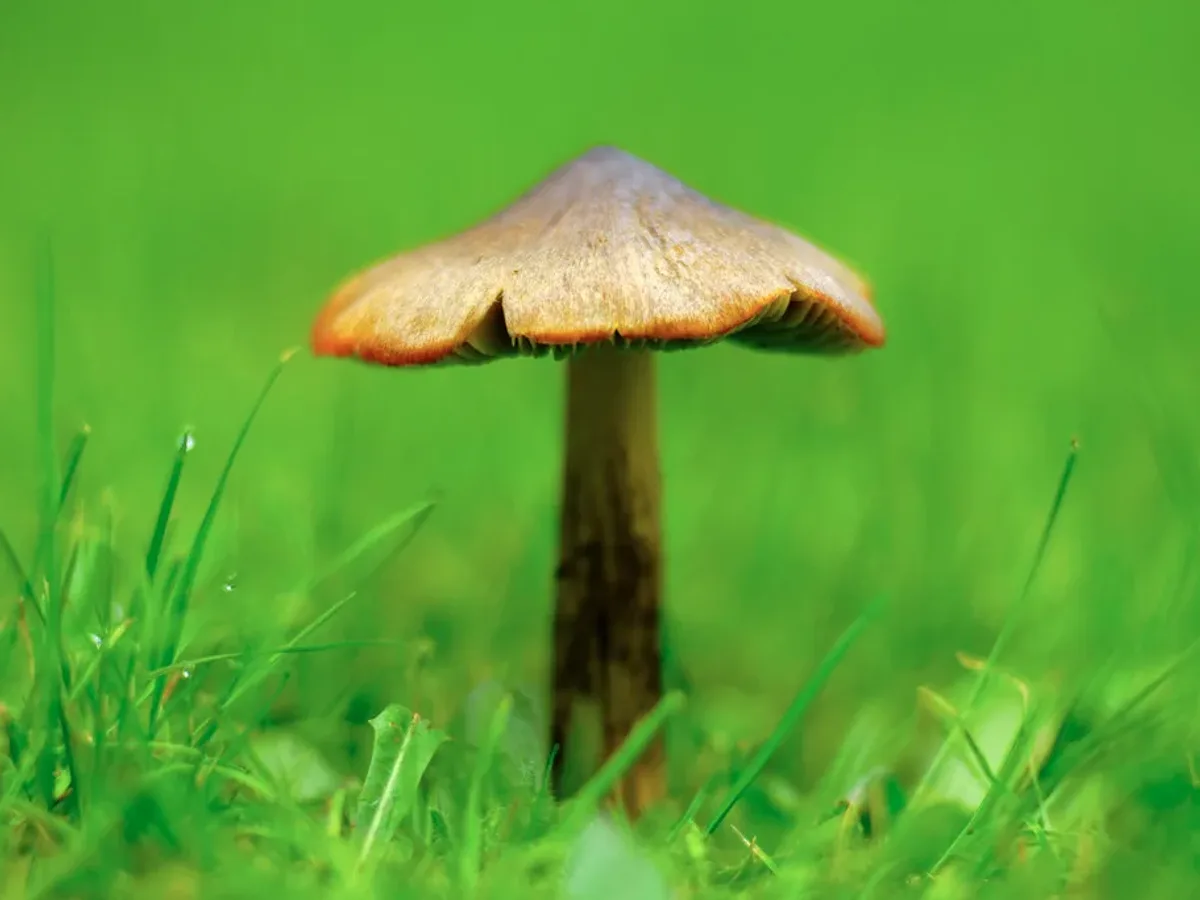 © Lukas Large (CC BY-SA 2.0)
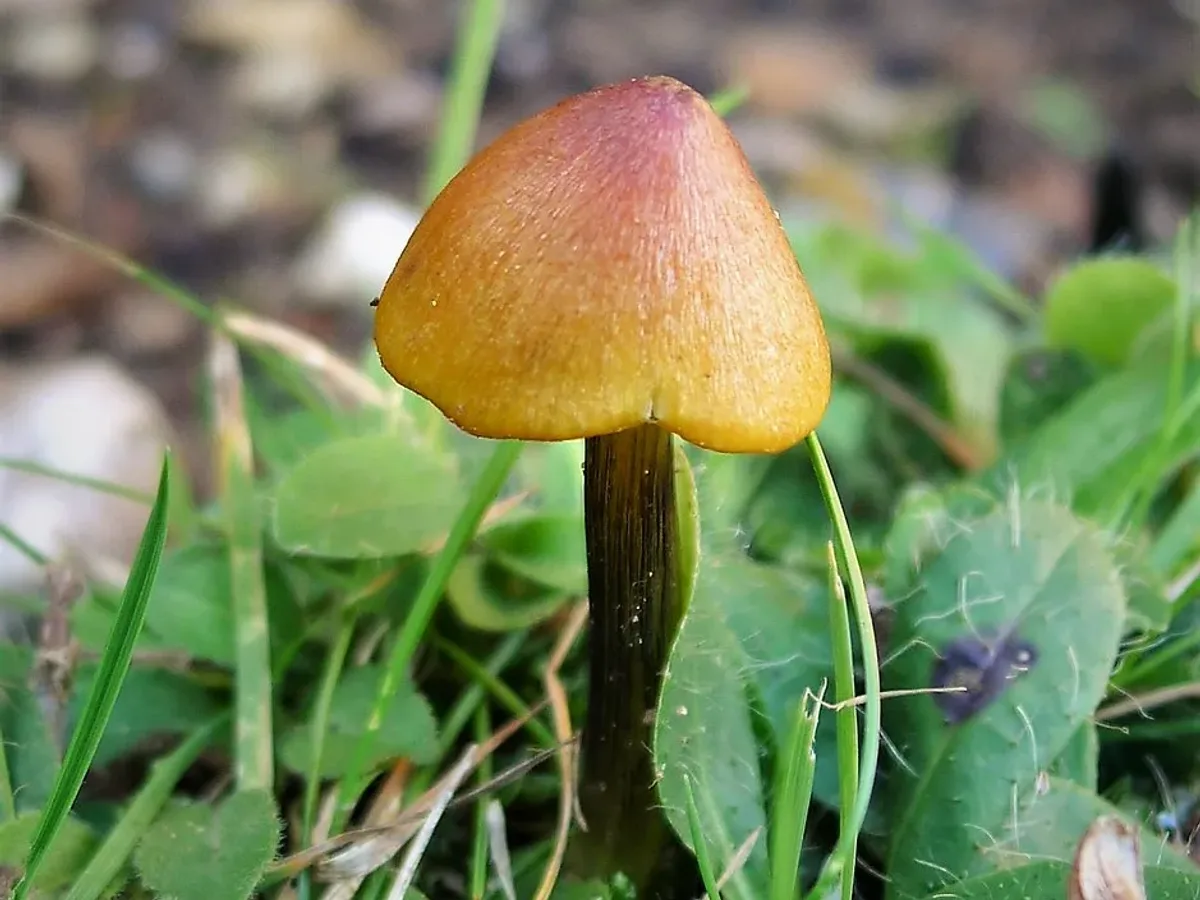 © gailhampshire (CC BY 2.0)
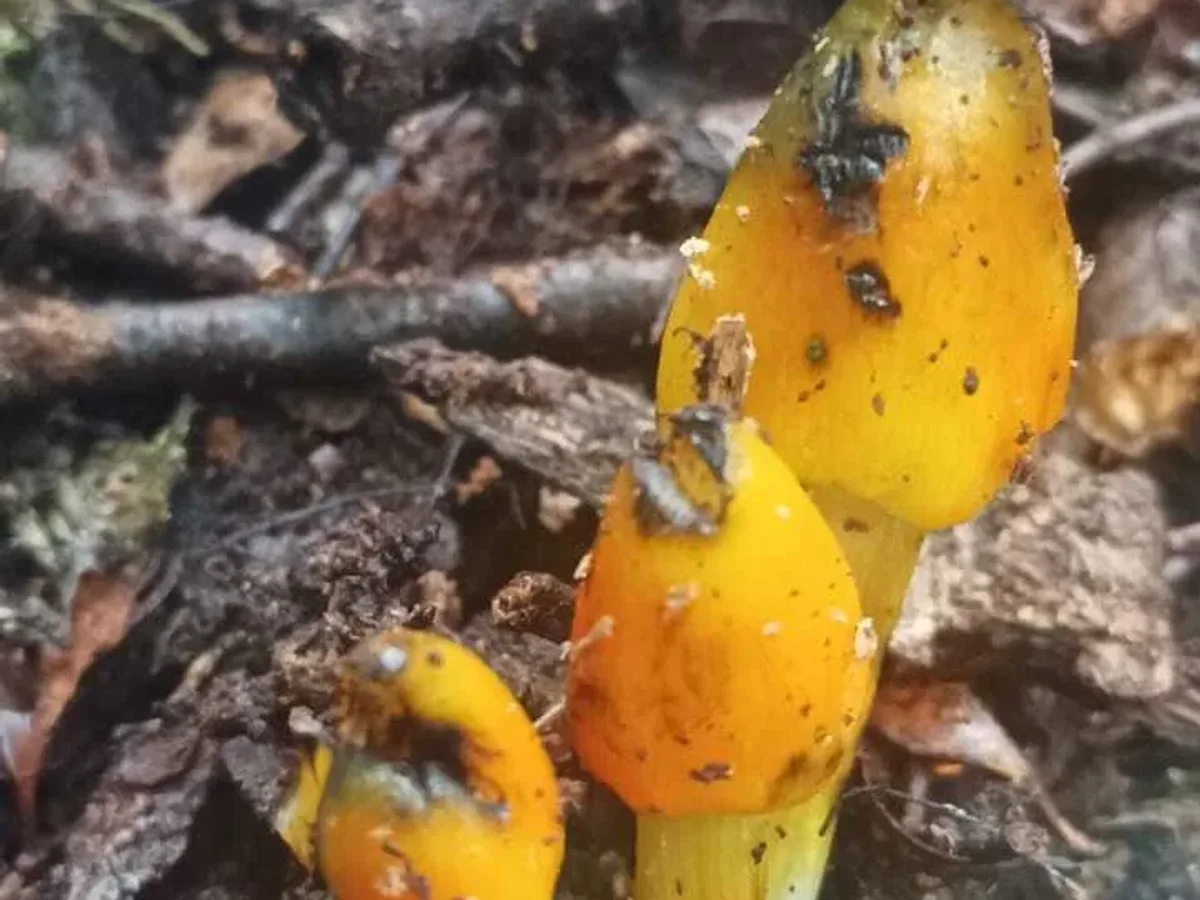 Ricardo Barrientos (CC0)
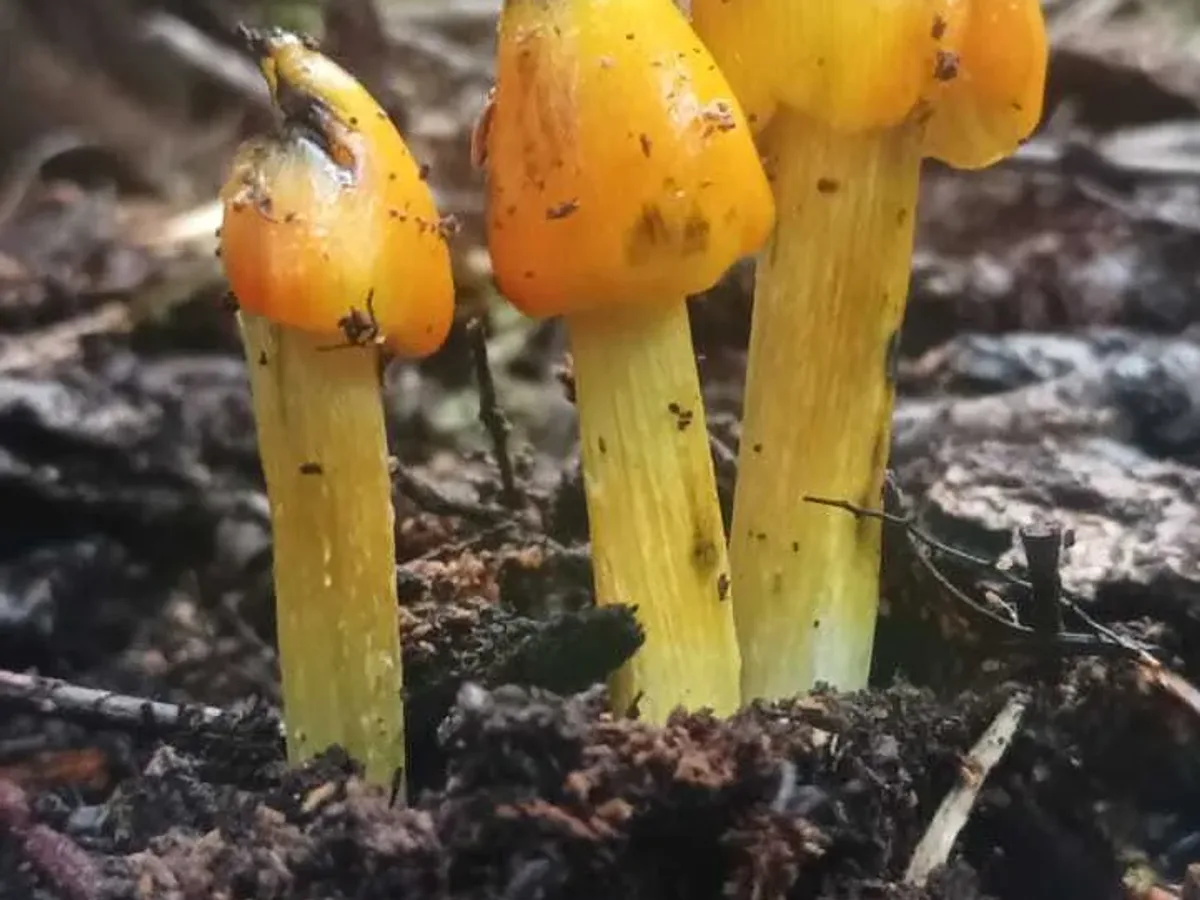 Ricardo Barrientos (CC0)
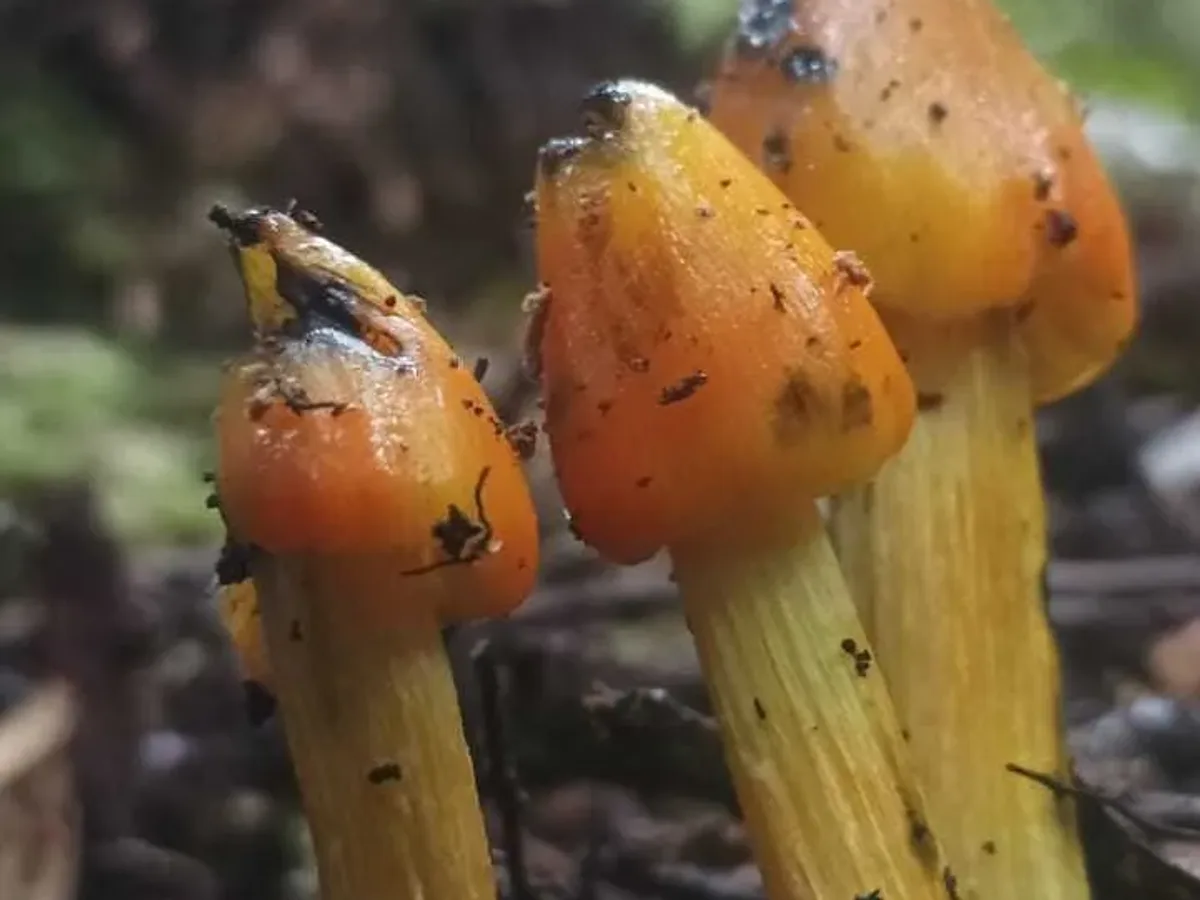 Ricardo Barrientos (CC0)
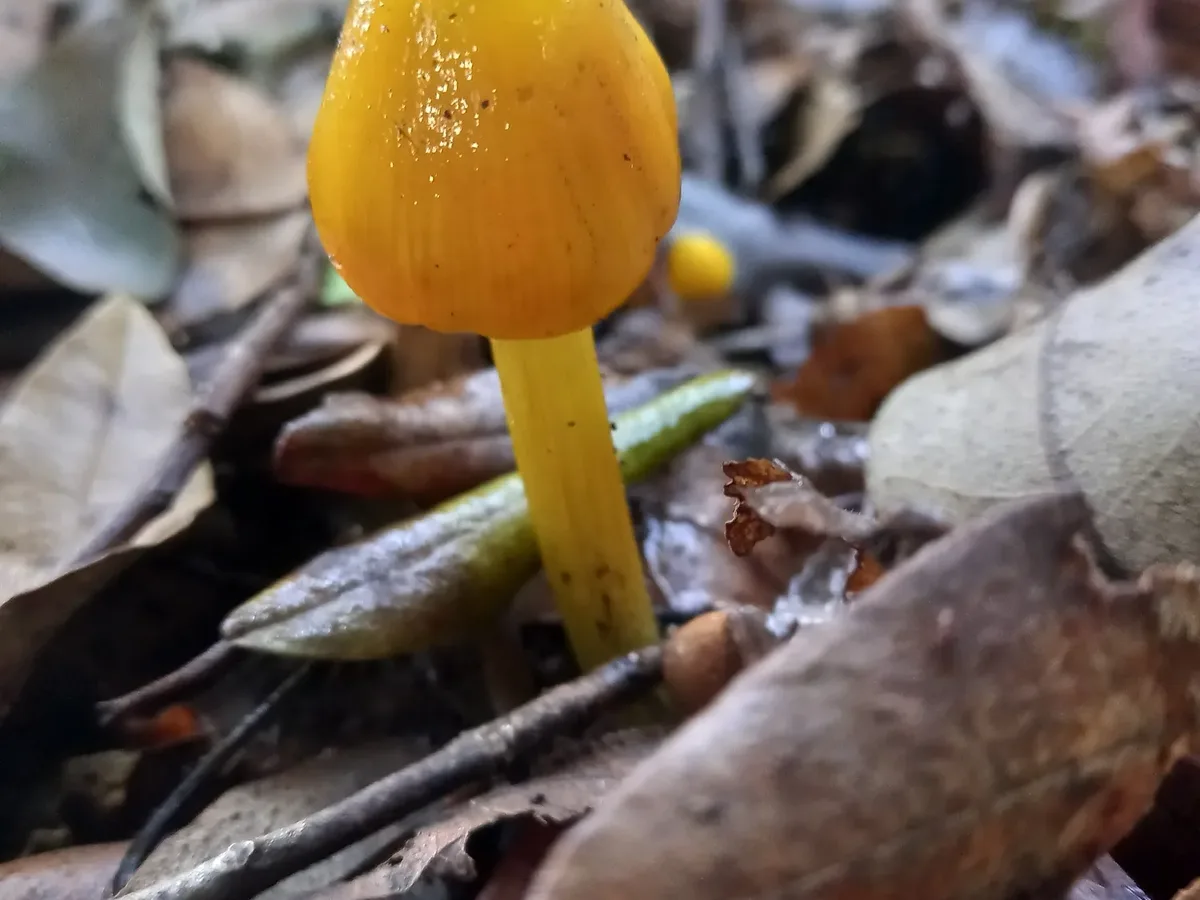 © Rafael Ancatrio (CC BY)
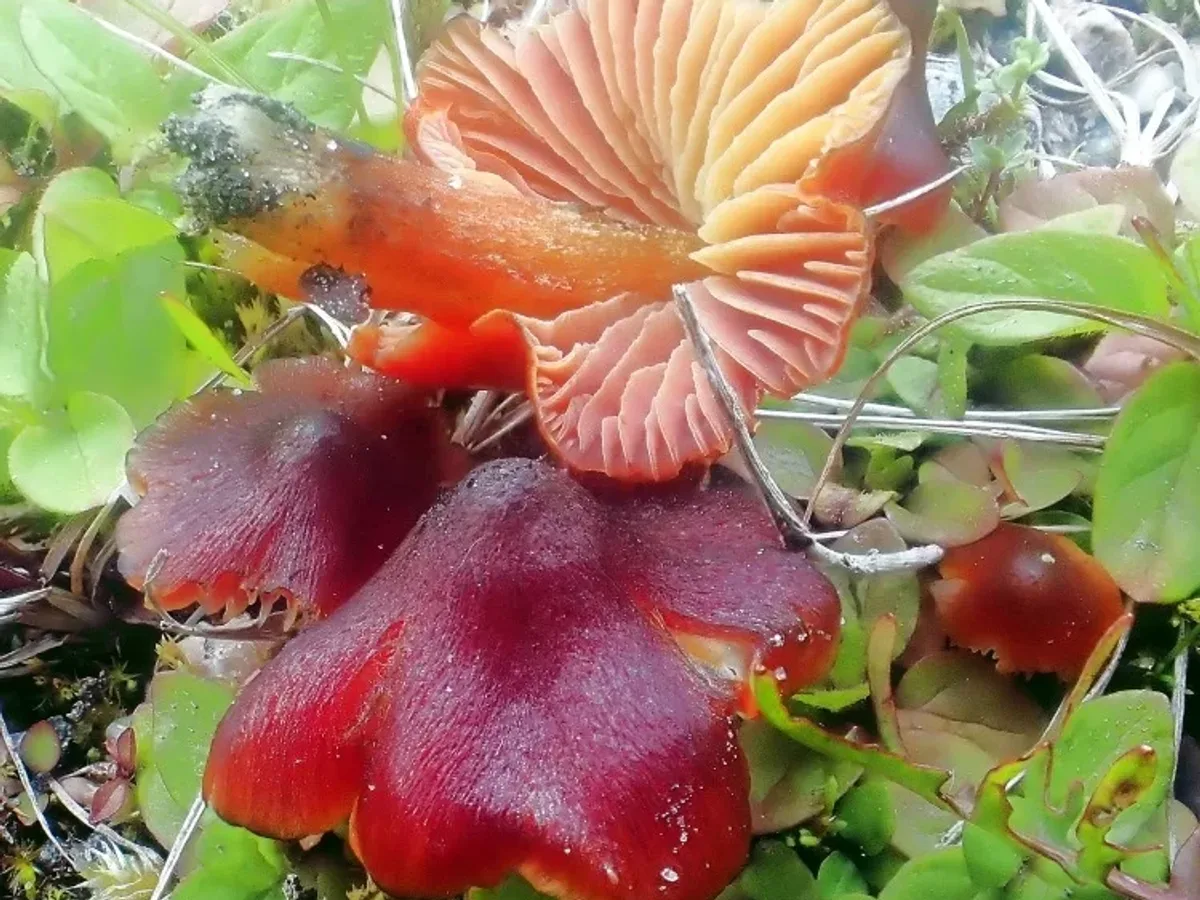 © Morten Pettersen (CC BY)
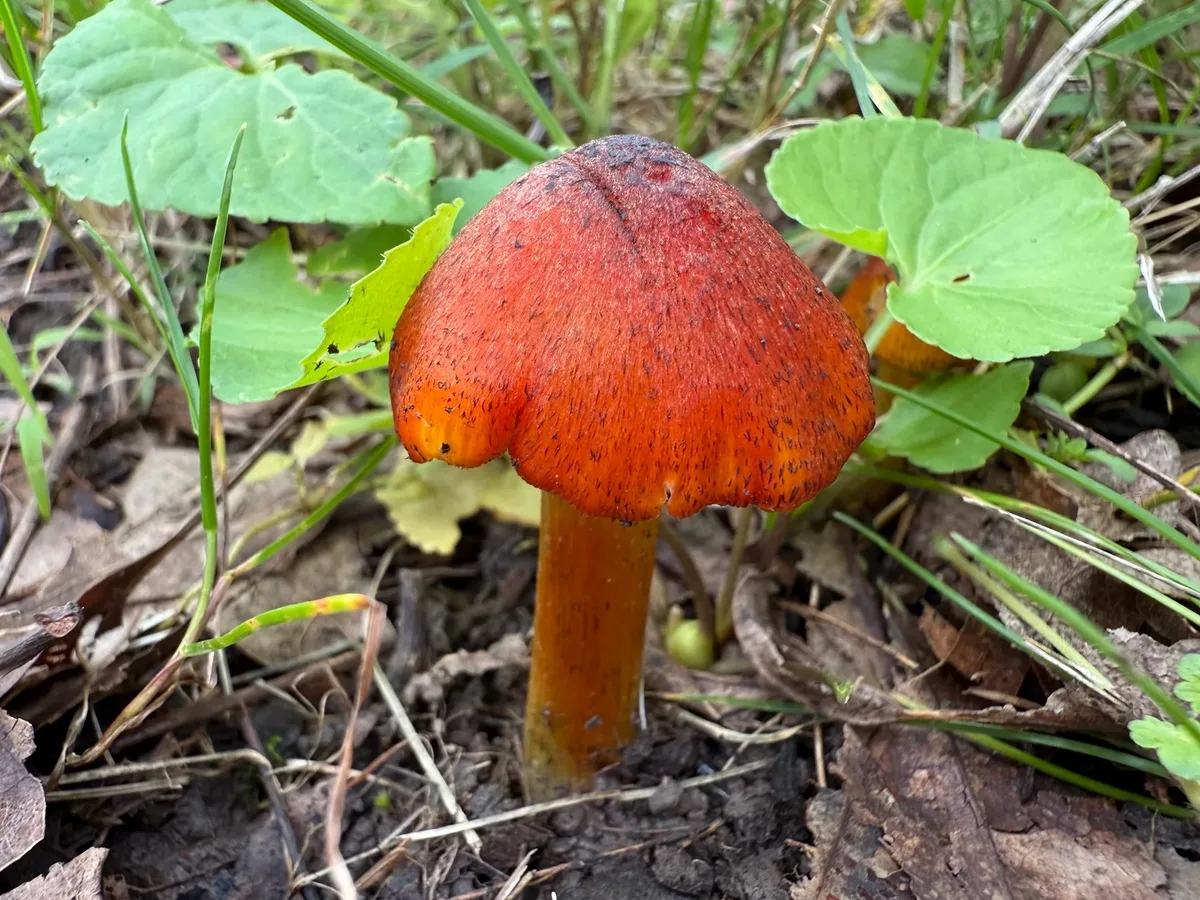 © Fluff Berger (CC BY-SA)
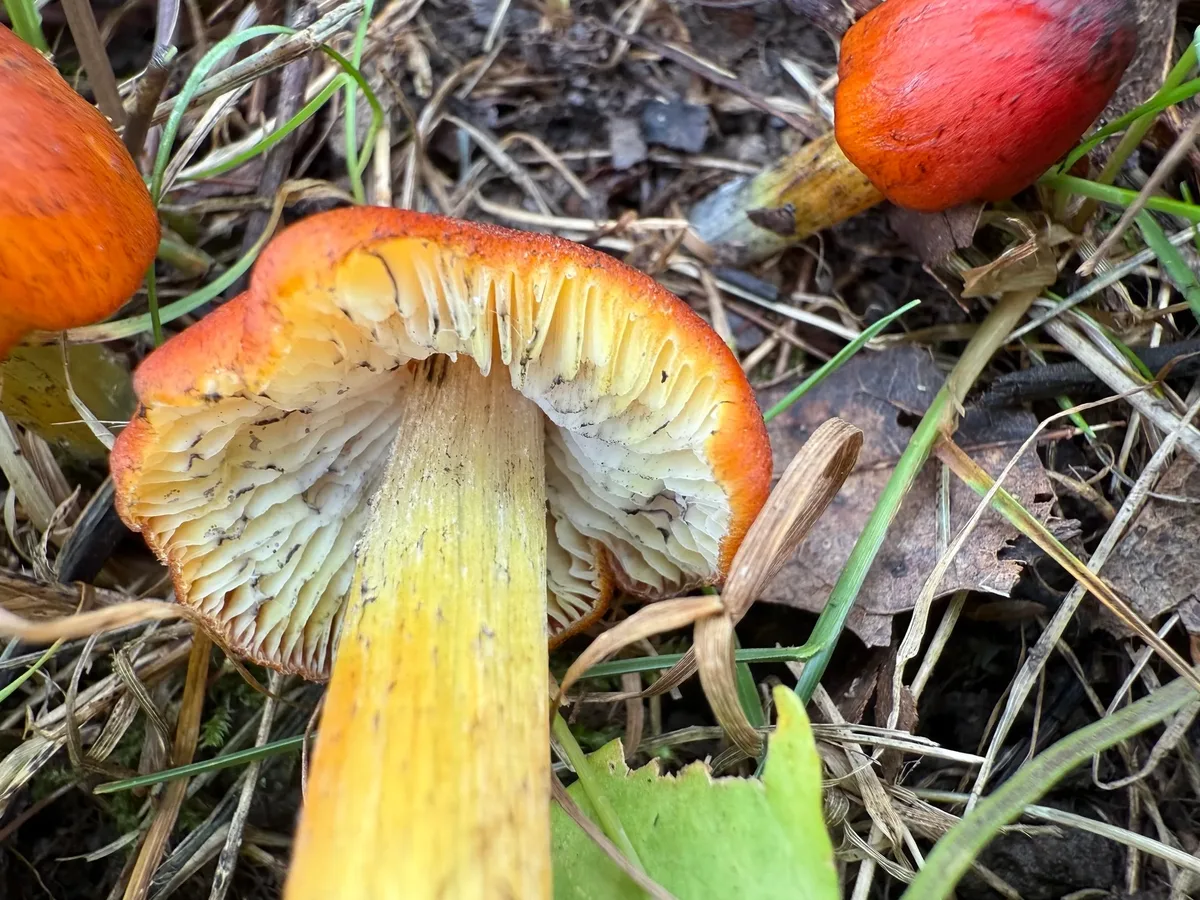 © Fluff Berger (CC BY-SA)
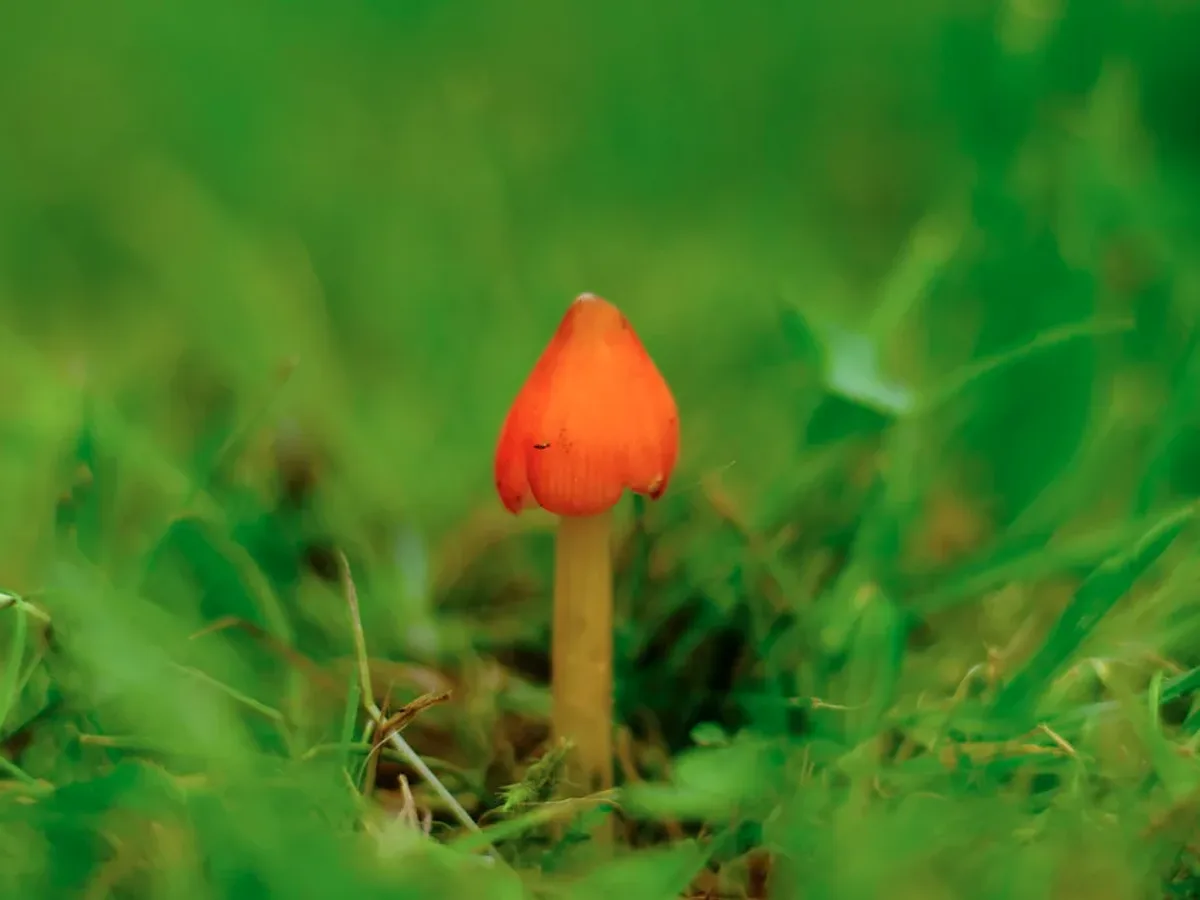 © Lukas Large (CC BY-SA 2.0)© Lukas Large (CC BY-SA 2.0)© gailhampshire (CC BY 2.0)
Edible only with the right preparation - or safe for some people but not others. Learn the caveats first.
How to recognise it
Hygrocybe conica is one of the most immediately recognisable waxcaps once you have seen it blacken. Fresh fruiting bodies are vivid.
As soon as any part is touched, bruised, or begins to dry, it turns progressively grey and then jet black - affecting every tissue including the gills and stem. The change happens within minutes, and once started it cannot be reversed.
Cap
The cap is sharply conical to acutely umbonate, rarely exceeding 8 cm across, and coloured an intense scarlet-red to orange or orange-yellow. The surface is dry and silky-fibrillose to striate near the margin.
Gills
The gills are pale yellowish-white, thick, and have the characteristic waxy feel shared by all Hygrocybe species.
Stem
The stem is tall relative to the cap, often twisted and longitudinally fibrous, concolorous with the cap, hollow, and lacking any ring or volva.
Spore print white; spores ellipsoid, smooth, 8-11 × 5-6 µm.
Why it's dangerous
Moderate - consumption causes gastrointestinal illness in a significant proportion of cases.
Not considered lethal under normal circumstances, but the complete toxicological profile is unknown. Avoid entirely.
Toxin
The toxic principles of Hygrocybe conica are incompletely characterised. The species is known to contain compounds with haemolytic activity in laboratory assays. Gastrointestinal irritants are also likely present.
The blackening reaction is caused by enzymatic oxidation of phenolic compounds (similar to a polyphenol oxidase reaction) and is not itself indicative of the toxin involved.
Symptoms
Reported symptoms after ingestion include:
- nausea
- vomiting
- gastrointestinal distress
Onset is typically within 0.5-3 hours of consumption. No fatalities are firmly documented, but the risk of illness is real and the toxins are poorly understood.
Any suspected ingestion should be evaluated by a medical professional or Poison Control.
Staying safe
Hygrocybe conica is considered suspect and potentially toxic. Although fatalities have not been firmly attributed to it, a number of sources report gastrointestinal illness after consumption, and the species contains haemolytic compounds.
It is listed as 'not edible' or 'suspect' in authoritative European references including Courtecuisse & Duhem and the Nordic sources. The toxins are not fully characterised.
DO NOT EAT this species. Its striking blackening reaction should serve as an unambiguous identifier and as a warning marker in the field.
Where & when it grows
Habitat
Hygrocybe conica is a species of ancient, unimproved grassland - one of the defining species of the European 'waxcap grassland' or CHEG community (Clavarioid fungi, Hygrocybe, Entoloma, Geoglossum assemblage).
It grows in old hay meadows, species-rich lawns, parkland turf, churchyards, hillside pasture, and coastal dune grasslands that have escaped ploughing, herbicide application, and intensive fertilisation for many decades, often centuries.
Finding this species is a strong indicator of ecological continuity in a grassland.
It does not typically occur in woodland (though it may appear at open woodland margins), and never on woody debris. It grows scattered or in troops, not in rings.
When
Across temperate Europe and North America the main season runs from late August through November, peaking in October. In the mild, wet Atlantic fringe of Britain and Ireland, fruiting bodies can persist into December.
A spell of moderate autumn rain followed by cool but not freezing temperatures draws out the best flushes. At higher elevations the season often kicks off a little earlier in the calendar.
How it grows
How Hygrocybe conica actually feeds is one of those open questions in mycology that has not been settled. It is neither a classical decomposer nor a conventional mycorrhizal partner.
Current thinking suggests it may form a loose nutritional relationship with grassland plants and soil mosses, though the mechanism is poorly understood.
What is clear is that it needs the undisturbed, biologically rich soil of ancient turf. It does not:
- grow on wood
- cluster like a stump-lover
- form fairy rings
Fruiting bodies emerge singly or in scattered groups from the grass surface.
Fruiting conditions
Flushes best after moderate autumn rainfall following a dry late-summer period, with cool but not freezing soil temperatures. Prolonged wet periods without cold snaps favour large flushes. In Atlantic climates with consistent autumn moisture, fruiting can be nearly continuous from August through November.
Look-alikes
The most important lookalikes are other red or orange waxcaps that do not blacken:
- Hygrocybe coccinea (Scarlet waxcap) has a broader, more flattened cap that does not blacken and has gills that are adnate to decurrent and strongly red.
- Hygrocybe punicea (Crimson waxcap) is much larger, more fleshy, and does not blacken.
- Hygrocybe acutoconica (Persistent waxcap) is the most easily confused species - it has a similarly conical shape and bright colours but either does not blacken or blackens only very slowly and partially, even when old and dried.
Distinguishing H. conica from H. acutoconica requires careful observation of the blackening rate. Some authorities treat them as varieties of the same species.
None of the true lookalikes are deadly, but Hygrocybe conica itself is considered suspect.
H. punicea is substantially larger and more fleshy, with a broad umbonate cap rarely as sharply conical. Colours are deep crimson to scarlet. Critically, it does not blacken on bruising or drying.
Distinctively multicoloured (green, pink, yellow, orange) with a very slimy cap and stem when wet. Does not blacken. Much smaller. Easily distinguished by the greenish tones and glutinous surface.
The most problematic lookalike. Very similar shape and colour but either does not blacken at all or blackens only very slowly and partially even when fully mature and dried. Often treated as a variety of H. conica. Safe separation requires careful observation of the blackening speed - true H. conica blackens within minutes of any damage.
H. coccinea has a broader, less sharply conical cap that is more flattened at maturity and does not blacken on bruising or with age. Gills are bright red, adnate to slightly decurrent, and remain red rather than turning black.
A yellow-capped form sometimes separated as a variety. Behaves identically and blackens in the same way. Not a different species from a safety perspective.
A reference guide - never an edibility guarantee. When in doubt, leave it out.