Lion's mane
Hericium erinaceussyn. Hericium americanum, Hericium coralloides
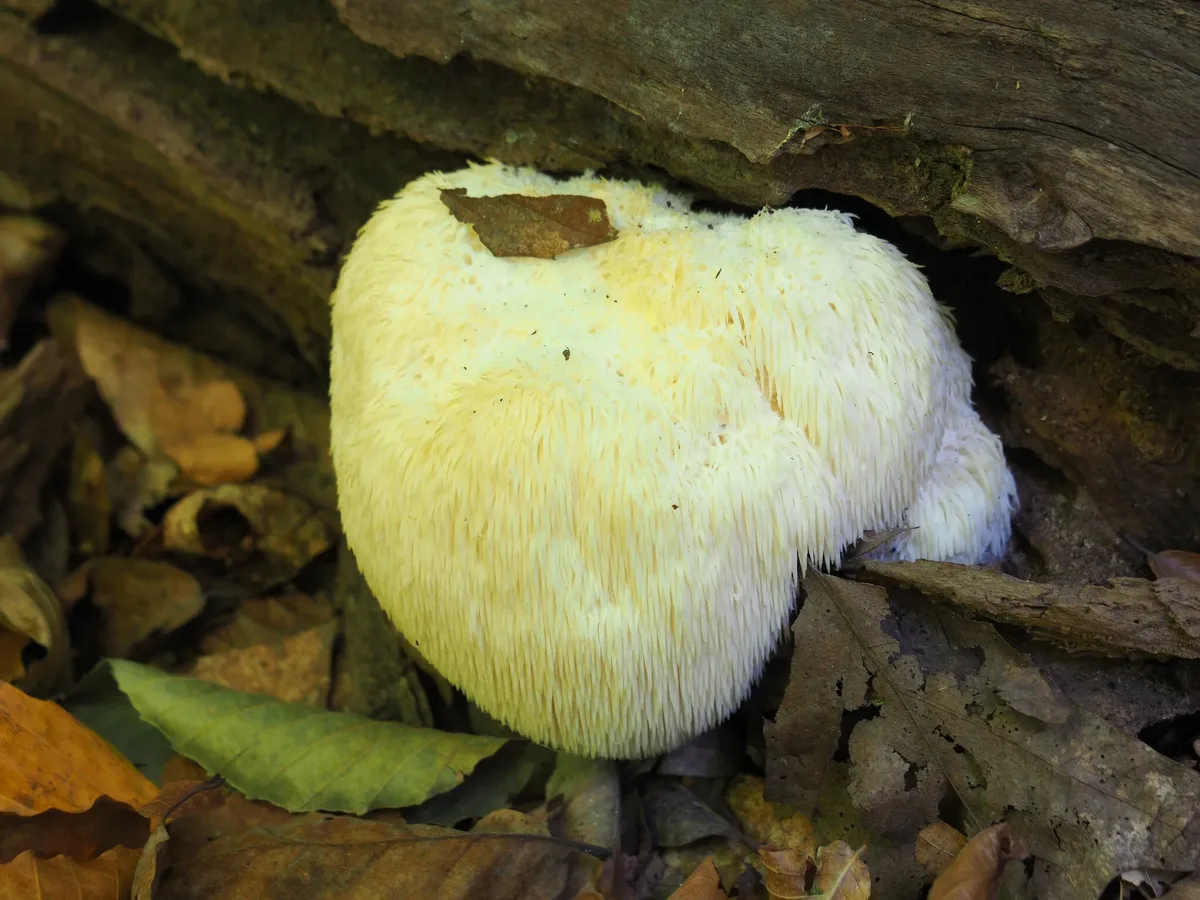 © Katja Schulz (CC BY 4.0)
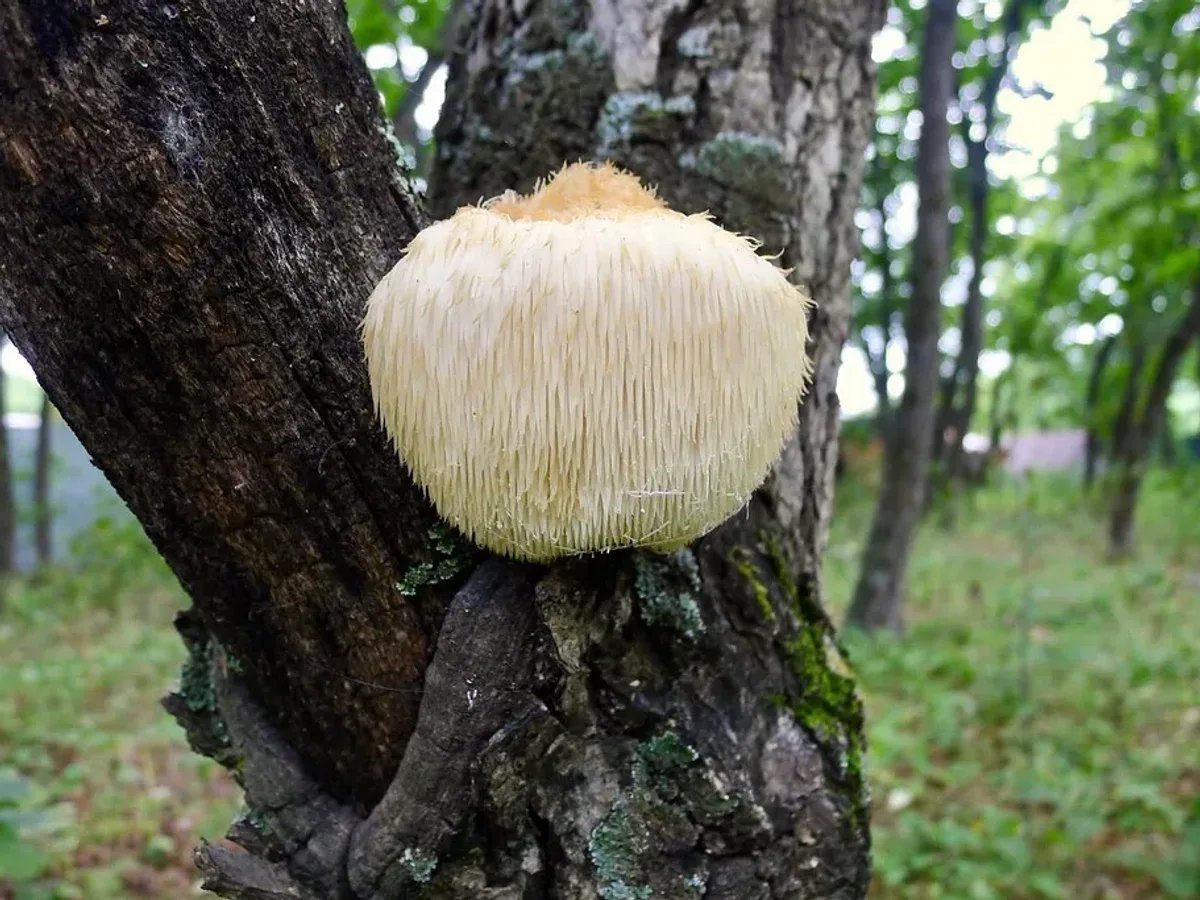 © Dr. Alexey Yakovlev (CC BY-SA 2.0)
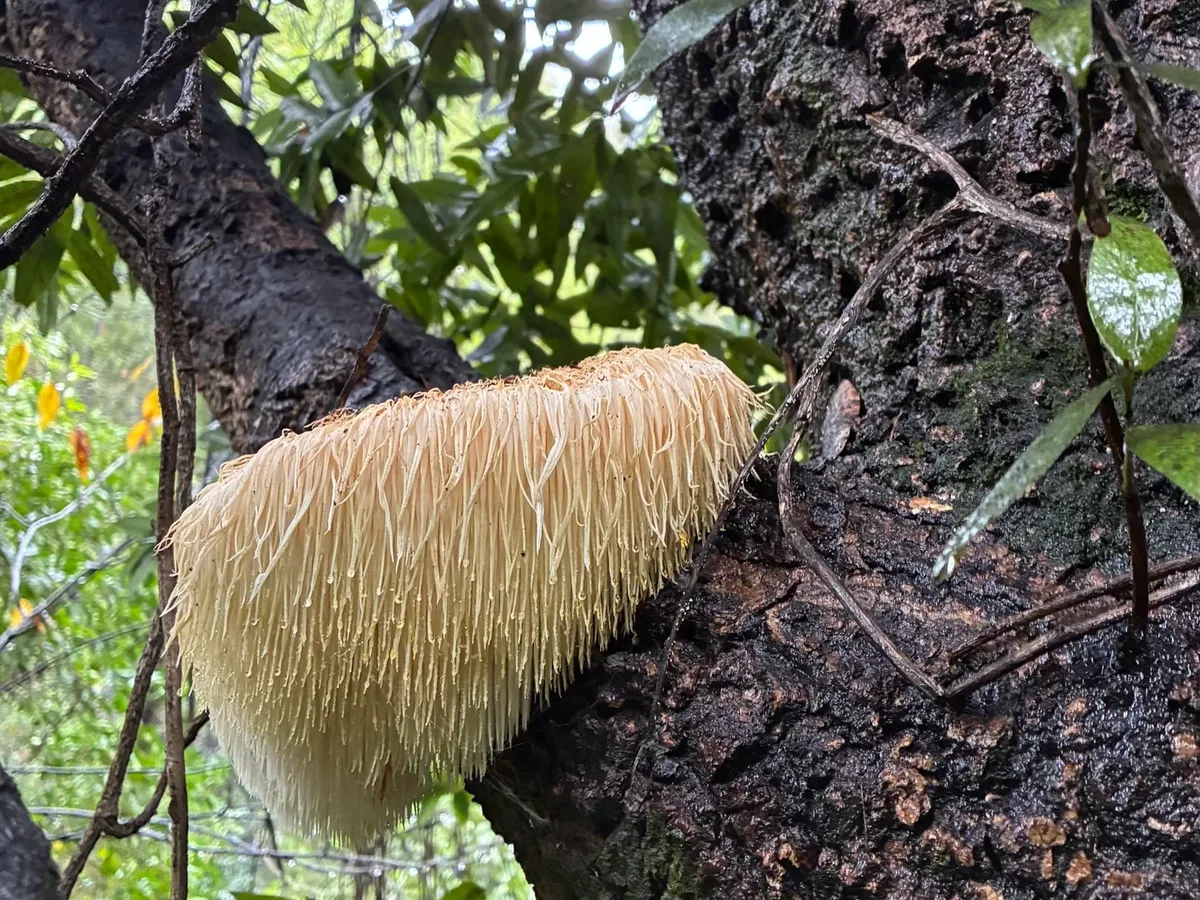 © Sarinda Newell (CC BY)
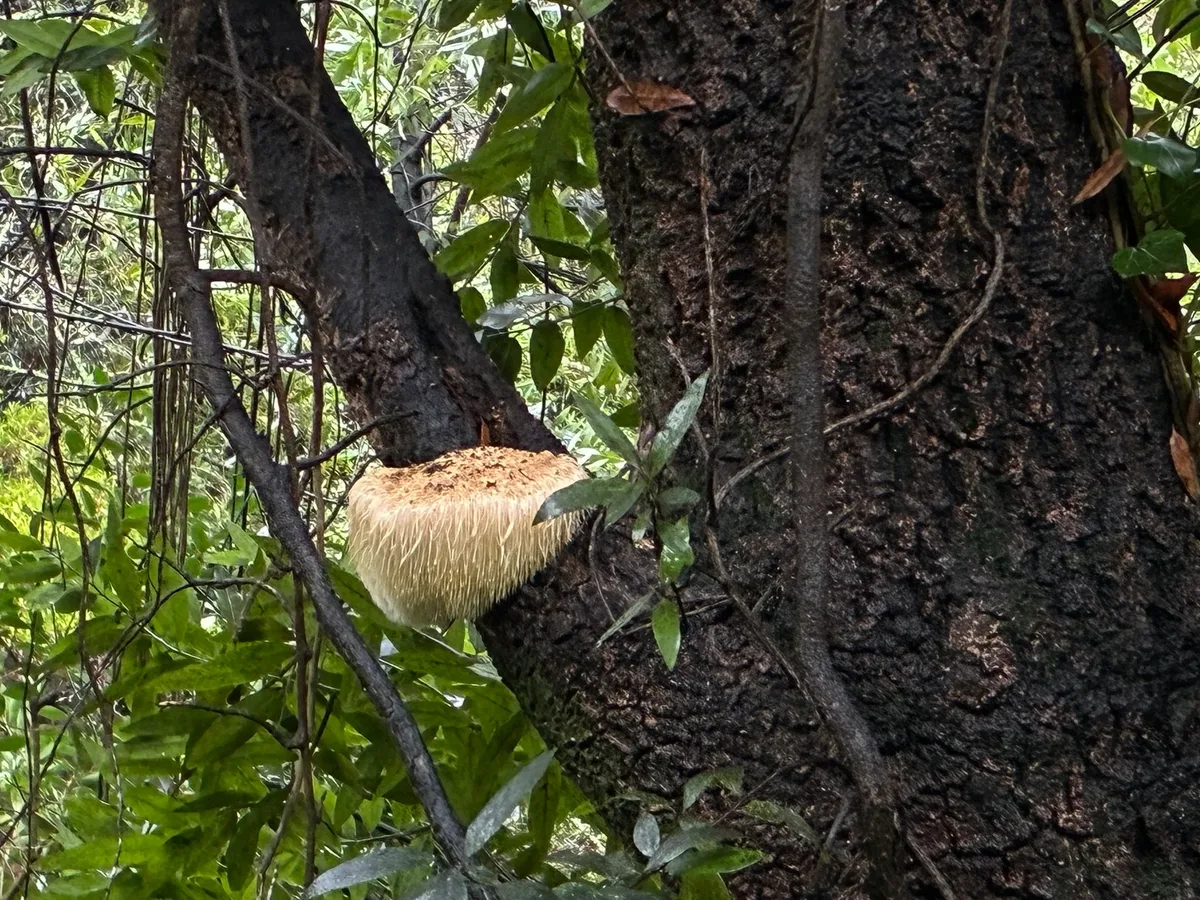 © Sarinda Newell (CC BY)
 © Sarinda Newell (CC BY)
 Chuck Wilson (CC0)
 Chuck Wilson (CC0)
 Chuck Wilson (CC0)
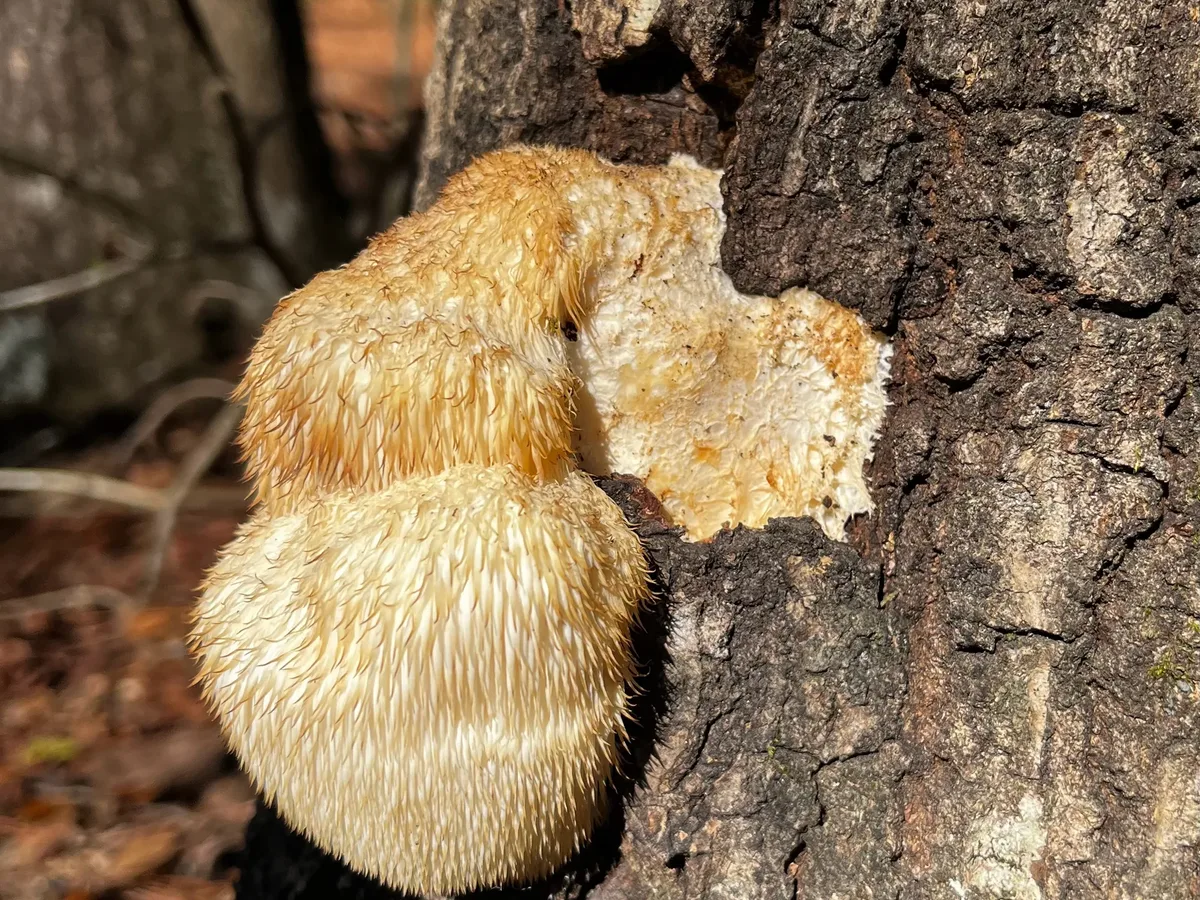 © Dmitry Podobreev (CC BY)
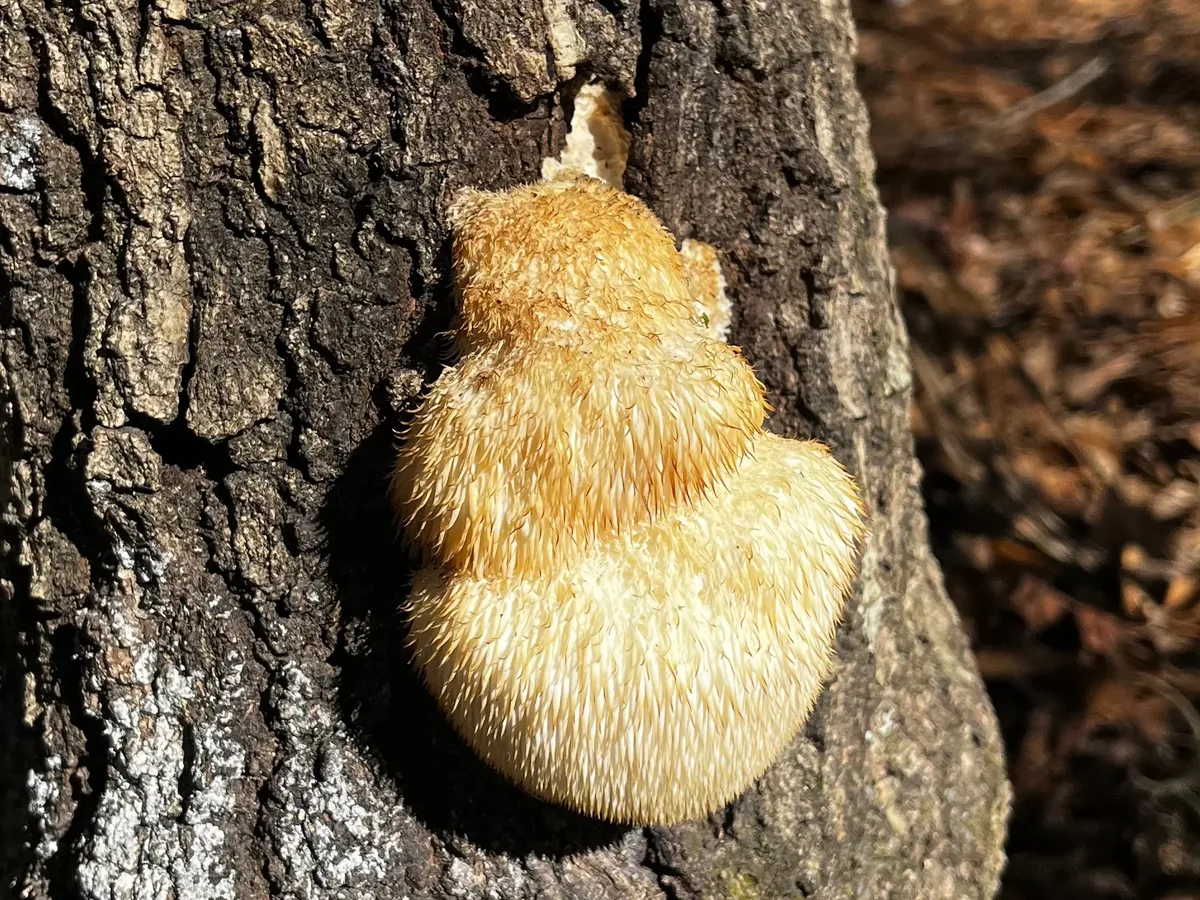 © Dmitry Podobreev (CC BY)
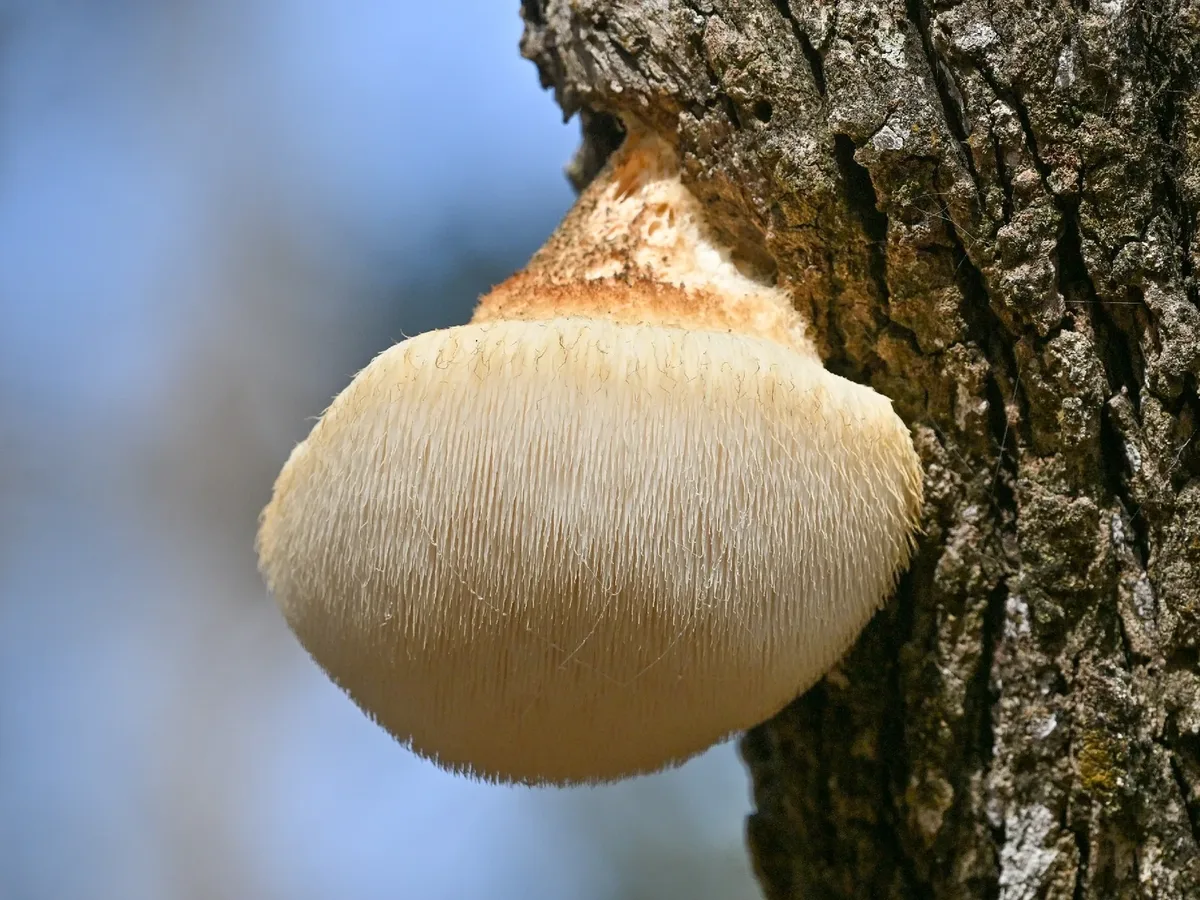 © Tom Kennedy (CC BY)
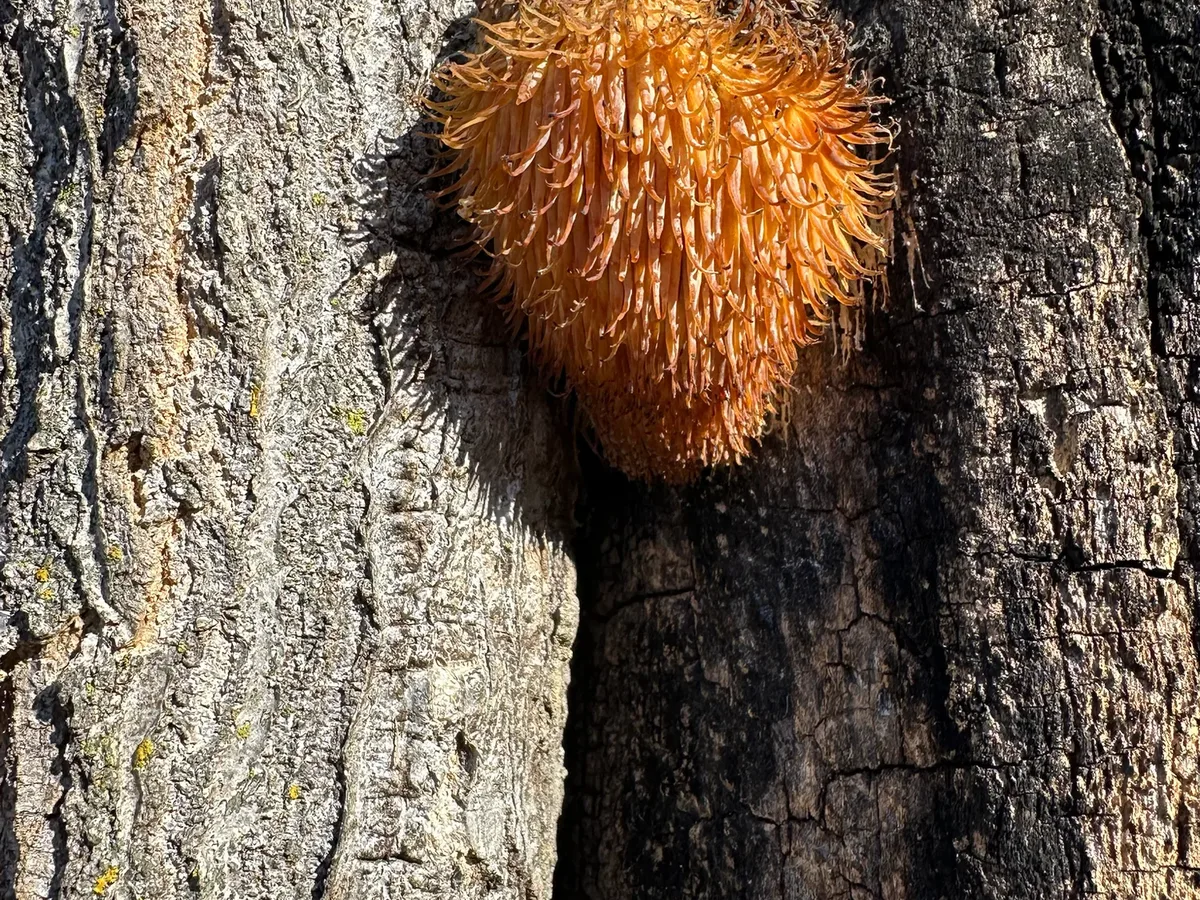 Krystal Sumner (CC0)
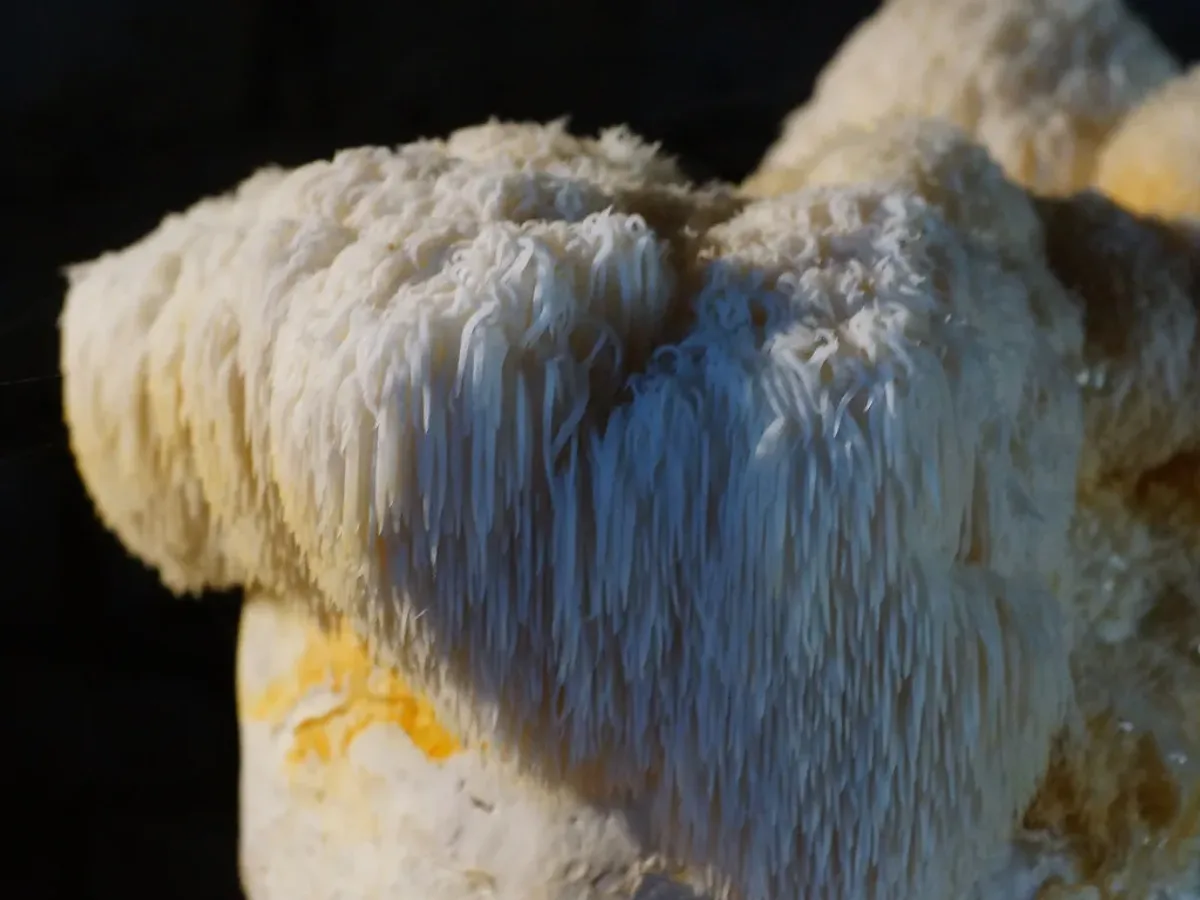 © Ephemeral Impressions (CC BY-SA 2.0)
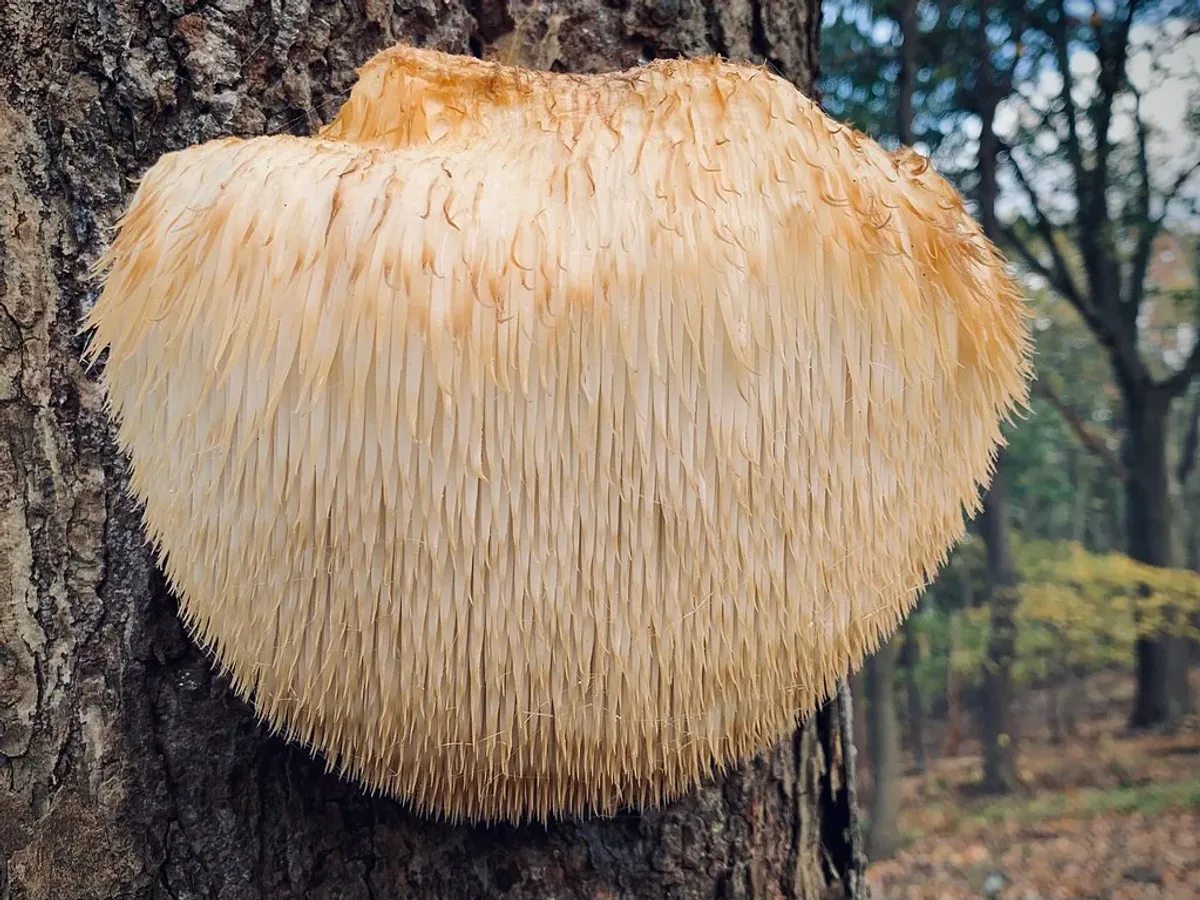 © Dave Bonta (CC BY-SA 2.0)
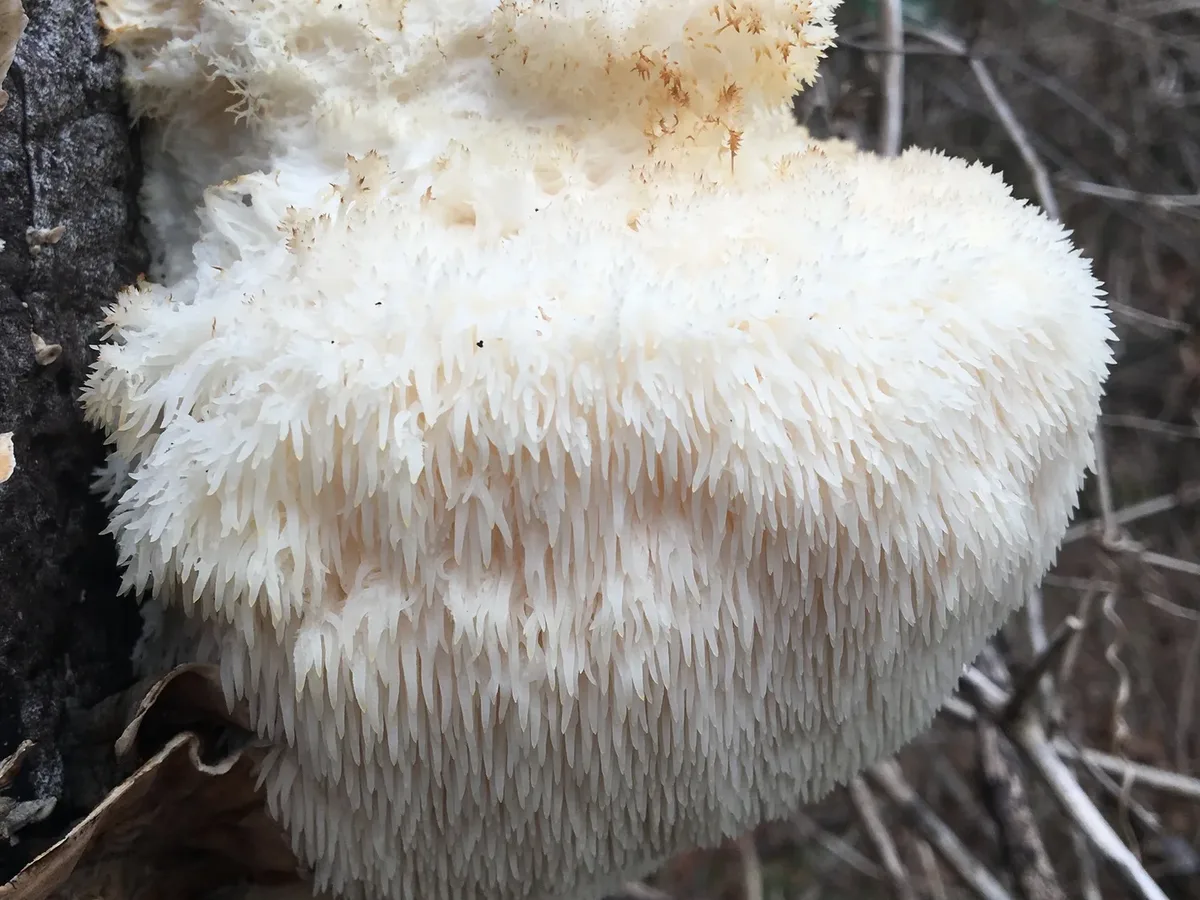 © Jessica (CC BY 4.0)© Katja Schulz (CC BY 4.0)© Dr. Alexey Yakovlev (CC BY-SA 2.0)
One of the best mushrooms you can bring home - once you are certain of the identification.
How to recognise it
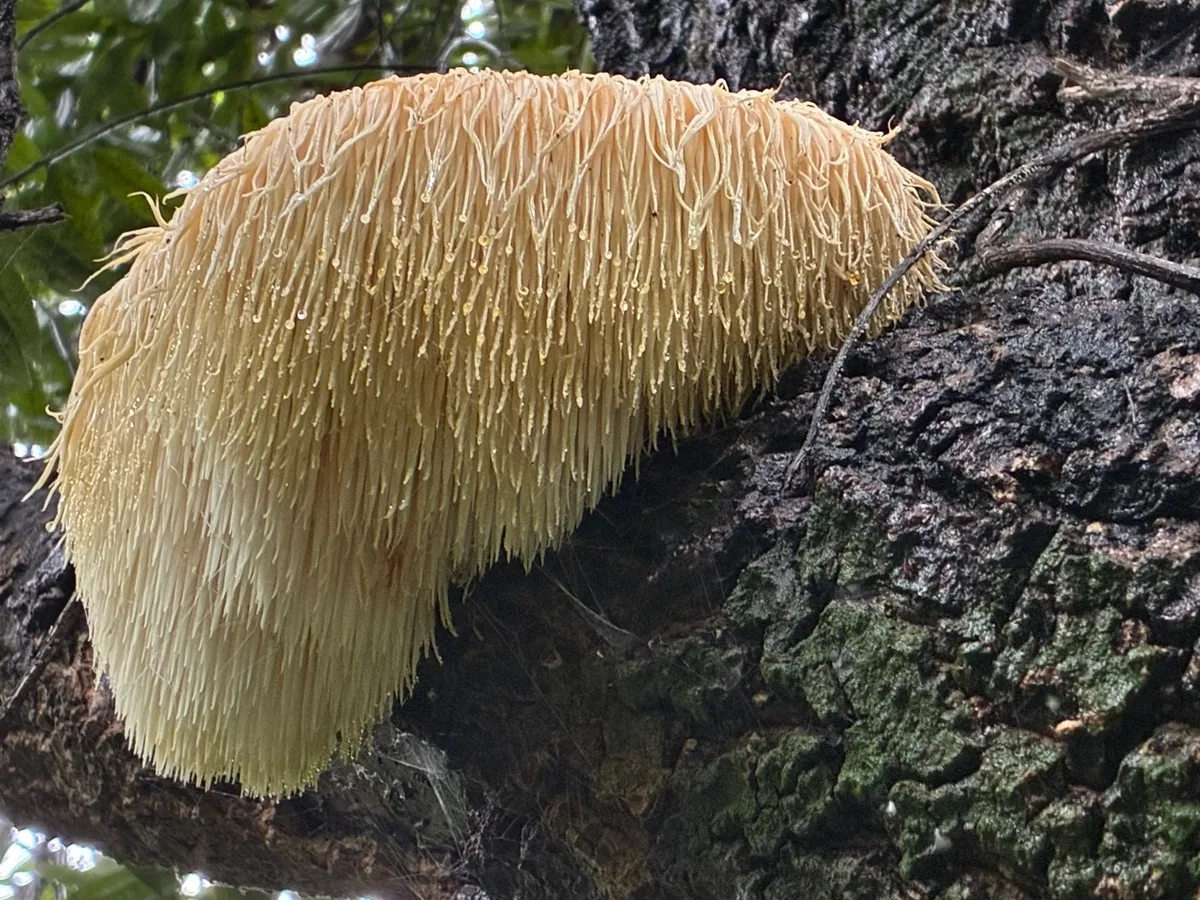
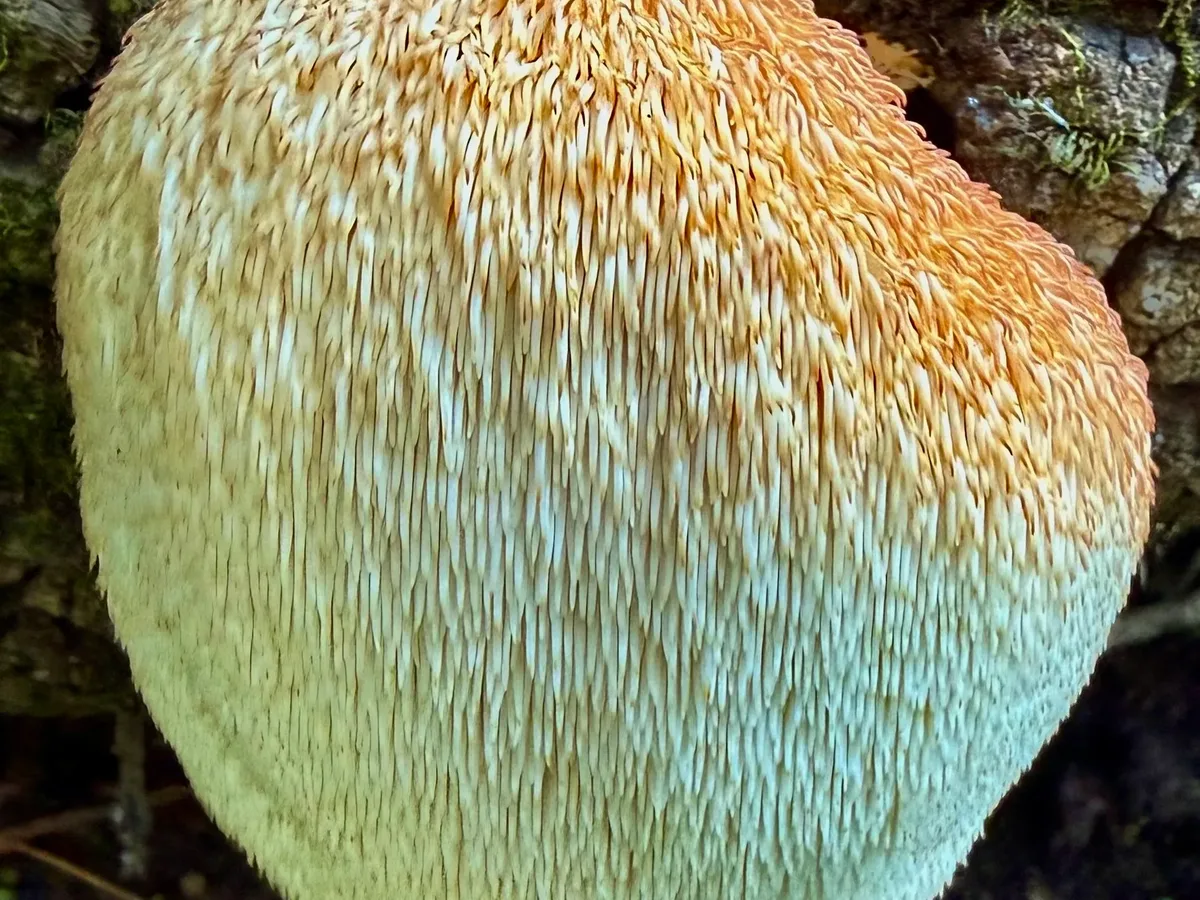
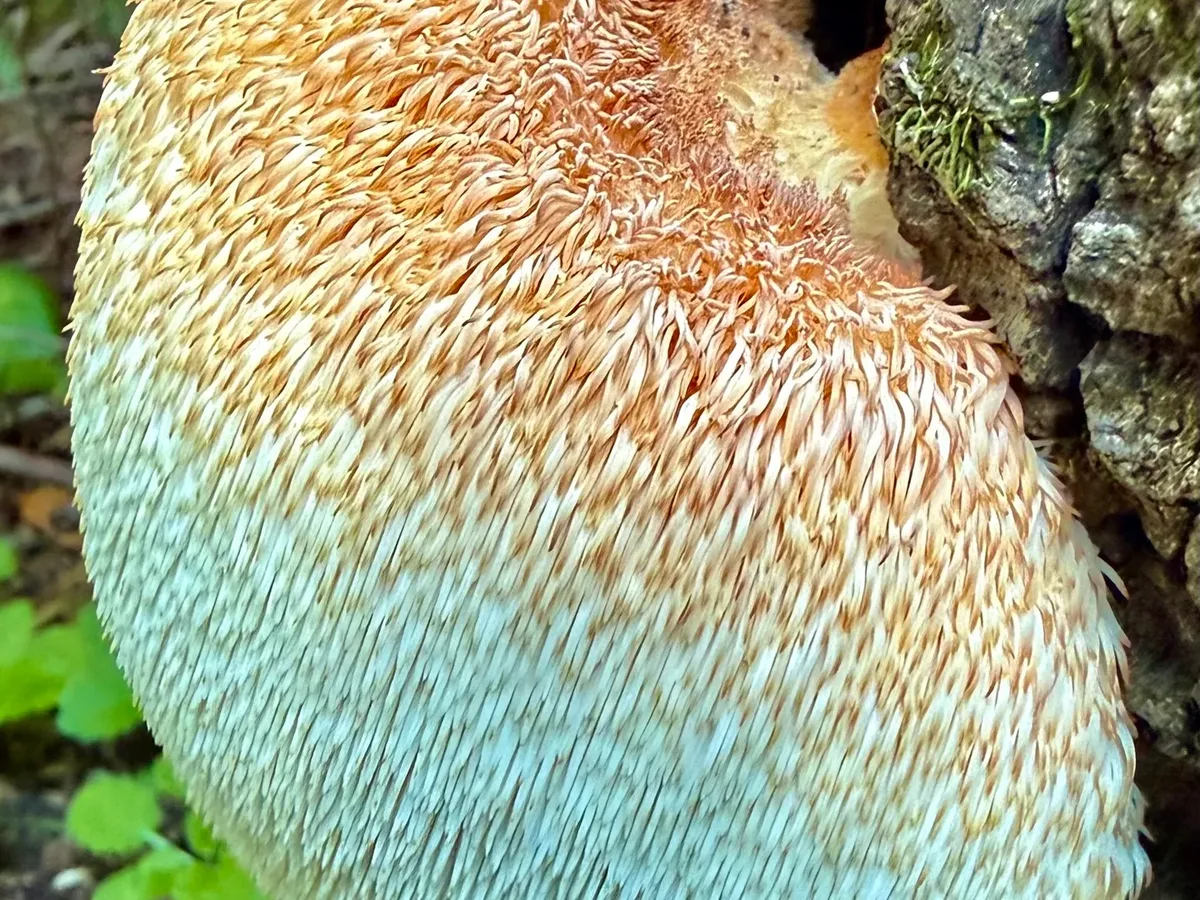
Lion's mane is one of the most morphologically distinctive fungi in the temperate world - a single, dense, unbranched mass of pure white spines that cascade downward from the point of attachment like a frozen waterfall or an improbably fluffy beard clinging to the bark.
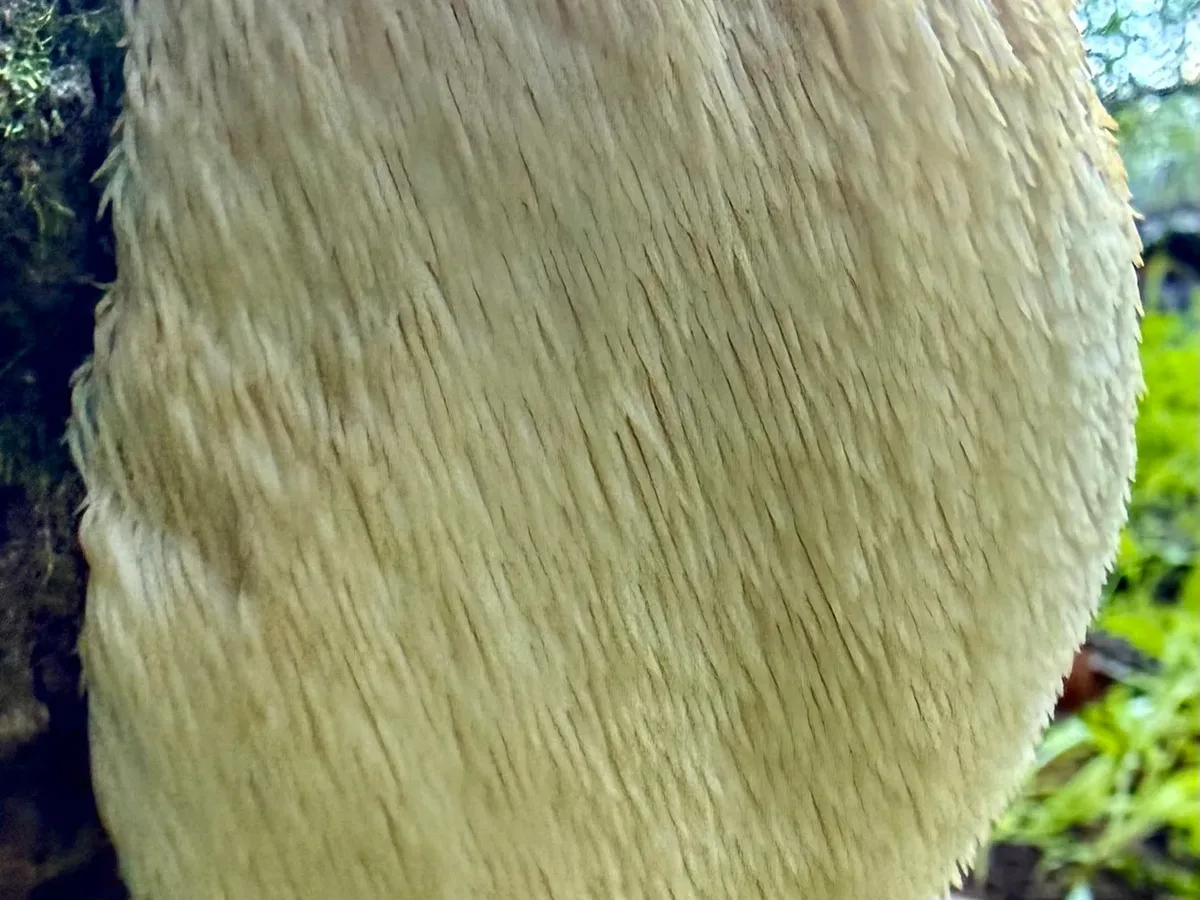
Each individual spine (or tooth) is slender, typically 1-4 cm long, and hangs in tight parallel rows from a compact, fleshy core that remains hidden inside the cascade. Up close the surface has an almost silky translucence when fresh; the flesh inside is firm, white, and finely fibrous.
Colour is the clearest freshness cue: a newly emerged fruitbody is pure bright white, and as the days pass and the tissues oxidise it shifts through cream to pale straw yellow. Fully yellowed specimens are still edible but noticeably more bitter.
The related Hericium americanum produces similar spines but on a branched scaffold - multiple arms radiating outward, each armed with long hanging teeth. Hericium coralloides is more intricately branched in a coral or chanterelle-like architecture with distinctly shorter spines.
All three occur in eastern North America, sometimes on the same species of tree, and all three are edible - so distinguishing them is a matter of curiosity rather than safety.
No other common fungus in the region presents this combination of white colour, vertical hanging spines, and single-point trunk attachment.
Where & when it grows
Habitat
Hericium erinaceus is a wood-decay fungus that specialises in the heartwood of mature hardwoods, predominantly oak (Quercus) and beech (Fagus) in eastern North America. It occasionally colonises maple, walnut, and other broadleaf species.
It gains entry through a wound: a broken limb, a frost crack, a lightning scar, or any disruption to the protective outer bark. Once inside, the mycelium spreads through the sapwood and heartwood, initiating a white-rot decay that gradually softens and lightens the wood by degrading both lignin and cellulose.
The tree is not necessarily dead or even dying - H. erinaceus is an opportunist that can persist quietly within a living host for years before producing a visible fruitbody. You are as likely to find it projecting from a wound on an otherwise healthy, leafy oak as from a standing dead snag.
The fruitbody typically emerges from a single location - a knot hole, a branch scar, or an open crack - and often appears quite high on the trunk, sometimes 5-10 metres above the ground, which can make an obvious sighting a frustrating one.
It does not form underground mycorrhizal networks. Entirely dependent on its wooden substrate, it returns to the same wound site year after year if the tree and the mycelium both persist.
When
The primary fruiting window in eastern North America runs from late summer through late autumn, most commonly September through November. Records extend into December and February during mild winters or in the warmer parts of the range.
Unlike soil-fruiting species that respond acutely to rainfall soaking into the ground, H. erinaceus depends on moisture penetrating the wood and the bark. It often follows prolonged wet spells in late summer, when sustained humidity and the first cooling temperatures tip the mycelium from vegetative growth into reproduction.
A fruitbody that has just emerged after rain can grow noticeably in a single day; the same site may remain bare for one or several consecutive years if autumn conditions are dry.
Because the fungus typically returns to the same wound site, a tree where you found it once is worth revisiting every autumn.
The season is longer in the south of the range and shorter in the north, where hard frosts end fruiting abruptly.
How it grows
Hericium erinaceus is a white-rot saprobe and facultative parasite. It decomposes the structural polymers of wood - primarily lignin and cellulose - through extracellular enzymes secreted by the mycelium.
Unusually for a wood-decay fungus, it can do this while the host is still alive, exploiting compromised tissue rather than waiting for the tree to die.
The mycelium grows slowly and persistently through the heartwood, and the visible fruitbody is only a seasonal expression of that hidden mass. Much of the organism's life is spent as pale, thread-like hyphae woven through the grain of the wood, waiting for the right combination of moisture and temperature.
Spores are produced on the surface of each hanging spine, released in white clouds when disturbed or carried on air currents. Its wide but patchy distribution reflects both the availability of suitable large-wound hardwood trees and the relatively specific environmental trigger for fruiting.
Research into the secondary chemistry of H. erinaceus has identified compounds called hericenones and erinacines that appear to stimulate nerve growth factor (NGF) synthesis in cell-culture and rodent studies.
These findings have attracted considerable commercial interest, but as of the mid-2020s no clinical trials in humans have produced firm evidence of cognitive or neurological benefit - the pharmacological interest is real, the clinical translation is not yet established.
Fruiting conditions
Wood-decay fungus; fruiting on logs and standing trunks is driven by sustained autumn moisture and cooling temperatures rather than soil conditions.
Look-alikes
The only species likely to be confused with Hericium erinaceus are its two close relatives, both of which are equally edible.
- Hericium americanum (bear's head tooth) produces a branched fruitbody with multiple arms radiating from a central base, each arm carrying long hanging spines similar in length to those of H. erinaceus.
- Hericium coralloides (coral tooth) is more finely branched in a spreading, coral-like form with noticeably shorter spines arranged in tufts along the branches rather than hanging freely.
All three species share the same white-to-cream colour, the same hanging-spine structure, and the same substrate - hardwood trunks. Because the distinction carries no safety consequence (all three are choice edibles with similar flavour and texture), it is primarily of botanical interest.
Coral fungi in the genus Ramaria grow from the soil and form upward-branching structures without downward-pointing spines. They do not resemble Hericium when examined closely, and they grow from the ground rather than from wood.
No toxic species shares the hanging-spine-on-hardwood-trunk combination that defines the genus.
Grow from the ground and lack the downward-pointing spines of Hericium.
Finer, coral-like branching with short spines; edible, so no safety risk from confusion.
A branched Hericium with long spines; edible, so no safety risk from confusion.
In the kitchen
Picking & cleaning
Locate the fruitbody by scanning trunks rather than the ground - look for a white mass suspended from bark at a wound or knot hole, often well above eye level. A pair of binoculars is genuinely useful in mature forest.
When you can reach it, cut cleanly at the base of the attachment point with a knife, taking as little woody tissue as possible and leaving the underlying mycelium intact to fruit again in future seasons.
The spines trap leaf fragments and bark debris easily, so a soft brush or a gentle stream of cool water is the best cleaning approach. Avoid washing more than necessary - the tissue absorbs water readily and excess moisture degrades both texture and flavour during cooking.
Fresh specimens keep well for three to five days in the refrigerator, in a paper bag or loosely wrapped in a dry cloth. Avoid airtight plastic, which traps moisture and accelerates yellowing.
Very large finds (fruitbodies can reach 20-30 cm across and 1-2 kg in weight) are worth slicing and drying for longer storage, though dried lion's mane loses some of its characteristic texture.
Cooking
Lion's mane is prized for a flavour that is mild, subtly sweet, and distinctly seafood-like. The comparison to crab or lobster is both widespread and genuinely apt, arising from glutamate-rich umami and a fibrous, slightly chewy texture that mimics the mouthfeel of cooked crustacean meat.
The key to good results is patience and heat. The fruitbody contains a great deal of water, and if cooked at too low a temperature or in too crowded a pan the moisture steams out slowly and you end up with a soggy, pale result.
Instead:
- 1Slice the mass into rounds or slabs 1-2 cm thick.
- 2Press them gently to expel surface moisture.
- 3Sear in a hot dry pan, or with a small amount of butter or neutral oil, until each face is deeply golden-brown before turning.
This caramelisation drives off water, concentrates flavour, and produces a satisfying crust. The cooked interior remains white and tender.
Classic preparations include:
- Simple pan-frying with butter, garlic, and herbs.
- Shredding the cooked flesh for crab-cake or fish-cake recipes.
- Slicing thinly and incorporating into pasta or risotto.
- Making tempura-style fritters.
It absorbs sauces and marinades readily once cooked. Drying concentrates the flavour and makes it suitable for stock or seasoning, though the signature texture is lost.
Do not eat raw.
Good to know
Hericium erinaceus is a choice edible with an excellent safety record and no known toxic compounds.
It must be cooked before eating - raw consumption occasionally causes mild gastrointestinal discomfort and is not recommended.
A small number of case reports describe allergic hypersensitivity reactions (including contact dermatitis and, in rare cases, respiratory symptoms) in individuals with prior sensitisation, typically through repeated occupational exposure to dried lion's mane powder in supplement manufacturing. These reactions are uncommon and unrelated to poisoning.
No lookalikes in eastern North America are toxic.
The pharmacological literature sometimes references the species' nerve-growth-factor-stimulating compounds (hericenones, erinacines). These are present at very low concentrations in edible quantities of mushroom and have not been associated with any adverse effect in the context of normal food consumption.
A reference guide - never an edibility guarantee. When in doubt, leave it out.