Cinnamon bracket
Hapalopilus nidulanssyn. Hapalopilus rutilans, Polyporus nidulans, Polyporus rutilans, Phlebia nidulans, Tyromyces nidulans
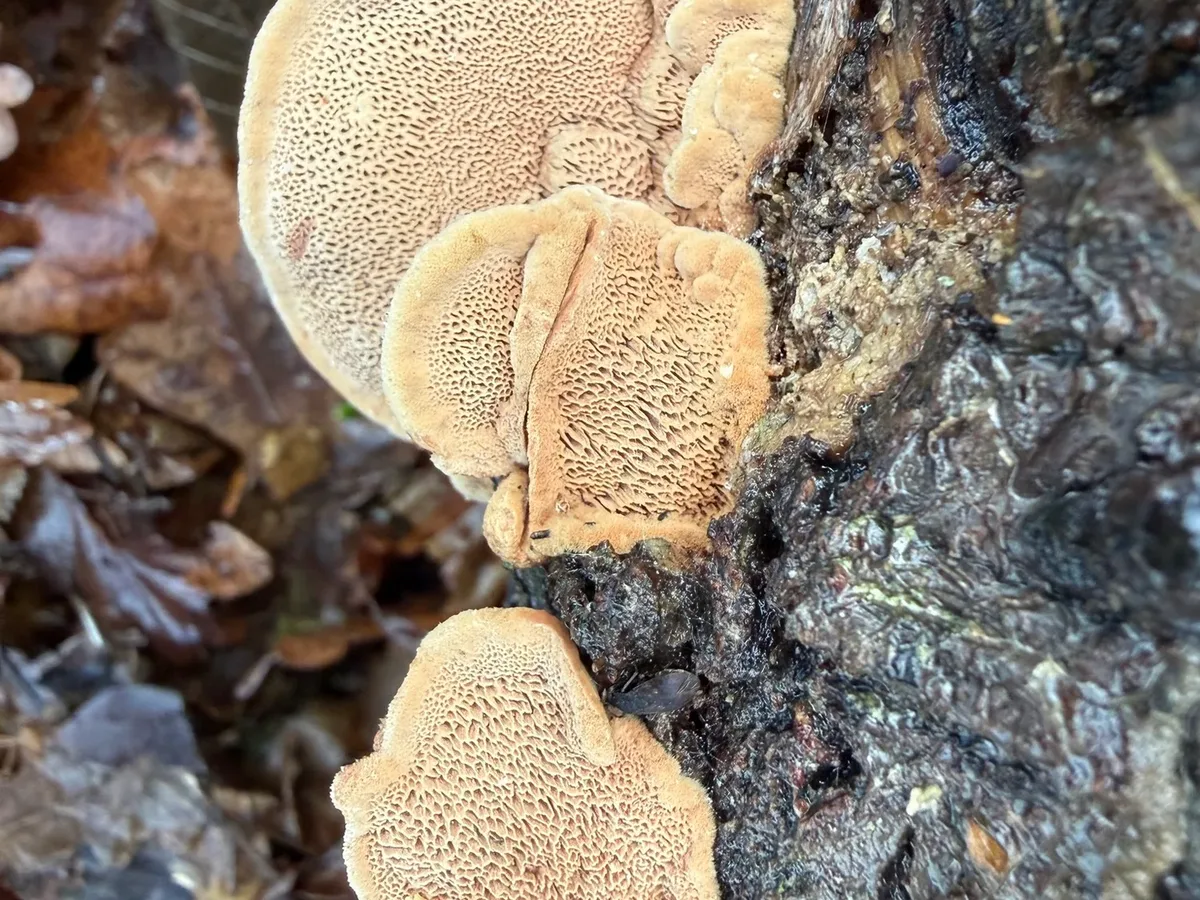 Charles Joynson (CC0)
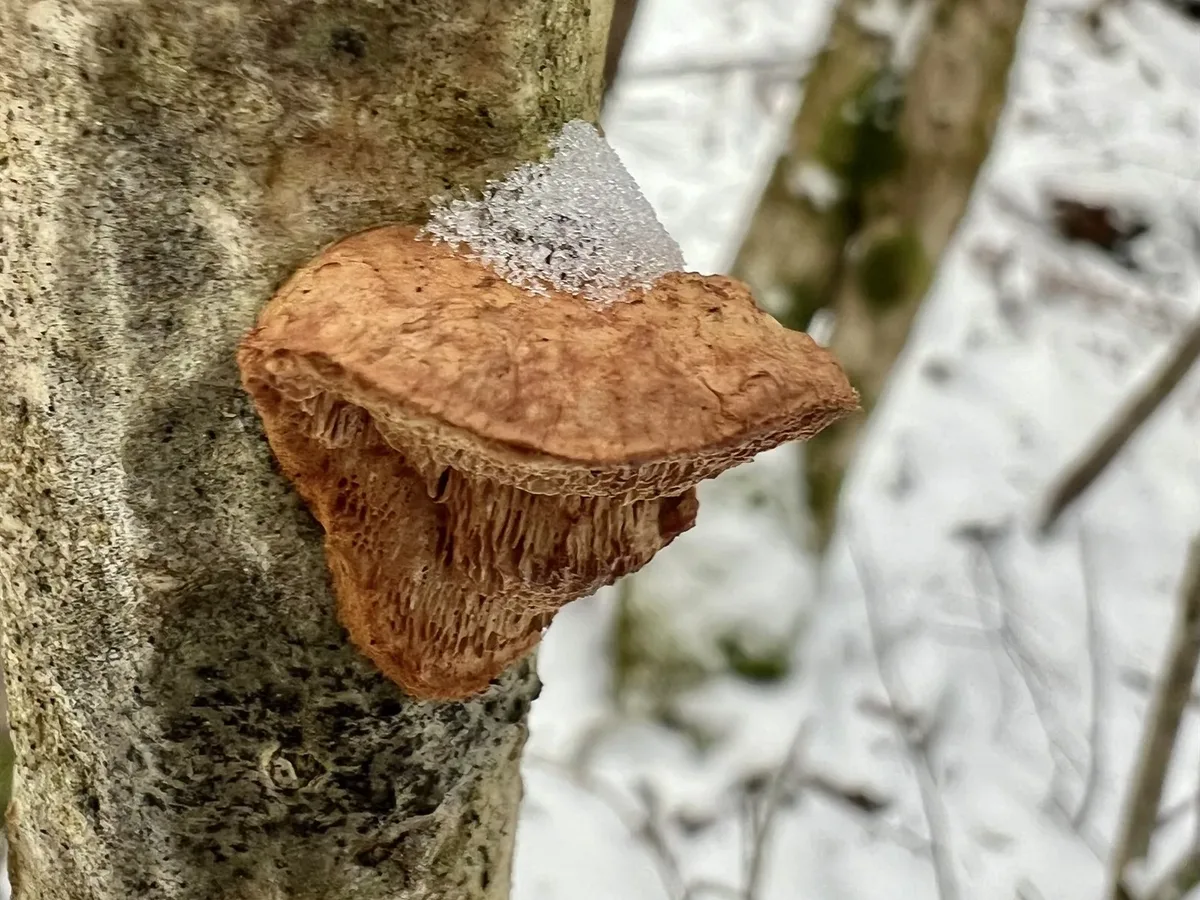 © Rune Zakariassen (CC BY)
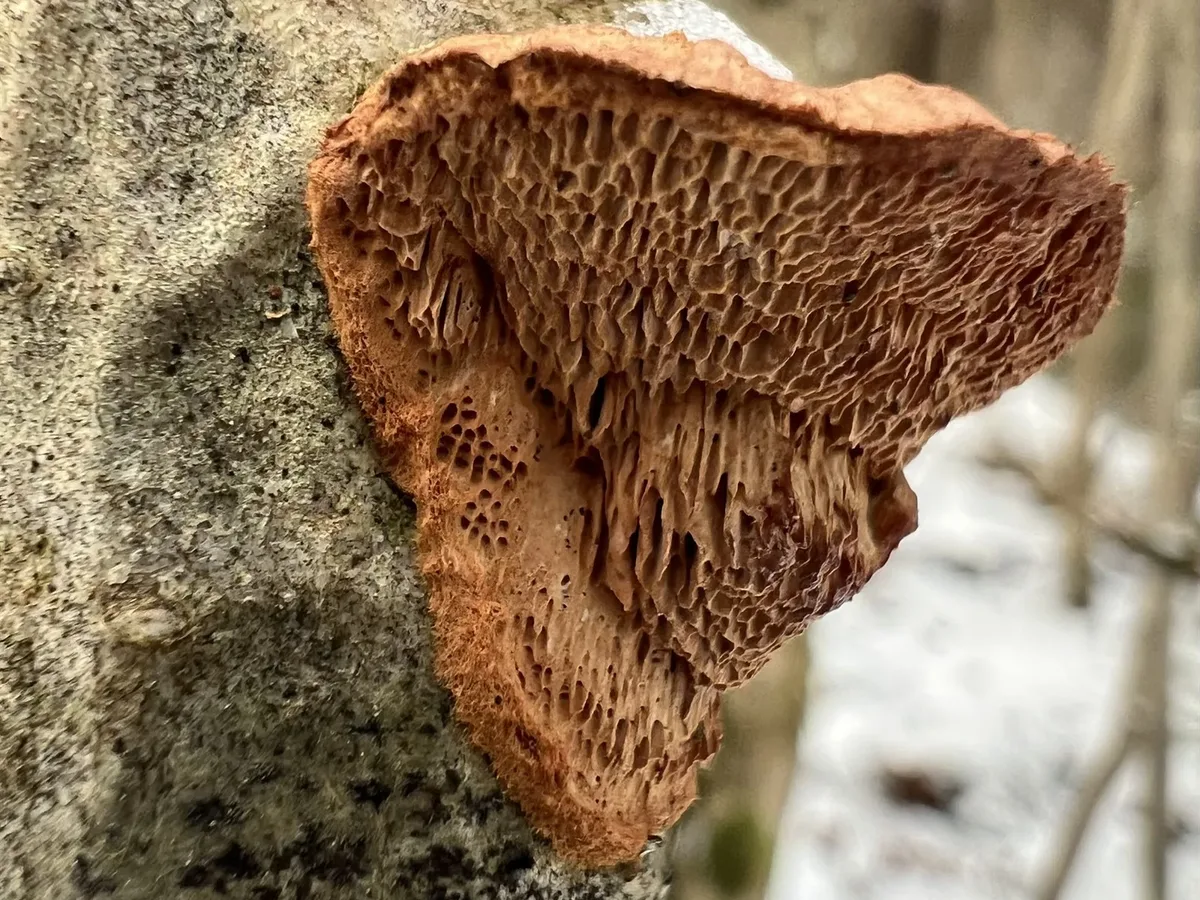 © Rune Zakariassen (CC BY)
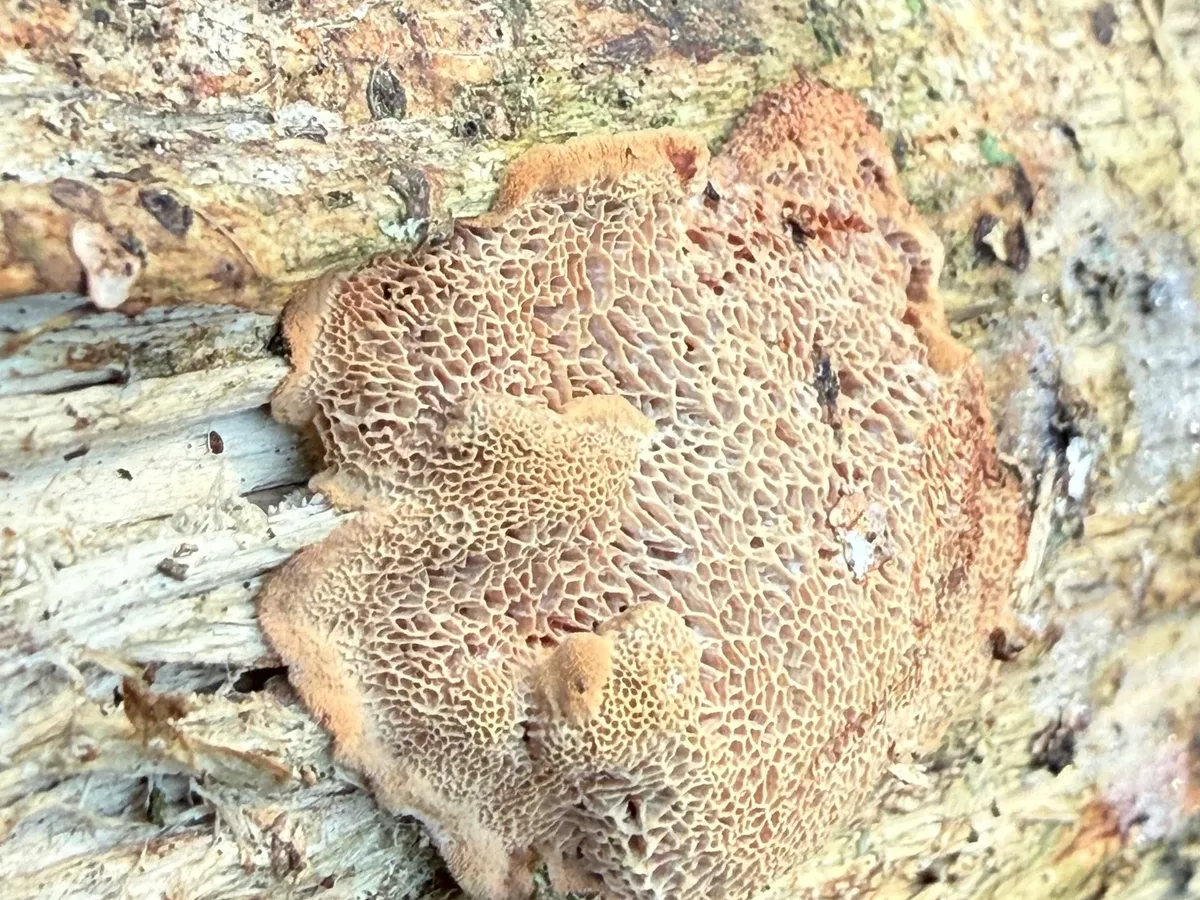 Charles Joynson (CC0)
 Charles Joynson (CC0)
 Charles Joynson (CC0)
 Charles Joynson (CC0)
 Charles Joynson (CC0)
 Charles Joynson (CC0)
 Charles Joynson (CC0)Charles Joynson (CC0)© Rune Zakariassen (CC BY)
Edible only with the right preparation - or safe for some people but not others. Learn the caveats first.
How to recognise it
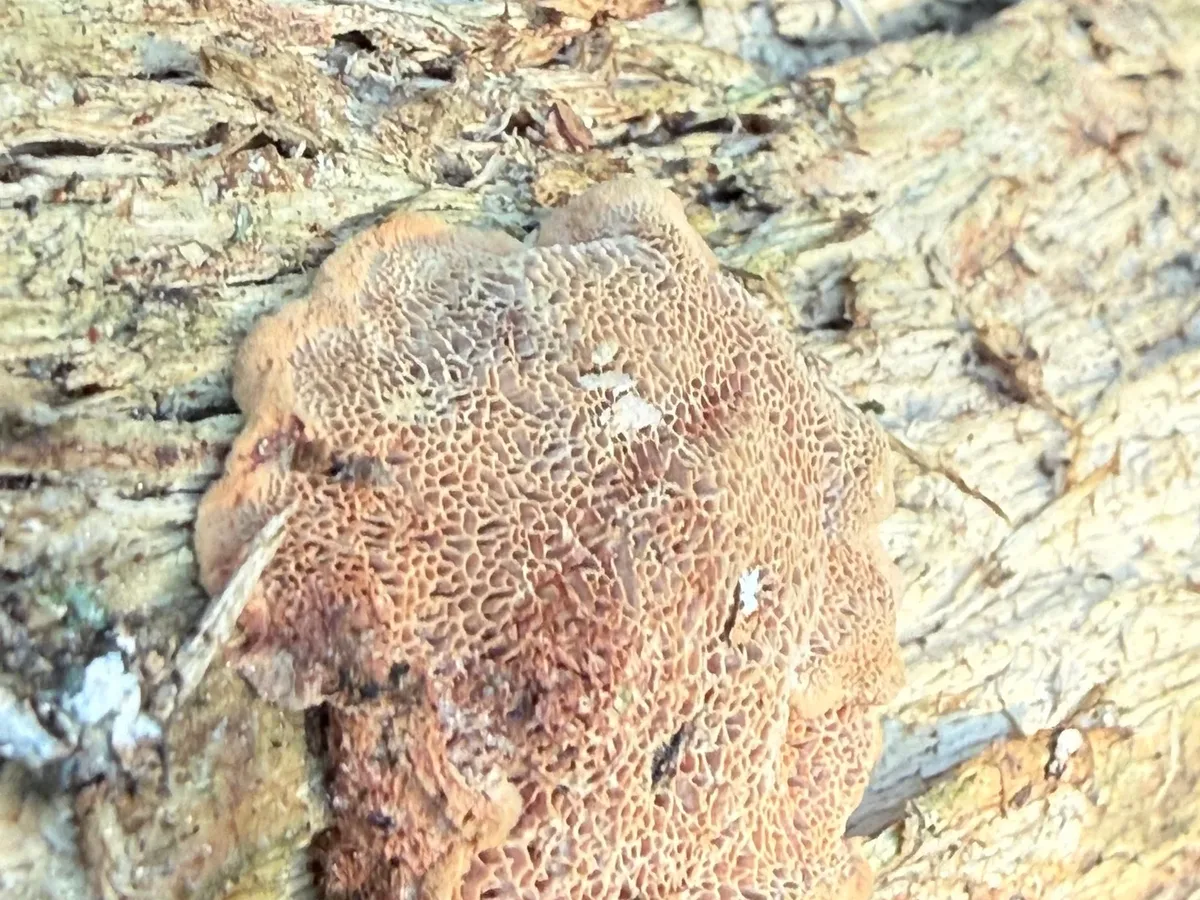
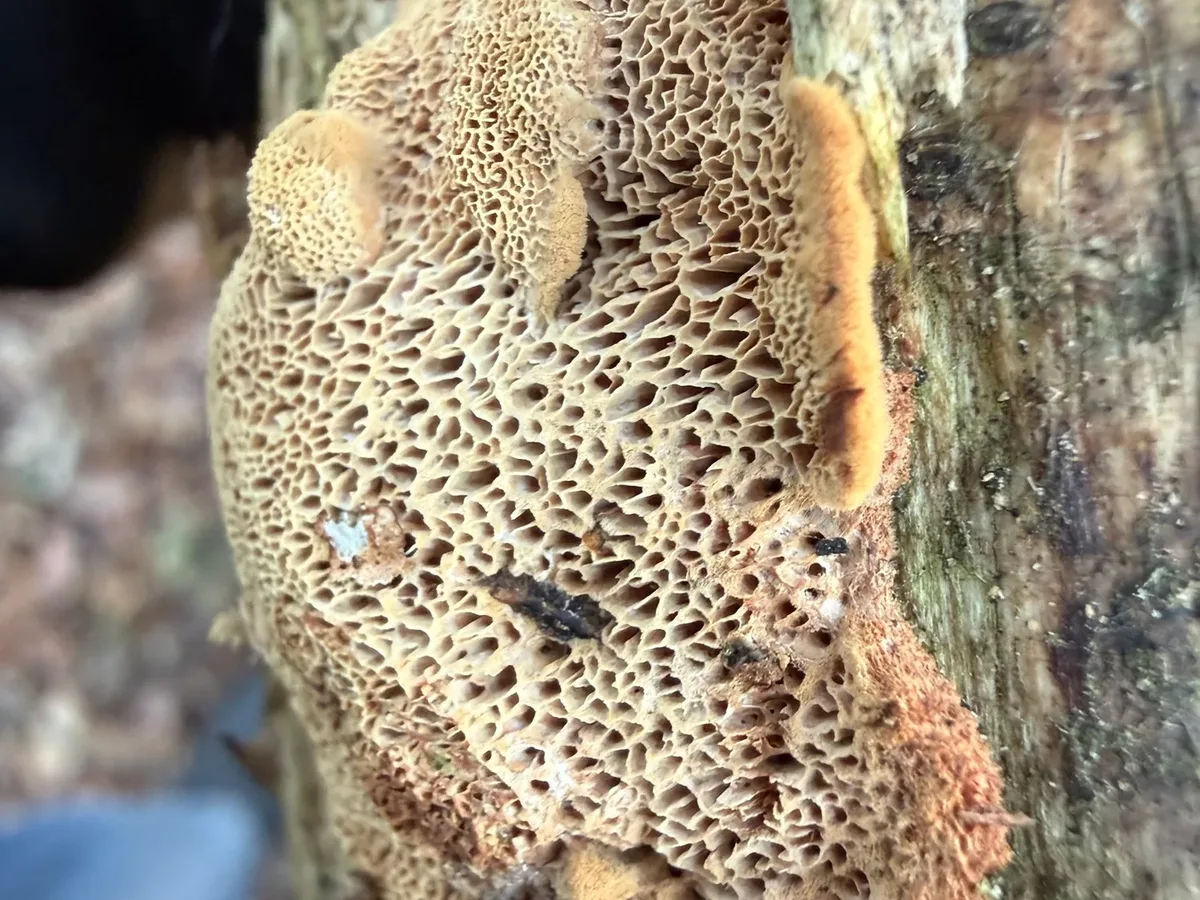
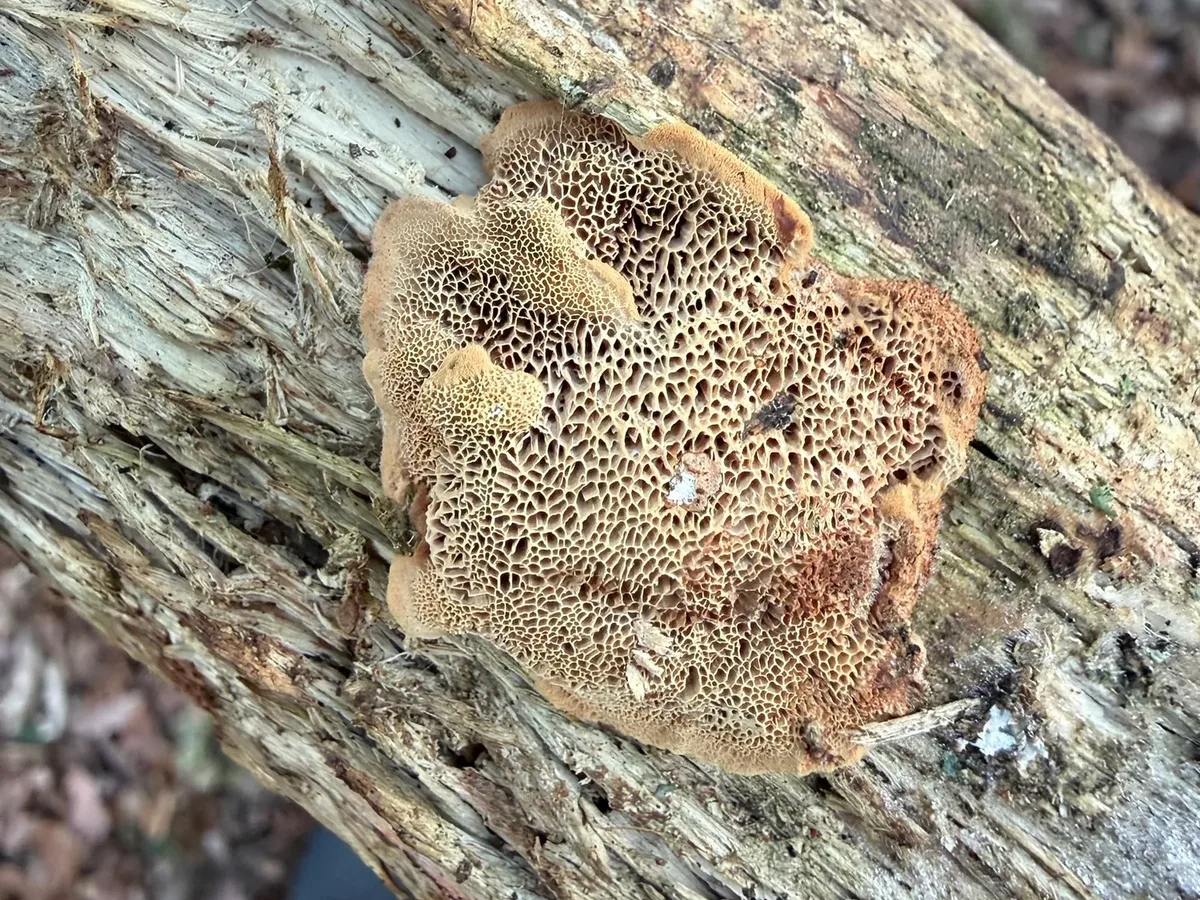
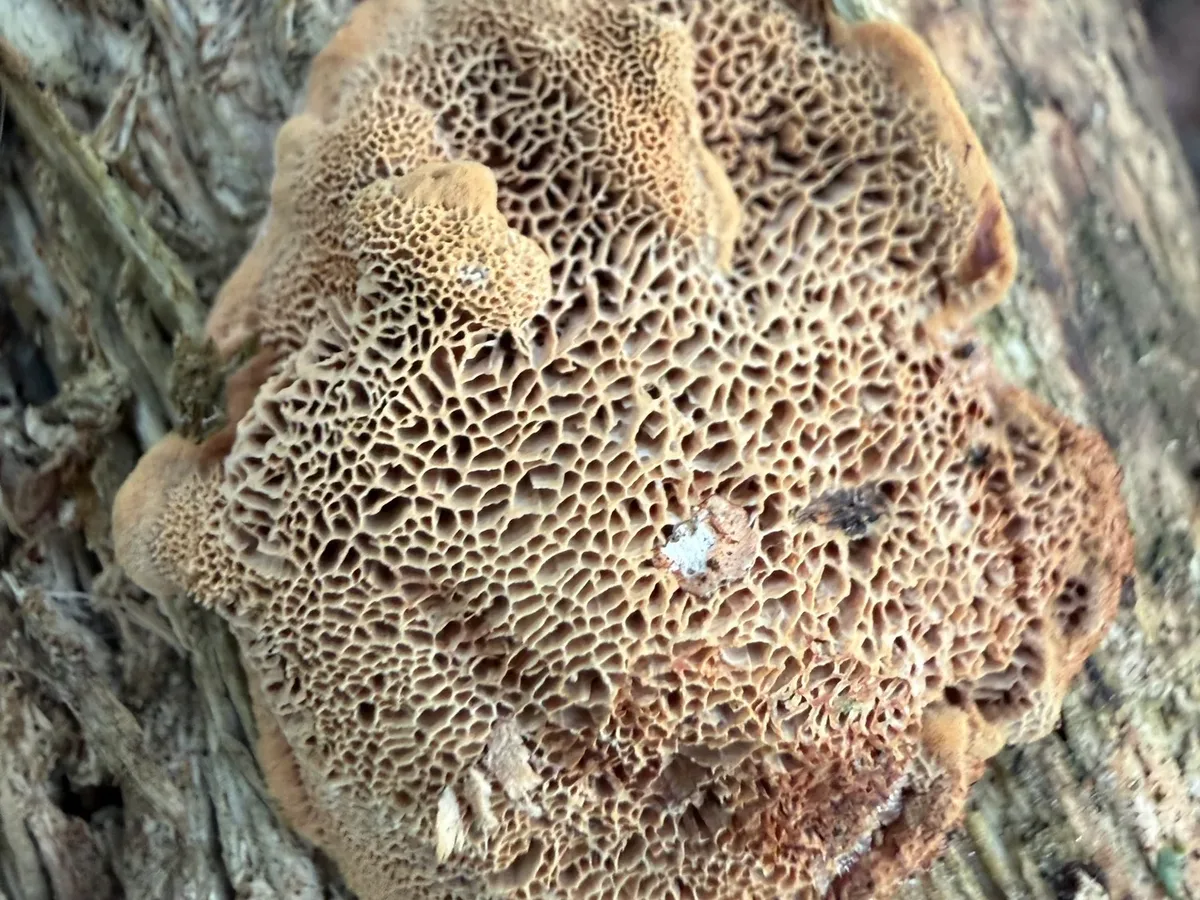
Hapalopilus nidulans is an immediately attractive and deceptively approachable-looking bracket fungus: its uniformly warm cinnamon-orange colour, smooth to lightly felty surface, and notably soft, watery flesh set it apart from the hard, woody polypores that most foragers instinctively avoid.
Cap
The cap is semicircular or kidney-shaped, 3-12 cm across and 1-4 cm thick, growing directly from dead wood without a stem.
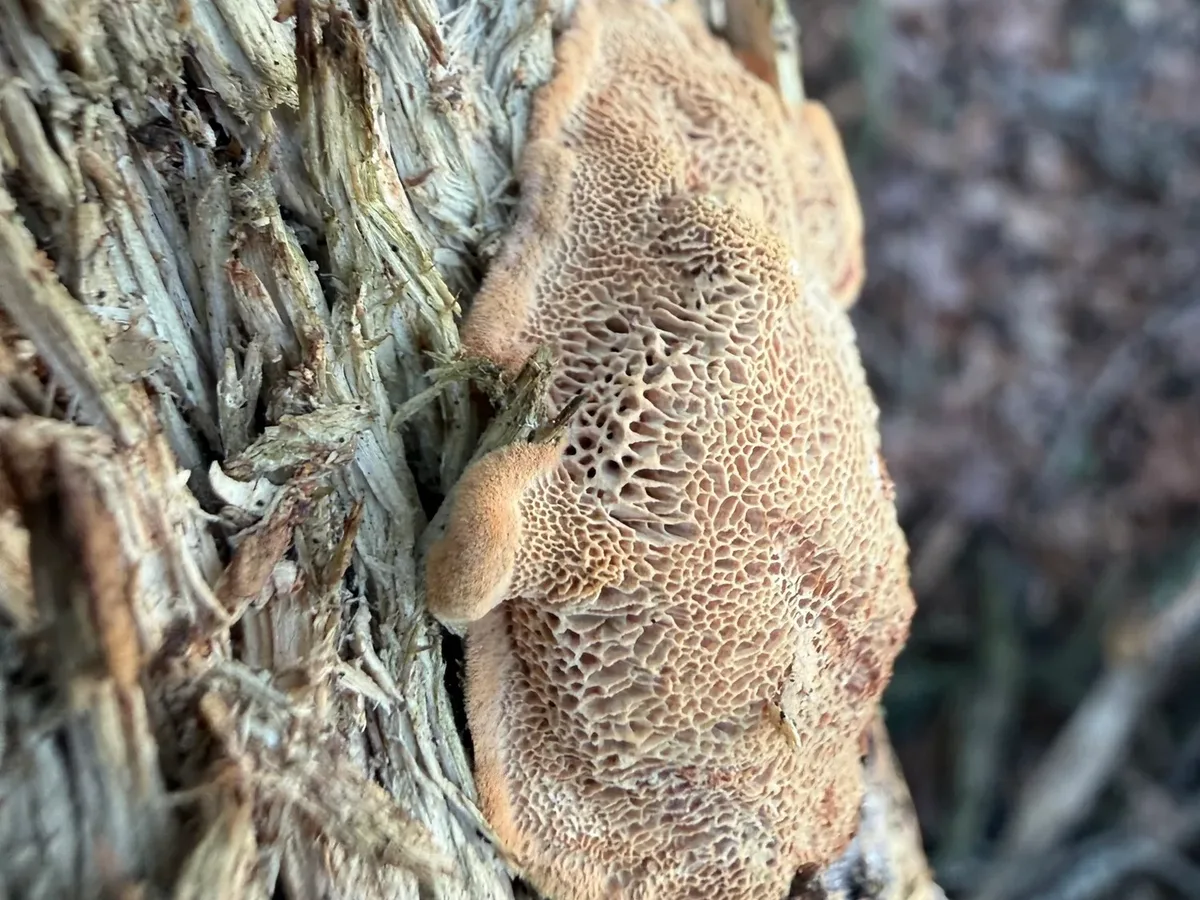
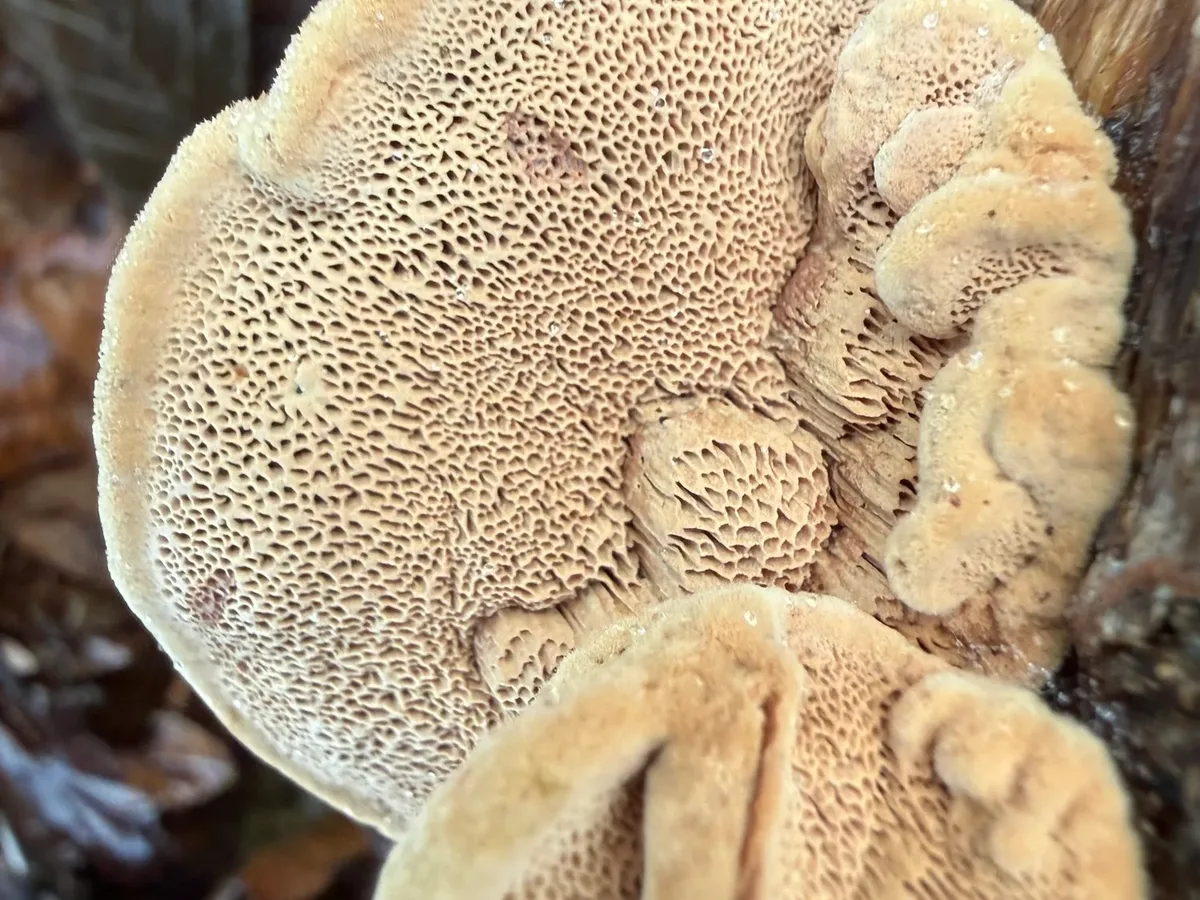
The colour is a consistent, warm cinnamon-brown to rust-orange throughout - there are no concentric colour bands as in turkey tail, and the pore surface below closely matches the upper surface in colour, a distinctive feature.
Gills / Pores
The pores are moderately fine (2-4 per mm), visible with the naked eye on close inspection.
Flesh
Flesh is pale cinnamon-buff, noticeably soft and spongy when young - it compresses easily under finger pressure and cuts cleanly, unlike the corky or woody flesh of Ganoderma or Fomes species.
This softness is diagnostic: the genus name literally means 'soft bracket.'
The single most important field test is the KOH (potassium hydroxide) reaction: placing a drop of 10-40% KOH or even dilute household lye on the flesh or pore surface instantly produces a vivid, deep violet-purple colour. No other common cinnamon-brown bracket fungi respond this way. A drop of household drain cleaner on a broken surface in the field can provide this test.
Why it's dangerous
Hapalopilus nidulans is a genuinely dangerous species that has caused documented, life-threatening poisonings in adult humans in central Europe.
The danger is compounded by its attractive cinnamon colour, soft texture, and lack of any strong warning odour - it does not smell or look like an obvious danger.
The delayed onset of severe symptoms (renal failure appearing 12-24 hours after ingestion) and the mild initial gastrointestinal phase can mislead victims into delaying medical treatment.
Although fatalities from this species alone are rare in the literature, serious morbidity is documented:
- dialysis-dependent renal failure
- prolonged hospitalisation
- possible lasting renal impairment
The KOH violet reaction is a reliable field test that should eliminate confusion with edible species if applied rigorously.
Toxin
The primary toxin in Hapalopilus nidulans is polyporic acid (2,5-dihydroxy-3,6-bis(4-hydroxyphenyl)-1,4-benzoquinone and related terphenylquinone compounds).
These inhibit dihydroorotate dehydrogenase (DHODH), an enzyme essential for de novo pyrimidine biosynthesis that is critical for rapidly dividing cells, including renal tubular epithelial cells and neurons.
The toxin is heat-stable and not destroyed by cooking, and is present throughout the fruiting body, including pores, flesh, and cap surface.
The violet colour observed with KOH is a direct chemical reaction with polyporic acid and related hydroxylated quinones.
Symptoms
Symptoms following ingestion of Hapalopilus nidulans begin with nausea, vomiting, and diarrhoea, typically within 30 minutes to a few hours.
These initial gastrointestinal symptoms may mislead the patient into thinking the episode is minor and resolving.
Severe poisoning - seen with meaningful ingestion (a full bracket or more) - progresses after 12-24 hours to acute renal failure with reduced or absent urination, elevated serum creatinine, and electrolyte disturbances.
Neurological symptoms including confusion, visual disturbances, and in severe cases seizures have been reported.
Intensive medical care including dialysis may be required for days to weeks.
Seek emergency medical care immediately if any quantity has been consumed.
Staying safe
Hapalopilus nidulans is seriously poisonous and must never be eaten.
It contains polyporic acid, a terphenylquinone compound that inhibits dihydroorotate dehydrogenase, a key enzyme in the pyrimidine biosynthesis pathway. This mechanism disrupts cellular function in kidneys and the nervous system.
Documented human poisoning cases (notably multiple cases in Germany during the 1990s) involved:
- severe renal failure requiring dialysis
- neurological symptoms including disorientation and visual disturbances
- prolonged hospitalisation
The onset of serious symptoms can be delayed 12-24 hours after ingestion, which may lead victims to believe the initial mild gastrointestinal upset is minor.
Polyporic acid is also the compound responsible for the vivid violet KOH reaction and for producing purple dyes historically used in textile dyeing - the species is known in dye traditions as a purple-dye mushroom, which is an interesting connection but provides no food safety.
Recovery from poisoning is possible with supportive medical treatment, but renal damage may be lasting.
If accidental ingestion is suspected, seek emergency medical care immediately and inform the treating physician that Hapalopilus nidulans was consumed.
Where & when it grows
Habitat
In Europe, Hapalopilus nidulans has a clear and ecologically useful preference for hazel (Corylus avellana), which is the host of choice in mixed deciduous and hedgerow woodland.
Look for it on dead hazel poles, fallen hazel coppice stems, and old hazel stumps in humid, shaded settings such as valley-bottom woodland, stream-side thickets, and the sheltered undersides of collapsed logs.
On beech, oak, and birch it is found less frequently but by no means rarely, particularly in damper woodland types.
The fungus is genuinely uncommon - not a species you encounter every outing - and its absence from drier, more exposed sites helps narrow the search.
Finding it in typical central European mixed forest usually means following stream corridors, checking damp ravines, and looking at the undersides of large fallen trunks where humidity accumulates.
When
Fruiting bodies appear from mid-summer through autumn, most abundantly from August through October in temperate central and western Europe.
Unlike perennial bracket fungi (Ganoderma, Fomes), individual brackets do not overwinter; they are annual and typically collapse by late November or December.
Fruiting is triggered by sustained warm and humid conditions - a period of moderate rainfall (15-30 mm over 1-2 weeks) following the summer heat, combined with soil temperatures still above 10 °C, produces the most reliable flushes.
Check known logs from late August onward.
How it grows
The bracket you find in autumn is the tip of a much longer story.
Hapalopilus nidulans lives as perennial mycelium threaded through dead hardwood, quietly dismantling cellulose and lignin - a white-rot - and turning the wood pale, soft, and spongy over years.
The mycelium can work a single log for many seasons, unseen, before conditions are right to fruit. When they are, one to four brackets push out, sometimes with slight overlap, and grow from initial pin to full size in roughly two to four weeks.
Each bracket is annual - it does not build up woody layers or persist through winter - so every autumn's flush is a new visible expression of that hidden, ongoing network.
Fruiting conditions
Annual fruiting bodies initiated by sustained warm, humid conditions in mid-to-late summer; a rainfall event of at least 15 mm over 1-2 weeks with soil temperatures above 10 °C triggers the flush. Lag from rain to visible brackets is typically 10-21 days. Being annual and soft-fleshed, brackets do not persist beyond the season and are absent in winter.
Look-alikes
Several other cinnamon to rusty-brown bracket fungi can be confused with Hapalopilus nidulans, particularly at a quick glance.
- Phaeolus schweinitzii (dyer's polypore) is much larger and more complex in shape, often with a stem-like base, grows at the base of conifers (rarely hardwoods), and produces a yellow-green KOH reaction rather than violet.
- Coniophora puteana (cellar fungus) produces a flat, resupinate crust rather than a true bracket.
- Pycnoporus cinnabarinus (cinnabar bracket) is a brighter, almost orange-red colour - close in hue at first glance - but has a bright orange-red pore surface and orange-red flesh, and gives no violet KOH reaction.
- Inonotus hispidus (shaggy bracket) is much larger with a coarse, hispid (shaggy) surface and dark rusty-brown juice when fresh; it lacks the KOH violet reaction.
- Meruliopsis corium and similar soft resupinate species may grow in similar positions but are entirely crust-forming without a distinct cap.
None of the commonly confused species give the diagnostic vivid violet KOH reaction, making this the single most reliable field confirmation for Hapalopilus nidulans.
Ganoderma species have a hard, woody, corky flesh that cannot be compressed - completely unlike the soft, watery flesh of Hapalopilus nidulans. Their upper surface is hard, dull grey-brown to chestnut, often with a white growing margin, and the pore surface is white, bruising brown. No violet KOH reaction.
Pycnoporus cinnabarinus is a brighter, more saturated orange-red both on the upper surface and pore surface; the pore surface is distinctly reddish rather than cinnamon-brown matching the cap. It gives no violet KOH reaction. Flesh is similarly orange-red, not buff. Not poisonous.
Phaeolus schweinitzii is much larger (up to 60 cm across), often grows in overlapping rosettes at the base of living or dead conifers, has a distinctly zoned surface that shifts from yellow-green at the margin to rust-brown toward the centre, and gives a yellow-green (not violet) reaction with KOH. It does not grow on hazel or beech.
Inonotus hispidus is much larger (up to 30 cm), has a coarse, distinctly hispid (shaggy) hairy upper surface, exudes dark rusty-brown juice when fresh, and grows on living hardwoods (particularly apple, ash, walnut) rather than dead logs. No violet KOH reaction. Not known to be poisonous.
A reference guide - never an edibility guarantee. When in doubt, leave it out.