False morel
Gyromitra esculentasyn. Gyromitra caroliniana
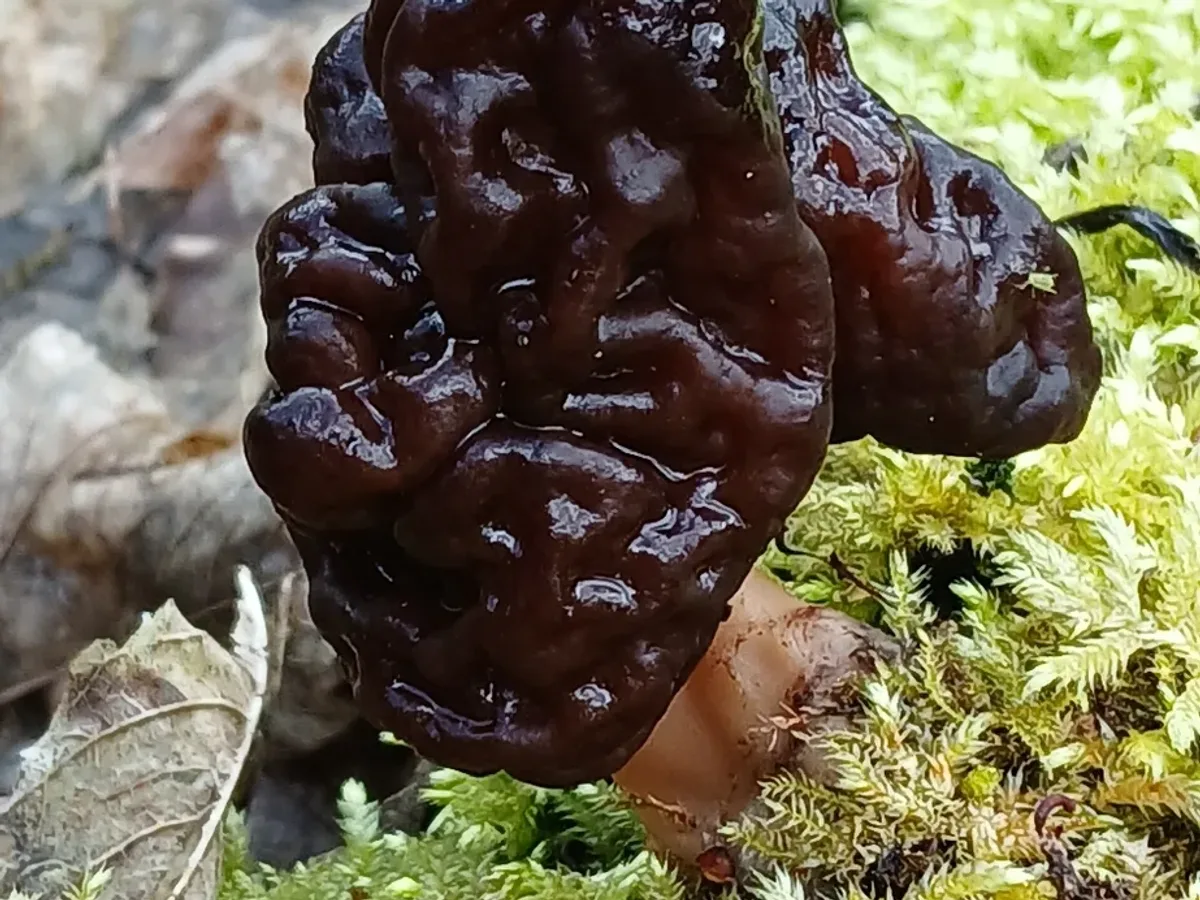 © Jacqueline Worthington (CC BY)
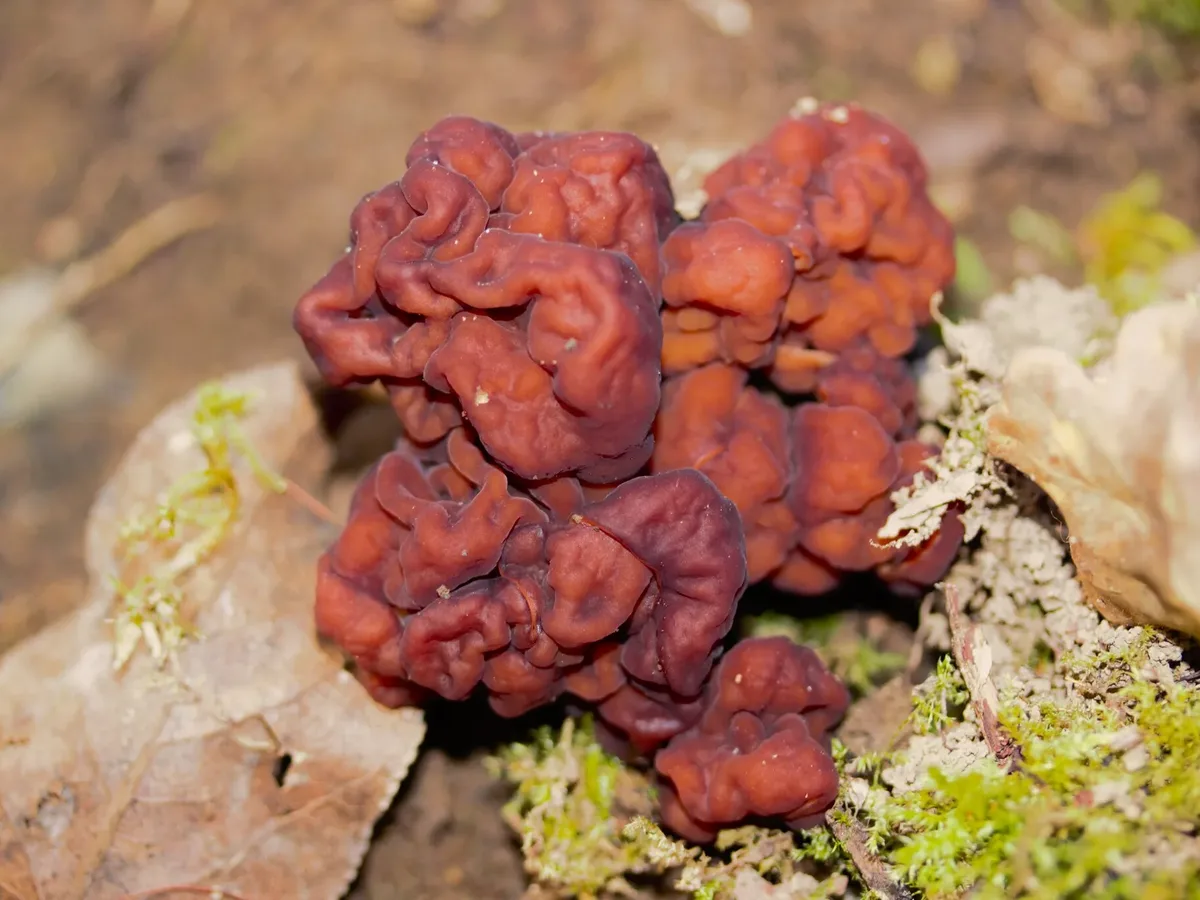 © Patrick Bayan (CC BY)
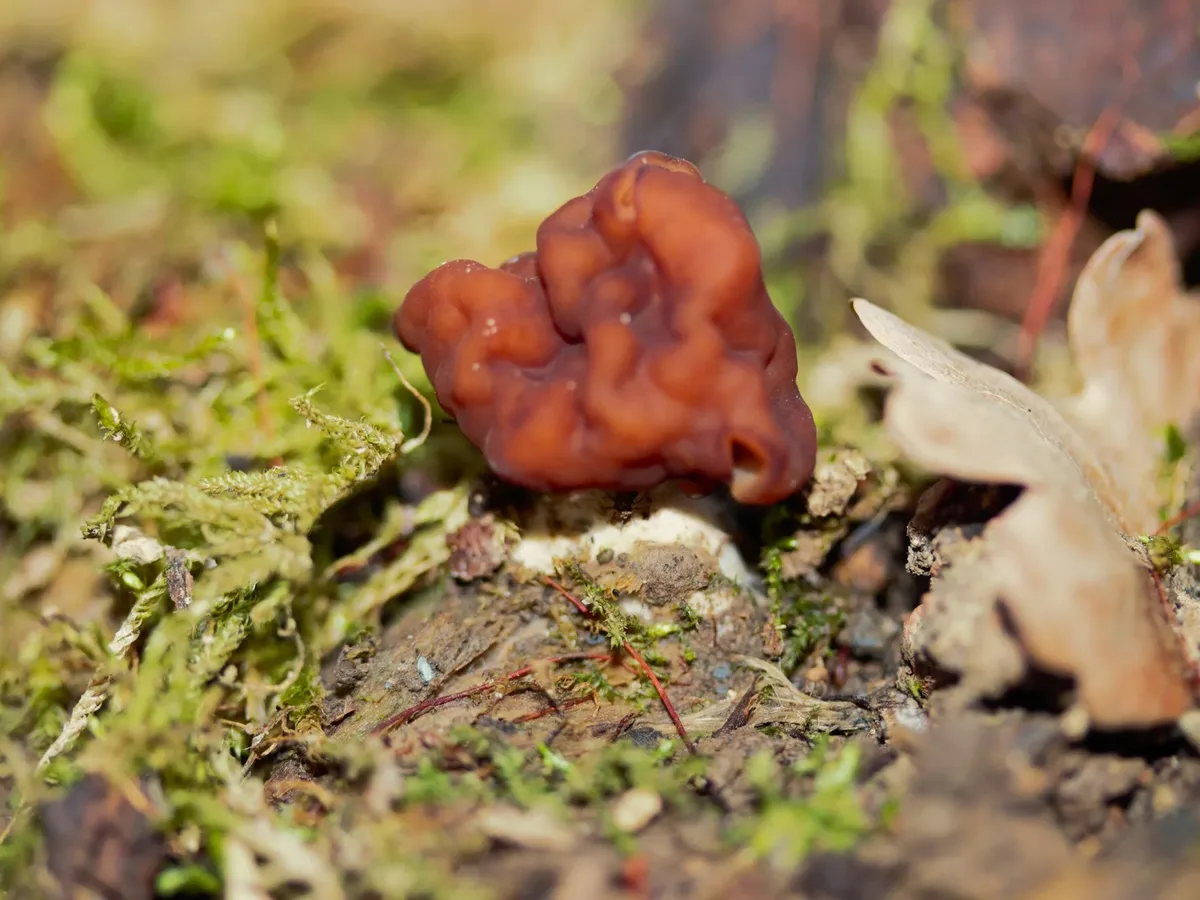 © Patrick Bayan (CC BY)
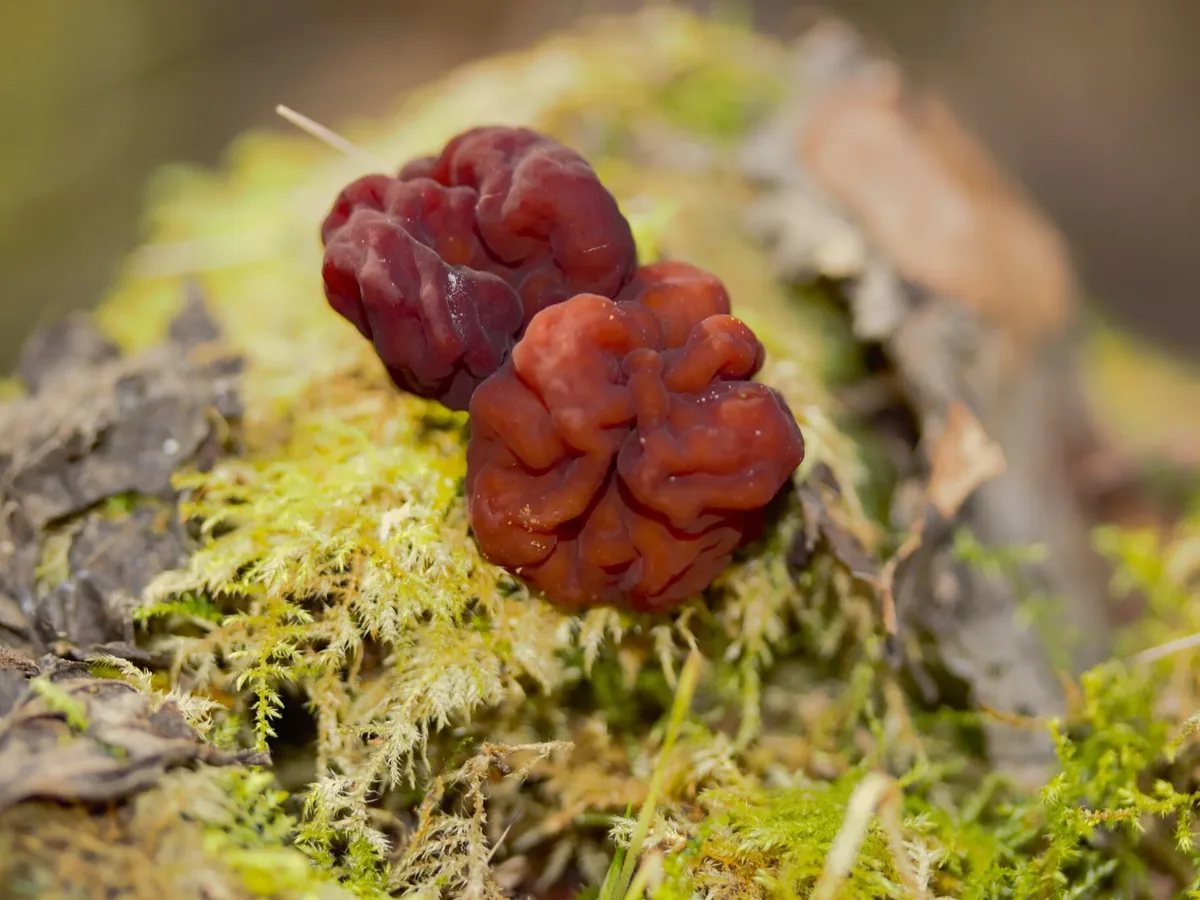 © Patrick Bayan (CC BY)
 © Patrick Bayan (CC BY)
 © Jacqueline Worthington (CC BY)
 © Jacqueline Worthington (CC BY)
 © Jacqueline Worthington (CC BY)
 © Jacqueline Worthington (CC BY)
 © Jacqueline Worthington (CC BY)© Jacqueline Worthington (CC BY)© Patrick Bayan (CC BY)
Toxic - and the most serious cases can be fatal. Never eat it, and wash your hands after handling.
Never eat a mushroom you are not 100% sure of - check the look-alikes below, and always cook wild mushrooms.
How to recognise it
Gyromitra esculenta is one of the most distinctive-looking fungi of the spring forest floor - and yet its distinctiveness can deceive.
Cap
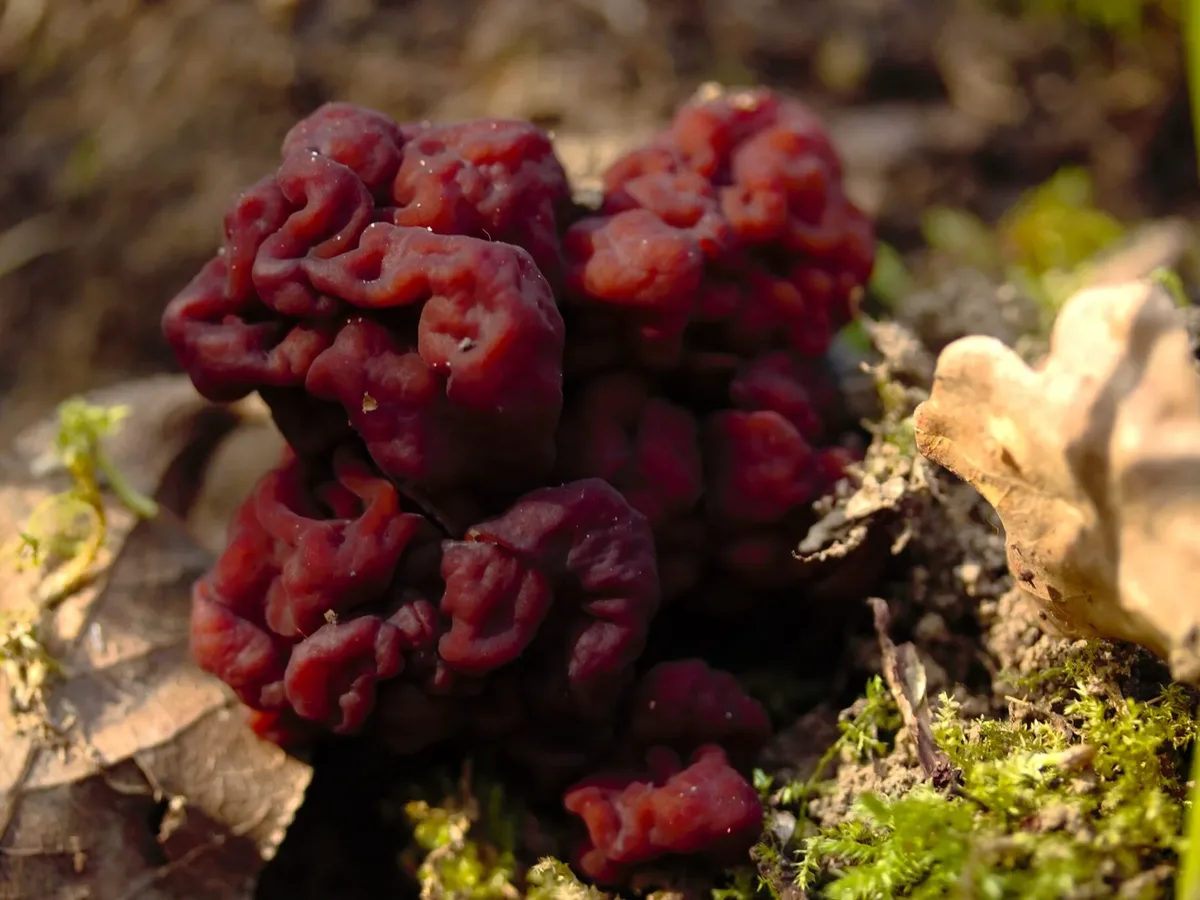
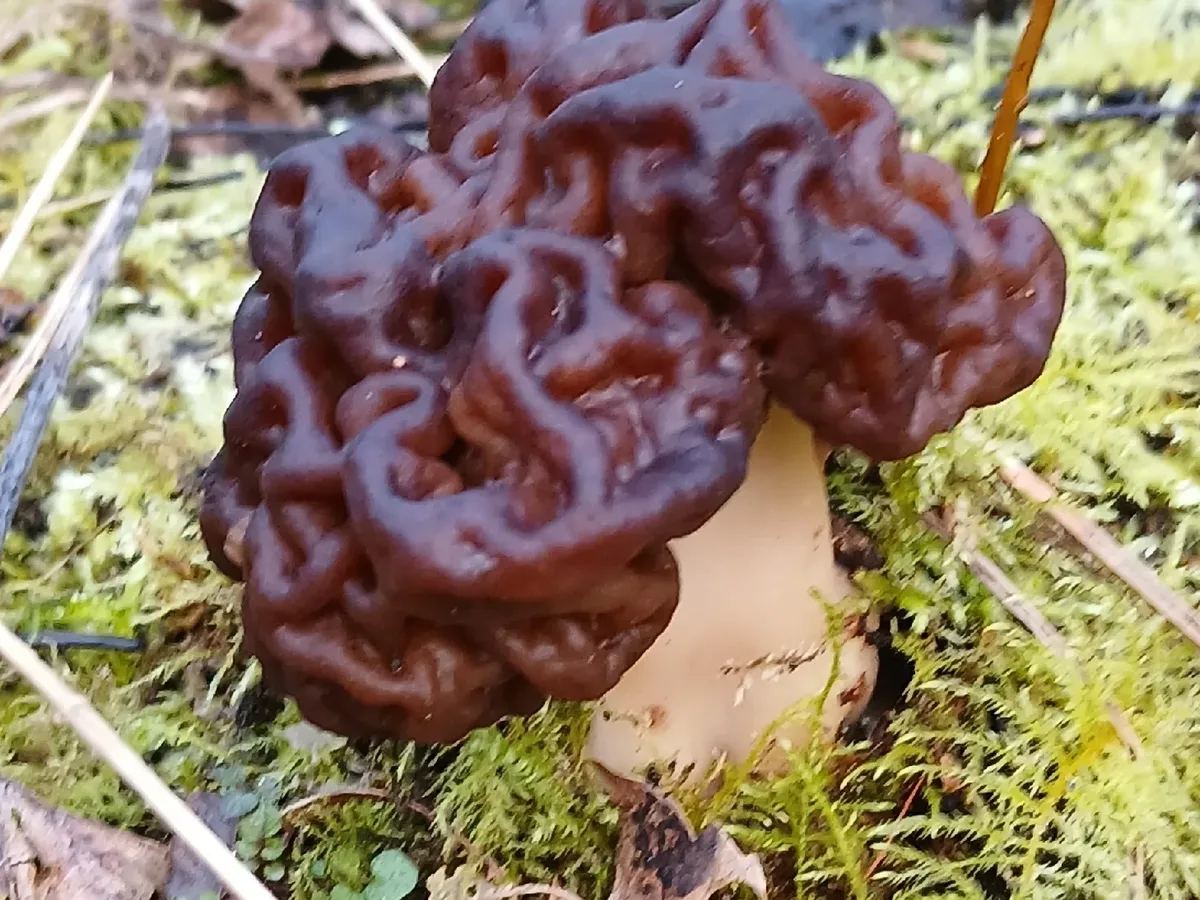
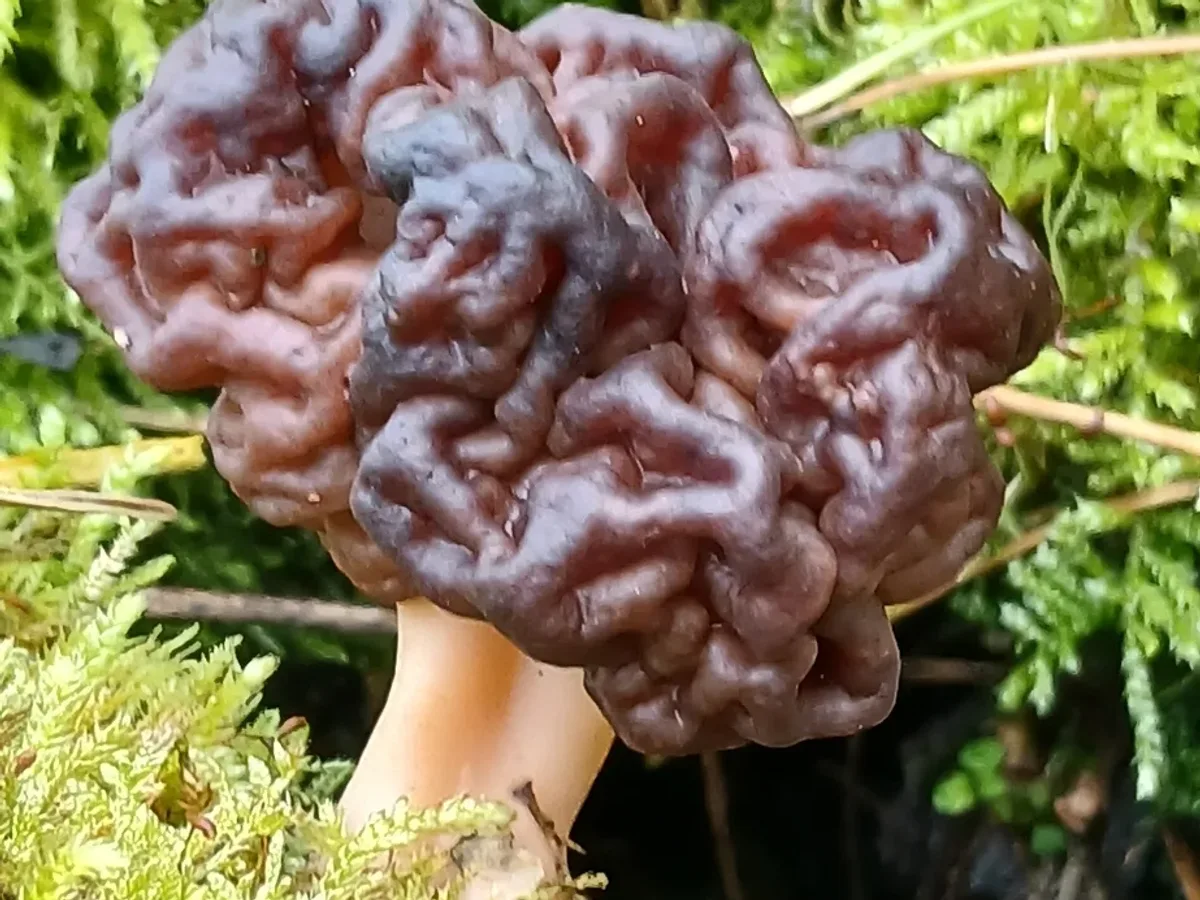
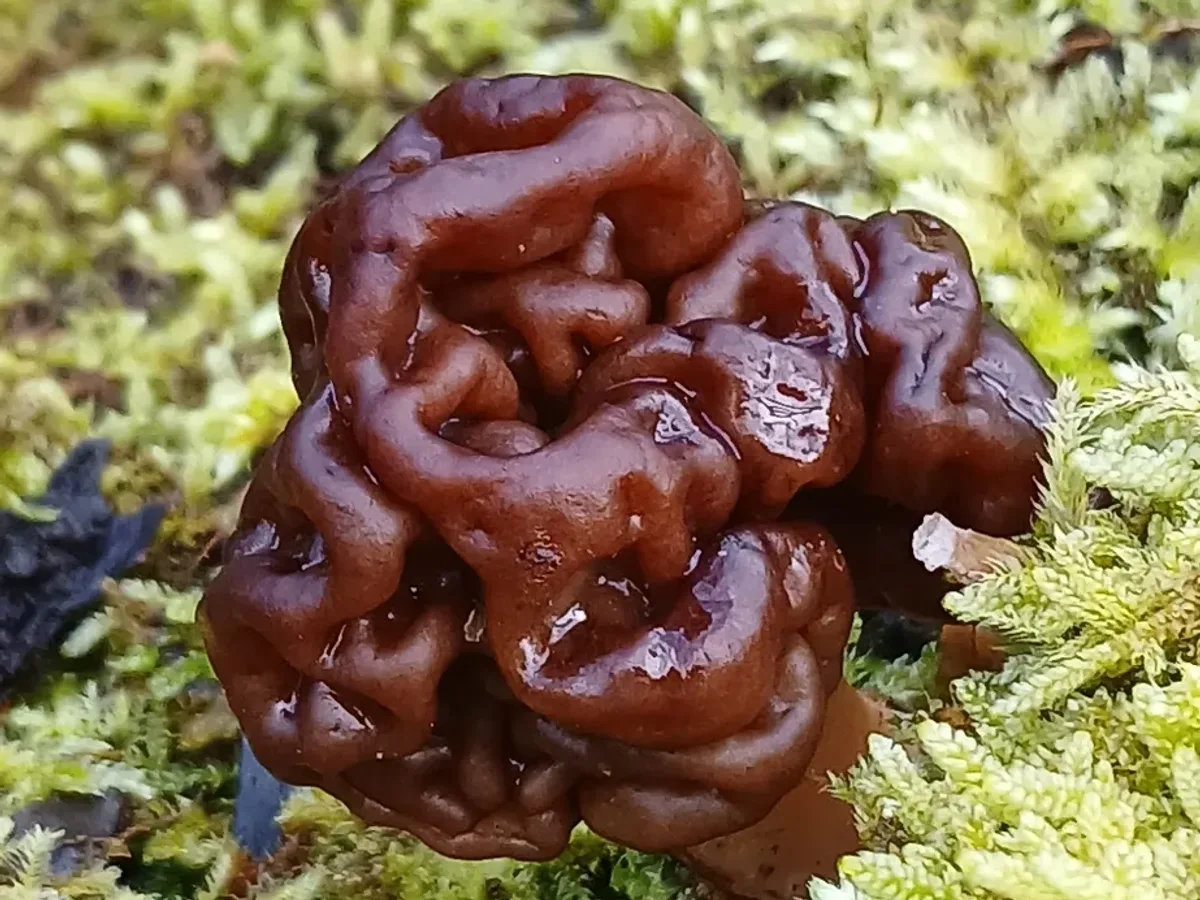
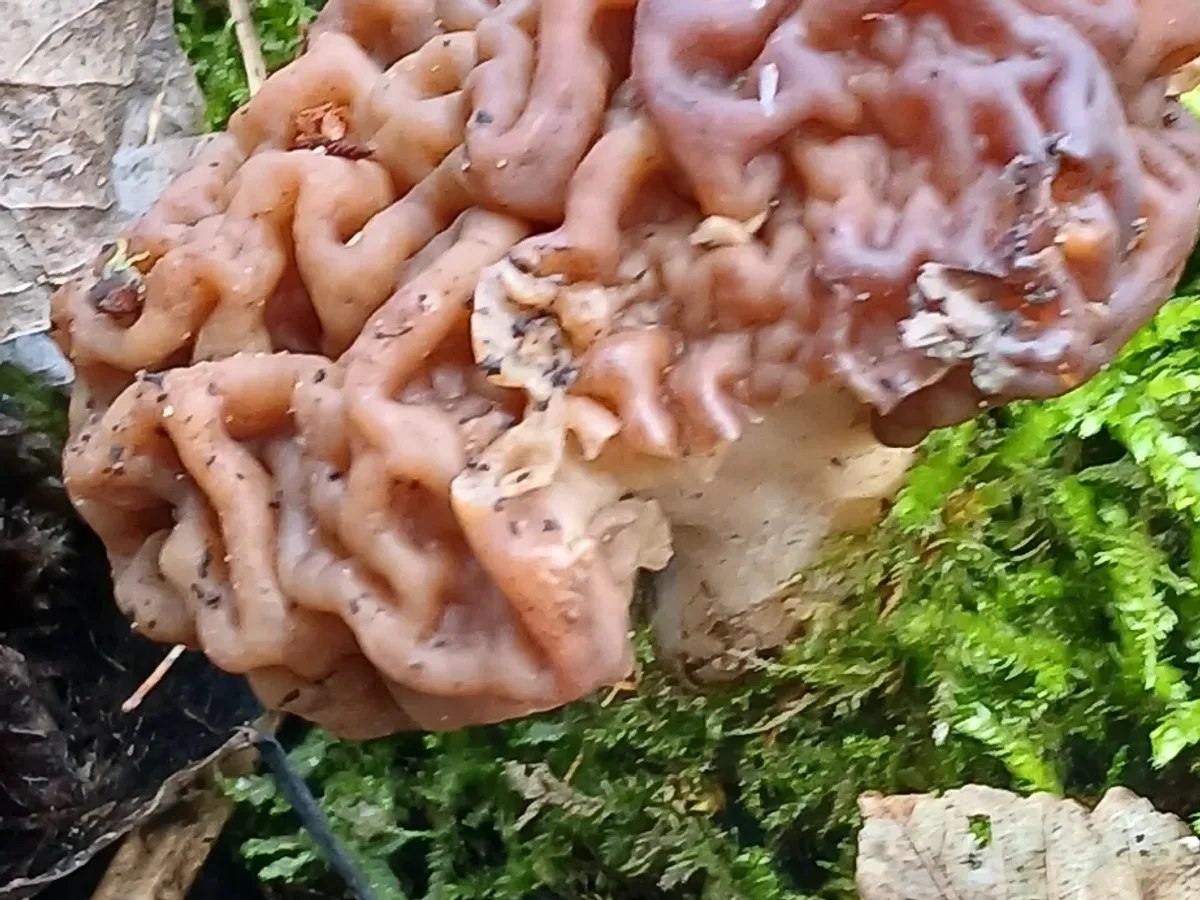
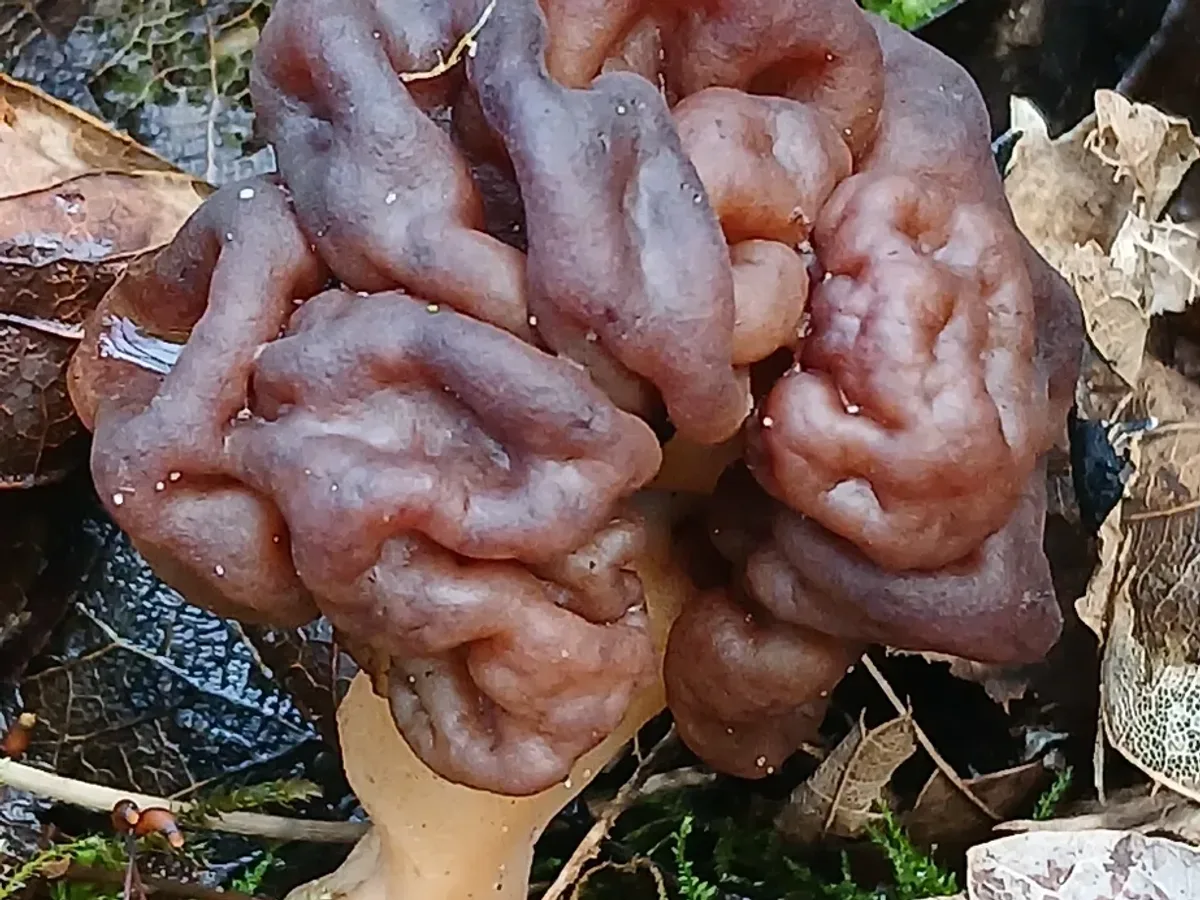
The cap is 3-12 cm across and entirely unlike the neat honeycomb of a true morel: it is irregular, lobed, convoluted, and thrown into brain-like or saddle-like folds that vary enormously between specimens.
The surface colour runs from chestnut-brown and reddish-brown through dark chocolate-brown, typically deeper and more uniform in young specimens and becoming paler, almost buff, at the margins with age.
The undersurface of the cap is paler - whitish to grey - and the cap lobes hang or cling unevenly to the upper stem rather than attaching cleanly.
Stem
The stem is stout, 2-6 cm tall, and whitish or pale grey, often irregularly ribbed or furrowed and broader at the base; it is not the clean, hollow cylinder of a morel but instead irregular in outline.
Flesh
The entire fruitbody is internally chambered or, in the stem, filled with cotton-like tissue - never cleanly hollow from apex to base. This interior structure is the single most reliable identification feature: cut any suspected specimen lengthwise with a knife and examine the cross-section.
A true morel is completely hollow; the false morel has visible chambers, partial cotton stuffing, or irregular partitions.
The flesh is thin and fragile, creamy-white, with a faintly fruity or earth-sweet odour that has sometimes been described as pleasant - a biological irrelevance that has contributed to its accidental collection.
Why it's dangerous
Gyromitra esculenta is classified as deadly, and fatalities are documented in the scientific and clinical literature across Scandinavia, Eastern Europe, Germany, and France.
The danger is not theoretical: poisonings occur regularly, primarily among spring foragers who mistook the false morel for Morchella species, and secondarily among people who relied on parboiling to detoxify the mushroom.
The parboiling tradition is the most insidious risk factor: it creates a false sense of method reliability that has caused repeated fatalities even among experienced practitioners who had previously eaten the same species without consequence.
The critical mechanism of unreliability is toxin variability: gyromitrin content in fruitbodies is not consistent, and the same preparation applied to a high-toxin specimen produces a lethal dish. There is no sensory, olfactory, or visual indicator of toxin concentration - a high-toxin specimen looks and smells identical to a low-toxin one.
There is no antidote to gyromitrin poisoning. Emergency treatment is supportive:
- gastric decontamination (activated charcoal) if the patient presents within the latency window
- pyridoxine (vitamin B6) supplementation to counteract MMH's interference with B6-dependent enzymes
- methylene blue for methemoglobinaemia
- fluid and electrolyte management
- liver function monitoring
- mechanical ventilation or dialysis in severe multi-organ failure
If any person has consumed a spring brain-like mushroom and experiences nausea, headache, or abdominal pain within 12 hours, poison control services must be contacted immediately - provide the time of ingestion, quantity consumed, and if possible a photograph or preserved specimen.
Toxin
The principal toxin in Gyromitra esculenta is gyromitrin (N-methyl-N-formylhydrazine), a volatile, water-soluble hydrazine compound concentrated primarily in the cap flesh.
Gyromitrin is a prodrug: it is not itself the active toxic agent, but is rapidly hydrolysed in the acid environment of the stomach to N-methylhydrazine (monomethylhydrazine, MMH), which is the biologically active compound. MMH is also a constituent of rocket fuel and is acutely toxic to mammals.
In the body, MMH:
- inhibits pyridoxal phosphate (vitamin B6) metabolism, which in turn disrupts the synthesis of GABA (gamma-aminobutyric acid), the primary inhibitory neurotransmitter
- causes direct oxidative damage to red blood cells, leading to methemoglobinaemia and haemolysis in severe poisonings
- is hepatotoxic - capable of causing centrilobular necrosis of the liver at high doses
Gyromitrin concentration in G. esculenta fruitbodies is highly variable: reported values in the scientific literature range from negligible to several hundred milligrams per 100 g fresh weight, and the concentration differs between regions, between specimens from the same site, and between seasons.
This variability is the direct cause of the species' erratic poisoning history - the same preparation method that is survivable one year may deliver a lethal dose the next, depending on the toxin load of the individual mushroom.
The toxin group is gyromitrin (hydrazine → MMH).
Symptoms
Gyromitrin poisoning has a latency of 2-12 hours between ingestion and the onset of symptoms, placing it in the intermediate category between fast-acting toxins (muscarine, ibotenic acid) and the very long-latency orellanine of Cortinarius species.
The initial presentation is characteristically gastrointestinal: sudden-onset nausea, cramping abdominal pain, vomiting, and watery or mildly bloody diarrhoea, often accompanied by headache, dizziness, and weakness. This first phase reflects MMH's direct irritant and systemic effects.
In moderate to severe poisonings, hepatotoxic injury follows within 24-72 hours, presenting as elevated liver enzymes, right-upper-quadrant pain, jaundice, and impaired coagulation - a clinical picture overlapping with Amanita phalloides amatoxin poisoning in its late-stage manifestation.
In the most severe cases, the sequence extends further:
- haemolysis leads to haemolytic anaemia and haemoglobinuria (dark red urine)
- methemoglobinaemia causes visible cyanosis and dyspnoea
- CNS involvement produces tremors, convulsions, and altered consciousness
Death, when it occurs, typically results from hepatic failure, respiratory failure secondary to methemoglobinaemia, or cardiovascular collapse.
Individual sensitivity to MMH varies substantially - genetic differences in hydrazine metabolism, age, body weight, and pre-existing liver condition all modulate outcome. Children are at significantly higher risk of severe toxicity at lower doses.
Staying safe
Cut any suspect spring fruitbody lengthwise and examine the interior:
- A completely hollow interior (single continuous air space from stem base to cap apex) indicates Morchella.
- A chambered, stuffed, or partially filled interior indicates Gyromitra esculenta or a related false morel - do not eat it.
Cap surface: morel caps have a regular honeycomb of discrete pits; false morel caps are brain-like, lobed, and irregular.
These two structural checks - internal structure and cap surface texture - are together definitive and require no specialist knowledge, only a knife and observation. No spore print, chemical test, or microscopy is needed to separate these two species; the macroscopic difference is sufficient.
However, because toxin levels in G. esculenta vary unpredictably between specimens, and because the parboiling tradition has led to fatalities even among experienced practitioners, the only clinically defensible rule is absolute avoidance of any spring brain-like or saddle-shaped mushroom regardless of how convincingly it passes visual inspection.
If there is any doubt - do not eat it. If a person has eaten a specimen and any doubt exists about its identity, contact poison control services immediately without waiting for symptoms.
Where & when it grows
Habitat
Gyromitra esculenta is saprotrophic - it obtains its carbon by breaking down dead organic matter in the soil rather than through a partnership with living tree roots.
Its preferred substrate is sandy, well-drained, acidic coniferous forest floor, above all in pine-dominated stands where the needle litter forms a loose, aerated layer over poor mineral soil.
It also appears with some regularity on disturbed ground: forest clearings, road verges through pine forest, burn sites where the soil microbiota has been partially reset, and recently felled or replanted areas.
The burn-site association is particularly well documented - populations sometimes appear in numbers on recently burned conifer soils, apparently benefiting from the disruption of competing organisms and the mineral-enriched surface.
It is rarely found in closed broadleaf woodland. In Central and Western Europe its range covers the coniferous and mixed-forest zones of Scandinavia, Germany, France, Poland, and adjacent countries, typically at low to mid elevations, though it has been recorded at alpine and sub-alpine sites where pine or larch grows on sandy substrates.
It grows singly or in loose groups - never in the dense clusters of some saprotrophic wood-rotters - often half-hidden in the needle litter or emerging beside mossy humps.
When
Gyromitra esculenta is emphatically a spring species. It appears as soil temperatures rise from the winter baseline and the last snow patches retreat, typically from March through May in most of Central and Western Europe, occasionally into June at higher elevations or in cold north-facing sites.
In warm maritime climates the first fruitbodies can emerge as early as late February.
The fruiting window overlaps precisely with that of the true morels - Morchella esculenta, M. elata, and their allies - and with edible spring fungi such as St. George's mushroom (Calocybe gambosa). This temporal overlap is not incidental to the poisoning record: it is its root cause.
Foragers who are actively seeking morels in pine or mixed forest in April and May are encountering false morels at the same moment, often in habitats that look broadly similar. The false morel slightly prefers sandy conifer ground while Morchella esculenta can also be found in broadleaf settings, but the overlap zone is large.
The season ends naturally as soil temperatures rise into summer and the fruitbodies collapse; mycelium retreats and becomes dormant through the hot, dry months, persisting unseen in the duff until the following spring.
How it grows
Gyromitra esculenta is a saprotrophic fungus, deriving its energy from the decomposition of organic matter in the soil - primarily the needle litter and partially decayed humus of conifer forest floors.
It does not form mycorrhizal partnerships with trees and does not require a living root host; it is, in this sense, a free agent in the forest economy, processing dead carbon rather than trading with the living. The mycelium grows through the soil duff between fruiting seasons, breaking down complex organic compounds with extracellular enzymes.
Fruiting is triggered by the convergence of rising soil temperature, adequate moisture, and increasing day length in spring - conditions that emerge over a period of days to a few weeks following snowmelt.
Individual fruitbodies develop rapidly once initiated, the convoluted cap expanding and darkening over two to five days. They grow singly or in small scattered groups - three to eight fruitbodies within a few square metres is typical - and the same site may produce fruitbodies year after year from the same mycelium, which is perennial.
The fragile flesh means fruitbodies collapse quickly in warm or dry weather, lasting only five to ten days in poor conditions; in cool, moist springs they may persist two to three weeks.
Burn sites sometimes produce unusually dense populations, suggesting that the mycelium colonises disturbed mineral soil particularly readily, or that competing organisms are suppressed long enough for G. esculenta to dominate a flush.
Fruiting conditions
Spring-fruiting species; appears as soil warms after snowmelt, often on sandy pine soils and recent burn sites.
Look-alikes
The primary and most dangerous lookalike is the true morel, represented in Central and Western Europe chiefly by Morchella esculenta and M. elata. Both are highly sought edible fungi fruiting in the same spring window and in partially overlapping habitats.
The confusion is at its worst in conifer forest in April and May: both genera produce brown, irregular-looking fruitbodies at roughly similar sizes, and at a glance or in low-light woodland conditions an inexperienced forager may not pause to examine structure carefully.
The distinguishing features are unambiguous and non-overlapping when properly applied.
True morels (Morchella) have:
- a cap covered in a regular, three-dimensional honeycomb of discrete pits separated by sharp ridges
- a cap attached to the stem along its lower margin
- an entire interior from cap tip to stem base that is completely hollow, forming a single continuous air space
- a stem that is pale, smooth to slightly granular, and hollow
Gyromitra esculenta has:
- an irregular, brain- or saddle-like cap with no uniform pitting
- a cap that hangs or clings irregularly
- a chambered or tissue-stuffed interior
- a stout, ribbed, whitish stem
No other commonly encountered spring fungi share the false morel's precise combination of brain-like cap, spring timing, sandy conifer habitat, and saprotrophic growth; Helvella species (saddle fungi) are superficially similar but generally smaller, greyer, and later in season.
Any spring specimen with an irregular, non-honeycomb cap must be cut open and examined before further identification steps are taken.
Also a Gyromitra; likewise to be avoided.
A safe edible; has a pitted, honeycomb-like cap rather than a wrinkled/convoluted one.
True morels have a regularly pitted honeycomb cap and are completely hollow inside; the false morel is brain-like and filled/chambered.
A reference guide - never an edibility guarantee. When in doubt, leave it out.