Southern False Morel
Gyromitra antarcticasyn. Discina antarctica (Speg.) Gamundí, Peziza antarctica Speg.
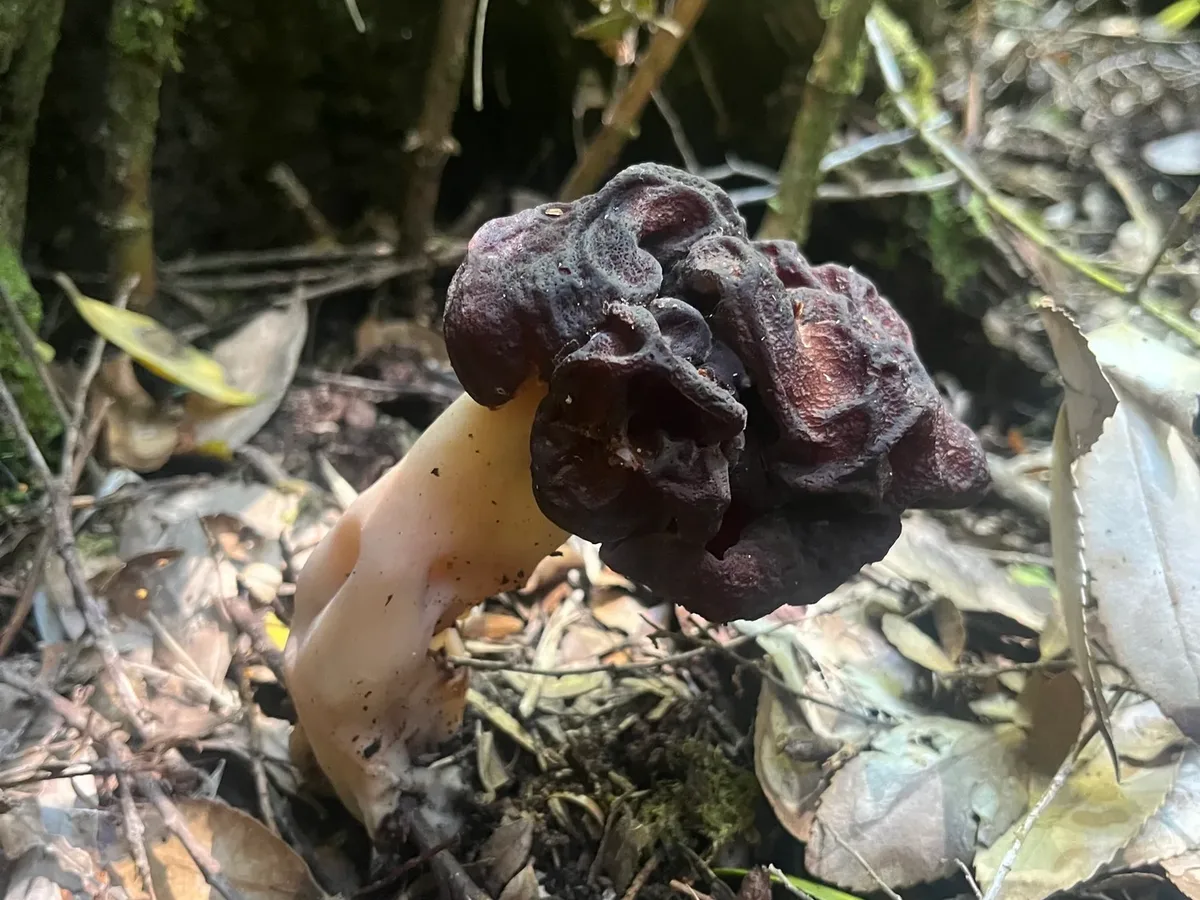 © Pablo Silva (CC BY)
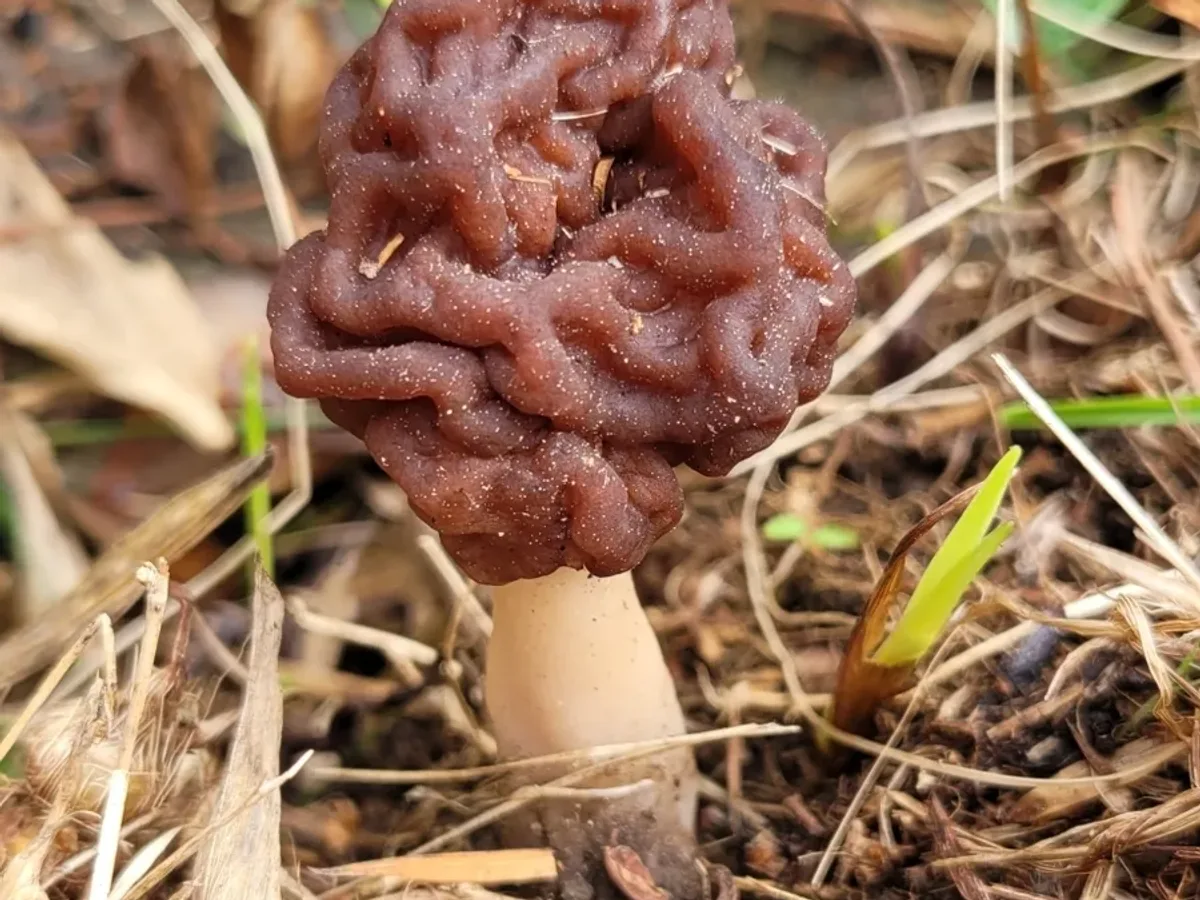 Paula Zermoglio (CC0)
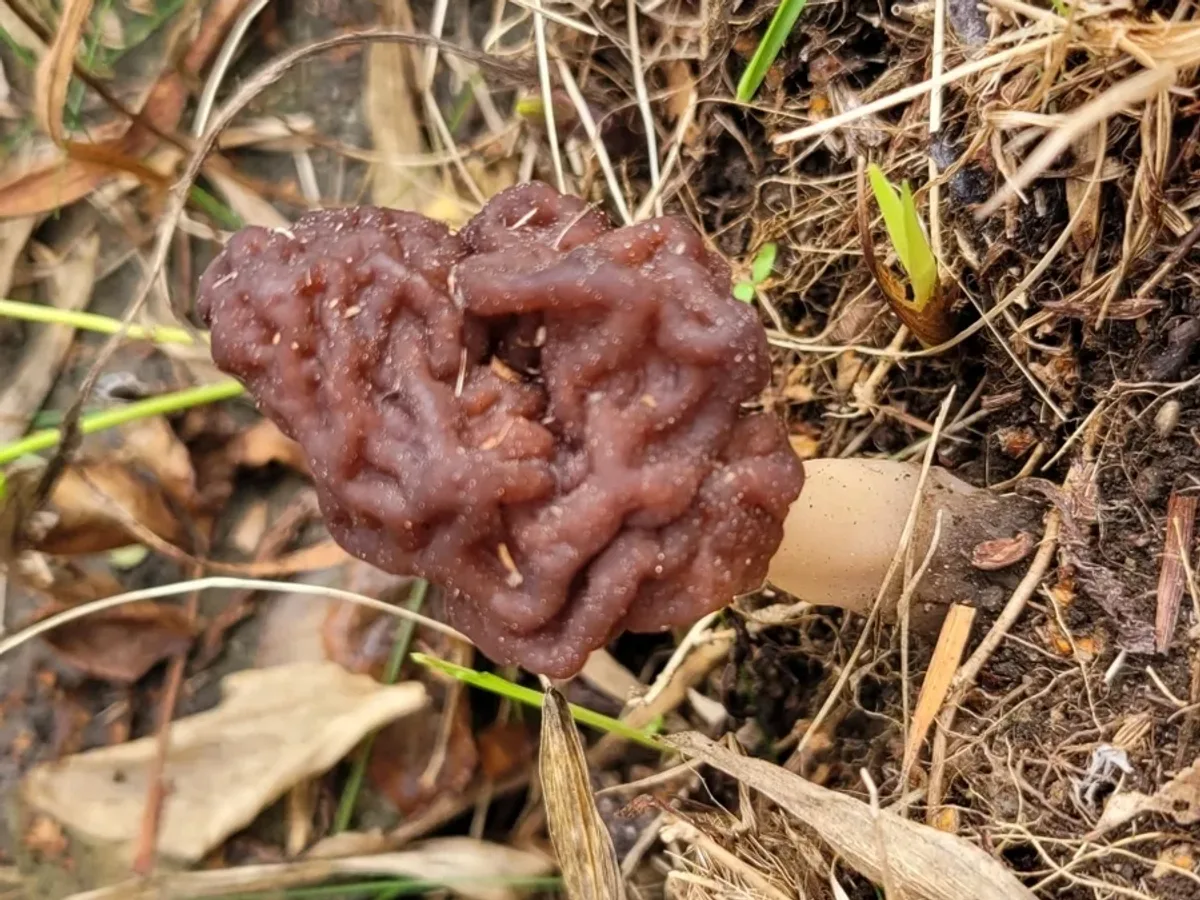 Paula Zermoglio (CC0)
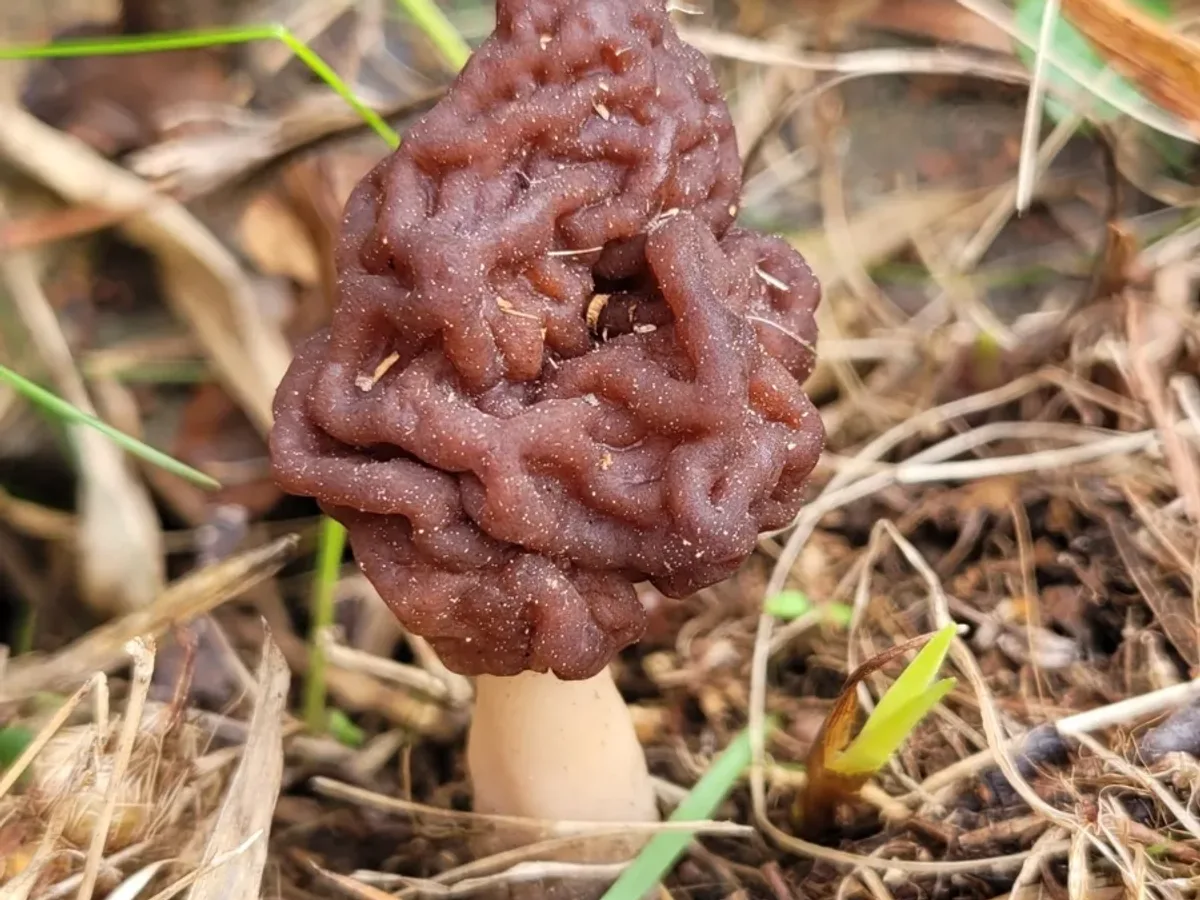 Paula Zermoglio (CC0)
 © Sebastián Fornés (CC BY)
 © Sebastián Fornés (CC BY)
 © Sebastián Fornés (CC BY)
 © Sebastián Fornés (CC BY)© Pablo Silva (CC BY)Paula Zermoglio (CC0)
Toxic - and the most serious cases can be fatal. Never eat it, and wash your hands after handling.
Never eat a mushroom you are not 100% sure of - check the look-alikes below, and always cook wild mushrooms.
How to recognise it
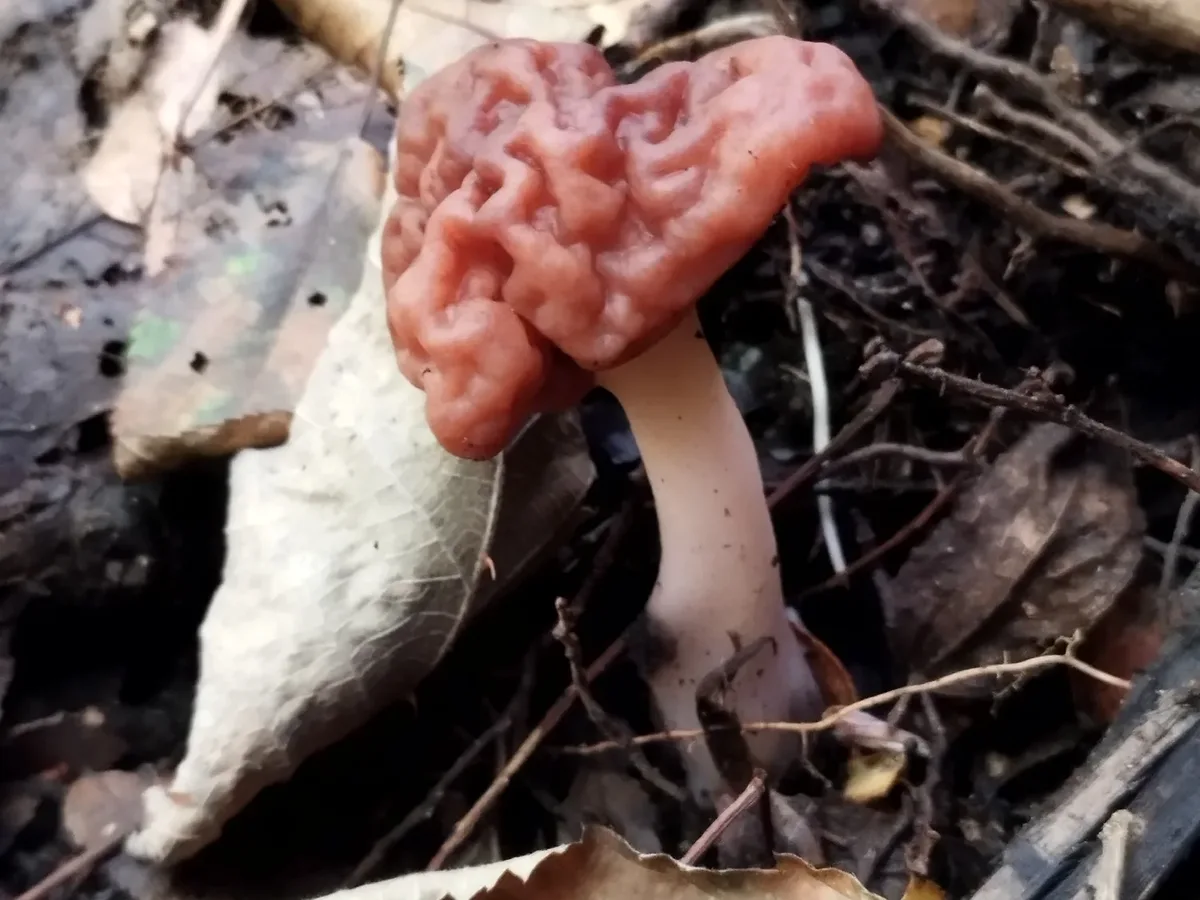
Gyromitra antarctica is a medium-sized spring ascomycete (cup fungus, class Pezizomycetes) belonging to the family Discinaceae. Like all Gyromitra, it lacks gills entirely - the fertile surface is the wrinkled, folded outer surface of the cap lobes.
Cap
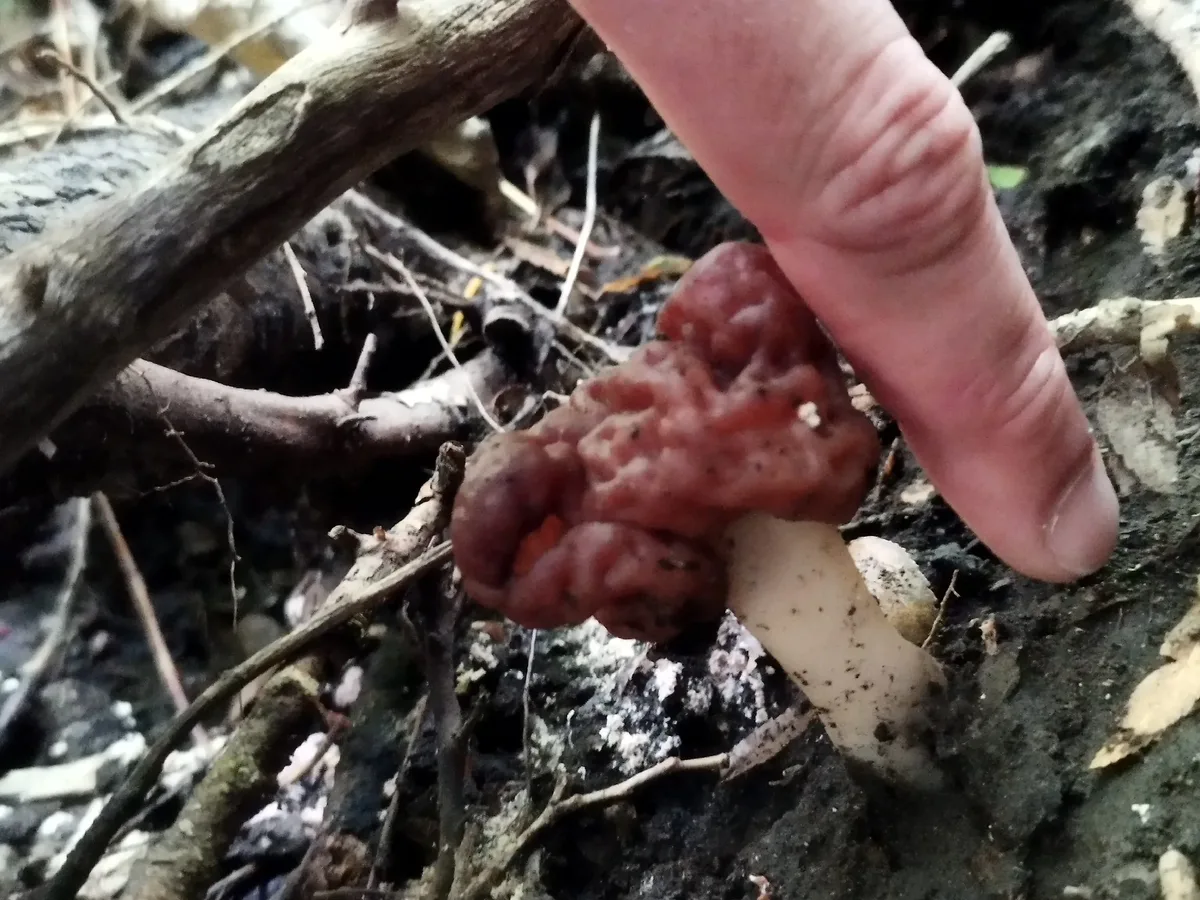
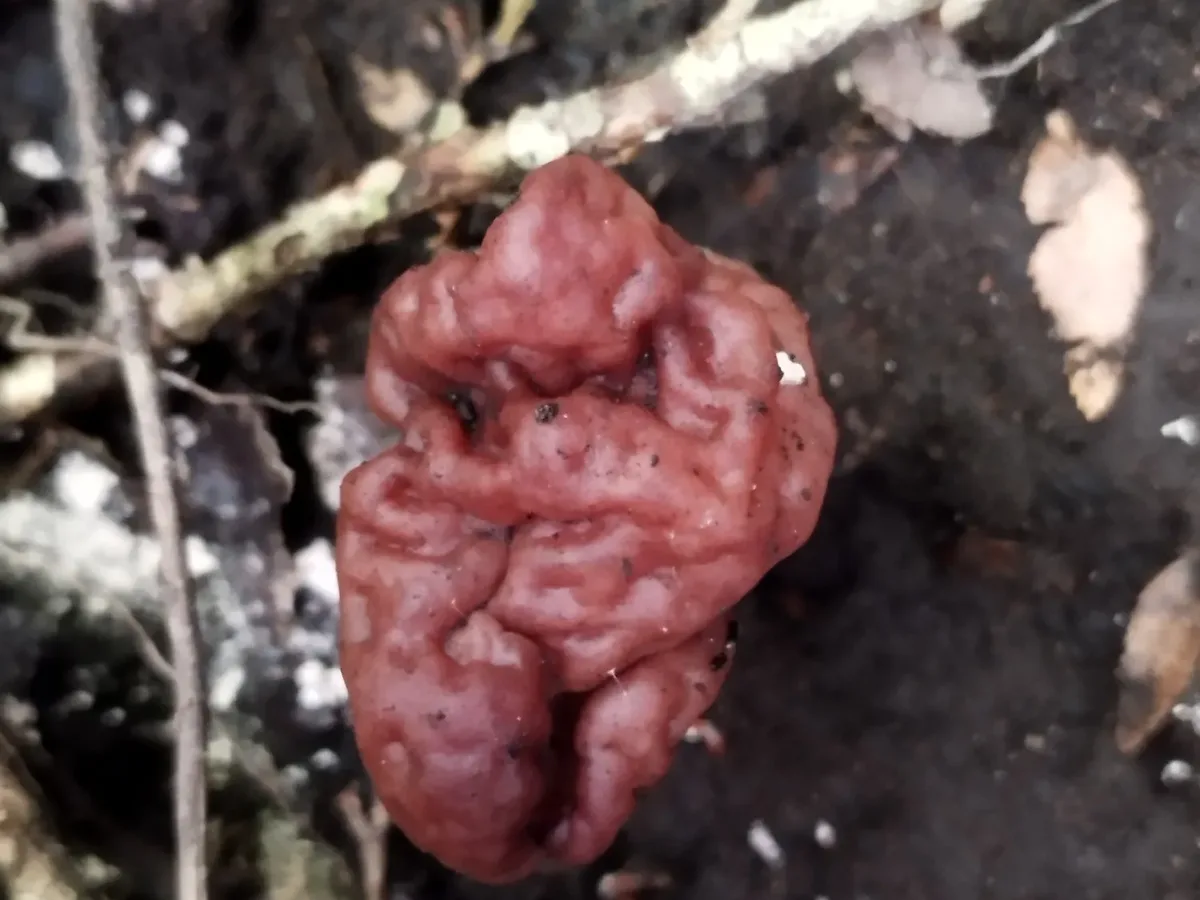
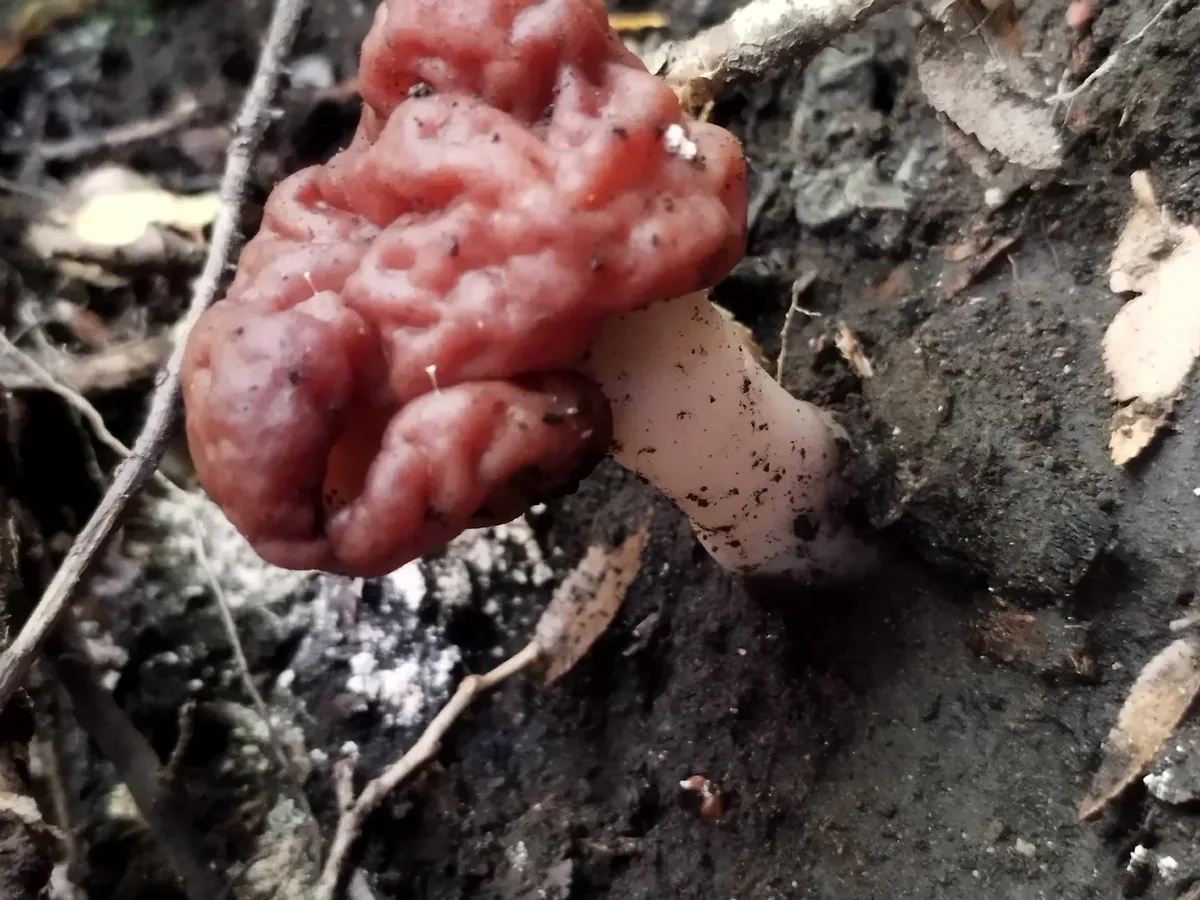
The cap is irregularly saddle-shaped, consisting of two or three broad rounded lobes that curve down and outward, broadly fused along much of their length to the upper portion of the stipe.
This saddle or mitre form immediately distinguishes it from true morels (Morchella), which have a clearly pitted honeycomb surface; and from cup fungi like Peziza or Sarcoscypha, which have a concave bowl-shaped fruiting surface.
The cap colour is reddish-brown to dark chestnut or liver-brown on the upper fertile surface, paling to cream or buff on the sterile undersides of the folds and on the interior walls of the chambers. In wet conditions the fertile surface can appear moist or slightly gelatinous.
Stem
The stipe is pale, ribbed and somewhat lacunose (pitted), and a vertical section through the whole fruit body reveals partial internal chambers - it is not fully hollow like Morchella, but nor is it solid throughout.
Specimens are fragile and collapse quickly after picking or heavy rain.
The overall impression in the field is of a medium-sized, reddish-brown, irregularly wrinkled cap on a pale stout stem, emerging from deep leaf litter or humus in Nothofagus forest - a striking and distinctive fungus that unfortunately shares its genus's toxic properties.
Why it's dangerous
Gyromitra poisoning is potentially fatal. Deaths have been documented repeatedly across Europe and North America from related species, and there is no reason to believe G. antarctica presents a materially different risk.
In remote Patagonian wilderness, the danger is compounded: medical facilities capable of treating gyromitrin poisoning - intensive care, haematology, hepatology, potentially transplant services - are hours or days away from most forest locations where G. antarctica grows.
The 6-12 hour delay before symptoms appear means a forager may be deep in the wilderness when the poisoning progresses to a critical phase. Never eat any wild Gyromitra species in the field.
Even in urban settings with excellent medical care, the margin for error is too small to justify consumption of any untested Gyromitra preparation. Patagonian communities in contact with this fungus should be aware that there is no local preparation tradition that makes it safe.
Toxin
Gyromitrin (N-methyl-N-formylhydrazone) is the class-defining toxin of genus Gyromitra, present in all examined species and assumed present in G. antarctica by genus-level analogy.
In the gastrointestinal tract, gyromitrin is hydrolysed by stomach acid to monomethylhydrazine (MMH). MMH acts via multiple mechanisms:
- Competitively inhibits pyridoxal phosphate (vitamin B6), disrupting GABA synthesis and causing neurological symptoms and seizures.
- Directly hepatotoxic, damaging hepatocytes and causing liver necrosis.
- Induces haemolysis of red blood cells.
- Forms methemoglobin, reducing oxygen-carrying capacity.
Gyromitrin is thermolabile - it breaks down and volatilises under heat - and is water-soluble, partitioning into cooking water during boiling.
However, complete removal by boiling is not reliable, due to:
- Variable toxin content per specimen.
- Variable cooking volumes.
- MMH itself being toxic at very low concentrations and evaporating into the cooking space.
Gyromitrin is classified as a probable human carcinogen (IARC Group 2B). Patagonian isolates of G. antarctica have not, to this author's knowledge, been systematically chemically analysed; the toxin profile is inferred from genus.
Symptoms
Symptoms of Gyromitra poisoning follow a characteristic and diagnostically important delayed onset.
- 1Phase 1 (latent, 0-6 hours): no symptoms; this creates a dangerous false sense of security.
- 2Phase 2 (gastrointestinal, 6-12 hours after ingestion): sudden onset of nausea, severe vomiting, watery diarrhoea, abdominal cramps, headache, dizziness, fatigue, and excessive sweating.
- 3Phase 3 (haemolytic-hepatotoxic, 12-72 hours in moderate to severe poisoning): haemolysis of red blood cells produces haemoglobinuria (dark or reddish urine), jaundice, anaemia, and pallor; liver enzyme elevation (AST, ALT, bilirubin); hepatomegaly. Methemoglobinaemia may develop, presenting as cyanosis, dyspnoea, and blue-grey skin discolouration.
- 4Phase 4 (severe cases): acute hepatic failure, renal failure, coagulopathy, encephalopathy, seizures (from MMH-mediated pyridoxine depletion), coma, and death.
The severity of poisoning depends on the gyromitrin content of the ingested specimen, total dose consumed, individual susceptibility (children, pregnant women, those with pre-existing liver disease, and individuals with G6PD deficiency are at higher risk), and speed of treatment.
Treatment is supportive and directed at the specific toxic mechanisms:
- High-dose intravenous pyridoxine (vitamin B6, 25 mg/kg) is the specific antidote for MMH-induced seizures.
- Methylene blue IV is used for methemoglobinaemia.
- Liver transplantation has been required in the most severe cases of hepatic failure.
Staying safe
Gyromitra antarctica must be considered a deadly-toxic species. All Gyromitra species examined to date contain gyromitrin or structurally related hydrazone toxins, and there is no scientific basis for treating any species in the genus as safe until thoroughly studied.
Specific gyromitrin quantification for G. antarctica is not available in the accessible peer-reviewed literature, but the presence of gyromitrin in all tested Gyromitra species means that a precautionary assumption of full toxicity is the only defensible position.
Gyromitrin (the pro-toxin) is partially water-soluble and thermolabile: boiling in large volumes of water with water changes does reduce the toxin load, but does not reliably eliminate it.
In a remote Patagonian forest setting, the infrastructure for repeated safe parboiling with proper ventilation is unlikely to be available, and the margin for error is zero - partial detoxification failure can still cause fatal liver failure. Do not eat G. antarctica under any circumstances.
If accidental ingestion is suspected, treat it as a medical emergency:
- Seek hospital care immediately.
- Carry a specimen or photograph for identification.
- Do not wait for symptoms to appear.
Symptom onset is delayed 6-12 hours after ingestion, a dangerously deceptive lag that causes many poisoning victims to assume they are well before liver damage sets in.
Where & when it grows
Habitat
Gyromitra antarctica is ecologically rooted in the cool temperate and subantarctic forests of southern South America. Its primary habitat is Nothofagus (southern beech) forest - the ecological equivalent of the spruce and fir forests where northern-hemisphere Gyromitra species thrive.
The southern beeches (lenga beech N. pumilio, ñire N. antarctica, the evergreen coihues N. betuloides and N. dombeyi) form vast forests through Patagonia, Tierra del Fuego, and the southern Andes, and G. antarctica is a characteristic member of this forest's fungal community.
It is saprotrophic, deriving nutrition from decaying organic material in the deep humus layer - broken-down leaves, woody debris, and partially decomposed wood - rather than forming mycorrhizal relationships with living tree roots.
Within Nothofagus forest it tends to favour valley bottoms, stream-side flats, and north-facing (sun-sheltered) slopes in the Southern Hemisphere where organic matter accumulates in greater depth and soil moisture is higher. It can appear at the transition between dense closed-canopy forest and subalpine shrubland near treeline, wherever leaf litter and humus persist.
Records also exist from the Falkland Islands (Islas Malvinas), where wind-pruned Nothofagus stands and deep peat soils provide suitable substrate.
Collectors should be aware that this remote, cool, wet habitat is also the habitat of other unusual fungi, many poorly documented; take care not to assume unfamiliar species are safe simply because they appear unusual or distinctive.
When
In the Southern Hemisphere, Gyromitra antarctica fruits in austral spring and early summer - the ecological counterpart of a northern-hemisphere April-May Gyromitra season.
In Patagonia and Tierra del Fuego, the season runs from approximately October through January, with the core flush in November and December as soils warm above the 4-6 °C threshold following winter cold and snowmelt at higher elevations.
At lower elevations near sea level, where winters are milder and snow cover is brief, fruiting may begin as early as late September or October. At high subalpine elevations and southerly latitudes (Tierra del Fuego, Cape Horn zone), the season may shift into December and January.
Rainfall and soil moisture in the weeks preceding fruiting appear to contribute to flush intensity, though as with other spring Gyromitra species, the primary trigger is soil warming rather than a discrete rainfall event - the receding snowpack or winter soil saturation provides adequate moisture.
The season at any one site is typically short: 3-5 weeks for a given population.
This vernal timing is important for field identification: no autumn-fruiting Gyromitra species are documented in the region, so season alone is less useful as a distinguishing character within the genus in Patagonia than it is in Scandinavia (where G. esculenta, G. ambigua, and G. infula have clearly offset seasons).
How it grows
Fruit bodies emerge singly or in small scattered groups of 2-5 from humus-rich soil and leaf litter, occasionally from decaying embedded wood just below the surface. Growth from primordium to a full-sized specimen takes approximately 5-12 days under optimal cool and moist conditions.
Mature specimens deteriorate within a few days, becoming waterlogged and collapsing, particularly after heavy rain or when temperatures rise.
The mycelium is diffuse and non-rhizomorphic; a pale, whitish cottony mycelial mat is sometimes visible at the stipe base when specimens are carefully lifted.
Populations tend to appear at the same sites in consecutive years when conditions are suitable, suggesting a stable mycelial network that persists in the soil between fruiting seasons. There is no evidence of sclerotia or other persistent overwintering structures beyond the mycelium itself.
Fruiting conditions
Fruiting is primarily triggered by soil warming above 4-6 °C following the austral winter, paralleling the snowmelt-driven spring flush of northern-hemisphere Gyromitra species. The cool, wet Patagonian climate means soil moisture is rarely limiting; the thermal threshold is the dominant driver. A moderate rainfall total in the preceding 14 days (>10 mm) ensures adequate surface moisture for primordium development, but snowmelt alone at higher elevations provides sufficient water. Flush lag of 5-14 days reflects the time from threshold soil temperature being reached to visible fruit bodies emerging.
Look-alikes
The most important dangerous lookalike in the region is Gyromitra patagonica (if accepted as a distinct species) or other undescribed or poorly circumscribed Gyromitra-group taxa that occur in Patagonian Nothofagus forest.
Patagonian Gyromitra taxonomy is incompletely resolved; any reddish-brown saddle-shaped ascomycete in this habitat should be treated as a Gyromitra-group fungus and assumed toxic.
True morels (Morchella spp.) occur in parts of South America, including Chile and Argentina, and are the most important confusion risk for foragers seeking edible spring fungi. They can be distinguished immediately by:
- Their clearly honeycomb-pitted (alveolate) cap surface - the pits are angular depressions bounded by raised ridges, completely different from Gyromitra's rounded lobes and wrinkled folds.
- Their completely hollow interior (cap and stipe fully hollow with cap fused at the stipe base only).
Some Morchella are edible when thoroughly cooked, but they deserve their own caution regarding raw consumption and the need for full cooking.
Discina perlata (pig's ear) is a related ascomycete in the same family (Discinaceae) that also occurs in forest humus; it has a more cup- or disc-shaped fertile surface, typically reddish-brown, and is shorter-stalked or nearly sessile. Discina contains giromitrin-related compounds in some species and should also be treated with caution.
Large Peziza species (cup fungi) are distinguished by their concave bowl form and lack of lobed caps.
No other reddish-brown saddle-shaped fungus in Patagonian forest is known to be safe to eat.
Patagonian Nothofagus forest harbours other poorly characterised Gyromitra-group fungi. Gyromitra patagonica and additional undescribed or incompletely resolved taxa occur in the same habitat. All should be treated as equally deadly; distinguishing between them in the field has no practical safety value, as all Gyromitra-group fungi in the region must be considered toxic.
Large Peziza species can be brown and grow in similar forest floor habitats, but are clearly cup-shaped (concave bowl) rather than lobed or saddle-shaped. They lack the stipe structure and lobed architecture of Gyromitra. Some Peziza contain low-level toxins; none are recommended for raw consumption.
True morels have a clearly honeycomb-pitted (alveolate) cap with angular pits bounded by raised ridges - never the smooth rounded lobes and wrinkled folds of Gyromitra. The interior of Morchella is completely hollow (cap and stipe form a single continuous hollow chamber); Gyromitra has partial internal chambers. Morchella are edible when thoroughly cooked, but must never be eaten raw, and deserve careful species confirmation in their own right.
Discina perlata is in the same family (Discinaceae) and similarly reddish-brown, but has a disc- or cup-shaped (not saddle-lobed) fertile surface and is nearly sessile or has a very short, thick stipe. Some Discina species contain gyromitrin-related compounds and should also be treated with caution. The concave cup form is clearly different from Gyromitra's lobed saddle cap.
A reference guide - never an edibility guarantee. When in doubt, leave it out.