Patagonian skullcap
Galerina patagonica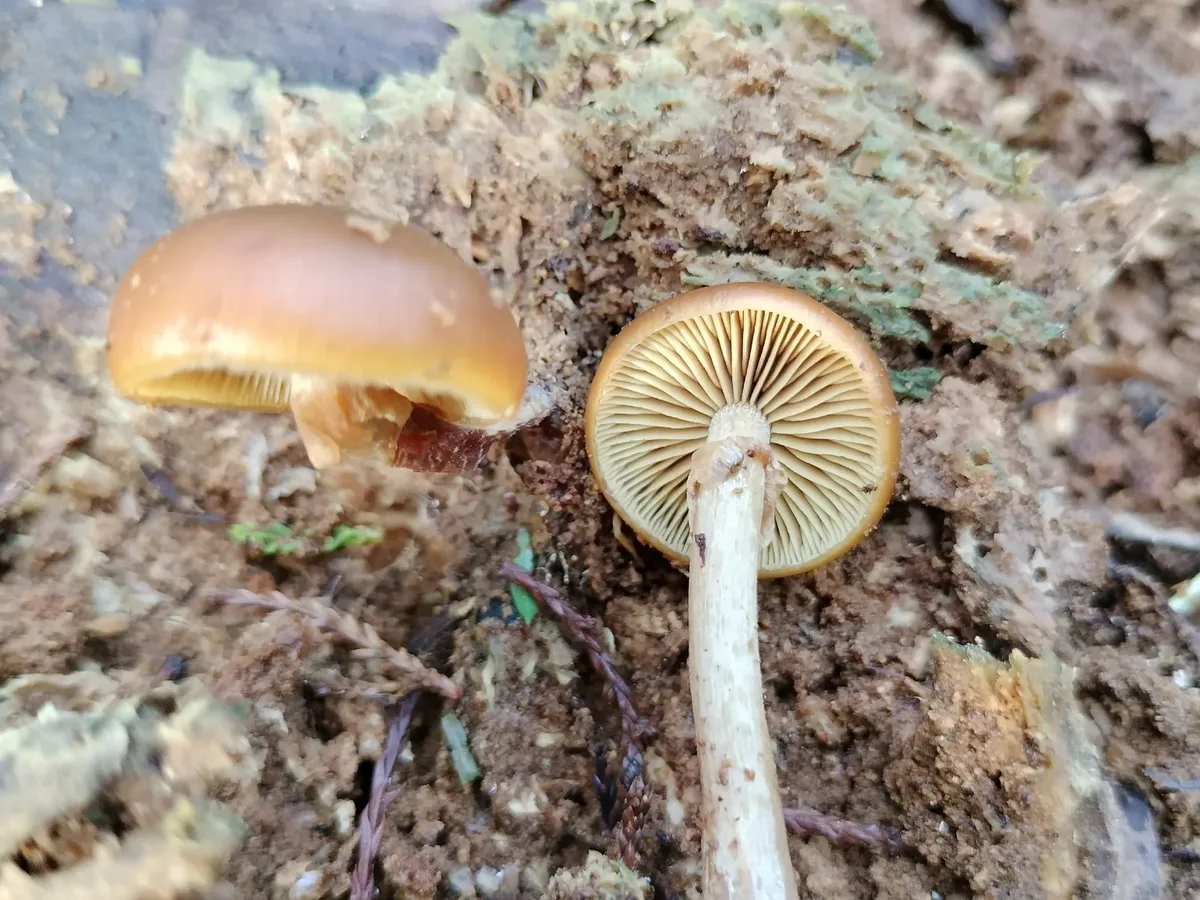 Barbara B (CC0)
 Barbara B (CC0)
 © Felix Collins (CC BY)
 © Felix Collins (CC BY)
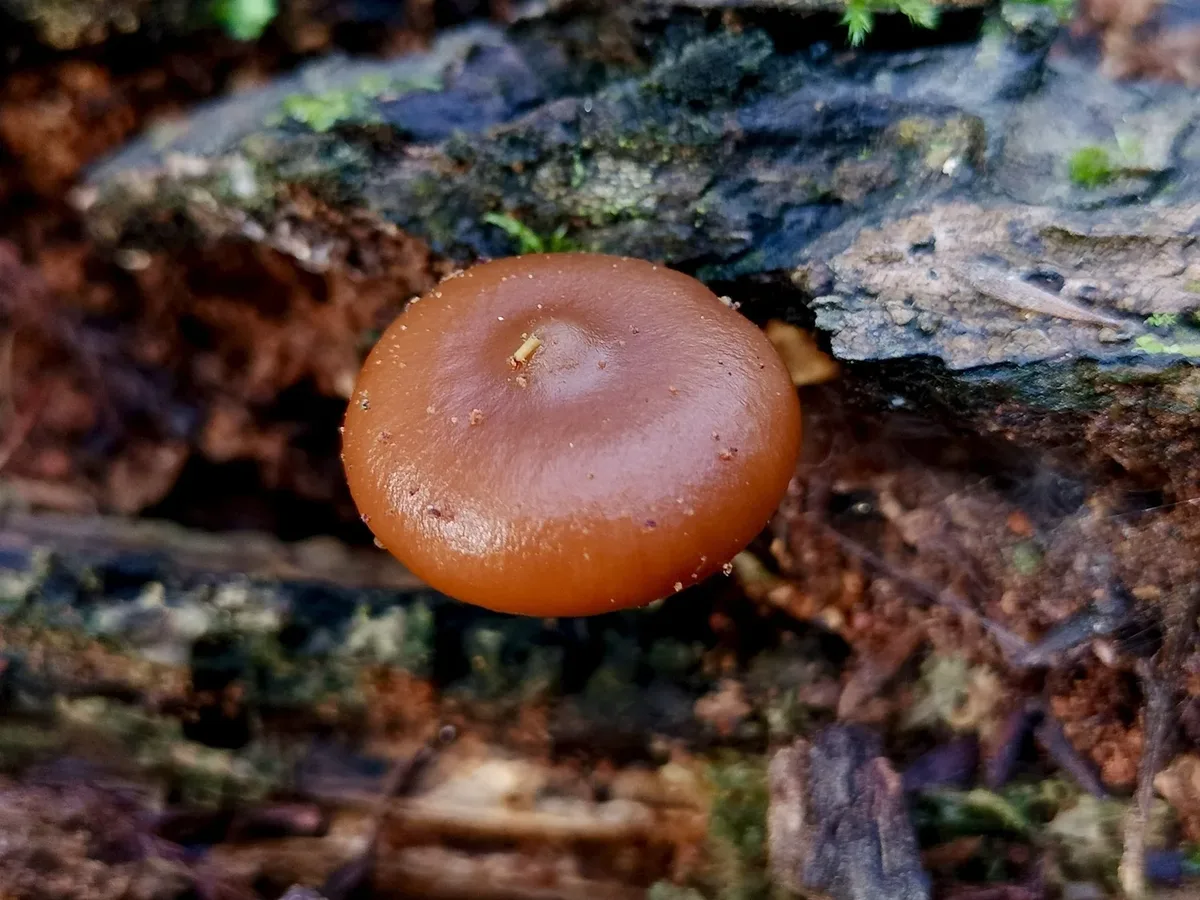 Barbara B (CC0)
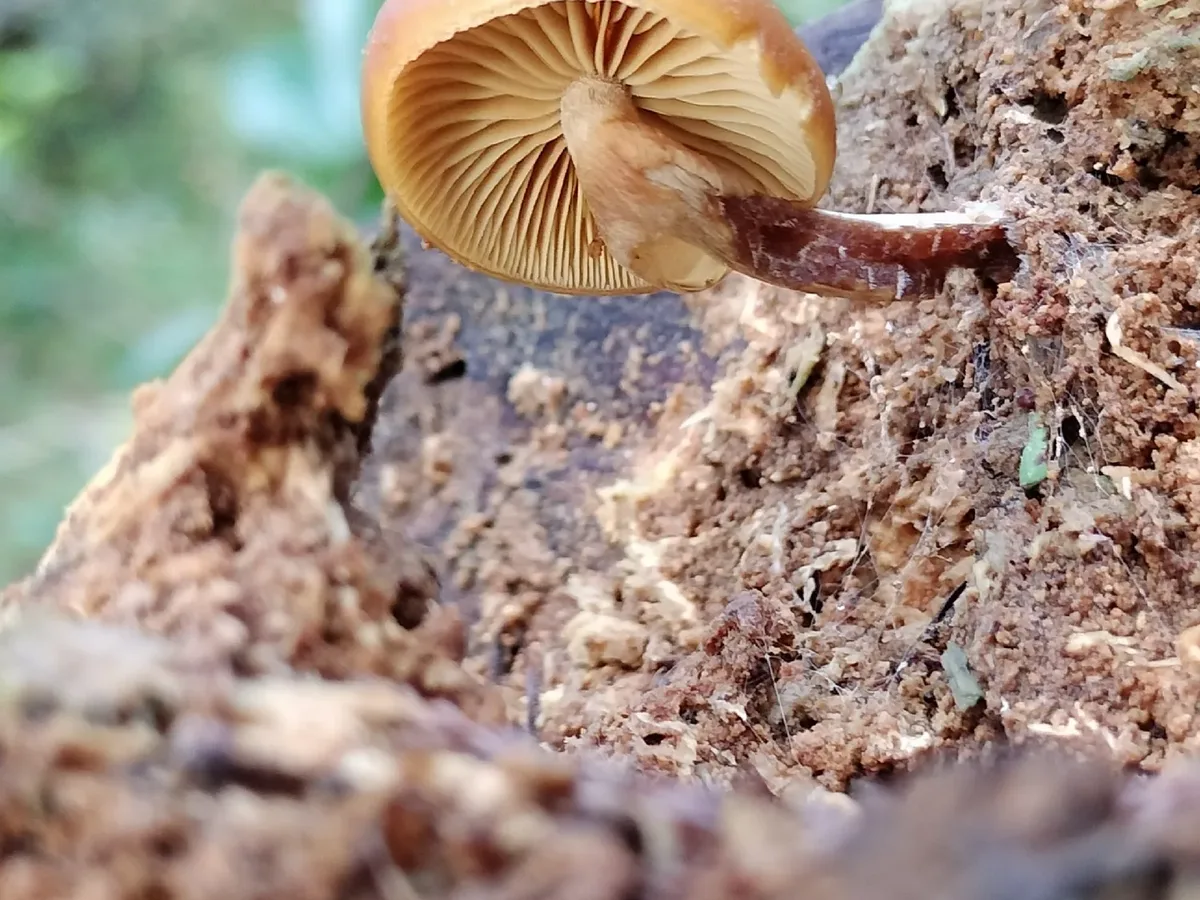 Barbara B (CC0)
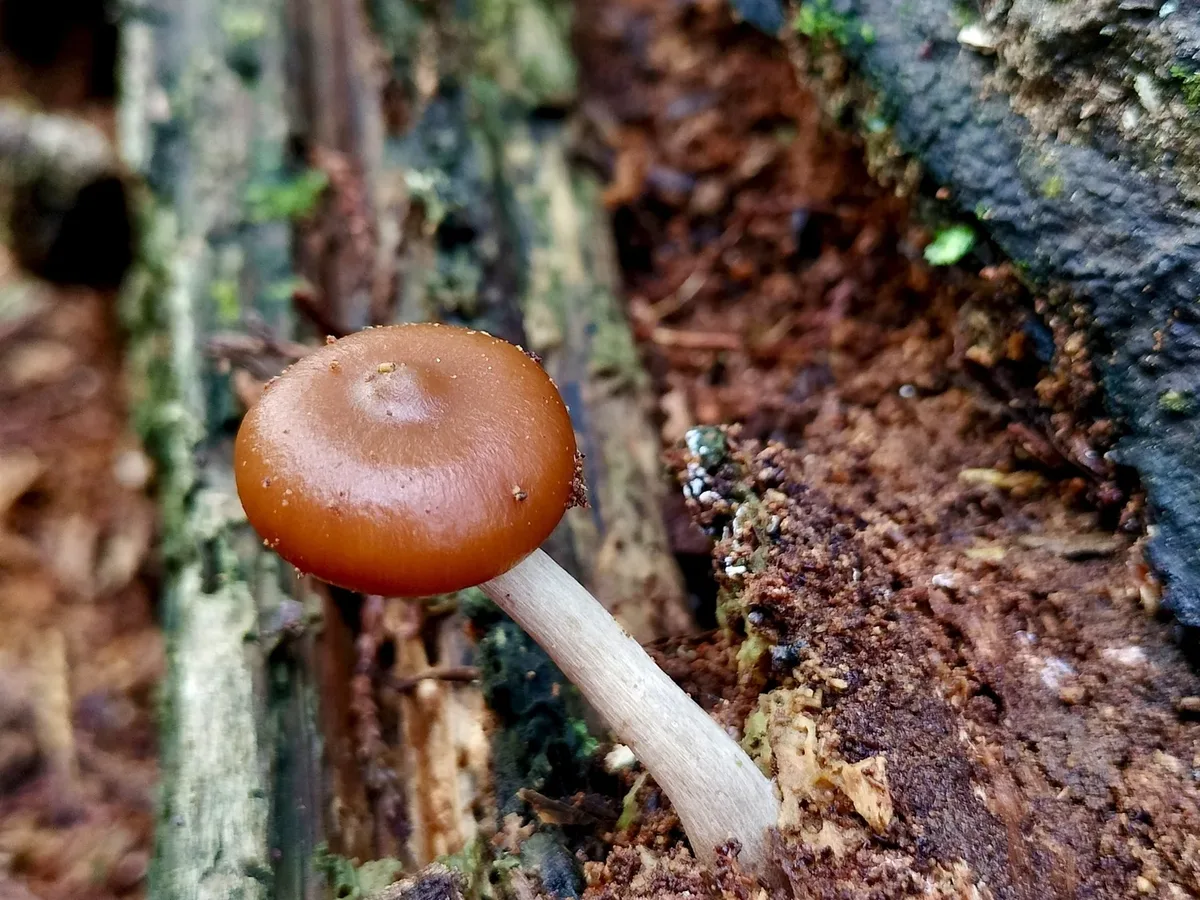 Barbara B (CC0)Barbara B (CC0)Barbara B (CC0)
Toxic - and the most serious cases can be fatal. Never eat it, and wash your hands after handling.
Never eat a mushroom you are not 100% sure of - check the look-alikes below, and always cook wild mushrooms.
How to recognise it
Galerina patagonica is the archetype of the "little brown mushroom" (LBM) problem in mycology - a species so visually ordinary that its lethality has repeatedly surprised foragers who assumed small brown mushrooms could not be dangerous.
Cap
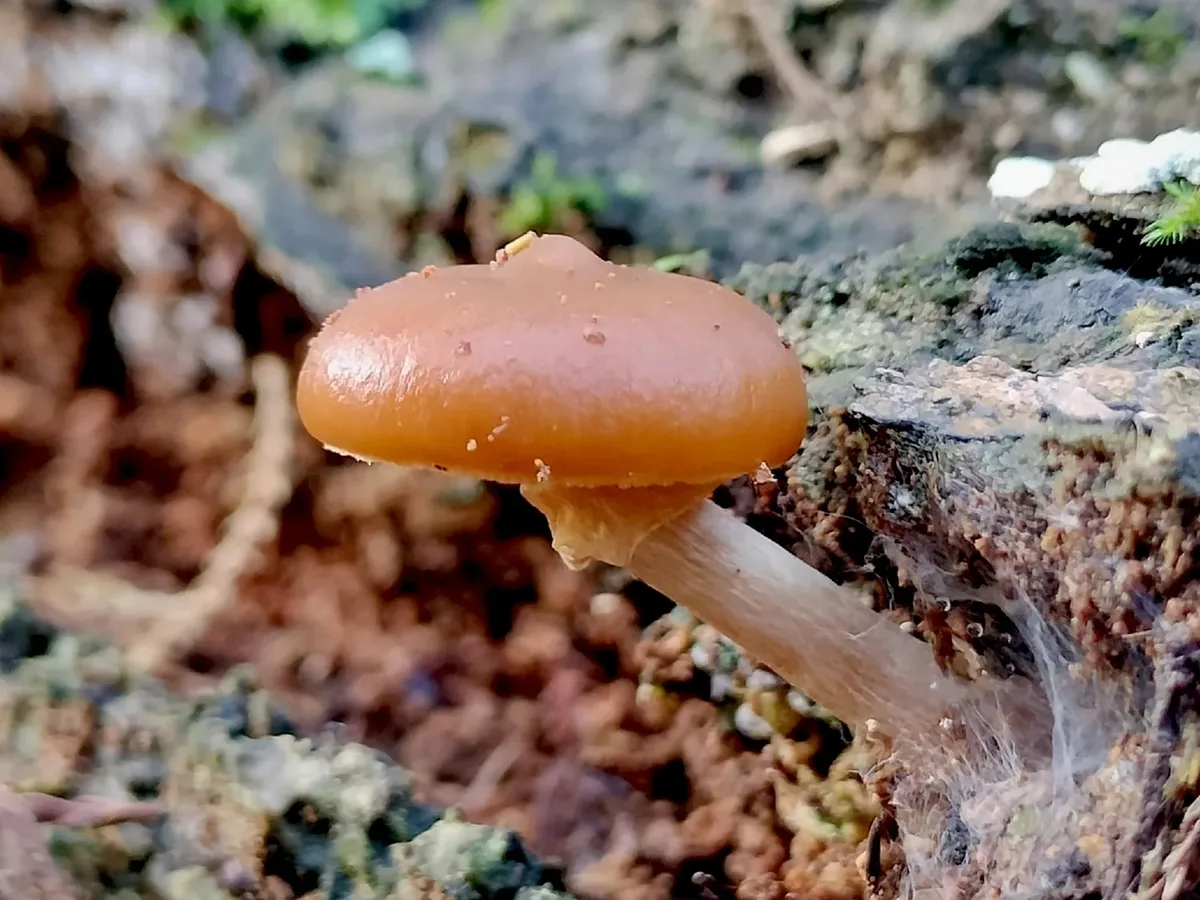
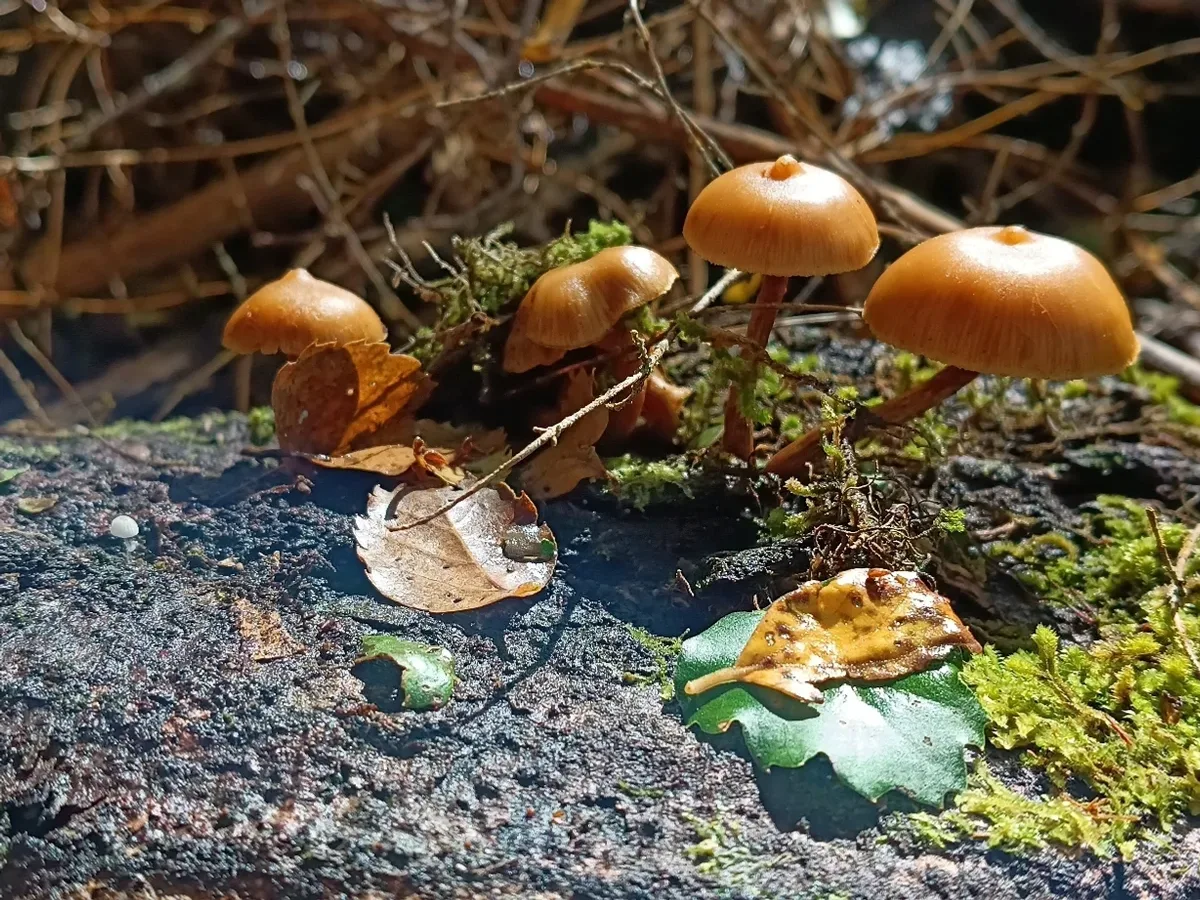
The cap measures 0.8-6 cm across, emerging as a domed button before flattening and sometimes developing a low central umbo with age.
Colour is a warm chestnut-brown when moist, but the cap is strongly hygrophanous: as it dries, the pigment bleaches outward from the centre toward the margin, leaving a two-toned disc - pale ochre or buff at the centre, retaining deeper brown only at the outer zone.
When wet and fully hydrated, the margin shows translucent striations - thin lines where the flesh is thin enough that the gills below show through as faint ribs.
Gills / Pores
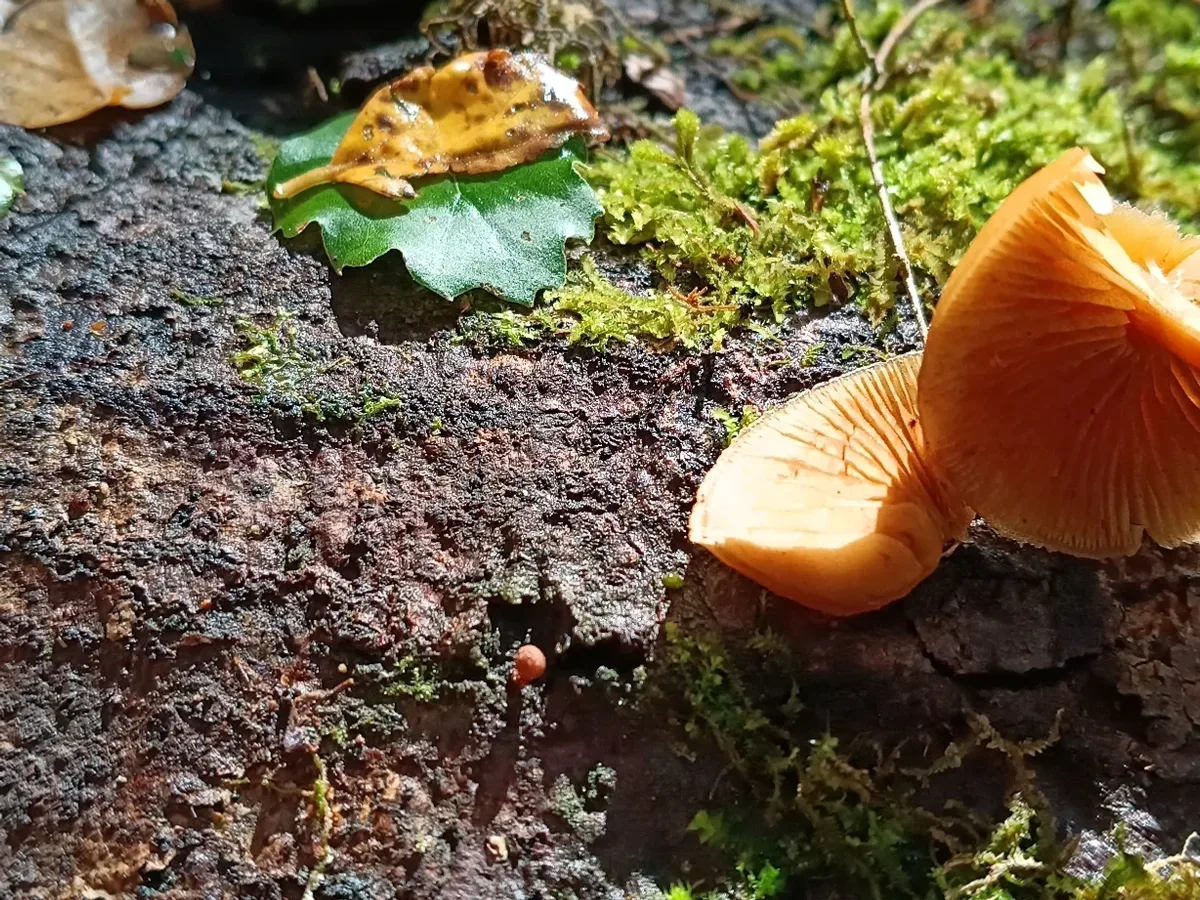
The gills are adnate - attached squarely to the top of the stem without decurrent teeth - moderately crowded, initially pale brown and deepening to cinnamon-rust as the spores mature.
The spore print is a critical identifier: rusty-brown to cinnamon, never purple-black or white.
Stem
The most diagnostically important feature is the ring: a persistent, fibrous, skirt-like annulus sits on the upper third of the stem, sometimes torn and ragged on older specimens but rarely disappearing entirely.
The stem is 2-8 cm tall, slender, fibrous, concolorous with the cap or slightly paler.
Flesh
Flesh is thin and watery.
Smell & taste
Without distinctive smell or taste - which is itself part of the danger, as there is no off odour to warn an unwary forager.
Why it's dangerous
Galerina patagonica is a deadly species. It contains amatoxins at concentrations comparable to the death cap (Amanita phalloides), and a single small fruitbody is potentially lethal to a human adult.
The danger is compounded by three factors specific to this species:
- 1It grows in the same habitat and season as small Psilocybe species that some foragers seek deliberately.
- 2It has no reliable field mark that can be read at a glance without destructive testing or a spore print.
- 3Amatoxin poisoning has a prolonged latent phase - the window during which intervention is most effective, the hours immediately after ingestion, passes silently, before any symptoms warn the patient that something is wrong.
Fatal outcomes have occurred in the Galerina marginata complex worldwide among foragers who confused them with edible or psychoactive species.
Anyone foraging small brown mushrooms in Patagonian temperate forest must:
- complete spore print, bluing, and ring checks before any specimen is consumed;
- never eat based on visual similarity to known edible species;
- seek emergency care immediately - disclosing mushroom exposure explicitly - if gastrointestinal symptoms develop within 24 hours of any wild mushroom meal.
Toxin
Galerina patagonica sits within the Galerina marginata species complex and is considered to produce amatoxins - primarily alpha-amanitin and beta-amanitin, the same bicyclic octapeptide toxins responsible for the majority of fatal mushroom poisonings worldwide.
Alpha-amanitin is the principal toxin - a potent, selective inhibitor of RNA polymerase II, the enzyme responsible for transcribing messenger RNA in eukaryotic cells. Absorbed through the gut, it accumulates preferentially in hepatocytes (liver cells) and kidney tubular cells, where it halts protein synthesis.
Because protein turnover in these cell types is rapid, even brief RNA polymerase II inhibition causes irreversible cell death - the liver and kidneys begin to fail as cells die faster than they can be replaced.
The toxin is absorbed without causing immediate symptoms, which is the central clinical danger. There is a deceptive latent period of six to twenty-four hours during which the patient feels well while the toxin is already at work inside liver and kidney tissue.
Amatoxin content in Galerina species has been measured in related European material (G. marginata) at 0.1-0.3 mg per gram of dry tissue - comparable to Amanita phalloides. Patagonian material has not been independently quantified to published standard, but its phylogenetic position within the amanitin-producing Galerina clade makes amatoxin presence the safe working assumption.
Symptoms
Amatoxin poisoning from Galerina patagonica follows the same clinical trajectory as Amanita phalloides poisoning, divided into three phases.
- 1Phase one (latent phase, 6-24 hours): no symptoms. The absence of early symptoms after eating a potentially contaminated meal does not indicate safety - it reflects the mechanism of the toxin, which binds intracellularly before tissue damage accumulates. This latent phase is the primary reason amatoxin poisonings are often diagnosed late and treated when the window for effective intervention has narrowed.
- 2Phase two (gastrointestinal phase, hours 6-24 after onset): severe abdominal cramps, profuse watery diarrhoea, nausea, and vomiting. Fluid and electrolyte losses can be extreme. This phase may be mistaken for ordinary gastroenteritis or food poisoning from another cause - the critical error is treating it as a routine gut illness without disclosing the possibility of mushroom exposure.
- 3Phase three (hepatorenal phase, days 2-6): liver enzymes (AST, ALT) rise sharply, followed by progressive liver failure - jaundice, coagulopathy, encephalopathy - and concurrent acute kidney injury. Without aggressive medical intervention (silibinin or benzylpenicillin infusion, supportive care, and in severe cases liver transplantation), phase three can be fatal within four to eight days of ingestion.
Any person who has eaten unknown small brown mushrooms from a wood substrate in Patagonia and develops gastrointestinal symptoms within 24 hours must present immediately to an emergency department and state clearly that mushroom ingestion is suspected - early intervention substantially improves outcomes.
Staying safe
Galerina patagonica is a deadly species. It contains amatoxins - the same class of toxins found in Amanita phalloides (death cap) - and no part of the fruiting body is safe to eat. There is no preparation method that renders it edible or safe.
If you find small brown mushrooms on decaying wood in Patagonian temperate forest during autumn, treat them as potentially Galerina until all distinguishing checks (bluing reaction, spore print, ring) have been completed.
- If any check is ambiguous, do not eat.
- If a specimen has been inadvertently mixed with food, discard the entire dish.
Never eat any small brown wood-inhabiting mushroom in Patagonia without completing a spore print and checking for bluing - these two steps take minutes and can prevent a fatal poisoning.
Where & when it grows
Habitat
Galerina patagonica grows as a saprotroph on the decaying wood of conifers and southern beeches across Patagonia. Its primary substrates are Nothofagus dombeyi (coihue) and Austrocedrus chilensis (ciprés de la cordillera) - the towering broadleaf and the aromatic conifer that together define the Valdivian and sub-Andean temperate forest belts from roughly 38° S southward.
The fungus typically fruits in clusters, sometimes dense tufts, rising from waterlogged logs, buried root systems, or the compressed humus immediately adjacent to a decaying stump.
It can appear to be growing from soil when the actual substrate - a buried piece of root or a deeply rotted log - is not visible. That apparent soil-fruiting is one of the ecological features that creates confusion with species like Psilocybe, which also inhabit wood-rich substrates in the same forest type.
Galerina patagonica's distribution sits within a broader biogeographic pattern: closely related amatoxin-bearing Galerina occur across the temperate forests of Australia, New Zealand, and the Northern Hemisphere, all tied to the ancient Gondwanan landmass.
It is a sobering reminder that the deadly amatoxin biochemical pathway is deeply conserved across unrelated fungal lineages - it evolved independently in Amanita, Lepiota, and Galerina - and that no corner of the world's cool temperate forests is free of LBMs capable of killing a human being.
When
In Patagonia, Galerina patagonica fruits during the austral autumn, broadly March through June, driven by the transition from warm, dry Andean summers to cool, persistently moist conditions as westerly airflow intensifies over the southern Andes.
The core flush tends to follow the first significant rainfall events after the dry season - typically in March or April at lower elevations, persisting into May and June as temperatures continue to cool and humidity remains high.
Fruiting is tightly linked to soil moisture rather than air temperature alone: the mycelium accelerates spore production once the waterlogged wood substrate absorbs enough rain to sustain active decomposition.
Individual flushes can be brief and intense - a cluster visible for three to ten days before the caps collapse - and may be followed by further waves if wet-dry cycling continues.
At higher elevations in the Andean foothills, the season can compress to a narrower window, ending abruptly when night frosts arrive in May or June. Spring fruitings are occasionally reported but are substantially less common.
The seasonality broadly mirrors that of co-occurring Psilocybe species in the same habitat, a contributing factor to dangerous misidentification events - both taxa fruit in the same place at the same time of year.
How it grows
Like all Galerina, G. patagonica is a wood decomposer rather than a mycorrhizal partner. Its mycelium colonises dead and dying wood, secreting a suite of lignocellulose-degrading enzymes - cellulases, hemicellulases, and selective oxidative enzymes - that disassemble the structural polymers of the wood into simpler carbon compounds the fungus can absorb.
The mycelium is a pale, thread-fine network that permeates the wood grain, invisible until it consolidates into rhizomorphs or the base of a fruiting cluster.
The fruiting body itself develops rapidly once conditions are right: the pin-stage primordia form within the wood or just beneath the bark surface, and a mature cap can be reached within seven to fourteen days of the triggering rain event.
Because the mycelium is feeding on already-dead wood, there is no living tree partner involved - G. patagonica is a recycler, a system that returns locked carbon back to the forest floor. It is a quiet and ecologically essential role, even in a species that is so dangerous to humans.
The clusters it produces arise from a shared mycelial base, which means all fruitbodies in a clump are genetically identical tissue - an arrangement that also concentrates amatoxins: a person picking a cluster picks multiple lethal doses at once.
Fruiting conditions
Fruits in cool, moist periods, especially autumn; conservative wood-decomposer estimate.
Look-alikes
The principal dangerous lookalike scenario is confusion with Psilocybe species - psychoactive fungi that some people seek deliberately and that share G. patagonica's preferred habitat of decaying Nothofagus and conifer wood in Patagonian temperate forest.
The two genera overlap seasonally and spatially, and at the fruitbody level they can appear nearly identical to an inexperienced eye. The key separations:
- Bluing: Psilocybe species containing psilocybin bruise distinctly blue or blue-green when handled, cut, or damaged, because psilocybin oxidises to a blue pigment on tissue damage; G. patagonica does not bruise blue.
- Spore print colour: G. patagonica prints rusty-brown to cinnamon; Psilocybe prints are dark purple-brown to near-black.
- Ring: often cited as a field mark - G. patagonica usually has a persistent fibrous skirt - but some Psilocybe also have veil remnants, and a rain-washed or aged G. patagonica can have a degraded ring, so ring presence alone is not sufficient to confirm Galerina.
No other common species in the same habitat creates the same acute mortality risk, but several other LBMs (other Galerina spp., small Inocybe, small Hebeloma) occupy similar substrate niches and should also be avoided.
There are no known edible species in the Patagonian temperate forest that are reliably separated from G. patagonica by easy field characters alone. The only safe rule in this habitat: do not eat small brown mushrooms growing on wood unless all three checks (bluing, spore print, ring status) have been completed and point away from Galerina.
Some Psilocybe bruise blue; Galerina patagonica does not bruise blue. Substrate (rotten wood) and persistent ring are further clues.
A reference guide - never an edibility guarantee. When in doubt, leave it out.