Funeral bell
Galerina marginatasyn. Galerina autumnalis, Galerina unicolor, Pholiota marginata, Galerina venenata, Galerina oregonensis
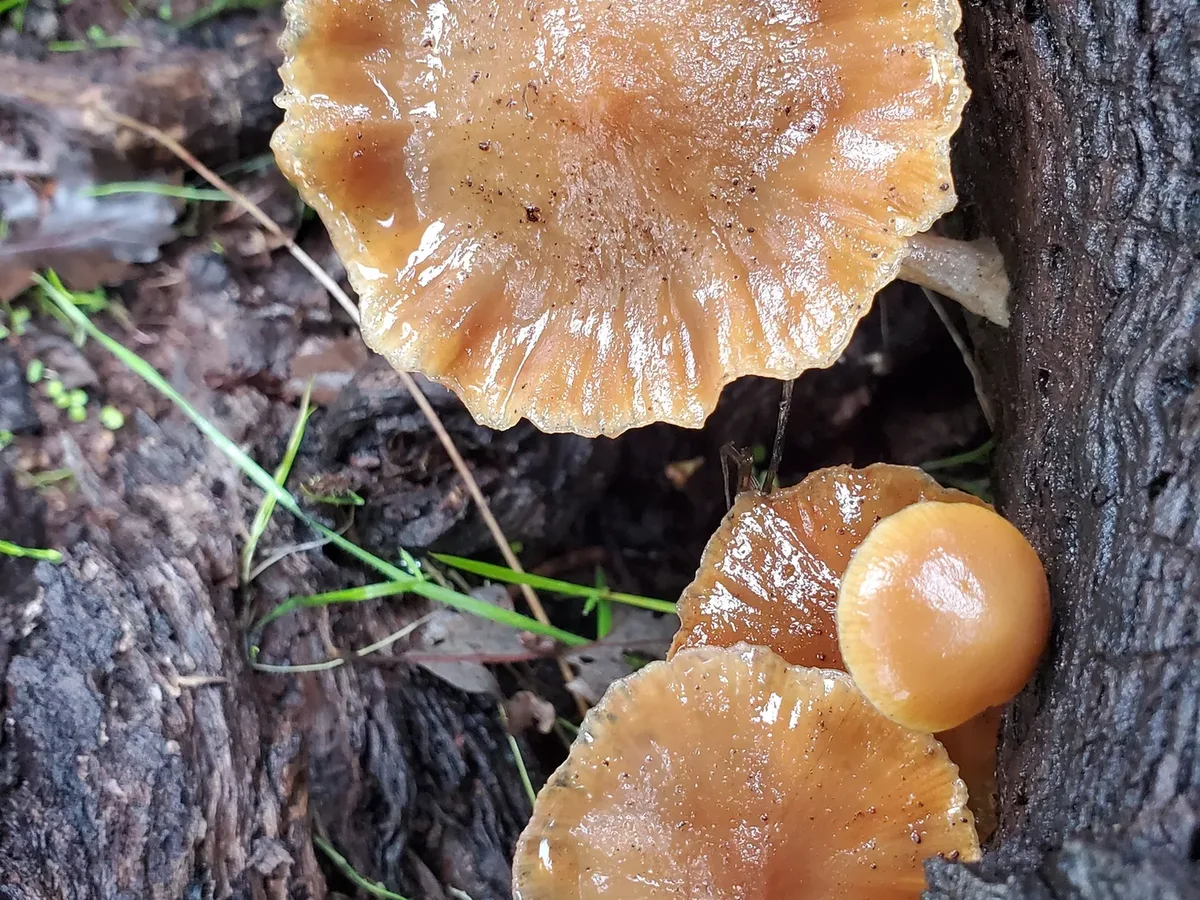 © Alex (CC BY)
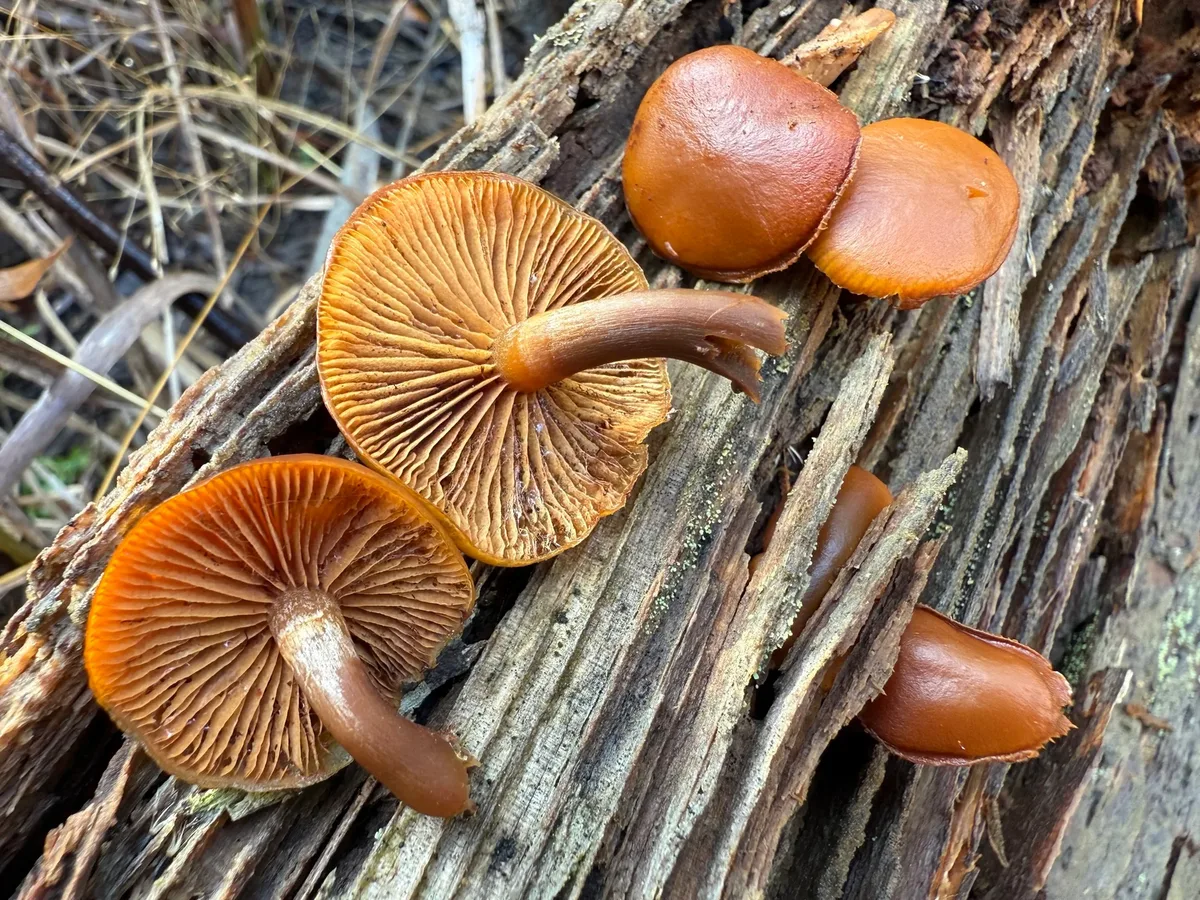 © Hill Craddock (CC BY)
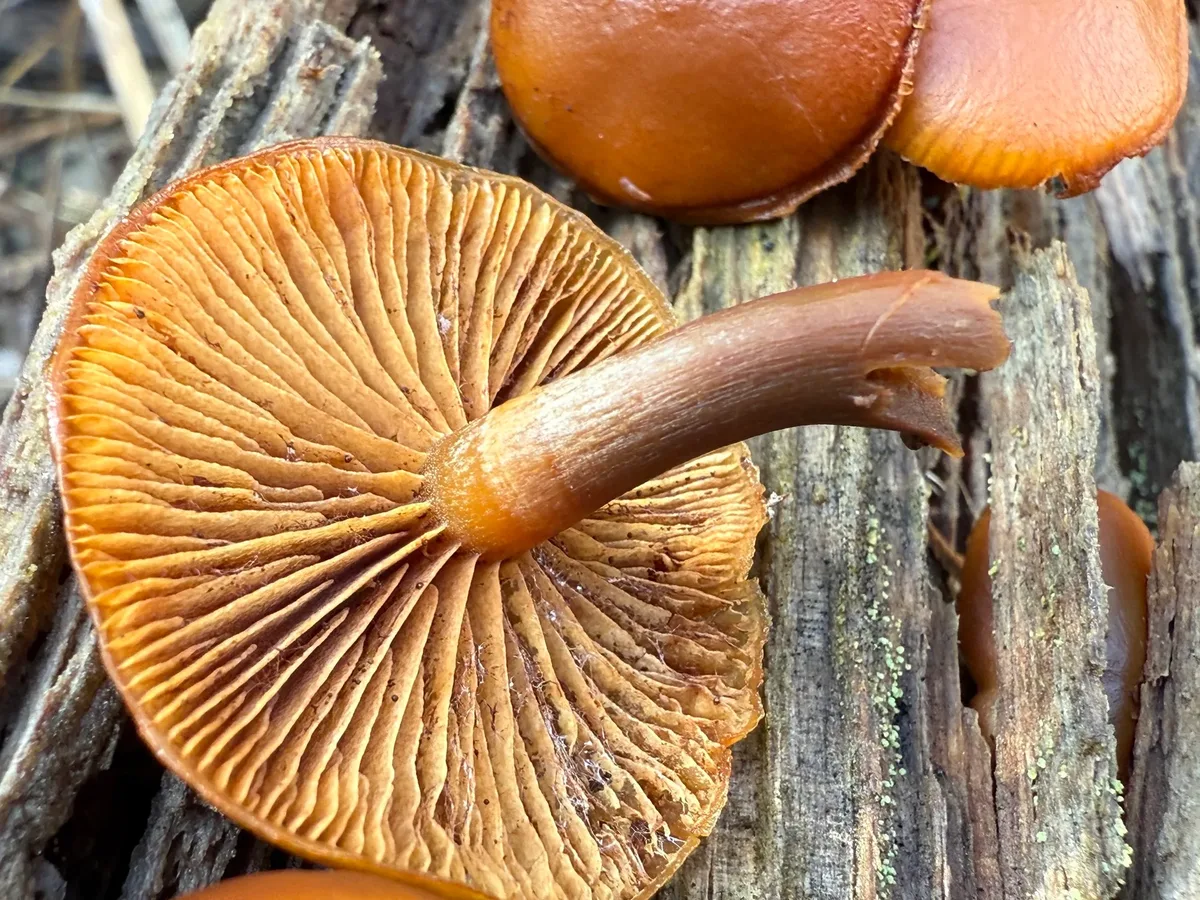 © Hill Craddock (CC BY)
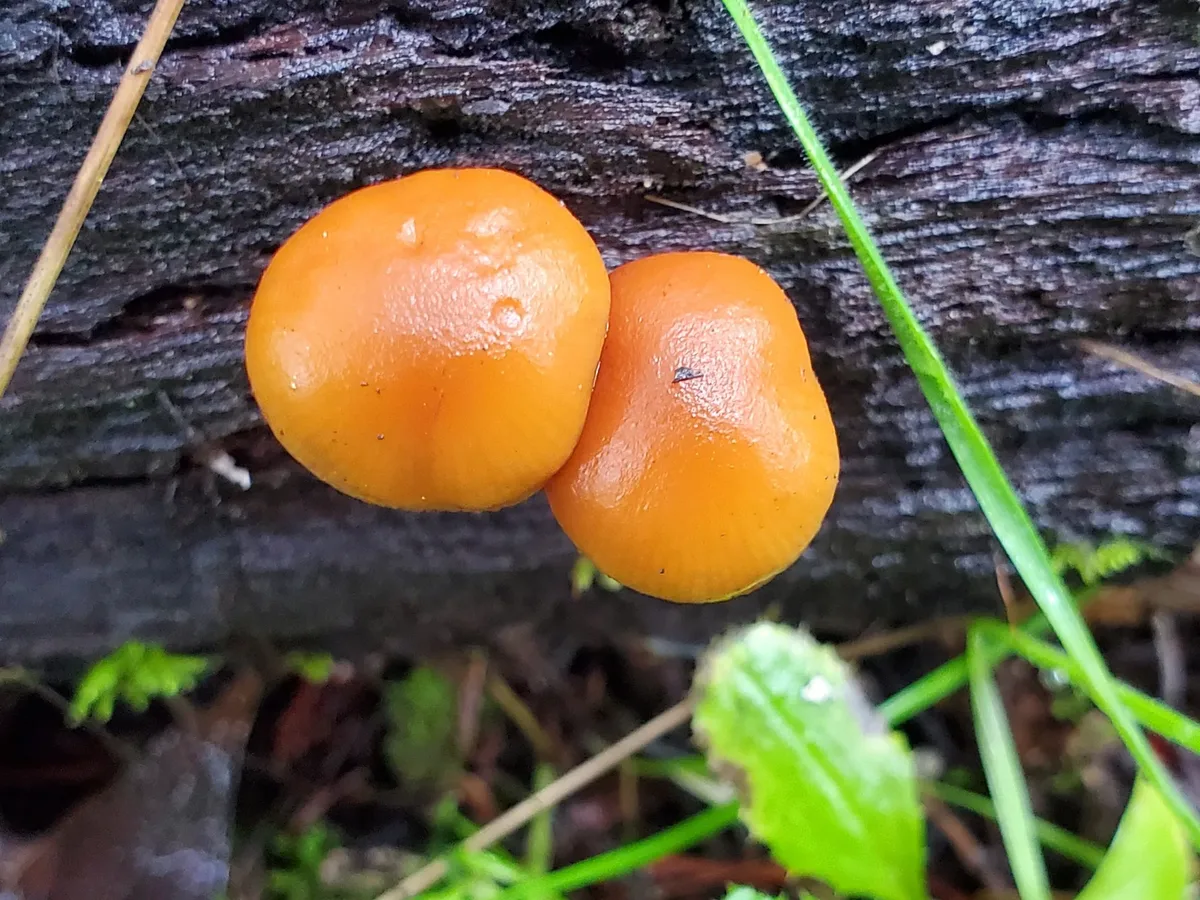 © Alex (CC BY)
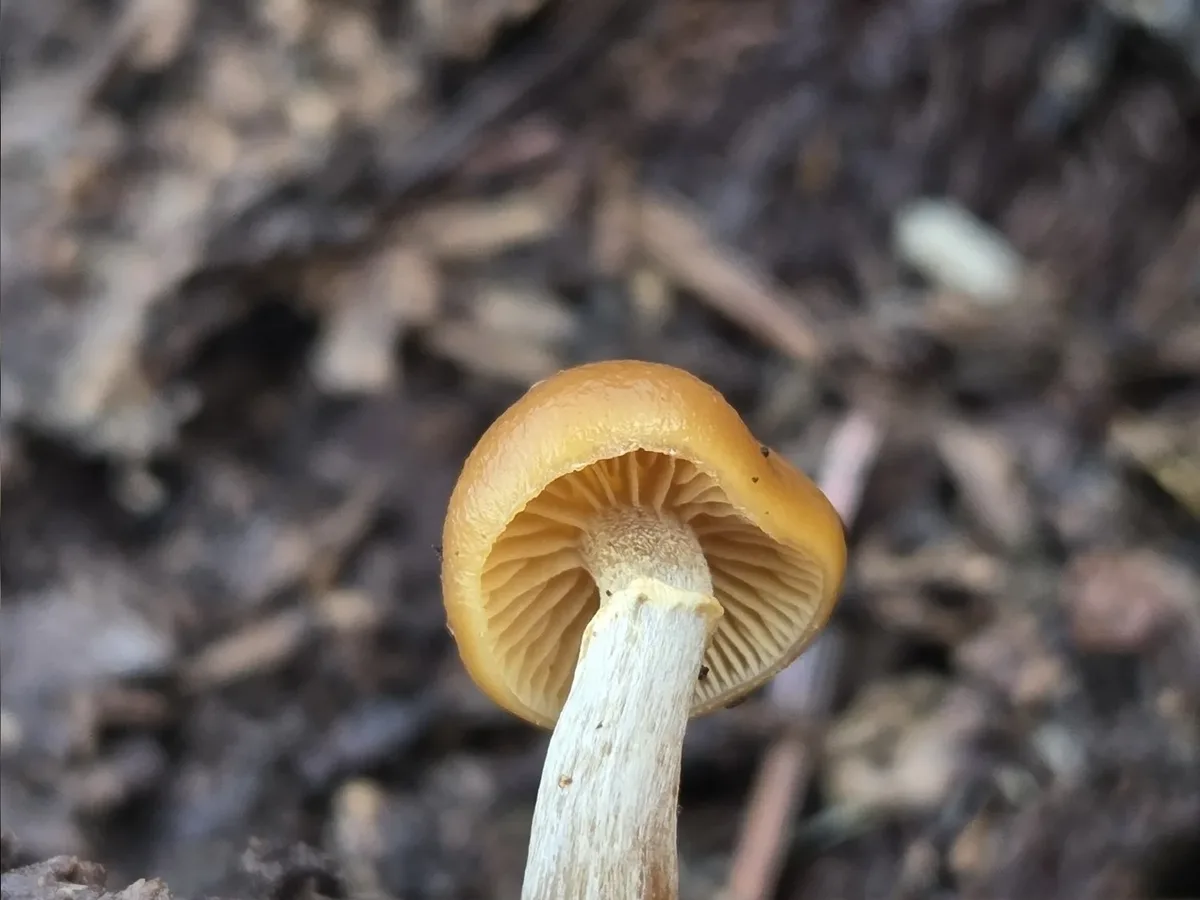 © Mandy Hackney (CC BY)
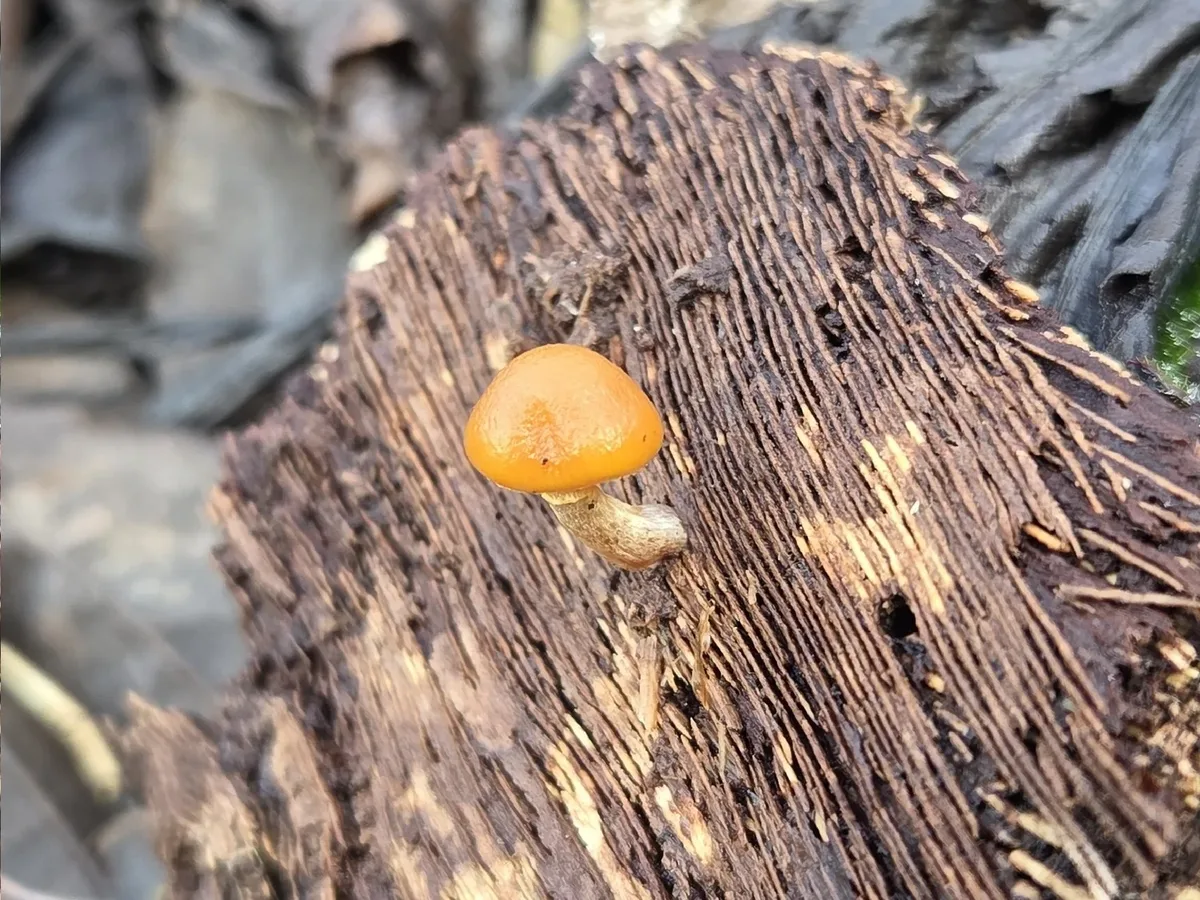 © Mandy Hackney (CC BY)
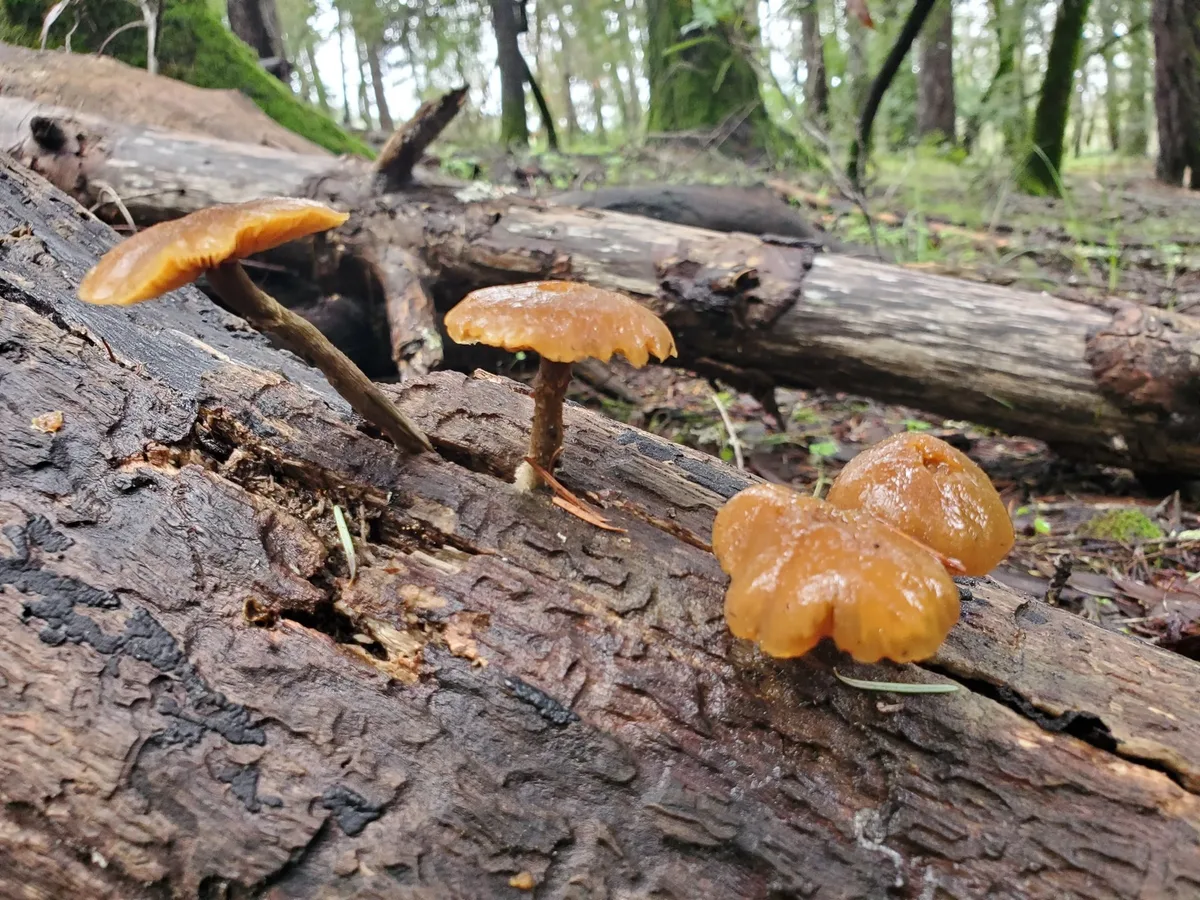 © Alex (CC BY)© Alex (CC BY)© Hill Craddock (CC BY)
Toxic - and the most serious cases can be fatal. Never eat it, and wash your hands after handling.
Never eat a mushroom you are not 100% sure of - check the look-alikes below, and always cook wild mushrooms.
How to recognise it
Galerina marginata is a deceptively ordinary-looking mushroom - small, brown, and utterly unremarkable in the way that makes it genuinely dangerous.
Cap
The cap ranges from 1 to 4 centimetres across, occasionally reaching 5 cm in well-nourished specimens. It is convex when young before flattening with age, sometimes developing a faint central bump.
Its most distinctive physical trait is hygrophanous colouration: when the cap is saturated with water it appears a deep honey- or date-brown, darkest at the centre, but as it dries from the margin inward the colour fades to a dull ochre or pale yellow, creating a visible two-tone zone that marks the moisture boundary.
This water-dependent colour shift is biologically functional - it reflects the cap cuticle's cellular structure, which holds water in proportion to ambient humidity.
Gills
The gills are adnate to slightly decurrent, initially pale cinnamon-buff and darkening to a warm rusty-brown as spores mature. The spore print is rust-brown to tobacco-brown - a critical diagnostic detail.
Stem
The stem is 2-8 cm tall and slender (2-4 mm wide), fibrous, pale at the apex and distinctly darker - almost chestnut - toward the base.
A fragile membranous ring (annulus) is present on younger specimens but wears away with age or weather. Its absence on older caps is one of the most dangerous features this species has: mature specimens that have lost their ring are particularly easy to misidentify.
Why it's dangerous
Galerina marginata is one of the most dangerous fungi encountered by foragers in Europe:
- deadly at small doses
- common
- grows on the same substrates as several frequently harvested edible species
- produces no reliable warning: no bitter taste, no obvious smell, no immediate reaction after ingestion
The amatoxin content per gram of fresh tissue is comparable to that of the death cap; a single average cap is sufficient to cause fatal liver failure in an adult human. Children are at higher risk due to lower body mass.
Fatalities and severe poisonings continue to be reported across Europe every decade, consistently involving either misidentification as sheathed woodtuft (Kuehneromyces mutabilis) or incidental inclusion in honey fungus (Armillaria) harvests.
The deceptive latency period of 6-24 hours between ingestion and first symptoms means medical care is frequently sought only after significant irreversible hepatocellular damage has already occurred.
There is no widely available antidote; treatment options in severe cases are limited to supportive care and emergency liver transplantation.
Do not eat any small brown clustered mushroom growing on wood in autumn unless it has been identified with certainty by a trained expert. If Galerina marginata ingestion is possible, call emergency services immediately and do not wait for symptoms.
Toxin
Galerina marginata produces alpha-amanitin and beta-amanitin - the same bicyclic octapeptide amatoxins found in Amanita phalloides, Amanita ocreata, and Lepiota brunneoincarnata. The concentration of amatoxins in its tissue is comparable to that in the death cap on a per-gram basis, making it weight-for-weight one of the most toxic fungi known.
Alpha-amanitin is the primary toxic agent: a potent and highly selective inhibitor of RNA polymerase II, the enzyme responsible for transcribing DNA into messenger RNA in eukaryotic cells.
When absorbed through the gastrointestinal epithelium, it is transported to the liver via the portal circulation, where hepatocytes actively take it up via organic anion transport proteins (OATPs). Inside hepatocytes, alpha-amanitin halts mRNA synthesis, which rapidly depletes short-lived proteins essential for cell survival.
The liver bears the brunt of injury because it is the first organ the absorbed toxin reaches in high concentration and because hepatocytes express the relevant transporter proteins at high levels. Kidney damage follows through direct toxicity and through renal handling of the toxin.
The amatoxins are heat-stable, acid-stable, and not inactivated by digestion; they are absorbed intact and exert their effect at nanomolar concentrations. No amount of processing eliminates them.
Symptoms
Amatoxin poisoning from Galerina marginata follows a characteristic four-phase clinical course.
- 1Phase 1 - latency (6-24 hours after ingestion): no symptoms, despite ongoing toxin absorption and early hepatocellular injury. This silent period is clinically treacherous because the person feels well and often does not associate any later illness with the meal.
- 2Phase 2 - gastrointestinal phase (hours 6-24 onward): sudden onset of severe abdominal cramps, profuse watery or bloody diarrhoea, nausea, and vomiting, lasting 1-3 days. Dehydration and electrolyte loss during this phase can themselves be dangerous, particularly in children and the elderly.
- 3Phase 3 - false recovery (days 1-4): gastrointestinal symptoms subside and the patient may feel substantially better. Liver enzyme levels (AST, ALT) are rising rapidly during this phase but may not yet cause obvious symptoms; bilirubin levels begin to climb. This remission is not improvement - it is the interval between cellular injury and overt organ failure.
- 4Phase 4 - organ failure (days 3-6): acute hepatic and renal failure with jaundice, coagulopathy, encephalopathy, and multi-organ dysfunction. Without liver transplantation, mortality in severe amatoxin poisoning is high.
Any suspicion of Galerina marginata ingestion requires immediate emergency presentation - do not wait for Phase 2 symptoms to appear.
Staying safe
Galerina marginata is deadly. It contains the same class of amatoxins as the death cap (Amanita phalloides) at comparable concentrations per gram of fresh tissue. A single average-sized fruitbody contains enough alpha-amanitin to cause fatal organ failure in an adult.
There is no antidote available in standard clinical settings; treatment is supportive and in severe cases requires liver transplantation to survive.
The most dangerous feature of amatoxin poisoning is its latency: symptoms are absent or minimal for 6-24 hours after ingestion, during which the toxin is already being absorbed and beginning to destroy hepatocytes. This latency means a person who has eaten funeral bell often does not connect their later illness to the meal, or dismisses the initial symptoms when they eventually appear.
Reliable field identification requires all of the following:
- 1rust-brown spore print on paper after 2-4 hours
- 2wood substrate confirmed - not soil concealing buried wood
- 3ring present on younger specimens
- 4no pale scaly lower stem (which would suggest Kuehneromyces)
- 5cap size within the 1-5 cm range with hygrophanous pattern
If any individual fruitbody in a wood-growing collection cannot be confirmed, discard everything from that substrate and seek expert opinion before eating anything collected that day.
Where & when it grows
Habitat
Funeral bell is a wood-decay saprotroph - it lives by dismantling dead organic matter, not by partnering with living trees.
Its mycelium colonises the internal tissues of rotting logs, fallen branches, buried root wood, and stumps, breaking down cellulose and hemicellulose (white-rot fungi also attack lignin; Galerina is primarily a brown-rot organism on woody substrates).
It fruits equally on coniferous and deciduous wood - pine, spruce, birch, beech, oak, alder, and many others are all recorded hosts - giving it an unusually broad ecological range across Europe's forest types.
Because its mycelium runs through wood that may be largely hidden under moss, leaf litter, or soil, the fruitbodies can appear to emerge from bare ground when the substrate beneath is actually a buried root or a piece of decayed wood. This moss-and-duff setting is another trap: foragers scanning for wood-growing species in familiar spots may overlook that a cluster of small brown caps sitting among feathery Polytrichum or Sphagnum is anchored in wood, not soil.
Funeral bell occurs from sea-level lowland woods through upland mixed forests to the upper edge of the montane tree line, and can be found in managed plantations, garden wood piles, and amenity parks as readily as in old-growth forest.
When
The main fruiting period runs from September to November across central and western Europe, aligning with the autumn flush of rainfall and declining temperatures.
The mycelium within the wood persists year-round and can produce fruitbodies whenever conditions are suitable. There are documented flushes in early spring and even in warm mild winters, and the species is one of the more likely Galerinas to be found outside the canonical autumn window.
Fruitbodies typically emerge 5-14 days after sufficient rain has penetrated the wood, once soil temperatures have cooled below about 18 °C. At the peak of autumn, multiple clusters can appear in succession on the same log as the mycelium responds to repeated rain events.
Because funeral bell's season overlaps almost exactly with sheathed woodtuft (Kuehneromyces mutabilis) and honey fungus (Armillaria), both commonly harvested in autumn, the risk of inadvertent co-collection is highest precisely at the season's most productive moments.
Late autumn frosts suppress fruiting but do not kill the mycelium, which persists inside the wood and resumes fruiting in subsequent favourable windows - sometimes years after the visible surface of a log has fully decayed.
How it grows
Galerina marginata is a saprotrophic wood-decomposer that grows in clusters (caespitose) or loosely tufted groups directly on wood. It can also appear as scattered single fruitbodies on particularly well-colonised substrates.
The mycelium threads through dead wood as fine white hyphae, secreting extracellular enzymes that break down plant cell-wall polymers into soluble sugars the fungus then absorbs. Unlike mycorrhizal fungi, it has no obligate relationship with a living plant; its entire carbon supply comes from dead organic matter.
Cluster growth on a single log reflects the underlying mycelial mat expanding through the wood and producing multiple fruitbodies from connected hyphal cords.
Individual fruitbodies develop quickly - from pin to mature cap in a few days under warm wet conditions - and senesce equally fast, with older caps becoming ragged and the ring disappearing. The mycelium itself is long-lived and can persist inside a suitable log for many years, producing fruitbodies in multiple consecutive seasons.
Funeral bell's saprotrophic role is ecologically important: it participates in the decomposition cascade that recycles nutrients locked in woody debris back into the forest soil, making it a functional contributor to the same ecosystem it inhabits - biology entirely indifferent to the lethal chemistry it carries.
Fruiting conditions
Wood-decay saprotroph; flushes follow autumn rains on rotting logs and stumps once temperatures cool.
Look-alikes
Two species account for the majority of Galerina marginata poisonings in Europe and are the primary identification hazards.
Honey fungus (Armillaria, several species) grows on wood in large tufted clusters, is widely harvested and eaten, and overlaps with funeral bell in season, substrate, and general habit. The reliable separator is the spore print: honey fungus gives a white to cream print; funeral bell gives a rust-brown to tobacco-brown print.
Honey fungus also tends to be larger and has a more prominent, often striate ring and a pale, cream-coloured cap without hygrophanous darkening, but size and ring are variable and should not be the primary check.
The sheathed woodtuft (Kuehneromyces mutabilis) is a closer match: it is also small, brown, hygrophanous, wood-growing, and clustered, and also gives a rust-brown spore print - which means spore print alone does not separate them.
Reliable separation requires examining the stem surface (sheathed woodtuft has a distinctly scaly lower stem; funeral bell has a fibrous but not scaly stem), the cap texture under magnification, and if available, microscopic features.
Because Kuehneromyces mutabilis and Galerina marginata are so similar and grow on the same substrates simultaneously, many European poisonings have involved mixed collections where funeral bell was assumed to be woodtuft. Do not rely on any single feature; if any individual cap in a woodtuft harvest does not clearly fit, reject the entire collection from that log.
Edible small brown-gilled mushrooms can resemble Galerina marginata; confirm features carefully before eating any small brown mushroom from wood.
Flammulina velutipes has a white spore print.
Edible; grows on wood but gives a white spore print, whereas funeral bell gives a rust-brown spore print.
Psilocybe has a purple-brown to black spore print and bruises blue; galerina has a rust-brown print and does not bruise blue. At least one death in the PNW resulted from confusing galerina with Psilocybe stuntzii.
Wood-dwelling like Galerina; very different in appearance, but beginners can mistake it.
Small brown hallucinogenic mushrooms that can be dangerously confused with deadly Galerina.
Edible; also grows on wood. Distinguish by spore print (rust-brown in funeral bell) and overall features. Many fatalities have occurred from picking funeral bell along with this species.
Edible wood-growing mushroom that can be confused with Galerina marginata; lacks the fragile ring and has white spore powder rather than rust-brown.
A reference guide - never an edibility guarantee. When in doubt, leave it out.