Beefsteak Fungus
Fistulina hepaticasyn. Boletus hepaticus, Fistulina buglossoides, Hypodrys hepaticus
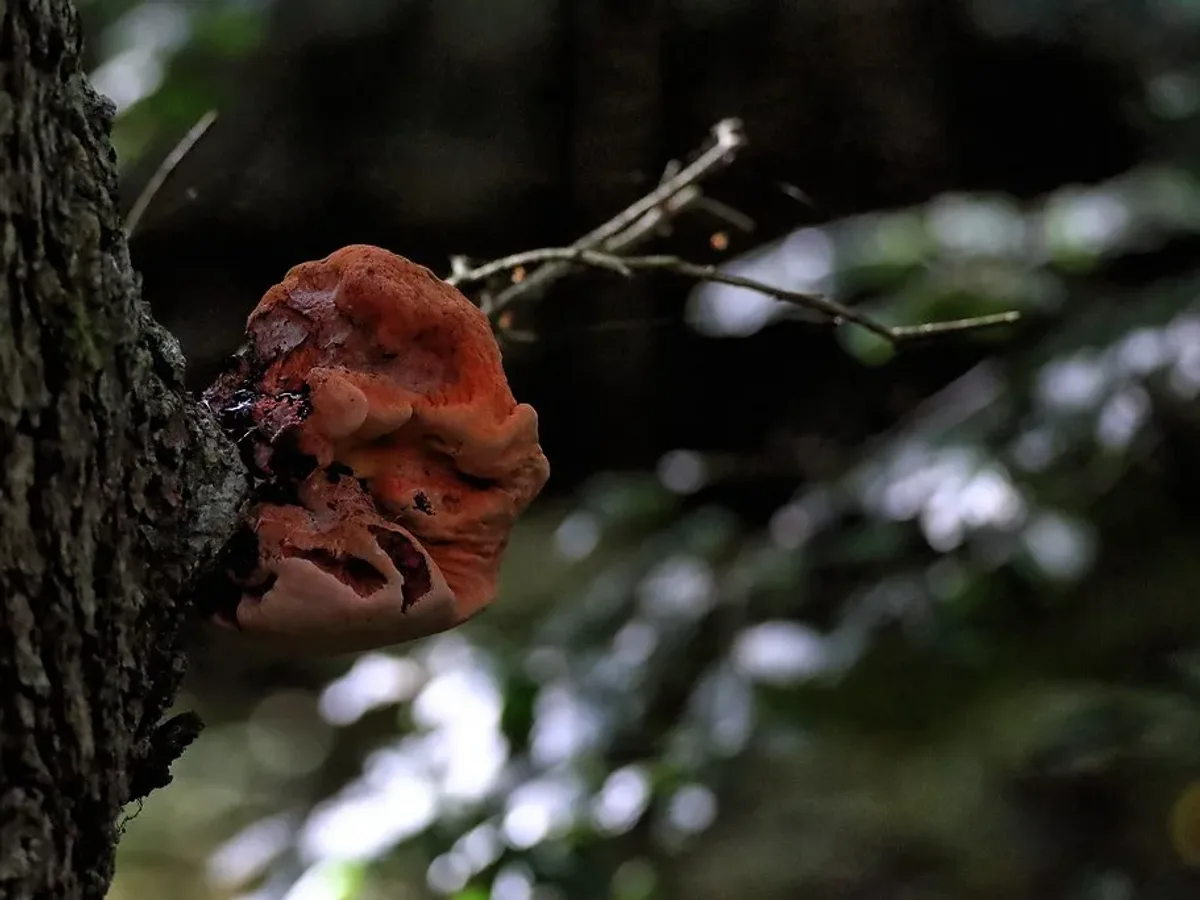 © Jac. Janssen (CC BY 2.0)
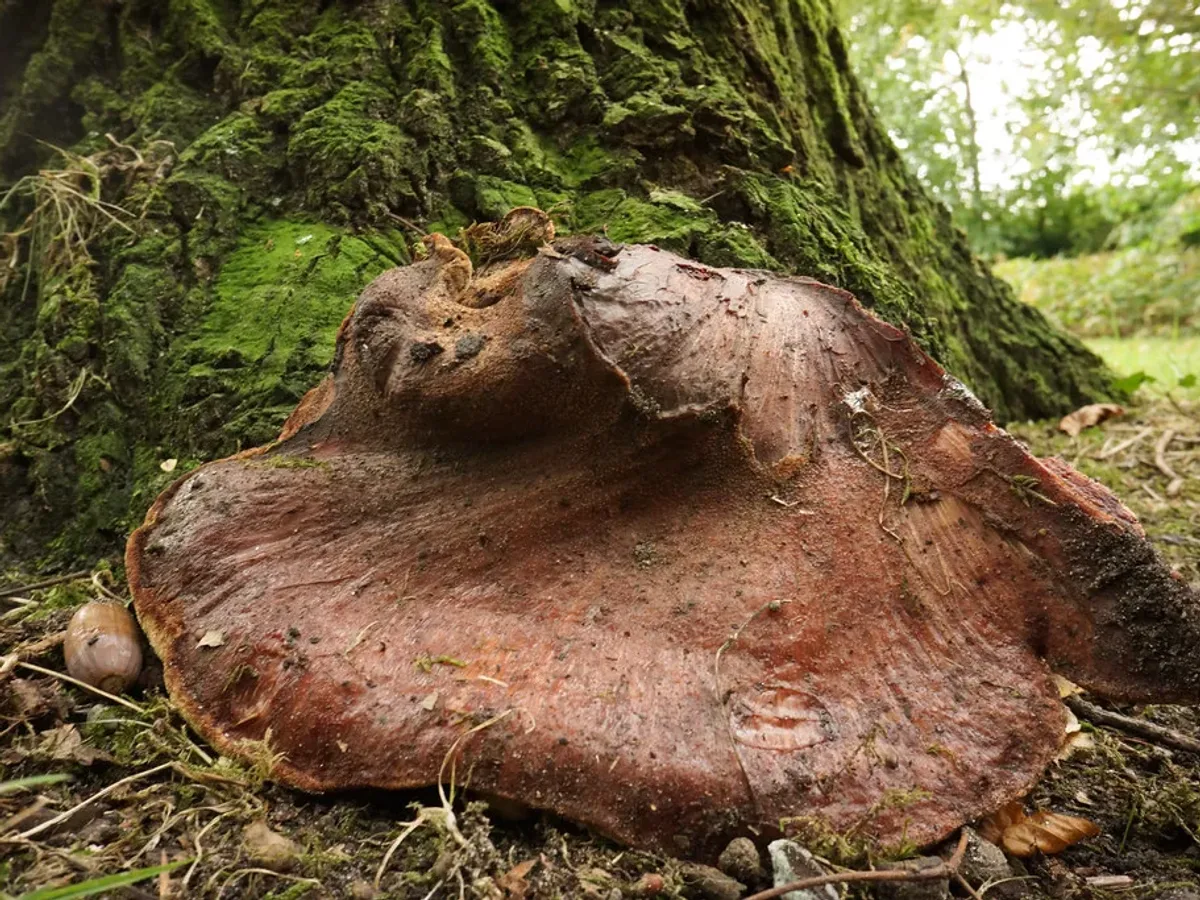 © Ephemeral Impressions (CC BY-SA 2.0)
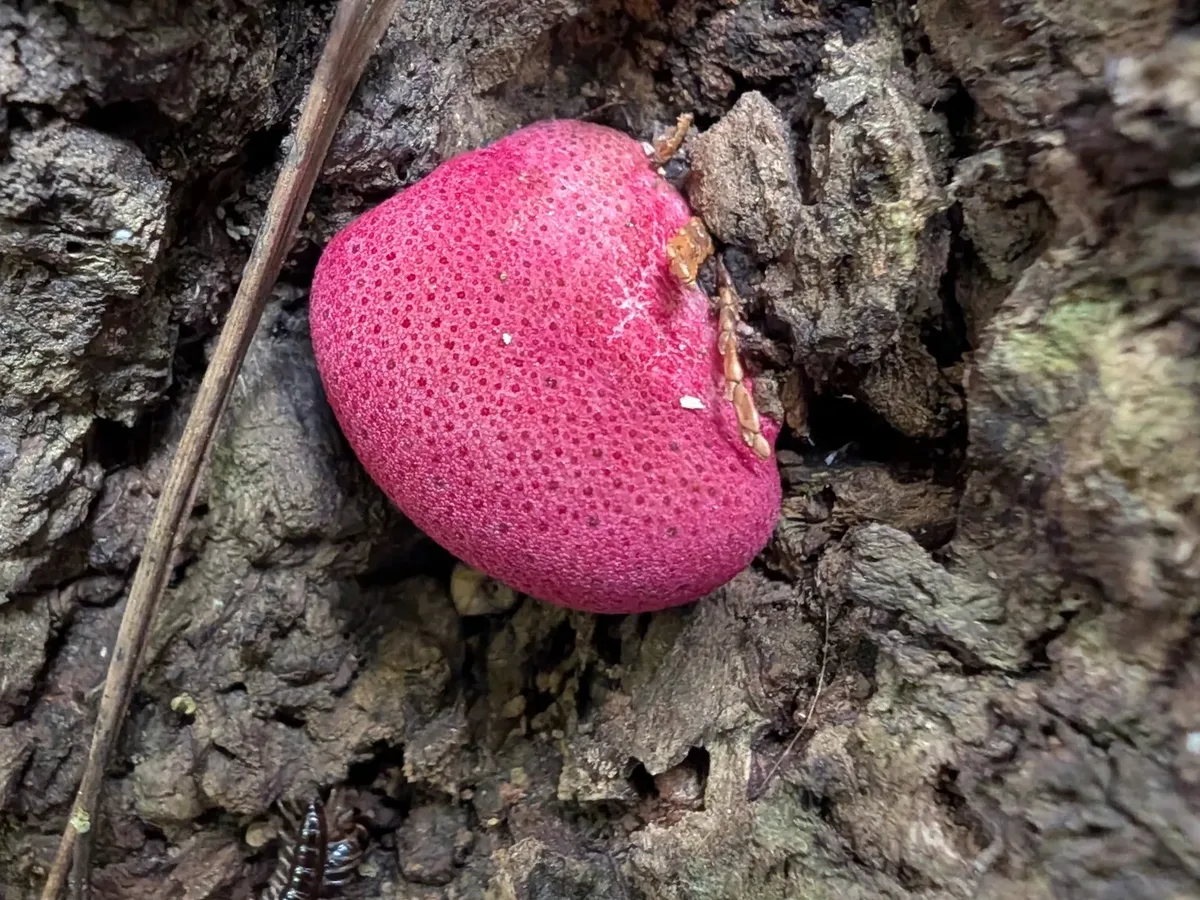 © Atsushi Nakajima (CC BY)
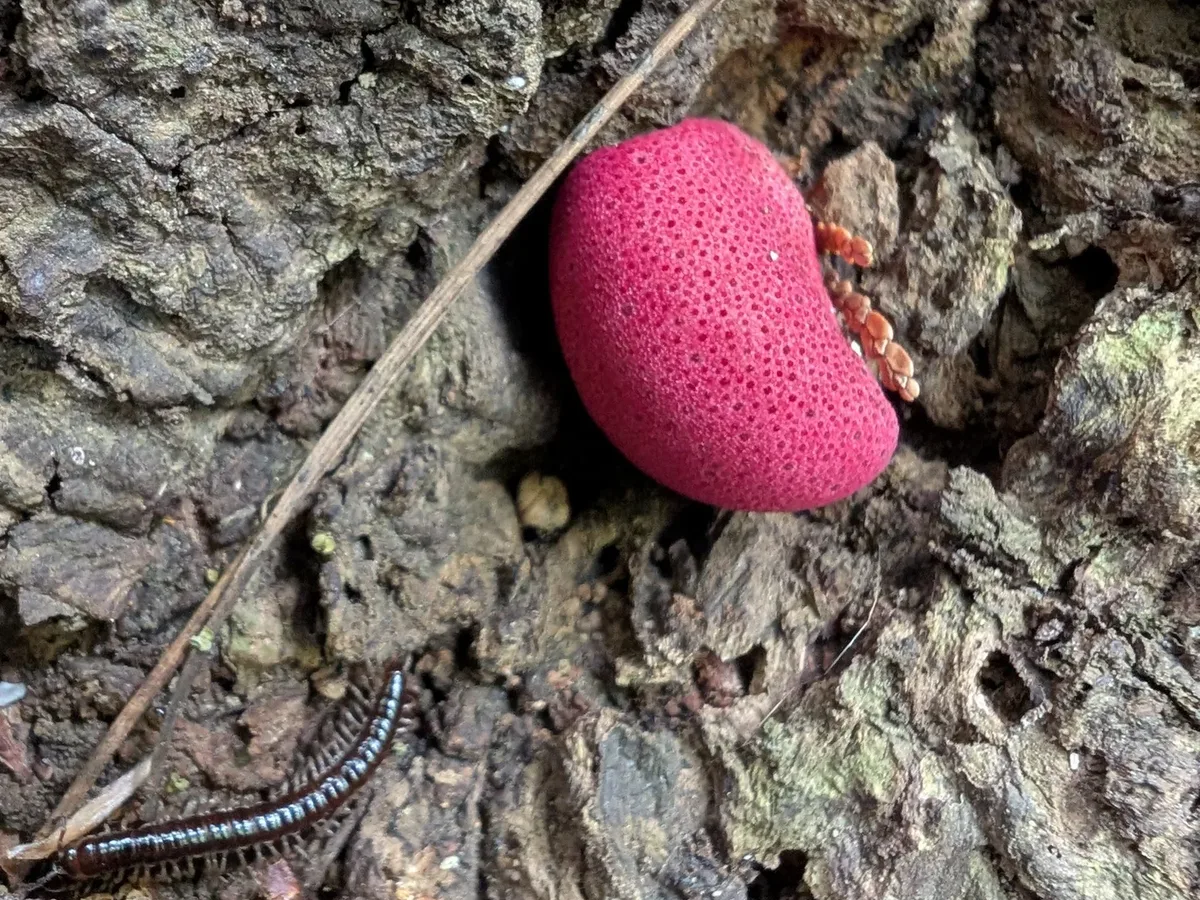 © Atsushi Nakajima (CC BY)
 © Atsushi Nakajima (CC BY)
 © Atsushi Nakajima (CC BY)
 © Atsushi Nakajima (CC BY)
 © Atsushi Nakajima (CC BY)
 © Atsushi Nakajima (CC BY)© Jac. Janssen (CC BY 2.0)© Ephemeral Impressions (CC BY-SA 2.0)
Good to eat, once you have identified it with certainty and cooked it through.
How to recognise it
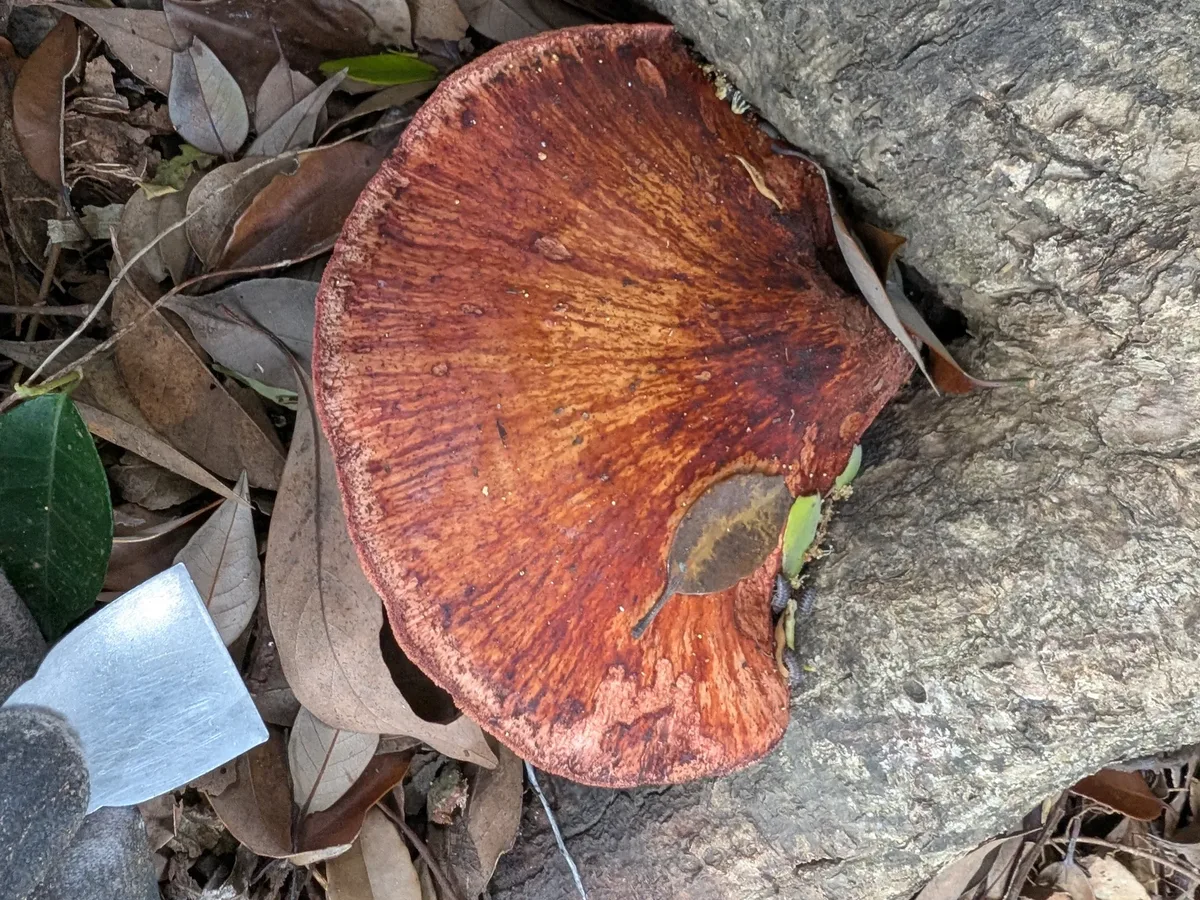
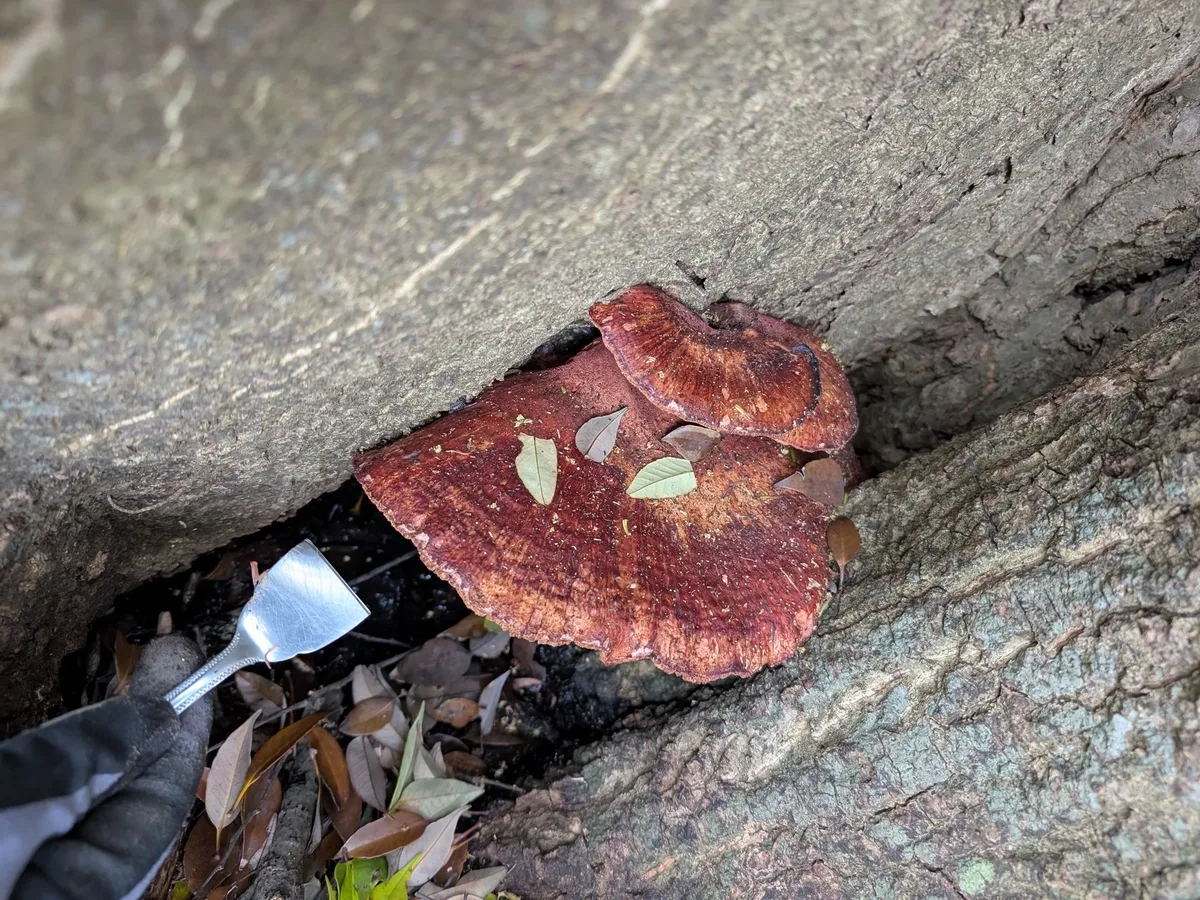
Fistulina hepatica is one of the most instantly recognisable bracket fungi, looking uncannily like a slab of raw liver or marbled beef glued to the side of an oak.
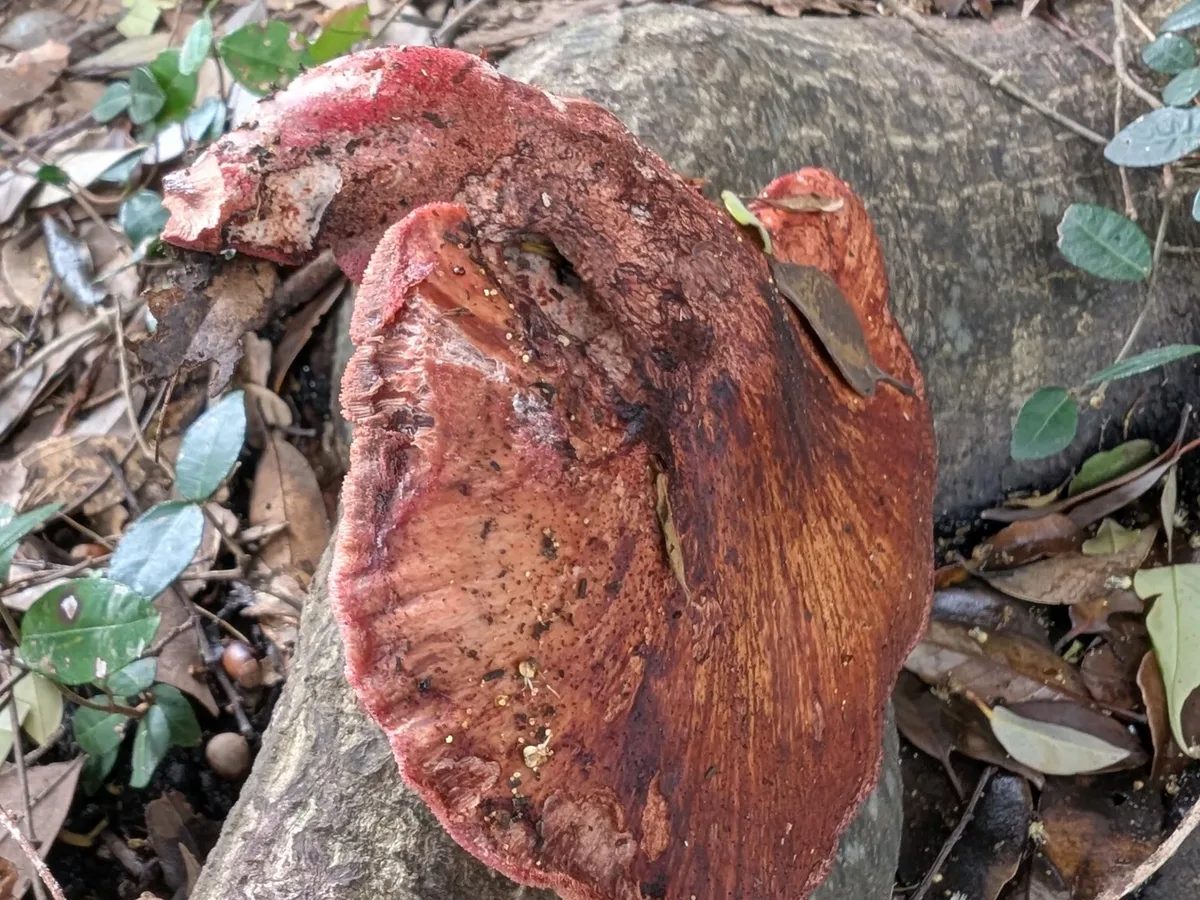
The fruitbody is a thick, fleshy, tongue- to liver-shaped bracket, typically 10-25 cm across and 2-6 cm thick, attached by a short stout lateral base or sitting directly against the bark.
Cap
When young the upper surface is sticky, finely warted and a vivid blood-red to liver-red, becoming more brown-red and matt with age.
Flesh
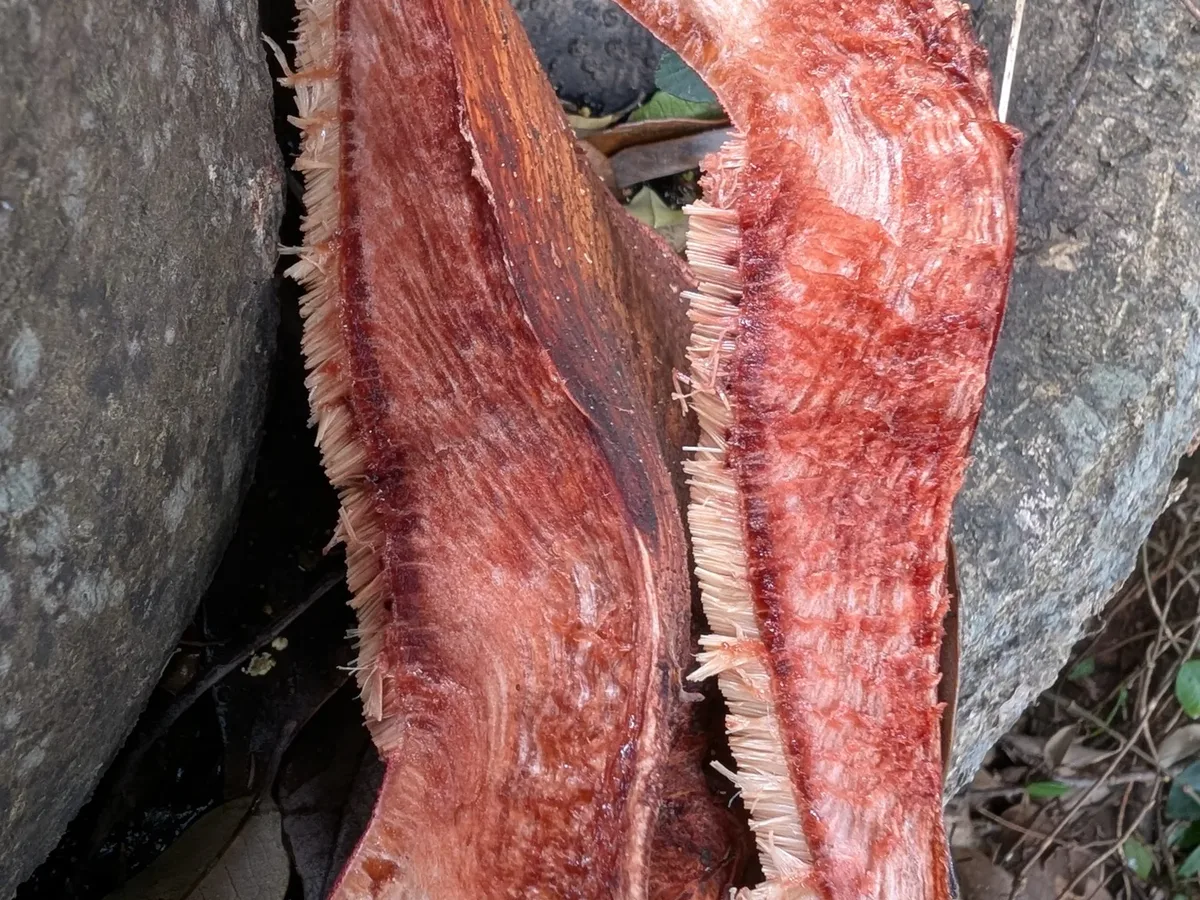
Slice it and the flesh is the giveaway: soft, juicy and radially marbled in streaks of red and pale pink exactly like raw steak, and it weeps a dark blood-red juice when squeezed.
Gills / Pores
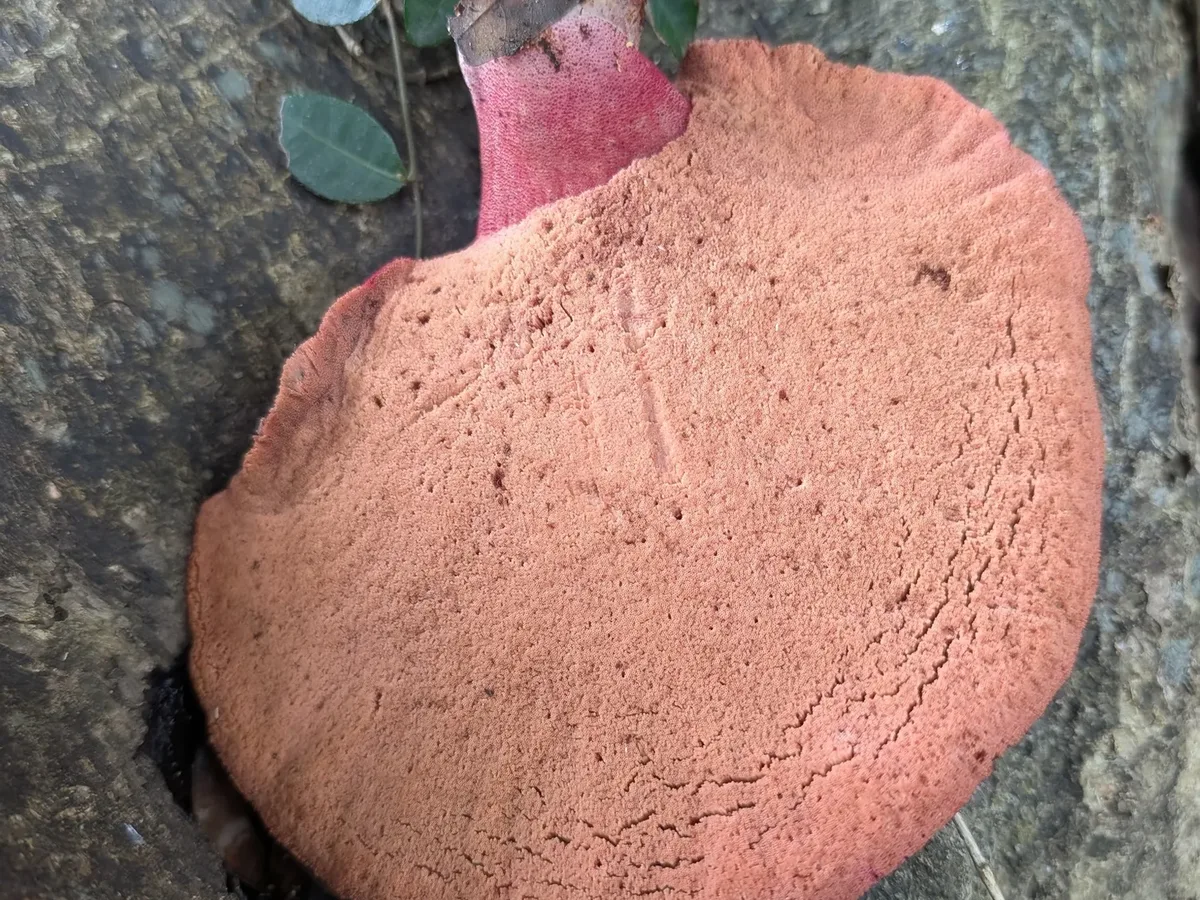
The underside is unique among our polypores: instead of a solid pored layer it bears a dense mass of separate, free-standing little tubes, each its own short pipe ending in a rounded pore, creamy-white to pale salmon when fresh and bruising red-brown where handled.
The spore print is pale pinkish-ochre.
Where & when it grows
Habitat
This is a fungus of old broadleaved woodland, wood pasture, parkland and ancient trees.
It is a weak parasite that infects living oak and sweet chestnut through wounds and the lower trunk or base, then continues as a saprotroph on the dead heartwood.
Its slow brown rot of the core actually enriches the timber, staining it the deep colour prized by furniture-makers as 'brown oak', and because the rot is confined to the heartwood the tree usually lives on for many years carrying the fungus.
Look low down:
- at the foot of veteran oaks
- around old wounds
- on stumps
- at the base of standing trunks
When
Beefsteak fungus is an autumn species, generally appearing from August through to November in temperate regions and peaking in September and October.
Each bracket grows from a small reddish knob over several weeks.
Time your visit for the young stage, while the cap is still bright, the flesh pink and juicy and the tubes pale. Once frosts arrive and the bracket has darkened, dried and toughened it is past its best.
How it grows
Fruitbodies emerge singly or in small numbers from the same point year after year, as the underlying brown rot advances through the host's heartwood.
A young fruitbody begins as a rounded red 'tongue' or knob pushing out of the bark, then expands into the familiar fleshy bracket.
Growth is comparatively slow for a polypore. The same tree can produce a bracket in the same spot for many successive seasons, making known oaks reliable to revisit.
Fruiting conditions
Wood-decay species rather than soil-driven; fruiting is cued by late-summer to autumn warmth followed by sustained rain, with brackets developing slowly over one to several weeks from infected oak and chestnut.
Look-alikes
There is very little that a careful forager could confuse with a fresh beefsteak fungus: the blood-red, raw-meat appearance, the marbled bleeding flesh and the separate free tubes underneath are diagnostic, and crucially none of its rough lookalikes is dangerously poisonous.
Young red-brown brackets on oak could be glanced at as a developing Ganoderma or other tough bracket, but those have a hard, solid, fused pore layer and woody flesh that does not bleed.
Tongue-shaped jelly fungi and Auricularia are softer and lack the tubular underside.
The decisive test is to cut the flesh: only Fistulina is marbled red-and-pink and weeps blood-red juice, and only Fistulina has the unique fistular free tubes.
Hard, woody, perennial bracket with a solid fused white-then-brown pore surface and flesh that does not bleed; Fistulina is soft, fleshy, marbled red and exudes blood-red juice.
Has a stalked, leathery, shiny chestnut-brown cap with a normal solid white pore layer and a dark stem; lacks the meat-like marbled bleeding flesh and free tubes of Fistulina. (Older name: Royoporus badius / Polyporus badius.)
Ear-shaped, gelatinous and translucent with a smooth to veined underside and no tubes; does not bleed red and grows mainly on elder rather than oak.
Large brown bracket on oak that weeps amber droplets (not red), with a solid fused pore layer and tough fibrous brown flesh that is inedible.
In the kitchen
Picking & cleaning
Cut the whole bracket cleanly from its attachment with a knife while it is young, soft and still bleeding red juice. Specimens that have gone hard, dark and woody are not worth taking.
The best eating comes from brackets no more than a few days to a week or two old.
Because it favours veteran and parkland trees that may be protected:
- take only from where collecting is permitted
- harvest sparingly
- leave the host undamaged
Use it the same day if possible, as the cut flesh discolours and the sour taste intensifies on standing.
Cooking
Beefsteak fungus is famous for its tart, acidic, almost citrus-and-iron flavour rather than a typical mushroomy taste, and for a firm, meaty, almost rubbery texture that some love and others find too sour.
The acidity comes largely from its juice, so many cooks slice it thinly, salt it and let it drain, or soak/blanch it briefly to mellow the sourness before frying, braising or stewing.
Thin raw slices are sometimes dressed as a sharp salad, but most prefer it cooked slowly with butter, onions and stronger flavours that balance the acidity.
Young brackets are markedly better than old, which become tough and unpleasantly sour.
Good to know
This is a beginner-friendly species in the sense that it has no deadly lookalikes, but a few cautions apply.
It is best eaten young and cooked. The high content of organic acids (oxalic, malic and others) gives a markedly sour juice that can cause mild stomach upset in some people if eaten in quantity or raw, and people prone to kidney stones or sensitive to dietary oxalates should be moderate.
Tough old specimens are at best unpalatable.
As with all wild fungi:
- Eat only a small amount the first time.
- Avoid brackets growing on roadsides, treated timber or polluted sites, as polypores can accumulate heavy metals from their substrate.
Make a positive identification on the bleeding marbled flesh and the free tubes before eating.
A reference guide - never an edibility guarantee. When in doubt, leave it out.