Cow tongue mushroom
Fistulina antarcticasyn. Fistulina endoxantha, Fistulina hepatica, Ramaria flava, Ramaria patagonica, Ramaria botrytis
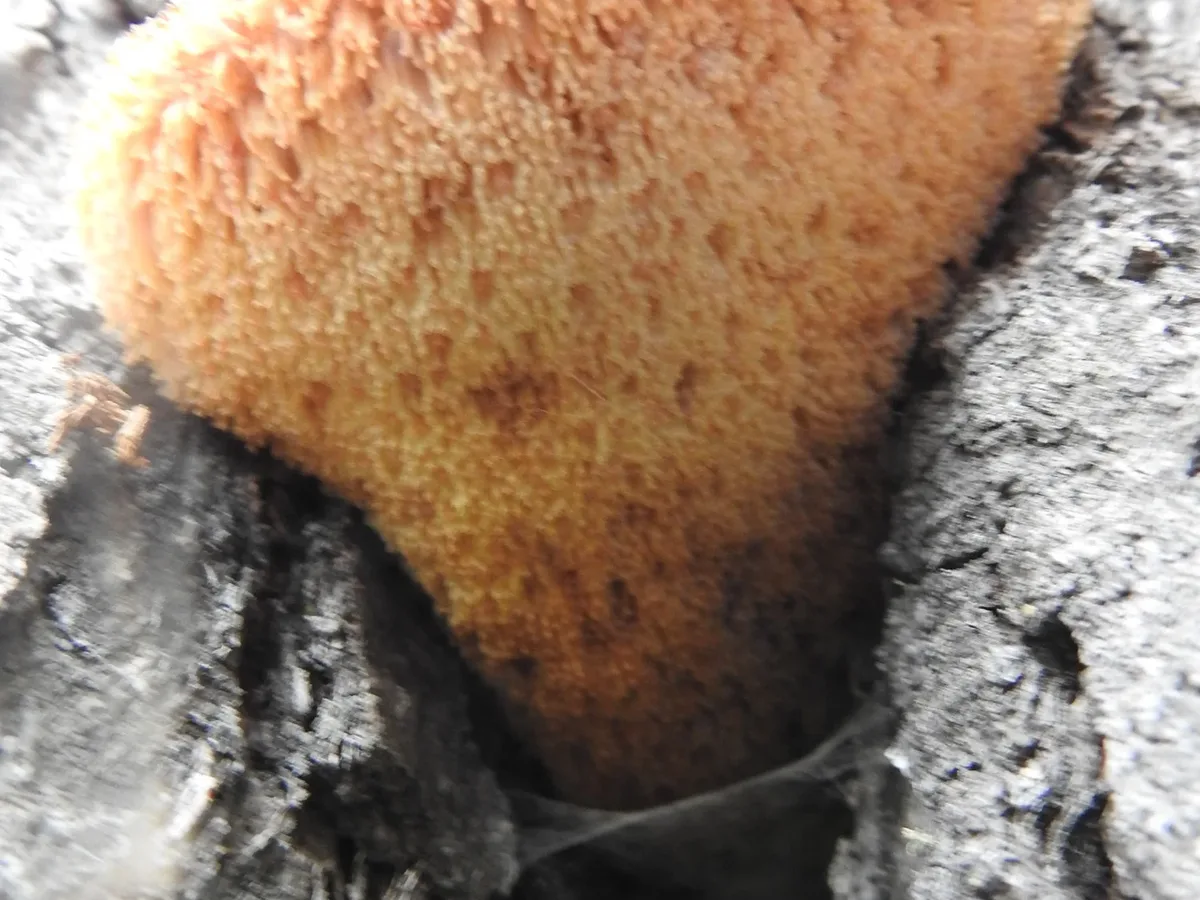 © María Regina Silva (CC BY 4.0)
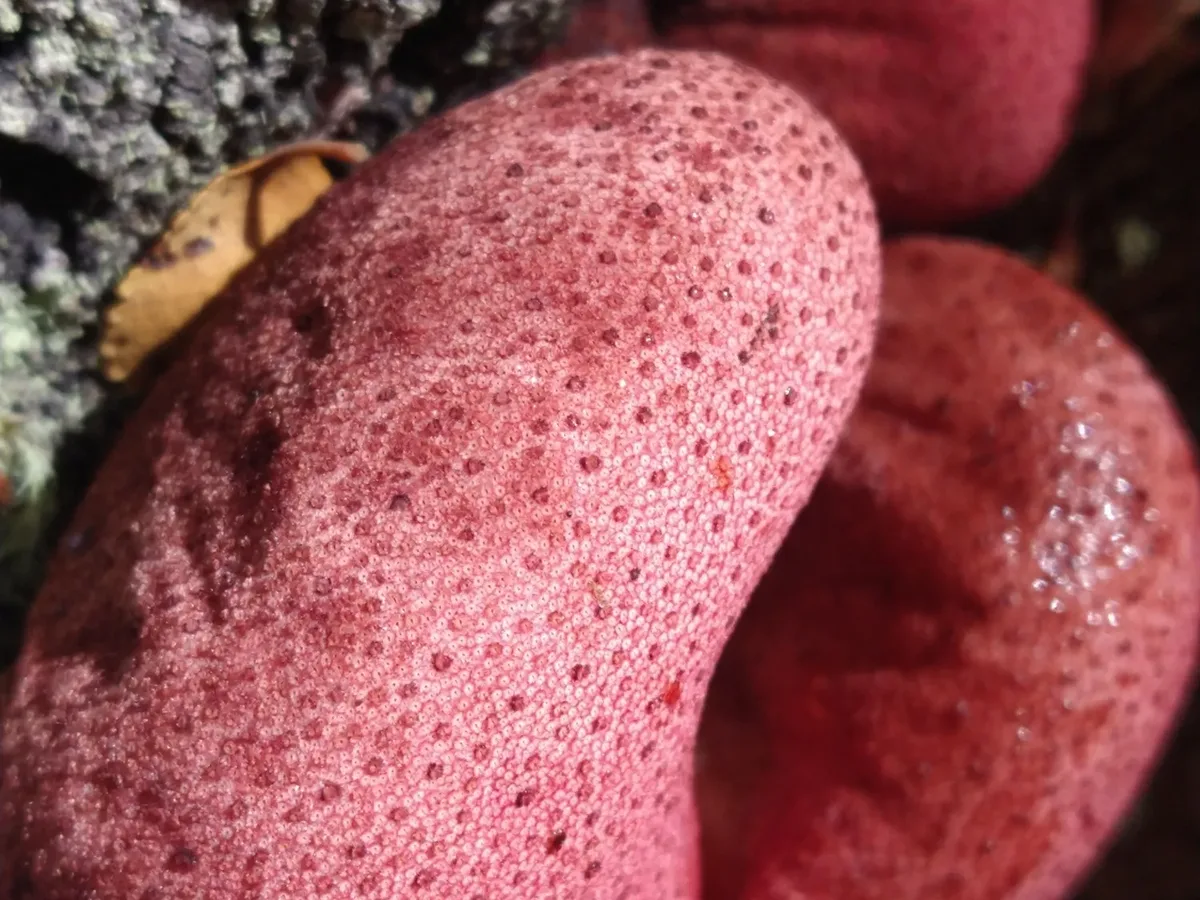 © Pablo (CC BY 4.0)
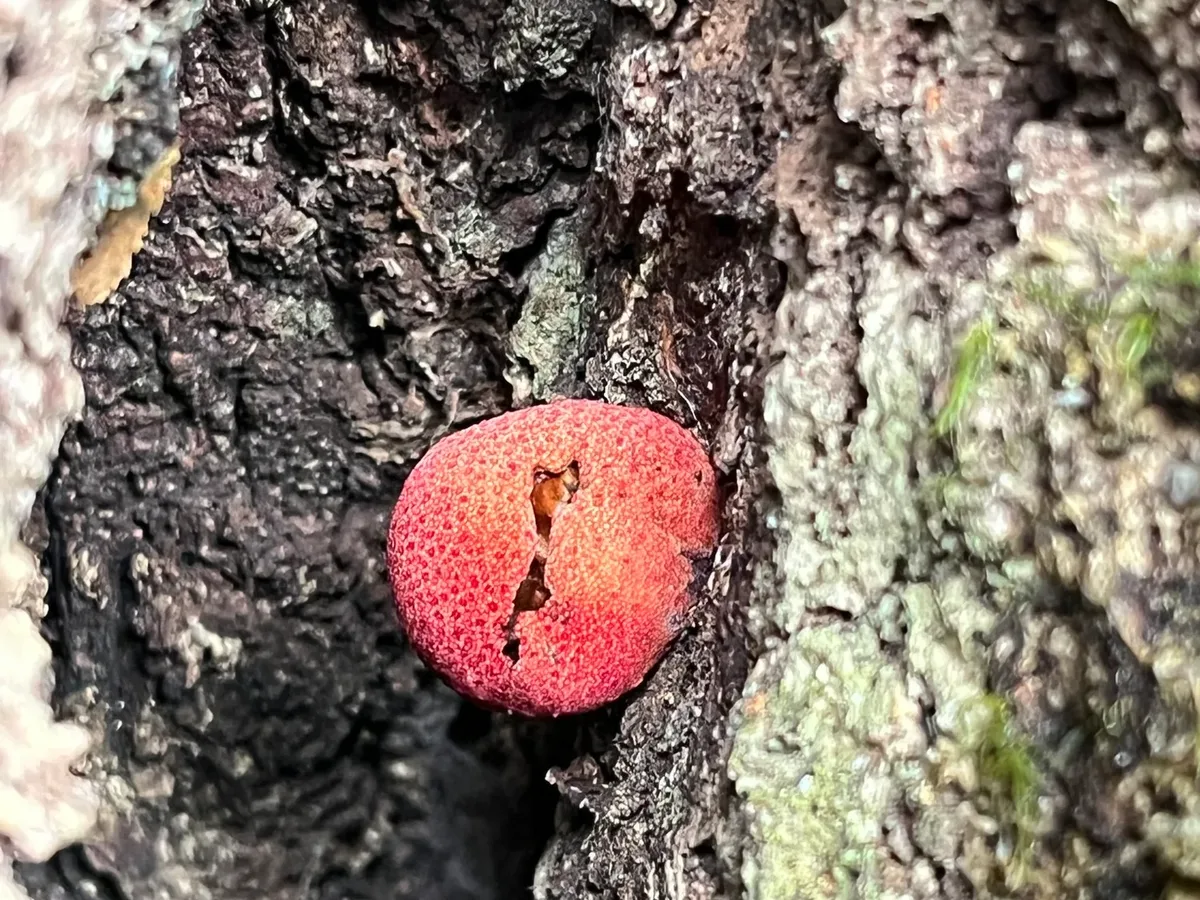 © Pablo Silva (CC BY)
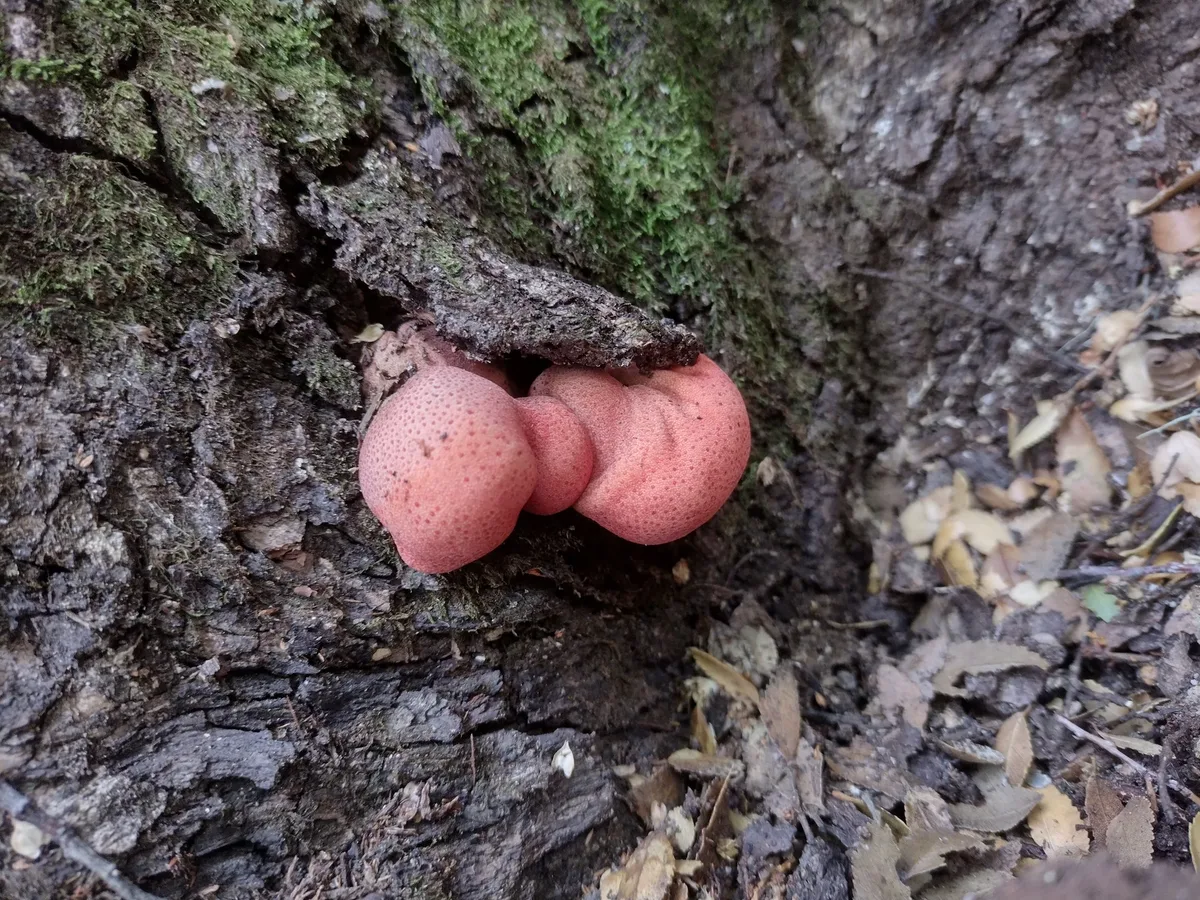 © Ezequiel Racker (CC BY)
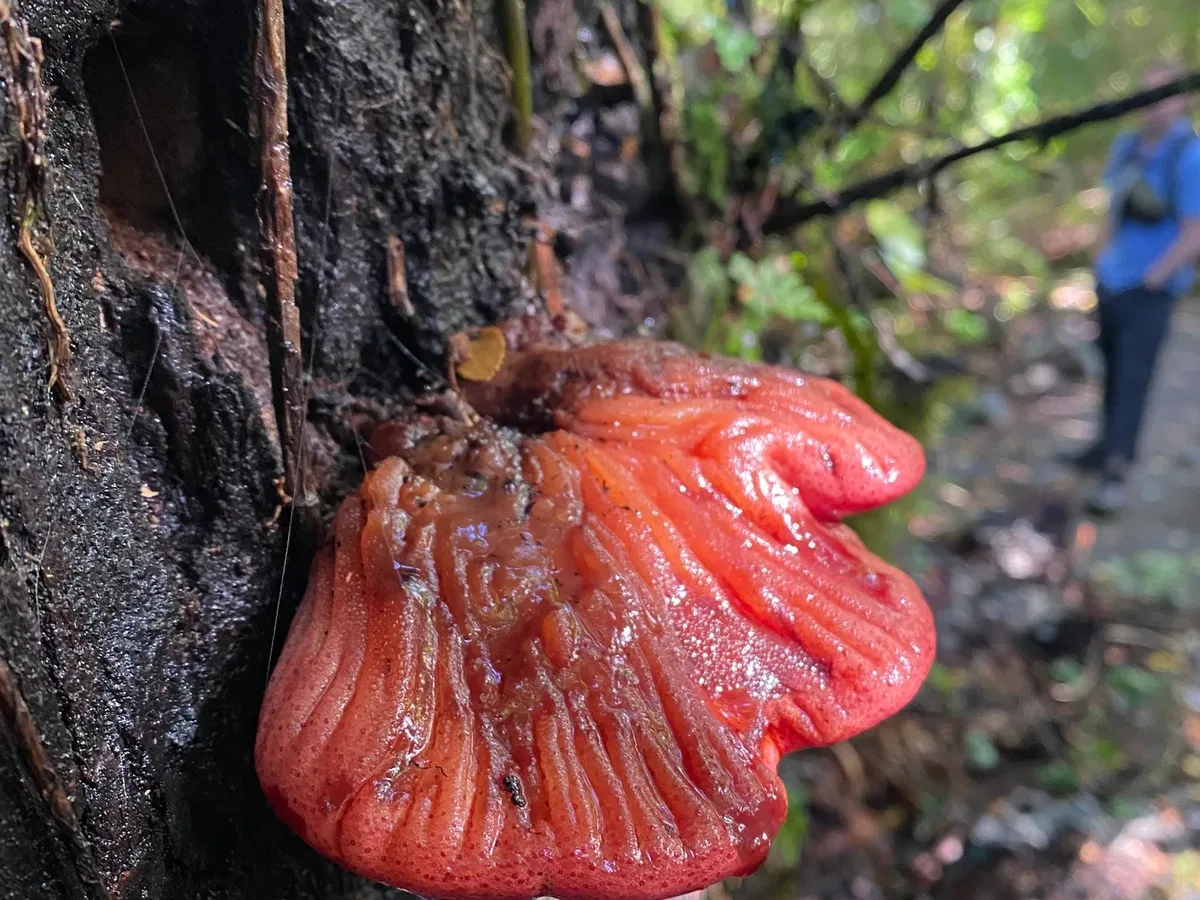 © Florencia Mac Auliffe (CC BY)
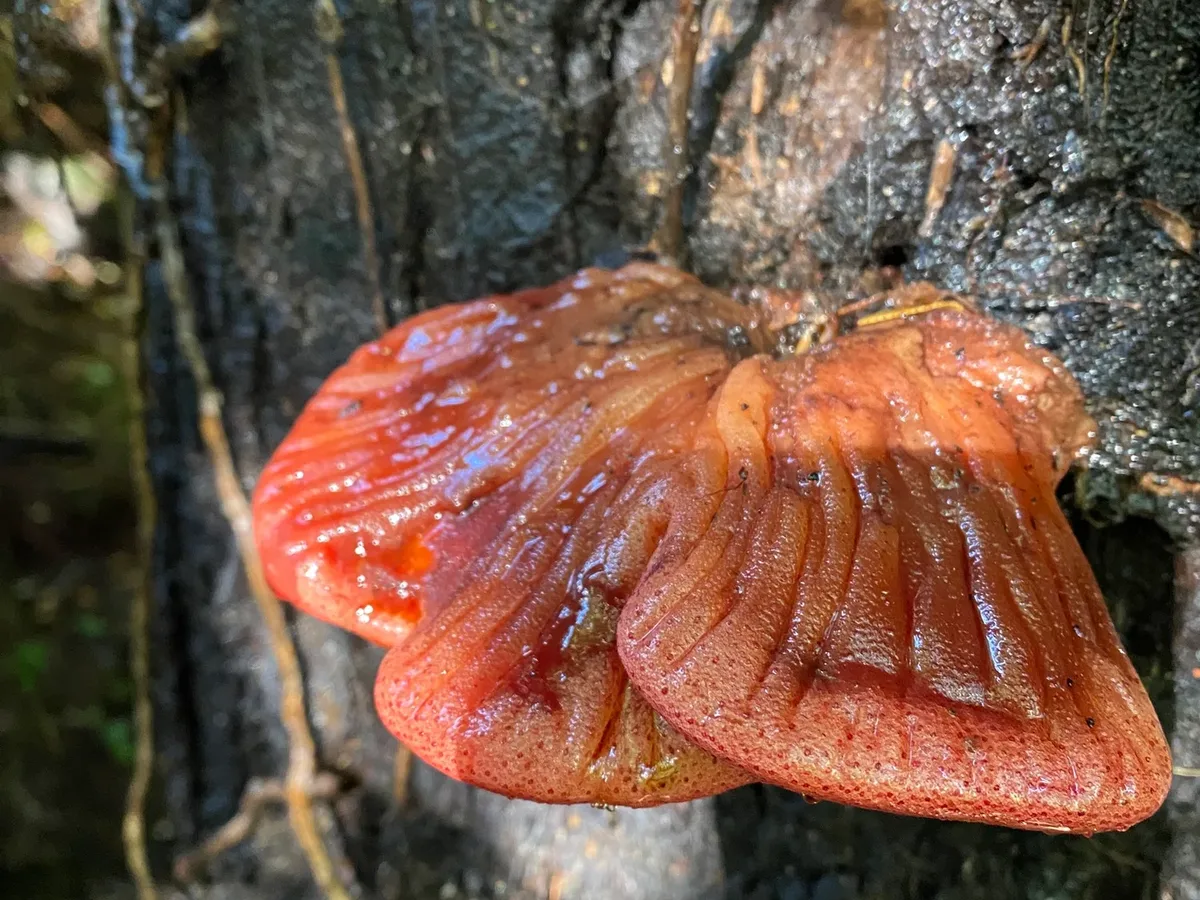 © Florencia Mac Auliffe (CC BY)
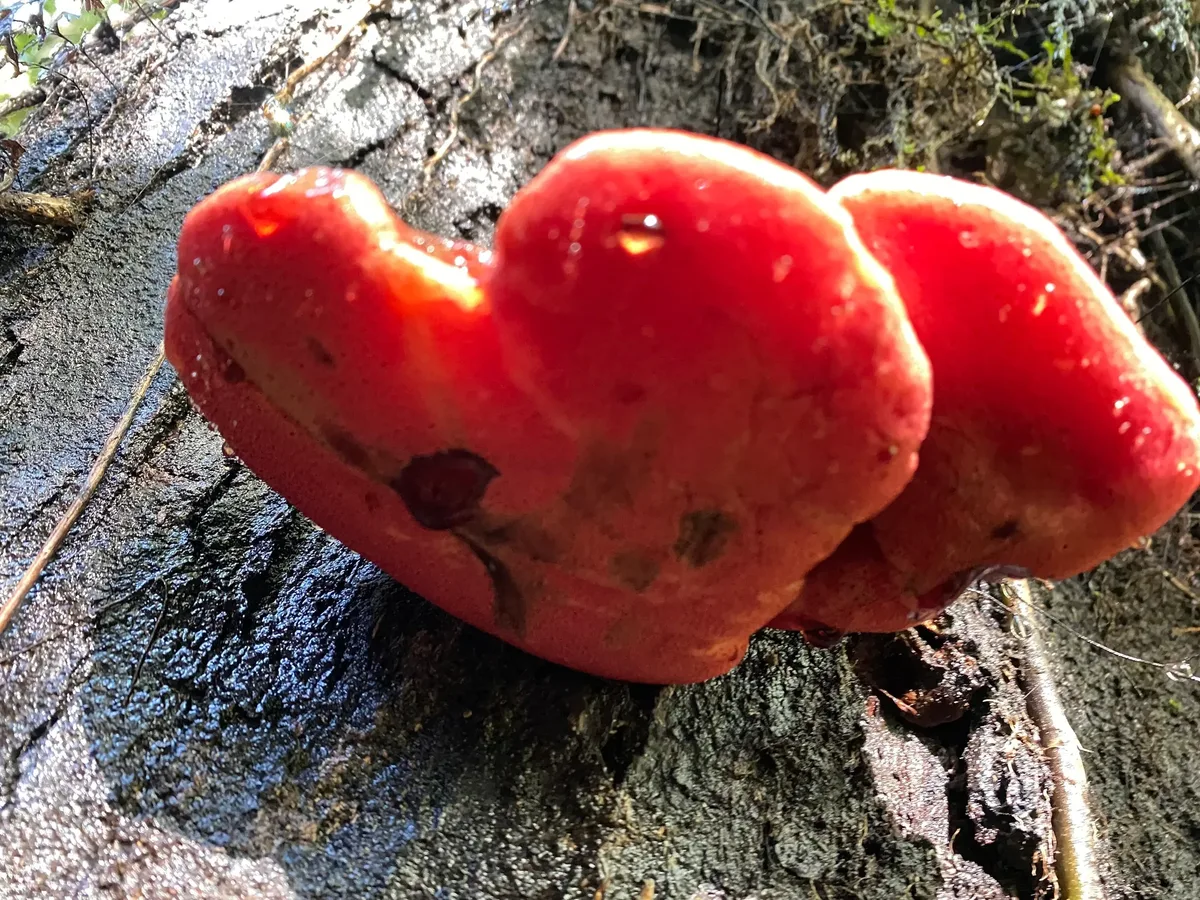 © Florencia Mac Auliffe (CC BY)
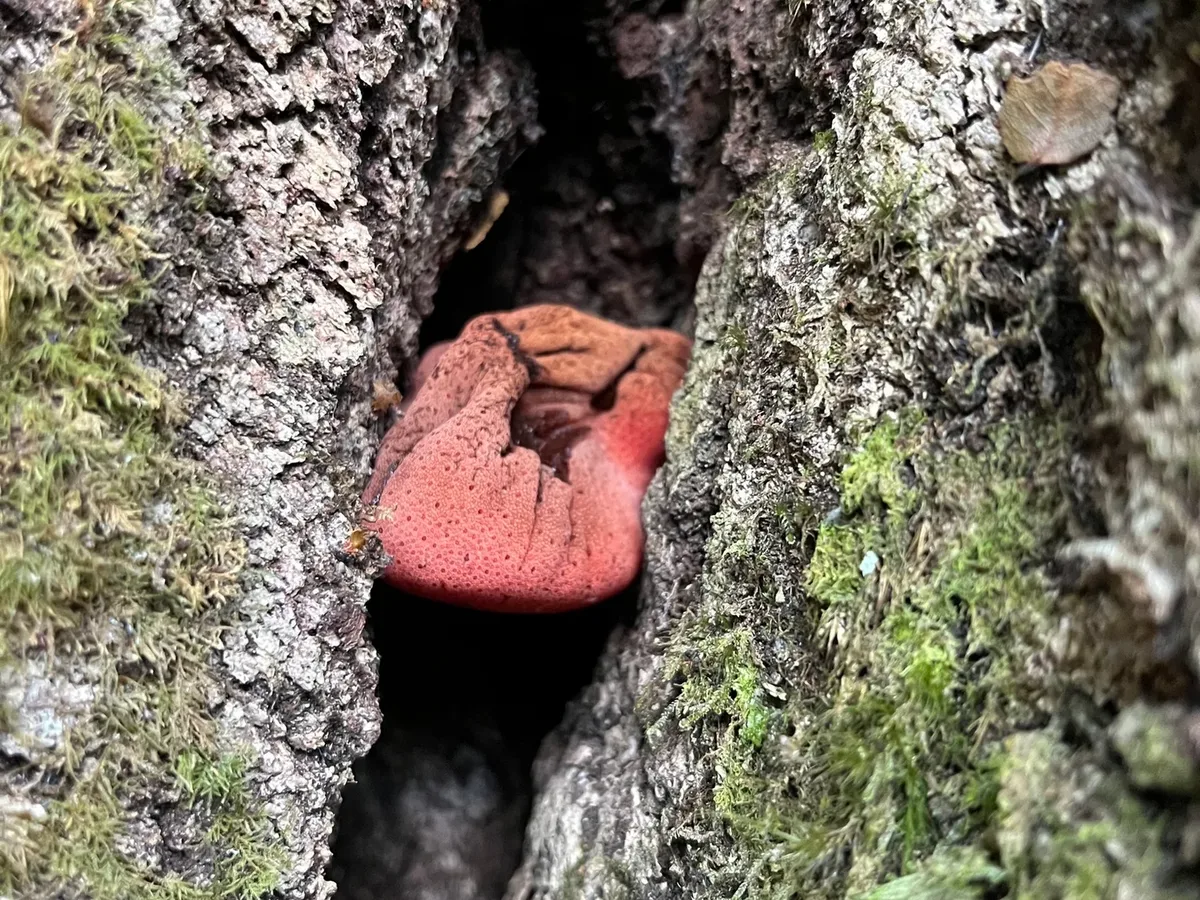 © Pablo Silva (CC BY)
 © Sebastián Saiter V. (CC BY)
 © María Regina Silva (CC BY)
 © María Regina Silva (CC BY)
 © María Regina Silva (CC BY)
 © Pablo Silva (CC BY 4.0)
 © Steven Bodzin (CC BY 4.0)
 © Steven Bodzin (CC BY 4.0)© María Regina Silva (CC BY 4.0)© Pablo (CC BY 4.0)
Good to eat, once you have identified it with certainty and cooked it through.
How to recognise it
Fistulina antarctica and the Changle Ramaria are two entirely distinct fungi that southern Chilean foragers have bundled together under the same cultural umbrella - and they could hardly look more different.
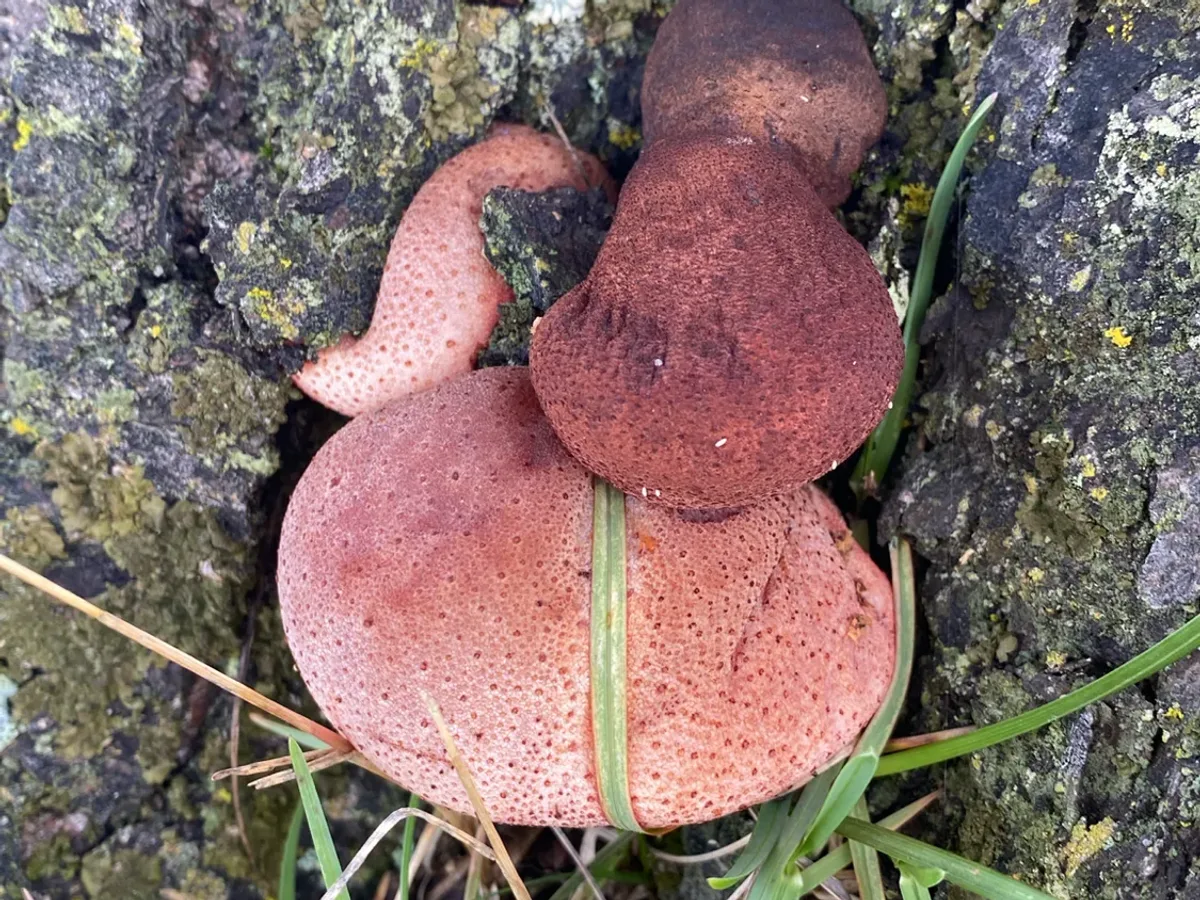
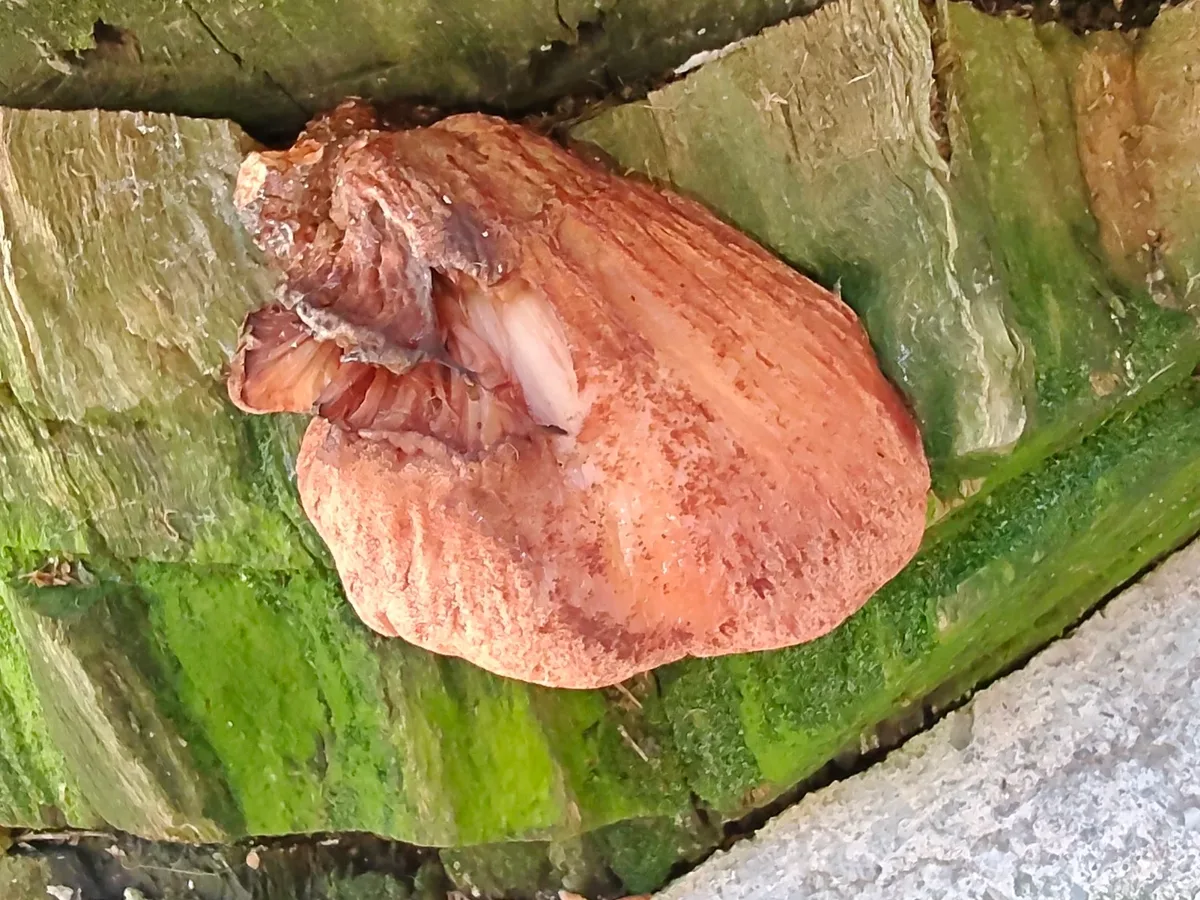
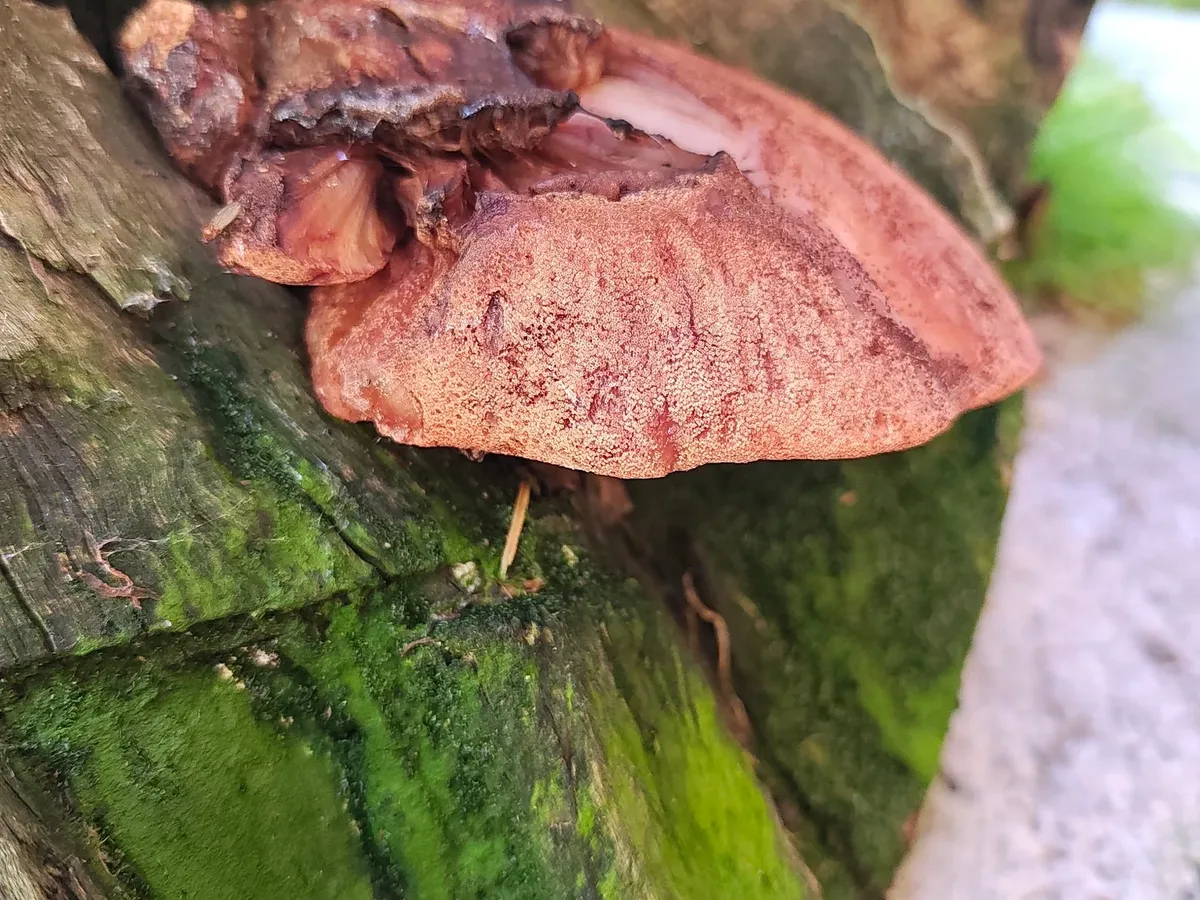
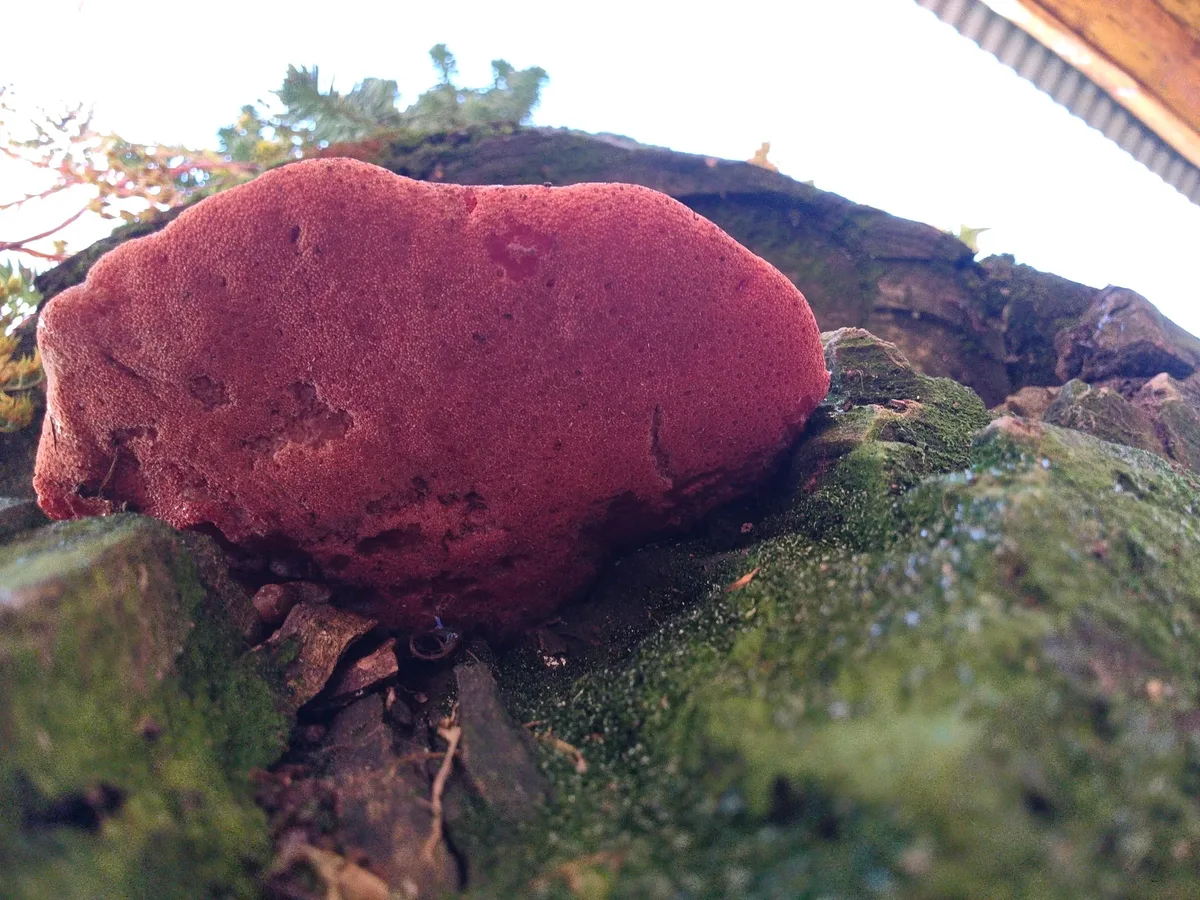
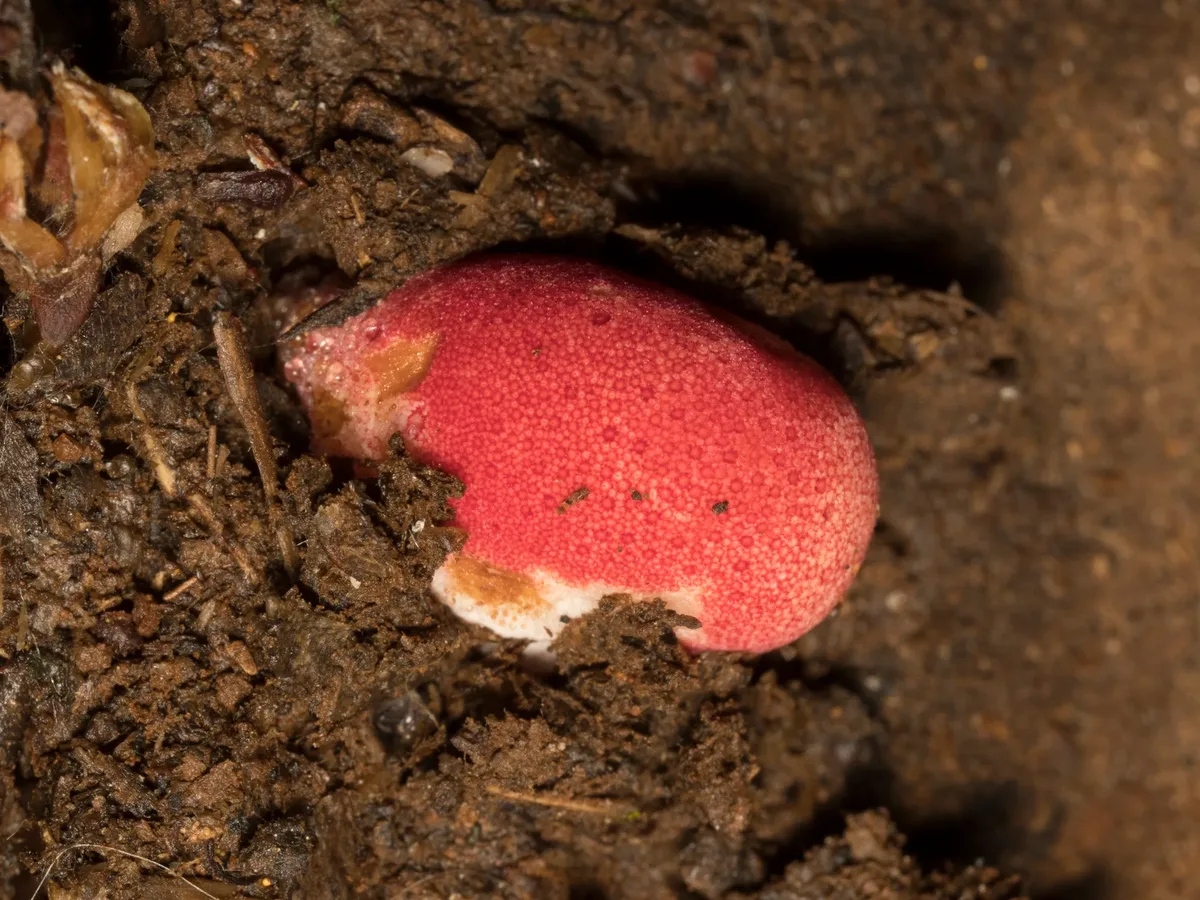
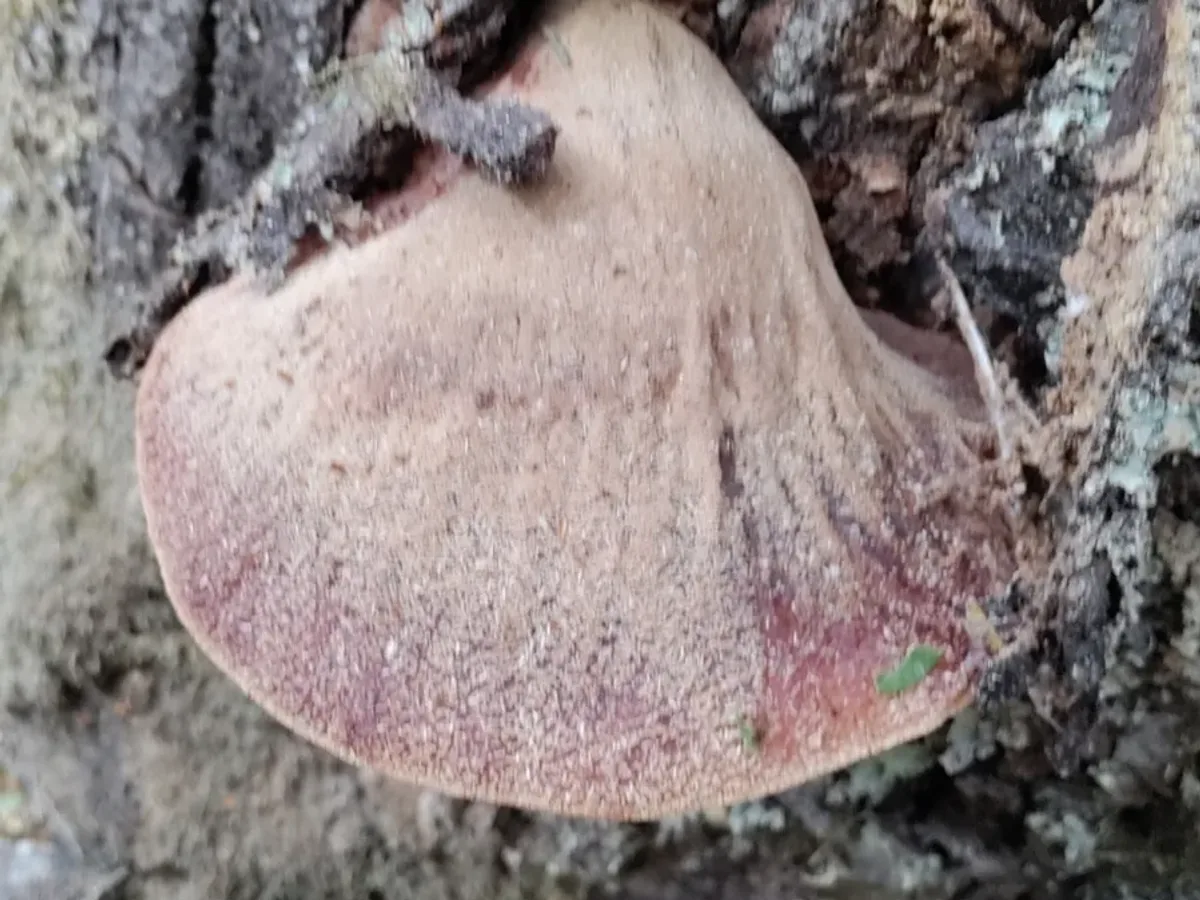
Fistulina is a bracket fungus of striking presence: a fleshy, tongue-shaped or fan-shaped fruitbody that protrudes horizontally from the bark of Nothofagus, typically at wound sites or old branch scars.
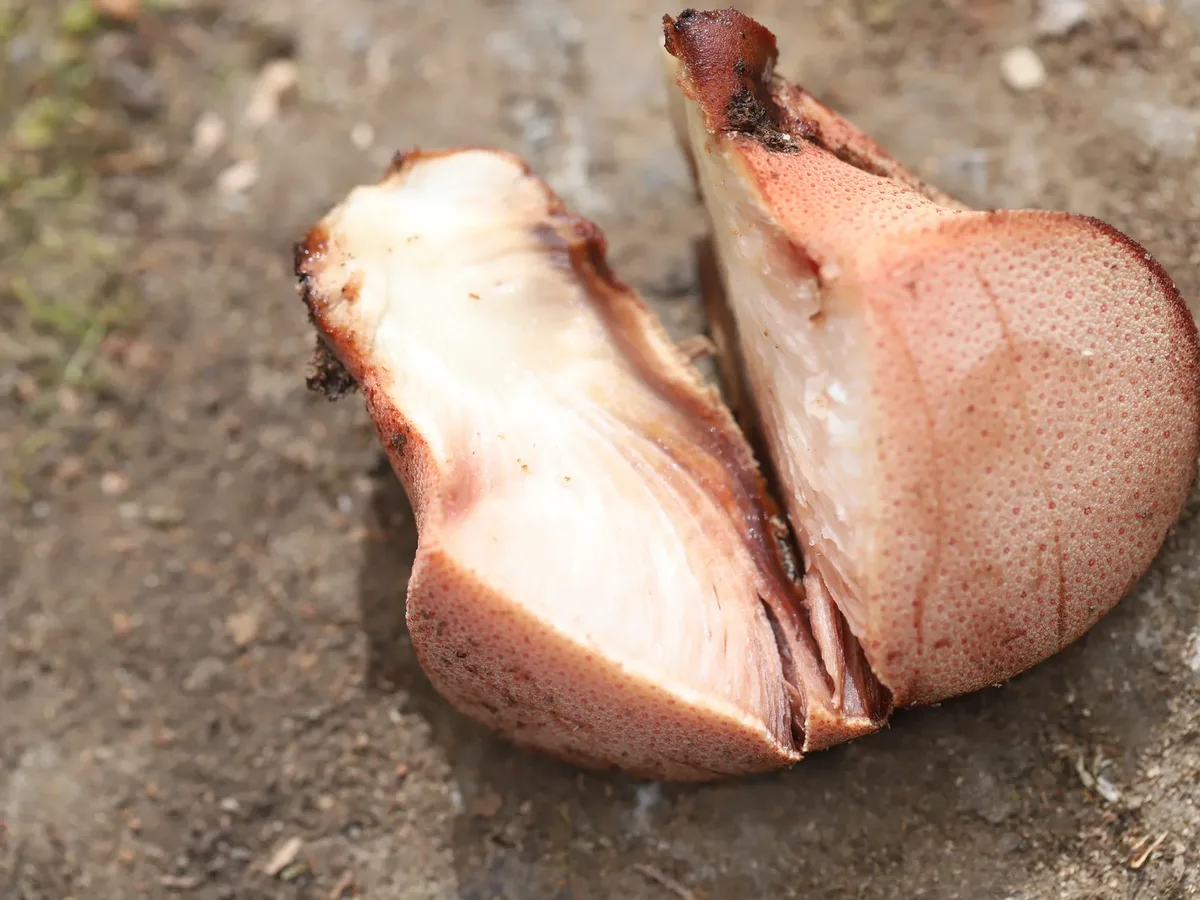
The upper surface ages from pale salmon-pink in youth to a deep brick-red or liver-brown at maturity, and has a moist, slightly sticky texture with fine pores underneath rather than gills - each pore is a tiny separate tube, a structure unique in the genus.
When cut, the flesh is pale reddish-cream, marbled with darker veins like raw beef, and exudes a distinctive dark-red juice that pools on the cut surface within seconds.
The smell is mild and pleasant, the taste slightly sweet and acidic - that acidity comes from oxalic acid in the tissue. Specimens range from about 10 to 30 cm across and 2-5 cm thick, and a large, well-hydrated fruitbody can weigh over a kilogram.
Changle - Ramaria flava or closely related Patagonian species - is the opposite in form: a highly branched, cauliflower-coral structure rising from the soil, vivid chrome-yellow to pale gold, with dozens of upright finger-like tips. Mature changle can be 15-30 cm across and nearly as tall, with a pale chunky base and branches that bruise or stain with age to ochre or tan.
Where & when it grows
Habitat
Both species depend on intact, mature Nothofagus forest - the southern beech woodland that dominates the Andes and the Chilean lake district.
Fistulina antarctica is a wood-decay fungus that lives as a weak parasite and saprophyte, colonising living or recently dead Nothofagus trees. It causes brown rot, degrading the cellulose of the heartwood while leaving a reddish-brown crumbling wood behind.
It occurs on the full suite of southern beech species:
- roble (Nothofagus obliqua)
- raulí (N. alpina)
- coihue (N. dombeyi)
- ñire (N. antarctica)
- lenga (N. pumilio)
It ranges from about 200 m elevation up into the subalpine ecotone near timberline. Fruitbodies emerge from wounds, bark cracks, or exposed root flares on trunks that are still alive but stressed - the fungus is already inside, digesting the dead heartwood, long before the bracket appears outside.
Changle (Ramaria spp.) grows from buried decaying wood or humus in mixed Nothofagus forest, fruiting from the forest floor, often in loose groups or arcs in slightly disturbed ground.
Both species are found from the Biobío region (roughly 37°S) south through the Araucanía, Los Lagos, and Los Ríos regions and into Aysén, reaching their greatest density in the wet, temperate rainforest zones of the Chilean lake district around Temuco, Pucón, and Valdivia.
When
Both species are autumn fungi in the Southern Hemisphere, responding to the cooling temperatures and increased rainfall that follow the southern summer.
Fistulina antarctica fruits from roughly mid-March to mid-May - the core window is April, when overnight temperatures drop consistently below 10 °C and Nothofagus canopies begin to colour.
Fruitbodies can persist on the tree for several weeks if conditions stay moist, growing incrementally rather than appearing overnight like a gilled mushroom. They are at their best in the first two weeks after emergence, before the pores on the underside become clogged and the flesh toughens.
Changle has a broader season - it can appear as early as February in high-elevation sites and persist into June or July at lower elevations, fruiting in multiple flushes across the autumn. Experienced foragers in the Temuco market region begin watching for changle in late March and expect the main peak through April and May.
Both species are sensitive to frost damage: a hard freeze blackens Fistulina and collapses changle tips.
In drought years, neither species fruits well, and the Nothofagus forests show markedly reduced fungal diversity overall - making rainfall in the preceding six to eight weeks the most reliable predictor of a good harvest.
How it grows
Fistulina antarctica is a saprotrophic and weakly parasitic bracket fungus. Its mycelium enters Nothofagus trees through bark wounds or damaged root tissue. Once established it can persist in a single tree for years, producing new fruitbodies each autumn without killing the host outright - though heavily infected trees eventually decline.
The fruitbody grows incrementally, adding tissue over days or weeks, and a large specimen represents many seasons of slow accumulation rather than a single overnight flush. This contrasts sharply with gilled mushrooms, which can complete fruiting in 48-72 hours.
Brown-rot fungi like Fistulina degrade cellulose and hemicellulose preferentially, leaving lignin behind - the result is a reddish-brown, cubically cracked wood that crumbles into cubes.
Changle (Ramaria spp.) is variously described as mycorrhizal or growing from buried wood, and the Patagonian species are not fully resolved taxonomically. The coral shape maximises spore-bearing surface area, with billions of basidiospores released from the branching tips.
Both species require the intact root and canopy structure of old-growth or secondary Nothofagus forest to complete their life cycles; forest clearing has reduced the range and abundance of both in the central lake district.
Fruiting conditions
Autumn-fruiting in temperate Patagonian Nothofagus forests; Fistulina antarctica fruits as a tree-attached bracket following autumn rains.
Look-alikes
The main safety concern in this block is Ramaria formosa, a coral fungus that resembles changle (Ramaria flava) but causes significant gastrointestinal upset - nausea, vomiting, and diarrhoea typically beginning one to three hours after ingestion.
Ramaria formosa is distinguishable by its colouring: the branches are a stronger salmon-pink to coral-orange (not the clear chrome-yellow of changle), and the tips in fresh specimens are often distinctly pale yellow contrasting against the pinker lower branches. The overall colour impression is warmer and more orange-toned.
Ramaria flava (changle) has consistently yellow branches from base to tip in fresh specimens, with a pale, chunky, white-ish base.
When in doubt, boil the collected Ramaria for at least 15 minutes and discard the water before consuming - this destroys the gastric irritants and is standard practice in Chilean cooking regardless of certainty.
No dangerous lookalike exists for Fistulina antarctica itself: the bracket shape, the bleeding red juice on cutting, and the pore surface (not gills) together are unmistakable, and no poisonous species in Patagonia shares this combination of features.
However, old or weathered Fistulina that has dried and lost its juice may more closely resemble other bracket fungi; always confirm the bleeding test and the separate pores on the underside.
A look-alike of changle (Ramaria flava) that causes gastrointestinal upset. Boil changle for 15 minutes before cooking; correct species identification is required, as some Ramaria cause stomach trouble.
In the kitchen
Picking & cleaning
Fistulina antarctica is cut from the tree with a sharp knife, slicing the attachment point cleanly to avoid tearing the bark or leaving a ragged wound that could invite secondary infection.
The best fruitbodies are firm, moist, and free of insect galleries - hold the bracket and press lightly: sound flesh springs back. Old or waterlogged specimens feel spongy and the pore surface on the underside becomes slimy; avoid these.
Trim away any tough, corky tissue at the attachment zone before packing. Fistulina does not store well - use it within one to two days of picking, as the acidity continues to concentrate and the flesh softens rapidly.
Changle is gathered from the forest floor; grasp the base and twist or cut with a knife, leaving the buried base if possible so the mycelium is undisturbed. Changle sold at markets in Temuco and Pucón is graded by size and freshness - branching tips should be firm and bright yellow, not tan or collapsed.
Once picked, changle should be kept cool, separated into loose portions to allow air circulation, and cooked within a day or two.
Both species are gathered sustainably in small quantities by local communities and have never required formal regulation, but the dependence of both on intact Nothofagus forest makes habitat loss the primary conservation concern rather than over-harvesting.
Cooking
Changle's standard preparation in southern Chile begins with a brief boil - typically 10-15 minutes in salted water - after which the water is discarded. This step tenderises the dense branching structure, removes gastric irritants, and drives off volatile compounds that can be bitter in the raw state.
From there, the most traditional preparations are simple:
- Changle fried with egg is a classic autumn breakfast in Araucanía, the yellow branches scrambled through beaten egg in a hot pan with a little butter and onion.
- A richer preparation cooks changle with cream, white wine, and chives - a dish that appears at restaurants in Pucón during peak season.
- Changle also stuffs empanadas alongside cheese or onion.
- It turns up in Chilean cazuela, the country's everyday vegetable-and-meat stew, where its slightly chewy texture holds up well in long simmers.
Fistulina is best after soaking in cold water for at least 30 minutes to an hour, which draws out excess oxalic acid and moderates the sour edge.
Once drained and patted dry, the sliced flesh handles like a thick cut of beef - it can be seared in a very hot cast-iron pan with butter, garlic, and thyme, developing a good crust on the exterior while the interior stays juicy.
Longer braises suit it equally well: slow-cooked with red wine, onion, and root vegetables, Fistulina becomes tender and absorbs surrounding flavours.
The red juice released during cooking will tint sauces and broths a distinctive pink, which is harmless and visually striking.
Good to know
Both changle and Fistulina antarctica are well-established edibles with long histories of safe use in southern Chile and Argentina.
The principal safety rule for changle - and for any Ramaria picked in Patagonia - is to boil before eating, both to neutralise gastric irritants that may be present even in the correct species and to guard against misidentification of Ramaria formosa. This is standard practice in Chilean kitchens and should be followed without exception.
Fistulina's acidity is not a toxicological concern, but it can cause mild digestive discomfort if large amounts are eaten raw or insufficiently cooked; soaking in cold water for 30-60 minutes and then cooking thoroughly resolves this entirely. No part of either species should be eaten raw in quantity.
Foragers should be confident in their identification of changle before consuming any coral fungus from Patagonian forests, particularly because the Ramaria genus is large and not all species have been toxicologically assessed. Fistulina is among the easier edibles to identify with confidence, given its bracket form and the distinctive red-juice test.
As with all wild mushrooms, collect from forest that has not been sprayed with herbicides or fungicides. Discard any specimens that are heavily insect-damaged, slimy, or strongly off-smelling - these indicate advanced decomposition rather than inherent toxicity, but they should not be eaten.
A reference guide - never an edibility guarantee. When in doubt, leave it out.