Yanomami mushroom
Favolus brasiliensissyn. Lentinula raphanica, Polyporus philippinensis, Panus strigellus, Pleurotus albideus, Pleurotus djamor, Favolus tesselatus, Polyporus stipitarius, Neoclitocybe bissiseda
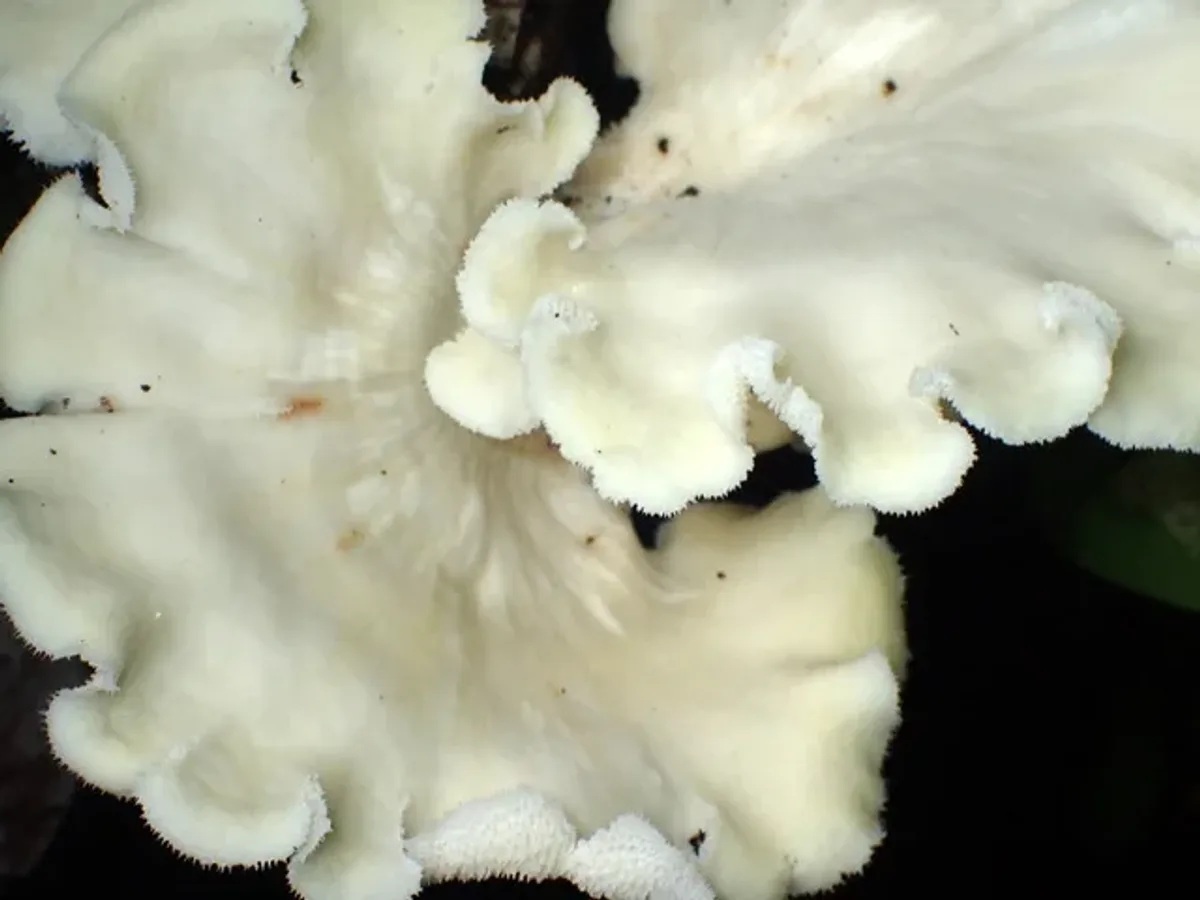 © mfeaver (CC BY 4.0)
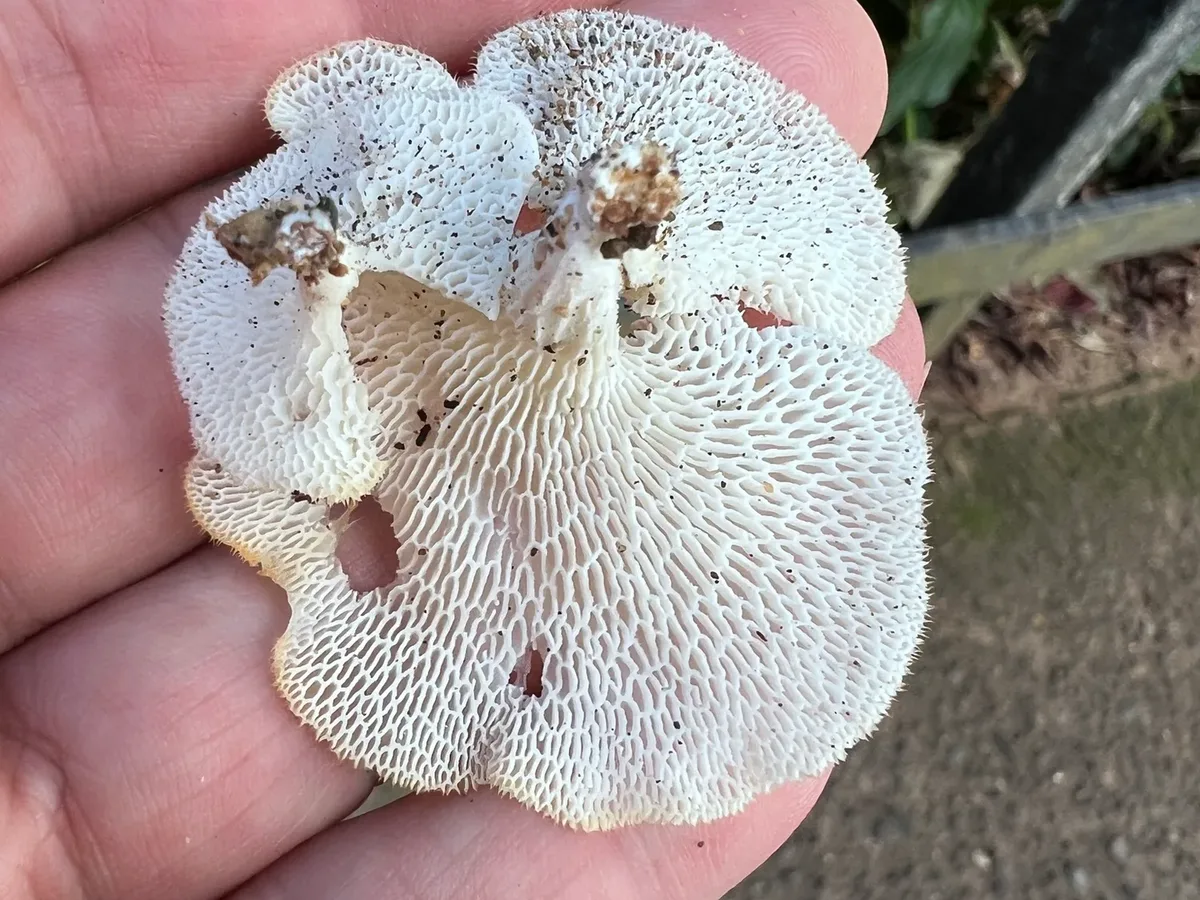 © Mark Richman (CC BY 4.0)
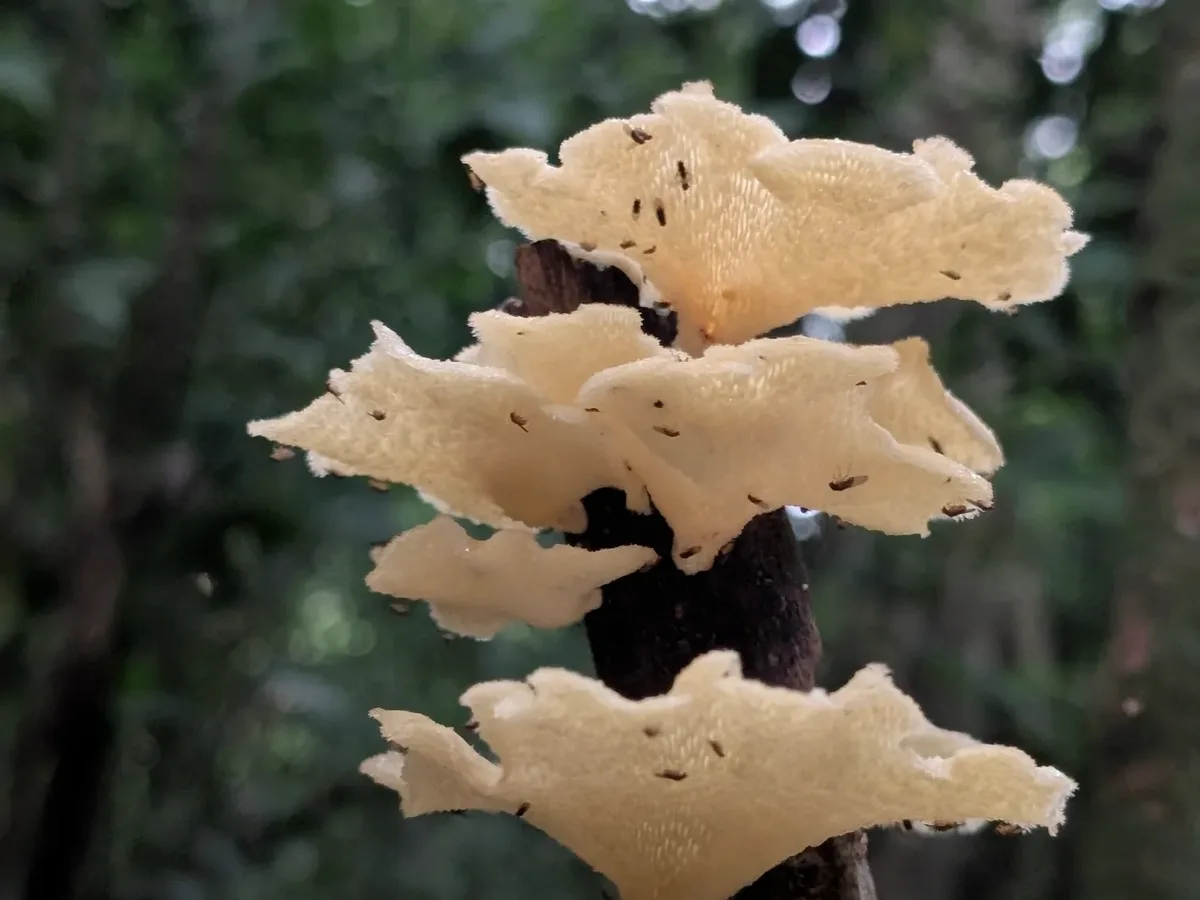 Lauren Bosch (CC0)
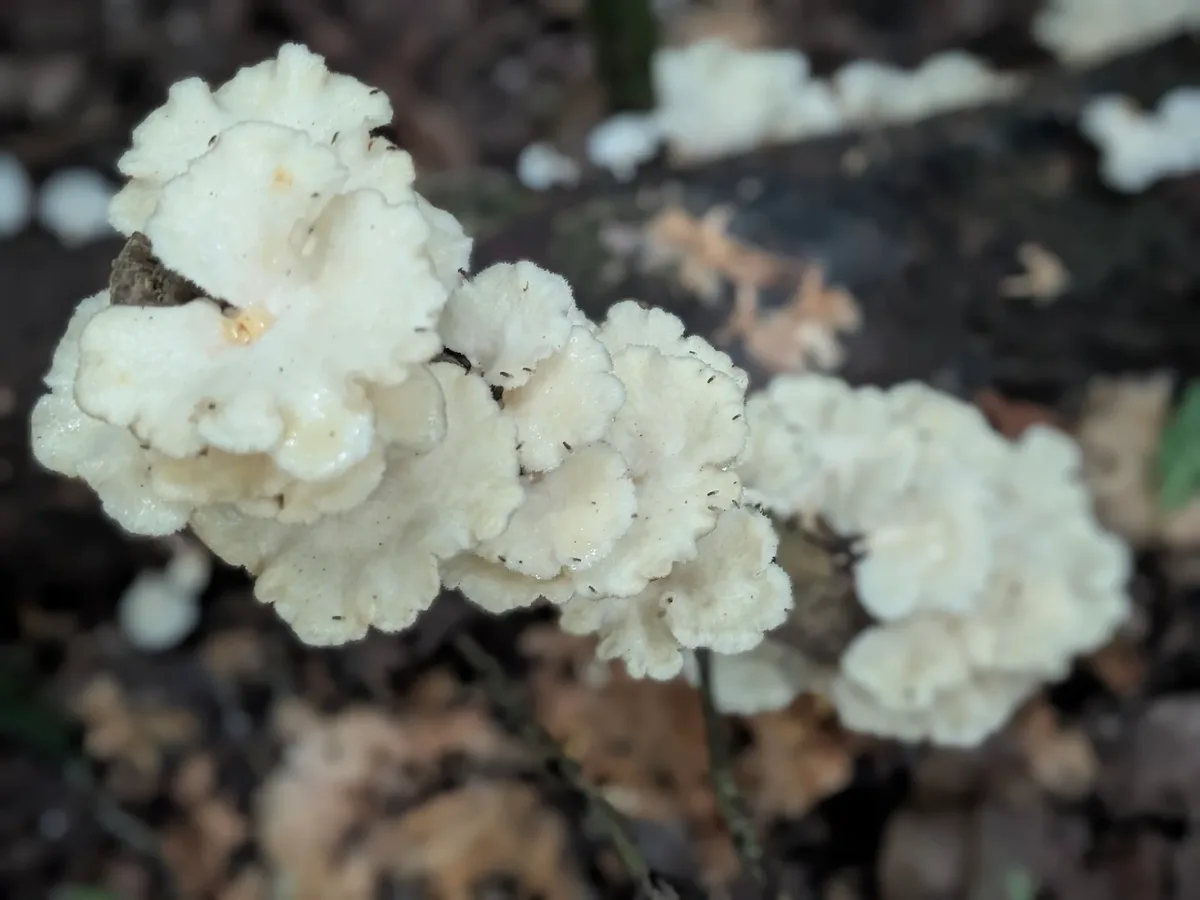 Lauren Bosch (CC0)
 © Rachel Lee Harper (CC BY)
 © Rachel Lee Harper (CC BY)
 © Rachel Lee Harper (CC BY)
 © Denis Zabin (CC BY)
 © Denis Zabin (CC BY)
 © Denis Zabin (CC BY)
 © Denis Zabin (CC BY)
 © Rachel Lee Harper (CC BY)© mfeaver (CC BY 4.0)© Mark Richman (CC BY 4.0)
Good to eat, once you have identified it with certainty and cooked it through.
How to recognise it
The name 'Favolus brasiliensis' functions in commerce as an umbrella for a loose guild of co-occurring, wood-decaying fungi rather than a single biological species.
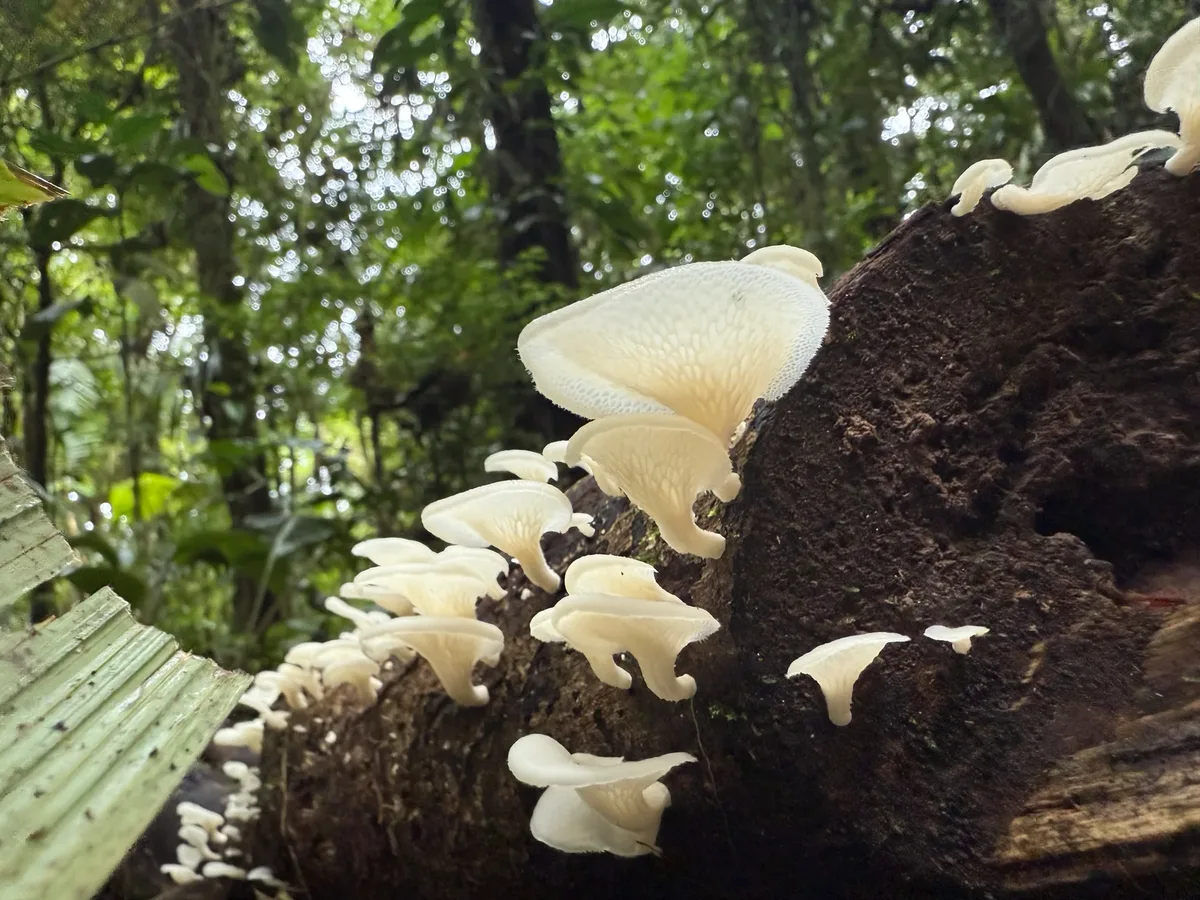
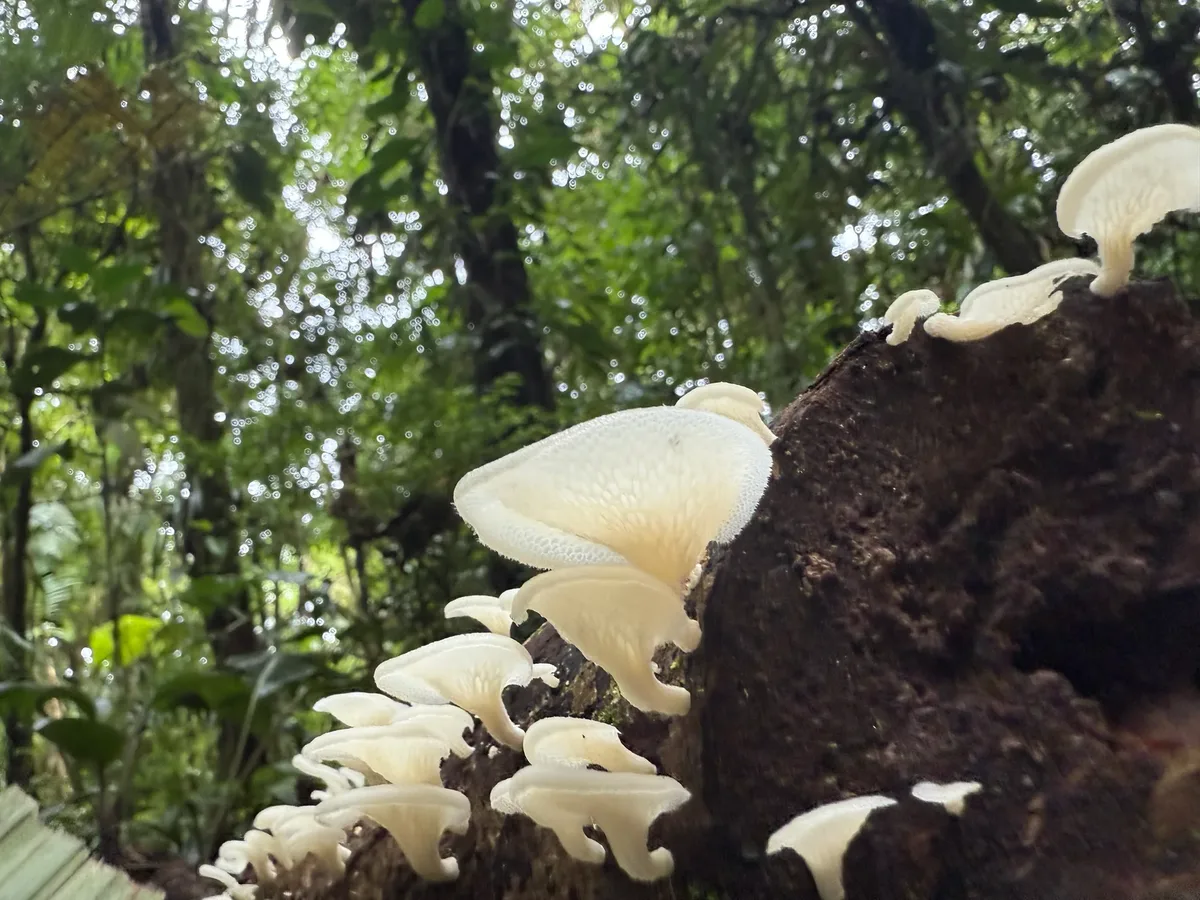
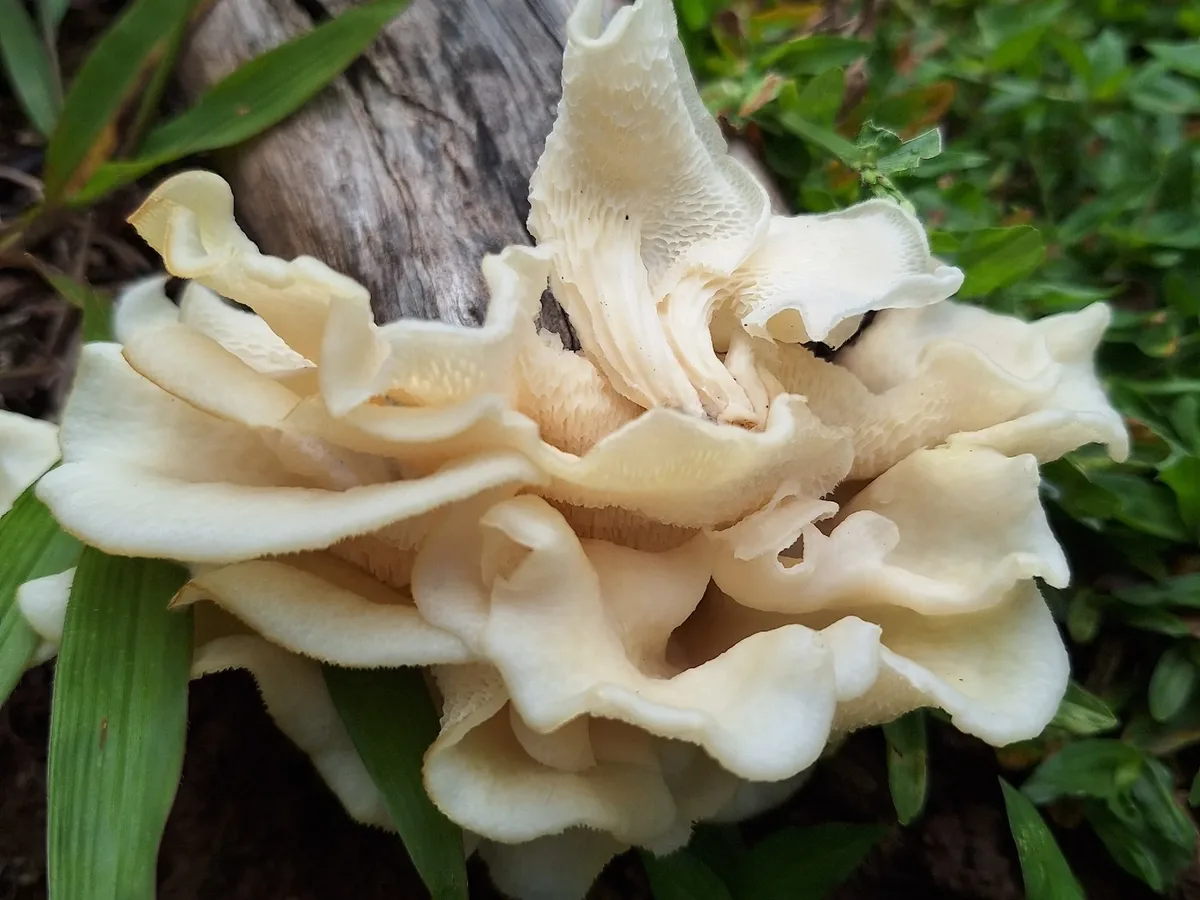
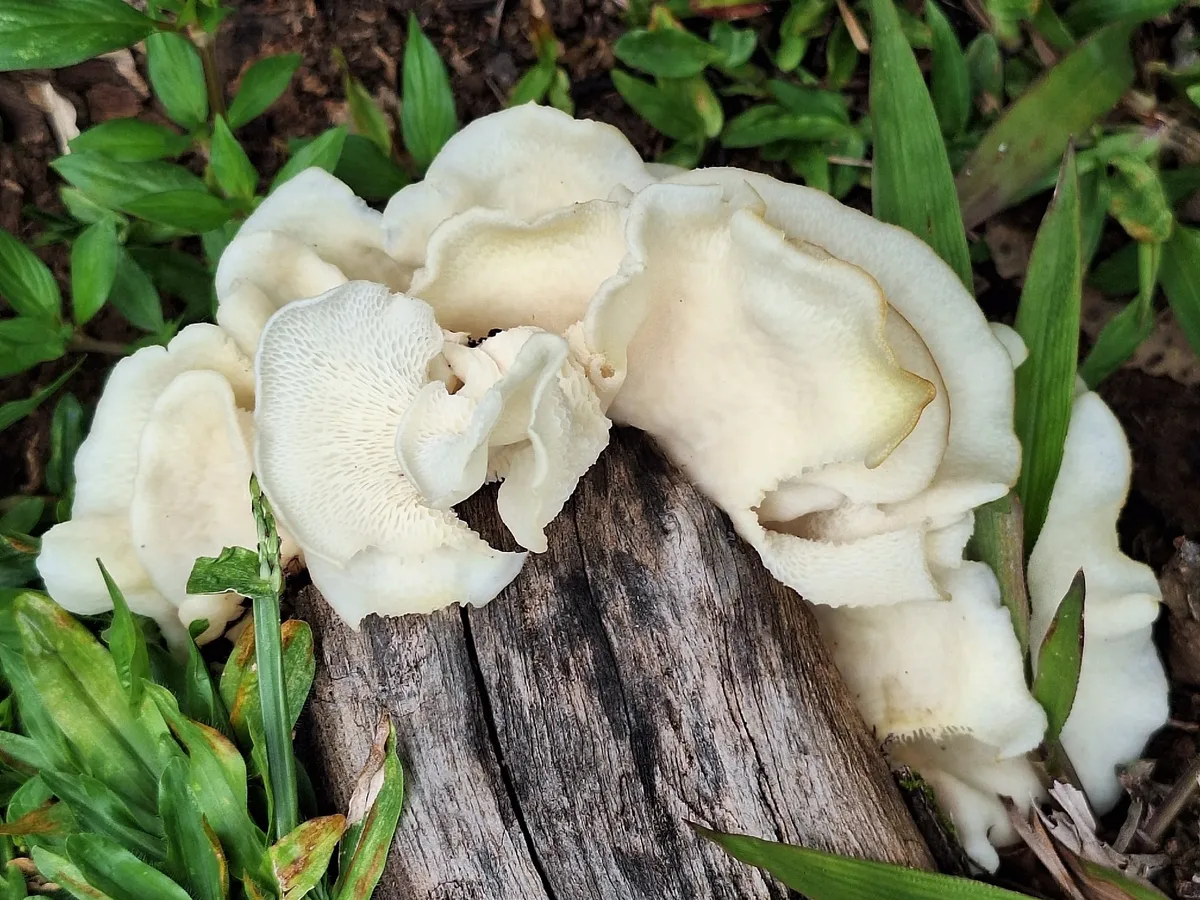
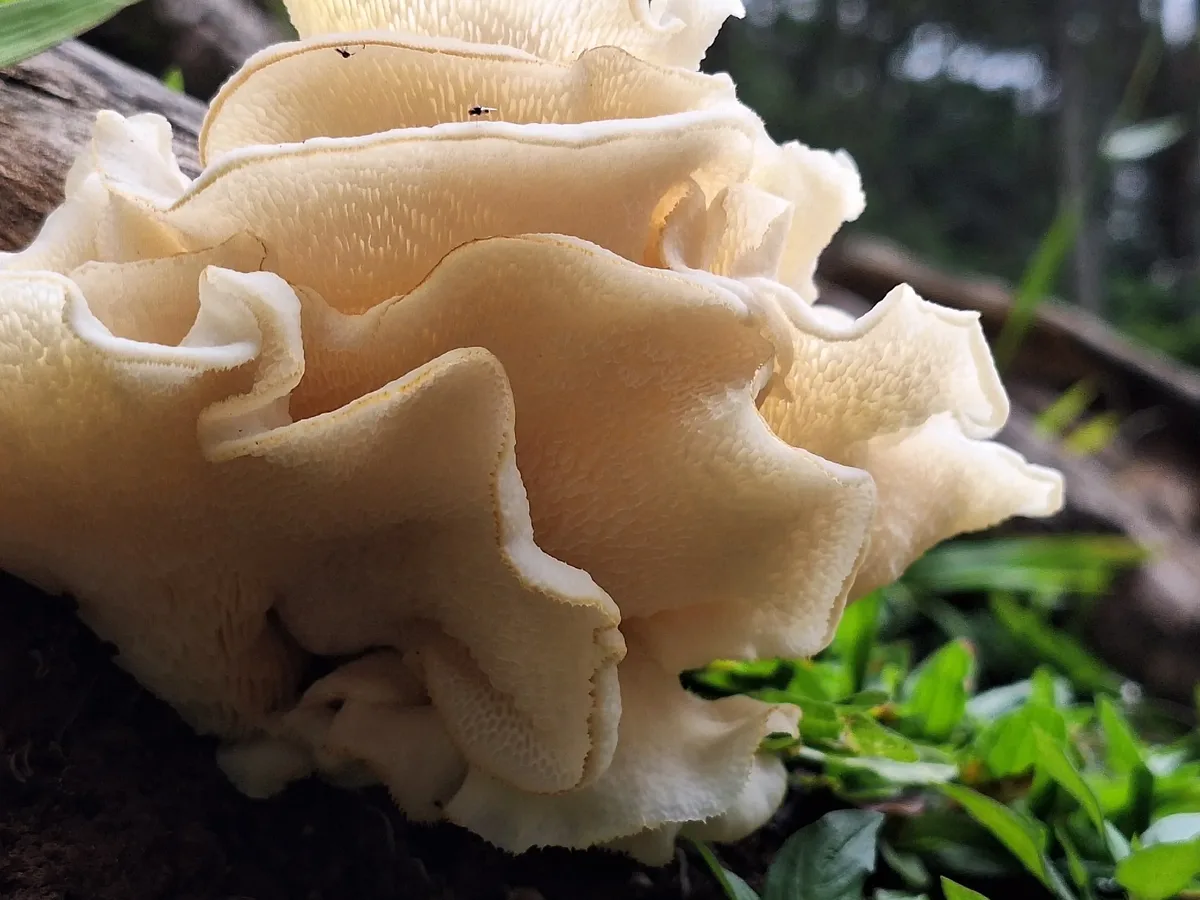
The group includes classic poroid forms - notably Favolus (formerly Polyporus) species whose undersides are covered in angular, hexagonal pores that give the genus its name (favus = honeycomb in Latin) - alongside gilled or pleurotoid species historically placed in Pleurotus, Panus, and Lentinula.
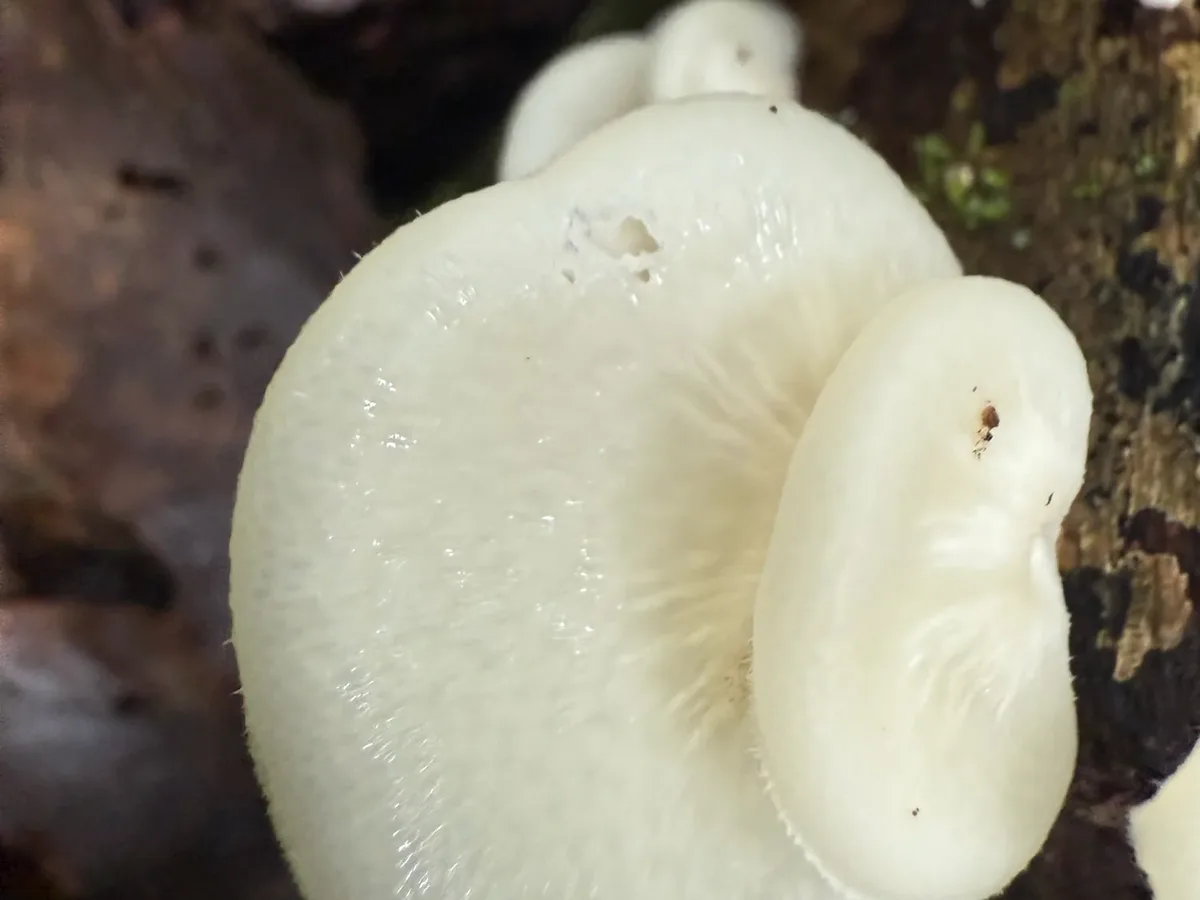
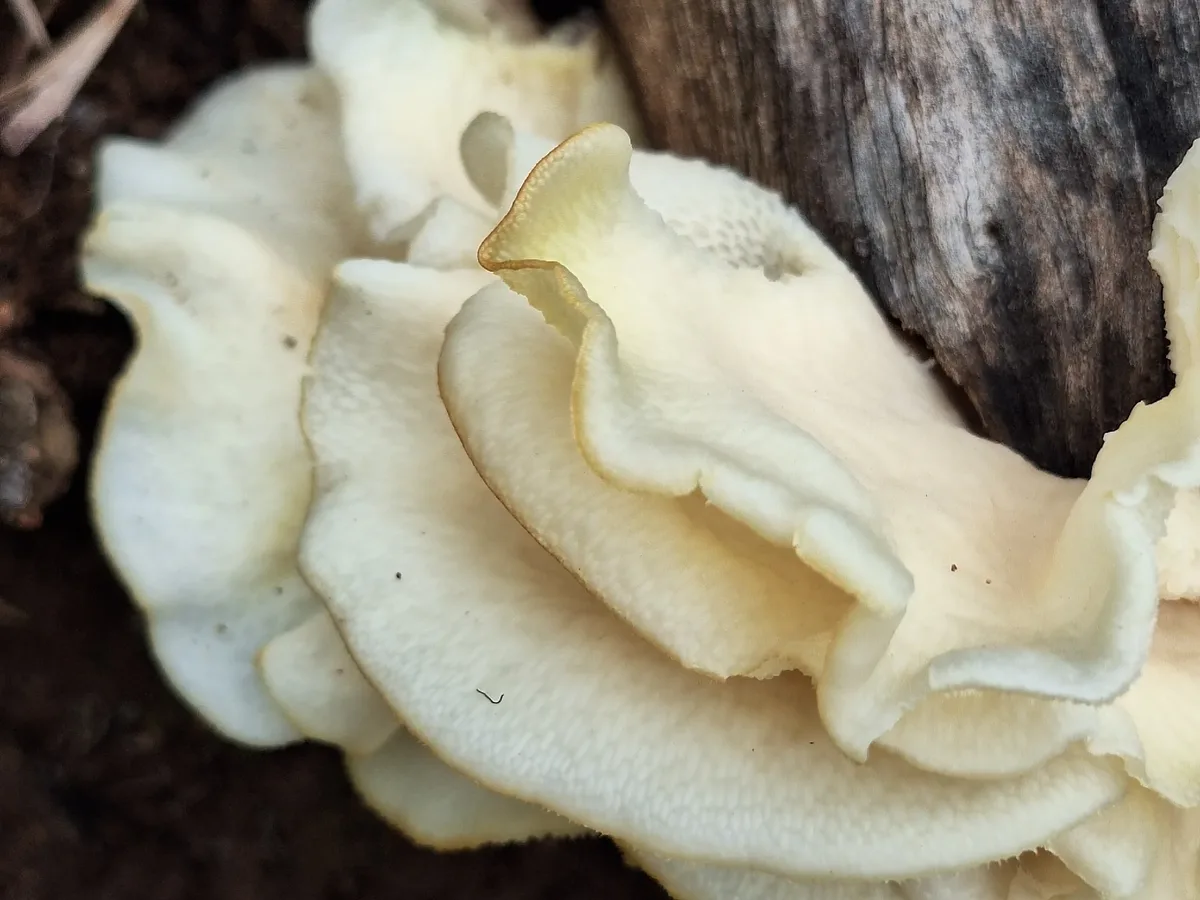
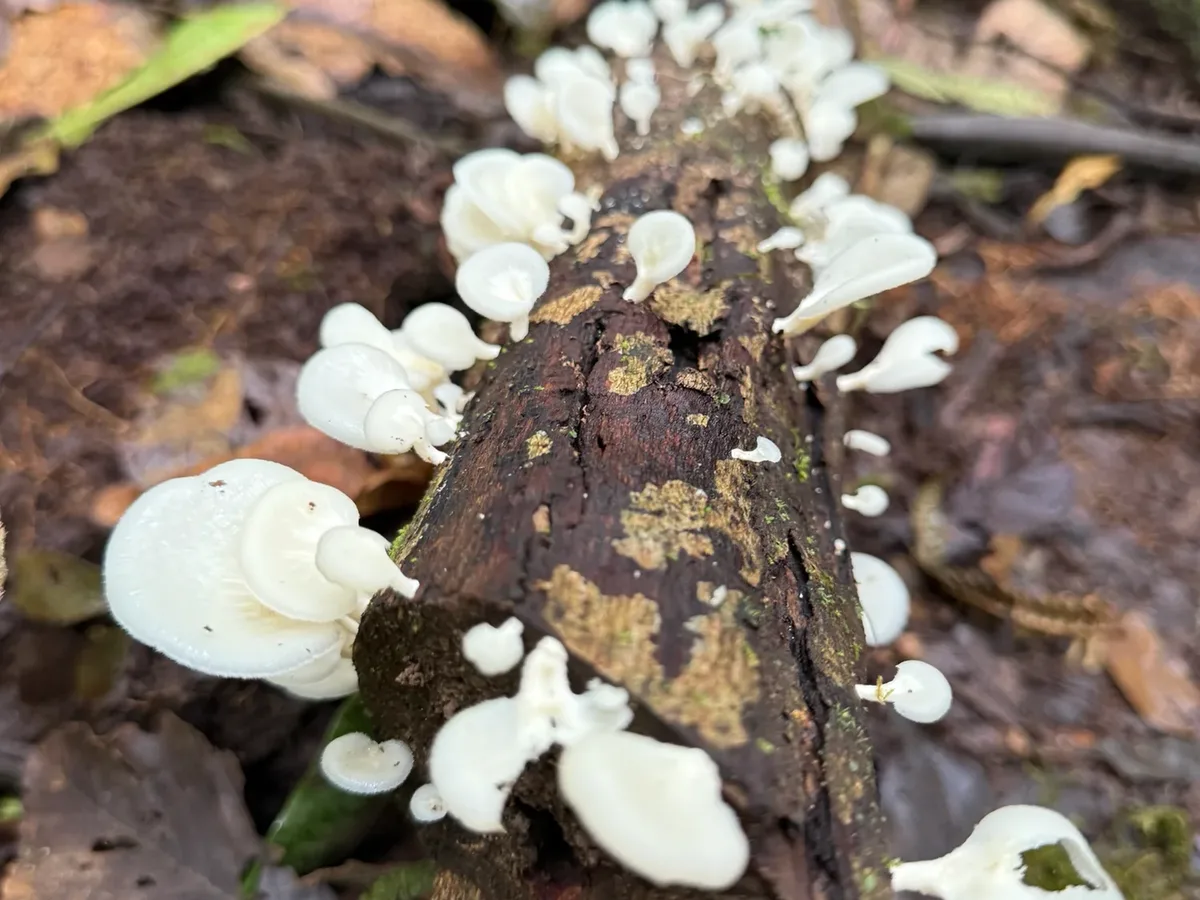
Fruitbodies span a wide visual range: some are fan-shaped caps jutting laterally from the wood, others form rosette clusters or small shelf brackets. Colours run from cream and pale tan through ochre and warm brown, often darkening toward the centre of the cap.
Flesh is white to pale buff and notably tough - fibrous rather than crumbly - so the mushrooms hold their structure through drying and rehydration. Surface texture varies by species; some caps are smooth, others carry fine scales or a faintly silky sheen.
The unifying trait that makes the group commercially coherent is olfactory and gustatory: an assertive, savoury umami character variously described as deep woodsmoke-tinged shiitake or a more pungent, earthy funk, depending on the substrate stage and which constituent species dominates a particular flush.
Where & when it grows
Habitat
The ecological stage for Favolus brasiliensis is set by the Yanomami's itinerant slash-and-burn agriculture. In the dry season of northwestern Amazonia - broadly August through October - garden plots (roças) are cleared and the felled vegetation is burned.
This creates a mosaic of dead, partially charred logs whose altered chemistry, reduced bark defences, and increased water-holding capacity make them ideal substrate for saprotrophic wood decomposers.
Charring sterilises the wood surface, briefly reducing competition, then the first colonisers - bacteria, then moulds, then the polypores and gilled fungi of the Yanomami complex - move in as rainfall returns.
The logged area then enters a fallow period (capoeira) during which secondary forest regenerates around the spent substrate; gathering happens throughout this transitional landscape.
Documented collection sites cluster around Awaris and Auaris in northwestern Roraima at the Venezuela border, but the ecological pattern - burnt-log substrate in lowland Amazonian rainforest - is distributed across the broader Yanomami territory straddling Brazil and Venezuela.
The fungi play a genuine decomposer role, converting the stored carbon of the dead wood back into the soil system that feeds the recovering forest.
When
Fruiting is entrained to the Yanomami agricultural calendar, not to temperature, because the equatorial Amazonian climate provides essentially no cold-season brake.
After a garden is cleared and burned (dry season, roughly August-October), the dead logs must first saturate with moisture from the returning rains and begin to soften through initial fungal and bacterial colonisation. That conditioning period takes roughly three months, placing the first significant flushes around November.
From there the fungi fruit continuously through the wet season - November through April in most years - as long as the logs retain enough moisture and unconsumed lignocellulose. A single log or stump can yield multiple flushes across weeks.
Gathering continues through the full fallow period; as the capoeira matures and the oldest logs collapse into the soil, fresh substrate appears wherever new clearings are made. There is no hard end point driven by frost.
Seasonality here is fundamentally about substrate moisture and decomposition stage rather than air temperature, and the Yanomami's rotation of garden plots ensures a rolling supply of substrate at different stages of breakdown across the landscape.
How it grows
All members of the complex are saprotrophic lignocellulose decomposers - white-rot or brown-rot fungi - that secrete a battery of extracellular enzymes (laccases, peroxidases, cellulases) to break down the structural polymers of dead wood.
Charring alters the wood chemically by partially converting cellulose to more accessible forms and volatilising inhibitory terpenes in the bark, which may favour rapid colonisation by these particular species over competitors.
Mycelium threads through the wood's vessel network invisibly for weeks to months before fruitbodies appear; the flush visible above the bark surface is the reproductive tip of a much larger, hidden organism.
The fruitbodies themselves can emerge and expand within two to three days after rain, a pace consistent with the rapid turgor-driven growth seen across many saprotrophic fungi.
Because the Yanomami clear and plant new roças each dry season, the landscape effectively functions as an ongoing semi-cultivation system - fresh substrate arrives on schedule, and the mushroom assemblage re-establishes without deliberate inoculation.
Ethnobotanists and mycologists have noted this inadvertent cultivation relationship as one of the most sophisticated undocumented food-production systems in Amazonia.
Fruiting conditions
Saprophytic wood decomposers fruiting on dead, partly charred logs; first flushes appear roughly three months after manioc planting in the tropical Amazonian climate rather than being driven by temperate seasonal rain/temperature cues.
Look-alikes
Because Favolus brasiliensis is itself a species complex covering multiple wood-decaying fungi, confident identification requires specialist mycological knowledge of tropical polypores and pleurotoid gilled mushrooms.
Within the Yanomami communities, this knowledge is deeply embedded in transmitted cultural practice and ecological context; gathering is done by people who have observed these species across their entire life span on a known substrate (charred logs in Yanomami roças), which provides a high degree of reliable recognition.
For outsiders or non-indigenous foragers approaching tropical Amazonian fungi without that context, the risk of misidentification is real: the polypore and gilled-mushroom families of lowland Amazonia contain species whose edibility is unknown or poorly documented.
No deadly Amanita-type lookalike for this complex has been formally identified in the literature, but the general rule for tropical wood-decaying fungi applies: without species-level certainty confirmed by someone with genuine regional expertise, do not eat.
The structured lookalikes list for this species is currently empty because no specific dangerous lookalikes have been documented in the published ethnomycological record - not because lookalikes do not exist, but because the literature focuses on confirmed traditional use rather than hazard mapping of co-occurring species.
In the kitchen
Picking & cleaning
Harvesting is primarily a women's activity within Yanomami communities and is deeply embedded in daily subsistence routines rather than treated as a separate foraging expedition.
Fruitbodies are picked by hand from the surface of the logs, often twisted or cut at the base. The tough, fibrous texture of most constituent species means they tolerate handling better than fragile cap-and-gill mushrooms, and they can be collected in bulk without damage.
Fresh mushrooms are eaten immediately in soups or roasted, but the larger portion of the harvest is preserved by sun-drying or smoke-drying - a technique well-suited to the rainy season climate, which makes extended sun-drying difficult.
Dried whole mushrooms and mushroom powder are both produced; the powder, ground from the dried fruitbodies, concentrates the umami and is mixed into broths, sauces, and farofa.
Since 2016 a commercial product labelled 'Cogumelo Yanomami' has been marketed beyond indigenous communities, produced by Sanöma women through an arrangement involving Instituto ATÁ and Instituto Socioambiental (ISA), with fair-trade pricing and traceability back to individual communities - a model cited as a template for ethical Amazonian forest-product commercialisation.
Cooking
The dominant culinary property of the Favolus brasiliensis complex is a concentrated, lingering umami that performs well in liquid-based preparations.
Broths and stocks are the canonical application: a small quantity of dried mushroom - whole or powdered - transforms a simple water-based broth into something rounded and savoury without requiring meat.
Alex Atala's kitchen at D.O.M. (São Paulo) has presented a mushroom broth served inside a green coconut, pairing the forest umami with the freshness of young coconut water - a dish that became one of the more photographed expressions of Brazilian fine dining in the 2010s.
Beyond broth, the dried whole mushrooms rehydrate into a chewy, meaty texture well suited to risotto, pasta sauces, and rice-based dishes such as farofa (the toasted manioc-flour preparation central to Brazilian cooking).
The powder functions as a seasoning: a pinch stirred into cream sauces, rice, or bean dishes adds depth without making the dish 'taste of mushroom' in a literal sense.
The tougher polypore constituents benefit from longer cooking times and gentle heat; aggressive high-heat sautéing alone does not fully tenderise the fibrous flesh.
In Yanomami cooking the mushrooms are most commonly cooked in broths or roasted directly on embers - preparations that honour the flavour without requiring the dried-powder intermediate step used in urban restaurant applications.
Good to know
The Sanöma (a Yanomami subgroup of northwestern Roraima) are among the best-documented mycophilic peoples in the world.
Ethnobotanist Ghillean Prance first described their mushroom use in 1971, identifying four species consumed by the Waiká. Fidalgo and Prance published the formal ethnomycological study - 'The Ethnomycology of the Sanama Indians' (Mycologia 68(1):201-210, 1976) - which remains a primary reference.
In 2016 the bilingual encyclopedia 'Ana amopö - Cogumelos' (Instituto Socioambiental) appeared, widely described as the first book on edible mushrooms published in Brazil. It documents 15 edible species used by the Yanomami and won the Prêmio Jabuti 2017 in the gastronomy category.
The commercial 'Cogumelo Yanomami' product, launched the same year through the Instituto ATÁ / ISA partnership, has been served in high-profile restaurant kitchens - including Alex Atala's D.O.M. in São Paulo and Felipe Schaedler's restaurant in Manaus - without any reported adverse events.
The safety record of this mushroom complex rests on centuries of accumulated Yanomami knowledge. Consuming it outside that cultural and ecological context, without the ability to distinguish individual constituent species, carries a general identification risk that is unrelated to any known toxin in the complex itself.
A reference guide - never an edibility guarantee. When in doubt, leave it out.