Livid pinkgill
Entoloma sinuatumsyn. Entoloma lividum
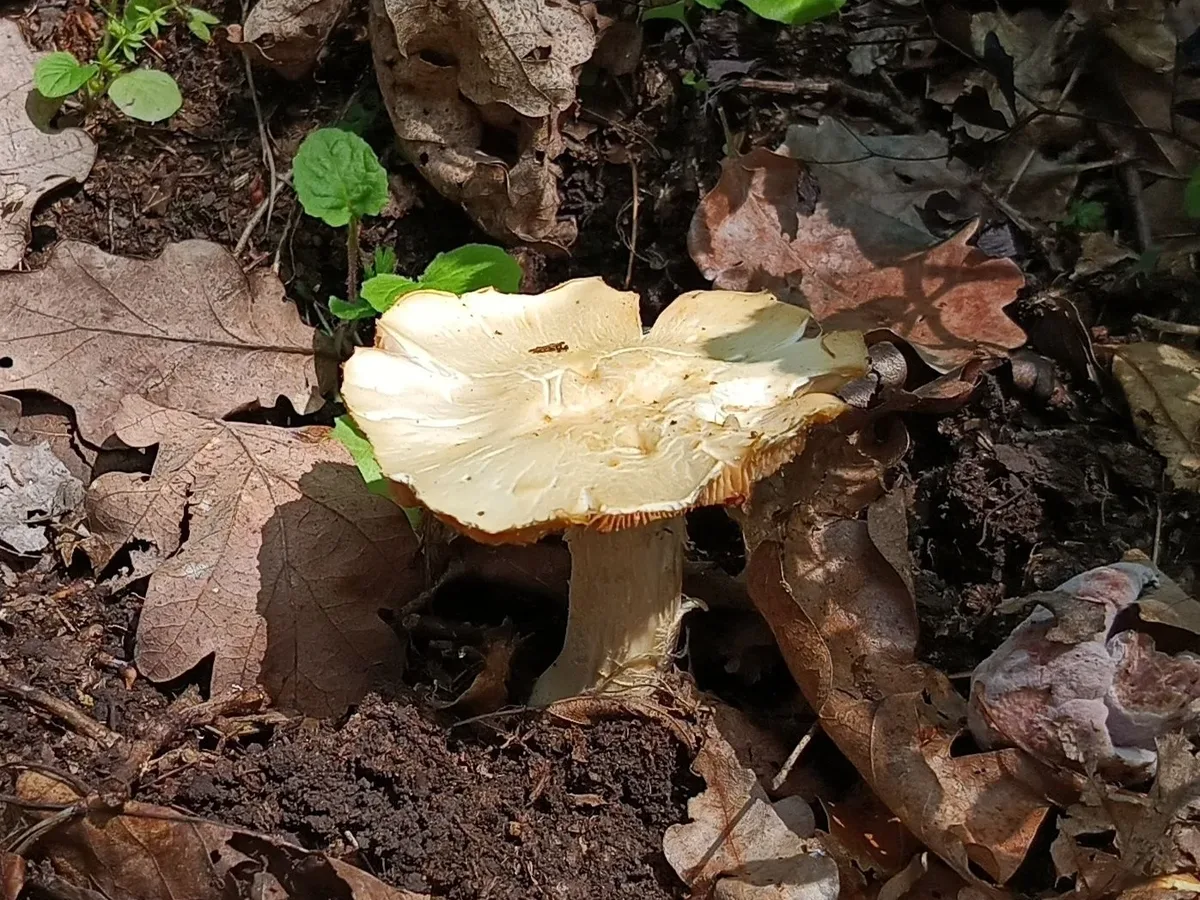 © Vladimír Fuka (CC BY 4.0)
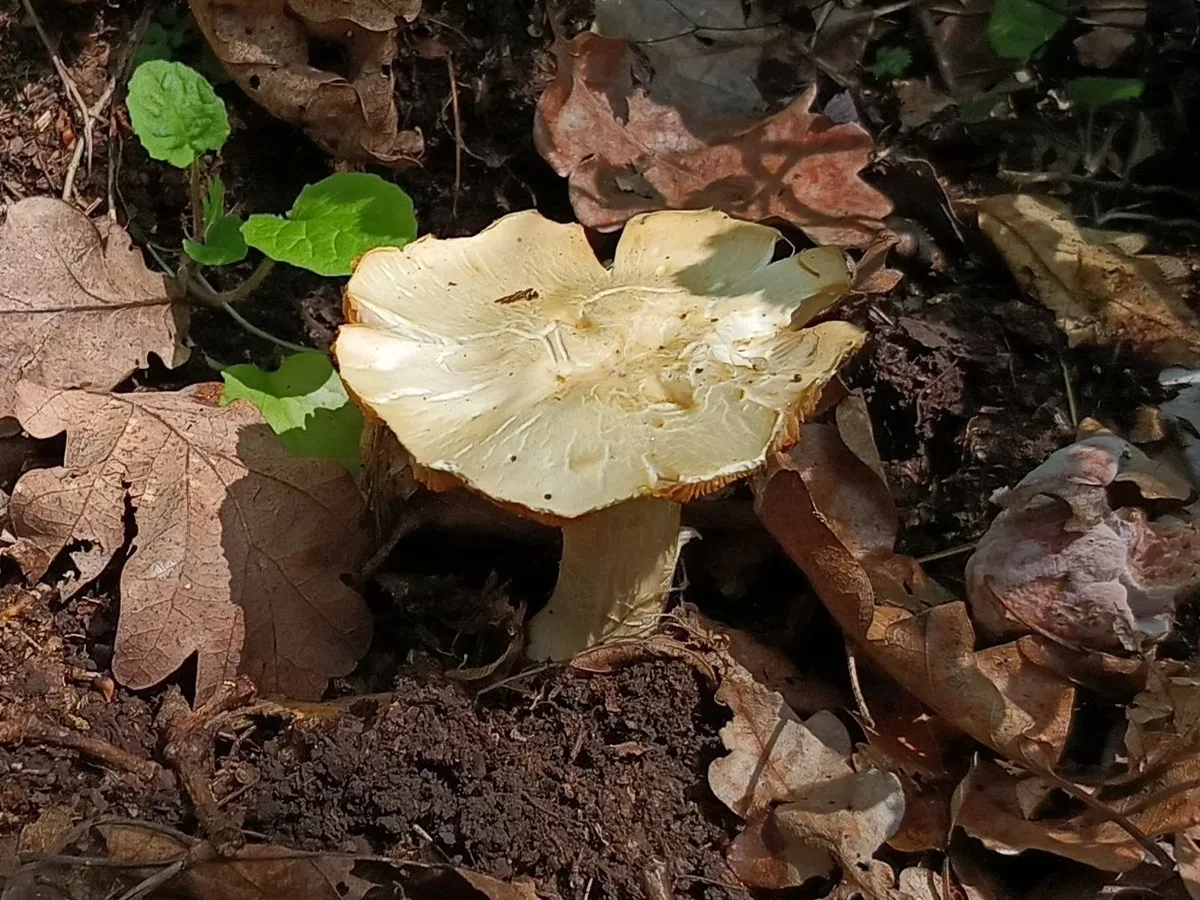 © Vladimír Fuka (CC BY 4.0)
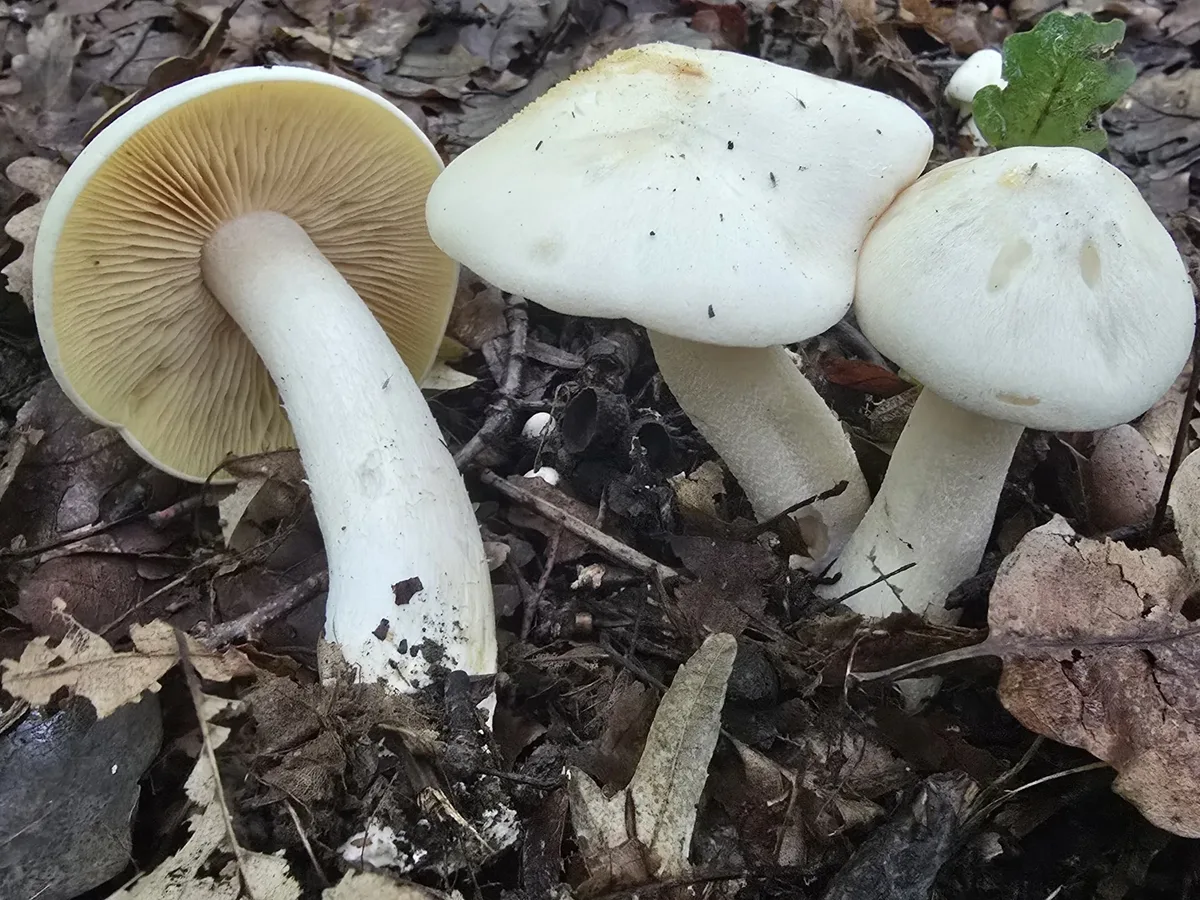 © Paula Nimigean (CC BY)
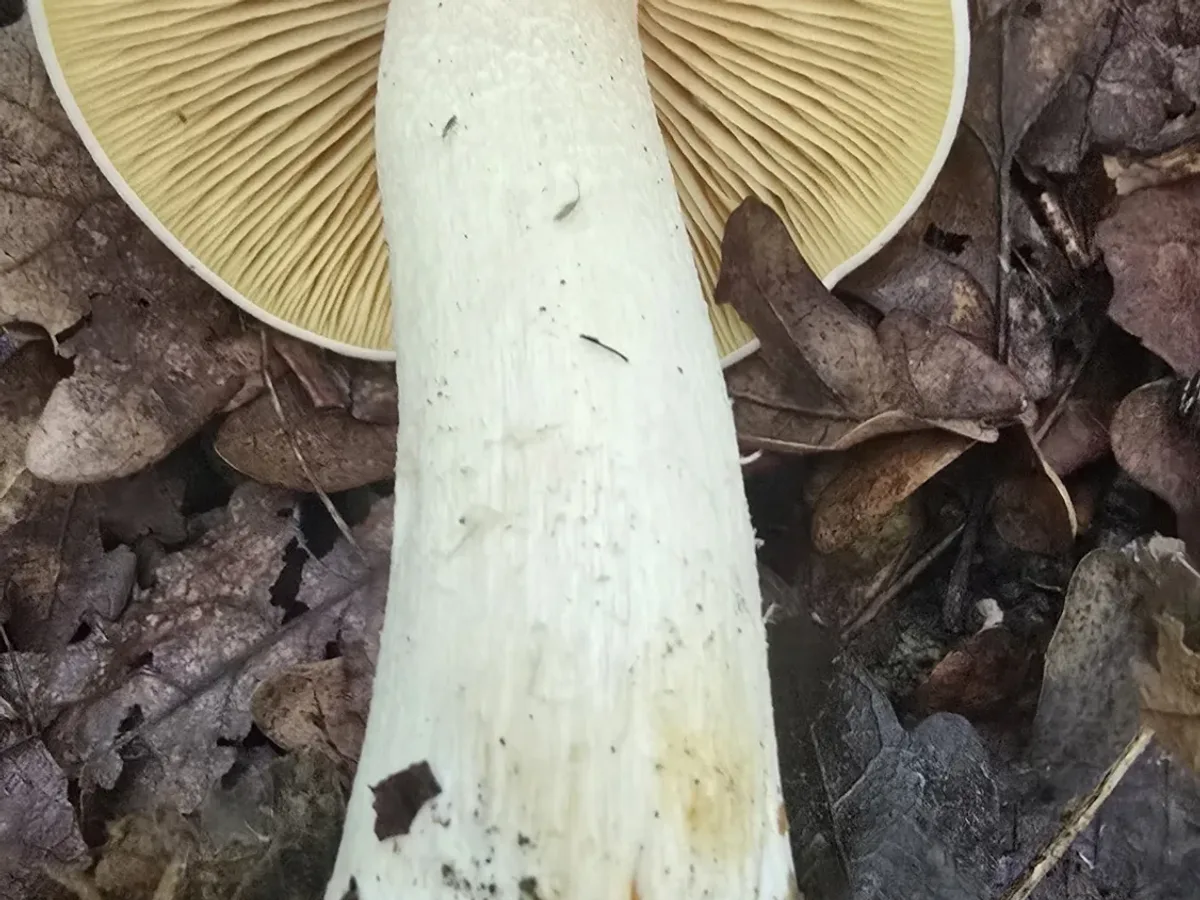 © Paula Nimigean (CC BY)
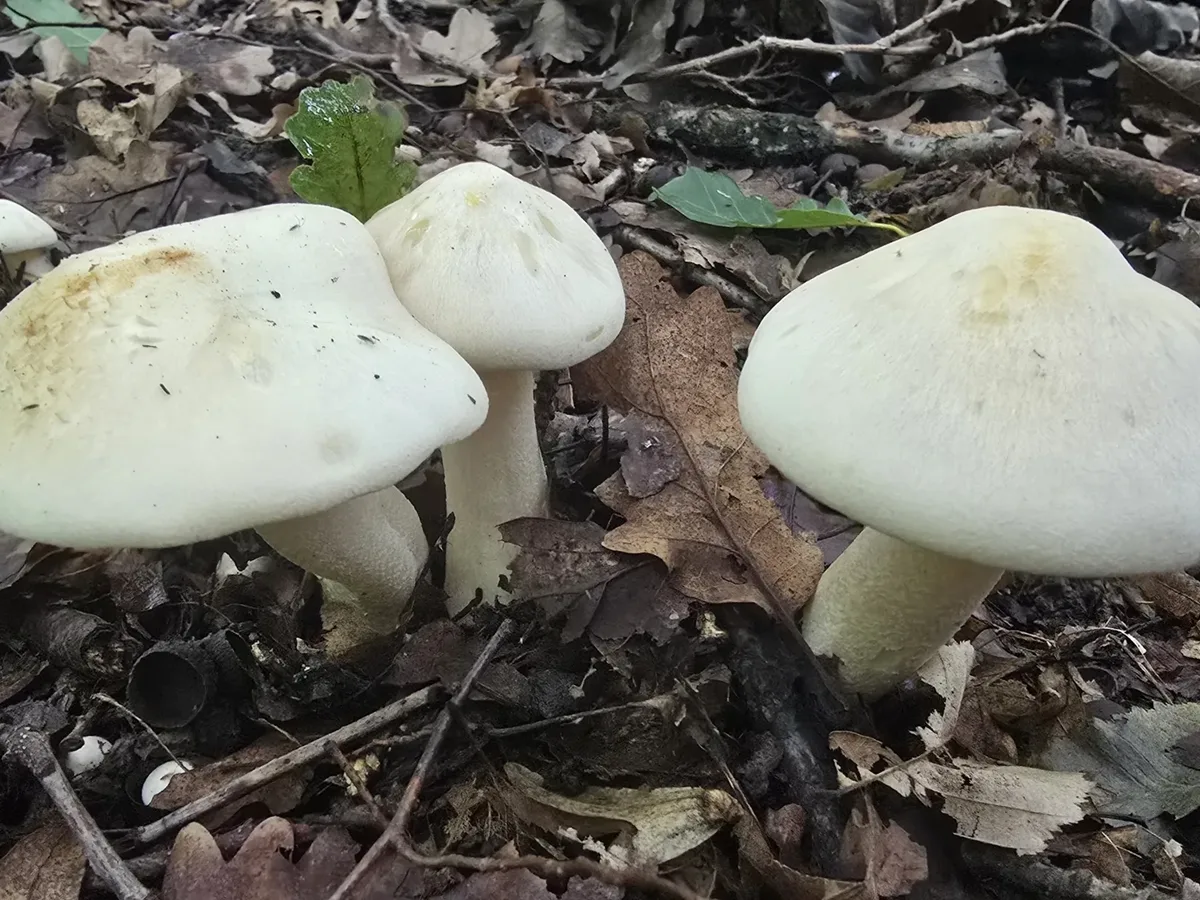 © Paula Nimigean (CC BY)
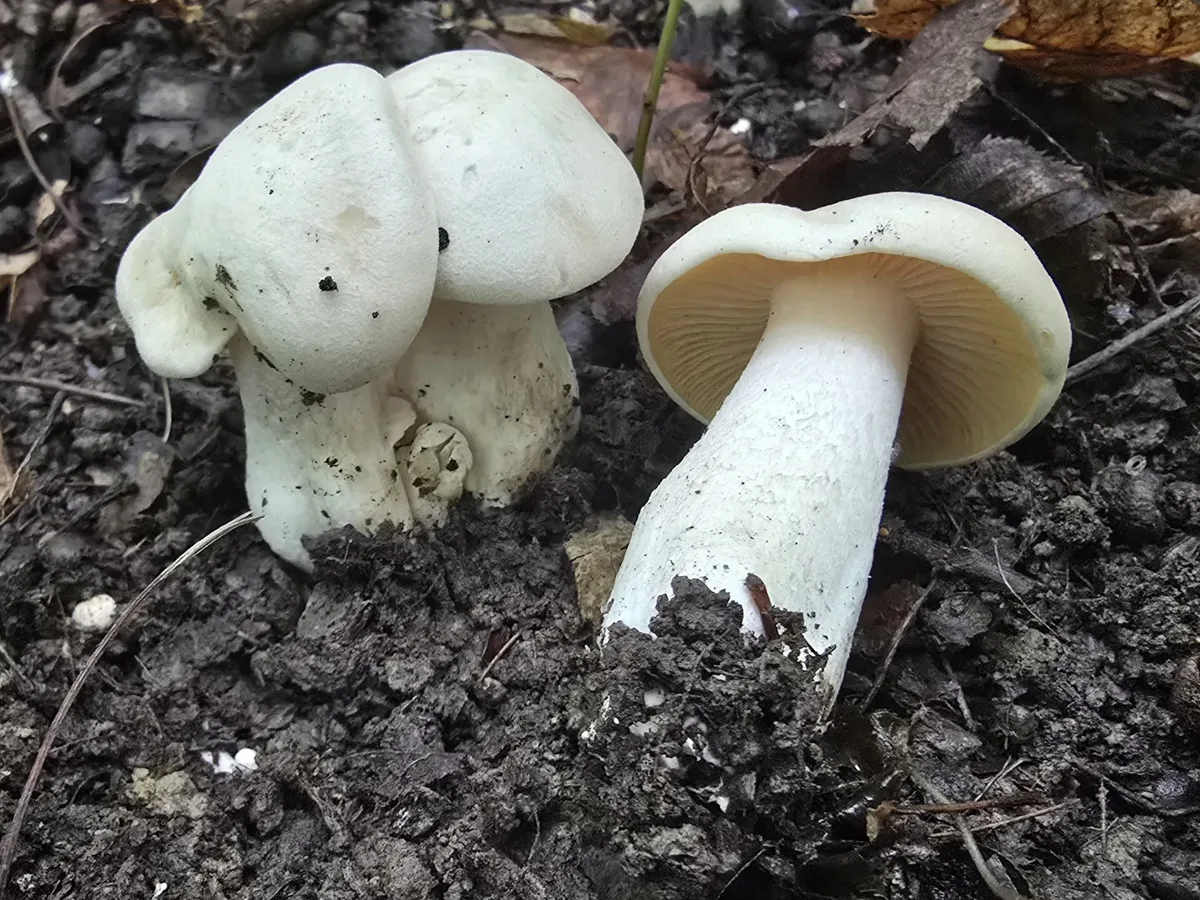 © Paula Nimigean (CC BY)
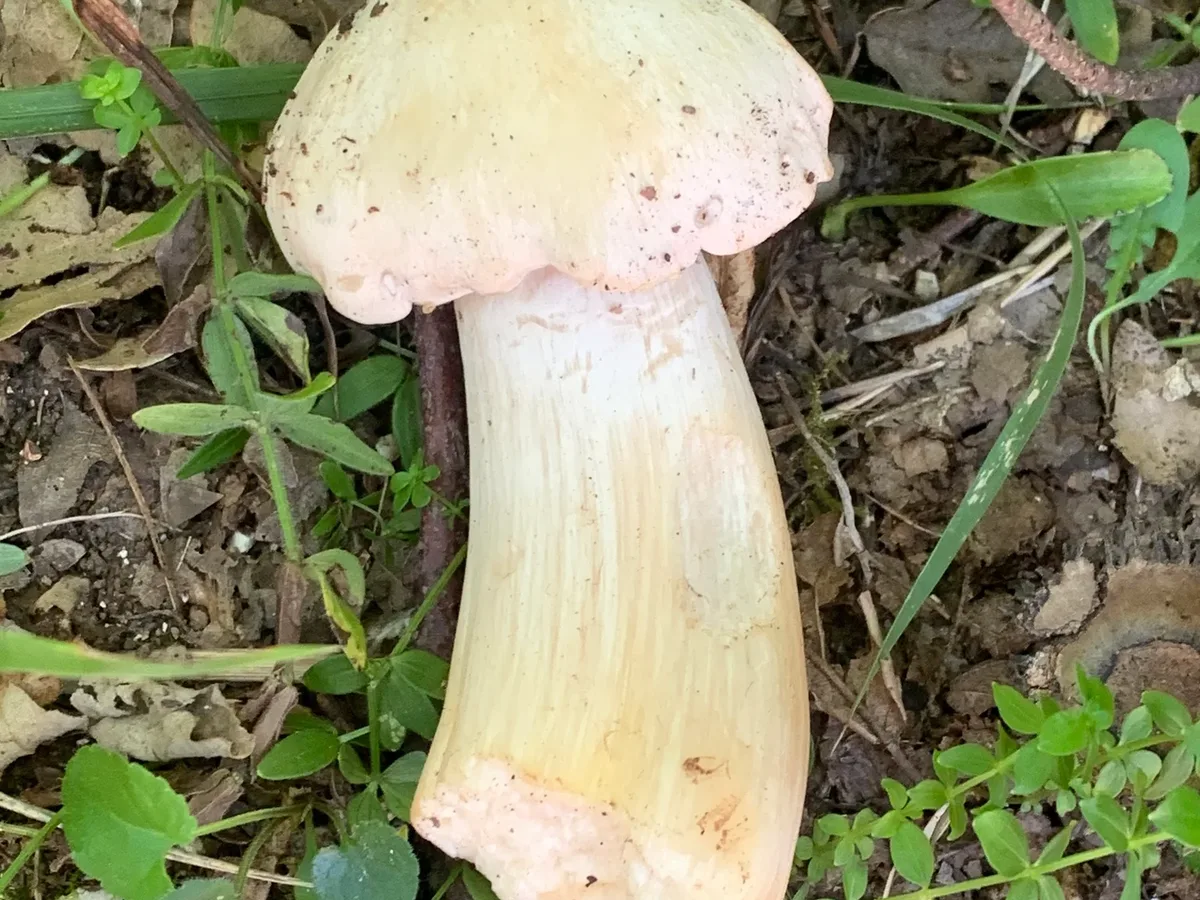 © Manuela Fiorini (CC BY)
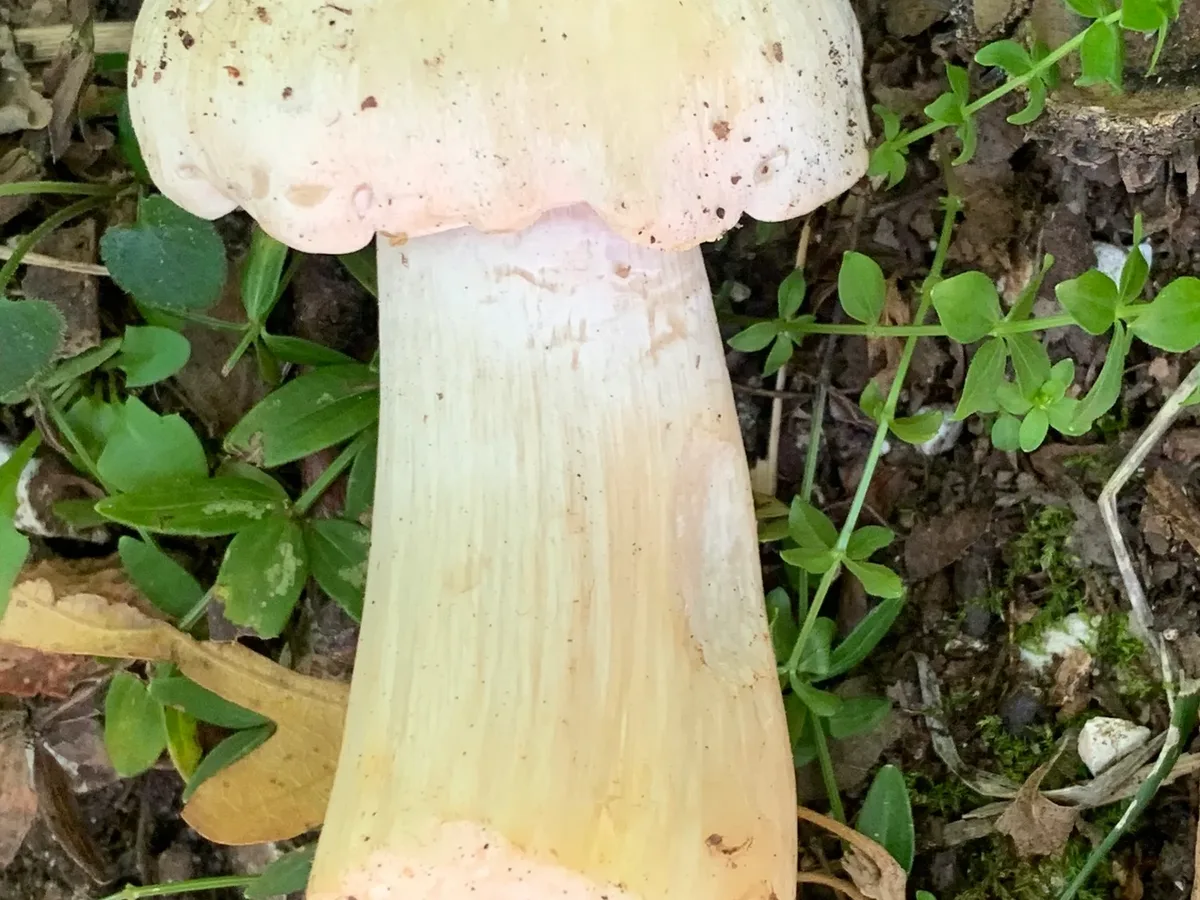 © Manuela Fiorini (CC BY)
 © Inger-Lise Fonneland (CC BY)
 © Inger-Lise Fonneland (CC BY)
 © Bill Sheehan (CC BY-SA 4.0)
 © Matej Frančeškin (CC BY 4.0)
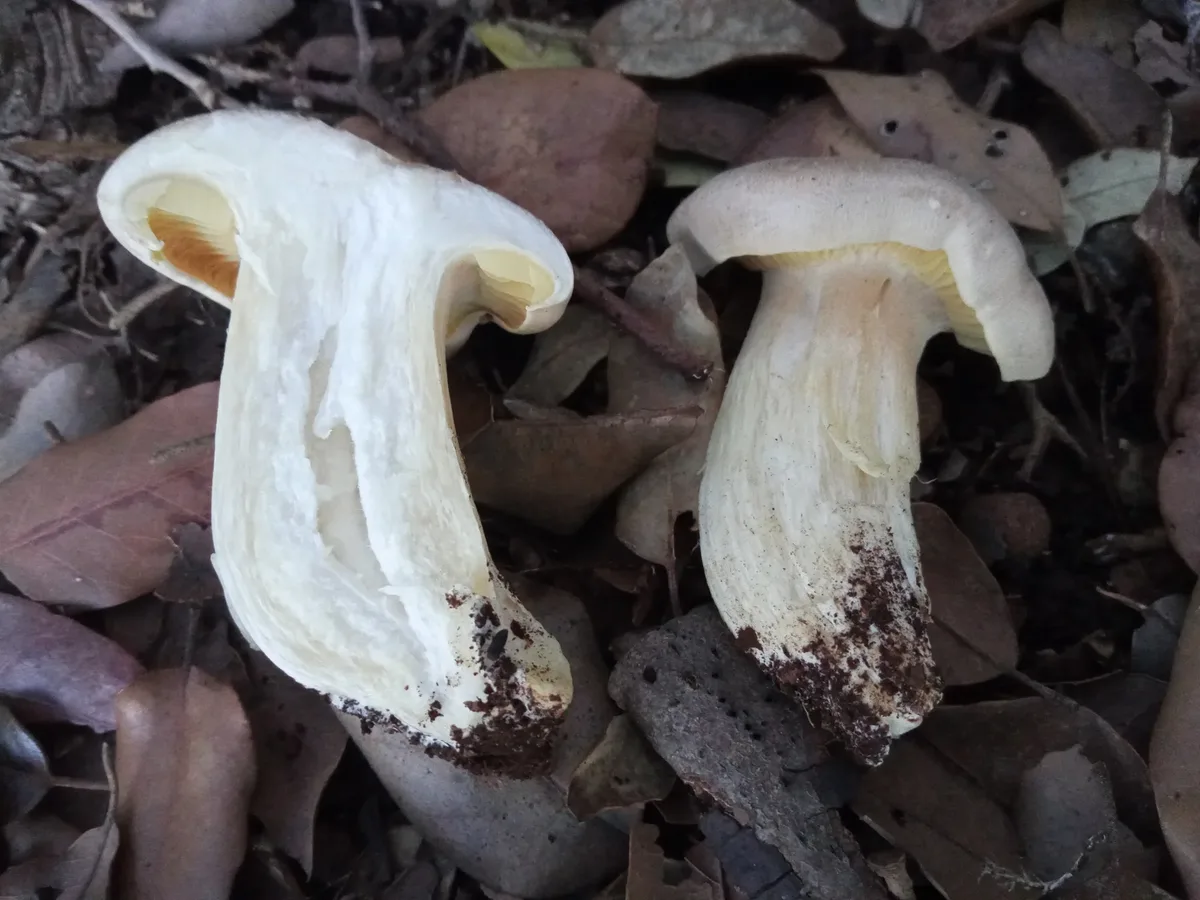 © Kristian Bosak (CC BY 4.0)© Vladimír Fuka (CC BY 4.0)© Vladimír Fuka (CC BY 4.0)
Edible only with the right preparation - or safe for some people but not others. Learn the caveats first.
How to recognise it
Entoloma sinuatum is one of the largest members of its genus, and its bulk is part of the reason it draws foragers in.
Cap
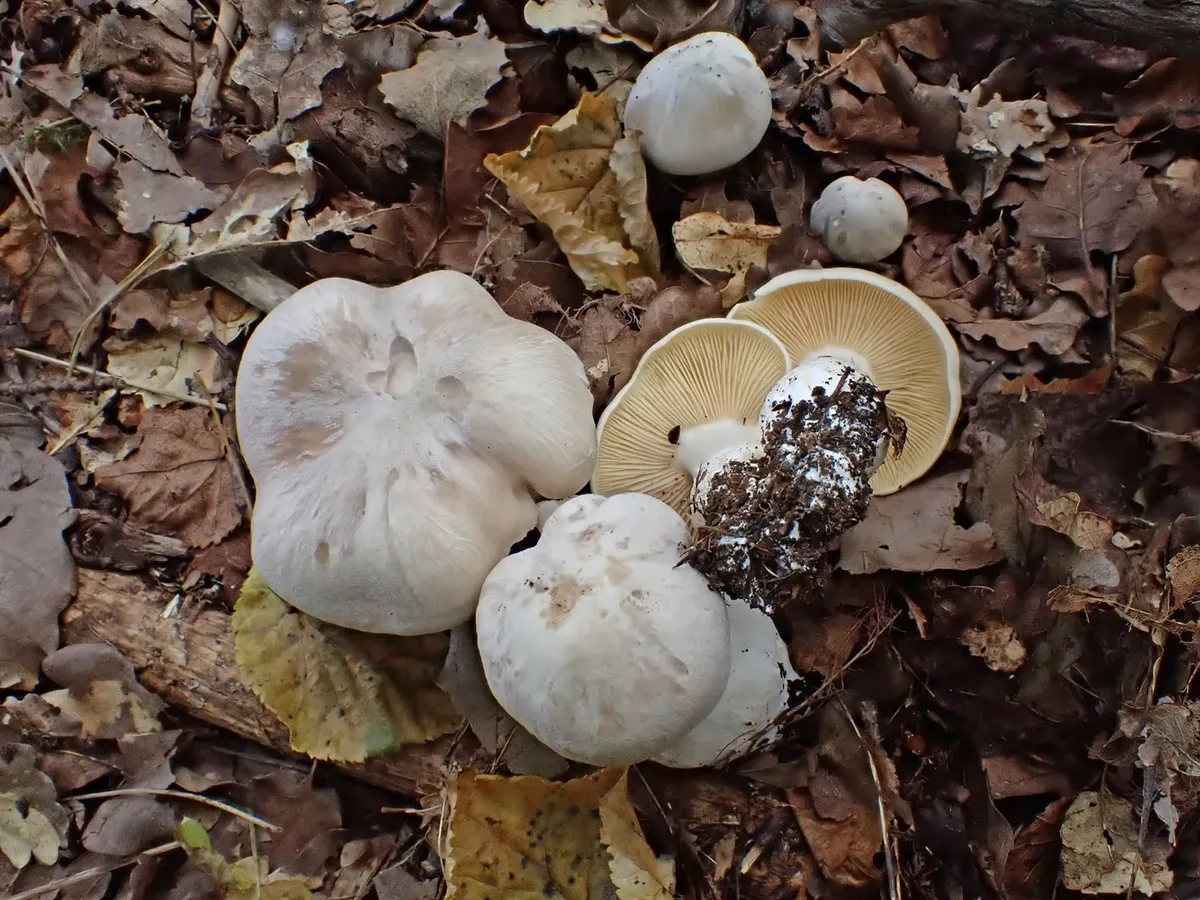
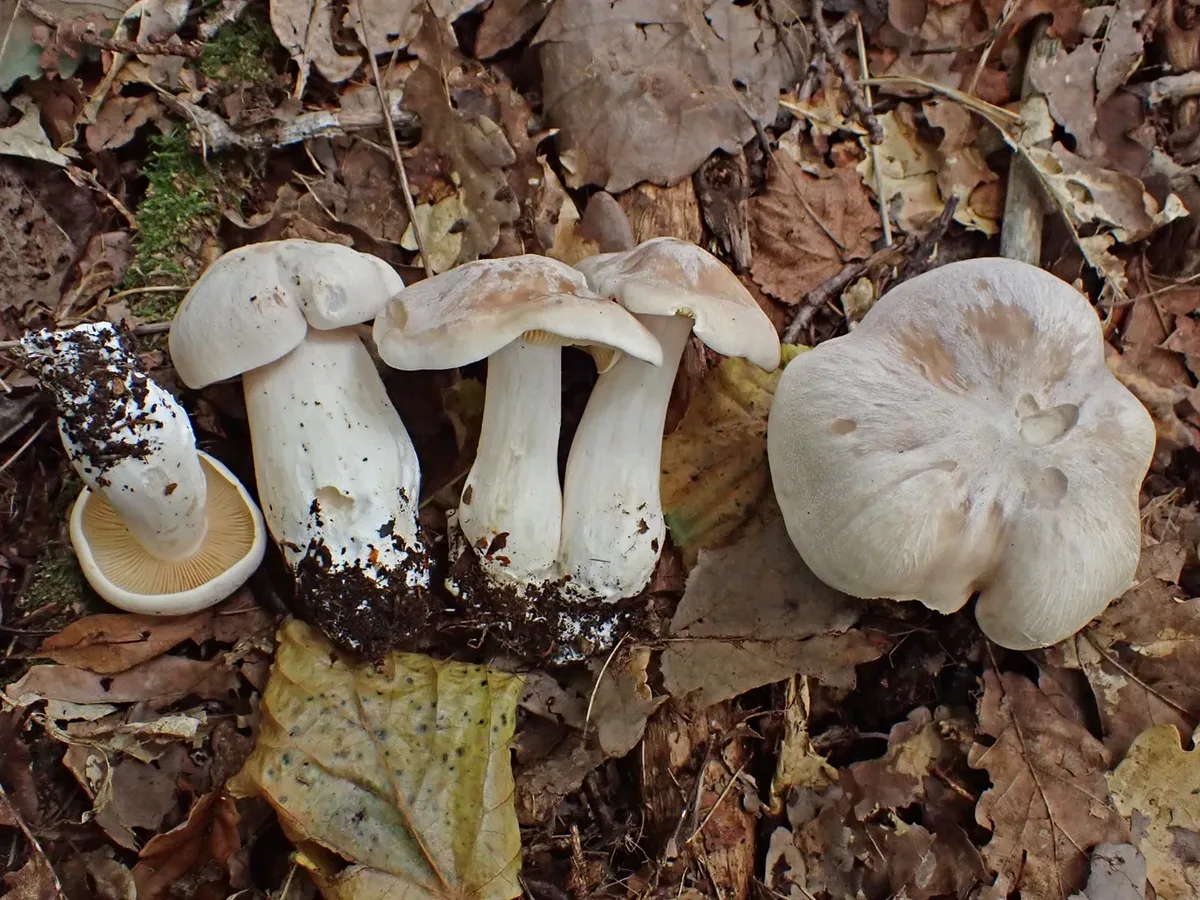
Mature caps measure anywhere from 8 to 20 centimetres across, though occasional specimens push wider still.
Young fruitbodies are convex and tightly inrolled at the margin, giving the mushroom a stout, almost compressed look when it first pushes through the leaf litter - a silhouette that can remind an unwary eye of a young St George's mushroom or a substantial field mushroom.
As the cap expands it flattens, often developing a broad central umbo, and the edge straightens or very slightly waves but rarely lifts sharply.
The surface is dry and smooth, matte rather than silky, and the colour sits in a narrow band of ivory-white to pale greyish buff. In damp weather the centre may deepen to ochre-tan while the margin stays paler, but the palette never strays far from the muted, neutral end of the spectrum.
Gills
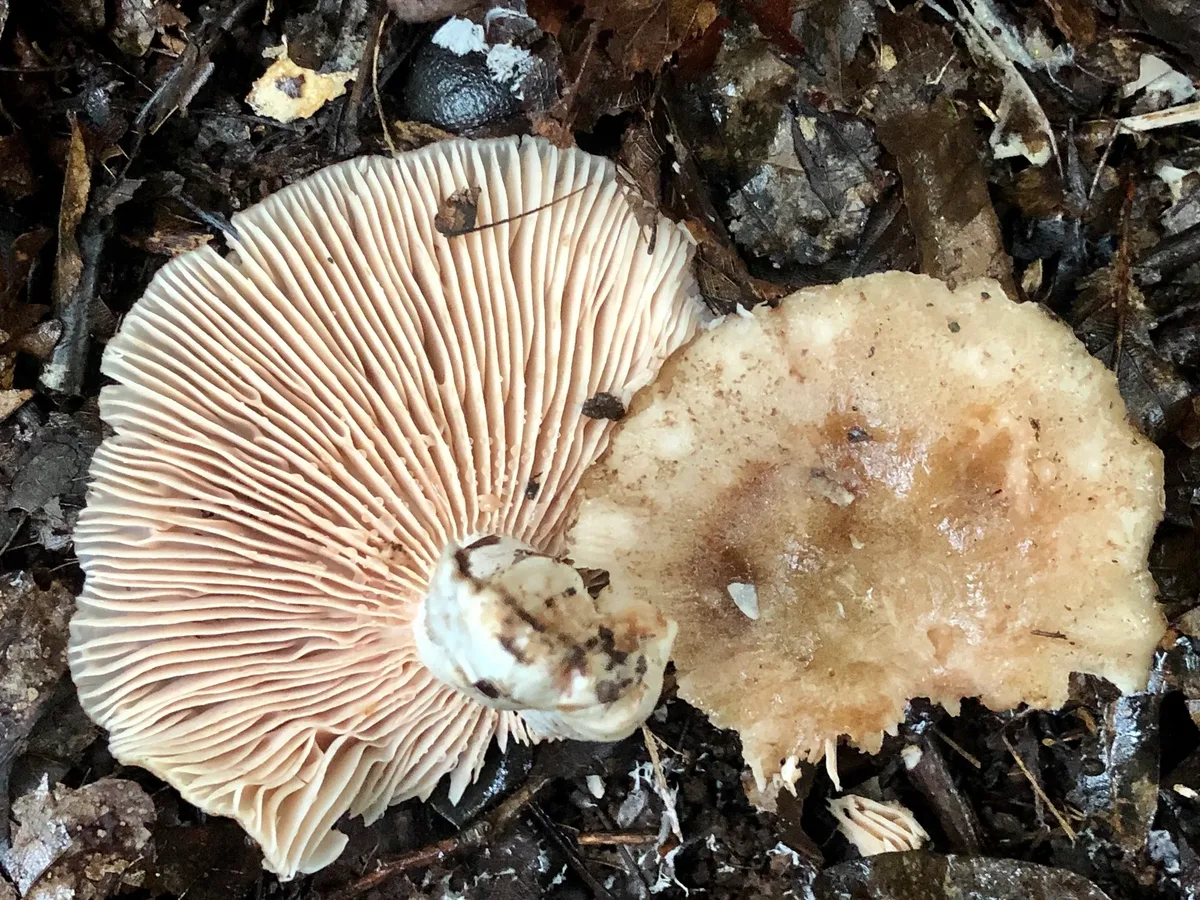
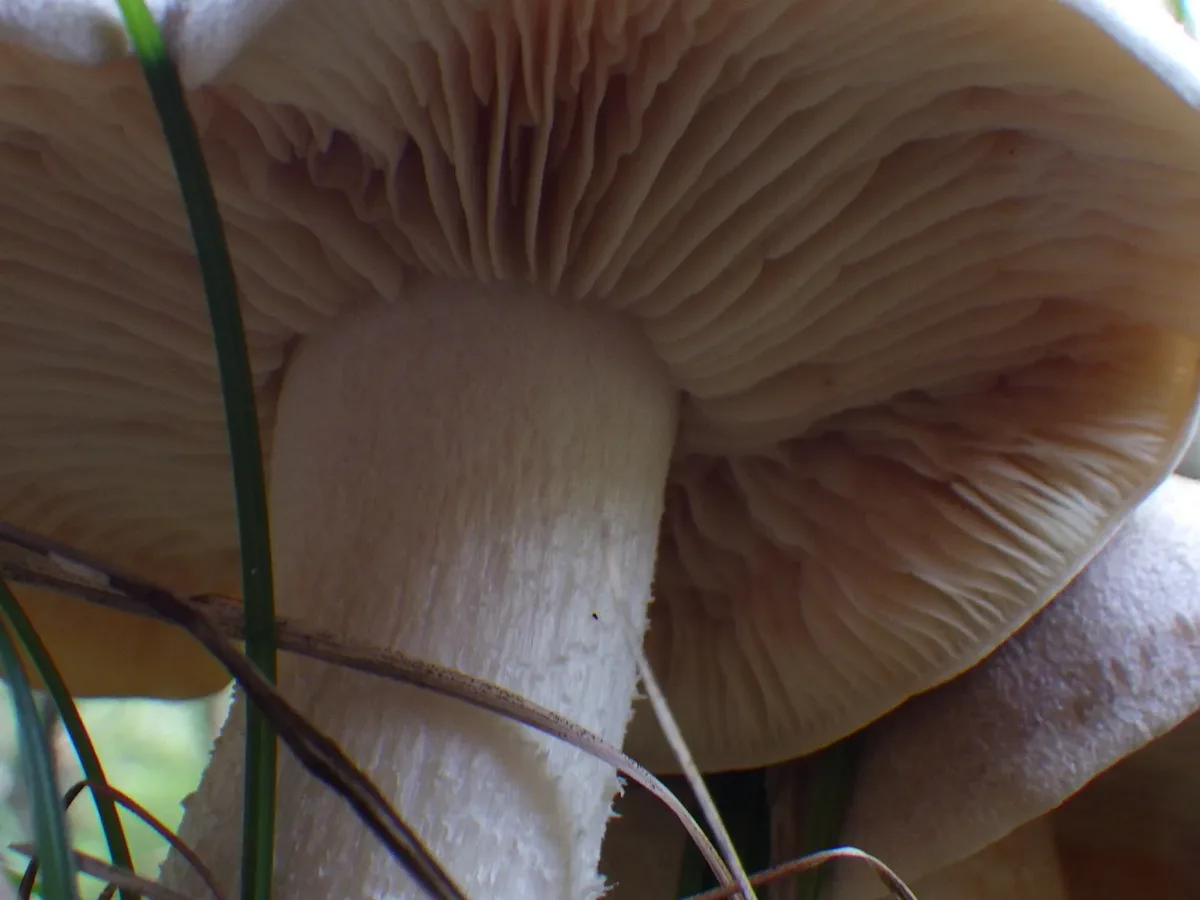
Gills are the most important character to examine closely. They are moderately crowded, pale cream-yellow in youth, and attached to the stem in a distinctly sinuate (notched) fashion - they curve downward as they approach the stem and then hook upward again just before joining, a subtle but consistent geometry that is diagnostic for the genus.
As the spores ripen through late summer and autumn the gills flush to an unmistakable salmon-pink, and a spore print taken on dark paper will show the same salmon to pale pinkish-brown colour within thirty to sixty minutes.
Stem
The stem is robust: 3-6 cm diameter, solid, whitish, and fibrous. It lacks a ring entirely.
Smell
When the flesh is cut or the gills are bruised, a strong, floury, mealy odour rises - the same raw-wheat or cucumber-seed scent associated with several other fleshy gilled mushrooms, including the edible miller, which is why smell alone is never sufficient identification.
Why it's dangerous
Entoloma sinuatum is poisonous and causes severe gastroenteritis. It is one of the most frequent causes of mushroom poisoning in Europe, responsible for a significant share of cases reported annually in France, Switzerland, and the Mediterranean region.
The illness is rarely fatal in healthy adults but is medically serious. Profuse vomiting and diarrhoea can cause dangerous dehydration, and hospitalisation for fluid replacement is required in a substantial proportion of cases involving children or elderly patients.
Anyone who has eaten an unidentified or questionably identified large pale gilled mushroom, and develops nausea, vomiting, or diarrhoea within one to three hours, should seek medical attention immediately and bring a sample or photograph of the mushroom if available.
Do not wait to see if symptoms resolve before contacting a poison control centre.
Toxin
The toxic compounds in Entoloma sinuatum are incompletely characterised in the published literature.
The syndrome it produces - rapid-onset severe gastroenteritis - is attributed to a group of heat-stable, water-insoluble irritant compounds. These are sometimes grouped loosely as 'entoloma toxins', or classed within the broader category of gastrointestinal irritant mushroom poisons.
These are not amatoxins (the liver-damaging compounds in death cap) and do not cause delayed organ failure; the action is direct irritation of the gastrointestinal mucosa.
The toxins are not destroyed by heat and do not leach reliably into cooking water, which means standard culinary detoxification approaches are ineffective.
The precise molecular structures responsible have not been fully isolated and named in the way amatoxins or muscarine have been. Some uncertainty remains about whether the syndrome is caused by a single compound or a mixture.
Symptoms
Symptoms appear rapidly - typically within one to three hours of ingestion, occasionally as quickly as thirty minutes.
The dominant symptoms are:
- violent nausea
- profuse vomiting
- severe watery diarrhoea
- intense abdominal cramping
Sweating, weakness, and dizziness frequently accompany the gastrointestinal phase.
In most healthy adults the acute phase resolves within twenty-four to forty-eight hours, though significant dehydration and electrolyte imbalance can develop, particularly if vomiting is protracted.
In children, the elderly, and individuals with pre-existing renal, hepatic, or immune conditions, the dehydration and systemic stress can escalate to a severity requiring intravenous fluid replacement and hospital admission. Deaths are rare but have been recorded in vulnerable individuals.
The absence of a delayed second phase (the hallmark of amatoxin poisoning) means the illness follows a different trajectory from death cap poisoning, but the acute phase is severe enough to constitute a medical emergency in vulnerable groups and should be treated as such.
Staying safe
Entoloma sinuatum is one of the most common causes of serious mushroom poisoning in Europe, and is particularly responsible for poisoning incidents in France, Switzerland, and the Mediterranean region.
The danger is not that it is aggressive or difficult to handle safely in the field - it does not absorb through the skin - but that it is reliably and convincingly mistaken for sought-after edible species, particularly the miller, in conditions where the forager is moving quickly or relying on partial identification.
The pattern in European poisoning literature is consistent: a mixed harvest where at least one fruitbody of Entoloma sinuatum went unrecognised is prepared and eaten, and all individuals at the meal become ill.
The only reliable prevention is rigorous identification of every individual specimen before it enters a harvest basket, not assumed identification based on habitat, smell, or cap colour alone.
Children, elderly people, and individuals with impaired liver or kidney function or immune suppression face greater risk of serious complications requiring hospitalisation.
Where & when it grows
Habitat
Entoloma sinuatum grows in deciduous and mixed woodland across Europe and the Mediterranean basin, with its centre of gravity on heavy, moisture-retaining soils - clay-rich woodland floors and limestone-underlain ground are favoured.
It appears regularly in parks, roadside copses, and old estates where mature oaks, beeches, and hornbeams cast dappled shade.
Unlike the true mycorrhizal partners that need a living root network to fruit, Entoloma sinuatum behaves as a saprotroph or possibly a weak facultative associate with broad-leaved trees. The published mycorrhizal status is uncertain, but it is reliably found where rootlets of aged deciduous trees spread through compact soil.
In the Mediterranean and Atlantic regions of France it occurs with notable frequency in grassy woodland clearings and even semi-open parkland - conditions that overlap almost exactly with those favoured by the miller (Clitopilus prunulus) and the St George's mushroom.
In some localities it forms loose arcs or complete fairy rings in grassy woodland margins, returning to the same ground for several consecutive seasons.
Finding evidence of a fairy ring - a slightly greener or slightly bleached arc in the grass - should prompt careful attention to every gilled mushroom in the vicinity, because the overlap with edible ring-forming species is a consistent theme in European poisoning literature.
When
The main fruiting season runs from late August through November, with a peak in September and October across most of the Mediterranean and Central European range.
In the warmest parts of the Mediterranean coast - southern France, the Iberian Peninsula, northern Italy - it can persist into December during mild autumns.
The first fruitbodies typically appear after the first significant autumn rains follow the summer drought, responding to the same soil-moisture and temperature cues that drive many other autumnal gilled mushrooms.
Soil temperatures dropping through the 14-10 °C range appear to be an important trigger, which places the peak flush broadly in the same window as hen-of-the-woods, many Tricholoma species, and late-season chanterelles.
Unlike the St George's mushroom, which is a spring species (April-June), Entoloma sinuatum is strictly an autumn fruiter. But the caution notes in both the guide and the lookalikes data make clear that the confusion with St George's happens principally in regions where memory or old photographs rather than current identification are relied upon.
Within a single autumn, multiple flushes can occur if wet periods alternate with warm dry spells.
How it grows
Fruitbodies emerge singly, in scattered groups of two to five, or occasionally in loose fairy rings in grassy or moss-covered woodland margins. They arise from the mycelium without any obvious basal structure - no volva, no basal bulb, no distinctive mycelial mat visible to the naked eye.
When conditions are right, the fruiting is rapid: pins visible one day can be full-sized caps within forty-eight to seventy-two hours of a warm, wet night.
This fast expansion is another factor in misidentification events. A brief window of ideal weather can produce large, firm, prime-looking fruitbodies very quickly, and foragers already hunting the same habitat for edible species encounter them while they are still fresh and deceptively attractive.
The mycelium itself is perennial and can persist for decades in stable woodland sites, returning to the same ground each autumn for as long as the soil structure and tree cover remain undisturbed.
In years of drought, the species may not fruit at all, only to return in numbers the following wet autumn, underscoring how thoroughly the mycelium can wait beneath the surface.
Look-alikes
The three species most frequently involved in Entoloma sinuatum poisoning events are:
- the miller (Clitopilus prunulus)
- the St George's mushroom (Calocybe gambosa)
- field mushrooms (Agaricus species)
The miller is the most dangerous source of confusion and accounts for a disproportionate share of poisoning cases in France. It shares the pale cap, the robust stem, and the strong mealy smell with Entoloma sinuatum, and its spore print is also a pale pink - but its gills are decurrent, running clearly down the stem rather than notching just before they reach it.
The St George's mushroom overlaps in general appearance and in the mealy odour but fruits in spring (April to June), not autumn; its spore print is pure white, not pink, and its gills are cream rather than the yellowish then salmon tones of Entoloma.
Agaricus species (field mushrooms, horse mushrooms) are separated reliably by two characters absent in Entoloma sinuatum: a ring on the stem and dark chocolate-brown to purple-brown spores. No Agaricus has a pink spore print.
A spore print taken on dark paper for thirty to sixty minutes, combined with careful inspection of gill attachment, resolves all three confusions - provided both checks are performed, not assumed.
Agaricus species have a ring on the stem and dark brown spores; Entoloma sinuatum has no ring and a pink spore print.
St George's mushroom has crowded cream-coloured gills and a white spore print, whereas Entoloma has a pink spore print and sinuate (notched) gills.
The miller has a greyish-white downy cap and decurrent gills that turn pale pink; a very common cause of poisoning by confusion (especially in France).
A reference guide - never an edibility guarantee. When in doubt, leave it out.