Entoloma rhodopolium complex
Entoloma rhodopoliumsyn. Entoloma lacus, Entoloma subrhodopolium
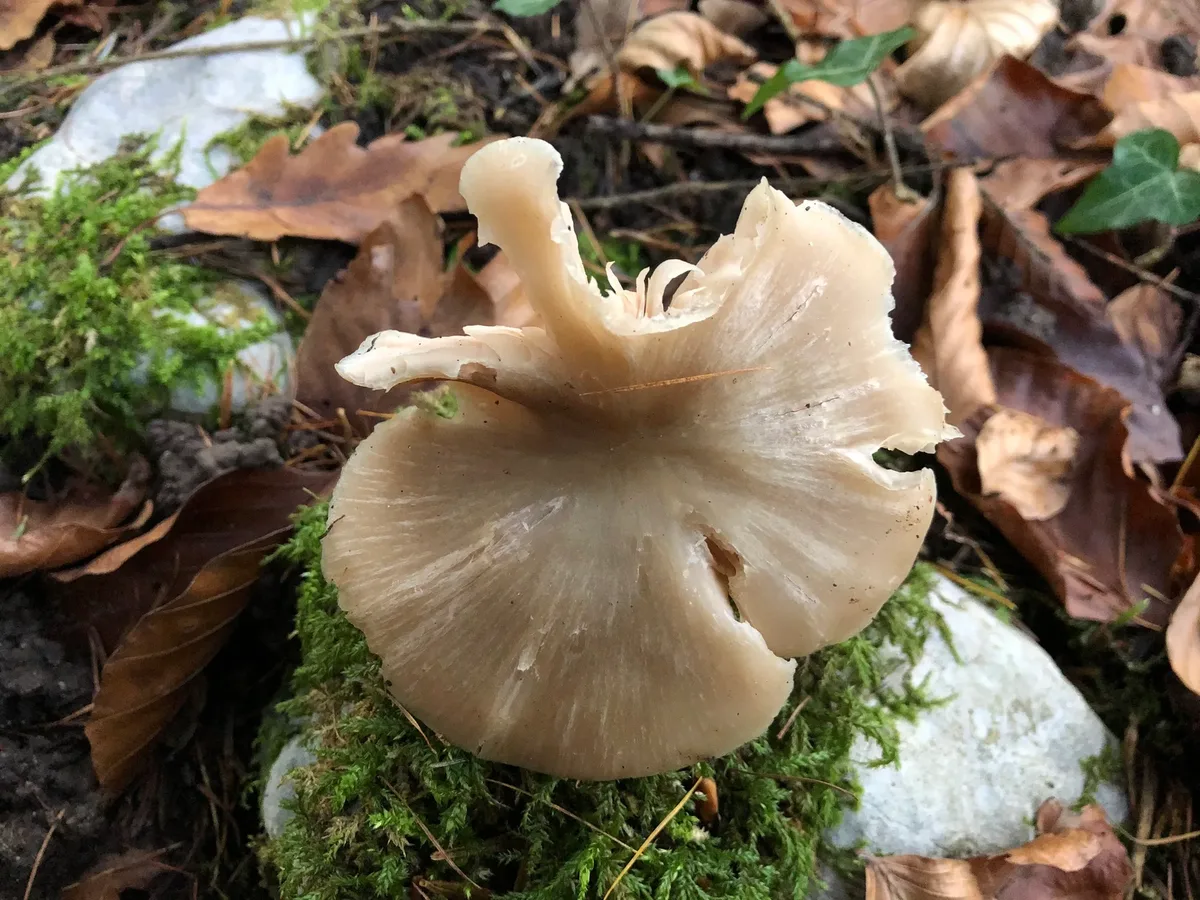 © Jason Grant (CC BY 4.0)
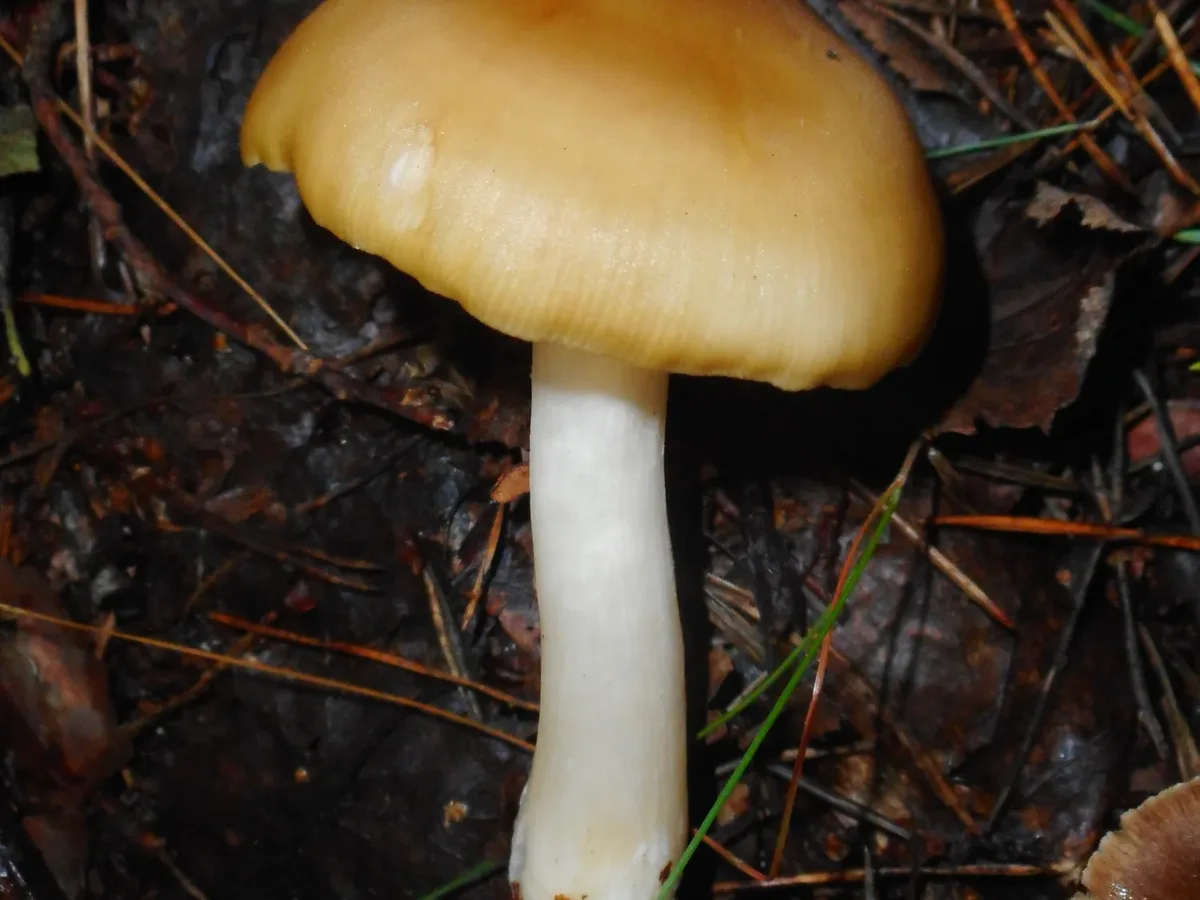 © Eugene Popov (CC BY 4.0)
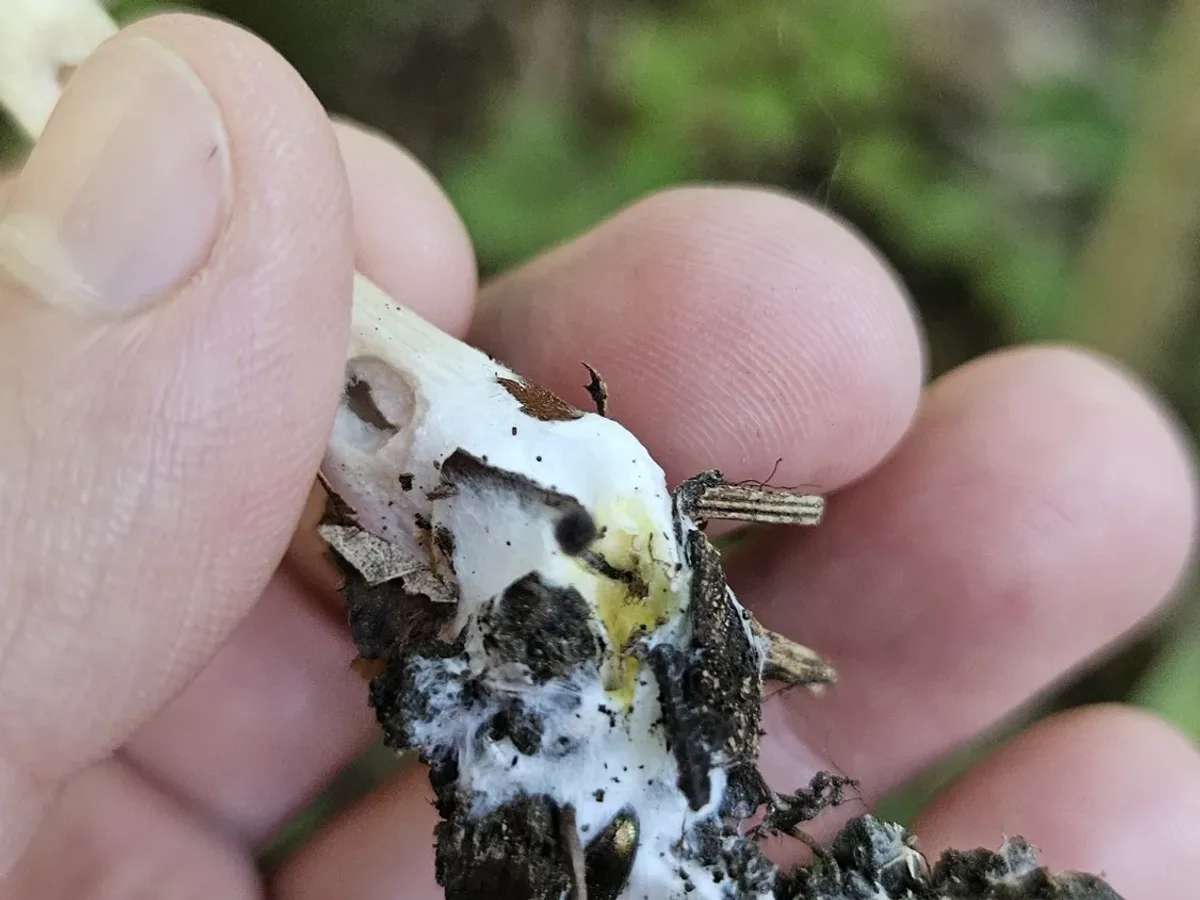 © Sam Bucciarelli (CC BY)
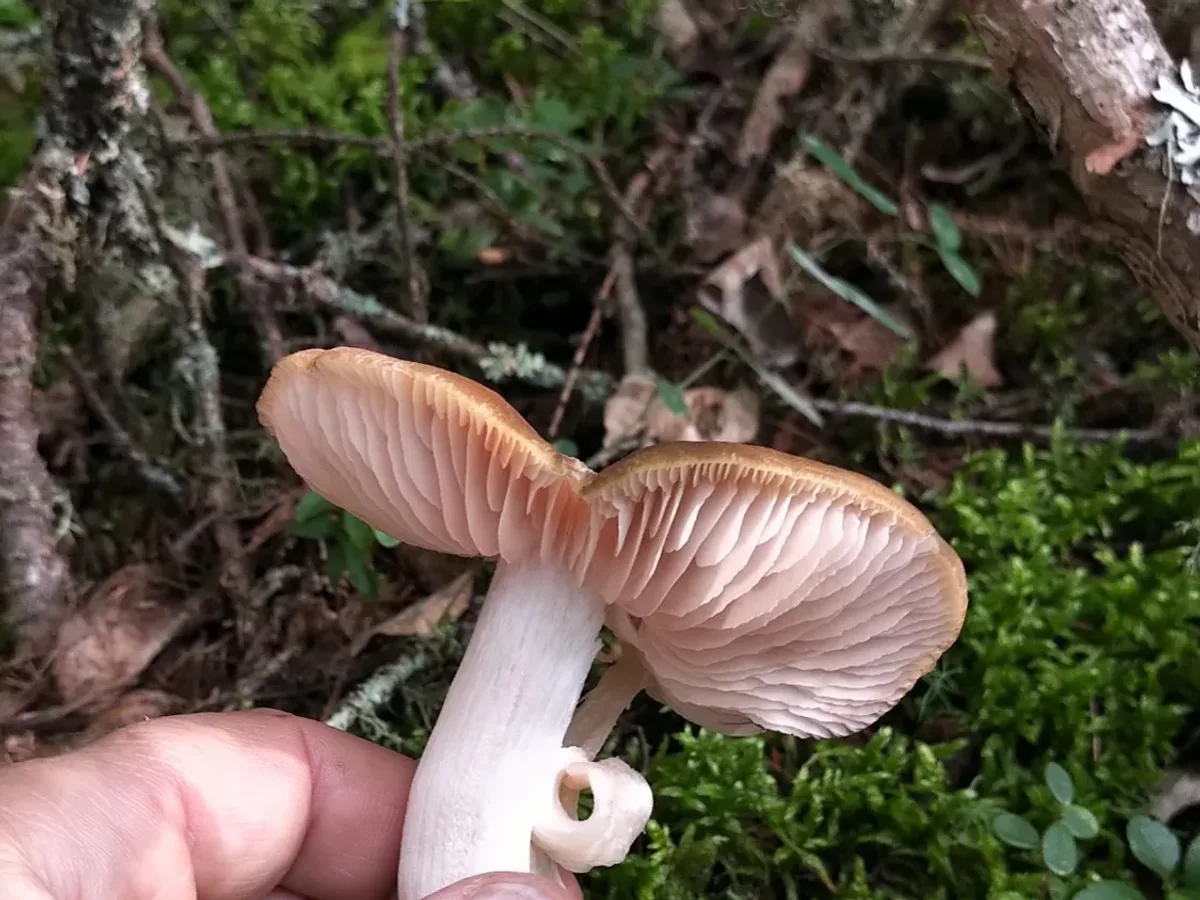 © Doug Macaulay (CC BY 4.0)
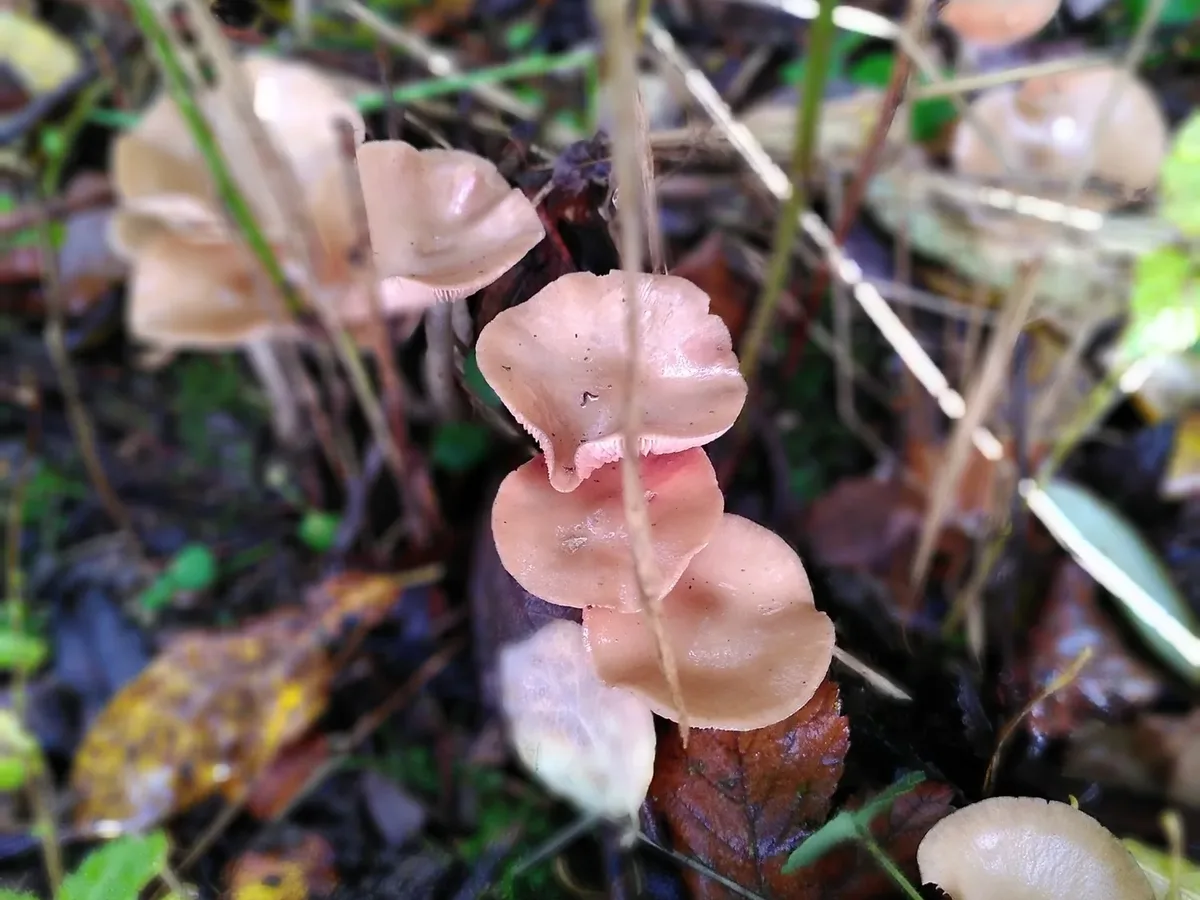 © sharoncooper (CC BY 4.0)
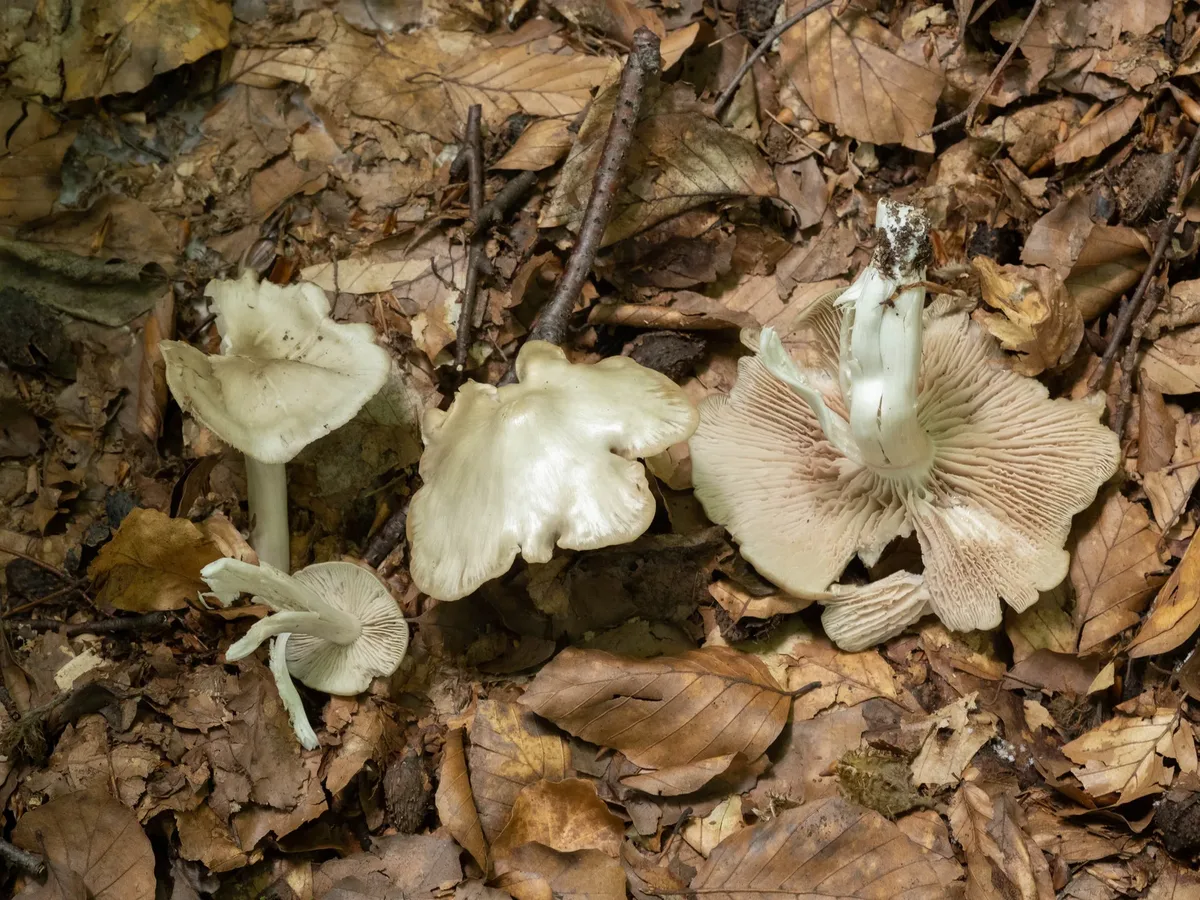 © Enrico Tomschke (CC BY 4.0)© Jason Grant (CC BY 4.0)© Eugene Popov (CC BY 4.0)
Edible only with the right preparation - or safe for some people but not others. Learn the caveats first.
Never eat a mushroom you are not 100% sure of - check the look-alikes below, and always cook wild mushrooms.
How to recognise it
Entoloma rhodopolium belongs to a genus whose fruitbodies are deceptively ordinary in the hand.
Cap
The cap emerges conical or broadly bell-shaped, then expands and flattens as it matures, eventually reaching up to about 20 cm across - a larger specimen than most foragers expect.
The surface is smooth, matte, and hygrophanous: in wet weather it absorbs water and deepens to a rich grey-brown; on drying it fades to a paler buff or grey, so the colour varies significantly with recent rainfall.
The margin is thin and initially inrolled, later flattening and sometimes developing shallow radial striations as the cap stretches.
Gills
Gills are crowded, attached (adnate to slightly decurrent), and begin white or pale cream before gradually taking on a rosy flush as the spores mature - a shift visible over days rather than hours.
The one trait that cannot be faked and cannot be confused: a spore print taken on white paper comes up a clear salmon-pink, sometimes described as flesh-pink or rose-ochre. This single observation separates the entire genus Entoloma from white-spored edibles at a glance.
Stem
The stem is slender and straight, white to off-white, smooth or finely silky-fibrous, up to about 13 cm tall and 1-2 cm wide, often with a slightly tapering base. There is no ring and no volva.
Flesh
The flesh is white throughout, firm when young and softening with age, and often carries a faint mealy or floury smell - the same 'grain-bin' scent found in many Entoloma species.
Why it's dangerous
The Entoloma rhodopolium complex is one of the most poisonous mushrooms in East Asia by incident frequency. Its danger is not primarily the severity of individual cases - the toxin does not cause the delayed organ failure associated with Amanita phalloides - but the scale of misidentification.
Three factors drive that misidentification:
- The species is visually indistinguishable from edible grey-brown gilled mushrooms under field conditions.
- It grows in the same forests and in the same season as the species being sought.
- It is abundant in good fruiting years.
The 2017 finding that the single name E. rhodopolium in fact covers a complex of genetically distinct but morphologically similar species (Kondo et al., Scientific Reports, 2017) means that species-level identification, even by trained mycologists, does not guarantee safety within this group.
For foragers in Japan and East Asia, the operational rule is that any grey-brown gilled mushroom with a salmon-pink spore print must be treated as toxic and discarded. There is no species in this appearance class that can be safely eaten on the basis of visual identification alone.
In Japan, E. rhodopolium complex poisonings typically number in the dozens to hundreds of incidents per year, with the incident rate tracking directly with autumn rainfall and thus fruiting abundance.
Toxin
The rhodopolium complex produces muscarine, muscaridine, and choline. Muscarine is the primary toxicologically active compound and acts as a potent agonist at muscarinic acetylcholine receptors - receptors present throughout the parasympathetic nervous system, in smooth muscle, cardiac muscle, and exocrine glands.
Activation of these receptors by excess muscarine produces the classic cholinergic syndrome: the SLUDGE/DUMBELS signs of parasympathetic overstimulation (salivation, lacrimation, urination, defaecation, gastrointestinal distress, emesis; diarrhoea, urination, miosis, bradycardia, bronchospasm/emesis, lacrimation, salivation).
Unlike the amatoxins of Amanita phalloides or the gyromitrin of Gyromitra species, muscarine does not cause delayed-onset organ failure. It acts quickly, within 30 minutes to a few hours of ingestion, and the severity is dose-dependent.
Muscaridine and choline have additive cholinergic effects. The compounds are water-soluble and are not bound or inactivated by normal digestive processes.
Symptoms
Symptoms begin within 30 minutes to three hours of ingestion - characteristically faster onset than amatoxin poisoning, which is one of the few clinically useful distinguishing features.
The initial presentation is gastrointestinal:
- Nausea.
- Vomiting.
- Abdominal cramps.
- Profuse diarrhoea.
These are accompanied or followed by cholinergic signs driven by muscarinic receptor overstimulation:
- Excessive salivation.
- Lacrimation (tearing).
- Sweating.
- Miosis (pupil constriction).
Dizziness and general weakness are commonly reported. Heart rate may slow (bradycardia) in more severe cases. Bronchospasm and increased bronchial secretions can occur and may cause respiratory difficulty in vulnerable individuals.
The syndrome is self-limiting in most cases - symptoms typically resolve within 12-24 hours as the body clears the toxin - but severe fluid loss through vomiting and diarrhoea can lead to dehydration requiring intravenous replacement.
In clinical settings atropine, which blocks muscarinic receptors competitively, is used as a specific antidote when symptoms are severe. Fatalities attributable directly to E. rhodopolium are rare but documented, particularly in elderly patients or those with cardiac or respiratory comorbidities.
Staying safe
Entoloma rhodopolium is one of the three most common causes of mushroom poisoning in Japan, together with Omphalotus japonicus (tsukiyotake) and Tricholoma ustale (kakishimeji). Analysis of Japanese poisoning data from 2001 to 2010 found that O. japonicus and E. rhodopolium together accounted for 52% of all reported mushroom poisoning incidents nationally (Ting et al., 2024).
The poisoning profile is cholinergic and gastrointestinal, with onset typically within 30 minutes to three hours of ingestion. The toxins are water-soluble, heat-stable, and not removed by any standard culinary preparation.
Incidents cluster in October and November and show clear correlation with unusually productive fruiting seasons, when foragers encounter unfamiliar or unusually large specimens. Although fatalities from this species are rare (distinguishing it from the amatoxin group), the combination of rapid onset, frequent occurrence, and wide misidentification by experienced foragers makes the rhodopolium complex a serious public-health problem in Japan annually.
In suspected poisoning cases, the correct response is:
- Immediate medical contact.
- Retention of any remaining mushroom or vomit for identification.
- Hospital monitoring.
Atropine is the specific antidote for severe muscarinic poisoning and is administered clinically when indicated.
Where & when it grows
Habitat
Entoloma rhodopolium is a mycorrhizal species, meaning its mycelium forms an intimate living union with the fine root tips of nearby trees rather than feeding on dead organic matter. The fungal threads (hyphae) ensheath each rootlet in a dense mantle, exchanging phosphorus and water drawn from the soil for sugars the tree fixes through photosynthesis - a relationship older than the forest itself, refined over tens of millions of years.
In East and Southeast Asia the species complex is found in deciduous and mixed forest, growing on the floor among fallen leaves, sometimes on mossy ground or near the base of trees, though the mycelium is underground and the precise host association varies.
Confirmed hosts are not well characterised for this complex, but the ecological guild strongly implies ectomycorrhizal partnerships with broadleaf trees typical of the region's temperate and warm-temperate forests - oaks (Quercus), beeches (Fagus), and similar genera.
The fruitbodies tend to emerge singly or in loose scattered groups rather than tight clusters, which makes them easy to mistake for solitary edible species. They prefer humus-rich soils with good moisture retention, and because their mycelial network can persist for years underground, they reliably return to the same patches in favourable autumns.
When
The rhodopolium complex fruits in autumn, generally from September through November across its East Asian range, with peak activity tracking the arrival of the first substantial and sustained rains after the summer dry period. Soil moisture is the primary trigger - rain that wets the top soil layer well enough to raise humidity in the litter horizon sets the mycelium signalling.
Because the species is mycorrhizal, it does not fruit randomly: it fruits when the carbon economy of its tree partners is in surplus, which in deciduous forest aligns with the weeks just before and after leaf-fall, when the tree's own carbon demand is dropping but the mycelium is still active and warm enough to invest.
Early fruitings in September tend to follow unusually wet late summers; the main flush concentrates in October and tapering into November. Unusually dry autumns suppress fruiting almost entirely, while warm wet Octobers can produce large, widely distributed flushes - exactly the conditions under which poisoning incidents spike in Japan, as harvesters find unexpectedly abundant grey-brown mushrooms and assume they are known edibles.
How it grows
Like all mycorrhizal fungi, Entoloma rhodopolium produces fruitbodies as reproductive structures rather than as the main body of the organism. The main body - the mycelium - is invisible, a branching network of white threads running through the top layers of forest soil, sometimes extending for metres in every direction from a single genetic individual.
The fruitbodies rise from the mycelium as tightly packed primordia after conditions become suitable, expanding over one to several days depending on temperature and humidity. In warm, moist conditions a small button can expand to a full cap in 36-48 hours.
Because the mycelium is perennial and capable of years of underground growth, established colonies fruit reliably in the same spots across multiple seasons. Fruitbodies appear singly or in loose, informal groups spread a few centimetres to tens of centimetres apart.
There is no ring-forming structure (annulus) and no basal cup (volva), so the mature mushroom presents as a simple cap-and-stem form with no obvious diagnostic features at a glance. It is this plainness - the absence of any alarming or unusual structure - that makes the rhodopolium complex so consistently dangerous to foragers.
Fruiting conditions
Autumn-fruiting mycorrhizal species; fruits after autumn rains in deciduous and mixed forest.
Look-alikes
The two most dangerous confusions are with edible species harvested deliberately by experienced autumn foragers.
- Urabenihoteishimeji (Entoloma sarcopum) is itself a member of the genus Entoloma and is regarded as a high-quality edible in Japan. It also produces a pink spore print, so the spore print test alone does not separate the two. Distinguishing E. sarcopum from the toxic rhodopolium complex requires noting differences in cap texture, smell, and especially habitat association that are inconsistent and unreliable in field conditions. This makes the confusion particularly dangerous: an experienced forager who has correctly identified E. sarcopum before can still misidentify a toxic rhodopolium-complex mushroom picked from the same forest.
- Shimeji and honshimeji (various white-spored edible gilled mushrooms) are confused with E. rhodopolium because of similar colouration and habitat; the pink spore print is diagnostic here and should always be checked.
A third, unrelated danger in the same forest and season is Galerina marginata (funeral bell), which resembles wild enoki or nameko. This species contains amatoxins, the same compounds responsible for death-cap fatalities, and is deadly even in small amounts. Galerina grows on wood (often buried wood) rather than soil, is smaller, and has a brown spore print.
The key message is that autumn deciduous forest in East Asia contains multiple hazardous species in the grey-brown gilled-mushroom appearance class, and visual inspection is insufficient without a spore print and careful habitat observation.
Contains lethal amatoxin and resembles wild enoki/nameko; a separate deadly trap to be aware of.
Edible cultivated/wild gilled mushrooms confused with the grey-brown E. rhodopolium; look for the pink spore print of Entoloma to distinguish.
An edible relative in the same genus; the toxic E. rhodopolium complex is frequently mistaken for it.
A reference guide - never an edibility guarantee. When in doubt, leave it out.