Aborted entoloma
Entoloma abortivumsyn. Clitopilus abortivus, Rhodophyllus abortivus, Agaricus abortivus
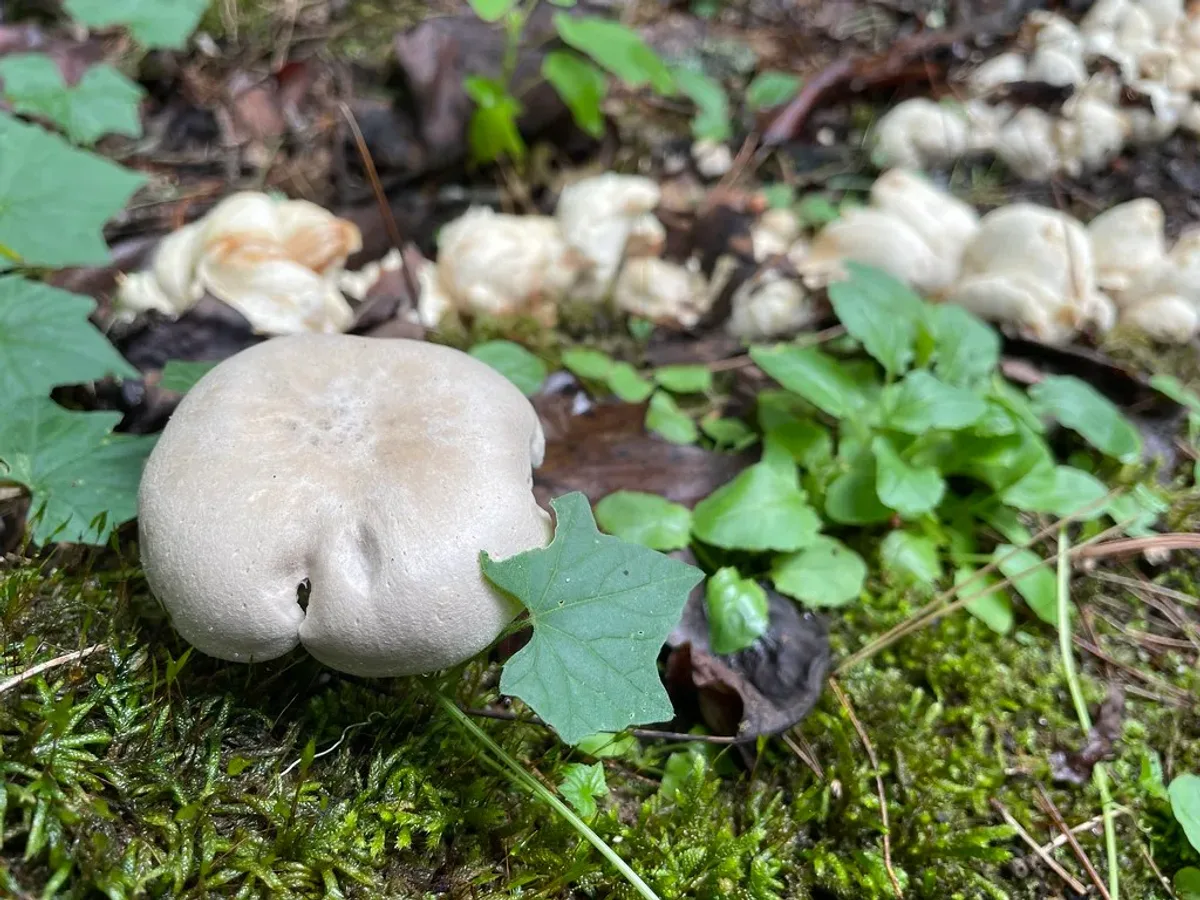 © m.borden (CC BY-SA 2.0)
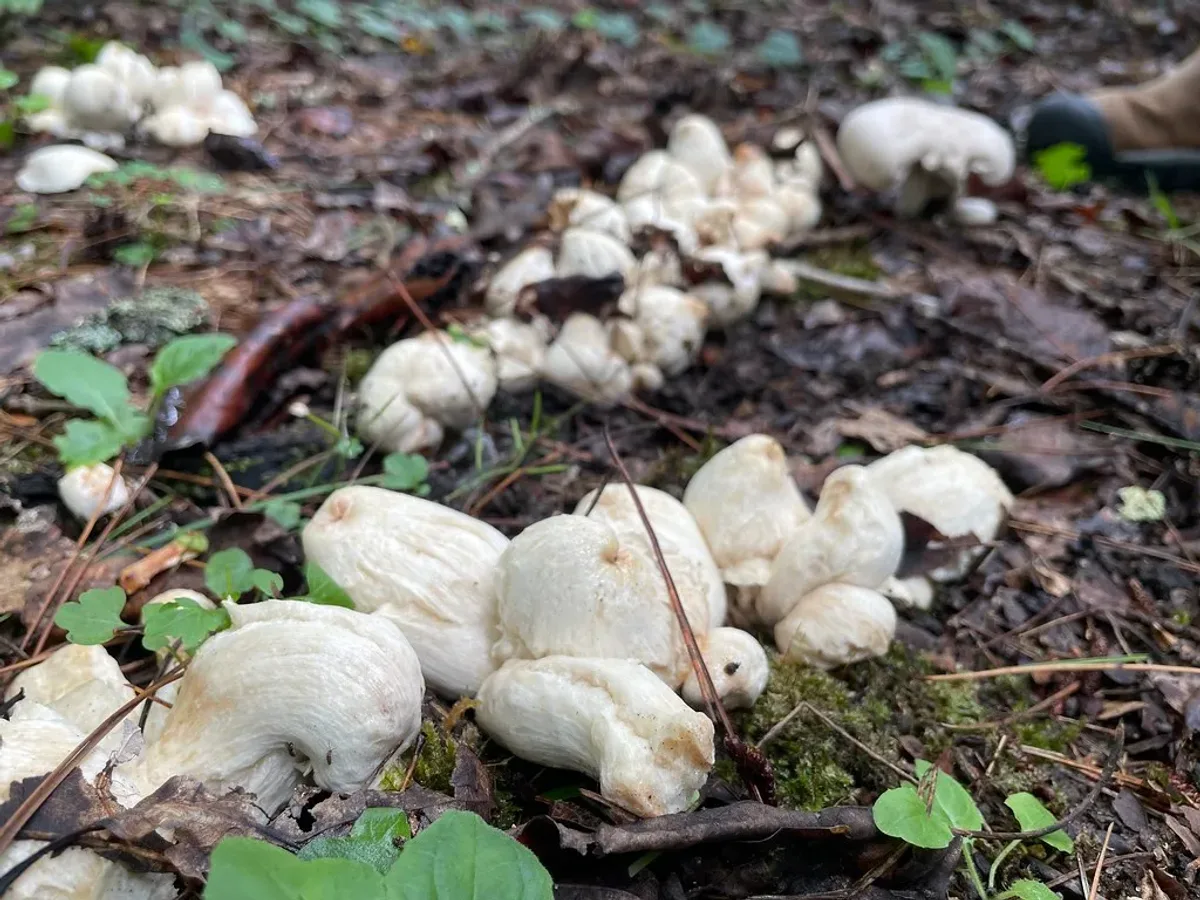 © m.borden (CC BY-SA 2.0)
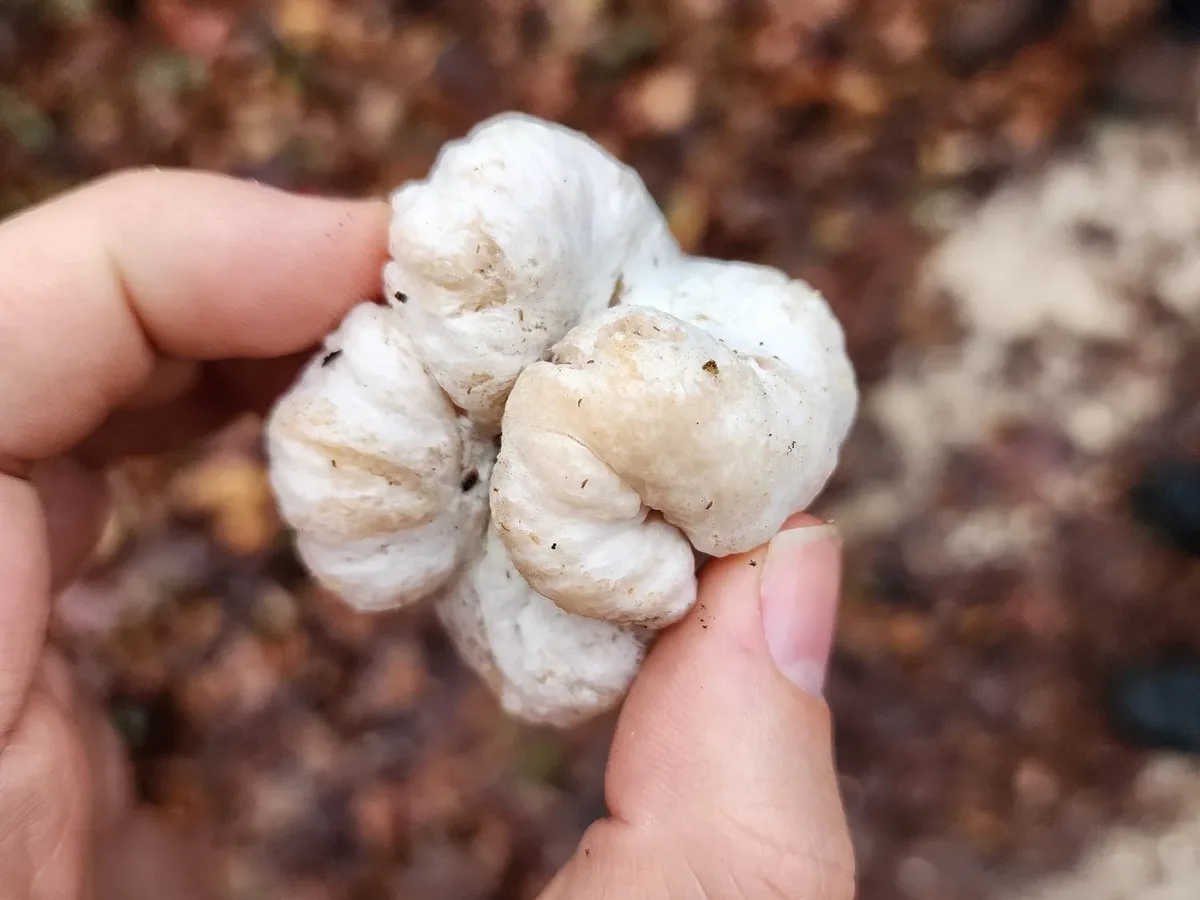 © Benjamin Tomerlin (CC BY)
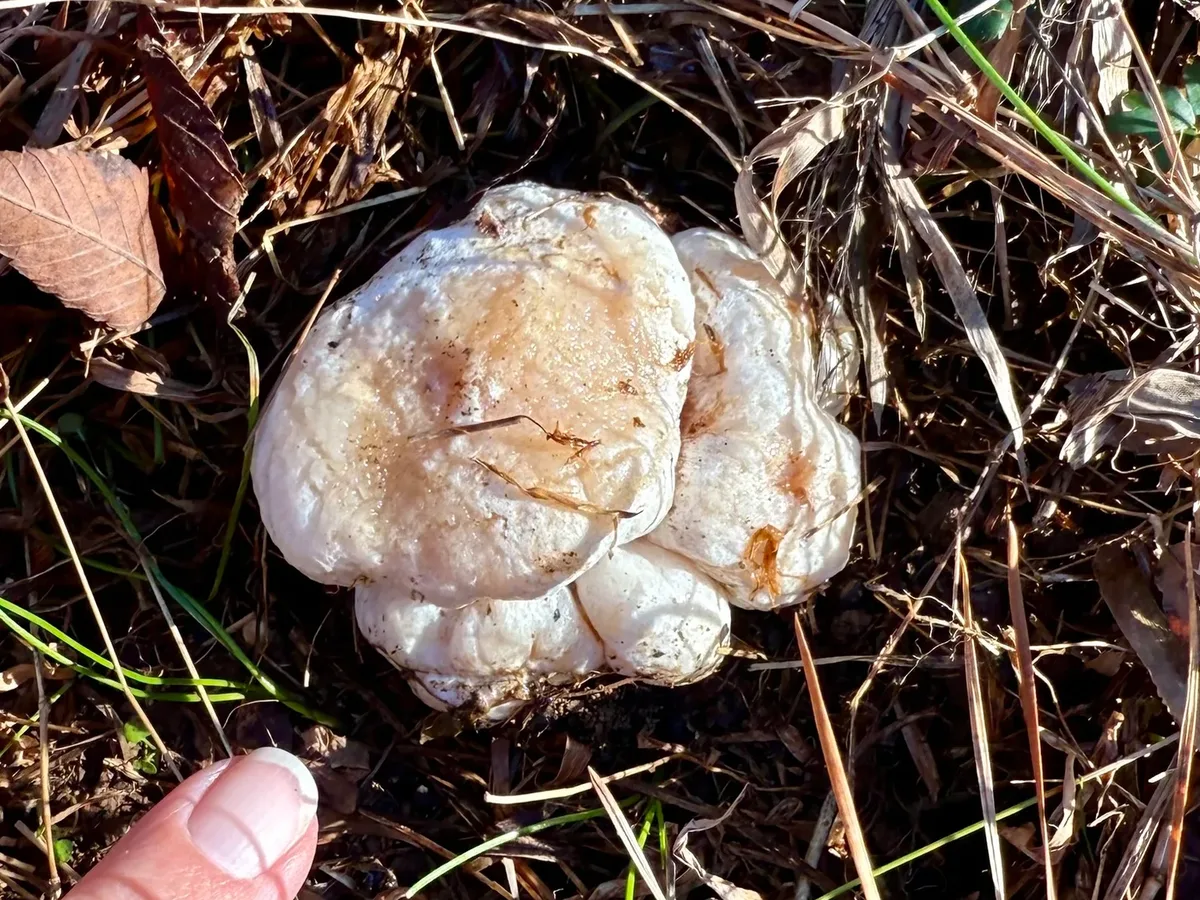 © ashleyrsteel (CC BY)
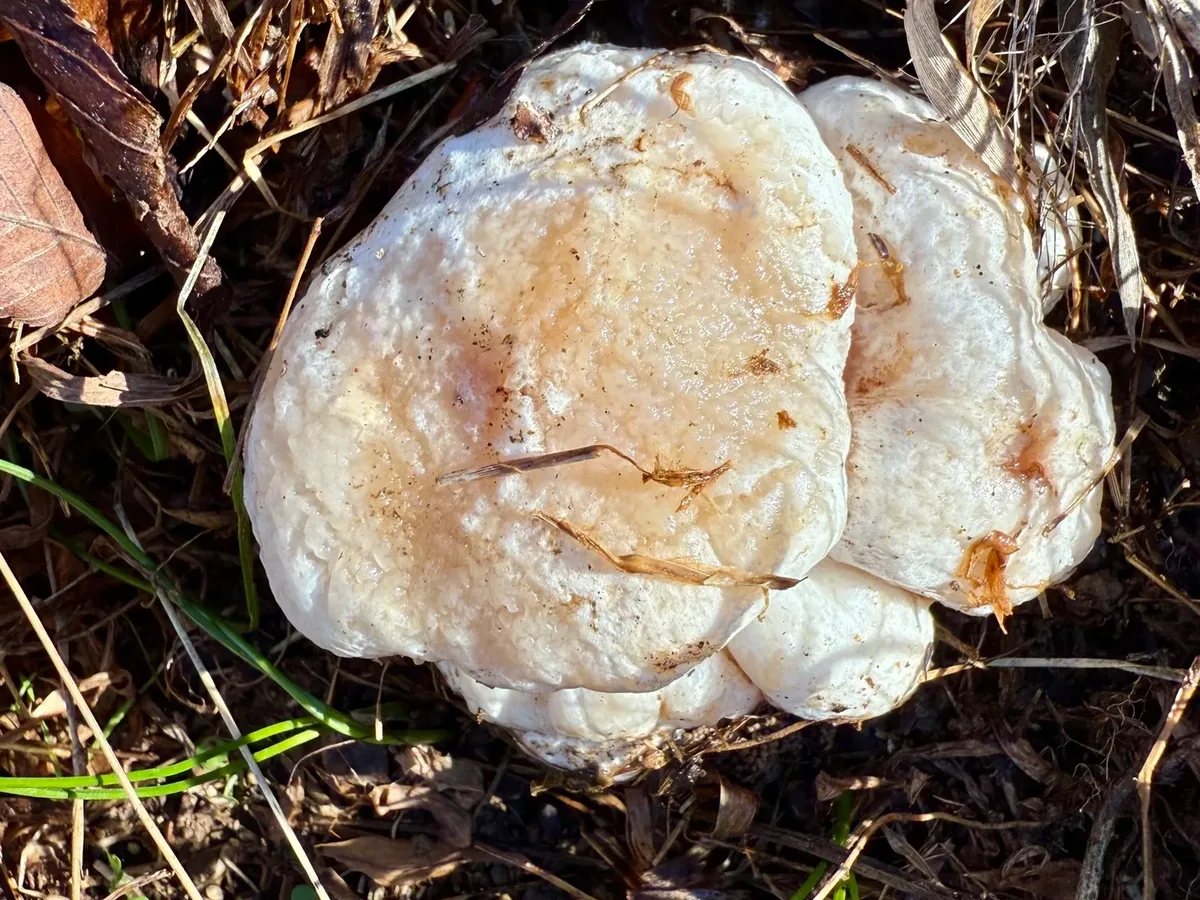 © ashleyrsteel (CC BY)
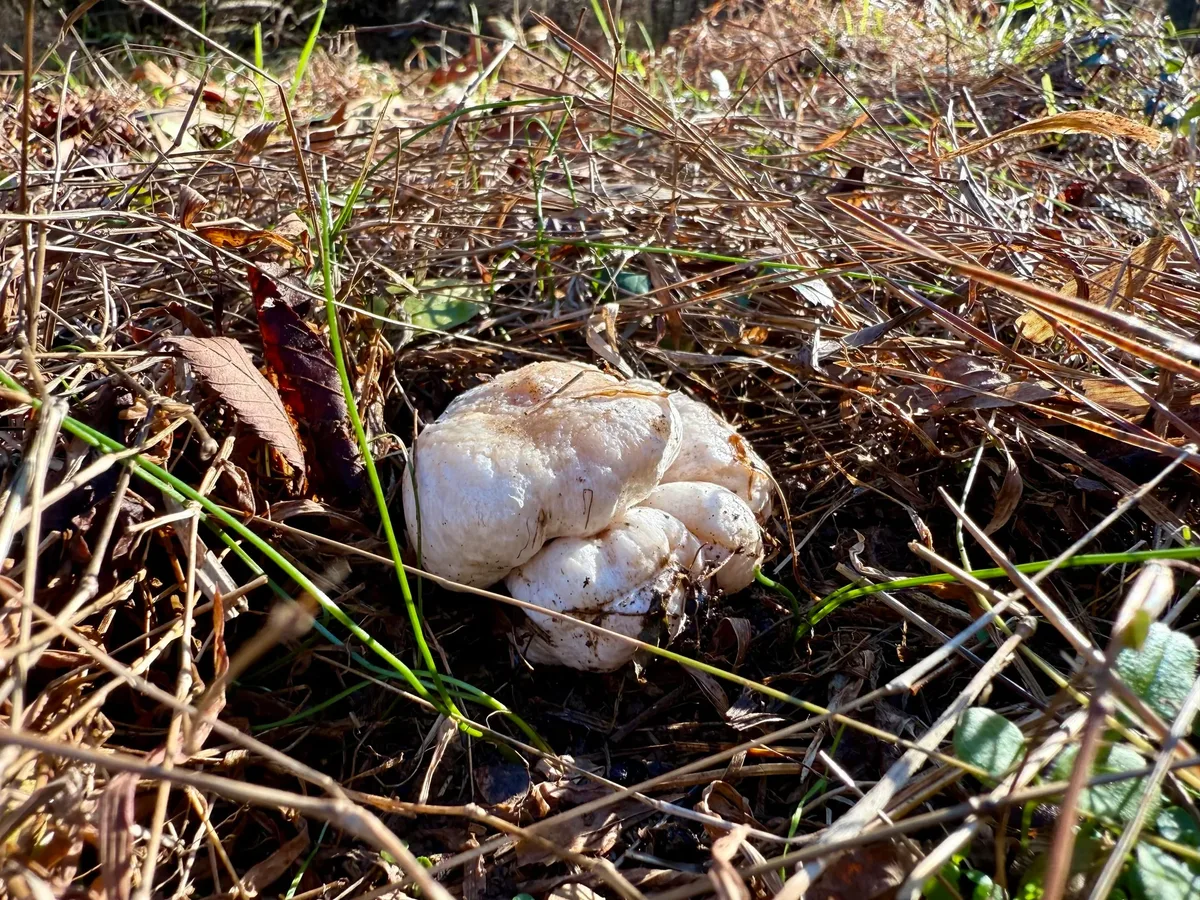 © ashleyrsteel (CC BY)
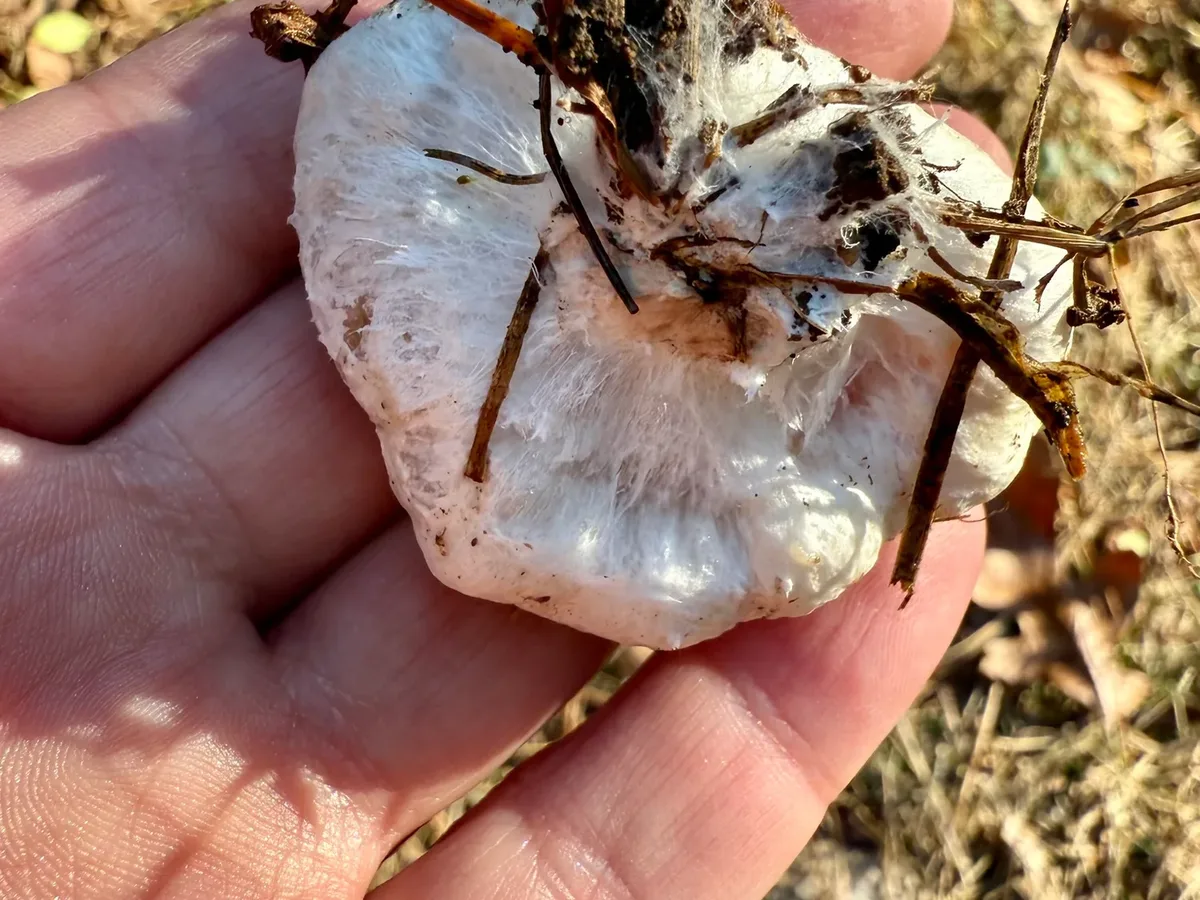 © ashleyrsteel (CC BY)
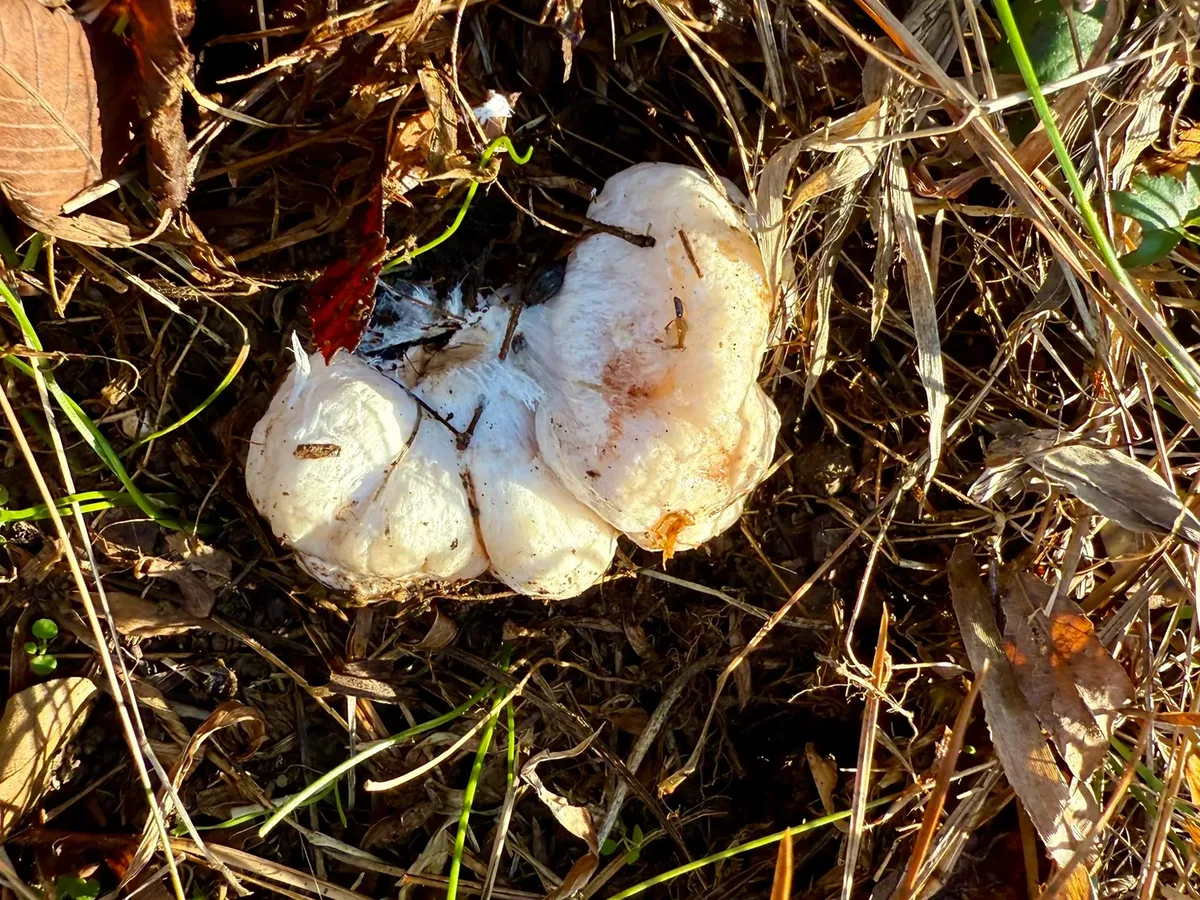 © ashleyrsteel (CC BY)
 © ashleyrsteel (CC BY)
 © ashleyrsteel (CC BY)
 © Joshua Ebright (CC BY)© m.borden (CC BY-SA 2.0)© m.borden (CC BY-SA 2.0)
Good to eat, once you have identified it with certainty and cooked it through.
Never eat a mushroom you are not 100% sure of - check the look-alikes below, and always cook wild mushrooms.
How to recognise it
Entoloma abortivum is one of the few fungi that regularly presents in two completely different physical forms - and both can appear side by side in the same patch of forest.
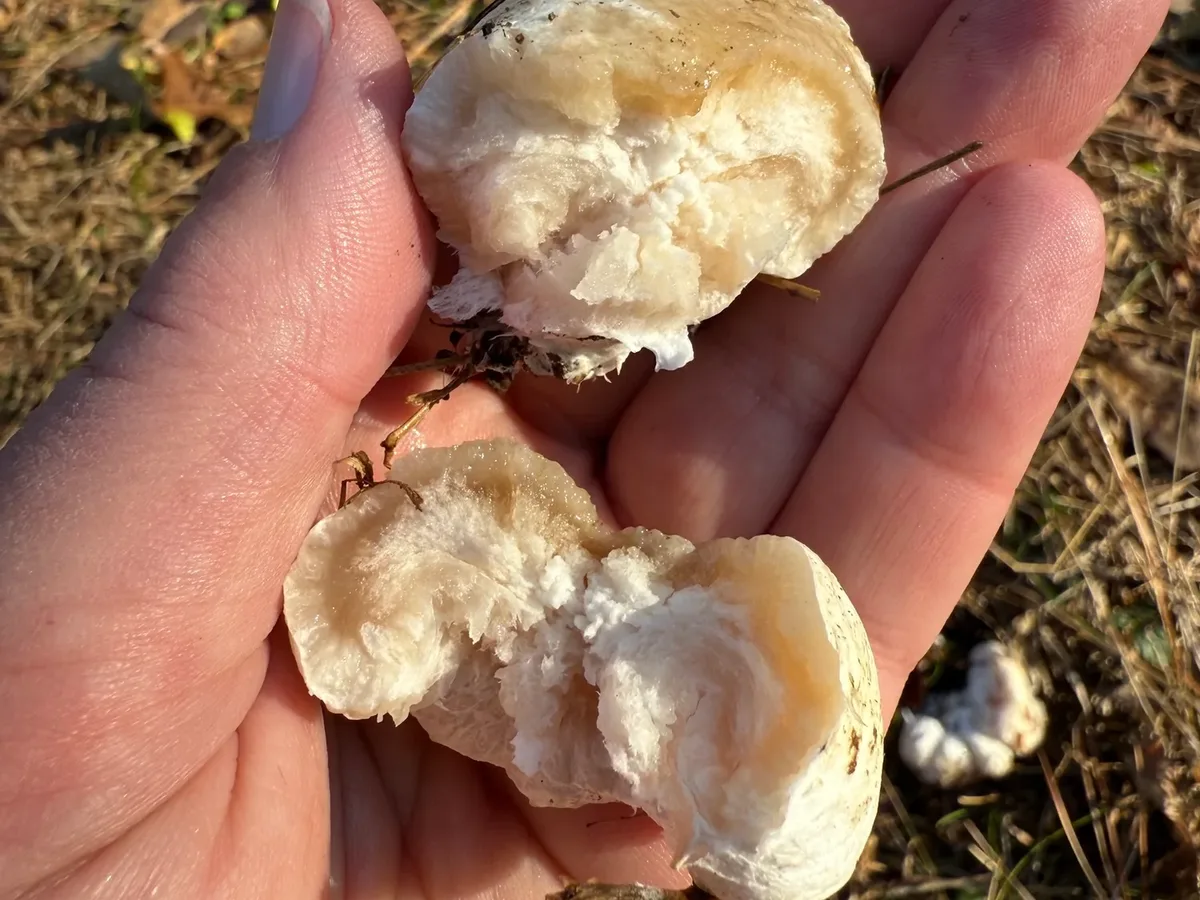
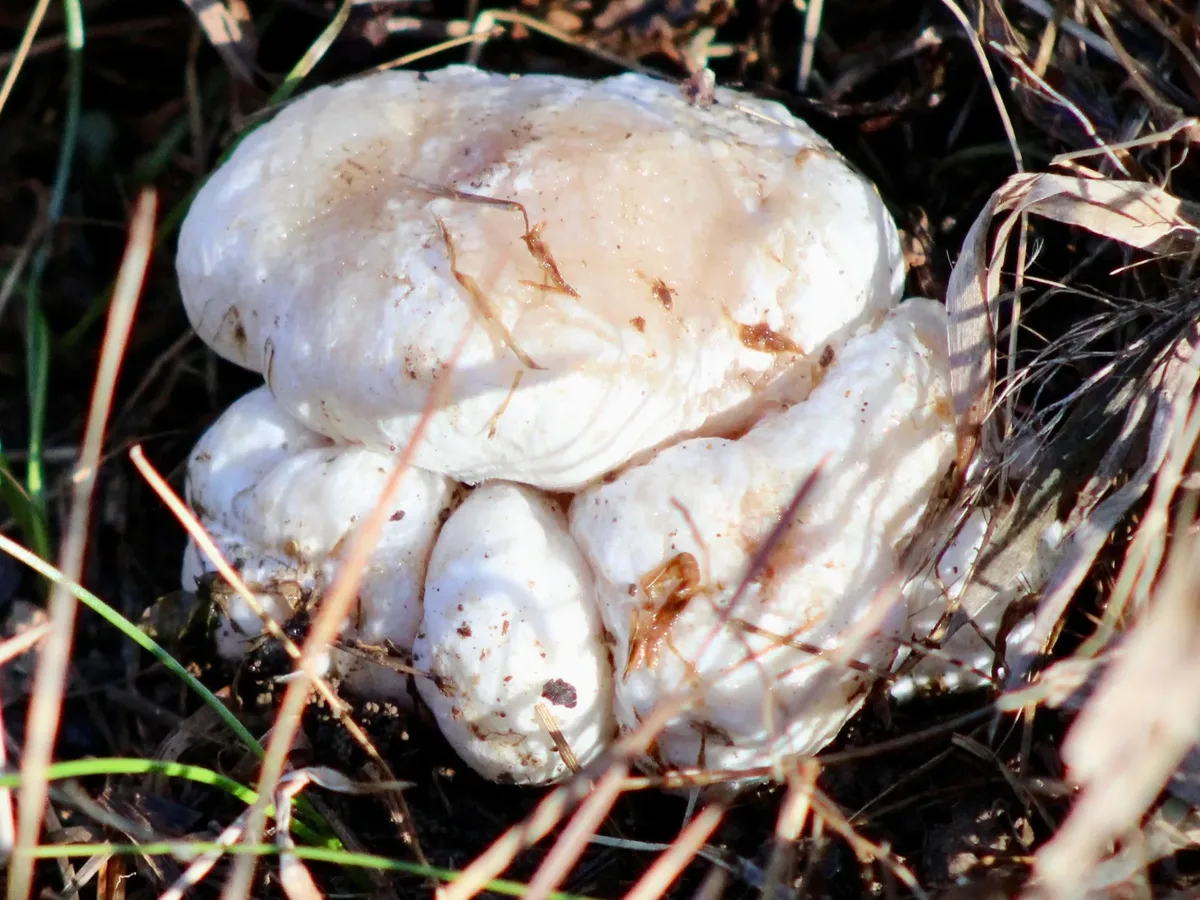
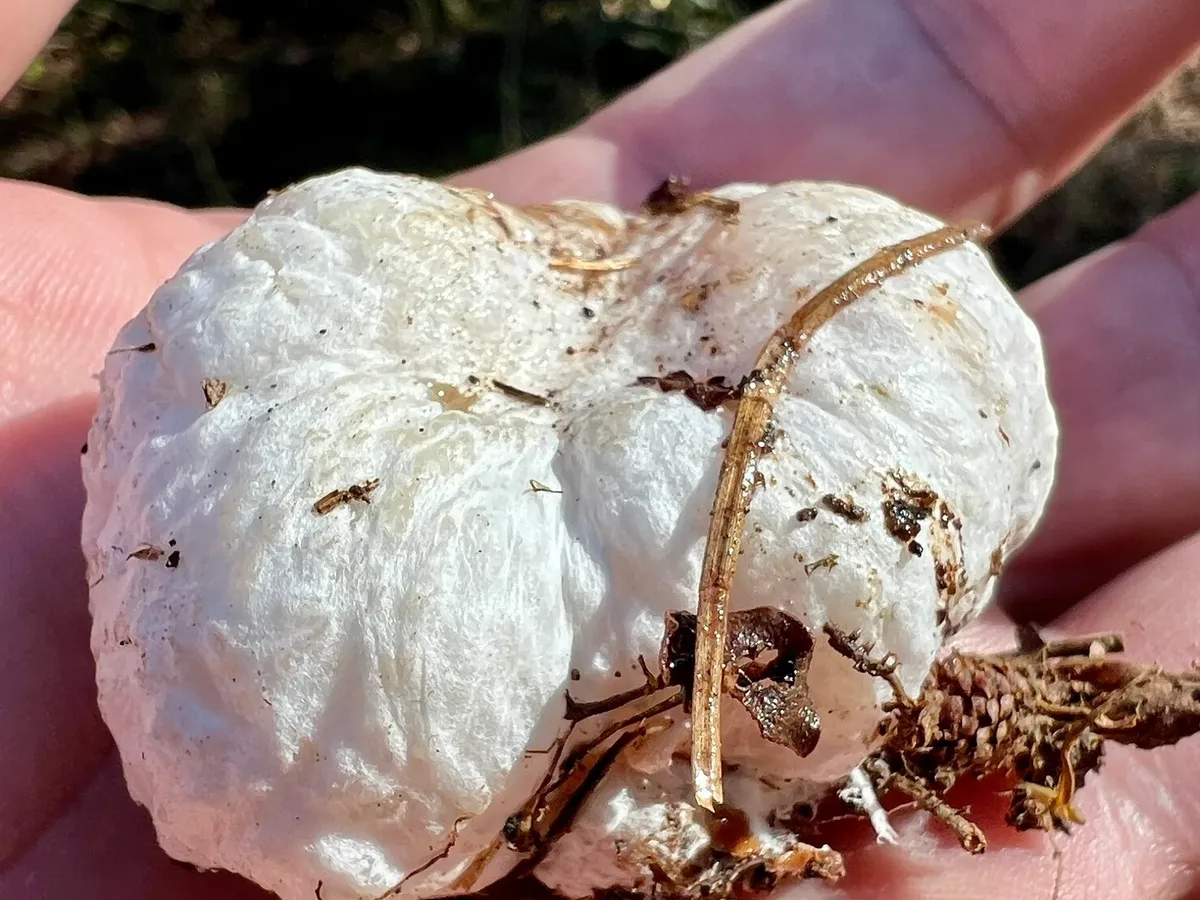
The aborted form, commonly called shrimp of the woods, is a lumpy, irregular, popcorn-like mass, 2-8 cm across, chalky white to creamy white, sometimes developing buff or pale pinkish tones as it ages or is handled. The surface is smooth and dry.
Sliced open, the interior is solid and uniformly white to very pale pink, firm and dry, with a fine texture reminiscent of dense marshmallow.
The smell is the most distinctive field mark: fresh, clean, and strongly reminiscent of raw shrimp or other seafood. This scent intensifies when the flesh is broken or cooked, and once you know it there is no mistaking it.
These aborted masses arise from the complex interaction between Entoloma abortivum mycelium and co-occurring Armillaria species; the exact direction of parasitism - which organism acts on which - has been debated in the mycological literature and is not fully resolved.
The normal (non-aborted) fruitbody is cap-and-stem shaped:
- Cap: 4-12 cm broad, convex to broadly plane with a low central umbo, often with a wavy or irregular margin; surface smooth, dry, pale grey to brownish grey, occasionally with a faint lilac flush when young and fresh.
- Gills: adnate to slightly decurrent, close-spaced, broad, initially grey then gradually turning salmon-pink as the angular spores mature.
- Stem: 4-9 cm long, 0.8-2 cm thick, firm, solid, pale grey to whitish, covered in longitudinal fibers.
- Flesh: firm and white throughout.
- Spore print: salmon-pink to pinkish-brown.
- Spores: angular in face view, 7-11 × 5-8 µm.
Where & when it grows
Habitat
Entoloma abortivum is a saprotrophic to parasitic species of eastern North American deciduous and mixed forests. It fruits from soil and buried rotting wood, often in large, scattered to clustered groups.
The essential habitat feature is the co-occurrence with Armillaria (honey mushroom) colonies, since aborted forms arise only where Armillaria mycelium is present.
Look in rich hardwood or mixed stands with abundant organic matter, downed logs, stumps, and root systems of dead or dying trees. Common associates include oak, beech, maple, birch, ash, and basswood.
It is often found in the same locations year after year as long as the Armillaria colony persists. In optimal conditions, dozens or even hundreds of both aborted and normal fruitbodies may carpet a small area of forest floor.
When
Fruits from late summer (August) through late autumn (November), with the main flush peaking in September and October throughout its eastern North American range.
The timing closely tracks Armillaria fruiting: in most years both organisms flush together after the first significant autumn rains following summer heat.
In the northeastern USA and adjacent Canada the peak is typically mid-September to mid-October; further south in the Appalachians and mid-Atlantic states the season extends into November.
Warm, wet weather followed by a cool snap triggers the heaviest fruitings.
How it grows
What makes Entoloma abortivum genuinely strange is that the lumpy masses people harvest are not normal fruitbodies at all. They are the product of an intimate collision between two fungal species.
For decades mycologists assumed the explanation was straightforward: Entoloma mycelium invades and distorts developing Armillaria buttons, hijacking them into these irregular white lumps.
More recent molecular work has complicated that picture. It now appears the relationship may run the other way - Armillaria may parasitize or engulf developing Entoloma tissue, and the so-called aborted masses may in some cases be Entoloma overrun by Armillaria hyphae.
The debate is genuinely unresolved, which is unusual for such a well-studied edible species.
What is clear in practice is that the aborted masses always co-occur with Armillaria and the site has both species' mycelium present. Normal Entoloma abortivum fruitbodies can appear independently of Armillaria where the mycelium has spread beyond the honey mushroom zone.
Fruiting conditions
Best fruitings follow sustained autumn rains (25+ mm over 14 days) with soil temperatures cooling into the 8-16 °C range. The flush closely tracks Armillaria fruiting in the same stand; where honey mushrooms are absent, aborted forms will not appear. The lag between rain and fruiting is typically 7-10 days.
Look-alikes
The aborted form is highly distinctive, but several confusions are possible - including one that can be DEADLY:
- 1Amanita species in the button (egg) stage - including Amanita phalloides (death cap) and Amanita bisporigera (destroying angel) - can appear as white to greenish-white, firm, egg-shaped or irregular masses emerging from the ground. They are smooth, odourless or faintly sweet-smelling - never seafood. Sliced open, they show the developing cap and gills encased within a membrane (universal veil). This is a potentially lethal confusion: never eat any white ground mass without slicing it open and confirming solid, undifferentiated, seafood-smelling flesh.
- 2Earthballs (Scleroderma species, especially Scleroderma citrinum) are firm, round to irregular, yellowish-white to buff-brown lumps that emerge from soil. When cut they reveal dark purple-black to olive-black gleba (spore mass) - completely unlike the white interior of aborted entoloma. Scleroderma species are toxic. The exterior of young earthballs may be pale, but the dark interior and lack of seafood odor are diagnostic.
- 3Armillaria species in the button stage can appear as white lumps before the cap opens, but they smell of fresh mushroom (not seafood), and will develop a distinct cap, gills, and often a skirt-like ring as they mature. Cut one open - if you see gills forming inside, it is Armillaria. The seafood odor of E. abortivum aborted forms is absent.
- 4Clitopilus prunulus (the sweetbread mushroom) is white, but it forms normal cap-and-stem fruitbodies, not irregular lumpy masses, and smells of fresh flour, not seafood.
- 5Portions of Sparassis species (cauliflower mushrooms) are also lumpy white masses, but they have a distinctly wavy, frond-like internal structure and a nutty or anise-like smell.
The normal Entoloma abortivum fruitbody could be confused with other grey-capped Entoloma species, some of which are severely toxic (see safety).
The key to avoiding errors:
- confirm the seafood smell in the aborted form
- confirm co-occurrence with Armillaria honey mushrooms
- always verify salmon-pink spore print on any grey-capped Entoloma
Deadly. Young Amanita buttons emerge from the ground as smooth, firm, white to greenish-white egg-shaped masses - superficially resembling aborted entoloma. They do NOT smell of seafood. When sliced open they reveal the developing cap, gills, and stem enclosed within a membrane (universal veil) - never a solid, undifferentiated interior. The presence of a membranous sac (volva) at the base is diagnostic. Never eat any white ground mass without slicing it open first and confirming a solid, seafood-scented interior with no internal structure.
Deadly. Pure white Amanita common in eastern North America. Egg-stage is a white, smooth, firm mass on the ground - can resemble the aborted entoloma. No seafood smell; slicing open reveals the developing cap and gills inside a veil membrane. Causes fatal liver and kidney failure (amatoxins). Always slice before eating any white ground mass.
Armillaria buttons are white to cream and can appear lumpy before the cap opens, but they smell of fresh mushroom not seafood, and develop a distinct cap, gills, and often a skirt-like ring as they mature. Cut one open - if you see gills forming inside, it is Armillaria. The seafood odor of E. abortivum aborted forms is absent.
Toxic. Firm, round to irregular, pale yellowish-white to buff-brown lump emerging from soil. Outer surface becomes cracked and scaly with age. When cut open, the interior is dark purple-black to olive-black (spore mass), completely unlike the solid white interior of aborted entoloma. No seafood odor - smells unpleasant or faintly acrid. Never confuse a pale-surfaced earthball with aborted entoloma; the dark interior is unmistakable when sliced.
Also a white, irregular mass, but Sparassis has a distinct frond-like, wavy, lobed internal structure - not solid and undifferentiated like an aborted entoloma. Smell is nutty or faintly anise-like, not seafood. No association with Armillaria.
Severely toxic - causes violent gastrointestinal poisoning often requiring hospitalization. Can be confused with the normal (non-aborted) fruitbody of E. abortivum. E. sinuatum has a larger, paler (whitish to pale beige) cap, sinuate (notched) rather than adnate gills, a floury-to-rancid smell (not seafood), and occurs more commonly in grasslands and parkland edges rather than deep forest with Armillaria. Always confirm with spore print (pink) and note gill attachment. Do not eat normal Entoloma fruitbodies without expert-level identification.
Toxic species causing gastrointestinal illness. Has a grey-brown cap, free to adnate gills, and a mealy smell. It is more slender-stemmed and does not occur in association with Armillaria. Lacks the seafood odor. Always verify with spore print and habitat context.
White, with decurrent gills and a strong floury or fresh bread smell - not seafood. It forms a normal cap-and-stem fruitbody, never irregular aborted masses. Confusion is primarily with the normal E. abortivum fruitbody, not the aborted form.
In the kitchen
Picking & cleaning
Collect both the aborted masses and the normal fruitbodies. The aborted forms are by far the superior edible: pick them when they are firm, white, and fragrant.
Avoid any that are yellowing, soft, slimy, or show signs of insect infestation. The outer rind should feel dry and the interior should be bright white when sliced open.
Normal fruitbodies are edible when young and fresh, before gills turn dark pink and before caps become watery or soft.
When collecting:
- Trim the base with a knife
- Check the interior for insect tunnels
- Place in a breathable bag or basket
Because these mushrooms have a high moisture content, they keep best refrigerated and used within 2-3 days.
Always collect both forms side by side for identification verification - the presence of normal Entoloma abortivum caps nearby confirms the identity of the aborted masses.
CRITICAL: Always slice every aborted-form specimen before eating. If the interior shows any sign of gill tissue, layering, or a distinct outer skin (peridium) enclosing dark flesh, do not eat it - you may have an Amanita button or an earthball instead.
Cooking
The aborted forms of Entoloma abortivum are prized for their firm texture, which holds up beautifully to high-heat cooking. They sauté well in butter or oil and develop a golden-brown crust with a pleasantly chewy center.
Their mild seafood-like flavor pairs well with garlic, white wine, cream, and fresh herbs. They can be used anywhere you would use shrimp or scallops: in pasta, risotto, grain bowls, or simply tossed with butter and finished with lemon.
They do not dry and reconstitute particularly well, so fresh or lightly pickled preparations are best.
The normal fruitbodies are edible but much less flavorful - they are softer and more watery.
Cook all specimens thoroughly; like most Entoloma species, eating them raw may cause digestive discomfort.
Good to know
Entoloma abortivum is considered edible and generally well tolerated, but several important safety caveats apply.
DEADLY RISK: white, lumpy ground masses can also be the button-stage egg of deadly Amanita species (death cap, destroying angel).
Always slice every specimen before eating. The interior must be solid, homogeneous, bright white, and smell of seafood. Discard any specimen showing a developing cap-and-gills inside a membrane, or dark interior flesh.
The genus Entoloma contains many severely toxic species, and the normal fruitbody form requires confident identification before eating.
Gastrointestinal upsets have been reported from Entoloma abortivum by a small minority of individuals, so first-time consumers should eat a small amount and wait before consuming large quantities.
The most important safety rule for the normal fruitbodies: never eat grey- or brown-capped gilled mushrooms unless you are absolutely certain of identification.
Toxic Entoloma species cause serious illness - particularly Entoloma sinuatum (the livid entoloma, causes severe gastrointestinal poisoning requiring hospitalization) and Entoloma rhodopolium.
The aborted (lumpy white) form of E. abortivum is the safest and most distinctive form for harvest: its irregular shape, solid white interior, firm texture, and seafood odor are essentially unmistakable in context - provided you always slice before eating.
Do not eat the normal fruitbodies unless you are an experienced Entoloma identifier. Do not eat any Entoloma if the spore print is not clearly pink to salmon.
A reference guide - never an edibility guarantee. When in doubt, leave it out.