Antarctic Descolea
Descolea antarctica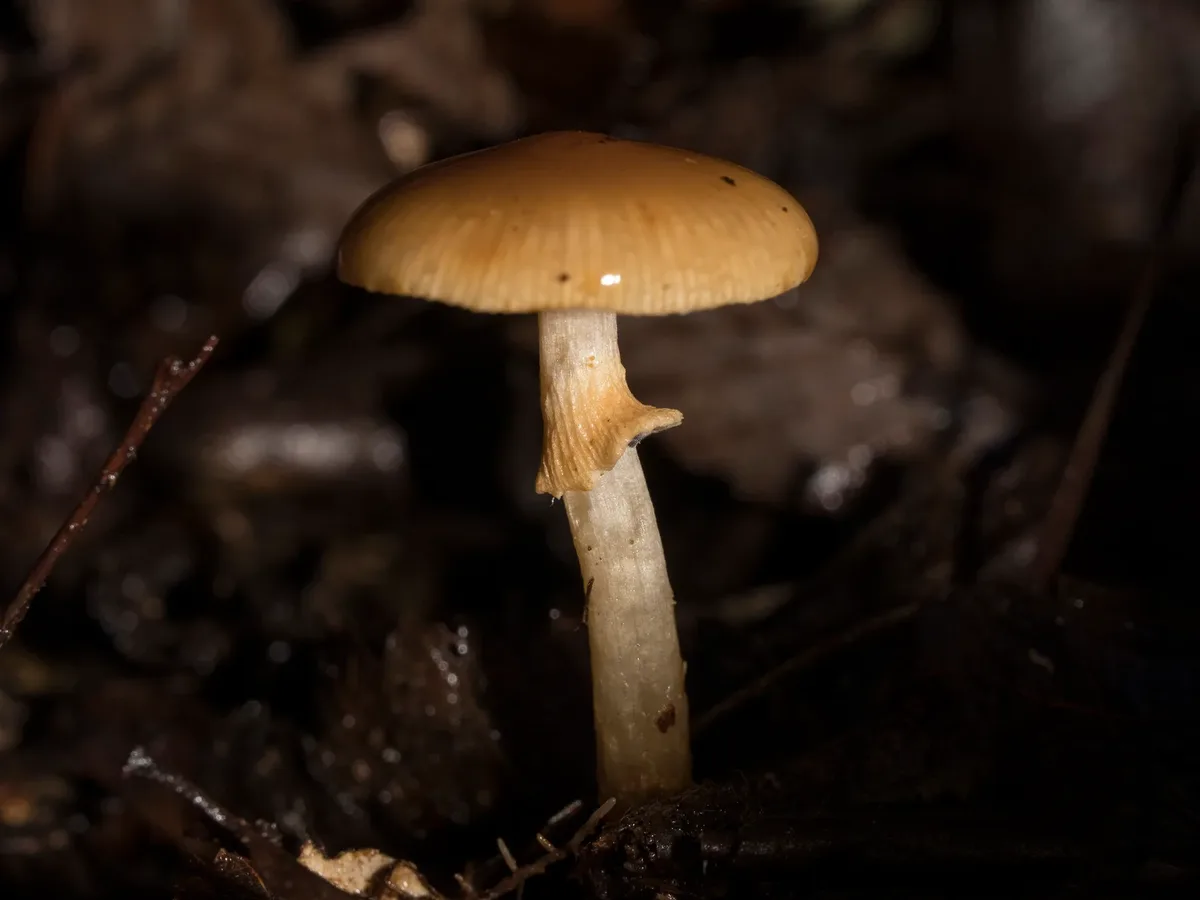 © Pablo Silva (CC BY 4.0)
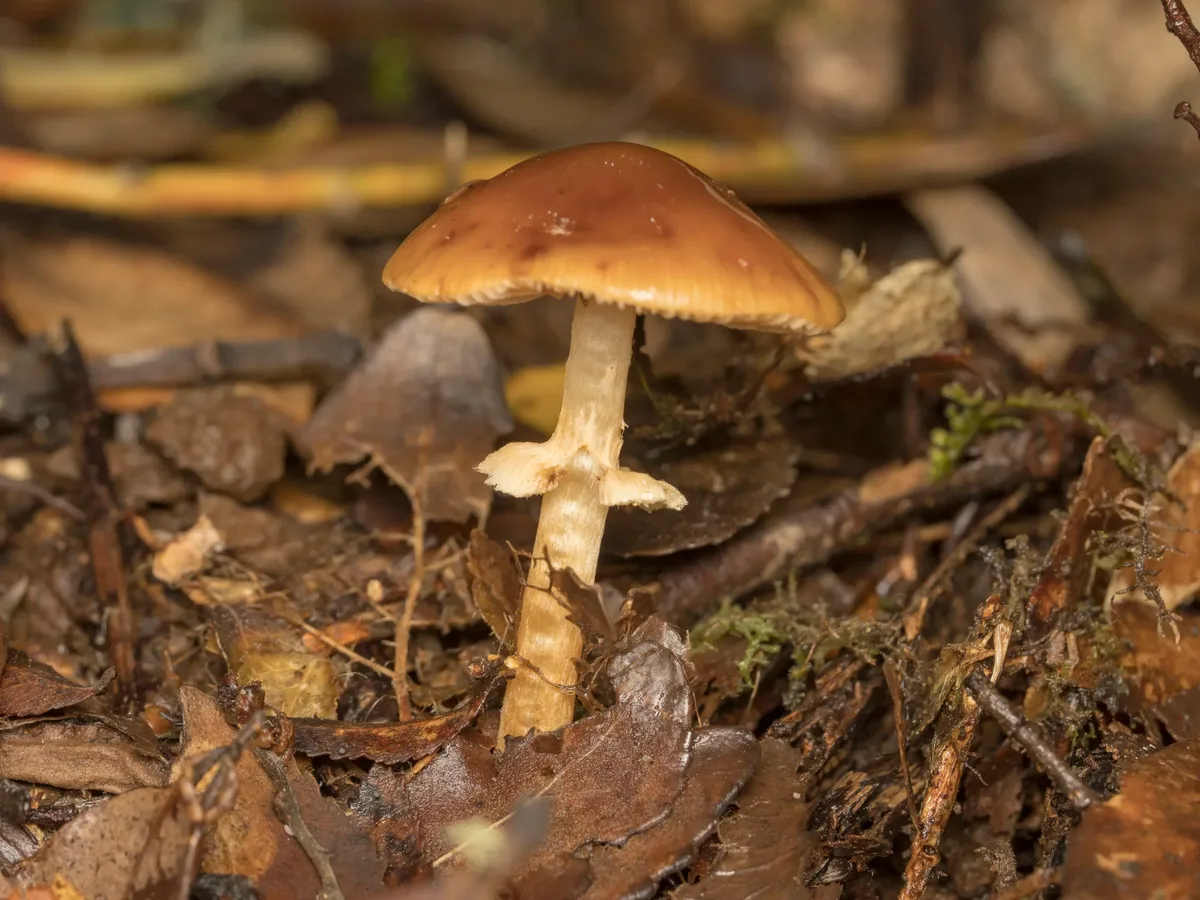 © Pablo Silva (CC BY)
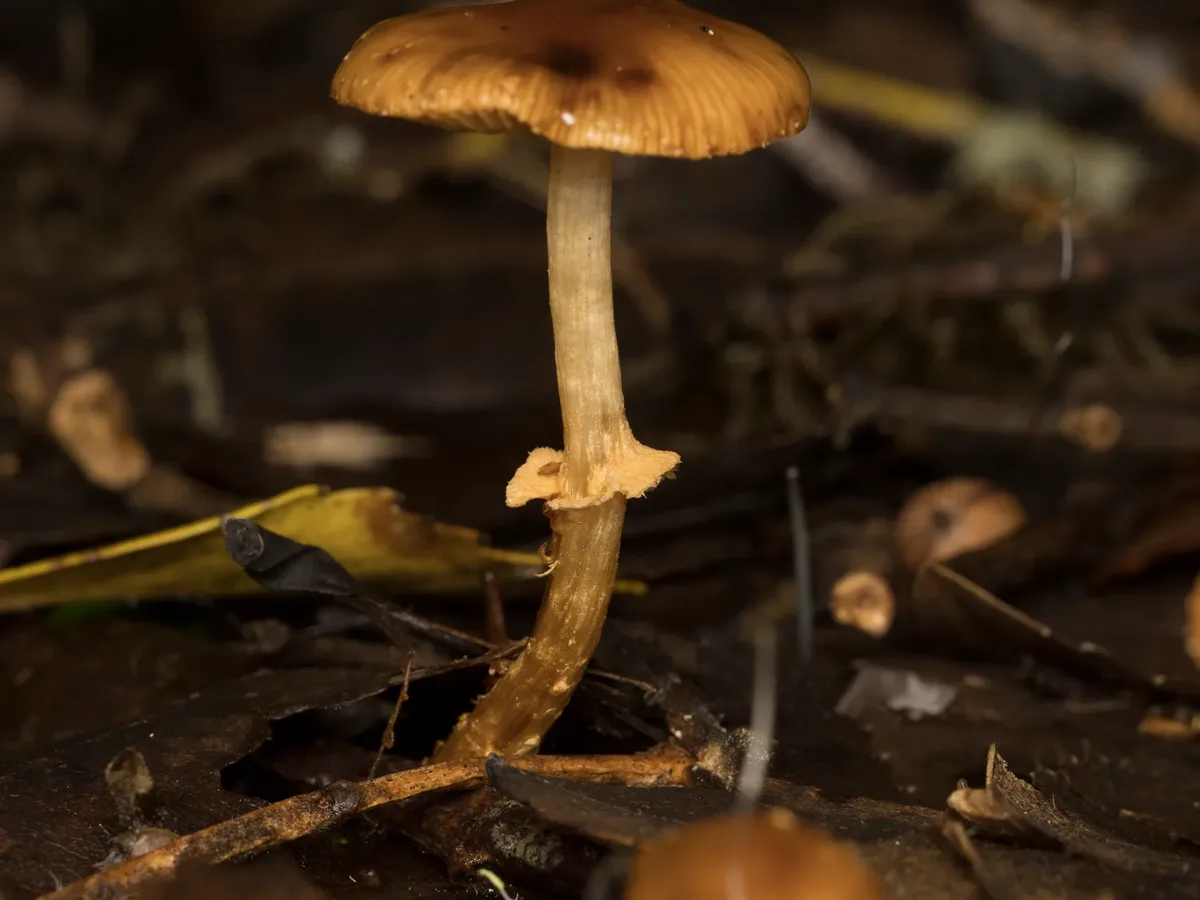 © Pablo Silva (CC BY)
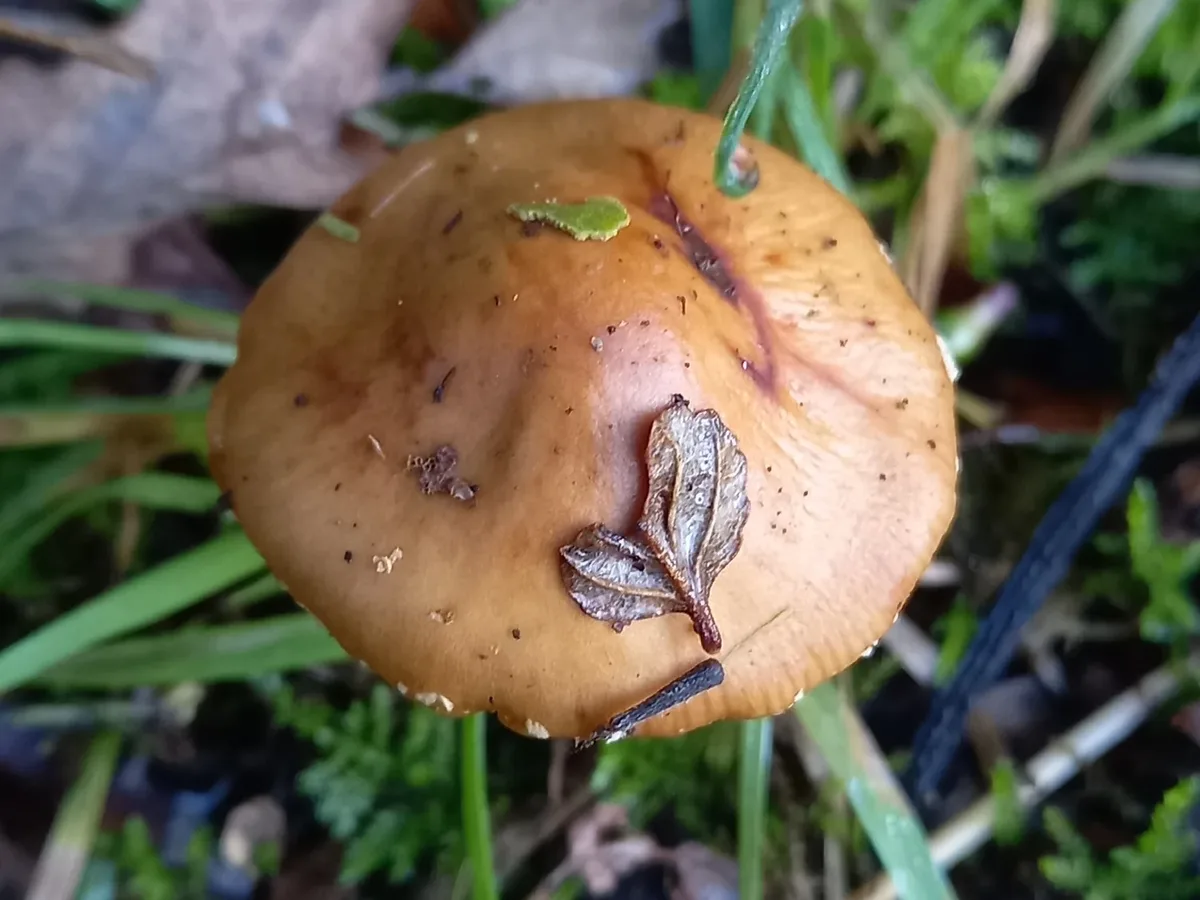 © Rafael Ancatrio (CC BY)
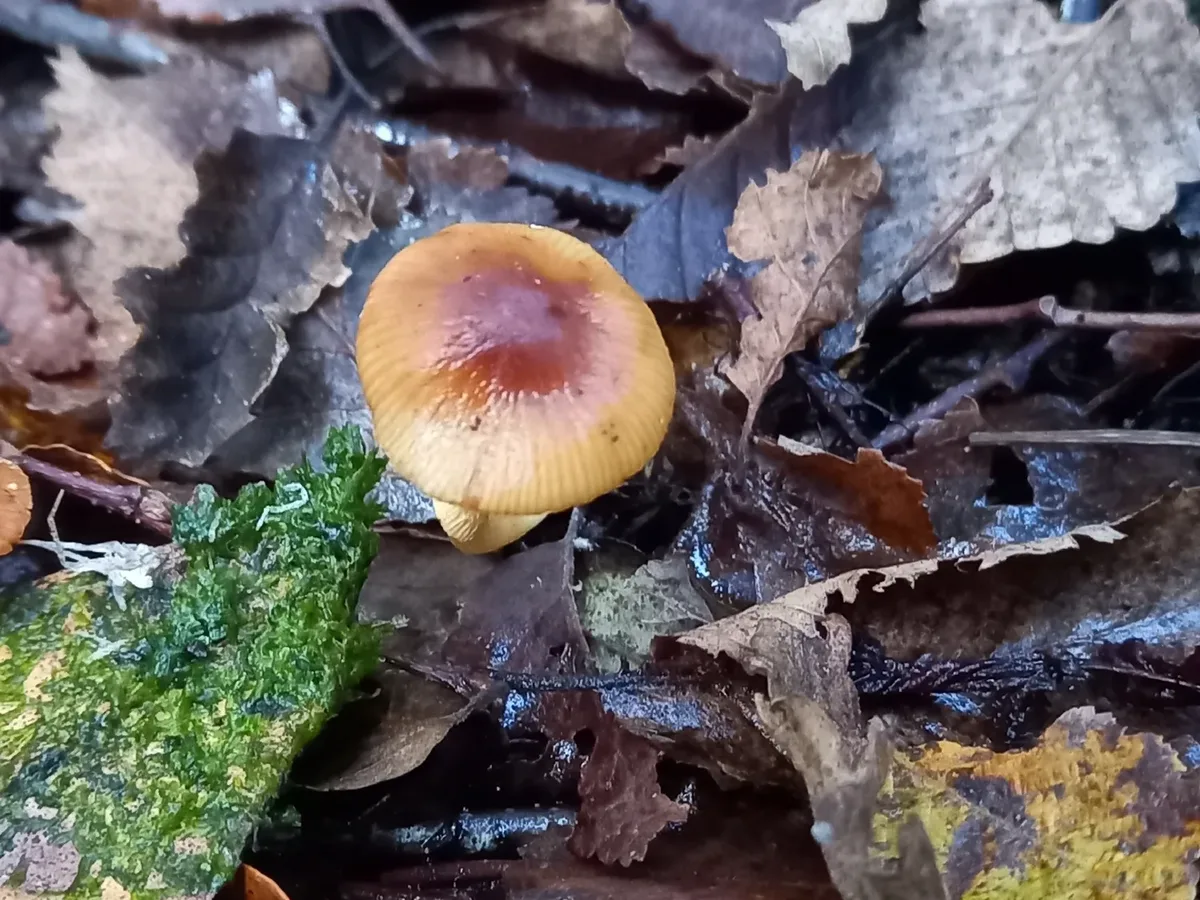 © Rafael Ancatrio (CC BY)
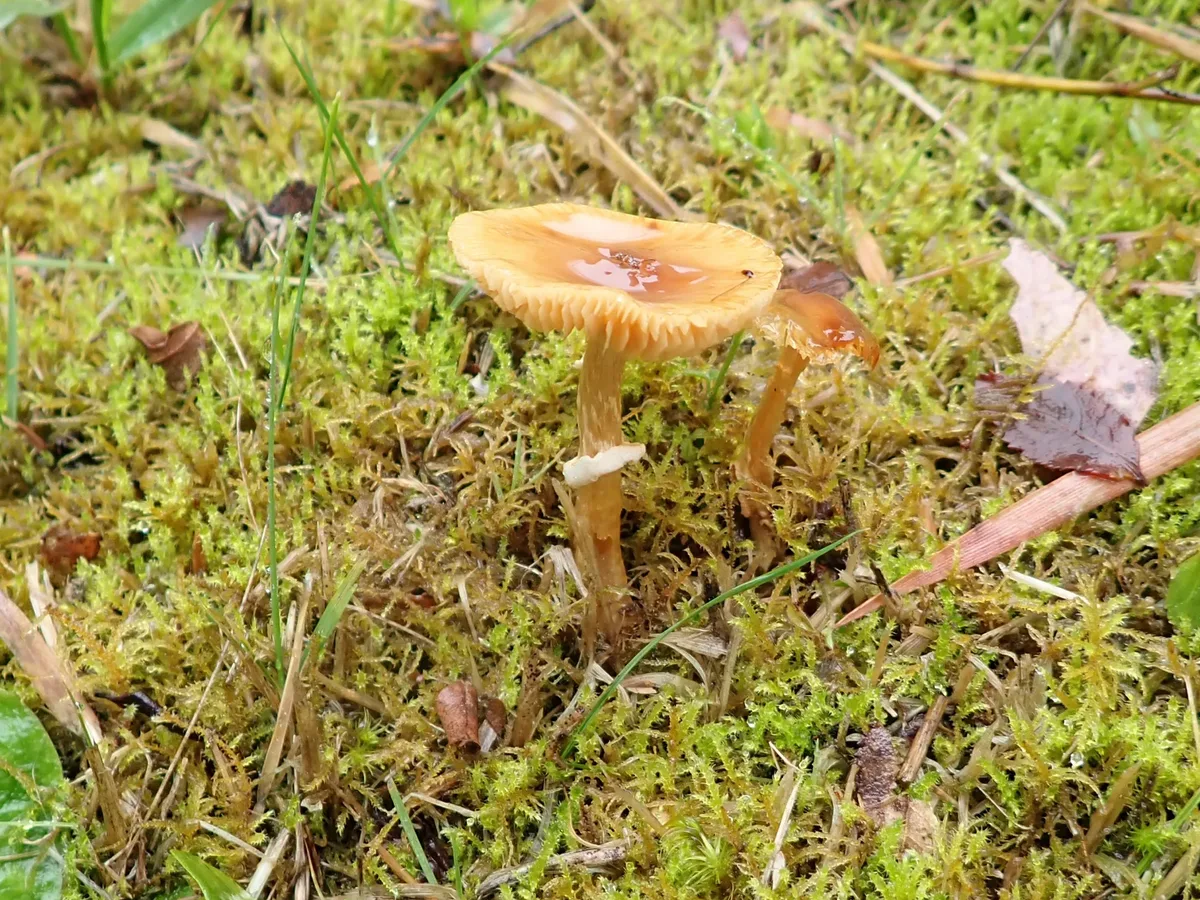 © Cristian Riquelme (CC BY)
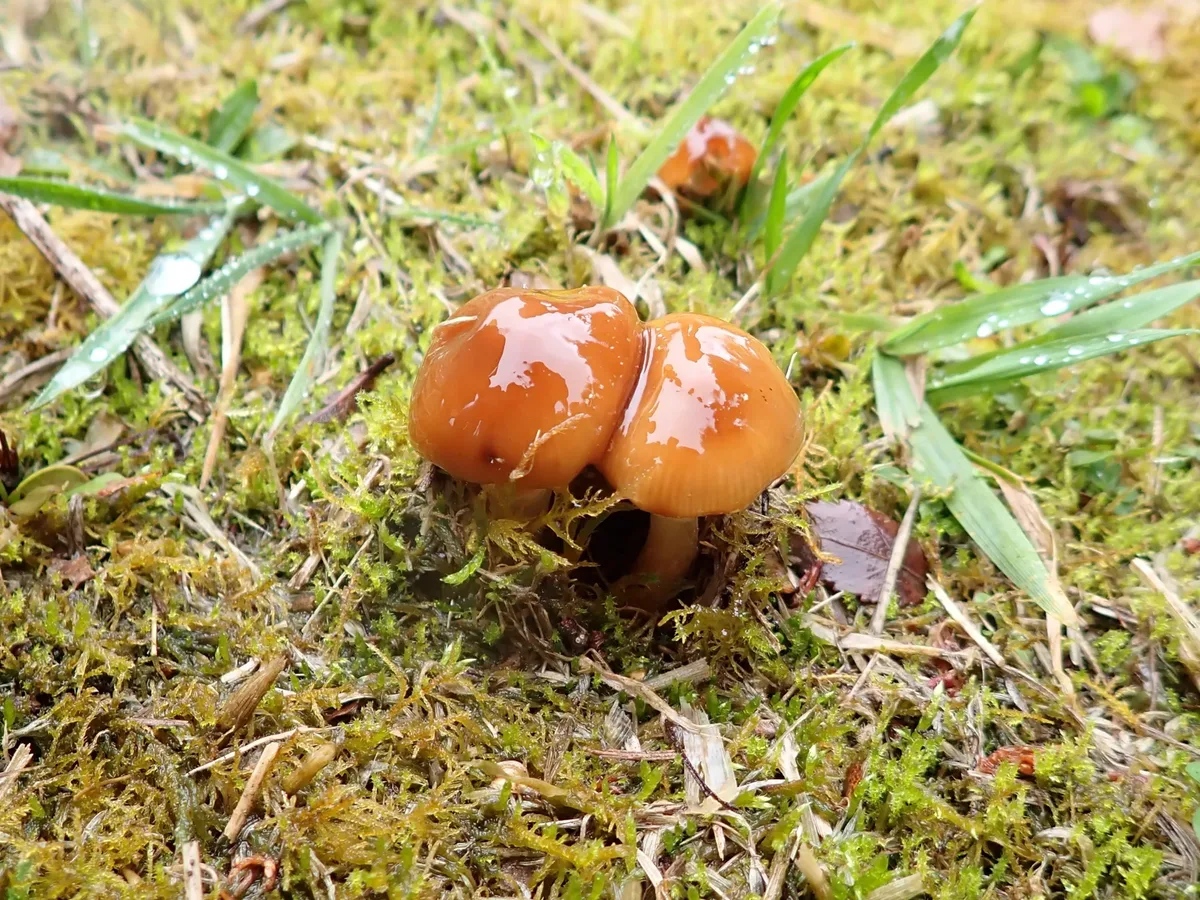 © Cristian Riquelme (CC BY)
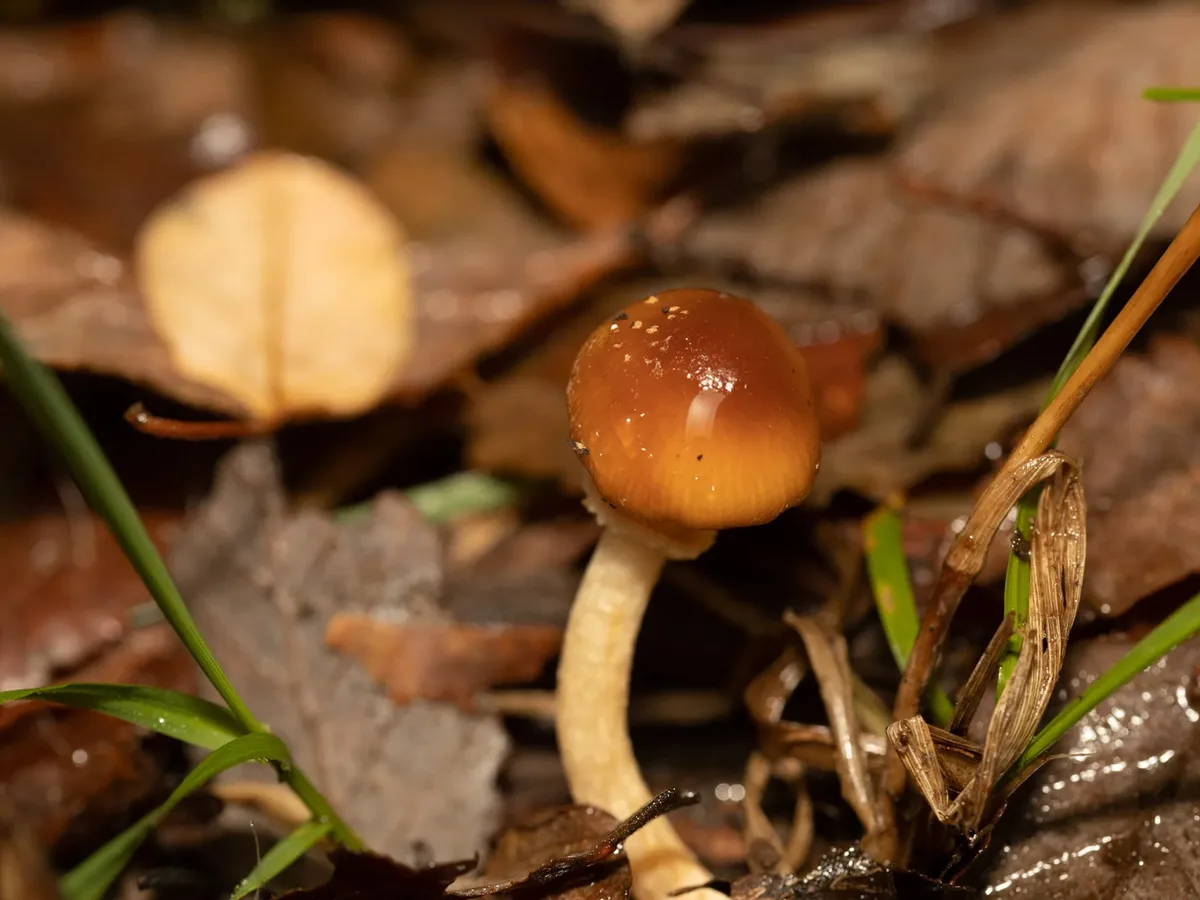 © Francia Álvarez (CC BY 4.0)© Pablo Silva (CC BY 4.0)© Pablo Silva (CC BY)
Not poisonous, but not worth eating - too tough, bitter, or bland for the pot.
Never eat a mushroom you are not 100% sure of - check the look-alikes below, and always cook wild mushrooms.
How to recognise it
A small to medium brown-capped agaric with a distinctive persistent ring on the stem.
Cap
Cap 2-7 cm, convex at first then broadly umbonate or plane, ochre-yellow to tawny buff, sticky when wet.
Gills
Gills adnate, pale ochre maturing to rusty-brown.
Stem
Stem slender to moderately stout with a prominent membranous skirt (annulus) that distinguishes Descolea from many similar LBM genera.
Spore print
Spore print rusty-brown.
The viscid cap, ring, and rusty spore print together are the diagnostic combination.
Where & when it grows
Habitat
Exclusively ectomycorrhizal - found only under southern beech (Nothofagus) trees in Patagonian and Fuegian rainforest.
The association with Nothofagus is obligate: no beech, no Descolea. This restricts its range tightly to the Valdivian and Magellanic temperate rainforest belt.
It grows scattered to gregarious on deep humus.
When
Fruits in the Southern Hemisphere's late summer and autumn, from February through June, with the best displays in March and April.
As Patagonian post-summer rains intensify and air temperatures drop, soil cools toward 12 °C - and that is the cue.
Fruiting tails off quickly in colder mid-winter soils and is absent during the drier summer months.
How it grows
Usually solitary or scattered across the forest floor, occasionally in loose groups of two to five fruitbodies clustered near a shared root zone.
It never grows in tight clusters on wood - this is a ground-fruiting species whose whole existence is anchored to the living roots of its Nothofagus host.
Fruiting conditions
Patagonian rainforest species. Fruits in cool, wet autumn conditions after summer rains; soil temperature dropping below ~13 °C triggers fruiting. Magellanic rainforest receives high year-round precipitation so the trigger is primarily temperature-driven cooling rather than a distinct dry-wet transition.
Look-alikes
The principal danger is confusion with deadly Galerina species (particularly G. marginata and the closely related G. patagonica, which co-occurs in the same Nothofagus forests). Both are brown-capped, ring-bearing, rusty-spored mushrooms of similar size in similar habitat.
Key differences:
- Descolea tends to be slightly more robust, has a more viscid cap, and the annulus is often more membranous and well-developed.
- Galerina is typically thinner-stemmed, more hygrophanous (paler when dry with translucent striations), and grows preferentially on dead or decaying wood rather than bare humus.
However these distinctions can be subtle in the field and are not reliable enough to use for foraging decisions.
Cortinarius species (webcaps) also occur under Nothofagus and can show rusty-brown spores; they lack a true ring but may have a cobwebby cortina remnant.
Galerina marginata sensu lato is the globally distributed deadly skullcap. It grows on dead conifer and broadleaf wood, typically in smaller, more clustered groups. Like Descolea, it is brown-capped with a ring and a rusty spore print, but G. marginata typically grows directly from decaying wood, is hygrophanous, and is a thinner-fleshed mushroom. Deadly amatoxins are present at lethal concentrations.
Galerina patagonica is a deadly amatoxin-containing species that co-occurs under Nothofagus in the same Patagonian forests. It is typically smaller, thinner-stemmed, more hygrophanous (brown when wet, pale when dry with translucent striations at the margin), and strongly prefers rotting wood as substrate rather than bare humus. The ring in Galerina is often more fragile and may disappear. However these distinctions are not reliable enough for safe identification in the field.
Various Cortinarius species occur under Nothofagus and may resemble Descolea in colour and habitat. Cortinarius species lack a true membranous ring - instead they have a cobwebby cortina between cap margin and stem that may leave a rusty-spore-dusted ring zone but never a proper skirt. Several Cortinarius species contain deadly orellanin toxin, so all webcaps should be avoided by non-experts.
In the kitchen
Picking & cleaning
Not recommended for collection as a food species.
- There is no culinary tradition involving Descolea antarctica.
- It has no known edible value.
- Safe identification in the field requires expert-level certainty - essential in forests where deadly Galerina species co-occur.
Cooking
This species should not be cooked or eaten. It has no established culinary use, and no documented flavor or texture of value.
Attempting to use it as food is inadvisable - both because of its negligible food value and because of the serious risk of confusing it with the deadly Galerina patagonica in the same habitat.
Discard any specimen collected by mistake.
Good to know
Do not eat this species. Beyond its own lack of edible value, the key safety issue is the risk of misidentification as a deadly Galerina.
In Patagonian forests, Galerina patagonica - a deadly amatoxin-containing species - grows in the same habitat, is superficially similar, and is encountered by foragers.
Anyone unfamiliar with the distinction should avoid all ring-bearing brown-capped mushrooms growing near Nothofagus.
A reference guide - never an edibility guarantee. When in doubt, leave it out.