Darwin's fungus
Cyttaria espinosae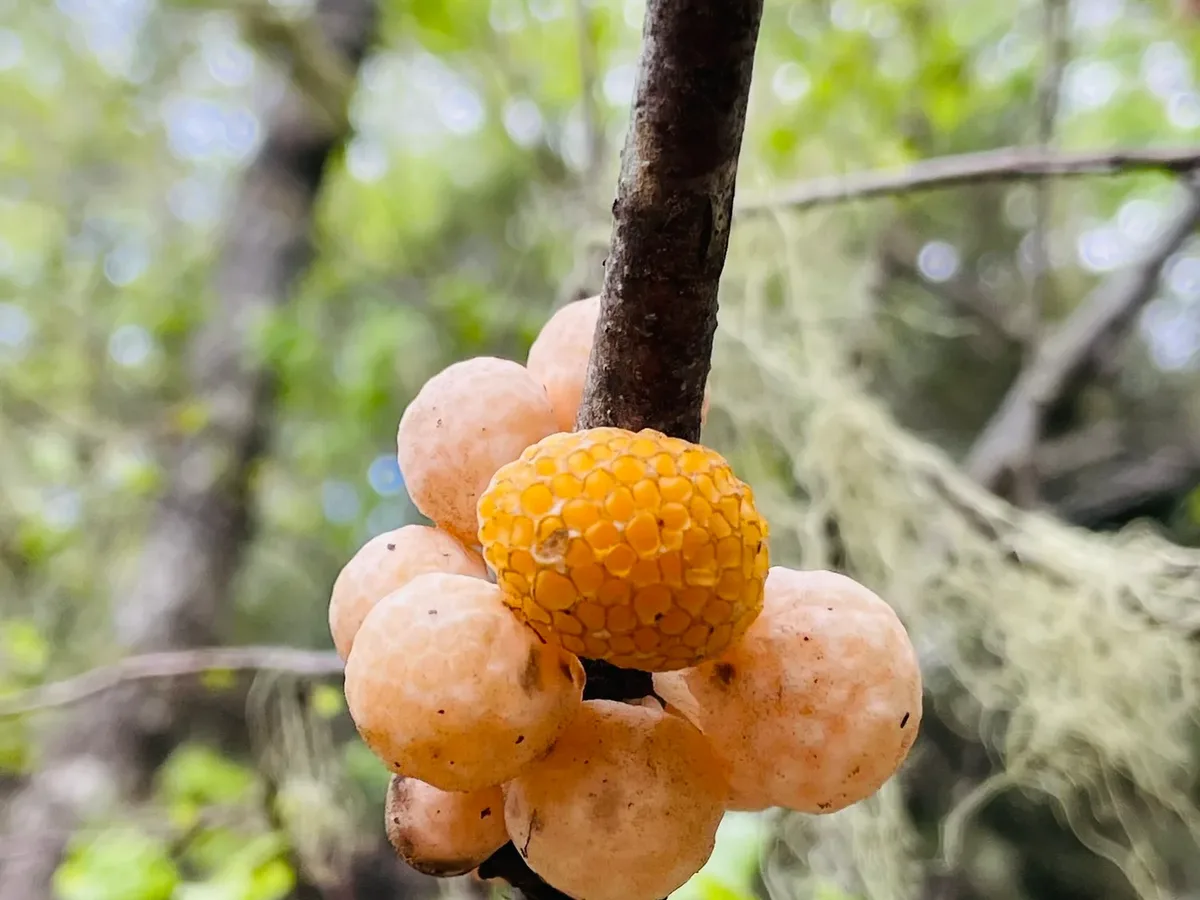 © Francisco E. Fonturbel (CC BY 4.0)
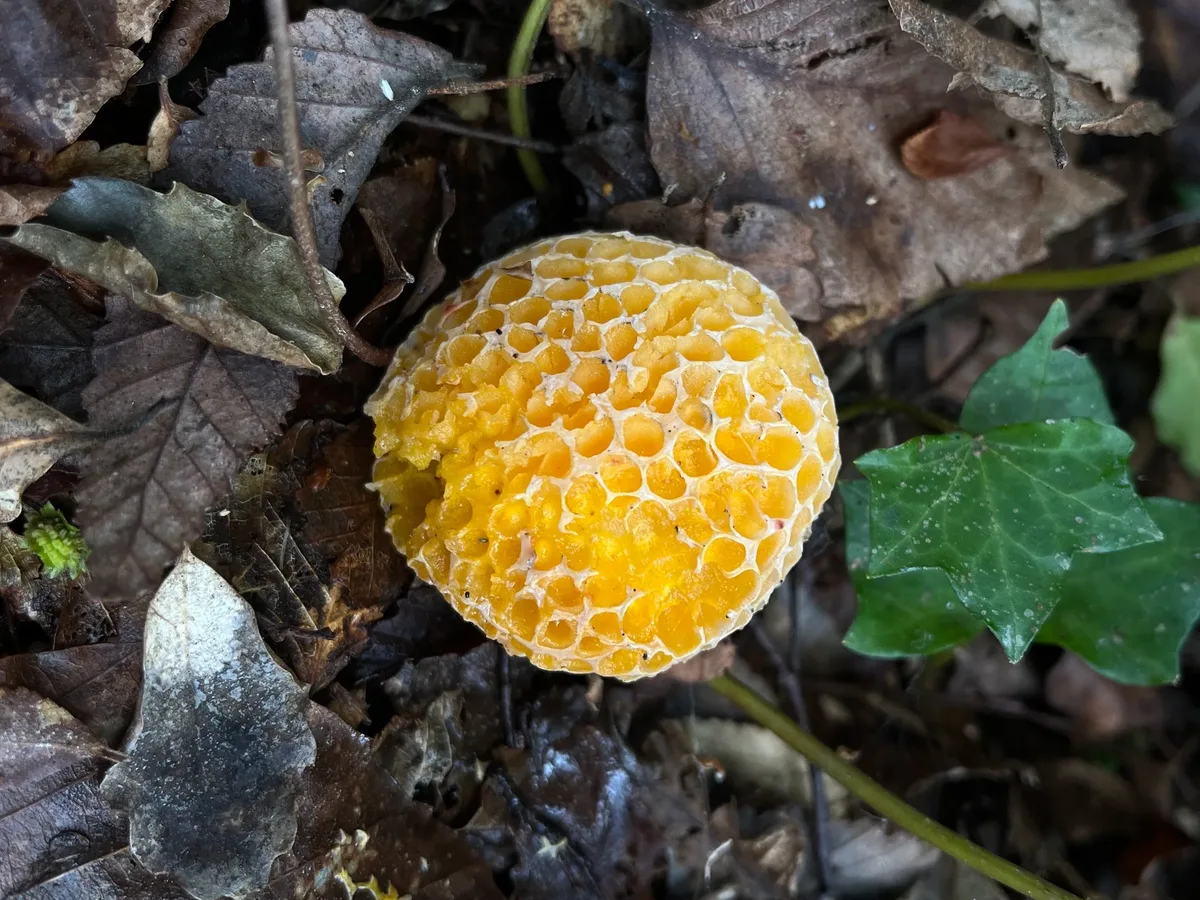 © Cristian Riquelme (CC BY 4.0)
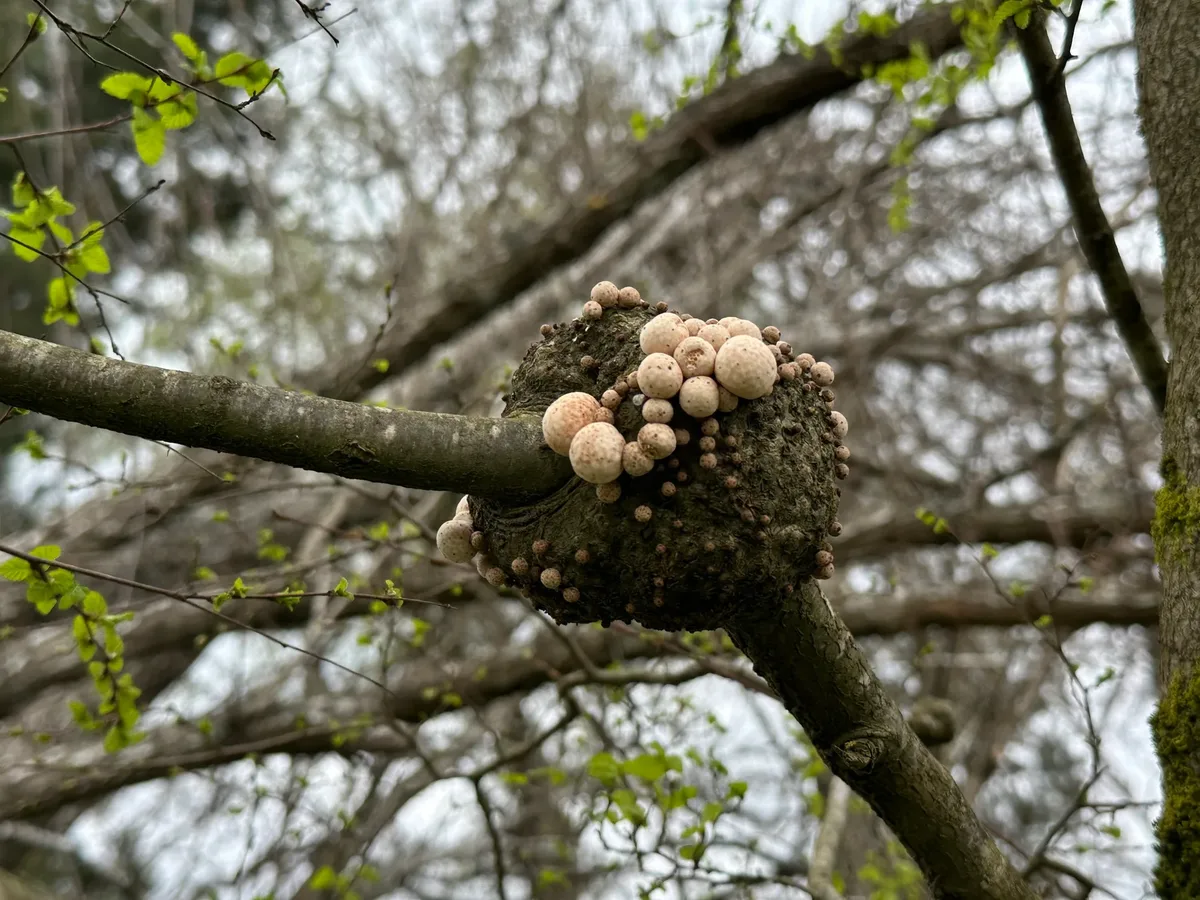 © nitsuga74 (CC BY)
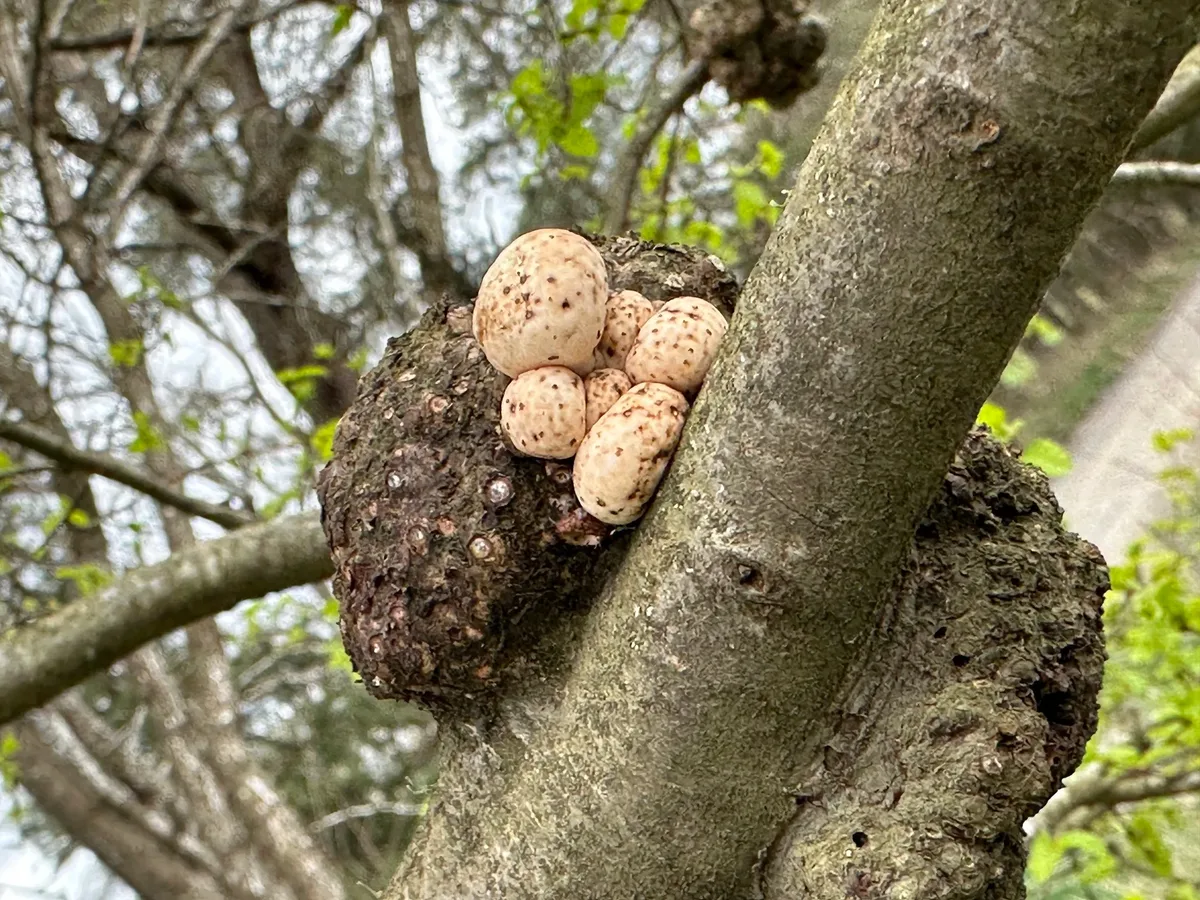 © nitsuga74 (CC BY)
 Matías Leonardo Alvarez Figueroa (CC0)
 © Pablo Silva (CC BY)
 © Juan Pablo Madriaga Núñez (CC BY-SA)
 © nitsuga74 (CC BY)
 © nitsuga74 (CC BY 4.0)
 © nitsuga74 (CC BY 4.0)
 © nitsuga74 (CC BY 4.0)
 © nitsuga74 (CC BY 4.0)
 © Cristian Riquelme (CC BY 4.0)
 © nitsuga74 (CC BY 4.0)© Francisco E. Fonturbel (CC BY 4.0)© Cristian Riquelme (CC BY 4.0)
One of the best mushrooms you can bring home - once you are certain of the identification.
How to recognise it
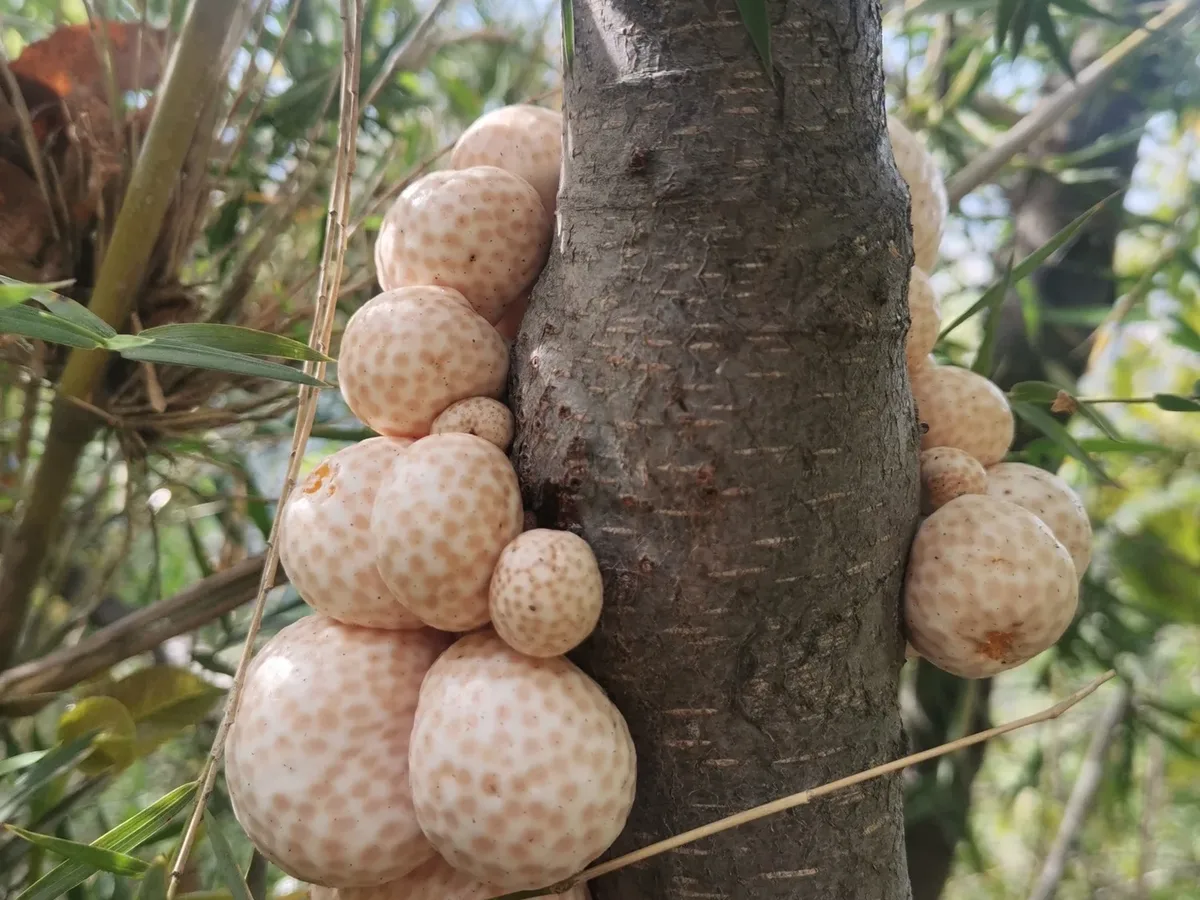
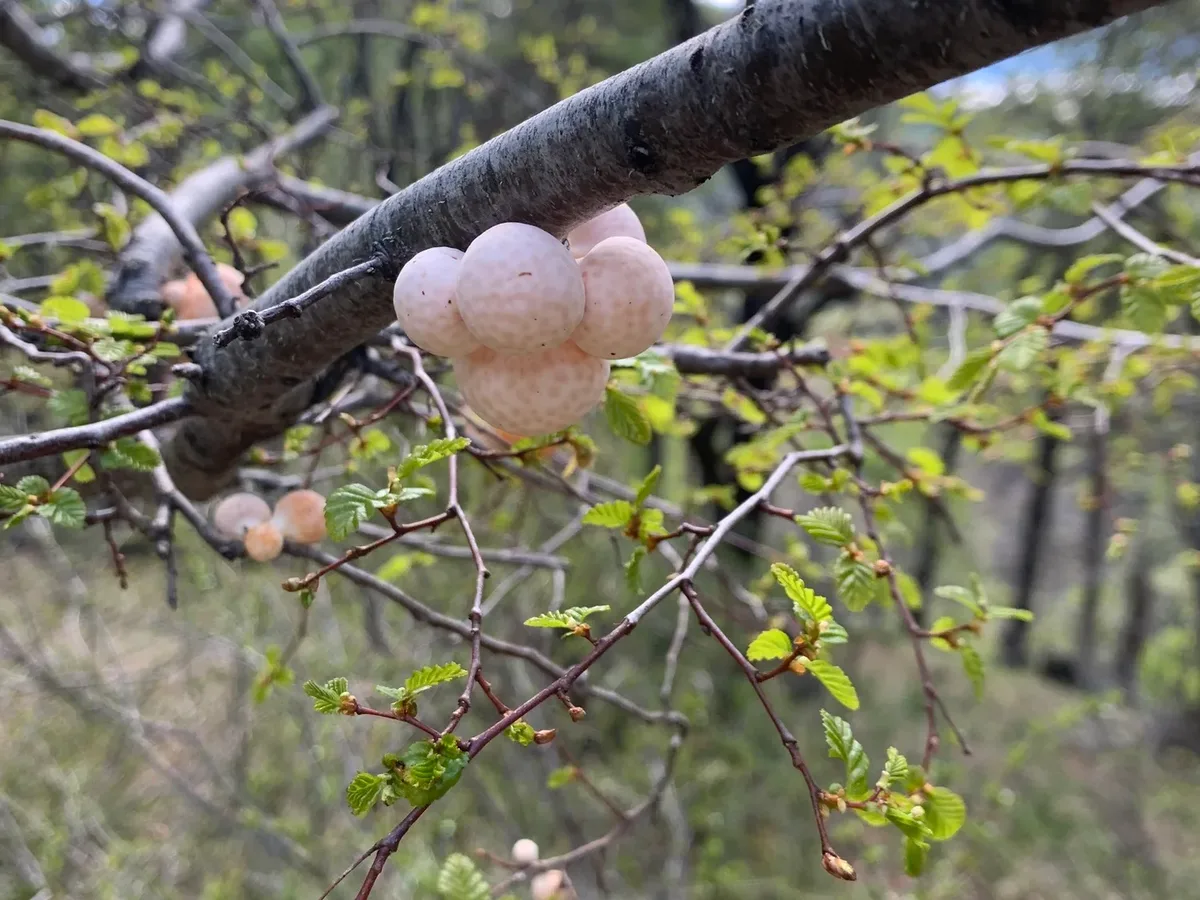
Cyttaria espinosae produces what mycologists call stromata - dense, fleshy masses of ascomycete tissue rather than the cap-and-stem architecture most people picture when they think of mushrooms.
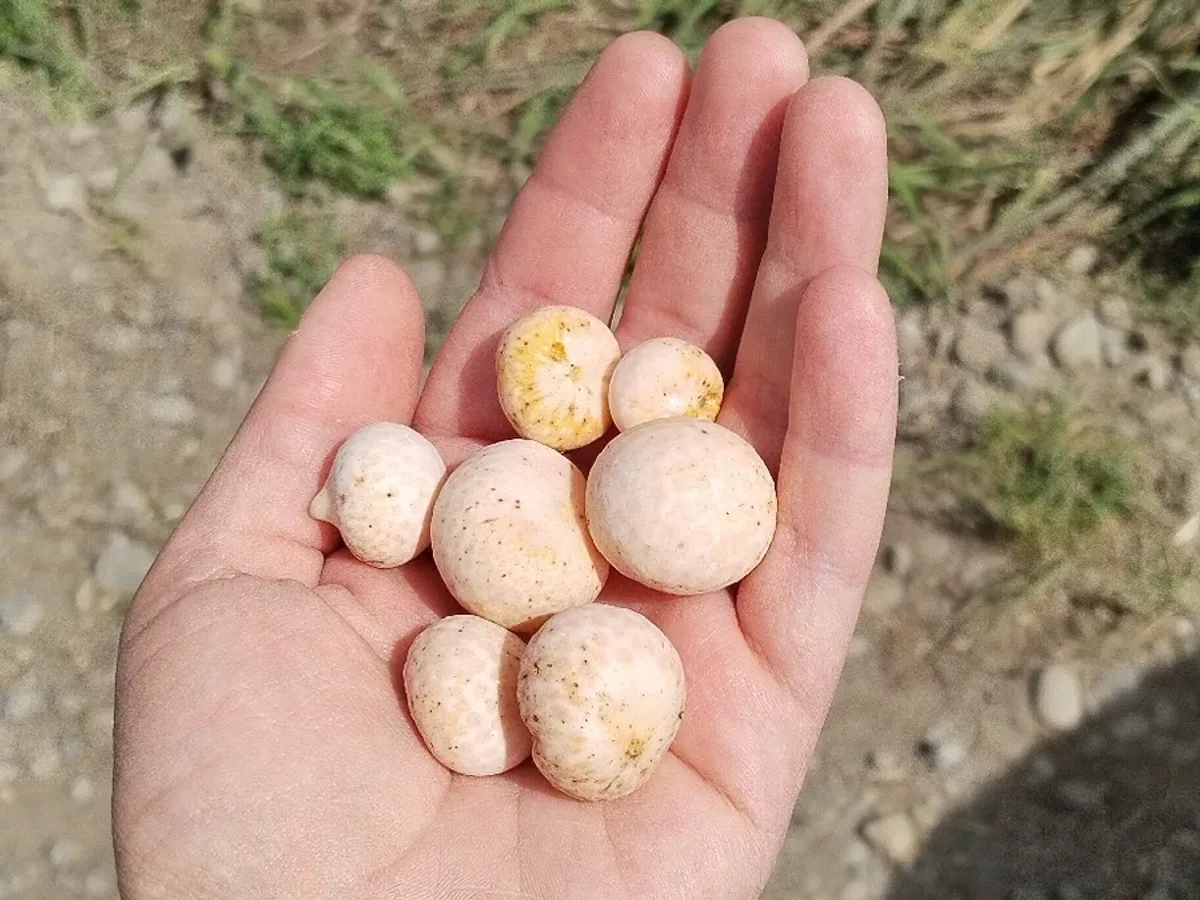
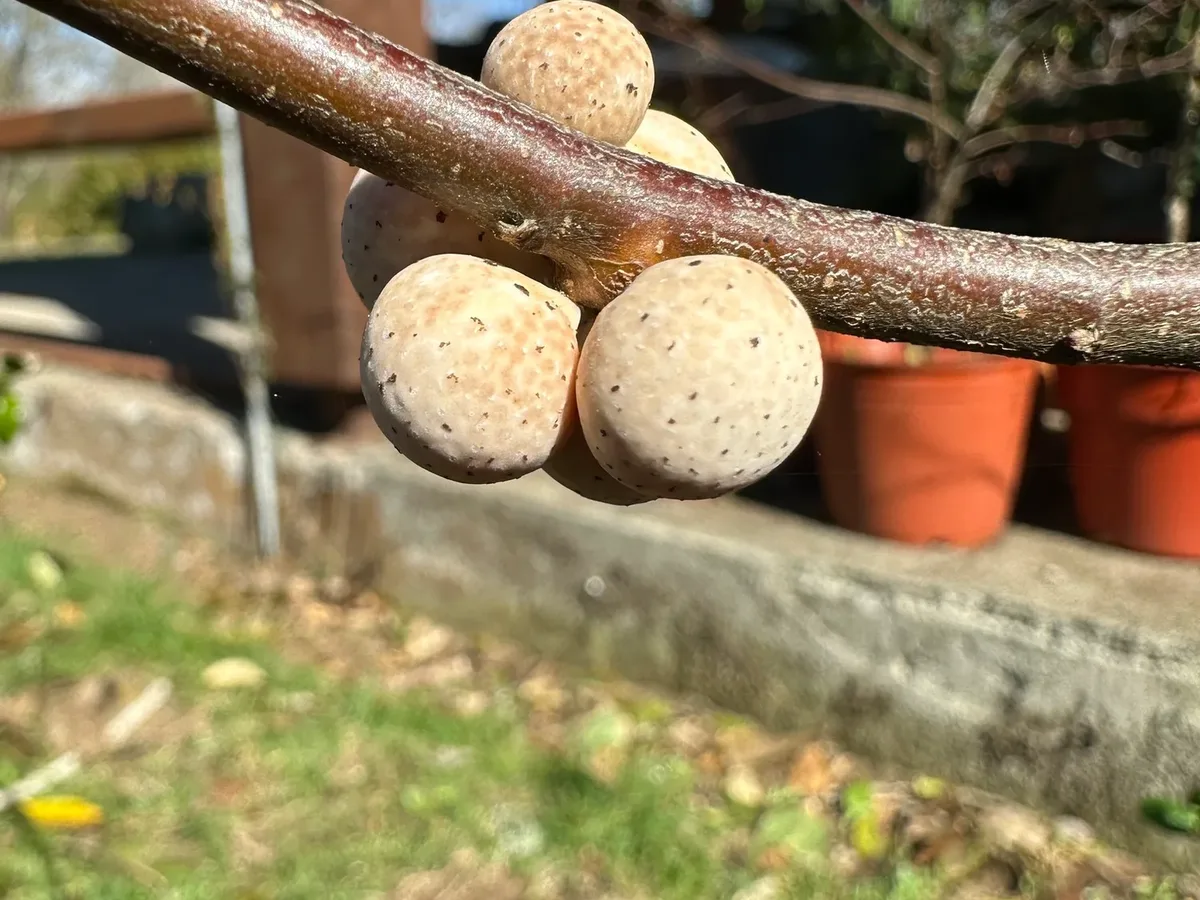
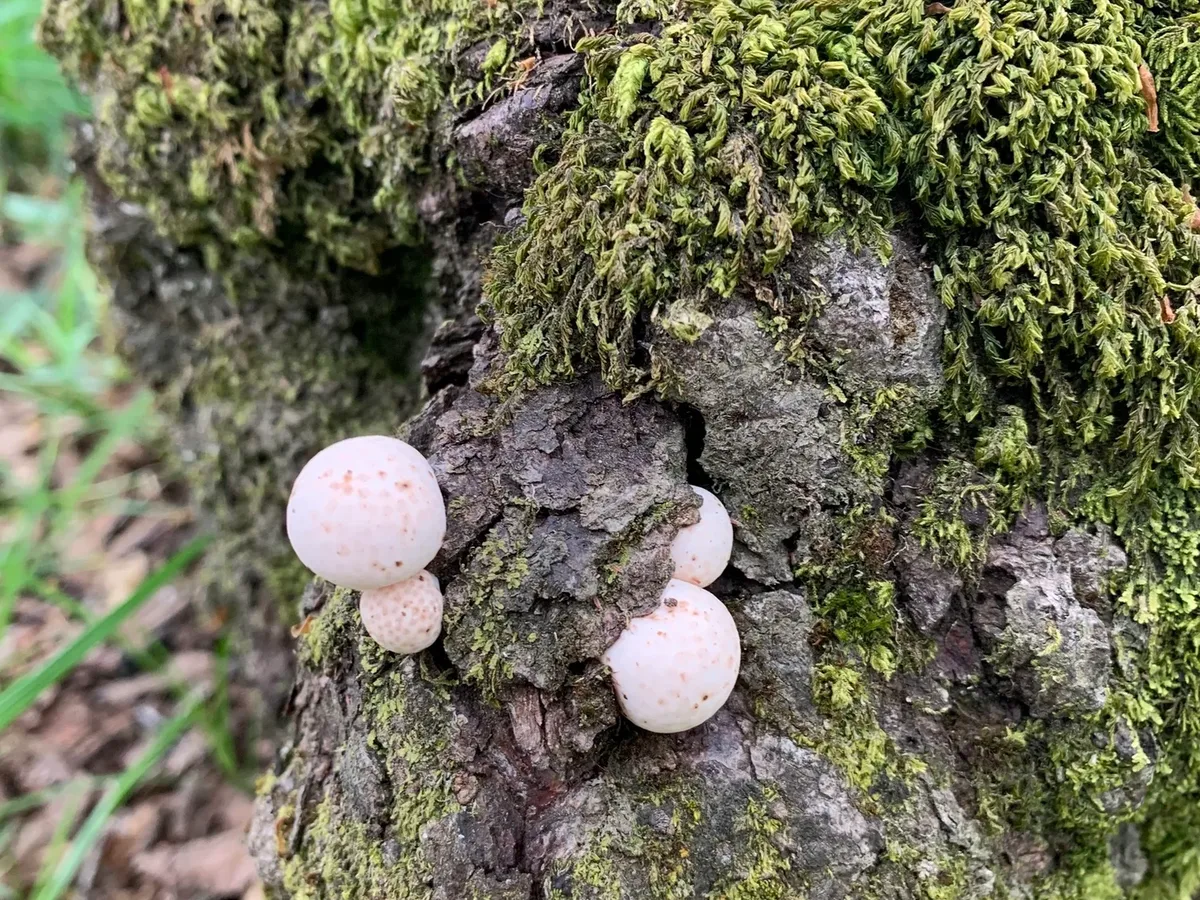
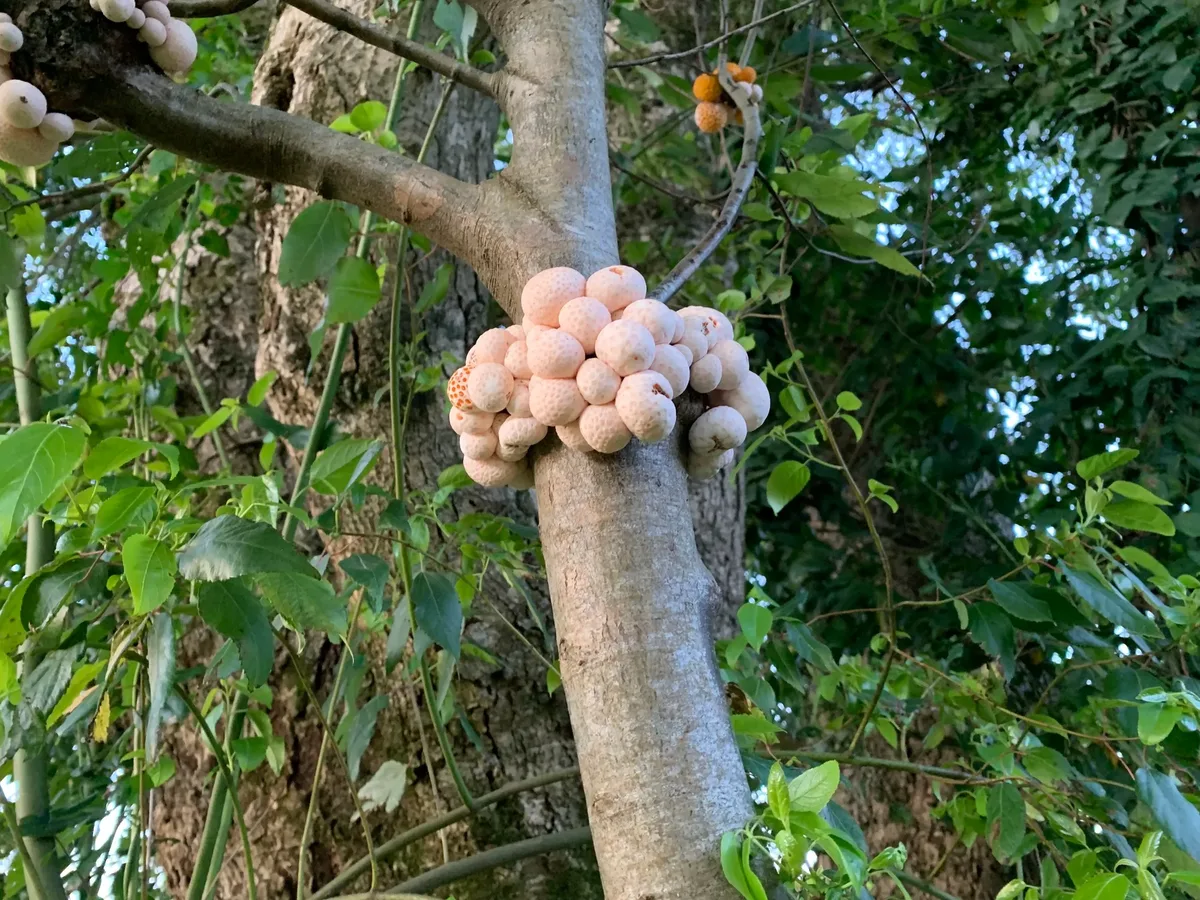
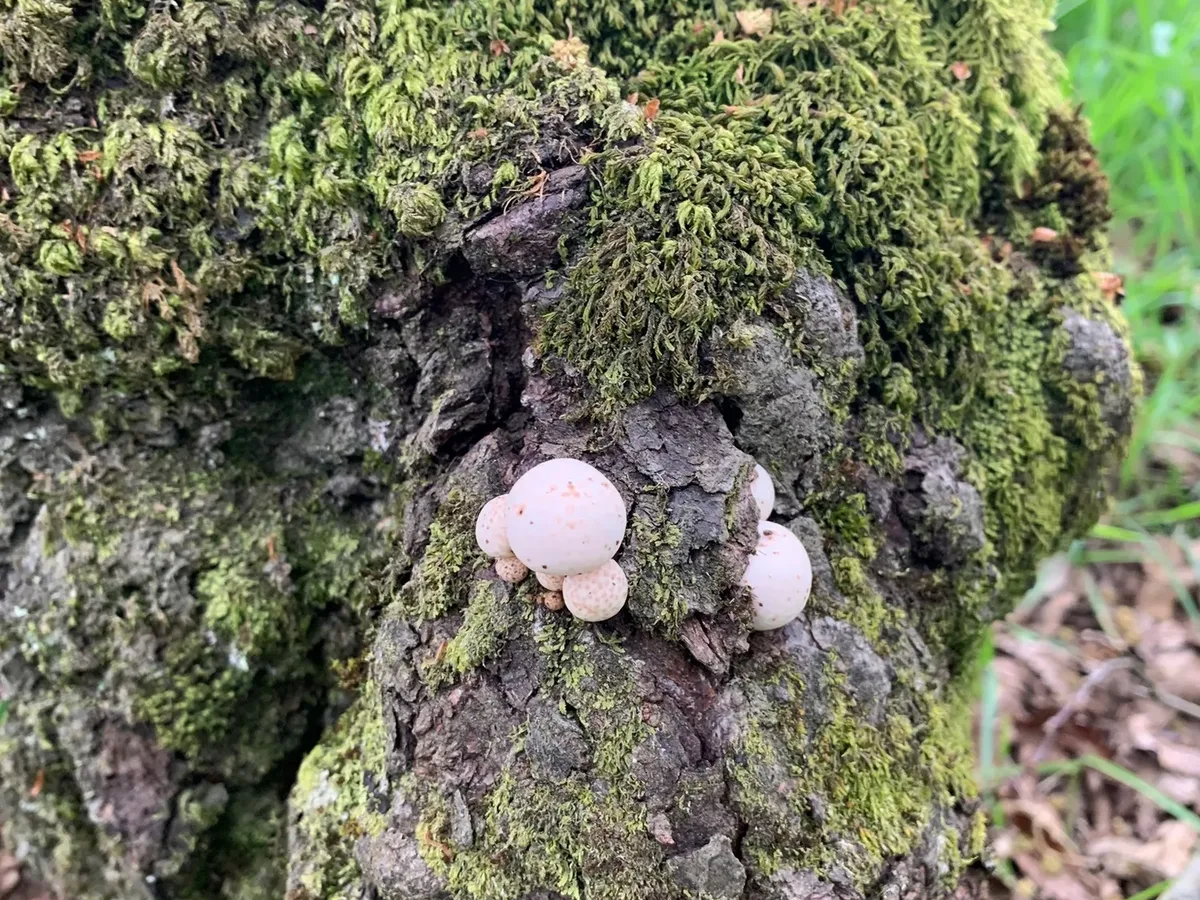
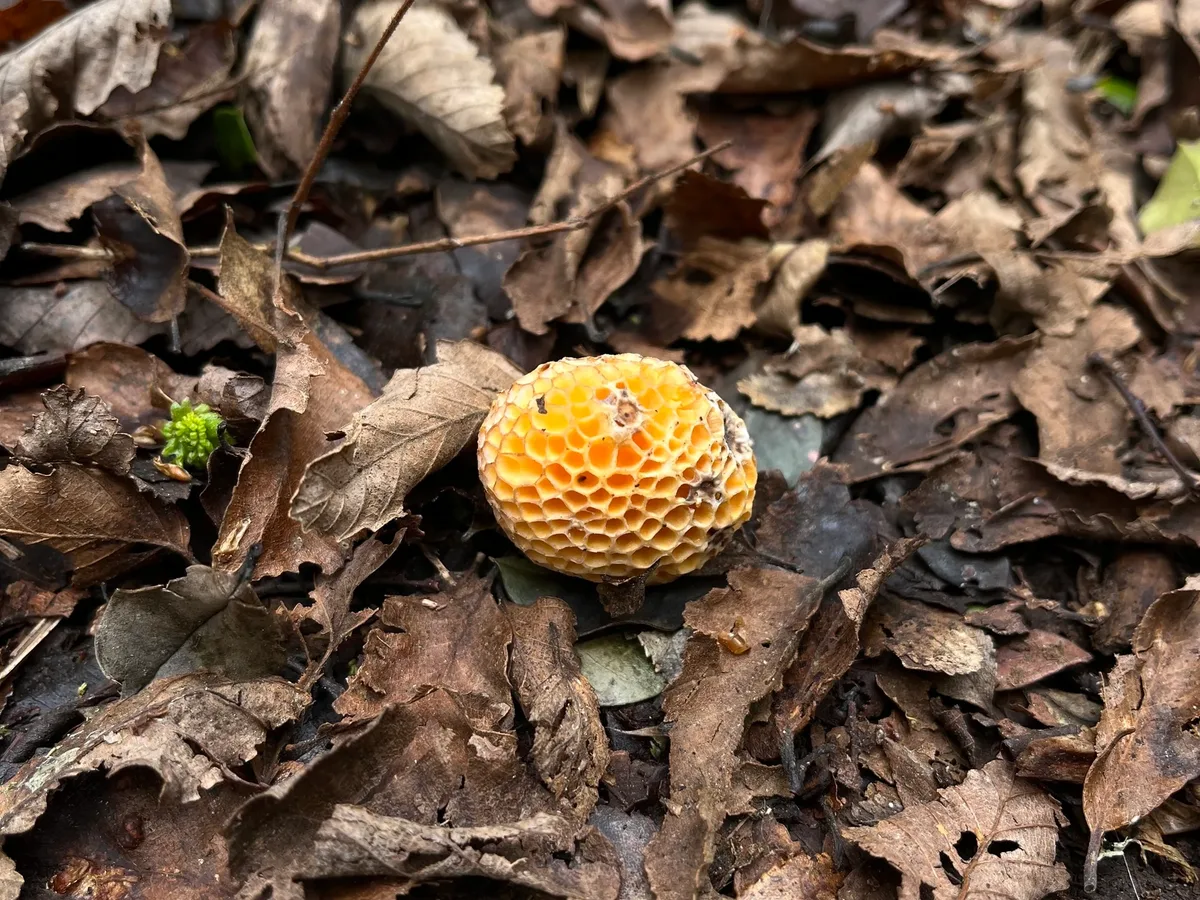
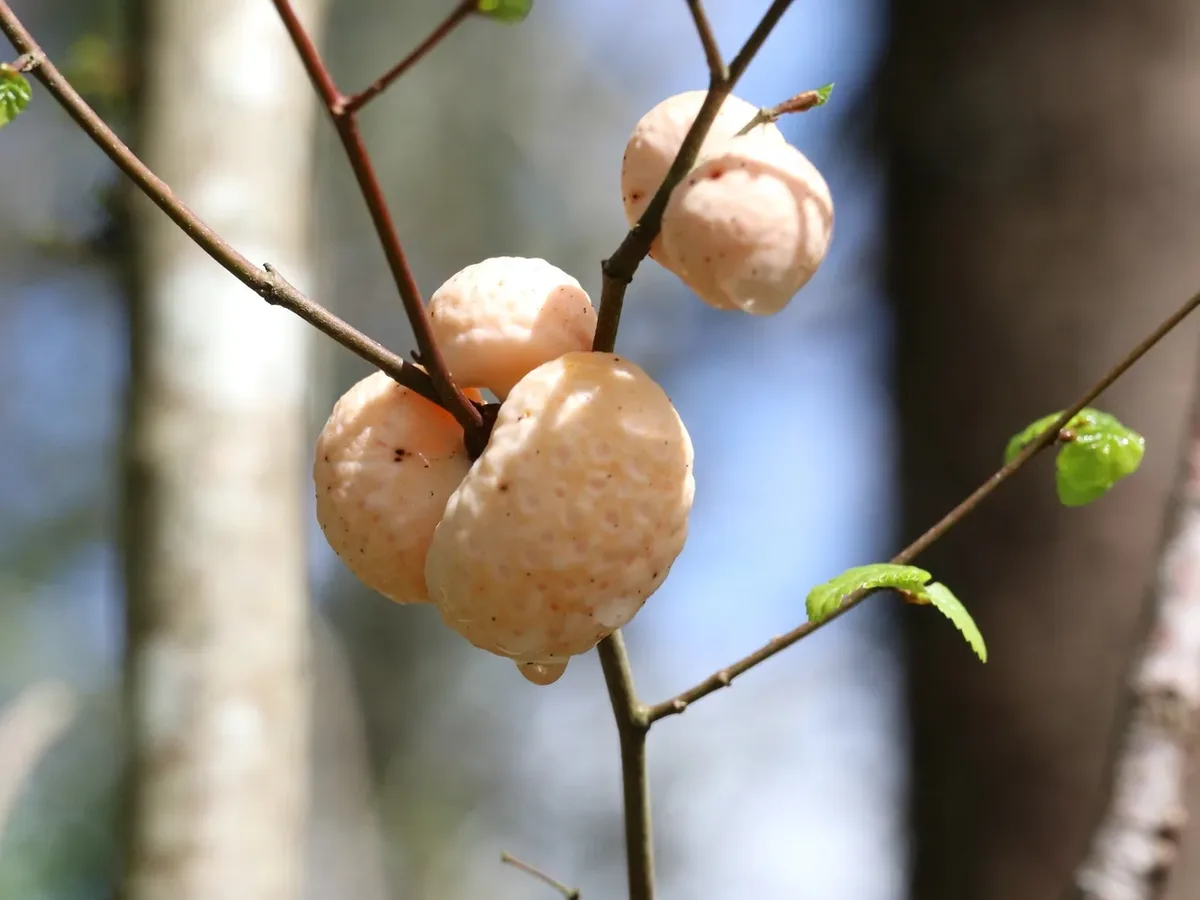
Each body is roughly spherical to slightly flattened, 1.5-5 cm across, and grows tightly clustered against the bark, so that a mature gall can carry a dozen or more pressed together like a bunch of pale grapes.
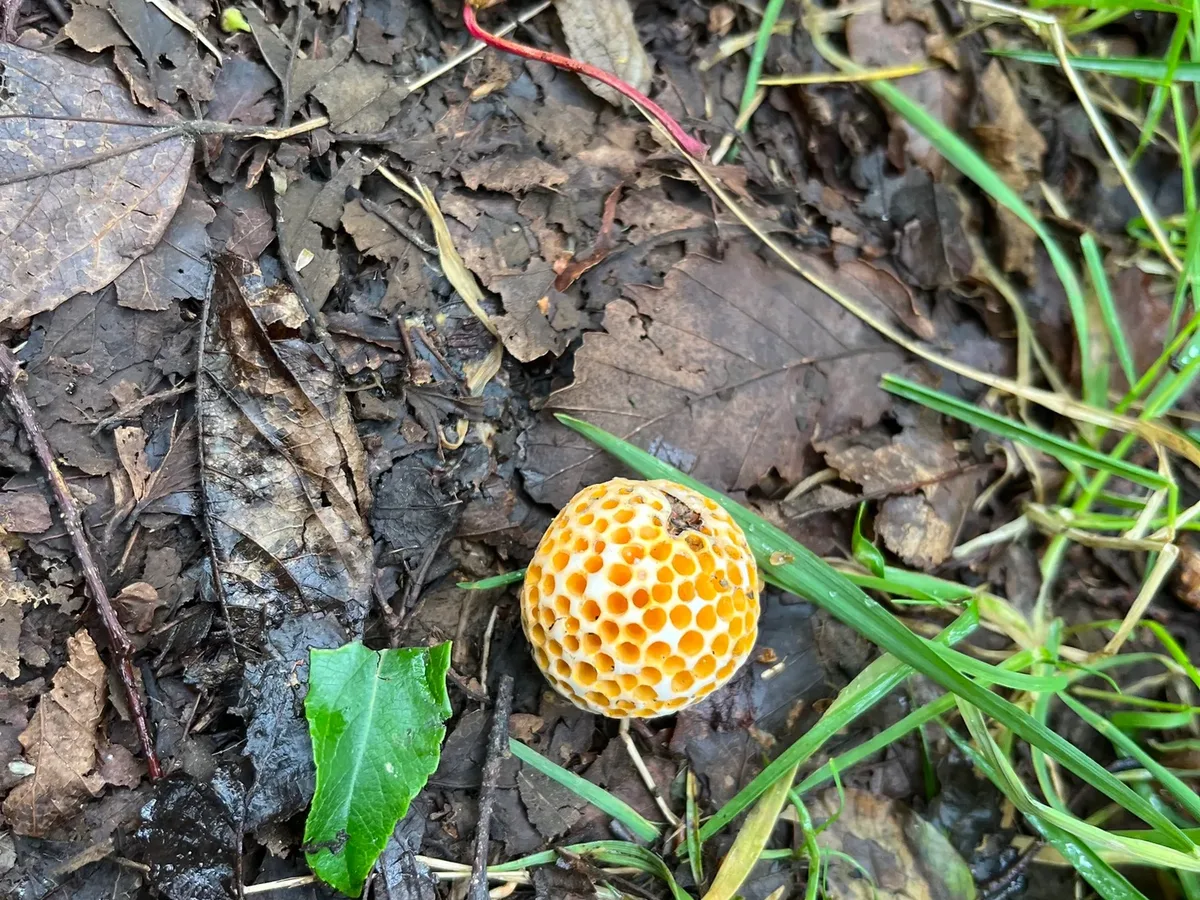
In the earliest stage - sometimes called the button phase - the surface is almost smooth and evenly coloured, ranging from cream-white through pale apricot to a warm orange-yellow that intensifies as the tissue expands.
Within days, the outer skin begins to pucker and indent as the asci (the spore-bearing sacs) push toward the surface, resolving into the unmistakable honeycomb or golf-ball dimpling that is the species' most distinctive visual signature.
The flesh throughout is gelatinous and translucent rather than firm; a cross-section reveals a homogenous, slightly rubbery interior with no gills, no pores, no distinct inner layers. The colour of cut flesh is pale cream.
Ripe bodies emit a faint, clean smell - pleasant and faintly mushroomy, never sharp or fermented.
At the overripe stage the dimples deepen, the colour shifts toward amber-brown, and the surface begins to weep a clear, slightly viscous liquid: a reliable sign that quality has passed its peak.
Where & when it grows
Habitat
The ecological address of Cyttaria espinosae is unusually precise: it grows only on living Nothofagus trees - the genus of southern beeches that dominates the temperate rainforests of southern South America.
Its primary host is Nothofagus obliqua (roble, hualle), though it has been recorded on closely related species including N. glauca and N. antarctica.
The fungus is not a soil organism at all; it lives entirely within the wood and bark of its host, obtaining its carbon directly from living tree tissue rather than from decomposing organic matter. This makes it a true biotroph - a parasite in the strict sense, though one that rarely kills its host outright.
The geographic range mirrors the Nothofagus forest belt almost exactly: south-central Chile from roughly Biobío south through the Araucanía and Los Lagos regions, and across the Andes into Argentine Patagonia.
Altitude matters: the species favours mid-elevation forest where the temperature stays cool and humidity is high, retreating to lower slopes in the deep south where beech grows closer to sea level. You will not find it in plantation forests, disturbed scrub, or anywhere Nothofagus is absent.
When
Fruiting is governed not by soil moisture or rainfall - the usual triggers for terrestrial fungi - but by the internal calendar of the host tree.
As Nothofagus obliqua breaks dormancy in the Southern Hemisphere spring, stored sugars move through the branch tissue, and the resident fungal mycelium responds by pushing its stromata through the gall surface almost simultaneously across the tree. The result is a remarkably synchronised flush: a tree that shows no external sign of infection one week can be covered in clusters the next.
Regional windows:
- In central Chile (Biobío, Araucanía), the main window runs from September into November, with peak abundance typically in late September and October.
- Further south, in Chiloé and into Argentine Patagonia, cooler conditions shift the peak toward October and November.
- At the extreme southern end of the range, harvest can begin as early as August.
Individual fruitbodies have a lifespan of roughly one to three weeks before they overripen and collapse. Total harvest season at any one location is often just three to five weeks - short enough that local pickers treat the first sighting of the year as a genuine event.
How it grows
The life cycle of Cyttaria espinosae is anchored to a structural feature that has no real parallel among familiar edible fungi: the perennial woody gall.
When fungal ascospores - released from the previous year's dimpled pits - land on young Nothofagus bark and germinate, the invading mycelium spreads through the branch's cambium and conducting vessels.
The tree responds with a vigorous cell-proliferation defence, surrounding the fungal tissue in a swelling mass of abnormal wood that hardens into a permanent gall. This gall is not a dead scar: it stays metabolically active, connected to the tree's vascular system and able to supply the fungus with carbohydrates year after year.
Each spring, the mycelium already present in the gall mobilises those resources to produce a fresh flush of stromata, which erupt through the bark surface in the characteristic tight clusters. A single large gall can be decades old and may have fruited every spring throughout that time.
The individual fruiting bodies emerge rapidly, expanding from pin-size to full 3-5 cm in a matter of days under warm, humid spring conditions, and then senesce equally quickly.
There are no mycelium cords spreading through leaf litter, no underground network extending toward other trees; the entire organism is bound to its host.
Fruiting conditions
Fruiting is host-driven rather than soil-moisture-driven: stromata emerge from perennial galls on living Nothofagus branches during Southern Hemisphere spring (roughly September-November), so timing tracks host phenology and warming rather than rainfall.
Look-alikes
The combination of substrate, structure, and geography eliminates almost every dangerous species from consideration. Cyttaria espinosae grows only from living Nothofagus wood, in tight clusters, as a gelatinous honeycomb-pitted ball with no cap, no gills, no stipe, and no volva. No deadly or seriously toxic fungus shares this combination of characters.
The only realistic confusion is within the genus itself: roughly a dozen Cyttaria species grow on various southern beech hosts across South America, New Zealand, and Australia, and several occur in overlapping territory in Patagonia. Cyttaria darwinii, described by Charles Darwin on the Beagle voyage, is among the best-known.
All Cyttaria species studied to date are considered edible and are used as food where they occur; none are known to be toxic.
In practice, regional pickers distinguish between local species by the specific host tree, the size and colouration of the fruiting bodies, and whether the dimpling is deep and regular or shallow and irregular - but for safety purposes the distinction is largely academic.
The single important field rule is to confirm the host: if the balls are growing from Nothofagus bark (or directly from a visible gall on such bark) and match the honeycomb-pitted shape, they are Cyttaria and are safe. Nothing toxic mimics this combination.
Other Cyttaria species growing on southern beech are all edible; the yellow cluster form on Nothofagus is unmistakable, with practically no dangerous look-alikes.
In the kitchen
Picking & cleaning
Harvesting Cyttaria espinosae is a practice with deep cultural roots in the Mapuche traditions of the Araucanía and surrounding regions, and the field methods have changed very little over generations.
Clusters hang from branches at all heights. Low-hanging galls are simply picked by hand, while those out of reach are traditionally knocked down with long bamboo poles - a sight still common along roads through southern beech forest in October and at rural roadside markets from Temuco south.
Quality at the point of picking comes down to colour and firmness:
- Seek specimens in the cream-to-apricot range with a taut, slightly springy surface and no weeping fluid.
- Avoid anything already amber-brown, soft, or slick.
Because the flesh is gelatinous, it deteriorates quickly once detached from the tree; a field-to-kitchen time of a few hours is ideal, and the raw product should be eaten or cooked within one to two days at most. Store loosely (not sealed in plastic) in a cool place.
A brief rinse in cold water removes bark debris; a small amount of apple cider vinegar in the water is a traditional trick to firm the texture slightly and reduce the slippery surface.
Drying or freezing both flatten the flavour and alter the texture noticeably, though Chilean researchers have shown that freeze-drying and microwave-vacuum drying preserve quality better than conventional methods for export purposes.
Cooking
The flavour of Cyttaria espinosae is delicate - mild, faintly sweet, with a subtle earthiness and a clean finish - and the gelatinous, slightly bouncy texture is unlike any temperate European or North American edible mushroom. The combination rewards simple preparations that let the ingredient speak.
The most traditional use is raw: rinsed clusters dressed with finely sliced onion, fresh cilantro, a squeeze of lemon juice or a splash of apple cider vinegar, and a little salt. The acid firms the jelly slightly and lifts the flavour.
Equally popular is a quick pan preparation with butter or oil and eggs - the digüeñe revuelto - where the heat just sets the flesh without turning it rubbery.
The mild sweetness also works in a la parmesana preparations (with tomato, ham, cheese, briefly gratinated), inside empanadas, or as a warm side dish alongside grilled meats.
For preservation, freeze-drying gives the best results for reconstitution, though the fresh product is always superior.
Because the gelatinous structure breaks down with prolonged heat, long braises or extended cooking times work against the texture; high-heat, short-contact methods (a hot pan, a brief gratinate, raw with acid) give the best results. Pair with acidic, herby, or lightly savory accompaniments - heavy cream sauces or rich stews tend to overwhelm rather than complement.
Good to know
Cyttaria espinosae has a long record of safe human consumption stretching back centuries through Mapuche food culture. Today it is the subject of active commercial interest in Chile, where it is sold fresh at markets and exported dried or canned to Germany, the United States, Canada, and Japan.
No toxins have been identified in the species. The main safety concern is not toxicity but freshness.
Overripe specimens - identifiable by a darkening colour, soft texture, and weeping clear fluid - can cause mild gastrointestinal upset, almost certainly due to bacterial spoilage or fermentation of the gelatinous flesh rather than any intrinsic compound in the fungus.
Eating fully fresh, firm specimens that have been rinsed and cooked or consumed the same day carries no known risk. People with general mushroom sensitivities or latex-fruit syndrome are advised to try a small portion first, as with any novel edible fungus.
Because the species grows only on living Nothofagus - a distinctive and geographically limited host - misidentification is extremely unlikely for anyone who has confirmed the substrate. There are no records of serious poisoning attributable to Cyttaria espinosae in the scientific or clinical literature.
A reference guide - never an edibility guarantee. When in doubt, leave it out.