Poplar mushroom
Cyclocybe parasiticasyn. Agrocybe parasitica
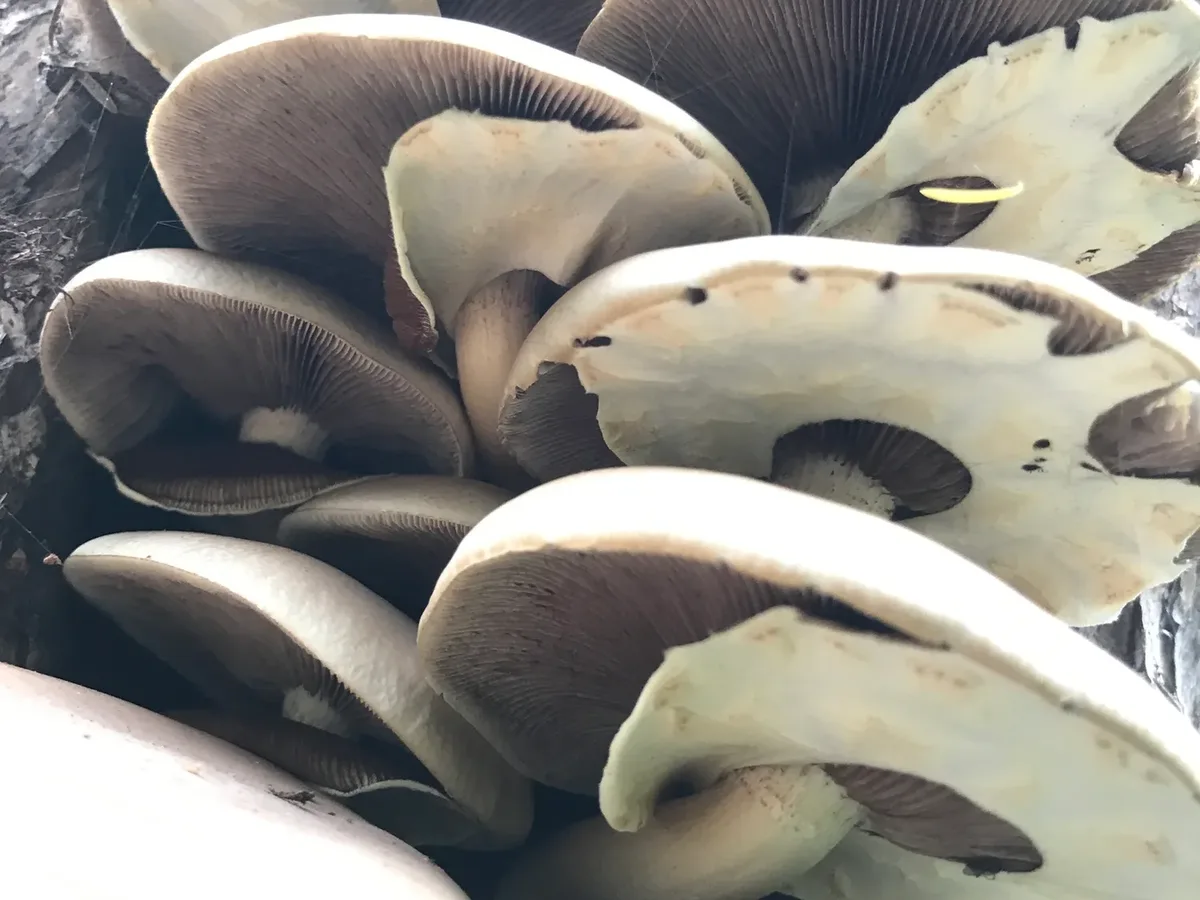 © Stephen Hartley (CC BY 4.0)
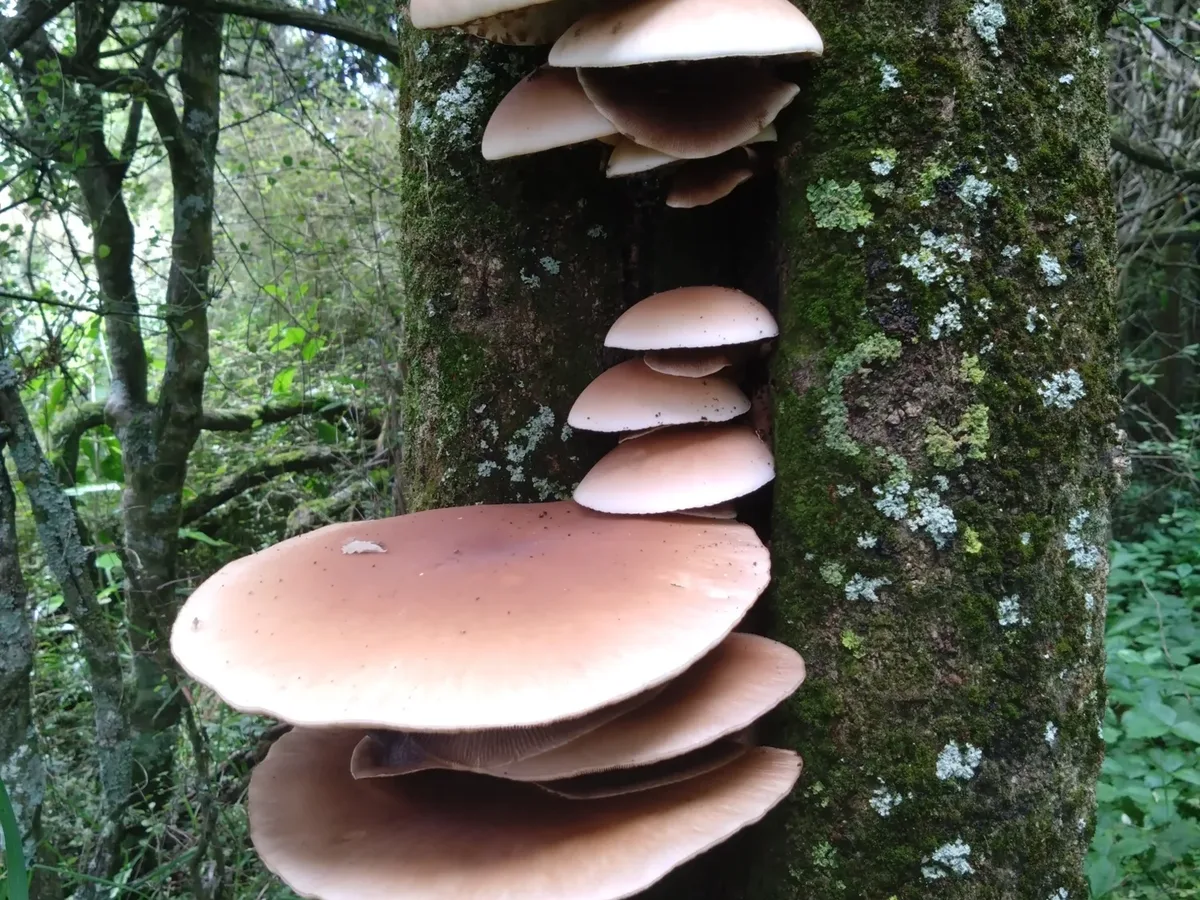 © theylooklikeus (CC BY 4.0)
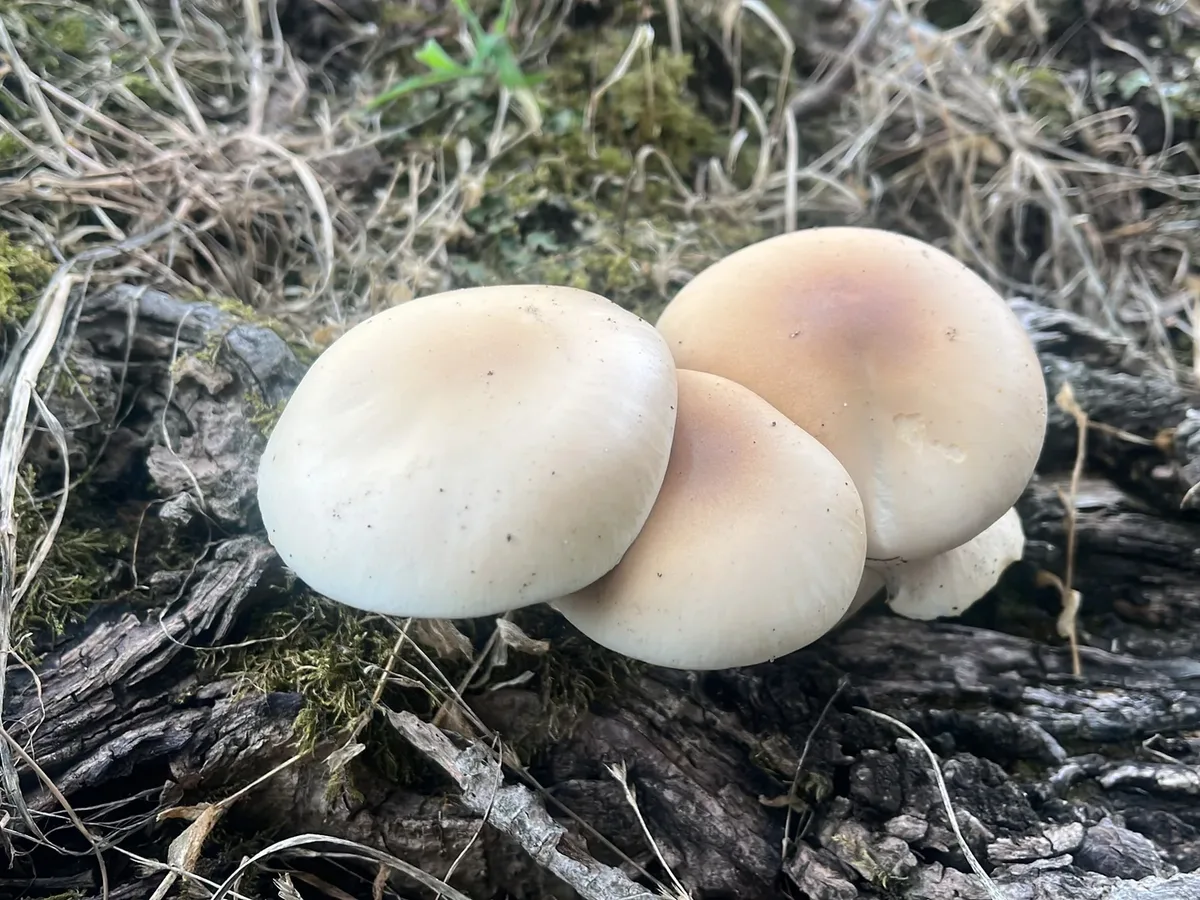 fyodor (CC0)
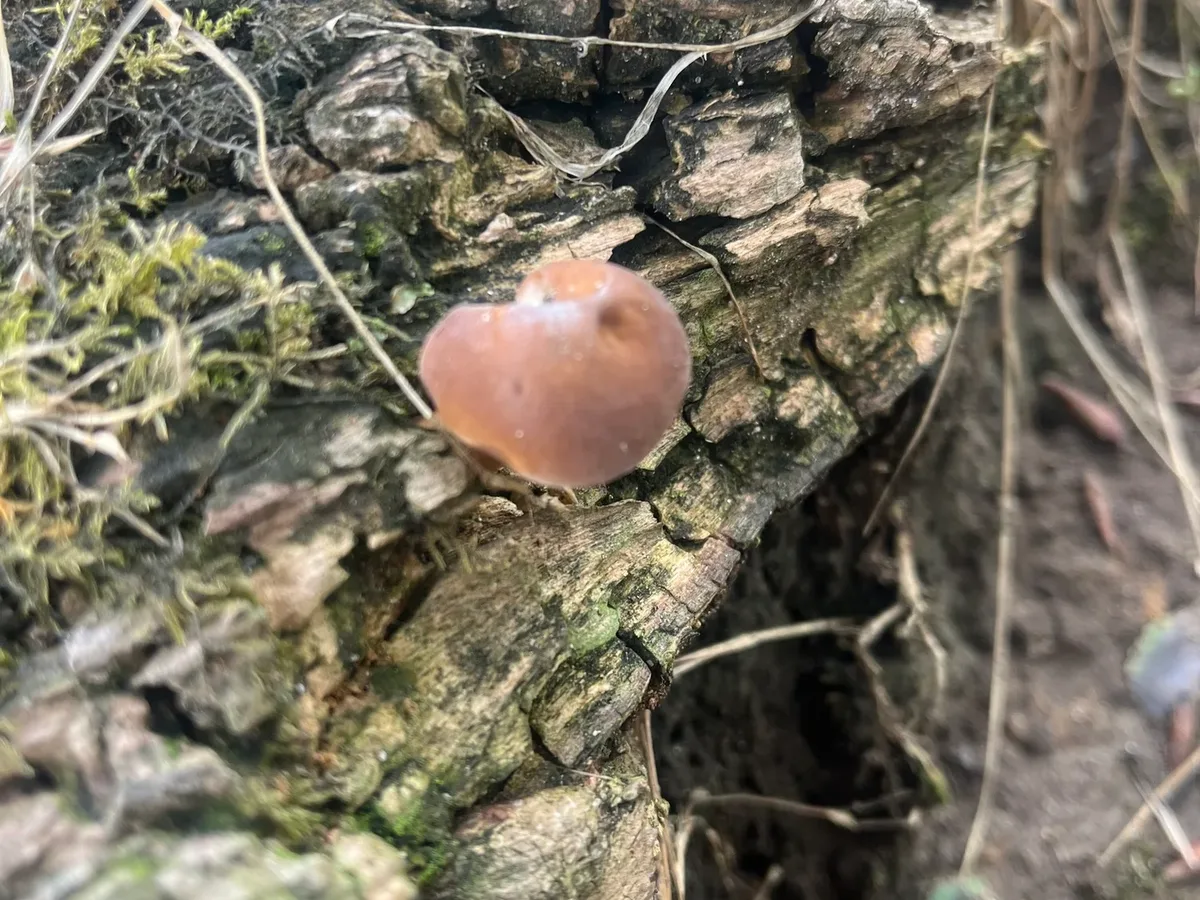 fyodor (CC0)
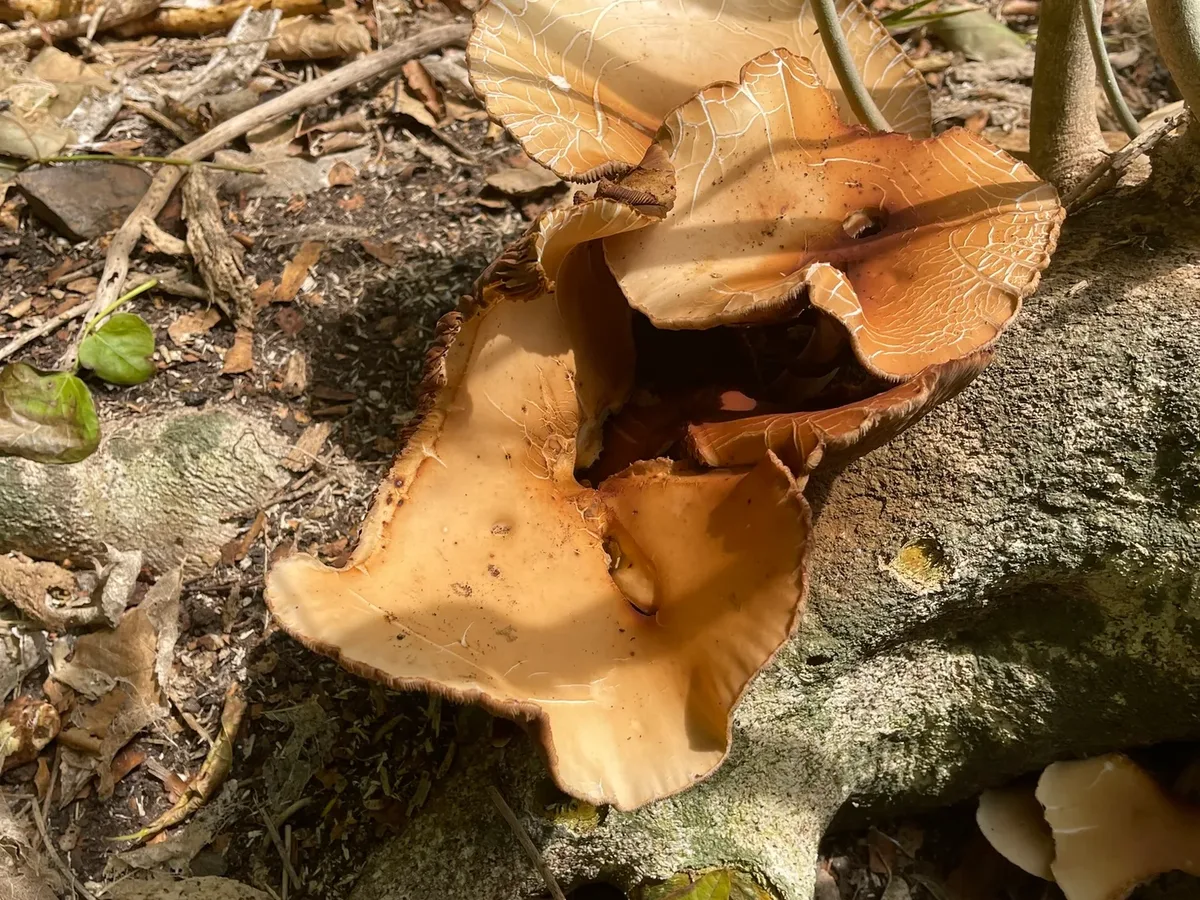 © mcstanley (CC BY)
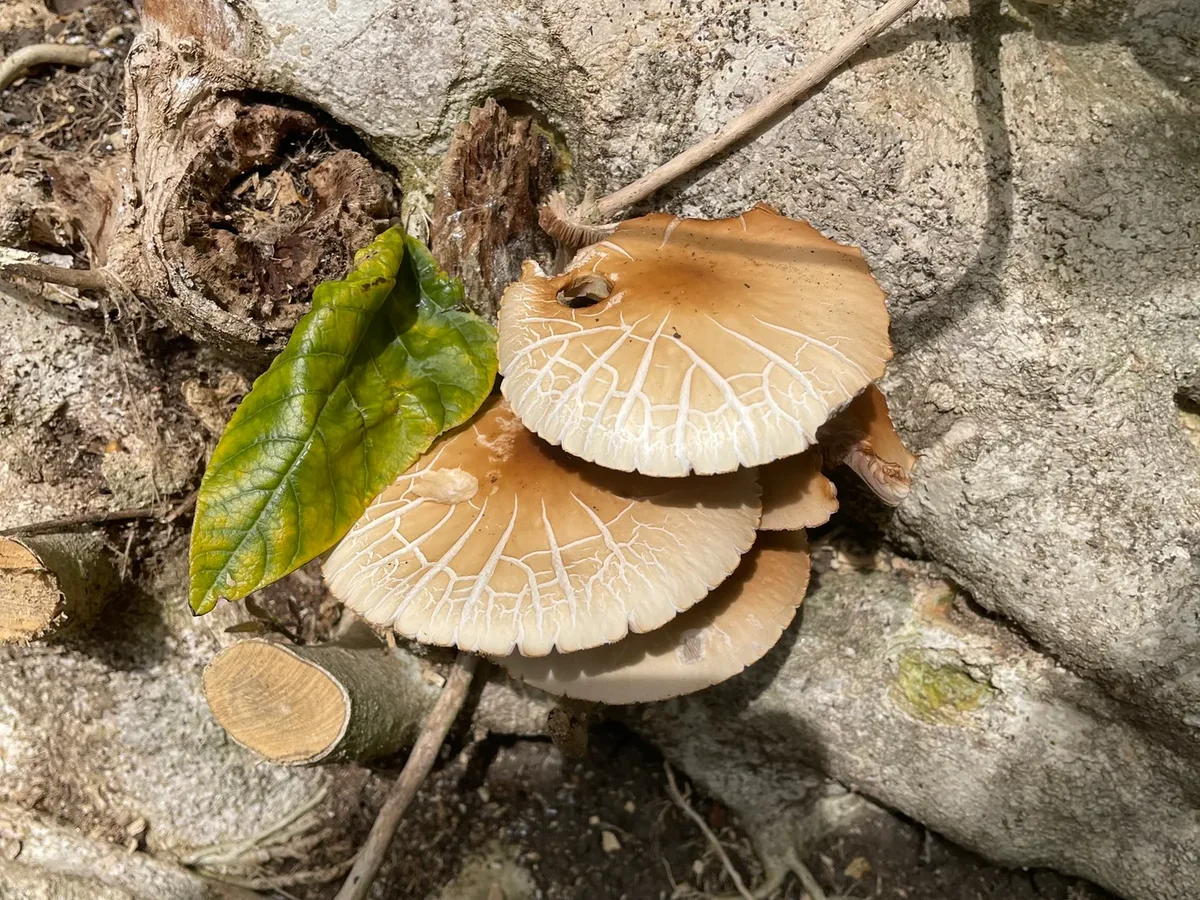 © mcstanley (CC BY)
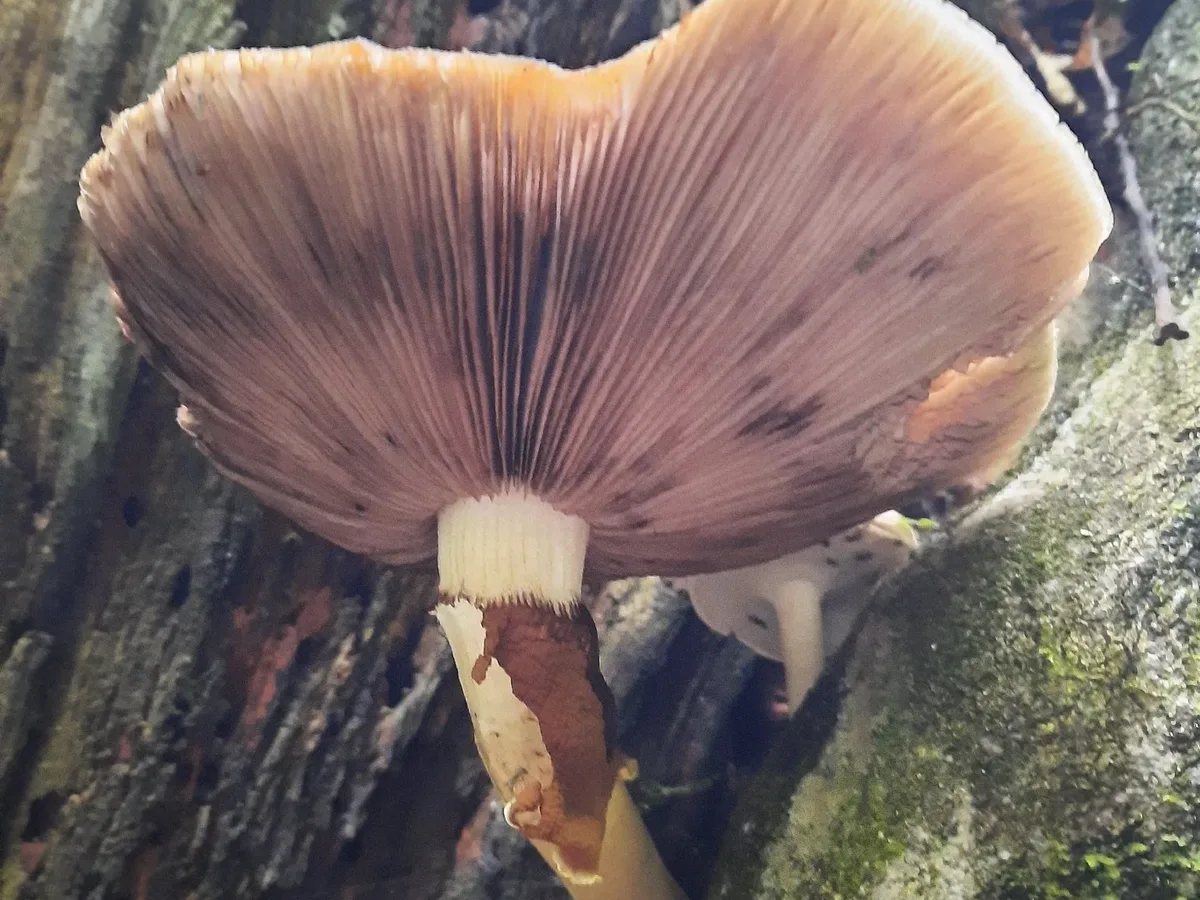 Max Elysian (CC0)
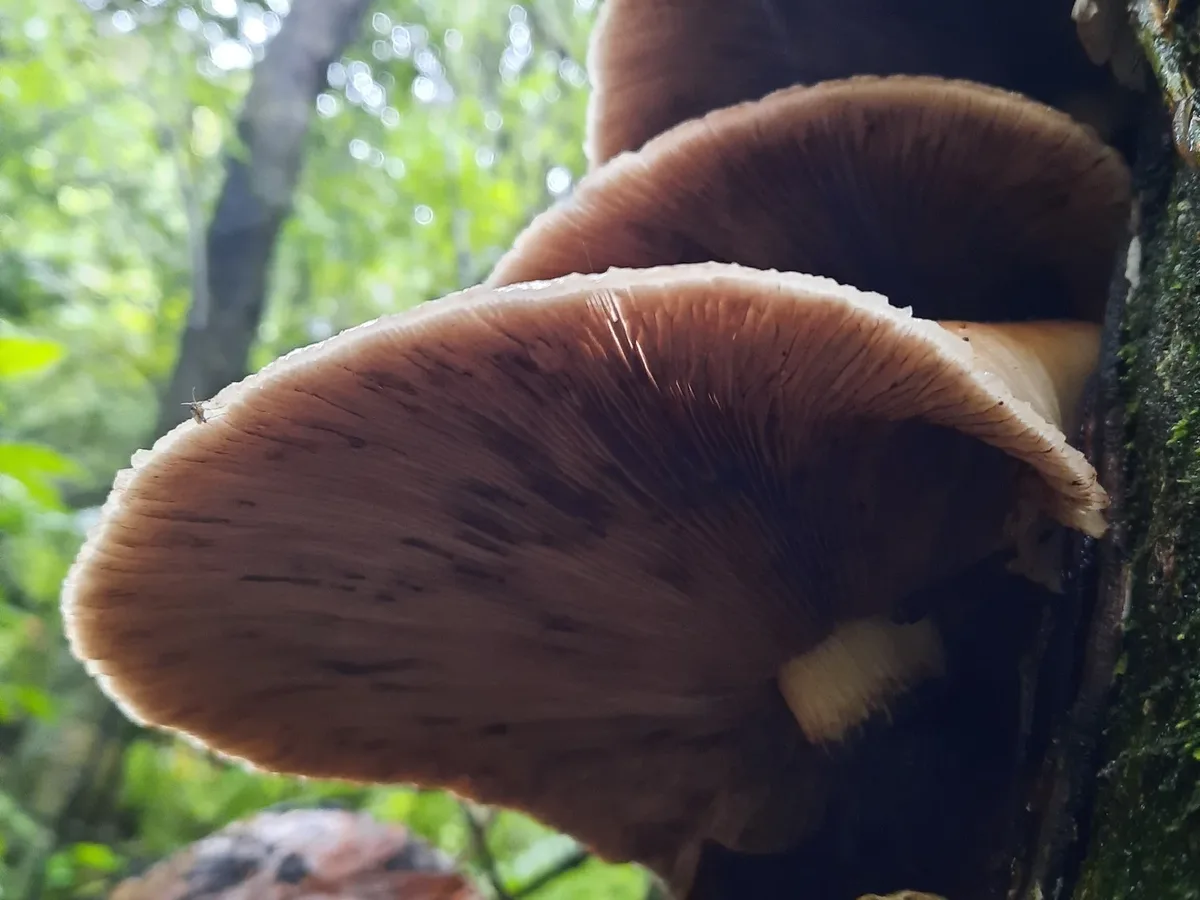 Max Elysian (CC0)
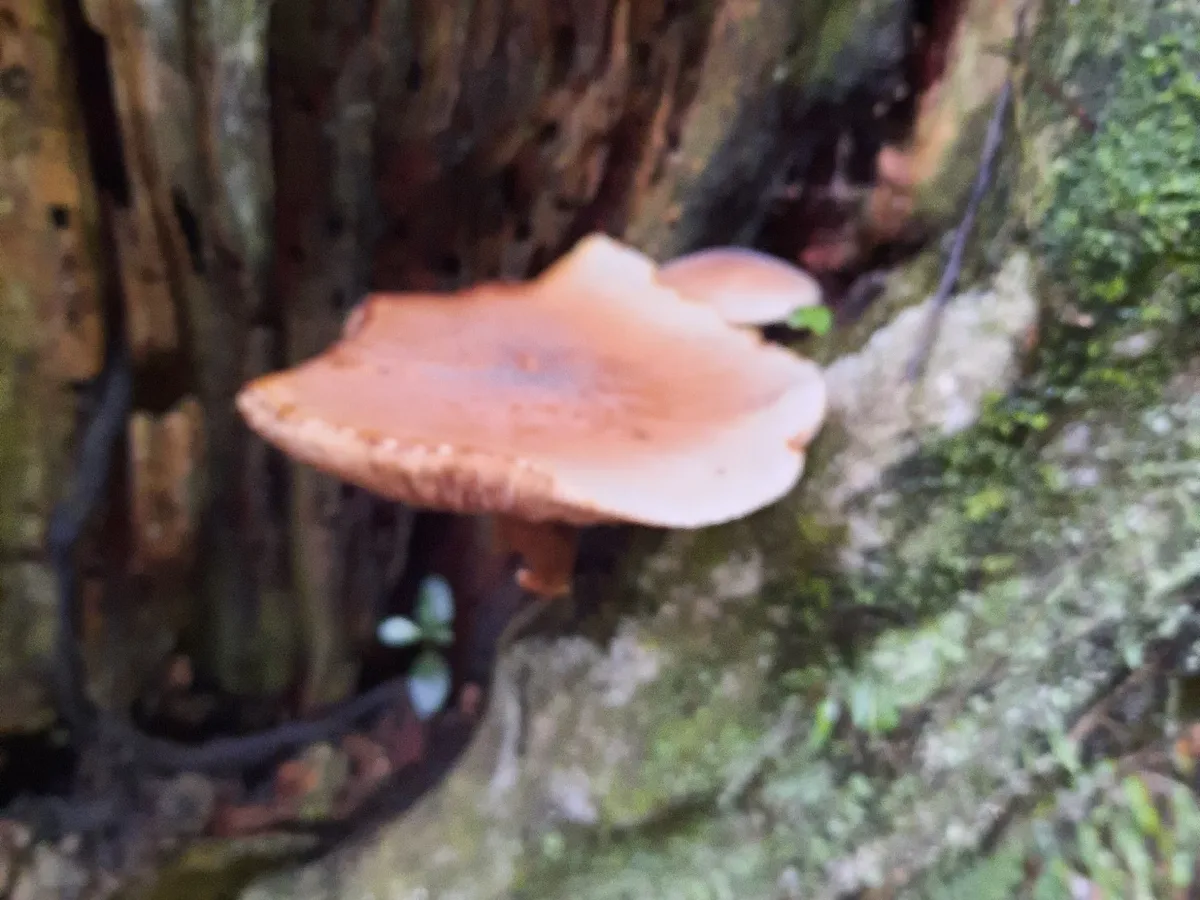 Max Elysian (CC0)
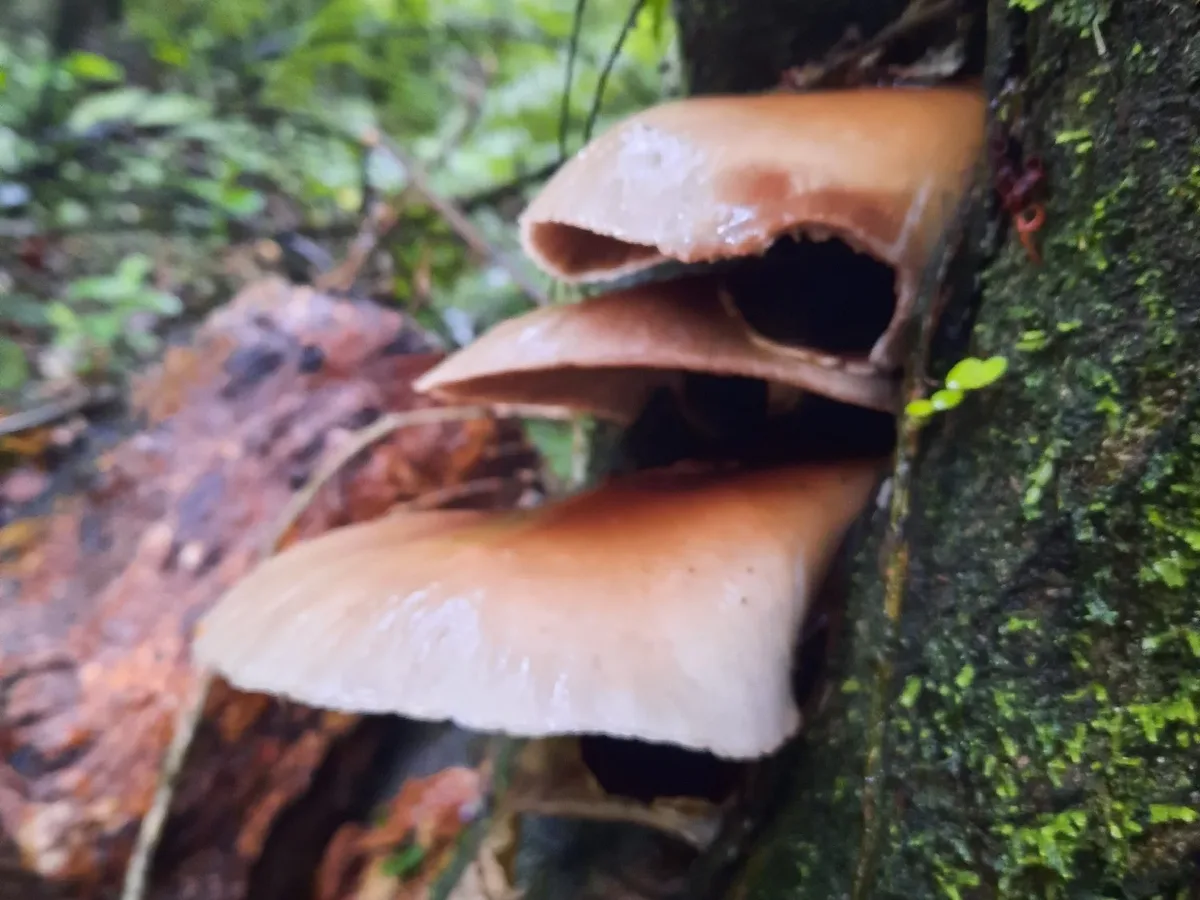 Max Elysian (CC0)
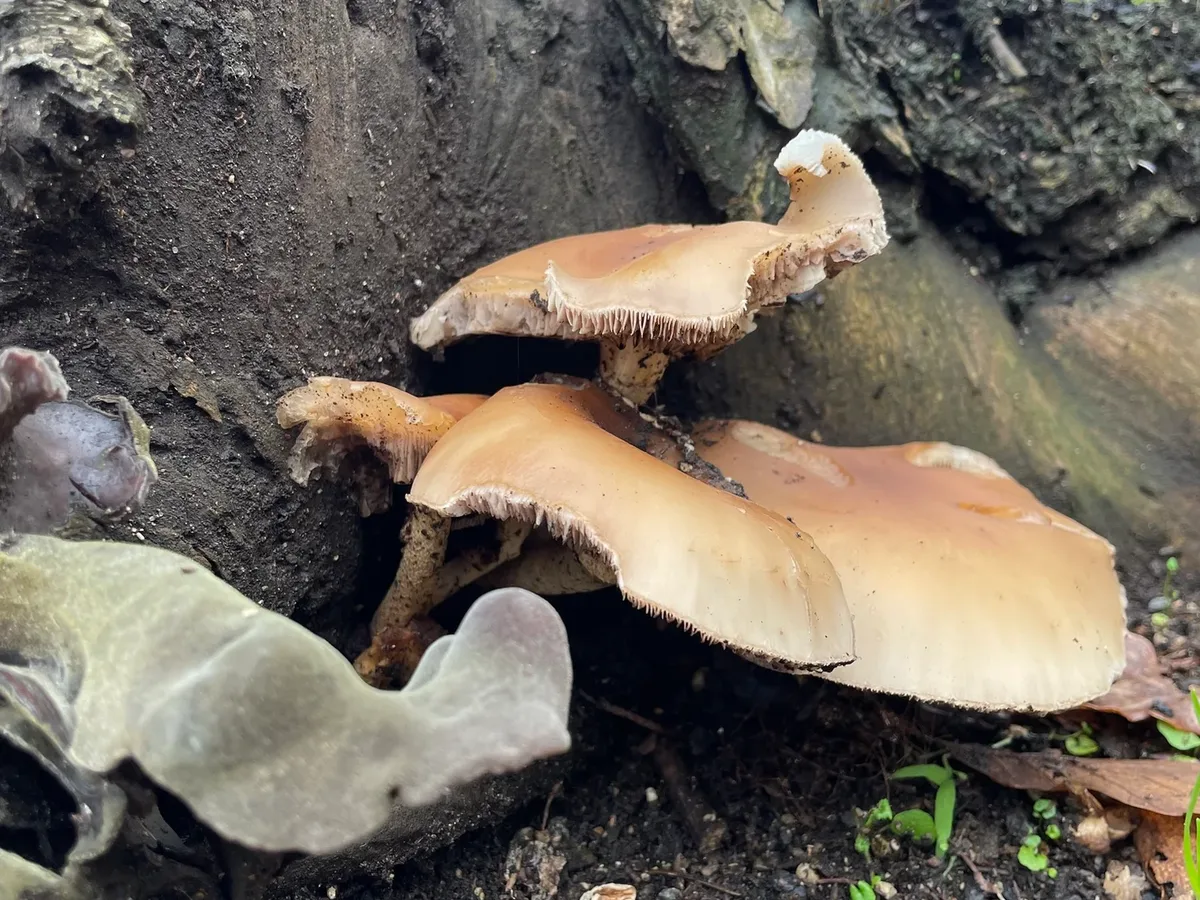 Susan (CC0)
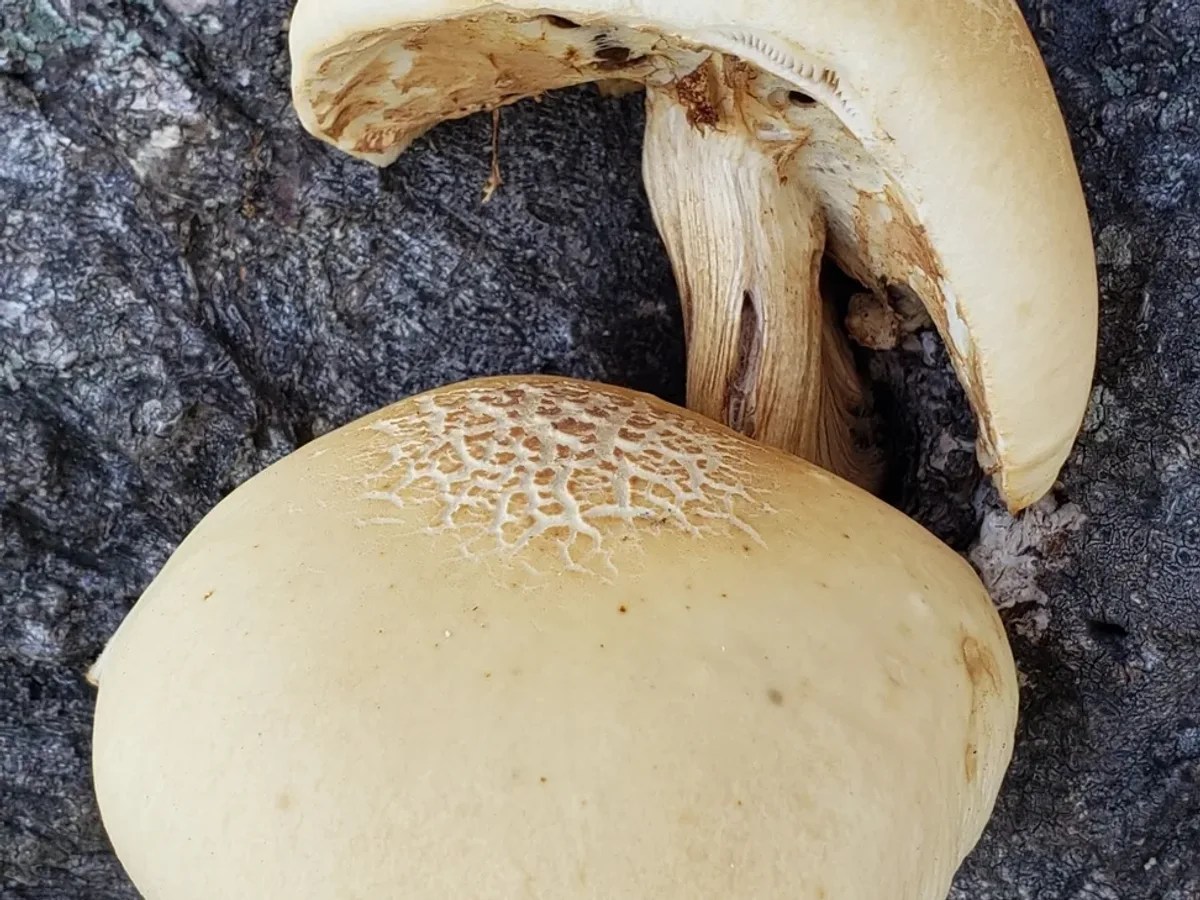 © Annette Bolton (CC BY-SA 4.0)
 Peter de Lange (CC0)
 Christine Braaten (CC0)
 slick_stan (CC0)
 © Danielle (CC BY 4.0)© Stephen Hartley (CC BY 4.0)© theylooklikeus (CC BY 4.0)
Good to eat, once you have identified it with certainty and cooked it through.
How to recognise it
Cap
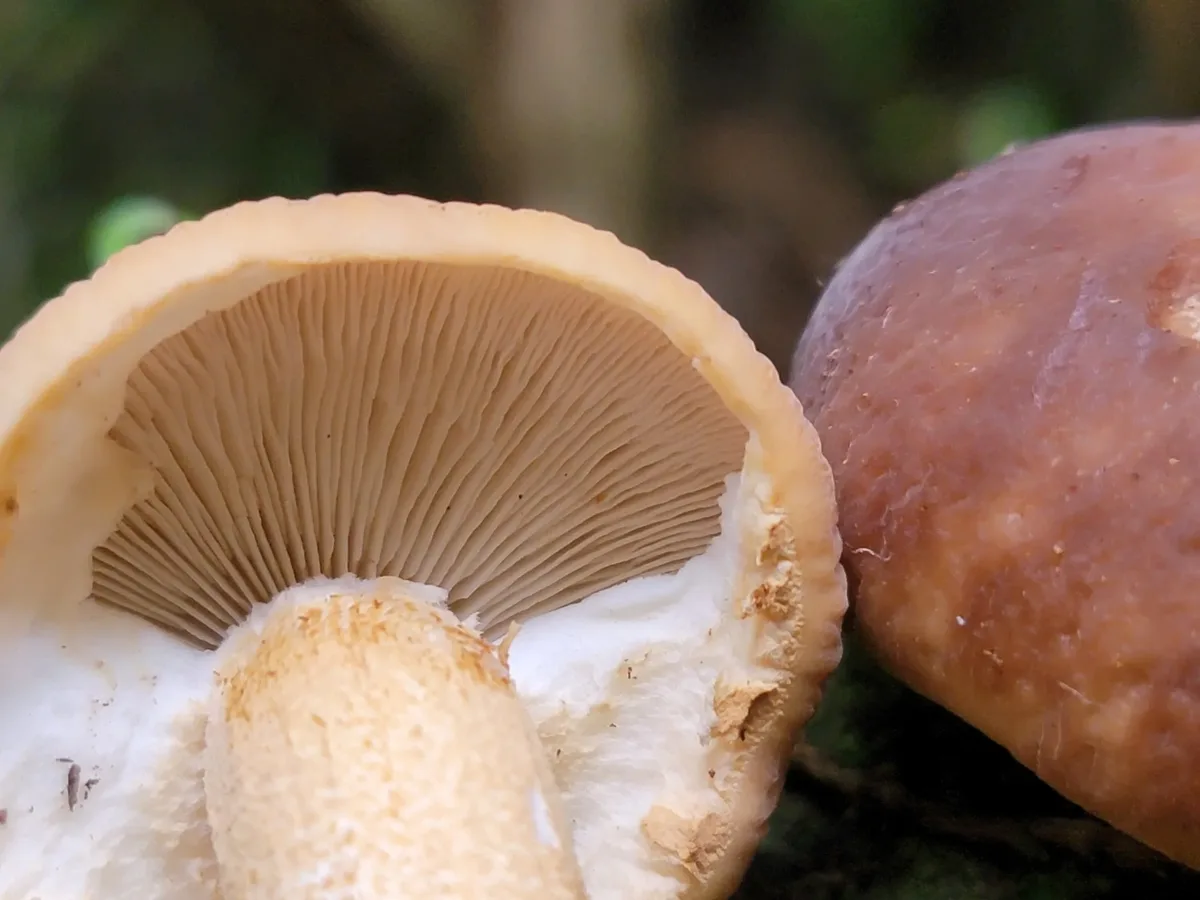
Young caps emerge tightly convex and creamy-beige, the surface smooth and somewhat viscid in wet weather. As the fruitbody matures the cap flattens and spreads - large specimens commonly reach 15-20 cm across, and individuals up to 30 cm have been recorded, making tawaka one of the more impressively sized edible wood-decay fungi in the Southern Hemisphere.
The centre retains a slightly darker buff or ochre tone compared with the paler, more watery-cream margin.
Stem
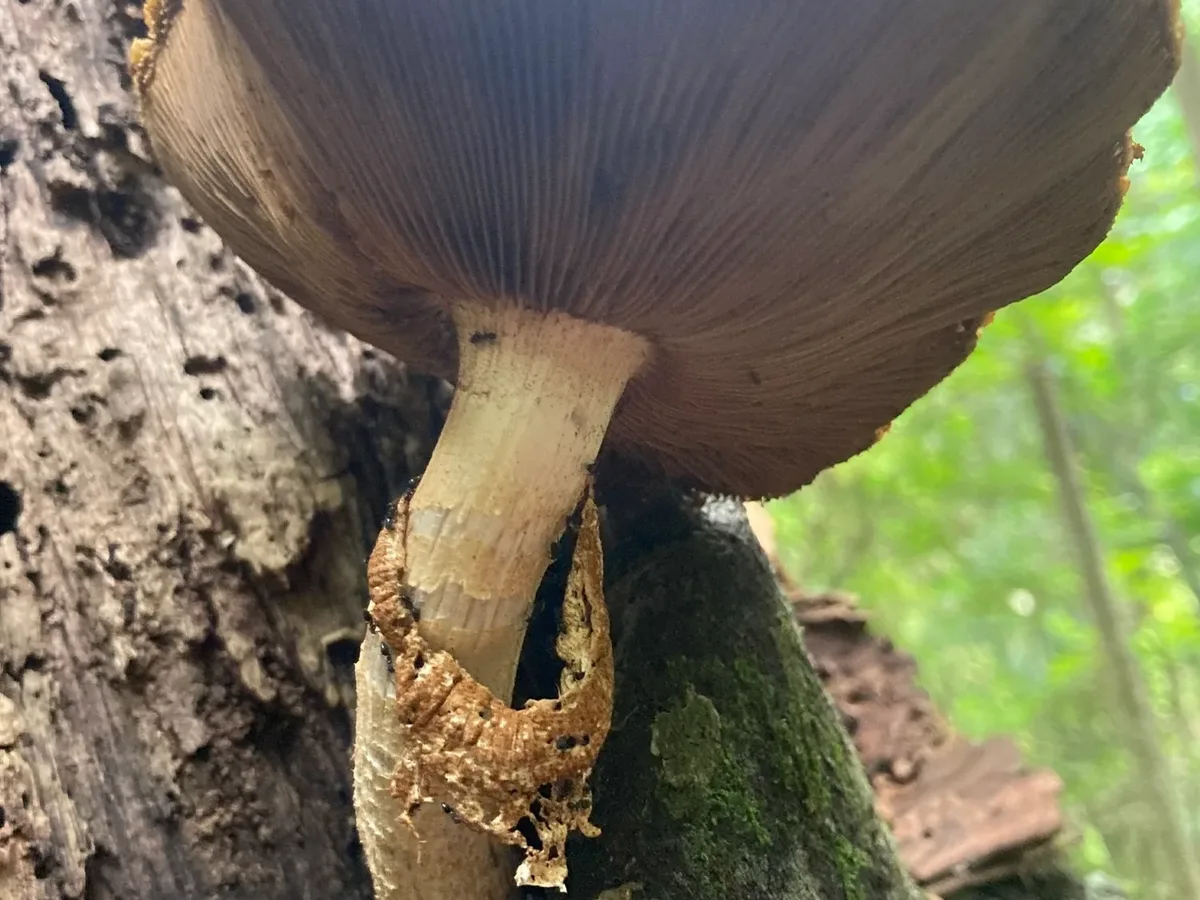
The stem is typically 5-12 cm tall, pale throughout, solid when young and sometimes becoming hollow at the base with age.
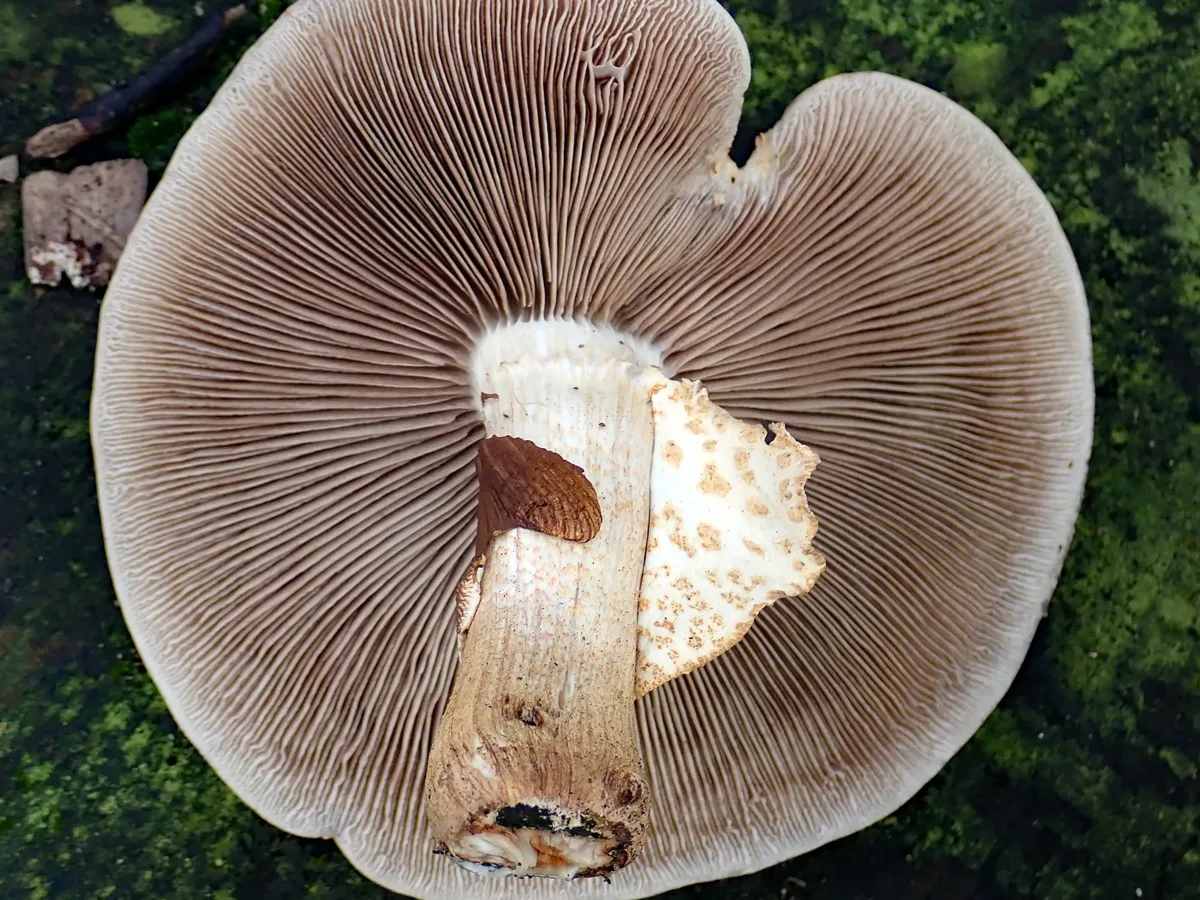
Its most reliable identification marker is the partial veil: as the cap opens, a membranous skirt of tissue tears away from the cap margin and hangs loosely on the stem, forming a persistent, floppy ring that is usually dusted dark rust-brown by falling spores.
Gills
Gills are initially pale pinkish-cream, crowded, and adnate to slightly decurrent; they darken progressively to grey-brown or brown as the large, rust-brown elliptical spores ripen.
Flesh
The flesh is thick, white to cream, and firm with a pleasant, faintly nutty and savory aroma that intensifies during cooking.
Spore print: rust-brown to tobacco-brown.
Where & when it grows
Habitat
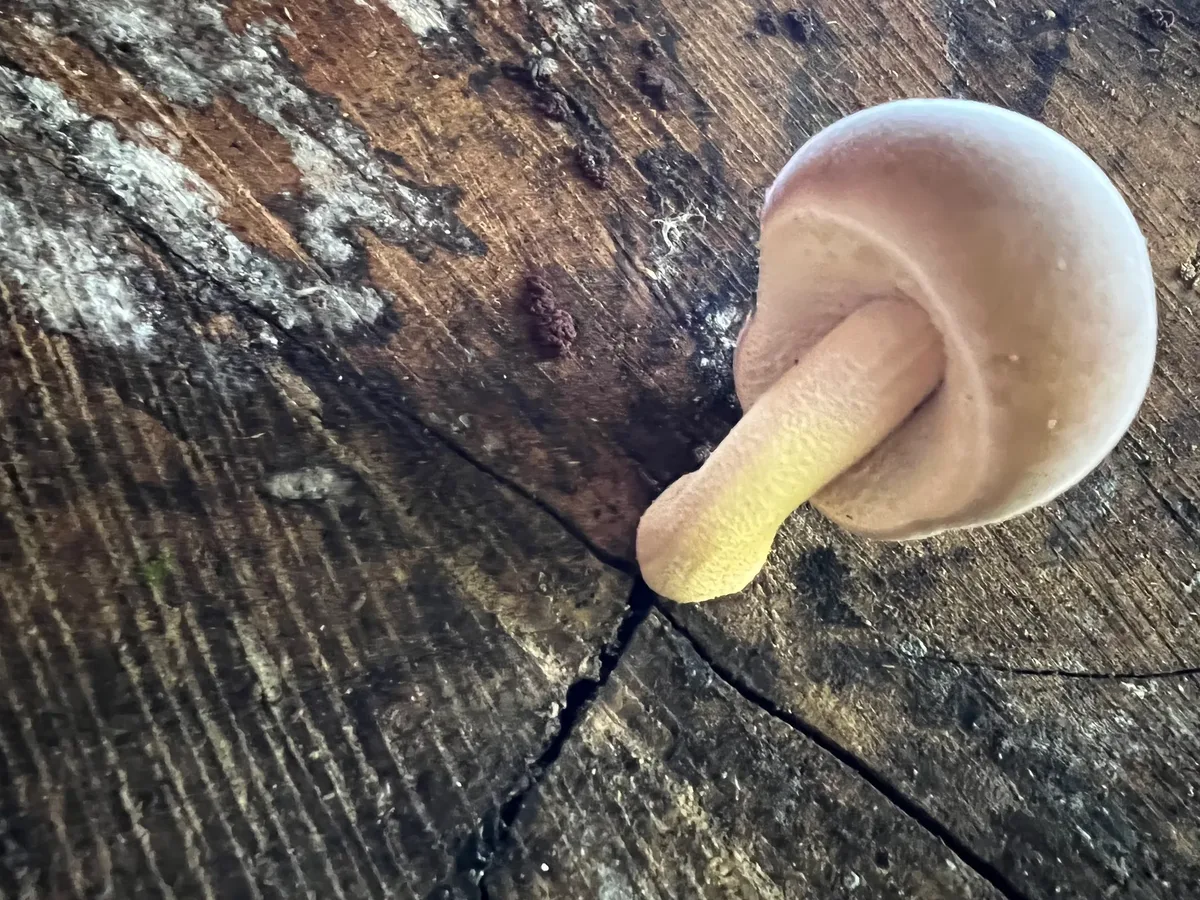
Tawaka is a wood-decay fungus with a broad but discriminating substrate range. It fruits on both dead and living hardwood, attacking the heartwood of the host and causing a distinctive white rot that eventually hollows mature trees.
In New Zealand's native forests it colonises:
- mahoe (Melicytus ramiflorus)
- lacebark (Hoheria spp.)
- ribbonwood (Plagianthus regius)
- tawa (Beilschmiedia tawa)
- kanuka (Kunzea ericoides)
In modified landscapes and plantation settings it also fruits prolifically on introduced poplar (Populus spp.) and willow (Salix spp.), trees that share the same susceptibility to internal heartwood decay.
The species is notably absent from conifers - pine, rimu, and totara do not host it - which simplifies identification when substrate is known.
The South Island of New Zealand is the stronghold of the species, where moist, cool forest valleys provide ideal conditions; it also occurs in the North Island and has been recorded in parts of southeastern Australia, though it is considerably less common there.
Populations on native trees tend to persist at the same site for many seasons as the mycelium continues to work through the decaying wood.
When
In the Southern Hemisphere tawaka follows a late-summer-to-autumn fruiting window that runs roughly from November through June. Peak flushes typically occur from February to May, when overnight temperatures begin to ease after summer and rain events become more reliable.
Like most wood-decay fungi it does not depend on soil moisture in the same way that terrestrial species do - the mycelium draws water from within the log or living trunk - but sustained wet spells of two weeks or more, combined with soil temperatures between about 10 and 22 °C, consistently trigger the strongest flushes.
A productive host tree may flush in multiple waves across a single season, with the first cluster appearing and then a second or third cohort emerging from the same wound or crevice weeks later. In sheltered, moist gullies the season can extend well into June.
How it grows
Tawaka occupies a biological niche that is less common among edible fungi: it is simultaneously a parasite of living trees and a saprobe of dead wood, shifting between these roles as the host declines.
Its mycelium infiltrates the heartwood through branch scars, root wounds, and bark injuries, secreting enzymes that degrade cellulose and lignin in the wood matrix - a white rot strategy.
The decay process is slow; a fungus may colonise a wound site years or even decades before the first fruitbody pushes through the bark.
When conditions align - moisture, temperature, and the chemical signals that accumulate in decaying wood - the mycelium differentiates into dense hyphal knots and then into recognisable pinheads seemingly overnight.
Clusters can erupt from tight crevices in bark with surprising force, and a large single flush on a rotting poplar log or hollowing mahoe can contain dozens of individuals.
The mycelium overwinters within the wood and re-fruits from the same location season after season, so a known tree is worth revisiting annually. Because clusters can form high on the trunk as well as near the base, it pays to scan the full height of likely hosts.
Fruiting conditions
Wood-decay/parasitic species fruiting on hardwood from late summer into autumn; conservative estimates, not stated in the source.
Look-alikes
The principal lookalike in the same habitat zone is Gymnopilus junonius, the spectacular rustgill.
Gymnopilus junonius is robustly built and fruits on wood in a similar manner but differs in several clear ways:
- its cap and stem are distinctly more orange-toned, often with rusty-orange fibres on the stem
- its gills are orange-yellow to orange-brown from the outset rather than starting pale pink
- the flesh is bitter - biting a small piece of raw gill will immediately confirm this
The spore print of Gymnopilus junonius is also rust-orange. Gymnopilus junonius contains psilocybin and related compounds and is not edible.
The ring in tawaka is membranous and tends to hang loosely or become spore-stained dark rust-brown, whereas in Gymnopilus junonius the partial veil remnant is often more fibrous or cortina-like.
No deadly species shares exactly this combination of substrate, size, pink-starting gills, and the persistent membranous ring dusted with rust-brown spores, but always confirm spore colour, gill colour when young, and the absence of bitterness before consuming any wood-growing mushroom.
More orange-colored and bitter-tasting. Distinguish by checking the ring and the habitat.
In the kitchen
Picking & cleaning
The optimal harvest window is brief: pick when the partial veil has torn free but the cap has not yet fully flattened and the gills are still pale to mid-brown. At this stage the flesh is at its firmest, the spores are not yet fully dispersed, and the flavor is most concentrated.
Once the cap has opened completely and the spore print has begun to dust everything below the cluster rust-brown, the flesh softens quickly and the texture becomes less pleasant.
Use a knife to cut stems cleanly at the wood surface rather than pulling - tearing can damage the mycelial mat beneath the bark and may reduce subsequent flushes from the same site.
Because tawaka fruits from living as well as dead trees, take care not to further wound the host when harvesting. Leave at least a third of any flush in place when the tree is alive; on fully dead wood you can harvest the whole cluster.
The large cap size means a single productive cluster can yield a substantial harvest.
Cooking
Tawaka's firm, meaty flesh makes it one of the more versatile edible fungi from Australasia.
Maori traditionally prepared it by steaming in the kohua (a covered vessel using hot stones) or by slow cooking in the huahua method - techniques that preserved the mushroom's natural moisture and concentrated its savory depth.
In contemporary kitchens tawaka responds well to high-heat methods: sliced thickly and seared in butter or oil until golden, the exterior crisps while the interior stays dense and juicy. It holds its shape during prolonged braising and simmering, making it an excellent addition to robust stews, ramen broths, and slow-cooked sauces.
The large caps can be stuffed and roasted whole. Dried tawaka rehydrates cleanly and the soaking liquid adds umami depth to stocks.
Because the flavor is relatively mild and savory rather than intensely earthy, it pairs naturally with garlic, thyme, soy, and butter.
Avoid overcooking to mush - the texture is one of its primary assets. Remove the stem base if it is tough or still attached to fibrous wood debris.
Good to know
Cyclocybe parasitica is a well-established edible species with a long documented history of use. Maori have eaten tawaka for centuries, and it is regarded as one of New Zealand's most prized native edible fungi.
It is now cultivated commercially in New Zealand and sold fresh and dried, sometimes marketed as New Zealand's equivalent of the Italian pioppino (Cyclocybe aegerita, a close relative). No significant toxicity has been reported in the literature.
As with any mushroom, individuals with sensitivities to fungi should exercise caution on first consumption and avoid eating large quantities raw - light cooking is sufficient to break down any residual irritants and fully develop the flavor.
Confirm identification before eating by checking:
- the rust-brown spore print
- the membranous ring
- the pale-starting gills
- the hardwood substrate
The absence of bitterness in the raw flesh is a useful supplementary check against Gymnopilus lookalikes.
A reference guide - never an edibility guarantee. When in doubt, leave it out.