Deadly webcap
Cortinarius rubellussyn. Cortinarius orellanus, Cortinarius speciosissimus
 © Manuela Fiorini (CC BY)
 © Morten Pettersen (CC BY)
 © Tim Eberling (CC BY)
 © Morten Pettersen (CC BY)
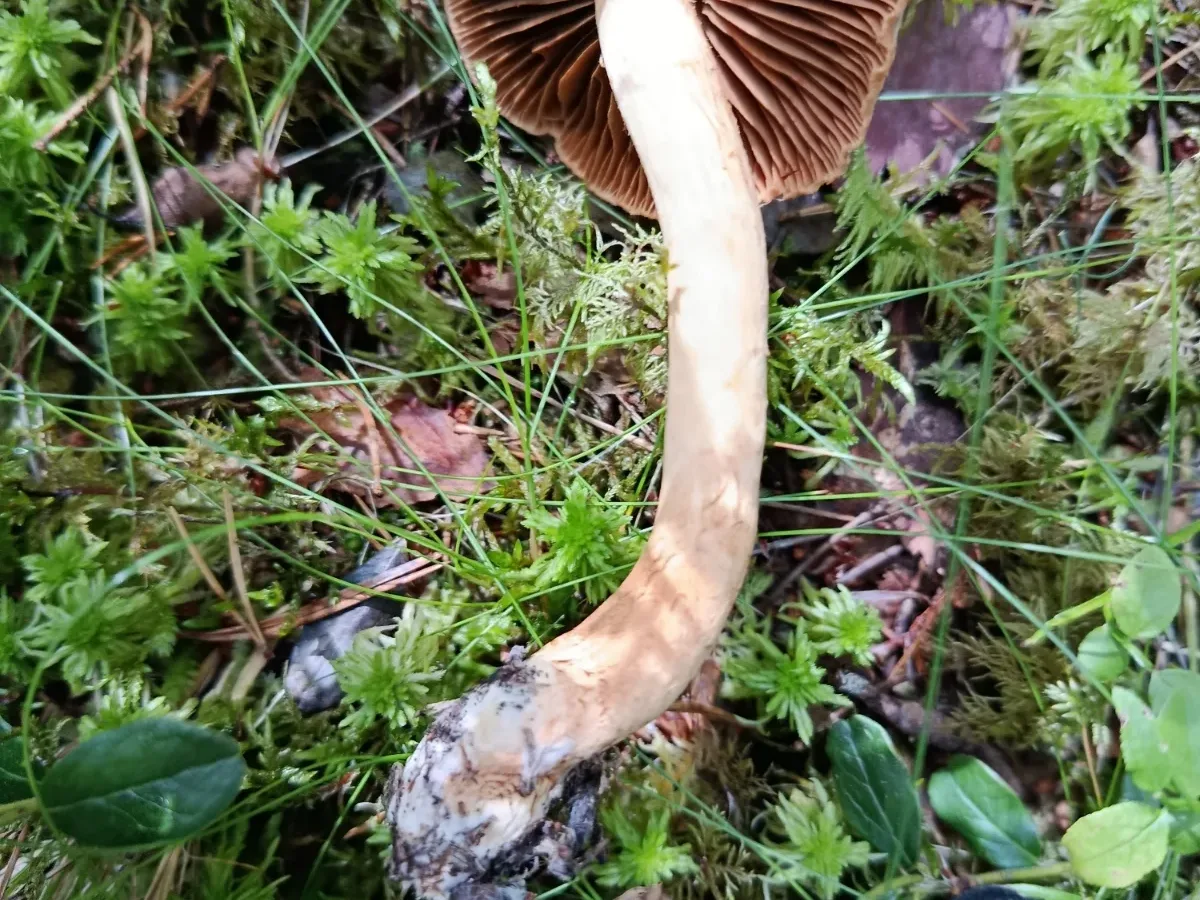 © Arild Skylstad (CC BY)
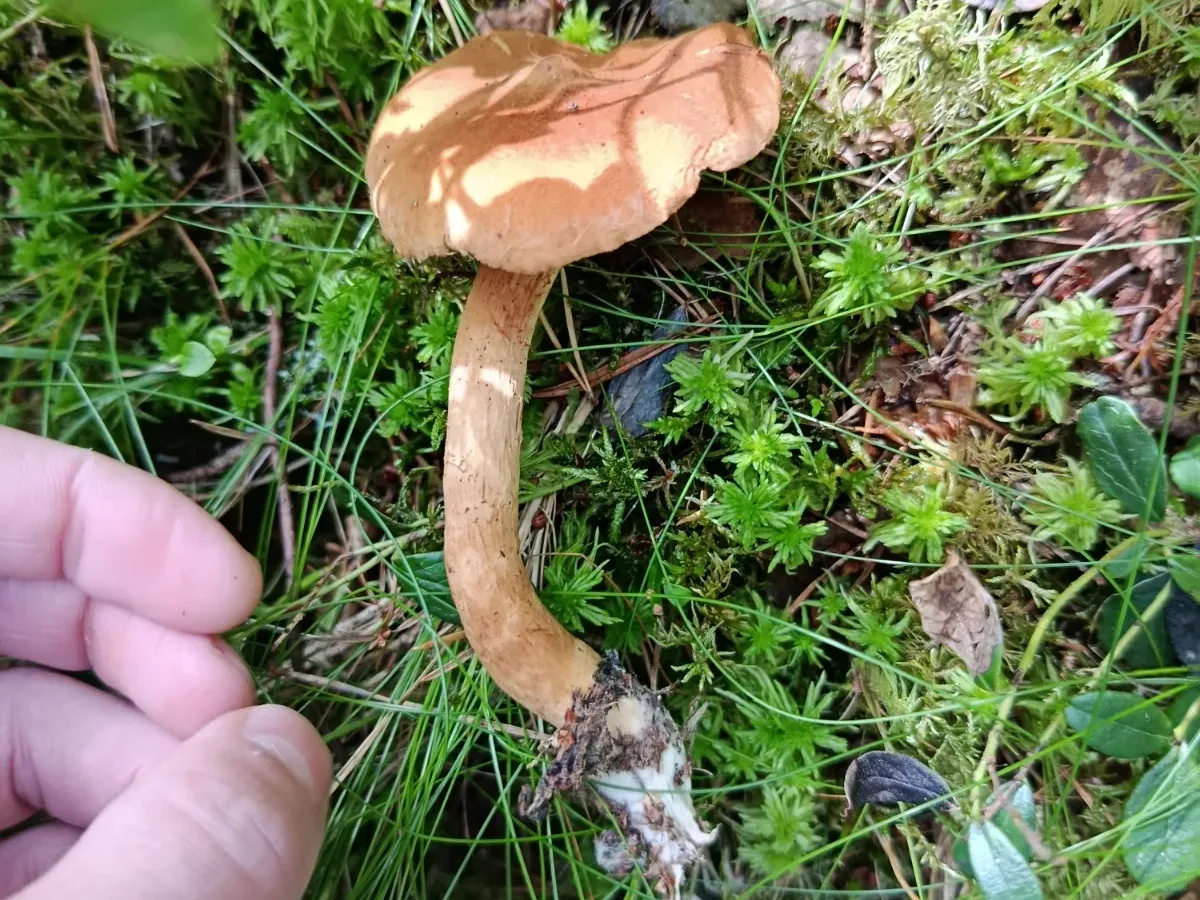 © Arild Skylstad (CC BY)
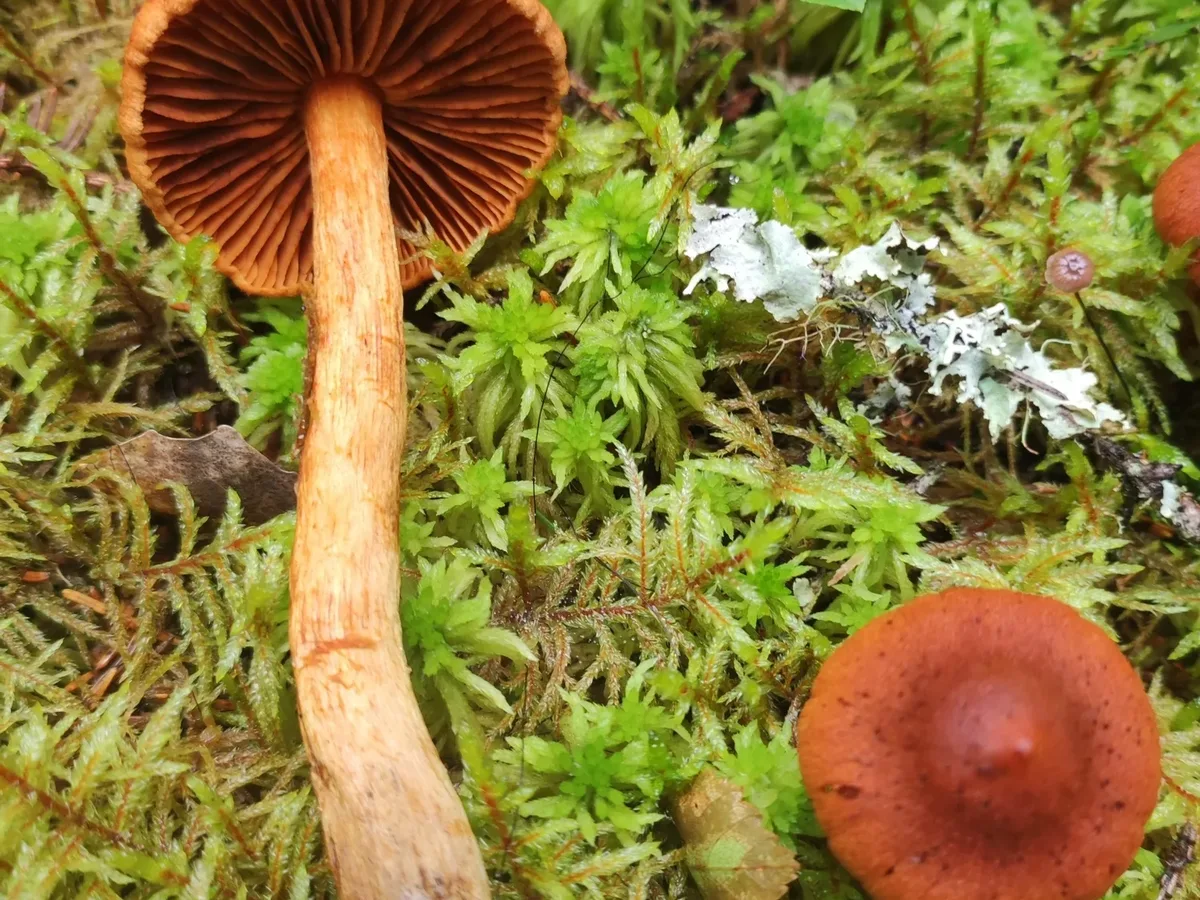 © Dmitry Ivanov (CC BY)
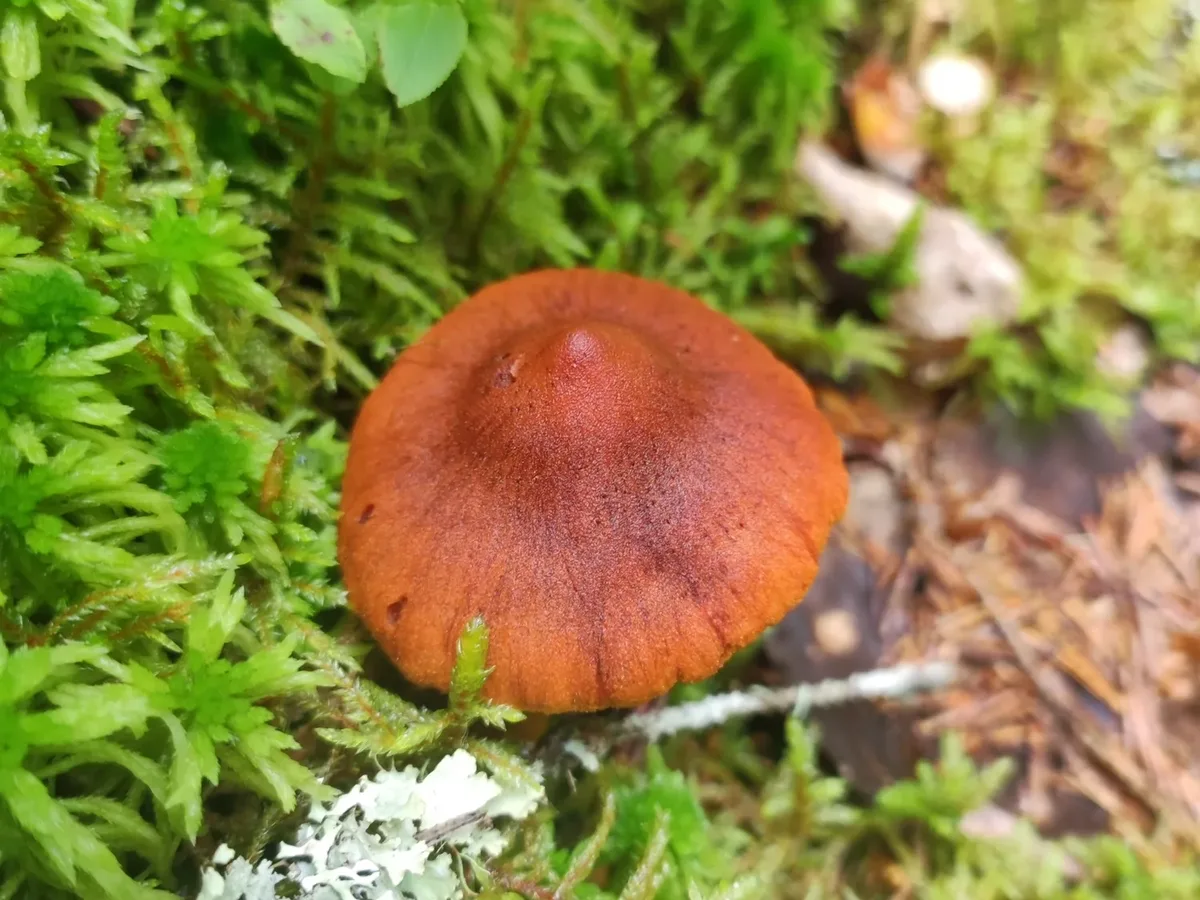 © Dmitry Ivanov (CC BY)© Manuela Fiorini (CC BY)© Morten Pettersen (CC BY)
Toxic - and the most serious cases can be fatal. Never eat it, and wash your hands after handling.
Never eat a mushroom you are not 100% sure of - check the look-alikes below, and always cook wild mushrooms.
How to recognise it
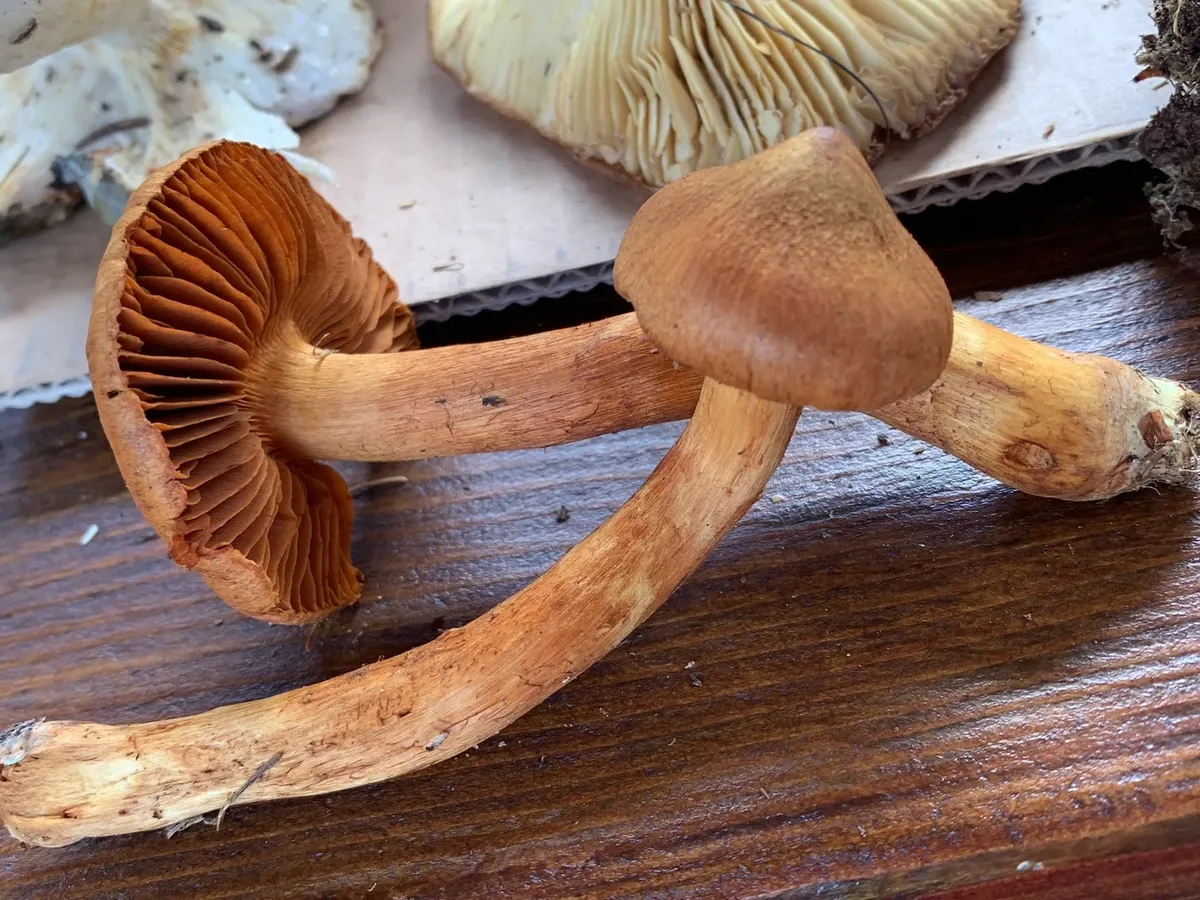
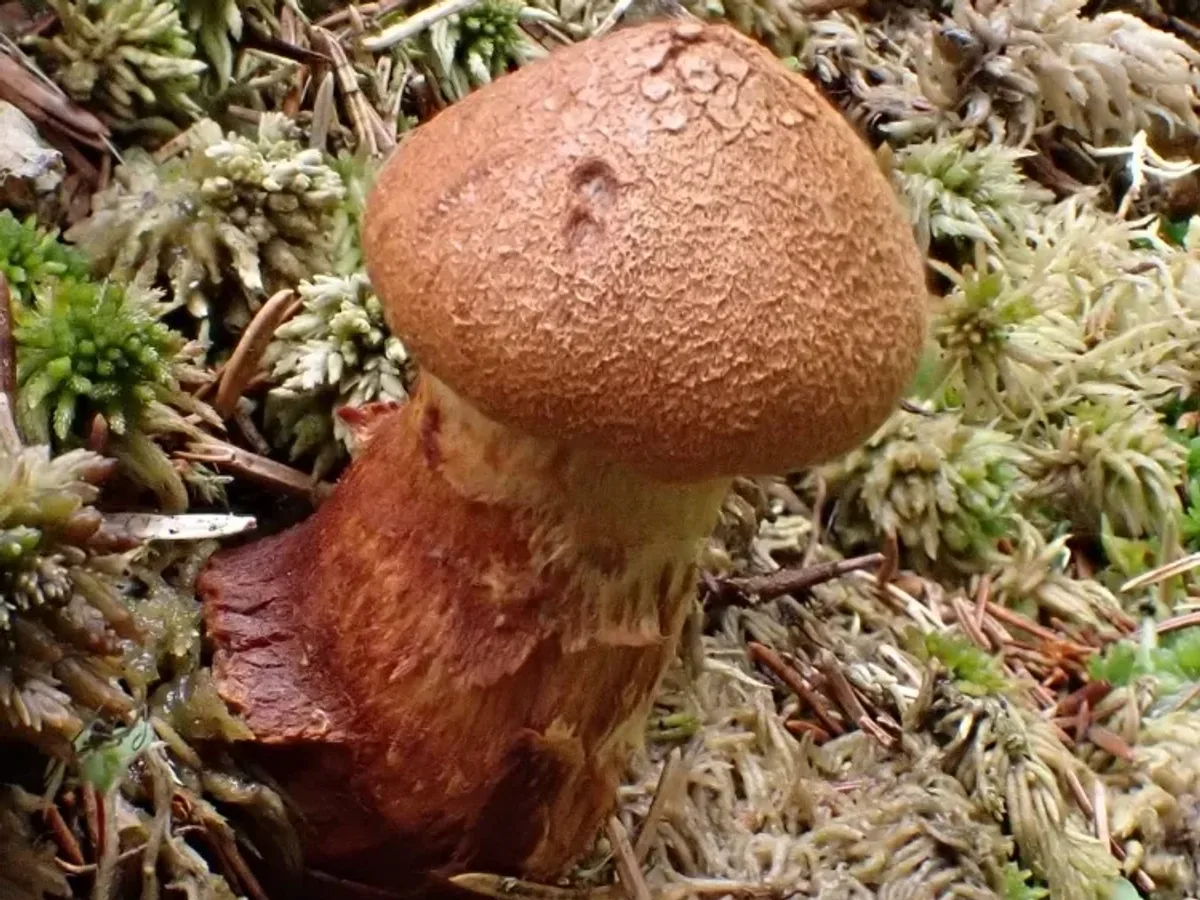
Cortinarius rubellus announces itself in shades of burnt sienna, reddish-brown, cinnamon, and deep orange-brown - a warm palette that, on a wet forest floor, can read as inviting rather than dangerous.
Cap
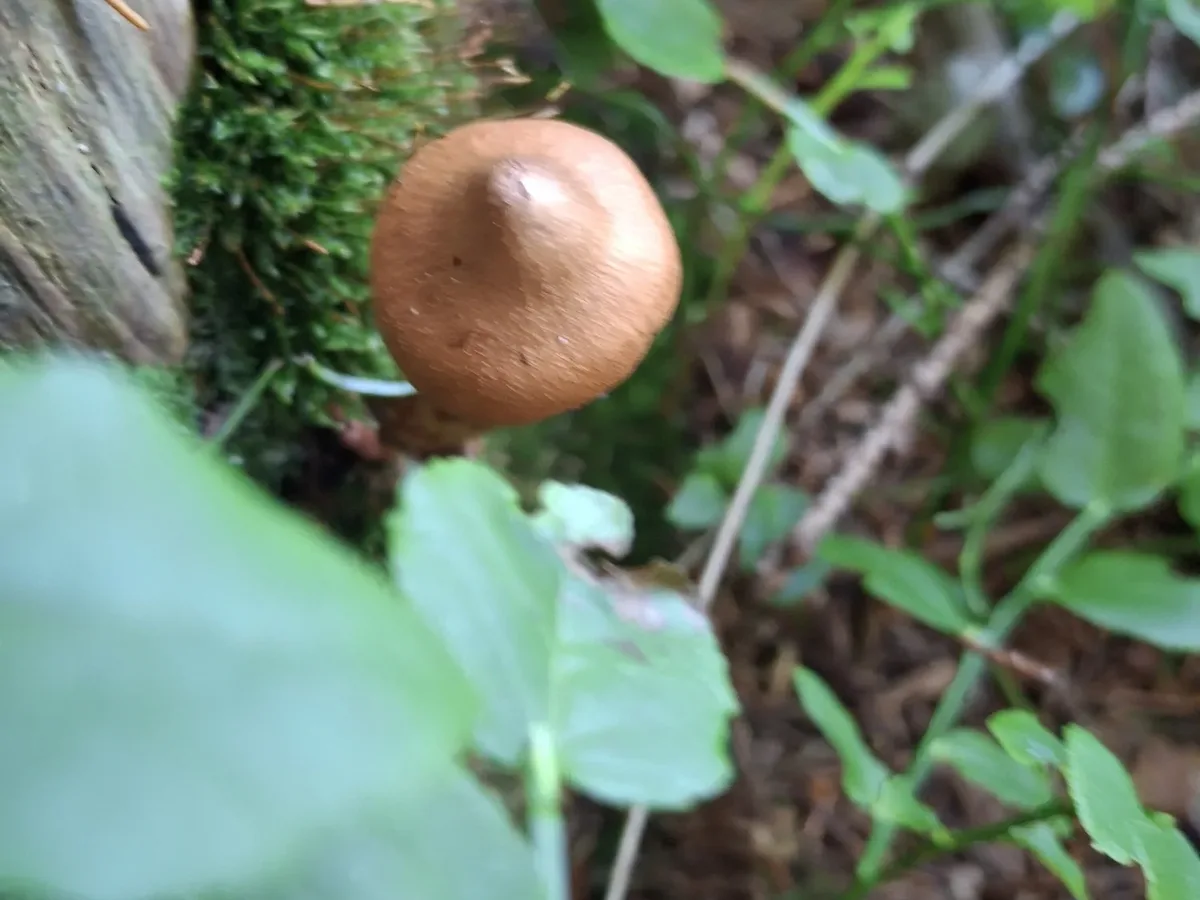
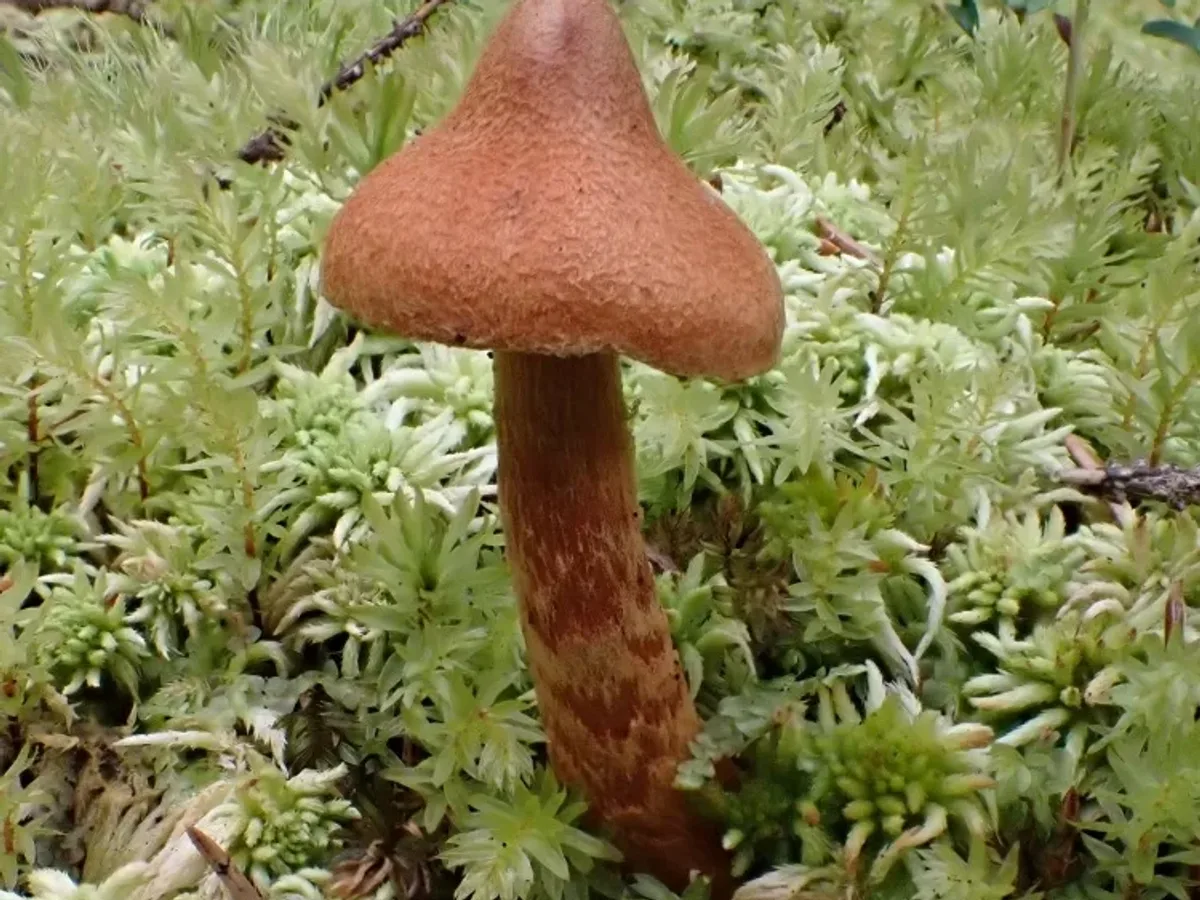
The cap measures 3-8 cm across and carries a persistent pointed umbo at its centre. Most mushroom caps flatten or become wavy as they expand, but in C. rubellus that conical peak remains throughout the fruitbody's life, a reliable structural signature.
The cap surface is dry and distinctly fibrous - fibrils radiate outward from the umbo, catching light differently from the smoother caps of chanterelles or many edible brown mushrooms.
Gills
The gills are sparse and widely spaced, rust-brown even in young specimens, and attached to the stem. They bruise darker but do not blue or discolour dramatically.
Stem
The stem is typically 4-9 cm tall, yellow-brown, and often shows faint horizontal banding or yellow veil remnants where the cortina once attached.
That cortina - the faint cobweb-like veil that bridges cap margin to stem in all young Cortinarius - tears away as the cap expands but leaves rust-brown or yellow-brown fibrillar zones on the upper stem.
A spore print taken on white paper produces a distinctive rust-brown to ochre-brown deposit. This single test, used alongside the persistent umbo, sparse rust gills, and cortina remnants, forms the reliable identification fingerprint.
Why it's dangerous
Cortinarius rubellus is one of the most lethal wild mushrooms in Central and Western Europe. Its danger is compounded by three factors acting together:
- The toxin survives all food preparation.
- The latency period eliminates the early decontamination window.
- The coloration is similar enough to edible species that experienced foragers have been poisoned.
A Swedish epidemiological study (Nilsson et al., BMC Nephrology, 2017) documented 39 poisoning events from 1979 to 2012 in a single western Swedish region. Of 28 patients for whom medical records existed, 22 - 79 percent - developed acute kidney injury requiring dialysis.
There is no specific antidote to orellanine. By the time acute symptoms appear (days to weeks after ingestion), the toxin has already caused substantial nephrotoxic damage and is largely cleared from the blood; there is nothing to neutralise.
Treatment is supportive: dialysis for acute kidney failure, and renal transplantation when damage is permanent.
If any possibility of ingestion is suspected - even without symptoms - the patient should present to hospital immediately. Emergency physicians should be informed that Cortinarius rubellus or deadly webcap was possibly consumed, and should initiate kidney function monitoring. Do not wait for symptoms to develop.
Toxin
The primary toxin in Cortinarius rubellus is orellanine (also spelled orellanin), a chemically stable bipyridine-N-oxide compound. It was first isolated from C. orellanus in the 1950s by Polish mycologist Stanislaw Grzymala, following an epidemic of unexplained renal failure.
Orellanine is selectively nephrotoxic - it targets renal tubular epithelial cells, causing progressive necrosis of the proximal and distal tubules. The mechanism involves metabolic activation within the kidney: the compound inhibits protein synthesis and induces oxidative damage specifically in renal tissue.
It is not significantly metabolised or inactivated by hepatic enzymes, which explains its organ-specific effect and its long biological half-life.
The toxin is present throughout the fruitbody - cap, gills, stem, and flesh - at roughly similar concentrations. It is also present in the mycelium, though at lower concentrations than in the fruitbody.
Orellanine is not destroyed by cooking, drying, freezing, or acidic conditions. C. rubellus has been measured in phytochemical studies as one of the orellanine-richest Cortinarius species, alongside C. orellanus. No safe transformation of orellanine by food preparation has ever been demonstrated.
Symptoms
The most dangerous feature of orellanine poisoning is its delayed onset. After ingesting C. rubellus, the patient typically experiences no symptoms, or only mild, non-specific ones (nausea, headache, general malaise), for 2 to 21 days - a latency window with a median often cited around 8-11 days.
This is far longer than the latency of most other mushroom toxins:
- Amanita phalloides amatoxins cause severe gastrointestinal distress within 6-24 hours.
- Muscarine causes symptoms within 30 minutes to 2 hours.
With orellanine, by the time renal symptoms appear - typically presenting as thirst, excessive urination or reduced urination, back pain in the kidney region, headache, and fatigue - significant tubular necrosis has already occurred.
Progressive acute kidney injury follows, with rising serum creatinine, reduced glomerular filtration rate, and in severe cases oliguria (markedly reduced urine output) or anuria. Without treatment, the progression leads to life-threatening renal failure.
The Swedish cohort (Nilsson et al. 2017) found that 22 of 28 documented patients developed acute kidney injury severe enough to require dialysis. Some patients progress to chronic renal impairment even after recovery from the acute phase.
Staying safe
Cortinarius rubellus is among the most dangerous wild mushrooms in Europe - not because it is common in the worst way, but because its toxin causes delayed, irreversible organ damage at doses that produce no immediate warning. The orellanine content of a single cap is sufficient to cause acute kidney injury in an adult.
There is no antidote. Emergency treatment after symptom onset is supportive: dialysis to manage renal failure, and in severe cases kidney transplantation.
The long latency (2-21 days between ingestion and symptoms) means the patient rarely connects the meal to the illness, making early clinical identification difficult.
A 2017 study by Nilsson et al. (BMC Nephrology) reviewing a Swedish cohort of 39 poisonings from 1979-2012 found that 22 of 28 patients with medical records developed acute kidney injury requiring dialysis.
Any person who suspects they may have eaten C. rubellus - even if currently asymptomatic - must present to hospital immediately, identify the mushroom if possible, and disclose when it was consumed. Preserved or photographed material should be brought to the hospital.
Early intervention, even at the asymptomatic stage, may allow clinicians to monitor kidney function and support the patient before irreversible damage occurs.
Where & when it grows
Habitat
Cortinarius rubellus belongs to one of the largest genera of mycorrhizal fungi, and like all members of that genus it cannot complete its life cycle without a living tree partner. In Central and Western Europe, C. rubellus favours moist, acidic coniferous forest - typically dominated by Norway spruce (Picea abies) - though it also occurs in mixed spruce-birch or spruce-pine stands.
Its close relative C. orellanus (which carries the same orellanine toxin and is treated as a synonym in some classifications) prefers drier broadleaf ground, especially with Quercus (oak).
The mycorrhizal partnership is chemically intimate: hyphal threads from the fungus envelop and penetrate the outer layers of the tree's fine roots, exchanging mineral nutrients and water for photosynthate. The fungus gains carbon it cannot produce itself; the tree gains a dramatically expanded root surface area with preferential access to soil phosphorus and nitrogen. This partnership is older, in evolutionary terms, than the conifer forests themselves.
C. rubellus typically fruits in small scattered groups rather than dense clusters, often appearing at the base of spruce or close to exposed roots, on ground that retains moisture without waterlogging - mossy banks, the sheltered sides of boulders, or shallow depressions where needle litter accumulates.
When
Cortinarius rubellus is a late-season species, appearing from August through October in Central and Western Europe, with September and early October typically the most productive weeks in the coniferous belt. Fruiting is triggered by the combination of falling soil temperatures, adequate moisture from autumn rains, and the long-established root network the mycelium has built over preceding years or decades.
The mycelium itself is perennial - it persists underground through winter and drought, retreating metabolically until conditions become favourable again.
When a wet spell follows a cooler-than-normal August, early fruitbodies can appear while chanterelles are still in season, which is precisely the context in which confusion most often arises.
A prolonged dry autumn delays or suppresses fruiting; a dry October can end the season abruptly. In high-altitude or northern sites within the Central European range, the window compresses toward August-September. In warmer Atlantic coastal zones, October fruitings are common.
Understanding the season matters because it partly explains when dangerous encounters occur: peak season overlaps with chanterelle, cep, and lactarius picking, all of which draw foragers into the same coniferous and mixed-forest habitats.
How it grows
Like every species in the genus Cortinarius, C. rubellus is strictly mycorrhizal - it forms an obligate symbiosis with the roots of living trees and cannot be cultivated in isolation. The mycelium threads outward through acidic conifer duff over years or decades, building a colony that may eventually cover many square metres beneath a single stand of spruce.
From that persistent underground network, fruitbodies emerge in small groups of two to six, rarely in dense clusters. The developing button is at first entirely enclosed in a thin cobweb-like veil - the cortina - that stretches between cap margin and upper stem.
As the cap expands, this veil tears and disappears except for fibrillar remnants on the stem, a defining Cortinarius trait that distinguishes the genus from gilled mushrooms with a partial veil that leaves a true ring.
Fruiting follows the typical Cortinarius pattern: a lag of one to two weeks after significant rainfall (30 mm or more over 14 days) combined with soil temperatures between roughly 8 and 16 °C.
The fruitbody itself is short-lived - typically collapsing or shrivelling within ten to fourteen days - but the underground colony that produced it has been in place for far longer, quietly recycling forest nutrients between flushes.
Fruiting conditions
Fruits late summer to autumn after rain; conservative standard mycology estimate, not stated in the source.
Look-alikes
Two categories of confusion are documented in the poisoning literature.
The first and most dangerous involves chanterelles (Cantharellus cibarius): the warm orange-brown to cinnamon coloration of C. rubellus can superficially suggest chanterelle to an inexperienced picker, particularly in poor light under dense canopy.
The distinction is reliable and non-negotiable:
- Chanterelles have no true gills - they have blunt, forking, decurrent ridges that run down the stem, a pale cream to yellow spore print, no cortina at any stage, and a fruity apricot odour.
- C. rubellus has true, free to adnate, sparse rust-brown gills; a rust-brown spore print; cobweb cortina remnants on the upper stem; and no distinctive odour.
The second category is broader: various edible brown-gilled species in the same habitats - certain Inocybe, Hebeloma, or Tricholoma species - share the general coloration.
Against all of these, the reliable markers of C. rubellus are identical: rust-brown gills, rust-brown spore print, fibrillar cortina remnants on the stem, and the persistent pointed umbo. No edible brown-gilled mushroom shares all four of these features simultaneously.
A spore print is the single most discriminating test: chanterelles produce a pale cream or white print; most edible brown-gilled species produce white, cream, pink, or at most pale ochre prints. Rust-brown is the Cortinarius signature.
A close relative that is likewise deadly, also containing orellanine.
The orange/reddish-brown colour can tempt chanterelle pickers. The webcap has true sparse rust-brown gills, a rust-brown spore print, a cobweb-like cortina when young and yellow veil bands on the stem, whereas the chanterelle has blunt, forked, decurrent false gills (ridges), a paler spore print and no cortina.
Check for the rust-brown spore print, rust-brown gills, the cobweb-like cortina and the yellow-brown stem with yellow veil bands, which together identify a deadly webcap.
Shares the same habitat, so they are easily confused. Inspect each mushroom: the deadly webcap has a pointed cap and true gills, whereas the funnel chanterelle has ridges (false gills) and a hollow stem.
A reference guide - never an edibility guarantee. When in doubt, leave it out.