Fool's webcap
Cortinarius orellanussyn. Cortinarius rubellus, Cortinarius speciosissimus
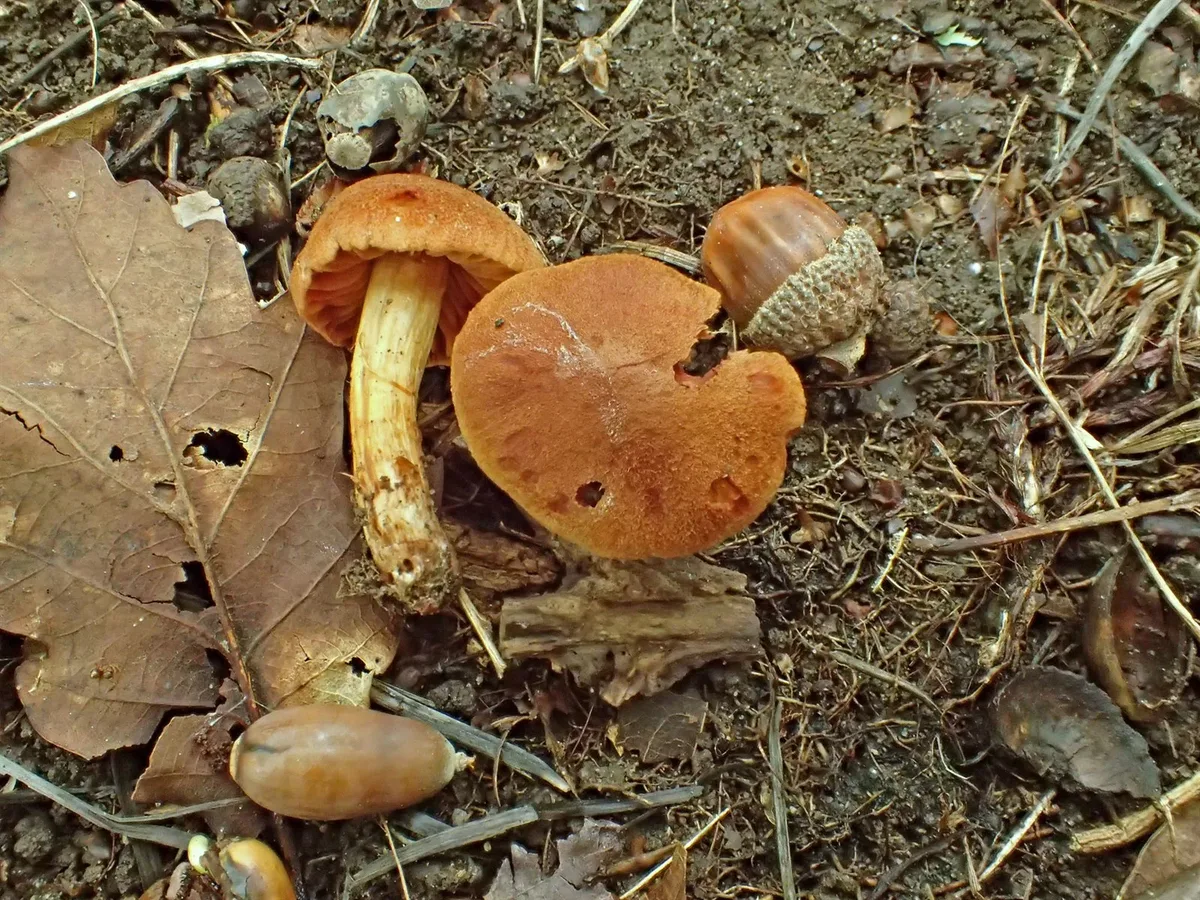 © Inger-Lise Fonneland (CC BY)
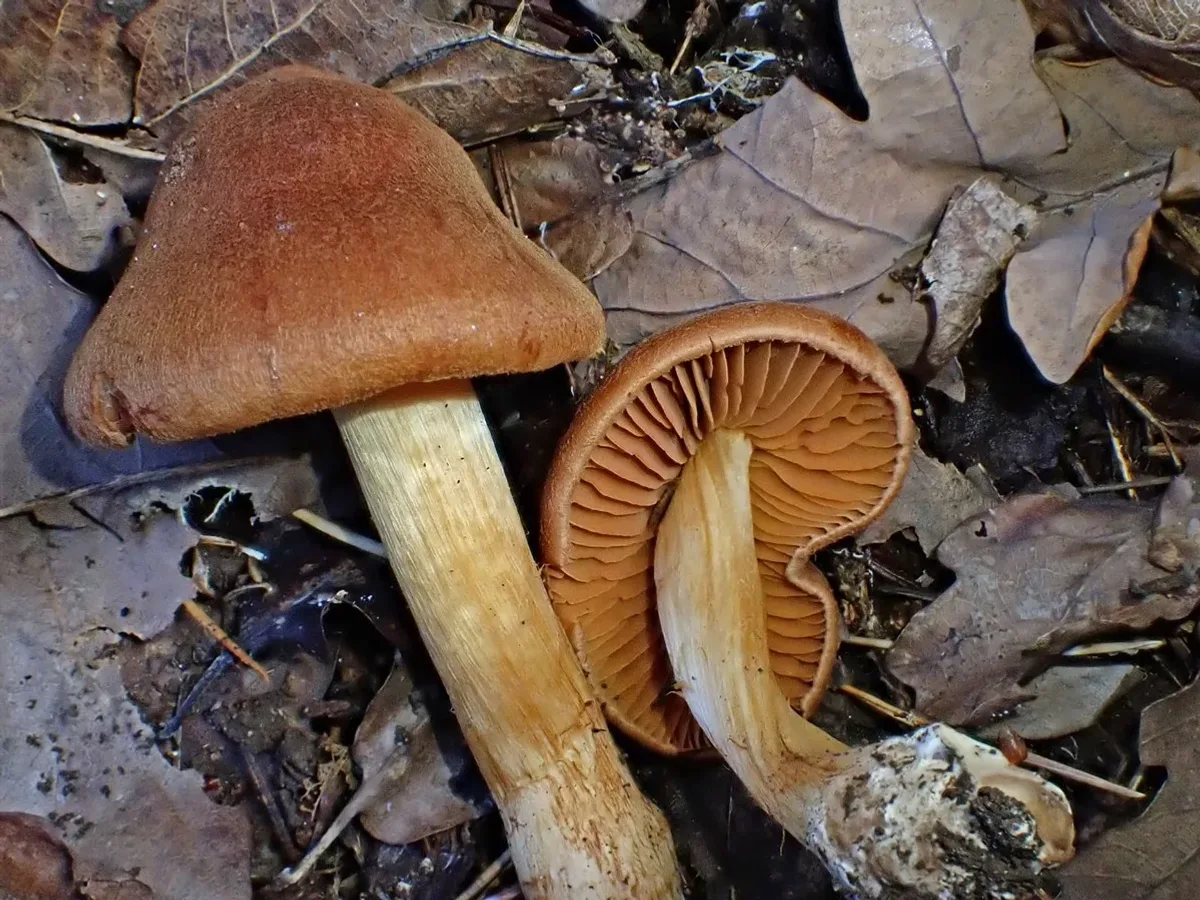 © Inger-Lise Fonneland (CC BY)
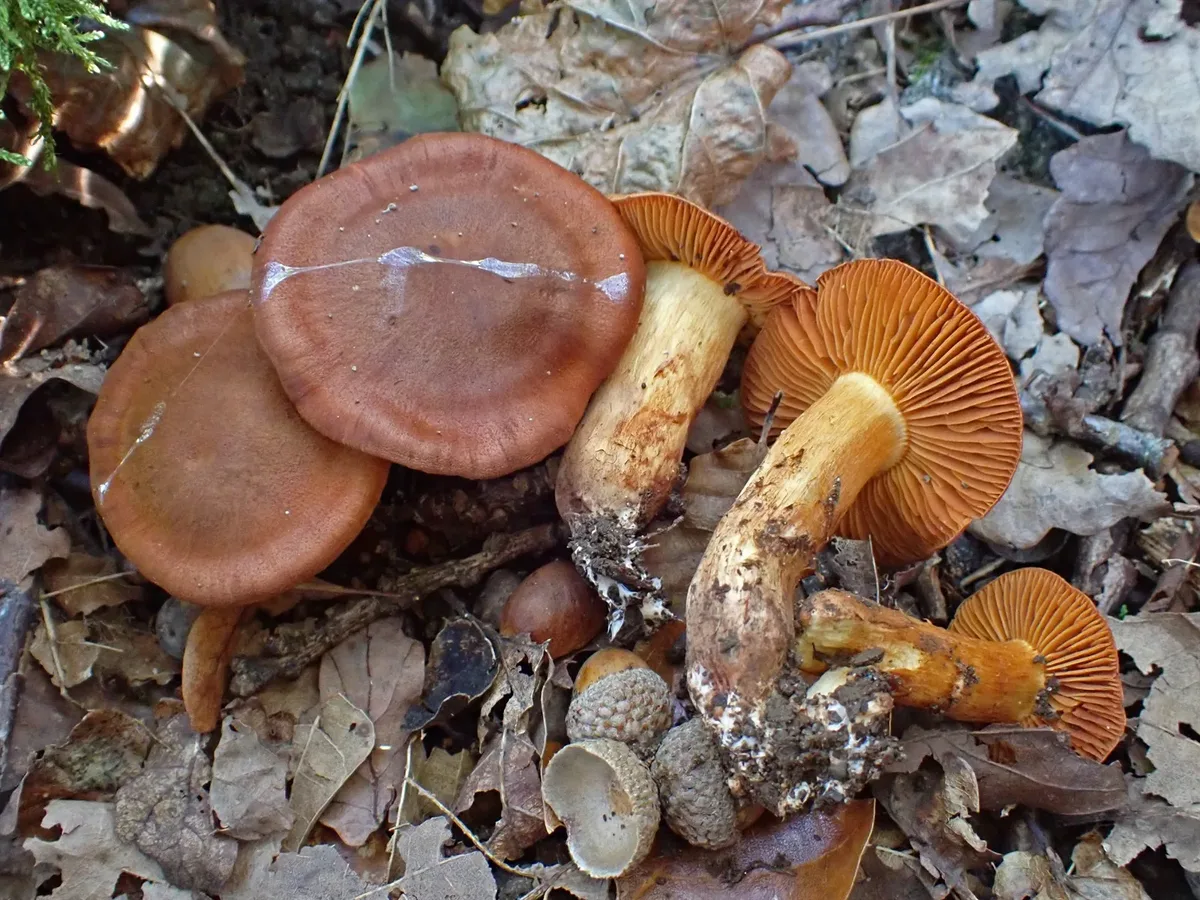 © Inger-Lise Fonneland (CC BY)
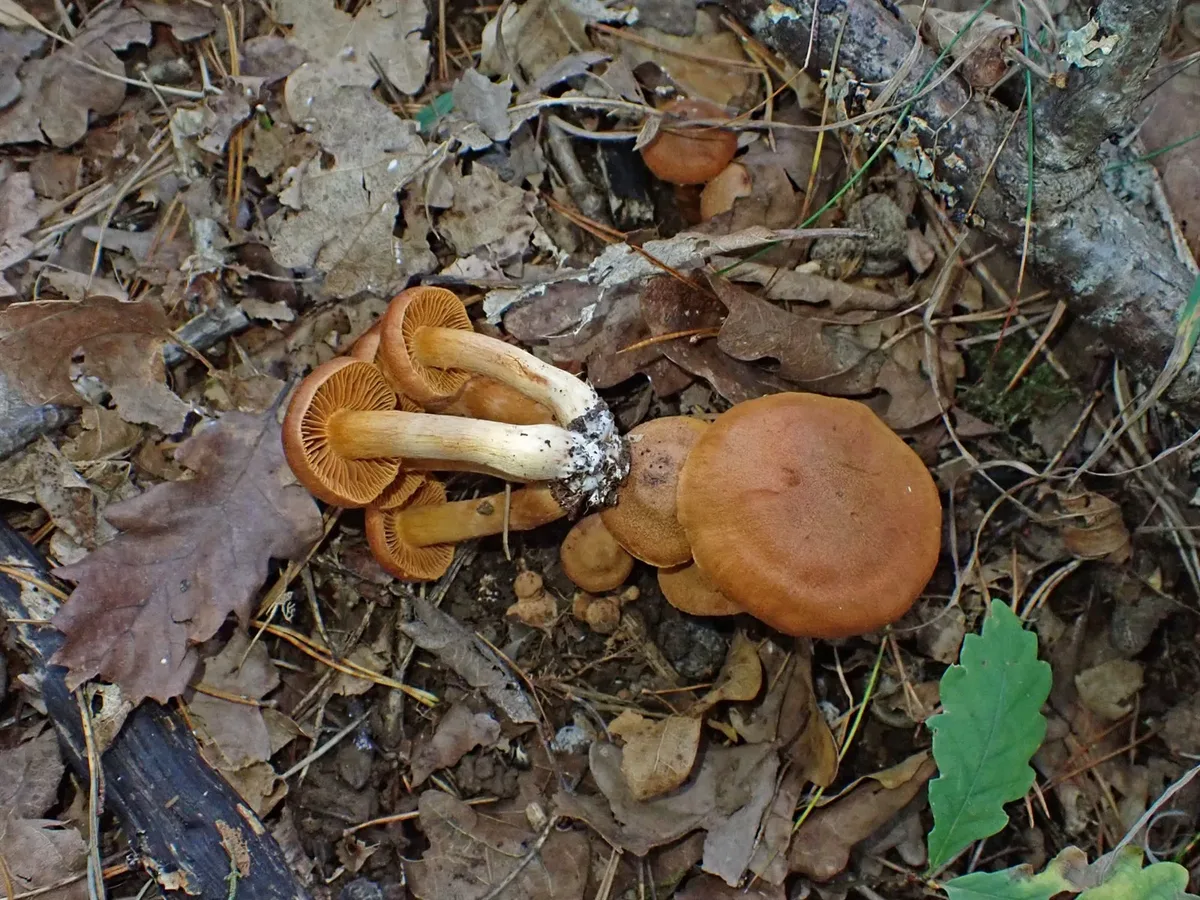 © Inger-Lise Fonneland (CC BY)
 © Inger-Lise Fonneland (CC BY)
 © Inger-Lise Fonneland (CC BY)
 © Inger-Lise Fonneland (CC BY)
 © Inger-Lise Fonneland (CC BY)
 © Inger-Lise Fonneland (CC BY)
 © Inger-Lise Fonneland (CC BY)© Inger-Lise Fonneland (CC BY)© Inger-Lise Fonneland (CC BY)
Toxic - and the most serious cases can be fatal. Never eat it, and wash your hands after handling.
Never eat a mushroom you are not 100% sure of - check the look-alikes below, and always cook wild mushrooms.
How to recognise it
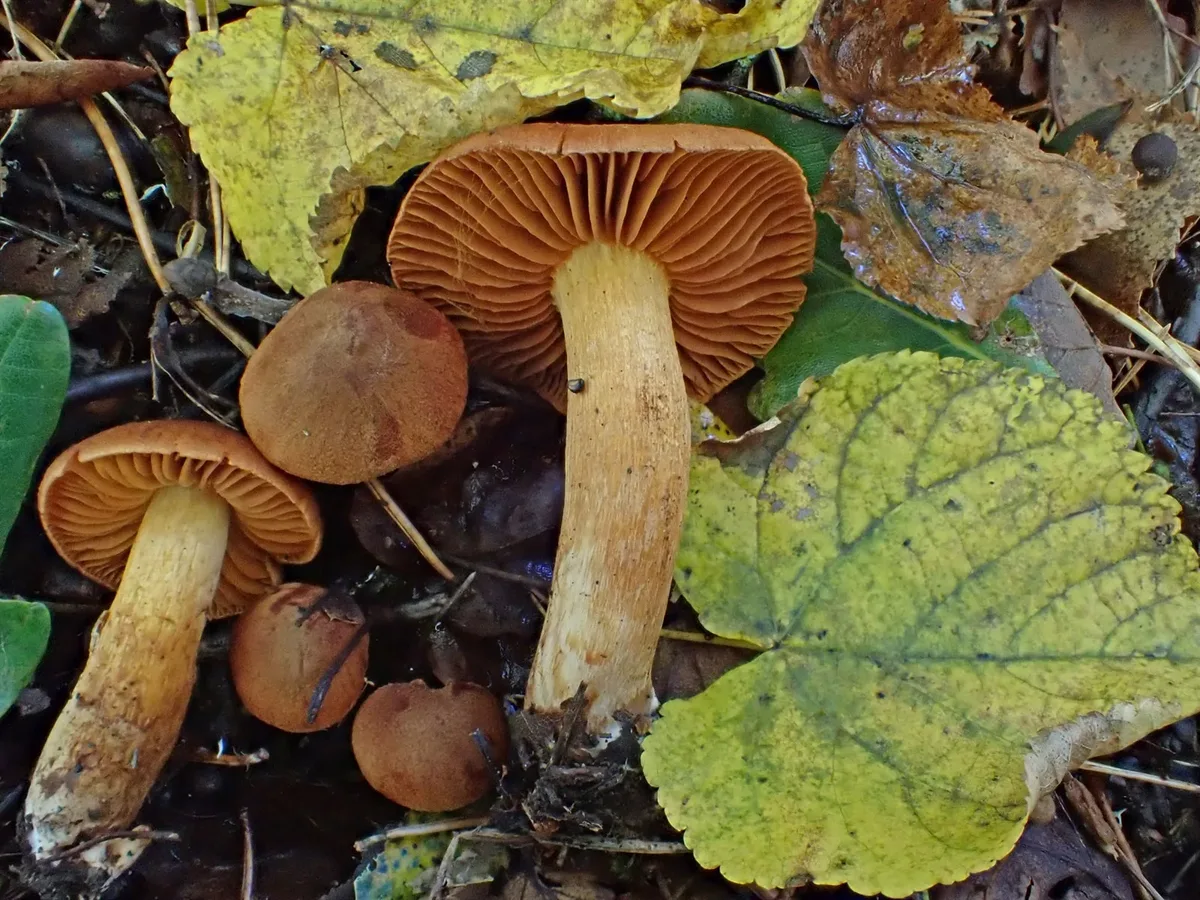
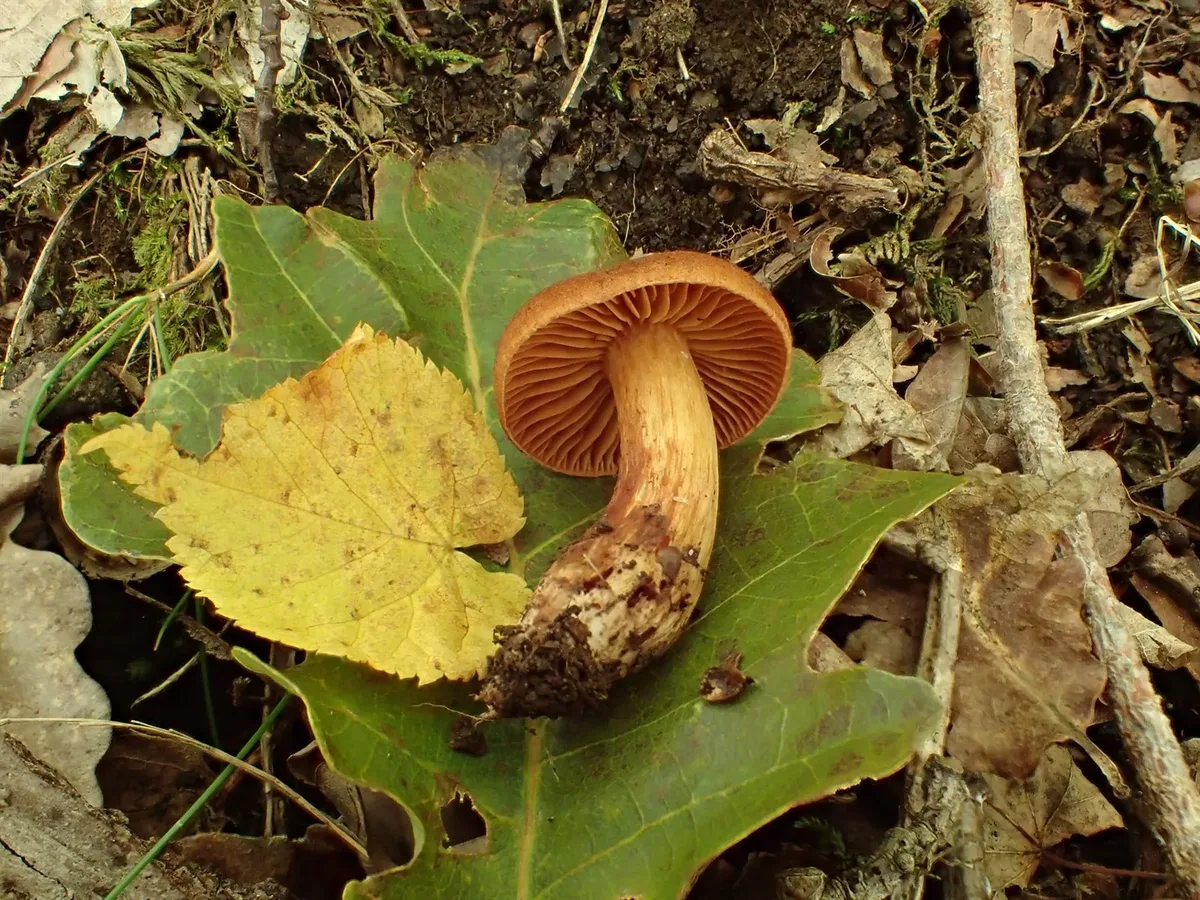
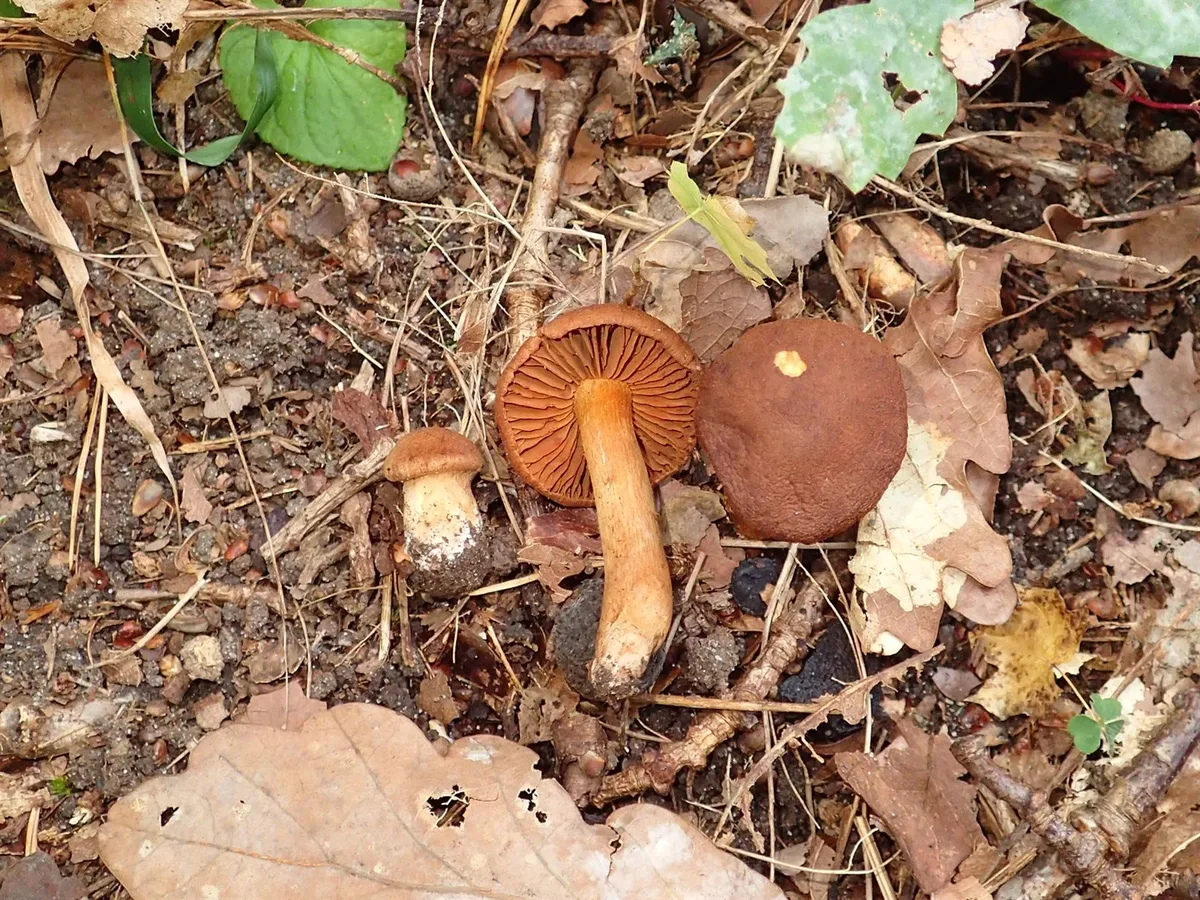
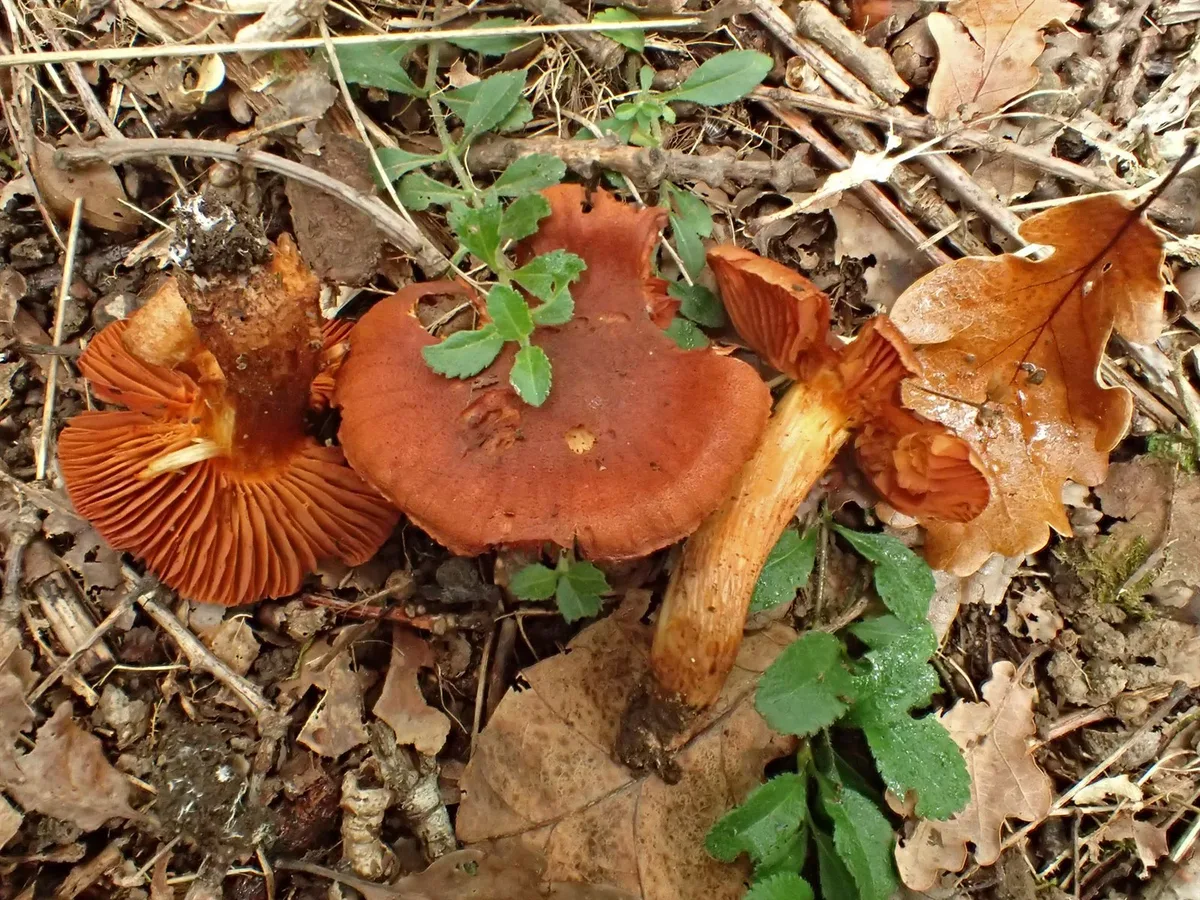
Cortinarius orellanus is a medium-sized agaric whose entire fruitbody is suffused with rust and amber - a palette that has, fatally, led foragers to mistake it for a chanterelle or a warm-toned brittlegill.
Cap
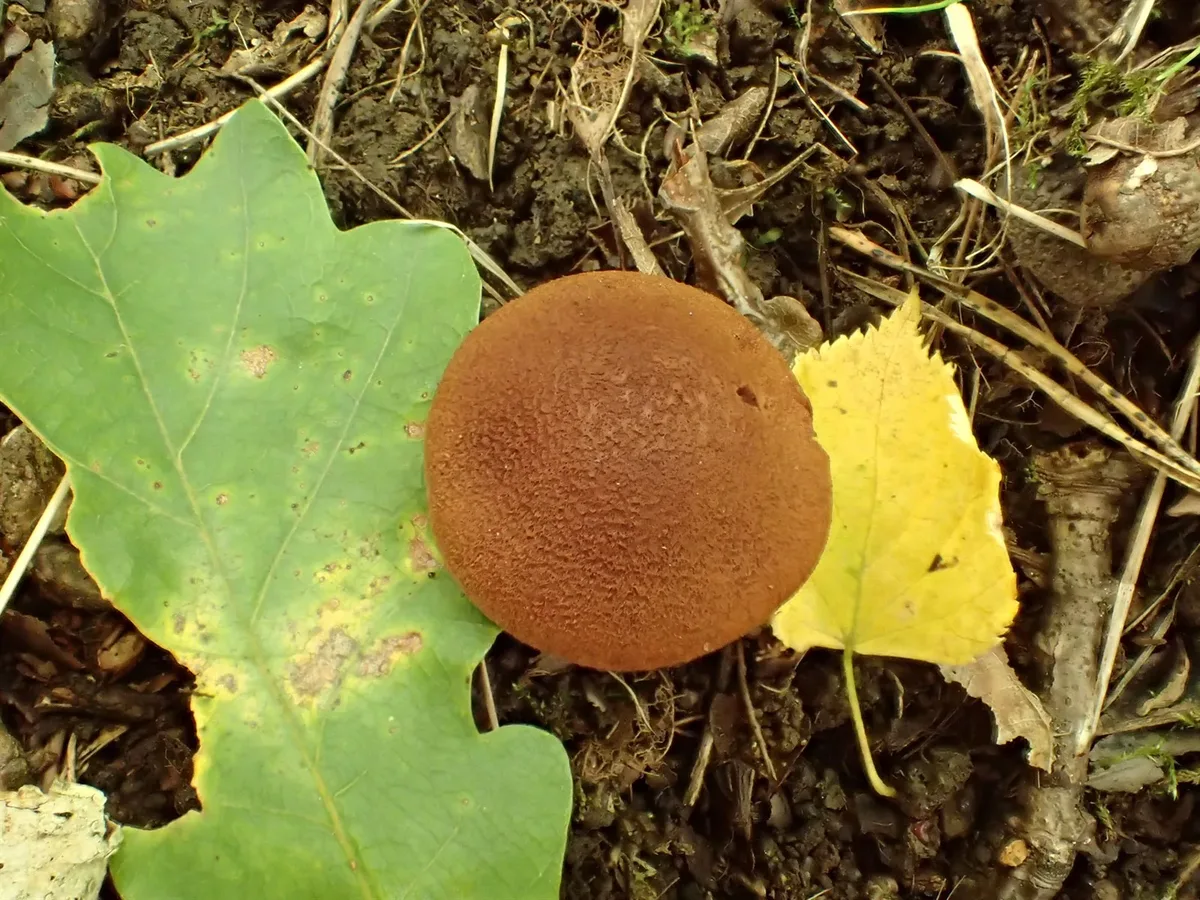
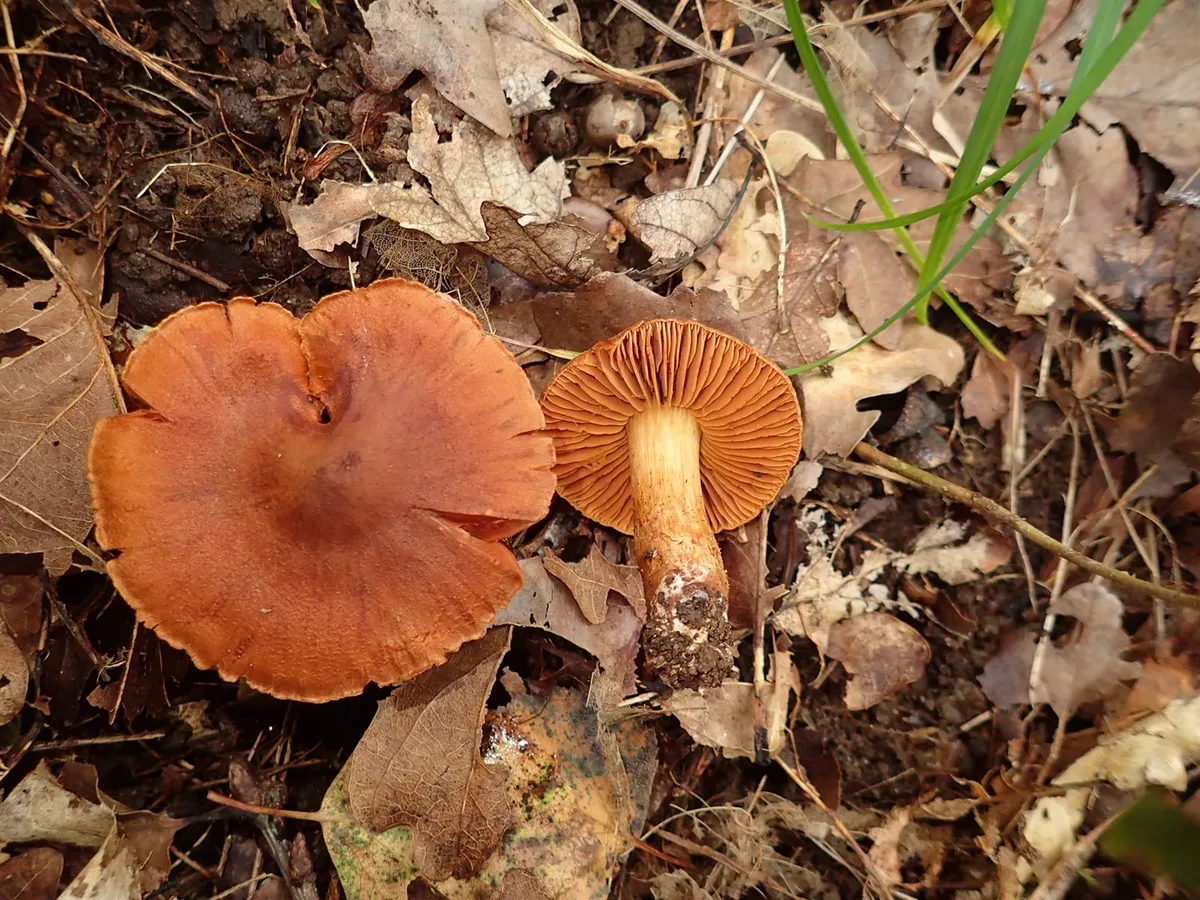
The cap begins convex and dry, 3-8 cm across, and flattens with age while retaining a low central boss. The surface is finely silky or almost felty, never viscid, ranging from tawny orange through brick-red to a deep cinnamon-rust.
Gills / Pores
The gills are attached and widely spaced, sharing the same rust-brown colouration and deepening as the dense spore deposit matures.
Stem
The stem is 4-9 cm tall and concolorous with the cap, solid and fibrous, often slightly club-shaped at the base.
What sets every young Cortinarius apart from lookalikes is the cortina: a cobweb-fine partial veil of silky threads stretched between the cap margin and the upper stem. As the cap expands, those threads rupture and collapse onto the stem, leaving a faint russet-brown girdle or woolly zone - the cortina remnant - that persists for a time before weathering away.
The closely related Cortinarius rubellus, sometimes treated as a synonym, is distinguished by a more acutely conical cap that retains its pointed umbo well into maturity and tends to grow more commonly under conifers. But both species carry the same lethal toxin at the same concentration, and the distinction carries no safety relevance: both are equally deadly.
Why it's dangerous
Cortinarius orellanus has caused mass poisoning events and individual fatalities across Europe and Russia. The most prominent was the 1952 outbreak in the Bydgoszcz region of Poland, in which over one hundred people were poisoned after consuming what they believed to be edible species collected in mixed woodland - an event that remained unexplained for several years because the long latency obscured the causal meal.
The danger profile combines features that are individually serious and collectively make this one of the most hazardous fungi in the temperate world:
- it grows in the same habitats and at the same season as valued edible species
- it resembles chanterelles and brittlegills to the inexperienced eye
- its orellanine content is sufficient in a single serving to cause irreversible renal injury
- it has no early warning symptoms
- there is no antidote
The confusion with chanterelles, in particular, is not a beginner's error that experience eliminates - it is a visual similarity that has misled adults who had foraged successfully for years.
Reliable differentiation requires knowledge of the cortina, the rust-brown spore print, and the blade-like true gills - three features that must all be examined together, not in isolation.
The practical safety rule adopted in professional mycological and clinical toxicology guidance is conservative and broad: treat any orange-brown woodland gilled mushroom with a cobweb-like partial veil zone on the stem as a potentially lethal webcap and reject it unconditionally.
Toxin
Orellanine (3,3′,4,4′-tetrahydroxy-2,2′-bipyridine N,N′-dioxide) is a bis-N-oxide dipyridyl compound. It was first isolated from Cortinarius orellanus fruitbodies by Stanisław Grzymała in 1959 and structurally characterised by Antkowiak and Gessner in 1979.
It is biosynthesised in the mycelium and accumulates in the fruitbody at concentrations that can exceed 1 mg per gram dry weight in some specimens - far above the dose needed to cause permanent renal injury in a human adult.
The mechanism of nephrotoxicity is oxidative: orellanine generates reactive oxygen species inside the cells of the renal proximal tubule (and to a lesser extent the distal tubule and collecting duct), leading to mitochondrial dysfunction and cell death.
Unlike amatoxins, which target RNA polymerase II and are rapidly distributed systemically, orellanine's target-organ specificity means early systemic signs (nausea, vomiting) are absent or minimal, and the first clinical presentation is often the late syndrome of renal tubular failure.
The toxin is present at similar concentrations in Cortinarius rubellus, C. speciosissimus, C. rainierensis, and several other Cortinarius species across the genus - establishing orellanine toxicity as a genus-wide rather than species-specific hazard.
There is no structurally analogous compound in any edible mushroom species, but this fact is clinically irrelevant: the toxin cannot be identified by taste, smell, or appearance.
Symptoms
Orellanine poisoning follows a clinical course unlike almost every other mushroom toxidrome, which makes early diagnosis exceptionally difficult.
After ingestion there is a latency period of four to fifteen days - with a median of approximately eight to ten days in clinical series reviewed by Dinis-Oliveira et al. (2016) - during which the patient may feel entirely normal, or experience only mild, non-specific symptoms:
- a dull headache
- excessive thirst
- unusual fatigue
- reduced urine output that is easily attributed to other causes
The first unambiguous symptom is oliguria (reduced urine production) or frank anuria as tubular function fails.
At presentation, laboratory findings typically show markedly elevated serum creatinine and urea, indicating advanced acute kidney injury; urinalysis shows proteinuria, cylindruria, and haematuria reflecting tubular destruction.
Nausea and vomiting appear at this late stage as a consequence of uraemia, not as an early warning.
Without prompt and accurate dietary history - which requires a clinician to specifically ask about mushroom consumption over the past two weeks - the link to the meal may not be established before the window for supportive intervention has narrowed.
Treatment is entirely supportive:
- haemodialysis or haemofiltration to compensate for lost renal function
- management of fluid and electrolyte balance
- renal transplantation, in cases where the remaining renal function is insufficient for survival
Recovery of native kidney function is possible in mild cases but is not the rule in moderate or severe poisoning.
Staying safe
The safety rule for Cortinarius orellanus is unconditional: no specimen of this species, and no specimen of any webcap you cannot positively identify to a non-toxic species, should enter the kitchen under any circumstances.
The hazard is compounded by three independent factors that make it unusually dangerous even among poisonous fungi:
- 1Latency: orellanine poisoning does not produce early gastrointestinal symptoms. The forager feels entirely well for four to fifteen days before kidney damage manifests, by which point the toxin has already caused significant nephrotoxic injury and the meal is no longer remembered as a candidate cause without careful clinical questioning.
- 2Dose-dependence: the amount of orellanine required to cause permanent renal failure in an adult is small, and the toxin concentration in the fruitbody is high; a single moderate-sized serving is sufficient for a lethal or transplant-level dose.
- 3Irreversibility: unlike some mushroom toxins, orellanine causes cell death in the proximal tubules of the kidney - damage that does not regenerate.
In the 1952 Polish poisoning event that first brought orellanine to clinical attention, over one hundred people were poisoned, and many died or required long-term dialysis. That event and subsequent European cases established the clinical picture and led to the isolation of the toxin in 1979.
There is no antidote. There is no treatment that reverses established nephrotoxicity. Recognition and avoidance are the only protection.
Where & when it grows
Habitat
Cortinarius orellanus forms obligate ectomycorrhizal partnerships with the roots of broadleaved and mixed woodland trees - particularly oaks (Quercus), but also beech and occasionally mixed-conifer woodland. This habitat preference separates it somewhat from the more strictly conifer-associated C. rubellus.
The relationship is mutualistic in the full biological sense: the mycelium wraps the fine feeder roots in a sheath (the Hartig net), exchanging mineral nutrients drawn from the soil against carbon fixed photosynthetically by the host.
This bond means the fungus cannot be cultivated in isolation and will not fruit in the absence of its tree partners. It also explains why the species is not uniformly distributed but appears in discrete patches tied to suitable host trees and the right soil chemistry - typically acidic, well-drained sandy or loamy soils poor in nitrogen.
The mycelial network threading through the soil can persist for many years, outlasting drought and frost underground while the above-ground fruitbodies remain absent.
In Eastern Europe and Russia, where the species has caused the majority of documented mass poisonings, it tends to grow in old broadleaved and mixed stands on acidic lowland soils, emerging among leaf litter or on mossy ground near the bases of oaks in light that filters unevenly through the canopy.
When
Cortinarius orellanus fruits from late summer into mid-autumn, broadly spanning August through November in its European and Russian range. The main flush is concentrated in September and October, when air temperatures cool and the soil retains residual warmth from summer.
The trigger for fruiting, as in most ectomycorrhizal species, is a combination of falling night temperatures and sufficient soil moisture following late-summer or early-autumn rainfall - the same conditions that drive the chanterelle and brittlegill flushes that Cortinarius orellanus tragically overlaps.
The species is not strictly ephemeral. Individual fruitbodies are firm and dry-fleshed and may persist for two or three weeks under cool, dry conditions, which means the danger window extends well past the initial flush.
In warm autumns the season can stretch later into November; in cold continental climates such as central Russia, the season is compressed and tends to peak in September.
The temporal overlap with desirable edible species - chanterelles, ceps, and various Russula species - in the same forest at the same time is precisely the ecological circumstance that has made Cortinarius orellanus responsible for mass poisoning events when inexperienced foragers work these habitats.
How it grows
Like all webcaps, Cortinarius orellanus is a strict mycorrhizal fungus: it cannot decompose organic matter and has never been successfully cultivated in the absence of a living host tree.
The fruitbody emerges from mycelium that has already established and maintained the ectomycorrhizal partnership, sometimes for decades, in the root-dense upper horizons of the mineral soil.
Primordia form within the soil or just below the litter layer, and the fully formed pin-stage fruitbody pushes upward over several days - rather than appearing overnight in the dramatic manner of some saprotrophic species.
Dry-fleshed and fibrous from the beginning, the fruitbody is remarkably durable compared with thin-fleshed woodland mushrooms and can persist in recognisable condition through light frosts and dry spells.
The mycelium itself is perennial. The genetic individual (genet) may occupy a patch of soil for many years and produce fruitbodies annually when seasonal conditions permit, accounting for the observation that known sites recur reliably from year to year.
This site-fidelity has occasionally been used to argue for avoiding known Cortinarius patches, but the practical reality is that the species is easily overlooked until it is in the hand.
Look-alikes
The two dangerous confusions documented in fatal and severe poisoning cases are with chanterelles (Cantharellus cibarius) and brittlegills (Russula species).
Distinguishing chanterelles:
- chanterelles have false gills - blunt, repeatedly forked ridges running partway down the stem - not the thin, blade-like, rust-brown true gills of a webcap
- chanterelle flesh is pale yellow-white and has a faint fruity or apricot odour
- chanterelles have no partial veil of any kind, and therefore no cortina and no veil zone on the stem
- the chanterelle spore print is pale cream to pale yellow, never the rusty brown of an orellanine-bearing Cortinarius
Distinguishing brittlegills (Russula):
- Russula species have brittle, chalk-white to cream gills that snap cleanly like chalk
- they have no partial veil and no cortina
- the spore print ranges from white to cream or pale ochre depending on species, never the deep rust-brown of a webcap
- Russula caps are often brightly coloured (red, purple, green, yellow) though some species are brownish - the brownish Russula species that might superficially suggest a webcap still lack the cortina and the rust gills entirely
Any orange-brown gill mushroom with a cobweb-fine veil zone on the stem is a webcap. Treat the entire Cortinarius genus as potentially lethal and reject all specimens regardless of apparent minor differences from known dangerous species.
Confused with Russula species by inexperienced foragers; brittlegills have brittle white-to-cream gills and no cortina, unlike the rust-brown gills and cobweb veil of the webcap. This confusion has led to deaths.
Confused with chanterelles by inexperienced foragers; chanterelles have blunt forked false gills (ridges) and a fruity smell, never the rust-brown gills and cobweb cortina of a webcap. This confusion has led to deaths.
Various edible brown-spored agarics are confused with this species; check for the rust-brown gills and cortina, and never eat brown webcaps.
Dangerously confused with hallucinogenic mushrooms by foragers seeking them out; orellanine poisoning can result instead.
A reference guide - never an edibility guarantee. When in doubt, leave it out.