Magellanic webcap
Cortinarius magellanicus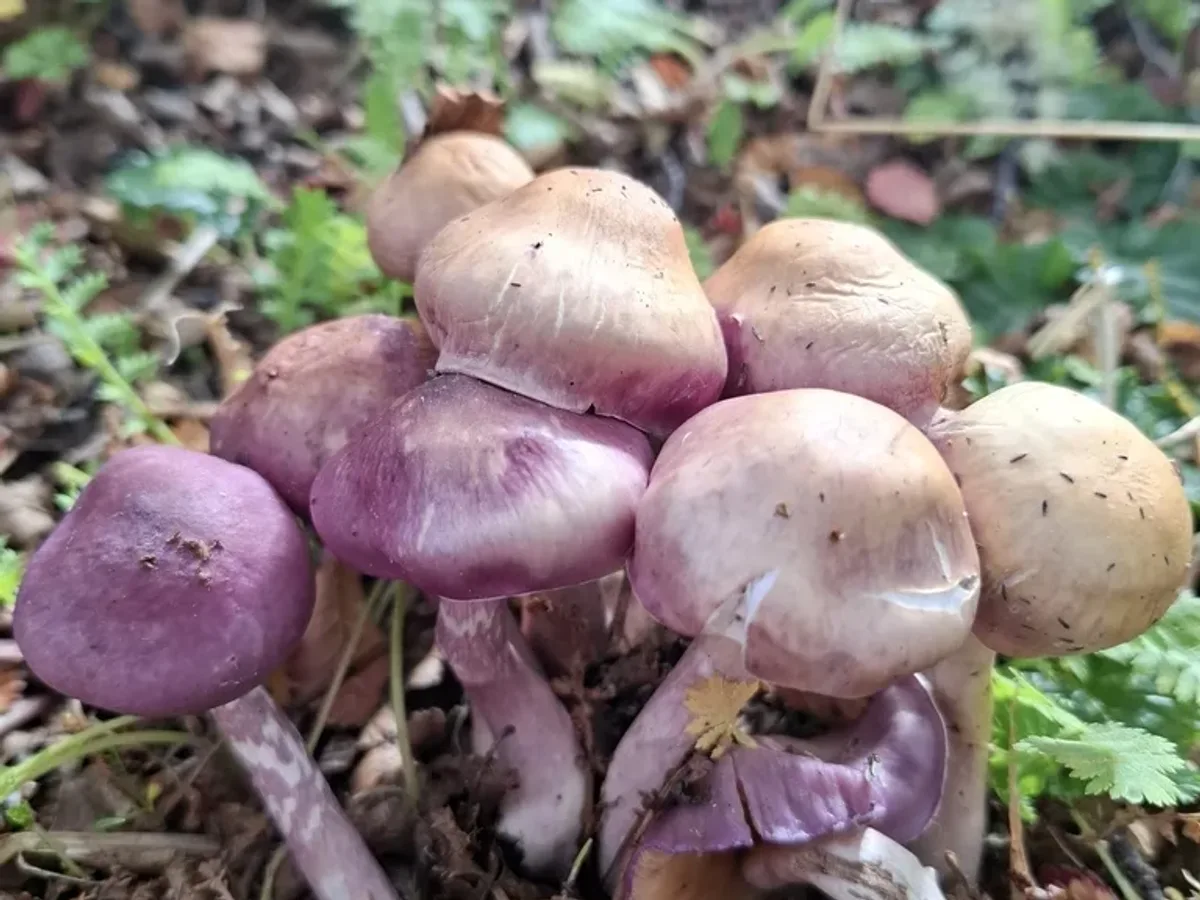 (c) Cecilia Briceño, some rights reserved (CC BY-SA)
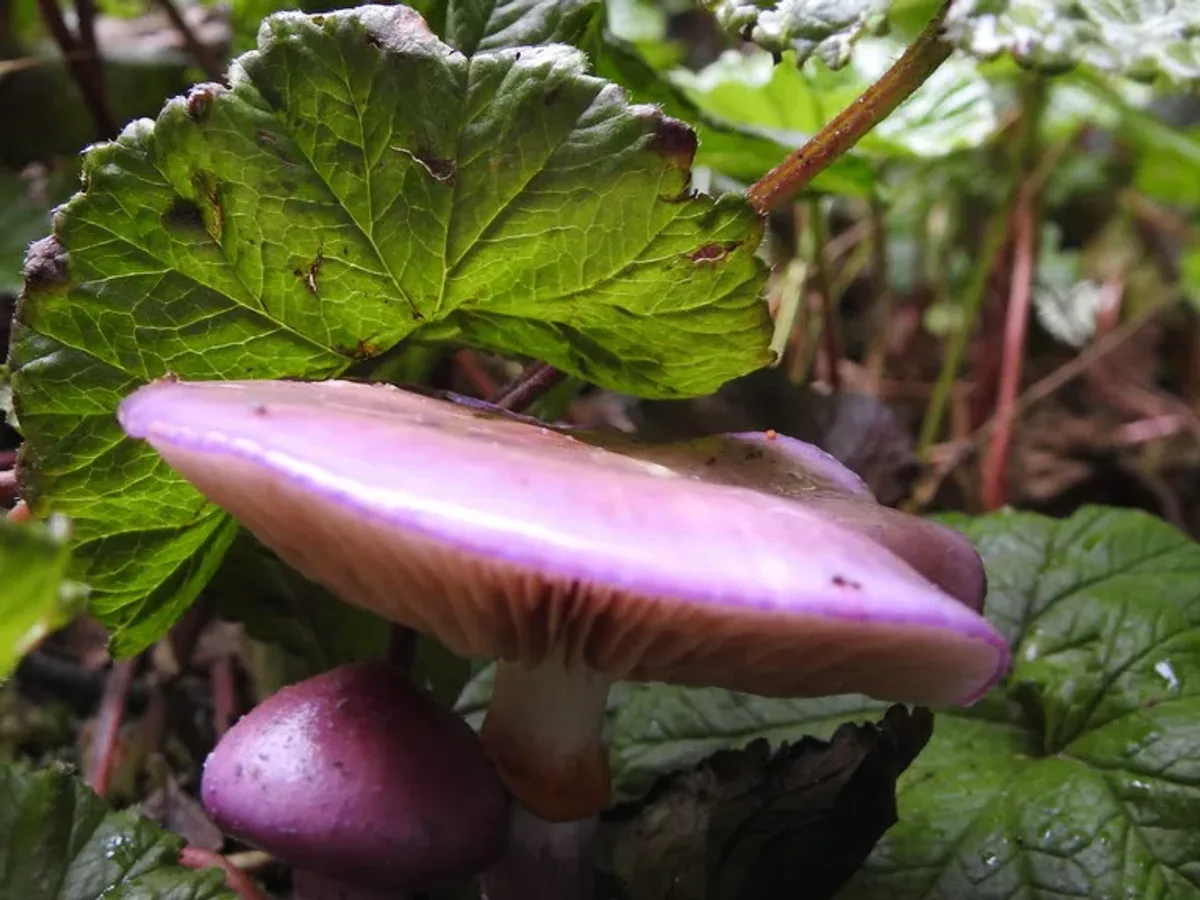 (c) María Regina Silva, some rights reserved (CC BY)
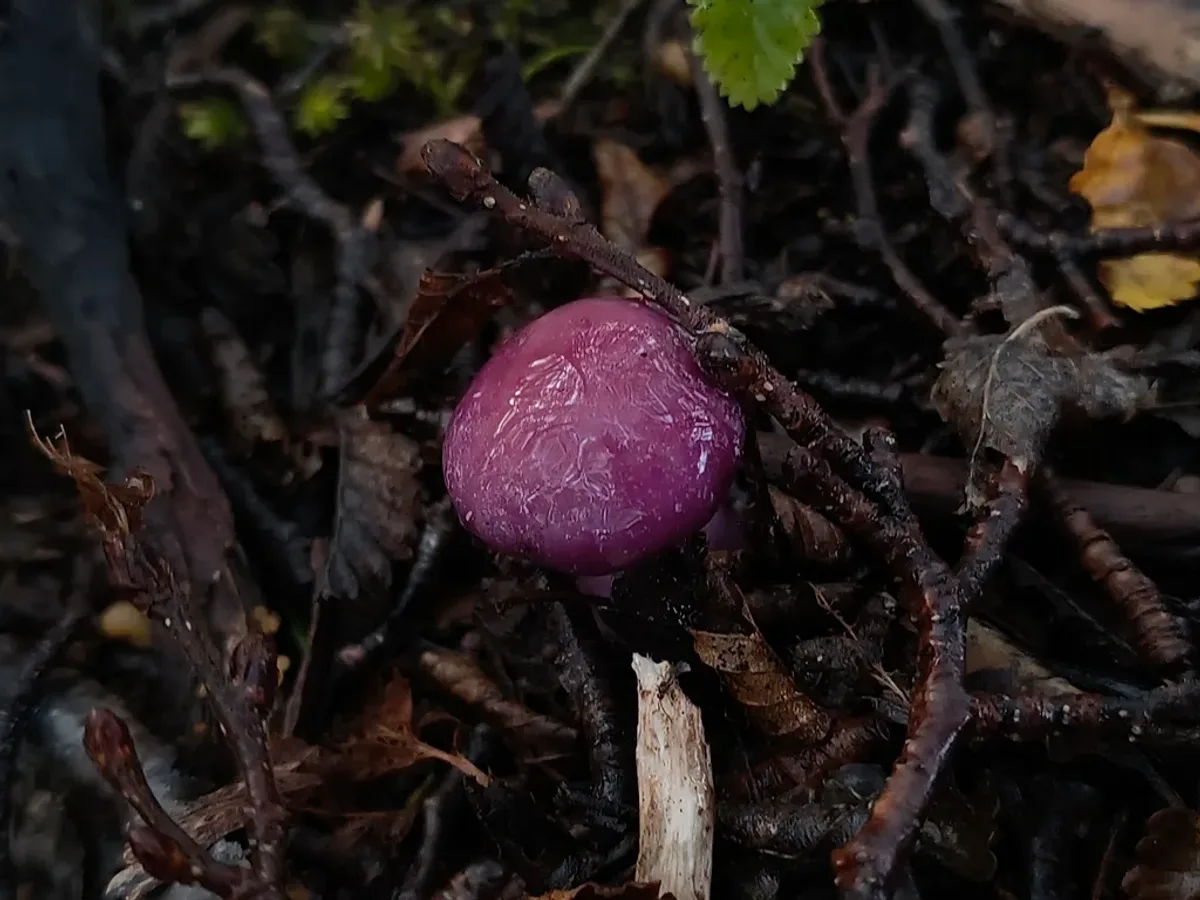 (c) Pablo, some rights reserved (CC BY)
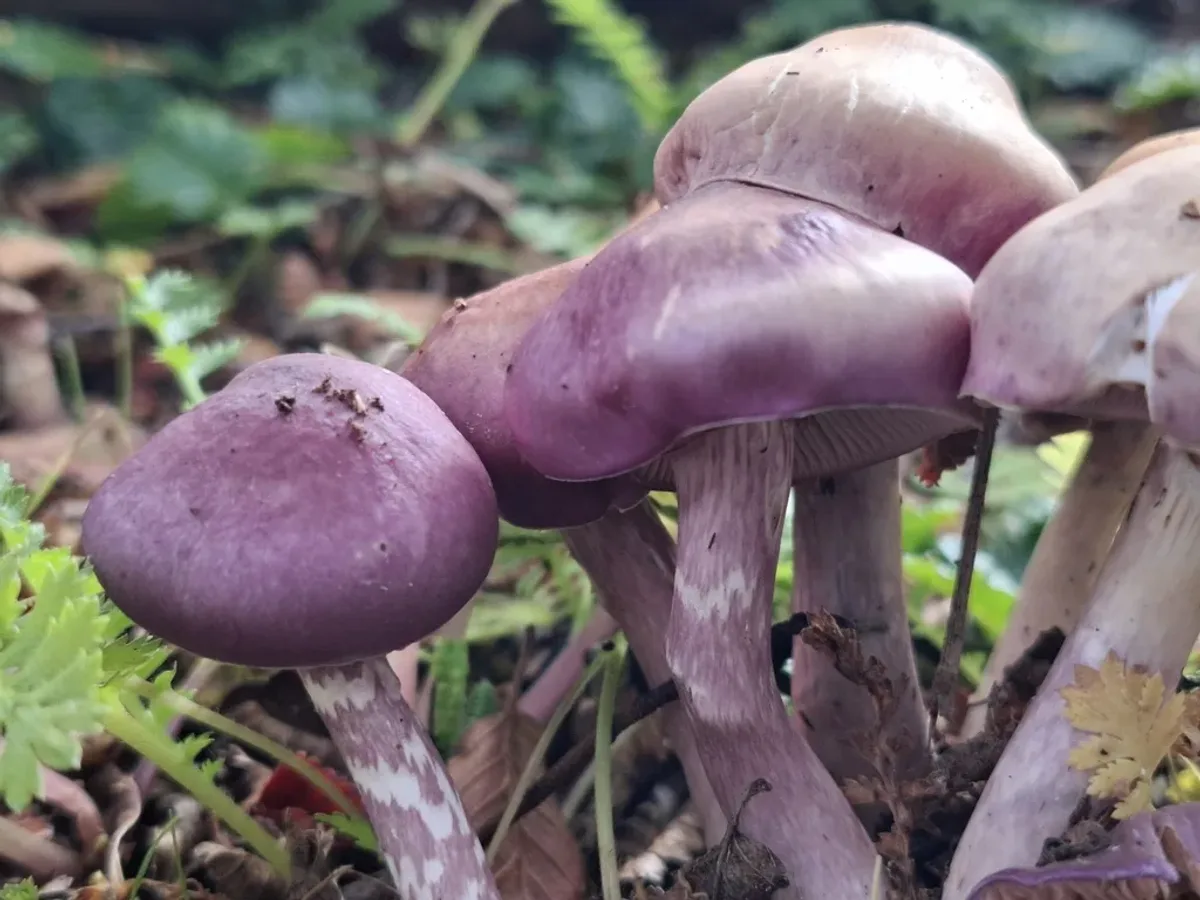 (c) Cecilia Briceño, some rights reserved (CC BY-SA)
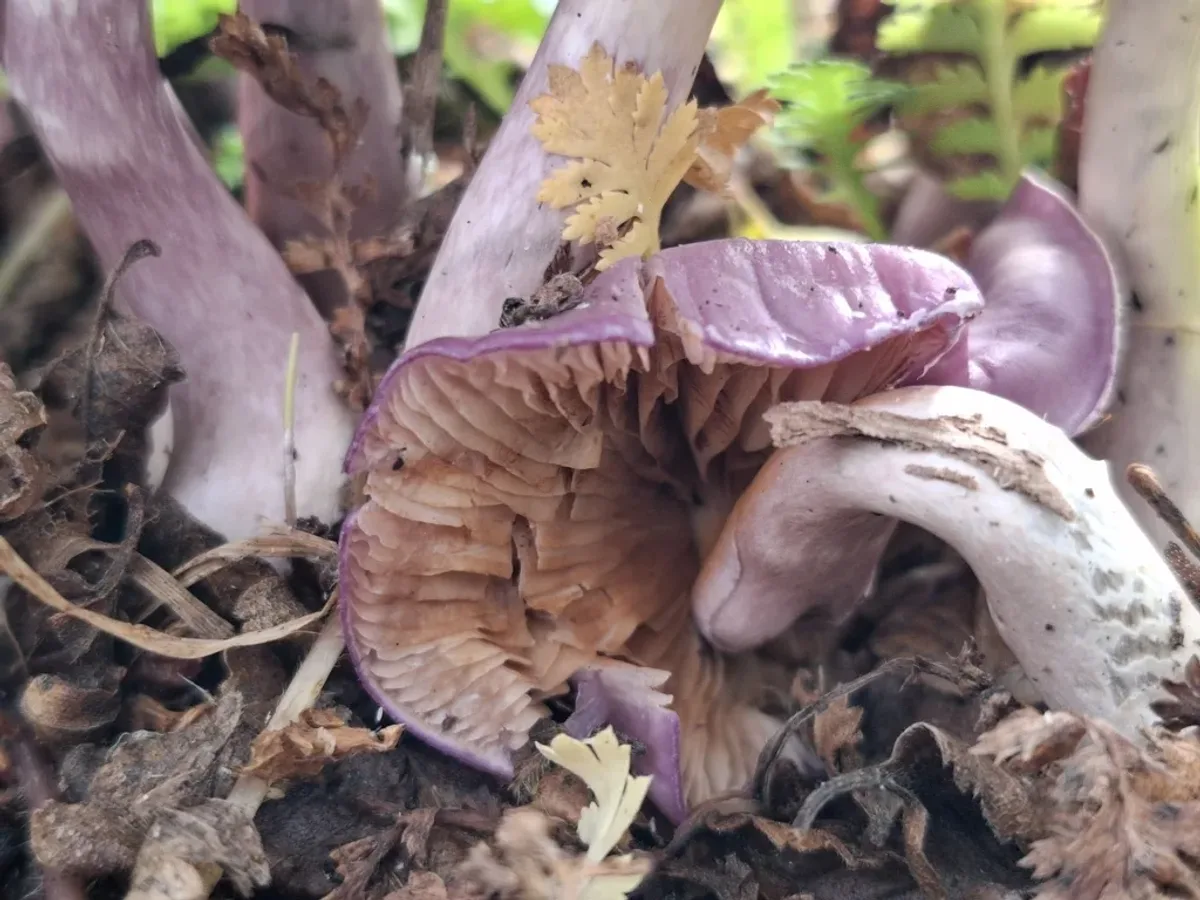 (c) Cecilia Briceño, some rights reserved (CC BY-SA)(c) Cecilia Briceño, some rights reserved (CC BY-SA)(c) María Regina Silva, some rights reserved (CC BY)
Toxic - and the most serious cases can be fatal. Never eat it, and wash your hands after handling.
Never eat a mushroom you are not 100% sure of - check the look-alikes below, and always cook wild mushrooms.
How to recognise it
Cap
Cap 3-8 cm, convex when young and broadening to flat or broadly umbonate. Surface dry to slightly hygrophanous (colour-changing with moisture): brown to reddish-brown or tawny-ochre when wet, fading to buff or pale tan when dry.
Gills
Gills adnate to sinuate, moderately spaced, pale cinnamon-buff when young, turning characteristic rust-brown at spore maturity.
Stem
Stem 5-10 cm × 0.8-1.5 cm, cylindrical to slightly club-shaped, fibrillose, pale brown to ochre.
The single most important field character for this genus is the cortina: a delicate cobweb of whitish to pale ochre threads spanning from the cap margin to the upper stem, visible only in young, fresh specimens.
As the mushroom ages or gets wet, the cortina disintegrates, but leaves a telltale rust-brown ring-zone on the stem from trapped spores - look for this staining even on mature specimens.
Spore print rust-brown to cinnamon, distinguishing this genus from look-alike genera with white or pink spore prints.
Why it's dangerous
The principal danger of orellanine-bearing webcaps is not their potency alone but the deception of their latency.
Unlike amatoxin poisoning (Amanita phalloides-type), where gastrointestinal symptoms typically appear within 6-24 hours, orellanine victims may report feeling well for days or weeks, during which time nephrotoxic damage accumulates silently.
By the time renal failure becomes clinically apparent, the mushroom ingestion may be a distant memory, making diagnosis genuinely difficult. In remote Patagonian environments, where evacuation to specialist medical care is slow and logistics are challenging, this risk is compounded.
No amount of specimen uncertainty justifies eating an unidentified brown Cortinarius-type mushroom in this region.
The endemic Nothofagus-associated Cortinarius flora of Patagonia and Tierra del Fuego is scientifically understudied, meaning safe-eating claims based on traditional use or published edibility tables from other regions cannot be applied here.
Toxin
Orellanine and related orelline are bipyridine N-oxide nephrotoxins that selectively damage kidney proximal tubule cells.
They generate reactive oxygen species that destroy mitochondrial function and cellular ATP production in tubular epithelium, leading to irreversible nephron loss.
The compound was first characterised from the European Cortinarius orellanus. Chemically related species across the Cortinarius genus, including Southern Hemisphere webcaps from Nothofagus forest, are considered to contain structurally analogous nephrotoxins.
Orellanine is not metabolised or excreted rapidly, which explains the long latent period before symptoms become clinically apparent.
Symptoms
Orellanine poisoning is characterised by an insidiously long and medically dangerous latent period of 2 days to 3 weeks between ingestion and first symptoms.
During this window the victim may feel entirely normal or mildly unwell, and the connection to mushroom ingestion is easily overlooked.
When symptoms emerge they include:
- Intense thirst
- Polyuria (excessive urination) or paradoxically oliguria (reduced urine)
- Nausea
- Vomiting
- Headache
- Fatigue
- A burning sensation in the mouth and upper gastrointestinal tract
These progress to acute tubular necrosis and acute interstitial nephritis.
Without intervention, severe cases advance to permanent chronic renal failure requiring long-term dialysis or kidney transplantation.
No antidote exists. Supportive care and, in severe cases, renal replacement therapy are the only treatment options.
Staying safe
Treat Cortinarius magellanicus as potentially deadly.
The genus Cortinarius contains nephrotoxic orellanine-class compounds in multiple species across the northern and southern hemispheres. Southern Hemisphere Cortinarius associated with Nothofagus have been placed in the same risk category as the European deadly webcaps C. orellanus and C. rubellus.
C. magellanicus has not been studied as thoroughly as European species, but the precautionary principle unambiguously applies: an unstudied webcap from a high-risk genus should be treated as toxic until proven otherwise.
If any webcap ingestion is suspected, seek emergency medical care immediately and do not wait for symptoms - by the time kidney symptoms appear, the damage may already be irreversible.
In Chile and Argentina contact CITUC (Centro de Información Toxicológica UC, +56 2 2635 3800) or local emergency services.
Where & when it grows
Habitat
Grows exclusively in Magellanic Nothofagus forest, the temperate rainforest system of southernmost Patagonia and Tierra del Fuego.
The host trees form dense, often wind-pruned stands at the southern limits of tree growth:
- Lenga beech (N. pumilio)
- Ñire (N. antarctica)
- Coigüe de Magallanes (N. betuloides)
C. magellanicus emerges among deep accumulations of beech leaf litter and mosses, typically in sheltered sites where soil moisture is retained.
The Magellanic forest is a globally distinct biome. The mycorrhizal fungi here are largely endemic and have evolved with these southern beeches over millions of years.
Finding this species therefore requires being in the right forest type - it will not appear in grassland, plantation, or suburban settings.
When
Fruits in the Southern Hemisphere late summer and autumn, broadly February through May, with peak activity in March and April when days shorten, temperatures drop, and reliable autumn rainfall arrives.
The Magellanic climate is notoriously wet and cool. Fruiting is less dependent on drought-breaking rain events (as in Mediterranean regions) and more governed by the arrival of reliable autumnal cool.
Fruiting bodies are short-lived, often collapsing within a week in the characteristically windy conditions of the far south.
How it grows
Strictly ectomycorrhizal. The mushroom you see is only the reproductive tip of a much larger organism: a web of mycelium that threads through the soil around Nothofagus roots, quietly exchanging mineral nutrients and water for the tree's sugars, year after year, largely invisible.
Without a living host tree this fungus cannot fruit at all.
The caps emerge singly or in loose scattered groups along root lines, often tracing the underground path of a beech root. Occasionally two or three specimens appear close together, but dense clusters are atypical for this species.
Fruiting conditions
Magellanic forest is persistently moist; fruiting is triggered less by discrete rain events than by the seasonal cooling of soil below ~13°C in late summer. Flush lag is extended at low temperatures. Conservative estimate based on the known autumn season and general Cortinarius ecology in analogous Nothofagus systems.
Look-alikes
In Magellanic Nothofagus forest, C. magellanicus can be confused with several other brown-capped mushrooms.
The genus Cortinarius itself contains many species in this habitat, and species-level separation without microscopy and chemistry is unreliable - all should be treated with equal caution.
- Russula species have a similar dull brown to reddish-brown cap but are easily distinguished by their brittle, non-fibrous flesh that snaps cleanly rather than tearing, their white to cream spore print, and the complete absence of any cortina or rust-brown spore staining on the stem.
- Inocybe species are smaller, with finely fibrillose caps and a white to grey-brown spore print that can partially resemble rust-brown - but Inocybe are also seriously toxic (muscarine), and confusion between Inocybe and Cortinarius is not safe.
- Descolea antarctica (a native Agaricales) occurs in the same forest and shares the Nothofagus mycorrhizal niche; it has a more orange-yellow ochre cap and lacks the classic cortina structure.
- Galerina species occupy the same forest litter and are also deadly amatoxin-bearing species that could appear alongside webcaps; the key distinctions are Galerina's smaller size, ring (annulus, not cortina remnants), and context on wood or deep moss.
The brown colour, rust-brown spore print, cortina remnants on the upper stem, and Nothofagus forest habitat collectively identify the genus Cortinarius - all members of which should be avoided.
Galerina marginata and related species are small to medium-sized, brownish, deadly amatoxin-bearing mushrooms that may grow in Nothofagus forest litter or on decaying wood. They are generally smaller than C. magellanicus (cap rarely exceeding 4 cm), often have a persistent ring (annulus) rather than cortina remnants, and grow on wood or very close to it. Spore print is rust-brown in both genera, making that character unhelpful here. Any brown, ring- or veil-bearing mushroom in Magellanic forest should be presumed toxic.
Numerous undescribed or incompletely studied Cortinarius species co-occur in Magellanic Nothofagus forest and are morphologically indistinguishable from C. magellanicus in the field. All share rust-brown spore prints, cobweb cortina remnants on the stem, and ectomycorrhizal Nothofagus habitat. Species-level identification requires microscopy and molecular analysis. All should be treated as equally dangerous; the genus cannot be safely foraged in this region.
Descolea antarctica is an endemic Nothofagus mycorrhizal mushroom in southern South America that grows in the same habitat. It has a more distinctly orange-yellow to ochre-gold cap surface (sometimes scaly at the centre), a prominent skirt-like ring (annulus) on the stem rather than cortina remnants, and an ochre-brown to dull yellow-brown spore print. The ring is membranous and persistent, unlike the wispy cobweb cortina of Cortinarius. The edibility of Descolea antarctica is uncertain; it should also not be consumed without expert verification.
Russula species can share a brownish to reddish-brown cap colour and Nothofagus forest habitat. Key distinctions: Russula flesh is extremely brittle and breaks cleanly like chalk rather than tearing in fibres; the gills are rigid and snap off rather than bending; spore print is white to cream, never rust-brown; no cortina or cobweb veil is ever present; stems are solid and stout. These differences are reliable even without specialist knowledge: the snap test on a Russula gill is definitive.
A reference guide - never an edibility guarantee. When in doubt, leave it out.