Shaggy ink cap
Coprinus comatus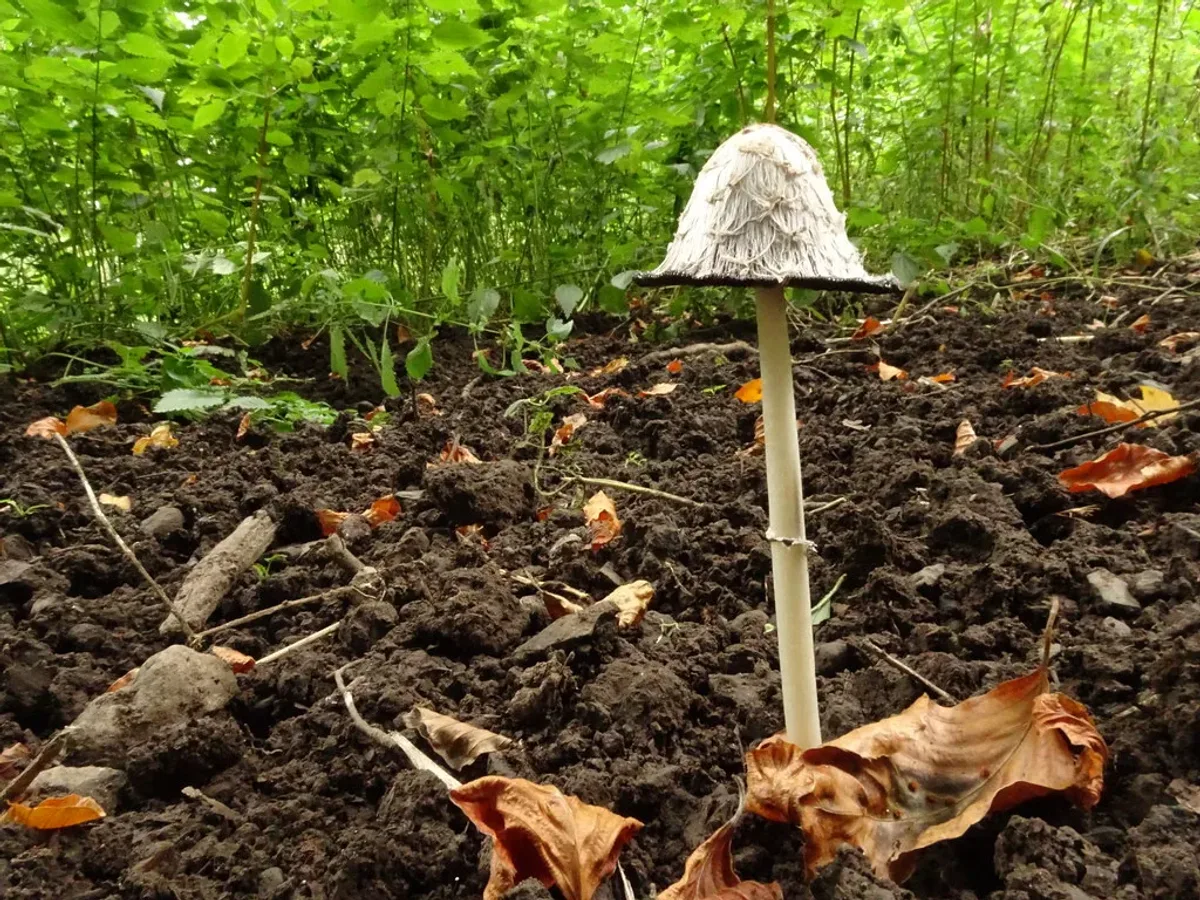 © Ephemeral Impressions (CC BY-SA 2.0)
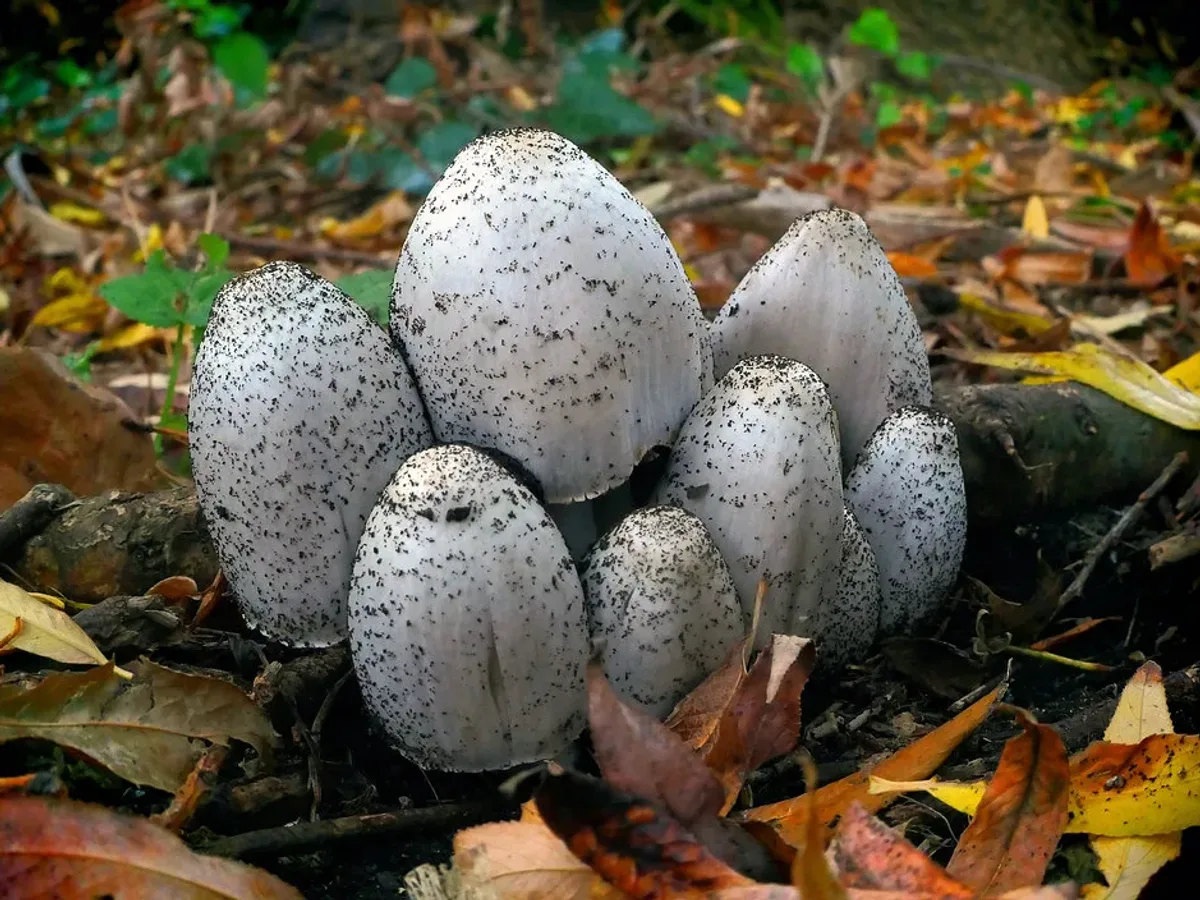 Bernard Spragg (Public domain)
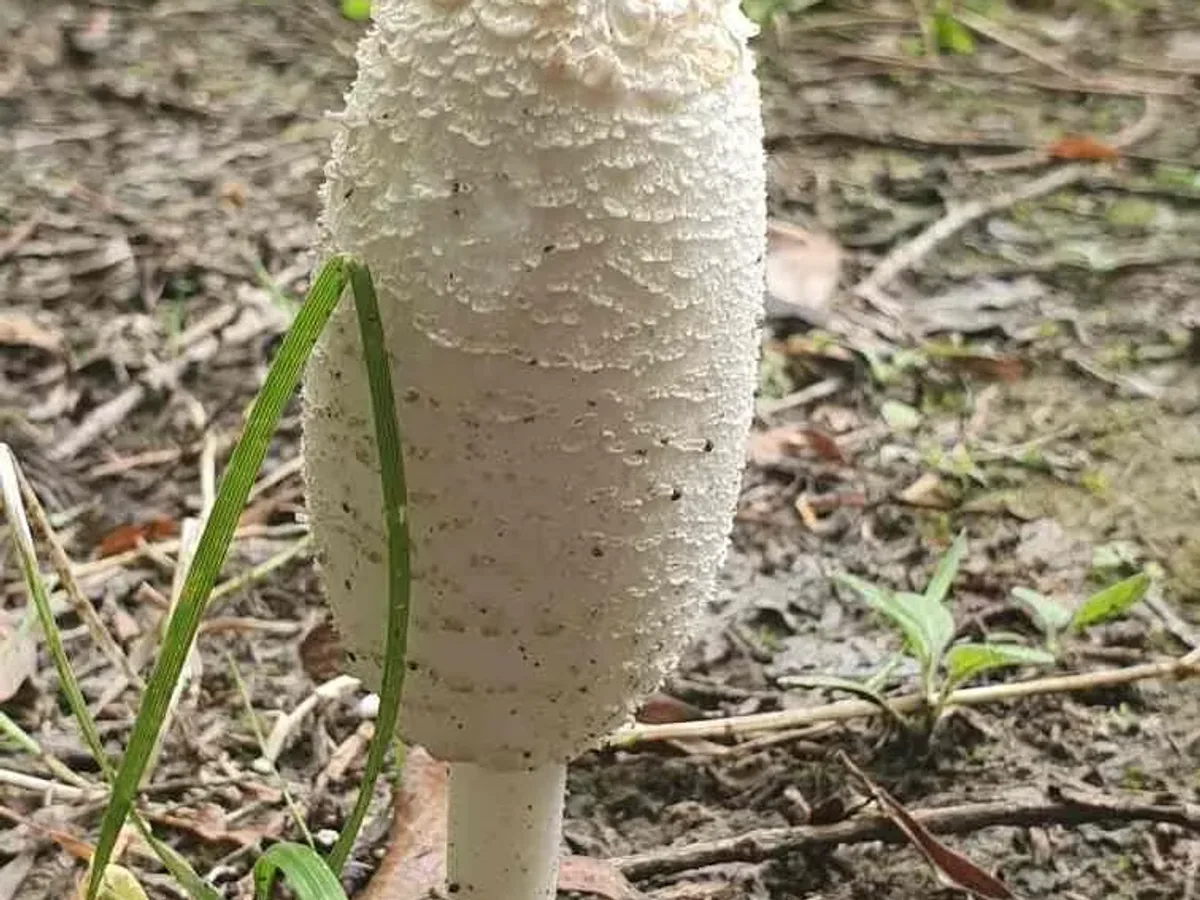 © Leyton Ashley (CC BY)
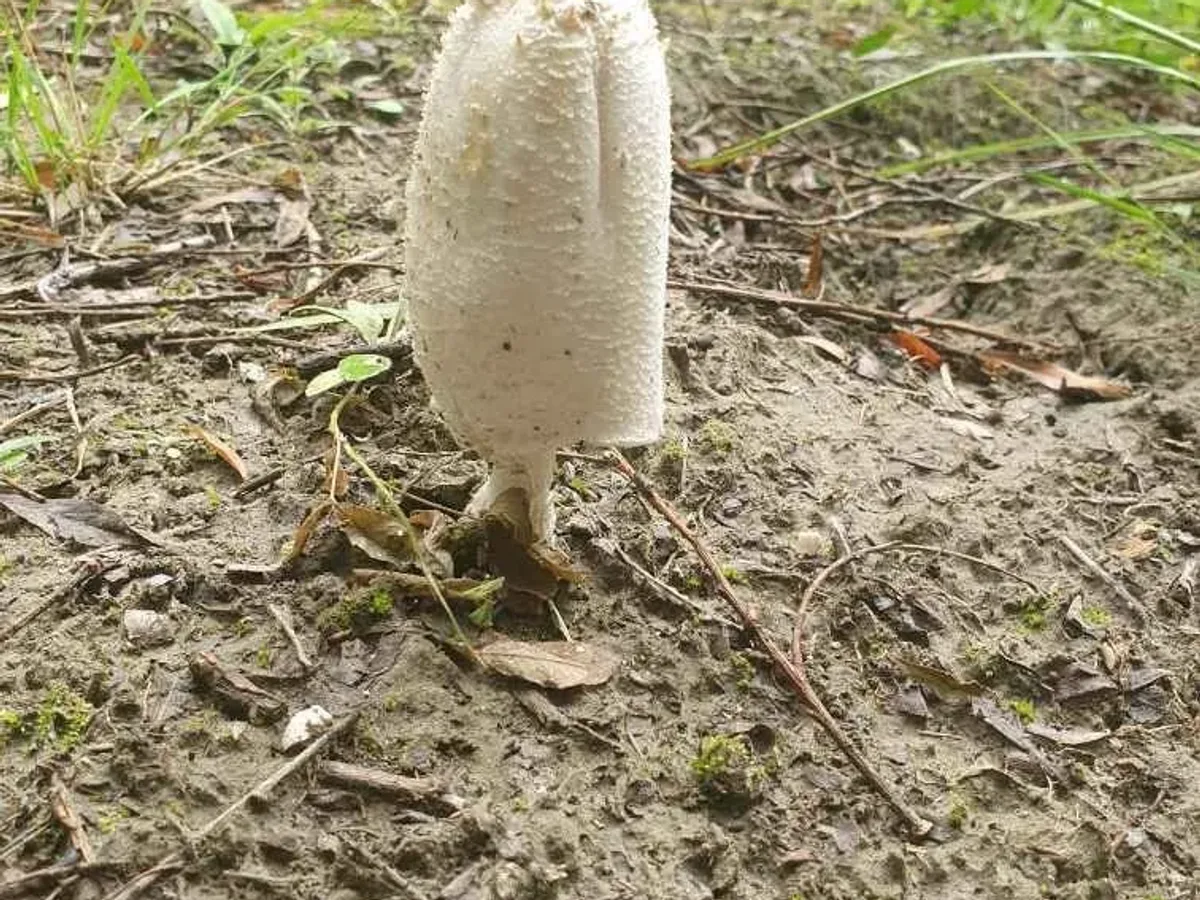 © Leyton Ashley (CC BY)
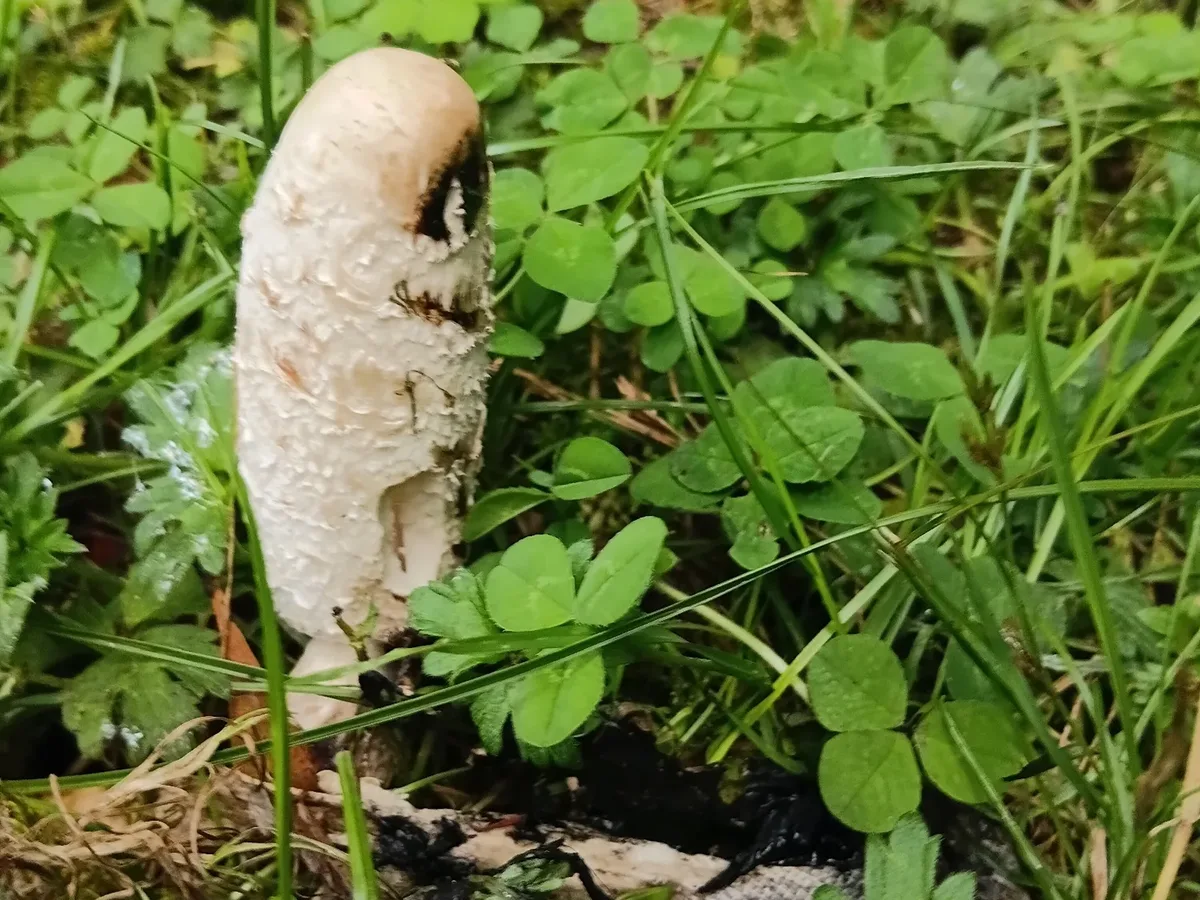 Esther Cocker (CC0)
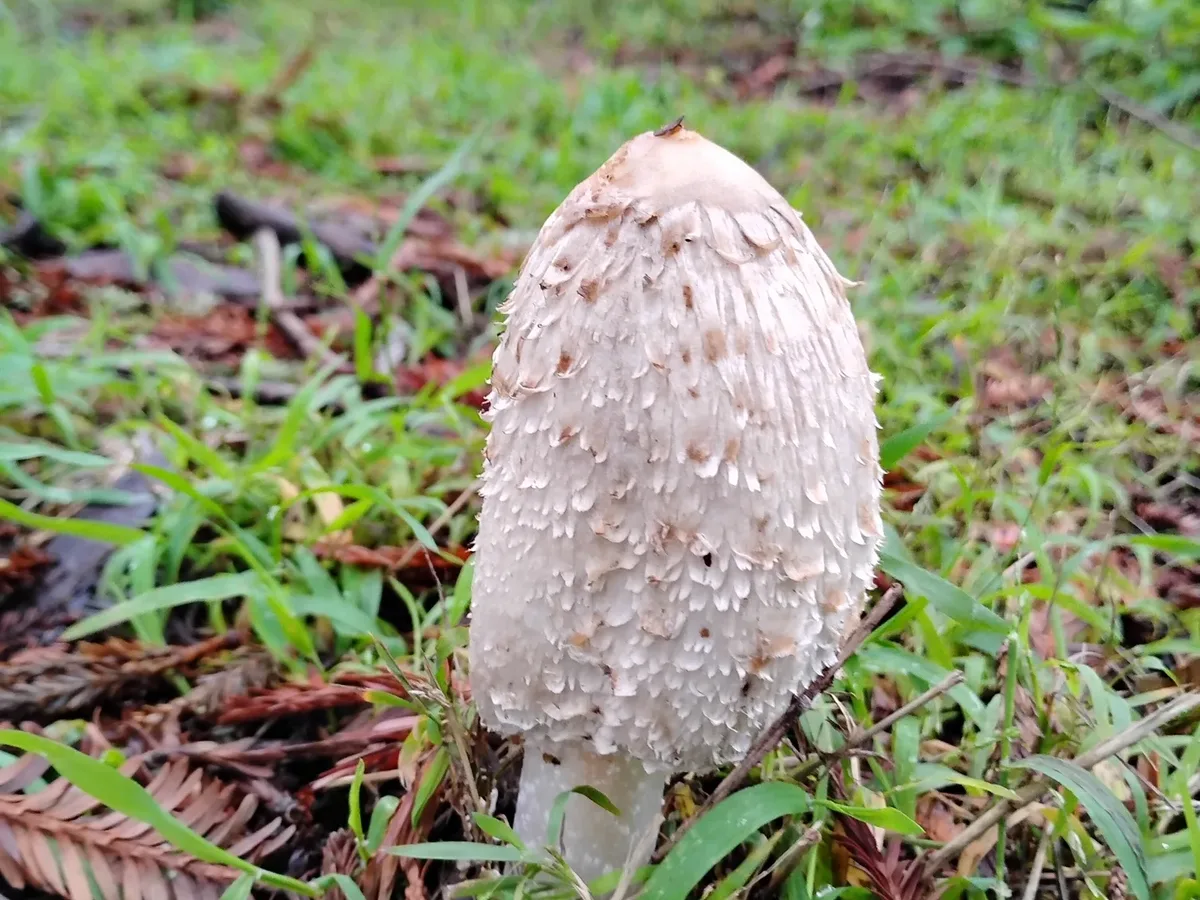 © P Holroyd (CC BY)
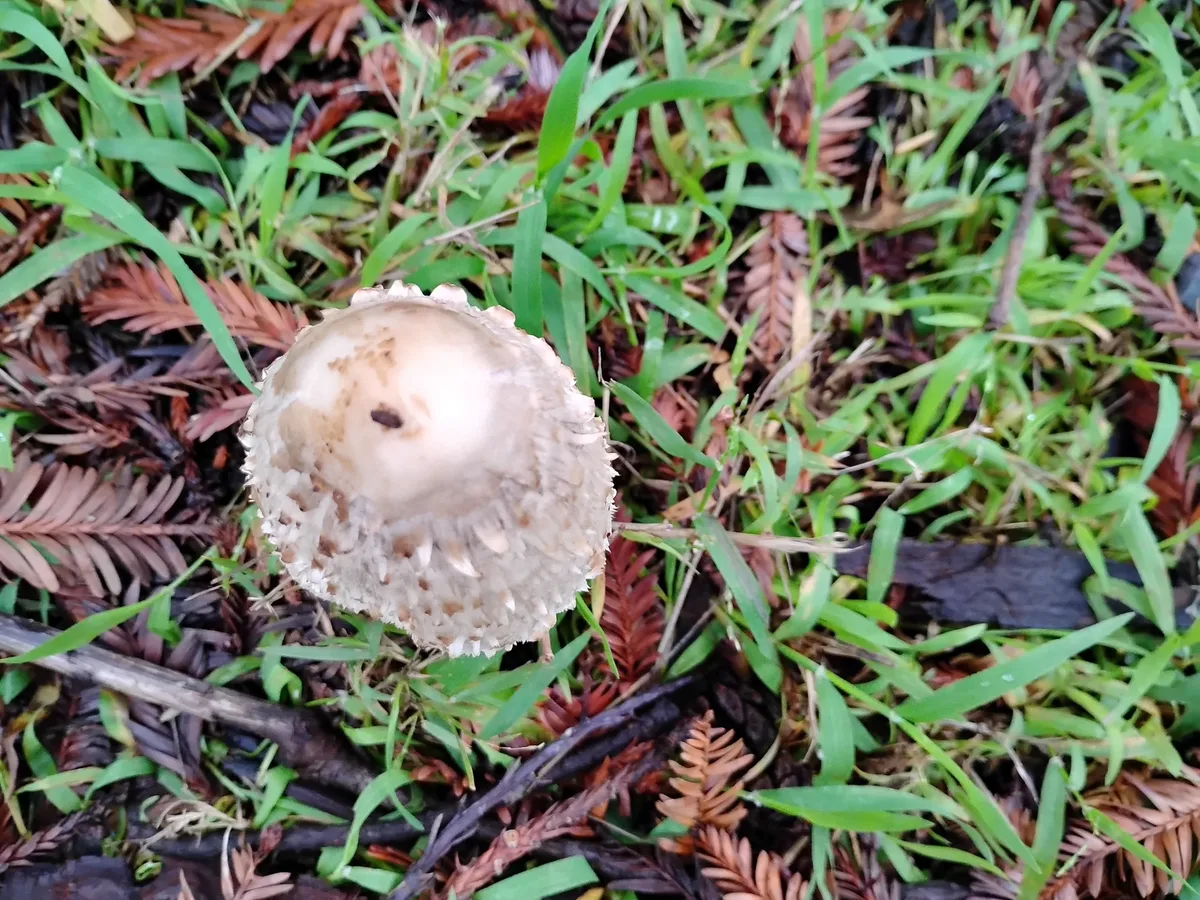 © P Holroyd (CC BY)
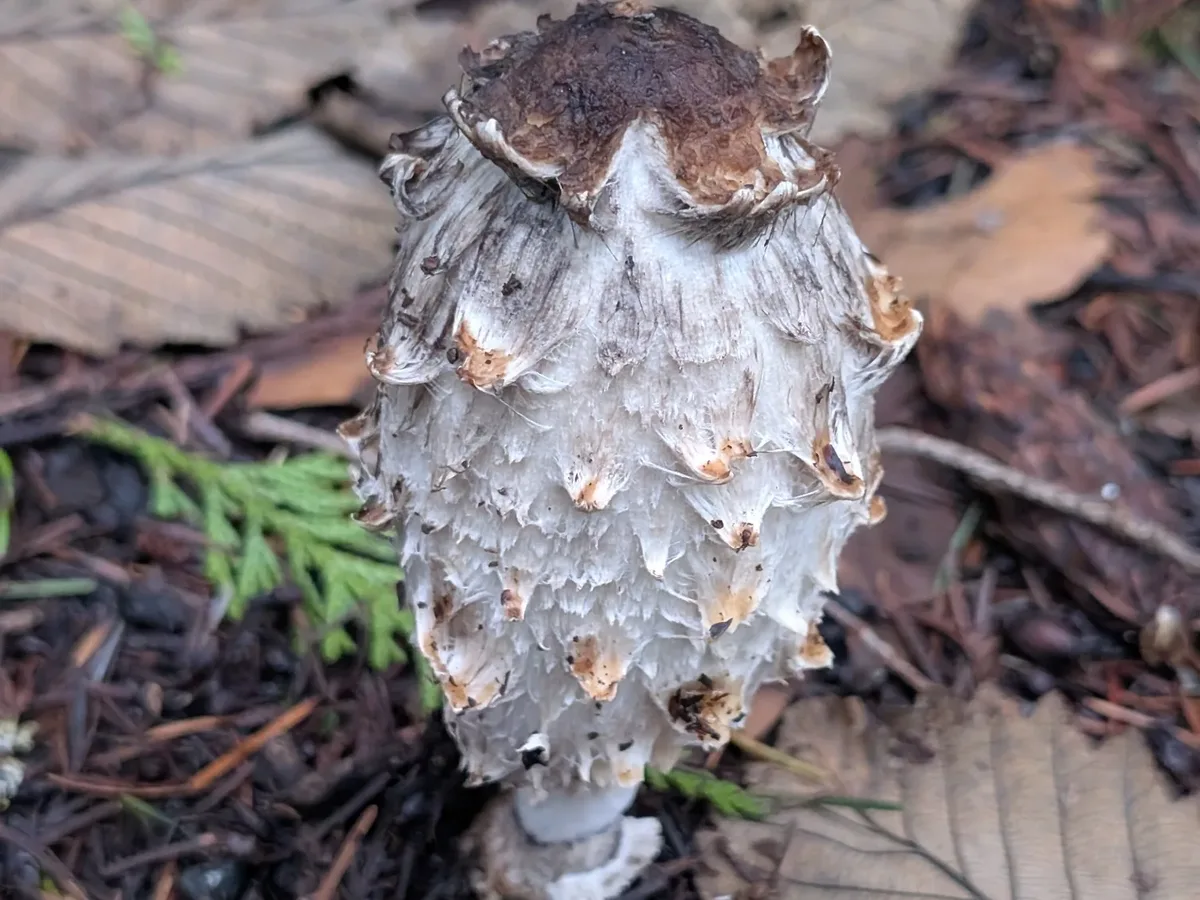 © Spencer Champion (CC BY)
 © Spencer Champion (CC BY)
 © Irina Mitine (CC BY)
 © blondinrikard (CC BY 2.0)
 © MaximilianParadiz (CC BY 2.0)
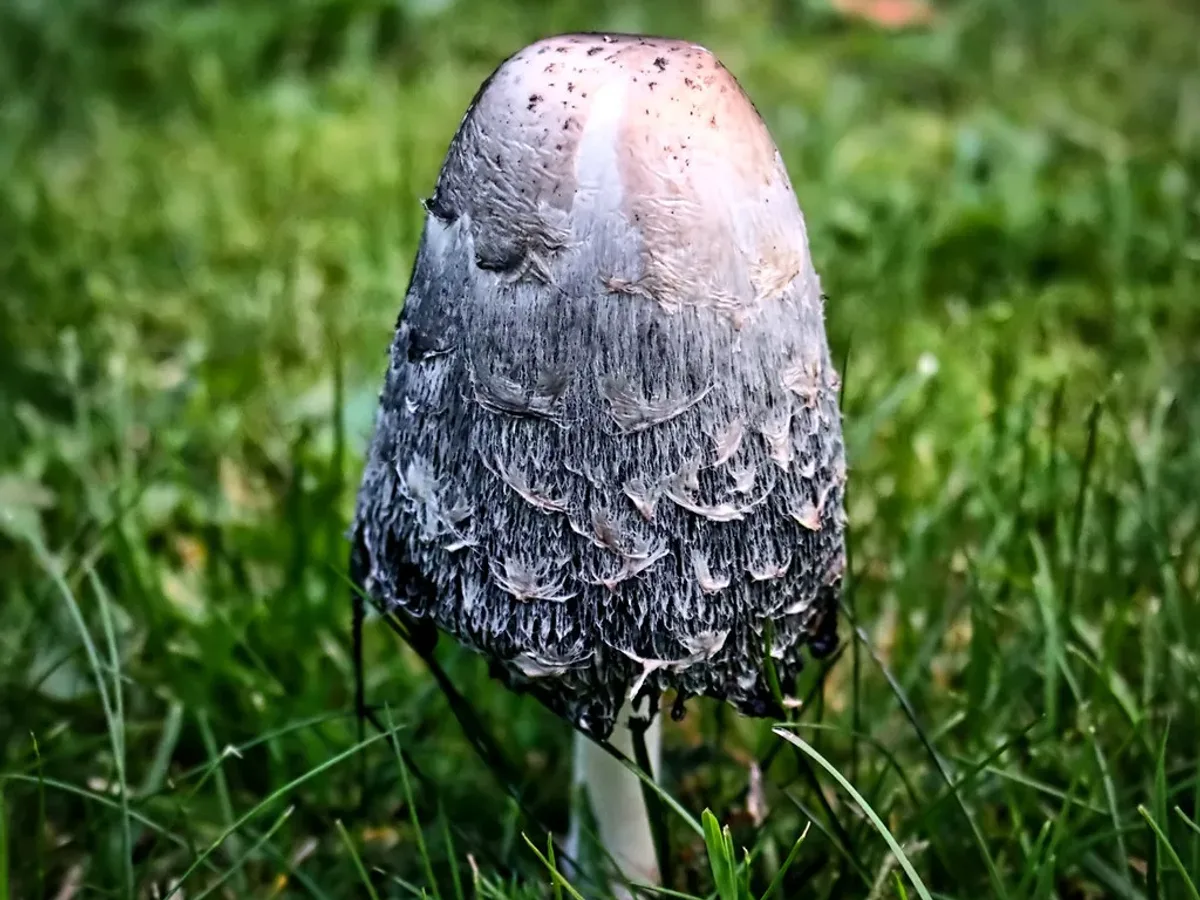 © Auvo Korpi (CC BY 2.0)
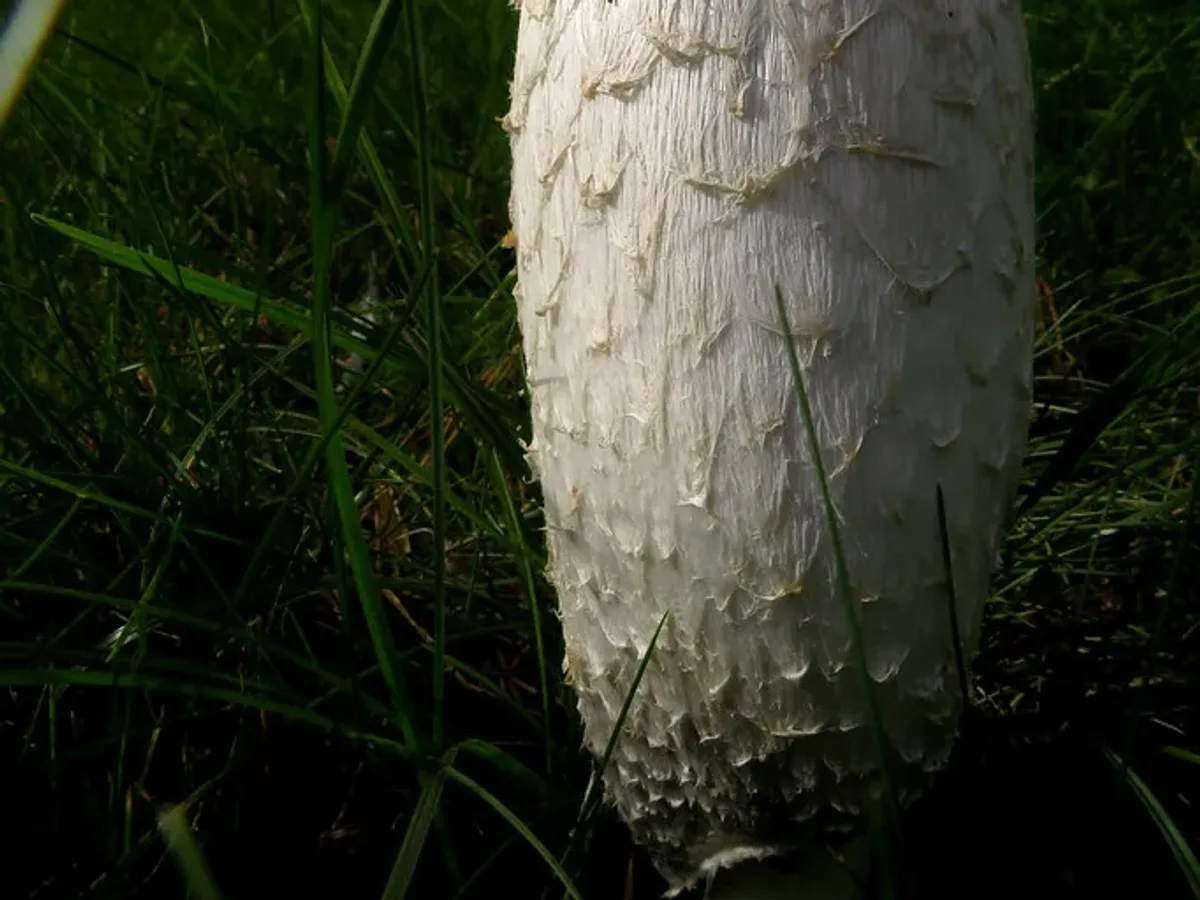 © blondinrikard (CC BY 2.0)
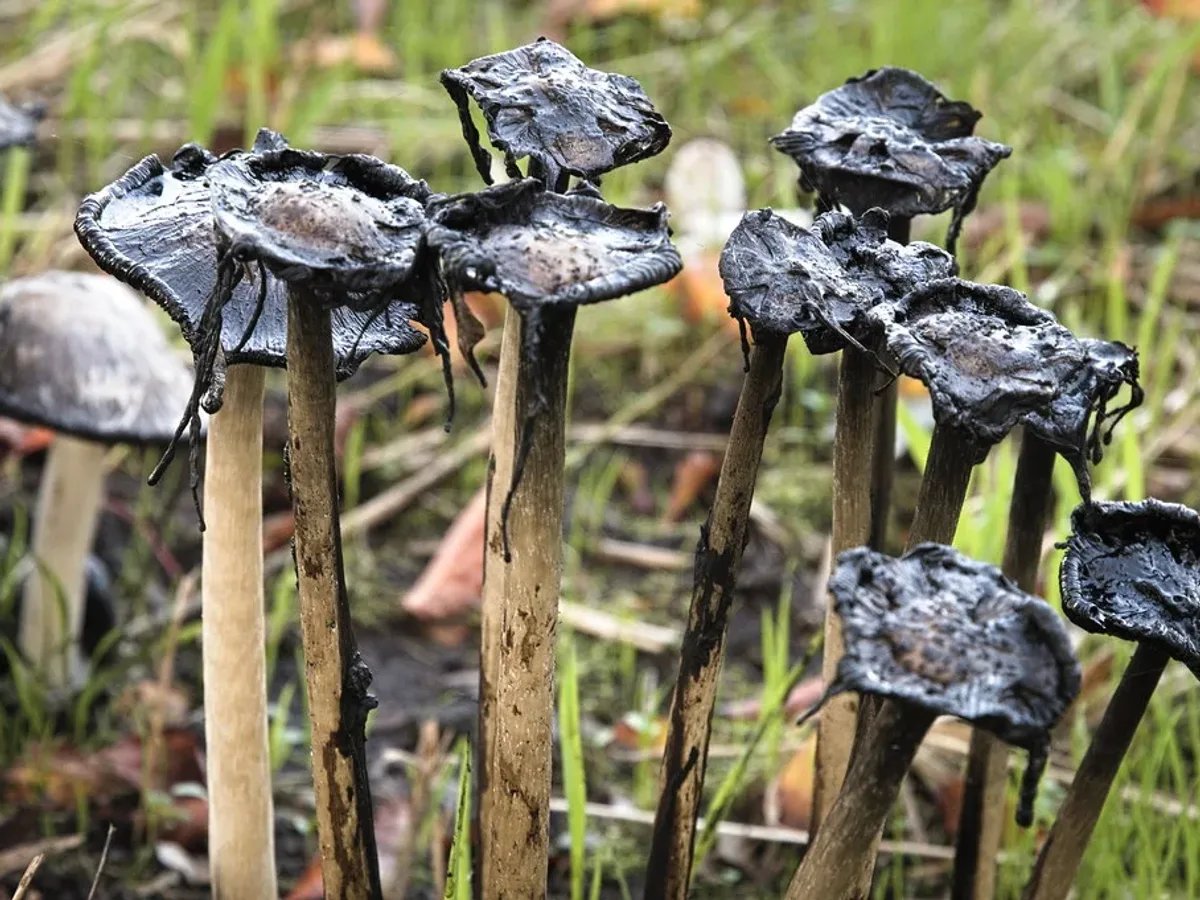 © MaximilianParadiz (CC BY 2.0)© Ephemeral Impressions (CC BY-SA 2.0)Bernard Spragg (Public domain)
One of the best mushrooms you can bring home - once you are certain of the identification.
How to recognise it
Coprinus comatus is one of the most architecturally distinctive mushrooms in Europe, and its form tells you almost everything you need to know about its biology.
Cap
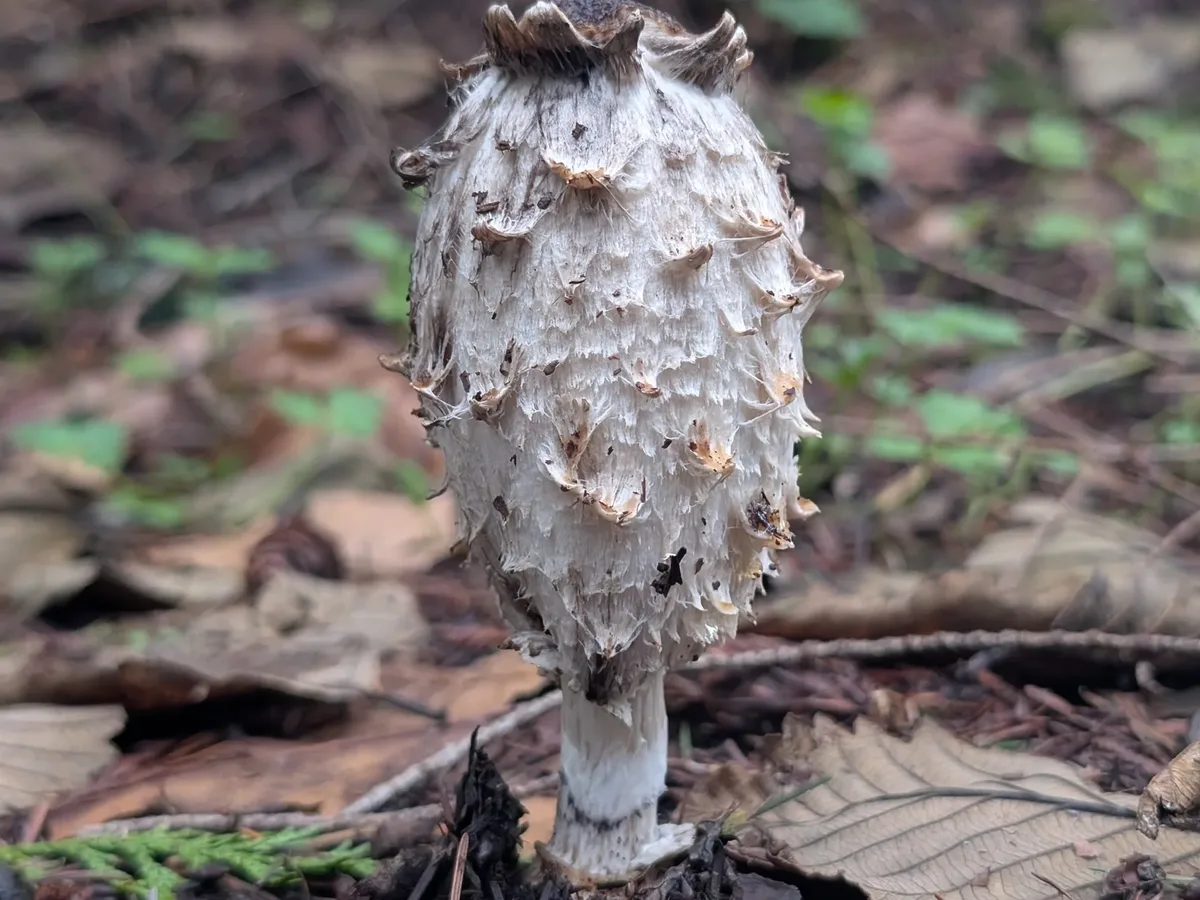
The young cap is a tight, upright cylinder - 4 to 8 cm tall and rarely more than 3-4 cm wide - perfectly white beneath a dense coat of upright, shaggy scales that are pale brown at the tips.
These scales are remnants of the universal veil, the membrane that enclosed the entire fruitbody as it formed underground, and they give the mushroom its common names: shaggy ink cap, shaggy mane, lawyer's wig.
Stem
The stem is white, slender, and hollow - 8 to 14 cm tall - with a thin, loose ring that can slide freely up and down the stipe rather than being fixed in place.
Gills
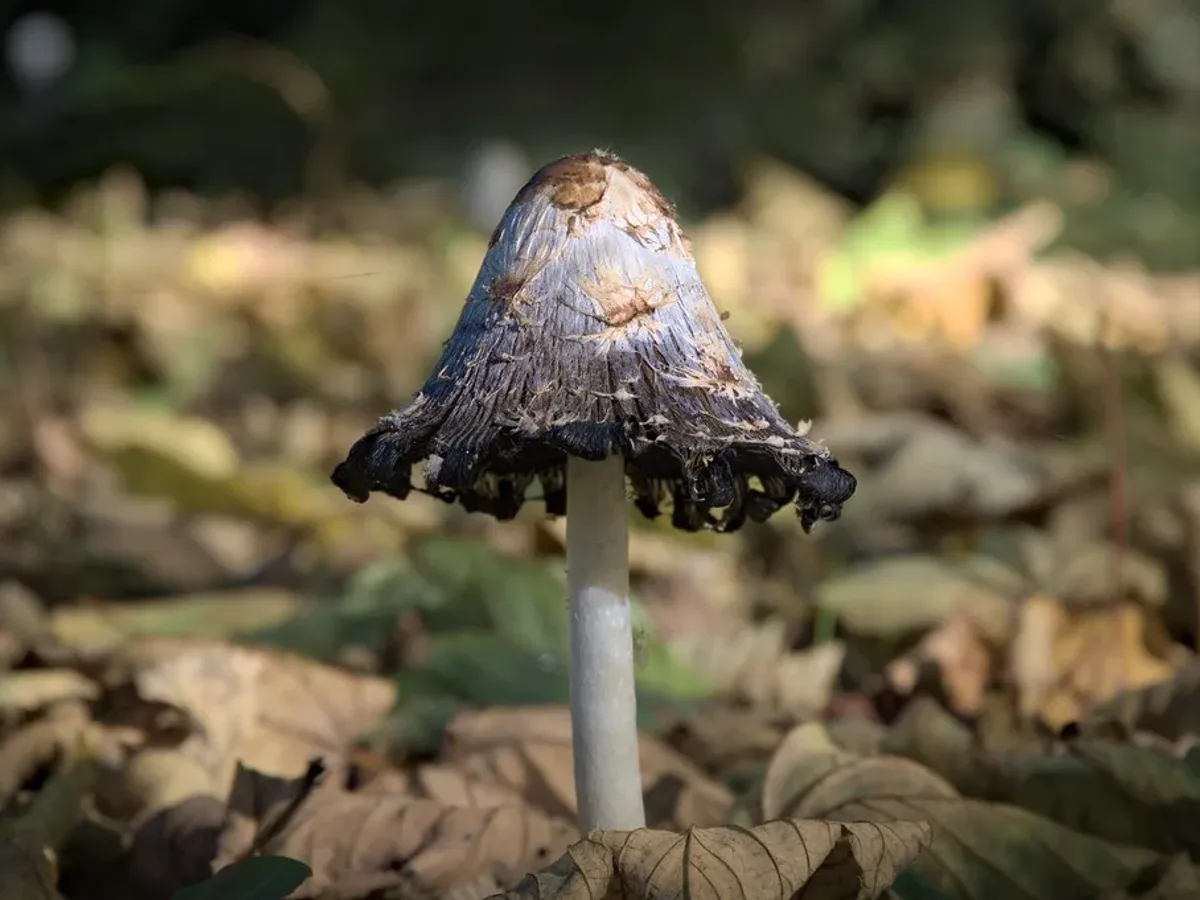
Gills are tightly packed and free of the stem. They begin brilliant white, pass through pink-grey as spores mature at the margin, and then, in a sequence that proceeds from the cap edge inward, they liquefy completely into a black, inky fluid.
This process - autodigestion, or deliquescence - is driven by enzymes the fungus produces to disperse its spores via the liquid rather than by air currents. By the time the cap has fully liquefied, the spore print has long since recorded as jet black.
An intact, fully young specimen is unmistakable: nothing else in northern European fields is that tall, that white, that shaggy, and that perfectly cylindrical.
Where & when it grows
Habitat
Coprinus comatus is a saprotroph of disturbed, nutrient-enriched ground, and it has a remarkable affinity for the edges of human habitation.
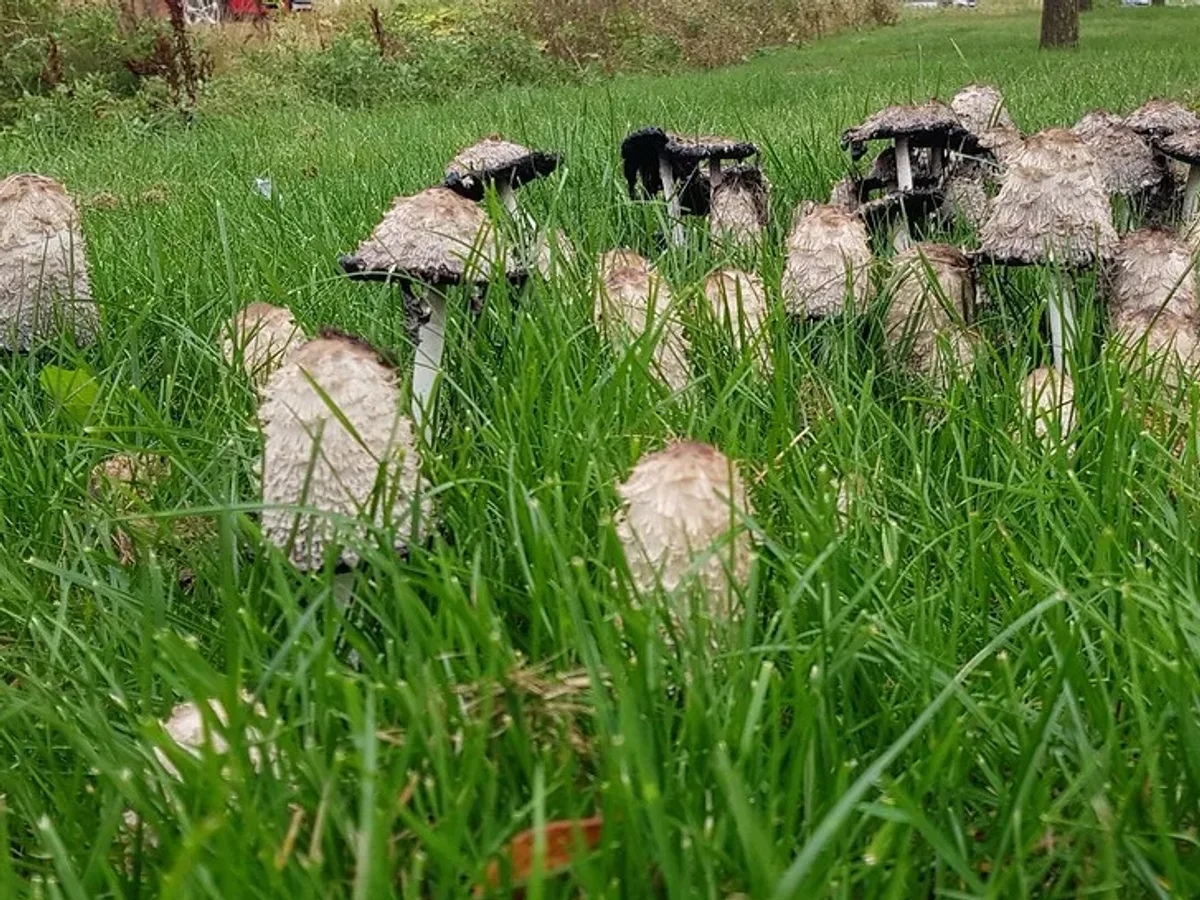
It is equally at home pushing up through lawns, gravel footpaths, road verges, the packed earth of playing fields, and the rubble fill of building sites.
Unlike most prized edibles, it does not require woodland or undisturbed soil; it colonises the composted organic matter found wherever soil has been turned, tipped, or enriched with buried wood, manure, or household waste. Garden compost heaps and allotment beds are classic sites.
It can appear in the middle of a car park if organic material was buried during construction, and its mycelium can slowly dissolve buried wood chips or old root systems, producing rows of fruitbodies along invisible underground features.
The mycelium itself is a fine white thread network that persists in the soil between fruiting seasons, tolerating soil compaction, trampling, and occasional waterlogging that would prevent most woodland species from establishing at all.
It is widespread across Central and Western Europe - Britain, France, the Netherlands, Germany, Scandinavia south of the boreal zone - and has been carried on disturbed ground to every inhabited continent. The same qualities that make it a weed-like pioneer make it a reliable find for urban foragers.
When
The shaggy ink cap fruits from June through November, with the main flush concentrated in autumn - typically September and October across most of Central and Western Europe.
The early summer appearance (June-July) is more common on south-facing roadsides and warm, well-drained ground where soil temperatures climb earlier; these summer fruitings are often smaller and shorter-lived.
Autumn fruiting is triggered by the combination of cooling temperatures and the rain that follows the first autumn dry spells. The mycelium can respond astonishingly fast: field observations have documented fruitbodies appearing within 24 to 48 hours of a significant rainfall event when soil temperatures are still in the 10-16 °C range.
In mild maritime climates (the British Isles, Atlantic coast of France), fruiting can continue into late November and occasionally December. Hard frost ends the season.
The species typically fruits in cohorts: a patch will produce a first flush, rest for a week or two, then produce a second flush from the same mycelium if moisture and temperature remain favourable.
Because individual fruitbodies liquefy within hours of reaching maturity, the window of usability within any flush is narrow, and a site should be checked daily once the first buttons appear.
How it grows
Coprinus comatus is a primary saprotroph: its mycelium secretes enzymes that break down dead organic matter - predominantly buried cellulose and lignin from wood chips, roots, and straw - directly into simple compounds the fungus can absorb.
It does not form mycorrhizal partnerships; its relationship with any surrounding plants is purely incidental.
The mycelium threads through the top 10-30 cm of soil as a diffuse white network. Under favourable moisture and temperature conditions it allocates resources rapidly to fruitbody production.
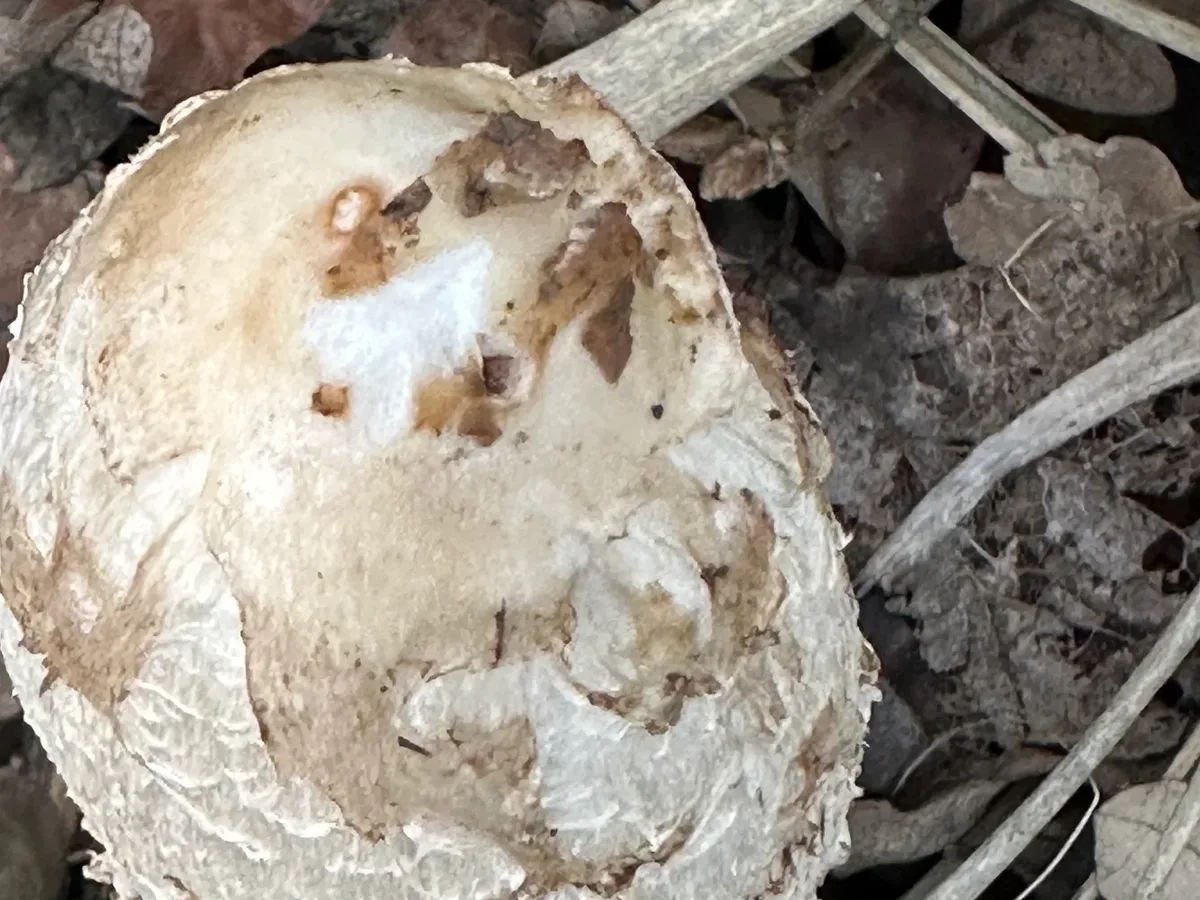
Primordia form as small white eggs beneath the soil surface, push upward through compacted layers (reports of fruitbodies lifting tarmac patches are well documented), and expand into the characteristic cylindrical cap within one to three days.
Growth rate is highest when night temperatures remain above 8 °C and daytime soil temperatures reach 12-18 °C.
Fruitbodies commonly appear in arcs, rows, or dense clusters that reflect the path of the underlying mycelium through a buried substrate. A single mycelial network can persist and fruit from the same location for many consecutive years.
Spore dispersal relies entirely on the ink produced by autodigestion running down the stipe and dripping onto the ground or being spread by rain splash. There is no wind-borne spore cloud from a mature specimen, which is why timing must be the forager's obsession.
Fruiting conditions
Appears rapidly after rain on disturbed, nutrient-rich ground; harvest promptly before auto-digestion.
Look-alikes
The shaggy ink cap's most important lookalike is the common ink cap, Coprinopsis atramentaria. The two species share a blackening-gill mechanism and can appear in similar disturbed-ground habitats, sometimes in the same patch.
Coprinopsis atramentaria is reliably distinguished by its cap surface: it is smooth to finely grooved, grey-brown, and bell-shaped rather than cylindrical, entirely lacking the shaggy woolly scales that define Coprinus comatus. Its cap diameter is also wider relative to height.
The critical difference is biochemical: Coprinopsis atramentaria contains coprine, a compound that inhibits acetaldehyde dehydrogenase. If alcohol is consumed within several days of eating it, the result is an antabuse-like reaction - flushing, palpitations, nausea, and headache.
Coprinus comatus does not contain coprine and is safe to eat with alcohol. The distinction is firm white scales versus smooth grey cap - a difference that is easy to see clearly in the field.
No other common European species closely mimics the young shaggy ink cap. Parasol mushrooms (Macrolepiota) are sometimes suggested by beginners but have a broader, flatter cap with brown scales on white, a double-ringed stem, and no blackening whatsoever.
The movable (not fixed) ring on Coprinus comatus is a useful additional feature when in doubt. Spore print black confirms the genus.
Smooth-capped and greyer (lacks the shaggy woolly scales). Contains coprine, which causes an antabuse-like reaction with alcohol; the shaggy ink cap does not contain coprine and is safe with alcohol.
In the kitchen
Picking & cleaning
Timing is the single most important variable when harvesting Coprinus comatus, and there is no margin for delay.
Collect only fruitbodies whose gills remain entirely white or show at most the faintest blush of pink at the very cap margin. The moment black appears anywhere on the gills, autodigestion has begun, and within a few hours the entire cap will have dissolved.
A firm, fully white specimen cut cleanly at the base will keep for a maximum of a few hours at room temperature, though immersing the whole fruitbody in cold water - stem and all - slows the enzymatic process significantly and can extend viability by four to six hours.
A practical field strategy is to carry a wide-mouthed container of cold water and submerge each specimen immediately after cutting. Transport home fast and cook the same day.
The hollow stem is edible but has little flavour; many foragers discard it and use only the cap.
Because the species fruits in cohorts on the same patch, marking a productive site and returning daily for the two or three days of a flush is far more effective than carrying specimens that are already pinking.
Avoid picking specimens that have emerged from ground that may be contaminated with heavy metals (roadside verges near heavy traffic, industrial sites), as the mycelium bioaccumulates some soil contaminants.
Cooking
The flavour of Coprinus comatus is mild, delicate, and slightly sweet - more reminiscent of a fine cultivated mushroom than the earthier wild species. Its water content is high, so it wilts and reduces rapidly in a hot pan.
The simplest and most celebrated preparation is butter-fried caps over medium-high heat for two to three minutes until softened and lightly golden. A pinch of salt, a few drops of lemon, and scrambled or fried eggs alongside is a classic pairing that suits the flavour perfectly.
Because the flesh is so tender and the window between perfection and dissolution is so short, complex long-cooked preparations do not suit it well; the mushroom is best used the moment it is cooked, not held in a bain-marie.
It works very well:
- Folded into a cream sauce for pasta in the final minute of cooking.
- Added to a mild risotto just before serving.
- Used in a simple omelette.
- Added to soups at the very end, off the heat.
The hollow stem contributes texture but little flavour and can be omitted if a smoother dish is preferred.
Blanching briefly and freezing is feasible for preserving a large flush: a quick two-minute sauté in butter, spread on a tray to cool, then frozen flat before bagging preserves flavour reasonably well for a month or two.
The species does not dry well - the delicate flesh turns to an unpleasant powder - so cold preservation is the correct strategy when quantity exceeds what can be used fresh.
Good to know
Coprinus comatus is regarded as one of the safest edible fungi for beginners when identification is based on young, fresh specimens. It contains no known mammalian toxins and does not contain coprine - the compound responsible for alcohol intolerance reactions in the closely related Coprinopsis atramentaria.
The only meaningful safety considerations are practical rather than toxicological:
- Discard autodigested (blackened, liquefying) specimens: the ink itself is not poisonous, but decomposing tissue of any fungus can cause gastrointestinal upset, and the flavour is unpleasant.
- Avoid specimens collected from roadsides with heavy vehicle traffic or sites with known soil contamination, as saprotrophic fungi can accumulate heavy metals and organic pollutants from their substrate.
- As with any wild food, if you have not previously eaten the species, try a small portion on the first occasion; mild individual sensitivities to unfamiliar fungi occasionally occur and are unrelated to the species's general safety record.
No drug-interaction risks have been documented for Coprinus comatus specifically (unlike Coprinopsis atramentaria).
The species is listed as choice edible in standard European field guides and is sold commercially in some countries.
Correct identification rests on the combination of white shaggy scales, cylindrical form, movable ring, and black spore print.
A reference guide - never an edibility guarantee. When in doubt, leave it out.