Green-spored parasol
Chlorophyllum molybditessyn. Lepiota morganii
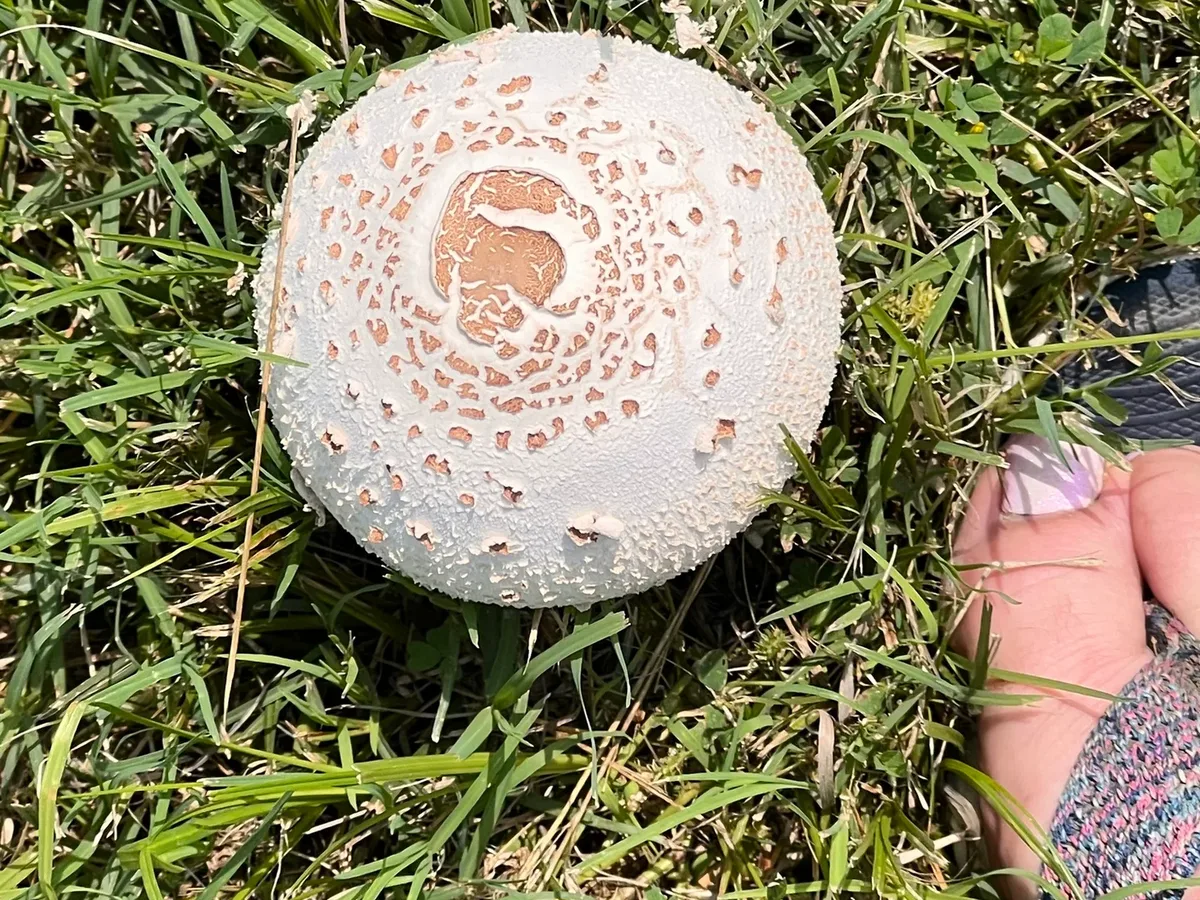 © Sue Ann Kendall (CC BY 4.0)
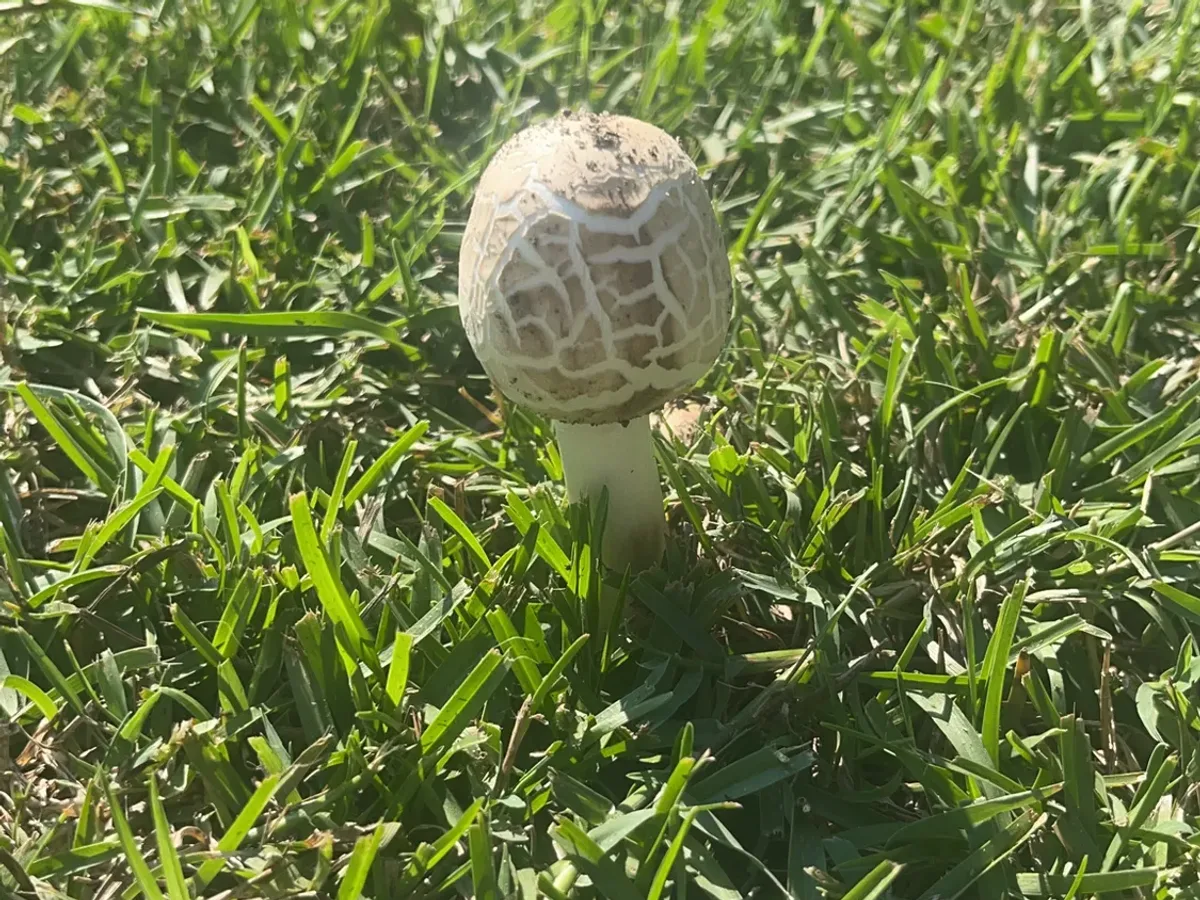 © Hunter Ivey (CC BY 4.0)
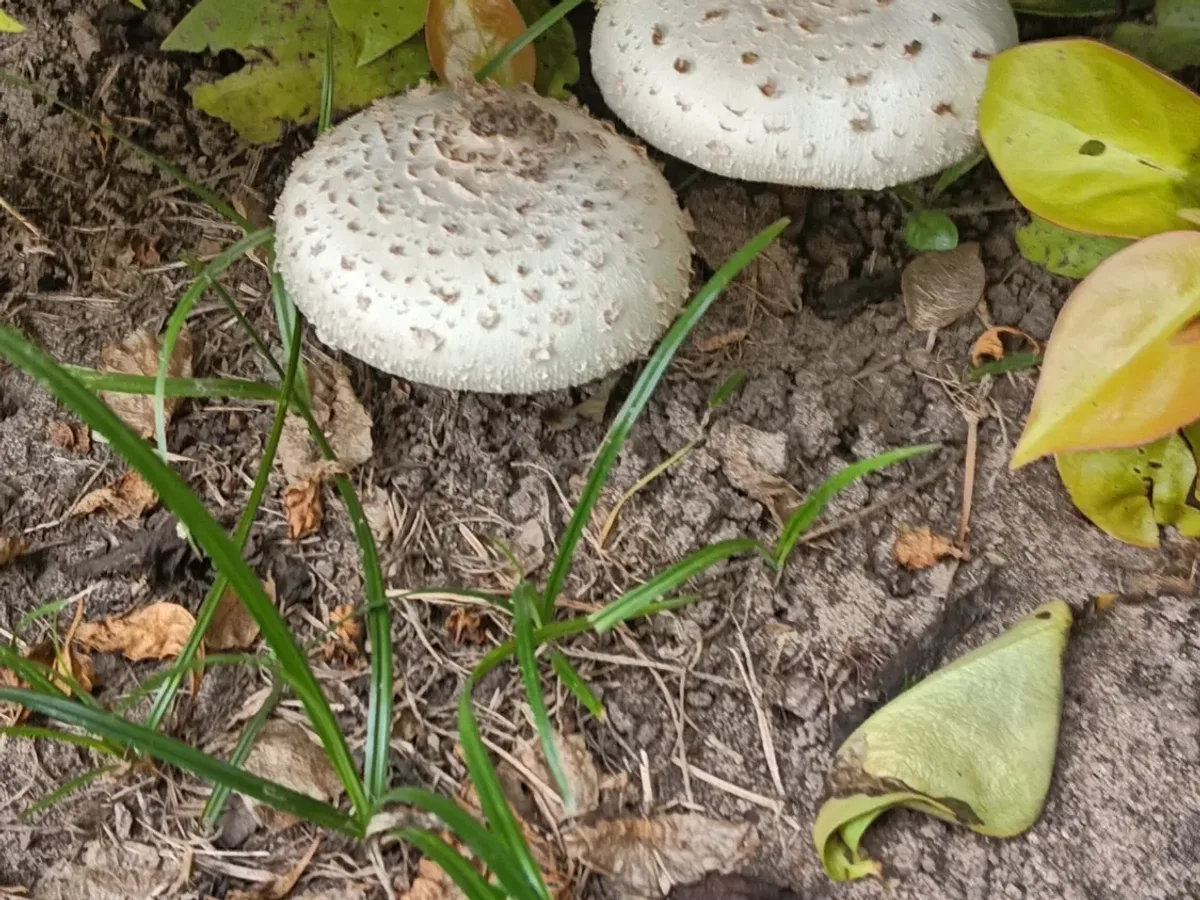 © Daniel Castañal García (CC BY)
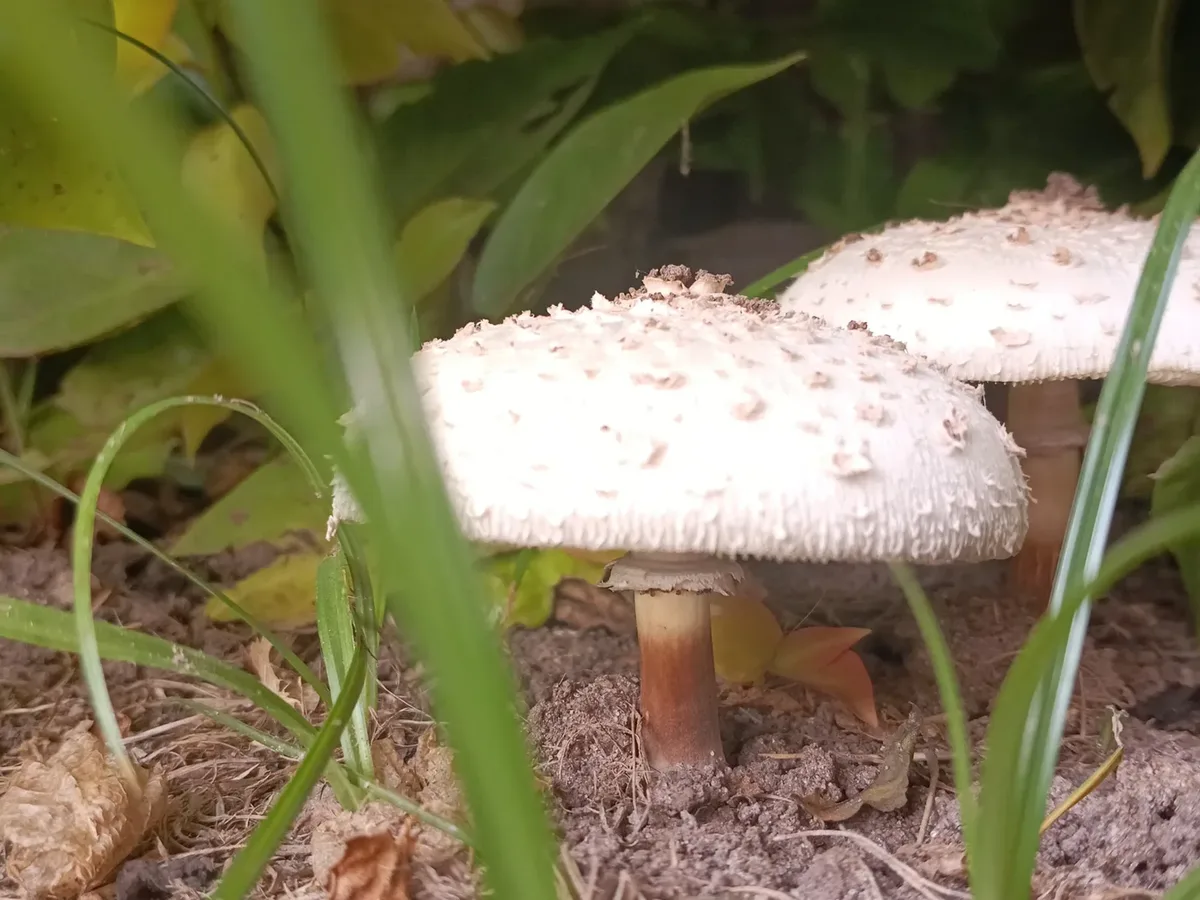 © Daniel Castañal García (CC BY)
 © Daniel Castañal García (CC BY)
 © Grze Swis (CC BY)
 © Grze Swis (CC BY)
 © Grze Swis (CC BY)
 © capacoscar (CC BY)
 © Paulo Nogueira (CC BY)
 © Robert Hoard (CC BY 4.0)
 © Steve Fitzgerald (CC BY-SA 4.0)
 © Steve Fitzgerald (CC BY-SA 4.0)
 © Jamie Griffiths (CC BY 4.0)© Sue Ann Kendall (CC BY 4.0)© Hunter Ivey (CC BY 4.0)
Edible only with the right preparation - or safe for some people but not others. Learn the caveats first.
How to recognise it
Chlorophyllum molybdites is one of the largest grassland mushrooms in North America, with caps routinely reaching 15-30 cm across and occasionally wider.
Cap
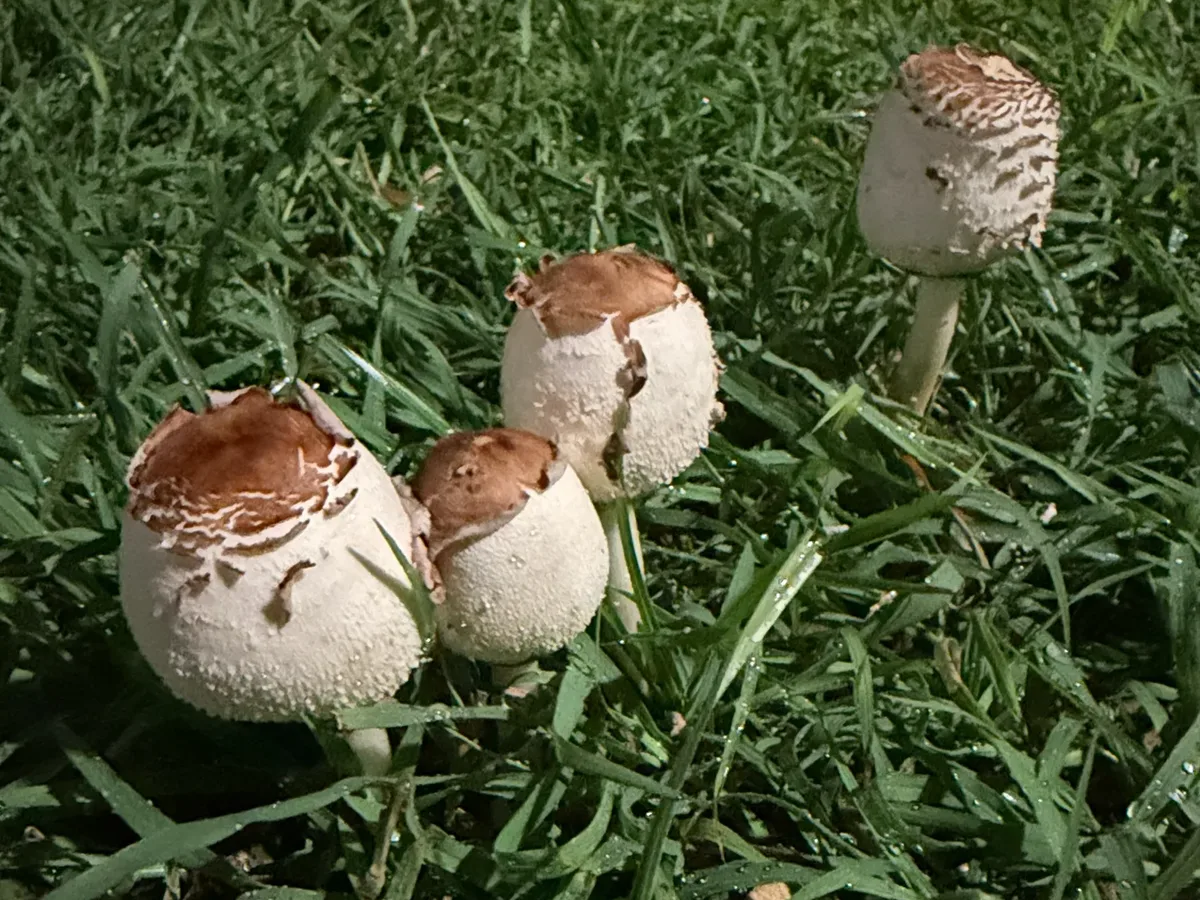
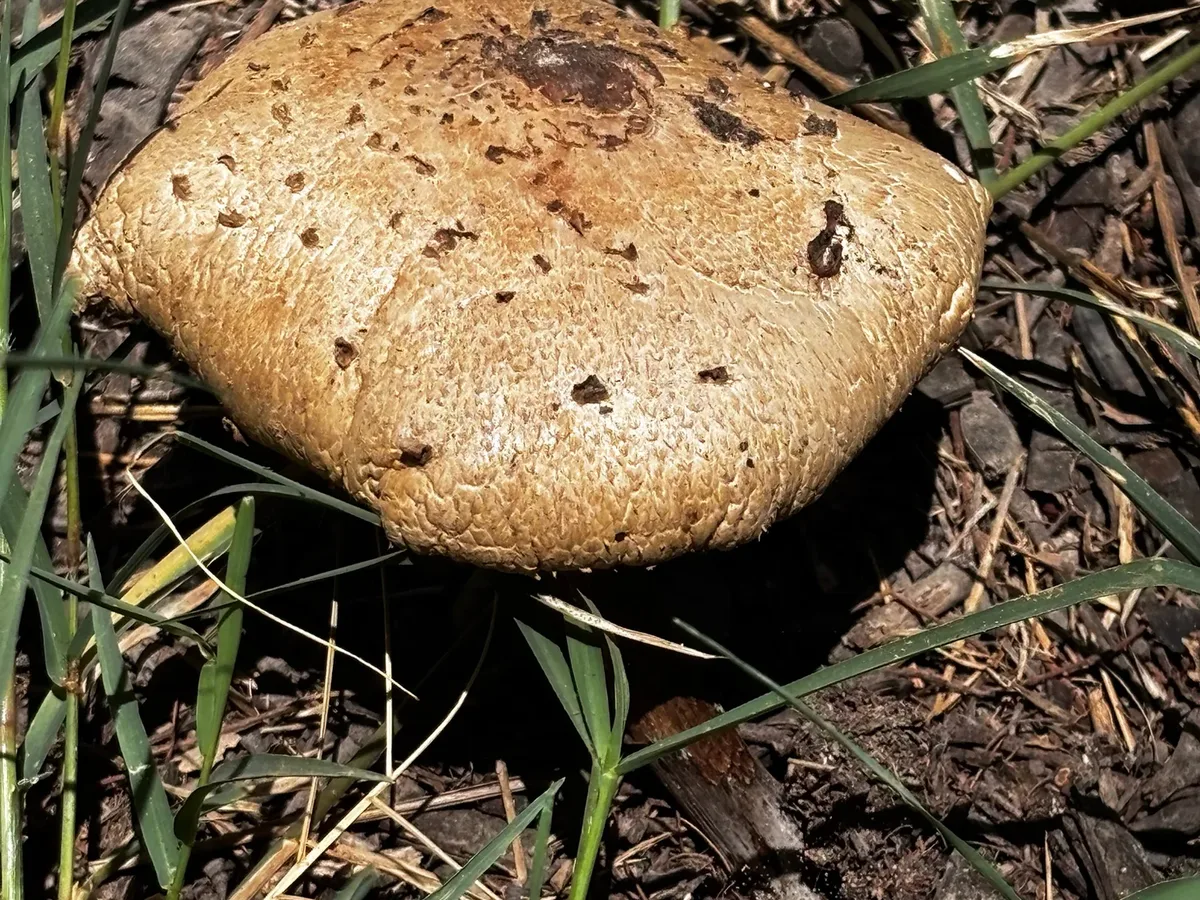
Young specimens emerge as tight, egg-shaped buttons - pale whitish-cream all over, the surface tightly wrapped.
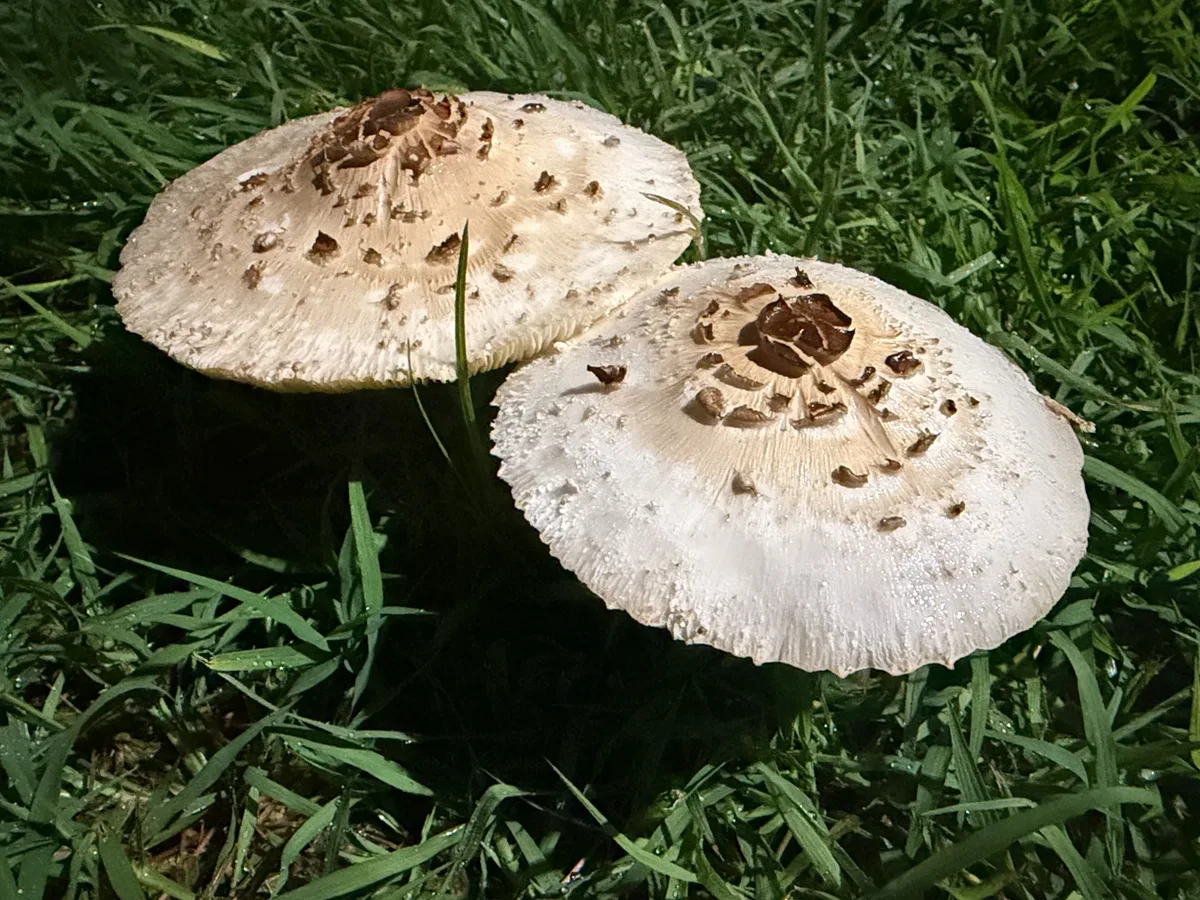
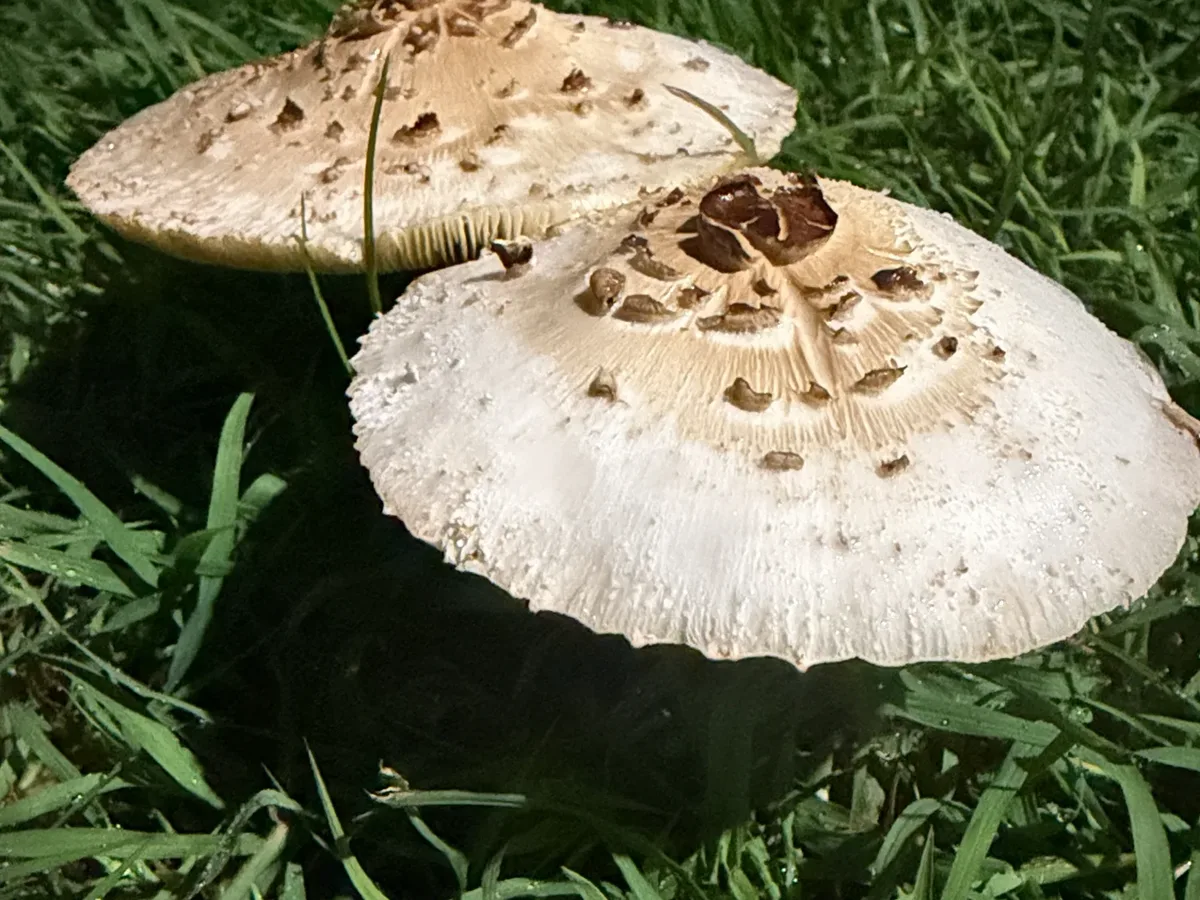
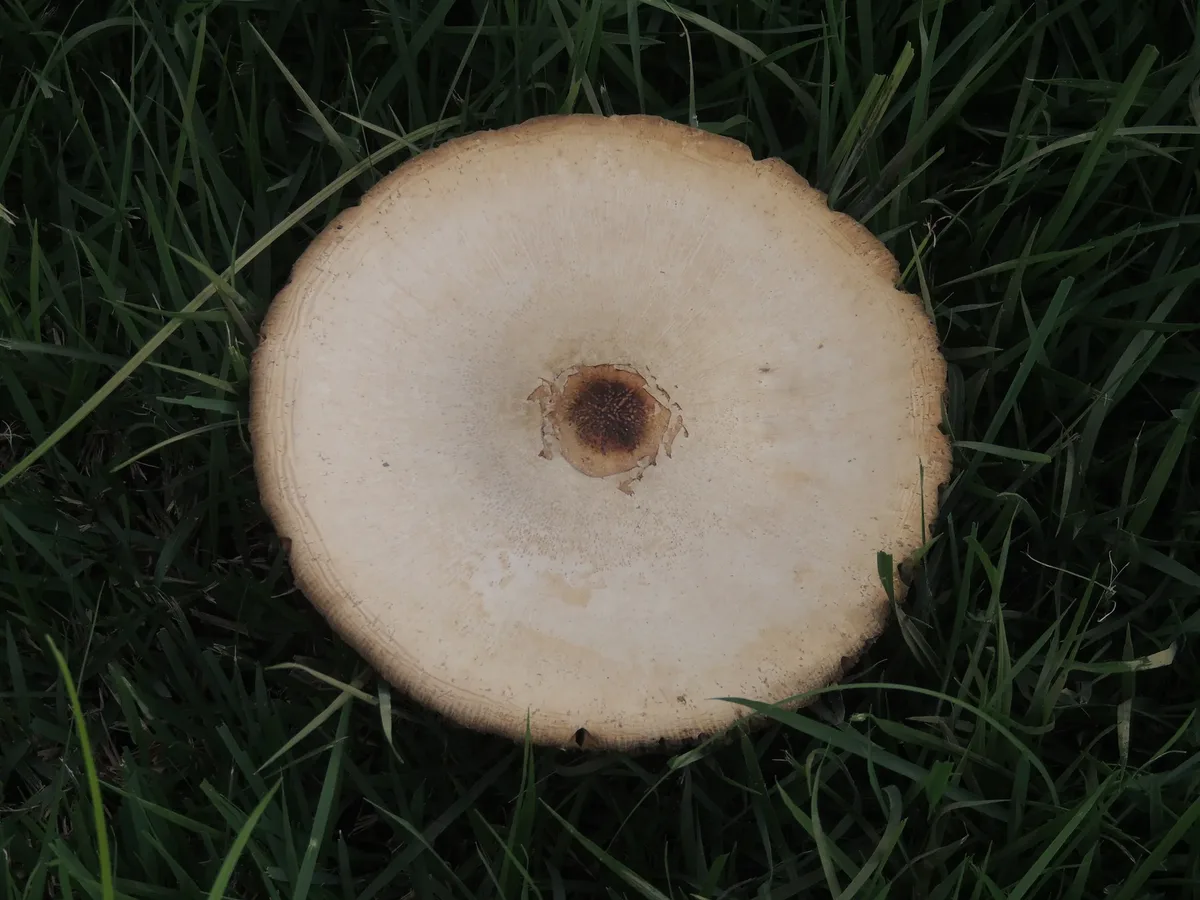
As the cap expands it tears into a distinctive pattern: the center stays covered by a broad, flattened brown disc of original cuticle, while the surrounding surface breaks into smaller brown scales arrayed concentrically on a white background, creating the classic parasol look shared with edible relatives.
The mature cap flattens and may curl slightly upward at the margin in old age.
Gills
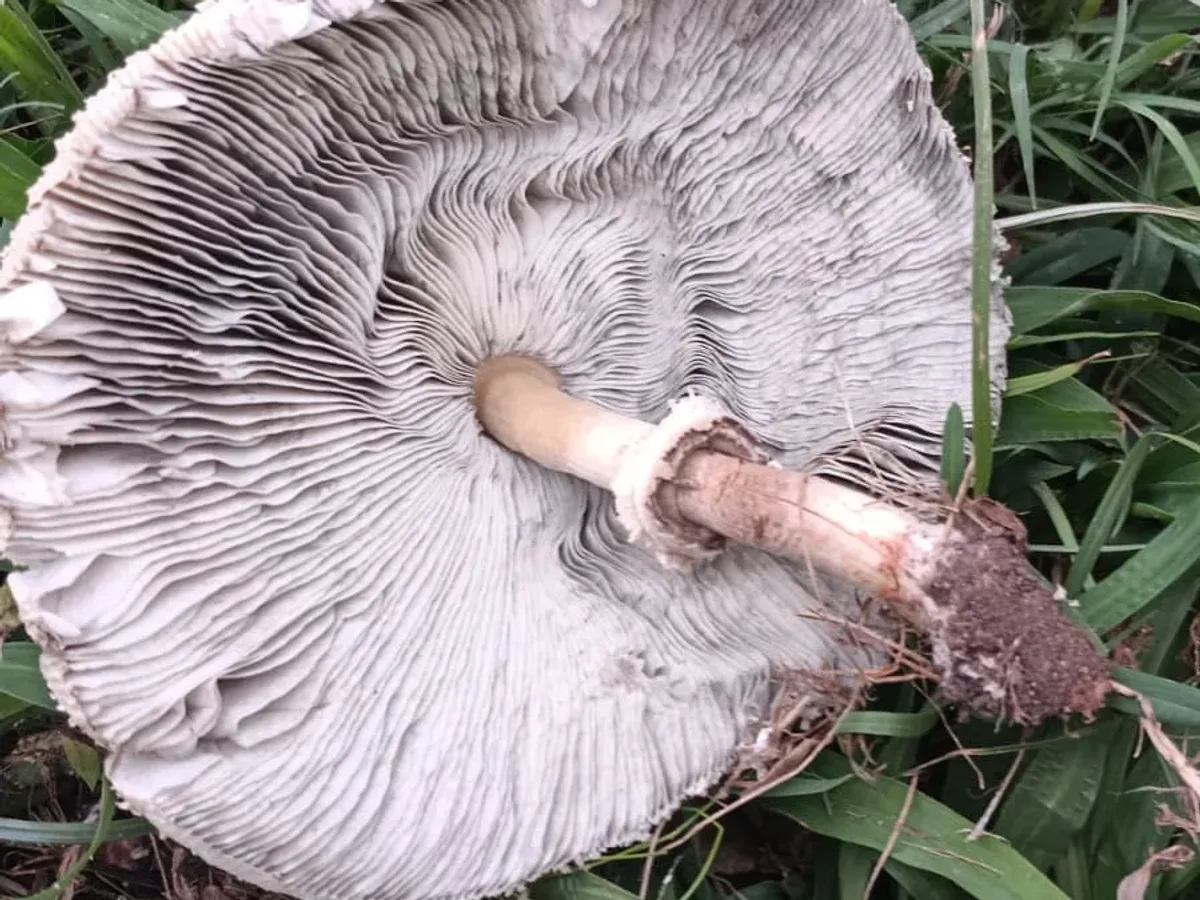
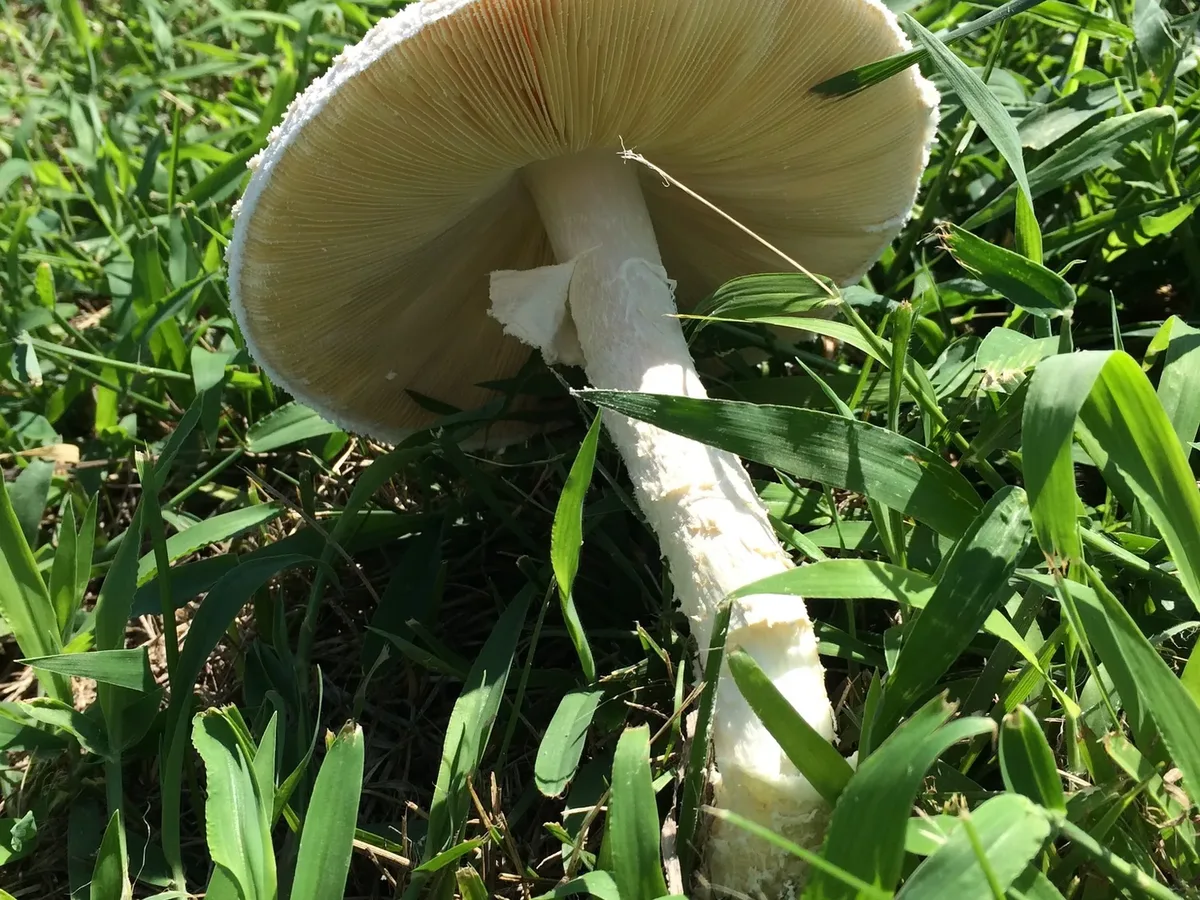
The gills are the most important diagnostic feature in the genus. In buttons they are white and closely packed.
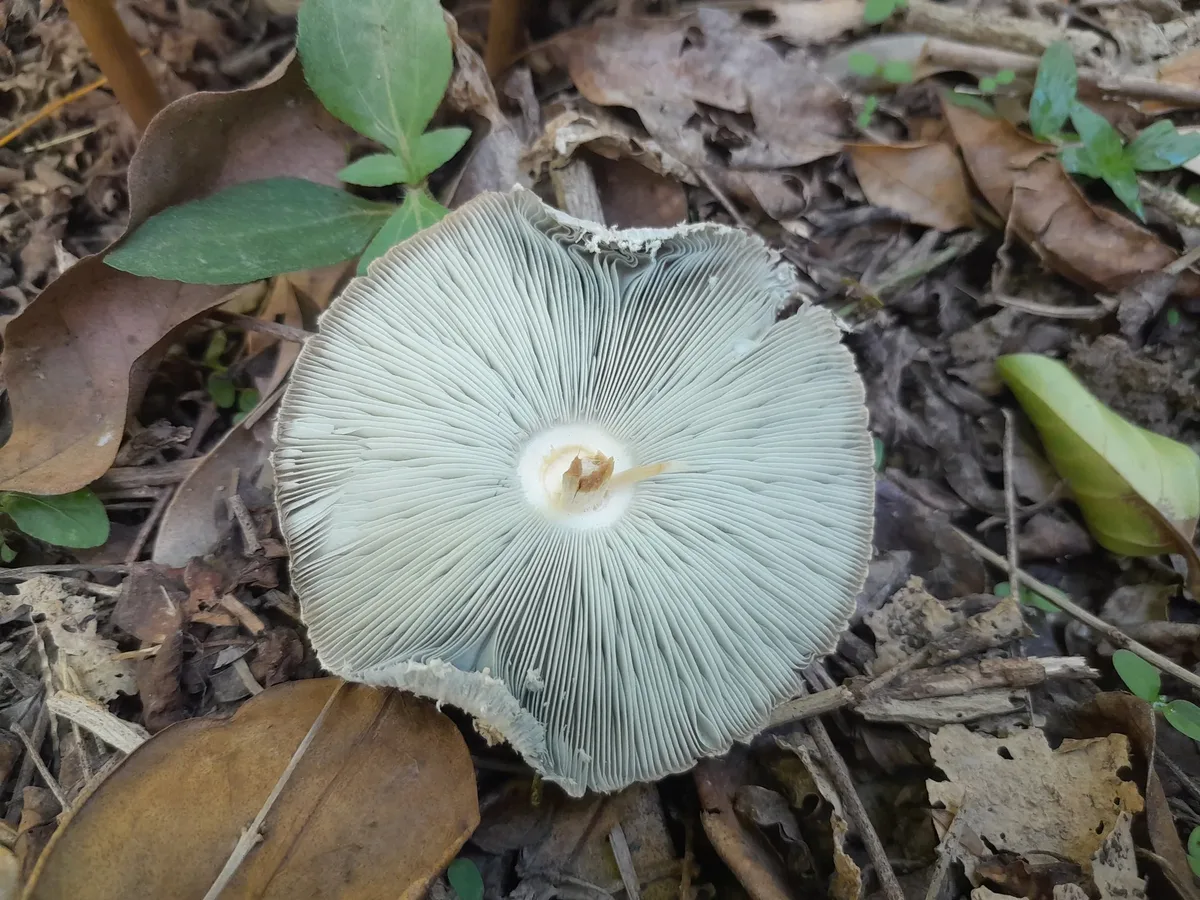
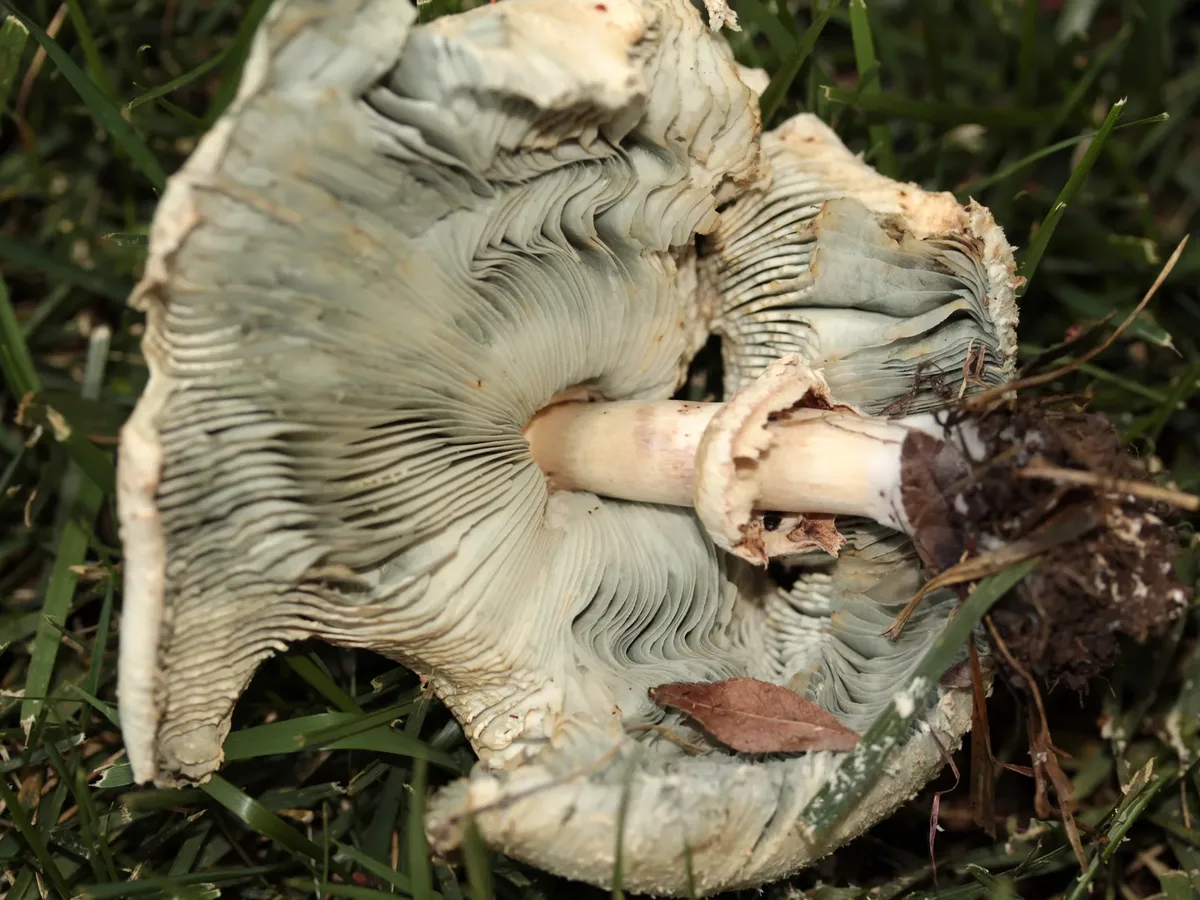
As the fruitbody matures the gills undergo a remarkable color shift - fading through off-white to pale gray-green, and finally achieving a distinctive gray-green to olive-green hue in fully mature specimens. This gill coloration is biologically rare among gilled mushrooms and directly mirrors the spore color beneath.
The spore print is green - one of only a handful of species globally to produce a green spore deposit - making it among the most diagnostic single features in all of amateur mycology.
Stem
The stem is white to off-white, stout and cylindrical, 10-25 cm tall, slightly wider at the base.
A substantial, double-layered, moveable ring sits on the upper stem and is a reliable structural feature throughout the fruitbody's life.
Flesh
The flesh is white throughout, firm in youth, and may show a faint pinkish or yellowish bruise reaction when cut, though this varies by specimen.
Why it's dangerous
Chlorophyllum molybdites is not a deadly mushroom in the way Amanita phalloides is - fatalities are rare and are confined to vulnerable individuals - but it is the most consequential poisonous mushroom in North America by total case count, causing more emergency room visits and poison control calls than any other species.
The severity of its gastroenteric syndrome, combined with its striking resemblance to harmless edible parasol mushrooms and its habit of growing on suburban lawns where children and pets play, make it the highest-priority identification target for any forager in eastern North America.
There is no antidote. Treatment is supportive:
- fluid replacement
- anti-emetics
- monitoring
The only reliable distinguishing test available in the field is the spore print. Do not consume any parasol-type mushroom found on a lawn in the southeastern United States, Florida, or the Gulf Coast without confirming a white spore print.
A green spore print is an absolute stop - the mushroom is Chlorophyllum molybdites and is not safe to eat under any circumstances.
Toxin
The primary toxic agent is molybdophyllysin, a heat-labile protein with pore-forming properties isolated from Chlorophyllum molybdites fruitbodies. It belongs to the hemolysin class of proteins - compounds that disrupt cell membranes - and acts directly on the gastrointestinal epithelium.
Unlike the amatoxins of deadly Amanita species, which require hours to days to cause liver damage, molybdophyllysin works locally and quickly, producing gastroenteric effects within one to three hours of ingestion.
Because it acts on gut tissue rather than requiring systemic absorption for its primary effect, the illness is rapid-onset, self-limited in otherwise healthy adults, and rarely fatal - but intensity can be severe.
Some hemolysin activity may also affect red blood cells, which accounts for the bloody vomit and bloody stool occasionally reported in more severe cases.
Symptoms
Symptoms begin 1-3 hours after ingestion - faster than almost all other mushroom toxin syndromes - with abrupt onset of severe nausea, profuse vomiting, and watery diarrhea. Abdominal cramps are commonly described as intense.
In more severe cases the vomit and stool may contain blood, an alarming presentation that reflects direct mucosal irritation by molybdophyllysin in the gut.
Symptoms generally peak within 6-12 hours and resolve in 24 hours in otherwise healthy adults, leaving behind only fatigue.
The danger of serious outcome is greatest in children, elderly individuals, and immunocompromised people, where dehydration from sustained vomiting and diarrhea can become medically significant quickly.
Pets - dogs in particular, which may eat fruitbodies found on lawns - develop the same syndrome and can deteriorate rapidly due to smaller body mass.
If Chlorophyllum molybdites ingestion is suspected, contact poison control immediately, and seek emergency care if:
- there is blood in the vomit or stool
- the patient cannot retain fluids
- symptoms worsen after 6 hours
Staying safe
Chlorophyllum molybdites is, by recorded case volume, the single most common cause of mushroom poisoning in North America. The North American Mycological Association documents it as responsible for more poisoning cases than any other fungal species on the continent.
Cases are concentrated in the southeastern United States and particularly in Florida, where the species is abundant, summers are long and wet, and suburban lawns are ubiquitous.
Poisonings are most common when foragers with Southeast Asian, West African, or Caribbean backgrounds - where related large white edible mushrooms are foraged routinely - collect what they recognize as a familiar edible type without knowing that a toxic lookalike grows in North American lawns. Children and pets are also poisoned by incidental ingestion.
The definitive safety check is a spore print: green spore print = do not eat. No exceptions. Cooking does not neutralize the toxin.
A green or greenish gill color in a mature parasol-type mushroom is a strong warning sign, but because young buttons have white gills, gill color alone is insufficient at the stage when mushrooms are most likely to be collected.
The spore print check is non-negotiable for any parasol collected in the range of this species.
Where & when it grows
Habitat
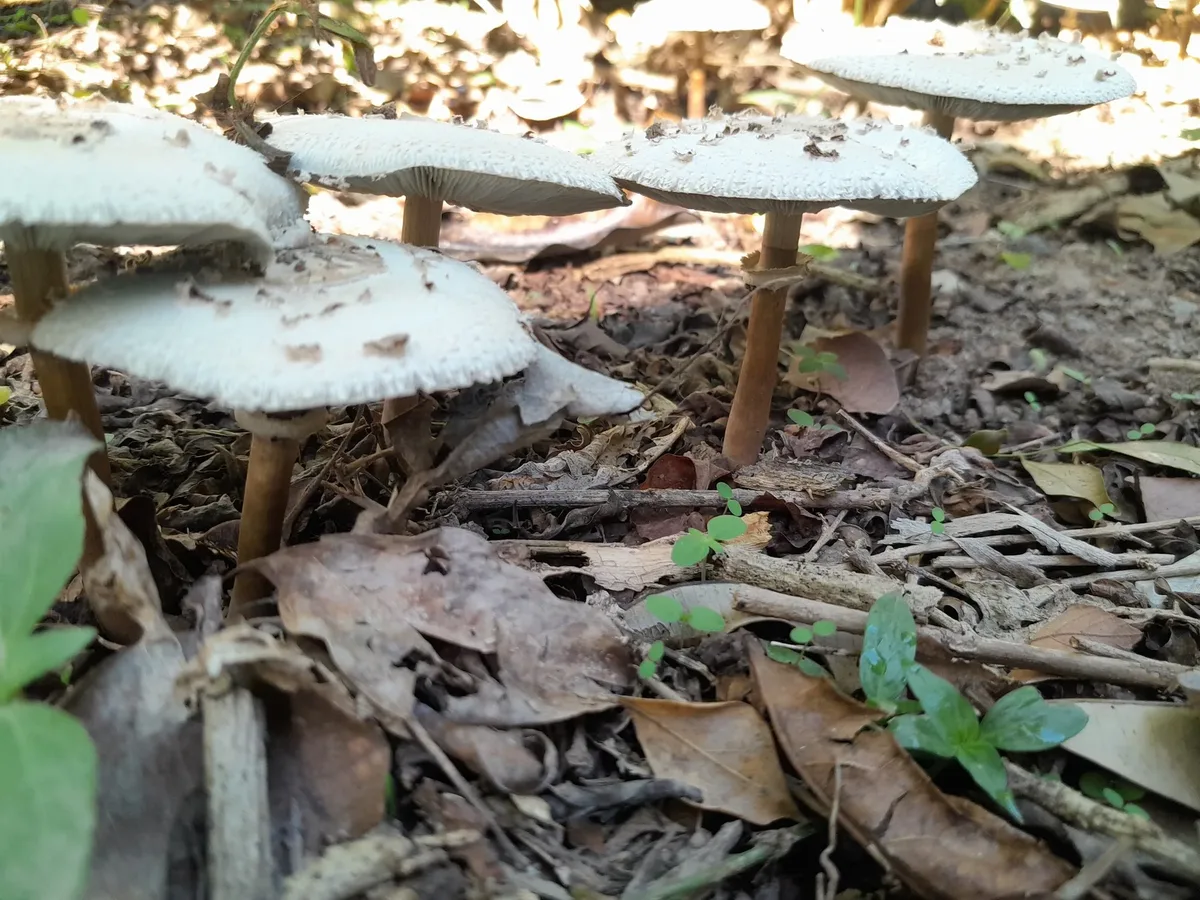
This is an obligate grassland saprotroph - it appears almost exclusively in open, well-lit, disturbed ground with a turf or lawn surface.
Suburban lawns are its most visible habitat across the southeastern and southern United States, but it also colonizes parks, golf courses, athletic fields, cemeteries, roadsides, and lightly grazed pastures. It rarely appears under closed forest canopy.
In the eastern United States it is most abundant in Florida and the Gulf Coast states, where warm, wet conditions prevail for much of the year, but it ranges north to roughly the mid-Atlantic and into the Midwest wherever hot, wet summers allow.
Its association with maintained turf and human habitation means that its range broadly follows suburbanization - it is far more frequently encountered in developed areas than in undisturbed grassland.
Soil chemistry matters: it thrives on organically enriched soil typical of maintained lawns, using the accumulated thatch and organic debris as substrate.
Its absence from undisturbed native grasslands and forests is biologically notable and helps distinguish it from woodland parasol relatives.
When
Across its core range in Florida and the Gulf States, Chlorophyllum molybdites fruits from approximately April through November, with peak abundance in the hottest, wettest months of June through September.
Fruiting is tightly coupled to rainfall: a few days of warm summer rain, ideally producing at least 25-40 mm over a week, reliably triggers flushes.
During the hottest dry spells fruitbodies disappear almost entirely even on established mycelial sites, and they vanish again once nighttime temperatures drop below about 10°C in autumn.
In the mid-Atlantic states and the Midwest the season compresses to roughly June through October. In the far south, a mild winter may produce scattered fruitbodies as early as March.
Because the mycelium persists underground through unfavorable periods, established fairy rings reappear predictably at the same lawn locations year after year, emerging again after the first warm summer rains.
The synchrony of the flush - dozens of caps appearing within a day or two - reflects the mycelium's sensitivity to the same rainfall event across the whole ring.
How it grows
Chlorophyllum molybdites is a saprotroph - it forms no mycorrhizal partnership with any plant. Instead, its mycelium threads through the soil organic layer and thatch of lawns and turf, extracting energy by enzymatically decomposing dead organic matter: old grass roots, buried leaf litter, accumulated soil humus.
This decomposer lifestyle is shared with most fairy-ring fungi, and it produces the same outward expansion pattern.
The founding mycelium - established from a single germinated spore - grows radially outward through the soil at a rate that can be estimated from the ring diameter. A mature ring 6-8 metres across may represent decades of slow expansion, the mycelium advancing centimeter by centimeter each growing season.
At the leading edge of that expansion the soil is temporarily depleted of nutrients, which can produce the characteristic dead or yellowed grass arc, sometimes flanked by a greener zone where the mycelium's earlier activity left behind released nitrogen.
A damp, warm night causes the primordial fruitbody initials - already formed just below the soil surface - to swell rapidly, pushing caps up in a matter of hours. Each fruitbody survives only a few days before the gills sporulate and the cap begins to decay.
Fruiting conditions
Fruits more abundantly after wet weather in warm conditions.
Look-alikes
Three species cause most of the confusion with Chlorophyllum molybdites, and all three confusions have led to poisonings.
- 1The edible parasol mushroom (Macrolepiota procera) is the most visually similar: it shares the large scaly white cap, the moveable ring, and the roughly similar stature. The reliable distinction is the spore print - Macrolepiota procera produces a pure white spore print, and its gills remain white at all stages of maturity. In North America, Macrolepiota procera is primarily a woodland-edge species and is far less common on suburban lawns than Chlorophyllum molybdites, which should increase suspicion of any large parasol found in a lawn setting.
- 1The shaggy parasol (Chlorophyllum rhacodes) is the second confusion species. It is more closely related - it is in the same genus - and shares the ring and scaly cap. It is also sometimes mildly toxic to sensitive individuals but is not in the same hazard category. Again, its spore print and gills are white, never green.
- 1The shaggy mane (Coprinus comatus) occasionally misleads beginners at the button stage, but it diverges rapidly: its gills turn black and dissolve into an inky fluid (autodigestion) rather than turning green, and it produces a black spore print.
No species that produces green gills or a green spore print is safe to eat.
True parasol mushrooms have a white spore print and white gills; Chlorophyllum molybdites has a greenish to grey-green spore print and greenish gills in age.
The green spore print distinguishes C. molybdites from related Chlorophyllum species.
The edible parasol has white gills and a white spore print; Chlorophyllum molybdites develops grayish-green to green gills and a green spore print at maturity.
Shaggy mane gills turn black and deliquesce (dissolve into ink) rather than turning green, and it produces a black spore print.
The shaggy parasol has white gills and a white spore print, not the green gills/green spore print of Chlorophyllum molybdites.
Edible termite-associated mushrooms; confusion documented especially in Asia, and considered a risk even for T. titanicus per field guides. Check for the green spore print of C. molybdites.
Distinguish by spore print colour and the presence of a stem ring (Volvariella lacks one and has a volva).
A reference guide - never an edibility guarantee. When in doubt, leave it out.