Addai chanterelle
Cantharellus addaiensis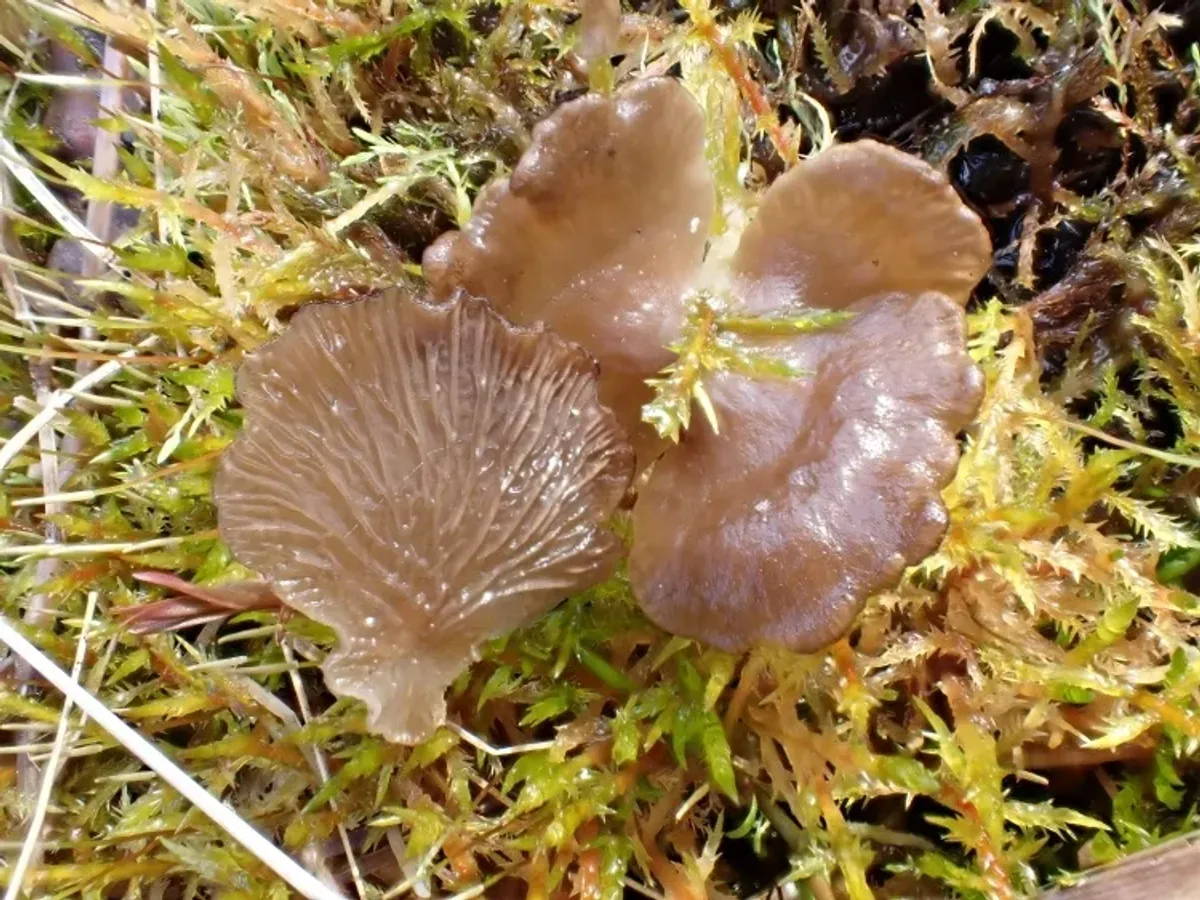 © Morten Pettersen (CC BY)
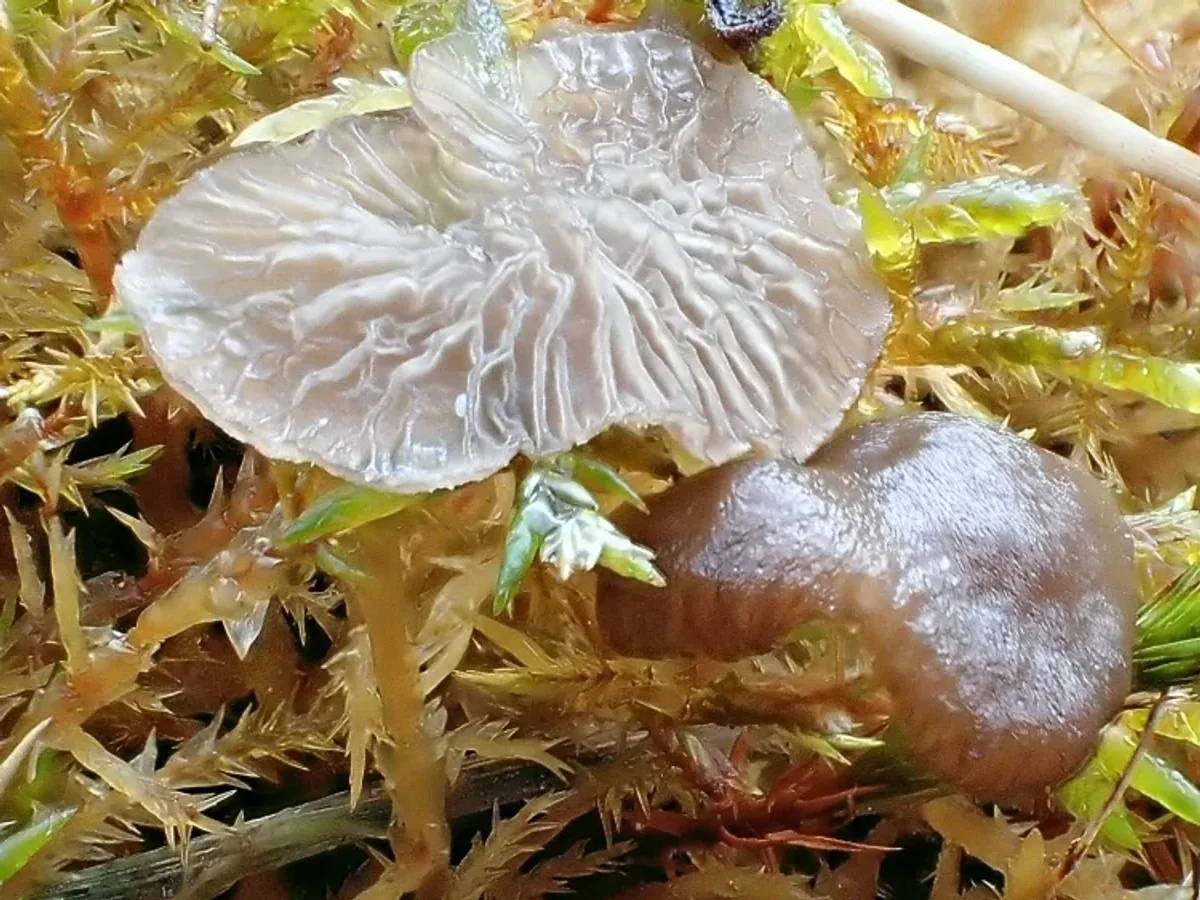 © Morten Pettersen (CC BY)
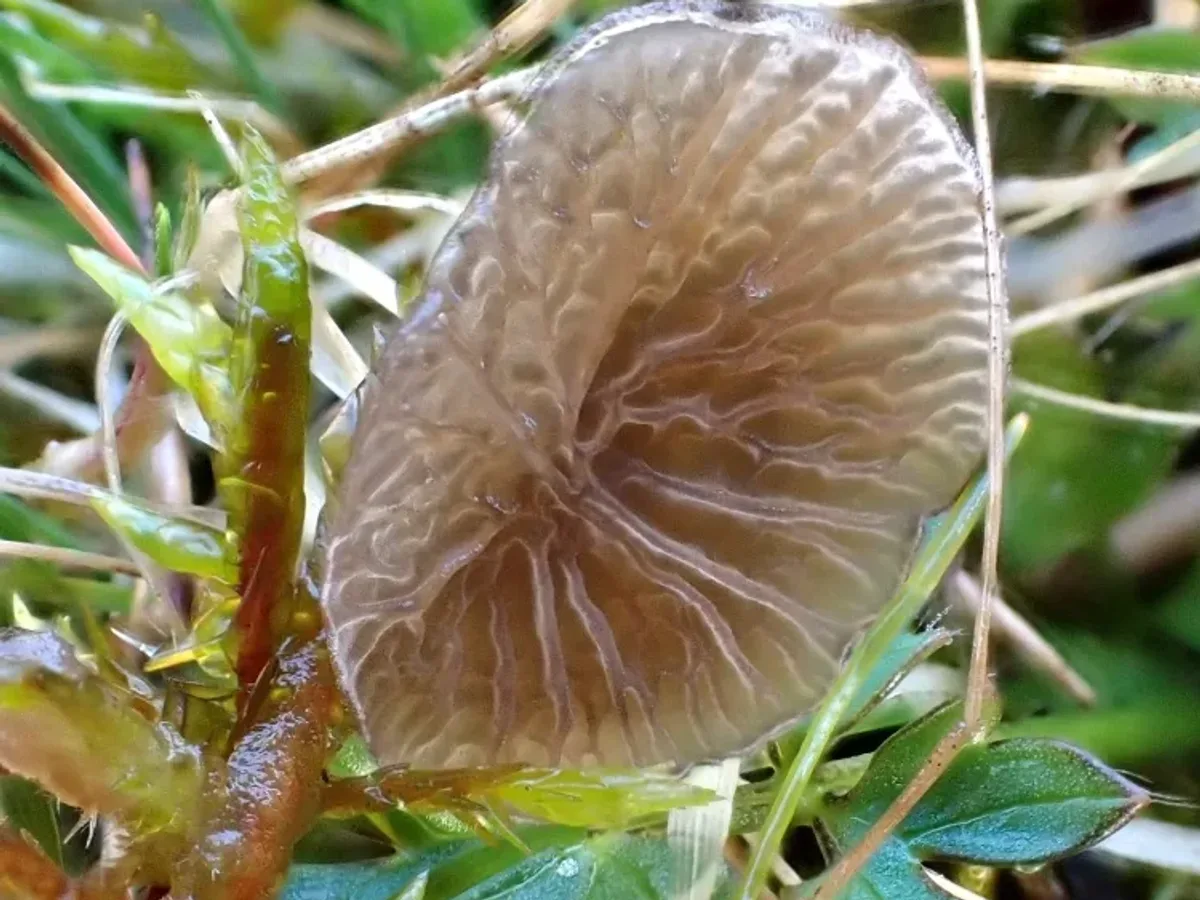 © Morten Pettersen (CC BY)
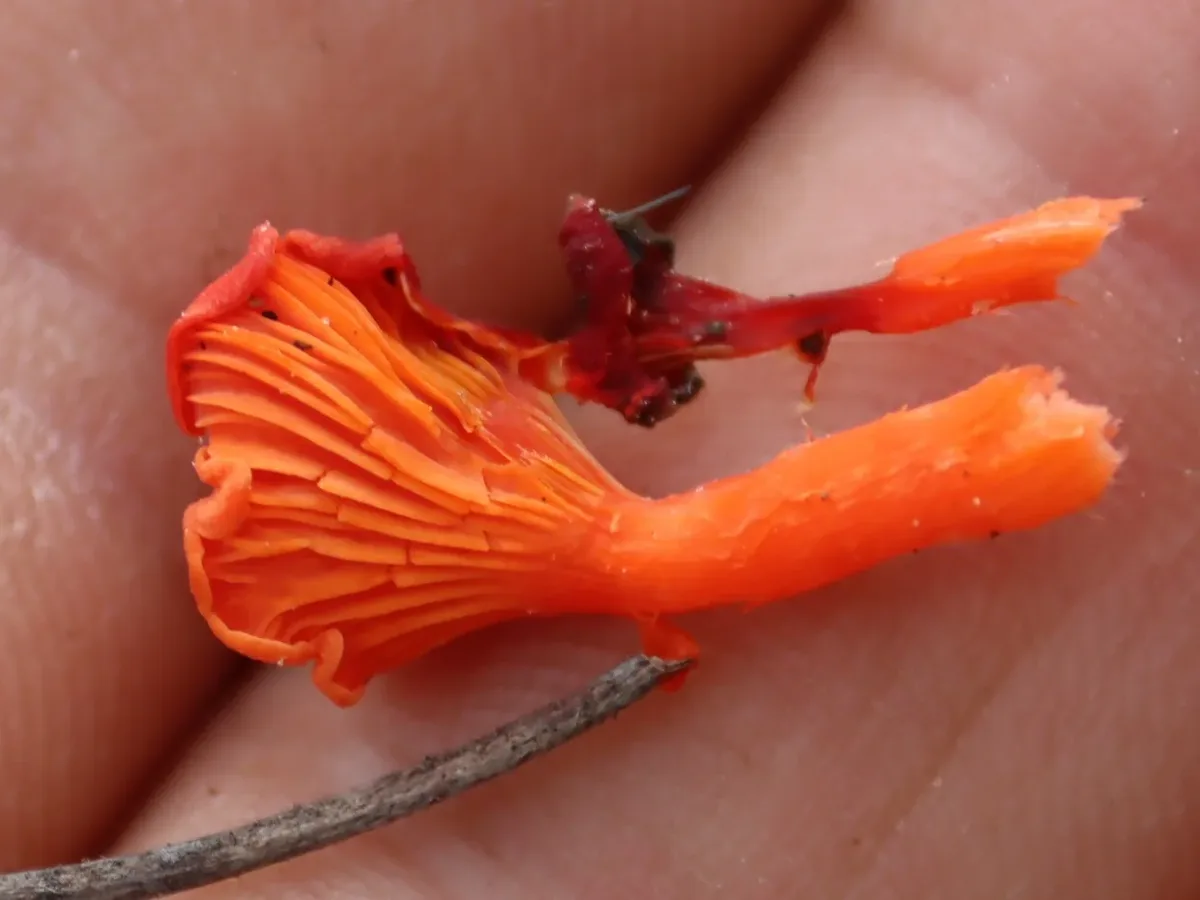 © Tony Rebelo (CC BY-SA)© Morten Pettersen (CC BY)© Morten Pettersen (CC BY)
Good to eat, once you have identified it with certainty and cooked it through.
How to recognise it
Cap
A classic chanterelle in form: a golden to ochre-yellow cap, 3-8 cm across, that starts convex and opens gradually into a shallow funnel with a wavy, lobed margin.
The cap surface is smooth and dry, and the colour - pale yellow through rich egg-yolk gold - is consistent from centre to edge, sometimes a little paler toward the centre.
Gills / Pores
The most important thing to check, both for recognition and for safety, is the underside. Cantharellus addaiensis bears blunt, waxy, repeatedly forking ridges that descend onto the stem - not true gills.
Press one gently: it is rubbery and interconnected, quite unlike the sharp, paper-thin, easily separated blades you find on toxic lookalikes. The ridges are pale cream-yellow to golden, matching the cap.
Stem
The stem (3-6 cm long, 0.7-1.5 cm wide) is solid and pale yellow, becoming whitish at the base.
Flesh
The flesh is firm and white to pale yellowish, does not stain when cut, and smells mildly fruity - a characteristic shared with chanterelles worldwide. Nothing here is sharp, bitter, or acrid.
Where & when it grows
Habitat
This species is endemic to the humid tropical forest zone of West Africa, named from collections made in Ghana.
Like all chanterelles, it is obligately mycorrhizal, forming a mutually beneficial symbiosis with the root systems of forest trees. This means it cannot be cultivated on artificial substrates and will only fruit in intact or semi-intact forest ecosystems with appropriate tree hosts.
The species has been documented under various tropical hardwood trees. It grows on soil, never on wood or dung.
In Ghana and the wider West African forest zone, the species likely occurs in rainforest, semi-deciduous forest, and transitional forest-savanna habitats where suitable host trees and seasonal rainfall patterns coincide.
The recurrent nature of mycorrhizal species means experienced local harvesters return to productive spots year after year.
When
Fruiting here is ruled by rain, not temperature. West African soils stay warm year-round, so it is the monsoon - not spring warming - that unlocks the season.
In Ghana the main rains run roughly April through October, most intensively May to July, with a secondary wet spell in September and October.
Fruitbodies appear during sustained wet stretches when the soil is thoroughly moistened; the dry season from November through March brings fruiting to a halt.
Local collectors learn to read the rains, heading out in the days after significant rainfall when the soil is still holding moisture.
How it grows
Fruitbodies appear singly or in scattered small groups on the forest floor among leaf litter and humus - never in dense clusters.
Because this species is ectomycorrhizal, its underground mycelium is woven into the roots of surrounding trees in a partnership that can persist for many years.
That long-lived connection means the same patch of forest can yield chanterelles season after season, which is why experienced local collectors keep their productive spots quiet and return to them reliably.
Individual fruitbodies develop slowly and can persist for several days before deteriorating, making it worth revisiting a good site within the same wet spell.
Fruiting conditions
Fruiting in tropical West Africa is triggered by sustained rainfall during the wet season, when soil temperatures are warm year-round (typically 20-32 °C). A minimum of approximately 30 mm of rainfall over 14 days combined with maintained soil moisture appears to promote fruitbody development. The flush lag of 5-12 days reflects the relatively slow development of chanterelle fruitbodies. Unlike temperate chanterelles where soil warming in spring is a trigger, in West Africa the primary limiting factor is moisture rather than temperature, since soils remain warm throughout the year.
Look-alikes
The most important dangerous confusions for chanterelles in West Africa involve Omphalotus species (jack-o'-lantern mushrooms), which are orange to yellow-orange fungi that cause severe gastrointestinal poisoning.
African Omphalotus species:
- grow in clusters at or near the base of trees or woody stumps
- have true, sharp, blade-like gills (never blunt forking ridges)
- may show faint orange bioluminescence in complete darkness
The clustered growth habit and true gills are reliable distinguishing features.
Hygrophoropsis aurantiaca (false chanterelle) occurs widely in the Northern Hemisphere and in montane and higher-altitude African forests; it has true, crowded, thin, forking gills, a downy-fibrillose cap surface, and causes gastrointestinal distress.
In tropical Africa, various other orange or yellow agarics and chanterelle-like species may co-occur, including Omphalotus olearius relatives and Hygrophoropsis species, all of which bear true sharp gills rather than the blunt waxy ridges of Cantharellus.
Always perform the ridge check: press gently on the hymenium - true gill blades are fragile and sharp-edged, while chanterelle ridges are rubbery, blunt, and difficult to separate individually.
Has true, crowded, thin, repeatedly forking gills that are clearly blade-like and fragile - not blunt waxy ridges. The cap surface is downy-fibrillose to velvety rather than smooth, and the colour is typically more uniformly bright orange throughout. The odour lacks the pleasant fruity character of chanterelles. Causes gastrointestinal distress and possibly neurological effects in some cases. The downy cap texture and sharp gills are reliable distinguishing features.
Omphalotus olearius and related African Omphalotus species are orange to orange-yellow and can superficially resemble chanterelles in colour, but always bear true, sharp, crowded, blade-like gills - never blunt forking ridges. They grow in dense clusters at the base of trees or from buried roots and cause severe gastrointestinal poisoning (cramping, vomiting, diarrhoea) beginning within 1-3 hours of ingestion. In complete darkness, the gills may show faint orange bioluminescence. Confirm blunt waxy ridges and solitary or scattered growth (not clustered) to exclude Omphalotus.
Tropical African forests host numerous yellow-orange gilled mushrooms in genera such as Pluteus, Volvariella, and various local saprotrophs. All true gilled mushrooms have sharp, blade-like gills as distinct lamellae. Any yellow or orange mushroom with true sharp gills should not be assumed to be a chanterelle. Perform the ridge/gill check on every specimen: chanterelle ridges are blunt, waxy, and forking; all other gill-bearing lookalikes have thin, sharp gills.
In the kitchen
Picking & cleaning
- Harvest by gently twisting and pulling the entire fruitbody, or cut cleanly at the base with a knife.
- Carry in a breathable basket or open container; avoid plastic bags, which accelerate deterioration through trapped moisture and heat.
- Brush debris from caps in the field.
Fresh chanterelles store well in a cool, well-ventilated space or the refrigerator, loosely wrapped in paper, for 3-5 days.
Confirm identification for every individual specimen before collecting - do not mix suspect specimens into a basket of confirmed chanterelles.
In tropical heat, mushrooms deteriorate faster than in temperate climates, so process or cook the harvest the same day if possible.
Cooking
As a tropical chanterelle, Cantharellus addaiensis is used as a prized food mushroom in local Ghanaian and West African cuisine.
The flavour is mild, pleasantly earthy, and slightly fruity - comparable to temperate chanterelles but sometimes described as somewhat milder in aroma. The firm, waxy flesh holds texture well during cooking and does not turn to mush.
The preferred preparation is to sauté or stir-fry over moderate to high heat with oil, allowing the fruitbodies to release their moisture first and then concentrate their flavour.
They are excellent in sauces, stews, and soups that form part of West African culinary traditions, pairing well with leafy vegetables, groundnut sauces, and starchy staples.
As with all wild mushrooms, thorough cooking is advisable to improve digestibility and destroy any surface microorganisms. Do not eat raw.
Good to know
Cantharellus addaiensis is edible and has a long history of collection as a food mushroom in West Africa. Safety rests entirely on correct identification.
Apply the three-point chanterelle check before consuming any specimen:
- 1The hymenium must consist of blunt, forking, waxy ridges, not true sharp gills. This is the single most critical feature.
- 2The fruitbody grows alone or in scattered groups on the ground, never in dense clusters at the base of trees or from buried wood.
- 3The odour should be mildly pleasant (fruity or neutral), never sharply acrid or foul.
Any specimen with true sharp gills, growing in a dense cluster, or with a bitter or unpleasant taste should be discarded immediately.
In West Africa, the risk of Omphalotus confusion is real - these toxic species share similar habitats and colour range.
When introducing young or inexperienced collectors, it is best to have an identification confirmed by a knowledgeable local expert or experienced mycologist before eating. If any doubt exists, do not eat.
A reference guide - never an edibility guarantee. When in doubt, leave it out.