Black wood ear
Auricularia heimuersyn. Auricularia cornea, Auricularia polytricha
 © Beah Vega (CC BY 4.0)
 葉子 (CC0)
 © Beah Vega (CC BY)
 © Beah Vega (CC BY)
 © Beah Vega (CC BY)
 © Beah Vega (CC BY)
 葉子 (CC0)
 葉子 (CC0)
 © Beah Vega (CC BY 4.0)
 葉子 (CC0)© Beah Vega (CC BY 4.0)葉子 (CC0)
Good to eat, once you have identified it with certainty and cooked it through.
How to recognise it
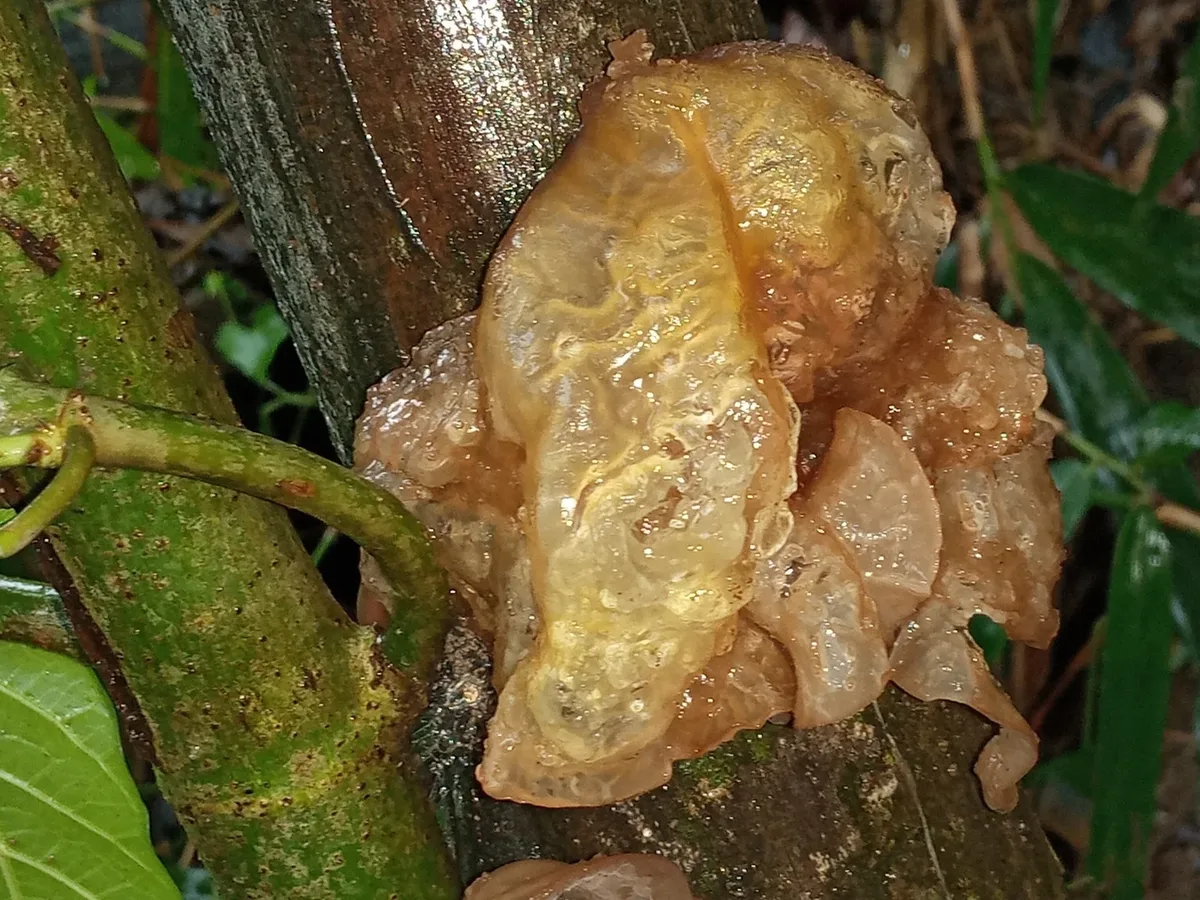
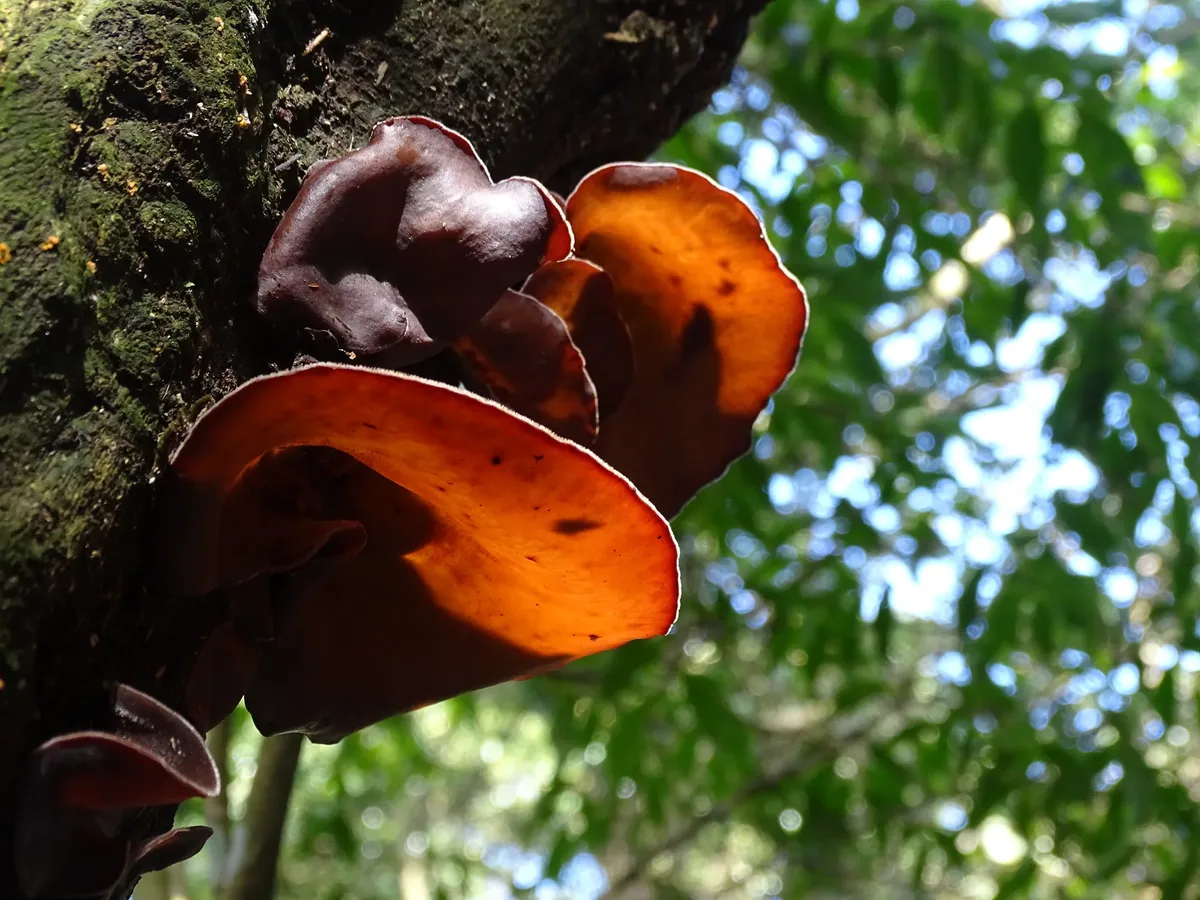
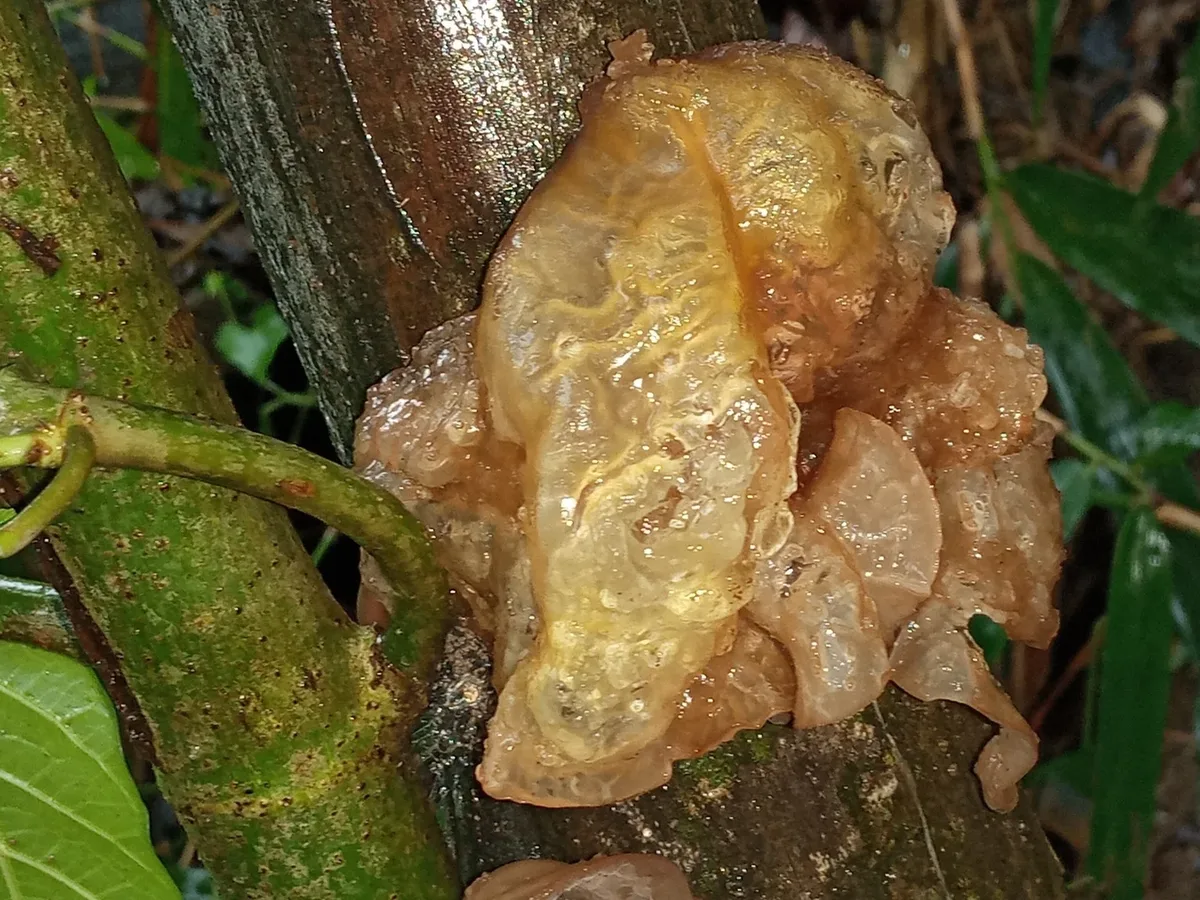
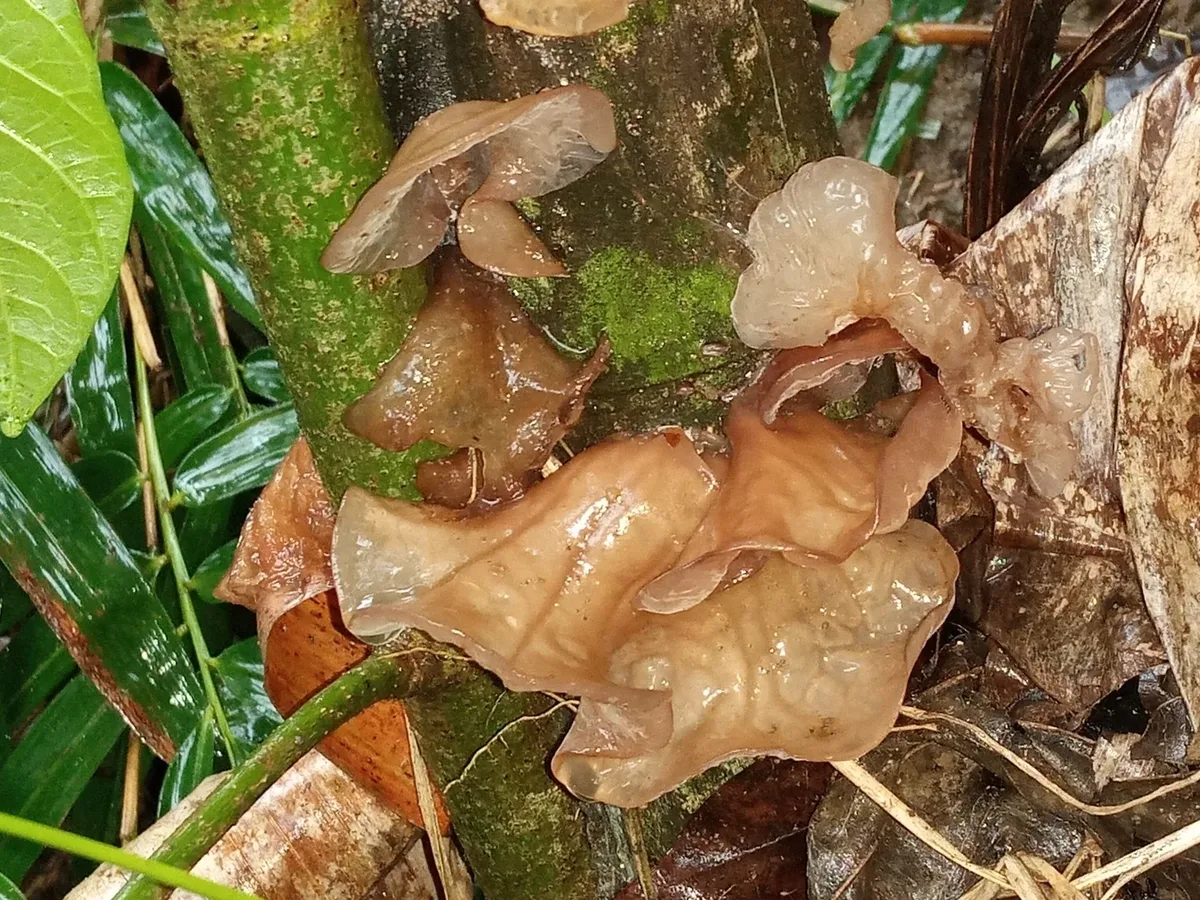
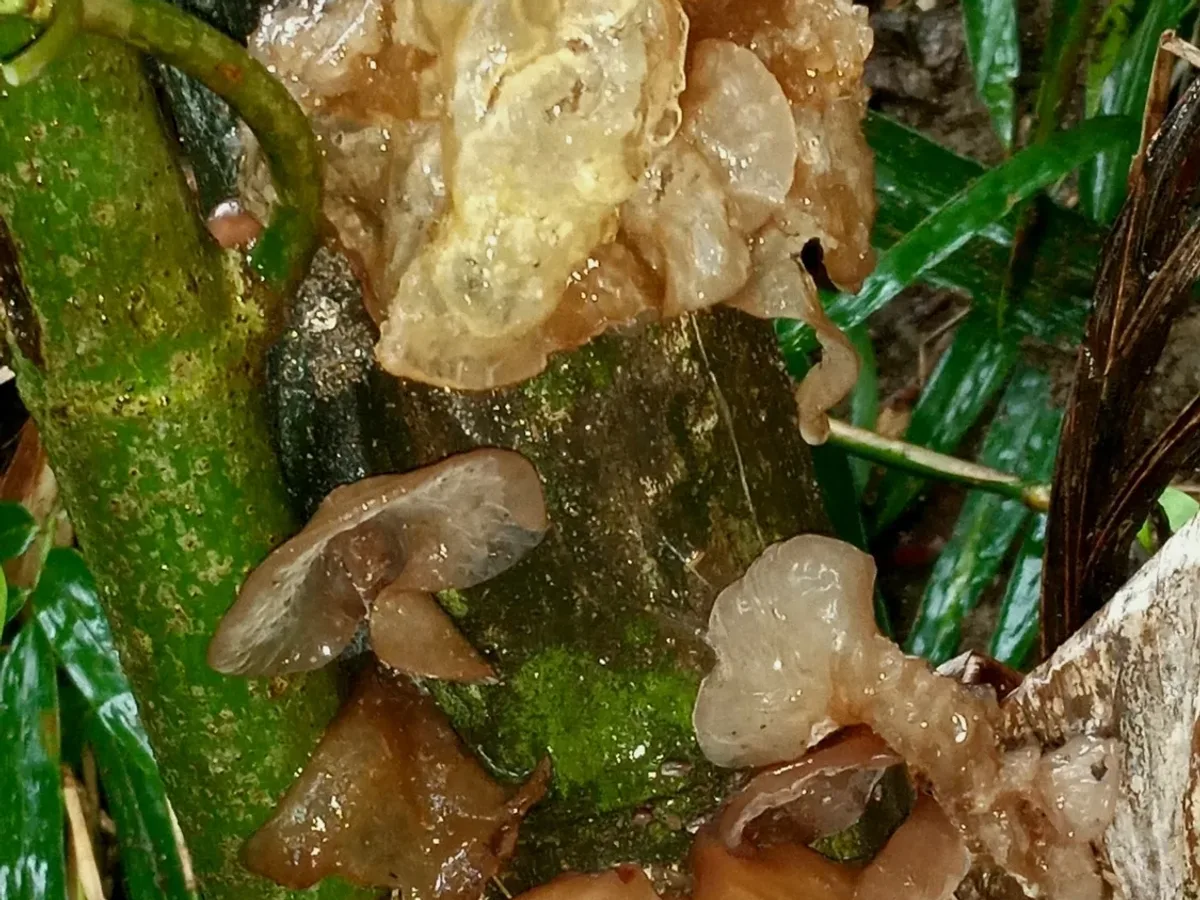
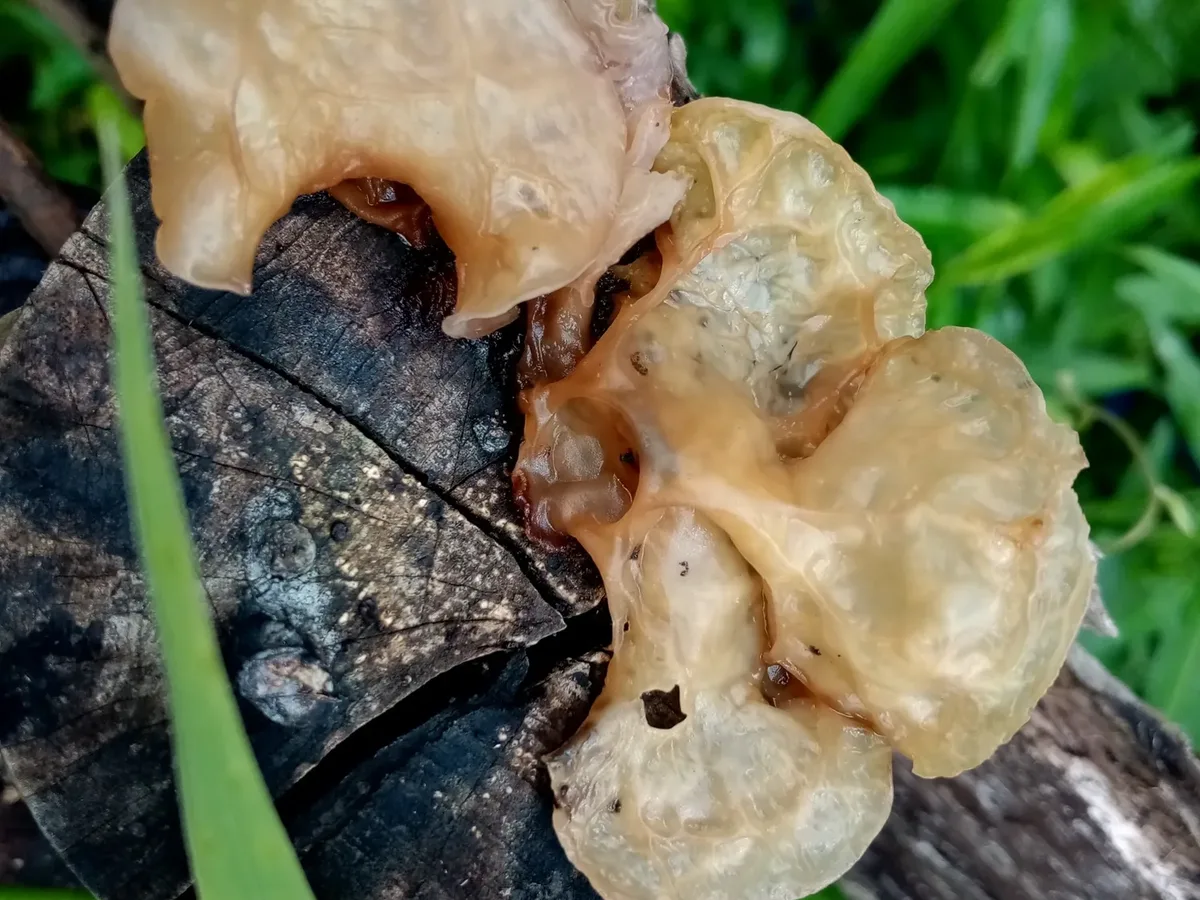
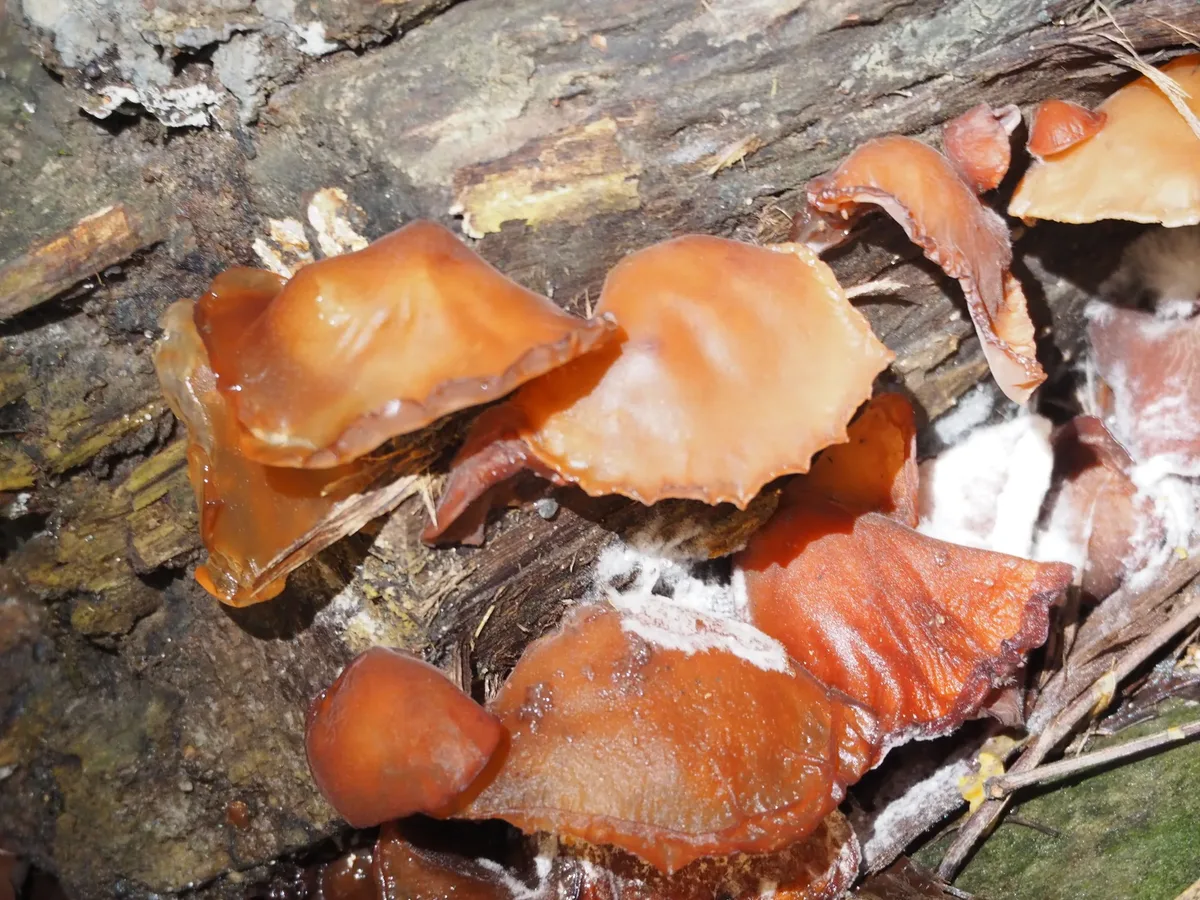
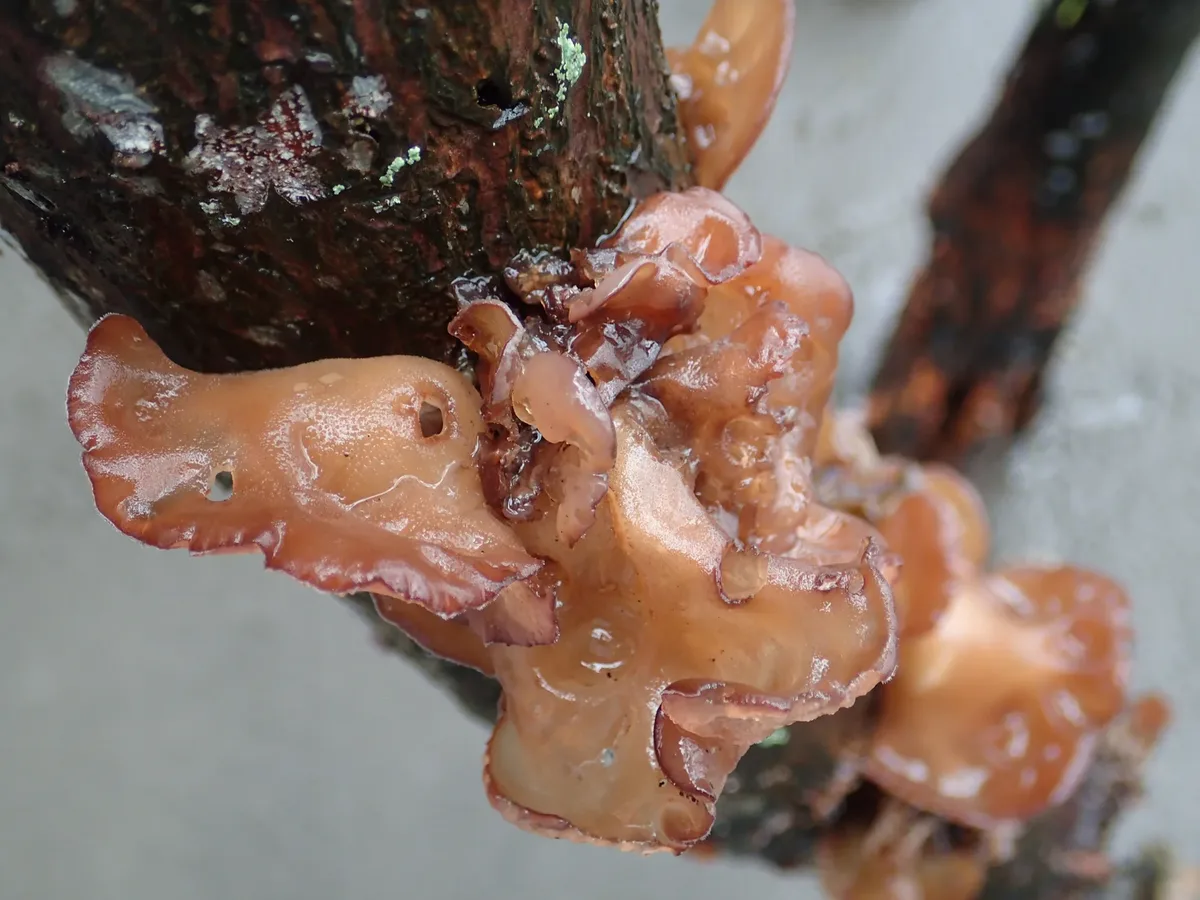
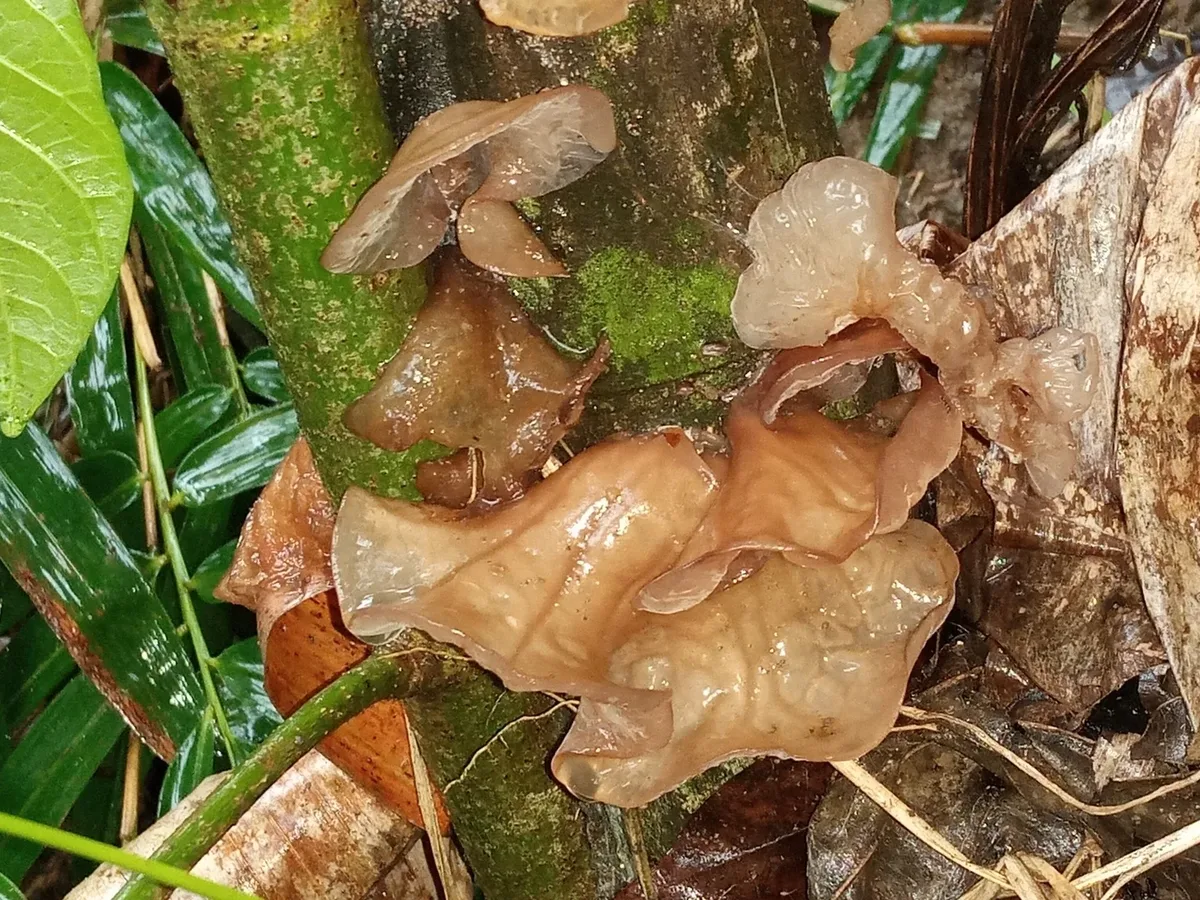
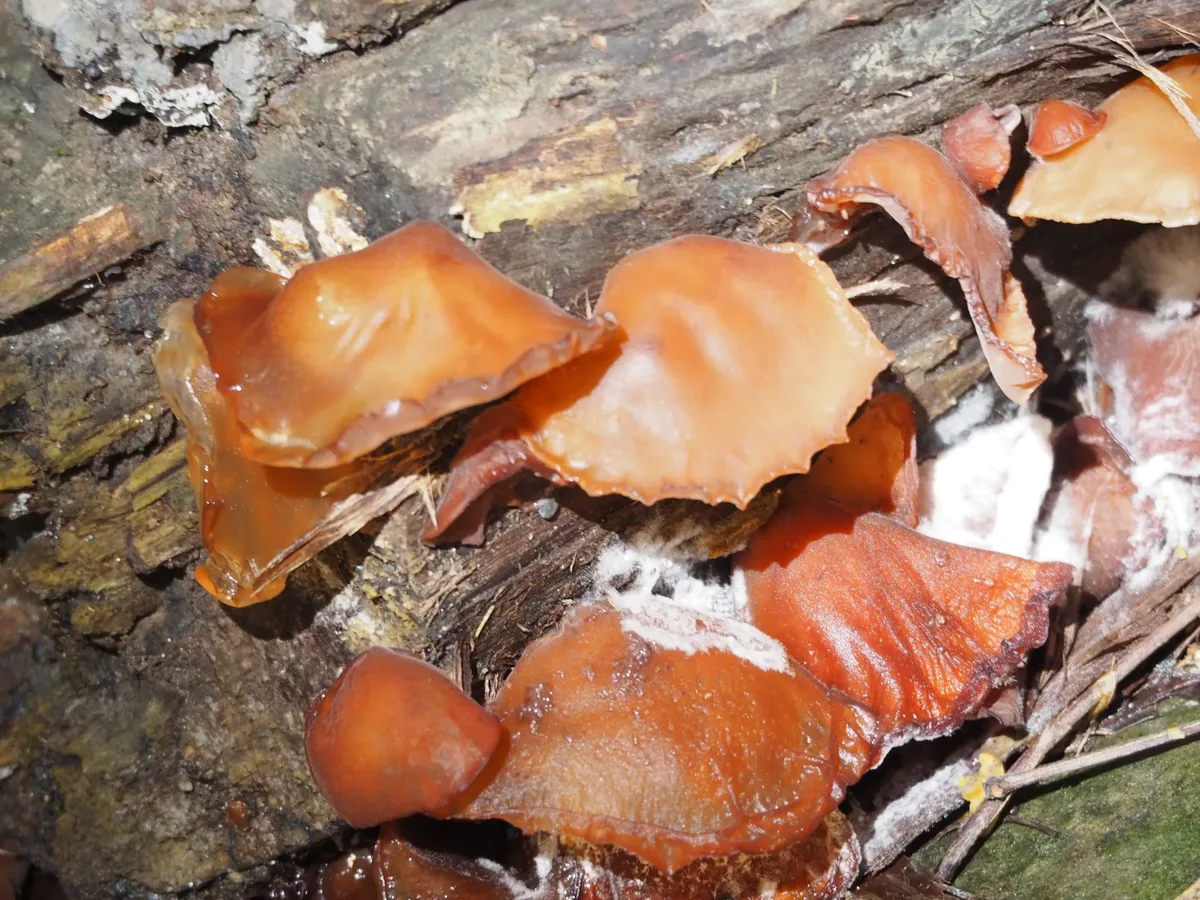
Auricularia heimuer grows as a single, laterally attached fruiting body - no stem, no cap in the conventional sense, just a fleshy lobe anchored to wood at one edge as if pressed there by a hand.
Mature specimens range from 3 to 12 cm across, though crowded clusters on a well-colonised log can produce smaller individuals packed tightly side by side.
The colour runs from warm chestnut-brown in young, actively growing specimens to a deep mahogany or near-black in older or drying ones.
The outer (upper, convex) surface is smooth and distinctly glossy when moist, almost wet-looking. The inner (lower, concave) surface is matte and covered in a fine, velvety pubescence of short white hairs - a character you can feel with a fingertip.
In cross-section the tissue is translucent, uniform, and gelatinous, without any internal chambers, gills, or pores.
Dried specimens shrink to thin, rigid, almost plastic-feeling chips and darken to near-black; placed in cold water for 20-30 minutes they expand back to very nearly their original size and regain their characteristic rubbery resilience. This reversible dehydration is a defining trait of the genus Auricularia and helps distinguish it from other jelly fungi whose texture does not recover as cleanly.
Where & when it grows
Habitat
Auricularia heimuer occupies a clear ecological role: it is a white-rot wood saprotroph, producing enzymes - laccases, peroxidases, and cellulases - that break down both the lignin and cellulose in dead hardwood.
In the wild, it colonises recently dead or dying logs and branches, favouring oaks (Quercus) but recorded also on mulberry, elder, and various other broadleaf trees across its native range.
The species is found from northern and central China (where it was first formally described from Heilongjiang province) through the Korean peninsula, the Japanese archipelago, and into the Russian Far East - a temperate-to-warm-temperate zone that experiences both cold winters and hot, humid summers.
It does not associate with living roots or form mycorrhizae; it has no need of a forest floor partnership because everything it requires - carbon, nitrogen, mineral nutrients - is locked inside the woody substrate it inhabits. This independence from soil communities means it can appear on isolated fallen logs in secondary forest, along riverbanks, or even in urban parks wherever a suitable dead broadleaf tree exists and summer humidity is sufficient.
In 2014, phylogenetic analysis formally separated the East Asian populations from the morphologically similar European Auricularia auricula-judae, recognising heimuer as a distinct species, though the two are still difficult to tell apart by eye alone.
When
In its native temperate East Asian range, Auricularia heimuer has a well-defined fruiting window tied closely to warmth and moisture rather than to photoperiod or soil temperature.
Primordia first appear on suitable wood in May as temperatures rise above 15 °C, and fruiting continues through October. The peak is July and August, when monsoon or summer rain keeps relative humidity consistently above 80% - the threshold below which primordia do not initiate and developing fruitbodies desiccate and abort.
A single prolonged wet spell of several days is typically enough to trigger a flush; the gelatinous fruitbodies can form noticeably within 24-48 hours of conditions turning favourable, swelling rapidly as they absorb water.
Between flushes, the mycelium inside the log persists through drier or cooler periods, waiting for the next suitable event. In cold winters, vegetative growth slows dramatically or halts entirely, but the mycelium is frost-hardy within the insulating wood.
Because of these requirements, wild populations in Korea and northern Japan often produce two or three distinct flushes across a season rather than one continuous crop, each triggered by a significant rain event following a dry interval. Commercially cultivated strains are grown in humidity-controlled facilities and produce year-round.
How it grows
As a white-rot saprotroph, Auricularia heimuer does what relatively few organisms can: it dismantles the structural polymer lignin, one of the most chemically resistant compounds in nature. It uses secreted oxidative enzymes to unlock the cellulose and hemicellulose beneath.
The mycelium spreads invisibly through the wood, progressively softening its internal structure while the surface remains intact for weeks or months before a fruitbody appears.
When conditions are right - warmth and high humidity sustained for several consecutive days - pinheads form at the wood surface, often in clusters. They enlarge rapidly as the gelatinous tissue absorbs water from the humid air around it.
The entire above-wood structure you see is essentially a water-filled matrix of fungal hyphae held in a gelatinous polysaccharide gel; this is why the fruitbody collapses so completely when dried.
Auricularia heimuer is among the most commercially cultivated fungi on earth. China dominates production overwhelmingly, with output in recent years reaching approximately 7 million tonnes fresh weight annually - achieved on inoculated sawdust blocks or short oak logs held in humid sheds.
Cultivated strains are selected for large, flat fruitbodies and high yields per substrate block. The species grows across a moderate temperature range (15-28 °C optimal) and can complete an entire flush cycle from pinning to harvest-ready in as little as four to six days under ideal conditions.
Fruiting conditions
Wood-decomposing saprophyte that fruits during warm, humid periods following rain; not soil-temperature driven like mycorrhizal species.
Look-alikes
In the field, Auricularia heimuer's combination of characters - gelatinous texture, ear-shaped form, dark brown-to-black colour, finely hairy inner surface, and growth on dead broadleaf wood - is distinctive enough that dangerous confusion is unlikely. No toxic or deadly fungus reliably mimics fresh wood ear in East Asia.
The only meaningful lookalike concern arises with the dried product, where Auricularia heimuer can be confused with dried silver ear, Tremella fuciformis and related Tremella species, which are also sold as white or translucent dried jelly-fungus chips.
Silver ear is entirely harmless, widely eaten, and distinguished from dried wood ear by its paler colour (cream to pale gold) and more irregularly branched, coral-like lobes rather than the smooth, flat ear shape of Auricularia. No toxic Tremella species are known from the region.
In tropical Southeast Asia, the related Auricularia cornea (formerly included under A. polytricha) occurs on similar substrates; it is edible, slightly different in texture (thicker, firmer hairs on the inner surface), and not dangerous.
Foragers new to the genus should simply confirm the gelatinous jelly texture, the lateral attachment without a stem, and the growth on dead wood before collecting, and avoid any hard-stemmed or soil-growing lookalike regardless of superficial colour similarity.
When dried, wood ear can be confused with dried silver ear (Tremella), but those are harmless.
In the kitchen
Picking & cleaning
Wild Auricularia heimuer is picked by cutting or twisting the fruitbody cleanly away from the wood. The lateral attachment point is firm but not deeply embedded, and a short, clean twist usually separates it without damaging the substrate or leaving a wound that might allow competitor moulds to establish.
Because the fresh fruitbody is 85-90% water by weight, it deteriorates quickly after picking: texture softens, the surface loses its gloss, and microbial spoilage begins within a day or two even in a cool bag. For this reason, nearly all wild-harvested and cultivated wood ear reaches consumers as a dried product.
Traditional drying is done in direct sun, which reduces the fruitbodies to thin, rigid chips within one to two days and halts microbial activity. Before use, dried wood ear is rehydrated in cold or room-temperature water for 20-30 minutes - sufficient to restore volume and flexibility.
After soaking, trim away the firm, slightly chewy central attachment nub (it does not soften as completely as the rest) and rinse thoroughly to remove any grit trapped in the fine hairs on the inner surface.
Fresh specimens, where available at Asian grocery markets, require no soaking but should be rinsed and have the attachment point trimmed before cooking. Whether fresh or reconstituted, cook within a day of preparation.
Cooking
Auricularia heimuer is prized overwhelmingly for its texture, not its flavour. The taste is mild and neutral, sometimes described as faintly earthy or marine, but its central place in East Asian cooking comes from the unique bite: firm yet yielding, crunchy yet slippery, with a quality that holds up across long cooking times that would destroy most other mushrooms.
The texture comes from the gelatinous polysaccharide matrix - primarily beta-glucans and a heteropolysaccharide specific to the Auricularia genus - that does not break down at typical cooking temperatures. This also means it does not shrink meaningfully or go mushy when boiled.
In Chinese cooking it appears in hot and sour soup (酸辣汤), mu shu pork, cold dressed salads with sesame oil and vinegar, braised dishes, and a wide range of stir-fries - almost always alongside contrasting textures like tofu, lily buds, or bamboo shoots. In Japan it is used in ramen toppings and salads.
Dried wood ear more than doubles in size on reconstitution; account for this when scaling recipes.
The polysaccharides in Auricularia heimuer have been studied for antiplatelet (mild blood-thinning) activity at high dietary intake - a noted property in traditional Chinese medicine pharmacology - though at culinary amounts this is not a meaningful clinical concern for most people.
Good to know
Auricularia heimuer is a safe, widely consumed edible species, but two specific food-safety points require attention and are clinically significant.
- 1Raw or inadequately cooked wood ear is hard to digest due to the undenatured polysaccharide matrix and can cause gastrointestinal discomfort; always cook thoroughly.
- 2Do not soak dried wood ear at room temperature for extended periods.
On that second point: cases of severe food poisoning attributed to prolonged room-temperature soaking of dried wood ear have been reported in China, with some fatalities.
The responsible toxin is bongkrekic acid, produced by the bacterium Burkholderia gladioli pathovar cocovenenans (formerly classified under Pseudomonas and Flavobacterium), which can proliferate in starchy or carbohydrate-rich wet substrates held at warm temperatures. Bongkrekic acid inhibits mitochondrial ATP/ADP transport and is not destroyed by subsequent cooking.
The safety rule is simple and absolute:
- Soak dried wood ear in the refrigerator (4 °C), not at room temperature.
- Soak for no more than 30 minutes to one hour.
- Discard any water used for soaking.
- Do not soak overnight.
This hazard is not intrinsic to the fungus itself - it arises from the bacterial contamination enabled by improper preparation - but it is serious enough that the Chinese CDC has issued public warnings about it.
A reference guide - never an edibility guarantee. When in doubt, leave it out.